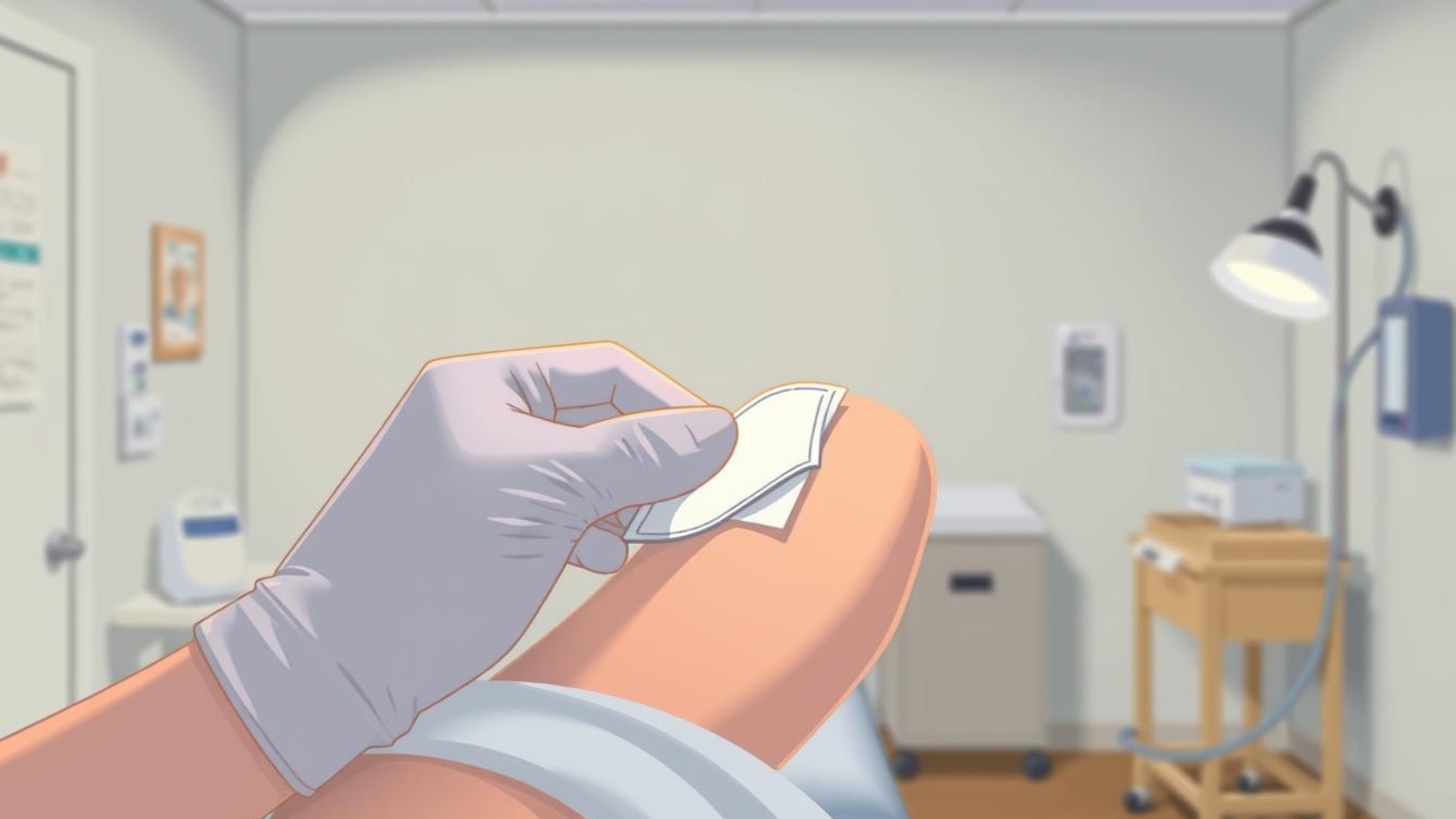
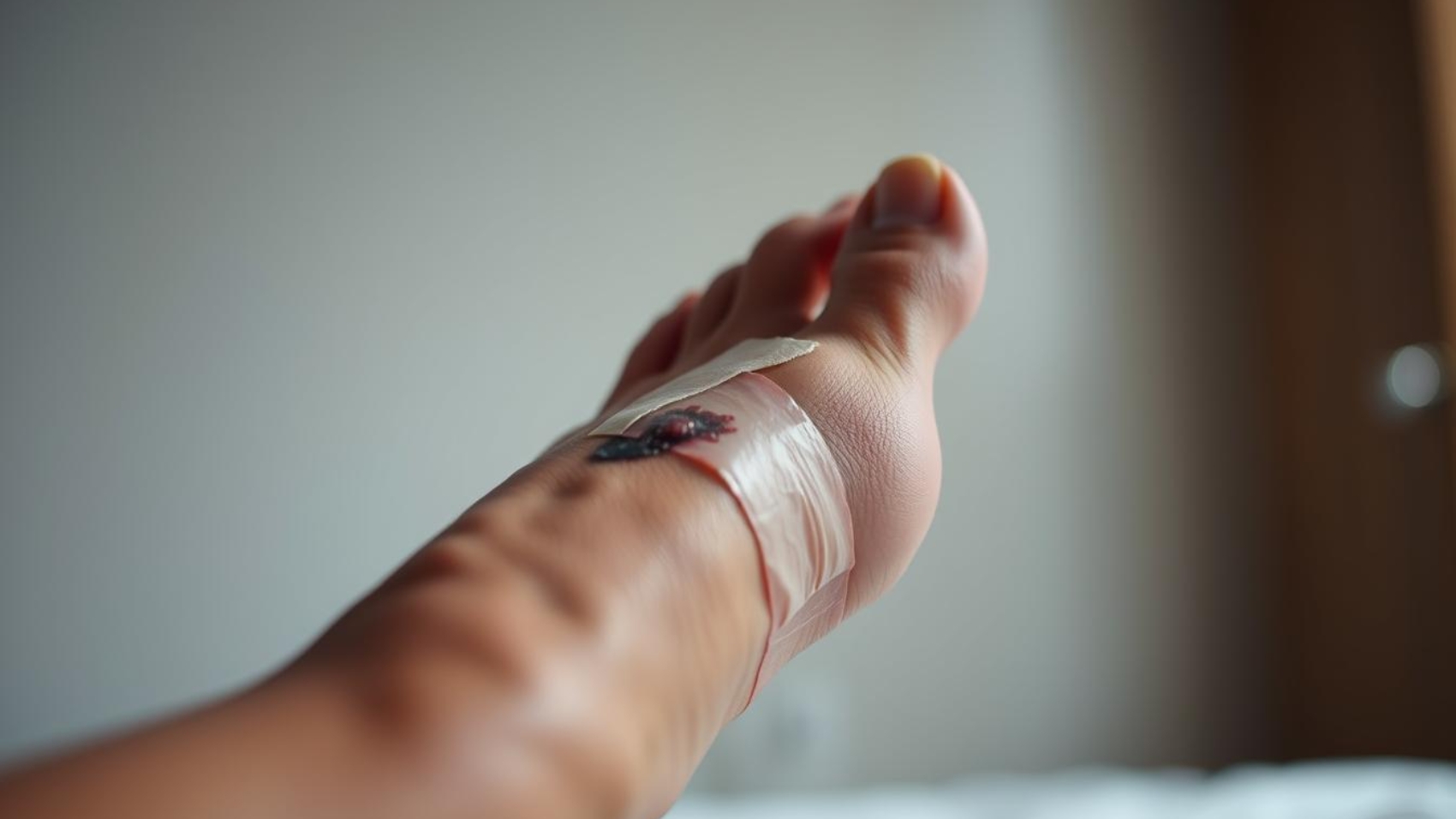
Surgical wound healing

How to Speed Up Surgical Wound Healing with Professional Home Care

Recovering from surgery can be tough, mainly when it comes to tissue repair and surgical wound healing. Getting professional home care can really help your healing process.

Professional home care gives you the support and guidance you need for a smooth recovery. With the right care, you can lower the chance of problems and help your tissue repair get better.

Choosing professional home care means you get personal attention and expert advice. This can help you heal faster and lower the risk of complications.

Key Takeaways

  • Professional home care can significantly impact your recovery from surgery.
  • Receiving care at home can reduce the risk of complications.
  • Personalized attention and expert guidance can promote optimal tissue repair.
  • Dominion Mobile Wound Care offers expert professional home care services.
  • Trusting a professional service can lead to faster healing times and improved overall health.

The Critical Role of Specialized Wound Care After Surgery

Getting the right wound care after surgery is key to avoiding problems and quick healing. Specialized care means you get a plan made just for you. This plan helps a lot with your incision recovery.

Why the First 72 Hours Matter Most

The first 72 hours after surgery are very important. This is when the chance of problems like infections is highest. Getting expert wound care during these days can greatly lower the risk of issues. It helps your body heal well.

Recent Statistics on Post-Surgical Complications

Even with great care, complications can happen after surgery. But, the numbers show that with good wound care, these can be much lower.

Infection Rates in Home vs. Hospital Settings

Research shows that infection rates differ between home and hospital care. With the right care, home recovery can be as good as or even better than hospital care. This is because home care often includes more personal attention and surgeon follow-up.

Infections don’t heal by themselves and can slow down healing. So, getting the right care is very important. It helps avoid these problems and speeds up your recovery.

Surgical Wound Healing: The Science Behind Tissue Repair

Understanding tissue repair is key for good surgical wound healing. The healing process is complex, with many steps. It involves cells and molecules working together.

The Four Biological Phases of Healing

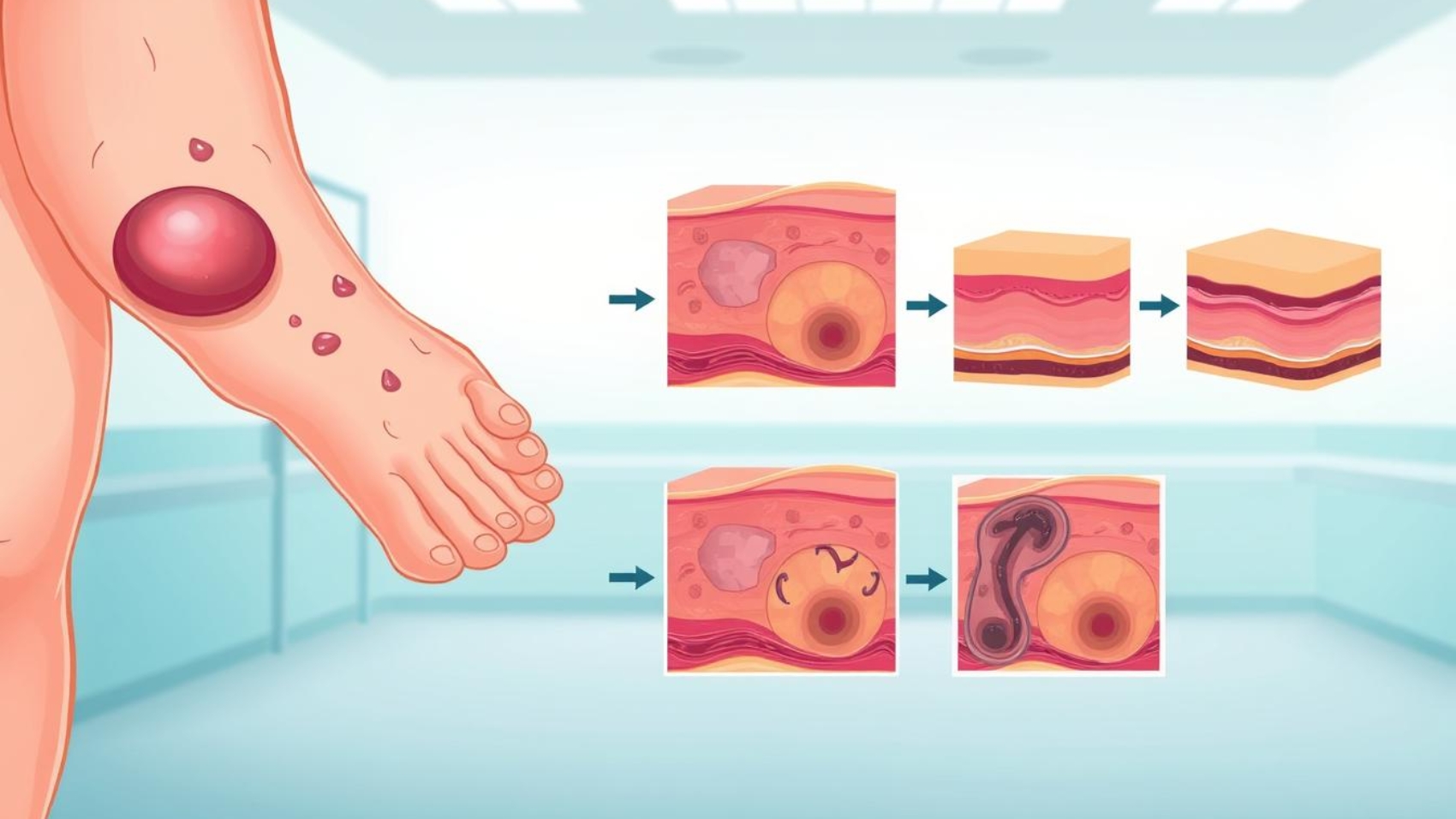
The healing process has four main phases: inflammatory, proliferative, maturation, and remodeling.

Inflammatory Phase

The inflammatory phase starts with injury. It includes bleeding, inflammation, and immune cell activation. This phase cleans the wound for healing.

Proliferative Phase

In the proliferative phase, the body rebuilds tissue. It forms granulation tissue and adds collagen. New blood vessels appear, and the wound starts to close.

Maturation Phase

The maturation phase refines the tissue. It makes the new tissue like the original. This phase is about improving tissue structure and function.

How Different Surgical Techniques Affect Recovery Time

Different surgeries affect recovery times differently. Minimally invasive surgeries heal faster than open surgeries. The choice of surgery impacts trauma, bleeding, and inflammation. These factors influence healing.

Breaking News: Latest Advances in Wound Care Technology

The field of wound care is changing fast with new technologies. These new tools are making healing better and making patients happier.

FDA-Approved Treatments Released in 2023

In 2023, the FDA approved new wound care treatments. These include advanced dressings and topical therapies. They help wounds heal faster and prevent problems.

For example, bioactive dressings help wounds grow back faster. This means patients can get better quicker.

Smart Dressings That Monitor Healing Progress

Smart dressings are a big deal in wound care. They have sensors that track how a wound is healing. This gives doctors the info they need to help patients better.

These smart dressings are changing home care for the better. Patients can get top-notch care at home. This makes patients happier and saves money on healthcare costs.

As technology keeps getting better, we’ll see even more cool stuff. This will make healing from surgery even better for everyone.

Risk Factors That May Be Slowing Your Recovery

Knowing what affects your recovery is key. Some medical conditions and daily habits can speed up or slow down healing after surgery.

Medical Conditions That Compromise Healing

Some health issues can really slow down your recovery. It’s important to manage these conditions well for the best healing.

Diabetes and Vascular Issues

Diabetes can make it hard for blood to flow to wounds. This is because blood carries oxygen and nutrients needed for healing. Vascular problems can make this even tougher.

Immune System Disorders

If you have an immune system disorder, your body might not fight off infections well. This can slow down healing. It’s vital to work with your doctor to manage your condition while recovering.

Everyday Habits That Hinder Wound Closure

Your daily habits can also affect your recovery. Smoking, for example, can reduce blood flow and oxygen to wounds. A bad diet without important nutrients can also slow down healing.

surgical wound healing risk factors

By understanding and managing these risks, you can create a recovery plan with your healthcare team. This plan can help you heal better and avoid complications.

Why Professional Home Care Is Transforming Surgical Recovery

The way we recover from surgery is changing. Professional home care is leading this change. It offers medical treatment in the comfort of your home, making it a great option for those recovering.

The Shift from Hospital to Home-Based Recovery Models

Before, patients stayed in the hospital for a long time after surgery. But now, with better technology and higher hospital costs, home-based recovery is becoming more common. It’s a more comfortable and affordable way to heal.

Dominion Mobile Wound Care’s Specialized Approach

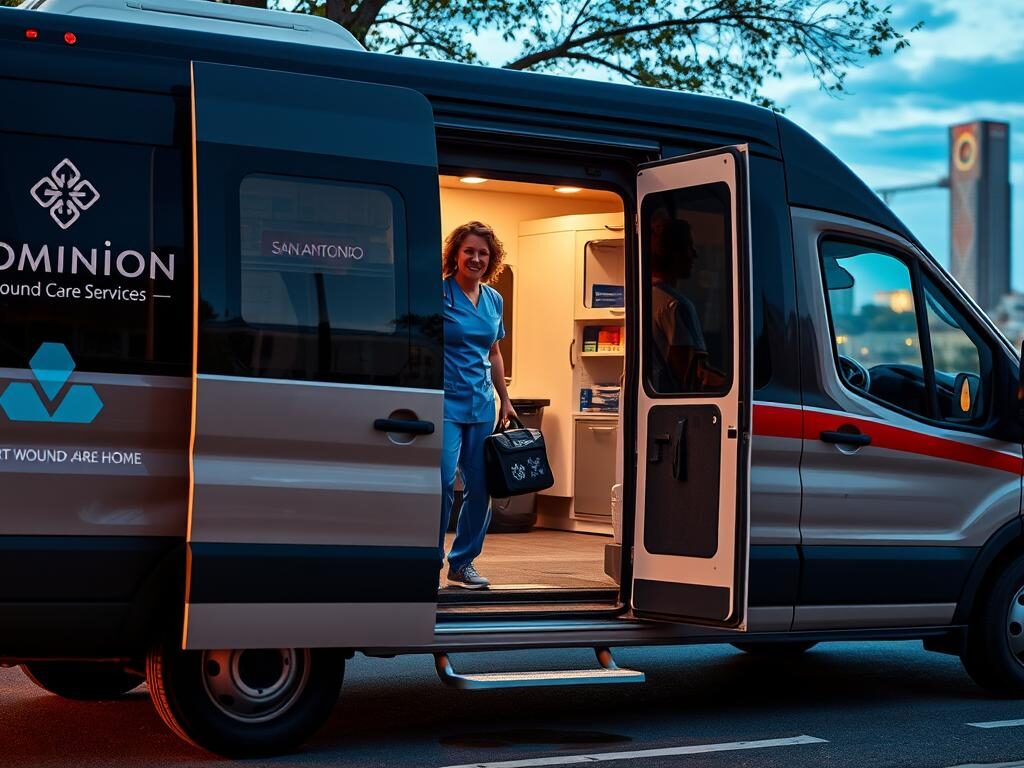
Dominion Mobile Wound Care is at the forefront of home-based wound care. They focus on giving each patient the care they need, tailored just for them.

Personalized Treatment Protocols

Dominion Mobile Wound Care uses personalized treatment protocols. These plans are made for each patient’s wound. They ensure patients get the best care for their needs.

Advanced Equipment Available for Home Use

They also bring advanced medical equipment to your home. This equipment helps track how wounds are healing and makes timely interventions.

By combining personalized care with advanced equipment, Dominion Mobile Wound Care helps patients recover faster and better. This new approach is changing how we think about recovering from surgery, making it more focused on the patient.

Evidence-Based Nutrition Strategies for Faster Healing

Evidence-based nutrition strategies are key for faster healing and less complications after surgery. A balanced diet with essential nutrients helps the body repair itself. This makes recovery smoother.

The Protein-Collagen Connection in Tissue Repair

Protein intake is linked to collagen synthesis for tissue repair. Enough protein boosts collagen production, which is key for wound healing and strength. Add protein-rich foods like lean meats, fish, eggs, and dairy to your meals.

Micronutrients That Accelerate Incision Recovery

Certain micronutrients help speed up recovery. Zinc is important for enzyme work and protein making. Vitamin C is vital for collagen making and keeping the immune system strong.

Zinc, Vitamin C, and Other Essential Nutrients

Nutrient Role in Healing Food Sources
Zinc Enzyme function, protein synthesis Oysters, beef, chicken
Vitamin C Collagen synthesis, immune function Citrus fruits, berries, leafy greens
Protein Tissue repair, collagen production Lean meats, fish, eggs, dairy

For more detailed nutrition tips to promote faster wound healing at, visit our resource page.

Clinical Guidelines for Wound Cleaning and Management

Knowing the clinical guidelines for wound cleaning is key to your recovery. Proper care is vital to avoid infections and speed up healing. The American College of Surgeons updates its protocols to help healthcare professionals achieve the best results for patients.

Updated Protocols from the American College of Surgeons

The American College of Surgeons updates its guidelines often. They reflect the newest research and best practices in wound care. These updates stress the need for proper wound cleaning and dressing techniques to prevent issues.

Step-by-Step Wound Care Techniques

Effective wound care involves several steps. These steps should be followed carefully. This includes:

  • Proper Cleansing Methods: Using the right cleaning solutions and techniques to avoid damaging tissue.
  • Dressing Selection and Application: Choosing the appropriate dressing for your wound type and applying it correctly.

Proper Cleansing Methods

Cleansing your wound properly is essential. Use saline solution or water to gently clean the wound. Avoid harsh soap or other cleansers that can irritate the wound.

Dressing Selection and Application

Choosing the right dressing depends on your wound’s type and size. Your healthcare provider can help you pick the best one. Apply the dressing as directed to keep your wound moist and protected.

By following these guidelines and working with your healthcare team, you can ensure your wound heals well and fast. Remember, effective wound care is a critical part of your recovery.

Red Flags: When to Contact Your Surgeon Immediately

After surgery, knowing when to get help is key. Your surgeon’s follow-up care is vital for any issues that come up.

Critical Warning Signs of Complications

Knowing the signs of wound problems is important. This way, you can act fast. These signs include:

Infection Indicators

  • Increased redness or swelling around the wound
  • Pus or discharge from the wound
  • A foul odor from the wound
  • Fever or chills

Dehiscence and Other Structural Issues

  • Opening or separation of the wound edges
  • Increased pain or tenderness
  • Bleeding or hematoma

Emergency Response Protocol for Wound Problems

If you notice these symptoms, contact your surgeon right away. Waiting too long can cause big problems. Your quick action can greatly help your recovery.
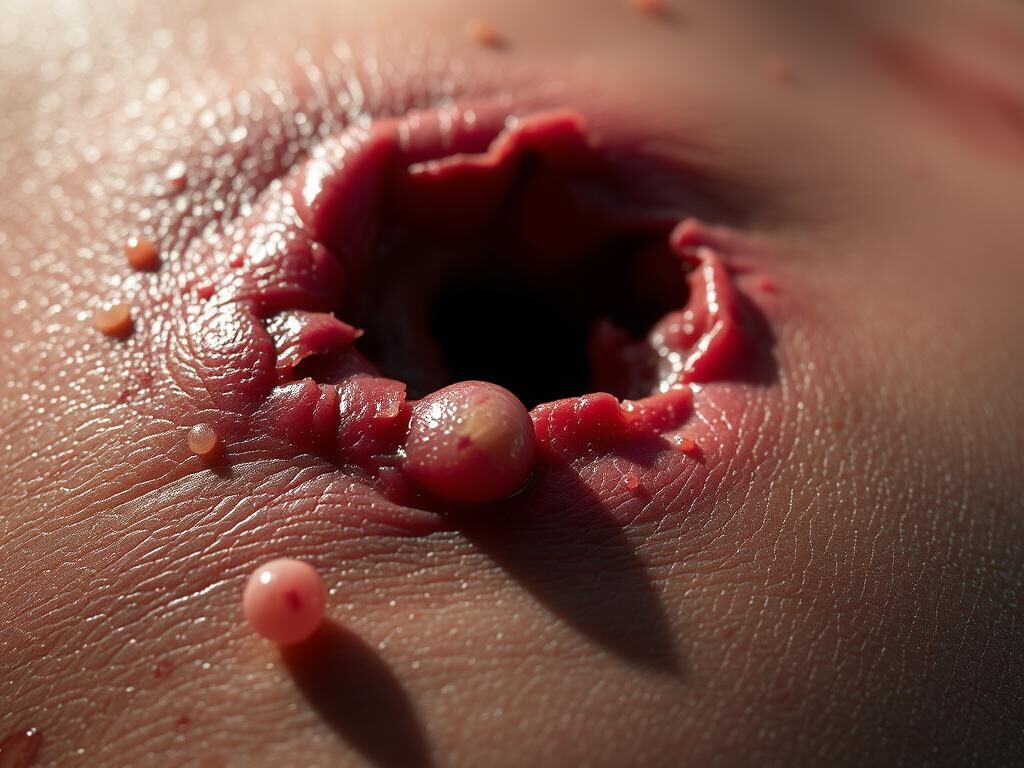
wound complications

How Specialized Wound Care Professionals Enhance Surgeon Follow-Up

Specialized wound care professionals are key in improving follow-up care after surgery. They make sure your wound heals right, cutting down on complications.

The Complementary Role of Wound Specialists

Wound specialists team up with your surgical team for full care. They offer:

  • Expert assessment of wound healing progress
  • Personalized care plans tailored to your needs
  • Education on wound care and management

Technologies Used for Remote Monitoring and Assessment

Advanced tech lets wound care pros monitor you from afar. They can see how you’re healing and act fast if problems pop up. Some tools they use are:

  • Digital wound imaging
  • Remote patient monitoring systems

Telemedicine Innovations in Wound Care

Telemedicine has changed wound care by making virtual visits possible. This means:

  • Less need for in-person visits
  • More access to care for those far away or with mobility issues
  • Quicker help when needed

With these tools and teamwork with surgeons, wound care pros can greatly improve your healing journey.

Creating a Seamless Care Transition Plan

Seamless care transition is more than just handing over care. It’s a key part of your recovery after surgery. A good care transition plan makes sure you get continuous, top-notch care from the hospital to your home.

Coordinating Between Hospital Discharge and Home Care

It’s important to have good communication between hospital teams and home care providers. They need to know about your treatment, medicines, and any special needs you have.

Documentation Systems That Improve Outcomes

Having accurate and easy-to-access records is key for a smooth transition. These records should include your wound care, medicines, and how you’re doing.

Digital Tracking of Healing Milestones

Digital systems can track your healing progress in real-time. This gives your healthcare team the info they need to make changes to your care plan. It helps you recover as well as possible.

Case Studies: Accelerated Recovery with Dominion Mobile Wound Care

Dominion Mobile Wound Care is changing the game in wound care. They offer specialized care right in your home. This approach has led to accelerated recovery for many patients.

Recent Success Stories from 2023

In 2023, Dominion Mobile Wound Care saw many success stories. Patients healed faster and had fewer complications. One patient, with a tough-to-heal surgical wound, was a standout.

Complex Surgical Case Resolutions

The patient got care from Dominion Mobile Wound Care’s expert team. They used the latest technologies and made a treatment plan just for the patient. Thanks to this, the wound healed much quicker than anyone thought.

Statistical Improvements in Healing Times

Statistics from Dominion Mobile Wound Care show big improvements in healing times. Their method is clearly working.

Comparative Recovery Data

Comparing recovery data, patients under Dominion Mobile Wound Care’s care heal faster.

This data shows the power of specialized wound care. It proves Dominion Mobile Wound Care’s dedication to better patient outcomes.

Conclusion: Taking Action for Optimal Healing

You’ve learned how important professional home care is for healing wounds after surgery. By understanding how our bodies repair tissue and what affects recovery, you can help your healing. This makes the process smoother and faster.

Professional home care boosts healing by providing special wound care and nutrition advice. It also includes timely interventions. With Dominion Mobile Wound Care, you get expert care at home. This reduces complications and helps your wounds heal better.

Don’t let surgical wounds slow you down. Take charge of your recovery by getting professional help. Think about hiring Dominion Mobile Wound Care to help you heal. Their team will create a care plan just for you, ensuring you get the best care for your needs.

FAQ

What are the benefits of receiving wound care at home?

Getting wound care at home can lower the chance of getting infections in the hospital. It makes recovery more comfortable. Plus, you get care that’s tailored just for you.

How do different surgical techniques affect recovery time?

Recovery times vary based on the surgery type. Minimally invasive surgeries usually heal faster. This is because they have smaller cuts and cause less damage.

What are the four biological phases of healing?

The healing process has four main stages: hemostasis, inflammation, proliferation, and remodeling. Knowing these stages helps you understand your recovery better.

What are some risk factors that may slow down my recovery?

Medical conditions like diabetes and habits like smoking can slow healing. Taking care of these can make recovery smoother.

How can nutrition support the recovery process?

Good nutrition, with enough protein and vitamins, is key for healing. Eating well helps your body repair tissues.

What are some signs of complications that require immediate attention from a surgeon?

Watch for signs like more redness, swelling, or discharge. These could mean an infection. If you see these, call your surgeon right away.

How can specialized wound care professionals complement surgeon follow-up care?

Wound care experts offer extra support and watch for problems early. They use new tech for checking on you from afar.

What is involved in creating a seamless care transition plan?

A good care plan means working well from hospital to home care. It uses systems to track progress and gives you the help you need.

How can Dominion Mobile Wound Care support my recovery?

Dominion Mobile Wound Care provides special care at home. They use the latest tools and make a plan just for you.

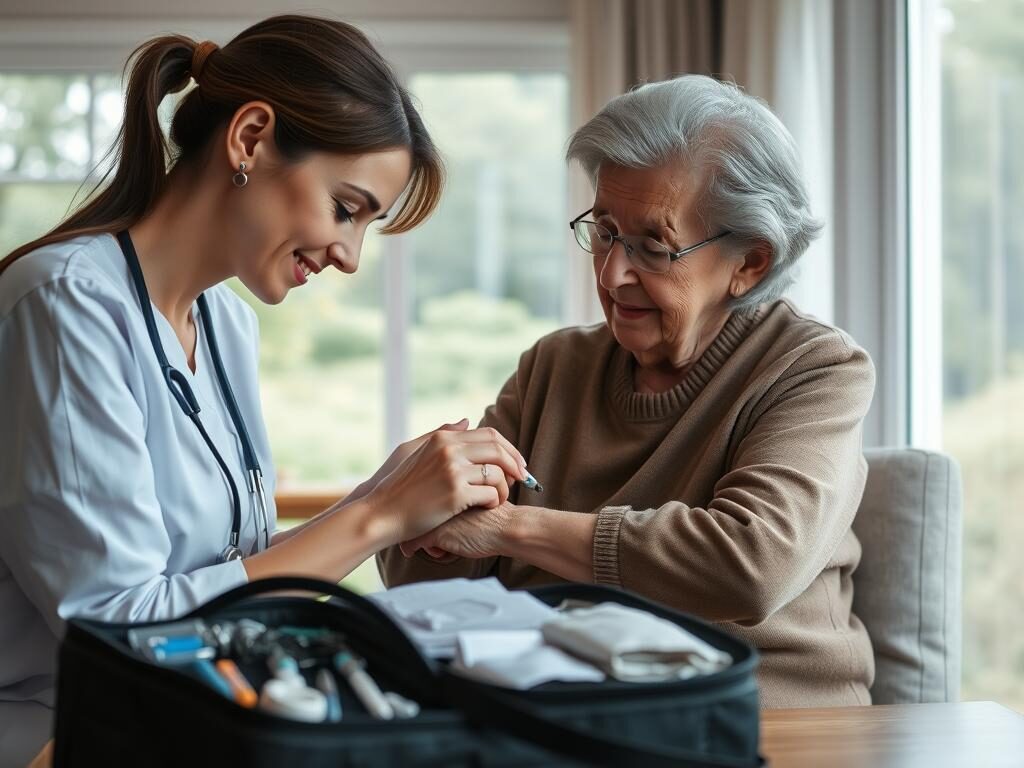
San Antonio home nurse

When Should You Call a Home Nurse for Wound Care in San Antonio

Dealing with a wound can be tough and stressful, needing ongoing care. If you’re finding it hard to manage your wound, knowing when to get help is key.

You might need a home nurse if your wound isn’t healing or looks infected. A pro can give the right care and advice to help your wound heal right. With Dominion Mobile Wound Care, you get excellent care right at home.

Key Takeaways

  • Know when to seek professional help for wound care.
  • A home nurse can provide necessary care for wound healing.
  • Signs of infection require immediate attention.
  • Proper wound care can prevent complications.
  • Dominion Mobile Wound Care offers expert wound care services.

The Rising Demand for Professional Wound Care at Home

More people are choosing to get wound care at home. This is because of the growing need for home healthcare services. These services offer care that is both personal and convenient.

Dominion Mobile Wound Care is leading this change. They provide specialized wound care right in patients’ homes. This means San Antonio residents can get top-notch care without having to go to the hospital.

Current Trends in Home Healthcare Services

The healthcare world is changing, with a big push towards home care. People want care that is more personal and comfortable. Home healthcare services are getting better, with treatments that were once only in hospitals now available at home.

Why More San Antonio Residents Choose Home-Based Wound Care

San Antonio folks are choosing home-based wound care for good reasons. Getting care at home means no need to travel, which is less stressful. It also means more attention to their specific needs in their own space.

Benefits of Home-Based Wound Care Description
Personalized Care Tailored treatment plans that address individual needs
Convenience Eliminates the need for transportation to healthcare facilities
Comfort Reduces stress and discomfort associated with clinical environments
Chronic Wound Help Specialized care for complex wounds, improving healing outcomes

Common Wounds That Require Professional Attention

Knowing which wounds need a doctor’s help is key for healing. Many wounds benefit from expert care. This ensures they get the right treatment and avoids complications.

Surgical Incisions and Post-Operative Care

Surgical wounds often need a doctor’s care. Good post-op care stops infections and helps wounds heal. Watch for signs of infection like redness, swelling, or more pain.

Pressure Ulcers and Bedsores

Pressure ulcers, or bedsores, need a doctor’s attention too. They happen when skin stays under pressure for too long, usually in people who can’t move much. Changing positions often and proper care can stop them.

Diabetic Foot Ulcers

Diabetic foot ulcers are serious for people with diabetes. They’re hard to heal and need special care.

Early Warning Signs

Spotting diabetic foot ulcers early is important. Look for numbness, tingling, or skin color changes.

Preventive Measures

To avoid diabetic foot ulcers, keep blood sugar in check. Wear the right shoes and check your feet often. Getting advice on foot care can lower ulcer risk.

Warning Signs Your Wound Needs a San Antonio Home Nurse

It’s not always easy to know when a wound is getting worse. But, there are important signs to watch for. If you’re taking care of a wound at home, knowing these signs can help you decide when to get help from a San Antonio home nurse.

Infection Indicators That Shouldn’t Be Ignored

One key warning sign is infection. Look out for increased redness, swelling, or pus around the wound. Also, a foul smell or a fever is a sign of infection. If you see any of these, call a healthcare professional like House Call Nurse SA for help.

When Healing Progress Stalls

Wounds usually heal in a certain order. If your wound isn’t getting better or is getting worse, it might need professional care. A San Antonio home nurse can check the wound and create a care plan to help it heal.

Pain Levels That Indicate Complications

Some pain with a wound is normal. But, increasing or severe pain is a warning sign. If your pain doesn’t get better with medicine or stops you from doing daily things, get help. A house call nurse SA can help manage your pain and find the cause.

Spotting these warning signs early can greatly improve your recovery. If you’re worried about your wound, don’t wait to reach out for help.

The Advantages of House Call Nurse SA Services

Dominion Mobile Wound Care’s house call nurse services offer many benefits. They improve patient outcomes and well-being. By bringing care to patients’ homes, they solve many traditional care challenges.

Eliminating Transportation Challenges

House call nurse services remove the need for patients to travel. This is great for those with mobility issues or chronic conditions. It saves them from the hassle of going to a healthcare facility.

Comfort and Reduced Stress for Patients

Getting care at home reduces stress and boosts comfort. Being in a familiar place helps patients relax. This can speed up their healing.

Personalized Care in Familiar Surroundings

House call nurses offer personalized care that fits the patient’s needs and home. This tailored approach leads to better wound management and care overall.

house call nurse SA services

Benefits Description Impact on Patient Care
Eliminating Transportation Challenges Patients don’t need to travel to healthcare facilities Increased accessibility for patients with mobility issues
Comfort and Reduced Stress Care received in the comfort of the patient’s home Improved patient comfort and potentially faster healing
Personalized Care Care tailored to the patient’s specific needs and environment More effective wound management and better overall care

Specialized Chronic Wound Help for High-Risk Patients

Managing chronic wounds is key, even more so for those at high risk. These wounds can really affect someone’s life, needing special care to heal and avoid problems.

Diabetic Wound Management Protocols

People with diabetes are more likely to get chronic wounds, like foot ulcers. We use off-loading pressure and special dressings to help. Dominion Mobile Wound Care follows evidence-based protocols to fight off infections and prevent amputations.

Vascular Insufficiency Wound Care

Chronic wounds can also come from poor blood flow. Our team is skilled in treating these wounds. We work on improving circulation and creating a healing space with new therapies.

Assessment Techniques

Getting a full assessment is the first step to a good treatment plan. Our experts use state-of-the-art diagnostic tools to check the wound’s severity and blood flow.

Treatment Strategies

Treatments for these wounds might include revascularization procedures and special dressings. We customize our care to meet each patient’s needs, aiming for the best results.

Our goal is to enhance the lives of high-risk patients. We want to help them heal safely at home.

Comprehensive Elderly Care Service for Wound Management

As you get older, your body heals wounds less well. This makes it key to have good elderly care for wound management. Older people need special care that helps them heal better.

Age-Related Healing Challenges

Older adults face many challenges that make healing hard. These include less blood flow, less collagen, and a weaker immune system. Effective elderly care services offer care tailored to these needs.

Some common challenges include:

  • Less movement, which can put pressure on some areas for a long time
  • Poor diet, which slows healing
  • Chronic diseases like diabetes or vascular disease, which affect blood flow and healing

Nutritional Support for Wound Healing

Good nutrition is key for healing wounds. Elderly care services often check nutrition and create special diets. This ensures patients get the nutrients they need to heal well.

Nutrient Role in Wound Healing Food Sources
Protein Essential for tissue repair and regeneration Lean meats, fish, eggs, dairy products
Vitamin C Critical for collagen synthesis and immune function Citrus fruits, berries, leafy greens
Zinc Important for enzyme function and immune response Red meat, poultry, seafood, fortified cereals

Mobility Considerations and Prevention

Mobility is key for preventing and healing wounds. Elderly care services work on improving mobility. This helps avoid pressure on sensitive areas.

Some mobility tips include:

  • Regularly moving to avoid pressure ulcers
  • Physical therapy to boost strength and range of motion
  • Using aids to help move and reduce strain

By tackling healing challenges, supporting nutrition, and focusing on mobility, elderly care services can greatly help with wound management for older adults.

Latest Advancements in Home-Based Wound Care

New technologies in home-based wound care are changing how we treat wounds. At Dominion Mobile Wound Care, we use the latest tools to help our patients heal better. This makes care more accessible and effective.

Innovative Dressing Technologies

New dressing technologies are speeding up wound healing. Some key advancements include:

  • Advanced foam dressings that keep wounds moist for faster healing
  • Antimicrobial dressings that fight off infections
  • Hydrogel dressings that keep wounds hydrated and help repair tissue

Negative Pressure Wound Therapy at Home

Negative Pressure Wound Therapy (NPWT) is now for home use. It lets patients enjoy this therapy in their own homes. NPWT helps wounds heal by:

  1. Reducing fluid and infection
  2. Improving blood flow to the wound
  3. Helping new tissue grow

This therapy is great for complex wounds that heal slowly.

Telemedicine Integration for Wound Monitoring

Telemedicine is key in home-based wound care. It lets us monitor and consult patients remotely. This technology offers:

  • Quick responses to changes in the wound
  • Less need for in-person visits
  • Better patient involvement in their care

With telemedicine, we can keep providing care and adjust plans as needed.

How Dominion Mobile Wound Care Delivers Expert Services

You can count on Dominion Mobile Wound Care for top-notch wound care at home. Their team is all about giving you the best care that fits your needs.

Team of Specialized Wound Care Professionals

Dominion Mobile Wound Care has a team of top-notch wound care experts. They can handle all sorts of wounds, big or small.

Service Areas Throughout San Antonio

They offer their services all over San Antonio. So, no matter where you are in the city, you can get expert care.

Available Treatment Modalities

Dominion Mobile Wound Care has many treatment options. They use advanced dressings, negative pressure therapy, and more to help your wounds heal.

Treatment Modality Description Benefits
Advanced Wound Dressings Specialized dressings for various wound types Promotes healing, reduces infection risk
Negative Pressure Wound Therapy Therapy that aids in wound closure Enhances healing process, reduces complications

Dominion Mobile Wound Care Services

Choosing Dominion Mobile Wound Care means you’re choosing comfort and healing. Their expertise and wide range of services make them the best choice for wound care in San Antonio.

The Process of Working with a San Antonio Home Nurse

Working with a San Antonio home nurse means getting wound care that fits your needs. This approach helps you get the best care right at home.

Initial Assessment and Documentation

The first step is a detailed look at your wound. The nurse will measure its size, depth, and condition. They also check your overall health and any healing factors.

Development of Personalized Care Plans

After the assessment, the nurse creates a personalized care plan for you. This plan might include special wound care, dressing changes, and tips for managing pain and healing.

Coordination with Primary Care Providers

Good wound care needs teamwork. Your San Antonio home nurse will work with your doctors to keep everyone informed about your care.

Communication Protocols

Clear talk is vital for wound care success. Your nurse will set up regular communication protocols to update you and your healthcare team.

Progress Reporting

Keeping track of your progress is key. Your nurse will document your healing and share any updates with your healthcare team.

Knowing how a San Antonio home nurse works can make you feel more confident in your care. This detailed approach ensures your wound care is professional and caring.

Financial Considerations for Home Wound Care Services

Thinking about home wound care for yourself or a loved one? It’s key to know the financial side. The cost depends on the care type, visit frequency, and insurance.

Medicare Coverage for Wound Care

Medicare coverage is a big help for many. It covers doctor visits, nursing, and some supplies if they’re needed for health.

Private Insurance Navigation

If you have private insurance, check what it covers for home care. Some plans pay a lot, while others might ask for more money or have limits.

Affordable Payment Options for Uninsured Patients

Without insurance, there are affordable payment options. Some providers offer lower fees, payment plans, or help to make care more affordable.

Insurance Type Typical Coverage Out-of-Pocket Costs
Medicare 80% of wound care costs 20% copay
Private Insurance Varies by plan Copays, deductibles
Uninsured N/A Full cost or sliding scale

Knowing your financial options is vital for getting the home wound care you need. By looking at your insurance and talking to your provider about payment, you can get the care for healing.

Recent Success Stories: San Antonio Patients Healing at Home

Patients in San Antonio have seen great results thanks to Dominion Mobile Wound Care. Their team works hard to help patients heal at home. This approach is a big help to many.

Case Study: Complex Surgical Wound Management

A patient had a tough time after a complex surgery. But, Dominion Mobile Wound Care’s specialized wound care helped them recover fully. Their skill in handling complex wounds has made a big difference.

Testimonials from Local Residents

People in San Antonio are very thankful for Dominion Mobile Wound Care. Here are some testimonials from them:

  • “The team at Dominion Mobile Wound Care were amazing. They took care of my wound with such professionalism and kindness.” – Maria, San Antonio resident
  • “I was skeptical about wound care at home, but Dominion Mobile Wound Care exceeded my expectations. Their staff were friendly and knowledgeable.” – John, San Antonio resident

Healthcare Provider Endorsements

Healthcare providers in San Antonio also endorse Dominion Mobile Wound Care. They like how the team works together on wound care. This teamwork is highly praised.

Conclusion: Taking Action for Your Wound Care Needs

When it comes to wound care, taking action is key for healing. Knowing your wound care needs and getting professional help is vital. It can greatly improve your recovery.

If you need wound care in San Antonio, think about hiring a San Antonio home nurse or a house call nurse SA from Dominion Mobile Wound Care. Their team of experts will give you personalized care and help you heal.

By acting and getting expert wound care, you can heal faster and easier. Don’t wait to contact Dominion Mobile Wound Care to meet your wound care needs and start healing today.

FAQ

What are the benefits of receiving wound care at home?

Getting wound care at home is comfy and stress-free. It also saves you from the hassle of traveling. Plus, it’s done in a place you know well, which can help your wound heal better.

What types of wounds require professional attention?

Wounds like surgical cuts, pressure sores, and diabetic foot ulcers need expert care. If your wound shows signs of infection, isn’t healing, or hurts more, see a San Antonio home nurse.

How does Dominion Mobile Wound Care deliver expert services?

At Dominion Mobile Wound Care, a team of skilled professionals offer care plans made just for you. They work with your doctors and use the latest treatments, like special dressings and negative pressure therapy.

What is the process of working with a San Antonio home nurse?

First, you’ll get an assessment and your care plan will be made. The nurse will work with your doctors and keep you updated on your care.

How do I pay for home wound care services?

Dominion Mobile Wound Care accepts Medicare and private insurance. They also have affordable plans for those without insurance. Call them to talk about your options.

Can I receive chronic wound help at home?

Yes, Dominion Mobile Wound Care helps with chronic wounds. They have a team ready to assess and treat wounds like diabetic and vascular insufficiency wounds.

What are the latest advancements in home-based wound care?

New advancements include special dressings and negative pressure therapy. Dominion Mobile Wound Care uses these to give you the best care.

How can I ensure proper wound care for my elderly loved one?

For elderly care, Dominion Mobile Wound Care offers services tailored to their needs. They consider age, nutrition, and mobility. They’ll create a care plan just for your loved one.

Diabetic wound specialist

Why a Diabetic Wound Specialist Matters for Recovery

If you have diabetes, you’re more likely to get chronic wounds that are hard to heal. Diabetes is a common disease that makes your blood sugar levels stay high for a long time. This can lead to serious health problems.

Having a wound that won’t heal is tough. Getting help from a diabetic wound specialist is very important. Dominion Mobile Wound Care offers top-notch podiatric wound care to help you get better.

Key Takeaways

  • Diabetes increases the risk of developing chronic wounds.
  • A diabetic wound specialist plays a vital role in recovery.
  • Dominion Mobile Wound Care provides expert podiatric wound care services.
  • Seeking professional help is key for effective wound healing.
  • Good wound care can stop long-term health issues.

The Hidden Dangers of Diabetic Wounds

Diabetes can turn a small cut into a big health problem. It hides dangers that aren’t easy to see. When you have diabetes, your body can’t heal well because of high blood sugar. This can cause nerve damage and poor blood flow. It’s key to know the risks of diabetic wounds.

How Diabetes Compromises Your Healing Process

Diabetes messes with your healing in many ways. High blood sugar harms nerves and blood vessels. This reduces feeling in your feet and legs and cuts off blood flow. It makes wounds hard to heal and raises the chance of infection.

Also, diabetes weakens your immune system. This makes it tough for your body to fight off infections.

Complication Description Impact on Wound Healing
Nerve Damage High blood sugar damages nerve endings, reducing sensation. Increased risk of unnoticed wounds.
Poor Circulation Damaged blood vessels reduce blood flow to extremities. Slower healing due to inadequate oxygen and nutrient delivery.
Immune System Impairment Diabetes weakens the body’s ability to fight infections. Increased risk of wound infection.

The Silent Progression of Diabetic Wounds

Diabetic wounds can grow quietly, often without clear signs until they’re serious. This quiet growth is because of neuropathy, or nerve damage. It hides pain and other signs that would normally make you seek help. It’s important to check wounds often and treat them quickly to avoid big problems.

If you have diabetes, seeing a healthcare provider like Dominion Mobile Wound Care is key for good wound care.

Alarming Statistics: Why Diabetic Wounds Require Immediate Attention

Diabetic wounds can cause serious problems if not treated quickly. About 25% of people with diabetes will get a foot ulcer. This can lead to losing a leg. It’s very important to know the risks and act fast.

The Link Between Untreated Wounds and Amputations

Wounds that don’t get treated can get worse and might need to be cut off. This is a serious problem. Getting treatment right away can help avoid losing a limb.

Infection Risks Specific to Diabetic Patients

People with diabetes are more likely to get infections because their bodies can’t fight off germs well. These infections can spread fast and cause big problems. It’s key to know the higher risk of infections and get help from experts like Dominion Mobile Wound Care to heal wounds.

  • Diabetic foot ulcers are a common complication.
  • Infections can lead to severe consequences, including amputation.
  • Prompt treatment is key to avoid long-term damage.

The Critical Role of a Diabetic Wound Specialist in Your Recovery

Dealing with diabetic wounds can be tough. A diabetic wound specialist can make a big difference. They know how to handle these wounds, which are more than just skin problems.

These specialists have the right training and skills. By choosing them, you’re making sure your wounds get the best care.

Specialized Training and Certification

Diabetic wound specialists get special training and certification. This lets them diagnose and treat wounds well. They learn about wound healing, infections, and new treatments.

They also know about the latest technologies and techniques. This means they can create treatment plans that really work for you.

Certification Description Benefits
Wound Care Certification Advanced training in wound care Improved wound healing outcomes
Diabetic Foot Care Certification Specialized knowledge in diabetic foot care Reduced risk of amputations

How Specialists Differ from General Practitioners

General practitioners are important, but specialists are more focused. They know the latest about diabetic wounds. They also understand nerve damage wounds.

Choosing a specialist, like those at Dominion Mobile Wound Care, means better care. Their knowledge can really help your recovery.

Warning Signs That You Need Professional Wound Care

Diabetic patients need to watch for warning signs that mean they should see a wound care specialist. This is because your body heals slower when you have diabetes. It’s very important to keep an eye on your health.

Physical Symptoms That Shouldn’t Be Ignored

Look out for these signs: discolored skin, swelling, blisters, cuts, or areas that don’t heal. These could mean a serious problem. If not treated, it could lead to diabetes complications.

diabetes complications

When to Seek Emergency Care for Diabetic Wounds

Seek emergency care if you see more redness, warmth, or pus around the wound. Also, if you have a fever. These signs might mean an infection that needs quick treatment to avoid diabetes complications. If you’re not sure, call a wound care specialist or go to the emergency room.

Getting help from a service like Dominion Mobile Wound Care is a good idea. They have the skills to help your wounds heal. Their team can take care of many wound care needs, giving you the best treatment.

The Complete Assessment Process at Dominion Mobile Wound Care

At Dominion Mobile Wound Care, healing starts with a detailed assessment. If you have diabetic wounds, a thorough check is key. It helps understand the wound’s size and its health impact. This step is essential for a treatment plan that fits your needs.

Advanced Diagnostic Techniques

Dominion Mobile Wound Care uses advanced diagnostic techniques for accurate wound checks. They look at the wound’s size, depth, and tissue type. They also check for infection or nerve damage signs. These methods help the specialist fully understand your condition.

Developing Your Personalized Treatment Plan

After the detailed assessment, a personalized treatment plan is made for you. This plan might include special dressings, infection control, and healing strategies. The aim is to give you the best care for your diabetic wounds, including those with nerve damage. This ensures a quick and safe recovery.

Choosing Dominion Mobile Wound Care means you’re on the path to healing. You’ll get the help of a dedicated diabetic wound specialist.

Cutting-Edge Treatments for Diabetic Wound Management

Dominion Mobile Wound Care leads in diabetic wound care with new treatments. As a patient, you get the latest in wound care. This makes your recovery fast and safe.

Innovative Dressings and Bioengineered Tissues

Innovative dressings and bioengineered tissues change diabetic wound care. These materials help wounds heal faster, lower infection risk, and reduce scarring. Bioengineered tissues, for example, help wounds heal like they would naturally.

Treatment Type Description Benefits
Innovative Dressings Advanced materials for wound care Faster healing, reduced infection risk
Bioengineered Tissues Tissues engineered to promote healing Enhanced recovery, minimal scarring

Advanced Therapies Offered by Dominion Mobile Wound Care

Dominion Mobile Wound Care has advanced therapies like hyperbaric oxygen therapy. This therapy uses pure oxygen in a pressurized room to help wounds heal. These treatments improve your recovery and lower diabetes complication risks.

Podiatric Wound Care: Protecting Your Feet from Diabetes Complications

Keeping your feet safe from diabetes problems needs more than basic care. It requires specialized podiatric wound care. Diabetes can harm nerves and reduce blood flow, making your feet prone to ulcers and infections. It’s key to understand the role of podiatric wound care in avoiding serious foot issues.

Why Diabetic Foot Ulcers Develop

Diabetic foot ulcers happen for several reasons, like nerve damage (neuropathy) and poor circulation. Neuropathy can make it hard to feel injuries or irritations in your feet. Poor circulation also hinders your body’s healing, turning small problems into big ulcers.

Preventative Strategies to Protect Your Feet

To keep your feet safe, you need to take preventive steps. This includes daily foot checks to spot issues early, wearing the right shoes to avoid pressure, and keeping them clean to stop infections. Also, seeing a podiatric specialist regularly can help catch problems before they get worse. By doing these things, you can lower your risk of getting diabetic foot ulcers.

Getting help from a service like Dominion Mobile Wound Care can give you the care you need. They can help heal your wounds and prevent future problems.

Managing Nerve Damage Wounds: The Neuropathy Challenge

For people with diabetes, nerve damage can slow down wound healing. Neuropathy, a common diabetes complication, can hide wound signs. This makes it hard to spot and treat wounds.

How Neuropathy Masks Wound Development

Neuropathy can make your feet numb and less sensitive. This makes it hard to notice wounds as they start. Regular checks with a doctor are key to catch and treat wounds early.

Specialized Approaches for Neuropathic Wound Care

Dealing with nerve damage wounds needs a detailed plan. This includes advanced wound dressings, bioengineered tissues, and personalized treatment plans. At Dominion Mobile Wound Care, experts are ready to handle these complex cases.

Getting help from Dominion Mobile Wound Care can greatly improve your recovery. Their team offers top-notch care at home. This lowers the chance of infections and keeps treatment consistent.

nerve damage wounds

The Advantages of Mobile Diabetic Wound Specialists

Dominion Mobile Wound Care brings expert care right to your home. This changes how you recover. You get top-notch care in your own space.

Receiving Expert Care in Your Home Environment

Getting treated at home can make you feel less stressed and heal faster. Our team at Dominion Mobile Wound Care offers full care. This includes checking you out, treating you, and following up.

Benefits of home care include:

  • Reduced risk of hospital-acquired infections
  • Increased comfort and reduced stress
  • More flexible scheduling for treatment

Eliminating Transportation Barriers to Consistent Treatment

Going to a healthcare facility can be hard for many. Mobile diabetic wound specialists solve this problem. They make sure you get the care you need without the trouble of traveling.

Consistent treatment is key for wound management. Our mobile service lets you keep up with your treatment schedule without any breaks.

Reducing Exposure to Hospital-Based Infections

Hospitals can be places where you might catch infections. Getting care at home lowers this risk. It makes your healing place safer.

Key advantages include:

  1. Lower risk of infection
  2. Personalized care tailored to your needs
  3. Family involvement in the care process

How Dominion Mobile Wound Care Transforms Recovery Outcomes

At Dominion Mobile Wound Care, we change the healing journey with top technology and care. You get treatment made just for you, for the best results.

State-of-the-Art Mobile Equipment and Techniques

Dominion Mobile Wound Care uses the newest in wound care tech to fight diabetic wounds. Our methods include:

  • Advanced wound dressings for a healthy healing spot
  • Bioengineered tissues to grow new tissue
  • Negative pressure wound therapy to help wounds close

Our new treatments and a diabetic wound specialist’s skill greatly boost recovery.

Real Patient Success Stories and Testimonials

Our patients have seen real changes. Here are a few:

  1. A patient with a non-healing foot ulcer got better fast with our care.
  2. Another, with nerve damage wounds, healed fully with our help.

These stories show how our care and treatments change lives. Choosing Dominion Mobile Wound Care is a big step towards healing. Hire us to heal your wounds and change your recovery.

Understanding the Financial Aspects of Specialized Wound Care

If you have diabetes, knowing about wound care costs is key to getting better. Specialized care can be pricey, but knowing your options can help you save money.

Insurance Coverage for Diabetic Wound Treatment

Most insurance, including Medicare, covers diabetic wound care. It’s important to check your coverage and any costs you might face. You can find more info on what to ask your wound care nurse here.

The Cost-Effectiveness of Prevention vs. Complications

Preventing problems with early wound care can save you money in the long run. Here are some important points:

  • Acting fast can stop expensive issues.
  • Special care lowers the chance of amputations and infections.
  • Good wound care improves your life and cuts healthcare costs.

Investing in specialized care now can save you from expensive treatments later. Think about getting help from Dominion Mobile Wound Care to heal your wounds well.

Conclusion: Take the First Step Toward Healing Today

Getting help from a diabetic wound specialist is the first step to healing. If you’re dealing with diabetic wounds, like nerve damage wounds, it’s key to see a specialist. They can give you care that fits your needs.

Dominion Mobile Wound Care offers top-notch wound care services. They bring the latest treatments right to your home. Their team is committed to helping you heal and live better.

Choosing Dominion Mobile Wound Care means you get advanced tests and new treatments. Don’t let diabetic wounds stop you. Take charge of your healing today.

With the right care and support, you can beat diabetic wounds and feel better overall. Contact Dominion Mobile Wound Care to begin your healing journey.

FAQ

What is a diabetic wound specialist, and how can they help me?

A diabetic wound specialist is a healthcare expert with special training in wound care. They help with diabetic wounds by diagnosing, treating, and preventing them. This improves your life quality.

Why are diabetic wounds so hard to heal?

Diabetic wounds are tough to heal because of diabetes-related issues. These include high blood sugar, nerve damage, poor blood flow, and a weak immune system.

What are the warning signs that I need professional wound care?

Look out for signs like redness, swelling, more pain, or discharge from the wound. If you see these, get medical help right away.

How does Dominion Mobile Wound Care diagnose and treat diabetic wounds?

At Dominion Mobile Wound Care, they use detailed assessments and advanced tests to diagnose and treat wounds. They create a treatment plan just for you.

What are some cutting-edge treatments available for diabetic wound management?

At Dominion Mobile Wound Care, they use new dressings, bioengineered tissues, and therapies for diabetic wounds. These methods help wounds heal faster and improve your life.

Why is podiatric wound care essential for diabetic patients?

Podiatric care is key for diabetic patients to avoid foot ulcers. By taking care of your feet and getting help quickly, you can avoid serious problems.

How does neuropathy affect wound development and management?

Neuropathy makes it hard to notice wounds because it damages nerves. Dominion Mobile Wound Care uses special methods to handle these wounds.

What are the benefits of mobile diabetic wound care?

Mobile diabetic wound care, like Dominion Mobile Wound Care, offers many benefits. You get care at home, avoid travel, and stay safe from hospital infections.

How does Dominion Mobile Wound Care ensure successful recovery outcomes?

At Dominion Mobile Wound Care, they use the latest mobile equipment and techniques. This leads to better recovery for diabetic patients. They also share success stories and testimonials.

What are the financial aspects of specialized wound care, and how can I navigate insurance coverage?

Specialized wound care can be expensive, but knowing about insurance is key. Dominion Mobile Wound Care helps with the financial side and insurance questions.

Home nursing for wounds

The Role of Home Nurses in Wound Care Recovery

Recovering from surgery or an injury can be tough, mainly when dealing with wounds. Luckily, home health care is key in post-surgical recovery. It offers services that help with healing and getting better at home.

Getting care at home has many benefits. It includes getting personal attention, less chance of infection, and feeling more comfortable. With the aid of skilled nurses, your wounds get the care they need for the best recovery.

If you need professional wound care, think about hiring “Dominion Mobile Wound Care” for effective healing.

Key Takeaways

  • Home health care is vital for post-surgical recovery.
  • Personalized care at home lowers infection risk.
  • Skilled nurses offer expert wound care.
  • Receiving care at home boosts patient comfort.
  • Professional wound care services help with healing.

Understanding the Growing Demand for Home Nursing for Wounds

The need for skilled nurses to care for wounds at home is increasing. This change is because patients want care that is more personal and comfortable. Hospitals, while helpful, can be scary and uncomfortable for those needing long-term care.

Getting care at home lets patients recover in a place they know and feel safe. This makes their recovery better. The importance of patient care at home has grown. Studies show it helps reduce hospital pressure and makes patients happier.

Recent Statistics on Home-Based Wound Care

More and more patients are choosing to get wound care at home. They like the comfort and convenience of it. Data shows they are getting better care and are happier with it.

Year Number of Patients Satisfaction Rate
2020 10,000 85%
2021 12,000 88%
2022 15,000 92%

Factors Driving the Shift from Hospital to Home Care

Several reasons are pushing patients to choose home care over hospitals. People want care that fits their needs better. They also want to save money and enjoy new medical technologies that let them get complex care at home.

Getting care at home is more convenient. It also lets family members help with care. So, the need for skilled nurses to provide top-notch wound care at home keeps growing.

What Specialized Wound Care Services Do Home Nurses Provide?

Home nurses offer top-notch wound care right in your home. They have the skills to give you personalized care. This ensures you get the best treatment for your wound.

Types of Wounds Treated by Home Nurses

Home nurses can handle many types of wounds. They make sure each patient gets the right care for their wound. Here are some examples:

Surgical Wound Management

Surgical wounds need careful attention to avoid infection and heal well. Home nurses are experts at cleaning, dressing, and watching these wounds. This helps you recover smoothly.

Chronic Wound Treatment

Chronic wounds, like diabetic ulcers or pressure sores, need special care to heal. Home nurses know how to treat these complex wounds. They use methods that fix the root cause and help the wound heal.

Advanced Wound Care Techniques Used in Home Settings

Home nurses use advanced techniques for effective treatment. These include:

  • Debridement: Removing dead tissue to help healing.
  • Negative Pressure Wound Therapy (NPWT): A vacuum dressing to aid recovery.
  • Hyperbaric Oxygen Therapy: Breathing pure oxygen in a pressurized room to boost healing.

The table below shows the advanced techniques used by home nurses and their benefits:

Technique Description Benefits
Debridement Removal of dead tissue Promotes healing, reduces infection risk
NPWT Vacuum dressing Enhances recovery, reduces swelling
Hyperbaric Oxygen Therapy Breathing pure oxygen Stimulates healing, improves tissue oxygenation

Using these advanced techniques, home nurses can greatly improve wound healing. This means you get the best care in your own home.

The Benefits of Receiving Wound Care in Your Home

Choosing home wound care can make your recovery better. It’s more convenient and gives you peace of mind. Knowing the benefits of home care is key.

Comfort and Convenience Factors

Home wound care is very comforting. Being in a place you know can lower stress and anxiety. These are important for healing. Home nursing for wounds lets you heal in a safe, familiar spot, with your loved ones nearby.

Another big plus is the convenience. You don’t have to go to a hospital, which is great if you’re in pain or have trouble moving. Your skilled nurses will come to you, with all the tools and knowledge they need.

Reduced Risk of Hospital-Acquired Infections

Hospitals are full of germs, which can slow down your healing. Getting wound care at home means you’re less likely to get sick. Hospital-acquired infections can make things worse, taking longer to heal and causing more health problems.

A study showed a big difference in infection rates between home and hospital care. Here are some key findings:

Care Setting Infection Rate Average Healing Time
Home-Based Care 5% 6 weeks
Hospital-Based Care 12% 8 weeks

For more details on home versus hospital care, check out Dominion Mobile Wound Care. They can help you understand your options.

How Dominion Mobile Wound Care is Transforming Patient Recovery

Dominion Mobile Wound Care is changing how we treat wounds. They bring advanced care right to patients’ homes. This improves recovery and quality of life.

nursing wound care

Innovative Approaches to Mobile Wound Treatment

Dominion Mobile Wound Care uses new methods to treat wounds at home. Their nurses use advanced wound care techniques. They use specialized dressings and negative pressure wound therapy to help wounds heal.

Each patient gets care that fits their needs. This way, they heal in a place they feel comfortable. It’s a big step towards better recovery.

Success Stories from Dominion Mobile Wound Care Patients

Many patients have seen big improvements thanks to Dominion Mobile Wound Care. They get personalized care that really works. This care has helped them heal faster and feel better.

Patients say they heal quicker, feel less pain, and live better lives. These stories show how Dominion Mobile Wound Care is making a difference. They prove the value of their specialized care.

The Qualifications of Skilled Nurses in Specialized Wound Care

At Dominion Mobile Wound Care, our nurses have the latest knowledge and training. They provide top-notch wound care. You can trust that you’re in good hands with them.

Our team of skilled nurses has gone through tough training and has the right certifications. They are experts in specialized wound care. This means you get the best care for your wound needs.

Required Certifications and Training

Our nurses have finished special training programs in wound care. This training lets them give you care that fits your needs. Some of the key things they’ve learned include:

  • Wound care certification programs
  • Advanced training in wound dressing and management
  • Knowledge of the latest wound care technologies
Certification/Training Description Benefit to Patients
Wound Care Certification Specialized training in wound assessment and management Ensures you get full care for complex wounds
Advanced Wound Dressing Training in the latest wound dressing techniques Helps wounds heal faster and reduces problems

Ongoing Education in Wound Care Techniques

Our nurses keep up with new wound care by taking ongoing education. This means you get the best and newest care available.

Continuous Education Initiatives:

  1. Regular workshops and seminars on wound care
  2. Participation in industry conferences
  3. Subscription to the latest research and publications in wound care

Choosing Dominion Mobile Wound Care means you get nurses who are highly qualified and always learning. They are all about helping you recover.

Home Nursing for Wounds: A Cost-Effective Alternative to Hospital Stays

Home nursing for wounds is a smart choice over long hospital stays. With healthcare costs going up, getting nursing wound care at home is more attractive.

Insurance Coverage for Home Wound Care Services

One big plus of patient care at home is the wide insurance coverage for home wound care. Many plans, like Medicare and Medicaid, pay a lot of the costs.

This coverage includes skilled nurses for wound care, medical supplies, and needed equipment. It helps treat wounds well at home.

Long-term Financial Benefits of Home Treatment

Home wound care saves money in the long run. It avoids the high costs of hospital stays. It also lowers the chance of infections and the need for more hospital visits.

  • Reduced hospital stay costs
  • Lower risk of hospital-acquired infections
  • Minimized need for repeated hospital visits

Also, patient care at home lets you recover on your own schedule. This can cut down on more medical needs and costs.

In summary, home nursing for wounds is not just comfy and easy. It’s also cheaper than hospitals, thanks to insurance and big savings over time.

The Psychological Impact of Receiving Wound Care at Home

Getting wound care at home is as good for your mind as it is for your body. Being in your own space can really help your emotional health while you’re recovering.

Being in a place you know, with people you love, can make you feel less stressed and anxious. Home nursing for wounds lets you feel more in charge of your healing. This can make you feel better mentally and emotionally.

Emotional Well-being During Recovery

It’s important to remember that wound care is not just about fixing your body. It’s also about taking care of your mind. Nurses in SA know how to create a caring space that helps with both physical and emotional healing.

Getting care at home lets you keep up with your usual life and enjoy things that make you happy. This can help you stay positive while you’re recovering. Plus, it lowers the chance of getting sick from being in a hospital, which can make you feel less stressed and anxious.

Benefits of Home Wound Care for Emotional Well-being:

  • Reduced stress and anxiety
  • Increased sense of control over recovery
  • Continuity with daily routines and activities
  • Support from family and loved ones

Family Involvement in the Healing Process

Having family involved in your care at home is key. Their support and comfort are essential for healing. Nurses work with family to teach them how to help, making everyone feel part of the care team.

This team effort helps with both the physical and emotional sides of healing. It lets family members feel more involved and less worried, which is good for everyone.

Aspect of Care Family Involvement Benefits
Wound Dressing Learning dressing techniques Increased confidence in care
Medication Management Assisting with medication schedules Improved adherence to treatment
Emotional Support Providing companionship and reassurance Enhanced emotional well-being

Technological Advancements in Mobile Wound Care

Technology is changing how we care for wounds at home. Dominion Mobile Wound Care is leading this change. They use new tech to make care better, more efficient, and tailored to each patient.

technological advancements in wound care

Portable Equipment Used by Dominion Mobile Wound Care

Portable gear is a big deal in mobile wound care. Dominion Mobile Wound Care uses top-notch, small, and light devices. These tools are great at treating wounds.

  • Portable wound vacuums help wounds heal by removing fluids and improving blood flow.
  • Advanced wound dressings create the best environment for healing.
  • Digital imaging lets us closely watch how wounds are healing.

Telehealth Integration in Wound Care Monitoring

Telehealth is a big step forward in wound care. Dominion Mobile Wound Care uses it to keep an eye on patients all the time. This helps them get better faster and makes care more efficient.

Telehealth has many benefits:

Benefit Description
Enhanced Monitoring We can watch wounds progress online all the time.
Timely Interventions We can act fast if a wound changes, stopping problems.
Patient Convenience It means fewer visits, making care easier to get.

Dominion Mobile Wound Care is leading the way in home care. They make sure people get top-notch care right in their homes.

Preventing Wound Complications Through Expert Home Care

Preventing wound complications is a key goal in home nursing for wounds. Skilled nurses lead this effort. They use a detailed approach to stop problems before they start. Getting expert care at home can greatly lower the chance of wound issues.

Early Intervention Strategies

Acting fast is key to avoiding wound problems. Nurses are trained to spot issues early and fix them. This early action helps avoid infections, slow healing, and more damage.

Some important early steps include:

  • Regular checks on the wound to see how it’s healing
  • Removing dead tissue to help the wound heal
  • Using special dressings to aid in healing

Patient Education for Wound Management

Teaching patients about wound care is very important. Knowing how to care for your wound helps you recover faster and avoid problems. Nurses will teach you the best ways to care for your wound, like:

Daily Wound Care Practices

Every day, you need to care for your wound to help it heal and avoid issues. Your nurse will show you how to:

  • Clean and dress your wound right
  • Watch for signs of infection or other problems
  • Manage any pain or discomfort from your wound

Warning Signs to Watch For

Knowing the signs of trouble is important. Your nurse will teach you what to look out for, like:

  • More redness or swelling around the wound
  • Pus or discharge from the wound
  • A bad smell from the wound
  • More pain or discomfort

By watching for these signs and taking action, you can lower the risk of complications. This helps you recover smoothly.

Wound Care Practice Benefit
Regular wound assessments Early detection of possible problems
Debridement Removing dead tissue to help healing
Advanced wound dressings Support for healing

The Collaborative Approach: How Home Nurses Work with Your Medical Team

Your recovery journey is made smoother with the help of home nurses and your medical team. When you get nursing wound care at home, you’re not just getting medical help. You’re getting a detailed care plan that involves your whole medical team.

This team effort makes sure all parts of your care are thought of and put together in your treatment plan. Home nurses are key in this, connecting you with your healthcare providers.

Communication Between Specialists

Good communication between specialists is key for a successful care plan. Home nurses work closely with your doctors and other healthcare experts. This ensures everyone knows what’s going on with your treatment.

  • Regular updates on your condition and progress
  • Coordination of care plans and adjustments as needed
  • Sharing of expertise between home nurses and specialists

This clear communication helps in making smart decisions about your care. It makes sure you get the best treatment for your wounds.

Coordinated Care Plans for Optimal Recovery

A coordinated care plan is key for the best recovery. Home nurses and your medical team work together. They create a plan that meets your specific needs and helps you heal.

  1. Assessment of your wound and overall health
  2. Development of a tailored treatment plan
  3. Ongoing monitoring and adjustments to the plan as necessary

This team effort in patient care at home boosts your recovery. It also gives you the support and care you need in your own home.

When to Consider Dominion Mobile Wound Care Services

Dominion Mobile Wound Care Services make it easy to manage wounds at home. Skilled nurses SA provide top-notch care. You can be sure your wound is in good hands.

Identifying Situations That Benefit from Home Care

Home wound care is great in many situations. For example:

  • Chronic wounds that need constant care
  • Post-surgical wounds needing special attention
  • Patients with mobility issues, making it hard to go to a healthcare facility
  • Individuals who prefer wound care in their own space for emotional comfort

Home nursing for wounds can greatly improve your recovery. It offers care that fits your unique needs.

The Simple Referral Process for Getting Started

Starting with Dominion Mobile Wound Care Services is easy. Here’s how:

  1. Talk to your healthcare provider to see if Dominion Mobile Wound Care is right for you
  2. Get a referral from your healthcare provider
  3. Call Dominion Mobile Wound Care to set up an appointment

Choosing Dominion Mobile Wound Care Services is a smart move. It helps you recover effectively from home.

Conclusion: Taking the Next Step in Your Wound Recovery Journey

Learning about nursing wound care at home can really help your recovery. Dominion Mobile Wound Care offers top-notch care right in your home. They provide patient care at home that is both effective and caring.

Choosing Dominion Mobile Wound Care means you get comfort and a team that cares about you. Their nurses use the latest methods and tools. This helps your wounds heal well and lowers the chance of problems.

If you’re ready to move forward in your recovery, contact Dominion Mobile Wound Care. They’re all about helping you heal at home. With their help, your recovery will be smoother and more comfortable.

FAQ

What types of wounds do home nurses typically treat?

Home nurses treat many types of wounds. This includes diabetic foot ulcers, pressure sores, and surgical wounds. They also handle venous leg ulcers. They use advanced techniques to help wounds heal.

How do home nurses provide specialized wound care services?

Home nurses assess each wound to create a care plan. They use methods like debridement and dressing changes. They also use negative pressure therapy to aid in healing.

What are the benefits of receiving wound care at home?

Getting wound care at home is more comfortable and convenient. It also lowers the risk of infections found in hospitals. Patients can recover in a familiar setting with family support.

Are home nurses qualified to provide wound care?

Yes, home nurses are well-trained in wound care. They have specialized certifications and stay updated with the latest techniques. This ensures they provide top-notch care.

Is home wound care covered by insurance?

Many insurance plans, including Medicare and Medicaid, cover home wound care. Dominion Mobile Wound Care can help patients understand their coverage.

How do home nurses work with the medical team to coordinate care?

Home nurses work closely with doctors and other healthcare professionals. They communicate regularly to ensure a complete care plan. This helps patients recover better.

What technological advancements are being used in mobile wound care?

Dominion Mobile Wound Care uses advanced technology. They have portable equipment and telehealth integration. This allows them to monitor wounds remotely and adjust care plans as needed.

How can I get started with Dominion Mobile Wound Care services?

To start with Dominion Mobile Wound Care, contact them directly. A team member will guide you through the process.

What are the long-term financial benefits of home wound care?

Home wound care can save money compared to hospital stays. It reduces healthcare costs by minimizing hospitalizations and promoting efficient healing.

How does family involvement impact the healing process?

Family support is key in wound healing. It provides emotional support and helps with care. This leads to better outcomes and higher patient satisfaction.

Prevent Amputation

How At-Home Wound Care Helps Prevent Amputation in Diabetic Patients

You face a real risk when diabetes leads to foot wounds. In the United States, about 160,000 people with diabetes undergo amputation each year, and 80% of non‑traumatic lower‑limb amputations link to diabetes complications. That stark rate makes early action and reliable care vital.

Bringing expert wound care into your home can change outcomes. At‑home tools like topical wound oxygen (TWO2) have shown large benefits, lowering the chance of amputation and cutting wound recurrence versus standard care.

When you combine daily routines, protective footwear, and timely clinical support, you protect your limb and lower complications. Dominion Mobile Wound Care closes gaps in access, so you start the right steps sooner and follow a clear plan with your clinician.

You deserve practical guidance and quick escalation when warning signs appear. Hire Dominion Mobile Wound Care to help heal your wounds.

Key Takeaways

  • Diabetes raises your risk for amputation; early home care can shift outcomes.
  • At‑home technologies and support reduce complications and recurrence.
  • Access to prompt, high‑quality care influences survival and limb outcomes.
  • Daily wound routines, offloading, and infection checks are essential.
  • Combine home care with a coordinated clinical team for best results.
  • Dominion Mobile Wound Care brings skilled clinicians to your home.

Why Diabetic Foot Wounds and Peripheral Artery Disease Raise Your Risk

When arteries clog, a small sore on your foot can become a life‑changing problem. Peripheral artery disease (PAD) narrows arteries with plaque and cuts blood flow to your legs and feet. That reduced flow delays healing and raises the chance of serious complications, including amputation.

peripheral artery disease

Amputations are rising: what the data means for your limb health

An estimated 10–12 million U.S. adults have PAD. Many people are asymptomatic until harms appear. Older adults who lose a limb to PAD face a high one‑year death rate. These facts show how fast a minor ulcer can escalate.

How PAD reduces blood flow to your legs and feet

Artery disease from atherosclerosis narrows vessels and cuts oxygen to tissue. In diabetes, microvascular changes add harm. Poor blood flow makes even small wounds hard to heal and increases infection risk.

Unequal impact: communities at higher risk and why access matters

Black adults face higher PAD rates and a far larger rate of major limb loss. Social factors — housing, education, and limited access to care — drive this gap. Early testing (like ankle‑brachial index) and vascular referral can change outcomes.

  • View foot wounds through PAD: restricted flow delays healing and raises amputation risk.
  • Act fast: silent PAD means screening and quick evaluation matter for amputation prevention.
  • Close gaps: bringing expertise to the home improves access and reduces complications in high‑risk communities.

If you notice calf pain with walking, color change, or a nonhealing sore, ask about PAD testing and vascular care.

Hire Dominion Mobile Wound Care to help heal your wounds.

Prevent Amputation at Home: Daily Steps You Can Take Today

A few reliable routines at home help keep wounds from becoming emergencies. Use simple checks and actions each day to lower your risk and support healing.

Inspect your feet and legs every day: what to look for and when to act

Check both feet and each leg daily, including between toes and heels. Look for new blisters, cracks, calluses, redness, swelling, or drainage.

Act the same day if you see pus, increased pain, or color changes. Early action improves amputation prevention and treatment outcomes.

Cleanse, protect, and offload: wound hygiene, dressings, and pressure relief

Clean wounds gently, use moisture‑balancing dressings, and remove pressure with cushioned shoes, inserts, or offloading devices.

Choose shoes that fit well, avoid walking barefoot, and replace worn insoles to cut pressure and skin breakdown.

Boost blood flow: quit smoking, move more, and position wisely

Give up smoking to improve circulation. Avoid long periods with knees bent and elevate legs briefly to reduce swelling when advised.

Manage numbers that matter: blood glucose, blood pressure, and cholesterol

Track your blood glucose and blood pressure readings and share them with your clinician. Controlling lipids and high blood values supports healing and lowers risk factors.

Exercise therapy you can do at home to improve walking and circulation

Follow supervised or home‑based programs: interval walking on flat ground, gentle cycling, or chair exercises three to five times weekly. These therapy programs improve walking and quality of life and are often covered by Medicare.

When to call your care team fast: signs of infection and tissue loss

Contact your care team urgently for increasing pain, warmth, spreading redness, foul odor, fever, or dark discoloration. Rapid escalation prevents worse outcomes.

  • Daily steps: inspect, clean, protect, and offload.
  • Manage: glucose, blood pressure, and cholesterol consistently.
  • Use programs: follow exercise therapy and clinician guidance.

Use checklists and routine supplies to stay on track. Hire Dominion Mobile Wound Care to help heal your wounds.

Build a Limb-Saving Care Plan: Teamwork, Therapy, and Access

A coordinated care plan gives you the best chance to keep your limb and heal faster. Your plan should combine specialists, targeted treatments, and clear access to services so problems are caught early and treated promptly.

topical wound oxygen

Your multispecialty team for amputation prevention

Assemble a team that includes a wound specialist, podiatrist, vascular clinician, diabetes clinician, and primary care. Add infectious disease input when infection is severe.

Medications that lower risk: antiplatelets, statins, and glucose control

Guideline‑directed treatment uses antiplatelet or anticoagulant strategies when appropriate, high‑intensity statins, and tight glucose and blood pressure control. Ask your clinician about low‑dose aspirin plus low‑dose rivaroxaban if bleeding risk is low.

Revascularization options to restore blood flow and heal wounds

When circulation is limited, revascularization procedures — endovascular or surgical — can restore flow, relieve pain, and help wounds close. Timely procedures often make the difference in saving a limb.

Advanced at-home tools: topical wound oxygen and smart monitoring

At‑home therapy such as topical wound oxygen has shown large reductions in amputation and recurrence when paired with high‑touch follow‑up. Remote monitoring and mobile programs improve access and speed escalation when tests or procedures are needed.

  • Team: coordinated clinicians for faster decisions.
  • Treatment & therapy: meds, blood control, and home therapy together.
  • Revascularization & procedures: restore flow to enable healing.

With a collaborative plan, you get quicker care and clearer pathways to preserve mobility and protect your limbs.

Hire Dominion Mobile Wound Care to help heal your wounds.

Conclusion

Acting early with structured home care and specialist access gives you the best chance to keep your limb.

You can lower the risk of amputation and avoid many amputations by following simple daily steps, tracking blood and high blood measures, and calling your team at the first warning sign.

If you have diabetes or PAD, combine disciplined home routines with timely clinic visits and revascularization when needed to preserve mobility and protect your feet.

A coordinated plan links home tools, procedures, and health care so people and patients get the right care at the right time.

Dominion Mobile Wound Care brings expert clinicians and high‑touch support to your home to help prevent amputations. Hire Dominion Mobile Wound Care to help heal your wounds.

FAQ

How does at-home wound care help prevent limb loss in people with diabetes?

Regular at-home wound care reduces infection risk, helps wounds heal faster, and lets you spot problems early. You should clean and dress wounds as directed, inspect skin daily for redness, swelling, or drainage, and keep pressure off injured areas. Early action and communication with your care team lower the chance of complications that could require surgical removal of tissue or a limb.

Why do diabetic foot wounds and peripheral artery disease (PAD) increase your risk of losing a limb?

Diabetes and PAD both impair blood flow and nerve function in your legs and feet. Poor circulation slows healing and reduces the immune response, while nerve damage can make you unaware of injuries. Together these factors raise the chance that a small sore becomes an infected, nonhealing wound that threatens tissue viability.

What do rising amputation rates mean for your limb health?

Increasing rates signal gaps in prevention, access to care, and early treatment. For you, that means the importance of regular foot checks, quick treatment of wounds, and staying connected to vascular and wound specialists. Timely care can reverse trends and protect your limb.

How exactly does PAD reduce blood flow to your legs and feet?

PAD narrows or blocks arteries that deliver oxygen-rich blood to your lower limbs. This reduced flow causes pain with walking, slower wound healing, and higher risk of tissue breakdown. Improving circulation through lifestyle changes, medication, or revascularization is key to recovery.

Which communities face higher risk and why does access to care matter?

People with diabetes, older adults, and those in underserved or rural areas face higher risk due to delayed diagnosis, fewer specialists, and limited wound-care resources. Good access to vascular surgery, podiatry, and wound clinics improves outcomes and lowers the likelihood of major limb loss.

What should you look for when inspecting your feet and legs every day?

Check for cuts, blisters, redness, warmth, swelling, foul odor, or changes in skin color and temperature. Feel for loss of sensation and note any new pain or drainage. If you see signs of infection, tissue darkening, or rapidly worsening symptoms, contact your care team right away.

How do you cleanse, protect, and offload a foot wound at home?

Gently clean wounds with mild saline or as your clinician advises, apply prescribed dressings, and use offloading devices or cushioned footwear to remove pressure. Avoid home remedies that irritate tissue and follow wound-care instructions precisely to support healing.

What lifestyle steps can boost blood flow to your legs and feet?

Stop smoking, increase safe physical activity like walking or seated leg exercises, and avoid prolonged leg elevation that reduces arterial flow. Positioning your legs lower than your heart briefly can encourage circulation. Small, consistent changes improve blood supply over time.

Which health numbers should you manage to protect your limbs?

Keep blood glucose within target ranges, control blood pressure, and manage cholesterol. Good glycemic control reduces infection risk and promotes healing; antihypertensives and statins lower vascular disease progression. Work with your clinician to set personalized targets.

What at-home exercise therapy improves walking and circulation?

Supervised walking programs, shuttle walks, and home-based leg-strengthening and calf-raise routines improve collateral circulation and walking distance. Start slowly, progress regularly, and follow guidance from a physical therapist or vascular specialist to avoid injury.

When should you call your care team immediately about a foot wound?

Call right away for increasing pain, spreading redness, fever, foul drainage, tissue darkening, loss of feeling, or a wound that won’t bleed when pricked. Rapid changes suggest infection or tissue loss that needs urgent medical or surgical evaluation.

Who should be on your multispecialty limb-sparing team?

Your team may include a podiatrist, vascular surgeon, wound-care nurse, endocrinologist, infectious disease specialist, and physical therapist. Coordinated care ensures medical, surgical, and rehabilitation needs are met to heal wounds and preserve function.

Which medications lower the risk of serious limb complications?

Antiplatelet drugs (like aspirin), statins to control cholesterol, and medications to manage blood glucose reduce progression of arterial disease and support healing. Your clinician will tailor therapy based on your overall health and risk profile.

What revascularization options restore blood flow and help heal wounds?

Endovascular procedures (angioplasty and stenting) and open surgical bypass can reopen blocked arteries and improve perfusion. These interventions, combined with wound care, often enable healing and reduce the need for tissue removal.

What advanced at-home tools can help your wound heal?

Home-use technologies include topical oxygen devices, smart dressings, and remote monitoring platforms that track wound size and symptoms. These tools support clinician oversight and early intervention when healing stalls.