

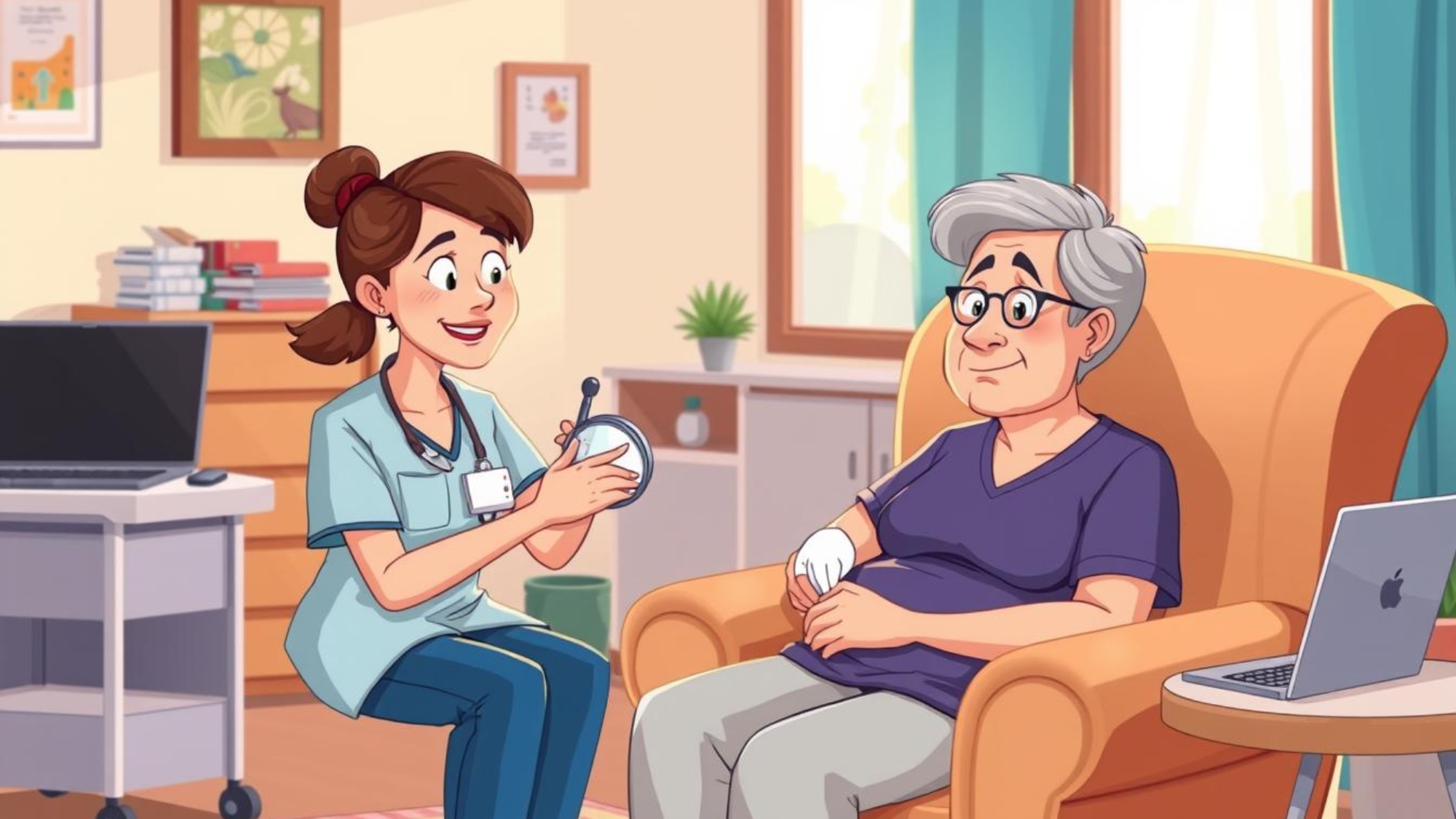
Getting medical care at home can change your life, wound treatment included. Mobile wound care services bring experts right to your side.
A nurse will do a detailed check-up and create a treatment plan just for you during a home medical visit. This method makes you more comfortable and ensures you get the specialized care you need.
Key Takeaways
- Mobile wound care services bring expert treatment to your bedside.
- A thorough assessment is conducted during the home visit.
- Personalized treatment plans are tailored to your needs.
- Specialized care enhances the healing process.
- Dominion Mobile Wound Care is available to help heal your wounds.
Understanding the Role of a Home Wound Care Nurse
Dominion Mobile Wound Care brings professional wound care right to your home. Skilled nurses are there to help you heal. They work with a team to treat wounds and the problems that cause them.
Definition and Responsibilities
A home wound care nurse treats wounds and helps them heal. They check the wound, make a care plan, and teach patients and caregivers how to care for it.
They watch how the wound is healing, change the plan if needed, and support patients and their families. Their aim is to help the wound heal, avoid infections, and reduce complications.
Importance in Patient Recovery
A home wound care nurse is key to managing wounds and helping patients get better. They offer professional wound care at home. This reduces the chance of getting sick in the hospital and makes recovery safer and more comfortable.
Teaching patients how to care for their wounds helps them take charge of their recovery. This improves their health and quality of life.
Preparing for Your Nurse Visit
Knowing what to expect and how to prepare for your nurse visit is key. Being ready helps you get the most from your appointment. It also lets your wound care nurse in San Antonio give you the best care.
Essential Items to Have Ready
To get the most from your nurse visit, have these items ready:
- Any current wound dressings or supplies
- A list of medications you are currently taking
- Previous medical records related to your wound
- A comfortable and clean area for the nurse to work in
Having these items ready helps your nurse assess your wound well. They can then provide the care you need.
Information to Provide
It’s important to give your nurse accurate and detailed information about your wound and health. This includes:
- Changes in your wound’s appearance or condition
- Any pain or discomfort you’re experiencing
- Previous treatments or interventions you’ve tried
- Any allergies or sensitivities you have
Family involvement is also key in wound care. Your family caregivers can help a lot. They can follow care plans and be there for consultations.
By being prepared and sharing the right information, you can make your nurse visit productive. This is a big step towards effective wound care.
Assessing Your Wound: What the Nurse Will Do
Your wound care nurse will do a detailed check of your wound. This is key to making a treatment plan just for you.
Initial Evaluation and Assessment
The nurse will first look at your wound closely. They’ll check its size, depth, and what kind of tissue it is. They’ll also look at the edges and the skin around it for any signs of infection.
Key factors evaluated during the initial assessment include:
- The wound’s location and size
- The presence of any necrotic tissue or debris
- The condition of the surrounding skin
- Any signs of infection, such as redness, swelling, or odor

Measuring and Documenting the Wound
It’s important to measure and document the wound accurately. This helps track its progress and adjust the treatment plan if needed. The nurse will measure the length, width, and depth of the wound. They’ll also write down these measurements in your medical records.
The documentation process may also include:
- Photographic records of the wound
- Detailed notes on the wound’s condition and any changes observed
- Information on the types of dressings or treatments used
By doing a thorough assessment, your wound care nurse can create a treatment plan that meets your specific needs. This helps your wound heal the best it can.
Wound Care Techniques and Practices
Professional wound care uses many techniques to help wounds heal and avoid problems. At Dominion Mobile Wound Care, experts follow the best practices and keep up with new treatments. This ensures they give the best care possible.
The methods used depend on the wound’s type and how serious it is. Knowing about these techniques helps you see the great work your wound nurse in San Antonio does.
Dressing Types Used
Different wounds need different dressings. Here are some common ones:
- Foam dressings: These soak up a lot of liquid and are good for wounds with a lot of drainage.
- Hydrocolloid dressings: They keep the wound moist, which helps it heal, and are often used for pressure ulcers.
- Alginate dressings: Made from seaweed, these absorb a lot of liquid and are best for wounds with a lot of drainage.
Cleaning and Debridement Methods
Cleaning and debridement are key parts of wound care. Debridement means removing dead tissue and debris to help the wound heal.
There are several ways to do debridement, including:
- Sharp debridement: This uses a scalpel or sharp tool to remove dead tissue.
- Autolytic debridement: It uses the body’s enzymes to break down dead tissue, often with special dressings.
- Mechanical debridement: This uses irrigation or dressings that stick to the wound and remove dead tissue when taken off.
Learning about these techniques helps you see the skilled care from Dominion Mobile Wound Care’s clinicians.
Managing Pain During the Visit
Your comfort is key during a home wound care visit. That’s why pain management is a top priority. It’s important to make your visit as comfortable as possible. This way, you can get the care you need without feeling too much pain.
Pain Assessment Techniques
Your nurse will check your pain level before starting any care. They use a pain scale, where you rate your pain from 0 to 10. This helps them understand how much pain you’re in and how to manage it.
The nurse will also ask about your pain. They want to know if it’s sharp, dull, or throbbing. This helps them tailor the pain management to your needs.
Strategies for Pain Management
Your wound nurse might use several strategies to manage your pain. These can include:
- Administering pain medication before the procedure
- Using topical anesthetics to numb the area around the wound
- Employing gentle and careful wound care techniques to minimize discomfort
- Distracting you with conversation or other methods to reduce your focus on the pain
Your wound nurse in San Antonio will work with you to find the best pain management plan. This plan is part of a complete care approach. It ensures you get the best treatment for your wound while keeping you comfortable.
At Dominion Mobile Wound Care, our team is committed to caring for you with compassion and effectiveness. If you need professional wound care services, consider our team for your home medical visit needs.
Education and Guidance for Caregivers
The home health team gives caregivers the training they need. This training is key for professional wound care. It helps caregivers support the healing process and manage any problems.
As a caregiver, you’ll get hands-on training. You’ll learn about wound care, including how to change dressings and spot infections early.
Training on Dressing Changes
Learning how to change dressings is a big part of the training. You’ll learn:
- What dressing to use for each wound
- How to clean the wound right
- How to put on new dressings
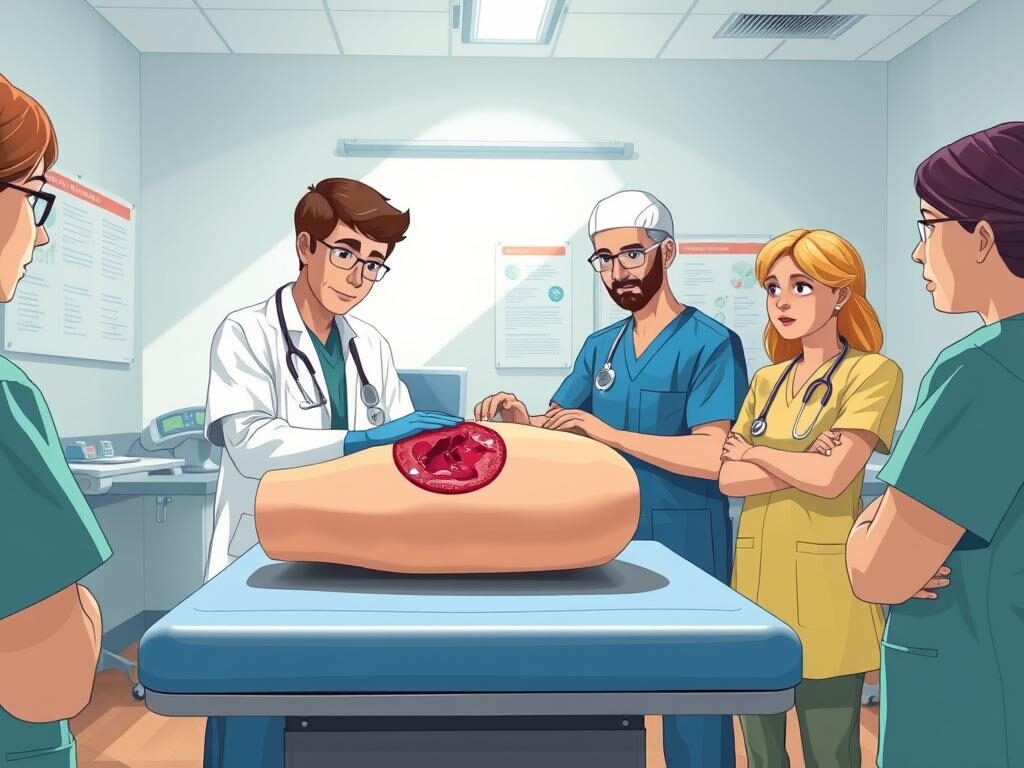
Recognizing Signs of Infection
Caregivers also learn to spot infection signs. These include:
- More redness or swelling around the wound
- Pus or discharge
- Foul smell
- More pain
Spotting these signs early helps prevent bigger problems. It also helps the wound heal faster.
During training, caregivers can always reach out to the home health team. They’re available 24/7 for help and advice.
Follow-Up and Continuity of Care
Keeping up with wound care is key. Regular visits with your wound nurse are important. This ensures your wound heals right.
Scheduling Future Visits
Your wound nurse in San Antonio will plan future visits after the first one. These visits help adjust treatments and handle any issues. How often you need to see them depends on your wound and health.
- Regular assessments to monitor healing progress
- Adjustments to treatment plans as needed
- Education and support for caregivers
- Identification and management of possible complications
Sticking to the visit schedule helps your wound heal fast and safely. It’s also a chance to ask questions and get tips on wound care at home.
Importance of Consistent Care
Regular care is essential for wound treatment. Multiple visits may be needed to check if treatments are working. Regular care helps prevent infection, promotes healing, and lowers the risk of complications.
- Preventing infection
- Promoting a healthy healing environment
- Reducing the risk of complications
- Improving overall outcomes
For more info on getting ready for your wound care nurse visit, check out top questions to ask your wound care nurse before your first. This guide can help you know what to expect and how to get the most from your visits with Dominion Mobile Wound Care.
Communicating with Your Healthcare Team
To get the best results, it’s key to talk often with your healthcare team about your professional wound care. Good communication helps your caregivers know everything about your condition and treatment. It also lets them know about any changes.
Sharing Updates on Healing
Your healthcare team needs to know how your wound is healing. Here’s how you can help:
- Keep a wound diary to track changes, improvements, or setbacks
- Note any changes in wound size, color, or discharge
- Tell them about any pain or discomfort you’re feeling
By sharing these updates, your healthcare team can adjust your treatment plan. This ensures you get the best professional wound care possible.
Reporting Concerns and Changes
If you see any concerning changes or have questions, reach out to your healthcare team. They’re there to help and answer your questions. Some important things to report include:
- Signs of infection, such as increased redness, swelling, or pus
- Any new or worsening pain
- Changes in wound dressing or unexpected leakage
Telling them about these concerns early on helps them act fast. This can prevent problems and help your wound heal right. Remember, your active role in professional wound care is key to the best results.
By keeping communication open and working with your healthcare team, you can make sure your wound care fits your needs. This will help your healing process.
Insurance and Payment for Home Care Services
When you get home wound care, it’s key to know about the money side. This includes insurance coverage. Handling care costs can be tough, but knowing your choices can help a lot.
Understanding Coverage Options
Most home healthcare services are covered by insurance if a doctor prescribes them. This includes skilled home health visits. These are usually covered by Medicare, veterans benefits, and some private insurance policies. It’s important to check your coverage details to avoid surprise bills.
To get the most from your benefits, talk to your insurance about your plan. Some services might need pre-approval or have limits.
Out-of-Pocket Expenses to Expect
Even with insurance, you might face some costs yourself. These can be copays, deductibles, and costs for services not covered. Knowing these costs ahead of time can help with planning.
Talking about money worries with your healthcare team is also smart. They might offer advice or other options.
If you’re in San Antonio and need wound care, think about Dominion Mobile Wound Care. They have a team ready to help with your care and financial needs.
Conclusion: Maximizing the Benefits of Home Wound Care
A home wound care nurse visit is more than just a check-up. It includes assessment, treatment, and education. Knowing what to expect helps you and your loved ones prepare for the care process.
Key Takeaways for Effective Wound Care
Effective wound care at home needs both professional help and your own care. During a visit, your nurse will check your wound, give you care, and teach you how to manage it at home.
Ongoing Communication is Key
Keeping in touch with your healthcare team is key for healing. Share your healing progress and any concerns with them. For professional wound care at home, consider Dominion Mobile Wound Care.
By being active in your care and getting help when needed, you can get the most out of home wound care. Contact Dominion Mobile Wound Care to learn more about their services and how they can help you.
FAQ
What is a home wound care nurse visit?
A home wound care nurse visit is a service where a nurse comes to your home. They assess, treat, and manage your wound. This care is tailored to help your wound heal.
What can I expect during a home wound care nurse visit in San Antonio?
In San Antonio, you’ll get a detailed wound check. A treatment plan will be made just for you. You’ll also learn about wound care, like dressing changes and managing pain.
How do I prepare for a home wound care nurse visit?
Get ready by having your insurance and medication list ready. Also, have your medical history and wound details ready. This helps the nurse plan your care.
What is the role of a home wound care nurse in my recovery?
A home wound care nurse is key to your recovery. They provide expert care and teach you and your caregivers about wound care. This ensures you heal well.
How will my wound be assessed during the nurse visit?
Your wound will be checked and measured during the visit. This information helps create a treatment plan just for you.
What wound care techniques and practices will be used during the visit?
Many techniques might be used, like different dressings and cleaning methods. These aim to help your wound heal and keep you comfortable.
Will I receive education and guidance on wound care during the visit?
Yes, you and your caregivers will learn about wound care. This includes how to change dressings and manage pain. It helps you take an active role in healing.
How will pain be managed during the visit?
Pain will be managed through various methods. This might include medication, dressing changes, and other interventions. They’re tailored to your needs.
How often will I need to schedule follow-up visits with the wound care nurse?
The number of follow-up visits depends on your needs and treatment plan. The goal is to ensure consistent care and promote healing.
Will my insurance cover the cost of home wound care services?
Insurance coverage for home wound care varies. It’s important to understand your coverage and what you might pay out-of-pocket. Talk to your healthcare team and insurance provider about this.
Can I hire a professional wound care service like Dominion Mobile Wound Care for my wound care needs?
Yes, you can hire a service like Dominion Mobile Wound Care. They provide expert care and guidance in your home. This helps you heal and recover comfortably.
Add a Comment