


Getting ready for your first visit with a wound care nurse in San Antonio? It’s key to know the right questions. Asking the right things helps you understand your treatment and feel more at ease. In this part, we focus on important questions for your wound care journey.
Key Takeaways
- Understand the importance of preparing questions for your wound care nurse San Antonio.
- Clarify treatment protocols to ensure optimal healing.
- Discuss home care questions to support your recovery.
- Be aware of what to bring to your first appointment.
- Recognize your active role in the wound healing process.
- Communicate openly about your health history.
Understanding Wound Healing Processes
Wound healing is a complex process our body uses to fix itself. It has different stages, each with its own job and time. Knowing these stages shows how our body works together to heal.
Things outside and inside our body can affect healing. Knowing about different wounds helps us care for them better.
Phases of Wound Healing
The healing process has key stages. Here’s what they are:
- Hemostasis: This first step stops bleeding. Our body makes a clot to protect the wound.
- Inflammatory: Our immune system starts fighting off infections and starts fixing the tissue.
- Proliferative: New tissue starts forming. Our body works to rebuild skin and blood vessels.
- Maturation: The last stage makes the new tissue stronger. This can take months or years.
Factors That Affect Healing
Many things can help or hurt our healing. These include:
- Nutrition: Good food helps fix cells and recover.
- Age: Older people might heal slower.
- Overall health: Health problems can slow healing.
Common Types of Wounds
Knowing about common wounds helps us know how to care for them. We often see:
- Skin tears: These happen from rubbing or pulling.
- Venous ulcers: Found in people with bad circulation.
- Arterial ulcers: Caused by not enough blood flow.
- Diabetic foot wounds: Happen in people with diabetes due to nerve damage and bad circulation.
- Pressure injuries: Found in people who can’t move, need special care.
Preparing for Your Appointment
Getting ready for our wound care visit is important. We need to gather important documents and know our health history. This helps us heal better. We also play a big role in our own recovery.
What to Bring
It’s good to bring the right things to our appointment. This makes talking to our healthcare provider easier. Here’s what to bring:
- Insurance information and identification
- A list of current medications, including dosages
- Documentation of previous treatments and medical records related to our wound
Questions about Your Health History
Think about health history questions before our appointment. This helps our wound care nurse help us better. Important things to remember include:
- Any chronic conditions, such as diabetes or cardiovascular issues
- Past surgical procedures, specially those that affect wound healing
- Previous episodes of wounds and treatments we had
Understanding Your Role in Recovery
Knowing our role in recovery helps us heal faster. Being involved and knowing what to do is key. This includes:
- Following treatment plans and taking medication as told
- Doing wound care as instructed
- Telling our healthcare team about any changes or worries

Questions to Discuss with Your Wound Care Nurse San Antonio
Talking to our wound care nurse is very important. We need to ask questions to make sure we get the care we need. Here are some important things to ask about.
Clarifying Treatment Protocols
It’s key to understand our treatment plan. We can ask:
- What are the recommended treatment options for my wound?
- What can I expect during each stage of the treatment process?
- How often will I need to return for follow-up care?
Inquiring About Home Care Questions
Home care is a big part of healing. We should talk about:
- What daily wound care routines should I follow?
- What signs of complications should I be aware of?
- Are there any specific instructions for dressing changes at home?
Understanding Wound Treatment Preparation
Knowing what to expect is important. We can ask:
- What preparations are necessary before my next treatment session?
- Are there any special materials or tools I should have on hand?
- How can I best prepare myself mentally and physically for the treatment ahead?
Choosing the Right Treatment Options
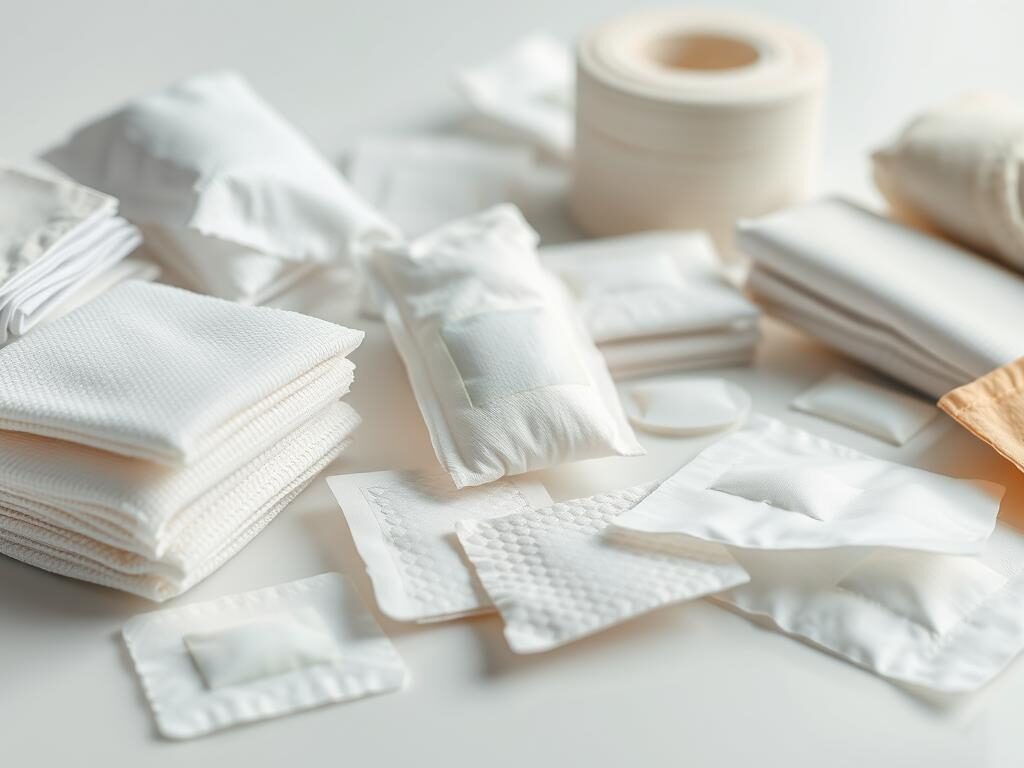
Choosing the right treatment for wounds is very important. We need to look at different wound dressing types and medicines. Each one helps in healing and stops problems.
Knowing what works best for us helps us heal faster. It makes us feel more in control of our recovery.
Types of Dressings and Their Uses
There are many wound dressing types for different wounds. Here are a few:
- Foam Dressings: Good for wounds with a lot of fluid. They cushion and keep the wound moist.
- Alginate Dressings: Made from seaweed, they soak up a lot of fluid. Great for wet wounds.
- Hydrocolloid Dressings: For shallow wounds, they make a gel layer. This keeps the wound moist and helps it heal.
Potential Medications and Therapies
Along with dressings, we have medicines to use. Antibiotics fight infections. Topical agents can also help wounds heal faster.
Long-term Management Strategies
For long-term wounds, we need good wound management strategies. Regular checks and changing treatment plans help a lot. Working with doctors to find a good plan is key.
Communication and Collaboration in Wound Care
Good communication is key in wound care. It helps us work together better. This teamwork is very important, like when we’re dealing with big challenges like bariatric wound healing.
Importance of Open Dialogue
Talking openly with patients is very important. It helps us understand what they need. This way, we can give them care that fits them best.
Bariatric Considerations for Wound Healing
Bariatric patients face special challenges in healing wounds. We need to know a lot about this. Working together, we can make care plans that really help them heal.
Conclusion
As we finish our talk, it’s clear that getting ready for a visit with a wound care nurse in San Antonio is key. Talking with our healthcare team helps us understand how to heal better.
By working together and sharing information, we learn what we need to do to get better. This way, we can help ourselves heal faster. It also builds trust and shows we are in charge of our health.
If you need help with wound care, check out Dominion Mobile Wound Care. They offer great care and help us on our healing path. We can count on them to guide us every step of the way.
FAQ
What are the phases of wound healing?
Wound healing has four main phases. First, the body stops bleeding. Then, it fights off infection. Next, new tissue grows. Lastly, the wound gets stronger and changes.
What factors can affect my wound healing?
Many things can change how fast a wound heals. This includes what we eat, our age, and our health. Eating well and managing health issues helps a lot.
What types of wounds require special management?
Some wounds need extra care. This includes skin tears, ulcers, and diabetic foot wounds. Each needs its own special treatment plan.
What should I bring to my appointment?
Bring important papers to your appointment. This includes your insurance, medicines, and past treatment records. It helps the nurse give you the best care.
How can I communicate effectively with my wound care nurse?
Talk openly with your nurse. Ask about your treatment, what to expect, and how to care for your wound. This helps you understand your care better.
What are some crucial home care questions I should ask?
Ask about daily care, signs of trouble, and how to change dressings. Knowing this helps you take care of your wound at home.
What types of dressings are available for wound care?
There are many dressings, like foam and hydrocolloid. Each is for different types of wounds. Your nurse can tell you which is best for you.
Are there medications I should be aware of for my wound treatment?
Yes, you might need antibiotics or other medicines. Talk to your doctor about these to find the right treatment for you.
How can I contribute to my long-term wound management?
Keep up with follow-up visits and follow your care plan at home. Staying in touch with your team and being proactive helps a lot.
What considerations should bariatric patients keep in mind regarding wound healing?
Bariatric patients face special challenges. Being overweight can slow healing, and care needs to be adjusted. Talk to your nurse about this to get the right plan.
Add a Comment