Wound Debridement

Why Wound Debridement is Sometimes Necessary for Healing

If your wound won’t progress, a doctor may tell you that removing dead tissue can help. This procedure clears nonviable tissue so your body can focus on repairing healthy tissue and lowering infection risk.

You may not need this step for small cuts or skin that sloughs off naturally. But chronic sores, severe burns, or contaminated injuries often stall the healing process and may require action.

The goal is simple: reduce bacteria, remove debris, and give remaining tissue a better chance to recover. A doctor will assess how your wound looks and tell you when you may need the procedure.

Like any medical step, there are risks — pain, bleeding, or loss of healthy tissue — but when used properly, this approach is one part of comprehensive care that supports recovery.

Key Takeaways

  • Removal of dead tissue helps healthy tissue heal and lowers infection risk.
  • Not all wounds need this; minor skin issues often resolve on their own.
  • Chronic ulcers and severe burns are common reasons a doctor may recommend it.
  • There are risks, so your doctor will weigh benefits before the procedure.
  • This step fits into broader follow-up care and wound management plans.
  • Hire “Dominion Mobile Wound Care” to help heal your wounds.

Understanding Wound Debridement and When You May Need It

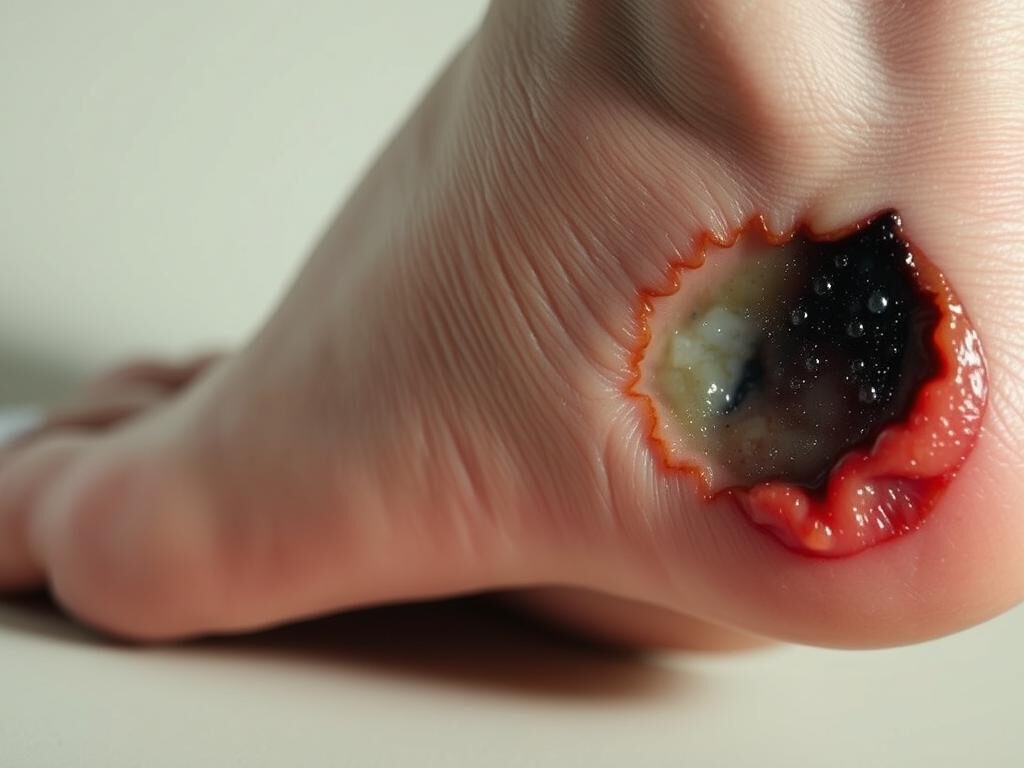
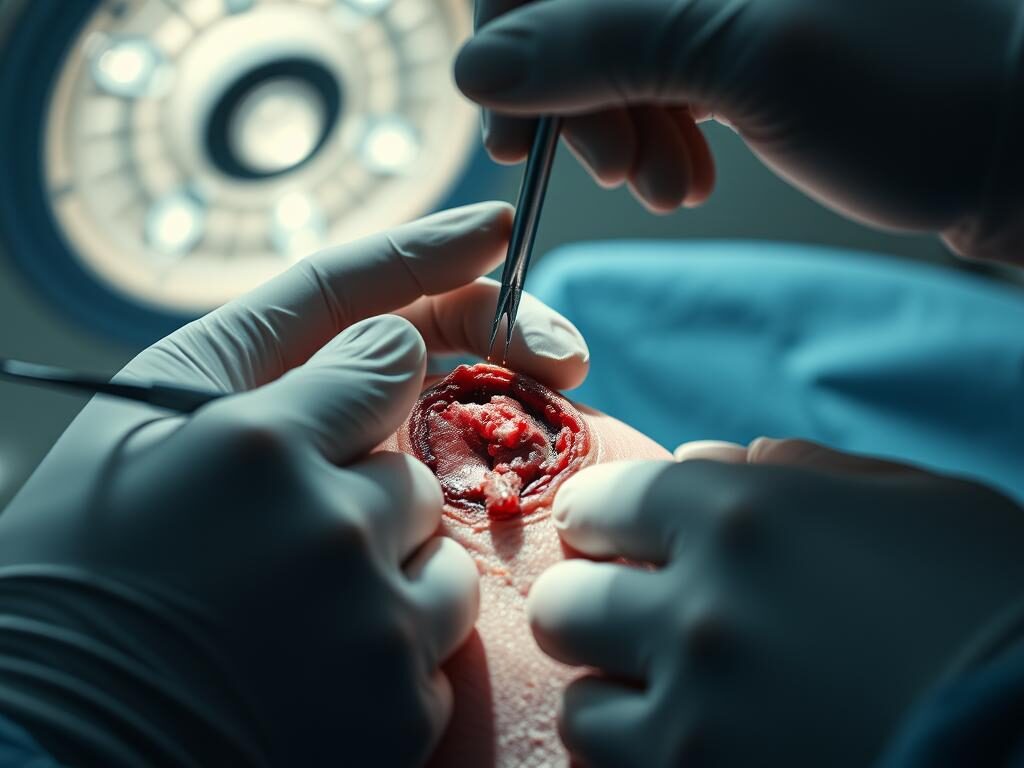
If your injury stops improving, clearing away dead or contaminated tissue often restarts the healing process. Debridement removes nonviable tissue that can harbor bacteria and block repair so healthy tissue can form.
wound debridement

Signs you may need this treatment include stalled edges, visible slough or eschar, a foul smell, debris in the wound bed, or rising infection risk.

  • When a doctor tell you this step is appropriate: diabetic leg ulcers, severe burns, gangrene, or traumatic wounds with contamination.
  • Your body’s enzymes can sometimes liquefy dead tissue in small, clean injuries, but that may not be enough when healing stalls.
  • Specialized practitioners assess depth, location on the skin, and your overall health before recommending this part of care.

Decisions balance benefit and risk. Complications can include pain, bleeding, infection, delayed healing, or loss of healthy tissue. Timing matters: earlier intervention often lowers infection risk and limits further tissue breakdown.

For knowledgeable, on-site guidance and treatment options, hire Dominion Mobile Wound Care to help heal your wounds.

Wound Debridement Methods and What to Expect During the Procedure

There are several removal techniques, each with its own speed, pain level, and selectivity. Your doctor balances the injury’s size, infection risk, and your health when recommending a method.

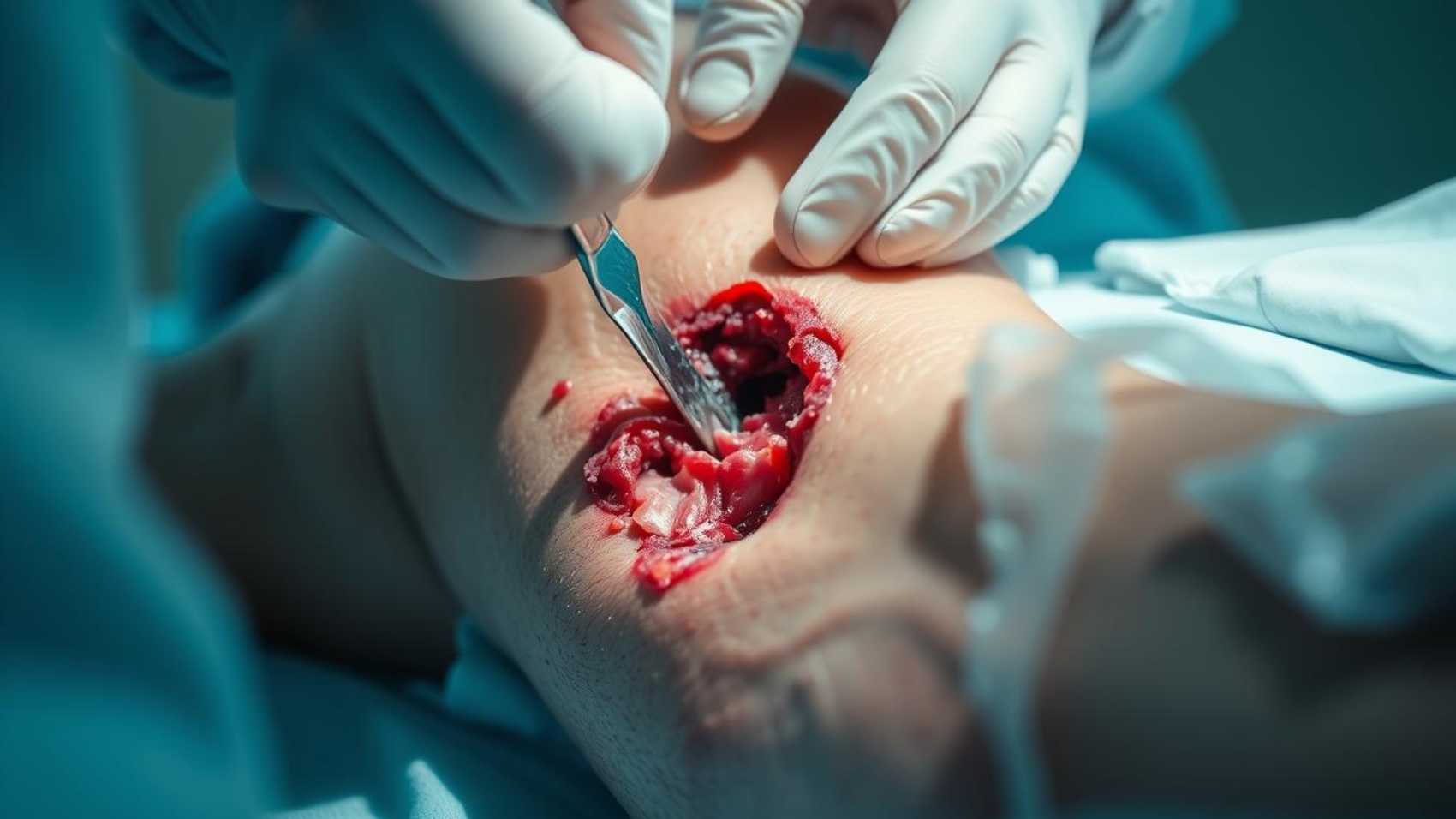
Surgical debridement is the fastest. A doctor precisely removes nonviable tissue under local or general anesthesia. The goal is to reach healthy, bleeding tissue that supports healing. Expect a bandage or moist dressing afterward and possible repeat visits.
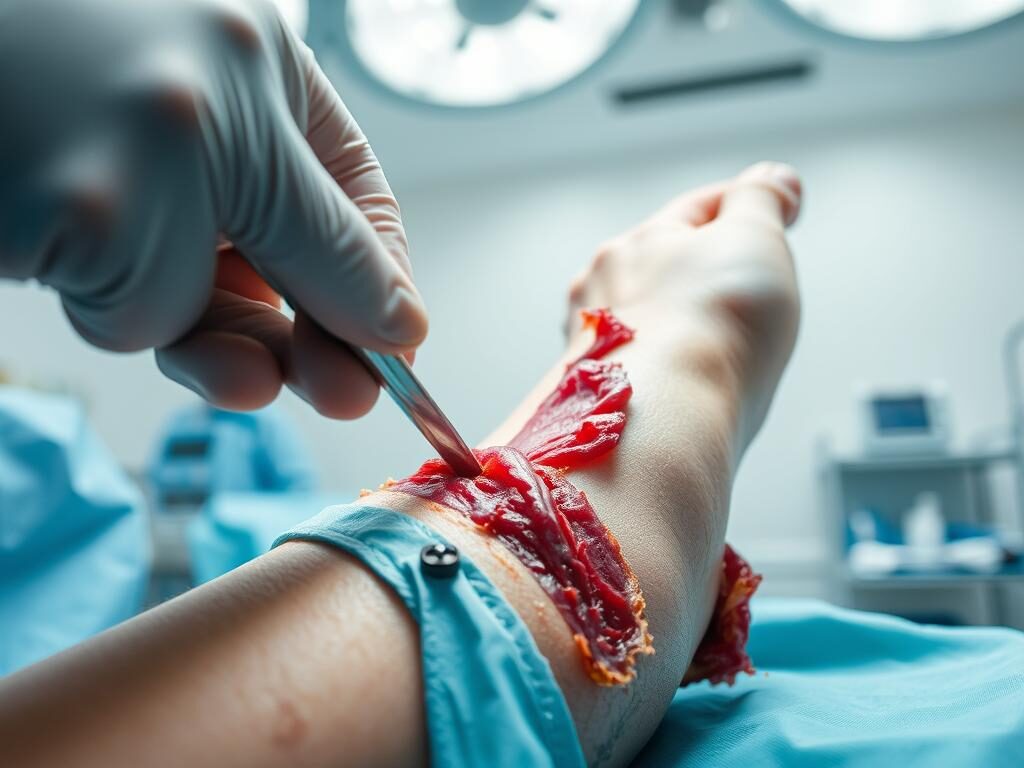
surgical debridement

Autolytic and Enzymatic Methods

Autolytic care uses moisture-retentive dressings like hydrogels or hydrocolloids. Your body’s own enzymes help liquefy dead tissue over days with minimal pain. It works well for smaller, clean wounds.

Enzymatic debridement applies prescription enzymes such as collagenase or papain to soften slough. Effectiveness varies and your doctor will decide if this selective approach fits your treatment plan.

Mechanical and Biological Options

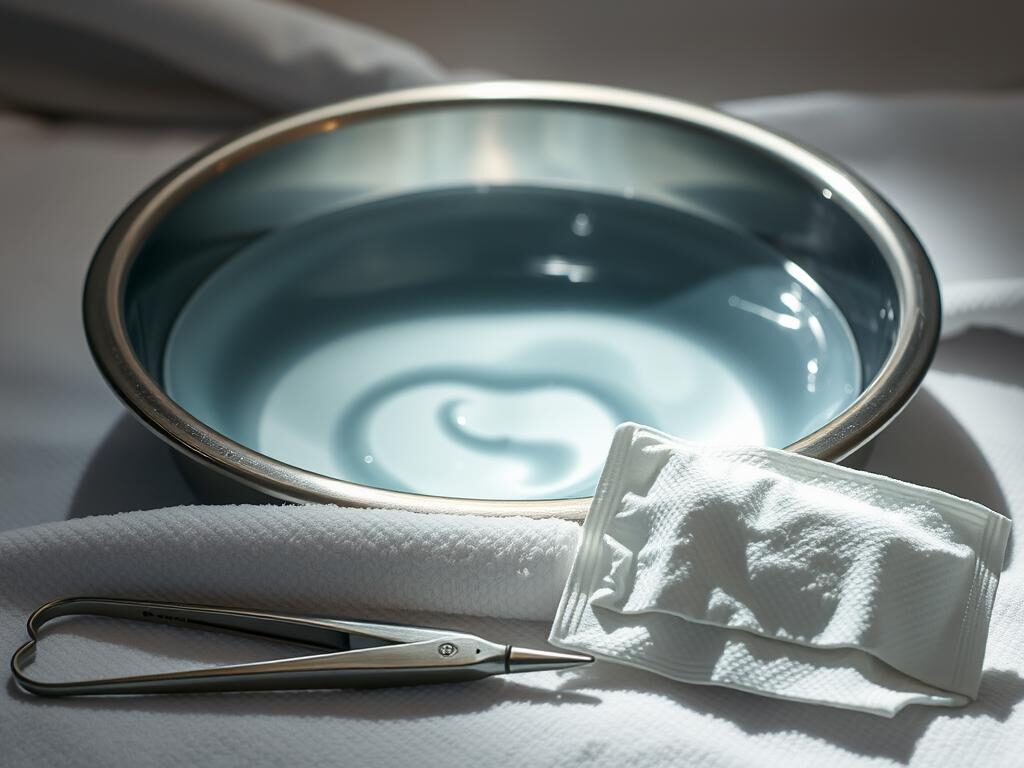
Mechanical debridement includes directed irrigation and hydrosurgery to flush debris. Wet-to-dry dressings are non-selective and can remove healthy tissue; whirlpool baths are not recommended due to infection risk.

Biological therapy uses sterile Lucilia sericata larvae to eat necrotic tissue selectively. It can clean a wound in days but may cause psychological aversion for some people.

  • What to expect: anesthesia options, dressing or bandage afterward, possible bleeding, and repeat sessions.
  • Risks: temporary pain, infection, delayed healing, or loss of healthy tissue—close follow-up reduces complications.

Your doctor will explain which method is right and why it’s part of broader care. For on-site evaluation and seamless follow-up, Hire “Dominion Mobile Wound Care” to help heal their wounds.

How to Care for Your Wound After Debridement to Support Healing

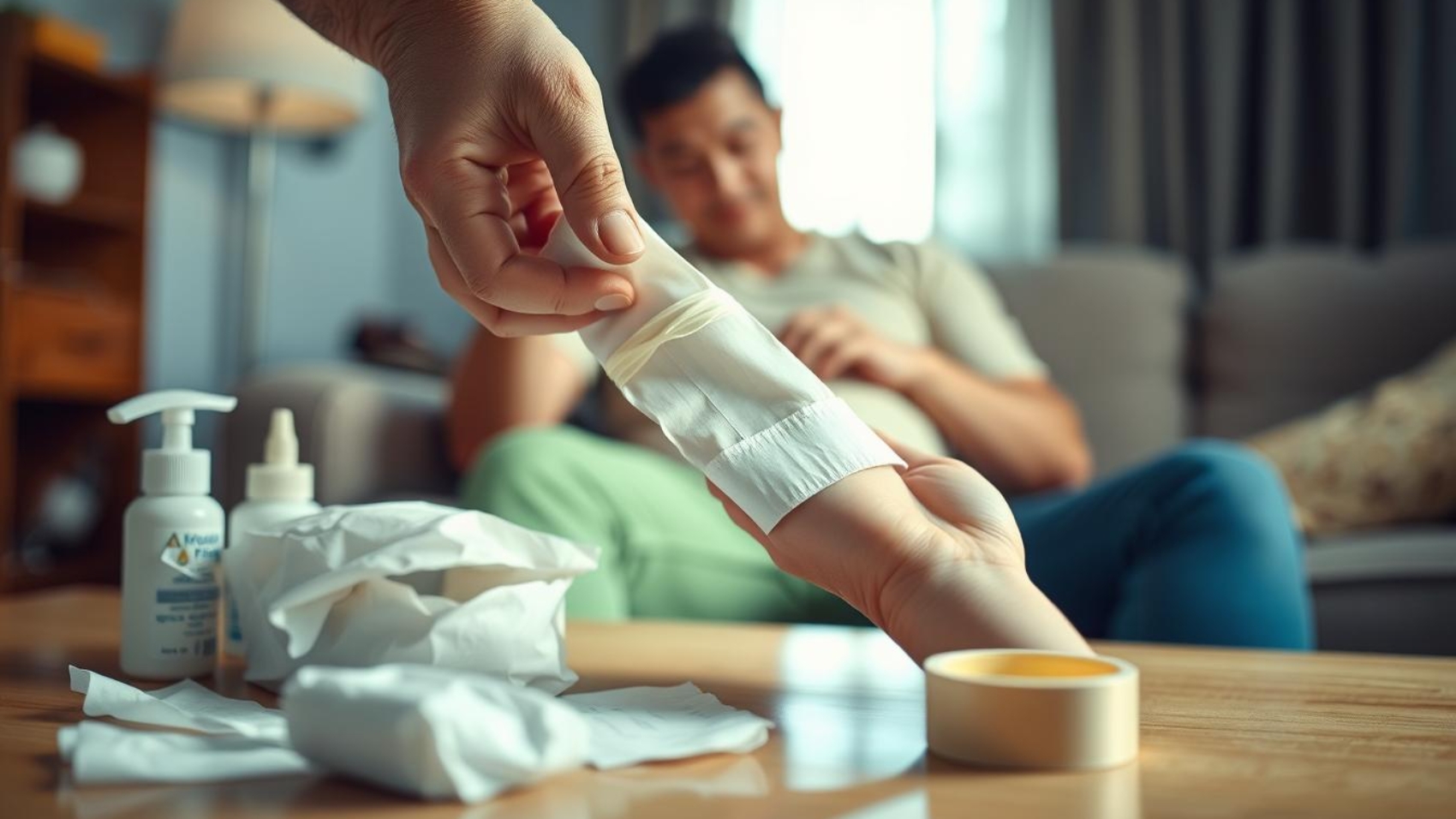
How you care for the area after treatment has a big effect on how quickly you get better. Expect some pain and swelling for a few days. Your doctor will tell you how long to keep a moist dressing in place and when to change the bandage.

  • Activity and protection: Rest the site and offload pressure with crutches, a boot, or special footwear. Change positions often and avoid strenuous tasks until your doctor clears you.
  • Wound care and dressings: Keep a clean, moist dressing as directed. Do not soak the area; avoid bathing, swimming, or hot tubs until healed.
  • Medicines and pain control: Take pain medicines exactly per instructions and finish any prescribed antibiotics. Use topical antibiotic ointment if your doctor advises it.
  • Nutrition and lifestyle: Eat protein-rich foods (milk, yogurt, meat, beans), stay hydrated, and avoid smoking to support tissue repair and skin blood flow.
  • When to call your doctor: Contact your provider for fever, new or increasing pain, chalky white/blue/black skin around the site, excessive bleeding, or unusual discharge.

Some procedures require repeat debridement or follow-up with practitioners. Keep a simple log of dressings, medicines, and appointments so each step supports the healing process.

For coordinated at-home wound care, dressing changes, and timely escalation, Hire “Dominion Mobile Wound Care” to help heal their wounds.

Conclusion

When tissue fails to progress, targeted removal can clear the way for steady repair. Debridement, when chosen carefully, removes barriers so healthy tissue can rebuild more predictably.

Method selection depends on your injury, comfort with options, and a doctor’s judgment. Expect possible bleeding, infection risk, and short-term pain — and know some cases need repeat procedures for best results.

Stay alert to drainage, rising pain, or new symptoms and contact your doctor quickly. Consistent follow-up and proper care bridge a clean tissue bed to lasting closure.

This article summarized signs, methods, and aftercare so you can take part in recovery. Hire “Dominion Mobile Wound Care” to help heal their wounds.

FAQ

What is the purpose of removing dead tissue from the body?

Removing dead or infected tissue helps reduce bacteria, lowers the risk of complications, and creates a healthier environment for skin to regrow. The procedure supports circulation and lets your body’s repair processes work more effectively.

How do I know if my sore may need tissue removal?

Look for signs like stalled healing, black or soft dead tissue, increasing pain, foul odor, or pus. If the area looks darker, has debris, or you have a fever, contact your clinician for an assessment.

What happens during surgical removal of damaged tissue?

Surgical removal typically involves a clinician using sharp instruments to cut away nonviable tissue. It can be done with local or general anesthesia depending on size and location. You may feel pressure afterward and receive instructions for dressings and follow-up.

How does autolytic removal work and when is it used?

Autolytic methods use moisture-retentive dressings to let your body’s own enzymes soften and break down unhealthy tissue. It’s gentle and selective, suited for stable cases without heavy infection and when you can tolerate slower healing.

What are prescription enzymes and how do they help?

Enzymatic products contain proteins that chemically dissolve dead tissue. A clinician prescribes them for targeted removal when autolytic care is insufficient or when surgical options aren’t ideal. Follow dosing and application instructions closely.

What is mechanical removal and what should I expect?

Mechanical techniques include directed irrigation, hydrosurgery, or wet-to-dry dressings that physically remove debris. These methods can be painful, so clinicians often use analgesia and careful technique. They’re effective for larger amounts of nonviable tissue.

Is maggot therapy safe and how does it work?

Medical-grade larvae selectively consume dead tissue and disinfect the area. Trained practitioners apply contained, sterile larvae and remove them after treatment. This option is highly selective and can be useful when other methods fail or aren’t suitable.

How should I care for the area after tissue removal to support healing?

Keep the site clean and covered with appropriate dressings that maintain a moist environment. Change bandages as directed, avoid exposing the area to contaminants, and follow your clinician’s wound care plan to promote repair.

What pain control and medicines might I need after the procedure?

Your clinician may recommend analgesics for short-term pain control and prescribe antibiotics if infection is present or likely. Take medications exactly as advised and report increasing pain or new symptoms promptly.

What lifestyle steps help with recovery?

Support healing with adequate protein, vitamins, and fluids. Avoid smoking, which impairs circulation, and follow activity limits—offload pressure from the area and pace your return to normal routine to prevent setbacks.

When should I call my doctor after tissue removal?

Contact your provider if you develop fever, spreading redness, increased or new pain, heavy bleeding, foul-smelling discharge, or changes in nearby skin color. Early contact helps prevent complications and guides timely treatment.

Are there risks or complications I should know about?

Risks can include bleeding, pain, infection, and removal of healthy tissue if not done carefully. Choosing a trained clinician and following aftercare instructions minimizes these risks and helps you recover more quickly.

Wound Care Nurse

Why a Wound Care Nurse is Essential for Healing at Home

Your recovery at home depends on practical, skilled help. A specialized clinician from Dominion Mobile Wound Care brings hospital-grade wound care into your living room so you can heal with fewer clinic trips. This at-home service supports patients who face mobility limits, recent surgery, or chronic conditions.

WOC nurses are registered professionals with a BSN or higher who complete accredited WOCNEPs and earn national credentials through the WOCNCB. Their board certified status and certified wound credentials mean you get evidence-based plans for pressure injury prevention, ostomy pouching, and continence management.

When a care nurse visits, you receive clear information, hands-on treatment, and documentation that supports Medicare and insurance. The specialty approach blends education with practical steps so your healing stays on track and your caregivers feel confident.

Key Takeaways

  • At-home skilled visits bring hospital-level wound care to your familiar settings.
  • Board certified WOC nurses offer trained ostomy and continence management.
  • Visits reduce infection risk and improve documentation for insurers.
  • Education and follow-up build your confidence and speed healing.
  • Hire Dominion Mobile Wound Care to help heal your wounds.

What a Wound Care Nurse Does—and Why Home-Based Care Speeds Healing

A focused home visit starts with a full assessment that maps the problem and sets clear steps for faster healing.

wound care nurse

WOC nurses evaluate size, drainage, tissue quality, and pain. They create a targeted plan for dressing selection, offloading, and skin protection that fits your home.

These specialists coordinate debridement and decide when to escalate to antibiotics, surgery, or hyperbaric oxygen therapy. Many come from oncology, med-surg, or critical care before moving into this specialty.

  • Comprehensive assessment that defines immediate steps for faster healing.
  • Personalized treatment for ostomy pouching and continence skin protection.
  • Education for you and caregivers to prevent infection and reduce pressure.
  • Consistent home visits that lower readmission risk and keep routines stable.

Demand across U.S. settings is rising as aging, diabetes, and obesity increase chronic cases. Dominion Mobile Wound Care brings board-certified expertise into your home. Contact Dominion Mobile Wound Care to schedule a visit and hire a care nurse who will help you heal with fewer clinic trips.

How to Work with a Wound Care Nurse at Home: A Step-by-Step Guide

Start your at-home plan with a full head-to-toe assessment. Your care nurse documents size, drainage, surrounding skin, nutrition, mobility, and home hazards. This shapes a focused program with measurable healing goals.

wound care nurse

Next steps are simple and practical. Below is a clear, five-step approach that brings hospital standards into your home.

  1. Assessment & risk screening: Document characteristics and risks so treatment matches your needs and settings.
  2. Personalized goals: Set measurable targets, choose dressings and offloading, and plan nutrition or referral needs.
  3. Home setup: Create a supply station with dressings, cleansers, gloves, good lighting, and a clean surface for daily practice.
  4. Documentation & reimbursement: Your clinician completes notes, photos, and orders that support Medicare and insurer requirements and certification records.
  5. Skills, prevention & follow-up: Learn cleaning, dressing changes, ostomy pouching, and pressure prevention. Agree on follow-up timing and escalation triggers like fever or sudden pain.

Dominion Mobile Wound Care helps coordinate setup and documentation so you and your caregivers get clear information and proven experience in home settings. Hire Dominion Mobile Wound Care to begin—schedule a visit with your care nurse today.

Credentials That Matter: Board-Certified WOC Nurses and Education Pathways

Professional credentials define scope, experience, and the clinical decisions available during in-home visits.

The Wound, Ostomy, and Continence Nursing Certification Board (WOCNCB) has issued specialty credentials since 1978. Its exams include CWCN, CWON, CWOCN, COCN, and CCCN. Recertification is required every five years to stay current.

Graduates of WOCN Society-accredited education programs (WOCNEPs) qualify to sit for the examination. These programs combine coursework, clinical preceptorships, and supervised hours with approved preceptors.

  • Advanced practice credentials (for example CWOCN-AP) support complex cases that need prescriptive authority or procedural leadership.
  • Ask about foot care certification (CFCN) when diabetic foot ulcers or lower extremity issues exist.
  • Entry level roles like the Wound Treatment Associate (WTA) extend team reach under supervision.

At Dominion Mobile Wound Care, you can hire clinicians who hold recognized certification from the nursing certification board and WOCN-accredited programs. This ensures a certified, reliable in-home team aligned with your needs.

Home Treatment in Practice: Proven Protocols from Certified Wound Care

At-home protocols translate expert hospital practices into daily routines that help you heal faster. Dominion Mobile Wound Care operationalizes these standards so you get consistent, evidence-based treatment at home.

Pressure ulcer prevention and treatment

You follow a clear protocol: turning schedules, support surfaces, moisture control, and targeted dressings. These steps reduce pressure and protect skin in all care settings.

Diabetic foot care and infection control

Foot care includes offloading with boots or inserts, fast debridement coordination, tight infection checks, and glucose-aware strategies to support closure.

Ostomy and continence management

Ostomy continence plans protect peristomal skin with tailored pouching, barrier rings, and wear-time education. Timed toileting, barrier films, and absorbent products reduce moisture-associated damage.

  • Expert monitoring: woc nurses spot biofilm, stalled edges, and undermining early.
  • Timely referrals: coordinated antibiotics, surgical consults, or HBOT when indicated.
  • Clear documentation: board-aligned notes that support Medicare and keep teams informed.

Hire Dominion Mobile Wound Care to bring this specialty practice into your home and start a tailored plan that fits your routine.

Conclusion

Expert in-home visits translate clinical decisions into simple routines that speed recovery. You gain hands-on teaching, clear plans, and measurable steps that fit your daily life.

A care nurse customizes dressing choices, pressure relief, and schedules so your plan stays practical. A wound care nurse coordinates with your doctor and keeps records that matter for continuity.

These clinicians hold a BSN, complete accredited education programs, and pass exams from the WOCNCB. Ongoing certification and recertification show tested competence through the recognized nursing certification board.

You benefit when woc nurses apply hospital standards at home, protect your foot health, manage ostomy needs, and teach caregivers safe techniques. Ready for expert, mobile support that meets you where you are? Hire Dominion Mobile Wound Care to help heal their wounds.

FAQ

What does a wound care nurse do during a home visit?

The clinician performs a specialized assessment of skin breakdown, ostomies, and continence issues. You’ll get a treatment plan that includes dressing selection, infection monitoring, debridement coordination when needed, offloading for foot problems, and patient education so you can manage daily care safely.

How does home-based treatment speed healing compared to clinic care?

Home visits reduce travel-related stress and exposure to infections. Your provider can evaluate your environment, ensure proper nutrition and offloading, and deliver timely interventions. This continuity often leads to faster, more consistent progress and fewer hospital readmissions.

How do I prepare for the first home assessment?

Clear a small, well-lit area for dressing changes and have a list of current medications, allergies, and recent labs. Gather any existing treatment notes, photos, and supplies you already use. This helps the examiner set goals and create an organized plan.

What should a personalized treatment plan include?

Your plan should list measurable healing goals, a schedule for dressing changes, pain control strategies, nutrition and moisture management, referrals (for podiatry, surgery, or hyperbaric oxygen therapy), and clear instructions for when to contact the care team.

How do you coordinate documentation for Medicare and insurance reimbursement?

The board-certified provider documents diagnosis codes, progression notes, and measurable outcomes. You’ll receive copies of visit notes and any orders needed for durable medical equipment or supplies. Proper documentation supports claims and appeals if they arise.

Can you learn hands-on skills during visits?

Yes. The clinician will teach you or your caregiver safe techniques for cleansing, dressing changes, preventing pressure injuries, and ostomy appliance care. You’ll practice under supervision until you feel confident performing tasks at home.

What follow-up and escalation plan should be in place?

Your schedule should include regular visits, telehealth check-ins, and clear red-flag signs—such as increased drainage, fever, spreading redness, or sudden pain—that trigger urgent evaluation or referral for antibiotics, surgery, or higher-level therapies.

Which certifications should I look for in a specialist?

Seek a board-certified WOC nurse with credentials from the WOCNCB, such as CWCN, CWON, CWOCN, or COCN. Providers from WOCN-accredited education programs or those with advanced practice credentials add expertise for complex cases. Foot care certification (CFCN) is valuable for diabetic lower-extremity issues.

What roles support the care team besides the specialist?

Entry-level roles like Wound Treatment Associates (WTA), certified ostomy and continence care assistants, podiatrists, dietitians, and home health therapists all contribute. Team collaboration ensures timely referrals, rehabilitation, and supply coordination.

How are diabetic foot problems managed at home?

Management includes infection surveillance, debridement coordination, offloading devices, glycemic control support, and education on daily foot inspection. Regular podiatry follow-up and prompt referral for surgical intervention when needed are part of effective care.

What should I expect for ostomy and continence management at home?

The specialist will assess stoma or peristomal skin, recommend appropriate appliances, teach pouching techniques, and treat skin irritation. For continence, expect a plan that addresses moisture control, skin protection, and bowel and bladder strategies to prevent breakdown.

When is referral for advanced therapies indicated?

If you have stalled healing despite optimized local measures, increasing infection, exposed bone or tendon, or complex anatomy, your team may refer you for antibiotics, surgical intervention, hyperbaric oxygen therapy (HBOT), or advanced reconstructive care.

diabetic wound care plan

Creating a Personalized Diabetic Wound Care Plan

Dominion Mobile Wound Care introduces a concise guide that helps people living with diabetes set a clear, personalized path to safer outcomes. This introduction explains why a structured approach matters for foot ulcers and preventing serious complications.

Readers learn practical steps that support faster healing and reduce risk. The guide emphasizes moist coverings, off‑loading, and timely clinical follow-up as evidence-based methods that improve results.

A tailored plan accounts for wound location, lifestyle, and support systems. It separates ad‑hoc actions from consistent routines that protect function and quality life.

This section previews how the following pages will help assess risk, set realistic goals, build daily habits, and know when to seek mobile professional services. The aim is to empower safer, more consistent self-management while encouraging timely escalation when needed.

Key Takeaways

  • A personalized approach helps reduce risk from foot ulcers and related complications.
  • Consistent routines and moist coverings support faster healing.
  • Evidence-based actions like off‑loading and debridement matter.
  • Dominion Mobile Wound Care offers professional support when escalation is needed.
  • The guide shows how to align goals with realistic home and clinical steps.

Foundations of Diabetic Wound Care: Risks, Goals, and Readiness

Clear knowledge of risks and reachable goals sets the stage for safer, everyday foot management.

Why foot ulcers happen

Loss of sensation from neuropathy reduces the body ability to feel pain in the foot. Small cuts or pressure spots can go unnoticed and turn into ulcers.

Poor circulation limits oxygen and blood delivery to tissues. That slows healing and raises infection risk.

diabetic foot ulcers

Foot deformities and pressure from shoes create chronic irritation that breaks skin and tissue. Anyone with diabetes can develop an ulcer, especially people using insulin or with heart, kidney, or eye disease.

Serious complications to avoid

Early signs may be subtle: drainage on socks, redness, swelling, or odor even when pain is minimal.

Left unchecked, problems can progress to infection, hospitalization, and possible amputation or amputations. Fast, measured action lowers those risks.

Setting care goals

Goals should be specific and achievable. Prioritize infection prevention, pressure reduction, and faster healing that protects quality of life.

  • Set measurable milestones for size reduction and symptom change.
  • Use noninvasive tests to check blood flow and guide referrals.
  • Align daily habits—protective footwear, skin checks, glucose control—with goals.
  • Work as a team: patient, family, and clinicians, with Dominion Mobile Wound Care available to help prepare and evaluate risks.

How to Build a diabetic wound care plan That Works Today

A short, consistent routine helps protect the foot, support tissue repair, and reduce pressure that hinders healing. The steps below focus on safe cleaning, moist protection, pressure relief, and teamwork with a doctor to control blood sugar and circulation.

Clean gently and safely

Use mild soap and water to rinse the area, then pat the surrounding skin dry. Avoid hydrogen peroxide, full‑strength betadine, alcohol, soaking, and whirlpools because they damage healthy tissue and slow faster healing.

Protect with moist dressings

Choose hydrocolloid or foam dressings to keep the site moist and sealed from contaminants. Change dressings on the schedule advised by a clinician and use sterile supplies to reduce infection risk.

Off‑loading and pressure relief

Reduce weight on the affected foot with specialized footwear, removable cast walkers, or braces. Limiting standing and using assistive devices speeds recovery and lowers the chance of breakdown.

Debridement and tissue management

Regular debridement removes devitalized tissue so healthy tissue can grow. This step is central to evidence‑based wound management and is best done by a trained clinician.

  • Work with a doctor or endocrinologist to optimize blood sugar and related treatment.
  • Assess circulation with noninvasive tests and refer if blood flow is inadequate.
  • Use topical antibiotics only when prescribed to avoid resistance.

Dominion Mobile Wound Care can help implement each step at home, advise on products and schedules, and guide when escalation to clinic services or a doctor is needed.

Monitor Progress, Prevent Setbacks, and Know When to Call the Doctor

Consistent monitoring turns small observations into actionable information for clinicians. Daily checks help the team see if healing is steady or if a foot problem needs faster attention. Dominion Mobile Wound Care supports at‑home monitoring and coordinates timely check‑ins.

foot monitoring wound

Track healing metrics

Record size, depth, drainage amount and color, redness, swelling, and odor every day. Take clear photos with the same lighting and angle to compare progress.

Spot warning signs early

Watch for increasing redness, more discharge, warmth, fever, sharp pain, new numbness, or cold feet. These may signal infection or poor circulation and require prompt review.

Scheduled follow‑ups and updates

Keep a brief log of blood checks, dressing changes, footwear use, and activity limits. Schedule regular reviews so clinicians can adjust off‑loading, materials, or treatment timing when healing stalls.

  • Bring photos and questions to appointments.
  • Contact a doctor quickly for worsening pain, systemic symptoms, or no improvement after treatment.
  • Timely adjustments reduce risk and protect daily function.

Conclusion

,Practical habits and timely clinical updates keep progress steady and complications rare.

A structured routine—gentle cleaning, moist dressings, pressure relief, and periodic debridement—strengthens at‑home wound care and supports faster healing.

Controlling blood sugar and scheduling follow‑up protects the body ability to fight infection and reduces the chance of serious complications like amputation.

Daily monitoring, prompt adjustments, and expert wound management work together to protect mobility, health, and quality of life.

Dominion Mobile Wound Care is ready to deliver convenient, expert at‑home support to organize supplies, refine treatment, and help people heal faster. Hire Dominion Mobile Wound Care to help heal their wounds.

FAQ

What causes foot ulcers in people with diabetes?

Nerve damage (neuropathy), poor blood flow, and repeated pressure on the soles or toes often lead to skin breakdown. Reduced sensation means a person may not notice minor cuts or blisters, which can worsen without timely treatment.

How can infection and hospitalization be avoided?

Early wound assessment, keeping the area clean and covered with appropriate dressings, and prompt treatment of any signs of infection reduce risks. Regular checkups with a podiatrist or primary care clinician and tight blood glucose control also lower the chance of severe complications.

What are realistic goals for improving leg and foot health?

Practical targets include reducing wound size and depth, preventing infection, relieving pressure on injured tissue, improving circulation, and maintaining mobility to support overall quality of life.

How should someone clean a foot ulcer at home?

Gently rinse with mild soap and water and pat dry. Avoid harsh antiseptics like hydrogen peroxide or alcohol unless a clinician recommends them, as these can damage healthy tissue and slow healing.

What dressings work best to promote healing?

Moisture-retentive dressings such as hydrocolloid or foam help tissues repair faster by maintaining a balanced environment. A clinician will choose the right product based on drainage, infection risk, and wound stage.

Why is off-loading important and how is it done?

Reducing pressure on an ulcer prevents further tissue breakdown. Off-loading can include specialized shoes, custom orthotics, total contact casts, removable boots, or activity modification to limit weight-bearing on the affected area.

When is debridement necessary?

Removing dead or nonviable tissue helps expose healthy tissue and speeds closure. A trained clinician performs debridement using surgical, mechanical, enzymatic, or autolytic methods depending on the wound and patient health.

What role does blood glucose control play in healing?

Stable blood sugar supports immune function and tissue repair. Working with an endocrinologist or primary care provider to optimize medications, diet, and activity improves healing rates and reduces complications.

How is circulation evaluated and improved?

Clinicians use ankle-brachial index, toe pressures, or Doppler studies to assess blood flow. When circulation is poor, vascular specialists may recommend medications, procedures, or lifestyle changes to restore adequate perfusion.

Are topical antibiotics recommended?

Topical antibiotics are reserved for specific situations and should be used only when prescribed. Overuse can cause resistance and skin irritation. Systemic antibiotics are indicated when there is spreading infection or systemic signs.

What should a daily dressing and supplies checklist include?

Routine items include mild cleanser, appropriate dressings, sterile gauze, adhesive tape, a waste bag, and protective footwear. A consistent schedule for cleansing and dressing changes supports steady progress.

How should progress be tracked at home?

Photograph the area regularly, note measurements of length and width, and record drainage, odor, redness, or increased pain. These records help clinicians adjust treatment and detect setbacks early.

What warning signs require immediate medical attention?

Rapidly increasing redness, swelling, foul odor, pus, fever, severe new pain, numbness, or a cold discolored foot demand urgent evaluation to rule out spreading infection or critical ischemia.

How often should follow-up appointments occur?

Frequency depends on wound severity. Many people need weekly or biweekly visits initially, then longer intervals as healing progresses. A clinician will set a schedule and adjust it based on response to therapy.

Can these measures reduce the risk of amputation?

Yes. Early intervention, consistent pressure relief, infection control, vascular assessment, and blood glucose management significantly lower the chance of limb loss and improve overall function.

wound care for bed-bound patients

Providing Wound Care for Bed-Bound Loved Ones

Dominion Mobile Wound Care offers a clear, practical guide to help families support a loved one who is mostly confined to bed. People who are immobile face a higher risk of pressure injuries because constant pressure, friction, and moisture can harm fragile skin.

This introduction explains how simple daily routines and smart positioning reduce pressure on vulnerable areas. It also stresses early detection of small changes in color or warmth so they can act before problems progress.

The guide covers immediate offloading, gentle cleansing, appropriate removal of nonviable tissue, and choosing dressings that promote healing and a balanced moisture level. It highlights nutrition, hydration, pain control, and when to seek clinical help.

Families who follow these steps can lower complications and support overall health at home. To bring expert support directly to the residence, hire Dominion Mobile Wound Care to help heal their wounds.

Key Takeaways

  • Limited movement raises pressure injury risk; daily routines can reduce harm.
  • Spot early changes in a small skin area and act quickly to prevent progression.
  • Offloading, gentle cleansing, and proper dressings help promote healing.
  • Nutrition, hydration, pain control, and monitoring lower complication rates.
  • Communicate with clinicians and seek mobile specialist support when needed.
  • Dominion Mobile Wound Care brings skilled assistance directly to the home.

Why Bed-Bound Loved Ones Are at Risk for Pressure Injuries

Sustained pressure and friction silently starve skin of oxygen, making certain areas especially vulnerable.

When someone stays in one position, constant pressure compresses tiny vessels and reduces blood flow. That deprives skin and deeper tissue of oxygen and nutrients and starts tissue breakdown.

  • Friction from sliding and shear when the body shifts tear fragile layers and speed injury.
  • Moisture from perspiration or incontinence weakens the skin barrier and raises the risk of breakdown.
  • Pressure injuries often form over bony parts such as heels, hips, tailbone, elbows, and shoulder blades where bone sits close to the surface.

These problems can develop in just a few hours without movement, especially in older adults or those with poor nutrition. Dominion Mobile Wound Care can assess the home, identify high-risk parts and positions, and set up tailored prevention plans to lower the risk of bedsores.

Recognizing Early Signs and Stages of Bedsores

Early color shifts and subtle texture changes often signal a developing bedsore before open skin appears. Prompt recognition helps limit severity and prevent deeper pressure ulcers.

  • Stage 1: Intact skin with nonblanchable redness or darker tone; may feel warm, firm, or painful compared to nearby skin.
  • Stage 2: Partial-thickness loss presenting as an abrasion or blister—an important window to stop progression.
  • Stage 3: Full-thickness skin loss into subcutaneous tissue; undermining or tunneling can occur.
  • Stage 4: Deep ulcers exposing muscle, bone, or tendon with high severity and risk of osteomyelitis or systemic infection.
  • Unstageable / Deep tissue: Base hidden by slough or eschar, or dark maroon discoloration and blood-filled blisters from deep tissue damage.

When to act: Any sudden increase in pain, warmth, swelling, drainage, or odor needs urgent evaluation to limit infection and preserve skin integrity. Dominion Mobile Wound Care can perform bedside assessments to stage the injury accurately and guide next steps.

Immediate First Steps to Promote Healing and Reduce Pressure

Act quickly to shift weight away from the affected area and lower ongoing strain. Prompt offloading helps stop further damage and supports skin recovery.

Offloading with pillows, foam wedges, and heel support

Prop the limb or nearby area using pillows or foam cushions to redistribute pressure. Place a soft pad under the lower legs so the heels float and do not touch the bed surface.

Use smooth linens and remove folds in sheets and clothing to prevent added focal pressure on the skin. Lift and turn with draw sheets or mechanical aids rather than dragging the person, which reduces shear.

pressure

Why ring or doughnut cushions are discouraged

Ring-shaped pads concentrate force at their edges and can make pressure sores worse. Avoid these devices and choose broad, supportive foam wedges that spread load evenly.

  • At first sign of a sore, remove pressure immediately with pillows or foam wedges.
  • Keep heels floating by placing cushioning under the calves, not directly under the heels.
  • Check the offloaded area often to ensure support hasn’t shifted and circulation stays good.
  • Dominion Mobile Wound Care can set up offloading devices during a home visit and teach safe application so family members repeat positioning confidently.

wound care for bed-bound patients: Daily Prevention and Positioning Routines

A predictable turning schedule and smart angles reduce pressure and limit friction during repositioning.

Repositioning every two hours in a bed dramatically lowers the risk of pressure damage. Keep the head-of-bed at or below 30 degrees unless a clinician advises otherwise. That small limit reduces shear on the lower back and sacrum.

For people who use a wheelchair, encourage weight shifts every 10–15 minutes. If self-shifts are not possible, assist at least once each hour. Simple wheelchair “pushups” or leaning forward help unload sensitive spots.

  • Establish a consistent two-hour turning schedule using side-lying and back-lying angles to spread pressure.
  • Keep heels off the mattress and place pillows between knees when side-lying to protect bony areas.
  • Check skin at every turn for redness or warmth and address wetness quickly to preserve the skin barrier.
  • Use moisture-wicking fabrics and barrier products to reduce maceration and friction during repositioning.

Dominion Mobile Wound Care can design individualized turning schedules, demonstrate safe angles in the home, and coach family members so routines fit daily life without overwhelm.

Support Surfaces and Devices That Lower Pressure

A well-matched mattress system can reduce tissue stress and limit the chance of new ulcers forming. Choosing static or dynamic support depends on mobility, weight, and ulcer status.

Static options: foam, gel, water, and air overlays

High-density foam, gel, water, or air overlays spread load and are often the first step in prevention. These static surfaces lower pressure compared with standard mattresses and fit many home settings.

Dynamic options: alternating pressure and specialty beds

Alternating pressure, low-air-loss, and air-fluidized systems actively redistribute load and control microclimate. They are useful when someone cannot reposition or when ulcers are slow to heal.

When to upgrade and fit checks

Rule of thumb: if a caregiver can feel less than one inch of material under a bony prominence through the surface, consider an upgrade. Combine mattress choices with properly fitted chair cushions and consistent heel offloading.

  • Choose a surface that matches weight, mobility, and ulcer severity to lower pressure at high-risk parts body.
  • Protect areas near bone by minimizing sliding and ensuring proper alignment.
  • Dominion Mobile Wound Care can assess mattresses and cushions, verify fit, optimize settings, and recommend device upgrades when healing stalls.

Cleaning the Wound and Removing Dead Tissue Safely

Proper flushing and selective debridement keep the area clean while preserving new tissue. Use normal saline to irrigate ulcers with enough force to flush debris but not damage healthy tissue. A 35 mL syringe with a 19‑gauge catheter gives controlled pressure to clear contaminants from pressure sites.

saline irrigation

Why saline and not harsh antiseptics

Irrigate with saline because antiseptics like povidone‑iodine or hydrogen peroxide harm granulation tissue and delay closure. Avoid agents that strip delicate tissue; they reduce healing potential and can increase infection risk.

Debridement options and when to choose them

Options include sharp, mechanical, enzymatic, and autolytic methods. Sharp removal suits thick eschar or suspected infection. Mechanical helps remove adherent debris; enzymatic or autolytic methods suit those who cannot tolerate sharp approaches.

  • Irrigate with normal saline using a syringe-and-catheter setup to flush debris safely.
  • Do not use Betadine or peroxide on open ulcers; they can destroy new tissue.
  • Avoid removing stable, dry heel eschar when no redness, swelling, drainage, or fluctuance exists.

Dominion Mobile Wound Care can perform or coordinate debridement, teach saline irrigation, and reassess the area frequently to detect changes that require a different plan.

Selecting Dressings That Maintain Moisture Balance

The correct dressing balances wetness and protection to support gradual tissue regrowth. A moist environment helps autolytic debridement and encourages healthy granulation while avoiding maceration of the surrounding skin.

Matching exudate level and stage to product type

Light drainage and early stage ulcers do well with transparent films or hydrogels. These choices keep the area moist without heavy absorption.

Moderate to heavy drainage needs alginates or foams that absorb excess fluid and protect adjacent skin.

Overview of common dressing categories

  • Transparent films: best for stage I–II with minimal exudate and intact tissue.
  • Hydrogels: rehydrate dry bases, soothe pain, and assist autolysis in stage II–IV.
  • Alginates & foams: absorb moderate to heavy drainage from larger ulcers.
  • Hydrocolloids: retain moisture for autolysis in shallow ulcers but are poor for heavy exudate or infection.

When saline‑moistened gauze or packing is appropriate

Saline-moistened gauze suits deep tracts or tunneling to prevent premature surface closure. Wet-to-dry is appropriate only as a debridement technique, not as a long-term strategy.

Dominion Mobile Wound Care can select and supply appropriate dressings by stage and exudate level, and train caregivers to change products as healing evolves.

Pain Control and Infection Monitoring at Home

Managing pain and spotting early infection signs at home keeps healing on track and avoids emergencies.

Plan ahead. Schedule turns and dressing changes around prescribed pain medicine or topical anesthetic so movement and procedures cause less discomfort.

Use pillows and wedges to reduce shear and pressure during moves. Gentle transfers help the skin settle quickly and lower the chance of added damage.

Reducing pain during turns and dressing changes

  • Give analgesics 30–60 minutes before painful tasks when a clinician recommends them.
  • Apply topical agents as directed to blunt procedural pain and ease handling.
  • Limit repositioning time and work with one steady helper to reduce repeated shifts.

Warning signs of infection

Watch for new odor, increased drainage, warmth, spreading redness, swelling, fever, or rising pain. These signals often mean infection and need prompt action.

  • Keep periwound skin clean and dry; address moisture promptly to protect the barrier and comfort.
  • Document changes in sores daily so trends are clear when communicating with clinicians.
  • Dominion Mobile Wound Care can recommend topical and systemic strategies, and set clear thresholds to call for urgent evaluation or emergency care.

Nutrition, Hydration, and Comorbidities That Affect Healing

Good nutrition and steady hydration are essential building blocks that speed healing and lower complications.

Aim for roughly 30–35 kcal per kg of body weight each day and about 1.25–1.5 g of protein per kg to support new tissue formation. Fluids matter too; target roughly 8–10 cups daily to help blood flow and temperature control.

Practical guidance on supplements and intake

Use vitamin C and zinc selectively when intake is low or deficiency is suspected. Evidence for routine supplementation is mixed, so a dietitian consult is advisable.

Managing chronic disease and circulation

Control of diabetes and attention to vascular disease directly affects blood delivery to an ulcer site. Better glucose control reduces inflammation and speeds repair.

  • Adequate calories and quality protein supply raw materials to rebuild tissue.
  • Hydration supports circulation and helps deliver oxygen and nutrients via the blood.
  • Use vitamin C and zinc only when diet is insufficient or deficiency exists.
  • Monitor diabetes and treat vascular disease to lower risk and improve blood flow.
  • Dominion Mobile Wound Care can coordinate dietitian referrals, liaise with primary care, and track diet goals to support healing.

Conclusion

A clear, consistent plan ties pressure reduction, hygiene, nutrition, and monitoring into one effective path to recovery. This approach limits pressure and lowers the chance of pressure injuries while it helps promote healing and overall health.

Appropriate cleansing with saline, selective debridement, and moisture-balanced dressings create an environment that supports healing. Matching treatment to the ulcer or sore stage, and using proper support surfaces, reduces pressure and shear that worsen damage.

Pain control, infection surveillance, and nutrition complete a whole-person treatment plan. Families benefit when clinicians coordinate these steps and adjust strategies as needs change.

Dominion Mobile Wound Care brings skilled, in-home support and personalized plans. Hire Dominion Mobile Wound Care to help heal their wounds.

FAQ

What makes a person confined to bed more likely to develop pressure injuries?

Pressure, friction, shear, and moisture all reduce blood flow to the skin and underlying tissue. When a person lies in one position for long periods, constant pressure over bony prominences like the heels, hips, tailbone, elbows, and shoulders compresses blood vessels. Friction and shear during sliding or repositioning strip and stretch fragile skin, and moisture from sweat, incontinence, or wound drainage softens tissue and raises risk of breakdown. Together these factors increase the chance of skin breakdown and ulcers.

How are pressure injuries staged and what does each stage mean?

Pressure injuries are described as Stage 1 through Stage 4, plus unstageable and deep tissue pressure injury. Stage 1 shows nonblanchable redness or persistent discoloration. Stage 2 involves partial-thickness loss with a shallow open area or blister. Stage 3 shows full-thickness tissue loss, possibly with fat visible. Stage 4 exposes deeper structures such as muscle or bone. An unstageable injury has full-thickness loss covered by slough or eschar so depth cannot be determined. Deep tissue injury appears as a purple or maroon area of damaged underlying tissue.

How can caregivers tell if skin discoloration is serious, especially on dark skin?

On light skin, red or blue patches that do not fade with pressure indicate early injury. On darker skin tones, early damage may look purplish, brown, or darker than surrounding skin and can feel warm, firm, or boggy. Loss of normal skin tension, increased pain, or a different texture (soft or hard) are important clues. When in doubt, treat the area as at risk and reduce pressure while seeking professional evaluation.

What immediate steps should be taken when a pressure sore is first noticed?

The first actions are to relieve pressure on the area, inspect and document the skin, and keep the area clean and dry. Use pillows, foam wedges, or dedicated heel protectors to offload the site. Avoid ring or doughnut cushions, which can increase shear and worsen tissue damage. If there is drainage, protect surrounding skin and consider contacting a clinician for assessment and dressing recommendations.

Why are ring or doughnut cushions discouraged?

Ring or doughnut cushions concentrate pressure on the wound edges and increase shear forces on surrounding skin. That uneven pressure reduces blood flow to adjacent tissue and can enlarge an ulcer. Safer alternatives distribute weight more evenly, such as specialty foam or air cushions designed for pressure redistribution.

How often should a person be repositioned in bed, and what angles are safest?

Repositioning every two hours is a standard for people at high risk, but individual plans may vary. Caregivers should avoid directly elevating the head of the bed above 30 degrees for long periods when pressure on the sacrum is a concern; using 30-degree side-lying turns reduces shear over the coccyx. Use safe handling techniques and pillows or wedges to maintain the chosen position without sliding.

What wheelchair strategies reduce pressure injury risk?

People who sit should perform pressure relief “push-ups” or forward leans every 10–15 minutes when they can, and get assistance to shift weight at least hourly if they cannot self-relieve. Proper cushion selection, frequent skin checks of the buttocks and heels, and avoiding prolonged forward flexion help prevent breakdown. Schedule regular transfers to a bed when feasible.

How should moisture and friction be managed during turns and hygiene?

Keep skin dry by using absorbent briefs and moisture-wicking pads. Use gentle lifts rather than dragging when turning; a slide sheet or transfer device reduces friction and shear. Apply barrier creams to intact, moisture-exposed skin and change linens promptly if wet. Maintain good perineal hygiene after incontinence episodes to prevent maceration.

What support surfaces and devices help lower pressure on high-risk areas?

Static options include high-density foam, gel, and water overlays that redistribute weight. Dynamic systems—alternating pressure mattresses, low-air-loss, and air-fluidized beds—actively shift pressure and manage microclimate, aiding healing for established ulcers. Heel offloading boots and properly sized cushions and mattresses ensure targeted protection. Choose a surface based on ulcer severity, mobility, and clinician recommendation.

When should a caregiver consider upgrading to a dynamic therapeutic mattress?

Upgrade when an ulcer fails to improve with standard repositioning and static supports, when multiple high-risk sites exist, or when mobility is very limited. Nonhealing ulcers, increasing wound depth, or significant pain and drainage warrant evaluation for alternating pressure or low-air-loss devices. Insurance coverage and clinician orders often guide the choice and funding.

What are the safe methods to clean an ulcer and remove dead tissue at home?

Use normal saline irrigation to gently cleanse the area; avoid harsh antiseptics such as povidone-iodine (Betadine) or hydrogen peroxide, which damage healthy tissue. Debridement—removal of slough or necrotic tissue—can be done by sharp, mechanical, enzymatic, or autolytic methods under clinician direction. Caregivers should not attempt aggressive sharp debridement at home; trained professionals should perform it.

Are there situations when heel eschar should not be removed?

Stable, dry heel eschar that is hard, adherent, and without signs of infection often serves as a natural biological cover and may be left intact. Debridement of eschar on the heel can expose bone and increase infection risk. Clinicians assess vascular status and infection risk before recommending removal.

How do caregivers choose dressings that keep the right moisture balance?

Match dressing type to the ulcer’s exudate level and tissue status. Low-exudate shallow ulcers may suit transparent films or hydrogels; moderate-to-high exudate wounds often need foams or alginates. Hydrocolloids support autolytic debridement for certain stages. When cavities exist, saline-moistened gauze or packing may be appropriate under clinician guidance. Regular assessment ensures dressings are changed before leakage or maceration occurs.

How should pain be managed during turning and dressing changes?

Schedule dressing changes at times when analgesics peak if short-acting medication is used. Use gentle technique, nonadherent dressings, and slow, supportive handling during turns. Topical analgesic dressings or local anesthetic sprays may be recommended by clinicians. Document pain levels and report any increase to the care team for adjustment of the plan.

What are the warning signs of infection that require medical attention?

Watch for increasing foul odor, new or worsening purulent drainage, spreading redness, rising warmth around the site, increased pain, swelling, and systemic signs like fever or chills. Rapid deterioration, exposed bone, or new malodorous necrotic tissue also require prompt evaluation by a healthcare professional.

What nutritional measures support healing of pressure injuries?

Adequate calories, sufficient high-quality protein, and hydration are essential. Vitamin C and zinc support tissue repair; however, supplementation should follow clinical assessment. Encourage nutrient-dense meals, oral supplements if intake is poor, and address swallowing issues. Dietitians can tailor plans for people with diabetes, renal disease, or other comorbidities that affect nutrition.

How do diabetes and vascular disease affect pressure injury recovery?

Diabetes and peripheral vascular disease impair blood flow and immune response, slowing tissue repair and increasing infection risk. Tight glycemic control, smoking cessation, and optimizing cardiovascular health improve outcomes. Clinicians may coordinate wound management with endocrinology or vascular specialists when circulation or metabolic control is poor.

wound care for post-hospital patients

Transitioning from Hospital to Home Wound Care

Moving from hospital to home is a key phase in recovery. Daily attention after surgery shapes healing and reduces setbacks. Dominion Mobile Wound Care explains how a clear plan and simple routines help protect incisions and speed progress.

Some surgical incisions are closed at discharge. Others are left open to heal from the base up and need dressings that absorb drainage. A provider should give specific instructions that match the incision type and the home setting.

Hand hygiene matters. Anyone who touches a dressing must wash hands with soap and water for 15–30 seconds or use an alcohol-based cleanser. Frequent monitoring and clean technique lower complications and support health.

Dominion Mobile Wound Care can personalize the plan, offer in‑home visits, and guide patients and caregivers through each step. Hire Dominion Mobile Wound Care to help heal their wounds.

Key Takeaways

  • Transitioning home is crucial to a successful recovery.
  • Some incisions need open healing; follow provider instructions.
  • Clean technique and hand hygiene prevent complications.
  • Daily monitoring and tailored plans improve healing on time.
  • Dominion Mobile Wound Care offers in‑home support and guidance.

Why the transition from hospital to home matters for recovery

Early weeks at home carry a high risk of setbacks after surgery. Many complications begin after discharge, so a clear plan matters.

Risks after discharge: surgical site infections and readmissions

Surgical site infections can start once a patient leaves the hospital. Data show SSIs occur in up to 20% of some surgeries and often begin after discharge.

  • SSIs may double the chance of readmission and lengthen wound healing.
  • Minor lapses—missed hand hygiene or delayed dressing—can raise infection risk.
  • Early detection of redness, drainage, or fever prevents escalation.

Who is at higher risk: diabetes, vascular disease, and compromised immunity

People with diabetes, vascular disease, or weakened immunity need closer monitoring. The risk does not stop at discharge, so structured home routines are essential.

  • Establish follow-up appointments before leaving the hospital.
  • Align home supports: caregiver availability, transport, and supplies.
  • Mobile specialists can reinforce prevention steps and teach practical skills in the real home setting.

Dominion Mobile Wound Care supports patients during this vulnerable period with in‑home visits and education to reduce readmissions and protect health.

Creating a safe discharge-to-home plan

Successful transitions rely on matching goals, skills, and supplies before leaving the hospital.

Clarifying goals: healing, maintenance, or comfort

Teams should agree on a single goal with the provider so every decision supports it. Healing focuses on granulation and closure after surgery. Maintenance aims to keep the area stable and infection-free when closure is unlikely. Comfort prioritizes low-pain dressings that absorb drainage and limit odor.

Matching the setting to complexity and resources

Select the environment that meets frequency and technical needs. Multiple sites needing negative pressure or twice-daily attention often fit better in a facility. A once-daily packing routine may be safe at home with a caregiver or a visiting nurse and reliable supplies.

Follow-up appointments, transportation, and supply access

Schedule follow-up visits and arrange transport before discharge. Verify formularies and insurance so necessary products are on hand. Teach-back confirms who will perform daily tasks and how to escalate problems.

  • Dominion Mobile Wound Care collaborates with discharge teams to align goals, coordinate supplies, and bridge resource gaps.
  • Document instructions, contingency contacts, and realistic daily time needs.

Essential supplies for safe dressing changes at home

A simple, well-stocked kit makes dressing changes faster and safer at home. Dominion Mobile Wound Care advises using cost‑effective products and keeping supplies tidy to reduce errors and delays.

supplies

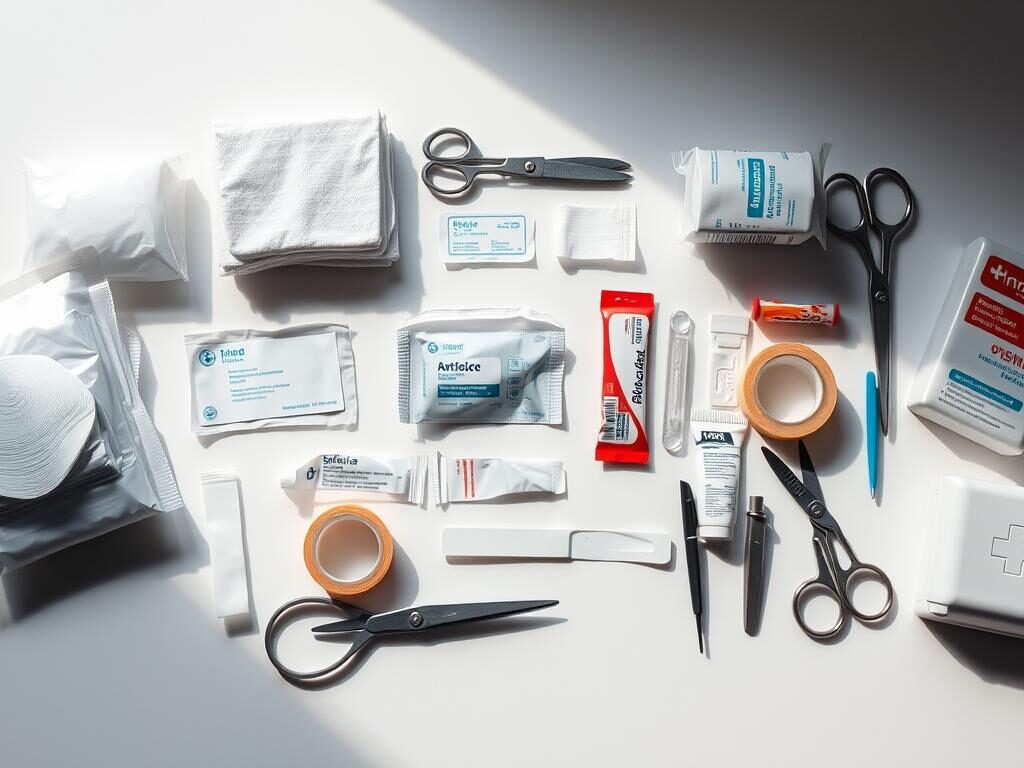
Core items should be ready before each visit to the area. A basic kit includes sterile gauze, medical tape, disposable gloves, sterile normal saline, and waterproof trash bags.

  • Sterile gauze and sealed dressings — single use only to support prevention of contamination.
  • Medical tape and disposable gloves to protect the caregiver and maintain a seal.
  • Sterile saline for gentle irrigation and waterproof bags to discard waste safely.

Store supplies in a closed bin or drawer in a dry spot, away from pets, sinks, and drafts. Label containers and keep extra items for weekends or holidays.

Insurance may influence product choice; substituting equivalent products often controls cost without lowering quality. Ask Dominion Mobile Wound Care to review product fit, quantities, and alternatives tailored to the wound.

Hand hygiene and clean technique that protect healing

Clean hands and a tidy workspace are the most effective defenses during home recovery. Consistent steps reduce infection risk and make each dressing change safer.

Evidence-based handwashing steps before and after care

Follow these steps:

  • Remove rings and watches. Wet hands under warm running water.
  • Add soap and wash 15–30 seconds. Sing a short song once to time it.
  • Scrub under nails, rinse well with clean water, then dry with a clean towel.

Alcohol-based hand rub is an acceptable alternative when soap and water are not available or as the provider directs. Clean hands before touching the dressing and again after removal.

Setting up a clean workspace and using gloves

Disinfect a flat surface and lay supplies within easy reach. Keep pets and children away during the routine.

  • Wear disposable gloves and replace them if contaminated.
  • Avoid touching non‑clean items while gloved. Change gloves between steps.
  • Keep nails short and skip lotions that leave residue.

Dominion Mobile Wound Care demonstrates this practice during in‑home visits and corrects common errors. Simple habits remain the most powerful prevention step to support healing.

Step-by-step dressing change for surgical and open wounds

A clear, step‑by‑step routine makes dressing changes faster and safer at home. Follow the provider’s instructions and use the same process each time to reduce errors.

Preparing: review instructions, gather supplies, wash hands

Review written instructions before starting. Gather all supplies on a clean surface and wash hands thoroughly.

Removing old dressings safely and inspecting drainage

Gently loosen tape and remove the old dressing with a clean‑gloved hand. If the pad sticks, moisten it with sterile saline and lift slowly unless told to remove it dry.

Inspect the old dressing and the site for color, amount of drainage, and any odor. Note changes and report them as instructed.

Cleansing and irrigating with saline or mild soapy water

Use normal saline or mild soapy water on gauze to dab and remove dried blood and residue. Do not scrub delicate skin or use alcohol, peroxide, or iodine.

If irrigation is prescribed, load a syringe and hold it 1–6 inches from the surgical wound. Spray with enough force to clear debris, then pat the area dry with clean gauze.

Applying new dressings and disposing of waste properly

Apply the new dressing exactly as directed; some plans require moist packing. Keep wound edges protected and covered.

  • Place used dressings in a waterproof bag, seal, then double‑bag before trashing.
  • Wash soiled linens separately and ask the provider whether bleach is needed.
  • Use each dressing once; never reuse a pad or adhesive.

Dominion Mobile Wound Care offers step‑by‑step teaching and can supervise the first dressing changes at home to confirm technique and timing. Finish by washing hands and recording observations for the next scheduled change.

Daily monitoring and infection prevention at home

Small daily observations make a big difference in keeping recovery on track. A brief checklist helps a patient and caregiver spot early signs that need prompt attention.

infection monitoring

What to look for: redness, swelling, heat, odor, color changes

Check the area once a day and note any redness that spreads, new warmth, or increased swelling. These signs can indicate early infection.

Watch for changes in color or a foul odor. Increased drainage that is thick, tan, green, or yellow requires action. Note if pain grows instead of easing.

Temperature checks, symptom tracking, and when to act

Take a daily temperature and log systemic clues like chills or malaise. Contact a provider if temperature reaches 100.5°F (38°C) or higher.

  • Call if redness, new or worse swelling, bleeding, or rising pain appears.
  • Report increased or foul-smelling drainage, deepening or enlarging of the wound, or dark tissue.
  • Inspect surrounding skin for irritation from adhesives or moisture and adjust supplies as needed.

Dominion Mobile Wound Care equips patients with simple checklists and escalation steps. Keeping a short journal or smartphone log helps the health team review trends and act early to prevent complications.

wound care for post-hospital patients: lifestyle and systemic factors that speed healing

Daily habits and medical choices outside the hospital strongly shape how quickly tissues mend. Attention to nutrition, medication routines, and pressure redistribution supports wound healing and overall health.

Nutrition, hydration, and medication adherence

A balanced plan includes protein, vitamins, and adequate water to support tissue repair. Antibiotics and prescribed meds must be taken on schedule to prevent setbacks.

Pressure offloading for heels, feet, and bony areas

Remove direct pressure on heels and bony prominences. Use pillows under the calves, offloading boots, or specialty devices to redistribute pressure; without this, pressure injuries will not improve.

Diabetes control, smoking cessation, and edema management

  • Keep glycemia steady with meds and diet to speed healing.
  • Stop smoking; better oxygen delivery boosts tissue repair and body health.
  • Manage leg swelling with elevation, compression if ordered, and diuretics as directed.
  • Protect the foot with daily checks and proper footwear to avoid new injury.
  • Encourage gentle movement and rest; stress reduction aids recovery.

Dominion Mobile Wound Care integrates nutrition coaching, pressure offloading plans, and medication support into the clinical plan. This coordinated approach helps the patient reach faster, safer healing tailored to the body’s needs.

Coordinating roles: patient, caregiver, home health nurse, and provider

Clear role definitions make home recovery more reliable and less confusing. Before discharge, the team should confirm who will perform each task, who will watch for changes, and how rapid escalation happens.

Teach‑back education and telehealth support

Teach‑back verifies that the patient and caregiver can follow the written instructions and complete the process safely. Dominion Mobile Wound Care uses teach‑back to confirm technique and timing.

  • Patient: observes, reports new findings, and keeps a short log of symptoms and photos when approved.
  • Caregiver: sets up supplies, assists with dressing changes, and follows hand hygiene and glove rules.
  • Nurse: provides skilled treatments, documents changes, and alerts the provider when findings need review.
  • Provider: directs the plan, adjusts therapies, and signs off on equipment or referrals.

Telehealth touchpoints fill gaps between visits. Quick video check‑ins let the nurse troubleshoot technique, confirm supplies, and adjust frequency without delay.

Aligning resources means verifying insurance, ordering needed equipment, and scheduling recurring check‑ins so minor issues are corrected early. Shared logs, photos (with consent), and clear notes streamline each visit and reduce errors.

Dominion Mobile Wound Care coordinates the team, offers education, and integrates telehealth to keep everyone working together and on schedule.

When to call the surgeon or a wound care specialist

Recognizing early warning signs after surgery can prevent small problems from becoming emergencies. If any local or systemic changes appear, the patient should act quickly and contact a provider.

Increasing pain, drainage, fever, or wound size

Call the surgeon or a specialist when pain grows instead of easing, or when drainage increases or changes color.

If drainage becomes thick, tan, green, or yellow, or develops a foul odor, seek medical advice without delay.

Also call if redness, swelling, or temperature reaches 100.5°F (38°C) or higher.

Loose stitches, re-opening, or signs of tissue death

Loose stitches or any gapping of the incision after surgery are urgent. Contact the surgeon immediately.

Black, dry, or shrinking tissue suggests tissue death and needs prompt evaluation in clinic or hospital.

  • Immediate reasons to call: rising pain, fever, increasing bleeding, larger or deeper site changes.
  • Do not remove more material or apply unapproved products while waiting for instructions.
  • Prepare details for the call: when the changes began, drainage description, and steps already taken.
  • Arrange transport to the hospital or clinic if symptoms escalate quickly or the clinician advises it.
  • Dominion Mobile Wound Care offers same‑day assessments and will share findings with the surgeon to speed decisions.

Early escalation preserves progress and lowers the risk of complications and readmission. When in doubt, contact the surgeon or specialist promptly to protect recovery after surgery.

Conclusion

, Practical steps at home — clear goals, clean technique, and timely checks — protect healing and keep recovery on track.

Summary: Align goals with the provider, gather supplies and products, and use a consistent routine for dressing changes. Wash hands 15–30 seconds, cleanse with saline or mild soapy water, and avoid harsh agents like alcohol or peroxide.

Log daily observations about the site, drainage, pain, and surrounding skin. Act quickly on fever ≥100.5°F or spreading redness to reduce infection and hospital returns.

Dominion Mobile Wound Care offers nurse visits and team support to adapt the plan, advise pressure offloading, and manage supplies at home. Hire Dominion Mobile Wound Care to help heal their wounds and make complex recovery manageable.

FAQ

What should patients expect when transitioning from hospital to home wound care?

The transition includes clear instructions on dressing changes, signs of infection to watch, pain management, and follow-up appointments. The care plan should state goals—healing, maintenance, or comfort—and list needed supplies, who will perform changes, and how to reach the surgical team or home health nurse.

Why does the move from hospital to home affect recovery and readmission risk?

Leaving the hospital shifts responsibility to the patient or caregiver. Mistakes in technique, missed follow-up, or lack of supplies raise the chance of surgical site infections and readmission. Clear discharge instructions and access to a clinician reduce those risks.

Who has higher risk for complications after discharge?

People with diabetes, peripheral vascular disease, weakened immune systems, advanced age, or poor nutrition face greater risk. Those with limited mobility, obesity, or chronic edema also need closer monitoring and support.

How should a safe discharge-to-home plan be created?

The plan should match wound complexity to the care setting, list follow-up appointments and transportation options, identify supply sources like pharmacies or medical supply companies, and assign a responsible caregiver or home health nurse. Teach-back education ensures the patient understands key steps.

What core supplies are essential for dressing changes at home?

A basic kit includes sterile gauze, adhesive tape or dressings, disposable gloves, normal saline for irrigation, mild soap, and a sealable trash bag. Antiseptic solutions may be recommended by the provider. Keep supplies in a clean, dry container.

How should supplies be stored to avoid contamination?

Store unopened items in their original packaging away from damp areas. Use a clean, elevated shelf or plastic bin, and keep a clean workspace free of pets and high-traffic. Discard single-use items after each change.

What hand hygiene steps protect healing before and after dressing changes?

Wash hands with soap and warm water for at least 20 seconds, rinsing thoroughly. If soap is unavailable, use alcohol-based hand sanitizer. Put on disposable gloves after handwashing and remove them carefully, then wash hands again when finished.

How should a clean workspace be set up for dressing changes?

Choose a flat, well-lit surface, clear clutter, place a clean towel or disposable barrier down, and arrange supplies within reach. Limit room traffic and keep pets away. Good lighting helps inspect the site for drainage or color changes.

What are the steps for a safe dressing change at home?

Review written instructions, gather supplies, wash hands, and put on gloves. Gently remove the old dressing, inspect for bleeding or drainage, clean the area with normal saline or provider-recommended solution, apply the new dressing, secure it, and dispose of waste in a sealed bag.

How should one remove old dressings and check drainage safely?

Peel tape slowly toward the center, support skin to avoid pulling, and note the amount, color, and odor of drainage. Small amounts of clear or slightly pink fluid may be normal; heavy bleeding, foul odor, or greenish drainage warrants immediate contact with the clinician.

What solutions are appropriate for cleansing surgical and open sites?

Providers commonly recommend normal saline or mild soap and water for routine cleaning. Antiseptic solutions like chlorhexidine may be used selectively. Avoid harsh agents that can damage tissue unless directed by the surgeon.

How should used dressings and supplies be disposed of at home?

Place used dressings and disposable gloves in a sealable plastic bag, then into household trash per local regulations. If the site drains heavily or contains infectious material, the provider may recommend different disposal or labeling procedures.

What daily signs should be monitored to prevent infection?

Watch for increasing redness, swelling, warmth, worsening pain, new or increased drainage, foul odor, or changes in color around the site. Track body temperature and any systemic symptoms like chills. Early detection prompts faster treatment.

When is it necessary to contact a provider or surgeon?

Call the surgeon or wound specialist for fever over 100.4°F (38°C), escalating pain, sudden increase in bleeding or drainage, wound edges separating, loose stitches, or any signs of tissue death (black or gray tissue). If unsure, err on the side of contacting the team.

What lifestyle factors speed healing at home?

Balanced nutrition high in protein, staying hydrated, managing blood sugars for people with diabetes, avoiding tobacco, and offloading pressure from heels and bony areas promote recovery. Follow medication schedules and treat edema as advised.

How can caregivers and home health nurses coordinate with the provider?

Use teach-back during discharge to confirm understanding, keep a written log of dressing changes and symptoms, schedule telehealth or clinic follow-ups, and maintain open lines of communication for supply needs or worsening signs.

What role does telehealth play after discharge?

Telehealth allows visual assessment of the site, medication review, and timely advice without travel. It helps triage concerns, adjust dressings or supplies, and arrange in-person visits when necessary.

How should pressure be managed on feet, heels, and other vulnerable areas?

Use offloading devices, cushions, specialized footwear, or heel protectors as recommended. Change positions frequently, avoid prolonged pressure, and follow a physical therapy plan if provided to reduce risk of breakdown.

What resources help patients access supplies and transportation after discharge?

Pharmacies, medical supply companies, home health agencies, and community organizations can deliver supplies. Many hospitals offer social work support to arrange transportation for follow-up visits or to connect patients with Medicaid, Medicare, or nonprofit resources.

pressure injury stages

Understanding the Stages of Pressure Injuries and Treatment Options

Dominion Mobile Wound Care introduces a clear, practical guide to how clinicians define each stage and why staging guides treatment. Up to 3 million adults in the U.S. faced these skin injuries each year, and hospitalized rates rose sharply in past decades.

Early identification and timely care give the best chance for healing. Simple protection, moisture management, and nutrition often help at first. Advanced care may require debridement, negative-pressure therapy, or surgery to restore tissue and reduce infection risk.

The guide explains what causes pressure on skin and deeper tissue, who is most vulnerable, and how to spot warning signs before skin breaks. It previewed evidence-based options and stressed the role of coordinated care, regular follow-up, and quick escalation when systemic signs appear.

For patients, caregivers, and clinicians, this resource aims to make treatment choices clearer. When readers are ready for hands-on help, they are invited to hire Dominion Mobile Wound Care to support healing and ongoing wound management.

Key Takeaways

  • Early recognition shortens recovery and cuts complications.
  • Risk is higher in hospitals, long-term care, and ICU settings.
  • Care ranges from protection and moisture control to advanced therapies.
  • Nutrition, hydration, and pressure redistribution speed healing.
  • Interdisciplinary plans and close follow-up improve outcomes.
  • Contact Dominion Mobile Wound Care for skilled, mobile treatment support.

Overview: An Ultimate Guide to Pressure Sores, Risks, and Healing

This overview lays out how common bed and wheelchair sores form, who is most at risk, and simple steps that help with early healing.

People who are older, immobile, or confined to a bed or chair face higher risk for pressure injuries and pressure ulcers. Friction, moisture, and shear work together to reduce blood flow to an area and weaken skin quickly.

Early detection of nonblanchable redness or small breaks makes a big difference. When clinicians catch changes in minutes or hours, they can apply stage-appropriate treatment, protect surrounding skin, and avoid deeper wounds.

Core prevention steps are simple: routine skin checks, timely repositioning in bed every 2 hours and shifts in a wheelchair every 10–15 minutes, moisture management, and nutrition support. Dominion Mobile Wound Care helps coordinate these actions and offers skilled home-based care to support healing.

  • Where sores form: over bony areas and high-contact zones on the body.
  • Why it matters: reduced flow leads to tissue breakdown and higher complication risk.
  • What to expect: clear guidance on prevention, monitoring, and targeted treatment.

What Are Pressure Injuries and How Do They Develop?

Sustained load on bony prominences reduces local blood flow and limits oxygen delivery. Over hours, this compromises skin and the deeper tissue beneath it.

Friction and shear make capillaries deform and worsen ischemia. Moisture softens the outer layer, so small forces cut or abrade skin more easily.

The role of load, flow, friction, shear, and moisture

Unrelieved mechanical load compresses soft tissue between bone and a surface. This restriction of blood flow starts necrosis or ulceration if not relieved.

Lifting instead of dragging reduces friction and shear. Keeping the head of the bed low limits shear forces down the torso and helps protect vulnerable tissue.

Common body areas at risk on beds and wheelchairs

  • Heels, sacrum, hips, and trochanteric areas where bone lies close to the skin.
  • Elbows, shoulders, ankles, and the back—parts of the body under constant load.
  • On a bed or wheelchair, a loaded area can deteriorate within hours if movement is limited.

Dominion Mobile Wound Care evaluates how shear, moisture, and surface load affect skin and tissue in real-world homes and facilities. Early recognition lets teams redistribute load and apply targeted care before damage deepens.

Who Is at Risk and Why Causes Matter

Certain medical conditions and limited mobility make some people far more likely to develop skin breakdown and deeper tissue harm. Clinicians assess each person to pinpoint what raises their individual risk and to design practical prevention plans.

Immobility and reduced tissue perfusion

When a person cannot move, sustained load on one spot cuts off local blood flow. Reduced circulation deprives tissue of oxygen and slows repair.

Dominion Mobile Wound Care evaluates how immobility and poor perfusion combine to create hotspots that need early attention.

Moisture, friction, and shear

Excess moisture from incontinence or sweat softens outer skin. Friction and shear then increase mechanical stress and speed breakdown. These factors let pressure injuries form more quickly on vulnerable areas of the body.

Age, chronic disease, and other risks

Older adults and people with chronic disease such as diabetes often have nerve and microvascular changes that blunt sensation and delay healing.

  • Undernutrition lowers protein and micronutrients needed for repair.
  • Smoking impairs circulation and collagen, worsening outcomes.
  • Decreased sensation lets a small spot progress unnoticed into deeper ulcers or sores.
  • Frequent checks of high-risk body areas let teams act fast to prevent worsening.

Risk assessment at home or in facilities lets teams prioritize immobility, perfusion, moisture, and shear. With targeted action, many injuries are avoidable and healing improves when problems are found early.

risk skin

Recognizing Early Signs and pressure injury stages

Small color or temperature shifts at common contact points can be the earliest clue of tissue harm. Dominion Mobile Wound Care urges same-day attention to these signs so a small change does not worsen within hours.

Stage 1 shows nonblanchable redness that may feel warm, tender, or itchy. In darker skin tones the area may look darker instead of red; assess warmth and firmness too.

Stage 2 presents as blisters or a shallow open sore. Manage moisture carefully and watch for early signs of infection while keeping the wound protected.

Stage 3 means full-thickness skin loss with a crater-like defect. Dead tissue can appear at the base or edge and debridement plus offloading are often needed.

Stage 4 extends to muscle, bone, or joint and raises the risk of osteomyelitis or bloodstream infection. Urgent specialist care is essential.

Deep tissue injury and unstageable wounds may show maroon or purple discoloration or be covered by slough or eschar. Debridement reveals true depth and guides treatment.

  • Check high-risk areas on bed-bound or wheelchair users on a regular schedule.
  • Document the stage accurately to guide dressing choice, debridement, and escalation for infection.

Diagnosis and Assessment by Clinicians and Care Teams

A focused skin exam combined with regular photo monitoring helps clinicians track healing or early decline. Dominion Mobile Wound Care provides bedside assessment, accurate staging, and care-plan updates across home and facility settings.

Clinical skin checks, staging, and monitoring of areas under load

Assessment begins with a head-to-toe inspection of bony areas and other high-risk spots. Clinicians document color, temperature, tenderness, and whether redness blanches.

Accurate staging distinguishes superficial from deeper involvement so treatment matches the wound depth. Teams re-measure and photograph the area regularly to record trends and guide dressing choice.

When warmth, odor, drainage, fever, or confusion suggest infection

Care teams watch for increased erythema, foul odor, new drainage, warmth, fever, or altered mental status in older adults. These signs prompt culture, labs, and escalation of therapy.

  • Blisters, slough, or eschar are described precisely to guide debridement timing and method.
  • Saline irrigation with controlled pressure clears debris while avoiding toxic antiseptics.
  • Because skin may look different across tones, tactile and thermal cues help detect early change.
  • Interdisciplinary plans align bedside findings with nutrition, mobility, and support-surface strategies to reduce risk.

All wounds are colonized, so bacterial counts do not replace clinical judgment. Dominion Mobile Wound Care combines bedside data, photos, and team input to update plans and protect the body while healing progresses.

Evidence-Based Treatment by Stage for Pressure Ulcers

Care varies by depth and signs at the bedside. Teams select treatments that match wound depth and the person’s risks to support steady healing.

Stage 1 care: Reduce load, protect skin, manage moisture

Immediate steps focus on offloading and shielding fragile skin. Use transparent films where friction or incontinence threatens the area.

Stage 2 care: Gentle cleansing and moisture-balanced dressings

Clean the sore with normal saline and apply moisture-balanced dressings such as hydrogels or hydrocolloids. Pain control during changes helps the patient tolerate care and supports healing.

Stage 3 care: Debridement and exudate management

Remove necrotic tissue promptly with the best debridement method for the person. Use foam or alginate dressings to handle drainage and redistribute load over bony prominences.

Stage 4 care: Advanced therapies, surgery, and infection control

Consider negative-pressure systems, cellular products, electrical stimulation, or surgical reconstruction when bone or deep tissue is involved. Treat clear infection with targeted antibiotics and coordinate surgical consults early.

  • Minimize friction and offload vulnerable points with foam supports.
  • Escalate care if the wound stalls or systemic signs appear.
  • Dominion Mobile Wound Care coordinates debridement, dressings, offloading, and timely escalation at the bedside.

Core Wound-Care Principles That Support Healing

Reliable bedside routines speed healing by combining gentle cleansing, targeted debridement, and the right dressings. These steps protect fragile skin and support new tissue formation while reducing complications from pressure-related injuries.

Cleaning and irrigation

Use normal saline for cleansing. Controlled irrigation dislodges debris without harming granulation tissue. Avoid iodine and hydrogen peroxide; water-based saline preserves a healthy wound bed and predictable dressing adherence.

Debridement options

Choose methods to match the wound bed. Sharp debridement removes thick eschar. Autolytic works under occlusive dressings. Enzymatic agents soften dead tissue selectively. Biosurgery may be used for complex beds.

Selecting dressings

Match dressings to exudate and goals. Transparent films protect friction-prone areas. Hydrogels donate moisture for minimal drainage. Hydrocolloids seal light drainage; alginates absorb heavy output. Foam cushions and manages variable exudate.

Pain management

Manage pain proactively with acetaminophen or NSAIDs and topical anesthetics during changes. Minimizing opioids helps keep patients mobile and supports consistent wound healing.

  • Clean with saline using controlled pressure to protect new tissue.
  • Match debridement method to presentation and reassess tissue often.
  • Select dressings by exudate, follow change intervals, and monitor skin.

Pressure Reduction and Support Surfaces that Protect Skin

Dominion Mobile Wound Care sets clear repositioning schedules and matches support surfaces to each person’s needs. A written plan clarifies who turns the patient, when, and what device to use. This reduces sustained load over bone and vulnerable tissue.

Repositioning schedules in bed and wheelchair: minutes and hours that matter

Bed-bound patients should be turned at least every 2 hours and placed at a 30° lateral angle to lessen trochanteric contact. Chair-bound people need hourly offloads and taught self-adjusts every 15 minutes when able. Short shifts measured in minutes and hours stop sustained contact that harms skin.

Static surfaces: air, foam, gel, and water overlays

Static options suit prevention and early wounds. Choose air, foam, gel, or water overlays to fit contours and manage moisture. Foam heel protectors and cushions move force away from sharp prominences next to bone.

Dynamic surfaces and reducing friction

Use alternating-air, low-air-loss, or air-fluidized beds when static devices fail or when wounds do not heal. Low-air-loss adds drying; air-fluidized beds cool and cut moisture. Always lift instead of dragging and apply barrier protectants to reduce friction and protect skin.

  • Key: Consistent offloading supports healing by improving microcirculatory flow at the wound edge.

Nutrition, Hydration, and Infection Control for Better Outcomes

Addressing nutrient gaps and keeping patients well hydrated improves circulation and helps deliver oxygen to the wound bed.

nutrition

Protein, calories, vitamins, and fluids

Adequate nutrition is essential. Aim for 1.25–1.5 g/kg/day of protein plus enough calories to support collagen and immune cells.

Hydration matters too; 8–10 cups of water daily helps blood flow and nutrient delivery to skin and tissue.

Topical versus systemic antibiotics

Local infection may respond to targeted topical agents such as mupirocin or silver products. Reassess after two weeks if a clean wound shows no progress.

Reserve systemic antibiotics for cellulitis, bacteremia, or suspected osteomyelitis to limit resistance and focus treatment.

Escalation: warning signs and coordination

  • Watch for fever, chills, malodor, increasing drainage, or rising pain.
  • New confusion in older adults or spreading redness needs urgent review.
  • Manage comorbid disease like diabetes and vascular problems to lower risk and improve blood flow.

Dominion Mobile Wound Care coordinates nutrition consults, infection surveillance, and timely referrals so care stays focused on steady wound healing and closure.

Conclusion

Dominion Mobile Wound Care brings targeted protocols, support-surface guidance, and clear escalation plans directly to the bedside to help healing. Early-stage pressure injury responds well to prompt offloading, moisture control, and the right dressings.

Neglected or late-stage ulcers often need advanced treatment, including surgical flaps or grafts, and carry higher risks of infection and hospitalization. Optimizing nutrition, blood flow, and chronic-disease care improves outcomes before surgery or complex closure.

Understanding how pressure, shear, moisture, and friction harm skin and tissue helps teams prevent breakdown. Routine checks, strict repositioning, and stage-driven treatment align cleansing, debridement, and dressings for steady wound healing.

Hire Dominion Mobile Wound Care for mobile expertise that assesses, treats, and monitors wounds where patients live and preserves health and independence.

FAQ

What are the main causes of pressure sores and how do they develop?

They form when prolonged force compresses skin and underlying tissue, reducing blood flow and causing cell death. Friction, shear, and excess moisture make skin more vulnerable. Areas over bone, such as heels, sacrum, and hips, are most at risk, especially when a person sits or lies in the same position for hours without repositioning.

How can caregivers recognize the earliest signs of a sore?

Early signs include nonblanchable redness, warmth, increased tenderness, or a different texture on intact skin. Blisters, shallow breaks, or areas that stay sore after pressure is relieved also signal early damage. Acting within hours to relieve load and protect skin can prevent worsening.

What distinguishes stage 2 wounds from deeper wounds?

Stage 2 involves partial-thickness skin loss with blistering or shallow abrasion and no exposed muscle or bone. Deeper wounds (stage 3 and 4) show full-thickness tissue loss, possible dead tissue, and may reveal underlying fat, muscle, or bone, increasing infection risk.

When does a wound become unstageable or considered deep tissue injury?

A wound is unstageable when slough or thick eschar covers the base so the depth can’t be determined safely. Deep tissue injury appears as persistent deep bruising or purple/maroon localized area from damage below intact skin; both require urgent clinical assessment and possible debridement.

How do clinicians assess for infection in these wounds?

Care teams look for increased warmth, foul odor, new or copious drainage, spreading redness, rising pain, fever, or changes in mental status. Laboratory tests, wound swabs, and imaging help confirm infection and rule out complications like osteomyelitis.

What are evidence-based treatments for early-stage sores?

Early care focuses on pressure redistribution, frequent repositioning, skin protection, moisture management, and gentle cleansing with normal saline. Barrier creams and appropriate support surfaces such as foam overlays reduce further damage and promote healing.

Which wound dressings and debridement methods are used for deeper wounds?

For full-thickness wounds, clinicians use debridement (sharp, mechanical, enzymatic, autolytic, or biosurgical) to remove dead tissue, then choose dressings like foam, alginate, or hydrocolloid to manage exudate and maintain a moist healing environment. Pain control during changes is important.

When is surgery or advanced therapy considered?

Surgery or reconstructive closure may be needed for extensive tissue loss, exposed bone, or when conservative care fails. Advanced therapies—negative-pressure wound therapy, biologic grafts, or specialized devices—help when infection is controlled and the patient can tolerate procedures.

How do support surfaces and repositioning schedules reduce risk?

Regular turning and pressure relief—timed in minutes to hours depending on mobility—reduce tissue load. Support surfaces (static foams, gel, water, and dynamic systems like alternating-air or low-air-loss beds) redistribute pressure and limit shear, helping protect skin in bed and chairs.

What role do nutrition and hydration play in healing?

Adequate calories, protein, vitamins, and minerals support tissue repair and immune response. Dehydration and poor nutrition slow healing. Dietitians often recommend increased protein and targeted supplements for people with significant wounds or comorbidities like diabetes.

How does diabetes or smoking affect recovery?

Diabetes impairs circulation and immune function, increasing infection risk and slowing tissue repair. Smoking reduces blood flow and oxygen delivery, delaying healing. Managing blood glucose and quitting tobacco improve outcomes.

When should topical versus systemic antibiotics be used?

Topical antimicrobial dressings may help contaminated wounds without systemic signs of infection. Systemic antibiotics are indicated for spreading cellulitis, systemic infection, or confirmed deep or bone infection. Clinicians base the decision on clinical signs and test results.

What immediate steps should a caregiver take if they spot a worsening sore?

Relieve pressure on the area, keep the site clean with saline, protect surrounding skin from moisture, and contact a clinician promptly. If there are signs of infection—fever, increasing pain, odor, heavy drainage—or if bone may be exposed, seek urgent medical attention.

in-home wound assessment

What Happens During an In-Home Wound Care Assessment

The visit begins with a licensed clinician observing the patient and the home environment. They check safety, infection risks, pain levels, mobility, nutrition, and current medications. This simple review shapes a personalized plan of care.

Next, clinicians examine the wound and related signs. They use standardized measurements and digital photos to set a baseline and track progress over time. This method supports faster healing and fewer complications.

Care is coordinated with the physician and home health team to match goals and orders. Clinicians perform dressing changes, pain management, and debridement when needed. They also teach patients and caregivers practical steps to improve outcomes.

Documentation and timely communication guide ongoing management and adjustments. The approach reduces stress for patients and improves adherence to instructions. For help with coordinated services and better outcomes, consider hiring Dominion Mobile Wound Care to manage healing at home.

Key Takeaways

  • Assessments evaluate both the wound and the patient’s home context to plan safe care.
  • Standardized tools and photos create a clear baseline for tracking progress.
  • Coordination with physicians and home health teams aligns treatment with goals.
  • Home visits lower stress, improve follow-up, and support better outcomes.
  • Documentation and timely changes in management aim to speed healing and prevent complications.

Understanding the purpose of an in-home wound assessment

A home visit lets clinicians see how daily routines and the living space affect recovery. This view helps design practical plans that fit a patient’s life and speed healing.

Seeing the home reduces travel stress and keeps patients in familiar surroundings. Clinicians can spot hazards, mobility limits, and issues like poor footwear or nutrition that affect healing.

How home health and home wound care fit into the healing journey

Home health links skilled nursing with therapies to treat conditions that delay recovery, such as diabetes or poor circulation. This coordinated approach supports consistent care and lowers infection risk.

  • Family involvement boosts confidence and helps patients follow instructions between visits.
  • Patients may choose an agency and review quality via Medicare Care Compare.
  • Early, proactive evaluation often reduces complications and shortens recovery time.

Role of Dominion Mobile Wound Care: They emphasize a patient-first experience and work with physicians to deliver seamless care that advances healing goals.

How to prepare for the clinician’s visit

Preparing the home and records before the clinician arrives makes the visit faster and safer. Dominion Mobile Wound Care advises patients to gather key documents and set up a tidy space so clinicians can focus on care and treatment.

Gathering medical history, medications, and supplies

Collect recent discharge paperwork, a current medication list (including OTC and supplements), allergy info, and prior photos of the wound when available. This helps the clinician verify safety and avoid interactions.

Bring any instructions from prior visits or the physician, plus a short list of changes to symptoms, pain, drainage, or odor to review during the visit.

Setting up a clean, well-lit space in the home health setting

Choose a well-lit area with a firm surface for measurements and dressing changes. Lay out clean towels, trash bags, soap or hand sanitizer, and any prescribed dressings or compression supplies.

  • Pre-identify comfort needs like pillows or timing for pain control.
  • Arrange for pets and family to stay clear so the clinician can work calmly.
  • Keep dressings moisture-balanced; avoid letting the wound dry out or stay exposed to air.

Align preparation with the clinician’s instructions so services can begin promptly and immediate treatment needs are addressed.

What the clinician does on arrival: safety check and rapport building

On arrival, the clinician runs a quick safety sweep and starts a calm conversation to learn what matters most to the patient.

home health visit

The visit usually begins with a concise walk-through to spot tripping hazards, poor lighting, and clutter. Clinicians check safe access to bathrooms and bedrooms and look for support surfaces that prevent pressure injuries.

They confirm that dressings and clean supplies are available and that hand hygiene supports exist to lower infection risk.

Reviewing symptoms, pain levels, and recent changes

A focused review captures new or worsening symptoms, changes in drainage or odor, and pain intensity. Pain is measured and documented to guide immediate and longer-term pain management tied to dressing steps.

The clinician also verifies medication updates and comorbidities so the care plan stays aligned with current health status.

  • Builds trust: a brief, clear discussion about goals and comfort preferences.
  • Education starts early: each step is explained to reduce anxiety and boost cooperation.
  • Actionable findings: arrival observations guide targeted management changes to reduce risk and help healing.

in-home wound assessment

Clinicians begin with precise measurements and clear records to guide care.

Measuring location, size, depth, stage, and appearance

The clinician records length, width, and depth and notes undermining or tunneling. They also identify tissue types such as granulation, slough, or eschar.

Accurate sizing creates a baseline that supports consistent dressing changes and treatment decisions.

Checking blood flow, infection signs, and exudate

Local circulation is checked by observing skin color and temperature around the site. Drainage amount, color, consistency, and odor are documented to distinguish normal healing from infection.

Infection screens include increased pain, redness, warmth, swelling, or systemic symptoms that prompt timely escalation of services.

Using photos and standardized tools to track wound healing

Digital photos taken with consistent lighting and scale let clinicians compare progress across visits in the home health setting.

  • Standardized scoring tools track the process and guide dressing changes, compression, or advanced therapies.
  • Debridement is explained and coordinated when needed to remove devitalized tissue and support granulation.
  • Documentation forms an objective baseline for future reviews and ongoing management with physicians and home health teams.

Translating findings into a personalized care plan

Assessment data is converted into a concise care plan that maps visits, supplies, and measurable goals. Dominion Mobile Wound Care synthesizes exam results into specific steps for home care and clinician visits.

Coordinating with the physician and home health services

The clinician reviews findings with the ordering physician to align medical orders and therapies. This coordination ensures management reflects comorbidities, current status, and needed services.

Setting goals: faster healing, lower infection risk, pain reduction

Clear goals are set: reduce size, prevent infection, lower pain, and improve function. The plan names dressing protocols, visit intervals, and advanced options like compression or negative pressure when appropriate.

  • The plan defines who does daily care—patient or caregivers—and how to escalate concerns.
  • Education targets cover hand hygiene, dressing sequencing, and red flags that require contact.
  • Outcomes are tracked against benchmarks so the plan adapts as the wound responds.

Each care plan is part of a larger path to independence, aiming to cut complications and restore health through clear roles, timely management, and measurable progress.

Treatment approaches used during home wound care visits

Skilled nurses deliver tailored treatments during each home visit to address healing barriers and comfort needs.

Dressing changes and moisture balance

Clinicians perform gentle dressing changes that keep tissue moist but not saturated. Moisture-balanced dressings protect tissue, control exudate, and create an environment that promotes wound healing.

Debridement and timing

When devitalized tissue slows progress, nurses use selective debridement techniques. This step restarts healing and pairs with dressings and topical therapies.

Pain control tailored to the patient

Pain management is planned before, during, and after procedures. Timing analgesics and using calm technique improve tolerance and adherence to care.

Advanced therapies

  • Compression for venous issues, with skin checks and clear warning signs.
  • Negative pressure systems to remove fluid and boost granulation.
  • Education on safe dressing changes, hand hygiene, and supply management between visits.

Dominion Mobile Wound Care delivers evidence-based practice at home and supports patients with targeted services for diabetic foot ulcers and complex needs.

The role of the multidisciplinary team in wound management

A coordinated team brings specialized skills to each stage of healing so the patient gets consistent, practical care at home.

Skilled nursing leadership and specialist oversight

Skilled nurses lead day-to-day care and make treatment decisions. Wound specialists provide oversight for complex or chronic cases and guide advanced therapies.

Physical and occupational therapy for mobility and offloading

Physical therapy improves gait, strength, and safe transfers. Occupational therapy adapts daily tasks and recommends devices to offload pressure and protect skin.

Nutrition, speech, social work, and community supports

Dietitians optimize protein and micronutrients while speech therapists address swallowing and hydration when needed.

Medical social workers and the agency link patients to resources, resolve barriers, and help caregivers manage strain.

  • Home health aides observe skin changes and report early problems.
  • Collaboration reduces complications and supports sustainable routines around the wound.
  • Dominion Mobile Wound Care coordinates disciplines and the physician to keep care aligned and responsive to the home setting.

Educating patients and caregivers for day-to-day success

Hands-on coaching builds confidence so patients and caregivers can manage daily treatment tasks. Dominion Mobile Wound Care provides practical training and follow-up to turn clinical steps into safe home routines.

Hands-on training for dressing changes and infection prevention

Clinicians demonstrate clean technique, sequencing, and safe disposal in short, repeatable steps. Patients and caregivers then practice under supervision until they feel confident.

Key skills include hand hygiene, correct dressing order, and checking for early infection signs like increased redness or malodor.

Lifestyle guidance: nutrition, smoking cessation, and activity

Training covers protein, vitamin C, zinc, and hydration to support healing. Staff explain how smoking harms circulation and slow recovery, and they set simple activity plans that protect skin while keeping the patient mobile.

Caregiver support to improve adherence and outcomes

Caregiver stress is addressed with checklists, visuals, and clear escalation steps. Ongoing coaching and scheduled feedback loops help maintain best practice between visits.

  • Timing pain relief before dressing changes to improve comfort
  • Footwear reminders and pressure relief schedules for daily home practice
  • Written checklists and quick contacts for urgent health questions

Risk, eligibility, and when to escalate care

Knowing when to seek higher-level care can protect recovery and prevent complications. This section explains who qualifies for services and which signs require same-day action.

risk

Who qualifies for home health services and coverage basics

Coverage usually requires a physician’s order, a documented care plan, and a need for intermittent skilled nursing or therapy. Many programs also use a homebound standard—leaving home must be difficult or unsafe.

Care plans document progress and justify ongoing services. Updates align care with the patient’s changing needs and desired outcomes.

Red flags requiring urgent communication or hospital care

Call the clinician same day for rapidly spreading redness, sudden swelling, rising fever, or a big change in drainage or smell after dressing changes.

  • Uncontrolled pain or new numb, cold, or blue digits
  • Foul odor, blackened tissue, or sudden wound size increase—especially with diabetic foot ulcers
  • Marked decline in function or breathing problems

For severe signs, contact the physician or seek emergency care. Early reporting and clear escalation protect outcomes and keep the home setting safe.

Conclusion

Effective home care links skilled clinical input to easy, reliable steps patients and caregivers follow daily.

The thorough review described in this article turns clinical findings into a clear care plan that fits the home setting. Coordinated services and ongoing measurement keep progress visible and guide treatment choices to speed healing and reduce infections.

Patients and caregivers benefit from simple routines: clean technique, timely reporting of changes, and consistent follow-through. Personalized goals, pain control, and the right therapies improve comfort and outcomes while lowering complication risk.

Choose experienced care professionals who work with the physician and support daily care. To start a tailored plan and bring skilled wound care home, schedule a visit and hire Dominion Mobile Wound Care to help heal wounds and restore independence.

FAQ

What happens during an in-home wound care assessment?

A clinician reviews medical history, current medications, and recent changes in health. They perform a safety check of the home, examine the affected area for size, depth, appearance, blood flow, and signs of infection, and document findings with measurements and photos. The clinician develops a personalized plan for dressing changes, pain management, and any needed referrals to home health services or specialists.

Why do assessments at home improve comfort, safety, and outcomes?

Home visits reduce travel stress and exposure to other illnesses, allow clinicians to evaluate the real living environment and fall risks, and let the care team tailor recommendations to the patient’s daily routines. This practical approach often increases adherence to treatment plans and speeds healing while lowering the chance of complications.

How do home health and home wound care fit into the healing journey?

Home health teams coordinate skilled nursing, therapy, and ancillary services to manage complex skin injuries. They provide consistent follow-up, perform dressing changes, implement advanced therapies when appropriate, and communicate with the patient’s physician to adjust the plan as healing progresses.

How should a patient prepare for the clinician’s visit?

Patients or caregivers should gather medical records, a current medication list, and any supplies already in use. Clear a clean, well-lit area where the clinician can work, and have mobility aids nearby. Prepare questions about treatment, pain control, and expected milestones to discuss during the visit.

What supplies and information are most useful to have on hand?

A list of prescriptions, over-the-counter medicines, allergy information, recent lab results, and photos of the affected area taken over time help the clinician assess progress. Clean dressings, gloves, saline, and any prescribed topical products also speed care and education during the visit.

What does the clinician check on arrival regarding home safety?

The clinician screens for fall hazards, adequate lighting, clutter, and accessibility of essential items. They assess the patient’s mobility, need for assistive devices, and caregiver support to reduce injury risk and improve adherence to treatment.

How are symptoms, pain levels, and recent changes reviewed?

The clinician asks structured questions about pain intensity, timing, wound odor or drainage, fever, and changes in mobility or nutrition. They use pain scales and symptom checklists to document status and guide immediate interventions or referrals.

What specific measurements and observations are made during the exam?

The clinician records wound location, length, width, depth, and tissue type. They note color, amount and type of drainage, surrounding skin condition, and any undermining. These objective measures inform staging and progress tracking.

How is blood flow and infection assessed at home?

Clinicians check pulses, capillary refill, skin temperature, and look for redness, swelling, warmth, or increased pain. They may swab for culture when infection is suspected and coordinate lab work or urgent referrals when systemic signs appear.

Are photos and tools used to track healing?

Yes. Standardized photography, wound measurement tools, and validated scoring systems help track healing over time. This documentation supports treatment decisions and communication with the primary physician and specialists.

How are findings translated into a personalized care plan?

The clinician synthesizes assessment data to set clear goals—faster closure, lower infection risk, pain control—and prescribes dressing regimens, frequency of visits, and any advanced therapies. They coordinate with the physician and home health team to align orders and services.

When is debridement performed and what options exist in the home?

Debridement is done when nonviable tissue hinders healing. Options include conservative sharp debridement by a skilled nurse, enzymatic agents, or referral for surgical debridement. The clinician chooses the safe, effective method based on the wound, pain, and home setting.

What dressing strategies support moisture balance and healing?

Clinicians select dressings that manage exudate, maintain a moist environment, and protect surrounding skin. Choices range from foam and hydrocolloid to alginate or antimicrobial dressings, adjusted as drainage and infection risk change.

What pain management strategies are used during care?

Pain is managed with a combination of topical agents, appropriate systemic medications, gentle dressing techniques, and timing interventions around peak discomfort. Clinicians educate patients and caregivers on pre-procedure pain control and nonpharmacologic methods.

What advanced therapies might be used in the home setting?

Advanced options include compression therapy for venous-related issues and negative pressure wound therapy when indicated and when safe application and monitoring can occur in the home. The team assesses eligibility and trains caregivers on device care.

Who is involved in the multidisciplinary team for wound management?

A typical team includes skilled nurses, a wound care specialist or certified wound ostomy nurse, physical and occupational therapists, dietitians, social workers, and the patient’s physician. This collaborative approach addresses medical, functional, and psychosocial needs.

How do physical and occupational therapy support healing?

Therapists provide mobility training, offloading techniques for pressure relief, and adaptive equipment to reduce mechanical stress on the affected area. Improving mobility and positioning accelerates healing and lowers recurrence risk.

What role do dietitians and social workers play?

Dietitians assess nutrition and recommend protein, vitamin, and calorie adjustments to support tissue repair. Social workers identify barriers to care, connect families with resources, and help arrange coverage for needed services.

How are patients and caregivers educated for daily wound care?

Clinicians offer hands-on training for dressing changes, infection prevention, hand hygiene, and safe disposal of supplies. They provide simple written or digital instructions and schedule follow-up visits to reinforce correct techniques.

What lifestyle guidance helps with healing?

Advice includes protein-rich nutrition, smoking cessation, blood glucose control for people with diabetes, gentle activity, and avoiding pressure or friction on the affected area. Small, achievable changes improve outcomes significantly.

How is caregiver support provided to improve adherence?

The team teaches caregivers step-by-step care actions, monitors competency, offers emotional support, and connects them to respite services or community programs. Clear communication and realistic expectations reduce caregiver burnout.

Who qualifies for home health services and what about coverage?

Eligibility typically requires a physician’s order, a medical need for skilled services, and the patient being homebound or having difficulty accessing clinic-based care. Coverage varies by insurer and Medicare criteria; the agency or social worker can help verify benefits.

What red flags require urgent communication or hospital care?

Seek immediate care for spreading redness, increasing pain, foul odor, heavy or bloody drainage, fever, chills, sudden wound breakdown, or signs of systemic infection. The clinician will provide clear escalation instructions during each visit.

How often will clinicians visit and how is progress measured?

Visit frequency depends on wound severity, chosen therapies, and patient needs—ranging from multiple times per week to weekly follow-up. Progress is measured using size, depth, tissue type, drainage amount, and photographic documentation against set goals.

Can home care prevent hospital readmission for chronic wounds?

Yes. Timely skilled interventions, infection control, therapy to improve mobility, and close coordination with the physician reduce complications and the risk of readmission for many patients.

in-home wound care San Antonio

The Difference Between In-Clinic and In-Home Wound Care Services – Part 4

Understanding the difference between in-clinic and in-home wound care is key. It helps get the right treatment for each person. As we look at wound care options, we see more people want care that fits them.

Mobile care services and in-home care are becoming more popular. This is true in places like San Antonio for in-home wound care. We want to help you know what’s best for you, thinking about how easy it is to get, how comfortable it is, and how good the care is.

Key Takeaways

  • Understanding the distinction between in-clinic and in-home wound care services is essential.
  • Personalized medical attention plays a significant role in the management of complex wounds.
  • The evolution of mobile care services is contributing to improved accessibility in wound care.
  • In-home wound care San Antonio offers convenience and comfort for patients.
  • Awareness of clinic vs home care options helps in making informed decisions.

Understanding Wound Care Services

Wound care services help fix wounds that won’t heal. They check and treat different kinds of wounds. This is important because some wounds don’t heal well, like those from diabetes or blood vessel problems.

What Are Wound Care Services?

Wound care services use a team effort to fix wounds. This includes:

  • Checking the wound type and how bad it is
  • Starting a treatment plan
  • Watching how the wound heals and changing the plan if needed
  • Teaching patients how to care for their wounds

This team effort is key because it helps wounds heal faster and prevents more problems.

The Importance of Effective Wound Management

Good wound care stops infections and helps wounds heal. Chronic wounds are a big problem, costing a lot of money. In the U.S., it’s estimated to cost between $6 billion and $15 billion a year.

This shows how important it is to find ways to manage wounds better. It helps save money and makes patients feel better.

Trends in Wound Care Services

New ways to care for wounds are being tried. These include using different treatments together and new technologies. Also, care is now available at home, making it more personal.

These changes show that we need more specialized care for chronic wounds. It’s becoming a big challenge.

In-Clinic Wound Care Services

In-clinic wound care services offer a place where patients get full care for their wounds. Here, doctors and nurses work together to help heal wounds. They use the best methods to make sure each treatment works well for each person.

Overview of Clinic-Based Treatments

In a clinic, patients get many advanced treatments to help them heal. Some common treatments include:

  • Debridement techniques for wound cleaning
  • Advanced dressings that promote moisture balance
  • Infection control measures and monitoring
  • Nutrition counseling to support healing

These treatments show the benefits of getting care in a clinic. Clinics have special tools and technology that homes often don’t have.

Benefits and Limitations of In-Clinic Services

In-clinic wound care has many good points, but it also has some downsides. Some of the good things are:

  • Quick access to doctors and nurses
  • Use of the latest treatments for tough cases
  • Full care plans that look at all parts of health

But, there are also some not-so-good things about clinic care. Some of these include:

  • It can be hard to get to the clinic
  • Waiting a long time for an appointment
  • It can cost a lot to go there often

clinic-based treatments

Knowing about these points helps us see how clinics help with care. Clinics use special methods and plans to help wounds heal better. But, we also need to think about the challenges some people face in getting to these services.

In-Home Wound Care Services

In-home wound care services are now a big help for those needing special treatment at home. They offer care that fits each person’s needs. This way, patients get the help they need without having to go to the hospital a lot.

What is In-Home Wound Care?

In-home wound care means getting medical help right at your home. It makes patients feel more comfortable and relaxed. They can heal better because they’re in a place they know well.

Advantages of Choosing In-Home Services

Choosing in-home wound care has many in-home wound care benefits. Some of these benefits are:

  • Custom care plans that help wounds heal better.
  • Less need to go to the hospital, which is less stressful.
  • Patients can move around more easily since care is given at home.
  • It can also save money because there’s less need for urgent care and hospital stays.

With home care services, patients get care that’s all about them. This approach helps both their body and mind. It makes life better and more enjoyable.

Comparison: In-Clinic vs In-Home Wound Care

Looking at in-clinic and in-home wound care, we need to compare costs and quality. This helps us see which one might be better for you.

COST Analysis of Both Services

Cost is a big factor when choosing wound care. Clinic visits can cost more because of travel. But, home care saves money by avoiding travel.

Important cost points include:

  • Transportation expenses for clinic visits
  • Time spent traveling versus receiving care
  • Potential savings from reduced follow-up appointments

Quality of Care in Different Settings

Studies show both clinic and home care offer high-quality care. The setting affects recovery, but healing rates are similar. Key factors include:

  1. Patient engagement and compliance with treatment
  2. Access to specialized medical equipment
  3. Comfort and familiarity of the care environment

cost comparison of wound care

The Role of Mobile Care Services

Mobile care services are changing how we manage wounds. They make getting care easier and more convenient. This helps patients a lot.

We know that treating wounds is more than just a doctor’s visit. We can bring care right to the patient’s home.

How Mobile Care Enhances Patient Experience

Mobile care lets us treat each patient in a special way. Some people can’t get to the doctor because of distance or health issues. By visiting them at home, we make care more personal.

This approach helps patients stick to their treatment plans. They are happier with their care too.

Mobility and Accessibility in Wound Care

Getting to wound care is important. Mobile services help people who can’t easily get to clinics. This way, everyone gets the care they need.

As we offer more mobile care, patients are doing better. They are more involved in their care, which leads to better health.

In-Home Wound Care San Antonio

In San Antonio, wound care is changing fast. More people know about chronic wounds. This means more need for care at home.

Many face problems like moving around and getting to doctors. Our in-home care in San Antonio helps. It makes sure patients get the care they need without the hassle of going out.

Local Wound Care Statistics and Demand

Recent numbers show a big problem with wounds in our area. Many have wounds that won’t heal because of health issues. This makes getting the right care very important.

Things like diabetes and blood vessel problems play a big role. Knowing these facts helps families find the best care. Our in-home care in San Antonio offers quick, personal treatment at home.

Why Choose Us for In-Home Care in San Antonio

Choosing the right in-home care is key. We have a team of experts who create care plans just for you. We always put quality first, focusing on what each patient needs.

By picking us, you get care that cares about you. We make sure you get the support you need. Together, we help our San Antonio community heal.

Conclusion

In summary, the article talked about wound care options today. It stressed the importance of both in-clinic and in-home services. Each option has its own benefits and limits, fitting different needs and situations.

Personalized care is key, more so for those with chronic wounds or after surgery. We looked at how to manage wounds well and the role of where care happens.

The choice between in-clinic and in-home care depends on what each person needs. It shows how important it is to think about one’s own situation.

To end, we suggest looking into Dominion Mobile Wound Care in San Antonio. They offer personalized care in a place that feels right for everyone. This ensures top care for our loved ones in a comfortable setting.

FAQ

What are the main differences between in-clinic and in-home wound care services?

In-clinic services happen in a special place with many experts. They use the latest technology. In-home care lets you get treated in your own home. It’s more comfortable and easy.

How do I know which wound treatment option is best for me?

Choosing the right treatment depends on your wound, how you move, and what you like. Talk to doctors who can look at your case. They’ll suggest the best care for you.

Are there any advantages to using mobile care services for wound treatment?

Yes! Mobile care is great for those who can’t move much or live far from clinics. It makes getting care easier. You can get treated at home, without worrying about getting there.

How effective is in-home wound care compared to clinic-based treatments?

Studies show both in-home and clinic care can heal wounds well. But, home care often makes patients happier. This happiness can help wounds heal better.

What types of treatments are typically included in in-home wound care services?

In-home care includes changing dressings, cleaning wounds, and managing pain. You’ll also learn how to take care of your wound. Each plan is made just for you.

What should I consider when choosing between clinic-based services and in-home care?

Think about what makes you comfortable, your wound’s size, and how easy it is to get to clinics. Also, do you like a more personal touch? Knowing these things helps you choose wisely.

Are in-home wound care services cost-effective?

Often, in-home care is cheaper than going to clinics. It saves on travel costs and time. Plus, it keeps care going without spending a lot.

How is the quality of care measured in different wound care settings?

Quality is checked by how fast wounds heal, how happy patients are, and if they stick to their care plans. Both in-clinic and in-home care can be top-notch. It depends on how well they fit your needs.

diabetic foot ulcer care San Antonio

Best Practices for Managing Diabetic Foot Ulcers at Home – Part 3

Managing diabetes is hard, but knowing how to care for foot ulcers is key. These ulcers are common and can lead to big problems if not treated right. This article will share important tips for caring for wounds at home.

It will also talk about resources in San Antonio for better care. This way, we can get the help and info we need easily.

Key Takeaways

  • Understanding diabetic foot ulcers is essential for effective home care.
  • Regular foot inspections can help catch problems early.
  • Moist wound healing is a key component of successful ulcer management.
  • Proper nutrition plays a significant role in diabetes management and healing.
  • Offloading strategies are critical for ulcer healing.

Understanding Diabetic Foot Ulcers

Diabetic foot ulcers, or DFUs, are a big problem for people with diabetes. They often come from infections or damage caused by diabetes. This damage can happen because of nerve problems or poor blood flow.

These ulcers can start from small injuries that we don’t even notice. This is because diabetes can make our feet lose feeling. This can lead to bigger problems.

People with diabetes have a 15% to 20% chance of getting a foot ulcer. If we don’t treat these ulcers, they can get worse. This can lead to serious infections that might need big treatments.

Knowing the risks is key. Things like high blood sugar, being older, or having had ulcers before can increase the risk. Understanding these risks helps us manage them better.

Teaching people and working together is important for healing wounds. By staying alert and informed, we can fight infections better. This helps us manage diabetic foot ulcers more effectively.

Risk Factors Associated with Diabetic Foot Ulcers

Knowing what can lead to diabetic foot ulcers is key. Many things can cause these serious wounds. For example, nerve damage in our feet makes it hard to feel pain.

Also, when blood flow to our feet is low, wounds heal slower. This makes infections more likely.

Pressure on our feet, from things like foot deformities, can also cause skin problems. High blood sugar levels make things worse. It’s important to keep blood sugar in check.

If we’ve had ulcers or amputations before, we’re at higher risk. So are people with kidney disease, poor nutrition, or bad shoes.

Knowing these risks helps us prevent problems. We should check our feet often and learn about early signs. Being proactive helps avoid serious issues and keeps us healthy.

Effective Home Diabetes Wound Care Techniques

Managing diabetic foot ulcers at home is key for healing and avoiding problems. Knowing the right ways to care for wounds can make a big difference. We can keep our wound care safe and effective by using the best cleaning and healing methods.

Proper Wound Cleaning Methods

Cleaning wounds well is the first step to managing ulcers. Here are some steps for the best cleaning:

  • Use saline solution for irrigation to clean the wound gently.
  • Make sure to remove dirt and debris without hurting the tissue.
  • Pat the area dry with a clean, soft cloth.

Following these steps can lower the chance of infection and help the wound heal.

Moist Wound Healing Environment

Keeping the wound moist is important for quick healing. Moisture helps wounds heal faster and reduces scarring. To do this:

  • Choose dressings that keep the wound moist, like hydrocolloids or alginates.
  • Change dressings often, depending on how much fluid the wound has.
  • Watch the wound for signs of infection or any changes.

By focusing on these points, we can help wounds heal better for diabetic foot ulcers.

Diabetic Foot Ulcer Care San Antonio

In San Antonio, we have many resources for diabetic foot ulcer care. Local services focus on wound care that fits each patient’s needs. Wound care clinics use new techniques and work with many experts like podiatrists and nutritionists.

Using these local services helps us make care plans that are just right for us. We get better at managing our diabetic foot ulcers. This leads to better healing. Using these resources is a big step towards getting better.

diabetic foot ulcer care San Antonio

Choosing the Right Dressings for Ulcer Management

Choosing the right wound dressings for diabetic foot ulcers is key for healing. We must consider the wound’s special needs. This includes moisture levels, exudate, and any signs of infection.

There are many options for ulcer management techniques. Hydrocolloids keep the wound moist, helping it heal. Alginates work well for wounds with a lot of moisture, as they soak up moisture and prevent skin damage.

Good dressings help wounds heal and protect against infection. The right dressing can make wounds heal faster and prevent problems. We need to know how each dressing works and use them wisely to manage diabetic foot ulcers.

Importance of Offloading in Ulcer Healing

Offloading is key in healing diabetic foot ulcers. It helps take pressure off the sore spot. This is important for ulcer healing.

Too much pressure can slow healing and cause infections. So, we must reduce pressure to help the ulcer get better.

There are many ways to offload pressure. We can use total contact casts, special shoes, or orthopedic devices. These tools help spread the weight away from the sore spot.

Learning about offloading is important for patients. It helps keep the sore area safe while it heals. This lowers the risk of the sore coming back and keeps the foot healthy.

offloading techniques for ulcer healing

Additional Support Measures for Diabetic Foot Ulcers

We need to take care of diabetic foot ulcers in many ways. Eating right and checking our feet often can help a lot.

Nutrition and Diabetes Management

Eating well is key to managing diabetes and healing wounds. A diet full of vitamins and minerals is important. Foods like leafy greens, lean proteins, and whole grains help a lot.

By focusing on nutrition and diabetes, we keep our blood sugar stable. This helps prevent serious problems.

Regular Foot Inspections and Care

Checking our feet often is crucial for catching issues early. We should make regular foot inspections a part of our daily routine. Look for cuts, blisters, redness, or swelling.

Learning about foot hygiene and choosing the right shoes is also important. These steps help us keep our feet healthy and avoid ulcers.

Conclusion

Dealing with diabetic foot ulcers needs a big-picture approach. This includes good care methods, personal help, and ongoing health support. Knowing what causes these ulcers is key to stopping them before they start.

Using the right care methods and local resources can help a lot. This includes keeping wounds clean and moist, and checking your feet often. These steps help keep your feet healthy.

Getting help from experts like Dominion Mobile Wound Care is a good idea. They can give you special plans and support. Working together, we can tackle this health issue and live better lives.

FAQ

What are the common causes of diabetic foot ulcers?

Diabetic foot ulcers can happen for many reasons. These include nerve damage, poor blood flow, and too much pressure on the feet. High blood sugar, foot shape problems, and past ulcers or amputations also play a part.

How can we prevent diabetic foot ulcers?

To stop foot ulcers, keep blood sugar in check. Check your feet daily for injuries. Wash your feet well and wear the right shoes. Eating right helps your body stay healthy.

What is the best way to clean a diabetic foot ulcer?

Use saline to clean a foot ulcer gently. This removes dirt without hurting the wound.

How do dressings help in the healing of diabetic foot ulcers?

Dressings like hydrocolloids and alginates keep the wound moist. This helps it heal faster. It also lowers infection risk and aids in tissue repair.

Why is it important to offload pressure from ulcers?

Taking pressure off ulcers is key. It stops healing from slowing down and infection risk. Using casts and special shoes helps spread out the weight.

How does nutrition influence diabetic foot ulcer healing?

Good nutrition helps manage diabetes and aids in healing. It gives your body the vitamins and minerals it needs for repair and health.

What local resources are available for diabetic foot ulcer care in San Antonio?

San Antonio has clinics and providers for foot ulcer care. Podiatrists and nutritionists offer specific wound care and management plans.

How often should I inspect my feet to prevent ulcers?

Check your feet every day for any issues. This helps catch problems early and prevent ulcers.

mobile wound care San Antonio

How Mobile Wound Care Improves Healing Outcomes at Home – Part 2

Mobile wound care is changing how we heal at home. It helps people in cities and towns get better care. This method uses new tech and plans made just for you.

It makes healing faster and better. We’ll see how it’s changing healing in San Antonio.

Key Takeaways

  • Mobile wound care enhances patient comfort at home.
  • Increased accessibility to quality healthcare in both urban and rural areas.
  • Advanced medical technologies contribute to faster recovery.
  • Personalized treatment plans are key to effective wound management.
  • Mobile wound care transforms traditional healing processes.

The Importance of Mobile Wound Care in Rural Areas

Getting good healthcare is hard for people in rural areas. It’s even harder for those who need wound care. Mobile wound care helps by bringing care right to patients’ homes. This way, they get the help they need without delay.

Access to Quality Healthcare

In rural places, getting to good healthcare is tough. Patients have to travel far to get wound care. This can be hard for the elderly or those who can’t move much.

Mobile wound care fixes this by coming to patients. It means they don’t have to travel. This helps them stay healthy.

Challenges Faced by Patients in Remote Locations

People in remote areas face many health problems. They might not get care fast enough. This can make small issues big, like infections needing the hospital.

  • Inconsistent availability of healthcare professionals
  • Insufficient transportation options
  • Lack of awareness about available treatments

Mobile wound care solves these problems. It brings care to those who need it most. This way, patients don’t face the challenges of rural healthcare alone.

Innovative Techniques in Mobile Wound Care

Mobile wound care is changing healthcare. It brings new ways to treat wounds right at home. This makes old ways of managing wounds seem outdated.

Advanced Medical Equipment on the Road

We have the latest medical tools for care on the go. Things like portable ultrasound machines help us see how wounds heal. We also use special dressings and skin substitutes.

These tools help us give great care anywhere. They make sure patients get the help they need fast and well.

Personalized Treatment Plans for Better Healing

Every patient is different, so we make plans just for them. We figure out what each person needs and teach family members how to help. This makes healing better and faster.

innovative wound care techniques

Mobile Wound Care San Antonio: A Game-Changer

In San Antonio, mobile wound care is changing healthcare. It brings special care right to people’s homes. This helps many people get the care they need.

Our city’s health programs help make this happen. They make sure everyone can get the care they need.

Transforming Access to Care in San Antonio

Mobile wound care in San Antonio helps people get care faster. It’s easier for those who can’t travel far. This makes sure everyone gets the care they need quickly.

Collaborative Efforts for Community Health

We work together to make mobile wound care better. Local healthcare teams and leaders join forces. This helps everyone in the community get better care.

Benefits of Timely Interventions

Timely interventions make mobile wound care much better. We know that quick and steady treatment helps a lot. Regular care means wounds can heal faster and avoid big problems.

The Role of Regular Care in Faster Recovery

Regular care helps wounds heal quickly. Healthcare teams can watch how wounds heal closely. This way, they can fix any problems right away.

Less trouble means wounds heal faster. This makes patients’ lives better.

Preventing Complications through Consistent Treatment

Regular treatment stops big problems from happening. People with mobile wound care get fewer serious infections. This means they don’t have to go to the hospital as much.

timely interventions in wound care

Education and Training for Caregivers

Good home care for wounds needs well-trained caregivers. Family members often play a big role in care. They can make a big difference in how well a wound heals.

With the right wound management training, they can help wounds heal. We should teach them how to care for wounds safely and well.

The Importance of Knowledge in Wound Management

Knowing how to care for wounds is key. Caregivers need to know how to spot infections and use the right dressings. This helps wounds heal faster.

There are many ways to learn about wound care. This includes:

  • Workshops on wound care basics
  • Hands-on training to practice
  • Easy-to-use guides for home

Empowering Family Members and Informal Caregivers

Teaching caregivers is very important. It helps them feel more confident in their care. Special training can meet their needs.

They learn new skills and feel more confident. This includes:

  1. Being more involved in healing
  2. Being better advocates for their loved ones
  3. Feeling more sure about their care

By focusing on education, we help patients and improve their lives. This leads to better health and happiness.

Conclusion

Mobile wound care has a big impact on healing at home. It’s not just about being convenient. It really helps people get better care, even in places that don’t have much.

By going to patients’ homes, doctors can help them sooner. This means people can get better faster. It’s a big win for everyone.

It’s also key to teach caregivers and family members about wound care. They help a lot and make sure care keeps going. This helps everyone involved in the healing process.

With mobile wound care, we can make life better for those who need it. It makes healing easier and more effective. We should all support this effort.

If you need wound care at home, look into services like Dominion Mobile Wound Care. They offer special help that focuses on your health and comfort. This is important for everyone’s recovery.

FAQ

What is mobile wound care?

Mobile wound care brings special treatment to your home. It uses new tech and plans made just for you. This helps wounds heal better.

How does mobile wound care benefit patients in rural areas?

It helps people in rural areas get better care without traveling far. This stops wounds from getting worse.

What types of advanced medical equipment are used in mobile wound care?

Experts use top-notch tools like skin substitutes and special dressings. These tools make care at home as good as clinic care.

How do personalized treatment plans improve healing outcomes?

Plans are made just for you, tackling your specific needs. This makes care better and helps you heal faster.

What initiatives are being implemented in San Antonio for mobile wound care?

San Antonio is working hard to bring mobile care to more people. They team up with health providers and local groups to do this.

Why are timely interventions important in mobile wound care?

Quick action helps wounds heal faster and avoids big problems. This means fewer trips to the hospital and less cost.

How can family members get involved in wound management at home?

Family members can learn by taking training from mobile care programs. This teaches them how to help with wound care at home.

What resources are available for caregivers in mobile wound care?

Caregivers get help through training and guides from mobile care. This gives them the skills to care for wounds safely at home.

How do mobile wound care services address healthcare accessibility issues?

Mobile care brings treatment to your door, helping those who can’t easily get to clinics. This is a big help for those in need.