

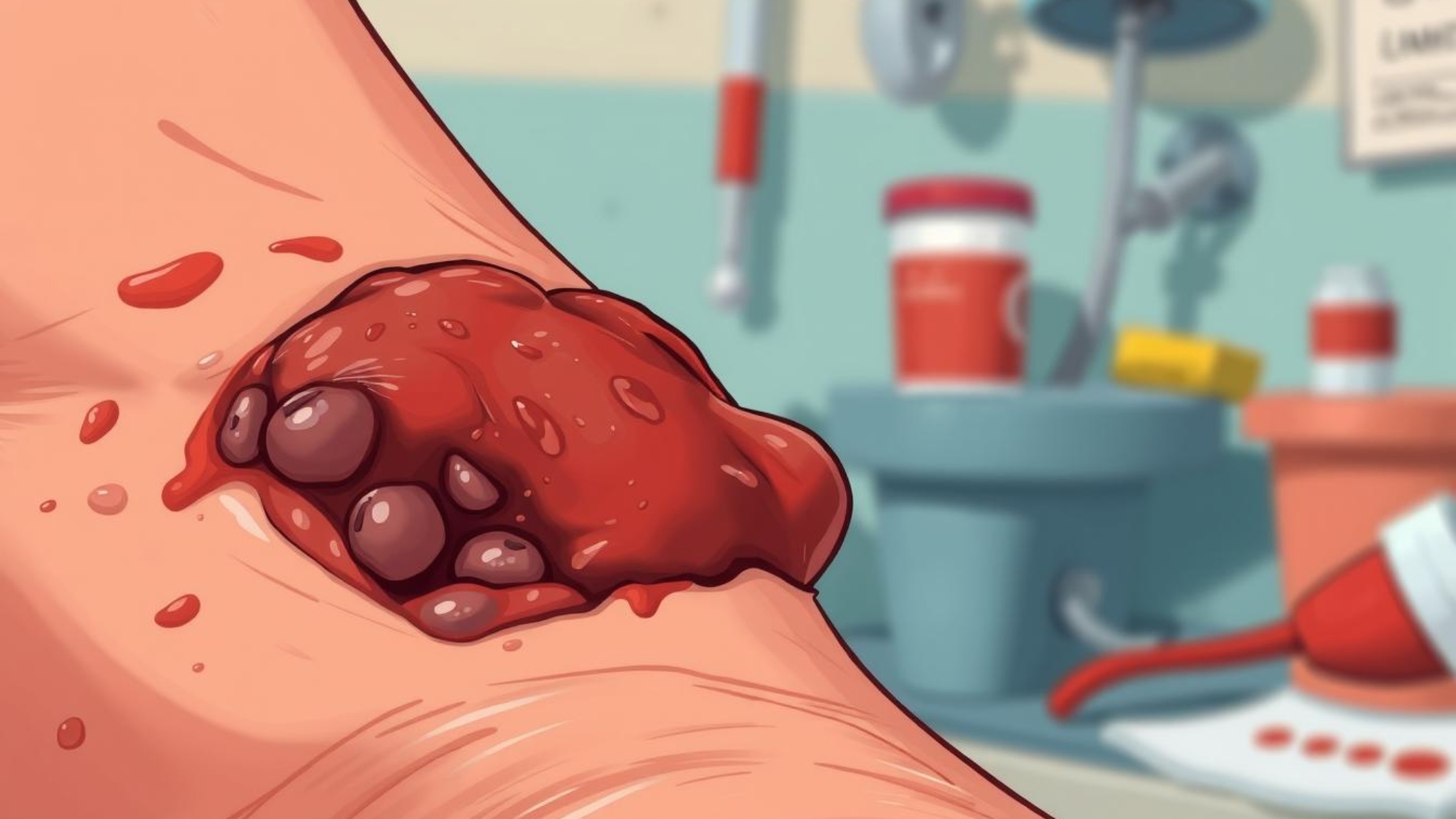
If you have diabetes, you’re at risk for diabetic wound infections. These infections can be serious and lead to severe problems if not treated quickly.
Foot infections are common in people with diabetes. It’s important to spot them early to avoid more harm.
Dominion Mobile Wound Care is here to help you heal. Knowing the signs of diabetic wound infections is key to getting the right treatment on time.
Key Takeaways
- Diabetic wound infections are a serious complication of diabetes.
- Early identification is key to prevent further damage.
- Dominion Mobile Wound Care offers expert care for wound healing.
- Understanding signs and symptoms is vital for timely treatment.
- Prompt treatment can prevent severe consequences.
Understanding Diabetic Wound Infections
For people with diabetes, knowing about diabetic wound infections is key. These infections can be serious if not treated right. They often happen because of nerve damage, poor blood flow, and weak immune response.
What are Diabetic Wound Infections?
Diabetic wound infections happen when bacteria get into a wound on a diabetic’s foot or leg. These infections can be mild or very serious. Effective diabetic ulcer care is vital to stop these infections.
Causes and Risk Factors
Many things can lead to diabetic wound infections. Main causes include:
- Neuropathy, which can make it hard to feel injuries in the feet.
- Poor blood circulation, which makes it hard for wounds to heal.
- High blood sugar, which slows down healing and raises infection risk.
Knowing these risk factors is key for infection control and prevention.
Importance of Early Detection
Finding diabetic wound infections early is very important. Early detection means quicker treatment, which lowers the chance of serious problems like amputation. Keeping an eye out for infection signs is a big part of managing foot infection.
By understanding diabetic wound infections, people with diabetes can take steps to avoid them. This helps keep their health better.
Signs and Symptoms to Watch For
Knowing the warning signs of diabetic wound infections is vital. If you have diabetes, watch for changes in your wound. These changes could mean an infection is starting.
Common Warning Signs
Look out for signs of diabetic foot infections. These include discharge, redness, pain, tenderness, warmth, or hard skin around the wound. Seeing any of these means you need to act fast.
- Purulent discharge or increased drainage
- Redness or swelling around the wound
- Increased pain or tenderness
- Warmth or feverish sensation around the wound
- Induration or hardening of the skin around the wound
Urgency in Treatment
Quick action is key when dealing with diabetic wound infections. Waiting too long can cause serious problems, like losing a limb. If you see signs of infection, get help right away.
Changes in Wound Appearance
Watching for changes in your wound is important for infection control. An infected wound might change color, size, or depth. Keep an eye on your wound and tell your doctor if it looks different.
Being aware of diabetic wound infections signs and the need for quick treatment helps. It’s a step towards controlling infections and healing wounds better.
The Role of Blood Sugar Control
Managing blood sugar is vital for treating and preventing diabetic wounds. High blood sugar levels make it harder for your body to heal. So, keeping your blood glucose in check is key to avoiding complications.
How High Blood Sugar Affects Healing
High blood sugar can slow down wound healing. It can cause:
- Less blood flow and oxygen to the wound
- More inflammation, which slows healing
- White blood cells don’t work as well, making infections harder to fight
- Damage to blood vessels and nerves, making healing even harder
Strategies for Managing Blood Sugar
It’s important to manage your blood sugar for wound care. Here are some ways to do it:
- Monitor your blood glucose regularly: Tracking your blood sugar helps you see how diet and exercise affect it.
- Adhere to your medication regimen: Taking your meds as your doctor says is key to good blood sugar control.
- Maintain a healthy diet: Eating a balanced diet low in sugars and unhealthy fats helps manage blood sugar.
- Exercise regularly: Exercise can lower blood sugar and improve how well your body uses insulin.
Benefits of Good Glycemic Control
Good blood sugar control offers many benefits, like faster wound healing. These benefits include:
- Enhanced healing rates: Keeping blood sugar in check can speed up wound healing.
- Reduced risk of infection: Controlling blood sugar lowers the chance of wound infections.
- Improved overall health: Good blood sugar control can lead to better health and lower the risk of diabetes complications.
Understanding the importance of blood sugar control and using effective strategies can greatly improve wound care outcomes for diabetics.
Diagnosis of Diabetic Wound Infections
Getting a correct diagnosis is key to treating diabetic wound infections well. Doctors use a mix of clinical checks, lab tests, and sometimes imaging to find out if and how bad the infection is.
Importance of Professional Evaluation
It’s important to get a doctor’s help for diagnosing these infections. A doctor will look at your medical history and the wound’s details carefully.
Professional evaluation is essential because it lets doctors see the wound’s true condition. They can spot infection signs that you might not notice.
Diagnostic Tools Used
Many tools help doctors check for diabetic wound infections. These include:
- Visual examination of the wound
- Laboratory tests, such as wound cultures and blood tests
- Imaging studies, like X-rays or MRI scans, to check for deep tissue involvement or osteomyelitis
These tools help healthcare providers understand how serious the infection is. They then plan the best treatment.
How Infection Is Confirmed
Infection is confirmed by looking at clinical signs and test results. Key signs include:
| Indicator | Description | Clinical Significance |
|---|---|---|
| Increased Redness | Widening area of erythema around the wound | Sign of spreading infection |
| Purulent Discharge | Presence of pus or foul-smelling drainage | Indicative of bacterial infection |
| Positive Culture | Laboratory confirmation of bacterial growth | Confirms infection and guides antibiotic therapy |
Knowing the infection helps doctors create a treatment plan just for you. This can lead to better results.
Treatment Options for Diabetic Wound Infections
Managing diabetic wound infections requires quick action and the right treatments. It’s important to act fast to stop the infection from getting worse.
Immediate Steps You Can Take
Notice signs of a wound infection? Start by keeping the wound clean and dry. Change dressings often and watch for any changes. Keeping blood sugar levels in check helps too. For more tips on caring for diabetic foot ulcers at home, check out best practices for managing diabetic foot ulcers at.
Medical Treatments Available
Doctors often use antibiotic therapy to fight infections. The choice of antibiotic depends on the infection’s cause and severity. Sometimes, surgery is needed to remove dead tissue or drain abscesses. Your doctor will decide the best treatment for you.
Advanced Wound Care Techniques
Advanced care can help wounds heal faster. This includes negative pressure wound therapy, hyperbaric oxygen therapy, and growth factor treatments. These methods create a better healing environment, reduce infection risk, and improve healing outcomes.
| Treatment Option | Description | Benefits |
|---|---|---|
| Antibiotic Therapy | Use of antibiotics to treat infection | Effective against bacterial infections, promotes healing |
| Negative Pressure Wound Therapy | Application of negative pressure to enhance wound healing | Promotes blood flow, reduces bacterial load |
| Hyperbaric Oxygen Therapy | Exposure to oxygen at high pressure to stimulate healing | Enhances oxygen delivery to tissues, promotes healing |
Topical and Systemic Antibiotics
Antibiotics are key in treating diabetic wound infections. They help control the infection and aid in healing. If your wound shows signs of infection, like more redness, swelling, or pus, you might get antibiotics.
Necessity of Antibiotics
Antibiotics are needed when a diabetic wound infection is found or suspected. The choice to use antibiotics depends on the infection’s severity and the bacteria present.
Key factors that determine the need for antibiotics include:
- The presence of purulence or abscesses
- Increased redness, swelling, or warmth around the wound
- Foul odor or discharge
- Failure of the wound to heal
Types of Antibiotics Used
The type of antibiotic used depends on the bacteria causing the infection. Common antibiotics for diabetic wound infections are:
| Antibiotic Type | Examples | Use Cases |
|---|---|---|
| Topical Antibiotics | Neomycin, Bacitracin | Mild to moderate infections, surface application |
| Oral Antibiotics | Amoxicillin-Clavulanate, Ciprofloxacin | Moderate to severe infections, systemic treatment |
| Intravenous Antibiotics | Vancomycin, Piperacillin-Tazobactam | Severe infections requiring hospitalization |
Monitoring Effectiveness
It’s important to watch how well antibiotics work. You should see your wound getting better in a few days after starting treatment. If not, your doctor might change your treatment plan.
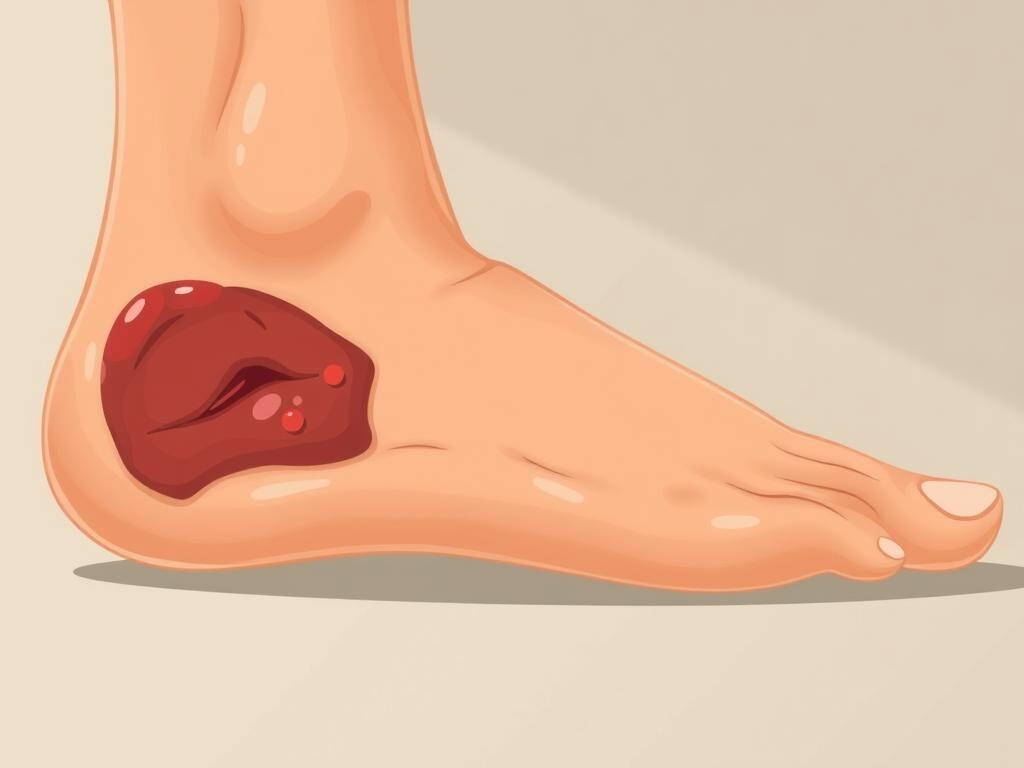
Regular check-ups with your healthcare provider are key. They help see how your wound is healing and make any needed changes to your treatment.
Advanced Therapies in Wound Care
The world of wound care is evolving with new treatments. If you’re dealing with diabetic wounds, knowing about these advanced options is key. They help wounds heal better.
Hyperbaric Oxygen Therapy
Hyperbaric Oxygen Therapy (HBOT) means breathing pure oxygen in a special room. It boosts healing by getting more oxygen to the wound. This helps fix tissues and lowers infection chances.
Benefits of HBOT:
- Enhanced wound healing
- Reduced infection risk
- Improved tissue oxygenation
Negative Pressure Wound Therapy
Negative Pressure Wound Therapy (NPWT) uses a vacuum dressing on the wound. It helps by taking out fluids, cutting down bacteria, and improving blood flow.
Key aspects of NPWT include:
| Therapy Aspect | Description | Benefit |
|---|---|---|
| Fluid Removal | Removal of excess fluids | Reduces edema and promotes healing |
| Bacterial Load Reduction | Decrease in bacterial count | Lowers infection risk |
| Tissue Perfusion Enhancement | Improved blood flow | Enhances oxygen and nutrient delivery |
Growth Factor Treatments
Growth factor treatments use proteins to help wounds heal. They boost cell growth and blood vessel formation.
These new therapies are big steps forward in treating diabetic ulcers. They offer new ways to manage wounds. By using these treatments, you can help wounds heal faster and improve people’s lives.
Home Care Tips for Managing Wound Health
Improving wound healing is easier with a few simple home care steps. Proper care at home is key for healing and stopping infections. This is very important for people with diabetic wounds.
Proper Wound Cleaning Techniques
Cleaning your wound right is the first step. Use mild soap and lukewarm water for gentle cleaning. Don’t use harsh soap, hydrogen peroxide, or iodine as they can harm tissue and slow healing. Pat the area dry with a clean towel.
Dressing Choices and Frequency
The right dressing is vital for wound care. Pick a breathable, moist-keeping dressing. Change your dressing as often as your healthcare provider recommends, or when it gets wet or dirty.
- Use a non-stick dressing to avoid causing further irritation.
- Consider using a dressing with antimicrobial properties to aid in “infection control.”
Dietary Considerations for Healing
Eating a balanced diet full of vitamins and minerals helps healing. Make sure you get enough protein, vitamin C, and zinc. Adequate nutrition is key to wound healing and can prevent issues like “foot infection.”
| Nutrient | Benefit | Food Sources |
|---|---|---|
| Protein | Builds and repairs tissue | Chicken, fish, beans |
| Vitamin C | Boosts immune system | Oranges, strawberries, bell peppers |
| Zinc | Supports wound healing | Oysters, beef, pumpkin seeds |
By following these home care tips, you can actively manage your wound health. This helps reduce the risk of complications.
When to Seek Professional Help
If you have a diabetic wound infection, knowing when to get help is key. These infections can get worse fast if not treated right. This can lead to serious problems.
Recognizing Severe Symptoms
It’s important to know when an infection is getting worse. Look out for these signs:
- Increased redness and swelling around the wound
- Pus or discharge from the wound
- A foul odor from the wound
- Increased pain or tenderness
- Fever or chills
If you see any of these, get medical help fast.
Importance of Regular Check-ups
Seeing a doctor regularly is key. It helps track how your wound is healing. Your doctor can:
- Check the wound’s condition
- Change treatment plans if needed
- Give advice on caring for the wound
Regular visits can greatly help your recovery.
How Dominion Mobile Wound Care Can Assist
Dominion Mobile Wound Care helps with diabetic wound infections. They offer:
- Comprehensive wound assessments
- Customized treatment plans
- Ongoing monitoring and support
They provide care at home. For more info, visit Dominion Mobile Wound Care.

Hire Dominion Mobile Wound Care to Help Heal Your Wounds
If you’re dealing with diabetic wound infections, getting professional help is key. Dominion Mobile Wound Care offers special services to help you heal. They focus on wound healing and caring for diabetic ulcers.
Benefits of Their Mobile Care Services
Dominion Mobile Wound Care comes to you, making things easier and more personal. Their mobile care means you get all the care you need without hospital trips.
Personalized Treatment Plans
Every patient gets a treatment plan made just for them. This plan helps your wounds heal the best way possible. The team at Dominion Mobile Wound Care works with you to create a plan that suits your life and health goals.
Contact Information and Next Steps
To find out more about Dominion Mobile Wound Care’s services or to book a consultation, just reach out. Taking this step means you’re taking charge of your wound care. It’s a big step towards a healthier life.
FAQ
What are the common signs of a diabetic wound infection?
Look out for signs like increased redness, swelling, and warmth around the wound. Also, watch for pus, a foul smell, fever, or feeling unwell. If you notice these, get medical help right away.
How does high blood sugar affect wound healing?
High blood sugar can slow down healing. It damages blood vessels and nerves, reducing blood flow. This makes it hard for the body to fight off infections. Keeping blood sugar levels in check is key for wound healing.
What are the benefits of advanced wound care therapies like hyperbaric oxygen therapy?
Therapies like hyperbaric oxygen therapy boost healing. They increase oxygen to the wound, helping repair tissues and fight bacteria. These treatments are great for tough or slow-healing wounds.
How often should I change my wound dressing?
Dressing change frequency depends on the dressing type and wound condition. Usually, change dressings daily or when they get dirty or wet. Your healthcare provider can give you specific advice.
Can antibiotics be used to treat diabetic wound infections?
Yes, antibiotics are often needed for diabetic wound infections. The type and length of treatment depend on the infection’s severity and cause. Always follow your healthcare provider’s treatment plan.
What dietary considerations can support wound healing?
Eating a balanced diet with plenty of protein, vitamins (like C and A), and minerals (such as zinc) helps healing. Drinking enough water is also important. A healthcare provider or dietitian can give you personalized diet advice.
How can Dominion Mobile Wound Care assist in managing diabetic wound infections?
Dominion Mobile Wound Care offers specialized care at home. They assess, treat, and educate on wound care and prevention. Their team helps manage your wound infection and provides ongoing support.
What are the benefits of hiring a mobile wound care service like Dominion Mobile Wound Care?
Mobile wound care services like Dominion Mobile Wound Care offer home care. This reduces hospital visits. They provide personalized treatment plans and ongoing support for better wound healing.
How can I recognize severe symptoms of diabetic wound infections that require immediate attention?
Watch for severe symptoms like increasing pain, spreading redness, swelling, or pus, fever over 101.5°F (38.6°C), or a foul odor. If you see these, get medical help fast.
Add a Comment