If you have diabetes, you face a big risk of losing a limb. But, there’s hope. Mobile wound care is changing how we treat diabetic ulcers. It’s helping stop these tragic losses.
In the U.S., too many people lose their limbs to diabetes. But, mobile wound care is making a big difference. It lets patients get the care they need at home. This makes them feel better and live better, too.
Key Takeaways
- Mobile wound care is a game-changer in preventing diabetic amputations.
- Receiving treatment at home improves patient comfort and outcomes.
- Dominion Mobile Wound Care offers expert services to help heal wounds.
The Growing Crisis of Diabetic Amputations in the United States
The number of diabetic amputations in the U.S. is rising fast. With more people getting diabetes, the danger of losing limbs is a big worry. It’s a major health problem.
Current Statistics on Diabetes-Related Amputations
Recent numbers show the U.S. is facing a big challenge with diabetes-related amputations. The International Diabetes Federation points out how serious these complications are. To avoid losing limbs, it’s important to know the risks and take steps to prevent them. For more information, check out 7 tips to prevent diabetic foot.
The Economic and Personal Cost of Amputations
Diabetic amputations affect not just the person but also the healthcare system and economy. They lead to a lower quality of life and more need for healthcare. By focusing on diabetes foot prevention, people can lower their risk of amputations and other problems.
It’s key to understand the numbers and the personal and economic costs of diabetic amputations. This shows why we need good prevention and treatment plans. Mobile wound care services are a big help in fighting this growing problem.
Understanding Diabetic Wounds and Their Progression
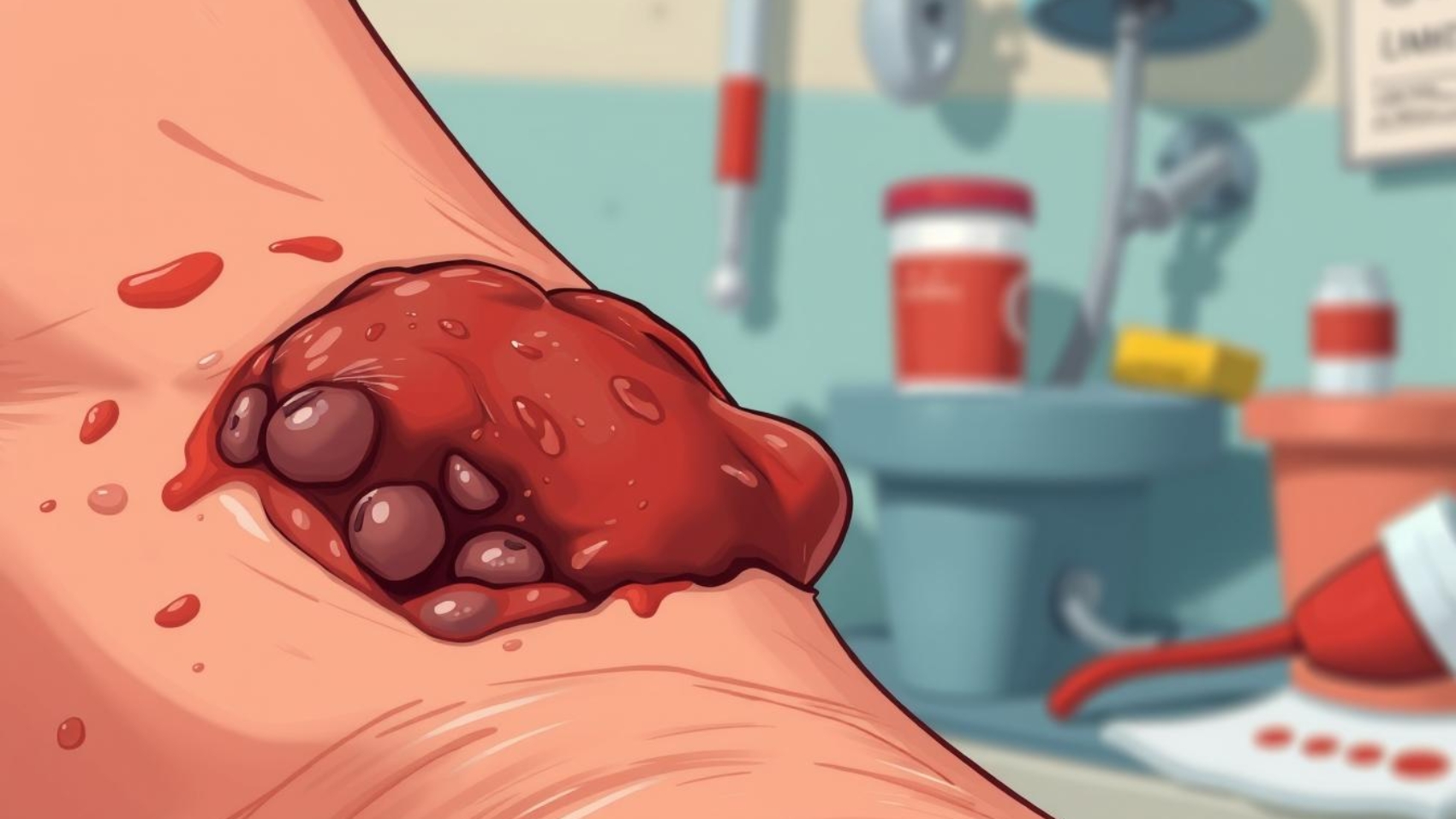
It’s important to know about the risks of diabetic wounds to avoid amputations. These wounds are a big problem for people with diabetes. They often happen because of nerve damage and poor blood flow.
Why Diabetics Are at Higher Risk for Wounds
People with diabetes face a higher risk of getting wounds. This is because of neuropathy and bad blood flow. Neuropathy makes feet numb, so you can’t feel pain from small cuts. Bad blood flow makes it hard for the body to heal these cuts, turning them into serious wounds.
The Pathway from Minor Injury to Major Amputation
A small injury can turn into a big wound if not treated right. It starts with an injury you don’t notice because of nerve damage. If it gets infected, it can lead to gangrene and even amputation.
Common Locations for Diabetic Wounds
Diabetic wounds usually happen on the feet, like on the heels and toes. These spots get a lot of pressure and rubbing. This makes them more likely to get hurt and turn into wounds.
The Critical Role of Professional Diabetic Wound Care
Professional diabetic wound care is very important to avoid amputations. If you have diabetes, you’re more likely to get wounds. These can lead to serious problems if not treated right.
It’s key to act fast in diabetic wound care. There’s a “golden period” when treatment works best. This time greatly improves your chances of healing.
The “Golden Period” for Intervention
The first weeks after a wound appears are very important. Quick and right care can stop the wound from getting worse.
Evidence-Based Treatment Protocols
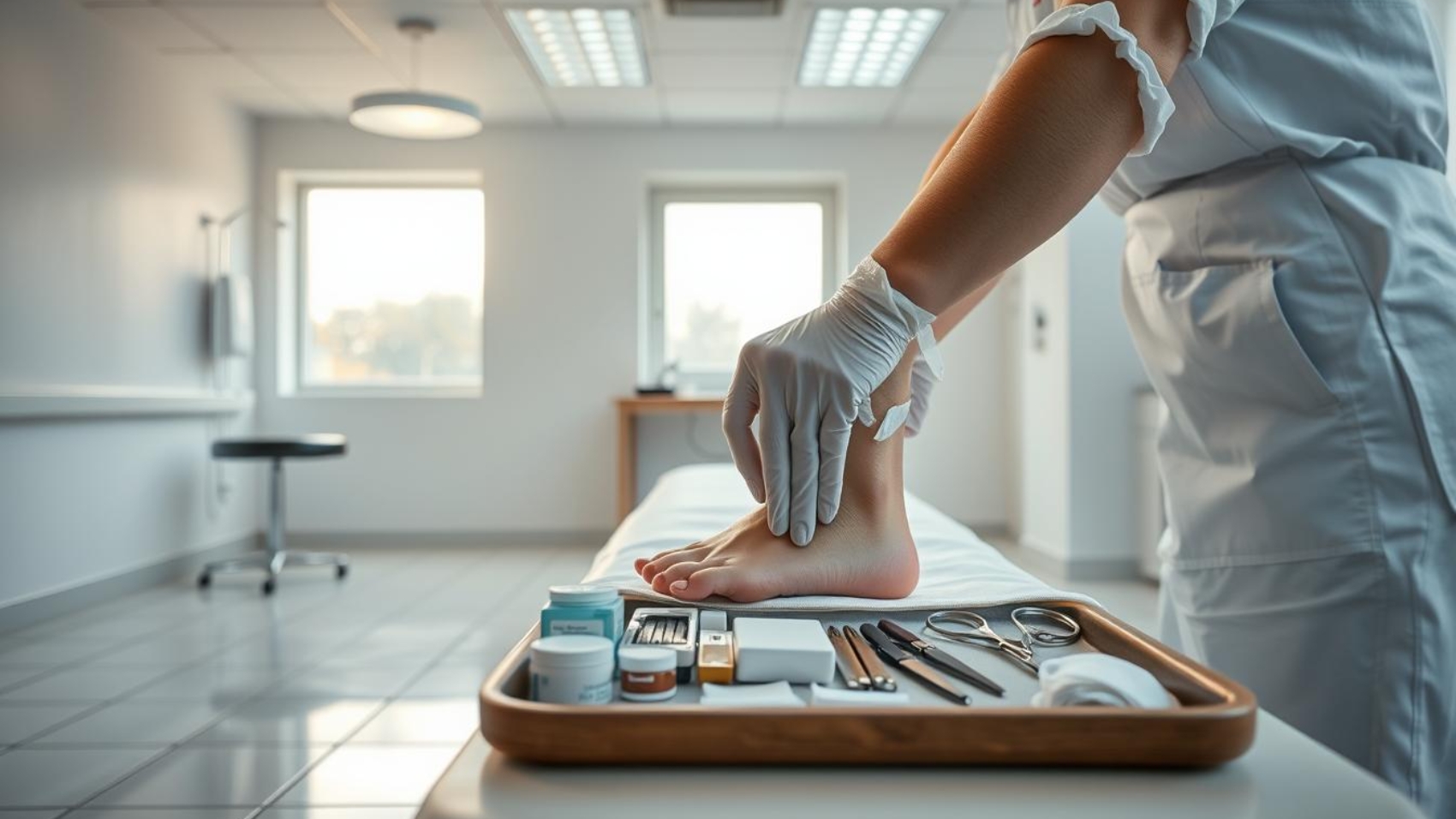
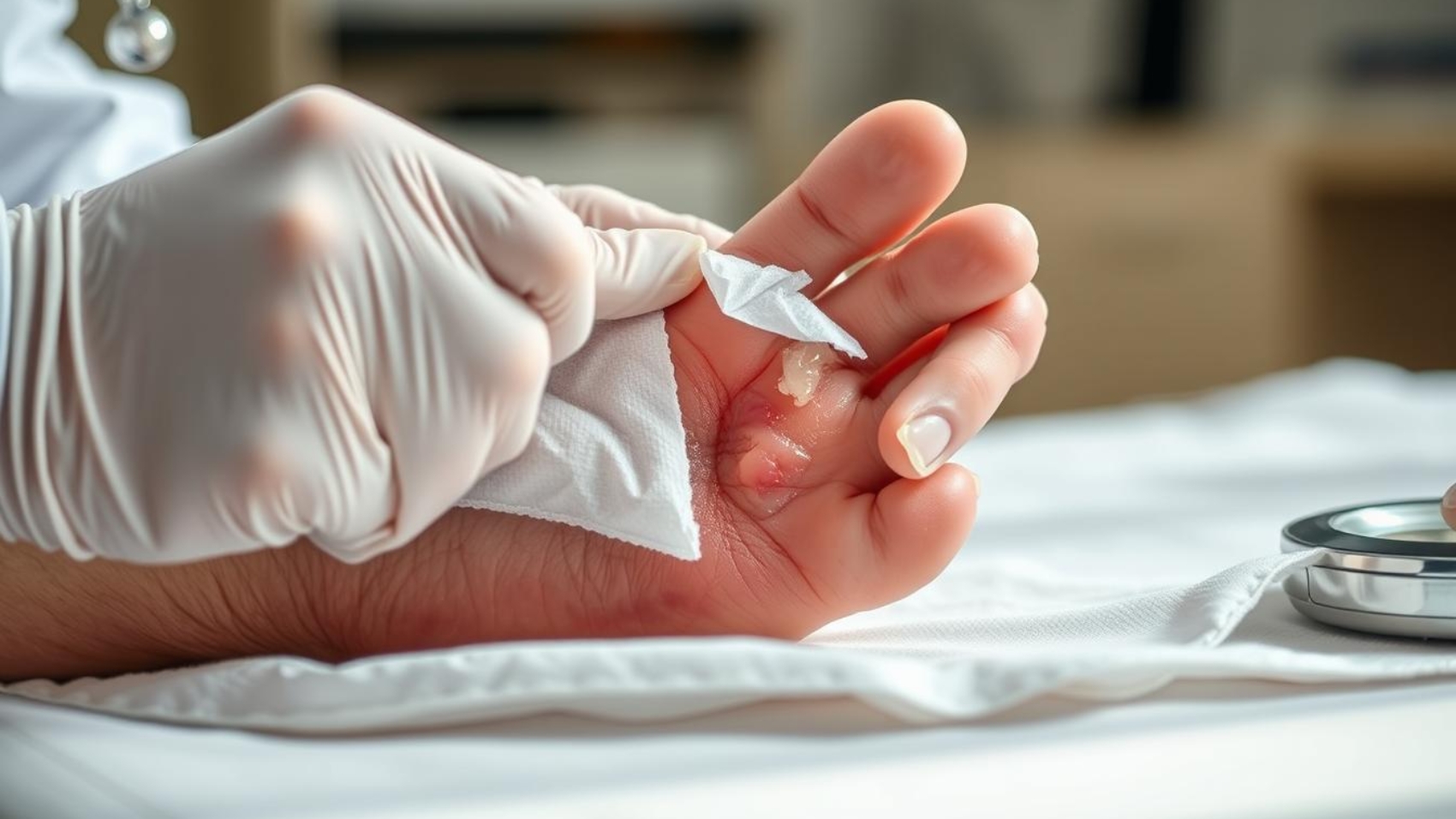
Professional care for diabetic wounds uses proven methods. These are made just for you. They might include removing dead tissue, taking pressure off, and using special dressings.
| Treatment Protocol | Description | Benefits |
|---|---|---|
| Debridement | Removal of dead tissue | Promotes healing |
| Offloading | Reducing pressure on the wound | Prevents further injury |
| Advanced Wound Dressings | Specialized dressings for wound care | Enhances healing environment |
Consequences of Delayed Treatment
Waiting too long can cause big problems. These include infections, longer healing times, and a higher chance of losing a limb.

Getting professional care for diabetic wounds can greatly help. It can improve your healing chances and lower the risk of serious issues.
Traditional Wound Care Models: Limitations and Challenges
The traditional way of treating wounds has its downsides. It can make it hard for patients to get the care they need. This is true for diabetic wounds, which require special attention.
Barriers to Accessing Clinic-Based Care
Getting to a wound care clinic can be tough. Long wait times and a lack of specialized staff are big hurdles. Creating a personalized diabetic wound care plan needs regular visits, which can be overwhelming. For more on this, check out this resource.
Transportation and Mobility Issues for Diabetic Patients
Diabetic patients often have trouble getting to appointments. Mobility problems make it hard to travel to clinics. This can cause delays in treatment and worsen wound care outcomes.
Appointment Compliance and Follow-Up Challenges
Keeping up with appointments is key for wound care. But, patients may miss them due to lack of transport or mobility issues. It’s vital to ensure regular follow-up care for diabetes foot prevention and healing.
Healthcare providers need to find new ways to care for diabetic patients. This will help meet their unique needs better.
Mobile Wound Care: A Revolutionary Approach to Treatment
Dominion Mobile Wound Care is leading a new wave in wound care. They bring treatment right to patients. This new method makes diabetic wound care easier and more convenient for everyone.
What Is Mobile Wound Care?
Mobile wound care means doctors and nurses visit patients at their homes. It’s great for diabetic patients who can’t easily get to clinics.
How Dominion Mobile Wound Care Delivers Services
Dominion Mobile Wound Care has a team with the latest technology. They treat wounds in patients’ homes or care facilities. This makes patients more comfortable and gets treatment sooner.
The Technology Behind Mobile Wound Assessment
Dominion uses top-notch tools and telehealth for accurate diagnosis. This tech helps in effective diabetic wound care by covering all wound management needs.
With mobile wound care, Dominion is changing diabetic wound management. They’re improving patient outcomes and quality of life.
Advanced Treatment Options Available Through Mobile Diabetic Wound Care
Mobile diabetic wound care brings advanced treatments to your home. It changes how we manage diabetic ulcers. You get full care without needing to go to the clinic, making it easier to follow your treatment plan.
Specialized Diabetic Ulcer Care Techniques
Special care for diabetic ulcers includes many techniques. These are tailored to your needs. You get thorough wound checks, dead tissue removal, and advanced dressings.
Cutting-Edge Foot Wound Treatment Technologies
Mobile diabetic wound care uses the newest technologies for foot wounds. Some of these advanced treatments are:
- Bioengineered Tissues and Growth Factors: These help grow new tissue.
- Negative Pressure Wound Therapy: It boosts blood flow and helps wounds heal.
- Advanced Dressings and Antimicrobial Treatments: These stop infections and aid healing.
Mobile diabetic wound care uses these advanced treatments to improve healing. It’s a way to prevent problems and help wounds heal at home.
The Multidisciplinary Approach to Preventing Amputations
Managing wounds and preventing amputations in diabetes patients needs a multidisciplinary care team. This team works together to give complete care. They address the complex needs of diabetic patients.
Diabetic wound care is complex. A team of healthcare professionals is needed. This ensures all care aspects are covered.
The Team Behind Effective Wound Management
A team includes wound care specialists, primary care doctors, and endocrinologists. Each member is vital for coordinated care.
- Wound care specialists: Expert care for diabetic wounds.
- Primary care physicians: Oversee overall health and coordinate care.
- Endocrinologists: Manage diabetes treatment and blood sugar control.
Coordinated Care for Better Outcomes
Coordinated care manages all aspects of a patient’s health. This approach prevents complications and improves outcomes.
| Care Component | Description | Benefit |
|---|---|---|
| Wound Care | Expert treatment of diabetic wounds | Promotes healing and prevents infection |
| Primary Care | Oversight of overall health | Ensures complete care and early detection of complications |
| Endocrinology | Management of diabetes treatment | Optimizes blood sugar control and reduces risk of complications |
Integration with Primary Care and Endocrinology
Working with primary care and endocrinology is key for diabetes foot prevention. Healthcare providers can give complete care. They address overall health and specific needs.
Real Patient Success Stories: Amputations Prevented
The stories of those helped by mobile wound care show its impact. Dominion Mobile Wound Care has saved many patients from amputation. They do this with their mobile wound care services.
Case Studies from Dominion Mobile Wound Care
A patient with a severe diabetic foot ulcer was helped. Dominion’s advanced wound care techniques healed the ulcer in months. This saved the patient’s leg.
Another case showed the power of their multidisciplinary approach. Care from wound specialists and primary doctors greatly improved patient outcomes.
Testimonials from Patients and Families
Patients and their families are very thankful. One family praised the “compassionate and expert care” that saved their loved one’s leg.
Statistical Outcomes and Improved Quality of Life
The success of Dominion Mobile Wound Care is clear in the numbers:
| Treatment Outcome | Success Rate |
|---|---|
| Wound Healing | 85% |
| Amputation Prevention | 90% |
These numbers show not just clinical success but also better lives for patients.
Diabetes Foot Prevention: Education and Self-Care Strategies
Preventing diabetic foot problems starts with knowing the risks and taking steps to avoid them. If you have diabetes, you know how serious foot issues can be. But, by following simple self-care tips, you can lower your risk of foot ulcers and other problems.
Daily Foot Inspection Techniques
Checking your feet daily is key to catching problems early. Look for cuts, blisters, redness, swelling, and signs of infection. Use a mirror to see the soles of your feet, or ask someone to help if you can’t. Early detection is key to preventing minor issues from becoming major problems.
Proper Footwear and Pressure Offloading
Wearing the right shoes is vital for avoiding diabetic foot issues. Choose shoes that fit well and offer good support. Always wear shoes, even at home, to avoid injuries. Consider using orthotics or special shoes for diabetic foot care to reduce pressure on sensitive spots.

Blood Sugar Management and Wound Healing
Keeping your blood sugar levels in check is important for managing diabetes and healing wounds. High blood sugar can slow down healing and increase infection risk. Work with your doctor to keep your blood sugar within a healthy range.
When to Call for Professional Help
If you see signs of foot injury or infection, like more redness, swelling, warmth, or drainage, call your doctor right away. Don’t wait if you’re unsure about a foot problem or how to handle it.
Conclusion: Taking Action to Save Limbs and Lives
You now know how important diabetic wound care is to avoid amputations. Mobile wound care services, like Dominion Mobile Wound Care, bring expert care right to your home. This greatly improves how wounds heal.
Preventing diabetes foot problems is key in managing diabetic wounds. By doing daily foot checks and wearing the right shoes, you can lower your risk of serious foot issues.
If you or a loved one has a diabetic wound, don’t delay in getting help. Dominion Mobile Wound Care offers detailed, caring treatment to help wounds heal and stop amputations. Start saving limbs and lives by reaching out to Dominion Mobile Wound Care today.
FAQ
What is diabetic wound care, and why is it important?
Diabetic wound care is about treating wounds in people with diabetes. It’s key because diabetes can harm nerves and blood flow. This makes wounds hard to heal and raises the risk of losing a limb.
How does mobile wound care work?
Mobile wound care brings treatment to the patient, at home or in care facilities. Dominion Mobile Wound Care uses advanced tools for care on the go.
What are the benefits of mobile diabetic wound care?
Mobile care makes it easier to get help, cuts down on travel, and gives more personal attention. It also means wounds can be checked more often and treated sooner, helping them heal better.
How can I prevent diabetic foot wounds?
To avoid foot wounds, check your feet daily, wear the right shoes, keep blood sugar in check, and see a doctor early if you notice any issues. Regular doctor visits are also key.
What are the signs that I need professional help for a diabetic foot wound?
Look for redness, swelling, or drainage, and watch for pain, bad smells, or slow healing. If you see these signs, call Dominion Mobile Wound Care for help.
How does coordinated care help in preventing amputations?
Coordinated care means a team works together on wound care. This team approach considers all health aspects, leading to better treatment and outcomes.
What advanced treatment options are available for diabetic wound care?
There are new ways to treat diabetic ulcers and foot wounds, like advanced technologies and proven treatment plans. Dominion Mobile Wound Care keeps up with these new methods to offer top care.