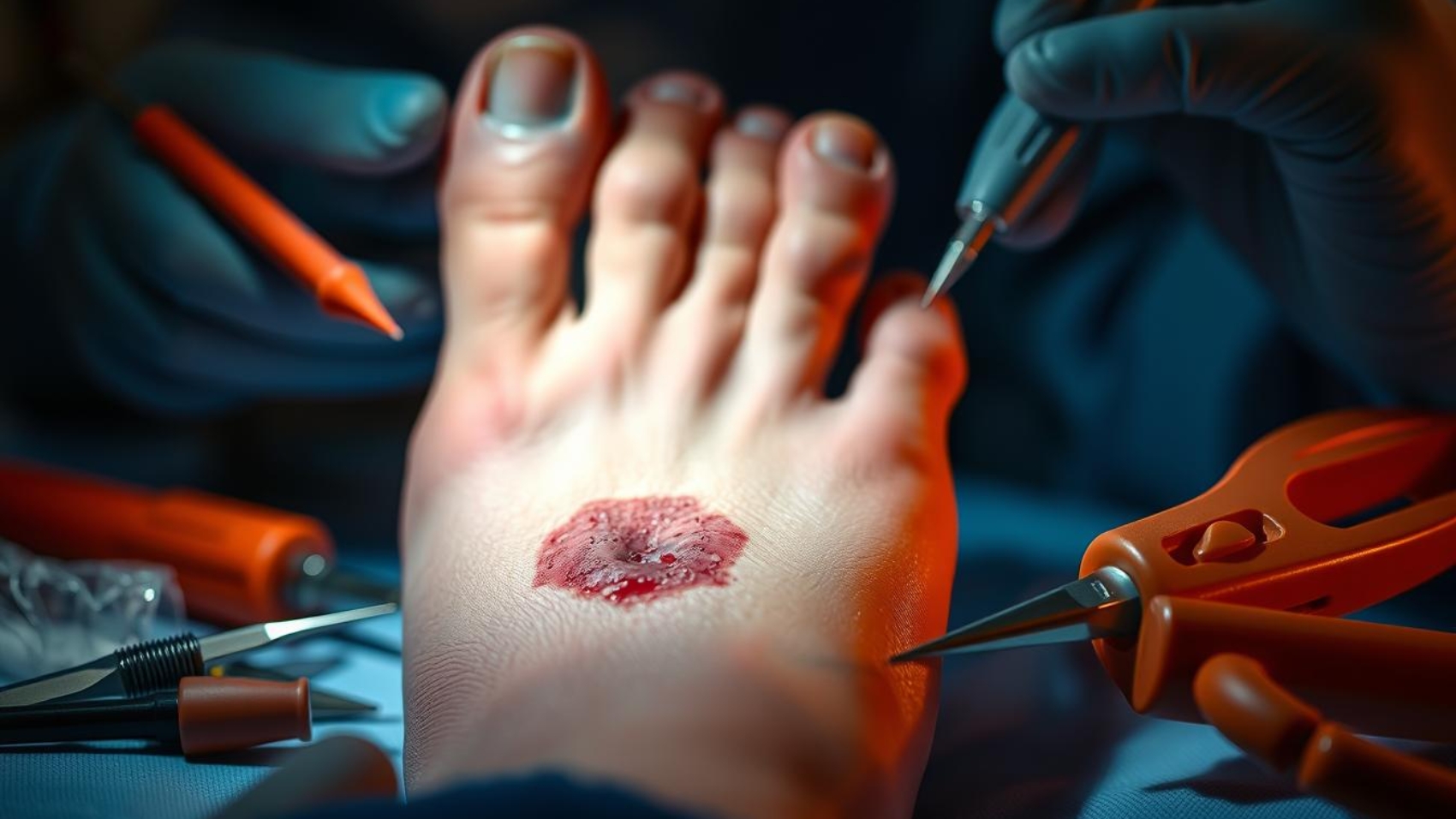
Diabetic wound specialist

Why a Diabetic Wound Specialist Matters for Recovery

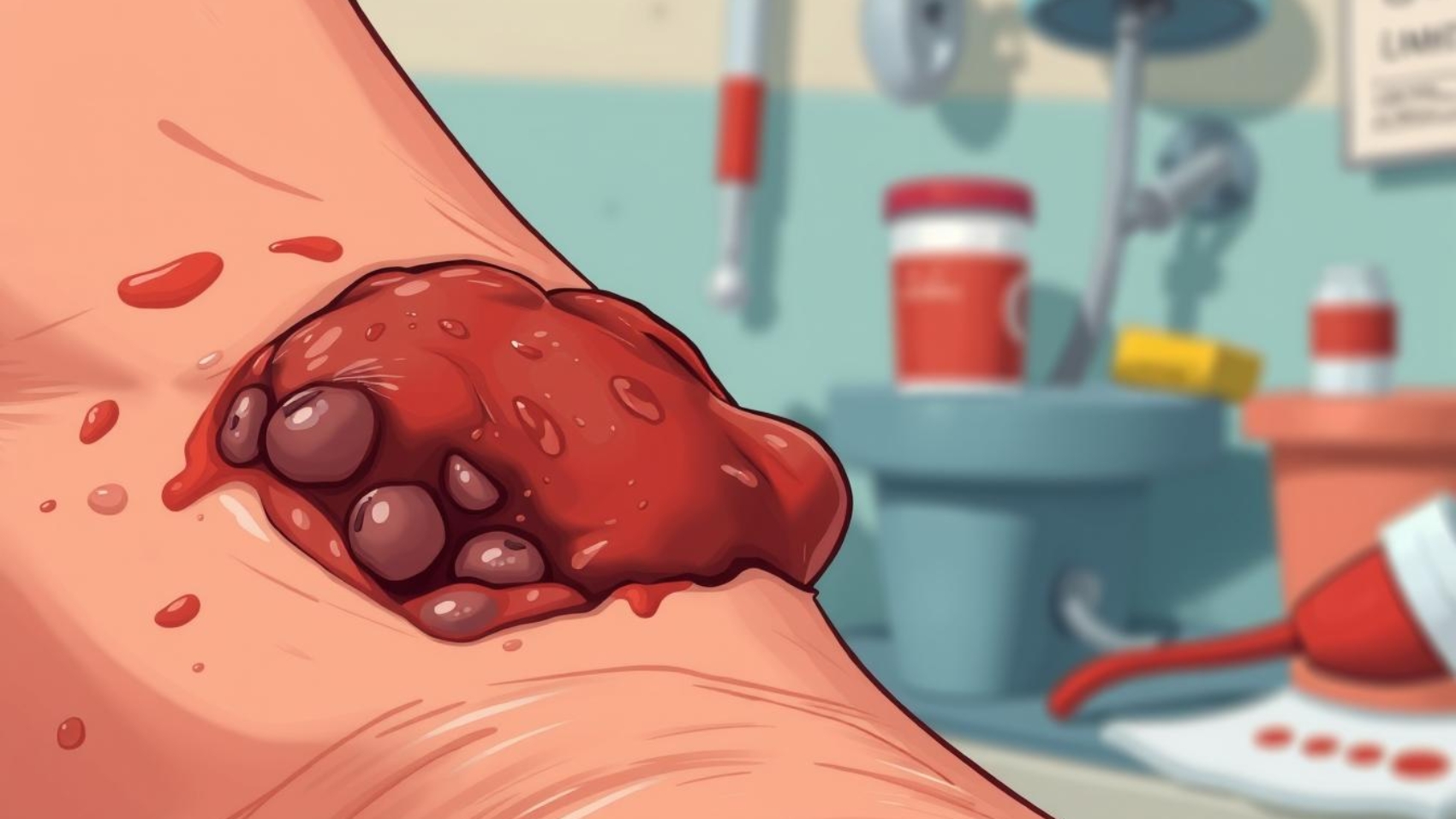
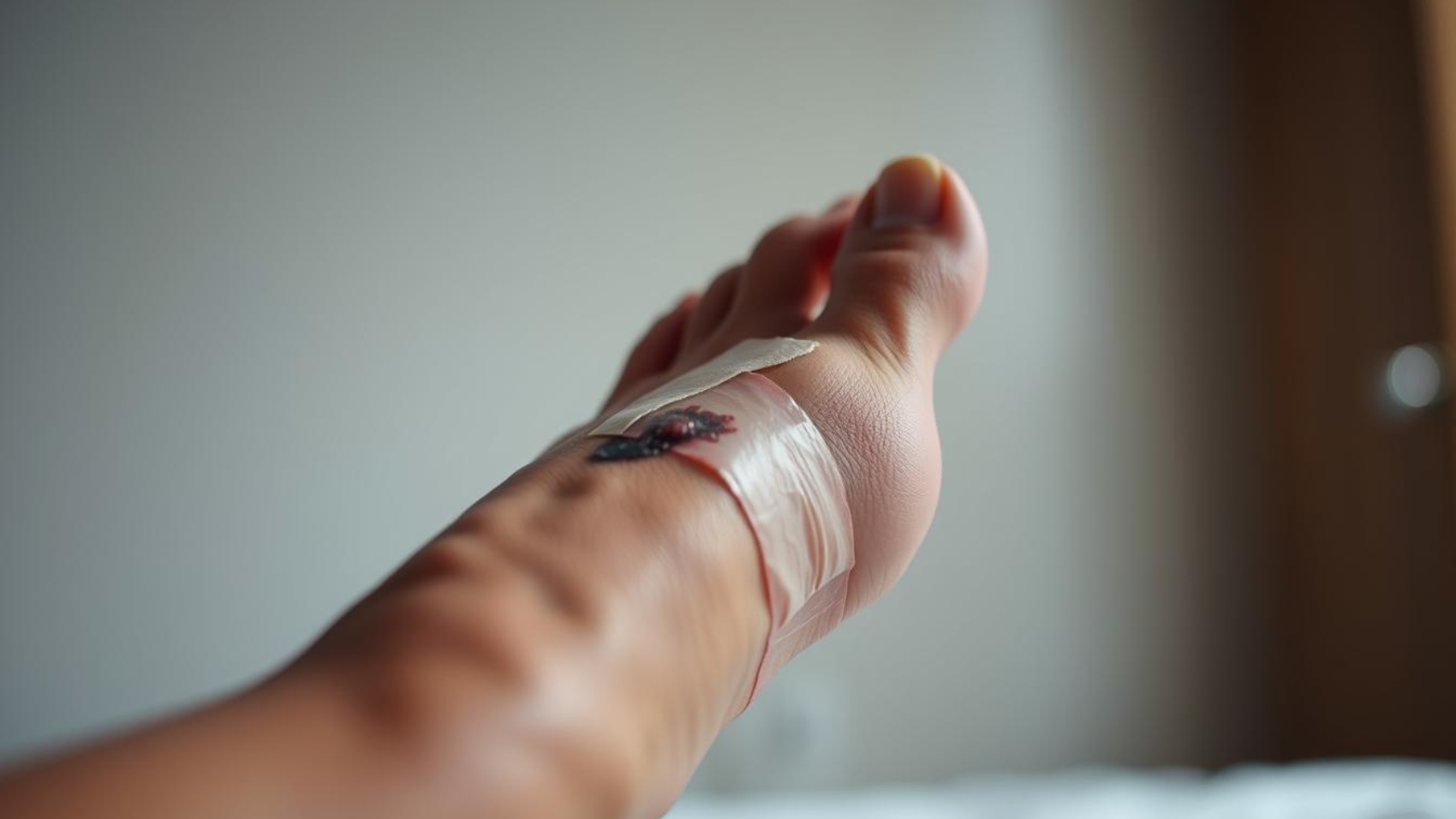
If you have diabetes, you’re more likely to get chronic wounds that are hard to heal. Diabetes is a common disease that makes your blood sugar levels stay high for a long time. This can lead to serious health problems.

Having a wound that won’t heal is tough. Getting help from a diabetic wound specialist is very important. Dominion Mobile Wound Care offers top-notch podiatric wound care to help you get better.

Key Takeaways

  • Diabetes increases the risk of developing chronic wounds.
  • A diabetic wound specialist plays a vital role in recovery.
  • Dominion Mobile Wound Care provides expert podiatric wound care services.
  • Seeking professional help is key for effective wound healing.
  • Good wound care can stop long-term health issues.

The Hidden Dangers of Diabetic Wounds

Diabetes can turn a small cut into a big health problem. It hides dangers that aren’t easy to see. When you have diabetes, your body can’t heal well because of high blood sugar. This can cause nerve damage and poor blood flow. It’s key to know the risks of diabetic wounds.

How Diabetes Compromises Your Healing Process

Diabetes messes with your healing in many ways. High blood sugar harms nerves and blood vessels. This reduces feeling in your feet and legs and cuts off blood flow. It makes wounds hard to heal and raises the chance of infection.

Also, diabetes weakens your immune system. This makes it tough for your body to fight off infections.

Complication Description Impact on Wound Healing
Nerve Damage High blood sugar damages nerve endings, reducing sensation. Increased risk of unnoticed wounds.
Poor Circulation Damaged blood vessels reduce blood flow to extremities. Slower healing due to inadequate oxygen and nutrient delivery.
Immune System Impairment Diabetes weakens the body’s ability to fight infections. Increased risk of wound infection.

The Silent Progression of Diabetic Wounds

Diabetic wounds can grow quietly, often without clear signs until they’re serious. This quiet growth is because of neuropathy, or nerve damage. It hides pain and other signs that would normally make you seek help. It’s important to check wounds often and treat them quickly to avoid big problems.

If you have diabetes, seeing a healthcare provider like Dominion Mobile Wound Care is key for good wound care.

Alarming Statistics: Why Diabetic Wounds Require Immediate Attention

Diabetic wounds can cause serious problems if not treated quickly. About 25% of people with diabetes will get a foot ulcer. This can lead to losing a leg. It’s very important to know the risks and act fast.

The Link Between Untreated Wounds and Amputations

Wounds that don’t get treated can get worse and might need to be cut off. This is a serious problem. Getting treatment right away can help avoid losing a limb.

Infection Risks Specific to Diabetic Patients

People with diabetes are more likely to get infections because their bodies can’t fight off germs well. These infections can spread fast and cause big problems. It’s key to know the higher risk of infections and get help from experts like Dominion Mobile Wound Care to heal wounds.

  • Diabetic foot ulcers are a common complication.
  • Infections can lead to severe consequences, including amputation.
  • Prompt treatment is key to avoid long-term damage.

The Critical Role of a Diabetic Wound Specialist in Your Recovery

Dealing with diabetic wounds can be tough. A diabetic wound specialist can make a big difference. They know how to handle these wounds, which are more than just skin problems.

These specialists have the right training and skills. By choosing them, you’re making sure your wounds get the best care.

Specialized Training and Certification

Diabetic wound specialists get special training and certification. This lets them diagnose and treat wounds well. They learn about wound healing, infections, and new treatments.

They also know about the latest technologies and techniques. This means they can create treatment plans that really work for you.

Certification Description Benefits
Wound Care Certification Advanced training in wound care Improved wound healing outcomes
Diabetic Foot Care Certification Specialized knowledge in diabetic foot care Reduced risk of amputations

How Specialists Differ from General Practitioners

General practitioners are important, but specialists are more focused. They know the latest about diabetic wounds. They also understand nerve damage wounds.

Choosing a specialist, like those at Dominion Mobile Wound Care, means better care. Their knowledge can really help your recovery.

Warning Signs That You Need Professional Wound Care

Diabetic patients need to watch for warning signs that mean they should see a wound care specialist. This is because your body heals slower when you have diabetes. It’s very important to keep an eye on your health.

Physical Symptoms That Shouldn’t Be Ignored

Look out for these signs: discolored skin, swelling, blisters, cuts, or areas that don’t heal. These could mean a serious problem. If not treated, it could lead to diabetes complications.
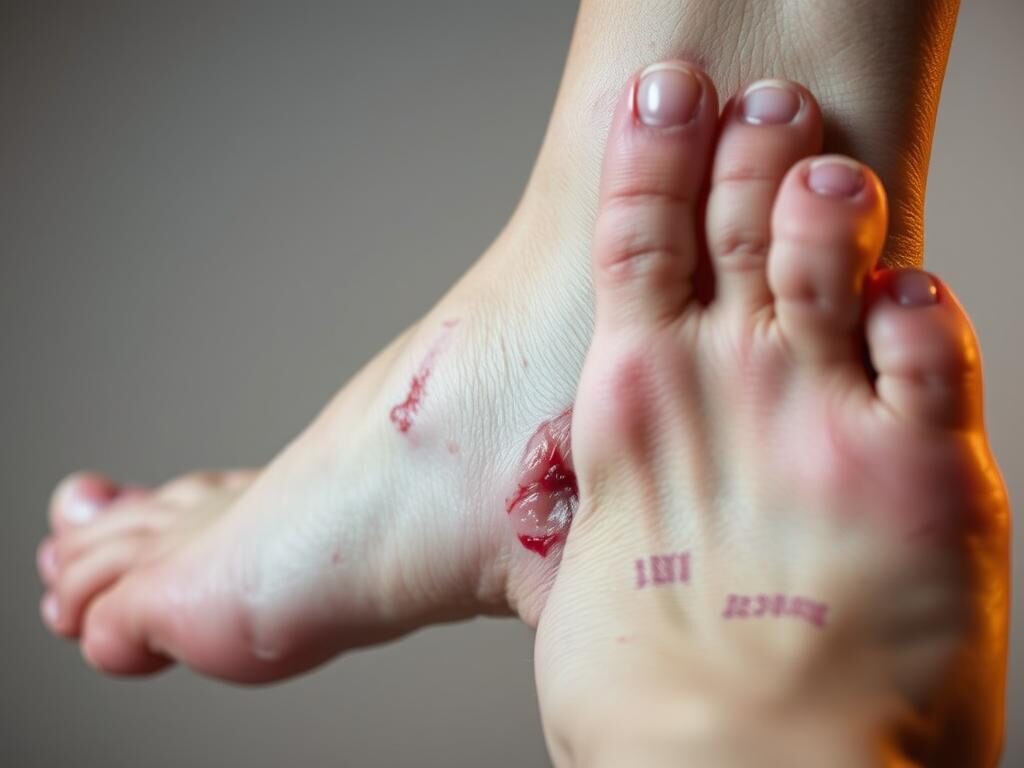
diabetes complications

When to Seek Emergency Care for Diabetic Wounds

Seek emergency care if you see more redness, warmth, or pus around the wound. Also, if you have a fever. These signs might mean an infection that needs quick treatment to avoid diabetes complications. If you’re not sure, call a wound care specialist or go to the emergency room.

Getting help from a service like Dominion Mobile Wound Care is a good idea. They have the skills to help your wounds heal. Their team can take care of many wound care needs, giving you the best treatment.

The Complete Assessment Process at Dominion Mobile Wound Care

At Dominion Mobile Wound Care, healing starts with a detailed assessment. If you have diabetic wounds, a thorough check is key. It helps understand the wound’s size and its health impact. This step is essential for a treatment plan that fits your needs.

Advanced Diagnostic Techniques

Dominion Mobile Wound Care uses advanced diagnostic techniques for accurate wound checks. They look at the wound’s size, depth, and tissue type. They also check for infection or nerve damage signs. These methods help the specialist fully understand your condition.

Developing Your Personalized Treatment Plan

After the detailed assessment, a personalized treatment plan is made for you. This plan might include special dressings, infection control, and healing strategies. The aim is to give you the best care for your diabetic wounds, including those with nerve damage. This ensures a quick and safe recovery.

Choosing Dominion Mobile Wound Care means you’re on the path to healing. You’ll get the help of a dedicated diabetic wound specialist.

Cutting-Edge Treatments for Diabetic Wound Management

Dominion Mobile Wound Care leads in diabetic wound care with new treatments. As a patient, you get the latest in wound care. This makes your recovery fast and safe.

Innovative Dressings and Bioengineered Tissues

Innovative dressings and bioengineered tissues change diabetic wound care. These materials help wounds heal faster, lower infection risk, and reduce scarring. Bioengineered tissues, for example, help wounds heal like they would naturally.

Treatment Type Description Benefits
Innovative Dressings Advanced materials for wound care Faster healing, reduced infection risk
Bioengineered Tissues Tissues engineered to promote healing Enhanced recovery, minimal scarring

Advanced Therapies Offered by Dominion Mobile Wound Care

Dominion Mobile Wound Care has advanced therapies like hyperbaric oxygen therapy. This therapy uses pure oxygen in a pressurized room to help wounds heal. These treatments improve your recovery and lower diabetes complication risks.

Podiatric Wound Care: Protecting Your Feet from Diabetes Complications

Keeping your feet safe from diabetes problems needs more than basic care. It requires specialized podiatric wound care. Diabetes can harm nerves and reduce blood flow, making your feet prone to ulcers and infections. It’s key to understand the role of podiatric wound care in avoiding serious foot issues.

Why Diabetic Foot Ulcers Develop

Diabetic foot ulcers happen for several reasons, like nerve damage (neuropathy) and poor circulation. Neuropathy can make it hard to feel injuries or irritations in your feet. Poor circulation also hinders your body’s healing, turning small problems into big ulcers.

Preventative Strategies to Protect Your Feet

To keep your feet safe, you need to take preventive steps. This includes daily foot checks to spot issues early, wearing the right shoes to avoid pressure, and keeping them clean to stop infections. Also, seeing a podiatric specialist regularly can help catch problems before they get worse. By doing these things, you can lower your risk of getting diabetic foot ulcers.

Getting help from a service like Dominion Mobile Wound Care can give you the care you need. They can help heal your wounds and prevent future problems.

Managing Nerve Damage Wounds: The Neuropathy Challenge

For people with diabetes, nerve damage can slow down wound healing. Neuropathy, a common diabetes complication, can hide wound signs. This makes it hard to spot and treat wounds.

How Neuropathy Masks Wound Development

Neuropathy can make your feet numb and less sensitive. This makes it hard to notice wounds as they start. Regular checks with a doctor are key to catch and treat wounds early.

Specialized Approaches for Neuropathic Wound Care

Dealing with nerve damage wounds needs a detailed plan. This includes advanced wound dressings, bioengineered tissues, and personalized treatment plans. At Dominion Mobile Wound Care, experts are ready to handle these complex cases.

Getting help from Dominion Mobile Wound Care can greatly improve your recovery. Their team offers top-notch care at home. This lowers the chance of infections and keeps treatment consistent.

nerve damage wounds

The Advantages of Mobile Diabetic Wound Specialists

Dominion Mobile Wound Care brings expert care right to your home. This changes how you recover. You get top-notch care in your own space.

Receiving Expert Care in Your Home Environment

Getting treated at home can make you feel less stressed and heal faster. Our team at Dominion Mobile Wound Care offers full care. This includes checking you out, treating you, and following up.

Benefits of home care include:

  • Reduced risk of hospital-acquired infections
  • Increased comfort and reduced stress
  • More flexible scheduling for treatment

Eliminating Transportation Barriers to Consistent Treatment

Going to a healthcare facility can be hard for many. Mobile diabetic wound specialists solve this problem. They make sure you get the care you need without the trouble of traveling.

Consistent treatment is key for wound management. Our mobile service lets you keep up with your treatment schedule without any breaks.

Reducing Exposure to Hospital-Based Infections

Hospitals can be places where you might catch infections. Getting care at home lowers this risk. It makes your healing place safer.

Key advantages include:

  1. Lower risk of infection
  2. Personalized care tailored to your needs
  3. Family involvement in the care process

How Dominion Mobile Wound Care Transforms Recovery Outcomes

At Dominion Mobile Wound Care, we change the healing journey with top technology and care. You get treatment made just for you, for the best results.

State-of-the-Art Mobile Equipment and Techniques

Dominion Mobile Wound Care uses the newest in wound care tech to fight diabetic wounds. Our methods include:

  • Advanced wound dressings for a healthy healing spot
  • Bioengineered tissues to grow new tissue
  • Negative pressure wound therapy to help wounds close

Our new treatments and a diabetic wound specialist’s skill greatly boost recovery.

Real Patient Success Stories and Testimonials

Our patients have seen real changes. Here are a few:

  1. A patient with a non-healing foot ulcer got better fast with our care.
  2. Another, with nerve damage wounds, healed fully with our help.

These stories show how our care and treatments change lives. Choosing Dominion Mobile Wound Care is a big step towards healing. Hire us to heal your wounds and change your recovery.

Understanding the Financial Aspects of Specialized Wound Care

If you have diabetes, knowing about wound care costs is key to getting better. Specialized care can be pricey, but knowing your options can help you save money.

Insurance Coverage for Diabetic Wound Treatment

Most insurance, including Medicare, covers diabetic wound care. It’s important to check your coverage and any costs you might face. You can find more info on what to ask your wound care nurse here.

The Cost-Effectiveness of Prevention vs. Complications

Preventing problems with early wound care can save you money in the long run. Here are some important points:

  • Acting fast can stop expensive issues.
  • Special care lowers the chance of amputations and infections.
  • Good wound care improves your life and cuts healthcare costs.

Investing in specialized care now can save you from expensive treatments later. Think about getting help from Dominion Mobile Wound Care to heal your wounds well.

Conclusion: Take the First Step Toward Healing Today

Getting help from a diabetic wound specialist is the first step to healing. If you’re dealing with diabetic wounds, like nerve damage wounds, it’s key to see a specialist. They can give you care that fits your needs.

Dominion Mobile Wound Care offers top-notch wound care services. They bring the latest treatments right to your home. Their team is committed to helping you heal and live better.

Choosing Dominion Mobile Wound Care means you get advanced tests and new treatments. Don’t let diabetic wounds stop you. Take charge of your healing today.

With the right care and support, you can beat diabetic wounds and feel better overall. Contact Dominion Mobile Wound Care to begin your healing journey.

FAQ

What is a diabetic wound specialist, and how can they help me?

A diabetic wound specialist is a healthcare expert with special training in wound care. They help with diabetic wounds by diagnosing, treating, and preventing them. This improves your life quality.

Why are diabetic wounds so hard to heal?

Diabetic wounds are tough to heal because of diabetes-related issues. These include high blood sugar, nerve damage, poor blood flow, and a weak immune system.

What are the warning signs that I need professional wound care?

Look out for signs like redness, swelling, more pain, or discharge from the wound. If you see these, get medical help right away.

How does Dominion Mobile Wound Care diagnose and treat diabetic wounds?

At Dominion Mobile Wound Care, they use detailed assessments and advanced tests to diagnose and treat wounds. They create a treatment plan just for you.

What are some cutting-edge treatments available for diabetic wound management?

At Dominion Mobile Wound Care, they use new dressings, bioengineered tissues, and therapies for diabetic wounds. These methods help wounds heal faster and improve your life.

Why is podiatric wound care essential for diabetic patients?

Podiatric care is key for diabetic patients to avoid foot ulcers. By taking care of your feet and getting help quickly, you can avoid serious problems.

How does neuropathy affect wound development and management?

Neuropathy makes it hard to notice wounds because it damages nerves. Dominion Mobile Wound Care uses special methods to handle these wounds.

What are the benefits of mobile diabetic wound care?

Mobile diabetic wound care, like Dominion Mobile Wound Care, offers many benefits. You get care at home, avoid travel, and stay safe from hospital infections.

How does Dominion Mobile Wound Care ensure successful recovery outcomes?

At Dominion Mobile Wound Care, they use the latest mobile equipment and techniques. This leads to better recovery for diabetic patients. They also share success stories and testimonials.

What are the financial aspects of specialized wound care, and how can I navigate insurance coverage?

Specialized wound care can be expensive, but knowing about insurance is key. Dominion Mobile Wound Care helps with the financial side and insurance questions.
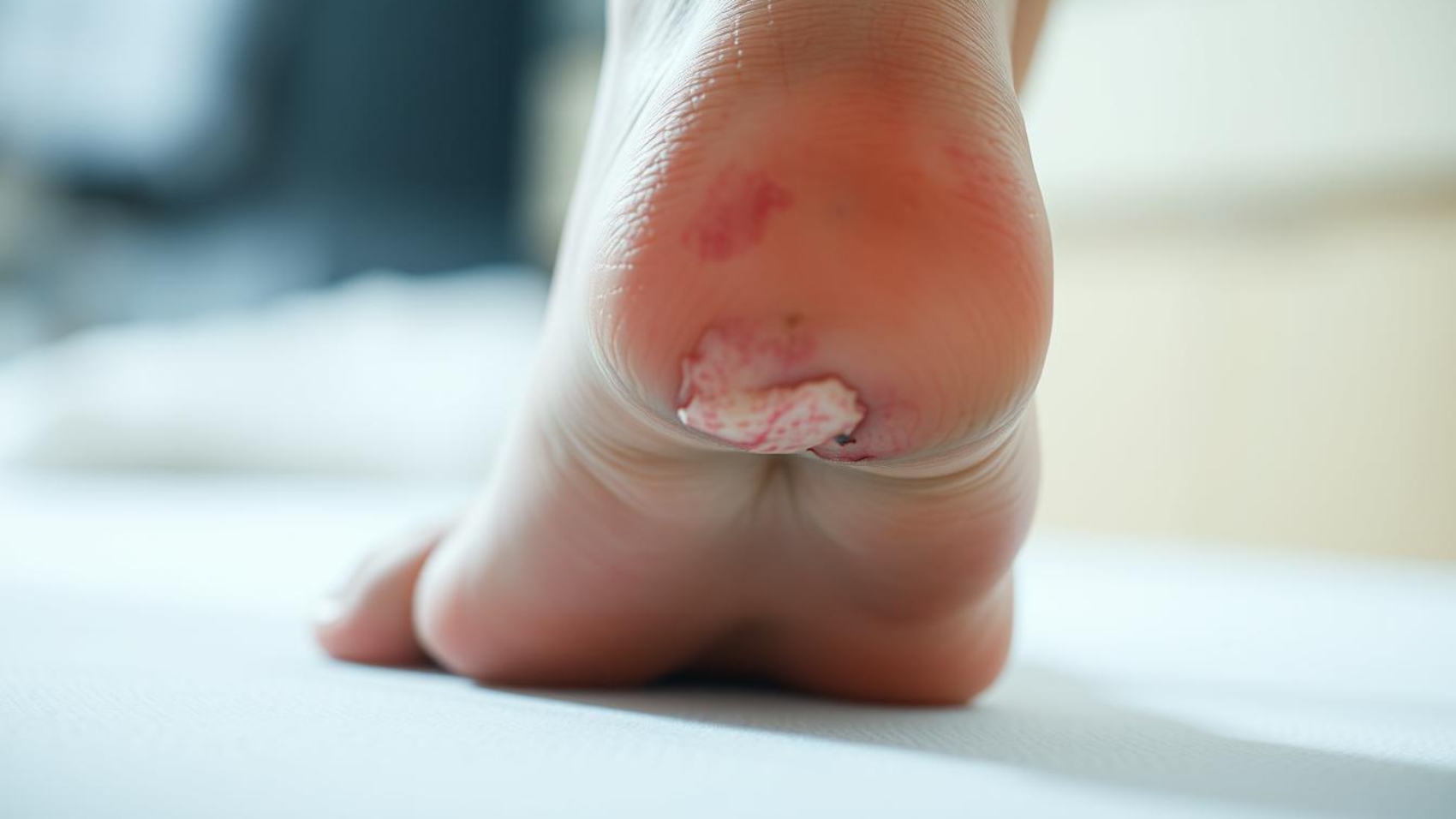
Diabetic foot ulcers

Understanding Diabetic Foot Ulcers and At-Home Treatment Options

If you have diabetes, you’re at risk for diabetic foot ulcers. These ulcers are a common complication. They can lead to serious problems if not treated.

Diabetes wound risk goes up with poor circulation, nerve damage, and slow healing. Knowing your risk and taking steps early can help avoid these issues.

Getting podiatry care is key to managing and treating diabetic foot ulcers. Working with experts like Dominion Mobile Wound Care can help. They provide care that fits your needs, helping your wounds heal better and reducing risks.

Key Takeaways

  • Diabetic foot ulcers are a serious complication of diabetes.
  • Understanding your diabetes wound risk is key to prevention.
  • Good podiatry care can greatly improve treatment results.
  • At-home treatments can support professional care.
  • Getting help from a professional wound care service can boost your recovery.

What Are Diabetic Foot Ulcers?

Diabetic foot ulcers are a big health risk for people with diabetes. These are open sores or wounds on the feet. They often happen because of nerve damage and poor blood flow.

Definition and Prevalence

Diabetic foot ulcers are sores or wounds on the feet of people with diabetes, below the ankle. They are a common problem, affecting millions globally. Up to 25% of diabetic patients will get a foot ulcer at some point.

Impact on Quality of Life

Diabetic foot ulcers can really hurt a person’s quality of life. They cause pain, make it hard to move, and make daily tasks tough. They also take a toll on mental health, affecting overall well-being.

For more on managing these ulcers at home, check out our guide on best practices for managing diabetic foot ulcers at.

It’s key to manage and heal these ulcers well. This means good wound care, the right shoes, and regular checks to avoid worse problems.

The Rising Concern of Diabetic Foot Ulcers in the United States

The U.S. is seeing more diabetic foot ulcers, which is putting a strain on healthcare. This is affecting patients’ quality of life. As more people have diabetes, the number of foot ulcers is growing, worrying both healthcare workers and patients.

Current Statistics and Trends

Studies show that diabetic foot ulcers are common among diabetics in the U.S. Up to 25% of diabetic patients get foot ulcers at some point. The numbers are going up because of an older population and more diabetes cases.

  • Increased incidence among older adults
  • Rising prevalence of diabetes
  • Greater awareness leading to more diagnoses

Economic Burden on Healthcare System

Diabetic foot ulcers cost the U.S. healthcare system a lot. Annual costs exceed $10 billion. This includes money for wound care, hospital stays, and surgeries. The cost also affects patients’ work and life quality.

Understanding the Causes of Diabetic Foot Ulcers

Diabetic foot ulcers come from nerve damage, bad blood flow, and foot changes. These ulcers are a big problem for people with diabetes. Knowing why they happen helps prevent and treat them.

Neuropathy and Reduced Sensation

Neuropathy, or nerve damage, plays a big role. It makes your feet lose feeling. This means you can’t feel injuries or irritations.

Without feeling, small problems can turn into big ones. You might not even know it’s happening.

Poor Circulation

Poor blood flow is another big factor. Diabetes can hurt blood vessels. This reduces blood to your feet.

This makes it hard for foot ulcers to heal. It’s a big challenge for them to get better.

Foot Deformities and Pressure Points

Foot problems like bunions or hammertoes can cause pressure. This pressure can lead to ulcers. With nerve damage and bad blood flow, these problems are even worse.

diabetic foot ulcers causes

Cause Description Impact
Neuropathy Nerve damage reducing sensation Increased risk of unnoticed injuries
Poor Circulation Reduced blood flow Impaired healing process
Foot Deformities Structural changes creating pressure points Increased risk of ulceration

Recognizing the Early Warning Signs

Spotting early warning signs is key to avoiding serious problems with diabetic foot ulcers. Catching them early means you can start treatment right away. This can greatly help people with diabetes.

Visual Indicators

Checking your feet regularly is important for people with diabetes. Watch for skin color changes like redness or discoloration. Also, look for swelling or inflammation. Early signs of ulceration can include small cracks or breaks in the skin. These can get worse fast if not treated.

Physical Symptoms to Monitor

There are also physical signs to watch for. Look out for ongoing pain or discomfort, mainly in one foot area. Feeling numb or tingly can also mean there’s a problem.

Symptom Description Action
Redness Early sign of inflammation or irritation Monitor closely and consult a healthcare provider if it persists
Swelling Can indicate infection or increased pressure Reduce activity and consult a healthcare provider
Pain or Discomfort May signal the onset of an ulcer Offload the area and seek medical advice

Recent Advances in Diabetic Foot Ulcer Research

New discoveries in diabetic foot ulcer research are changing treatment and care for patients. Scientists have made big strides in understanding these complex wounds. This has led to new ways to help patients.

New Clinical Findings

Studies have found that new treatments can help heal diabetic foot ulcers faster. For example, using bioengineered skin and negative pressure therapy has shown promise. A recent trial showed that a specific growth factor can also speed up healing.

Therapy Type Healing Rate Improvement Clinical Benefit
Bioengineered Skin Substitutes 30% Enhanced wound closure
Negative Pressure Wound Therapy 25% Improved wound healing environment
Growth Factor Application 40% Increased wound closure rates

Implications for Patient Care

These new findings mean better care for patients. By using these advanced treatments, you can get more effective care. For tips on preventing diabetic foot ulcers, check out Dominion Mobile Wound Care.

Assessing Your Diabetes Wound Risk

You can protect your feet by knowing your diabetes wound risk. Assessing this risk is key in podiatry care. It helps spot problems before they get worse.

Risk Factors to Consider

Several things can raise your risk of diabetic foot ulcers. These include neuropathy, poor circulation, and foot deformities. If you’ve had foot ulcers before or have diabetes for a long time, your risk goes up. Knowing these factors helps you prevent problems.

Self-Assessment Techniques

Regular self-checks can catch issues early. Look for redness, swelling, or cuts on your feet every day. Use a mirror to see the soles of your feet and check between your toes. If you see anything odd, see your doctor right away.

Understanding your diabetes wound risk and acting early can lower your chance of getting diabetic foot ulcers.

Effective At-Home Treatment Options for Diabetic Foot Ulcers

Managing diabetic foot ulcers at home is key to healing and avoiding serious issues. Knowing the right treatment can greatly improve your healing process.

Wound Cleaning Protocols

Cleaning the wound properly is vital for healing. Clean the wound with saline solution. Avoid harsh soap or cleansers that can harm tissue. Dry the area gently with a clean towel.

It’s also important to remove dead tissue or debris from the wound. Use tweezers or a clean cloth to do this. But, if unsure, ask your healthcare provider for guidance.

Dressing Selection and Application

The right dressing is essential for healing. Choose a dressing that keeps the wound moist. This helps in healing. There are many dressings like foam, alginate, and hydrocolloid.

Dressing Type Characteristics Best For
Foam Dressing Absorbs excess fluid, maintains moisture Moderately to heavily draining wounds
Alginate Dressing Highly absorbent, forms a gel-like substance when wet Wounds with heavy drainage
Hydrocolloid Dressing Creates a moist environment, protective barrier Lightly to moderately draining wounds

Pressure Offloading Techniques

Reducing pressure on the ulcer is critical for healing. Use proper footwear or orthotics to lessen pressure. Customized insoles or shoe changes can also help.

Also, consider total contact casting or other offloading devices as advised by your healthcare provider. These can spread out pressure evenly.

By following these at-home treatments, you can manage diabetic foot ulcers well. Always get advice from your healthcare provider for the best care.

Prevention Strategies to Protect Your Feet

Your feet need special care if you have diabetes, and prevention is key. Diabetic foot ulcers can be a significant complication, but with the right strategies, you can reduce your risk.

Daily Foot Care Routine

Creating a daily foot care routine is essential. Start by washing your feet daily with mild soap and lukewarm water. Then, dry them thoroughly, paying extra attention to the areas between your toes. Moisturizing is also important, but avoid lotion between the toes to prevent fungal infections. Check your feet daily for any signs of cuts, blisters, or redness.

Appropriate Footwear Selection

Choosing the right footwear is vital in preventing diabetic foot ulcers. Look for shoes that fit well and don’t rub against your skin. Avoid walking barefoot, even at home, to prevent injuries. Consider therapeutic shoes designed for diabetics, which can provide extra comfort and protection.

Footwear Feature Benefit for Diabetics
Extra Depth Reduces pressure on toes
Soft, Seamless Interior Minimizes irritation and friction
Cushioning Provides comfort and shock absorption

When to Seek Professional Podiatry Care

Knowing when to see a podiatrist is key for managing diabetic foot ulcers. As someone with diabetes, you know how vital foot care is. But, knowing when to get help from a pro is critical to avoid serious issues.

Warning Signs of Complications

Some signs mean you need to see a podiatrist right away. These include:

  • Increased redness or swelling around the ulcer
  • Pus or discharge from the ulcer
  • A foul odor from the ulcer
  • An increase in the size or depth of the ulcer
  • Fever or chills

If you see any of these, get help fast to stop things from getting worse.

diabetic foot ulcers

Types of Specialized Care Available

Podiatrists offer many treatments for diabetic foot ulcers. These include:

  • Debridement: Removing dead tissue to promote healing
  • Offloading: Reducing pressure on the ulcer to facilitate recovery
  • Advanced wound dressings: Using specialized dressings to promote a healing environment
  • Infection management: Treating infections with antibiotics or other interventions

Getting professional care can help you get these treatments. This can greatly improve your chances of healing.

The Benefits of Mobile Wound Care Services

Mobile wound care services are changing how we treat diabetic foot ulcers. They offer convenience and easy access. This is great for people with diabetes, as it brings expert care right to their home. It cuts down on the need for hospital visits or clinic trips.

How Dominion Mobile Wound Care Works

Dominion Mobile Wound Care brings wound management to your home. Their team checks your condition, creates a treatment plan, and keeps up with your care. They focus on foot ulcer healing and make sure you get the best care without having to travel.

Advantages for Patients with Limited Mobility

For those who can’t move around much, mobile wound care is a big help. It means no long trips, which lowers the risk of problems and helps you heal better. Here are some key benefits:

Benefit Description Impact
Convenience Care provided at home Reduces travel stress
Personalized Care Tailored treatment plans Improves healing rates
Accessibility Services available for those with mobility issues Enhances quality of life

Choosing Dominion Mobile Wound Care is a smart move for managing your diabetes wound risk and foot health. Their team is all in on giving you top-notch care. They’re here to help you heal well.

Conclusion: Taking Control of Your Foot Health

Diabetic foot ulcers can be tough to handle, but you can manage them. Knowing the causes and early signs is key. Using the right at-home treatments can help heal your feet.

Seeing a podiatrist regularly is vital. They can prevent serious problems and help with wound care. If you’re dealing with foot ulcers, Dominion Mobile Wound Care can help. They offer care at home, creating a plan just for you.

By focusing on your foot health, you can live better. Don’t let foot ulcers stop you. Take action now and get the care you need to heal and move forward.

FAQ

What are the most common causes of diabetic foot ulcers?

Diabetic foot ulcers often come from a mix of factors. Neuropathy, which causes numbness, makes it hard to feel injuries. Poor blood flow slows healing. Foot deformities create pressure points that can lead to ulcers.

How can I assess my risk for developing diabetic foot ulcers?

Check your blood sugar control, neuropathy, and past ulcers to assess your risk. Look for signs of irritation, cuts, or other issues in your feet. A healthcare professional can give a detailed assessment.

What are the early warning signs of diabetic foot ulcers?

Look for redness, swelling, or discoloration, and feel for pain, tingling, or numbness. Check your feet daily and tell your doctor if you notice anything unusual.

How can I manage diabetic foot ulcers at home?

Clean the wound, choose the right dressing, and avoid pressure. Keep it clean and dry, use dressings as advised, and don’t put pressure on it.

When should I seek professional podiatry care for my diabetic foot ulcer?

Get professional help if you see more redness, swelling, or pain, or if the wound isn’t healing. Podiatrists and wound care specialists can offer advanced treatments.

What are the benefits of mobile wound care services?

Mobile wound care services, like Dominion Mobile Wound Care, offer care at home. This is great for those who can’t easily go to a clinic.

How can I prevent diabetic foot ulcers from occurring in the first place?

Prevent ulcers by washing and checking your feet daily. Wear supportive, well-fitting shoes. Regular health check-ups can catch issues early.

What is the role of podiatry care in managing diabetic foot ulcers?

Podiatry care is key in managing ulcers. Podiatrists treat foot problems, provide wound care, and help prevent future ulcers.

How can I take control of my foot health and prevent complications?

Be proactive with your foot care. Do self-assessments, follow a daily routine, and seek professional help when needed. Working with your healthcare provider can lower your risk of foot problems.

Diabetic wound care

How Mobile Wound Care Helps Prevent Diabetic Amputations

If you have diabetes, you face a big risk of losing a limb. But, there’s hope. Mobile wound care is changing how we treat diabetic ulcers. It’s helping stop these tragic losses.

In the U.S., too many people lose their limbs to diabetes. But, mobile wound care is making a big difference. It lets patients get the care they need at home. This makes them feel better and live better, too.

Key Takeaways

  • Mobile wound care is a game-changer in preventing diabetic amputations.
  • Receiving treatment at home improves patient comfort and outcomes.
  • Dominion Mobile Wound Care offers expert services to help heal wounds.

The Growing Crisis of Diabetic Amputations in the United States

The number of diabetic amputations in the U.S. is rising fast. With more people getting diabetes, the danger of losing limbs is a big worry. It’s a major health problem.

Current Statistics on Diabetes-Related Amputations

Recent numbers show the U.S. is facing a big challenge with diabetes-related amputations. The International Diabetes Federation points out how serious these complications are. To avoid losing limbs, it’s important to know the risks and take steps to prevent them. For more information, check out 7 tips to prevent diabetic foot.

The Economic and Personal Cost of Amputations

Diabetic amputations affect not just the person but also the healthcare system and economy. They lead to a lower quality of life and more need for healthcare. By focusing on diabetes foot prevention, people can lower their risk of amputations and other problems.

It’s key to understand the numbers and the personal and economic costs of diabetic amputations. This shows why we need good prevention and treatment plans. Mobile wound care services are a big help in fighting this growing problem.

Understanding Diabetic Wounds and Their Progression

It’s important to know about the risks of diabetic wounds to avoid amputations. These wounds are a big problem for people with diabetes. They often happen because of nerve damage and poor blood flow.

Why Diabetics Are at Higher Risk for Wounds

People with diabetes face a higher risk of getting wounds. This is because of neuropathy and bad blood flow. Neuropathy makes feet numb, so you can’t feel pain from small cuts. Bad blood flow makes it hard for the body to heal these cuts, turning them into serious wounds.

The Pathway from Minor Injury to Major Amputation

A small injury can turn into a big wound if not treated right. It starts with an injury you don’t notice because of nerve damage. If it gets infected, it can lead to gangrene and even amputation.

Common Locations for Diabetic Wounds

Diabetic wounds usually happen on the feet, like on the heels and toes. These spots get a lot of pressure and rubbing. This makes them more likely to get hurt and turn into wounds.

The Critical Role of Professional Diabetic Wound Care

Professional diabetic wound care is very important to avoid amputations. If you have diabetes, you’re more likely to get wounds. These can lead to serious problems if not treated right.

It’s key to act fast in diabetic wound care. There’s a “golden period” when treatment works best. This time greatly improves your chances of healing.

The “Golden Period” for Intervention

The first weeks after a wound appears are very important. Quick and right care can stop the wound from getting worse.

Evidence-Based Treatment Protocols

Professional care for diabetic wounds uses proven methods. These are made just for you. They might include removing dead tissue, taking pressure off, and using special dressings.

Treatment Protocol Description Benefits
Debridement Removal of dead tissue Promotes healing
Offloading Reducing pressure on the wound Prevents further injury
Advanced Wound Dressings Specialized dressings for wound care Enhances healing environment

Consequences of Delayed Treatment

Waiting too long can cause big problems. These include infections, longer healing times, and a higher chance of losing a limb.

diabetic wound care

Getting professional care for diabetic wounds can greatly help. It can improve your healing chances and lower the risk of serious issues.

Traditional Wound Care Models: Limitations and Challenges

The traditional way of treating wounds has its downsides. It can make it hard for patients to get the care they need. This is true for diabetic wounds, which require special attention.

Barriers to Accessing Clinic-Based Care

Getting to a wound care clinic can be tough. Long wait times and a lack of specialized staff are big hurdles. Creating a personalized diabetic wound care plan needs regular visits, which can be overwhelming. For more on this, check out this resource.

Transportation and Mobility Issues for Diabetic Patients

Diabetic patients often have trouble getting to appointments. Mobility problems make it hard to travel to clinics. This can cause delays in treatment and worsen wound care outcomes.

Appointment Compliance and Follow-Up Challenges

Keeping up with appointments is key for wound care. But, patients may miss them due to lack of transport or mobility issues. It’s vital to ensure regular follow-up care for diabetes foot prevention and healing.

Healthcare providers need to find new ways to care for diabetic patients. This will help meet their unique needs better.

Mobile Wound Care: A Revolutionary Approach to Treatment

Dominion Mobile Wound Care is leading a new wave in wound care. They bring treatment right to patients. This new method makes diabetic wound care easier and more convenient for everyone.

What Is Mobile Wound Care?

Mobile wound care means doctors and nurses visit patients at their homes. It’s great for diabetic patients who can’t easily get to clinics.

How Dominion Mobile Wound Care Delivers Services

Dominion Mobile Wound Care has a team with the latest technology. They treat wounds in patients’ homes or care facilities. This makes patients more comfortable and gets treatment sooner.

The Technology Behind Mobile Wound Assessment

Dominion uses top-notch tools and telehealth for accurate diagnosis. This tech helps in effective diabetic wound care by covering all wound management needs.

With mobile wound care, Dominion is changing diabetic wound management. They’re improving patient outcomes and quality of life.

Advanced Treatment Options Available Through Mobile Diabetic Wound Care

Mobile diabetic wound care brings advanced treatments to your home. It changes how we manage diabetic ulcers. You get full care without needing to go to the clinic, making it easier to follow your treatment plan.

Specialized Diabetic Ulcer Care Techniques

Special care for diabetic ulcers includes many techniques. These are tailored to your needs. You get thorough wound checks, dead tissue removal, and advanced dressings.

Cutting-Edge Foot Wound Treatment Technologies

Mobile diabetic wound care uses the newest technologies for foot wounds. Some of these advanced treatments are:

  • Bioengineered Tissues and Growth Factors: These help grow new tissue.
  • Negative Pressure Wound Therapy: It boosts blood flow and helps wounds heal.
  • Advanced Dressings and Antimicrobial Treatments: These stop infections and aid healing.

Mobile diabetic wound care uses these advanced treatments to improve healing. It’s a way to prevent problems and help wounds heal at home.

The Multidisciplinary Approach to Preventing Amputations

Managing wounds and preventing amputations in diabetes patients needs a multidisciplinary care team. This team works together to give complete care. They address the complex needs of diabetic patients.

Diabetic wound care is complex. A team of healthcare professionals is needed. This ensures all care aspects are covered.

The Team Behind Effective Wound Management

A team includes wound care specialists, primary care doctors, and endocrinologists. Each member is vital for coordinated care.

  • Wound care specialists: Expert care for diabetic wounds.
  • Primary care physicians: Oversee overall health and coordinate care.
  • Endocrinologists: Manage diabetes treatment and blood sugar control.

Coordinated Care for Better Outcomes

Coordinated care manages all aspects of a patient’s health. This approach prevents complications and improves outcomes.

Care Component Description Benefit
Wound Care Expert treatment of diabetic wounds Promotes healing and prevents infection
Primary Care Oversight of overall health Ensures complete care and early detection of complications
Endocrinology Management of diabetes treatment Optimizes blood sugar control and reduces risk of complications

Integration with Primary Care and Endocrinology

Working with primary care and endocrinology is key for diabetes foot prevention. Healthcare providers can give complete care. They address overall health and specific needs.

Real Patient Success Stories: Amputations Prevented

The stories of those helped by mobile wound care show its impact. Dominion Mobile Wound Care has saved many patients from amputation. They do this with their mobile wound care services.

Case Studies from Dominion Mobile Wound Care

A patient with a severe diabetic foot ulcer was helped. Dominion’s advanced wound care techniques healed the ulcer in months. This saved the patient’s leg.

Another case showed the power of their multidisciplinary approach. Care from wound specialists and primary doctors greatly improved patient outcomes.

Testimonials from Patients and Families

Patients and their families are very thankful. One family praised the “compassionate and expert care” that saved their loved one’s leg.

Statistical Outcomes and Improved Quality of Life

The success of Dominion Mobile Wound Care is clear in the numbers:

Treatment Outcome Success Rate
Wound Healing 85%
Amputation Prevention 90%

These numbers show not just clinical success but also better lives for patients.

Diabetes Foot Prevention: Education and Self-Care Strategies

Preventing diabetic foot problems starts with knowing the risks and taking steps to avoid them. If you have diabetes, you know how serious foot issues can be. But, by following simple self-care tips, you can lower your risk of foot ulcers and other problems.

Daily Foot Inspection Techniques

Checking your feet daily is key to catching problems early. Look for cuts, blisters, redness, swelling, and signs of infection. Use a mirror to see the soles of your feet, or ask someone to help if you can’t. Early detection is key to preventing minor issues from becoming major problems.

Proper Footwear and Pressure Offloading

Wearing the right shoes is vital for avoiding diabetic foot issues. Choose shoes that fit well and offer good support. Always wear shoes, even at home, to avoid injuries. Consider using orthotics or special shoes for diabetic foot care to reduce pressure on sensitive spots.

diabetes foot prevention

Blood Sugar Management and Wound Healing

Keeping your blood sugar levels in check is important for managing diabetes and healing wounds. High blood sugar can slow down healing and increase infection risk. Work with your doctor to keep your blood sugar within a healthy range.

When to Call for Professional Help

If you see signs of foot injury or infection, like more redness, swelling, warmth, or drainage, call your doctor right away. Don’t wait if you’re unsure about a foot problem or how to handle it.

Conclusion: Taking Action to Save Limbs and Lives

You now know how important diabetic wound care is to avoid amputations. Mobile wound care services, like Dominion Mobile Wound Care, bring expert care right to your home. This greatly improves how wounds heal.

Preventing diabetes foot problems is key in managing diabetic wounds. By doing daily foot checks and wearing the right shoes, you can lower your risk of serious foot issues.

If you or a loved one has a diabetic wound, don’t delay in getting help. Dominion Mobile Wound Care offers detailed, caring treatment to help wounds heal and stop amputations. Start saving limbs and lives by reaching out to Dominion Mobile Wound Care today.

FAQ

What is diabetic wound care, and why is it important?

Diabetic wound care is about treating wounds in people with diabetes. It’s key because diabetes can harm nerves and blood flow. This makes wounds hard to heal and raises the risk of losing a limb.

How does mobile wound care work?

Mobile wound care brings treatment to the patient, at home or in care facilities. Dominion Mobile Wound Care uses advanced tools for care on the go.

What are the benefits of mobile diabetic wound care?

Mobile care makes it easier to get help, cuts down on travel, and gives more personal attention. It also means wounds can be checked more often and treated sooner, helping them heal better.

How can I prevent diabetic foot wounds?

To avoid foot wounds, check your feet daily, wear the right shoes, keep blood sugar in check, and see a doctor early if you notice any issues. Regular doctor visits are also key.

What are the signs that I need professional help for a diabetic foot wound?

Look for redness, swelling, or drainage, and watch for pain, bad smells, or slow healing. If you see these signs, call Dominion Mobile Wound Care for help.

How does coordinated care help in preventing amputations?

Coordinated care means a team works together on wound care. This team approach considers all health aspects, leading to better treatment and outcomes.

What advanced treatment options are available for diabetic wound care?

There are new ways to treat diabetic ulcers and foot wounds, like advanced technologies and proven treatment plans. Dominion Mobile Wound Care keeps up with these new methods to offer top care.

Prevent Amputation

How At-Home Wound Care Helps Prevent Amputation in Diabetic Patients

You face a real risk when diabetes leads to foot wounds. In the United States, about 160,000 people with diabetes undergo amputation each year, and 80% of non‑traumatic lower‑limb amputations link to diabetes complications. That stark rate makes early action and reliable care vital.

Bringing expert wound care into your home can change outcomes. At‑home tools like topical wound oxygen (TWO2) have shown large benefits, lowering the chance of amputation and cutting wound recurrence versus standard care.

When you combine daily routines, protective footwear, and timely clinical support, you protect your limb and lower complications. Dominion Mobile Wound Care closes gaps in access, so you start the right steps sooner and follow a clear plan with your clinician.

You deserve practical guidance and quick escalation when warning signs appear. Hire Dominion Mobile Wound Care to help heal your wounds.

Key Takeaways

  • Diabetes raises your risk for amputation; early home care can shift outcomes.
  • At‑home technologies and support reduce complications and recurrence.
  • Access to prompt, high‑quality care influences survival and limb outcomes.
  • Daily wound routines, offloading, and infection checks are essential.
  • Combine home care with a coordinated clinical team for best results.
  • Dominion Mobile Wound Care brings skilled clinicians to your home.

Why Diabetic Foot Wounds and Peripheral Artery Disease Raise Your Risk

When arteries clog, a small sore on your foot can become a life‑changing problem. Peripheral artery disease (PAD) narrows arteries with plaque and cuts blood flow to your legs and feet. That reduced flow delays healing and raises the chance of serious complications, including amputation.

peripheral artery disease

Amputations are rising: what the data means for your limb health

An estimated 10–12 million U.S. adults have PAD. Many people are asymptomatic until harms appear. Older adults who lose a limb to PAD face a high one‑year death rate. These facts show how fast a minor ulcer can escalate.

How PAD reduces blood flow to your legs and feet

Artery disease from atherosclerosis narrows vessels and cuts oxygen to tissue. In diabetes, microvascular changes add harm. Poor blood flow makes even small wounds hard to heal and increases infection risk.

Unequal impact: communities at higher risk and why access matters

Black adults face higher PAD rates and a far larger rate of major limb loss. Social factors — housing, education, and limited access to care — drive this gap. Early testing (like ankle‑brachial index) and vascular referral can change outcomes.

  • View foot wounds through PAD: restricted flow delays healing and raises amputation risk.
  • Act fast: silent PAD means screening and quick evaluation matter for amputation prevention.
  • Close gaps: bringing expertise to the home improves access and reduces complications in high‑risk communities.

If you notice calf pain with walking, color change, or a nonhealing sore, ask about PAD testing and vascular care.

Hire Dominion Mobile Wound Care to help heal your wounds.

Prevent Amputation at Home: Daily Steps You Can Take Today

A few reliable routines at home help keep wounds from becoming emergencies. Use simple checks and actions each day to lower your risk and support healing.

Inspect your feet and legs every day: what to look for and when to act

Check both feet and each leg daily, including between toes and heels. Look for new blisters, cracks, calluses, redness, swelling, or drainage.

Act the same day if you see pus, increased pain, or color changes. Early action improves amputation prevention and treatment outcomes.

Cleanse, protect, and offload: wound hygiene, dressings, and pressure relief

Clean wounds gently, use moisture‑balancing dressings, and remove pressure with cushioned shoes, inserts, or offloading devices.

Choose shoes that fit well, avoid walking barefoot, and replace worn insoles to cut pressure and skin breakdown.

Boost blood flow: quit smoking, move more, and position wisely

Give up smoking to improve circulation. Avoid long periods with knees bent and elevate legs briefly to reduce swelling when advised.

Manage numbers that matter: blood glucose, blood pressure, and cholesterol

Track your blood glucose and blood pressure readings and share them with your clinician. Controlling lipids and high blood values supports healing and lowers risk factors.

Exercise therapy you can do at home to improve walking and circulation

Follow supervised or home‑based programs: interval walking on flat ground, gentle cycling, or chair exercises three to five times weekly. These therapy programs improve walking and quality of life and are often covered by Medicare.

When to call your care team fast: signs of infection and tissue loss

Contact your care team urgently for increasing pain, warmth, spreading redness, foul odor, fever, or dark discoloration. Rapid escalation prevents worse outcomes.

  • Daily steps: inspect, clean, protect, and offload.
  • Manage: glucose, blood pressure, and cholesterol consistently.
  • Use programs: follow exercise therapy and clinician guidance.

Use checklists and routine supplies to stay on track. Hire Dominion Mobile Wound Care to help heal your wounds.

Build a Limb-Saving Care Plan: Teamwork, Therapy, and Access

A coordinated care plan gives you the best chance to keep your limb and heal faster. Your plan should combine specialists, targeted treatments, and clear access to services so problems are caught early and treated promptly.

topical wound oxygen

Your multispecialty team for amputation prevention

Assemble a team that includes a wound specialist, podiatrist, vascular clinician, diabetes clinician, and primary care. Add infectious disease input when infection is severe.

Medications that lower risk: antiplatelets, statins, and glucose control

Guideline‑directed treatment uses antiplatelet or anticoagulant strategies when appropriate, high‑intensity statins, and tight glucose and blood pressure control. Ask your clinician about low‑dose aspirin plus low‑dose rivaroxaban if bleeding risk is low.

Revascularization options to restore blood flow and heal wounds

When circulation is limited, revascularization procedures — endovascular or surgical — can restore flow, relieve pain, and help wounds close. Timely procedures often make the difference in saving a limb.

Advanced at-home tools: topical wound oxygen and smart monitoring

At‑home therapy such as topical wound oxygen has shown large reductions in amputation and recurrence when paired with high‑touch follow‑up. Remote monitoring and mobile programs improve access and speed escalation when tests or procedures are needed.

  • Team: coordinated clinicians for faster decisions.
  • Treatment & therapy: meds, blood control, and home therapy together.
  • Revascularization & procedures: restore flow to enable healing.

With a collaborative plan, you get quicker care and clearer pathways to preserve mobility and protect your limbs.

Hire Dominion Mobile Wound Care to help heal your wounds.

Conclusion

Acting early with structured home care and specialist access gives you the best chance to keep your limb.

You can lower the risk of amputation and avoid many amputations by following simple daily steps, tracking blood and high blood measures, and calling your team at the first warning sign.

If you have diabetes or PAD, combine disciplined home routines with timely clinic visits and revascularization when needed to preserve mobility and protect your feet.

A coordinated plan links home tools, procedures, and health care so people and patients get the right care at the right time.

Dominion Mobile Wound Care brings expert clinicians and high‑touch support to your home to help prevent amputations. Hire Dominion Mobile Wound Care to help heal your wounds.

FAQ

How does at-home wound care help prevent limb loss in people with diabetes?

Regular at-home wound care reduces infection risk, helps wounds heal faster, and lets you spot problems early. You should clean and dress wounds as directed, inspect skin daily for redness, swelling, or drainage, and keep pressure off injured areas. Early action and communication with your care team lower the chance of complications that could require surgical removal of tissue or a limb.

Why do diabetic foot wounds and peripheral artery disease (PAD) increase your risk of losing a limb?

Diabetes and PAD both impair blood flow and nerve function in your legs and feet. Poor circulation slows healing and reduces the immune response, while nerve damage can make you unaware of injuries. Together these factors raise the chance that a small sore becomes an infected, nonhealing wound that threatens tissue viability.

What do rising amputation rates mean for your limb health?

Increasing rates signal gaps in prevention, access to care, and early treatment. For you, that means the importance of regular foot checks, quick treatment of wounds, and staying connected to vascular and wound specialists. Timely care can reverse trends and protect your limb.

How exactly does PAD reduce blood flow to your legs and feet?

PAD narrows or blocks arteries that deliver oxygen-rich blood to your lower limbs. This reduced flow causes pain with walking, slower wound healing, and higher risk of tissue breakdown. Improving circulation through lifestyle changes, medication, or revascularization is key to recovery.

Which communities face higher risk and why does access to care matter?

People with diabetes, older adults, and those in underserved or rural areas face higher risk due to delayed diagnosis, fewer specialists, and limited wound-care resources. Good access to vascular surgery, podiatry, and wound clinics improves outcomes and lowers the likelihood of major limb loss.

What should you look for when inspecting your feet and legs every day?

Check for cuts, blisters, redness, warmth, swelling, foul odor, or changes in skin color and temperature. Feel for loss of sensation and note any new pain or drainage. If you see signs of infection, tissue darkening, or rapidly worsening symptoms, contact your care team right away.

How do you cleanse, protect, and offload a foot wound at home?

Gently clean wounds with mild saline or as your clinician advises, apply prescribed dressings, and use offloading devices or cushioned footwear to remove pressure. Avoid home remedies that irritate tissue and follow wound-care instructions precisely to support healing.

What lifestyle steps can boost blood flow to your legs and feet?

Stop smoking, increase safe physical activity like walking or seated leg exercises, and avoid prolonged leg elevation that reduces arterial flow. Positioning your legs lower than your heart briefly can encourage circulation. Small, consistent changes improve blood supply over time.

Which health numbers should you manage to protect your limbs?

Keep blood glucose within target ranges, control blood pressure, and manage cholesterol. Good glycemic control reduces infection risk and promotes healing; antihypertensives and statins lower vascular disease progression. Work with your clinician to set personalized targets.

What at-home exercise therapy improves walking and circulation?

Supervised walking programs, shuttle walks, and home-based leg-strengthening and calf-raise routines improve collateral circulation and walking distance. Start slowly, progress regularly, and follow guidance from a physical therapist or vascular specialist to avoid injury.

When should you call your care team immediately about a foot wound?

Call right away for increasing pain, spreading redness, fever, foul drainage, tissue darkening, loss of feeling, or a wound that won’t bleed when pricked. Rapid changes suggest infection or tissue loss that needs urgent medical or surgical evaluation.

Who should be on your multispecialty limb-sparing team?

Your team may include a podiatrist, vascular surgeon, wound-care nurse, endocrinologist, infectious disease specialist, and physical therapist. Coordinated care ensures medical, surgical, and rehabilitation needs are met to heal wounds and preserve function.

Which medications lower the risk of serious limb complications?

Antiplatelet drugs (like aspirin), statins to control cholesterol, and medications to manage blood glucose reduce progression of arterial disease and support healing. Your clinician will tailor therapy based on your overall health and risk profile.

What revascularization options restore blood flow and help heal wounds?

Endovascular procedures (angioplasty and stenting) and open surgical bypass can reopen blocked arteries and improve perfusion. These interventions, combined with wound care, often enable healing and reduce the need for tissue removal.

What advanced at-home tools can help your wound heal?

Home-use technologies include topical oxygen devices, smart dressings, and remote monitoring platforms that track wound size and symptoms. These tools support clinician oversight and early intervention when healing stalls.

Foot Ulcer Treatment

At-Home Treatment Options for Diabetic Foot Ulcers

This short guide helps you take clear, practical steps at home to support healing and lower your risk of complications from a diabetic foot ulcer.

About 15% of people with diabetes develop a sore on a toe or sole, and those wounds precede most diabetes-related amputations. Prompt care, pressure relief, and coordinated follow-up matter.

You’ll learn how to cleanse and protect the wound safely, maintain a moist healing environment, and reduce pressure with the right footwear or off-loading. We explain when to keep managing at home and when to seek urgent in-person help for spreading infection or worsening signs.

Dominion Mobile Wound Care can coordinate professional steps with your daily life so you stay on track. Hire Dominion Mobile Wound Care to help heal your wounds and protect your body.

Key Takeaways

  • Early attention to any sore greatly lowers the chance of serious infection or amputation.
  • Simple daily care—cleaning, dressing, and pressure management—supports healing.
  • Keep a moist but not macerated wound environment and check blood sugar control.
  • Use proper footwear and off-loading to reduce risk of repeat damage.
  • Know warning signs that require urgent in-person care and follow clinical plans.
  • Mobile services like Dominion Mobile Wound Care can blend care with your routine.

Understanding Diabetic Foot Ulcers and Why Prompt Care Matters

Prompt action matters because a small sore can become a serious problem fast. About 15% of people with diabetes will develop a diabetic foot ulcer, and roughly 6% need hospital care for infection or complications.

Between 14–24% of those who develop an ulcer may face amputation later, and ulceration precedes about 85% of diabetes-related amputations. That makes early, coordinated care central to reducing risk and protecting your body.

You should treat any ulcer on your foot as urgent. Quick attention lowers the chance of spreading infection and reduces the odds of hospitalization.

Coordinated wound care tackles the factors that slow healing: high blood sugar, pressure on the wound, and poor circulation. Professional checks also look for bone involvement and circulation problems so home steps stay safe and effective.

Dominion Mobile Wound Care can evaluate wounds in your home, start timely care, and set follow-up plans that include off-loading and dressing choices. With prompt guidance, you can fold simple at-home routines into a larger plan that supports recovery.

  • Act fast for any new wound on your foot.
  • Watch for drainage, odor, redness, or swelling.
  • Get coordinated care to lower the chance of amputation.

What Causes Diabetic Foot Ulcers: Neuropathy, Poor Blood Flow, and Pressure

When nerves stop sending clear signals and arteries deliver less oxygen, even minor pressure can cause a lasting sore.

Diabetic peripheral neuropathy is a leading cause. It plays a role in nearly 90% of diabetic foot ulcers. Sensory loss means you may not feel a cut. Motor changes shift weight to new areas under your toes and sole. Autonomic nerve damage lowers sweat, drying skin and creating cracks.

Peripheral artery disease narrows arteries and reduces blood flow. PAD is 2–8 times more common in diabetes and can slow healing by cutting off oxygen and nutrients. Many people have both neuropathy and PAD at once, which raises risk further.

  • Types include neuropathic (nerve-driven), ischemic (arterial disease), and neuroischemic (both).
  • Repeated pressure on bony areas and rubbing from shoes can start tissue breakdown.
  • Recognizing the type helps guide off-loading and dressing choices.

Dominion Mobile Wound Care educates you about causes and tailors care plans to your specific ulcer type so healing follows the right path.

Early Signs, Progression, and Diagnosis You Should Know

Spotting early changes in your skin can make the difference between a simple irritation and a serious wound. Look daily at pressure areas and between your toes for dryness, cracking, redness, or scaly patches. Small problems can worsen if you miss them.

Recognizing advanced signs matters too. A callus or a firm halo around a sore often means deeper injury and added pressure. Drainage on socks, brown discoloration, or a strong odor suggests possible infection and needs prompt evaluation.

skin

How clinicians assess depth, infection, and bone involvement

Providers inspect the wound location, borders, and surrounding skin to stage the problem. Systems like the Wagner scale grade depth from intact skin to full‑foot gangrene and guide next steps.

If bone involvement is suspected, clinicians order imaging—X‑ray, CT, or MRI—to check for osteomyelitis. Signs such as spreading warmth, redness, or tenderness may indicate cellulitis that needs antibiotics.

  • Watch for early skin changes—dryness, cracking, redness, or scaling—especially on pressure points and between toes.
  • A callus or firm ring around a sore suggests deepening injury and rising pressure that can worsen a foot ulcer.
  • Drainage, brown discoloration, or strong odor can mean infection and requires timely assessment.
  • Pain may be absent because of neuropathy, so daily visual checks are vital to catch problems in time.
  • Document size and depth weekly to track progress or spot stalled healing.

Dominion Mobile Wound Care can evaluate your wound at home and arrange imaging or specialty referrals when indicated, helping you act quickly and stay on the right plan.

How-To: At-Home Foot Ulcer Treatment Essentials

Practical at-home care helps protect tissue, lower infection risk, and support steady wound healing. Start with a simple daily routine and adjust as your clinician recommends.

Cleanse and protect

Wash the area gently with lukewarm water or saline. Pat the surrounding skin dry—do not rub—and apply a clean, sterile dressing.

Avoid harsh antiseptics that injure tissue. Use products your provider approves and change dressings on the schedule they give you.

Off-loading pressure

Reducing pressure is essential. Limit weight-bearing and use physician-recommended shoes, casts, or crutches to protect the spot.

Blood glucose and general care

Keep blood glucose in your target range to support immunity and wound repair. Good glucose control speeds healing and lowers the risk of infections.

Maintain moisture without maceration

Choose dressings that match drainage levels to keep the wound moist but not waterlogged. Replace them as instructed to avoid maceration of surrounding skin.

Medication guidance

If you see spreading redness, increasing drainage, warmth, or fever, contact your provider. Systemic antibiotics may be needed for deeper infections; Dominion Mobile Wound Care can coordinate this care and provide in‑home dressing changes and off‑loading guidance.

  • Keep shoes and insoles clean and avoid barefoot walking.
  • Protect fragile skin with barrier creams where needed.
  • Call your clinician promptly for signs of worsening or new drainage.

The Right Dressings and Supplies to Support Wound Healing

Matching the dressing to the wound’s needs helps you keep a moist environment that speeds wound healing and lowers infection risk.

Moisture-managing options let you control drainage and protect tissue. Hydrogels suit dry wounds, hydrocolloids or composites fit low to moderate exudate, and alginates absorb heavy drainage.

Advanced choices

Collagen and antimicrobial dressings or skin substitutes can jumpstart repair when simple options stall. These products may be used when deeper tissue support is needed or when a patient shows slow progress.

Debridement and topical agents

Debridement removes nonviable tissue and slough to reduce bacterial load and encourage healthy granulation. Technique matters: gentle debridement preserves viable skin and blood supply while clearing debris.

  • Choose dressings by drainage level to optimize healing.
  • Protect surrounding skin with barrier films and proper sizing.
  • Monitor for infection signs; topical agents help but don’t replace clinical oversight.
  • Ensure adequate circulation—reassess blood flow if progress stalls.

Dominion Mobile Wound Care brings professional-grade supplies and safe debridement to your home, selecting the right type for your diabetic foot to support steady improvement.

When At-Home Care Isn’t Enough: Red Flags That Need Urgent Medical Attention

Recognizing urgent warning signs early can stop a small sore from becoming a limb‑threatening problem. If you notice worsening signs, act quickly to lower the risk of serious infection or loss.

infection signs

Signs of infection or osteomyelitis

If drainage increases, a foul odor appears, fever develops, or severe pain starts, seek immediate care. Spreading redness, warmth, and tenderness often mean cellulitis and need prompt treatment.

Deep infections can reach bone. Imaging (X‑ray, CT, or MRI) and IV antibiotics or surgery may be required to control the problem and reduce the chance of amputation.

Poor circulation warnings

Color changes, new rest pain, cold toes, or tissue that stops improving suggest impaired flow in the arteries. Black or grey tissue and nonhealing areas need vascular assessment without delay.

  • Seek care for increased drainage, odor, fever, or rising pain.
  • Spreading warmth/redness can indicate cellulitis; deep infection may probe to bone.
  • Rest pain, pallor, or persistent nonhealing tissue signal poor blood flow.
  • Rapid intervention lowers the risk of amputation by treating infection and circulation issues early.

Dominion Mobile Wound Care triages urgent warning signs at home and expedites referrals for imaging, IV antibiotics, or vascular evaluation so you get timely, expert care.

Prevention at Home: Daily Foot Care, Footwear, and Risk Reduction

A few practical habits each day reduce the chance of new sores and keep small issues from getting worse.

Daily inspections matter. Check soles, between your toes, and around nail edges for cuts, blisters, or color changes.
If neuropathy reduces sensation, use a mirror or ask someone to help so you don’t miss subtle problems.

Footwear and off-loading

Wear properly fitted shoes and seamless socks to lower pressure on vulnerable skin. Avoid tight spots or seams that rub.
Use cushioned insoles or prescribed devices to off-load pressure if you have bony prominences or prior ulcers.

Lifestyle factors to cut risk

Prioritize glucose, cholesterol, and blood pressure control to support blood flow and healing.
Stop smoking and limit alcohol—both raise the chance that tissue won’t recover.
Maintain gentle activity approved by your provider to boost circulation without stressing the ankle or foot.

  • Inspect daily—soles, toes, and nail edges.
  • Trim toenails straight; avoid aggressive clipping that can break skin.
  • Schedule regular preventive checks; a trained team can spot problems early.

Dominion Mobile Wound Care provides in-home education, footwear guidance, and periodic checks to tailor prevention for your patient profile.

Healing Timeline and Factors That Influence Recovery

How fast a sore closes depends less on luck and more on size, circulation, and whether pressure is relieved.

Wound size, location, and pressure load

Expect healing to take weeks to months. Larger or deeper wounds on high‑pressure spots need more time and careful off‑loading.

Key factors that slow or speed recovery include ulcer size, where it sits on your foot, and daily pressure from standing or walking.

Circulation status, swelling control, and consistent follow-up

Good blood flow is essential. Poor circulation or ongoing infection can stall wound healing and may lead to debridement or even surgery to correct pressure points.

Swelling control, glucose management, and regular follow‑up let your care team adjust dressings and therapies quickly.

  • Expect gradual size reduction each week; track progress with photos or measurements.
  • Off‑loading and edema control create a favorable environment for healing foot progress.
  • If healing plateaus, advanced therapies or surgical correction can restart repair and reduce amputation risk.

Dominion Mobile Wound Care measures these factors at every visit and adjusts the plan over time so you stay on a clear path to healing.

Conclusion

A clear, consistent home routine plus timely medical steps gives you the best chance to heal and avoid serious complications.

Use daily cleansing, the right dressings, off‑loading, and tight glucose control to create an environment that supports recovery. Monitor for worsening pain, spreading redness, odor, or increased drainage—these signs may mean infection or cellulitis and need prompt care.

Address neuropathy, pressure points, and arterial disease with proper shoes, protective devices, and medical evaluation. If bone involvement or stalled healing appears, imaging and surgical removal of infected tissue can protect your limb.

Dominion Mobile Wound Care brings expert debridement, advanced dressings, and personalized follow‑up to your home. Hire Dominion Mobile Wound Care to help heal your wounds and protect your body so you can get back to what matters.

FAQ

What at-home steps can you take to help heal a diabetic foot wound?

Start by gently washing the area with mild soap and warm water, then pat dry with a clean towel. Protect the site with a sterile dressing that maintains moisture but prevents maceration. Keep weight off the wound using a recommended off-loading device or supportive shoe. Check your blood glucose and work to keep levels within your target range to support immune function and tissue repair. Change dressings as advised and call your provider if you see increased drainage, redness, or pain.

Why does prompt care matter for diabetic foot problems?

Diabetes can reduce sensation and impair circulation, so small breaks in the skin can worsen quickly without you noticing. Early care lowers the risk of infection, speeds healing, and helps prevent deep tissue damage, bone infection, or the need for surgery. Acting quickly improves outcomes and preserves mobility.

How do neuropathy and poor blood flow cause these wounds?

Nerve damage reduces feeling, so you may not sense pressure, heat, or cuts. Muscle changes and foot deformities increase pressure points. At the same time, peripheral artery disease limits blood flow, slowing delivery of oxygen and nutrients that wounds need to heal. Both factors often combine, producing neuropathic, ischemic, or mixed (neuroischemic) sores.

What early signs should you watch for versus advanced warning signs?

Early signs include a small open sore, redness, callus overlying a soft spot, or minor drainage. Advanced warning signs include spreading redness, foul odor, increasing pain, fever, swelling, black or pale tissue, or visible bone. Any of the latter require urgent medical evaluation.

How do clinicians check a wound for depth, infection, or bone involvement?

Providers inspect and probe the wound, measure its size and depth, and assess surrounding tissue. They may take wound cultures, order blood tests, and use imaging like X-ray or MRI to check for bone infection (osteomyelitis). Vascular testing, such as ankle-brachial index or duplex ultrasound, evaluates blood flow.

How should you cleanse and protect a sore safely at home?

Use lukewarm water and mild soap; avoid harsh antiseptics unless directed. Gently rinse and pat dry. Apply a sterile, moisture-balancing dressing and secure it without restricting circulation. Keep the area clean and change dressings with clean hands or gloves.

What does off-loading mean, and why is it important?

Off-loading removes pressure from the wound so tissue can repair. That may mean using a cast boot, specialized sandal, or cushioned insole, and avoiding activities that load the area. Continuous pressure delays healing and increases risk of deeper injury.

When should you expect antibiotics, and which symptoms indicate infection?

Antibiotics are prescribed when signs of infection appear: increasing warmth, redness, swelling, purulent drainage, odor, fever, or spreading cellulitis. Your clinician chooses oral or IV antibiotics based on infection severity and test results.

Which dressings and supplies support a healthy wound environment?

Moisture-managing options—hydrogels, hydrocolloids, and alginates—help maintain a moist bed without soaking surrounding skin. Antimicrobial dressings and collagen products can assist when infection or tissue loss is present. Your clinician will pick a dressing based on exudate level, depth, and surrounding skin condition.

What role does debridement and topical care play?

Removing nonviable tissue (debridement) promotes healing and reduces bacterial load. Providers use sharp, mechanical, or enzymatic methods depending on the wound. Topical agents—such as antimicrobial ointments or moisture-balancing gels—support the healing environment but should follow professional guidance.

What are urgent red flags that mean you need immediate medical attention?

Seek urgent care if you notice spreading redness, increasing or severe pain, fever, foul-smelling drainage, exposed bone, numbness with new color changes, or signs of poor circulation like rest pain or cool, pale skin. These can indicate deep infection or ischemia that requires prompt treatment.

How can you check circulation and what signs suggest poor blood flow?

Look for coolness, weak or absent pulses, color changes, delayed capillary refill, and persistent numbness or rest pain. Ask your clinician for ankle-brachial index testing or a vascular ultrasound to quantify blood flow and guide treatment.

What daily care habits reduce your risk of recurrence?

Inspect your skin daily—soles, between toes, and nail edges—and wash and dry carefully. Wear properly fitting shoes and moisture-wicking socks. Avoid walking barefoot. Manage glucose, stop smoking, control blood pressure and cholesterol, and keep regular podiatry and diabetes clinic visits.

How do shoes, socks, and off-loading devices help prevent new wounds?

Proper footwear redistributes pressure and reduces friction. Diabetic shoes, custom orthotics, padded socks, and boots designed for off-loading protect vulnerable areas and reduce the chance of new sores forming.

How long does healing usually take and what factors influence recovery?

Timeline varies widely. Small, superficial wounds can close in weeks, while larger or deeper lesions may take months. Healing depends on wound size and location, pressure control, blood flow, infection status, glucose control, and consistent follow-up care.

When is surgery or more advanced care considered?

Surgery or revascularization is considered when wounds fail to progress despite proper care, when there is significant tissue loss, severe infection, or poor blood flow that limits healing. Procedures range from focused debridement to vascular bypass or angioplasty, always tailored to your situation.

San Antonio Diabetic Care

Diabetic Wound Care Services Available in San Antonio Homes

Dominion Mobile Wound Care brings hospital-grade, in-home wound treatment so you can heal where you feel safest. You get focused help for diabetes-related wounds and ulcers without extra travel or exposure.

Our mobile team blends advanced therapies, patient education, and clear coordination with your doctors. From the first call, we streamline access to information, scheduling, and visit readiness so you know what to expect.

Your personalized plan centers on your diabetes, home setting, and goals. You’ll meet a consistent team, see faster follow-ups across multiple locations, and get care aimed at less pain, fewer complications, and a quicker return to daily life.

Start care without delays—hire “Dominion Mobile Wound Care” to help heal your wounds.

Key Takeaways

  • Get hospital-level wound services at home from Dominion Mobile Wound Care.
  • Mobile visits focus on diabetes wounds, education, and teamwork with your doctors.
  • Faster access and follow-ups across San Antonio locations improve healing.
  • Clear information, scheduling, and a named team make care predictable.
  • Goals: less pain, fewer complications, and faster return to daily activities.

In-Home Diabetic Wound Care in San Antonio: What You Can Expect from Dominion Mobile Wound Care

When you request a home visit, a dedicated clinician arrives with a focused plan to assess wounds and your overall diabetes needs.

You start with a clear, step-by-step assessment of your wound, medical history, medications, and any risk that could affect healing. The care team documents the condition and explains each treatment so you know what to expect.

  • Your first visit reviews tests and labs and shows you how to view results in the secure patient portal.
  • We offer wound debridement, infection control, advanced dressings, and offloading guidance as core services.
  • Board-certified endocrinologists, specialized nurse practitioners, and other specialists coordinate prevention and education for your type of diabetes.

You can message your provider or doctor, request refills, manage appointments, and make payments online. If a test needs follow-up, we share concise notes and next steps with your doctors to reduce complications and speed results.

Hire “Dominion Mobile Wound Care” to bring expert, in-home support and help heal your wounds.

San Antonio Diabetic Care Tailored to Your Home and Health

Dominion Mobile Wound Care brings specialized, in-home treatment that speeds healing and reduces disruptions to your daily life.

health san antonio

Why in-home care improves healing time, safety, and comfort

You heal faster at home because we cut travel stress and limit exposure to other illnesses. This lets dressings, offloading, and safety plans fit your routine and specific conditions.

Who benefits: newly diagnosed, chronic wounds, high-risk patients

Newly diagnosed people with type diabetes gain education and early intervention that prevent progression. Those with chronic wounds or high risk get closer monitoring from a consistent care team.

Serving neighborhoods across San Antonio with timely access

We cover multiple locations across the city to reduce delays and missed visits. Your local team and specialists pick supplies and routines that protect skin and boost adherence.

  • Faster healing by reducing travel and exposure
  • Personalized supplies that fit daily life
  • Coordination for transportation-limited patients
  • Education on warning signs and wound hygiene
  • Continuity: the same clinicians track progress

Hire “Dominion Mobile Wound Care” to help heal your wounds.

Comprehensive Wound Services and Conditions We Treat at Home

You’ll receive a focused home visit that starts with a precise wound exam and clear next steps. Our team explains results in plain language so you understand what the tests mean for your healing.

Advanced assessment, testing, and clear explanations of your results

We begin with wound measurements, staging, perfusion checks, and infection screening. Each finding is shared with you and your doctor in simple terms.

Evidence-based wound treatments: debridement, dressings, and infection control

At-home therapy may include selective debridement, antimicrobial dressings, negative-pressure options, and moisture management. These methods focus on safe, effective closure.

Diabetic foot and limb preservation

  • Offloading strategies, gait and footwear adjustments, and podiatry coordination to prevent ulcers and preserve limbs.
  • Endocrinology oversight links wound healing to blood glucose targets and medication timing.
  • We monitor risk factors like edema, pressure points, and body mechanics that can slow healing.

Managing wider complications and personalized plans

When complications affect the eyes, kidneys, heart, or nerves, we coordinate specialty referrals and align your management across providers. Your personalized plan reflects your diabetes type, comorbid medical conditions, and home supports.

Hire “Dominion Mobile Wound Care” to help heal their wounds.

Your Expert Care Team: Endocrinology-Led, Multispecialty, and Compassionate

A coordinated, specialist-led team brings medical expertise and everyday support straight to your home. You get a clear point of contact and clinicians who share notes with your doctor so care stays unified.

Board-certified clinicians at your side

Board-certified endocrinologists and experienced doctors guide wound treatment and link it to your blood sugar goals. Specialized nurse practitioners provide hands-on therapy during each visit.

Education and nutrition that empower you

Certified diabetes educators and registered dietitians teach foot checks, glucose routines, and nutrition steps you can use every day. These lessons speed healing and build confidence.

Integrated specialty partnerships

  • We coordinate with cardiology, nephrology, ophthalmology, podiatry, and dermatology specialists.
  • Your care team explains who does what and how to reach them.
  • Plans adjust for your type diabetes and evolve as the wound improves.

Dominion Mobile Wound Care collaborates with board-certified experts and certified diabetes educators to bring coordinated, compassionate in-home care. Hire “Dominion Mobile Wound Care” to help heal their wounds.

Technology That Keeps You Connected: Patient Portal and Remote Support

Real-time messaging and photo check-ins help your provider spot issues before they become emergencies.

24/7 portal access for results, messages, and appointments

You get secure patient portal access to view test results, visit notes, and medication lists any time. This reduces guessing and keeps your family informed.

Use the portal to message your provider, request refills, schedule or change appointments, and make payments online. These tools cut paperwork and save time between visits.

Remote monitoring and prompt updates

Remote check-ins let the care team review photos and vital signs quickly. When thresholds are met, clinicians send clear updates and adjust treatment without delay.

  • Quick view of test results and wound notes
  • Secure messaging with your provider for timely questions
  • Integrated system that shares information with all clinicians

Dominion Mobile Wound Care pairs simple technology with hands-on visits so you stay connected and healing stays on track. Hire “Dominion Mobile Wound Care” to help heal their wounds.

Prevention, Education, and Lifestyle Programs That Reduce Risk

Every visit pairs hands-on treatment with tools that help prevent new problems at home.

diabetes education

Dominion Mobile Wound Care links you to ADA-recognized diabetes education and accredited classes that teach self-management. These programs are led by certified diabetes educators and registered dietitians who provide practical plans you can use daily.

Accredited classes and self-management tools

You’ll find classes, checklists, and mobile tools that simplify glucose and wound management. The program gives clear steps for meals, medication timing, and photo logs to share with your clinician.

Cardiometabolic risk reduction

We focus on heart health, blood pressure, and cholesterol because circulation supports healing. Targeted strategies lower risk and improve outcomes for other medical conditions you may have.

Weight, sleep, and activity guidance

Coaching covers stepwise activity, tailored nutrition, and sleep routines that support immunity and recovery. Small changes in weight, movement, and sleep often speed healing and reduce future risk.

  • Accredited education and links to local classes and tools
  • Nutrition, activity, and heart-focused risk reduction
  • Personalized plans for your diabetes type and other medical conditions

Dominion Mobile Wound Care integrates prevention into each visit and connects you with the right program and resources. Hire “Dominion Mobile Wound Care” to help heal their wounds.

Driven by Research and Best Practices for Better Outcomes

We translate breakthrough studies into clear actions that speed healing and reduce complications at home.

Dominion Mobile Wound Care follows evidence-based protocols developed from leading wound and diabetes research. Your plan reflects current findings so treatments, timelines, and prevention steps match best-available evidence.

Care protocols informed by leading diabetes and wound-healing research

Endocrinologists and doctors shape glucose and vascular management that supports wound closure. ADA-recognized education and vetted classes help you apply research-backed habits at home.

Access to innovative approaches that enhance healing and quality of life

  • Your plan adapts as new research emerges, updating debridement, dressings, infection control, and offloading strategies.
  • Our integrated system supports consistent documentation, safer medication coordination, and faster course corrections.
  • We connect you to classes, tools, and a program that strengthen prevention and long-term self-management.

Outcome focus: fewer complications, better heart and circulation support, and measurable progress in healing and daily function. Hire “Dominion Mobile Wound Care” to help heal their wounds.

Conclusion

Get a focused plan at home that balances practical support with evidence-based wound treatment. Dominion Mobile Wound Care is ready to come to your home in San Antonio with an expert team and clear communication.

You and your family stay informed. Your provider and doctor receive coordinated notes so the plan fits your type diabetes and overall condition. This reduces risk and lowers the chance of serious complications.

We address blood glucose routines, foot protection, and sleep to support healing. Patients gain practical steps, timely adjustments, and certified diabetes education that improve health and help keep you out of the hospital.

Ready to start? Hire “Dominion Mobile Wound Care” to help heal their wounds.

FAQ

What in-home wound care services are available for people with diabetes?

You can get a full range of services at home, including wound assessment, debridement, advanced dressings, infection control, offloading for foot ulcers, coordinating podiatry visits, and regular monitoring of healing progress. Your team will also order and explain tests, adjust treatments, and connect you with specialists when needed.

Who provides the in-home wound care and what qualifications do they have?

Your care team includes board-certified endocrinologists, diabetologists, specialized nurse practitioners, certified diabetes educators, and registered dietitians. Many clinicians have additional wound-care certifications, and the program partners with cardiology, nephrology, ophthalmology, podiatry, and dermatology specialists to manage complex cases.

How does receiving care at home improve healing and safety?

Home visits reduce travel-related stress and exposure to infections, let clinicians observe your living environment, and support faster intervention. That personalized approach often leads to better adherence to treatment plans, quicker detection of complications, and improved wound-healing times.

Who benefits most from in-home diabetic wound care?

You’ll benefit if you’re newly diagnosed with diabetes, have chronic or slow-healing wounds, limited mobility, high amputation risk, multiple medical conditions, or issues managing blood sugar. High-risk patients, such as those with peripheral neuropathy or poor circulation, gain extra protection from regular home monitoring.

How are care plans tailored to my type of diabetes and other medical conditions?

Clinicians create individualized plans based on your medical history, lab results, wound characteristics, and lifestyle. Plans include blood-glucose targets, medication adjustments, wound treatments, nutrition and activity guidance, and referrals to specialists to manage related conditions like kidney or heart disease.

What tests and results will be available to me through home care?

You can receive point-of-care testing, ordered labs, and imaging when required. Results are reviewed with you, and clinicians explain implications for wound healing and diabetes management. You’ll also have access to a patient portal to view results and messages from your provider.

Can in-home care coordinate with my primary care doctor and specialists?

Yes. Your team communicates with your primary care provider and specialist partners to ensure coordinated treatment plans, medication changes, and follow-up appointments. That collaboration helps manage complications affecting the eyes, kidneys, heart, and nervous system.

What infection-control measures are used during home visits?

Clinicians follow strict sterile technique for debridement and dressing changes, use appropriate personal protective equipment, and provide education on wound hygiene. They also assess for signs of systemic infection and arrange urgent care or hospitalization when needed.

How does telehealth and the patient portal support my care?

The patient portal lets you view test results, message providers, schedule or change appointments, and manage payments. Telehealth and remote monitoring provide prompt updates between visits, helping your team make faster decisions and adjust care when healing stalls.

Are diabetes education classes and lifestyle programs available through home services?

Yes. You can access accredited diabetes education, nutrition counseling, activity guidance, weight-management support, and sleep-health advice. These programs teach self-management skills that reduce cardiometabolic risks, improve blood sugar control, and support wound healing.

What steps are taken to prevent future foot ulcers and limb loss?

Prevention includes regular foot exams, custom offloading devices, footwear recommendations, podiatry coordination, blood-sugar optimization, education on foot care, and early intervention when pressure points or skin changes appear to reduce risk of recurrence and amputation.

How quickly can I get a first home visit and ongoing follow-up?

Response time depends on your location and clinical urgency, but the program prioritizes timely access. For urgent wounds or signs of infection, you can expect faster scheduling and frequent follow-up until the wound stabilizes. Nonurgent cases receive scheduled visits and regular remote check-ins.

Will my insurance cover in-home wound and diabetes services?

Coverage varies by plan. Many Medicare and commercial plans cover medically necessary home health services and wound care when criteria are met. Your care coordinator can review your benefits, verify coverage, and help with prior authorizations or alternative payment options.

How do research and best practices influence my treatment plan?

Your care follows evidence-based protocols informed by the latest diabetes and wound-healing research. Clinicians use proven therapies and innovative approaches to improve healing rates, reduce complications, and enhance your quality of life.