Diabetic Wound Care

Managing Diabetic Foot Ulcers with At-Home Care

You are reading guidance from Dominion Mobile Wound Care to help manage a common foot problem linked to diabetes.

This short guide lays out simple steps you can follow at home and clear cues for when to get professional help.

About 15% of people with diabetes develop an open sore on the bottom of the foot. If ignored, these sores raise the risk of infection, hospitalization, and even amputation.

Modern moist methods—keeping the area covered—support faster healing than letting the sore air out. Avoid harsh agents like full-strength betadine or hydrogen peroxide and skip soaking.

In this article, you’ll get practical steps for cleansing, covering, off-loading pressure, and tracking progress. You’ll also learn the warning signs that mean you should seek urgent professional attention.

Key Takeaways

  • Keep the area covered and moist to promote faster healing.
  • Avoid caustic cleansers and soaking that harm tissue.
  • Watch for infection signs and act quickly to lower risk.
  • Off-load pressure from the foot to prevent repeated damage.
  • Coordinate home management with professional support from Dominion Mobile Wound Care.

What You’re Dealing With: Diabetic Foot Ulcers, Risks, and Why Home Care Matters

A sore on the bottom of your foot may seem minor until it signals deeper problems with nerves and circulation. Many people don’t feel pain because long-term high blood glucose can cause neuropathy and nerve damage. That lack of sensation lets a small problem grow unnoticed.

About 15% of people with diabetes develop an ulcer on the sole. Certain groups have higher risk developing serious problems: those using insulin, people with kidney, eye, or heart disease, older men, and some racial groups.

Why ulcers form: reduced sensation from neuropathy, poor circulation that limits blood flow and healing, repeated pressure or friction, foot deformities, and trauma. These factors combine to slow recovery and increase infection chance.

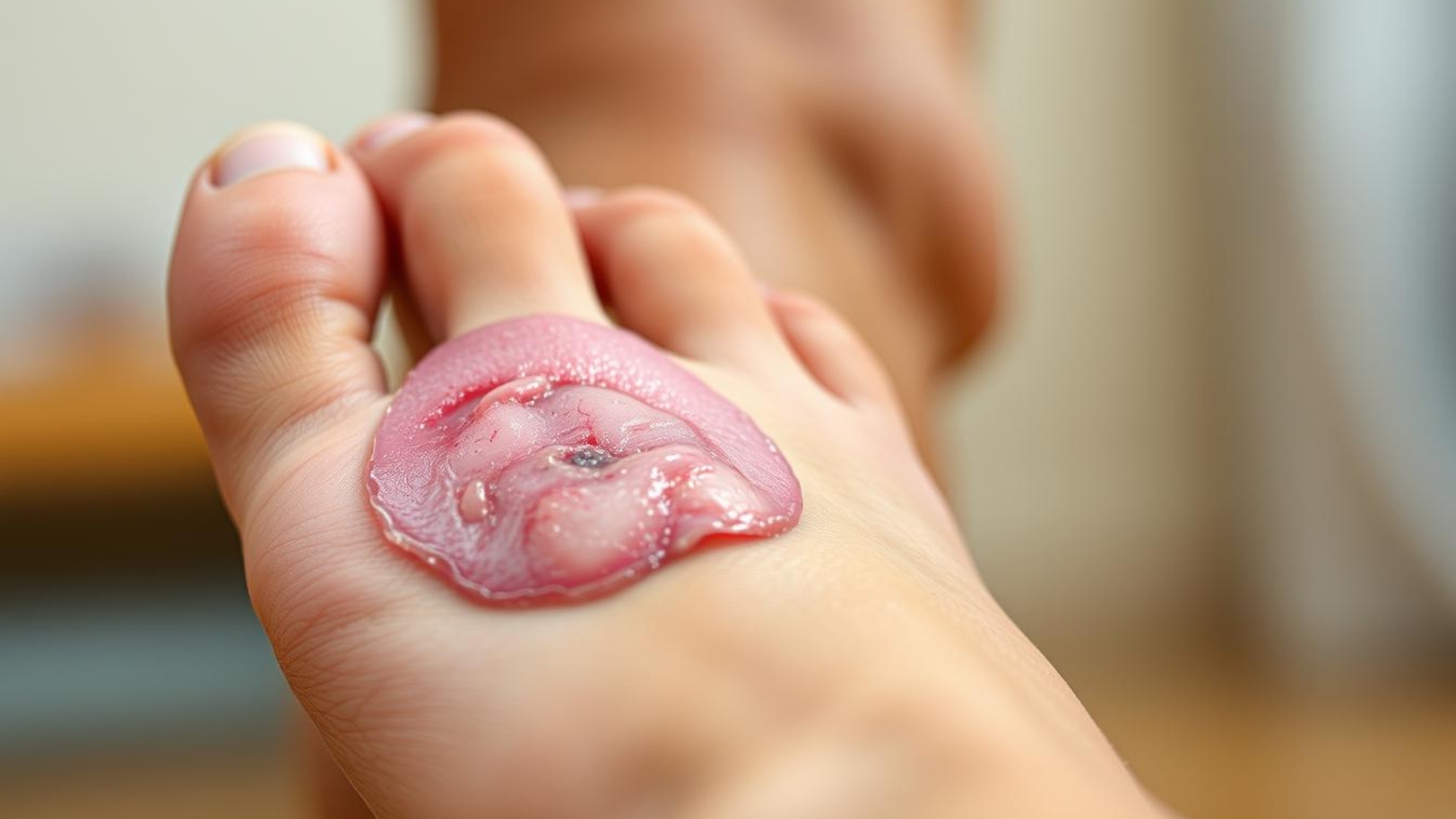
ulcer

Early warning signs you can spot at home

  • Drainage on socks or dressings — clear, cloudy, or bloody.
  • New redness, swelling of the feet or toes, or a foul odor.
  • Skin breakdown on the bottom of the foot or persistent irritation.

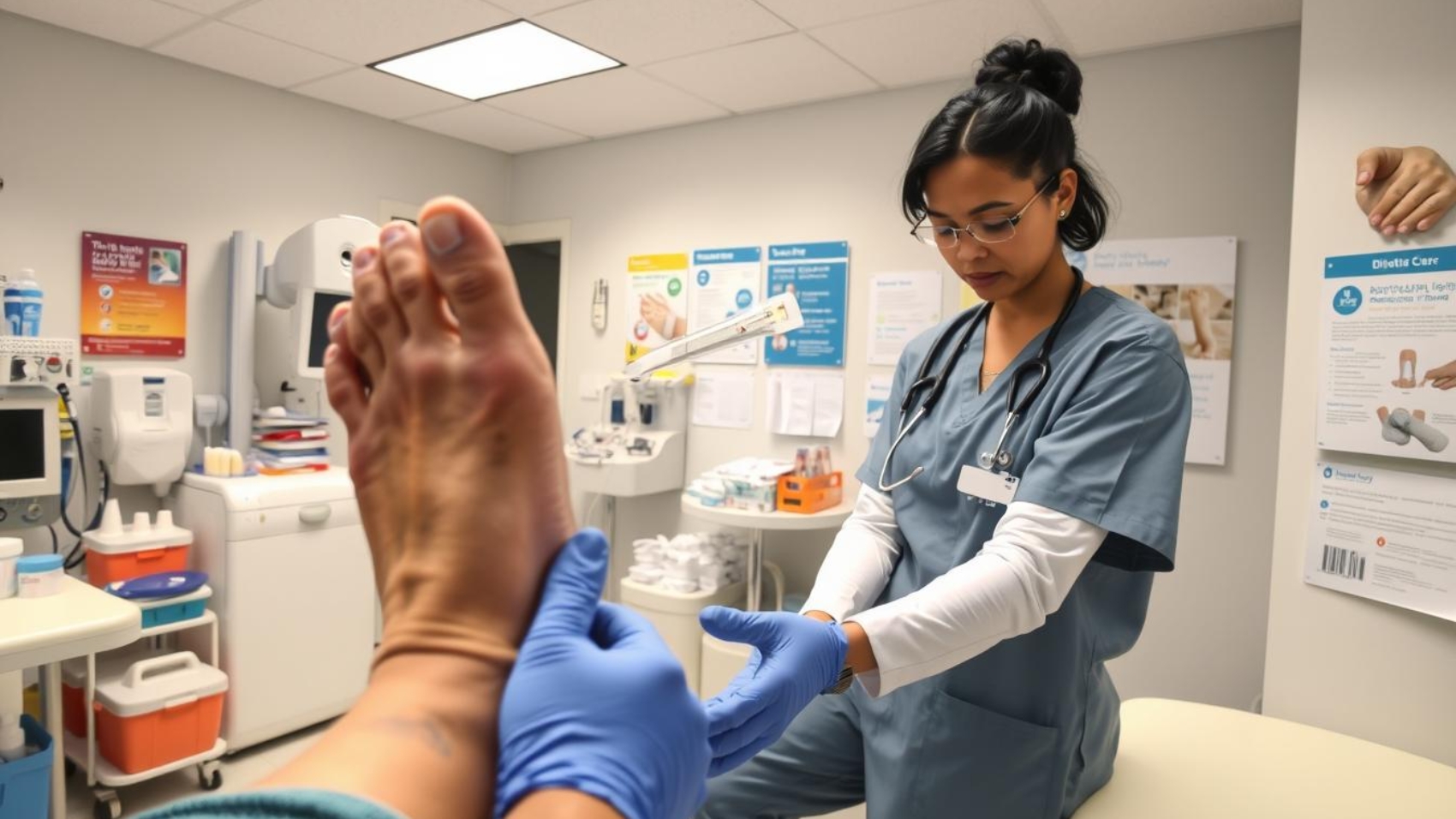
If you notice any of these signs, act quickly. Dominion Mobile Wound Care can assess neuropathy, screen circulation, and help start treatment before the problem worsens.

Step-by-Step Diabetic Wound Care at Home

A clear, repeatable at-home routine helps keep an ulcer from worsening and shortens healing time. Start with gentle cleaning, protect the area, off-load pressure, and track progress each day. If you need help, Dominion Mobile Wound Care can visit to guide treatment and dressing choice.

Cleanse correctly

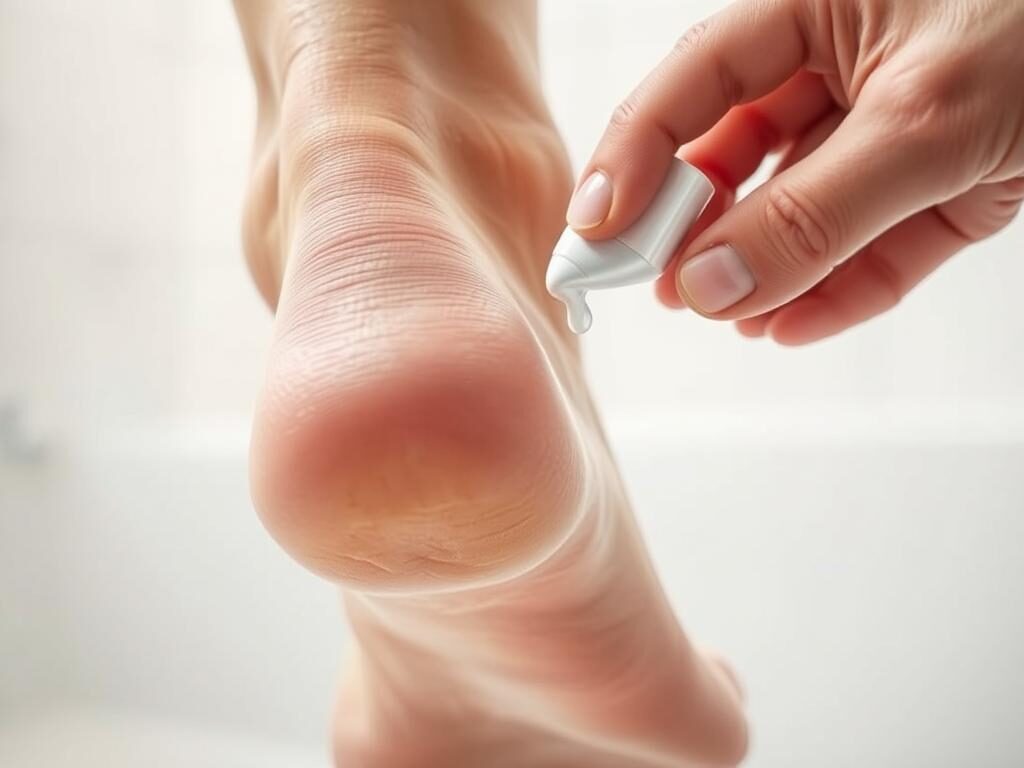
Wash the skin and wound with antibacterial soap and warm water. Rinse and pat dry gently to avoid harming tissue.

Avoid full-strength betadine, hydrogen peroxide, whirlpools, and soaking.

Cover and redress

Apply a topical antibacterial ointment, then a modern bandage to keep a moist environment. Daily changes let you monitor healing; if the ulcer clearly improves, your clinician may advise every other day.

Off-load pressure and support healing

  • Use protective footwear, braces, specialized casts, or temporary crutch/wheelchair use.
  • Control blood glucose and manage swelling to improve circulation and tissue healing.

When to contact a doctor

Call immediately for spreading redness, new warmth, foul odor, increased drainage, fever, or no improvement in about a week. Escalate care if the ulcer fails to heal by 4–6 weeks.

Prevention and Ongoing Foot Management for People with Diabetes

Daily prevention steps can dramatically lower the chance that small foot problems grow into serious issues. Take a few minutes each day to inspect your feet and act on small changes. Routine habits protect circulation and help prevent foot ulcers.

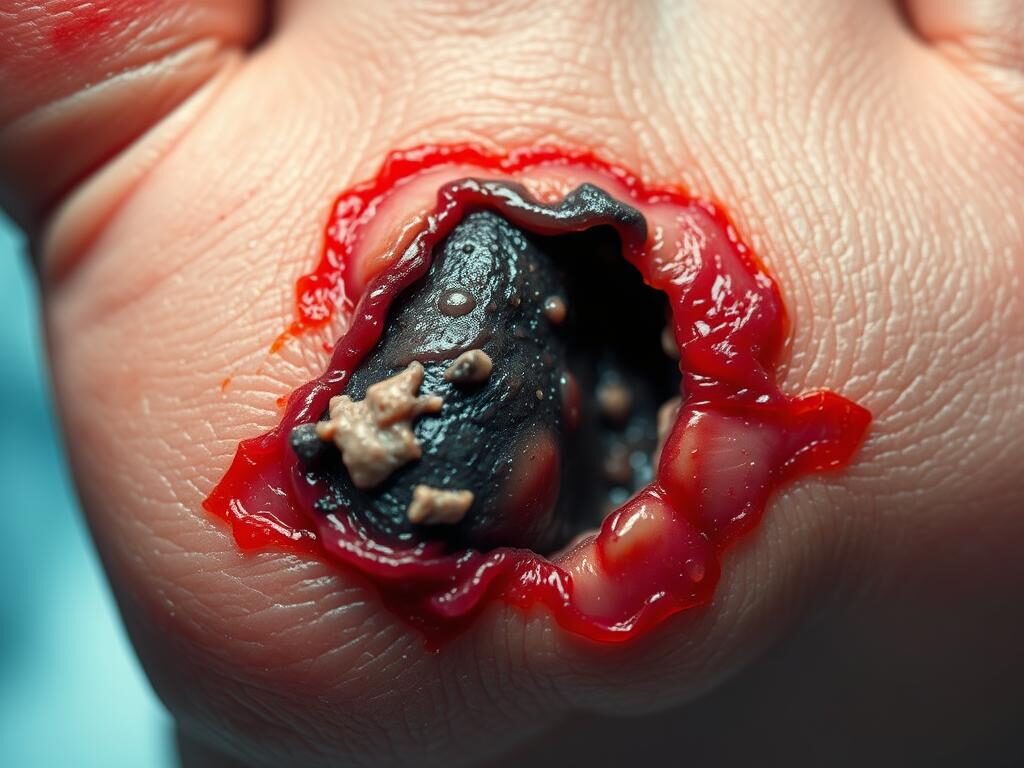
prevention foot

Daily checks, safe skin and nail care, and never going barefoot

Inspect your soles and between toes daily for cuts, blisters, cracks, redness, drainage, or calluses. Use a mirror or ask for help when you cannot see spots easily.

Keep skin hydrated but avoid lotion between toes. Trim nails straight across and never remove calluses at home—see a clinician for debridement or treatment.

Reduce risks with the right shoes, habits, and health checks

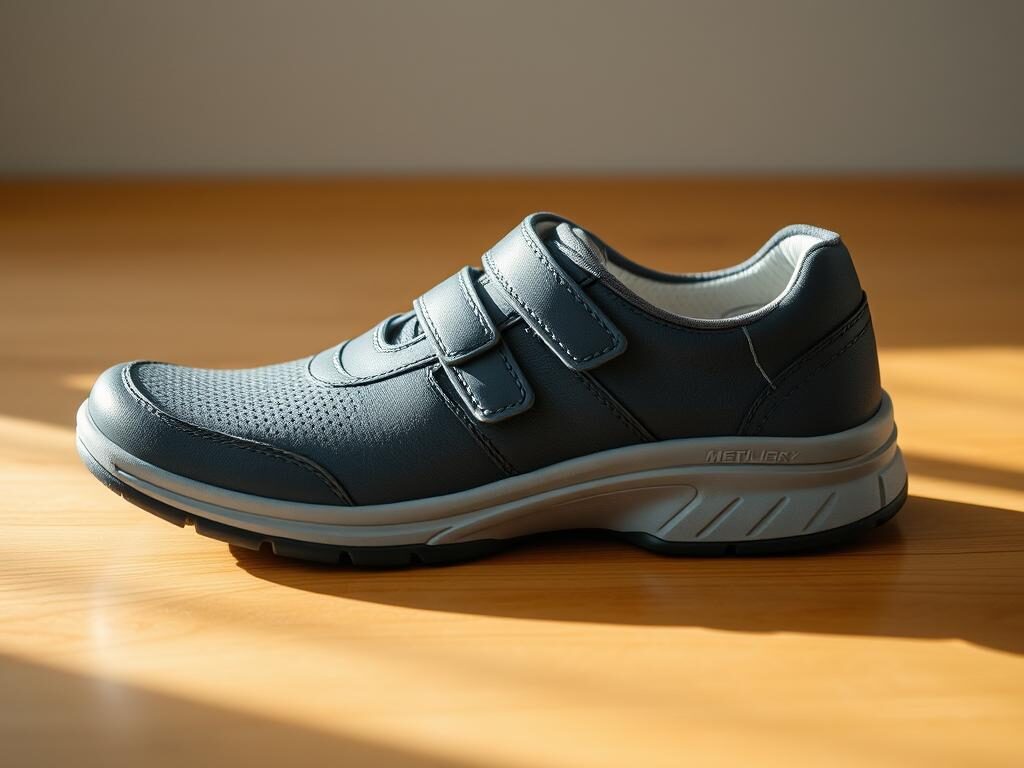
  • Wear well-fitted shoes with a roomy toe box and cushioned insoles; choose moisture-wicking socks without tight bands.
  • Quit smoking, limit alcohol, and control cholesterol and blood pressure to support blood flow and lower risk of disease progression.
  • Keep blood glucose stable, report nerve or neuropathy symptoms, and schedule regular podiatry and circulation exams.

Make a simple home checklist to stay consistent. Dominion Mobile Wound Care can provide at-home monitoring, footwear guidance, and education to help prevent recurrence. Hire Dominion Mobile Wound Care for ongoing support in healing and prevention.

Conclusion

A prompt, steady routine at home gives your body the best chance for steady foot healing. Cleanse gently, keep the ulcer covered with a moist bandage, off-load pressure, and control blood glucose to support repair. Monitor for increasing redness, swelling, odor, or more drainage and call your doctor without delay if these infection signs appear.

Fast, proper treatment reduces the risk of hospitalization or amputations. When debridement, circulation assessment, or advanced dressings are needed, get professional help so healing stays on track.

Partner with specialists who come to your home. Dominion Mobile Wound Care offers in-home evaluation, advanced dressings, off-loading strategies, and close follow-up to help you heal and prevent future ulcers.

FAQ

What is a foot ulcer and who is most at risk right now?

A foot ulcer is a break in the skin on the sole or toe that can become deeper and infected. You are at higher risk if you have nerve damage (neuropathy), poor blood flow, long-standing high blood sugar, prior ulcers, or a history of foot deformities. Age, smoking, and kidney or heart disease also raise your risk.

Why do these ulcers form — what causes them?

They form from a mix of problems: loss of feeling in the feet means you don’t sense pressure or injury, poor circulation slows healing, repeated pressure or friction creates skin breakdown, and high blood sugar impairs your immune response. Together, these factors let small cuts become serious quickly.

What early warning signs should I watch for at home?

Check daily for redness, swelling, warmth, new drainage or pus, skin that’s breaking down, areas that are darker or pale, and a foul odor. Also note any changes in skin temperature or nails. Act fast if you see any of these to avoid infection.

How should I clean a minor foot wound at home?

Gently wash with mild, antibacterial soap and warm water, rinse thoroughly, and pat dry with a clean towel. Avoid harsh scrubbing. Apply a sterile dressing or modern moisture-retentive bandage to protect the area and promote healing.

What type of dressing is best for healing and protection?

Use dressings that keep a balanced moisture level, such as hydrocolloid or foam dressings for many ulcers. These protect from bacteria and reduce trauma during changes. Change dressings per your provider’s instructions or at least once daily while monitoring the site.

How often should I change the dressing and check the wound?

Inspect the site every day. Change the dressing daily or sooner if it becomes wet, soiled, or loose. Keep a simple photo or journal to track size, drainage, and color changes so you can spot stalled healing or infection.

What does “off-loading” mean and how do I do it at home?

Off-loading means removing pressure from the sore. Use supportive shoes, cushioned insoles, or removable boots to keep weight off the area. Avoid walking barefoot and limit standing. For serious ulcers, your clinician may prescribe custom footwear, braces, or casts.

How important is blood sugar and swelling control for healing?

Very important. Keeping glucose in your target range helps immune function and tissue repair. Control swelling with elevation, compression if advised, and treating any underlying vein or heart issues. Work with your care team on medications, diet, and activity to support recovery.

When should I call my doctor or go to urgent care immediately?

Seek immediate care if you have spreading redness, increased pain, fever, foul-smelling drainage, rapid swelling, numbness that gets worse, new dark tissue, or if the wound fails to improve after two weeks. Also call if you can’t control bleeding or if you develop signs of systemic infection.

What daily habits help prevent new foot problems?

Inspect your feet every day, wash and dry them carefully, moisturize dry areas but not between toes, trim nails straight across, and avoid self-removal of calluses. Never go barefoot indoors or outdoors. Choose well-fitting shoes and breathable socks.

How do proper shoes and socks reduce risk?

Shoes with a roomy toe box, firm heel support, shock-absorbing sole, and no internal seams reduce pressure and friction. Socks that wick moisture and fit well prevent blisters. Consider diabetic footwear or custom orthotics if you have deformities or a history of ulcers.

Can lifestyle changes lower my chance of developing another ulcer?

Yes. Quit smoking to improve circulation, maintain a healthy weight, control blood pressure and cholesterol, stay active within limits, and follow your treatment plan for glucose control. Regular foot exams with your provider also catch problems early.

What treatments might my clinician recommend beyond home methods?

Your clinician may suggest debridement to remove dead tissue, topical antimicrobial agents, specialized dressings, off-loading devices, antibiotics for infection, or advanced therapies like negative-pressure devices or skin grafts for stubborn ulcers. Referral to a podiatrist or vascular specialist may be needed.

How can I tell if circulation is a problem in my foot?

Signs of poor circulation include persistent coldness, pale or bluish skin, slow nail growth, hair loss on the toes, and weak pulses in the foot. If you notice these, ask your provider for a vascular assessment and tests like an ankle-brachial index.

Are amputation risks high and how can I reduce them?

Amputation risk rises with delayed treatment, deep infection, severe poor circulation, or uncontrolled blood sugar. Early detection, proper off-loading, infection control, vascular assessment, and adherence to medical advice greatly lower that risk.

How should I manage minor cuts, blisters, or calluses to avoid escalation?

Clean minor injuries promptly, apply a sterile dressing, and monitor closely. For blisters, keep the skin intact when possible or drain under sterile conditions if needed. Have a podiatrist handle thick calluses and never cut them yourself.

What role do professional follow-ups play in healing?

Regular follow-ups let clinicians track progress, perform necessary procedures, adjust dressings, manage infections, and recommend footwear or vascular care. Consistent follow-up shortens healing time and prevents complications.

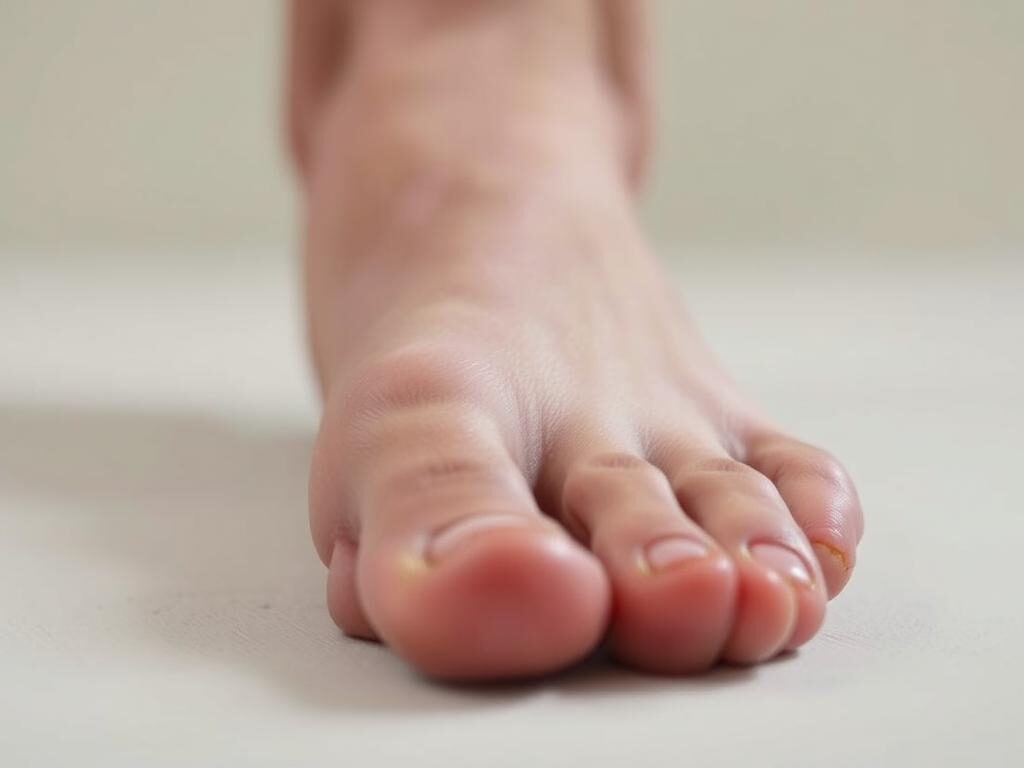
diabetic wound care plan

Creating a Personalized Diabetic Wound Care Plan

Dominion Mobile Wound Care introduces a concise guide that helps people living with diabetes set a clear, personalized path to safer outcomes. This introduction explains why a structured approach matters for foot ulcers and preventing serious complications.

Readers learn practical steps that support faster healing and reduce risk. The guide emphasizes moist coverings, off‑loading, and timely clinical follow-up as evidence-based methods that improve results.

A tailored plan accounts for wound location, lifestyle, and support systems. It separates ad‑hoc actions from consistent routines that protect function and quality life.

This section previews how the following pages will help assess risk, set realistic goals, build daily habits, and know when to seek mobile professional services. The aim is to empower safer, more consistent self-management while encouraging timely escalation when needed.

Key Takeaways

  • A personalized approach helps reduce risk from foot ulcers and related complications.
  • Consistent routines and moist coverings support faster healing.
  • Evidence-based actions like off‑loading and debridement matter.
  • Dominion Mobile Wound Care offers professional support when escalation is needed.
  • The guide shows how to align goals with realistic home and clinical steps.

Foundations of Diabetic Wound Care: Risks, Goals, and Readiness

Clear knowledge of risks and reachable goals sets the stage for safer, everyday foot management.

Why foot ulcers happen

Loss of sensation from neuropathy reduces the body ability to feel pain in the foot. Small cuts or pressure spots can go unnoticed and turn into ulcers.

Poor circulation limits oxygen and blood delivery to tissues. That slows healing and raises infection risk.

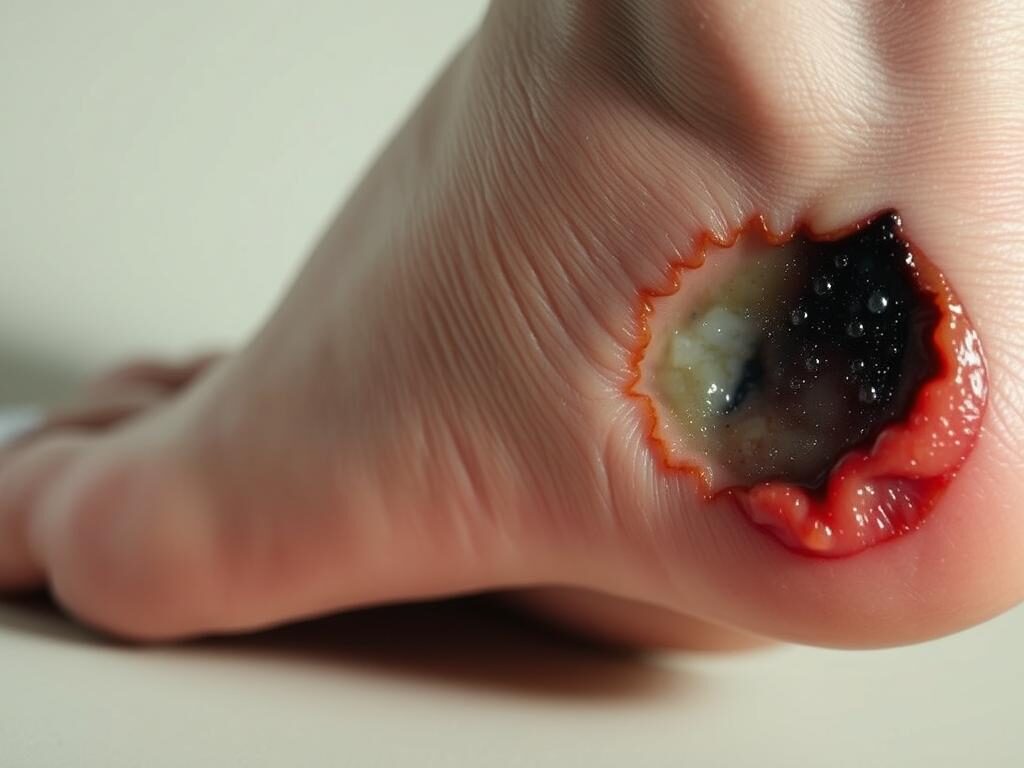
diabetic foot ulcers

Foot deformities and pressure from shoes create chronic irritation that breaks skin and tissue. Anyone with diabetes can develop an ulcer, especially people using insulin or with heart, kidney, or eye disease.

Serious complications to avoid

Early signs may be subtle: drainage on socks, redness, swelling, or odor even when pain is minimal.

Left unchecked, problems can progress to infection, hospitalization, and possible amputation or amputations. Fast, measured action lowers those risks.

Setting care goals

Goals should be specific and achievable. Prioritize infection prevention, pressure reduction, and faster healing that protects quality of life.

  • Set measurable milestones for size reduction and symptom change.
  • Use noninvasive tests to check blood flow and guide referrals.
  • Align daily habits—protective footwear, skin checks, glucose control—with goals.
  • Work as a team: patient, family, and clinicians, with Dominion Mobile Wound Care available to help prepare and evaluate risks.

How to Build a diabetic wound care plan That Works Today

A short, consistent routine helps protect the foot, support tissue repair, and reduce pressure that hinders healing. The steps below focus on safe cleaning, moist protection, pressure relief, and teamwork with a doctor to control blood sugar and circulation.

Clean gently and safely

Use mild soap and water to rinse the area, then pat the surrounding skin dry. Avoid hydrogen peroxide, full‑strength betadine, alcohol, soaking, and whirlpools because they damage healthy tissue and slow faster healing.

Protect with moist dressings

Choose hydrocolloid or foam dressings to keep the site moist and sealed from contaminants. Change dressings on the schedule advised by a clinician and use sterile supplies to reduce infection risk.

Off‑loading and pressure relief

Reduce weight on the affected foot with specialized footwear, removable cast walkers, or braces. Limiting standing and using assistive devices speeds recovery and lowers the chance of breakdown.

Debridement and tissue management

Regular debridement removes devitalized tissue so healthy tissue can grow. This step is central to evidence‑based wound management and is best done by a trained clinician.

  • Work with a doctor or endocrinologist to optimize blood sugar and related treatment.
  • Assess circulation with noninvasive tests and refer if blood flow is inadequate.
  • Use topical antibiotics only when prescribed to avoid resistance.

Dominion Mobile Wound Care can help implement each step at home, advise on products and schedules, and guide when escalation to clinic services or a doctor is needed.

Monitor Progress, Prevent Setbacks, and Know When to Call the Doctor

Consistent monitoring turns small observations into actionable information for clinicians. Daily checks help the team see if healing is steady or if a foot problem needs faster attention. Dominion Mobile Wound Care supports at‑home monitoring and coordinates timely check‑ins.

foot monitoring wound

Track healing metrics

Record size, depth, drainage amount and color, redness, swelling, and odor every day. Take clear photos with the same lighting and angle to compare progress.

Spot warning signs early

Watch for increasing redness, more discharge, warmth, fever, sharp pain, new numbness, or cold feet. These may signal infection or poor circulation and require prompt review.

Scheduled follow‑ups and updates

Keep a brief log of blood checks, dressing changes, footwear use, and activity limits. Schedule regular reviews so clinicians can adjust off‑loading, materials, or treatment timing when healing stalls.

  • Bring photos and questions to appointments.
  • Contact a doctor quickly for worsening pain, systemic symptoms, or no improvement after treatment.
  • Timely adjustments reduce risk and protect daily function.

Conclusion

,Practical habits and timely clinical updates keep progress steady and complications rare.

A structured routine—gentle cleaning, moist dressings, pressure relief, and periodic debridement—strengthens at‑home wound care and supports faster healing.

Controlling blood sugar and scheduling follow‑up protects the body ability to fight infection and reduces the chance of serious complications like amputation.

Daily monitoring, prompt adjustments, and expert wound management work together to protect mobility, health, and quality of life.

Dominion Mobile Wound Care is ready to deliver convenient, expert at‑home support to organize supplies, refine treatment, and help people heal faster. Hire Dominion Mobile Wound Care to help heal their wounds.

FAQ

What causes foot ulcers in people with diabetes?

Nerve damage (neuropathy), poor blood flow, and repeated pressure on the soles or toes often lead to skin breakdown. Reduced sensation means a person may not notice minor cuts or blisters, which can worsen without timely treatment.

How can infection and hospitalization be avoided?

Early wound assessment, keeping the area clean and covered with appropriate dressings, and prompt treatment of any signs of infection reduce risks. Regular checkups with a podiatrist or primary care clinician and tight blood glucose control also lower the chance of severe complications.

What are realistic goals for improving leg and foot health?

Practical targets include reducing wound size and depth, preventing infection, relieving pressure on injured tissue, improving circulation, and maintaining mobility to support overall quality of life.

How should someone clean a foot ulcer at home?

Gently rinse with mild soap and water and pat dry. Avoid harsh antiseptics like hydrogen peroxide or alcohol unless a clinician recommends them, as these can damage healthy tissue and slow healing.

What dressings work best to promote healing?

Moisture-retentive dressings such as hydrocolloid or foam help tissues repair faster by maintaining a balanced environment. A clinician will choose the right product based on drainage, infection risk, and wound stage.

Why is off-loading important and how is it done?

Reducing pressure on an ulcer prevents further tissue breakdown. Off-loading can include specialized shoes, custom orthotics, total contact casts, removable boots, or activity modification to limit weight-bearing on the affected area.

When is debridement necessary?

Removing dead or nonviable tissue helps expose healthy tissue and speeds closure. A trained clinician performs debridement using surgical, mechanical, enzymatic, or autolytic methods depending on the wound and patient health.

What role does blood glucose control play in healing?

Stable blood sugar supports immune function and tissue repair. Working with an endocrinologist or primary care provider to optimize medications, diet, and activity improves healing rates and reduces complications.

How is circulation evaluated and improved?

Clinicians use ankle-brachial index, toe pressures, or Doppler studies to assess blood flow. When circulation is poor, vascular specialists may recommend medications, procedures, or lifestyle changes to restore adequate perfusion.

Are topical antibiotics recommended?

Topical antibiotics are reserved for specific situations and should be used only when prescribed. Overuse can cause resistance and skin irritation. Systemic antibiotics are indicated when there is spreading infection or systemic signs.

What should a daily dressing and supplies checklist include?

Routine items include mild cleanser, appropriate dressings, sterile gauze, adhesive tape, a waste bag, and protective footwear. A consistent schedule for cleansing and dressing changes supports steady progress.

How should progress be tracked at home?

Photograph the area regularly, note measurements of length and width, and record drainage, odor, redness, or increased pain. These records help clinicians adjust treatment and detect setbacks early.

What warning signs require immediate medical attention?

Rapidly increasing redness, swelling, foul odor, pus, fever, severe new pain, numbness, or a cold discolored foot demand urgent evaluation to rule out spreading infection or critical ischemia.

How often should follow-up appointments occur?

Frequency depends on wound severity. Many people need weekly or biweekly visits initially, then longer intervals as healing progresses. A clinician will set a schedule and adjust it based on response to therapy.

Can these measures reduce the risk of amputation?

Yes. Early intervention, consistent pressure relief, infection control, vascular assessment, and blood glucose management significantly lower the chance of limb loss and improve overall function.

diabetic wound infection signs

Early Signs of Diabetic Wound Infections and When to Seek Help

People with diabetes face a higher risk of foot problems. A foot ulcer affects many, and timely action cuts the chance of severe infections and hospital stays.

The earliest clues are often local: redness, warmth, swelling, tenderness, or pus. Clinicians diagnose a diabetes-related foot infection when two or more local findings are present.

Quick assessment by a team — including podiatry, vascular, and infectious disease specialists — improves outcomes and lowers amputation rates.

This guide will show readers how to spot warning changes at the foot, understand severity, and seek the right care. It also previews tests clinicians may use, like imaging, cultures after debridement, and lab markers.

Dominion Mobile Wound Care is featured throughout as a provider that brings expert evaluation and treatment directly to patients who need prompt, multidisciplinary support.

Key Takeaways

  • Watch the foot closely for redness, warmth, swelling, tenderness, or purulent drainage.
  • Two or more local findings usually indicate a clinical diagnosis that needs prompt care.
  • Early, team-based evaluation reduces hospitalization and lowers amputation risk.
  • Clinicians may use imaging, cultures, and labs to confirm spread and depth.
  • Dominion Mobile Wound Care offers on-site assessment and coordinated treatment.

Why Early Detection Matters for Diabetic Foot Health in the United States

Early recognition of subtle foot changes can stop a minor problem from becoming a limb-threatening emergency.

Diabetes increases risk because loss of sensation, poor blood flow, and immune changes let small skin breaks turn into ulcers and then deeper infection.

About 40% of foot ulcers become infected, and more than 130,000 diabetes-related amputations occurred in the U.S. in 2016. Outcomes after amputation are serious, with high mortality at five years.

How disease factors raise risk

Major factors include peripheral neuropathy, peripheral arterial disease, and impaired immunity. Each factor makes healing slower and inflammation more likely.

The role of multidisciplinary care

Coordinated, on-site care from a team reduces hospitalization and lowers amputation rate by speeding diagnosis, grading, and treatment. The International Working Group offers validated grading to guide decisions.

  • Regular foot care and annual exams help catch changes early.
  • Early blood tests (white cells, ESR) and imaging speed accurate management.
  • Dominion Mobile Wound Care provides on-site assessment to shorten time to treatment.

Who Is at Higher Risk: Peripheral Neuropathy, Peripheral Arterial Disease, and Immunity

When nerves fail and blood flow falls, small foot injuries can escalate quickly. Peripheral neuropathy causes loss of protective sensation for pain and temperature. About half of affected people feel no symptoms and can unknowingly injure the foot or toe.

Loss of protective sensation and unnoticed wounds

Neuropathy lets pressure points and minor cuts progress to ulcers. Daily checks of the skin, nails, and between toes help catch changes early. Dominion Mobile Wound Care prioritizes these high-risk patients for home monitoring and timely intervention.

Blood flow issues that slow healing and raise infection risk

Peripheral arterial disease limits blood delivery and delays healing. PAD affects roughly 10%–40% of people with diabetes. An ankle-brachial index under 0.9 suggests occlusive disease; under 0.5 indicates significant PAD that increases risk of poor outcomes and amputation.

  • Highest risk: neuropathy, PAD, prior ulcer or amputation, and foot deformities.
  • Vascular testing and ABI values guide revascularization decisions.
  • Prompt reporting of any toe or foot skin change prevents escalation.

Recognizing diabetic wound infection signs at the wound site

Local changes at the foot can be the first clear cue that a problem needs prompt attention.

foot infection

Local inflammation and temperature

New or increasing redness, warmth, swelling, or tenderness around an ulcer or skin break usually signals local inflammation. A higher skin temperature compared with the other foot is an important objective clue.

Drainage and odor

Purulent drainage, foul odor, or a nonhealing area strongly point to active infection and merit professional review. Persistent drainage or a change in volume or color should be recorded and shown to a clinician.

Skin and tissue changes

Induration, necrotic or friable tissues, and spreading cellulitis around ulcers suggest deeper tissue involvement. Neuropathy may blunt pain, so lack of pain does not rule out a serious problem.

  • Diagnosis usually requires at least two classic findings such as purulence or inflammation.
  • Avoid sole reliance on superficial swabs; debrided base or deep tissue yields better cultures.
  • Inspect between toes, under calluses, and at pressure points; document size, color, drainage, and odor.

Dominion Mobile Wound Care educates patients to spot these local changes early and can provide bedside assessment, debridement, and culture collection to guide treatment and help prevent spread to bone or joint.

How Severe Is It? Using IWGDF/IDSA Grading to Classify Infection

Clinicians use a standardized grading to turn bedside observations into a clear treatment plan. The international working group and IDSA offer a four-level scale that predicts hospitalization and amputation risk.

Uninfected and mild

Level 1 means no local problem at the site. Level 2, or mild, involves only skin or subcutaneous tissue. Erythema is small—greater than 0.5 cm but up to 2 cm. There are no systemic features.

Moderate

Moderate cases show erythema beyond 2 cm or involvement of deeper tissue such as tendon, muscle, joint, or bone. Abscess, septic arthritis, or osteomyelitis fit here. Imaging and prompt culture-guided management are usually needed.

Severe

Severe infection meets systemic inflammatory response thresholds: abnormal temperature, heart or respiratory rate, or white blood cell count derangement. These cases carry higher amputation rates and require urgent, often hospital-level, multidisciplinary treatment.

  • Why this matters: Grading guides antibiotics, urgency of debridement, and need for vascular or surgical referral.
  • Dominion Mobile Wound Care applies this scale at bedside to fast-track imaging, labs, and specialist transfer when needed.

Diagnosis Done Right: From Bedside Clues to Imaging and Labs

A stepwise approach—exam first, targeted testing next—yields the best diagnostic clarity.

Probe-to-bone testing and careful debridement for accurate cultures

After gentle sharp debridement, a probe-to-bone test can help detect bone involvement. When done after cleaning the area, its sensitivity is roughly 87% and specificity about 91% for osteomyelitis in outpatients.

Avoid superficial swabs. Deep tissue or bone cultures taken at the time of debridement better identify true pathogens and guide antibiotic choices.

When to order imaging: radiographs first, then magnetic resonance imaging if needed

Start with plain radiographs to look for gas, foreign material, or clear bony change. Early osteomyelitis may be missed on X-ray.

Magnetic resonance imaging is the most accurate next step—about 90% sensitive and 80% specific—and clarifies soft tissue extent and bone disease. Use CT if MRI is contraindicated.

Laboratory markers: white blood cell count, C-reactive protein, erythrocyte sedimentation rate

White blood cell counts can be normal; clinicians should not rely on them alone. An erythrocyte sedimentation rate above 70 mm/h supports bone infection, while C-reactive protein is useful to track response to treatment.

Dominion Mobile Wound Care coordinates on-site debridement, proper culture collection, and mobile imaging referrals. This reduces delays, improves antibiotic stewardship, and speeds recovery.

  • Document ulcer depth, probe to bone at toes or prominences, and reassess after initial care.
  • Consider comorbid disease and renal function when selecting imaging and lab pathways.
  • Accurate diagnosis reduces unnecessary broad-spectrum therapy and shortens recovery time.

When to Seek Help Now: Red Flags That Warrant Urgent Care

When the foot shows sudden, aggressive changes, delays in care can lead to loss of limb or systemic illness. Quick recognition of urgent features shortens time to treatment like antibiotics, debridement, or revascularization.

urgent foot red flags

Immediate red flags to act on

  • Rapidly spreading redness, severe pain out of proportion, fever, foul odor, or visible bone at a toe or other bony site.
  • New black tissue, gangrene, or crepitus suggesting necrosis or gas in tissue — these are emergencies.
  • Nonhealing ulcers, sudden increase in drainage, or a marked rise in swelling that fails to improve with basic care.
  • Cold foot, weak or absent pulses, and slow capillary refill—signs consistent with peripheral arterial disease (ABI <0.5 may indicate severe ischemia).

What to expect and when to call

Dominion Mobile Wound Care triages urgent symptoms rapidly and can direct patients to emergency services or arrange expedited specialty care. Any exposed bone, systemic illness, or crepitus should prompt immediate transfer to hospital-level care.

Failure to improve after initial treatment or worsening pain — even in people with loss of sensation — requires prompt re-evaluation for abscess, osteomyelitis, or resistant organisms. Acting fast reduces the chance of hospitalization and amputation.

Immediate Home Steps and What to Avoid While You Arrange Care

Simple, careful steps at home reduce harm while arranging same‑day clinical evaluation. Acting quickly can limit tissue damage and lower the risk of deeper infection.

Clean, cover, and off-load pressure on the foot

Gently cleanse the area with mild soap and warm water and then pat dry. Apply a sterile, moist dressing to protect the skin and help healing.

Keep weight off the affected foot when possible. Use a removable boot or an orthotic walker to redistribute plantar pressure until a clinician evaluates the site.

Elevate the limb to reduce swelling and monitor any change in drainage, color, or pain to report at the visit.

What not to do: no bathroom surgery, harsh chemicals, or delayed evaluation

Do not cut calluses, probe at home, or use bleach, hydrogen peroxide, or other harsh agents on the area. These can worsen tissue damage and impair blood flow.

Avoid topical antibiotics unless prescribed; evidence is weak and resistance is a concern. Superficial swabs are discouraged—deep tissue cultures taken by a clinician give better guidance.

Dominion Mobile Wound Care offers same‑ or next‑day on‑site dressing selection, off‑loading strategies, and debridement when indicated. Keep blood glucose and hydration optimized while awaiting professional management.

What Treatment Looks Like: Antibiotics, Debridement, and Vascular Optimization

Effective care blends targeted antibiotics, timely tissue removal, and blood‑flow restoration to save limbs and speed healing.

Antibiotic strategies by severity

Mild cases often respond to 1–2 weeks of oral antibiotics aimed at gram‑positive cocci. Moderate or severe cases need hospital evaluation and parenteral broad‑spectrum therapy, with coverage added for gram‑negative and anaerobic organisms when ischemia or necrosis is present.

Debridement and culture‑guided therapy

Sharp debridement and abscess drainage remove necrotic tissue and lower bioburden. Deep tissue or bone cultures taken at the time of debridement guide targeted antibiotic choice; superficial swabs are discouraged.

Vascular assessment and revascularization

Assess peripheral arterial disease with ABI and, if needed, advanced imaging to map blockages. An ABI <0.9 suggests occlusive disease that may impair healing and prompt vascular referral for possible revascularization.

  • Duration: 1–2 weeks for mild soft tissue treatment; longer courses for osteomyelitis or until infected bone is removed.
  • Imaging: MRI clarifies bone involvement and guides surgical planning when osteomyelitis is suspected.
  • Clinical factors: Comorbidity, renal function, prior antibiotics, and local resistance shape therapy choices.

Dominion Mobile Wound Care coordinates culture‑guided antibiotics, bedside debridement, and expedited vascular consults to streamline limb‑saving care at home. This multidisciplinary pathway, aligned with International Working Group guidance, improves healing and lowers amputation risk.

Conclusion

Early professional review of a new foot problem guides targeted therapy and preserves options.

Spotting simple changes and acting quickly reduces escalation to hospital care and lowers amputation rate. Accurate bedside grading with IWGDF/IDSA criteria, supported by imaging such as MRI and lab data like erythrocyte sedimentation rate, directs the right plan.

Deep tissue cultures, timely antibiotics, careful debridement, off‑loading, and vascular optimization work together to heal wounds and limit complications. Multidisciplinary teams improve outcomes by coordinating these steps.

Dominion Mobile Wound Care stands ready to assess, classify, and treat diabetes-related foot problems where patients live. Contact their specialized team at the first concern to get ahead of infections and protect long-term foot health.

FAQ

What are the earliest signs that a foot sore is becoming infected and when should someone seek help?

Early clues include increased redness, warmth, swelling, or new pain around the sore, along with any pus or worsening drainage. If these changes appear, or if the person develops fever or spreading redness, they should seek medical attention promptly to avoid progression.

How does chronic high blood sugar increase the risk for foot ulcers, tissue loss, and eventual amputation?

Persistent elevated glucose damages nerves and small blood vessels over time. Loss of sensation lets small injuries go unnoticed, while poor circulation slows healing and reduces immune response. Together, these factors raise the chance that a simple sore can deepen, become infected, and in severe cases require amputation.

What role does a multidisciplinary wound care team play in improving outcomes?

Teams that include podiatrists, vascular surgeons, infectious disease specialists, diabetes educators, and wound nurses coordinate assessment, off-loading, vascular testing, debridement, and tailored antimicrobial therapy. This comprehensive approach lowers healing time and reduces limb loss.

Who is at higher risk because of peripheral neuropathy or blood flow problems?

People with loss of protective sensation or with peripheral arterial disease face the highest risk. Neuropathy prevents awareness of trauma, while poor arterial flow limits oxygen and nutrient delivery, making healing slow and infections more likely.

How can loss of protective sensation cause unnoticed wounds?

When toes and soles lack normal feeling, pressure points, blisters, or cuts may not trigger pain. Without prompt care, these lesions can enlarge and break down into ulcers that become infected before the person notices.

What are common local signs at the site that indicate worsening tissue involvement?

Look for spreading redness beyond the sore, persistent warmth, increasing swelling, firm induration, necrotic or black tissue, and surrounding cellulitis. New foul odor or purulent discharge signals deeper contamination.

How do clinicians grade severity using IWGDF or IDSA criteria?

Mild cases involve only superficial skin changes without systemic effects. Moderate infections reach deeper tissues or produce erythema extending more than about 2 cm and may include abscess or suspected bone involvement. Severe infections produce systemic inflammatory response signs and carry the highest amputation risk.

What bedside tests and imaging help confirm deeper involvement like osteomyelitis?

Probe-to-bone testing at the bedside can suggest bone exposure. Plain radiographs are the first imaging step; if findings are unclear or clinical concern remains, magnetic resonance imaging offers superior detection of marrow involvement.

Which laboratory markers support the diagnosis and monitoring of serious tissue infection?

Common markers include white blood cell count, C-reactive protein, and erythrocyte sedimentation rate. Rising values support systemic inflammation or deep infection and help track response to therapy.

What are red flags that require urgent evaluation or hospital care?

Rapidly spreading redness, severe escalating pain, fever, chills, foul odor, visible bone, or signs of limb ischemia warrant immediate medical evaluation, often in an emergency or inpatient setting.

What immediate steps can someone take at home while arranging care?

Gently clean the area with mild soap and water, cover with a sterile dressing, and off-load the pressure by resting and avoiding weight bearing. Keep blood glucose under control and contact a provider without delay.

What should be avoided at home to prevent making the problem worse?

Do not attempt self-surgery, aggressive chemical cleansers, or unprescribed topical remedies. Avoid walking barefoot and delaying professional assessment when signs worsen.

When are oral antibiotics appropriate versus intravenous treatment?

Oral antibiotics may suffice for mild, superficial infections in stable patients without vascular compromise. IV antibiotics are indicated for severe infections, systemic signs, or when osteomyelitis or deep-space abscess is suspected.

How does sharp debridement and culture-guided therapy fit into treatment?

Sharp debridement removes devitalized tissue to reduce bacterial load and promote healing. Obtaining deep tissue or bone cultures during debridement guides targeted antimicrobial therapy and improves outcomes.

How is peripheral arterial disease evaluated and managed when it impairs healing?

Assessment may include ankle-brachial index, toe pressures, or arterial imaging. When significant flow limitation exists, vascular consultation can offer revascularization options, which often improve healing and limb salvage rates.

diabetic ulcer treatment San Antonio

Best Practices for Diabetic Ulcer Treatment at Home in San Antonio

Practical home care can help patients manage early breaks in skin and promote healing. This short guide outlines safe steps for daily wound checks, protective dressings, offloading, and when to seek clinical care.

The University Health Wound Care and Hyperbaric Center provides advanced options through certified specialists at local centers. They focus on root-cause evaluation, nutrition, education, and access to hyperbaric oxygen therapy when wounds do not respond to basic care.

Dominion Mobile Wound Care links these clinical resources with convenient, on-site visits so people get expert support at home. A clear plan helps prevent infection, protect tissue, and preserve function.

For a personalized approach and timely escalation to advanced oxygen therapy, consider hiring Dominion Mobile Wound Care to help heal their wounds and coordinate with local specialists.

Key Takeaways

  • Daily inspection and proper dressing protect skin and speed recovery.
  • Coordinate with certified specialists for root-cause care and education.
  • Offloading and nutrition matter as much as topical care.
  • Advanced options like hyperbaric oxygen therapy are available if needed.
  • Dominion Mobile Wound Care offers convenient, in-home coordination with local centers.

Understanding Diabetic Ulcers and Why Prompt Care Matters

When high blood sugar and poor circulation converge, small skin breaks can become major health problems. These open sores heal slowly and raise the risk of serious infection if not addressed quickly.

How disease, neuropathy, and PAD slow healing: High glucose levels damage nerves and tiny blood vessels. That lowers blood flow and oxygen delivery to tissue. Loss of sensation lets minor wounds go unnoticed until they worsen.

Risks to watch: Left unchecked, wounds can become infected and progress to gangrene. Gangrene causes tissue death and may require amputation to stop spread. Other complications include cellulitis and bone infection.

  • Common sites: feet, toes, and lower legs, where circulation is poorest.
  • Persistent high levels prolong inflammation and delay healing.
  • Early action—referral if a wound stalls after two weeks—improves outcomes.

Coordinated care matters: Managing blood flow, infection risk, and glucose together helps protect the body and speed healing. Dominion Mobile Wound Care connects patients with local specialists and in-home services to reduce complications and support recovery in san antonio.

diabetic ulcer treatment San Antonio

Today, patients can access local clinic networks and mobile teams that speed the move from a new wound to a clear healing plan. University Health offers interdisciplinary services at the Texas Diabetes Institute and University Hospital, including access to hyperbaric oxygen therapy and specialty consults.

Local context: care options and coordinated services available now

Dominion Mobile Wound Care provides mobile visits and coordinates with clinic providers to ensure timely follow-up. Multiple locations across san antonio give patients options for in-clinic visits or same-week mobile appointments.

  • Interdisciplinary teams—podiatry, infectious disease, and nutrition—evaluate each wound and plan care.
  • Some providers offer hyperbaric oxygen and other advanced oxygen therapy when standard approaches stall.
  • A dedicated provider monitors progress, adjusts dressings and offloading, and helps schedule appointment times that work today.
  • Coordinated services include education and supplies so patients manage wounds between visits.

Hire Dominion Mobile Wound Care to bring mobile services and coordinated care to the home and help heal their wounds with fast, organized follow-up.

When Home Care Is Appropriate—and When It Isn’t

Clear guidance helps people decide when a wound is safe to manage at home and when to seek prompt care.

Home care is reasonable for small, superficial breaks with good blood flow, no exposed bone or tendon, and no signs of infection. Keep daily checks and simple dressings while monitoring for change.

Minor versus complex wounds: red flags to stop home care

  • Stop home management if spreading redness, warmth, purulent drainage, foul odor, increasing pain, or visible necrosis appear.
  • If the wound probes to bone, exposes deep structures, or lies under unrelieved pressure on the foot, seek professional evaluation immediately.
  • Systemic signs—fever, chills, or rising glucose—require urgent care; call 911 for life‑threatening signs.
  • Wounds that fail to shrink or show healing after two weeks need reassessment to avoid complications.
  • Cool limbs, absent pulses, or dusky color suggest poor perfusion and need vascular assessment; maintaining oxygen delivery is crucial.

Dominion Mobile Wound Care can guide triage, arrange rapid in‑home review, and escalate to clinic services. Schedule an appointment when in doubt to limit harm and speed recovery.

Step-by-Step Home Wound Care Protocol

A clear home protocol helps caregivers spot problems early and keep wounds in an optimal healing state. This short plan covers daily checks, safe cleaning, dressing choices, and how to protect the area between changes.

Daily inspection: feet, toes, and pressure points

Inspect the foot, toes, heels, and pressure points every day using good light and a mirror or a helper. Look for redness, swelling, drainage, breaks in skin, or changes in color.

Document size, drainage, and odor to share with clinicians. Early notes speed correct adjustments in care.

Cleaning, debridement considerations, and protective dressings

Cleanse with mild soap and water or a clinician-recommended solution, then pat dry. Avoid harsh agents that harm healthy tissue.

Do not perform sharp debridement at home. Discuss professional debridement or clinician-approved autolytic methods if necrotic tissue is present.

  • Use non‑adherent, moisture‑balancing dressings to protect tissue and reduce infection risk.
  • Change dressings as directed; increase frequency if exudate soaks through.

Protecting the wound environment between changes

Offload pressure with prescribed footwear, inserts, or temporary devices. Never walk barefoot or wear ill‑fitting shoes while healing.

Keep blood sugar stable with consistent meals and medications to help healing and limit infection risk. Protect nearby skin with barrier ointments and avoid soaking unless advised.

Dominion Mobile Wound Care supplies education and materials and can coordinate follow-up with University Health specialists. Hire Dominion Mobile Wound Care to help heal their wounds and manage home care safely.

Offloading and Pressure Relief to Protect Tissue

Offloading devices protect soft tissue by shifting load away from vulnerable areas during the healing process. Removing repetitive stress is essential so a wound can close without new damage.

Footwear, inserts, and assistive devices to reduce pressure

Why offloading matters: Reducing pressure on weight‑bearing spots prevents deepening of an ulcer and supports steady healing.

  • Clinicians may suggest rocker‑bottom shoes, total contact casts, removable walkers, or custom inserts to cut localized pressure.
  • Temporary crutches or a knee scooter protect the area while allowing mobility during recovery.
  • Proper fit lowers friction and stops new pressure points from forming.
  • Consistent use of devices outside clinic visits is critical for positive outcomes.
  • Offloading works best when paired with moisture‑balanced dressings and routine reassessment so treatments match wound size and progress.

Dominion Mobile Wound Care helps evaluate offloading needs, recommends devices that suit daily life, and teaches safe donning and doffing to prevent falls and device‑related skin injury. Hire Dominion Mobile Wound Care to help heal their wounds and coordinate offloading as part of a complete plan.

Managing Blood Sugar and Circulation to Support Healing

Keeping glucose in range and improving circulation gives cells the oxygen and nutrients they need to close breaks in skin.

High blood sugar damages tiny vessels and nerves, slowing repair and raising the risk of poor outcomes from disease. Stable blood sugar levels help the immune system and speed wound healing.

Stabilizing levels through diet and activity

Small, consistent meals and medication adherence reduce spikes that impede recovery. Regular glucose checks help patients and clinicians refine plans.

Light, clinician‑approved exercise improves insulin sensitivity and moves blood to the affected area, aiding tissue repair in the foot.

Improving circulation: movement, smoking cessation, and support

  • Move daily: short walks or gentle leg exercises boost circulation and oxygen delivery.
  • Quit smoking: stopping tobacco improves microcirculation and supports faster healing.
  • Medical follow-up: vascular assessment is important if the limb feels cool or pulses are weak.

Dominion Mobile Wound Care educates on metabolic and vascular support and helps patients coordinate nutrition and therapy. Hire Dominion Mobile Wound Care to help heal their wound and refine a whole‑body plan.

Recognizing Infection and Urgent Complications

Knowing when a wound needs urgent attention can save tissue and preserve long-term function. Quick, clear action reduces delays that raise the chance of serious complications, including amputation.

Signs that require immediate medical attention

Watch the wound and the whole person. Local signs of infection include increased drainage, pus, foul odor, growing redness, warmth, or swelling extending from the edges.

  • Systemic warning signs: fever, chills, confusion, or rapidly worsening pain — seek urgent care.
  • Foot wounds that probe to bone, expose deep structures, or enlarge quickly need prompt evaluation.
  • Markedly high blood sugar with a worsening wound suggests systemic spread and needs fast assessment.

When to call 911 versus scheduling urgent wound care

Call 911 for sepsis signs, uncontrolled bleeding, sudden loss of pulse, or a limb that turns pale or cold. These are life‑threatening events that require immediate hospital care.

Schedule an urgent appointment with a wound care provider when a localized infection is suspected, necrosis appears, or a wound fails to improve despite proper home care. Do not use unproven remedies.

  • Limit weight on a high‑pressure area to prevent worsening until a provider reassesses.
  • Fast action reduces the risk of osteomyelitis and possible amputation.
  • Vascular checks and oxygen/perfusion assessment may be needed if ischemia is suspected.

Dominion Mobile Wound Care offers urgent evaluations and clear escalation guidance. Hire Dominion Mobile Wound Care to help heal their wounds and arrange timely care and appointments when every minute counts.

Advanced Wound Care Options Available in San Antonio

When wounds stall, enhanced oxygen methods and team-based care can revive healing pathways. University Health and nearby centers offer options that target low-oxygen tissue and address root causes.

hyperbaric oxygen therapy

Hyperbaric oxygen therapy: bringing oxygen to hypoxic tissue

Hyperbaric oxygen therapy delivers high-pressure oxygen to saturate plasma and improve diffusion into compromised tissue. This process can reduce edema and boost immune cell function.

HBOT is used for hypoxic, non-healing wounds as part of a larger plan that includes offloading and infection control. Certified staff monitor sessions and adjust protocols to support wound healing.

Interdisciplinary care: podiatry, infectious disease, nutrition, and more

Effective plans pair podiatry for biomechanics, infectious disease for targeted antibiotics, and nutrition to optimize protein and micronutrients. Vascular studies check circulation and guide revascularization when needed.

  • Evidence-based dressings, debridement, and biologics selected by certified clinicians.
  • Lab testing and imaging rule out bone involvement and track response.
  • Coordinated referrals keep delays minimal and care goal-directed.

Dominion Mobile Wound Care coordinates referrals and advanced options, including hyperbaric oxygen, so patients move smoothly through care. Hire Dominion Mobile Wound Care to help heal their wounds and arrange next steps.

Personalized Treatment Plans from Certified Wound Care Specialists

Certified clinicians craft an individualized treatment plan that fits the wound’s cause, depth, and the patient’s medical history. The plan sets clear goals for size reduction, drainage control, and pain relief.

The interdisciplinary team includes physicians trained in wound management and hyperbaric oxygen, supported by nurses and technicians who deliver therapies and studies. Care specialists coordinate debridement, dressing selection, offloading, and infection control into one cohesive plan.

Plans change as the wound responds. Regular reassessment ensures measures are effective and flags when advanced options, like wound care hyperbaric or oxygen therapy, are appropriate.

  • Tailored approach: clinicians match interventions to wound etiology and comorbid conditions.
  • Patient-centered: daily routines and preferences guide realistic, adherent plans.
  • Integrated care: specialists communicate with primary care and endocrinology to align systemic control with local care.

Dominion Mobile Wound Care develops and manages these personalized plans, teaches home steps, and supplies needed materials. Hire Dominion Mobile Wound Care to help heal their wound and coordinate next‑step care.

Service Coverage and Mobile Convenience in the San Antonio Area

Dominion Mobile Wound Care reaches neighborhoods across san antonio to deliver skilled, in‑home care for common chronic conditions that affect skin and healing.

Timely visits that fit the patient’s schedule and location

Mobile visits reduce barriers. Clinicians bring assessments, dressing changes, and education to the home or workplace. This cuts travel time and helps patients keep follow‑up appointments.

  • Flexible appointment windows align with daily routines and limit time away from family or work.
  • Coverage targets high‑need neighborhoods and areas near major medical locations to ease referrals to University Health locations like the Texas Diabetes Institute and University Hospital.
  • On‑site checks and portable supplies let clinicians monitor wound progress and the conditions that affect healing, prompting early escalation when oxygen or advanced services are needed.
  • Clear communication before visits explains preparation, expected steps, and follow‑up, which supports adherence and consistent momentum toward closure.

Ready to simplify follow‑up? Schedule an appointment with Dominion Mobile Wound Care to bring professional, coordinated support to the home and speed access to clinic‑based resources when required.

How Dominion Mobile Wound Care Coordinates Your Care

Dominion Mobile Wound Care begins by mapping each patient’s history and risk factors to build a clear path forward. This upfront work creates a focused, patient-centered plan that guides every visit.

Assessment, diagnostics, and therapy planning

The first visit documents wound size, drainage, and pain while screening for neuropathy and PAD. Technicians perform non‑invasive vascular studies and arrange imaging or cultures when needed.

A multidisciplinary team reviews findings and designs a therapy plan. The plan outlines debridement options, dressing selection, offloading devices, and criteria for advanced modalities like hyperbaric oxygen therapy.

  • Thorough history and wound measurements to set goals.
  • Targeted diagnostics—culture, imaging, and vascular studies.
  • Clear triggers for referral to podiatry, infectious disease, nutrition, or vascular specialists.

Education, supplies, and long-term prevention

Care specialists teach daily routines that match the home setting. Patients get tailored guidance on cleaning, dressing changes, and safe footwear to lower recurrence risk.

Supplies arrive in a streamlined way so the right dressings, cleansers, and protection are on hand. Ongoing check‑ins keep the plan on track and allow rapid adjustments to treatments or wound treatment goals.

  • Self‑care education and hands‑on coaching.
  • Supply management for each healing phase.
  • Scheduled follow‑ups and referral coordination for advanced oxygen therapy when indicated.

Hire Dominion Mobile Wound Care to coordinate assessments, diagnostics, and long‑term prevention and help heal their wounds with a clear, team‑based approach.

Schedule an Appointment Today

Scheduling a timely visit brings expert assessment, practical supplies, and a clear follow-up plan to the home. Early referral after two weeks of stalled healing is recommended so clinicians can adjust care and add advanced options like oxygen therapies when needed.

schedule appointment

What to prepare for your first visit and treatment plan

Before the visit, patients should gather key records to speed personalized planning.

  • List current medications, allergies, glucose logs, and recent A1C results.
  • Bring prior imaging or lab reports and photos or measurements that show change over time.
  • Wear or bring current footwear and any offloading devices for fit evaluation.
  • Expect a comprehensive exam, wound measurements, and a clear discussion to craft a realistic treatment plan.
  • Ask about dressing options, change frequency, and specific signs that require contacting the provider between visits.
  • Clarify how supplies are coordinated and what to do if blood levels or exudate patterns change.
  • Schedule appointment times that align with dressing changes to keep momentum and continuity.
  • Learn infection warning signs — new pain, odor, or drainage — and how to respond quickly.
  • Understand next steps if standard measures plateau, including advanced therapies or specialist referral for added support with oxygen‑focused care.
  • Leave with written instructions, contact info, and your next appointment booked to avoid delays.

Ready to move forward? Call to schedule appointment today with Dominion Mobile Wound Care. Hire Dominion Mobile Wound Care to help heal their wounds and coordinate in‑home wound care services and clinic referrals so progress continues without gaps.

Conclusion

A coordinated plan that blends daily care with specialist oversight keeps healing on track.

Effective management pairs consistent home steps with timely clinical review so a wound keeps moving toward closure. University Health supports interdisciplinary care and offers advanced options such as hyperbaric oxygen therapy when standard measures stall.

San Antonio patients benefit from local access to wound care specialists who match treatments to each case. Early action reduces complications and preserves function.

Ready to act? Schedule appointment with Dominion Mobile Wound Care to bring expert in‑home support, supplies, and rapid coordination with clinic teams. Hire Dominion Mobile Wound Care to help heal their wounds.

FAQ

What are the best home care steps to support healing of a diabetic wound?

Patients should inspect feet and pressure points daily, gently cleanse wounds with saline, apply prescribed dressings, and protect the area from further pressure. They should also maintain stable blood sugar through diet and activity, wear supportive footwear or offloading devices, and follow the care plan set by wound care specialists.

How do neuropathy and peripheral artery disease affect wound healing?

Neuropathy reduces sensation, so injuries can go unnoticed and worsen. Peripheral artery disease lowers blood flow, limiting oxygen and nutrients needed for tissue repair. Together they slow healing and increase the risk of infection and tissue loss.

What signs indicate infection or the need for urgent evaluation?

Look for increasing pain, spreading redness, foul odor, pus, swelling, fever, or blackened tissue. Any sudden change in color, temperature, or drainage requires prompt medical assessment—call the wound care provider or seek emergency care if systemic symptoms appear.

When is home care appropriate and when should a patient seek specialist care?

Home care is appropriate for small, superficial wounds that show steady improvement and no signs of infection. Complex wounds with deep tissue exposure, rapid deterioration, poor circulation, or recurrent ulcers need specialist evaluation and possibly clinic-based therapies.

What is offloading and how does it protect tissue?

Offloading redistributes pressure away from the wound using therapeutic footwear, custom orthotics, total contact casts, or specialized boots. Reducing pressure prevents further tissue breakdown and supports faster healing.

How can patients improve circulation to aid wound repair?

Encourage regular, low-impact activity as appropriate, quit smoking, control blood pressure and cholesterol, and follow medical advice on medications that improve blood flow. In some cases, vascular evaluation and intervention may be necessary.

What advanced therapies are available locally to treat nonhealing wounds?

Local centers offer services such as hyperbaric oxygen therapy, debridement, biologic dressings, topical agents, and interdisciplinary care from podiatrists, infectious disease specialists, and nutritionists to address complex healing needs.

How does hyperbaric oxygen therapy help hypoxic tissue?

Hyperbaric oxygen increases blood oxygen levels, which promotes new vessel growth, improves immune function, and enhances cellular repair in poorly perfused tissue—supporting healing for selected chronic wounds.

What should a patient bring to their first wound care appointment?

Bring a list of current medications, recent glucose readings, any wound photos, prior medical records related to circulation or foot care, and details about wound onset and changes. This helps specialists develop an effective plan quickly.

Are mobile wound care visits available for patients with limited mobility?

Yes, many practices provide mobile services that bring assessment, dressing changes, and education to the patient’s location, improving access and continuity of care for those who cannot travel easily.

How is a personalized treatment plan created by wound care specialists?

Specialists perform a comprehensive assessment, including vascular studies and infection screening, then coordinate therapies—such as debridement, topical agents, offloading, nutrition counseling, and adjunctive oxygen therapy—tailored to the patient’s needs.

When is amputation considered and how can it be prevented?

Amputation is considered when tissue loss or infection threatens limb viability or life. Prevention focuses on early detection, tight glucose control, vascular assessment, effective wound care, offloading, and coordinated specialist follow-up to stop progression.

How quickly should a nonhealing wound be evaluated by a specialist?

Any wound that does not show measurable improvement within two weeks, or that worsens at any time, warrants specialist evaluation to prevent complications and discuss advanced therapies.

surgical debridement

Best Practices for Managing Diabetic Foot Ulcers at Home – Part 4

We’re learning more about diabetic foot ulcers and how to care for them at home. In Part 4, we’ll learn how to take good care of our wounds and prevent them. Diabetic foot ulcer care in San Antonio is very important. We can follow best practices to help our wounds heal faster and live better.

By using expert advice, we can manage these diabetes-related problems well. This helps us stay healthy and feel good.

Key Takeaways

  • Understanding the prevalence and implications of diabetic foot ulcers.
  • Prompt wound care significantly impacts healing times and outcomes.
  • Maintaining cleanliness and selecting appropriate dressings are essential in home diabetes wound care.
  • Accessing specialized services can aid in effective management and recovery.
  • Implementing daily foot inspections can prevent complications.
  • Recognizing signs of healing helps in evaluating treatment efficacy.

Understanding Diabetic Foot Ulcers

Diabetic foot ulcers are a big health worry for people with diabetes. They happen because of diabetes problems like nerve damage and blood vessel issues. Knowing how common DFUs are helps us prevent and treat them better.

Definition and Prevalence

Diabetic foot ulcers are open sores on the feet’ bottom. The International Diabetes Federation says 19% to 34% of diabetics get them. About 26.1 million people worldwide get them every year.

This shows we need to be careful and take care of our feet.

Risk Factors and Causes

Some things make diabetic foot ulcers more likely. Knowing these helps us stay safe. Main risk factors are:

  • A history of pressure ulcers
  • Poor blood sugar control
  • Neuropathy
  • Foot deformities
  • Wearing the wrong shoes

Importance of Prompt Wound Care

Quick care for wounds is key when it comes to healing diabetic foot ulcers (DFUs). Acting fast helps avoid infections and serious problems. This can even prevent amputations. Early action helps us use the best ways to heal and keep your feet healthy.

How Prompt Treatment Affects Healing

Getting treatment for DFUs quickly means they heal faster. Fast action helps lower swelling and stops infections. We focus on a few important steps:

  • Regular checks on the ulcer to see how it’s doing.
  • Starting treatment early, like removing dead tissue.
  • Using the right dressings to keep the area moist.
  • Using methods to take pressure off the ulcer.

Common Treatment Options Available

There are many good ways to treat DFUs. The right treatment can make a big difference. Here are some common ones:

  1. Surgical debridement: This removes dead tissue to help healing.
  2. Dressing selections: Moist dressings help wounds heal faster.
  3. Off-loading practices: This means spreading out your weight to ease pressure.

By using these tips, we can help our wounds heal better. Quick care means we’re taking care of ourselves. It’s all about being proactive with our health.

Essential Home Diabetes Wound Care Techniques

We know how important good home care is for wounds. Keeping wounds clean is key to avoid infections. By doing so, we help our wounds heal faster and feel better.

Adherence to Cleanliness and Hygiene

Cleaning wounds is very important. We should use saline solution to clean the ulcer and skin around it. This removes dirt and harmful germs.

After cleaning, we need to put on a sterile dressing. This protects the wound and lowers the chance of getting infected. It’s a big step towards healing.

Finding the Right Dressings for Your Ulcer

Choosing the right dressings is crucial for healing. There are many types like hydrogel, foam, and alginate. They keep the wound moist and manage fluid well.

When picking dressings, think about your wound’s type and how much fluid it has. Knowing what’s best for you helps you make good choices for your care.

Key Components of Effective Wound Management

It’s important to use a complete approach for wound care. We start by removing dead tissue with surgical debridement. This helps the wound heal better.

Surgical Debridement: An Overview

Surgical debridement is key in wound care. It removes damaged or infected tissue. This helps the wound heal faster and reduces infection risk.

We check the wound often and change our plan as needed. This ensures the best care for our patients.

Understanding Moist Wound Environments

A moist wound environment helps it heal. It encourages cells to move and heal. We use special dressings to help this process.

These dressings help the wound repair itself faster. We watch the wound closely to adjust our care plan. This helps each patient heal in their own way.

surgical debridement

Diabetic Foot Ulcer Care San Antonio

In San Antonio, getting help for diabetic foot ulcers is key. We need a team of experts to help us. This team makes sure we get better fast and feel good.

Accessing Specialized Services

We should look for special diabetes help in our area. This help is made just for us. It includes:

  • Checking our blood flow to find problems.
  • Plans made just for us because we are all different.
  • Working together with doctors and experts.

Integrating Multidisciplinary Care into Your Routine

Working with a team helps us get better faster. This team makes a plan just for us. The good things are:

  1. We heal faster because we get special care.
  2. Many doctors watch over us to keep us healthy.
  3. We try new ways to heal our wounds.

Foot Ulcer Prevention Strategies

Keeping your feet safe is key if you have diabetes. By taking certain steps, you can lower your chance of getting foot ulcers. Wearing the right shoes and checking your feet every day are important. These actions help keep your feet healthy and avoid problems.

Appropriate Footwear and Orthotic Solutions

Choosing the right shoes is very important. Your shoes should support your feet well and not rub. Shoes that are too tight or too loose can cause blisters and ulcers.

Using orthotics, like custom insoles, can help spread out the weight on your feet. This makes it less likely for injuries to happen. Always pick shoes that are comfy and protect your feet.

Daily Foot Inspections: A Crucial Habit

Checking your feet every day is a must. It helps find any cuts, blisters, or skin color changes early. This way, you can fix problems before they get worse.

Learning how to check your feet is very helpful. It’s a key part of keeping your feet safe from ulcers.

foot ulcer prevention

Monitoring and Evaluating Healing Progress

Managing diabetic foot ulcers means watching how they heal. Knowing what signs show healing is key. This helps us act fast when needed.

Signs That Wound Care Is Effective

Looking at our wound care, we should see these signs:

  • Reduced redness and swelling in the surrounding area
  • Decreased exudate or fluid draining from the ulcer
  • Formation of granulation tissue, indicating healing
  • Less pain associated with the wound site

Seeing these signs means our care is working. Learning to spot them helps us manage the condition better.

When to Seek Professional Help

While we can do a lot at home, sometimes we need a doctor. If the ulcer doesn’t get better in two weeks or gets worse, get help. Seeing a doctor often helps catch problems early and keeps us safe from infections.

Conclusion

Managing diabetic foot ulcers well is key to staying healthy. We talked about how to take care of our feet at home, watch them closely, and get help when needed. By following the best steps, we can lower the chance of problems and keep our feet in good shape.

Learning how to prevent and treat foot ulcers is very important. Being ready to act fast is crucial for healing and living better. Spotting early signs and knowing when to get help is very important for getting better.

We should all take care of our feet and work with experts like Dominion Mobile Wound Care. They know a lot about treating foot ulcers and can help us. With their help, we can get better and avoid serious problems.

FAQ

What are diabetic foot ulcers?

Diabetic foot ulcers are wounds on the foot. They happen because of diabetes problems like nerve damage and blood flow issues. If not treated, they can be very serious.

How common are diabetic foot ulcers?

About 19% to 34% of people with diabetes get DFUs. That’s around 26.1 million people every year, says the International Diabetes Federation.

What are the key risk factors for developing diabetic foot ulcers?

Risk factors include having had ulcers before, not controlling blood sugar well, nerve damage, foot shape problems, and bad shoes. Knowing these helps prevent ulcers.

How can I prevent diabetic foot ulcers at home?

To prevent DFUs, wear the right shoes, check your feet often, and learn about foot care. Using orthotics can also help spread out pressure.

What steps should we take for prompt wound care?

Quick action is key. Clean the wound with salt water, use sterile bandages, and see a doctor for the right treatment. Fast action helps avoid infections and serious problems.

What types of dressings are best for diabetic foot ulcers?

The best dressing depends on the wound. Hydrogel, foam, and alginate dressings keep the wound moist and manage fluid well.

What role does surgical debridement play in wound management?

Surgical debridement removes dead tissue. It helps the wound heal by keeping it moist and promoting cell growth.

What should we monitor during the healing of a diabetic foot ulcer?

Watch for less redness, less fluid, and new tissue growth. If no improvement in two weeks, get professional help to avoid serious issues.

How can specialized services in San Antonio help with diabetic foot care?

Specialized services offer a team of experts. They give complete care that helps wounds heal faster and improves health.

Why is education important in managing diabetic foot ulcers?

Learning about foot health empowers us. It helps us prevent and treat ulcers, reducing their occurrence.

diabetic foot ulcer care San Antonio

Best Practices for Managing Diabetic Foot Ulcers at Home – Part 3

Managing diabetes is hard, but knowing how to care for foot ulcers is key. These ulcers are common and can lead to big problems if not treated right. This article will share important tips for caring for wounds at home.

It will also talk about resources in San Antonio for better care. This way, we can get the help and info we need easily.

Key Takeaways

  • Understanding diabetic foot ulcers is essential for effective home care.
  • Regular foot inspections can help catch problems early.
  • Moist wound healing is a key component of successful ulcer management.
  • Proper nutrition plays a significant role in diabetes management and healing.
  • Offloading strategies are critical for ulcer healing.

Understanding Diabetic Foot Ulcers

Diabetic foot ulcers, or DFUs, are a big problem for people with diabetes. They often come from infections or damage caused by diabetes. This damage can happen because of nerve problems or poor blood flow.

These ulcers can start from small injuries that we don’t even notice. This is because diabetes can make our feet lose feeling. This can lead to bigger problems.

People with diabetes have a 15% to 20% chance of getting a foot ulcer. If we don’t treat these ulcers, they can get worse. This can lead to serious infections that might need big treatments.

Knowing the risks is key. Things like high blood sugar, being older, or having had ulcers before can increase the risk. Understanding these risks helps us manage them better.

Teaching people and working together is important for healing wounds. By staying alert and informed, we can fight infections better. This helps us manage diabetic foot ulcers more effectively.

Risk Factors Associated with Diabetic Foot Ulcers

Knowing what can lead to diabetic foot ulcers is key. Many things can cause these serious wounds. For example, nerve damage in our feet makes it hard to feel pain.

Also, when blood flow to our feet is low, wounds heal slower. This makes infections more likely.

Pressure on our feet, from things like foot deformities, can also cause skin problems. High blood sugar levels make things worse. It’s important to keep blood sugar in check.

If we’ve had ulcers or amputations before, we’re at higher risk. So are people with kidney disease, poor nutrition, or bad shoes.

Knowing these risks helps us prevent problems. We should check our feet often and learn about early signs. Being proactive helps avoid serious issues and keeps us healthy.

Effective Home Diabetes Wound Care Techniques

Managing diabetic foot ulcers at home is key for healing and avoiding problems. Knowing the right ways to care for wounds can make a big difference. We can keep our wound care safe and effective by using the best cleaning and healing methods.

Proper Wound Cleaning Methods

Cleaning wounds well is the first step to managing ulcers. Here are some steps for the best cleaning:

  • Use saline solution for irrigation to clean the wound gently.
  • Make sure to remove dirt and debris without hurting the tissue.
  • Pat the area dry with a clean, soft cloth.

Following these steps can lower the chance of infection and help the wound heal.

Moist Wound Healing Environment

Keeping the wound moist is important for quick healing. Moisture helps wounds heal faster and reduces scarring. To do this:

  • Choose dressings that keep the wound moist, like hydrocolloids or alginates.
  • Change dressings often, depending on how much fluid the wound has.
  • Watch the wound for signs of infection or any changes.

By focusing on these points, we can help wounds heal better for diabetic foot ulcers.

Diabetic Foot Ulcer Care San Antonio

In San Antonio, we have many resources for diabetic foot ulcer care. Local services focus on wound care that fits each patient’s needs. Wound care clinics use new techniques and work with many experts like podiatrists and nutritionists.

Using these local services helps us make care plans that are just right for us. We get better at managing our diabetic foot ulcers. This leads to better healing. Using these resources is a big step towards getting better.

diabetic foot ulcer care San Antonio

Choosing the Right Dressings for Ulcer Management

Choosing the right wound dressings for diabetic foot ulcers is key for healing. We must consider the wound’s special needs. This includes moisture levels, exudate, and any signs of infection.

There are many options for ulcer management techniques. Hydrocolloids keep the wound moist, helping it heal. Alginates work well for wounds with a lot of moisture, as they soak up moisture and prevent skin damage.

Good dressings help wounds heal and protect against infection. The right dressing can make wounds heal faster and prevent problems. We need to know how each dressing works and use them wisely to manage diabetic foot ulcers.

Importance of Offloading in Ulcer Healing

Offloading is key in healing diabetic foot ulcers. It helps take pressure off the sore spot. This is important for ulcer healing.

Too much pressure can slow healing and cause infections. So, we must reduce pressure to help the ulcer get better.

There are many ways to offload pressure. We can use total contact casts, special shoes, or orthopedic devices. These tools help spread the weight away from the sore spot.

Learning about offloading is important for patients. It helps keep the sore area safe while it heals. This lowers the risk of the sore coming back and keeps the foot healthy.

offloading techniques for ulcer healing

Additional Support Measures for Diabetic Foot Ulcers

We need to take care of diabetic foot ulcers in many ways. Eating right and checking our feet often can help a lot.

Nutrition and Diabetes Management

Eating well is key to managing diabetes and healing wounds. A diet full of vitamins and minerals is important. Foods like leafy greens, lean proteins, and whole grains help a lot.

By focusing on nutrition and diabetes, we keep our blood sugar stable. This helps prevent serious problems.

Regular Foot Inspections and Care

Checking our feet often is crucial for catching issues early. We should make regular foot inspections a part of our daily routine. Look for cuts, blisters, redness, or swelling.

Learning about foot hygiene and choosing the right shoes is also important. These steps help us keep our feet healthy and avoid ulcers.

Conclusion

Dealing with diabetic foot ulcers needs a big-picture approach. This includes good care methods, personal help, and ongoing health support. Knowing what causes these ulcers is key to stopping them before they start.

Using the right care methods and local resources can help a lot. This includes keeping wounds clean and moist, and checking your feet often. These steps help keep your feet healthy.

Getting help from experts like Dominion Mobile Wound Care is a good idea. They can give you special plans and support. Working together, we can tackle this health issue and live better lives.

FAQ

What are the common causes of diabetic foot ulcers?

Diabetic foot ulcers can happen for many reasons. These include nerve damage, poor blood flow, and too much pressure on the feet. High blood sugar, foot shape problems, and past ulcers or amputations also play a part.

How can we prevent diabetic foot ulcers?

To stop foot ulcers, keep blood sugar in check. Check your feet daily for injuries. Wash your feet well and wear the right shoes. Eating right helps your body stay healthy.

What is the best way to clean a diabetic foot ulcer?

Use saline to clean a foot ulcer gently. This removes dirt without hurting the wound.

How do dressings help in the healing of diabetic foot ulcers?

Dressings like hydrocolloids and alginates keep the wound moist. This helps it heal faster. It also lowers infection risk and aids in tissue repair.

Why is it important to offload pressure from ulcers?

Taking pressure off ulcers is key. It stops healing from slowing down and infection risk. Using casts and special shoes helps spread out the weight.

How does nutrition influence diabetic foot ulcer healing?

Good nutrition helps manage diabetes and aids in healing. It gives your body the vitamins and minerals it needs for repair and health.

What local resources are available for diabetic foot ulcer care in San Antonio?

San Antonio has clinics and providers for foot ulcer care. Podiatrists and nutritionists offer specific wound care and management plans.

How often should I inspect my feet to prevent ulcers?

Check your feet every day for any issues. This helps catch problems early and prevent ulcers.

diabetic foot ulcer care San Antonio

Best Practices for Managing Diabetic Foot Ulcers at Home – Part 2

We’re learning more about caring for diabetic foot ulcers at home. We want to know how to prevent and treat them. This is important because it can stop serious problems like infections and amputations.

Diabetes is a big health issue in our country. We need to take good care of our feet to heal wounds well. Let’s find out some key tips for foot care at home.

Key Takeaways

  • Diabetic foot ulcers need good home care to avoid big problems.
  • Checking and keeping feet clean is very important.
  • Choosing the right dressings is key for wound care.
  • San Antonio has special care options that are very helpful.
  • Wearing the right shoes can stop foot ulcers.
  • Keeping blood sugar levels healthy is also very important.

Understanding Diabetic Foot Ulcers

Diabetic foot ulcers are open sores on the feet of people with diabetes. They happen because of diabetes complications. Knowing what they are helps us manage and prevent them.

Definition and Causes

These ulcers come from peripheral neuropathy and decreased blood flow. Neuropathy makes feet numb, so we can’t feel injuries. Poor blood flow also slows healing.

Knowing why they happen helps us prevent them.

Signs and Symptoms to Watch For

It’s important to spot diabetic foot ulcers early. Look for:

  • Redness or irritation around the wound
  • Swelling in the affected area
  • Increased warmth, indicating inflammation
  • Drainage, which may be purulent or clear

Watching for these signs helps us get medical help fast. This can prevent bigger problems like cellulitis or osteomyelitis.

Importance of Regular Foot Care

For those with diabetes, taking care of our feet is key. We need to check our feet every day to stop ulcers and keep them healthy. It’s important to watch for cuts, blisters, or changes in skin temperature.

Keeping our feet clean and moisturized is also crucial. This helps keep our feet in good shape.

Daily Inspections and Cleanliness

Checking our feet daily helps us find problems early. We should look at the tops and bottoms of our feet for injuries or changes. Keeping our feet clean is also important.

Washing our feet every day and drying them well, including between our toes, helps prevent infections. Making foot checks a daily habit is essential for our health.

Moisturizing Strategies

It’s important to moisturize our diabetic feet to keep the skin healthy. But, we should avoid putting lotion between our toes. This prevents moisture buildup that can cause fungal infections.

Finding the right balance in moisturizing helps keep our skin hydrated. This improves our foot health and lowers diabetes risks.

Strategies for Effective Wound Care

Managing diabetic foot ulcers is very important. We need to focus on cleaning and dressing them right. This helps them heal faster. By cleaning them often and using the right dressings, we can see better results.

Cleaning and Dressing the Ulcer

Cleaning the ulcers with saline or a gentle cleanser is key. It removes dirt and stops infections. We should clean them every day or more if needed.

After cleaning, we need to apply a dressing. This keeps the area moist, which helps it heal. We want to protect it from more harm but keep it moist for healing.

Types of Dressings and Their Benefits

The dressing we choose is very important for healing. There are different types:

  • Hydrocolloid dressings: These keep the area moist and are good for less wet wounds.
  • Foam dressings: These are for wounds that have some wetness. They cushion and manage fluids.
  • Antimicrobial dressings: These help fight off infections. They’re good for wounds that look infected.

Choosing the right dressing for the ulcer’s needs helps it heal better.

When to Seek Professional Help

We need to watch the ulcers closely. If we see:

  • Too much drainage.
  • Bad smells that mean infection.
  • Fever, which means infection in the body.

We should get help right away. This stops bigger problems and helps the wound heal.

Diabetic Foot Ulcer Care San Antonio

In San Antonio, many resources help us manage diabetic foot ulcers. Getting help from local healthcare is key. Many places have clinics just for treating these ulcers.

Local Resources and Support

Our community has lots of help for diabetic foot ulcers. You can find:

  • Podiatrists who know a lot about diabetes and foot care.
  • Teams of experts working together for better care.
  • Programs teaching us how to take care of our feet.

Specialized Care Options Available

If you need more help, there are special treatments. Doctors can talk about:

  • Amniotic tissue grafts to help wounds heal faster.
  • Hyperbaric oxygen therapy to help tissues get more oxygen.

These special treatments can really help us get better in San Antonio.

diabetic foot ulcer care San Antonio

Preventive Measures to Avoid Foot Ulcers

Preventing foot ulcers is key for people with diabetes. We can lower the risk by taking steps ahead of time. Wearing the right shoes and keeping blood sugar in check are important.

Proper Footwear Choices

Choosing the right shoes is crucial for diabetics. Shoes should be comfy and protect our feet. Look for shoes that support well and fit right.

Diabetic shoes or custom orthotics can help. They spread out the weight and ease pressure. This choice is vital for our foot health.

The Role of Blood Sugar Management

Keeping blood sugar stable is vital for preventing foot ulcers. Stable blood sugar helps avoid nerve damage and improves blood flow. This helps our feet heal better and lowers ulcer risk.

Eating right and exercising regularly help manage diabetes. These actions lead to better health for our feet.

Integrating a Multidisciplinary Approach

Managing diabetic foot ulcers is better with a team effort. Working with many healthcare experts helps us understand and meet patient needs. Doctors who focus on diabetes and foot specialists are key to good care.

Collaborating with Healthcare Professionals

Teamwork is the heart of good care. Talking with many doctors helps us make plans just for each patient. A dietitian can teach about food and a podiatrist can talk about foot care.

This team effort stops problems and makes patients healthier.

The Importance of Education in Self-Care

Teaching patients about diabetes is very important. Learning how to take care of their feet helps them feel in control. Programs teach them to spot and handle foot issues early.

multidisciplinary care in diabetes self-care education

Conclusion

Managing diabetic foot ulcers at home is key. We need to know how to care for our feet well. Keeping our feet clean and using the right treatments at home is important.

Working with doctors is also vital. If we need help, we should ask for it. For extra support, consider hiring Dominion Mobile Wound Care.

With the right steps, we can keep our feet healthy. This helps us live a better life without worries.

FAQ

What are diabetic foot ulcers and what causes them?

Diabetic foot ulcers are open sores on the feet of people with diabetes. They happen because of poor blood flow and nerve damage. These issues make it hard for wounds to heal.

How can we prevent diabetic foot ulcers?

To prevent them, take good care of your feet. Check for cuts or skin changes every day. Keep your feet clean and dry. Wear shoes that fit well. Also, keep your blood sugar levels in check.

What signs should we look for that indicate a foot ulcer may be developing?

Look for redness, swelling, warmth, drainage, and skin texture changes. Catching these signs early can stop infections.

How do we properly care for a diabetic foot ulcer at home?

Clean the ulcer with saline and use the right dressings. Keep it moist to help it heal. Watch for infection signs and see a doctor if needed.

When should we seek medical attention for a foot ulcer?

Get medical help if there’s a lot of drainage, a bad smell, or fever. These are signs of infection. Quick action can avoid serious problems.

What resources are available for diabetic foot ulcer care in San Antonio?

San Antonio has clinics for wound care. They have podiatrists and diabetes educators. There are also programs for learning how to care for your feet.

Why is footwear selection important for preventing foot ulcers?

The right shoes are key. They support your feet and reduce pressure. You might need special shoes or orthotics to prevent ulcers.

How can we improve overall diabetes management to prevent foot issues?

Keep your blood sugar levels under control. Eat well and exercise regularly. These steps help avoid nerve damage and improve blood flow.

Signs of diabetic foot ulcers

Best Practices for Managing Diabetic Foot Ulcers at Home

Managing diabetic foot ulcers at home is tough but very important. In San Antonio, it’s key to take care of these wounds well. If we don’t, we might get infections or even lose a limb.

This article will teach us how to take care of our feet at home. We’ll learn how to watch our feet, manage wounds, and choose the right shoes. This will help us keep our feet healthy and happy.

Key Takeaways

  • Understanding the seriousness of diabetic foot ulcers is crucial for effective management.
  • Regular foot inspections help us catch potential issues early.
  • Consistent wound care routines promote faster healing.
  • Proper footwear can prevent further complications.
  • Collaboration with healthcare professionals is essential for ongoing support.

Understanding Diabetic Foot Ulcers

To manage diabetic foot ulcers, we must first understand them. These open sores happen on the feet of people with diabetes. They come from many factors, so knowing the causes is key to preventing them.

Definition and Causes

Diabetic foot ulcers are linked to diabetes’s effects on the body. Neuropathy, or nerve damage, is a big cause. It makes it hard to feel injuries like cuts or blisters on the feet.

Poor blood flow also plays a part. It slows healing, turning small injuries into big ulcers. Shoes that don’t fit right or too much stress can make things worse.

Risks Associated with Untreated Ulcers

Ignoring a diabetic foot ulcer is risky. It can lead to infections like cellulitis or osteomyelitis. In the worst cases, it might even cause gangrene, which could mean losing a limb.

Spotting and treating ulcers early is crucial. It helps avoid these serious problems and keeps our feet healthy.

Signs and Symptoms of Diabetic Foot Ulcers

Knowing the signs of diabetic foot ulcers helps us manage them better. Spotting them early means we can act fast. We need to watch for signs that might mean ulcers or infections are coming.

Common Signs to Watch For

When looking for signs of diabetic foot ulcers, we should watch for:

  • Redness around the skin
  • Swelling in the affected area
  • Persistent pain, mostly in areas prone to ulcers
  • Open wounds or sores that may or may not hurt

Spotting these signs early helps us get care quickly. This can prevent bigger problems later.

Recognizing Infection

It’s important to know the signs of infection to keep our feet healthy. Infections can get worse fast. So, tell your doctor if you see:

  • Increased warmth in the affected area
  • Unusual drainage, like pus or too much moisture
  • A bad smell that’s not normal
  • Fever or chills
  • Pain that gets worse even with treatment

Checking your feet often is key, even more so if you have nerve damage. It helps us find problems early and get the right help.

Signs of diabetic foot ulcers

Diabetic Foot Ulcer Care San Antonio: Home Management Tips

It’s very important to take care of our feet if we have diabetes. By using good home care, we can lower the risk of foot ulcers. This part will give us tips on how to keep our feet healthy and cared for.

Daily Foot Care Routines

Doing the same foot care every day is a great way to prevent problems. First, wash your feet in warm water and dry them well, including between your toes. This stops moisture from building up.

Check your feet often for cuts or blisters. This way, you can treat them right away. Use special socks that keep your feet dry and comfy.

Proper Wound Management

To manage a wound right, follow what your doctor says. Clean and dress the wound as told. This keeps it clean and stops infection.

Make sure to check the wound often and keep it dressed. This helps the wound heal and stay safe.

Footwear and Mobility Considerations

Choosing the right shoes is key to avoid injuries for people with diabetes. We have many diabetic shoe options that are comfy and safe. Shoes that fit well give our feet the support they need.

Choosing Proper Shoes

Look for shoes with extra cushioning and orthotic insoles. These help prevent foot ulcers. When picking shoes, remember:

  • Fit: Shoes should fit our foot shape well.
  • Cushioning: Stuff that absorbs shock makes walking comfy.
  • Stability: A strong heel helps keep our feet stable.

Choosing the right shoes helps keep our feet healthy.

Importance of Not Going Barefoot

It’s also important to wear shoes, even at home. Without shoes, we risk cuts, sores, and infections. Wear socks that reduce friction to protect our feet more.

diabetic footwear

Working with Your Healthcare Team

Working with your healthcare team is key to keeping your diabetic foot healthy. Regular talks and actions help stop and handle problems. It’s important to get regular check-ups for your feet.

Regular Foot Examinations

Getting your feet checked often is a big part of managing diabetes. Try to see your doctor or podiatrist often. They can check your feet and find any problems early.

Seeking Immediate Medical Attention

If you see something odd or your foot gets worse, get help right away. Quick action can prevent big problems. Being careful and quick can help keep your feet safe.

Conclusion

We can manage diabetic foot ulcers at home with care and the right shoes. By following good prevention steps, we can avoid big problems. Keeping an eye on our feet is key when we have diabetes.

Staying healthy means seeing doctors often and talking to them. Regular visits and talking to our doctors help us catch problems early. This keeps our feet safe.

If you need extra help, think about services like Dominion Mobile Wound Care. Let’s all work together to keep our feet healthy. This helps us feel better overall.

FAQ

What are diabetic foot ulcers?

Diabetic foot ulcers are open sores on the feet of people with diabetes. They happen because of nerve damage, bad blood flow, and injury. If not treated, they can cause big problems.

How can we prevent diabetic foot ulcers?

To stop diabetic foot ulcers, take good care of your feet. Wear the right shoes. Keep your feet clean and dry. Check your feet often for any injuries.

What should we do if we notice signs of infection in a foot ulcer?

If you see signs of infection like warmth, drainage, pus, or fever, call your doctor right away. This helps stop the problem from getting worse.

How often should we have foot examinations?

See your doctor for foot checks at least once a year. If you have foot problems or ulcers, go more often.

What are the signs and symptoms to monitor for in diabetic foot ulcers?

Watch for redness, swelling, pain, and open sores. Also, look for signs of infection like warmth and bad smell.

Why is proper footwear important for diabetic foot health?

Good shoes are key to avoiding foot injuries and ulcers in people with diabetes. They help spread out pressure and reduce rubbing.

Can we manage diabetic foot ulcers at home?

Yes, you can take care of diabetic foot ulcers at home. Just follow your doctor’s advice on wound care and keep your feet clean. Always watch for any changes.

What should we do if a diabetic foot ulcer doesn’t heal?

If a foot ulcer doesn’t get better, see your doctor. They can check it out and find ways to treat it to avoid serious issues.