

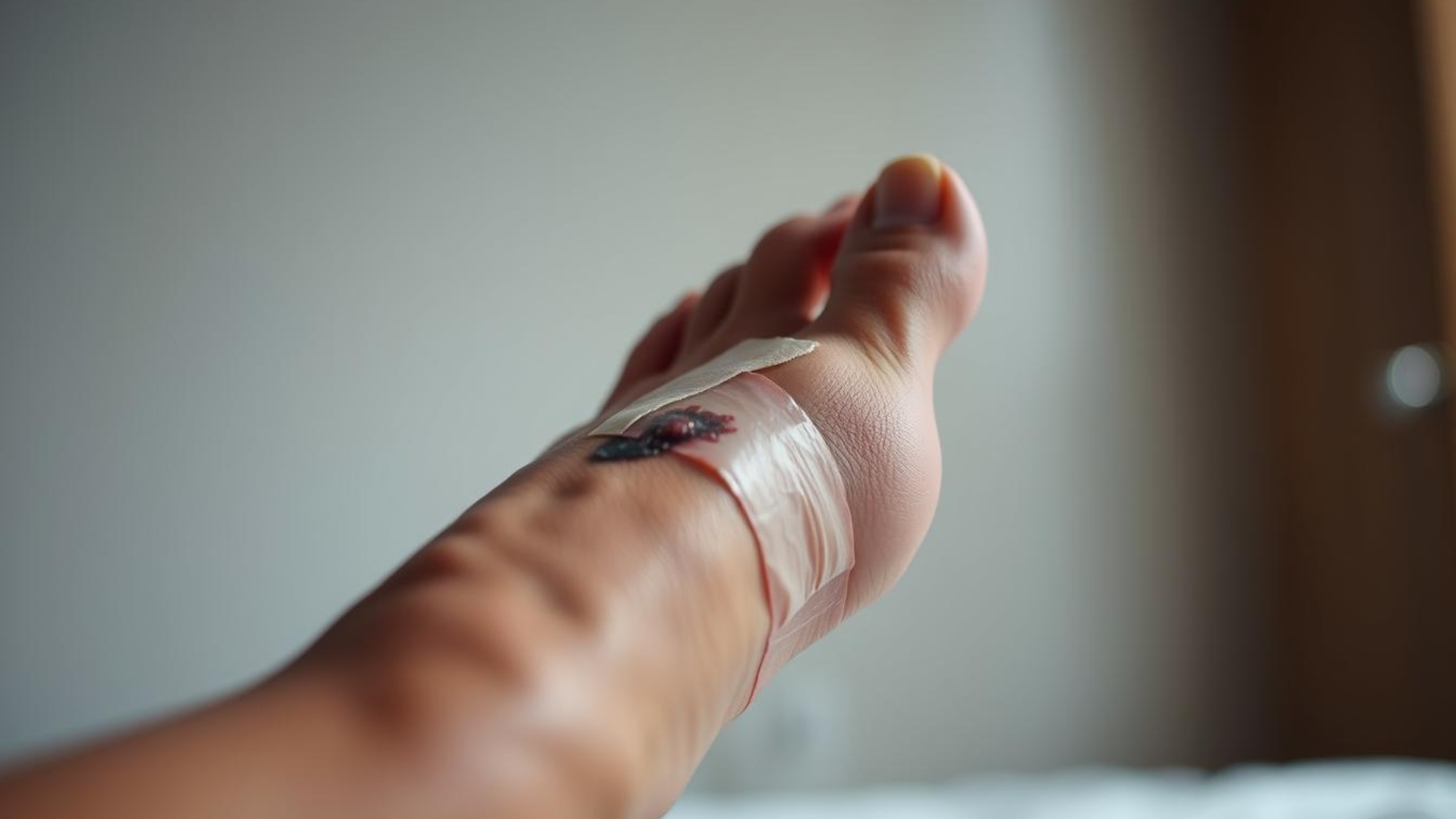
You face a real risk when diabetes leads to foot wounds. In the United States, about 160,000 people with diabetes undergo amputation each year, and 80% of non‑traumatic lower‑limb amputations link to diabetes complications. That stark rate makes early action and reliable care vital.
Bringing expert wound care into your home can change outcomes. At‑home tools like topical wound oxygen (TWO2) have shown large benefits, lowering the chance of amputation and cutting wound recurrence versus standard care.
When you combine daily routines, protective footwear, and timely clinical support, you protect your limb and lower complications. Dominion Mobile Wound Care closes gaps in access, so you start the right steps sooner and follow a clear plan with your clinician.
You deserve practical guidance and quick escalation when warning signs appear. Hire Dominion Mobile Wound Care to help heal your wounds.
Key Takeaways
- Diabetes raises your risk for amputation; early home care can shift outcomes.
- At‑home technologies and support reduce complications and recurrence.
- Access to prompt, high‑quality care influences survival and limb outcomes.
- Daily wound routines, offloading, and infection checks are essential.
- Combine home care with a coordinated clinical team for best results.
- Dominion Mobile Wound Care brings skilled clinicians to your home.
Why Diabetic Foot Wounds and Peripheral Artery Disease Raise Your Risk
When arteries clog, a small sore on your foot can become a life‑changing problem. Peripheral artery disease (PAD) narrows arteries with plaque and cuts blood flow to your legs and feet. That reduced flow delays healing and raises the chance of serious complications, including amputation.

Amputations are rising: what the data means for your limb health
An estimated 10–12 million U.S. adults have PAD. Many people are asymptomatic until harms appear. Older adults who lose a limb to PAD face a high one‑year death rate. These facts show how fast a minor ulcer can escalate.
How PAD reduces blood flow to your legs and feet
Artery disease from atherosclerosis narrows vessels and cuts oxygen to tissue. In diabetes, microvascular changes add harm. Poor blood flow makes even small wounds hard to heal and increases infection risk.
Unequal impact: communities at higher risk and why access matters
Black adults face higher PAD rates and a far larger rate of major limb loss. Social factors — housing, education, and limited access to care — drive this gap. Early testing (like ankle‑brachial index) and vascular referral can change outcomes.
- View foot wounds through PAD: restricted flow delays healing and raises amputation risk.
- Act fast: silent PAD means screening and quick evaluation matter for amputation prevention.
- Close gaps: bringing expertise to the home improves access and reduces complications in high‑risk communities.
If you notice calf pain with walking, color change, or a nonhealing sore, ask about PAD testing and vascular care.
Hire Dominion Mobile Wound Care to help heal your wounds.
Prevent Amputation at Home: Daily Steps You Can Take Today
A few reliable routines at home help keep wounds from becoming emergencies. Use simple checks and actions each day to lower your risk and support healing.
Inspect your feet and legs every day: what to look for and when to act
Check both feet and each leg daily, including between toes and heels. Look for new blisters, cracks, calluses, redness, swelling, or drainage.
Act the same day if you see pus, increased pain, or color changes. Early action improves amputation prevention and treatment outcomes.
Cleanse, protect, and offload: wound hygiene, dressings, and pressure relief
Clean wounds gently, use moisture‑balancing dressings, and remove pressure with cushioned shoes, inserts, or offloading devices.
Choose shoes that fit well, avoid walking barefoot, and replace worn insoles to cut pressure and skin breakdown.
Boost blood flow: quit smoking, move more, and position wisely
Give up smoking to improve circulation. Avoid long periods with knees bent and elevate legs briefly to reduce swelling when advised.
Manage numbers that matter: blood glucose, blood pressure, and cholesterol
Track your blood glucose and blood pressure readings and share them with your clinician. Controlling lipids and high blood values supports healing and lowers risk factors.
Exercise therapy you can do at home to improve walking and circulation
Follow supervised or home‑based programs: interval walking on flat ground, gentle cycling, or chair exercises three to five times weekly. These therapy programs improve walking and quality of life and are often covered by Medicare.
When to call your care team fast: signs of infection and tissue loss
Contact your care team urgently for increasing pain, warmth, spreading redness, foul odor, fever, or dark discoloration. Rapid escalation prevents worse outcomes.
- Daily steps: inspect, clean, protect, and offload.
- Manage: glucose, blood pressure, and cholesterol consistently.
- Use programs: follow exercise therapy and clinician guidance.
Use checklists and routine supplies to stay on track. Hire Dominion Mobile Wound Care to help heal your wounds.
Build a Limb-Saving Care Plan: Teamwork, Therapy, and Access
A coordinated care plan gives you the best chance to keep your limb and heal faster. Your plan should combine specialists, targeted treatments, and clear access to services so problems are caught early and treated promptly.
Your multispecialty team for amputation prevention
Assemble a team that includes a wound specialist, podiatrist, vascular clinician, diabetes clinician, and primary care. Add infectious disease input when infection is severe.
Medications that lower risk: antiplatelets, statins, and glucose control
Guideline‑directed treatment uses antiplatelet or anticoagulant strategies when appropriate, high‑intensity statins, and tight glucose and blood pressure control. Ask your clinician about low‑dose aspirin plus low‑dose rivaroxaban if bleeding risk is low.
Revascularization options to restore blood flow and heal wounds
When circulation is limited, revascularization procedures — endovascular or surgical — can restore flow, relieve pain, and help wounds close. Timely procedures often make the difference in saving a limb.
Advanced at-home tools: topical wound oxygen and smart monitoring
At‑home therapy such as topical wound oxygen has shown large reductions in amputation and recurrence when paired with high‑touch follow‑up. Remote monitoring and mobile programs improve access and speed escalation when tests or procedures are needed.
- Team: coordinated clinicians for faster decisions.
- Treatment & therapy: meds, blood control, and home therapy together.
- Revascularization & procedures: restore flow to enable healing.
With a collaborative plan, you get quicker care and clearer pathways to preserve mobility and protect your limbs.
Hire Dominion Mobile Wound Care to help heal your wounds.
Conclusion
Acting early with structured home care and specialist access gives you the best chance to keep your limb.
You can lower the risk of amputation and avoid many amputations by following simple daily steps, tracking blood and high blood measures, and calling your team at the first warning sign.
If you have diabetes or PAD, combine disciplined home routines with timely clinic visits and revascularization when needed to preserve mobility and protect your feet.
A coordinated plan links home tools, procedures, and health care so people and patients get the right care at the right time.
Dominion Mobile Wound Care brings expert clinicians and high‑touch support to your home to help prevent amputations. Hire Dominion Mobile Wound Care to help heal your wounds.
FAQ
How does at-home wound care help prevent limb loss in people with diabetes?
Regular at-home wound care reduces infection risk, helps wounds heal faster, and lets you spot problems early. You should clean and dress wounds as directed, inspect skin daily for redness, swelling, or drainage, and keep pressure off injured areas. Early action and communication with your care team lower the chance of complications that could require surgical removal of tissue or a limb.
Why do diabetic foot wounds and peripheral artery disease (PAD) increase your risk of losing a limb?
Diabetes and PAD both impair blood flow and nerve function in your legs and feet. Poor circulation slows healing and reduces the immune response, while nerve damage can make you unaware of injuries. Together these factors raise the chance that a small sore becomes an infected, nonhealing wound that threatens tissue viability.
What do rising amputation rates mean for your limb health?
Increasing rates signal gaps in prevention, access to care, and early treatment. For you, that means the importance of regular foot checks, quick treatment of wounds, and staying connected to vascular and wound specialists. Timely care can reverse trends and protect your limb.
How exactly does PAD reduce blood flow to your legs and feet?
PAD narrows or blocks arteries that deliver oxygen-rich blood to your lower limbs. This reduced flow causes pain with walking, slower wound healing, and higher risk of tissue breakdown. Improving circulation through lifestyle changes, medication, or revascularization is key to recovery.
Which communities face higher risk and why does access to care matter?
People with diabetes, older adults, and those in underserved or rural areas face higher risk due to delayed diagnosis, fewer specialists, and limited wound-care resources. Good access to vascular surgery, podiatry, and wound clinics improves outcomes and lowers the likelihood of major limb loss.
What should you look for when inspecting your feet and legs every day?
Check for cuts, blisters, redness, warmth, swelling, foul odor, or changes in skin color and temperature. Feel for loss of sensation and note any new pain or drainage. If you see signs of infection, tissue darkening, or rapidly worsening symptoms, contact your care team right away.
How do you cleanse, protect, and offload a foot wound at home?
Gently clean wounds with mild saline or as your clinician advises, apply prescribed dressings, and use offloading devices or cushioned footwear to remove pressure. Avoid home remedies that irritate tissue and follow wound-care instructions precisely to support healing.
What lifestyle steps can boost blood flow to your legs and feet?
Stop smoking, increase safe physical activity like walking or seated leg exercises, and avoid prolonged leg elevation that reduces arterial flow. Positioning your legs lower than your heart briefly can encourage circulation. Small, consistent changes improve blood supply over time.
Which health numbers should you manage to protect your limbs?
Keep blood glucose within target ranges, control blood pressure, and manage cholesterol. Good glycemic control reduces infection risk and promotes healing; antihypertensives and statins lower vascular disease progression. Work with your clinician to set personalized targets.
What at-home exercise therapy improves walking and circulation?
Supervised walking programs, shuttle walks, and home-based leg-strengthening and calf-raise routines improve collateral circulation and walking distance. Start slowly, progress regularly, and follow guidance from a physical therapist or vascular specialist to avoid injury.
When should you call your care team immediately about a foot wound?
Call right away for increasing pain, spreading redness, fever, foul drainage, tissue darkening, loss of feeling, or a wound that won’t bleed when pricked. Rapid changes suggest infection or tissue loss that needs urgent medical or surgical evaluation.
Who should be on your multispecialty limb-sparing team?
Your team may include a podiatrist, vascular surgeon, wound-care nurse, endocrinologist, infectious disease specialist, and physical therapist. Coordinated care ensures medical, surgical, and rehabilitation needs are met to heal wounds and preserve function.
Which medications lower the risk of serious limb complications?
Antiplatelet drugs (like aspirin), statins to control cholesterol, and medications to manage blood glucose reduce progression of arterial disease and support healing. Your clinician will tailor therapy based on your overall health and risk profile.
What revascularization options restore blood flow and help heal wounds?
Endovascular procedures (angioplasty and stenting) and open surgical bypass can reopen blocked arteries and improve perfusion. These interventions, combined with wound care, often enable healing and reduce the need for tissue removal.
What advanced at-home tools can help your wound heal?
Home-use technologies include topical oxygen devices, smart dressings, and remote monitoring platforms that track wound size and symptoms. These tools support clinician oversight and early intervention when healing stalls.
Add a Comment