San Antonio diabetic care

Living With Diabetes in San Antonio: Local Support for Foot Wounds

Managing diabetes is a big task, and foot health is key. In South Texas, Bexar County sees more diabetes cases than the state and nation.

The CDC says over 50% of non-traumatic lower-limb amputations could be stopped with regular foot checks and early care. With about 15% of adults in Bexar County having diabetes, local help is vital. Dominion Mobile Wound Care offers top-notch services to manage diabetes and treat wounds.

Key Takeaways

  • Regular foot exams can prevent severe complications from diabetes.
  • Bexar County has a higher diabetes diagnosis rate than state and national averages.
  • Dominion Mobile Wound Care provides expert diabetic foot care services.
  • Early care is key to avoiding lower-limb amputations.
  • Local support is essential for managing diabetes effectively.

The Rising Challenge of Diabetes in San Antonio

Diabetes is growing fast, putting a strain on San Antonio’s healthcare. Dr. Michael Sobolevsky, a podiatry doctor, calls South Texas the “diabetic foot capital of the world.” This shows how urgent it is to manage diabetes well in the area.

Current Statistics and Trends in Bexar County

Bexar County is seeing more diabetes cases, like the rest of the country. The high prevalence of diabetes here comes from lifestyle changes and genetics. This means more people need specialized care, like podiatry access, to handle diabetes problems.

How Diabetes Affects San Antonio’s Diverse Communities

Diabetes hits San Antonio’s diverse communities hard, with some groups facing more challenges. This is because of money issues and less access to healthcare. It’s clear we need healthcare that works for everyone.

Economic Impact on Local Healthcare System

Diabetes costs San Antonio’s healthcare a lot. It causes expensive problems like foot wounds. For more on managing these wounds, check out Dominion Mobile Wound Care’s resource. We need good management and prevention to lessen this cost.

Dominion Mobile Wound Care aims to help diabetic patients. They offer specialized care, making it easier for patients to get help. This improves health and lowers costs for everyone.

Understanding Diabetic Foot Complications

Living with diabetes means being careful about foot problems. These can come from nerve damage and poor blood flow. Issues range from small problems to serious ones like ulcers and infections.

Why Diabetics Are at Higher Risk for Foot Wounds

Diabetics face a higher risk of foot wounds. This is because of neuropathy, which reduces feeling in the legs. It makes it hard to notice wounds until they’re serious. Also, diabetes affects blood flow, which slows down healing of foot ulcers.

Common Types of Diabetic Foot Ulcers

There are several types of diabetic foot ulcers:

  • Neuropathic ulcers: Caused by nerve damage.
  • Ischemic ulcers: Resulting from poor blood circulation.
  • Neuroischemic ulcers: A combination of both nerve damage and poor circulation.

Warning Signs You Shouldn’t Ignore

Knowing the warning signs of diabetic foot problems is key. Look out for:

  • Numbness or tingling in the feet.
  • Cuts or wounds that are slow to heal.
  • Changes in skin color or temperature.
  • Swelling or pain in the feet.

When to Seek Immediate Medical Attention

If you see any of these signs, get medical help right away:

  • Increased redness or swelling around a wound.
  • Pus or discharge from a wound.
  • A foul odor from a wound.
  • A fever over 100.4°F (38°C).

If you’re showing these symptoms, call a mobile wound care service like Dominion Mobile Wound Care for help.

Warning Signs Action Required
Numbness, tingling, or pain Consult a healthcare provider
Cuts or wounds slow to heal Seek wound care specialist
Increased redness, swelling, or pus Immediate medical attention

For expert care and advice on diabetic foot issues, talk to Dominion Mobile Wound Care. They offer mobile wound care services in Texas.

San Antonio Diabetic Care: Available Resources

If you have diabetes in San Antonio, you’ll find many resources to help manage it. The city has facilities and services for diabetic patients. These include wound care and educational programs.

Hospital-Based Wound Care Centers in the Metro Area

San Antonio has several wound care centers for diabetic foot issues. The Limb Salvage Clinic at University Health’s Texas Diabetes Institute is a great example. It aims to stop amputations by giving patients with diabetes and vascular disease holistic care.

diabetes SA resources

Community Health Clinics Serving Diabetic Patients

Community health clinics also play a big role in San Antonio. They offer diabetes management and wound care. This makes healthcare more available to the community.

Support Groups and Education Programs Near You

Support groups and education programs are key for diabetes patients. They provide the knowledge and support needed to manage diabetes. San Antonio has many support groups and educational programs to help patients with diabetes.

Resource Description Location
Limb Salvage Clinic Holistic care for diabetes and vascular disease University Health’s Texas Diabetes Institute
Community Health Clinics Diabetes management and wound care Various locations across San Antonio
Support Groups Education and support for diabetic patients Multiple venues in San Antonio

For those needing specialized wound care, Dominion Mobile Wound Care is a great option. They offer in-home wound treatment for patients who have trouble moving. Using these resources can help you manage your diabetes and stay healthy.

Mobile Wound Care: A Game-Changer for Diabetic Patients

Mobile wound care is bringing hope to diabetic patients in San Antonio with foot wounds. This new healthcare approach makes it easier to get treatment at home. No need to travel to a clinic.

Dominion Mobile Wound Care’s Specialized Services

Dominion Mobile Wound Care is leading this change. They offer services made just for diabetic patients. Their team can give you top-notch care right in your home.

Advanced Treatment Protocols

They use cutting-edge therapies like debridement and infection control. These advanced techniques help wounds heal faster. They also lower the chance of serious problems.

Certified Wound Care Specialists

Dominion Mobile Wound Care has certified wound care specialists. They give each patient personalized care. You can count on their skilled team. For more info, visit their website.

Benefits of In-Home Wound Treatment for Mobility-Limited Patients

In-home wound treatment is a big help for those who can’t move around well. It saves you from long trips and waiting. It’s great for those with serious diabetic foot problems, giving them podiatry access they might not get elsewhere.

Recent Expansion of Mobile Services Throughout San Antonio

Dominion Mobile Wound Care has grown its services in San Antonio. This makes it easier for more people to get their care. It’s a big step in making healthcare better for diabetic patients in the area.

If you have diabetic foot wounds, think about contacting Dominion Mobile Wound Care. They can help you on your healing path.

Navigating Insurance and Payment Options in San Antonio

Understanding insurance is key for diabetic care in San Antonio, like wound treatment. Knowing your insurance options can help you get the right care for diabetic foot issues.

Medicare Coverage for Diabetic Wound Care

In San Antonio, many people rely on Medicare for health insurance. Luckily, Medicare covers many diabetic wound care services. This includes doctor visits, wound dressings, and some advanced treatments. It’s important to check your coverage details, as Medicare plans can change.

Texas Medicaid and Private Insurance Considerations

Texas Medicaid and private insurance also cover diabetic wound care. But, the amount of coverage can vary a lot. It’s a good idea to look at your insurance policy to know what’s covered and what you might have to pay for.

Local Financial Assistance Programs for Uninsured Patients

If you don’t have insurance, local programs can help. Places like Hill Country Wound Care & Hyperbarics accept many insurance plans, including Medicare. They also offer payment plans and help for those without insurance. Dominion Mobile Wound Care works with patients to find affordable care, so money doesn’t stop treatment.

If you’re having trouble with insurance and payment for diabetic wound care in San Antonio, contact Dominion Mobile Wound Care. They can guide you and help you get the care you need.

Preventative Measures for Diabetic Foot Health

San Antonio experts say preventing diabetic foot problems needs good habits, right shoes, and regular doctor visits. These steps can lower the chance of foot ulcers and other diabetes-related issues.

Daily Foot Care Routine Recommended by San Antonio Specialists

For people with diabetes, a daily foot care routine is key. Wash your feet every day and dry them well, paying extra attention to the spaces between your toes. Check your feet for injuries or infections. Use a mirror to check the soles of your feet if bending is hard. Moisturize your feet, but not between the toes, to avoid dry skin.

Proper Footwear Selection and Local Retailers

Finding the right shoes is critical to avoid foot problems. Choose shoes that fit well and offer support. Never go barefoot, even at home, to avoid injuries. San Antonio has many stores that sell shoes good for people with diabetes. Look for shoes with a wide toe box, soft insoles, and strong arch support.

diabetic foot care

Schedule for Regular Medical Check-ups

Regular doctor visits are key for foot health. The American Diabetes Association suggests a yearly foot exam for those with diabetes. If you’ve had foot ulcers or other issues, your doctor might want to see you more often.

Seasonal Considerations for Texas Climate

The Texas weather changes a lot, with hot summers and cool winters. Be careful of hot surfaces in summer that can burn your feet. In winter, keep your feet warm and dry to prevent dry skin and cracks. Changing your foot care routine with the seasons can help keep your feet healthy all year.

By taking these steps and working with healthcare providers like Dominion Mobile Wound Care, you can keep your feet healthy. If you have diabetic foot wounds, Dominion Mobile Wound Care can offer expert care and advice.

Innovative Treatments Now Available in San Antonio

New wound care solutions are changing lives in San Antonio. Thanks to medical tech progress, many treatments are now available that weren’t before.

Advanced Wound Dressing Technologies at Dominion Mobile Wound Care

Dominion Mobile Wound Care leads in advanced wound care. They use dressings that keep wounds moist and fight bacteria. Their mobile nurse Texas team brings these solutions to patients’ homes, making sure everyone gets quality care.

Local Access to Hyperbaric Oxygen Therapy

Hyperbaric Oxygen Therapy (HBOT) is now in San Antonio. It helps treat diabetic foot ulcers by increasing oxygen to wounds. Places like Hill Country Wound Care & Hyperbarics offer this therapy, helping diabetic patients heal better.

Bioengineered Skin Substitutes and Cutting-Edge Treatments

Bioengineered skin substitutes are a big step forward in wound care. They help wounds heal faster by supporting new tissue growth. San Antonio’s medical field is using these technologies to give patients the best care.

Clinical Trials and Research Opportunities

San Antonio is a key place for diabetic wound care research. Patients can join studies on new treatments and technologies. This helps improve podiatry access and care, giving patients access to innovative treatments.

If you’re dealing with diabetic foot wounds, contact Dominion Mobile Wound Care. They offer caring and thorough care to help you heal and get back to health.

Building Your Diabetic Care Team in San Antonio

Managing diabetes well needs a good care team. With the right team, you can handle your diabetes better and live a better life in San Antonio.

Essential Healthcare Providers in Your Neighborhood

In San Antonio, you can find many healthcare experts for diabetic care. These include podiatrists, endocrinologists, and wound care specialists. Dominion Mobile Wound Care offers mobile wound care services right at your home.

Coordinating Care Between Specialists

It’s important to coordinate care with your healthcare providers. This means talking often with your primary doctor, specialists, and caregivers. Use a health journal or mobile apps to track your care plan and share updates with your team.

Specialist Role in Diabetes Care Frequency of Visits
Podiatrist Foot care and wound management Every 3-6 months
Endocrinologist Diabetes management and medication adjustment Every 6-12 months
Wound Care Specialist Wound treatment and healing As needed

How Dominion Mobile Wound Care Integrates with Your Existing Medical Team

Dominion Mobile Wound Care works well with your current healthcare providers. Their mobile nurses in Texas are skilled in diabetic wound care. They can work with your specialists to create a single care plan for you.

Telehealth Options for Continuous Monitoring

Telehealth options are also available for ongoing monitoring. This lets your care team adjust your treatment plan as needed. This ensures you get the best care possible.

If you’re having trouble with diabetic wound care, think about contacting Dominion Mobile Wound Care. They can tell you more about their services and how they can help your care team.

Conclusion: Taking Control of Your Diabetic Foot Health

Managing diabetic foot health is key for San Antonio’s diabetes patients. Knowing the risks and using local resources like diabetes SA and podiatry help prevent serious problems. This proactive approach is vital.

Dominion Mobile Wound Care offers specialized care, including mobile nurse services in Texas. They bring expert care right to your home. Regular foot checks and early treatment can greatly lower the risk of serious foot issues.

Choosing Dominion Mobile Wound Care is a big step towards healing and managing diabetes. Their team is dedicated to personalized care and support. They help you understand and manage diabetic foot health. Contact them today to learn how they can help you achieve better foot health.

FAQ

What are the risks of diabetic foot complications in San Antonio?

Diabetic foot problems are a big worry for people with diabetes. Knowing the signs and taking steps to prevent them is key. This can help avoid serious issues.

How can I access podiatry services in San Antonio?

Getting to podiatry services early is important for treating diabetic foot issues. You can find these services at hospital wound care centers, community clinics, or mobile services like Dominion Mobile Wound Care.

What are the benefits of mobile wound care for diabetic patients?

Mobile wound care, like Dominion Mobile Wound Care, offers convenience and specialized care for diabetic foot ulcers. It’s great for those who can’t easily get to traditional care.

How do I navigate insurance and payment options for diabetic wound care in San Antonio?

It’s important to know about Medicare, Texas Medicaid, and private insurance for diabetic care. If you’re uninsured, look into local financial help. Dominion Mobile Wound Care helps find affordable care.

What preventative measures can I take to maintain good foot health with diabetes?

San Antonio experts suggest a daily foot care routine, choosing the right shoes, and regular doctor visits. Knowing how the Texas weather affects your feet is also important.

What innovative treatments are available for diabetic foot care in San Antonio?

At Dominion Mobile Wound Care, you can get advanced wound care. There’s also hyperbaric oxygen therapy and new treatments like bioengineered skin substitutes. These help improve care for diabetic patients.

How can I build a diabetic care team in San Antonio?

To build a care team, find key healthcare providers in your area. Work with specialists and include services like Dominion Mobile Wound Care in your team.

What resources are available for diabetic care in San Antonio?

San Antonio offers many resources for diabetic care. You can find wound care centers, clinics, support groups, and education programs. Dominion Mobile Wound Care is a key resource for specialized care.
Home wound treatment

Can You Treat Wounds at Home? When to Call a Professional

When you get hurt, it’s important to know how to take care of the wound. Some small cuts and scrapes can be handled with basic first aid at home. But, others might need more help.

It’s key to know the difference between a wound you can treat yourself and one that needs a doctor. If not treated right, wounds can get infected, heal slowly, and even cause serious problems.

So, when should you see a doctor? It depends on the wound’s size, how deep it is, and your health. In this article, we’ll help you figure out if you can treat your wound at home or if you need a doctor. If you need expert care, think about contacting professionals like Dominion Mobile Wound Care for help.

Key Takeaways

  • Not all wounds can be treated at home; some require professional care.
  • The size, depth, and your health status are critical in deciding the course of treatment.
  • Proper wound care is essential to prevent infections and promote healing.
  • Neglecting wound care can lead to serious complications.
  • Professional wound care services are available for complex or severe wounds.

The Current State of Home Wound Treatment

Healthcare shortages are leading to more people taking care of wounds at home. This change is thanks to better consumer wound care products and a focus on personal health.

Recent Advances in Consumer Wound Care Products

Today, there are many wound care products for home use. These include advanced dressings and topical treatments. They are more effective and easier to use, helping people take charge of their wound care.

Growing Trend of Self-Care During Healthcare Shortages

Healthcare systems are under strain, leading to more self-care at home. This includes treating wounds, which can prevent serious issues and aid in healing.

Statistics on Home-Treated Injuries in the US

Type of Injury Percentage Treated at Home Common Treatments
Cuts and Lacerations 75% Bandages, Antiseptic Wipes
Abrasions 80% Antibiotic Ointment, Gauze
Minor Burns 90% Cool Water, Burn Cream

These numbers show how common it is for people to treat injuries at home. They also stress the need for knowing how to care for wounds properly.

Understanding Different Types of Wounds and Their Severity

Knowing the types of wounds and their severity is key to good wound care. Each wound type has its own healing process and treatment.

Cuts and Lacerations: Assessment Guide

Cuts and lacerations are common wounds. Their severity depends on depth, length, and location. Deep or jagged cuts need medical help, mainly if they’re in sensitive areas.

For small cuts, clean with mild soap and water. Use antibiotic ointment and cover with a bandage.

Puncture Wounds: Hidden Dangers

Puncture wounds seem harmless but can be risky. Their small size hides the risk of internal damage or infection. Check the wound’s depth and for any foreign objects.

If the puncture was caused by a dirty or rusty object, watch for tetanus signs. Look for redness, swelling, or more pain.

Abrasions and Burns: Proper Classification

Abrasions and burns need special care. Abrasions should be cleaned gently and kept moist. Burns are classified by how deep they are.

Burn treatment changes with the degree. First-degree burns can be treated with cool water and creams. But second and third-degree burns need medical help.

Essential First Aid Supplies for Modern Home Care

In today’s homes, being ready for accidents is key. You need the latest first aid supplies and wound care products. A well-stocked first aid kit can stop small injuries from getting worse.

Updated First Aid Kit Recommendations for 2023

A modern first aid kit should have many bandages, antiseptic wipes, and pain relievers. It’s smart to add digital tools for checking wounds.

New Wound Care Products Worth Investing In

New wound care products like hydrocolloid dressings and antimicrobial foams are out. They help wounds heal faster and lower infection risks.

Product Benefit
Hydrocolloid Dressings Promotes moist environment for faster healing
Antimicrobial Foams Reduces risk of infection
Digital Wound Assessors Monitors healing progress and detects complications early

Digital Tools for Wound Assessment and Monitoring

Digital tools are vital in wound care. They give precise assessments and track healing. These tools spot issues early, preventing bigger problems.

Step-by-Step Guide to Effective Home Wound Treatment

Proper wound care at home is simple but important. By following these steps, your wound will heal fast and well. This reduces the chance of complications.

Evidence-Based Cleaning Protocols

Cleaning your wound is the first step. Use clean water or saline solution to gently rinse it. Don’t use harsh soap or cleansers that can irritate the skin. Pat it dry with a clean towel.

wound cleaning

Selecting and Applying Appropriate Dressings

After cleaning, apply a dressing to protect the wound. Pick a dressing that is breathable and non-stick. For small cuts, a simple bandage works. But deeper wounds might need a special dressing.

Documentation and Monitoring Best Practices

Track your wound’s healing by documenting its size, color, and any changes. Watch for signs of infection like redness, swelling, or more pain. Regular checks help spot issues early.

By following these steps, you can manage your wound care at home well. This promotes a quick recovery.

Common Mistakes That Delay Healing

Treating wounds at home can be effective, but some mistakes can slow healing. Knowing these errors is key for good wound care.

Outdated Practices That Slow Healing

Many people use old methods for wound care, like harsh soap or alcohol on the wound. These can remove the wound’s natural protection, causing more irritation and slowing healing. Instead, gentle cleaning with saline solution is advised.

Harmful Folk Remedies to Avoid

Some folk remedies, though meant to help, can actually harm. For instance, putting butter or greasy stuff on burns can trap heat and hurt more. Also, using unsterile or untested herbal remedies can bring infection or bad reactions.

When “Natural” Treatments Can Cause Harm

Even “natural” treatments can be harmful if not used right. Some natural products can be allergenic or mix badly with other treatments. Always check the safety and effects of any treatment, natural or not, before using it on a wound.

Wound Red Flags: When to Seek Immediate Medical Attention

Some wounds need quick medical help. While many can be treated at home, certain signs mean you should see a doctor.

Dangerous Bleeding Scenarios

Severe bleeding that won’t stop after 10-15 minutes of pressure is a big warning. Arterial bleeding, with its bright red color and fast flow, is very dangerous. You need to get help right away.

Infection Warning Signs That Shouldn’t Be Ignored

Infection can slow healing and cause serious problems. Look out for signs like increased redness, swelling, warmth, or pus around the wound. Fever is also a sign of infection.

Infection Sign Description
Increased Redness Redness that spreads beyond the wound edges
Swelling Swelling that worsens over time
Pus or Discharge Presence of yellow or green discharge

Special Concerns for Children and Elderly Patients

Children and the elderly face higher risks from wounds. Even small wounds in kids can be serious if not treated right. Older adults may have health issues that make healing harder.

Understanding Home Care Limits for Different Populations

Some groups, like diabetic patients and those with weakened immune systems, need special care for wounds at home. It’s important to know these differences to manage wounds well.

Diabetic Patients: Special Considerations

Diabetics face special challenges in healing wounds because of nerve damage and poor blood flow. Keeping an eye on blood sugar levels and proper wound care are key. Also, watch for signs of infection, as they are more prone to serious problems.

Immunocompromised Individuals: Heightened Risks

People with weak immune systems, like those on chemotherapy or with HIV/AIDS, are at higher risk for wound issues. They must stick to strict wound care and see a doctor at the first sign of infection. Preventive steps are vital for this group.

Elderly Care: When Simple Wounds Become Complex

The elderly often have health problems that make wound healing harder, like poor blood flow, diabetes, or memory issues. Caregivers need to watch wounds closely and get help when needed. For more on wound care at home, check out Dominion Mobile Wound Care.

Important things to remember for these groups include:

  • Regularly check how the wound is healing
  • Follow the treatment plan given by a doctor
  • Look out for early signs of trouble
  • Get medical help when it’s needed

Medical Escalation: The Process of Seeking Professional Help

Knowing how to handle medical escalation is key to healing right. If your wound care needs are too much for home, finding professional help is essential.

Emergency Room vs. Urgent Care vs. Mobile Services

Not all wounds are the same, and picking the right place is important. For serious issues, the emergency room is the best. Urgent care is good for less severe but urgent needs. Mobile wound care services come to you, perfect for those who can’t leave or have complex needs.

Service Description Best For
Emergency Room 24/7 care for life-threatening conditions Severe injuries, heavy bleeding
Urgent Care Prompt care for non-life-threatening conditions Minor injuries, infections
Mobile Services Professional care at your location Complex needs, mobility issues

What to Communicate to Healthcare Providers

When you need professional help, tell them everything about your wound. Share its cause, size, depth, and any treatments you’ve tried. Also, talk about your medical history and any medicines you’re on.

Preparing for a Professional Assessment

Before your visit, collect any important documents like medical records and insurance info. Be ready to ask about your care plan and what to expect during the assessment.

medical escalation process

The Emergence of Mobile Wound Care as a Healthcare Solution

Mobile wound care is changing how we treat wounds, bringing care right to patients’ doors. This change is because people want healthcare that’s easy to get and use.

Post-Pandemic Shift to Home-Based Medical Services

The COVID-19 pandemic made home-based medical services, like mobile wound care, more popular. It’s because hospitals got too full and people wanted to avoid getting sick. So, mobile wound care is now a key part of healthcare today.

  • Reduced hospital visits
  • Increased patient comfort
  • Personalized care

Technology Enabling Advanced Care Outside Hospitals

New technology has helped make mobile wound care possible. Digital tools and telehealth let doctors check and treat wounds from afar. This means patients get the care they need quickly and do better.

Patient Outcomes and Satisfaction Reports

Research shows mobile wound care makes patients happier and healthier. Getting care at home means less stress and quicker healing for them.

As healthcare keeps changing, mobile wound care will likely grow. It will help more people get the quality care they need without hassle.

How Dominion Mobile Wound Care is Transforming Patient Treatment

Dominion Mobile Wound Care is changing how we treat wounds. They bring advanced care right to patients. This helps those with hard-to-heal wounds.

Innovative Approaches to Wound Management

Dominion uses the latest in wound care. They make personalized care plans for each patient. This makes healing faster and more effective.

Specialized Expertise for Complex Cases

The Dominion team is full of highly trained professionals. They know how to handle tough wounds. This is beyond what regular doctors can do.

Coordination with Primary Care Providers

Dominion works well with primary care doctors. This ensures patients get the best care all the time. It leads to better health outcomes.

Dominion Mobile Wound Care is leading the way in patient care. They use new methods, specialized knowledge, and teamwork. This is changing treatment for the better.

Insurance Coverage and Accessibility Updates for Wound Care

Recent changes in insurance policies have made a big difference in wound care access. It’s important for patients to know what their coverage includes for effective wound care.

Changes in Medicare and Medicaid Policies

Medicare and Medicaid have made new rules for wound care coverage. These updates aim to make treatments more accessible while keeping costs down. For example, expanded coverage for home-based wound care lets patients get treatment at home.

Private Insurance Trends for Home-Based Care

Private insurers are also changing their policies to cover more home-based wound care. This move shows a shift towards patient-centered care. Treatments are now more focused on what each patient needs and wants.

Navigating Coverage Challenges: Patient Resources

Even with these updates, patients might find it hard to understand their insurance. But, there are many resources available. Patient advocacy groups and online tools can help patients understand their benefits and fight denied claims.

Conclusion: Partnering for Optimal Wound Healing Outcomes

Effective wound healing needs a mix of home care and professional help. Knowing your home care limits and spotting wound red flags is key. This helps decide when to get medical escalation. Working together, you can make sure your wound gets the right care for the best wound healing.

Many things, like health issues and wound type, affect healing. Knowing these and acting early can prevent problems. This way, you can get the best results.

If wound care is tough or you’re not sure what to do, talk to Dominion Mobile Wound Care. Their skilled team offers personalized advice and care. They help you understand wound healing and aim for the best results.

FAQ

What are the signs that a wound is not healing properly?

Signs include increased redness, swelling, or pain. Also, look for pus, a foul odor, or no healing after weeks. If you see these, get medical help fast.

Can I treat all types of wounds at home?

No, not all wounds can be treated at home. Deep cuts, puncture wounds, or bleeding wounds need immediate medical help. Wounds in people with diabetes also need professional care.

What are the essential supplies for a home first aid kit?

Your kit should have updated wound care items like antimicrobial dressings and gauze pads. Don’t forget medical tape. Also, include digital tools for monitoring wounds.

How often should I clean and dress a wound?

Cleaning and dressing frequency varies by wound type and severity. Clean with mild soap and water, and use a sterile bandage. Change the dressing daily or when it gets wet or dirty.

What are some common mistakes that can delay wound healing?

Mistakes include using outdated practices like butter or oil on burns. Avoid harsh chemicals and “natural” treatments without medical advice. Honey or sugar can harm without proper guidance.

When should I seek immediate medical attention for a wound?

Seek immediate help for dangerous bleeding, infection signs, or a weakened immune system. Also, for deep, large, or bleeding wounds, get medical help right away.

How do I know if I need emergency room, urgent care, or mobile wound care services?

Go to the emergency room for severe bleeding. For non-life-threatening injuries, urgent care or mobile wound care might be better. Mobile services offer advanced care at home.

Will my insurance cover mobile wound care services?

Insurance coverage for mobile wound care varies. Medicare and Medicaid have expanded coverage, and some private insurers are following. Check with your provider to see if you’re covered.

What are the benefits of using Dominion Mobile Wound Care?

Dominion Mobile Wound Care offers innovative wound management and specialized expertise. They provide care at home, improving outcomes and patient satisfaction.

Wound care for mobility issues

Safe Wound Care at Home for Patients With Limited Mobility

Providing at-home wound care is key for those with limited mobility. It helps bridge the gap between healing and comfort. Getting care at home means you get personalized attention that aids in healing and stops infections.

Patients with limited mobility often struggle with getting the right wound care. That’s why expert care at home is so important. It lets you heal in a place you feel comfortable, lowering the chance of complications.

Choosing Dominion Mobile Wound Care means you get top-notch care for your wounds. Our team is committed to giving you the support you need to heal well.

Key Takeaways

  • At-home wound care provides personalized attention for patients with limited mobility.
  • Receiving care at home promotes healing and prevents infections.
  • Expert care is essential for patients with limited mobility.
  • Dominion Mobile Wound Care offers complete wound care services.
  • Hiring a professional wound care team can improve healing outcomes.

Do you or a loved one need wound care? Hire Dominion Mobile Wound Care to help heal your wounds.

The Rising Challenge of Home-Based Wound Management

Healthcare is moving more into homes, making wound care a big challenge. Many patients have trouble moving, making it hard to get wound care at home.

Recent Statistics on Mobility-Limited Patients in the US

There’s a big increase in patients with mobility issues in the US. About 1 in 4 adults have disabilities that affect their movement. This makes wound care at home even harder.

The Pandemic’s Impact on Home Wound Care Needs

The COVID-19 pandemic has made home wound care even more urgent. Hospitals and clinics are too busy, so patients are getting care at home. This shows how important telehealth adaptations for wound assessment are.

Telehealth Adaptations for Wound Assessment

Telehealth is key in wound care, letting doctors check wounds from afar. It’s been vital during the pandemic. Doctors can now guide on wound cleaning, dressing, and watching for problems through video calls.

If wound care at home is tough, think about getting help from Dominion Mobile Wound Care. They have a team ready to support and guide you in managing wounds effectively.

Understanding Wound Care for Mobility Issues

Dealing with mobility issues makes wound care very challenging. It’s important to understand how immobility affects wound healing.

Why Immobility Creates Unique Healing Challenges

Immobility can cause prolonged pressure on the body, leading to tissue damage and wounds. Prolonged pressure restricts blood flow, which is vital for healing. It also makes it hard to keep wounds clean, adding to the healing problem.

Common Wound Types Among Mobility-Restricted Patients

People with mobility issues often get specific wounds. These include pressure injuries and diabetic wounds. Knowing about these wounds is key to good care.

Pressure Injuries vs. Diabetic Wounds

Pressure injuries happen from too much pressure on the skin. Diabetic wounds come from nerve damage and poor blood flow.

If wound care is tough for you, think about getting help from Dominion Mobile Wound Care. Their team offers personalized care to help your wounds heal.

Setting Up Your Home Wound Care Station

Creating a home wound care station is key for patients with limited mobility. It helps in managing wounds safely and effectively. Proper preparation is essential for wound healing.

Essential Supplies for Different Wound Types

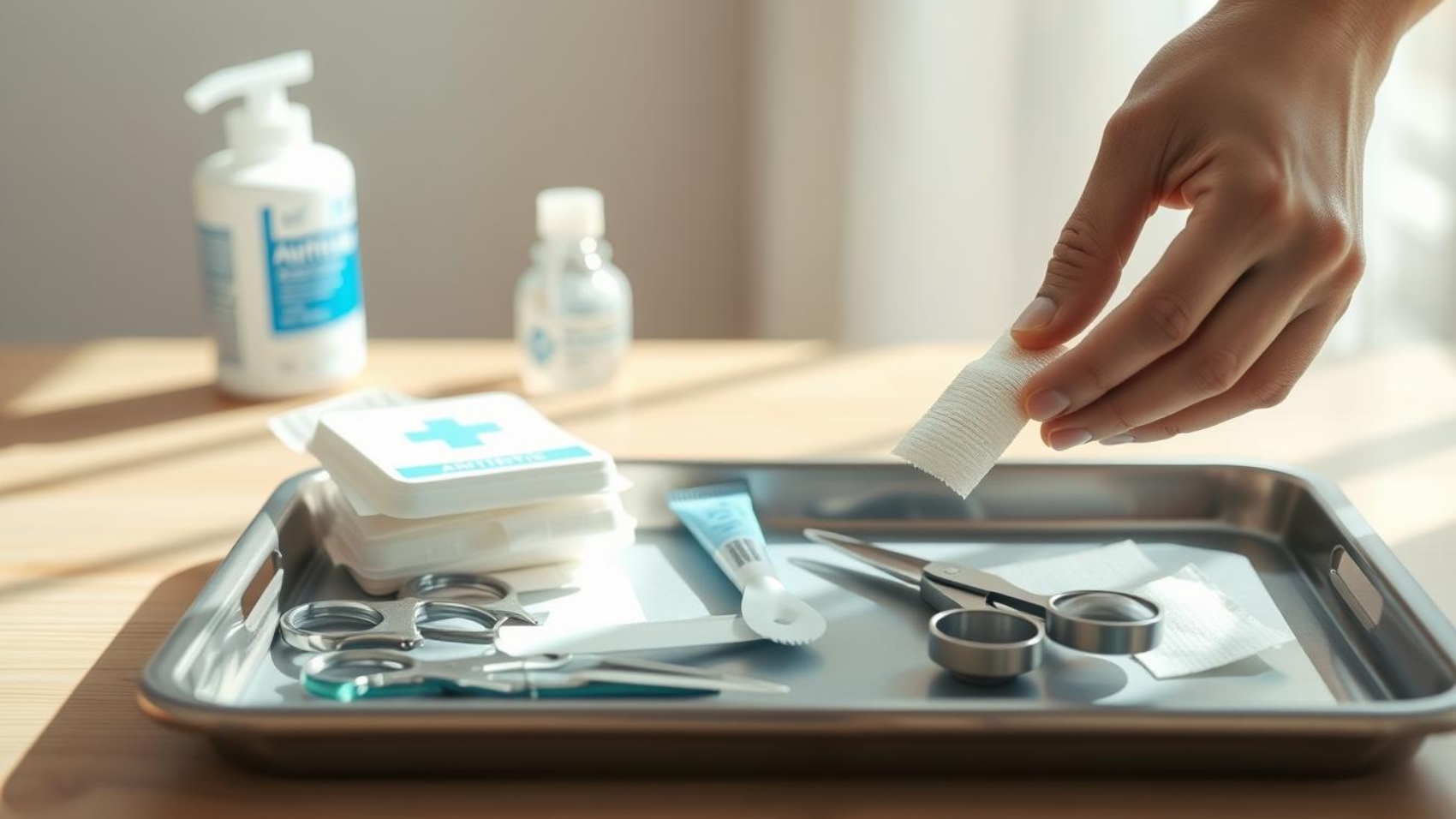
Having the right supplies is vital. For different wound types, you’ll need specific materials. For example, for diabetic foot ulcers, you’ll need sterile gauze, antiseptic wipes, and a wound dressing.

Creating a Sterile Environment in Home Settings

Maintaining a sterile environment is critical. Clean the area thoroughly before starting wound care. Ensure all supplies are within easy reach.

Storage Solutions for Wound Care Supplies

Organize your supplies in a clean, dry area. Use storage containers or bins to keep supplies labeled and easily accessible.

By setting up a well-organized home wound care station, you can ensure effective wound management. For professional assistance, consider hiring Dominion Mobile Wound Care to help heal your wounds.

Expert Wound Cleaning Techniques You Can Master

Learning how to clean wounds well can really help patients who can’t move much. It’s key for healing and stopping infections. As a caregiver, knowing these methods can greatly improve patient care.

Step-by-Step Cleaning Protocols for Caregivers

To clean a wound right, follow these steps:

  • Gather all needed supplies, like gloves, cleaning solution, and gauze.
  • Clean the wound with a saline solution or a wound cleanser a doctor suggests.
  • Gently pat the area around the wound with clean gauze.
  • Put on a new dressing as a doctor tells you to.

For more detailed guidance on caregiver support, visit Dominion Mobile Wound Care’s caregiver resources.

Choosing Appropriate Cleaning Solutions

Picking the right cleaning solution is key for good wound care. Saline solution is often best because it’s gentle. For tougher wounds, a wound cleanser might be needed. Always check with a doctor to find the best solution for the wound.

wound cleaning techniques

Wound cleaning methods might need to change based on where the wound is. For example, wounds on the feet or in skin folds need extra care to avoid moisture and infection. Adjust your cleaning technique to meet the wound’s specific needs.

Wound Location Special Considerations Cleaning Tips
Feet Moisture buildup between toes Dry thoroughly between toes
Skin folds Risk of irritation and infection Clean gently, dry thoroughly
Lower legs Poor circulation Elevate leg while cleaning

If you’re caring for someone who can’t move much, learning these cleaning techniques can really help their healing. For professional wound care and advice, think about hiring Dominion Mobile Wound Care to help heal their wounds.

Advanced Dressing Application Methods for Difficult Areas

Dressing wounds in hard-to-reach spots needs a special touch for healing. The right way to apply dressings is key for recovery and avoiding problems.

Selecting the Right Dressing for Mobility-Related Wounds

Picking the right dressing is the first step in wound care. For wounds from moving, choose breathable, absorbent, and soft dressings. Dominion Mobile Wound Care experts suggest dressings with silicone adhesive to avoid skin irritation.

Techniques for Secure Application on Moving Patients

Keeping the dressing in place is critical for active or immobile patients. Use extra securement or adjust the dressing for movement. Training caregivers in these methods is essential.

New Dressing Technologies for Extended Wear

New dressing tech supports longer wear, great for patients with mobility issues. These dressings keep the wound moist for healing and reduce frequent changes.

Learning advanced dressing techniques can greatly help wound healing for patients with mobility issues. For expert help, think about hiring Dominion Mobile Wound Care to aid in healing.

Preventing Wheelchair Wounds and Pressure Injuries

Wheelchair users are at high risk for pressure injuries if they don’t take preventive steps. These injuries, also known as pressure ulcers or bed sores, can be very painful and hard to heal.

Identifying High-Risk Pressure Points

People who use wheelchairs for long periods are at risk for pressure injuries. These often happen on the buttocks, lower back, and heels. Checking these areas regularly can help spot and prevent problems early on.

Latest Cushioning and Support Technologies

New technologies in cushioning and support have made a big difference in preventing pressure injuries. Some of the latest options include:

Technology Description Benefits
Memory Foam Cushions These conform to the user’s shape, distributing pressure evenly. Reduces pressure on sensitive areas
Gel Cushions Gel-filled cushions provide excellent support and pressure redistribution. Enhances comfort and reduces risk of injury
Alternating Pressure Systems These systems periodically shift pressure points to prevent continuous pressure. Effective for long-term prevention

Implementing Regular Skin Inspection Routines

Regular skin checks are key to catching pressure injuries early. Caregivers should look for signs like redness, swelling, or discoloration during daily care.

Using these preventive steps and the latest cushioning technologies can greatly lower the risk of wheelchair wounds. For expert wound care and personalized advice, consider Dominion Mobile Wound Care to help heal your wounds.

Repositioning Strategies That Protect Healing Tissues

For those stuck in bed or a wheelchair, moving them safely is key. As a caregiver, you’re important in keeping tissues safe and helping them heal.

Safe Turning Schedules for Bedridden Patients

It’s vital to turn bedridden patients regularly to avoid sores. Turning them every 2-3 hours helps a lot. Also, use pillows or wedges to support them in their new spots.

Using Mechanical Lifts and Assistive Devices

Mechanical lifts and devices help move patients who can’t move much. They make it easier for caregivers and lower the chance of injury to both.

Microshifting Techniques for Continuous Pressure Relief

Microshifting means making small changes to a patient’s position to ease pressure. It’s great for those who can’t move much. Even small moves can help prevent sores.

Having trouble with wound care at home? Think about getting professional help. Dominion Mobile Wound Care brings expert care right to your door. Their help ensures your loved one gets the best care.

Nutrition Breakthroughs for Enhanced Wound Healing

Proper nutrition is key for wound healing, more so for those with limited mobility. A balanced diet can greatly improve recovery, lowering the chance of complications and boosting overall health.

Research-Backed Nutrients That Speed Recovery

Certain nutrients help wounds heal faster. These include:

  • Protein: Essential for tissue repair and regeneration.
  • Vitamin C: Important for collagen synthesis and immune function.
  • Zinc: Plays a critical role in wound healing and immune response.
  • Omega-3 fatty acids: Helps reduce inflammation and promote healing.

Practical Meal Planning for Wound Healing Support

To aid in wound healing, eat a balanced diet full of these nutrients. Here are some tips:

  • Add lean proteins like chicken, fish, and beans to your meals.
  • Eat more fruits and vegetables, focusing on those high in vitamin C.
  • Include zinc-rich foods like nuts, seeds, and whole grains in your diet.

Addressing Nutritional Challenges in Older Adults

Older adults may face unique nutritional challenges that can affect wound healing. Ensuring they get enough nutrients is vital, and may need:

  • Consulting with a healthcare provider or nutritionist for a personalized meal plan.
  • Using nutritional supplements if advised by a healthcare professional.

If wound care or nutrition is a struggle, consider Dominion Mobile Wound Care. Their expert team offers personalized guidance and support to aid in your recovery.

nutrition for wound healing

Warning Signs That Require Immediate Professional Attention

It’s important to know the warning signs of wound complications. As a caregiver, watching for changes in the wound or the patient’s health is key. This can stop serious problems before they start.

Visual Indicators of Wound Complications

Look out for visual signs that might mean the wound is getting worse. These include:

  • Increased redness or swelling around the wound
  • Pus or discharge with a bad smell
  • A wound that’s not healing or is getting worse
  • New or increased pain at the wound site

Systemic Symptoms That Signal Serious Problems

Some symptoms aren’t just at the wound site. They can show serious problems in the body. Watch for:

  • Fever or chills, which can mean infection
  • Confusion or disorientation, which could be sepsis
  • A general feeling of being unwell or increased fatigue

Documentation Practices for Medical Consultations

When you need to see a doctor, having good notes is very helpful. Keep a record of:

Category Details to Document
Wound Description Size, depth, color, and any special features
Treatment History Previous treatments, like dressings and meds
Symptoms Any changes or new symptoms you see

If you see any of these signs or symptoms, get help right away. For top-notch wound care, think about hiring Dominion Mobile Wound Care. They can help heal your wounds well.

Innovative Caregiver Support Systems for Wound Management

Caregivers are key in wound care. New support systems can greatly improve patient results. Managing wounds, like those in wheelchair users, needs a full plan. This includes training and support for caregivers.

Digital Training Resources for Home Care Techniques

Digital tools offer many training options for caregivers. You can find video tutorials, webinars, and online courses on wound care. These help caregivers learn the newest ways to manage wounds.

Community Support Networks for Caregivers

Community support groups are great for caregivers. They let caregivers share stories, get advice, and find emotional support. These groups help fight off feelings of loneliness and burnout.

Self-Care Strategies to Prevent Burnout

Self-care is vital for caregivers to avoid burnout. They should take breaks, use stress-reduction methods, and look for respite care when needed.

Support System Description Benefits
Digital Training Online resources for learning wound care techniques Updated knowledge, improved care
Community Networks Platforms for sharing experiences and advice Emotional support, reduced isolation
Self-Care Strategies for maintaining caregiver well-being Prevents burnout, improves quality of care

If you’re caring for someone with wounds, get help from experts. Dominion Mobile Wound Care offers special wound care services. They can help manage your loved one’s wounds. Hire Dominion Mobile Wound Care to aid in healing.

How Dominion Mobile Wound Care Is Revolutionizing Home Treatment

Dominion Mobile Wound Care is changing how we treat wounds at home. They offer a new way to manage wounds, making it easier for those who can’t easily leave their homes.

Specialized Equipment Brought Directly to Your Home

Dominion Mobile Wound Care brings specialized equipment right to your doorstep. This means you get the care you need without having to travel. They have advanced tools for cleaning wounds and the latest dressing materials.

Customized Care Plans for Mobility-Limited Patients

Dominion Mobile Wound Care knows everyone’s needs are different. They create customized care plans just for you. These plans include repositioning tips to help prevent more harm and aid in healing.

Integration with Primary Care Providers

Dominion Mobile Wound Care works with your primary care team. This ensures their care fits perfectly into your overall health plan. It’s all about giving you the best care possible.

Having trouble with wound care at home? Dominion Mobile Wound Care can help. Their team and personalized care can greatly improve your healing process.

Conclusion: Taking Control of Your Wound Healing Journey

Effective wound care needs a full plan. This includes cleaning wounds, eating right, and getting help from caregivers. By knowing how to handle immobility, you can lead your healing journey.

For those who can’t move much, caring for wounds at home is key. Setting up a wound care station at home is a good start. Learning how to clean wounds well and avoiding wheelchair sores helps too.

Dominion Mobile Wound Care is ready to help you. They bring special equipment and care plans right to your door. This ensures you get top-notch care, focusing on healing and support.

Start your healing journey today. Contact Dominion Mobile Wound Care to find out how they can help you.

FAQ

What are the most common wound types among mobility-restricted patients?

Patients with limited mobility often get pressure ulcers, diabetic foot ulcers, and venous leg ulcers. These wounds are hard to heal because of their mobility issues and health problems.

How often should I reposition a patient with limited mobility to prevent wheelchair wounds?

Patients with limited mobility should be repositioned every 15-30 minutes. This helps avoid pressure injuries by spreading out the pressure and improving blood flow.

What are the essential supplies needed for wound care at home?

You’ll need sterile gauze, wound cleansers, dressings, and bandages for wound care at home. The right supplies depend on the wound’s type and severity.

How can I create a sterile environment for wound care at home?

Clean the area around the wound with soap and water. Use sterile equipment and supplies. A clean surface or sterile drape is also helpful for wound care.

What are the benefits of using advanced dressing technologies for wound care?

Advanced dressings offer extended wear and a moist environment, aiding healing. They’re great for mobility-related wounds, like wheelchair wounds.

How can caregiver support systems help with wound management?

Caregiver support systems provide training and community networks. They help caregivers manage wounds well, preventing burnout and ensuring quality care.

What are the warning signs that require immediate professional attention for wound complications?

Look out for increased redness, swelling, or pain around the wound. Signs of infection, like pus or a foul smell, are also warning signs. Fever or chills indicate serious issues.

How can nutrition impact wound healing, and what nutrients are most beneficial?

A balanced diet with protein, vitamins, and minerals is key for wound healing. Nutrients like vitamin C, zinc, and arginine can speed up recovery and repair tissues.

What are the benefits of using Dominion Mobile Wound Care for home treatment?

Dominion Mobile Wound Care brings specialized care to patients’ homes. It offers customized care plans for those with mobility issues. This service helps heal wounds, prevent complications, and improve life quality.

Chronic ulcer care

Chronic Ulcers: Why They Happen and How We Treat Them at Home

Dealing with skin breakdown is tough and painful. Chronic ulcers are open sores that don’t heal fast. They cause a lot of discomfort and can really affect your life.

Dominion Mobile Wound Care brings top-notch wound care right to your home. This makes it easy and effective for people with these long-lasting wounds.

You don’t have to let chronic ulcers control your life. With the right treatment and care, you can heal and get your health back.

Key Takeaways

  • Understanding the causes of chronic ulcers is key to treating them.
  • Dominion Mobile Wound Care offers a convenient at-home solution.
  • Advanced wound care techniques can greatly speed up healing.
  • Proper care can lessen discomfort and improve your life quality.
  • Getting professional help is a big step in managing chronic ulcers.

Understanding Chronic Ulcers

Dealing with a wound that won’t heal can be tough. Chronic ulcers are wounds that take a long time to heal. They can last for weeks, months, or even years. This can cause a lot of pain, known as ulcer pain, and affect your overall health.

What Defines a Chronic Ulcer

A chronic ulcer doesn’t heal quickly. It’s often because of health issues or things that slow healing. These ulcers can happen for many reasons, like poor blood flow, diabetes, or too much pressure on an area. Knowing why your ulcer is chronic is key to finding the right treatment, including long-term wound support.

The Impact on Quality of Life

Chronic ulcers can really change your life. They cause physical pain and emotional stress. The ongoing pain and trouble with these wounds can make you feel frustrated and alone. It’s important to tackle both the physical and emotional sides of living with a chronic ulcer to better your life.

Common Types of Chronic Ulcers

Chronic ulcers come in different forms, each with its own set of challenges. The main types are venous, arterial, and diabetic ulcers. Each needs a special care plan. Knowing the differences is key for good chronic ulcer care.

Venous Ulcers

Venous ulcers happen because of bad blood flow from the legs to the heart. They show up as swelling, redness, and a heavy feeling in the legs. To treat them, you need good wound care and compression therapy.

Arterial Ulcers

Arterial ulcers are caused by not enough blood getting to the area. They hurt a lot and usually show up on the ankle’s outer side or toes. To fix them, you need to improve blood flow, either through surgery or medicine.

Diabetic Ulcers

Diabetic ulcers are a diabetes problem, caused by nerve damage and bad blood flow. They often pop up on the feet and can get infected if not treated right. To manage them, you need to keep blood sugar in check, take care of the wound, and prevent them from coming back.

Knowing what kind of chronic ulcer you have is the first step to treating it. If you’re facing any of these issues, talk to experts like Dominion Mobile Wound Care for tailored care.

The Root Causes of Persistent Wounds

Persistent wounds can stem from several root causes. Addressing these can greatly improve healing. You might be feeling ulcer pain due to underlying issues that need attention.

Circulatory Issues

Circulatory problems are a big reason for chronic ulcers. Poor blood flow means less oxygen and nutrients to the wound. This slows healing. Conditions like varicose veins and peripheral artery disease can cause venous or arterial ulcers.

Metabolic Disorders

Metabolic disorders, like diabetes, are key in chronic ulcer formation. High blood sugar damages nerves and blood vessels. This impairs circulation and sensation, leading to diabetic ulcers, often on the feet.

ulcer pain management

Pressure and Immobility

Long-term pressure, often from immobility, can cause ulcers. This is common in those who are bedridden or use wheelchairs. Moving regularly and using proper cushions can help prevent this, supporting long-term wound support.

Understanding these causes is the first step to managing and healing chronic ulcers.

Risk Factors You Should Know

It’s important to know the risk factors for chronic ulcers to prevent and manage them well. Being aware of these factors helps you take steps to lower your risk.

Age-Related Concerns

As you get older, your skin heals slower. This makes you more likely to get skin breakdown and chronic ulcers. People over 60 face a higher risk because of less mobility, poor circulation, and other health problems.

Medical Conditions That Increase Risk

Some medical conditions raise your risk of chronic ulcers. These include diabetes, vascular diseases, and conditions that affect how you move or feel, like spinal cord injuries. It’s key to manage these conditions well to avoid ulcers.

Lifestyle Factors

Your lifestyle choices also impact your risk of chronic ulcers. Smoking, bad nutrition, and not being active enough can increase your risk. Eating well, staying hydrated, and being active can help lower these risks.

Risk Factor Description Preventive Measures
Age Increased risk over 60 years Regular check-ups, mobility exercises
Medical Conditions Diabetes, vascular diseases Effective condition management
Lifestyle Choices Smoking, poor nutrition Healthy diet, quitting smoking

At Dominion Mobile Wound Care, we know how vital awareness and preventive care are. By understanding the risk factors and taking action, you can greatly reduce your chance of getting chronic ulcers.

Recognizing the Warning Signs of Skin Breakdown

Knowing the signs of skin breakdown is key to managing your wound healing. Spotting changes in your skin early can help prevent serious issues.

Early Indicators

Look out for redness, swelling, and warmth in the affected area. You might feel pain or discomfort when pressure is applied. Catching these signs early is important.

When to Seek Immediate Medical Attention

Seek medical help if you see increased redness, pus, or a foul odor from the wound. Also, if you have a fever or chills, it could mean an infection. These are signs you need to act fast.

Quick action can stop problems and help your wound heal better.

Chronic Ulcer Care: Best Practices and Approaches

To heal chronic ulcers, a holistic care plan is key. It includes medical treatments, wound dressing, and lifestyle changes. These strategies work together to help heal and manage symptoms.

Medical Interventions

Medical treatments are vital for chronic ulcer care. They include debridement, removing dead tissue, and using negative pressure wound therapy or bioengineered skin substitutes. These help create a healing environment.

Medical Intervention Description Benefits
Debridement Removal of dead tissue Promotes healing, reduces infection risk
Negative Pressure Wound Therapy Application of negative pressure to enhance wound healing Enhances blood flow, reduces bacterial load

Wound Dressing Techniques

Choosing the right wound dressing is important. It protects the ulcer from injury and infection. Moisture-retentive and antimicrobial dressings are good options, based on the ulcer’s type and healing stage.

Lifestyle Modifications

Lifestyle changes are essential for healing. Eating a diet rich in proteins and vitamins, staying hydrated, and avoiding smoking are important. Regular, gentle exercise also helps.

By following these best practices, you can improve your chronic ulcer healing. For personalized care, contact professionals like Dominion Mobile Wound Care. They offer expert advice and support at home.

Home-Based Treatment Solutions

Managing chronic ulcers at home needs a detailed plan. This includes making a healing-friendly environment. Dominion Mobile Wound Care offers expert advice on treating ulcers at home.

Creating an Optimal Healing Environment

To heal ulcers well, keep the area clean and dry. This means changing dressings often and using the right materials. Also, moisturizing the skin around the ulcer helps prevent further damage.

Tips for an Optimal Healing Environment:

  • Keep the wound area clean and dry
  • Use appropriate dressing materials
  • Maintain a moisturized surrounding skin area

Proper Wound Cleaning Protocols

Cleaning the wound right is key to avoiding infections and helping it heal. Use saline solution or water for gentle cleaning. Stay away from harsh soaps that can irritate the skin.

Nutrition for Wound Healing

Good nutrition is vital for wound healing. Eat a balanced diet full of vitamins and minerals. Focus on Vitamin C, zinc, and protein, which are important for healing.

Nutrient Role in Wound Healing Food Sources
Vitamin C Boosts collagen production and immune function Citrus fruits, berries, leafy greens
Zinc Supports immune function and tissue repair Red meat, poultry, beans, nuts
Protein Essential for tissue repair and regeneration Lean meats, fish, eggs, dairy products

By following these tips and creating a supportive environment, you can help your ulcers heal at home.

Managing Ulcer Pain Effectively

To improve your quality of life, managing ulcer pain is key. Living with chronic ulcers can be tough, thanks to the pain. Effective pain management is a big part of chronic ulcer care.

Medication Options

You have many ways to manage ulcer pain. Topical analgesics can be applied directly to the wound to numb it. For more severe pain, oral medications like pain relievers might be needed. Always follow your healthcare provider’s advice on medication.

For more info on managing wound pain, check out this resource.

Non-Pharmaceutical Approaches

There are also non-medication ways to manage ulcer pain. Techniques like elevation, compression therapy, and proper wound dressing can help. A healthy lifestyle, including a balanced diet and regular exercise, can also reduce pain.

When Pain Signals Complications

Increased or severe pain can mean complications. If pain gets worse or changes suddenly, get medical help right away. Signs of complications like infection or delayed healing include changes in pain levels.

Keep an eye on your pain and tell your healthcare provider about any changes. This is very important.

Benefits of Receiving Wound Care at Home

Getting wound care at home has many benefits for those with chronic ulcers. It lets you heal in a place you know well, making the process easier and more personal.

Comfort and Convenience Factors

Home wound care is all about comfort and ease. You don’t have to worry about going to a hospital, which is great for those who find it hard to move. Care is provided in a familiar setting, making you feel more at ease.

Reduced Infection Risk

Home care also lowers the risk of getting an infection. Hospitals and clinics can be places where bacteria spread easily. By staying home, you avoid these risks. Proper wound cleaning and dressing techniques are key to keeping things clean and safe.

Benefits Description
Comfort Receive care in the comfort of your own home
Reduced Infection Risk Minimize exposure to hospital-acquired infections
Personalized Care Tailored care to meet your specific needs

Personalized Care Environment

A personalized care environment is key for healing wounds. At home, your care team can make a plan just for you. This includes long-term wound support and managing skin breakdown. Such a plan can lead to better healing and a better life.

wound care at home

If you have a chronic ulcer, think about getting wound care at home. With Dominion Mobile Wound Care, you can get top-notch care right in your home.

The Dominion Mobile Wound Care Difference

Dominion Mobile Wound Care is changing how we treat chronic ulcers. They bring expert care right to your home. Their focus on quality and patient care is making a big difference in managing chronic ulcers.

Our Specialized Home Care Services

Dominion Mobile Wound Care offers specialized home care services just for you. Our team works with you and your doctor to create a care plan. This ensures you get the best treatment in your own home.

Our skilled nurses visit regularly. They provide wound care, check on your healing, and adjust your treatment as needed.

Advanced Treatment Technologies

At Dominion Mobile Wound Care, we use advanced treatment technologies to help wounds heal. Our modern equipment and therapies tackle even tough wounds.

Patient Success Stories

Our patients’ success stories show how well our approach works. We’ve helped many people with chronic ulcers heal and improve their lives.

We offer long-term wound support and guidance. This helps our patients manage their healing journey. They achieve great results and feel better overall.

Conclusion: Taking Control of Your Wound Healing Journey

Understanding and managing chronic ulcers is key to a better life. Recognizing skin breakdown signs and managing pain are the first steps to healing.

Controlling your wound healing journey means getting the right care and making lifestyle changes. With proper treatment and support, you can beat the challenges of chronic ulcers.

Dominion Mobile Wound Care offers home care services, advanced treatments, and personalized care. Their team can help you recover in your own home.

Don’t let chronic ulcers stop you. Start healing and improving your well-being with Dominion Mobile Wound Care. Their dedicated team is here to help you on your journey to health and happiness.

FAQ

What are chronic ulcers, and how do they differ from acute wounds?

Chronic ulcers are open sores that don’t heal quickly. They cause a lot of discomfort and affect your life quality. Unlike acute wounds, chronic ulcers last a long time and need special care.

What are the common types of chronic ulcers, and how are they treated?

Common chronic ulcers include venous, arterial, and diabetic ulcers. Treatment varies but may include medicine, wound dressings, and lifestyle changes.

What are the risk factors for developing chronic ulcers?

Risk factors include age, medical conditions like circulatory issues, and lifestyle factors. Knowing these risks helps prevent ulcers.

How can I recognize the warning signs of skin breakdown?

Look for skin color, temperature, or texture changes, and pain. If you notice these signs, get medical help right away.

What are the best practices for managing chronic ulcers at home?

Effective care includes creating a healing environment, proper cleaning, and nutrition. These steps help your ulcer heal.

How can I manage ulcer pain effectively?

Pain management may involve medicine, non-medical methods, or both. Always consult a healthcare professional for the best plan.

What are the benefits of receiving wound care at home?

Home care is comfortable and convenient. It also reduces infection risk and provides personalized care.

How can Dominion Mobile Wound Care support my wound healing journey?

Dominion Mobile Wound Care offers home care services, advanced treatments, and personalized care. They tailor their services to your needs.

What can I expect from Dominion Mobile Wound Care’s services?

Expect expert care and a focus on your well-being. They aim to help you heal and improve your life.

How can I take control of my wound healing journey?

Seek professional help, follow wound care best practices, and work with a trusted provider like Dominion Mobile Wound Care. These steps help you heal and improve your life.

Amputation wound care

Protecting Stump Wounds After Amputation

After amputation surgery, taking care of the stump is key for healing well. At Dominion Mobile Wound Care, we focus on post-op care for those with stump wounds.

Following a care plan is important for your recovery. This plan has different stages, like pre-closure and definitive closure of the residual limb. The Amputee Coalition suggests these steps.

By taking care of your stump wound, you can help it heal better. This also lowers the chance of problems like infection and tissue death.

Key Takeaways

  • Proper stump care is essential for optimal healing.
  • A complete care plan includes several stages.
  • Protecting the stump wound lowers the risk of complications.
  • Dominion Mobile Wound Care offers expert post-op care.
  • Sticking to a care plan improves your recovery.

The Rising Importance of Specialized Amputation Wound Care

Specialized amputation wound care is becoming more important for healing after surgery. As more people live with limb loss or difference, good wound care is key. It helps improve their health in the long run.

Current Statistics on Amputations in the United States

In the United States, many amputations happen every year. They are often due to diseases like peripheral artery disease, or injuries. Millions of people now live with limb loss, showing the need for better wound care.

Types of Amputations and Their Unique Healing Challenges

There are different amputations, like those from peripheral artery disease. Patients with diabetes, for example, heal slower. This means they need special care plans to help them heal.

Why Proper Wound Care Is Critical for Long-Term Outcomes

Good wound care is vital for infection prevention and post-op healing. Using special wound care methods can help patients avoid complications. This leads to better health in the long run. For more on treating chronic wounds, check out Dominion Mobile Wound Care.

At Dominion Mobile Wound Care, we know how complex amputation wound care can be. We’re dedicated to giving you the care you need to recover well.

Post-Operative Healing: The Critical First Week After Surgery

Your recovery journey begins in the first week after surgery. This time is key for healing and getting your stump ready for a prosthetic.

Immediate Post-Surgical Wound Management

Wound care is vital in the first week. Your surgical team will change dressings to keep the area clean. This helps prevent infections and aids in healing the soft tissue.

Managing Pain, Swelling, and Drainage

It’s important to manage pain, swelling, and drainage. Your healthcare team will help with pain and watch for swelling and drainage. They make sure everything is normal.

Warning Signs That Require Immediate Medical Attention

Know the warning signs that mean you need to see a doctor right away. Look out for more redness, swelling, or discharge. Catching these early can help avoid problems and aid your recovery.

At Dominion Mobile Wound Care, we’re here to help you recover. Our team is ready to provide top-notch wound care for the best results. If you need professional wound care, contact us for support.

Essential Amputation Wound Care Techniques for Home Recovery

Learning how to care for amputation wounds at home is key. It can greatly improve your healing and recovery. Good wound care stops infection and helps you heal faster.

amputation wound care techniques

Step-by-Step Wound Cleaning Protocols

Cleaning your wound is a big part of healing. First, wash your hands well with soap and water. Then, remove the dressing and clean the wound with saline solution. Use a clean gauze to dry the area gently.

Selecting the Right Dressings for Different Healing Stages

Choosing the right dressing is important for healing. Different stages need different dressings. For example, compression dressings help with swelling and fit for prosthetic fitting.

There are rigid and soft compression dressings. Rigid ones offer strong support, great for right after surgery. Soft ones are more flexible and comfy.

Establishing a Daily Care Routine for Optimal Healing

Having a daily care routine is essential for healing well. This includes cleaning the wound, changing dressings, and watching for infection signs. A consistent routine helps create a healthy healing space. For more help, talk to experts like those at Dominion Mobile Wound Care.

Preventing Infection: The #1 Priority in Stump Care

Keeping the stump free from infection is the most important thing after an amputation. It’s key for a quick recovery and to avoid more problems. Good stump care means managing the wound right, spotting infection signs early, and using the newest ways to prevent infection.

Recognizing Early Signs of Wound Infection

Spotting infection early is very important. Look for signs like more redness, swelling, warmth, and discharge around the wound. If you see these, get medical help fast. For tips on spotting infection at home, check out this article.

Latest Approaches to Infection Prevention

New ways in wound care help prevent infection better. Advanced dressings that stop bacteria and promote healing are used. Also, careful wound care, like cleaning and changing dressings, is key to avoiding infection.

When to Start Preventative Antibiotics

Starting antibiotics should be talked about with your doctor. Sometimes, they’re given to prevent infection, if the risk is high. Knowing when to use antibiotics helps prevent infection and speeds up recovery.

By focusing on preventing infection and using a full approach to stump care, you can greatly improve your recovery. For expert care and advice, consider contacting Dominion Mobile Wound Care. They offer specialized support during your recovery.

Managing Complications During the Healing Process

After an amputation, the healing process can be tough. You might face complications that need careful handling. Knowing about these issues and how to tackle them is key to a smooth recovery.

Addressing Phantom Limb Pain and Sensations

Phantom limb pain is common after amputation. It affects many people. To deal with it, try desensitization techniques like tapping or massaging the remaining limb. Your doctor might also prescribe medication.

Experts at Dominion Mobile Wound Care can help manage phantom limb pain. They’ll work with you to create a care plan.

Dealing with Skin Irritation and Breakdown

Skin problems can be avoided with the right wound care. Using the correct dressings for each healing stage is important. Your healthcare team will guide you on the best practices for your case.

Strategies for Managing Delayed Healing

Delayed healing can be improved with better nutrition and wound care. Eating enough protein, vitamin C, and zinc is essential. Dominion Mobile Wound Care can help you create a care plan to overcome any healing hurdles.

Complication Management Strategies
Phantom Limb Pain Desensitization techniques, medication
Skin Irritation/Breakdown Proper wound care, appropriate dressings
Delayed Healing Nutritional optimization, enhanced wound care

Preparing Your Healing Stump for Prosthetic Fitting

Getting your stump ready for a prosthetic is a big step in your recovery. It involves several important steps. These steps help make sure your stump is ready for a prosthetic, improving your comfort and movement.

Stump Shaping Techniques and Compression Therapy

Stump shaping and compression therapy are key in getting your residual limb ready. Compression reduces swelling, shapes the stump, and aids in healing. You can use compression bandages or shrinkers, as advised by your healthcare provider.

Prosthetic fitting wounds

Preventing and Treating Prosthetic Fitting Wounds

It’s important to prevent wounds from prosthetic fitting. Make sure your prosthetic fits well and watch for signs of irritation or pressure sores. If you get a wound, treat it right away with the right care. Always talk to your healthcare provider for advice.

Wound Care Tips Description Benefits
Monitor Stump Regularly check for signs of irritation or pressure sores Early detection of possible problems
Proper Prosthetic Fit Ensure prosthetic is fitted correctly Less risk of wounds and discomfort
Prompt Treatment Treat wounds immediately with proper care Heals faster and lowers risk of complications

Timeline: When Your Stump Will Be Ready for Prosthesis

The time it takes to be ready for a prosthesis varies. It depends on how fast you heal and the type of amputation. Usually, it takes weeks to months. Your healthcare provider will check your progress and tell you when it’s time for prosthetic fitting.

At Dominion Mobile Wound Care, we support you through every recovery step, including stump preparation. Our team offers expert wound care and advice for a smooth transition to prosthetic use. Contact us today to see how we can help you regain mobility and independence.

Breakthrough Technologies in Amputation Wound Care

New medical technologies are changing amputation wound care. They offer hope to those recovering from surgery. These advanced treatments help with healing and prevent infections.

Negative Pressure Wound Therapy for Stubborn Wounds

Negative Pressure Wound Therapy (NPWT) is a key tool for tough wounds. It uses a vacuum to help wounds heal. This method draws out fluid, reduces swelling, and promotes tissue growth.

Advanced Dressing Materials That Speed Healing

New dressing materials are being made to help wounds heal faster. These materials keep wounds moist, help new tissue grow, and manage fluid well. Using these materials can lead to quicker and better wound healing.

Emerging Treatments Showing Promise in Clinical Trials

New treatments are being tested in clinical trials. These include bioengineered skin substitutes and growth factor therapies. They aim to improve wound healing and shorten recovery times. Dominion Mobile Wound Care is leading in these advancements to offer top care.

How Mobile Wound Care Is Transforming Amputation Recovery

Mobile wound care is changing how amputation patients recover. It brings specialized care right to their homes. This makes patients more comfortable and can lead to better healing.

The Advantages of Specialized In-Home Wound Care

Specialized care at home has many benefits for amputation patients. These include:

  • Enhanced Comfort: Getting care at home means less travel and waiting. It makes recovery less stressful.
  • Personalized Care: Care plans can be made just for each patient’s needs.
  • Improved Outcomes: Quick and right care can help wounds heal better and lower the chance of problems.

Dominion Mobile Wound Care’s Approach to Amputation Patients

Dominion Mobile Wound Care takes a detailed and coordinated approach to care for amputation patients. This includes:

  • Expert Professionals: Our team has skilled wound care specialists ready to handle amputation care challenges.
  • Tailored Care Plans: We create care plans that fit each patient’s needs for the best healing and recovery.

Coordinating Mobile Services with Your Surgical Team

Working well with your surgical team is key for smooth care. Dominion Mobile Wound Care works closely with surgeons and other healthcare providers to:

  • Ensure Continuity of Care: We share information and coordinate care plans for consistent and complete care.
  • Enhance Recovery Outcomes: Working together helps spot and fix problems early, improving recovery results.

If you’re recovering from an amputation, think about mobile wound care with Dominion Mobile Wound Care. Our team is committed to giving you top-notch care at home. Contact us today to learn more about our services and how we can support your recovery journey.

Conclusion: Your Path to Successful Recovery and Adaptation

Recovering well after an amputation takes more than one step. It includes good wound care, rehab, and fitting prosthetics. Knowing these steps helps you feel more confident on your recovery path.

Keeping infections away is key to healing. Use the right wound care and get help when you need it. This way, you can avoid problems and heal smoothly.

At Dominion Mobile Wound Care, we’re here to support you. Our team offers personalized care and advice. If you need top-notch wound care, consider hiring us. We’re here to help you heal and move forward.

FAQ

What are the most common complications after amputation surgery?

Common issues include infection, tissue death, phantom limb pain, and skin irritation. Proper care can help avoid these problems.

How do I clean and dress my stump wound at home?

Clean your stump wound with saline solution. Then, apply treatments as directed. Use dressings that fit your healing stage. For help, talk to Dominion Mobile Wound Care.

What are the signs of wound infection, and what should I do if I notice them?

Look out for redness, swelling, discharge, or a bad smell. If you see these signs, call your doctor right away. Dominion Mobile Wound Care can help manage infections.

How can I manage phantom limb pain and sensations?

To handle phantom limb pain, try desensitization, medicine, and other therapies. Talk to your doctor to create a plan that works for you.

What is the role of compression therapy in preparing my stump for prosthetic fitting?

Compression therapy reduces swelling and shapes your stump for prosthetics. Use compression dressings, hard or soft, tailored to your needs. Dominion Mobile Wound Care can guide you.

How long does it typically take for my stump to be ready for prosthetic fitting?

Getting your stump ready for prosthetics takes weeks to months, depending on healing. Your doctor will check when you’re ready. Dominion Mobile Wound Care supports you during this time.

What are the benefits of mobile wound care for amputation recovery?

Mobile wound care brings care to your home, making recovery easier. Dominion Mobile Wound Care works with your team for full support.

Are there any new technologies or treatments available for amputation wound care?

Yes, new options include negative pressure therapy and advanced dressings. Stay updated to get the best care. Dominion Mobile Wound Care keeps up with new treatments.

How can I prevent skin irritation and breakdown around my stump?

Prevent skin issues with good wound care and dressing. Use protective barriers if needed. Dominion Mobile Wound Care can offer expert advice.

What is the importance of nutrition in the healing process after amputation?

Good nutrition is key for healing, as it supports tissue repair. A good nutrition plan can help with recovery. Talk to your doctor or a nutritionist for advice.

Cellulitis wound care

How to Identify and Treat Cellulitis Around a Wound

If you have a wound, watch it closely for signs of infection. Look for redness, swelling, and increased pain. Cellulitis, a bacterial infection, can spread fast if not treated quickly.

Cellulitis happens when bacteria get into a skin break. This causes a serious skin infection that needs quick action. Dominion Mobile Wound Care is here to help. They offer top-notch cellulitis wound care to help your wound heal and avoid more problems.

Key Takeaways

  • Monitor wounds closely for signs of infection.
  • Cellulitis is a bacterial infection that can spread quickly.
  • Prompt treatment is key to avoid complications.
  • Dominion Mobile Wound Care offers expert treatment for cellulitis.
  • Early action can greatly improve your outcome.

Understanding Cellulitis: A Common but Serious Skin Infection

It’s important to know about cellulitis, a serious skin infection. It happens when bacteria like streptococcus and staphylococcus get into the skin through a wound. Dominion Mobile Wound Care offers expert help for this.

What Causes Cellulitis in Wounds

Cellulitis in wounds is mainly caused by bacteria. People with weak immune systems or skin issues like eczema are at higher risk. Proper wound care is key to avoiding infections.

Recent Statistics on Wound-Related Cellulitis Cases

Research shows wound-related cellulitis is a big problem, with many cases each year. Knowing these numbers helps us understand the risks and how to prevent them.

Why Prompt Recognition Matters

Quickly spotting cellulitis is vital for treatment. Waiting too long can lead to serious problems. Dominion Mobile Wound Care stresses the need for urgent care for red swollen wounds.

Key Signs and Symptoms of Cellulitis Around Wounds

If you have a wound, knowing the signs of cellulitis is key. Cellulitis is a bacterial skin infection that can happen around wounds. Spotting its signs early is important for treatment.

Visual Indicators: Redness, Swelling, and Skin Changes

One main sign of cellulitis is redness and swelling around the wound. The skin might feel warm to the touch and be tender. You could also see changes like dimpling or a peau d’orange texture.

Physical Symptoms: Pain, Warmth, and Tenderness

You might also feel pain or tenderness around the wound. The area could feel warm or hot to the touch. You might notice it’s more sensitive than usual.

These symptoms can be mild or severe. They are important signs of cellulitis.

Systemic Symptoms That Require Immediate Attention

In serious cases, cellulitis can cause systemic symptoms. These include fever, chills, or feeling unwell. If you have these symptoms, get medical help right away.

Seeking immediate medical care is vital for severe symptoms. Untreated cellulitis can cause serious problems like bacteremia or sepsis. These can be deadly.

How Cellulitis Differs from Other Wound Complications

It’s key to know if you have cellulitis or another wound issue. Cellulitis is a serious skin infection that needs quick treatment. Knowing how it differs from other problems is important for good care.

Cellulitis vs. Abscess

Cellulitis is different from an abscess, which is a pocket of pus. Both can make an area swell and turn red. But an abscess stays in one spot and might need to be drained. Cellulitis, though, spreads over a larger area of skin and tissue.

cellulitis wound care

Cellulitis vs. Normal Wound Inflammation

Normal wound inflammation is part of healing, with mild redness and swelling. But cellulitis is a serious infection that causes a lot of pain, warmth, and tenderness. If you’re not sure if your wound is inflamed or infected, see a doctor.

New Diagnostic Approaches in Clinical Settings

Dominion Mobile Wound Care uses new ways to find out if you have cellulitis. They know how to treat your specific problem. This helps avoid more problems and helps your wound heal better.

Risk Factors That Increase Your Chances of Developing Wound Cellulitis

Several risk factors can make you more likely to get cellulitis around a wound. It’s important to know these factors to spot and treat the condition early.

Pre-existing Health Conditions

Some health conditions can raise your risk of getting wound cellulitis. For example, people withdiabetesare more likely to get skin infections because their immune system is weaker. Other conditions likechronic venous insufficiencyorlymphedemacan also increase the risk by affecting how well skin and tissues work.

Wound-Related Risk Factors

The type and care of the wound are key in getting cellulitis.Poor wound care, like not cleaning it well or dressing it right, can cause infections. Wounds that aredeepor haveforeign bodiesin them are more likely to get infected.

Environmental and Behavioral Factors

Your surroundings and habits can also affect your risk. For instance,poor hygienepractices can lead to wound contamination and infection. Also, lifestyle choices likesmokingcan slow healing and raise the risk of problems.

Knowing these risk factors helps you take steps to lower your chance of getting wound cellulitis. Keeping good wound care and managing health conditions are key to reducing the risk.

When to Seek Medical Care for a Red Swollen Wound

A red swollen wound might be a sign of cellulitis, a bacterial skin infection. It’s important to get medical help right away if you see these signs.

Warning Signs That Indicate an Urgent Care Need

Watch out for these warning signs that mean you need to see a doctor fast. These include:

  • Increasing redness and swelling around the wound
  • Enhanced pain or tenderness
  • Pus or discharge from the wound
  • Fever or chills

If you notice any of these, it’s time to visit a healthcare professional. For more info on wound care and when to see a specialist, check out this resource.

Emergency Situations: When to Go to the Hospital

In serious cases, a red swollen wound can be very dangerous. Go to the hospital right away if you see:

  • Severe swelling or redness that spreads fast
  • High fever or sepsis
  • Difficulty moving the affected limb

The Cost of Delayed Treatment: Recent Case Studies

Waiting too long to treat a wound infection can cost a lot and make recovery longer. A study showed the financial impact of untreated cellulitis. It can lead to higher hospital bills and longer treatment times.

Condition Timely Treatment Outcome Delayed Treatment Outcome
Mild Cellulitis Quick recovery, minimal costs Prolonged recovery, increased costs
Severe Cellulitis Hospitalization, moderate costs Extended hospitalization, significant costs, possible long-term damage

Knowing the risks of a red swollen wound and when to get medical help is key. It can greatly affect your recovery and health.

Effective Cellulitis Wound Care Techniques

Managing cellulitis around a wound requires effective wound care. This is key for healing and avoiding complications. Proper care can greatly affect treatment success.

Proper Wound Cleaning Protocols

Cleaning the wound is a critical step. Use saline solution or clean water to gently clean it. This removes debris and bacteria. Avoid harsh soap or cleansers that can irritate the skin.

Appropriate Dressing Selection and Application

Choosing the right dressing is vital. Choose a dressing that keeps the wound moist. It should also promote a clean environment and protect from irritation. Regular dressing changes are important to track the wound’s progress.

Monitoring for Improvement or Deterioration

Regularly monitoring the wound is key. Look for signs of improvement, like reduced redness and swelling. Or signs of worsening, like increased pain or pus. Keep a record of your observations to share with your healthcare provider.

How Dominion Mobile Wound Care Approaches Cellulitis

Dominion Mobile Wound Care offers tailored wound care for cellulitis patients. Their approach includes:

  • Personalized wound care plans
  • Regular visits from experienced healthcare professionals
  • State-of-the-art wound care techniques and products

By focusing on these aspects, Dominion Mobile Wound Care helps patients recover from cellulitis and regain their health.

Medical Treatments for Cellulitis

Understanding how to manage cellulitis is key. If you notice cellulitis around a wound, get medical help fast. This can stop the infection from getting worse.

Current Antibiotic Options and Their Administration

Antibiotics are the main treatment for cellulitis. Your doctor might give you oral or intravenous antibiotics, based on how bad the infection is. Penicillin, cephalosporins, and macrolides are common choices. Always finish the antibiotics as told to make sure the infection goes away.

  • Oral Antibiotics: Good for mild to moderate cases, taken at home.
  • Intravenous Antibiotics: Needed for serious infections, given in the hospital.

Pain Management Approaches

Dealing with pain is a big part of treating cellulitis. You can try over-the-counter pain relievers like acetaminophen or ibuprofen. Sometimes, your doctor might give you stronger pain meds.

Advanced Treatments for Severe Cases

For very bad cases of cellulitis, more treatments might be needed. These could include:

  1. Surgery to drain abscesses or remove infected tissue.
  2. Hyperbaric oxygen therapy to help healing.

New Treatment Protocols Being Implemented

Dominion Mobile Wound Care is leading in new treatments for cellulitis. They use advanced wound care and the latest technology. This helps wounds heal faster and reduces recovery time.

Knowing about medical treatments for cellulitis helps you make better choices. If you think you have cellulitis, get medical help right away. This can prevent serious problems.

Home Care Strategies While Recovering from Cellulitis

Managing cellulitis at home is key to a smooth recovery. By following these tips, you can help your body heal faster and avoid complications.

Rest and Elevation Techniques

Resting the affected area is essential. Elevating it above your heart helps reduce swelling and improves blood flow. This simple step can ease pain and aid in healing.

Dietary Considerations for Healing

Eating a balanced diet is vital for recovery. Include foods rich in protein, vitamin C, and zinc to boost your immune system. Drinking plenty of water is also important for your overall health.

Monitoring Progress at Home

Watch the affected area for any signs of worsening, like more redness or swelling. Check your temperature often to catch any issues early. If you see the infection getting worse, get medical help right away.

When to Schedule Follow-up Care

Regular follow-up care is critical to ensure the infection is gone. Your doctor will tell you when to come back. It’s important to keep these appointments to make sure you’re fully recovered.

Home Care Strategy Benefits
Rest and Elevation Reduces swelling, promotes blood flow
Balanced Diet Boosts immune system, supports wound healing
Monitoring Progress Early detection of complications, ensures complete recovery

By using these home care strategies, you can manage cellulitis and aid in your recovery. Always seek medical help if you have concerns or notice the infection getting worse.

Preventing Cellulitis in Future Wounds

By taking good care of your wounds and keeping your skin healthy, you can lower the chance of getting cellulitis. Good wound care is key to fighting off this serious skin infection.

Proper Wound Care Practices

Keeping your wound clean and using the right dressings are important steps. Always follow your doctor’s advice for wound care. If you see signs of infection like more redness, swelling, or pain, get medical help right away.

  • Clean the wound with mild soap and water
  • Apply antibiotic ointment to promote healing
  • Cover the wound with a sterile dressing

Maintaining Skin Health

Keeping your skin healthy is also important. This means keeping it moisturized, avoiding injuries, and managing any skin conditions you have.

When to Use Prophylactic Measures

In some cases, doctors might suggest using antibiotics to prevent cellulitis. This is often for people who have had it before. Talk to your doctor about if this is right for you.

Emerging Prevention Strategies

New ways to prevent cellulitis are being researched. New wound care products and methods are being developed. Keeping up with these new ideas can help you prevent cellulitis.

cellulitis wound care

Special Considerations for High-Risk Populations

Cellulitis can be very dangerous for some groups. If you’re in a high-risk group, knowing how to take care of yourself is key.

Diabetic Wound Care

Diabetics are more likely to get skin infections like cellulitis. Keeping your blood sugar in check and wound clean is important. Dominion Mobile Wound Care offers special care for diabetics to treat wounds quickly and prevent problems.

Immunocompromised Patients

If you can’t fight off infections well, see a doctor fast if you notice a red swollen wound. Mobile wound care can treat you at home. This lowers the chance of getting sick from hospital infections.

Elderly Care Considerations

The elderly need special care because wounds heal slower with age. It’s not just about treating the wound. It’s also about fixing any health issues that might slow healing.

How Mobile Wound Care Services Benefit Vulnerable Patients

Services like Dominion Mobile Wound Care help a lot. They bring care to your home, which is easier for the elderly or those with weak immune systems. This way, you get care that fits your needs perfectly.

Conclusion: The Importance of Professional Care for Wound Healing

Wound healing needs quick and right care, more so with skin infections like cellulitis. It’s key to spot the signs and know when to get urgent care.

Getting professional help is vital for managing cellulitis and avoiding more issues. Experts ensure your wound gets the care it needs to heal right.

Dominion Mobile Wound Care offers specialized care for wound healing. They create treatment plans tailored to your needs. Getting their help is a big step towards healing your wound and avoiding future problems.

If you’re dealing with a wound or think you might have cellulitis, contact Dominion Mobile Wound Care. They offer expert guidance and care.

FAQ

What is cellulitis, and how does it occur around wounds?

Cellulitis is a serious skin infection that can happen around wounds. It’s caused by bacteria getting into the skin through cuts or scratches. The Mayo Clinic says it’s important to treat it quickly to avoid serious problems.

What are the key signs and symptoms of cellulitis around wounds?

Signs of cellulitis include redness, swelling, warmth, tenderness, and pain. You might also feel feverish or have chills. Seeing a doctor right away is important.

How does cellulitis differ from other wound complications?

Cellulitis is different from other wound issues like abscesses or normal inflammation. Getting the right diagnosis is key. Dominion Mobile Wound Care uses new methods to treat it effectively.

What are the risk factors that increase the likelihood of developing wound cellulitis?

Certain health conditions, wound-related risks, and lifestyle choices can raise your risk. It’s vital to take preventive steps, mainly for those at higher risk.

When should I seek medical care for a red, swollen wound?

If your wound gets more red, swollen, or painful, or if you feel feverish or have chills, see a doctor fast. Waiting too long can cause serious issues.

What are the effective wound care techniques for treating cellulitis?

Good wound care for cellulitis includes cleaning the wound right, choosing the right dressing, and watching for changes. Dominion Mobile Wound Care uses these methods to help patients.

What medical treatments are available for cellulitis?

Treatments for cellulitis include antibiotics, pain relief, and special treatments for serious cases. Dominion Mobile Wound Care keeps up with the latest treatments to help patients.

How can I care for myself at home while recovering from cellulitis?

Rest, elevate the wound, eat well, and watch your healing at home. Also, don’t forget to follow up with your doctor.

How can I prevent cellulitis in future wounds?

To prevent cellulitis, practice good wound care, keep your skin healthy, and use preventive measures when needed. Dominion Mobile Wound Care can offer advice on these steps.

Are there special considerations for high-risk populations, such as diabetics or the elderly?

Yes, people with diabetes, weakened immune systems, and the elderly need extra care. Dominion Mobile Wound Care tailors its services to meet their unique needs.

Home wound monitoring

How Regular Mobile Wound Monitoring Prevents Complications

You’ve suffered an injury or had surgery, and now you’re on the mend. Regular mobile wound care is key to avoiding problems and helping your wounds heal well.

With Dominion Mobile Wound Care, you get top-notch care right at home. Their skilled team keeps a close eye on your healing, spotting any issues early.

Through regular patient follow-up, Dominion Mobile Wound Care keeps you safe from expensive and painful complications. Their team is all in on giving you the best care possible.

Key Takeaways

  • Regular mobile wound care prevents complications
  • Dominion Mobile Wound Care provides timely and effective care
  • Expert team monitors your progress closely
  • Patient follow-up helps catch any issues early
  • Dominion Mobile Wound Care is dedicated to your recovery

Choose Dominion Mobile Wound Care for a smooth healing journey.

The Rising Importance of Proactive Wound Care

Wound-related complications are on the rise, making proactive wound care more urgent than ever. As a patient or caregiver, knowing the importance of early wound management can greatly improve recovery chances.

Current Statistics on Wound-Related Complications

Surgical site infections (SSIs) are a big problem worldwide. The World Health Organization (WHO) says one-third of patients in poorer countries get a wound infection after surgery. In the U.S., SSIs affect 2% to 5% of surgery patients, causing a lot of suffering and death.

Wound Complication Type Estimated Annual Cases Associated Costs
Surgical Site Infections 300,000 – 500,000 $10 billion – $15 billion
Chronic Wound Cases 6.5 million $20 billion – $25 billion

The Financial and Physical Toll of Neglected Wounds

Neglected wounds can make hospital stays longer and costs higher. They also hurt patients’ quality of life. The cost of wound care is huge, with the U.S. healthcare system spending tens of billions of dollars a year. Nurse visits and wound imaging help lower these costs by catching problems early.

By being proactive with wound care, you can lower the risk of problems, cut costs, and improve results.

The Science Behind Effective Home Wound Monitoring

Home wound monitoring is key in modern wound care. It uses technology to help patients and doctors. This way, patients can watch their wounds closely and talk to their healthcare team.

Essential Components of Proper Wound Assessment

When checking a wound, you need to look at its size, depth, and what kind of tissue it is. Getting this right is important for a good treatment plan. You should also check for drainage, skin condition, and any signs of infection.

Latest Research on Monitoring Frequency and Outcomes

Recent studies show that regular checks are key to good wound care. How often you check can really affect healing. Studies say more checks early on lead to better results.

Temperature and Color Changes

Wound temperature and color changes are big signs of how the wound is doing. If the temperature goes up or the color changes, it might mean infection. Tell your doctor right away if you notice these signs.

Also, watch the amount and type of drainage, and the skin around the wound. Too much drainage or skin changes can mean trouble. For more on wound care at home and in clinics, check this article.

By knowing these important points and staying alert, you can help your wound care. This can lead to better results for you.

Early Warning Signs: Preventing Complications Before They Start

Recognizing early warning signs can greatly reduce the risk of wound complications. Good wound care means treating the wound and watching for signs of trouble.

Critical Indicators That Require Immediate Professional Attention

Some signs show your wound isn’t healing right. You need a doctor’s help fast. Look out for:

  • Increased redness or swelling around the wound
  • Pus or discharge
  • A foul odor
  • Increased pain
  • A fever

The Timeline of Wound Deterioration Without Intervention

Wounds can get worse fast without care. Knowing when trouble starts helps you act quickly.

Infection Markers

Signs of infection are key. Watch for:

  • Increased redness and swelling
  • Purulent discharge
  • A foul odor

wound imaging

  • A decrease in granulation tissue
  • An increase in wound size
  • Changes in wound color or texture

Regular nurse visits and wound imaging can spot these early. This lets you act fast.

Professional Nurse Visits: The Cornerstone of Effective Wound Management

Regular visits from a professional nurse are key to healing wounds. This care is vital for those who can’t move easily or live far from medical help.

What Happens During a Dominion Mobile Wound Care Visit

A skilled nurse checks the wound’s size, depth, and tissue type during a visit. They then create a treatment plan. This might include cleaning the wound, changing dressings, or other steps.

Evidence-Based Visit Frequency Recommendations

The number of nurse visits needed varies with the wound’s type and severity. More visits are often needed for acute wounds.

Acute Wound Protocols

  • Initial visits are typically more frequent, often every 2-3 days.
  • As the wound heals, visit frequency can be reduced.

Chronic Wound Management Plans

Chronic wounds need a long-term plan. This includes regular nurse visits and teaching patients how to care for themselves. This helps prevent more problems.

By sticking to these guidelines, patients get the best care for their wounds to heal well.

Revolutionary Wound Imaging Technologies in Patient Care

Now, you can enjoy the latest in wound imaging tech. These tools are changing how we watch over and treat wounds. They help doctors make better choices for your care.

Digital Measurement and Documentation Advancements

New digital tools give accurate and detailed wound assessments. They help track how wounds change, which is key for good treatment plans.

Some main benefits of these digital tools include:

  • More precise measurements of wound size and depth
  • Better records for clear communication among doctors
  • Clearer tracking of how wounds change over time

How Real-Time Data Sharing Improves Treatment Decisions

Sharing data in real-time is a big deal in wound care. It lets doctors see the latest on your wound, helping them make quick and smart treatment choices.

3D Wound Mapping Technology

3D wound mapping technology is a big step forward. It gives a detailed, three-dimensional look at your wound. This helps doctors make more accurate plans for your care.

Remote Consultation Capabilities

Telemedicine brings mobile wound care to the next level. It lets doctors do remote consultations, monitor wounds, and work together with local providers. This means you get all the care you need without always having to see a doctor in person.

Technology Benefits Impact on Patient Care
Digital Measurement Accurate wound assessment, improved documentation Enhanced treatment planning, better patient outcomes
3D Wound Mapping Detailed 3D view of wounds More accurate assessments and treatment plans
Remote Consultation Collaborative care, reduced need for in-person visits Comprehensive care, improved patient satisfaction

With these cutting-edge technologies, wound care is getting better and more tailored to you. Digital tools, 3D mapping, and remote consultations are changing wound management for the better.

Customized Patient Follow-Up Systems That Drive Results

The secret to successful wound healing is in customized follow-up systems. These systems are made for each patient’s unique needs. By making patient follow-up fit the wound type and patient situation, healthcare providers can greatly improve healing.

Developing Personalized Monitoring Schedules

Creating a schedule for each patient is key for good wound care. It’s about looking at the wound’s severity, the patient’s health, and their ability to care for the wound at home. Regular nurse visits are important. They let professionals check the wound and change the care plan if needed.

Between-Visit Communication Protocols

Good communication between visits is critical. It helps address concerns and prevent problems. This can be done through digital check-in options, like secure messaging apps or patient portals.

Digital Check-In Options

Patients or caregivers can take photos of the wound with smartphones or tablets. This lets providers see how the wound is healing and spot any issues early. This way, they can act fast, avoiding serious problems.

When to Escalate Concerns

Knowing when to ask for help is important. Signs like more redness, swelling, or discharge mean it’s time to see a healthcare provider. With clear ways to communicate, patients can report these signs quickly, getting help fast.

patient follow-up

By using these customized follow-up systems, patients get the care they need when they need it. This boosts their chances of healing their wounds successfully.

Home Wound Monitoring: A Game-Changer in Preventative Care

The world of wound care is evolving, with home wound monitoring leading the way. This technology lets you play a big role in your healing. It uses the latest tech and care plans to help you heal at home.

The Evolution of At-Home Wound Assessment

At-home wound checks have gotten much better. Digital wound monitoring makes detailed records. These records help doctors track your healing, spot problems early, and change treatments when needed.

Patient Empowerment Through Education and Tools

Teaching patients and caregivers is key for home wound care. They learn self-assessment techniques and documentation methods. This helps them track the wound’s progress well.

Self-Assessment Techniques

Watching your wound regularly is important. Note any changes in size, color, or discharge. This info helps doctors understand your wound’s status and make the right choices.

Documentation Methods for Patients and Caregivers

Keeping accurate records is essential for wound care. Use digital apps or traditional logs to track your wound. For more on mobile wound care, read our article here.

Home wound monitoring combines advanced imaging with education. It’s a big step towards better care, leading to better healing and a better life for those with wounds.

Dominion Mobile Wound Care’s Approach

Dominion Mobile Wound Care takes a holistic view of wound management. They focus on specialized services for different wound types. A multidisciplinary team works together to care for you.

Specialized Services for Different Wound Types

Dominion Mobile Wound Care has services for various wounds. This includes diabetic foot ulcers, pressure sores, and surgical wounds. Their nurse visits are tailored to meet each patient’s needs.

The Multidisciplinary Team Behind Your Care

The team at Dominion Mobile Wound Care includes healthcare professionals from different fields. They work together to create effective treatment plans. This teamwork ensures all aspects of care are considered, leading to better results.

Case Studies: Successful Intervention Stories

Case studies show Dominion Mobile Wound Care’s approach works. For example, a patient with a diabetic foot ulcer healed completely. This was thanks to regular nurse visits and personalized care.

Innovative Treatment Protocols

The team at Dominion Mobile Wound Care stays updated with the latest in wound care. Their innovative protocols aim to heal wounds faster, reduce complications, and improve patient outcomes.

Wound Type Specialized Service Outcome
Diabetic Foot Ulcer Regular Nurse Visits Complete Healing
Pressure Sore Personalized Wound Care Significant Improvement
Surgical Wound Advanced Dressing Techniques Rapid Recovery

Dominion Mobile Wound Care’s approach has shown great results. It reduces the need for transfers to acute care, improving outcomes and cutting costs. They provide patient follow-up and support to help patients heal effectively.

The Economic and Health Benefits of Preventative Monitoring

Using home wound monitoring can greatly lower the chance of serious problems. It boosts your health and saves money too.

Cost Analysis: Prevention vs. Hospitalization

Spotting wound issues early can stop emergencies and hospital stays. This cuts down on healthcare costs. A study showed that early action saves a lot by avoiding expensive hospital visits.

The savings come from:

  • Less need for urgent medical help
  • Less time in the hospital for wound issues
  • Wounds heal faster, saving on care costs

Quality of Life Improvements Through Proper Wound Management

Good wound care at home, with wound imaging, makes life better. It lets you get back to your routine sooner.

Insurance Coverage Options

Many insurance plans cover home wound monitoring and wound imaging. It’s good to check what your plan covers.

Long-Term Health Outcomes

Right wound care leads to better health in the long run. It stops infections, tissue damage, and scarring. Regular checks help wounds heal right.

Conclusion: Partnering for Successful Wound Healing

Effective wound care needs a full approach. This includes regular nurse visits and detailed patient follow-up. Dominion Mobile Wound Care offers expert services tailored to your needs.

Telemedicine and mobile wound care are getting better. They offer solutions for more people to get quality wound treatment. With Dominion Mobile Wound Care, you get the latest in wound care and care plans made just for you.

Choosing Dominion Mobile Wound Care is a big step towards healing your wound. Their team will create a care plan just for you. To learn more about their services and how they can help, consider hiring Dominion Mobile Wound Care for your wound healing journey.

FAQ

What is the importance of regular mobile wound monitoring?

Regular mobile wound monitoring is key to avoiding complications. It allows for timely and effective care. Dominion Mobile Wound Care offers professional care at home, reducing the risk of wound-related issues.

How often should wounds be monitored?

Monitoring frequency varies by wound type and severity. Healthcare professionals recommend regular checks. Dominion Mobile Wound Care creates a personalized schedule for your needs.

What are the signs of wound complications that require immediate attention?

Look out for signs like increased redness, swelling, or drainage. Also, watch for a decrease in wound size or an increase in depth. Contact Dominion Mobile Wound Care if you see these signs.

What happens during a Dominion Mobile Wound Care visit?

A professional nurse will assess and treat your wound during a visit. They’ll also educate you on self-assessment and provide care guidance.

How does Dominion Mobile Wound Care use wound imaging technologies?

Dominion Mobile Wound Care uses advanced imaging like 3D wound mapping. This technology tracks wound progress and informs treatment decisions. It accurately measures and documents wound size and depth.

Can I communicate with Dominion Mobile Wound Care between visits?

Yes, Dominion Mobile Wound Care offers digital check-in options. This ensures you can reach out with concerns or questions between visits.

How does Dominion Mobile Wound Care develop personalized monitoring schedules?

Dominion Mobile Wound Care creates schedules based on your wound type, severity, and needs. The team works with you to ensure you receive the right care to heal properly.

What are the benefits of preventative wound monitoring?

Preventative monitoring reduces the risk of complications and improves quality of life. It also lowers healthcare costs. Dominion Mobile Wound Care helps avoid costly hospitalizations and improves health outcomes.

Does Dominion Mobile Wound Care offer specialized services for different wound types?

Yes, Dominion Mobile Wound Care provides specialized services for various wound types. The team develops a treatment plan tailored to your specific needs.

Will my insurance cover Dominion Mobile Wound Care’s services?

Dominion Mobile Wound Care works with most insurance providers. Contact them to discuss your coverage and determine the best treatment for your needs.

Pressure injury stages

Understanding Pressure Injury Stages and Treatment Options

If you’re dealing with a wound that just won’t heal, you’re not alone. Localized skin and soft tissue damage is a big worry, mainly for those who can’t move much.

Pressure injuries happen when pressure stays on certain body parts for too long. These are usually on bony spots. Knowing how serious these injuries are is key to treating them right.

At Dominion Mobile Wound Care, our team is all about giving the best care for wounds. We help you understand the stages of pressure injuries and what treatments are out there. This is your first step to healing.

Key Takeaways

  • Pressure injuries are a big worry for people who can’t move much.
  • Knowing how serious these injuries are is vital for good treatment.
  • Dominion Mobile Wound Care offers top-notch wound care services.
  • Understanding the stages of pressure injuries is key for the right treatment.
  • Good wound care can really help improve healing.

What Are Pressure Injuries?

It’s important to know about pressure injuries to care for those who need it most. These injuries, also called bedsores, decubitus ulcers, or pressure ulcers, harm the skin and tissue. They happen when skin is under pressure for too long.

Definition and Common Terminology

Pressure injuries are caused by skin pressure that leads to damage. Terms like bedsores and decubitus ulcers are often used the same way. Knowing these terms helps healthcare teams talk clearly.

Impact on Patient Health and Quality of Life

Pressure injuries can really hurt a patient’s health. They might lead to infections and longer hospital stays. These injuries also make patients feel pain and discomfort, affecting their quality of life.

The Prevalence of Pressure Injuries in the United States

In the U.S., many patients in healthcare settings get pressure injuries. They often happen at the sacrum, ischial tuberosity, and greater trochanter.

Here’s a breakdown of the prevalence and common locations of pressure injuries:

Location Prevalence
Sacrum 70%
Ischial Tuberosity 15%
Greater Trochanter 10%

Understanding pressure injuries helps healthcare providers prevent and treat them. This can greatly improve patient outcomes.

Causes and Risk Factors for Pressure Injuries

Pressure injuries happen due to several factors. These include pressure, friction, and moisture. These can cause skin breakdown and lead to pressure ulcers.

Primary Causes of Skin Breakdown

Long-term pressure on the skin is a main reason for pressure injuries. Friction and shear forces can make it worse, mainly in those who can’t move much. Moisture also plays a part by weakening the skin.

Populations at Highest Risk

Some groups face a higher risk of getting pressure injuries. These include older adults, people with spinal cord injuries, and those with chronic illnesses. These conditions limit their mobility and skin health.

Medical Conditions That Increase Vulnerability

Medical issues like diabetes, vascular disease, and neurological disorders raise the risk. These can harm blood flow, feeling, and movement. This makes it hard for the skin to handle pressure and other factors.

If you or a loved one is at risk, taking steps to prevent pressure injuries is key. Look into hiring a professional wound care service like Dominion Mobile Wound Care. They can provide the right care and treatment.

Pressure Injury Stages: Classification and Identification

Understanding the stages of pressure injuries is key for healthcare workers. It helps them give the right care. Knowing the stages lets them see how serious the injury is and plan the best treatment.

The National Pressure Injury Advisory Panel (NPIAP) Classification System

The NPIAP system is common in the U.S. for classifying pressure injuries. It breaks down injuries into stages based on tissue damage. These stages go from Stage 1, where the skin looks normal but has red spots, to Stage 4, where the tissue is lost completely.

Pressure Injury Stages Classification

Skin Breakdown Diagnosis Techniques

Diagnosing skin breakdown needs a careful look at the affected area. Doctors use visual checks and touch to see how damaged the tissue is.

The Importance of Early Detection

Finding pressure injuries early is key to stopping more damage and helping them heal. Spotting them early lets you take steps to lessen pressure and aid in healing.

Stage Description
Stage 1 Intact skin with non-blanchable erythema
Stage 2 Partial-thickness skin loss
Stage 3 Full-thickness skin loss
Stage 4 Full-thickness tissue loss

Knowing the stages of pressure injuries and using the NPIAP system helps in giving good care. At [Company Name], we aim to offer top-notch wound care solutions.

Stage 1 Pressure Injuries: Early Warning Signs

It’s important to know the early signs of stage 1 pressure injuries for good wound care. These injuries show as non-blanchable erythema, which means the skin is starting to break down.

Clinical Presentation and Characteristics

Stage 1 pressure injuries have skin that looks red, blue, or purple, based on your skin color. The area might hurt, feel firm, or soft when touched.

Distinguishing Stage 1 from Normal Skin Changes

Telling stage 1 pressure injuries apart from normal skin changes is hard. Healthcare workers need to check the skin closely. They look for non-blanchable erythema that doesn’t go away when pressure is removed.

Immediate Interventions for Stage 1 Wounds

For stage 1 pressure injuries, it’s key to act fast. Move the patient often, use special surfaces to spread out pressure, and keep the skin clean. These steps can stop the injury from getting worse.

Intervention Description Benefits
Repositioning Regularly turning the patient to relieve pressure Reduces pressure on vulnerable areas
Support Surfaces Using specialized mattresses and cushions Distributes pressure more evenly
Skin Hygiene Maintaining cleanliness and moisture balance Prevents skin breakdown and infection

If you’re worried about stage 1 pressure injuries or need help with wound care, contact Dominion Mobile Wound Care for expert help.

Stage 2 Pressure Injuries: Partial-Thickness Skin Loss

When pressure injuries reach stage 2, they cause partial-thickness skin loss. This is a big challenge for both patients and caregivers. The skin starts to break down, possibly forming blisters, abrasions, or shallow craters.

Identifying Stage 2 Pressure Wounds

Stage 2 pressure injuries show partial-thickness skin loss. This affects the top layer of skin or the layer beneath, or both. The wound might look like a blister or an open sore. It can be painful, firm, or soft.

Common Locations and Appearance

These injuries often happen on bony parts like the heels, ankles, and tailbone. The wound bed might be pink or red. There could be some drainage or bleeding.

Evidence-Based Treatment Approaches

Managing stage 2 pressure injuries well means relieving pressure and keeping the area clean. You should move the patient often, keep things clean, and use dressings that help the wound heal. This includes using dressings that keep the area moist.

Knowing how to handle stage 2 pressure injuries is key. At our company, we’re dedicated to the best care for these wounds.

Stage 3 and 4 Pressure Injuries: Severe Tissue Damage

It’s important to know how serious stage 3 and 4 pressure injuries are. These stages mean the skin is lost, and deeper tissues might be damaged too.

Understanding Bed Sore Severity in Advanced Stages

Stage 3 injuries have skin loss but no bone or muscle is seen. Stage 4 is worse, with bone, tendon, or muscle exposed. These injuries need quick and thorough care.

stage 3 and 4 pressure injuries

Complications Associated with Deep Tissue Damage

Damage to deep tissues in stage 3 and 4 injuries can cause big problems. These include:

  • Infection
  • Osteomyelitis (bone infection)
  • Sepsis
  • Prolonged healing times

These issues can really hurt a patient’s health and life quality. Quick action is key.

Comprehensive Management Strategies

Managing stage 3 and 4 injuries needs a detailed plan:

Strategy Description
Debridement Removing dead tissue to help healing
Wound Dressings Using dressings to keep the wound moist
Pressure Redistribution Using support surfaces and moving to avoid pressure

Recovery Expectations and Timelines

Healing from stage 3 and 4 injuries takes a lot of time. With the right care, patients can see big improvements. But, how fast they heal depends on their health and the treatment plan.

If you or a loved one has stage 3 or 4 injuries, get professional wound care. Think about hiring Dominion Mobile Wound Care for expert help and support during recovery.

Unstageable and Deep Tissue Pressure Injuries

Unstageable and deep tissue pressure injuries are tough to diagnose and treat. Their true extent is hard to see because of slough or eschar. This makes it hard to accurately stage them.

Characteristics and Assessment Challenges

Unstageable pressure injuries have a wound bed covered with slough or eschar. This makes it hard to see how deep the tissue damage is. Accurate assessment is challenging because of this.

Deep tissue pressure injuries, on the other hand, have intense pressure damage to the tissue below. But, they often don’t show visible surface damage at first.

Diagnostic Approaches for Obscured Wounds

Diagnosing these injuries needs a detailed clinical assessment. Healthcare professionals use patient history, clinical presentation, and sometimes imaging to guess the extent of tissue damage. Keeping a close eye on the injury and documenting its progress is key.

Specialized Treatment Protocols

Treating these injuries requires specialized wound care protocols. Debridement might be needed to see the true extent of the injury. For deep tissue pressure injuries, acting fast is important to stop more damage.

At places like those run by Healogics, a team of experts works together. They use a multidisciplinary approach to manage these complex injuries. This ensures the best care for patients.

Prevention Strategies for Pressure Injuries

You can lower the risk of pressure injuries by using good prevention strategies. It’s important to know the risk factors and use the right actions to prevent them.

Repositioning and Mobility Techniques

It’s key to move people regularly to prevent pressure injuries. Move them every two hours if they can’t move themselves. A schedule helps keep things consistent. Also, lifting patients correctly can lessen the forces that cause injuries.

Support Surfaces and Pressure Redistribution

Choosing the right support surfaces is also vital. Special mattresses and cushions help spread out the pressure. This can lower injury risk. Some surfaces change pressure to help even more.

Skin Care and Moisture Management

Good skin care is essential to prevent pressure injuries. Keep the skin clean and dry, and manage moisture well. Check the skin often to catch early signs of injury.

Nutritional Interventions for Prevention

Good nutrition is key to preventing pressure injuries. Make sure to eat enough protein, vitamins, and minerals. They help keep the skin strong and aid in healing. For more on wound care, visit Dominion Mobile Wound Care.

Using these strategies can greatly lower the risk of pressure injuries. For tailored care, talk to wound care experts. Dominion Mobile Wound Care offers expert help to manage and prevent pressure injuries.

Advanced Treatment Options for All Pressure Injury Stages

Advanced wound care techniques are key to treating pressure injuries well. You have many options to manage these injuries, based on their stage and severity.

Modern Wound Dressings and Their Applications

Modern wound dressings are vital in managing pressure injuries. Different types of dressings are chosen based on the wound’s needs. For example, foam dressings manage exudate, while hydrocolloid dressings help keep the wound moist.

Debridement Methods and Indications

Debridement is a key step in wound care, removing dead tissue to aid healing. You can use surgical debridement, enzymatic debridement, or autolytic debridement, depending on the wound and patient’s needs.

Negative Pressure Wound Therapy

Negative Pressure Wound Therapy (NPWT) is a modern treatment that helps wounds heal. It uses a vacuum dressing to enhance blood flow and reduce bacteria, creating a better healing environment.

Biological and Cellular Therapies

Biological and cellular therapies are at the forefront of wound care. These therapies use biological agents and cellular products to boost wound healing and tissue growth.

Pain Management Approaches

Managing pain is essential in treating pressure injuries. You can use pharmacological interventions and non-pharmacological methods to control pain and enhance patient comfort.

By using these advanced treatments, you can greatly improve outcomes for patients with pressure injuries.

Conclusion: The Importance of Professional Wound Care

Managing pressure injuries well means knowing about pressure injury stages and the best care methods. Professional wound care is key for healing, avoiding complications, and better patient results.

Bed sore severity can change a lot. It’s important to treat these wounds quickly and right. Knowing the stages of pressure injuries helps get the right care to stop things from getting worse.

Dominion Mobile Wound Care offers special wound care services. They provide expert help for those with pressure injuries. Their team is committed to giving top-notch care to help you or your loved ones get better. If you’re facing pressure sores, think about contacting Dominion Mobile Wound Care for professional help.

FAQ

What are the main causes of pressure injuries?

Pressure injuries happen when skin is under pressure for too long. This can cause skin breakdown. Other factors like friction, shear, and health issues like diabetes also play a role.

How are pressure injuries classified?

The National Pressure Injury Advisory Panel (NPIAP) system classifies pressure injuries. They range from stage 1 (least severe) to stage 4 (most severe). There are also unstageable and deep tissue injuries.

What are the characteristics of stage 1 pressure injuries?

Stage 1 injuries show non-blanchable erythema, meaning the skin stays red even when pressed. They might feel warm or cool and can be painful.

How can I prevent pressure injuries?

To prevent them, move and reposition regularly. Use support surfaces and devices to reduce pressure. Keep the skin clean and moisturized. Also, eat well to support healing.

What are the treatment options for pressure injuries?

Treatment depends on the injury’s stage and severity. It may include special dressings, debridement, and negative pressure therapy. Advanced treatments are also available.

How can I distinguish between normal skin changes and stage 1 pressure injuries?

Look for non-blanchable erythema and warmth or coolness in stage 1 injuries. If unsure, get a healthcare professional’s opinion.

What are the complications associated with deep tissue pressure injuries?

Deep tissue injuries can lead to serious issues like infection and sepsis. They can even be fatal. Quick and proper treatment is key to avoid these risks.

Can pressure injuries be treated at home?

Some injuries can be managed at home. But, always check with a healthcare professional first. Severe injuries need professional care.

How can Dominion Mobile Wound Care help with pressure injury treatment?

Dominion Mobile Wound Care offers expert care for pressure injuries. They assess, treat, and manage them. Their team creates a personalized plan to aid healing and prevent complications.

Surgical wound healing

How to Speed Up Surgical Wound Healing with Professional Home Care

Recovering from surgery can be tough, mainly when it comes to tissue repair and surgical wound healing. Getting professional home care can really help your healing process.

Professional home care gives you the support and guidance you need for a smooth recovery. With the right care, you can lower the chance of problems and help your tissue repair get better.

Choosing professional home care means you get personal attention and expert advice. This can help you heal faster and lower the risk of complications.

Key Takeaways

  • Professional home care can significantly impact your recovery from surgery.
  • Receiving care at home can reduce the risk of complications.
  • Personalized attention and expert guidance can promote optimal tissue repair.
  • Dominion Mobile Wound Care offers expert professional home care services.
  • Trusting a professional service can lead to faster healing times and improved overall health.

The Critical Role of Specialized Wound Care After Surgery

Getting the right wound care after surgery is key to avoiding problems and quick healing. Specialized care means you get a plan made just for you. This plan helps a lot with your incision recovery.

Why the First 72 Hours Matter Most

The first 72 hours after surgery are very important. This is when the chance of problems like infections is highest. Getting expert wound care during these days can greatly lower the risk of issues. It helps your body heal well.

Recent Statistics on Post-Surgical Complications

Even with great care, complications can happen after surgery. But, the numbers show that with good wound care, these can be much lower.

Infection Rates in Home vs. Hospital Settings

Research shows that infection rates differ between home and hospital care. With the right care, home recovery can be as good as or even better than hospital care. This is because home care often includes more personal attention and surgeon follow-up.

Infections don’t heal by themselves and can slow down healing. So, getting the right care is very important. It helps avoid these problems and speeds up your recovery.

Surgical Wound Healing: The Science Behind Tissue Repair

Understanding tissue repair is key for good surgical wound healing. The healing process is complex, with many steps. It involves cells and molecules working together.

The Four Biological Phases of Healing

The healing process has four main phases: inflammatory, proliferative, maturation, and remodeling.

Inflammatory Phase

The inflammatory phase starts with injury. It includes bleeding, inflammation, and immune cell activation. This phase cleans the wound for healing.

Proliferative Phase

In the proliferative phase, the body rebuilds tissue. It forms granulation tissue and adds collagen. New blood vessels appear, and the wound starts to close.

Maturation Phase

The maturation phase refines the tissue. It makes the new tissue like the original. This phase is about improving tissue structure and function.

How Different Surgical Techniques Affect Recovery Time

Different surgeries affect recovery times differently. Minimally invasive surgeries heal faster than open surgeries. The choice of surgery impacts trauma, bleeding, and inflammation. These factors influence healing.

Breaking News: Latest Advances in Wound Care Technology

The field of wound care is changing fast with new technologies. These new tools are making healing better and making patients happier.

FDA-Approved Treatments Released in 2023

In 2023, the FDA approved new wound care treatments. These include advanced dressings and topical therapies. They help wounds heal faster and prevent problems.

For example, bioactive dressings help wounds grow back faster. This means patients can get better quicker.

Smart Dressings That Monitor Healing Progress

Smart dressings are a big deal in wound care. They have sensors that track how a wound is healing. This gives doctors the info they need to help patients better.

These smart dressings are changing home care for the better. Patients can get top-notch care at home. This makes patients happier and saves money on healthcare costs.

As technology keeps getting better, we’ll see even more cool stuff. This will make healing from surgery even better for everyone.

Risk Factors That May Be Slowing Your Recovery

Knowing what affects your recovery is key. Some medical conditions and daily habits can speed up or slow down healing after surgery.

Medical Conditions That Compromise Healing

Some health issues can really slow down your recovery. It’s important to manage these conditions well for the best healing.

Diabetes and Vascular Issues

Diabetes can make it hard for blood to flow to wounds. This is because blood carries oxygen and nutrients needed for healing. Vascular problems can make this even tougher.

Immune System Disorders

If you have an immune system disorder, your body might not fight off infections well. This can slow down healing. It’s vital to work with your doctor to manage your condition while recovering.

Everyday Habits That Hinder Wound Closure

Your daily habits can also affect your recovery. Smoking, for example, can reduce blood flow and oxygen to wounds. A bad diet without important nutrients can also slow down healing.

surgical wound healing risk factors

By understanding and managing these risks, you can create a recovery plan with your healthcare team. This plan can help you heal better and avoid complications.

Why Professional Home Care Is Transforming Surgical Recovery

The way we recover from surgery is changing. Professional home care is leading this change. It offers medical treatment in the comfort of your home, making it a great option for those recovering.

The Shift from Hospital to Home-Based Recovery Models

Before, patients stayed in the hospital for a long time after surgery. But now, with better technology and higher hospital costs, home-based recovery is becoming more common. It’s a more comfortable and affordable way to heal.

Dominion Mobile Wound Care’s Specialized Approach

Dominion Mobile Wound Care is at the forefront of home-based wound care. They focus on giving each patient the care they need, tailored just for them.

Personalized Treatment Protocols

Dominion Mobile Wound Care uses personalized treatment protocols. These plans are made for each patient’s wound. They ensure patients get the best care for their needs.

Advanced Equipment Available for Home Use

They also bring advanced medical equipment to your home. This equipment helps track how wounds are healing and makes timely interventions.

By combining personalized care with advanced equipment, Dominion Mobile Wound Care helps patients recover faster and better. This new approach is changing how we think about recovering from surgery, making it more focused on the patient.

Evidence-Based Nutrition Strategies for Faster Healing

Evidence-based nutrition strategies are key for faster healing and less complications after surgery. A balanced diet with essential nutrients helps the body repair itself. This makes recovery smoother.

The Protein-Collagen Connection in Tissue Repair

Protein intake is linked to collagen synthesis for tissue repair. Enough protein boosts collagen production, which is key for wound healing and strength. Add protein-rich foods like lean meats, fish, eggs, and dairy to your meals.

Micronutrients That Accelerate Incision Recovery

Certain micronutrients help speed up recovery. Zinc is important for enzyme work and protein making. Vitamin C is vital for collagen making and keeping the immune system strong.

Zinc, Vitamin C, and Other Essential Nutrients

Nutrient Role in Healing Food Sources
Zinc Enzyme function, protein synthesis Oysters, beef, chicken
Vitamin C Collagen synthesis, immune function Citrus fruits, berries, leafy greens
Protein Tissue repair, collagen production Lean meats, fish, eggs, dairy

For more detailed nutrition tips to promote faster wound healing at, visit our resource page.

Clinical Guidelines for Wound Cleaning and Management

Knowing the clinical guidelines for wound cleaning is key to your recovery. Proper care is vital to avoid infections and speed up healing. The American College of Surgeons updates its protocols to help healthcare professionals achieve the best results for patients.

Updated Protocols from the American College of Surgeons

The American College of Surgeons updates its guidelines often. They reflect the newest research and best practices in wound care. These updates stress the need for proper wound cleaning and dressing techniques to prevent issues.

Step-by-Step Wound Care Techniques

Effective wound care involves several steps. These steps should be followed carefully. This includes:

  • Proper Cleansing Methods: Using the right cleaning solutions and techniques to avoid damaging tissue.
  • Dressing Selection and Application: Choosing the appropriate dressing for your wound type and applying it correctly.

Proper Cleansing Methods

Cleansing your wound properly is essential. Use saline solution or water to gently clean the wound. Avoid harsh soap or other cleansers that can irritate the wound.

Dressing Selection and Application

Choosing the right dressing depends on your wound’s type and size. Your healthcare provider can help you pick the best one. Apply the dressing as directed to keep your wound moist and protected.

By following these guidelines and working with your healthcare team, you can ensure your wound heals well and fast. Remember, effective wound care is a critical part of your recovery.

Red Flags: When to Contact Your Surgeon Immediately

After surgery, knowing when to get help is key. Your surgeon’s follow-up care is vital for any issues that come up.

Critical Warning Signs of Complications

Knowing the signs of wound problems is important. This way, you can act fast. These signs include:

Infection Indicators

  • Increased redness or swelling around the wound
  • Pus or discharge from the wound
  • A foul odor from the wound
  • Fever or chills

Dehiscence and Other Structural Issues

  • Opening or separation of the wound edges
  • Increased pain or tenderness
  • Bleeding or hematoma

Emergency Response Protocol for Wound Problems

If you notice these symptoms, contact your surgeon right away. Waiting too long can cause big problems. Your quick action can greatly help your recovery.

wound complications

How Specialized Wound Care Professionals Enhance Surgeon Follow-Up

Specialized wound care professionals are key in improving follow-up care after surgery. They make sure your wound heals right, cutting down on complications.

The Complementary Role of Wound Specialists

Wound specialists team up with your surgical team for full care. They offer:

  • Expert assessment of wound healing progress
  • Personalized care plans tailored to your needs
  • Education on wound care and management

Technologies Used for Remote Monitoring and Assessment

Advanced tech lets wound care pros monitor you from afar. They can see how you’re healing and act fast if problems pop up. Some tools they use are:

  • Digital wound imaging
  • Remote patient monitoring systems

Telemedicine Innovations in Wound Care

Telemedicine has changed wound care by making virtual visits possible. This means:

  • Less need for in-person visits
  • More access to care for those far away or with mobility issues
  • Quicker help when needed

With these tools and teamwork with surgeons, wound care pros can greatly improve your healing journey.

Creating a Seamless Care Transition Plan

Seamless care transition is more than just handing over care. It’s a key part of your recovery after surgery. A good care transition plan makes sure you get continuous, top-notch care from the hospital to your home.

Coordinating Between Hospital Discharge and Home Care

It’s important to have good communication between hospital teams and home care providers. They need to know about your treatment, medicines, and any special needs you have.

Documentation Systems That Improve Outcomes

Having accurate and easy-to-access records is key for a smooth transition. These records should include your wound care, medicines, and how you’re doing.

Digital Tracking of Healing Milestones

Digital systems can track your healing progress in real-time. This gives your healthcare team the info they need to make changes to your care plan. It helps you recover as well as possible.

Case Studies: Accelerated Recovery with Dominion Mobile Wound Care

Dominion Mobile Wound Care is changing the game in wound care. They offer specialized care right in your home. This approach has led to accelerated recovery for many patients.

Recent Success Stories from 2023

In 2023, Dominion Mobile Wound Care saw many success stories. Patients healed faster and had fewer complications. One patient, with a tough-to-heal surgical wound, was a standout.

Complex Surgical Case Resolutions

The patient got care from Dominion Mobile Wound Care’s expert team. They used the latest technologies and made a treatment plan just for the patient. Thanks to this, the wound healed much quicker than anyone thought.

Statistical Improvements in Healing Times

Statistics from Dominion Mobile Wound Care show big improvements in healing times. Their method is clearly working.

Comparative Recovery Data

Comparing recovery data, patients under Dominion Mobile Wound Care’s care heal faster.

This data shows the power of specialized wound care. It proves Dominion Mobile Wound Care’s dedication to better patient outcomes.

Conclusion: Taking Action for Optimal Healing

You’ve learned how important professional home care is for healing wounds after surgery. By understanding how our bodies repair tissue and what affects recovery, you can help your healing. This makes the process smoother and faster.

Professional home care boosts healing by providing special wound care and nutrition advice. It also includes timely interventions. With Dominion Mobile Wound Care, you get expert care at home. This reduces complications and helps your wounds heal better.

Don’t let surgical wounds slow you down. Take charge of your recovery by getting professional help. Think about hiring Dominion Mobile Wound Care to help you heal. Their team will create a care plan just for you, ensuring you get the best care for your needs.

FAQ

What are the benefits of receiving wound care at home?

Getting wound care at home can lower the chance of getting infections in the hospital. It makes recovery more comfortable. Plus, you get care that’s tailored just for you.

How do different surgical techniques affect recovery time?

Recovery times vary based on the surgery type. Minimally invasive surgeries usually heal faster. This is because they have smaller cuts and cause less damage.

What are the four biological phases of healing?

The healing process has four main stages: hemostasis, inflammation, proliferation, and remodeling. Knowing these stages helps you understand your recovery better.

What are some risk factors that may slow down my recovery?

Medical conditions like diabetes and habits like smoking can slow healing. Taking care of these can make recovery smoother.

How can nutrition support the recovery process?

Good nutrition, with enough protein and vitamins, is key for healing. Eating well helps your body repair tissues.

What are some signs of complications that require immediate attention from a surgeon?

Watch for signs like more redness, swelling, or discharge. These could mean an infection. If you see these, call your surgeon right away.

How can specialized wound care professionals complement surgeon follow-up care?

Wound care experts offer extra support and watch for problems early. They use new tech for checking on you from afar.

What is involved in creating a seamless care transition plan?

A good care plan means working well from hospital to home care. It uses systems to track progress and gives you the help you need.

How can Dominion Mobile Wound Care support my recovery?

Dominion Mobile Wound Care provides special care at home. They use the latest tools and make a plan just for you.

Diabetic home care

Best Diabetic Foot Care Tips for Home

Taking care of your feet is key when you have diabetes. Nerve damage and poor blood flow can cause serious foot problems. So, daily foot care is a must.

By following simple foot care tips, you can keep your feet safe. This article will show you the best ways to care for your feet at home. It will help you keep your feet healthy.

At Dominion Mobile Wound Care, we know how vital proper wound care is. If you’re dealing with foot issues, our experts can help you heal.

Key Takeaways

  • Daily foot inspections are key for catching problems early.
  • Keep your feet clean and dry to avoid infections.
  • Wear shoes that fit well to lessen pressure.
  • Control your blood sugar to prevent nerve damage.
  • Don’t smoke, as it cuts blood flow to your feet.

The Critical Importance of Diabetic Foot Health

Diabetic foot care is very important for people with diabetes. It affects their quality of life. Neglecting foot care can lead to serious complications, including infections and hospitalizations. Understanding the importance of diabetic foot health helps prevent these issues.

Recent Statistics on Diabetic Foot Complications

Recent studies show how common diabetic foot complications are. They can cause serious infections and hospital stays. Some important statistics are:

  • About 15% of diabetic patients will get a foot ulcer in their lifetime.
  • Diabetic foot ulcers lead to 85% of lower limb amputations.
  • The annual rate of foot ulcers in diabetic patients is about 2%.

These numbers show why diabetic patients need to take care of their feet.

How Proper Home Care Prevents Hospitalizations

Proper home care is key to avoiding diabetic foot problems that can lead to hospital stays. Good foot hygiene, daily foot checks, and the right shoes can help a lot. Simple daily habits can make a big difference in keeping feet healthy. Important steps include:

  1. Daily foot checks to spot any changes or issues.
  2. Keeping feet clean and moisturized to avoid dry skin and cracks.
  3. Wearing comfortable, well-fitting shoes that don’t cause pressure points.

By doing these things, you can avoid many common foot problems linked to diabetes.

Diabetic Home Care: Essential Practices for Foot Health

Starting with a routine that focuses on foot health is key to effective diabetic home care. This approach can greatly lower the chance of foot problems linked to diabetes.

Setting Up Your Daily Foot Care Station

Creating a daily foot care station at home is essential. It should have all you need, like a basin for soaking, mild soap, a towel, nail clippers, and moisturizer. Having these items ready makes it simpler to stick to a regular foot care routine.

When picking products for your station, choose gentle ones that are right for diabetic foot care. Look for a moisturizer that won’t harm your skin and a fragrance-free soap to avoid irritation.

New Technologies Supporting Home Foot Care

New tech has brought innovative solutions to diabetic home care. For example, smart socks can track foot temperature and spot issues early. Also, mobile apps help track foot health, remind you to check your feet daily, and teach you how to care for them properly.

These technologies are great for improving your foot care routine. They help you keep up with your foot health and quickly notice any changes that need medical help.

Mastering Daily Foot Inspections

Daily foot inspections are key to diabetic foot care. They help you spot problems early. This habit can lower the risk of serious issues. Regular checks also make you more aware of your feet, helping you notice any changes.

Step-by-Step Inspection Process

To check your feet well, follow these steps:

  • First, wash and dry your feet well.
  • Look at the tops, soles, and sides for cuts, sores, or color changes.
  • Check between your toes for irritation or infection signs.
  • Look at your toenails for shape, color, or thickness changes.

Using Mirrors and Magnifiers Effectively

Right tools make foot checks easier. A handheld mirror or a floor mirror helps see the bottoms of your feet. A magnifying glass is good for small areas. Good lighting is key; make sure the area is well-lit to spot issues.

Digital Tools for Tracking Foot Changes

There are digital tools to track foot health changes. Some apps let you take foot photos and compare them. This is great for noticing changes you might miss. You can also use digital calendars for daily inspection reminders.

Tool Purpose Benefit
Handheld Mirror Inspect bottoms of feet Easier to spot issues
Magnifying Glass Examine small areas Detailed inspection
Digital Apps Track foot changes Monitor progress over time

daily foot inspection

Proper Cleansing and Moisturizing Techniques

Keeping your feet healthy is key for diabetics. It all starts with the right way to clean and moisturize them. Doing this right can stop problems like infections and ulcers.

Water Temperature and Testing Methods

It’s important to use the right water temperature when washing your feet. Use your elbow or a thermometer to check the water. It should be between 90°F and 95°F (32°C to 35°C). This keeps your feet from getting burned or uncomfortable.

Recommended Diabetic-Friendly Soaps

Go for mild, fragrance-free soaps that are easy on your skin. Soaps with moisturizing properties help keep your skin healthy. Stay away from harsh or rough cleansers that can dry out your skin.

Moisturizers That Won’t Compromise Skin Integrity

Use a moisturizer made for diabetic skin, focusing on dry areas. Look for creams or lotions with aloe vera or shea butter. But don’t put moisturizer between your toes to avoid fungal infections.

Product Type Key Ingredients Benefits
Moisturizing Soap Glycerin, Aloe Vera Gentle cleansing, moisturizes
Foot Cream Shea Butter, Vitamin E Hydrates, protects skin
Foot Lotion Coconut Oil, Olive Oil Nourishes, softens skin

For more info on making a diabetic wound care plan, check out Dominion MWC. They offer expert advice.

Blood Sugar Management for Optimal Foot Health

Keeping blood sugar levels stable is key to avoiding foot problems in diabetes. This means using medicine, making lifestyle changes, and keeping an eye on your levels. It’s all about preventing foot issues.

Latest Research on Glucose Levels and Circulation

Studies show a strong connection between blood sugar and blood flow. High sugar can harm blood vessels and nerves. This can lead to poor circulation and foot problems.

A study in the Journal of Diabetes and Its Complications found that controlling blood sugar well can lower foot ulcer risk. Keeping your glucose levels in check is vital for your feet.

  • Regular monitoring of glucose levels helps in adjusting treatment plans.
  • Improved circulation reduces the risk of foot ulcers and amputations.
  • Tight glucose control is associated with better overall foot health.

Meal Planning Strategies to Support Foot Health

Planning your meals is important for managing blood sugar. Eating a balanced diet with lots of nutrients and fiber helps keep glucose stable. Foods with a low glycemic index (GI) are good because they don’t cause blood sugar spikes.

Key Meal Planning Tips:

  1. Incorporate a variety of vegetables and lean proteins.
  2. Choose whole grains over refined carbohydrates.
  3. Limit foods high in sugar and saturated fats.

By following these meal planning tips, you can help your foot health and overall health.

Safe Nail Care Practices for Diabetic Patients

Safe nail care is key for people with diabetes to keep their feet healthy. It helps avoid infections and other problems caused by nerve damage or poor blood flow.

Proper Trimming Tools and Techniques

Using the right tools and techniques is vital for healthy nails. Always use clean, sterilized toenail clippers. Trim your nails straight across to prevent ingrown toenails.

  • Use nail clippers with a straight edge
  • Trim nails straight across
  • Avoid sharing nail clippers

Warning Signs of Nail Infections

Knowing the signs of nail infections is important. Look for redness, swelling, pain, or discharge around the nail.

Common signs include:

  • Redness or swelling around the nail
  • Pain or tenderness
  • Discharge or pus

When to Schedule Professional Podiatry Services

If you see signs of infection or struggle to trim your nails, see a professional. Regular visits to a podiatrist can prevent serious issues.

nail care for diabetics

  • Notice signs of infection
  • Have difficulty trimming your nails
  • Experience foot pain

Selecting Therapeutic Footwear and Socks

Choosing the right footwear and socks is key for diabetic foot care. The right shoes can help keep your feet healthy or make problems worse. Therapeutic footwear is made to be comfortable, supportive, and protective for diabetic feet.

Latest Innovations in Diabetic Shoe Design

New shoe designs for diabetics include extra depth, seamless interiors, and rocker soles. These features help avoid pressure on sore spots and prevent irritation. Now, shoes also have breathable materials and adjustable closures to fit different foot shapes and sizes.

Pressure-Relief Features to Look For

When picking shoes, look for pressure-relief features like cushioning, arch support, and soft insoles. These help spread out pressure, lowering the chance of ulcers and other issues. Shoes with removable insoles can be customized for extra support and comfort.

Moisture-Wicking Sock Materials and Benefits

Moisture-wicking socks are vital for diabetic foot care. They pull moisture away from the skin, keeping feet dry and preventing fungal infections. Choose socks with seamless toes to avoid irritation and friction.

By picking the right shoes and socks, you can greatly improve your foot health and overall well-being.

Circulation-Boosting Exercises for Diabetic Feet

Exercise is key for diabetic foot care. It boosts blood flow and lowers risk of problems. Simple exercises daily can keep your feet healthy.

Seated Exercises for Limited Mobility Patients

Seated exercises are great for those who can’t move much. Toe curls, ankle rotations, and leg lifts can be done sitting down. They help blood flow and prevent stiffness.

Walking Programs Designed for Diabetics

Walking is good for all fitness levels. Start with short walks and slowly increase the distance and speed. Always wear the right shoes and watch how your body reacts.

Monitoring Foot Response to Exercise

Watch your feet after starting new exercises. Look for swelling, numbness, or irritation. Catching issues early is key to quick action.

Exercise Type Benefits Precautions
Seated Exercises Improves circulation, reduces stiffness Start slowly, avoid overexertion
Walking Programs Enhances cardiovascular health, improves circulation Wear proper footwear, monitor body response

Recognizing Emergency Warning Signs

Learning to spot emergency warning signs for diabetes can save your foot health. Diabetic foot problems can pop up fast. Knowing the signs helps you get medical help quickly.

Color Changes That Require Immediate Attention

Foot color changes can mean big trouble. Blue or purple might show poor blood flow. Redness could mean infection or swelling. Watch for any odd color shifts and talk to your doctor.

Temperature Variations as Danger Signals

Feeling a big difference in foot temperature is a warning. A foot that’s way hotter or colder than the other might have a problem. This could be an infection or bad blood flow.

Wound Development and Proper Response

Slow-healing wounds or cuts on your feet are serious. If you see redness, swelling, or discharge, get medical help fast.

When to Call Your Doctor vs. Seeking Emergency Care

Knowing when to call your doctor or go to the emergency room is key. For severe pain, a lot of bleeding, or infection signs like fever, get emergency care. For milder issues, start with your doctor.

Staying alert to these warning signs helps protect your feet. It keeps you from facing serious problems later.

Conclusion: Building a Sustainable Foot Care Routine

By following the tips in this article, you can create a foot care routine that keeps you healthy. A daily routine is key for diabetic foot care. It helps spot problems early on.

Good foot care means checking your feet daily, cleaning them well, and using moisturizer. Wearing the right shoes is also important. These steps can lower your risk of foot problems.

If you’re having trouble with wounds or foot issues, get help from Dominion Mobile Wound Care. Their team can assist you in healing and keeping your feet healthy.

FAQ

How often should I inspect my feet if I have diabetes?

Check your feet every day. Use mirrors, magnifiers, and apps to keep an eye on them.

What is the ideal water temperature for washing diabetic feet?

Use water between 90°F and 95°F (32°C to 35°C) for washing your feet. Test it with your elbow or a thermometer to avoid burns.

What type of soap is recommended for diabetic foot care?

Use a mild, fragrance-free soap. Harsh soaps can dry out and irritate your skin.

How can I manage my blood sugar levels to support foot health?

Follow a meal plan that supports your feet. Stay updated on glucose levels and circulation research. Work with your healthcare provider to create a plan that’s right for you.

What are the warning signs of nail infections, and when should I seek professional help?

Look out for redness, swelling, pain, or discharge around your nails. If you notice these signs or are unsure about trimming your nails, see a podiatrist.

What features should I look for in therapeutic footwear and socks?

Choose footwear with pressure-relief features and a comfortable fit. Socks should be breathable and moisture-wicking to keep your feet dry.

What types of exercises can help improve circulation in diabetic feet?

Try seated exercises like toe curls and ankle rotations. Walking programs can also help. Always check with your healthcare provider before starting any new exercise.

What are the emergency warning signs that require immediate medical attention?

Watch for color changes, temperature changes, and wounds that won’t heal. If you see any of these, get medical help right away.

How can I incorporate daily foot inspections and nail safety into my daily routine?

Set up a foot care station with the right tools. Make it a habit by doing it at the same time every day.