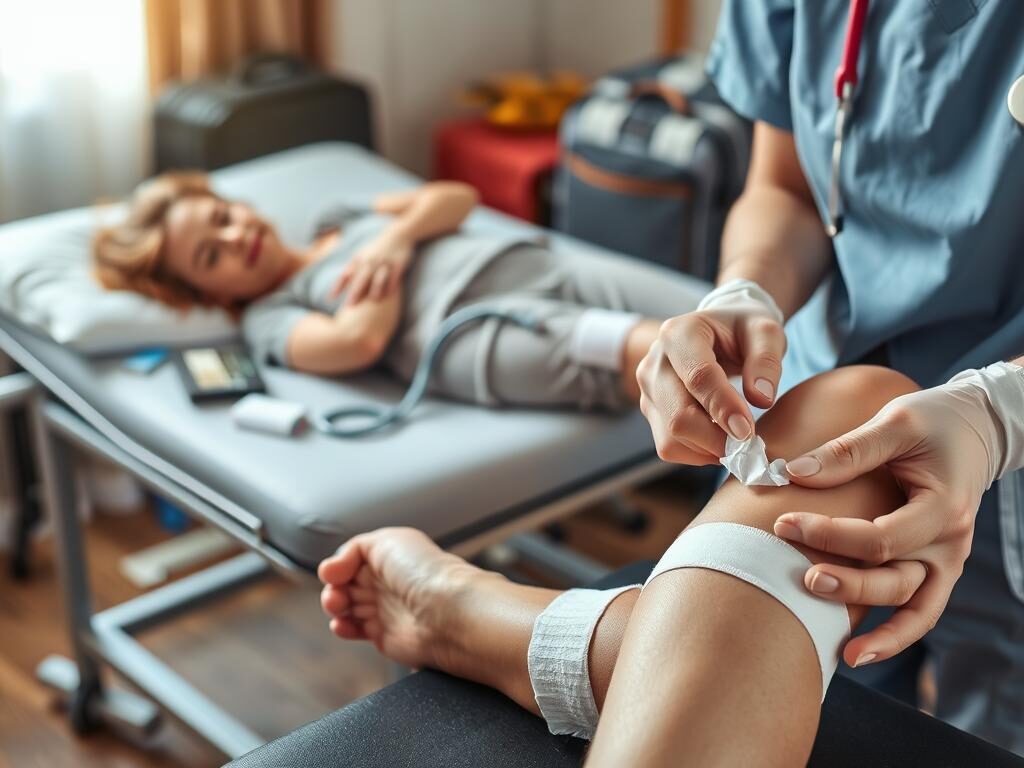
post-surgical wound care San Antonio

San Antonio’s Guide to Post-Surgical Wound Care at Home

Starting our recovery journey is exciting. But first, we need to know about post-surgical wound care. San Antonio offers great resources for healing at home.

Good wound care helps us heal and keeps infections away. This guide will give us tips to heal well at home. We’ll learn how to take care of ourselves and our wounds.

Key Takeaways

  • Understanding the importance of post-surgical wound care for better healing.
  • Preparing our home to create a supportive recovery environment.
  • Recognizing essential wound healing tips specific to our situation.
  • Learning how to identify signs of infection and seek help when needed.
  • Utilizing effective pain management strategies throughout the recovery process.

Introduction to Post-Surgical Wound Care

Post-surgical wound care is very important. It helps our wounds heal right after surgery. Knowing what to do after surgery makes us feel more confident.

By following the care tips from doctors, we can avoid problems. This makes our recovery easier.

Getting ready before surgery helps a lot. It makes sure we have everything we need at home. Knowing what to do helps us take good care of our wounds.

Importance of Proper Wound Care at Home

Proper wound care is key to healing. Keeping things clean and following care plans helps a lot. A dirty place can spread germs and cause infections.

By preventing infections, we avoid big problems. This means knowing the dangers of dirty wounds. Keeping wounds clean and using the right dressings helps us heal faster. It also makes us feel better.

Preparing Your Home for Recovery

Getting ready for recovery at home is very important. A safe and organized home helps us heal better. Before surgery, we can make our home safe and comfy for healing.

Creating a Safe Environment

To make our home safe, we should clean up and remove clutter. This helps avoid accidents. We can also put in grab bars in the bathroom and move furniture for easy walking.

Good lighting is key to moving safely around the house. It lowers the chance of falls or getting hurt.

Gathering Necessary Supplies

Having the right supplies ready for recovery is a big help. Some important things include:

  • Bandages and dressings
  • Antiseptic wipes
  • Medications as prescribed by our healthcare provider
  • Comfortable pillows and blankets
  • Nutritious pre-prepared meals

Having these things ready lets us focus on getting better. It shows we’re serious about recovering well.
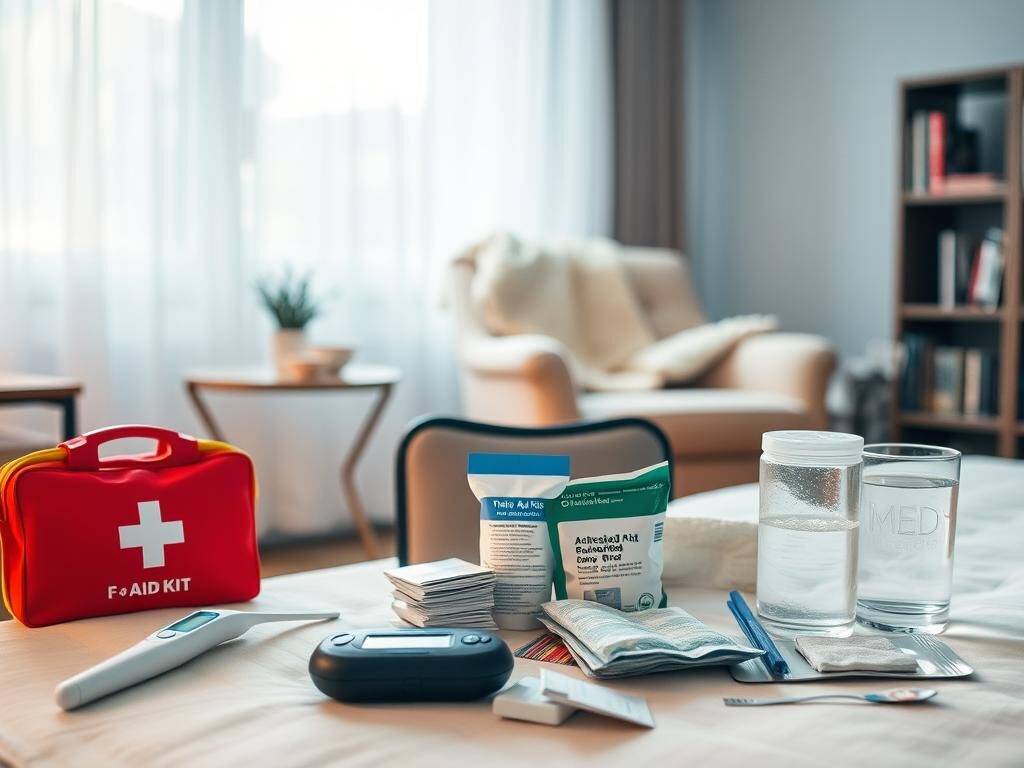
essential supplies for home recovery

Post-Surgical Wound Care San Antonio: Essential Techniques

Good wound care is key after surgery. Using the right cleaning methods helps us heal and avoid infections. These tips help us heal safely and healthily.

Steps to Clean Your Wound Effectively

Cleaning wounds right is very important. Here’s how to do it:

  1. Wash your hands thoroughly with soap and water before touching the wound.
  2. Stop any bleeding by applying gentle pressure with a clean cloth.
  3. Use sterile saline or clean water to rinse the wound and remove debris.
  4. Put on an antibiotic ointment as advised. It helps prevent infection.
  5. Use a clean bandage to cover the wound, keeping it dry and safe.

Moisturizing and Protecting the Wound

Keeping the wound moist is crucial for healing. Here are some tips:

  • Keep the wound a bit moist, but not too wet, to help cells grow.
  • Change the bandage often to keep it clean and prevent germs.
  • Watch the wound every day for signs of infection, like more redness or swelling.

Signs of Infection to Monitor

After surgery, we must watch for signs of infection. This helps us recover smoothly. Knowing these signs lets us get help fast.

Common Symptoms and When to Seek Help

Look for these signs of infection:

  • Redness around the wound that doesn’t get better.
  • Swelling that keeps getting bigger.
  • Unusual drainage that’s cloudy or smells bad.
  • Pain that gets worse instead of better.
  • Fever or chills without a reason.

If you see these signs, get help right away. A doctor can stop small problems from getting big.

Understanding After Surgery Care and Emotional Support

After surgery care is more than just healing physically. Emotional support is key to getting better. Talking to caregivers and loved ones helps us feel less alone.

Openly sharing our feelings and struggles is important. It helps us stay emotionally healthy.

Using good recovery techniques is crucial. Gentle exercises, journaling, and meditation can make us feel better. Joining support groups or seeing a counselor is also helpful.

It’s important to take care of our mental health. This helps us recover faster and enjoy life more after surgery.

emotional support in after surgery care

When to Seek Professional Help for Wound Care

Knowing when to get help with wounds is key. It helps avoid big problems that can happen if we ignore warning signs. Getting medical help fast is very important for healing after surgery.

Recognizing Serious Complications

We need to watch for signs that mean we should see a doctor right away. Here are some times when you should get help:

  • Deep or jagged wounds: These injuries need quick attention to avoid problems.
  • Persistent bleeding: If bleeding doesn’t stop after first aid, it’s time to see a doctor.
  • Signs of infection: Look out for more redness, swelling, warmth, or pus. These are signs to get professional help.

In San Antonio, places like Dominion Mobile Wound Care can help us. Getting help fast can make our healing better.

Day-to-Day Tips for Home Recovery

We need to focus on daily tips to help us heal. It’s important to manage pain and follow our medicine schedule. Also, we must drink water and eat well to stay healthy.

Managing Pain and Medication

It’s key to take our medicine on time. This helps us feel better and do more things. Here are some tips:

  • Set reminders on your phone or use a pill box to remember to take your medicine.
  • Do things slowly to avoid getting too tired, which can make pain worse.
  • Try deep breathing or gentle stretching to relax and feel better.

Staying Hydrated and Eating Well

Drinking water and eating right are very important. A good diet helps our body heal faster. Here’s how to stay hydrated and eat well:

  • Always have a water bottle with you and track how much you drink.
  • Eat foods like fruits, veggies, and whole grains for important nutrients.
  • Choose simple meals like soups and salads that are easy to make.

Conclusion

Effective post-surgical recovery starts with good wound care at home. By following the tips in this guide, we can heal better and avoid problems. Keeping our space clean and safe helps us care for ourselves well.

We should all focus on getting better by using these tips. Taking pain meds as told and watching for signs of trouble are key. If you’re in San Antonio, Dominion Mobile Wound Care can help a lot.

Let’s face surgery recovery with confidence. Knowing that home care is key helps us reach our health goals. Let’s support each other on this important journey to wellness.

FAQ

What is the most important aspect of post-surgical wound care?

Keeping the wound clean is key to avoid infections and help it heal. Always clean the wound and follow what doctors say. This is crucial for a good recovery.

How can we create a safe environment for recovery at home?

Make your home safe by clearing clutter and adding safety features. Good lighting helps prevent falls. Keep medical supplies easy to reach for quick access.

What steps should we follow to clean a surgical wound effectively?

First, wash your hands well. If the wound bleeds, press gently to stop it. Clean the wound with antiseptic wipes, apply ointment if told to, and cover it with a sterile dressing.

What signs of infection should we monitor after surgery?

Watch for redness, swelling, warmth, and unusual drainage around the wound. If you see these signs, call a doctor right away.

How can we support emotional well-being during recovery?

Talk openly about your feelings with caregivers or loved ones. Doing relaxing activities and staying connected can help you feel better.

When is it necessary to seek professional help for wound care?

Get help if the wound is deep, bleeds a lot, shows signs of infection, or doesn’t heal. Experts can prevent serious problems and manage the wound right.

What daily tips can we follow to manage pain and nutrition during recovery?

Stick to your pain medicine schedule and only take what’s prescribed. Drink plenty of water and eat healthy foods. Cooking simple meals ahead of time can make recovery easier.
in-home wound care San Antonio

The Difference Between In-Clinic and In-Home Wound Care Services

In today’s fast-changing healthcare world, picking the right wound care method is key. We need to know the differences between in-clinic and in-home care. Both offer top-notch services, but they vary in convenience, care level, and how easy they are to get.

We want to dive into these differences. This is to help those looking at in-home care in San Antonio find what’s best for them.

This article will show you healing options that help you get better and make your care experience better too.

Key Takeaways

  • Understanding the differences between in-clinic and in-home wound care services.
  • Importance of accessibility in selecting wound treatment options.
  • The role of specialized equipment in wound care effectiveness.
  • Benefits of personalized care at home versus clinical settings.
  • How to assess the severity of wounds for better treatment decisions.
  • Consultations with professionals to find the right approach for recovery.

Understanding Wound Care Options

Wound care helps fix different kinds of wounds. This includes chronic, surgical, and acute injuries. We aim to heal wounds fast and avoid problems with the right treatment.

There are many ways to care for wounds. Knowing these can really help patients get better.

What is Wound Care?

Wound care is about healing wounds the right way. It includes cleaning, protecting, and dressing them. Good care is key to avoid infections and quick healing.

Using the right methods helps wounds heal safely and fast.

Advanced Wound Care Services

Advanced wound care uses special techniques and products for tough wounds. It meets patients’ unique needs. Options include hydrogel dressings and negative pressure therapy.

Mobile wound care brings treatment to your home. It makes it easier to get care without traveling.

Benefits of In-Clinic Wound Care

In-clinic wound care helps wounds heal well. We use special tools to help each patient. A team of experts works together to solve tough cases.

Specialized Equipment and Expertise

One big plus of clinic care is the special tools we have. We use advanced imaging and top dressings to treat wounds right. Our team has lots of experience to create plans just for you.

Access to Advanced Therapies

We also use special treatments to help wounds heal faster. Things like hyperbaric oxygen therapy are used here. These treatments make recovery quicker and care more effective. Patients get the care they need in a place that helps them heal best.

Benefits of In-Home Wound Care San Antonio

In-home wound care in San Antonio has many benefits. It’s very convenient because we get care at home. This makes us feel more comfortable and relaxed.

Experts come to us, making sure we get the care we need. This care is made just for us, helping us heal better.

Convenience and Accessibility

Getting wound care at home is super convenient. We don’t have to go to a clinic. This saves us time and stress.

It also means we get treated faster. We can pick times that work for us, making it easier to take care of ourselves.

Personalized Care in a Comfortable Setting

At home, we get care that’s just for us. Our care plans are made by experts. They think about everything we need to get better.

Being at home makes us feel calm. We can talk openly about our health. This helps our care be even better.

Comparing Treatment Options: Clinic vs Home Care

Looking at different ways to treat wounds, the wound’s severity and how often you need to visit are key. Each choice has its own good points, fitting different needs and situations.

Severity of Wounds

The *severity of wounds* really matters when choosing between clinic and home care. For serious or long-lasting wounds, clinics offer the advanced care needed for healing. They have skilled people and the latest technology for tough cases.

But, for smaller wounds, home care is a great choice. It lets you get regular, personal care at home. This is perfect for milder wounds.

Frequency of Visits

How often you visit a clinic or get care at home affects your healing. Home care is good because you can get checked often without traveling. This is great for those who can’t move around much or need close watching.

On the other hand, clinic visits might not happen as often. This is because of travel or other issues. Thinking about the good and bad of each helps figure out what’s best for you.

Mobile Care Services for Enhanced Healing

We see how important mobile care services are today. They use new tech to help us heal at home. This mix of tech and personal care makes healing better for each person.

Advanced Technologies in Mobile Wound Care

Mobile care uses cool tech like fluorescence imaging. It lets doctors check wounds very well. This tech makes treatments work better and helps us choose the right care.

It also means we can heal faster and better. This is good news for everyone getting care.

Flexible Scheduling and Care Plans

Wound care needs to fit our lives. We offer schedules that work for us. This means care plans can change as needed.

Patients get the care they need without messing up their day. They can keep their routines while getting help.

Choosing the Right Wound Care Option for You

Choosing the right wound care is very important. It’s all about finding what fits our needs best. We need to think about our health, how bad our wounds are, and where we live.

Assessing Your Needs and Preferences

First, we need to look at what we need. Things like:

  • Current health conditions
  • Mobility challenges
  • The type and severity of wounds
  • Home environment and support system

Knowing these helps us make better choices. We should also think about what we prefer. Do we like to travel for treatment or stay close to home?

Consultation with Wound Care Providers

Talking to experts is key. They can give us advice based on our needs. This way, we can choose what’s best for us.
Conclusion

In summary, both in-clinic and in-home services have their own benefits. In-clinic services use special equipment and expert care for complex cases. On the other hand, in-home services offer comfort and a personal touch.

When choosing between clinic and home services, think about your medical needs and lifestyle. Each option has its own strengths. It’s important to make a choice that fits your healing journey.

If you prefer care at home, Dominion Mobile Wound Care is here for you. They bring expert care right to your home. This can greatly help your recovery.

FAQ

What types of wounds can be treated with in-clinic and in-home care services?

In-clinic and in-home care can treat many wounds. This includes chronic, surgical, and acute wounds. The choice depends on the wound’s severity and complexity.

How does the convenience of in-home wound care compare to in-clinic treatment?

In-home care is very convenient. It saves you from traveling and waiting. You get treated in a place that feels like home, which helps you relax and heal better.

What advanced treatment options are available in clinics?

Clinics have special equipment and therapies. They offer hyperbaric oxygen therapy and a team of experts. This makes them good for complex wounds.

How often can I receive in-home wound care?

In-home care lets you get checked more often. This is great for those who have trouble moving. It means you get the care you need without leaving your home.

What technologies are used in mobile wound care services?

Mobile care uses cool tech like fluorescence imaging. It helps doctors check wounds and change treatments as needed. This ensures you get top-notch care at home.

How do I choose between in-clinic and at-home wound care options?

Pick what’s best for you by thinking about your wound and how you move. Talk to wound care experts for advice that fits your needs.

Can home care be effective for severe wounds?

Home care works well for mild wounds. But, for serious or long-term wounds, clinics offer the special help and tools needed for healing.

What should I expect during a home wound care visit?

At a home visit, you’ll get a personal check-up and treatment. You’ll also learn how to care for your wound at home. It’s all done in a cozy setting.

wound care nurse San Antonio

Top Questions to Ask Your Wound Care Nurse Before Your First Visit

Going to see a wound care nurse in San Antonio can be scary. But, asking the right questions can help a lot. Many people wonder if they can get treatment, how to prepare, and what the first visit will be like.

Being ready with important questions helps us talk better with our nurse. It also helps us find the best ways to heal at home.

Key Takeaways

  • Understanding the role of a wound care nurse is crucial for effective treatment.
  • Preparing specific questions can alleviate concerns and assist in communication.
  • Recognizing treatment options helps tailor our care plan effectively.
  • Knowing about insurance coverage is important for managing costs.
  • Active involvement in follow-up care enhances our healing process.

Understanding the Role of a Wound Care Nurse

Wound care nurses are very important for healing wounds. They know how to treat different kinds of wounds. This is very helpful for people with long-term health issues.

Importance of Specialized Wound Care

Special care for wounds is key to better health. Wounds like diabetic ulcers and pressure sores need special treatment. A wound care nurse in San Antonio can give the right care for each patient.

This care helps wounds heal faster and lowers the chance of getting sick.

Expertise and Training of Wound Care Nurses

Wound care nurses get a lot of training. They learn about different wounds and how to treat them. They also learn about new technologies that help wounds heal.

This training helps them make the best treatment plans for each patient. They can really help wounds heal.

What to Expect During Your Initial Visit

Going to a wound care center for the first time can be both exciting and a bit scary. Knowing what to expect can help make you feel better. From the moment you arrive, we want to make sure you’re comfortable and we understand what you need.

Overview of the First Appointment Process

When you come for your first visit, we have a plan. First, you’ll check in at the front desk. We’ll make sure we have your contact info and insurance details right.

Then, a medical team member will take you to an exam room. This room is set up to make you feel at ease.

Initial Assessment and Evaluation Steps

A healthcare professional will talk to you about your medical history during the assessment. This talk is key to making sure we tailor your care just for you. They might look at your wounds, see how bad they are, and check for any health issues that could slow healing.

Wound Care Options and Treatment Plans

We have many ways to treat wounds to help them heal. We make sure each treatment fits the patient’s needs. This includes their medical history and the type of wound they have.

Common Treatment Techniques

There are several key methods for managing wounds:

  • Wound debridement: This removes dead tissue to help wounds heal.
  • Advanced dressings: These keep wounds moist and safe from infection.
  • Negative pressure wound therapy (NPWT): This uses a vacuum to help wounds heal by removing fluid.

How Treatment Plans are Personalized

Every patient is different, so we make care plans just for them. Our wound care nurse in San Antonio works with patients to create plans. These plans consider:

  • Your medical history
  • The type and severity of your wound
  • Your lifestyle and healing goals

Advanced Therapies and Technologies Used

Wound care is always getting better with new technologies. Hyperbaric oxygen therapy is one example. It adds more oxygen to help wounds heal faster. We use these advanced methods to help our patients heal better.

Insurance and Coverage for Wound Care Services

It’s important to understand insurance for wound care. Many people get confused about what their insurance covers. Knowing about insurance helps us get the care we need without worrying about money.

What You Need to Know About Insurance Policies

When looking at insurance, pay attention to important details. These include:

  • Type of coverage: Plans vary in what they cover for wound care. Check if they cover both outpatient and inpatient care.
  • Exclusions: Some plans don’t cover certain treatments. Knowing this can help avoid surprise costs.
  • Out-of-pocket costs: Understand deductibles, co-pays, and co-insurances for wound care. This helps with budgeting.

Confirming Coverage and Pre-Authorizations

Before starting treatment, we must check our insurance and do pre-authorization steps. These steps are:

  1. Call our insurance to see if they cover the wound care we need.
  2. Get the right documents, like medical records or letters from doctors.
  3. Send in pre-authorization requests as our policy says.

Doing these steps makes sure we get the care we need. It also helps avoid worries about money. With the right info, we can get the wound care we need without surprises.

insurance coverage for wound care

Questions to Ask Your Wound Care Nurse San Antonio

Talking to our wound care nurse is key as we heal. In San Antonio, we should ask important questions about our treatment. Here are some key things to ask.

Understanding Eligibility for Treatment

We might wonder who gets treatment. Knowing what makes you eligible is important. Ask your nurse about these rules to get the right care.

Frequency of Appointments and Follow-Up Care

Knowing how often to see the nurse is crucial. Ask how often you should visit to check on your healing. Regular visits help keep your healing on track and catch any problems early.

How to Monitor Your Healing Progress

Asking how to check on your healing at home is helpful. Your nurse can tell you what to look for. This way, you can stay informed and help your healing.

Conclusion

A wound care nurse in San Antonio is key to your healing. Knowing what to expect at your first visit helps a lot. This sets the stage for good treatment that can help you heal better.

We talked about the special care you’ll get, the methods used, and the need to talk openly with your doctor. Being ready for your appointment helps us work better together. This way, we can meet your specific needs and help you heal faster.

Choosing to see a wound care nurse is a big step towards healing well. At Dominion Mobile Wound Care, we offer treatments made just for you. We’re here to help you on your path to recovery.

FAQ

What should I bring to my first visit with a wound care nurse?

Bring a list of your medical history and any medications. Also, bring details about your previous treatments. This helps us tailor care to your needs.

How long will my initial appointment take?

Your first visit might last 60 to 90 minutes. This gives us time to evaluate and discuss your care plan.

What types of wounds can be treated by wound care nurses?

We treat many wounds, like diabetic ulcers and pressure sores. We also care for surgical wounds and chronic non-healing wounds. We ensure you get the care you need.

How can I monitor my wound healing at home?

We’ll tell you what to watch for, like changes in color or size. Keeping a log helps at your next visit.

Are there specific criteria for treatment eligibility?

We’ll talk about treatment criteria during your visit. We consider your medical history and wound type to decide the best treatment.

What advanced treatments might I receive for my wounds?

You might get treatments like negative pressure wound therapy or hyperbaric oxygen therapy. These help wounds heal faster.

How do I know if my insurance covers wound care services?

Check your insurance policy for wound care coverage. Ask our financial coordinator any questions during your visit.

What is the typical frequency of follow-up appointments for wound care?

Follow-up visits depend on your healing needs. We’ll set a schedule during your first visit to manage your care effectively.

mobile wound care for seniors San Antonio

How Mobile Wound Care Improves Healing Outcomes at Home

Mobile wound care services are changing how we heal at home. In San Antonio, they bring care to us, skipping the need to travel. This makes us feel better and heal faster in our own space.

Getting care at home is more than just convenience. It’s about feeling safe and comfortable. This way, we can focus on getting better without stress.

Key Takeaways

  • Mobile wound care services enhance home wound healing.
  • Patients benefit from receiving care in familiar environments.
  • There are significantly lower transportation-related issues.
  • Mobile wound care leads to faster recovery times.
  • Emotional well-being is fostered through home care.
  • Personalized treatment plans are delivered directly to patients.

The Benefits of Mobile Wound Care

Mobile wound care brings big benefits to those who want treatment at home. It makes healing easier without the stress of going to the doctor. Let’s look at some key benefits of mobile wound care in San Antonio.

Access to Care Without Transportation Issues

Mobile wound care solves the problem of getting to the doctor. It’s great for people who can’t travel easily. Care providers come to us, so we don’t miss appointments.

Comfortable Healing Environment

Healing at home is safer and more comfortable. It makes us feel better and helps our mental health. Being at home makes us heal faster and feel less anxious.

Lower Risk of Healthcare-Associated Infections

Getting treatment at home lowers the risk of infections. It keeps us safe from dangers that can slow healing. This way, we can heal without worries.

Why Healing at Home Matters

Healing at home is very important for our recovery. It helps our body and mind get better together. By making our home right, we can heal faster and feel better.

Emotional and Mental Well-being

Being at home reduces stress and anxiety. It’s easier to relax when we’re in a place we know. This helps us heal better.

Staying Connected with Family

Home lets us stay close to our family. Their support and love help us feel better and heal faster. Being with loved ones makes us stronger.

Reduced Stress from Hospital Visits

Not going to the hospital often lowers stress. We can focus on healing without worrying about travel. Healing at home makes us feel safer and helps us get better.

Mobile Wound Care San Antonio: A Solution for Many

Mobile wound care in San Antonio is a great choice for those who want care at home. It’s important to get the right care quickly to help wounds heal. This service makes sure patients don’t have to worry about getting to the doctor.

Convenient Access to Professional Care

Choosing mobile wound care in San Antonio means getting top-notch care at home. Our skilled doctors visit you, making it easier to get the care you need. This way, you can focus on getting better without the hassle of hospital trips.

Tailored Treatment Plans for Each Patient

Every patient is different, so we create special plans for them. These plans help wounds heal faster and make patients feel understood. It builds trust and leads to better health for everyone.

Improved Monitoring and Follow-Up Care

Proper monitoring and follow-up care are key for healing at home. Mobile wound care in San Antonio lets us get regular check-ups. This helps us adjust our treatment plans as needed.

Regular Check-Ups and Adjustments

Mobile wound care means we get regular checks. This keeps our doctors up to date on our healing. They can change our treatment plans as needed.

Timely Intervention to Prevent Complications

Regular visits help doctors catch problems early. This means they can act fast to help us heal better. It also lowers the risk of complications.

Advanced Technology in Mobile Wound Care

We are on a path to better home wound healing. Advanced technology plays a big role. It helps us heal wounds faster and better.

Utilizing Cutting-Edge Treatment Methods

We use the latest treatments, like UltraMIST Therapy. It uses ultrasound to help wounds heal faster. This makes patients heal quicker and feel more comfortable.

Enhanced Monitoring Tools for Better Outcomes

We also use the latest tools to check on patients. These tools give us detailed info on how wounds are healing. This helps us keep care on track for the best results.

How Mobile Wound Care Enhances Recovery Rates

Mobile wound care is changing health care. It helps patients get better faster. It gives them care that fits their needs, leading to quicker healing and better treatment.

Faster Recovery Through Personalized Attention

Patients get plans made just for them with mobile wound care. This helps them heal quicker. Experts focus on each patient, making sure they get the best care.

With care just for them, patients heal faster and are happier. This shows how important one-on-one care is.

High Treatment Adherence Rates

Getting care at home makes patients more likely to follow treatment. Feeling at home and supported helps them stick to their plans. This leads to faster healing and better results.

mobile wound care

Conclusion

Mobile wound care in San Antonio is a new way to heal at home. It helps patients in a special way, making healing better. Getting care at home makes us feel safe and calm, which helps us get better.

Also, getting care that fits just for you helps you heal faster. Mobile wound care watches over you closely. This makes it a great choice for anyone needing wound care.

Choosing Dominion Mobile Wound Care is a smart move. Healing at home is good for your health and happiness. Mobile wound care is a step towards better health and happiness.

FAQ

What is mobile wound care?

Mobile wound care means doctors and nurses come to your home. They help with wounds right where you are. This makes healing easier and more comfortable.

How does mobile wound care improve recovery times?

Mobile wound care gives you care that fits you. Doctors check on you often. This helps you heal faster and better.

Can mobile wound care help reduce the risk of infections?

Yes, it does. Treating wounds at home means less chance of getting sick. This is because you avoid germs found in hospitals.

How does healing at home affect a patient’s emotional well-being?

Healing at home makes you feel better emotionally. You’re in a place you love, with people you care about. This helps your body heal too.

What kind of professionals provide mobile wound care services?

Nurses and specialists come to your home. They have lots of experience. They give you care that’s just right for you.

How often are follow-up appointments scheduled in mobile wound care?

You get check-ups as often as you need them. This lets doctors adjust your care to help you heal faster.

What technologies are used in mobile wound care?

New treatments and tools help track your healing. This makes sure you get the best care possible.

Are mobile wound care services available for all types of wounds?

Yes, they help with many kinds of wounds. This includes wounds from surgery, long-term issues, and accidents. They tailor care for each person.

How can someone access mobile wound care services in San Antonio?

To get mobile wound care in San Antonio, just call local providers. They will help you set up a time for treatment at your home.