Post-hospital wound care

Why Mobile Care Is Key After Hospital Discharge

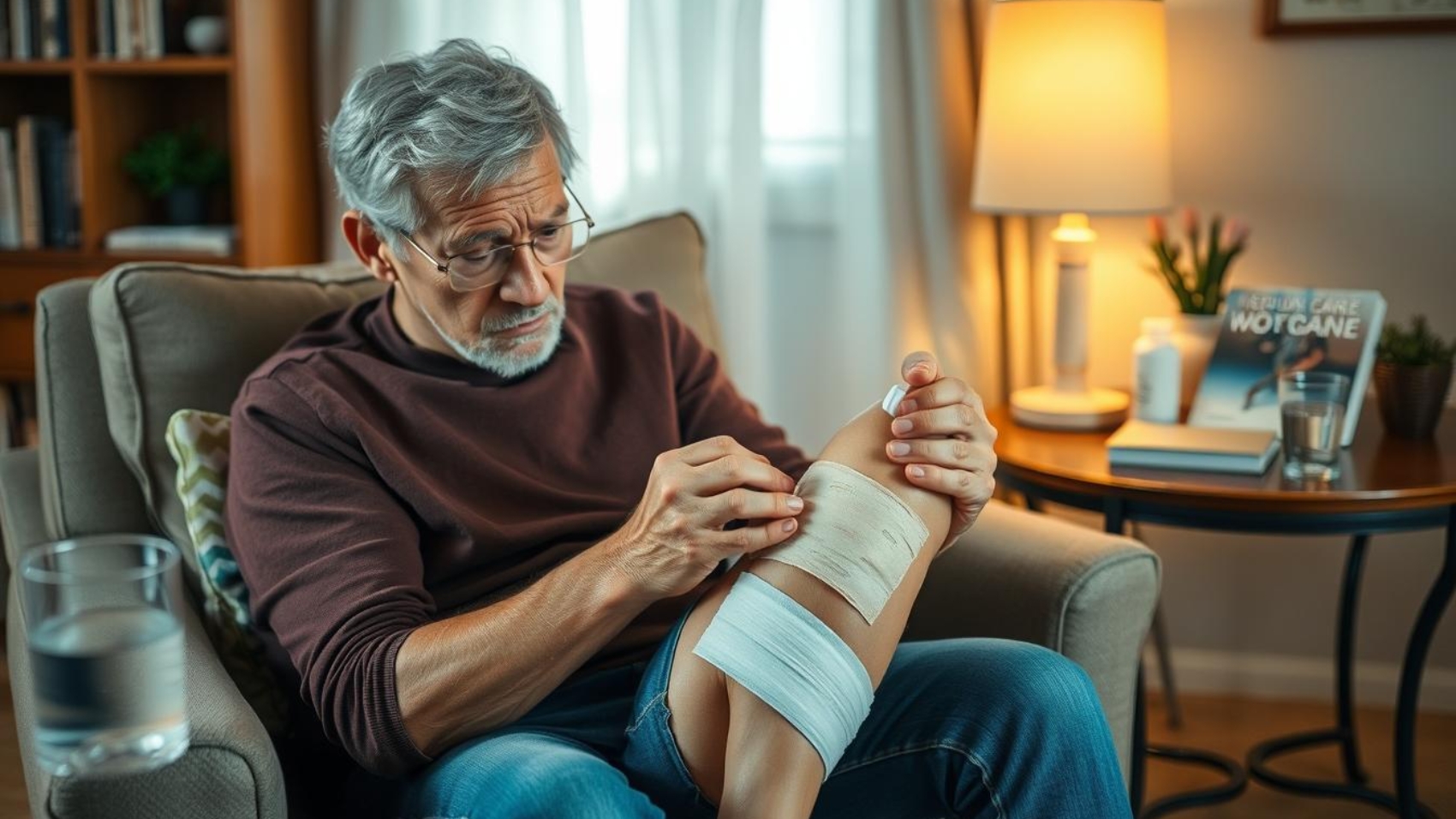
After leaving the hospital, you need the right post-hospital wound care to avoid problems and prevent going back. Mobile care is key for a smooth recovery.

Dominion Mobile Wound Care offers top-notch post-discharge care right in your home. Their skilled team will help you through the healing process. This reduces the chance of needing to go back to the hospital.

Key Takeaways

  • Mobile care is essential after hospital discharge.
  • Proper wound care prevents complications.
  • Dominion Mobile Wound Care provides expert post-discharge care.
  • Reducing readmission risk is a top priority.
  • Recovering at home is more comfortable and safe.

The Critical Gap in Patient Care After Hospitalization

Going from hospital care to home recovery is a big step. It needs careful planning and thought. Knowing the risks after leaving the hospital is key.

Understanding the Transition Period Risk

The time after hospital discharge is tough. You face higher risks of infections, wrong medication, and getting worse. Effective transitional care helps by making the move to home care smoother.

Take a patient who had surgery and went home without the right support. Without proper wound care, they risked infection and had to go back to the hospital. But, with the right care, including post-hospital wound care, they healed safely at home.

Statistics on Post-Discharge Complications

Many patients face problems after leaving the hospital. For example, almost 20% of Medicare patients are readmitted within 30 days. This is often because of avoidable issues. These numbers highlight the importance of strong transitional care to prevent readmission.

By knowing these risks and acting early, you can improve your recovery. It’s about making a healing environment that reduces complications.

Post-Hospital Wound Care: The Hidden Challenge for Patients

Leaving the hospital is just the start. For many, the real battle is in caring for wounds at home. It’s key for a smooth recovery but comes with big challenges for patients and their caregivers.

Common Types of Wounds Requiring Ongoing Care

After leaving the hospital, many types of wounds need careful attention. These include:

  • Surgical wounds that need to heal properly to prevent infection
  • Pressure ulcers that can develop due to prolonged bed rest
  • Diabetic foot ulcers that require meticulous care to avoid complications
  • Venous or arterial ulcers that need ongoing management to promote healing

Each wound type has its own care needs. Knowing these is key for managing wounds well.

Why Proper Wound Management Matters

Wound care is more than just avoiding infection. It’s also about healing and avoiding complications. Good wound care can:

Benefits Description
Enhanced Healing Proper wound care promotes faster healing by maintaining a clean environment and using appropriate dressings.
Reduced Infection Risk Careful management of wounds reduces the risk of infection, which can lead to serious complications.
Minimized Scarring Effective wound care can minimize scarring by ensuring that wounds heal under optimal conditions.

If wound care after a hospital stay is tough, get help. Dominion Mobile Wound Care offers specialized services. Their team can create care plans just for you, ensuring top care at home.

The Rising Trend of Hospital Readmissions

Healthcare is changing, but hospital readmissions are a big problem. You might wonder why this is happening and how it affects you or your loved ones. Readmissions happen when a patient goes back to the hospital soon after leaving. This can be because of complications from the first treatment or condition.

hospital readmission prevention

Financial Impact on Patients and Healthcare System

Readmissions cost a lot, affecting both patients and the healthcare system. For patients, it means more medical bills and lost income. The healthcare system also faces increased costs and resource strain.

Readmission prevention strategies are key to saving money. By focusing on transitional care, healthcare providers can help patients transition smoothly from hospital to home. This includes clear discharge instructions, follow-up appointments, and support for managing conditions at home.

Emotional Toll of Returning to the Hospital

The emotional impact of readmissions is significant. Patients often feel anxious, frustrated, and disappointed. This is even harder for those with chronic conditions or after major surgery.

Effective readmission prevention reduces financial and emotional burdens. By investing in transitional care services, patients get the support they need to recover at home. For more insights, read our detailed article here.

Understanding and preventing hospital readmissions is vital. It improves patient outcomes and lowers healthcare costs. By focusing on readmission prevention and better transitional care, we aim for a more efficient and caring healthcare system.

How Mobile Wound Care Services Transform Recovery

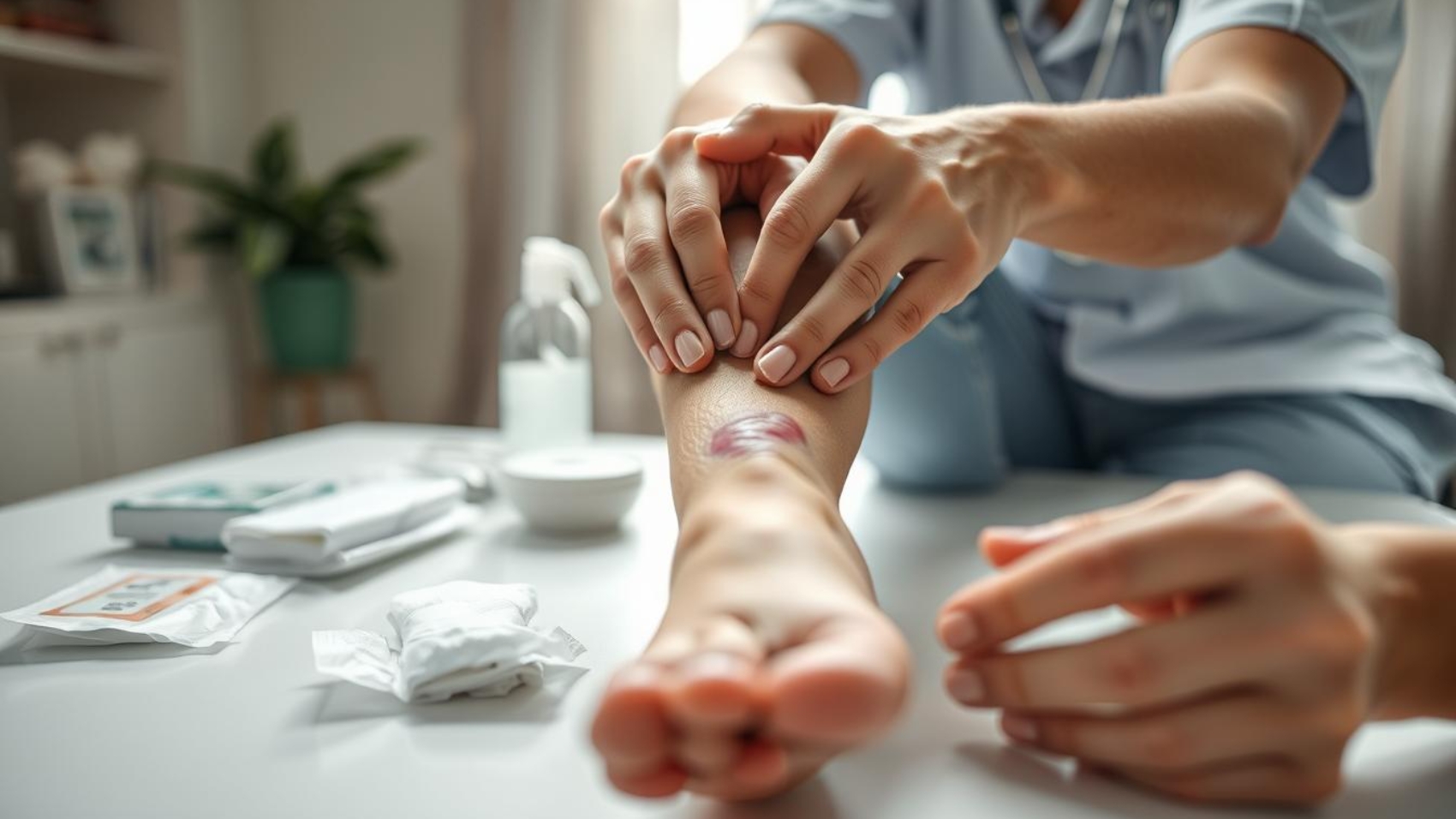
Mobile wound care services bring the hospital to your home. You get top-notch care in your own space. No need for hospital visits or long stays.

Bringing Clinical Expertise to Your Doorstep

Mobile wound care lets specialists come to you. You get expert care without leaving home. They bring everything needed to treat your wound with the latest methods.

  • Assessment of your wound condition
  • Personalized treatment plans tailored to your needs
  • Ongoing monitoring and adjustments as necessary

Advanced Treatment Options Available at Home

Mobile wound care offers advanced treatment options at home. You can get specialized dressings and negative pressure wound therapy. These treatments help your wound heal better.

Treatment Option Description Benefit
Specialized Dressings Advanced materials for wound care Promotes a moist environment for healing
Negative Pressure Wound Therapy Application of controlled negative pressure Enhances blood flow and reduces bacterial load

Personalized Care Plans for Optimal Healing

Your care plan is made just for you. It ensures you get the best treatment for your wound. Clinicians work with you and your team to create a plan for optimal healing.

Choosing mobile wound care means a smoother recovery. Heal in your own home, with loved ones nearby.

The Role of Transitional Care in Preventing Complications

When you move from the hospital to your home, transitional care can greatly lower the chance of complications. This care ensures your needs are met after you leave the hospital. It’s a detailed approach to keep your care going smoothly.

Transitional care teams work together to offer you support. This is very important right after you leave the hospital. At this time, you’re most at risk for problems.

Bridging Hospital and Home Environments

Transitional care plays a big role in connecting the hospital and your home. It does this by:

  • Checking your home for risks and finding ways to avoid them.
  • Teaching you about wound care, managing your meds, and other self-care.
  • Making sure you have the resources and support you need.

This connection helps lower the chance of you having to go back to the hospital. It also makes sure you get the care you need in your own home.

Coordinating with Your Primary Care Provider

Another important part of transitional care is working with your primary care doctor. This makes sure your care plan fits your health needs. It also helps manage any ongoing health problems.

Key benefits of coordination include:

  1. Improved communication between healthcare providers.
  2. A deeper understanding of your health.
  3. Better control of chronic conditions.

By coordinating your care, transitional services can prevent complications. They help you recover more smoothly.

Dominion Mobile Wound Care: Pioneering At-Home Recovery Solutions

Dominion Mobile Wound Care leads in at-home recovery for complex wounds. We aim to give you top care at home, cutting down on complications and helping wounds heal better.
post-hospital wound care

Our Specialized Approach to Wound Management

At Dominion Mobile Wound Care, we know each wound is different. Our team creates a treatment plan just for you, working with your healthcare team. We use advanced wound care technologies and proven methods to help wounds heal and avoid problems.

We offer detailed assessments, custom plans, and regular checks to make sure your wound heals right. We also teach you how to care for your wound at home. This helps you play a big part in your recovery.

Meet Our Team of Wound Care Specialists

Our wound care team is all about giving you the best care. Our team includes board-certified physicians, nurses, and therapists with lots of wound management experience. They keep up with the newest in wound care to give you the best treatments.

Choosing Dominion Mobile Wound Care means you get a recovery partner. We support you from start to finish. Contact us today to find out more about our at-home recovery solutions and how we can help you heal well.

Patient Success Stories: Real Results from Mobile Wound Care

Real-life examples show how mobile wound care helps patients heal and feel better. It brings professional care right to patients’ homes. This changes their recovery journey for the better.

Mobile wound care is great for those recovering from surgery and those with chronic wounds. It offers personalized care and advanced treatments. This leads to better results for patients.

Surgical Wound Recovery Journeys

Recovering from surgery can be tough. But, mobile wound care makes it easier. Patients heal faster and face fewer complications.

A patient with a complex surgery recovered at home with mobile care. This avoided hospital infections.

The following table highlights some key statistics related to surgical wound recovery journeys:

Outcome With Mobile Wound Care Without Mobile Wound Care
Average Healing Time 4-6 weeks 8-12 weeks
Infection Rate 5% 15%
Readmission Rate 2% 10%

Chronic Wound Management Breakthroughs

Mobile wound care gives new hope to those with chronic wounds. It uses advanced treatments like negative pressure therapy and bioengineered dressings. These help wounds heal faster and better.

Success stories from chronic wound patients show mobile care’s power. It offers tailored care and advanced treatments. This helps patients make big strides in their healing.

Technology Advancements Enhancing Home Recovery

As you recover at home, new tech can help a lot. It makes your care better and cuts down on hospital visits. This tech is changing how we get better at home.

Telehealth is a big help. It lets doctors keep an eye on you from afar. They can jump in fast if you need it.

Telehealth Integration for Continuous Monitoring

Telehealth means you can get medical help without leaving your house. Your doctors can check on you often. They can fix any problems and change your treatment if needed.

  • Remote monitoring devices track vital signs and wound healing progress.
  • Secure messaging systems allow you to communicate with your care team.
  • Virtual consultations reduce the need for in-person visits.

Telehealth makes patients happier and helps them get better faster. It cuts down on hospital trips.

Cutting-Edge Wound Treatment Devices

New tech for wound care is also key. These tools help wounds heal faster and reduce infection risk. They also make scars less noticeable.

Device Type Description Benefits
Negative Pressure Wound Therapy (NPWT) Applies suction to promote wound healing Enhances blood flow, reduces fluid, and promotes granulation tissue formation
Advanced Wound Dressings Utilizes materials that promote a moist healing environment Accelerates healing, reduces infection risk, and minimizes scarring
Electrical Stimulation Devices Uses electrical currents to stimulate healing Increases blood flow, enhances tissue repair, and reduces pain

These new technologies make recovering at home better. Telehealth and advanced wound care devices are changing care. They make it more personal and effective.

Insurance Coverage and Cost Considerations for Mobile Care

Understanding the financial side of mobile wound care can be tough. But knowing your insurance options can help a lot. It’s key to know what’s covered so you don’t face surprise bills.

Medicare and Medicaid Coverage Options

Medicare and Medicaid are big help for many. Medicare Part B covers doctor visits and some outpatient services. Medicaid’s coverage varies by state, but it usually includes wound care.

Make sure to check what you’ll pay out of pocket. You can call your insurance or talk to your healthcare team for details.

Private Insurance Navigation Assistance

If you have private insurance, knowing what’s covered is just as important. Many plans cover wound care, but how much can differ a lot.

To get the most from your private insurance, follow these steps:

  • Read your policy to see what’s included.
  • Call your insurance to clear up any doubts.
  • Make sure your healthcare provider is in-network.
  • Keep an eye on your costs and talk to your insurer if needed.

By following these tips, you can handle the costs of mobile wound care better. This way, you can focus on getting better.

How to Prepare Your Home for Mobile Wound Care Visits

Having a ready home is key for successful mobile wound care. It’s important to make a healing-friendly space. This space should also be safe for healthcare professionals to work in.

Creating a Clean Treatment Space

To get the most from wound care, you need a clean, comfy spot. Start by clearing a dedicated space for your healthcare provider. This area should be free from clutter and distractions.

Cleanliness is key. Ensure the treatment area is sanitized and well-lit. A clean towel or sheet for your wound is also useful. Keep pets out of the area to avoid infection risks.

Essential Supplies to Have on Hand

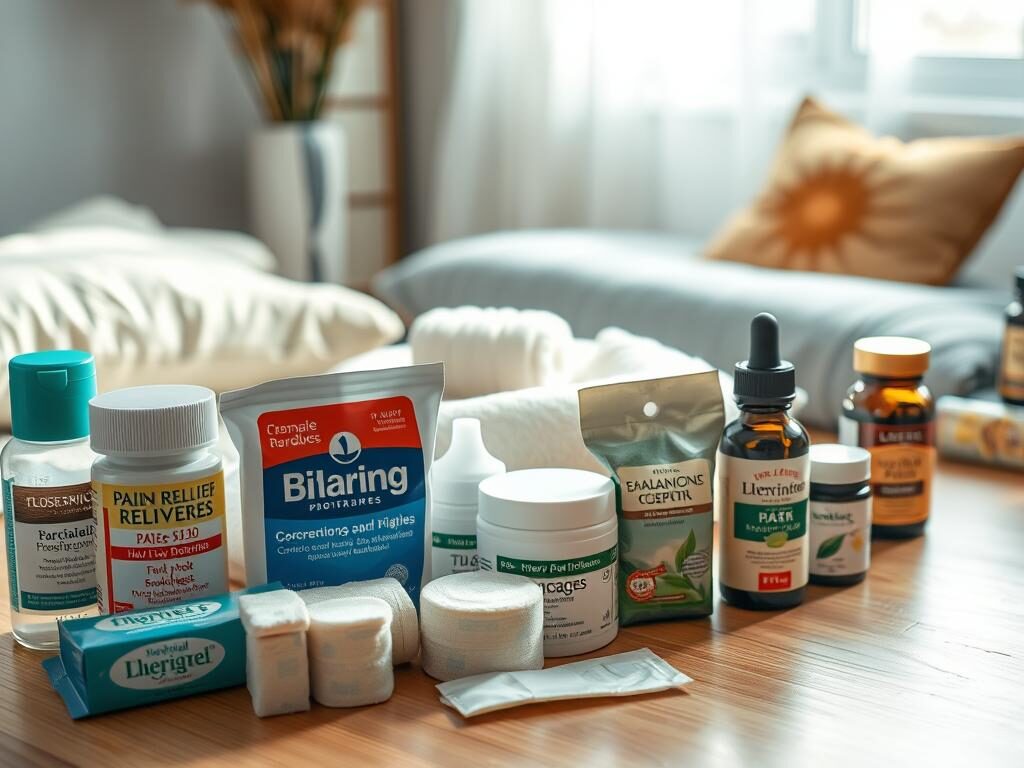
Having the right supplies can make wound care easier. Your healthcare provider will bring most of what you need. But, having a few basics ready can be helpful. These include:

  • Clean towels or sheets
  • A well-stocked first aid kit
  • Any personal care items recommended by your provider

It’s smart to have a list of questions or concerns for your provider. This way, you can get the most from each visit and stay on track with your recovery.

Preparing your home for mobile wound care can greatly improve your recovery. For professional and caring wound care services, consider Dominion Mobile Wound Care. Their team is committed to helping you heal at home.

Conclusion: Taking the Next Step in Your Healing Journey

Proper post-hospital wound care is key for a smooth recovery and avoiding readmission. Transitional care is important in the transition from hospital to home. It ensures you get the right support during this critical time.

Dominion Mobile Wound Care offers at-home recovery solutions. They bring clinical expertise right to your door. With their services, you get personalized care plans, advanced treatments, and ongoing monitoring through telehealth.

Consider Dominion Mobile Wound Care for your post-hospital wound care needs. Their team will create a care plan just for you. This helps in optimal healing and lowers the risk of complications.

Investing in quality transitional care and home recovery services makes recovery better. Contact Dominion Mobile Wound Care today. Learn how they can help you on your healing journey.

FAQ

What is transitional care, and how does it support patients after hospital discharge?

Transitional care helps patients move smoothly from the hospital to their homes. It works with primary care doctors to prevent problems and readmissions. This makes recovery easier and safer.

How does proper wound care prevent complications and promote healing?

Good wound care stops infections and helps wounds heal. It includes cleaning, dressing, and watching the wound. It also manages pain and fixes problems quickly to avoid more issues.

What are the benefits of mobile wound care services for patients recovering at home?

Mobile wound care brings expert care to patients’ homes. It offers special treatments and care plans for each patient. This helps recovery, lowers complication risks, and improves health outcomes.

How can patients prepare their homes for mobile wound care visits?

Patients should make a clean space for treatment and have needed supplies ready. This helps care providers do their best work and supports the patient’s healing.

What insurance coverage options are available for mobile wound care services?

Many insurance plans cover mobile wound care, like Medicare, Medicaid, and private insurance. Help is available to understand what’s covered for each person.

How does readmission prevention impact patients and the healthcare system?

Preventing readmissions is key because it saves money and stress for patients and the healthcare system. Programs like transitional care and mobile wound care help avoid readmissions. This improves health and lowers costs.

What role does technology play in enhanced home recovery?

New tech, like telehealth and advanced wound treatments, helps recovery at home. It lets for constant monitoring and better treatment. This leads to better health outcomes and supports healing.
Wound care supplies

Essential At-Home Wound Care Supplies Every Patient Should Have

Having the right wound care supplies at home is key for managing minor injuries. It helps prevent infections. Vitality Medical says a good first aid kit is a must-have for every home.

Make sure you’re ready for any minor accidents by having the essentials. A well-stocked first aid kit helps clean and dress wounds well. This reduces the chance of complications. With the right wound cleanser and other supplies, you can care for yourself and your loved ones best.

Key Takeaways

  • Having a good first aid kit is vital for minor injuries.
  • Essential wound care supplies prevent infections and aid healing.
  • Having the right supplies makes a big difference in wound care.
  • Dominion Mobile Wound Care offers expert services for wound care.
  • Proper wound care lowers the risk of complications and boosts well-being.

If you need professional wound care, contact Dominion Mobile Wound Care. They can help heal your wounds.

The Rising Need for Home-Based Wound Management

Managing wounds at home is now more important than ever. This is because of the growing focus on home healthcare. As a result, there’s a big push for home wound care and the tools needed for it.

Recent Trends in Home Healthcare

The healthcare world is moving towards more care at home. This change is thanks to new medical technology and the wish for comfort care. Dominion Mobile Wound Care leads this change, providing special wound management services.

Statistics on Home Wound Care in the United States

Millions of Americans get treated for wounds every year, with a lot of care happening at home. Advanced Wound Therapy says many try to handle serious wounds with basic bandages and creams. But, this isn’t enough for effective wound management.

As the need for medical dressings and other supplies grows, it’s key to know the best ways for home-based wound care.

Understanding Different Types of Wounds and Their Care Requirements

Different wounds need different care. Knowing what you’re dealing with is key. With the right knowledge, treating wounds at home can be effective.

Latest Classification of Acute vs. Chronic Wounds

Wounds are divided into two types: acute and chronic. Acute wounds come from injuries or surgery and heal quickly. Chronic wounds don’t heal fast and might be due to health issues like diabetes.

Knowing this helps you choose the right care.

Common Wounds Americans Treat at Home

Many people treat minor wounds at home. This includes cuts, scrapes, and burns. Using the right wound care supplies is important.

Products like gloves and antiseptic solutions help prevent infection. Companies like Dominion Mobile Wound Care offer advanced products, including amniotic tissue for complex wounds.

New Guidelines for When to Seek Professional Help

While many wounds can be treated at home, some need a doctor. Look for signs of infection like redness, swelling, or pus. If you see these, get medical help.

If you have a chronic wound or health issues, see a doctor. They can give you personalized care and help avoid problems.

Recent Developments in Wound Healing Science

Recent breakthroughs in wound healing science have changed how we care for wounds at home. Advanced Wound Therapy focuses on treating the wound and its cause. This is key for managing wounds well.

New Research on the Wound Healing Process

New studies have shown the importance of a clean, moist environment for healing. Using the right wound cleanser is essential. Dominion Mobile Wound Care suggests gentle yet effective cleansers for healing.

Updated Indicators of Proper Healing vs. Infection

It’s important to know the signs of healing versus infection. Healing signs include less swelling and redness. Infection signs are more pain and pus. Watching for these signs helps you act fast.

How Modern Understanding Affects Home Care Approaches

With new research, we can use better home care methods. Using medical dressings that keep the wound moist helps a lot. The table below shows the differences between old and new wound care.

Aspect Traditional Approach Modern Approach
Wound Cleansing Harsh antiseptics Gentle, effective cleansers
Dressings Dry gauze Moisture-retentive dressings
Healing Environment Less emphasis on moisture Maintaining a moist environment

wound healing process

By using modern methods and understanding new wound healing science, you can improve your care. Dominion Mobile Wound Care is here to give you the latest insights and products for better wound management.

Advanced Wound Cleansers Now Available for Home Use

Now, you can use advanced wound cleansers at home. These products help wounds heal faster and lower the chance of infection. They work well for many types of wounds.

New Formulations of Saline and Antiseptic Solutions

New versions of saline and antiseptic solutions are better and gentler. Vitality Medical suggests using antiseptic wipes or solutions to clean wounds. These are key for keeping wounds clean and helping them heal.

  • Saline solutions clean wounds without irritating them.
  • Antiseptic solutions fight off microbes, preventing infection.

FDA-Approved Specialized Cleansers for Different Wound Types

The FDA has approved special cleansers for various wounds. These are made to meet specific needs, helping wounds heal better. Dominion Mobile Wound Care says using the right cleanser is vital for the best healing.

Recent Studies on Effectiveness of Home Cleansers

Studies show using advanced cleansers at home can greatly improve healing. They prove that saline and antiseptic solutions are effective in preventing infections. This creates a good environment for wounds to heal.

Choosing the right cleanser and following good wound care can help manage wounds at home. Always talk to a healthcare professional for advice on wound care.

Essential Wound Care Supplies Every Home Should Have in 2023

Having the right wound care supplies at home can help you and your family. A good first aid kit is key for treating small injuries and stopping infections.

Updated Basic First Aid Components

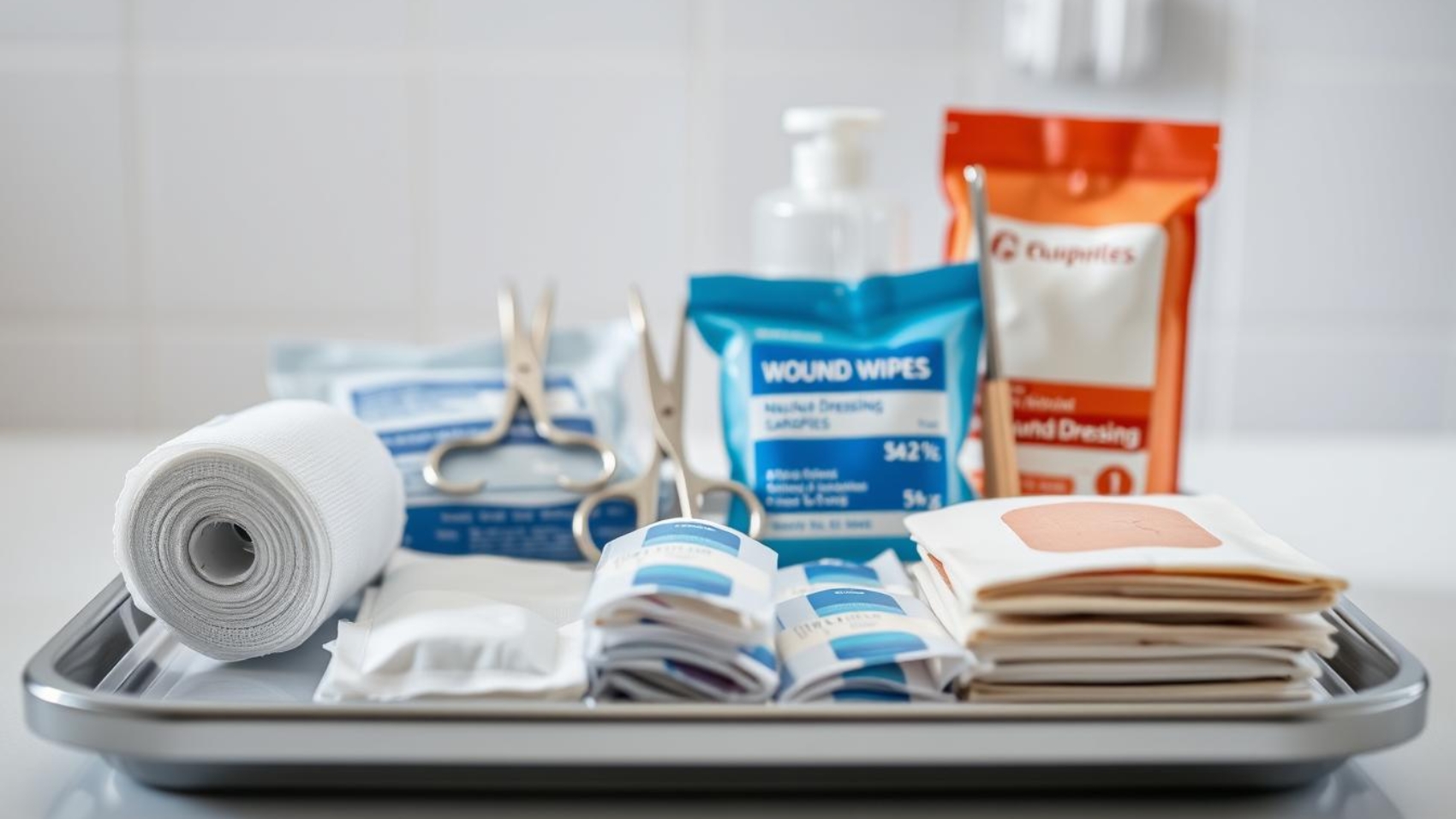
A basic first aid kit should have sterile dressings, antiseptic wipes, and adhesive tape. Tides Medical says these are must-haves for wound care. Don’t forget to include medical gloves to avoid spreading germs.

Having these basics ready is the first step in being ready for small accidents. Always check the expiration dates and replace any old or used items.

Newly Released Advanced Wound Care Products

In 2023, there are new advanced wound care products for home use. These include new antiseptic solutions and specialized dressings for different wounds. Dominion Mobile Wound Care advises keeping up with the latest products for better healing.

Some advanced items are hydrocolloid dressings and foam dressings. They help wounds heal by keeping them moist. Adding these to your first aid kit can greatly improve wound care.

Expert Recommendations for Supply Organization

Keeping your wound care supplies organized is important. Experts recommend using a dedicated first aid kit or storage box that’s easy to reach.

Label your supplies and store them in a cool, dry place to keep them effective. Also, regularly check and update your supplies to stay prepared.

Protective Equipment: Latest Innovations in Gloves and Barriers

Protective equipment in wound care has seen big changes, mainly in gloves and barriers for home use. Keeping a clean environment is key to avoid infections. Dominion Mobile Wound Care points out how important protective gear is for both patients and caregivers.

New Materials in Medical-Grade Gloves for Home Use

New gloves are made from materials that offer better protection and comfort. Vitality Medical talks about how gloves stop infections. These new materials are stronger and less likely to cause allergies, perfect for use at home.

Recent CDC Guidelines for Preventing Cross-Contamination

The Centers for Disease Control and Prevention (CDC) updates its guidelines often. The latest say using personal protective equipment (PPE), like gloves, is key when dealing with wound care. Following these rules can greatly lower the chance of spreading infections.

Environmentally Friendly Disposal Options for Used Supplies

We’re all getting more eco-friendly, and so is disposing of medical supplies. Now, there are green ways to throw away used gloves and barriers, like biohazard bags. You can look into these options to make sure you’re getting rid of used supplies the right way.

Medical Dressings: Breakthrough Products and Applications

When you take care of wounds at home, knowing about new medical dressings is key. These dressings help manage drainage, promote healing, and lower infection risk. With so many choices, picking the right one can be tough. But knowing the types and their uses can really help.

Recently Introduced Gauze and Non-Adherent Options

The market now has many gauze and non-adherent dressings for different wounds. Non-adherent dressings, for example, are made to cause less damage when removed. This helps wounds heal better. Companies like Dominion Mobile Wound Care lead in recommending these advanced products.

These dressings have great features:

  • They absorb better
  • They’re more comfortable for patients
  • They lower the chance of infection

Smart Dressings and Technology-Enhanced Wound Coverings

Smart dressings are a big step forward in wound care. They can check on wounds, give feedback, and release medicine when needed. They help wounds heal better and are great for long-term wounds.

Current Best Practices for Dressing Selection and Application

Picking the right dressing depends on the wound type, healing stage, and patient health. Here are some best practices in a table:

Wound Type Recommended Dressing Key Benefits
Acute Wounds Gauze or Non-adherent Dressings Promotes healing, easy to apply
Chronic Wounds Smart Dressings or Advanced Foam Dressings Manages drainage, promotes healing
Sensitive Skin Non-adherent or Silicone Dressings Minimizes skin irritation, gentle on skin

By knowing these best practices and the latest products, you can make smart choices for wound care. This ensures the best healing and recovery.

Digital Revolution in Wound Assessment and Monitoring

You can now use advanced digital tools for better wound care. Technology has changed how we assess, monitor, and treat wounds. These tools help you make more accurate assessments and improve patient care.

New Apps and Tools for Wound Documentation

New apps and digital tools have come out to improve wound documentation. They help track wound progress with precision, including measurements, images, and notes. For example, Dominion Mobile Wound Care offers on-the-spot assessments and custom solutions.

Telemedicine Advancements for Remote Wound Consultation

Telemedicine has changed how you get wound care advice. Now, you can get expert advice without leaving home. This is great for patients with mobility issues or those in remote areas.

How Technology is Changing Home Wound Care Management

Technology is making home wound care better by giving you real-time data. Digital tools for assessment and monitoring help healthcare providers make better decisions. They can adjust treatment plans as needed.

Feature Traditional Method Digital Method
Wound Measurement Manual measurement Digital measurement tools
Wound Documentation Paper-based records Digital apps and software
Consultation In-person visits Telemedicine platforms

Where to Source Quality Wound Care Supplies in Today’s Market

The need for quality wound care supplies at home has grown. Now, you can find these medical-grade products in many places. This makes it easier to get what you need for effective wound care.

Newly Available Consumer Channels for Medical-Grade Products

Many retailers now sell medical-grade wound care products directly to you. For example, Vitality Medical offers a wide range of at-home wound care essentials. This means you can find what you need without going to a physical store.

Price Comparison of Essential Supplies Across Major Retailers

Prices for wound care supplies vary a lot between retailers. Here’s a look at some key items:

  • Gauze pads: $5-$15 per pack
  • Medical tape: $3-$10 per roll
  • Antiseptic wipes: $8-$20 per pack

It’s smart to compare prices at different stores, including online ones. This way, you can find the best deals.

Insurance Coverage Updates for Wound Care Supplies

Insurance for wound care supplies has changed recently. More insurance plans now cover a variety of products, including advanced dressings and smart wound care technologies. Always check with your insurance to see what’s covered under your plan.

wound care supplies

Knowing your options and staying up-to-date on prices and insurance can help. This way, you can choose the best for your wound care needs with providers like Dominion Mobile Wound Care.

Special Considerations for High-Risk Patient Groups

Patients with certain health issues, like diabetes, need special wound care. This is to avoid serious problems. It’s important to know their specific needs and use the newest wound care methods.

Latest Approaches for Diabetic Wound Care

Diabetic wound care has made big strides. New advanced wound cleansers and specialized dressings are now available. Tides Medical’s amniotic tissue grafts are a cutting-edge solution for diabetic wounds. For more on long-term wound care, visit Dominion Mobile Wound Care.

New Pressure Ulcer Prevention Technologies

Preventing pressure ulcers requires the latest tech. This includes smart mattresses and advanced cushioning systems. These tools help spread out pressure, lowering the chance of ulcers in bedridden patients.

Recent Advancements in Chronic Wound Management

Chronic wound care has seen big improvements. Thanks to wound healing science and digital wound assessment tools. These tools help doctors track wounds better and change treatment plans as needed. Some key strategies include:

  • Regular monitoring of wound size and depth
  • Application of appropriate wound dressings
  • Use of negative pressure wound therapy when necessary

Keeping up with the latest in diabetic wound care, pressure ulcer prevention, and chronic wound management helps. It allows for better care of high-risk patients and better outcomes.

Conclusion: How Dominion Mobile Wound Care is Transforming Home Healing

Having the right wound care supplies at home is key for healing. Advances in science and technology make managing wounds easier. But, you need to pay close attention and have the right tools.

Dominion Mobile Wound Care leads in providing expert care at home. Their team uses the latest technology and knowledge for better healing. They make sure you get the best care in your own space.

Choosing Dominion Mobile Wound Care means your wound care is in good hands. If you need help with wound care, reach out to them. They are ready to assist in healing your wounds effectively.

FAQ

What are the essential wound care supplies that every home should have?

Every home needs basic first aid items like bandages and gauze. Also, antiseptic wipes and medical-grade gloves are important. Advanced wound care products, such as wound cleansers and dressings, are also necessary.

How often should I change my wound dressing?

The timing for changing dressings varies based on the wound type and severity. Generally, you should change them daily or when they get dirty or wet.

What are the signs of proper wound healing, and how can I identify possible complications?

Proper healing shows a smaller wound, granulation tissue, and less drainage. Look out for signs of infection like increased redness, swelling, or a bad smell.

Can I use standard drugstore supplies for serious wounds, or do I need specialized products?

For minor injuries, drugstore supplies are okay. But serious wounds need advanced products to heal right and avoid problems.

How can I prevent cross-contamination when caring for wounds at home?

Use medical-grade gloves and follow hand hygiene rules. Use separate supplies for each wound. The CDC has guidelines to help prevent cross-contamination.

What are the benefits of using smart dressings and technology-enhanced wound coverings?

Smart dressings and technology help monitor wounds in real-time. They create the best environment for healing and improve outcomes.

How can I access quality wound care supplies, and what are my options for purchasing medical-grade products?

You can find quality supplies online, at specialty stores, or through healthcare providers. Some insurance may cover certain products.

Are there any special considerations for high-risk patient groups, such as those with diabetes or pressure ulcers?

Yes, patients with diabetes or pressure ulcers need special care. This includes using specific technologies to manage their wounds.

Can telemedicine be used for remote wound consultation, and what are the benefits of this approach?

Yes, telemedicine allows for remote consultations. It helps patients get expert advice from home, reducing the need for in-person visits.

How can I organize my wound care supplies to ensure easy access and optimal care?

Store supplies in a clean, dry, and easy-to-reach spot. Organize them so you can find what you need quickly.

Advanced wound care

What Is Advanced Wound Care and Who Needs It

If you’re dealing with a chronic wound, you might have heard of advanced wound care. But what does it mean, and who can use it?

Advanced wound care is about using new treatments and special techniques for tough wounds. These include diabetic ulcers, venous ulcers, and pressure injuries. These wounds need more than basic care to heal right.

At Dominion Mobile Wound Care, we know how important advanced wound care is. Our team works hard to give you the best care to help you heal.

Key Takeaways

  • Advanced wound care is key for managing complex wounds.
  • Chronic wounds, like diabetic ulcers, need special help.
  • New treatments can really help wounds heal better.
  • Expert services are ready for those needing advanced care.
  • Dominion Mobile Wound Care offers special wound care services.

The Science Behind Advanced Wound Care

Have you heard of “advanced wound care”? It’s more than just a term. It’s a science that helps heal complex wounds. This method uses many therapies, each one chosen for the wound’s needs.

Definition and Core Principles

Advanced wound care uses new technologies and proven practices to heal wounds. It focuses on creating the best environment for healing. Treatments like negative pressure wound therapy (NPWT) and bioengineered tissue help the body heal better.

advanced wound care therapies

Evolution from Traditional Wound Management

Wound care has changed a lot over time. It used to just clean and dress wounds. Now, it’s more about using the latest technology to help wounds heal. Dominion Mobile Wound Care is a great example. They use the newest wound care tech to help patients get better.

The Growing Epidemic of Chronic Wounds in America

America is facing a big problem with chronic wounds. These wounds affect over 6 million people, making their lives harder. They are a big health issue and also cost a lot of money for healthcare.

Current Statistics and Trends

Chronic wounds are a big problem in the U.S., affecting more than 6 million people. This number is expected to grow as more people get older and diabetes becomes more common.

The most common types of chronic wounds include diabetic foot ulcers, pressure injuries, and venous ulcers.

Type of Chronic Wound Prevalence Primary Risk Factors
Diabetic Foot Ulcers 15% of diabetic patients Diabetes, neuropathy
Pressure Injuries Common in immobile patients Immobility, pressure
Venous Ulcers 1% of adult population Venous insufficiency, obesity

Economic and Quality-of-Life Impact

Chronic wounds cost a lot of money, with annual costs over $25 billion in the U.S.

These wounds also hurt patients’ quality of life. They cause pain, discomfort, and emotional stress.

Advanced wound care services are key to solving this problem. Places like Dominion Mobile Wound Care offer expert care. They help patients heal faster and reduce the impact of chronic wounds on their lives and the healthcare system.

Complex Wounds: When Standard Care Isn’t Enough

Dealing with a complex wound that won’t heal? You might need more than basic care. Wounds like diabetic foot ulcers, pressure injuries, and venous and arterial ulcers need special attention. These issues often stem from deeper health problems and can really affect your life.

complex wounds care

Diabetic Foot Ulcers

Diabetic foot ulcers are a big problem for people with diabetes. They happen because of nerve damage and bad blood flow. Without proper care, these ulcers can turn into serious infections or even lead to amputation. Using negative pressure therapy and bioengineered tissue can help heal these wounds and prevent worse problems.

Pressure Injuries and Bed Sores

Pressure injuries, or bed sores, happen when skin stays under pressure too long. This cuts off blood flow and damages tissue. They’re common in people who can’t move much. To treat these, we use special methods to ease pressure, manage pain, and help wounds heal with the right dressings and treatments.

Venous and Arterial Ulcers

Venous and arterial ulcers are caused by bad blood flow. Venous ulcers happen when blood pools in the legs. Arterial ulcers are due to not enough blood flow. To heal these, we use compression therapy for venous ulcers and may need to fix blood flow with surgery for arterial ulcers.

Who Needs Advanced Wound Care Services

If you have chronic or complex wounds, advanced wound care might help. People with diabetic ulcers, pressure ulcers, or non-healing wounds need special care. This care helps them heal and avoid more problems.

Look out for signs like persistent redness, too much warmth, or pus around the wound. Also, watch for pain that gets worse, a bad smell, or skin color changes. These are signs you need expert help.

Those with diabetes or at risk of losing a limb due to poor wound care should seek help. Dominion Mobile Wound Care offers top-notch care. They aim to improve your life and help your wounds heal.

FAQ

What is advanced wound care, and how does it differ from traditional wound management?

Advanced wound care uses the newest technologies and proven methods to help wounds heal. It’s different from old ways because it makes treatment plans just for each person. This includes using things like negative pressure wound therapy (NPWT) and bioengineered tissue.

Who needs advanced wound care services?

People with long-lasting wounds, like diabetic ulcers or pressure injuries, need advanced care. These wounds need special help to heal, and advanced care services offer the right care.

What are the benefits of advanced wound care?

Advanced wound care helps wounds heal better, lowers the chance of problems, and makes life better. It uses the latest methods to help patients get better fast and well.

What is negative pressure wound therapy (NPWT), and how is it used in advanced wound care?

Negative pressure wound therapy (NPWT) uses a vacuum dressing to help wounds heal. It’s used in advanced care to manage tough wounds, cut down on fluid, and improve blood flow.

What are bioengineered tissues, and how are they used in wound healing?

Bioengineered tissues are made to help wounds heal. They’re used in advanced care to help tissue grow, close wounds, and improve healing.

How can I benefit from hiring a mobile wound care service like Dominion Mobile Wound Care?

Hiring a mobile wound care service like Dominion Mobile Wound Care offers many benefits. You get full and caring care, better healing, and a better life. They make plans just for you, focusing on healing.

Post-op wound infection

The Most Common Causes of Post-Op Wound Infections

When you have surgery, you face a risk of post-op wound infection. This can make your recovery harder. These infections happen when bacteria get into the surgical area, leading to symptoms that can be mild or severe.

It’s important to know about incision risks to avoid these problems. The type of surgery, your health, and how you care for yourself after surgery all affect your risk of infection.

This article will look at why post-op wound infections happen. We’ll talk about how to lower your risk and make your recovery easier. By watching for signs and taking good care of your wound, you can cut down your infection risk.

Key Takeaways

  • Post-op wound infections are a significant risk after surgery.
  • Understanding incision risks can help prevent infections.
  • Patient health and post-operative care are key in infection risk.
  • Knowing the signs of infection can lead to early treatment.
  • Proper wound care is essential for minimizing infection risk.

Understanding Post-Op Wound Infections

It’s important to know about the risks of post-op wound infections for a smooth recovery. After surgery, your body is open to infections. These can happen at the surgical site.

What Defines a Post-Operative Infection

A post-operative infection, or surgical site infection (SSI), happens when bacteria or other pathogens get into the wound. These infections can be shallow or deep. The deep ones are more serious and can be life-threatening.

Current Statistics and Trends in the United States

Surgical site infections are a big problem in hospitals. They cause a lot of illness, death, and cost a lot of money. For example, SSIs can make up to 5% of surgeries longer and more expensive.

Type of SSI Characteristics Complications
Superficial Incisional SSI Involves skin and subcutaneous tissue Delayed healing, increased risk of further infection
Deep Incisional SSI Involves deeper soft tissues, potentially reaching organs or body cavities Severe illness, possible sepsis, organ failure

If you think you have a post-op wound infection, get help fast. Dominion Mobile Wound Care can help you heal your wounds.

The Impact of Post-Op Wound Infections on Patient Recovery

Surgical site infections can greatly affect a patient’s healing journey. When an infection happens, it can cause many complications. These issues can harm the patient’s health and overall well-being.

Extended Hospital Stays and Readmission Rates

Patients with post-op wound infections often stay in the hospital longer. This can be stressful and slow down their recovery. These patients also face a higher chance of being readmitted to the hospital.

Studies show that these infections can lead to ICU admission and increase mortality risks.

Financial Burden on Patients and Healthcare System

The financial impact of post-op wound infections is huge. The costs of extended hospital stays and extra treatments are high. Proper wound care is key to avoiding these costs.

Long-Term Health Consequences and Quality of Life

Post-op wound infections can also have long-term effects. They can cause chronic conditions, persistent pain, and reduced mobility. This can make it hard for patients to get back to their normal lives. Effective wound management is essential for a smoother recovery.

If you’re facing the challenges of a post-op wound infection, consider contacting Dominion Mobile Wound Care. They offer specialized care to help you through the recovery process and improve your outcomes.

Bacterial Contamination: The Primary Culprit

Bacterial contamination is the main reason for surgical site infections. When bacteria get into the surgical wound, they can lead to infections. These infections make healing harder.

Common Bacteria Responsible for Surgical Site Infections

Staphylococcus aureus, Escherichia coli, and Pseudomonas aeruginosa are common bacteria causing these infections. They can come from the patient’s own body or from outside.

bacteria exposure

How Bacteria Enter Surgical Wounds

Bacteria can get into surgical wounds in different ways. Knowing these ways is key to preventing infections.

Contamination During Surgery

During surgery, bacteria can get into the wound through contaminated tools, gloves, or the operating room. Strict sterilization protocols are needed to reduce this risk.

Post-Surgery Environmental Exposure

After surgery, the wound can be exposed to bacteria from the environment. This includes air, water, and contact with contaminated surfaces or hands. Keeping the wound clean and practicing good hygiene is important to prevent infections.

If you’re worried about incision risks or suspect bacteria exposure, getting professional help is important. Dominion Mobile Wound Care offers specialized treatments for post-op infections. Their expert services help wounds heal properly and reduce the risk of complications.

Pre-Existing Health Conditions That Increase Your Infection Risk

Certain health conditions can make you more likely to get post-operative wound infections. It’s important to know about these conditions and how they affect healing. This knowledge helps manage risks effectively.

Diabetes and Wound Healing Complications

Diabetes is a big risk for post-operative wound infections. High blood sugar can harm blood vessels and nerves. This reduces blood flow to the wound area. Managing diabetes well before and after surgery is key to lowering this risk.

Immune System Disorders and Medication Effects

People with immune system problems, like autoimmune diseases or those on immunosuppressive drugs, face higher infection risks. These conditions weaken the body’s defenses. This makes it harder to fight off bacteria that can cause infections.

Obesity and Nutritional Factors in Wound Recovery

Being overweight can make wound healing harder. It can lead to reduced blood flow and more tension on the wound. Also, not getting enough nutrients can slow healing. Eating well and keeping a healthy weight can help reduce these risks.

If you’re dealing with a post-operative wound infection, Dominion Mobile Wound Care is here to help. Their team offers detailed wound care services. They aim to help your wound heal and prevent more problems.

Surgical Environment Factors Contributing to Infections

The surgical environment is key in preventing post-operative wound infections. As a patient, you expect a clean and sterile operating room. This is a right expectation.

Keeping the operating room clean and sterile is vital. It affects how well you recover and the risk of infection before and after surgery.

Operating Room Cleanliness Standards and Compliance

Operating rooms must follow strict cleanliness standards. This includes cleaning and disinfecting surfaces, equipment, and furniture regularly. Following these standards is critical to avoid surgical site infections.

Sterilization Protocols and Possible Failures

Sterilizing equipment is key to preventing infections. But, failures in sterilization can lead to bacteria exposure. It’s important for healthcare facilities to stick to sterilization guidelines and check their processes often.

Healthcare Staff Hygiene Practices and Training

Healthcare staff are essential in keeping the surgical environment clean and sterile. They must practice good hygiene, like hand washing and wearing protective gear. Staff need ongoing training to stay updated with the latest hygiene practices.

Knowing what causes post-op wound infections helps you take care of yourself. If you’re worried about your surgical wound, contact Dominion Mobile Wound Care. They can help you heal and reduce infection risk.

Post-Op Wound Infection: Signs You Should Never Ignore

Spotting signs of post-op wound infections early is key to a smooth recovery. After surgery, your body is more open to infections. Knowing the warning signs helps you get medical help fast. Symptoms of surgical site infections usually show up within 3 to 7 days after surgery.

Visual Indicators of Developing Infection

Watch for changes around your wound. Redness and swelling are big warning signs. If the area gets more red or swollen, it’s a problem. Also, look for warmth or tenderness around the wound, as these can mean an infection is brewing.

Pain Patterns and Temperature Changes

Pain and temperature changes can mean an infection. If your pain gets worse over time or feels more intense, it’s a warning. Also, a fever over 100.4°F (38°C) is a big sign of infection. Keep an eye on your temperature and tell your doctor if it’s off.

Discharge Characteristics and Odor Warning Signs

Wound discharge is normal, but some types can mean infection. Look for thick, cloudy, or foul-smelling discharge. If you see these, call your doctor right away.

Signs of Infection Description
Redness and Swelling Increased redness or swelling around the wound site
Pain Increase Pain that worsens over time or becomes severe
Fever Body temperature over 100.4°F (38°C)
Discharge Thick, cloudy, or foul-smelling discharge from the wound

If you see any of these signs, get medical help fast. Early treatment can make a big difference. At Dominion Mobile Wound Care, we’re here to help you heal. Call us today to learn more about our services and how we can support your recovery.

Improper Wound Care Techniques That Lead to Complications

How you care for your surgical wound is key to healing. Proper wound care stops complications and helps healing. It lowers infection risk, reduces scarring, and speeds up recovery.

Common Dressing Change Mistakes

Changing dressings right is vital. Mistakes include not washing hands, using dirty tools, and not changing often enough. Always follow your doctor’s advice and keep things clean.

Wound Cleansing Errors to Avoid

Cleaning the wound is important. Avoid harsh soap, not rinsing well, and not drying before dressing. Use gentle saline solution. Don’t touch the wound to avoid bacteria.

The Dangers of Neglecting Regular Wound Inspection

Checking your wound often is key. Skipping this can cause serious problems like delayed healing and infections. Look for redness, swelling, pain, or discharge daily.

Proper Wound Care Technique Improper Wound Care Technique Potential Complication
Using sterile equipment for dressing changes Using non-sterile equipment Infection
Cleansing with saline solution Using harsh soap Delayed Healing
Regular wound inspection Neglecting wound inspection Unnoticed Infection

If wound care worries you, get help. Dominion Mobile Wound Care offers expert advice and treatment. Don’t risk complications; let the pros help you heal.

Breaking News: Recent Advances in Preventing Post-Surgical Infections

Medical research has made big strides in stopping post-surgical infections. This is great news for patients looking to recover smoothly. You might be curious about the latest ways to prevent these infections.

Newly Approved Antimicrobial Dressings

Newly Approved Antimicrobial Dressings

New antimicrobial dressings have been approved to fight off surgical site infections. These dressings stop bacteria from growing. They add extra protection while your body heals.

Updated CDC Guidelines for Surgical Site Infection Prevention

The CDC updates its guidelines often to keep up with new research. The latest changes stress the need for good wound care. This includes using the right dressings and keeping things clean.

Innovative Patient Education Approaches Showing Promise

Teaching patients about wound care and infection prevention is key. New methods like mobile apps and online tools make it easier. They help patients follow their care instructions better.

Knowing about these advances can help you prevent infections after surgery. If you’re recovering or getting ready for surgery, talk to experts like Dominion Mobile Wound Care. They can help you recover well and achieve the best results.

How Dominion Mobile Wound Care Addresses Post-Op Infections

Post-operative infections can really slow down recovery. Dominion Mobile Wound Care has a special way to treat these infections. They focus on the needs of patients after surgery.

Specialized Treatment Approaches for Different Wound Types

Dominion Mobile Wound Care offers tailored treatment plans for all kinds of wounds. They use advanced cleaning and special dressings to fight infections.

Wound Type Treatment Approach Benefits
Diabetic Foot Ulcers Advanced Cleansing and Antimicrobial Dressings Promotes Healing, Reduces Infection Risk
Surgical Site Infections Targeted Antibiotic Therapy and Wound Debridement Effective Infection Control, Faster Recovery
Pressure Ulcers Specialized Pressure Redistribution and Wound Care Prevents Further Damage, Enhances Healing

The Convenience and Effectiveness of Mobile Care Services

Dominion Mobile Wound Care makes care easy and effective. Their team visits patients at home. This way, patients can get treatment in a comfortable setting.

Dominion Mobile Wound Care Services

Recent Patient Success Stories and Outcomes

Many patients have seen big improvements with Dominion Mobile Wound Care. Their focus on personalized care and advanced treatments has led to great results. Patients are very happy with their care.

If you’re dealing with a post-operative wound infection, Dominion Mobile Wound Care can help. Their team is ready to provide the care you need to heal well.

When to Seek Professional Help for Your Surgical Wound

Knowing when to get help for your surgical wound is key to a smooth recovery. After surgery, your body is at risk for infections and complications. It’s important to watch your wound closely.

Emergency Warning Signs That Require Immediate Attention

Certain symptoms mean you need to see a doctor right away. These include:

  • Increasing pain or swelling around the wound
  • Redness or warmth around the surgical site
  • Pus or discharge from the wound
  • A foul odor from the wound
  • Fever or chills

If you notice any of these signs, don’t wait. Acting fast is key to managing post-op wound infections.

The Proven Benefits of Early Intervention

Getting help early can greatly improve your recovery. Early treatment stops infections from spreading, lowers the chance of more problems, and helps wounds heal faster.

Benefits of Early Intervention Outcomes
Prevents infection spread Faster recovery
Reduces complication risks Less scarring
Promotes faster healing Better overall health

How to Access Care Quickly Through Dominion Mobile Wound Care

Dominion Mobile Wound Care makes it easy to manage surgical wounds. Their mobile services bring expert care to you, ensuring timely and right treatment.

If you’re worried about your wound or have questions, contact Dominion Mobile Wound Care. Their team is ready to help you heal quickly and safely.

Conclusion: Protecting Your Health After Surgery

Proper care after surgery is key to keeping you healthy. Post-op wound infections can cause big problems. They can lead to longer hospital stays and high costs.

Dominion Mobile Wound Care offers special care to help you heal. Their team works closely with you to treat and watch your wound. This way, you can feel safe knowing your health is being taken care of.

Looking after your health after surgery means paying attention to details. Consider contacting Dominion Mobile Wound Care. They can help support your recovery.

FAQ

What are the most common causes of post-op wound infections?

Post-op wound infections often come from bacteria. This can happen during or after surgery. Bacteria like Staphylococcus aureus and Escherichia coli are common culprits.

How can pre-existing health conditions increase the risk of post-op wound infections?

Health issues like diabetes, immune system problems, and obesity can slow healing. They raise the risk of infections. It’s key to manage these conditions before and after surgery.

What are the signs and symptoms of post-op wound infections that I should not ignore?

Look out for redness, swelling, and warmth around the wound. Pain, temperature changes, and discharge like pus or bad smell are also warning signs. If you notice these, get medical help right away.

How can improper wound care techniques lead to complications?

Mistakes in dressing changes and wound cleaning can cause infections and slow healing. It’s vital to check the wound regularly and care for it properly to avoid these issues.

What are the benefits of seeking professional help for post-op wound care?

Professional wound care offers specialized treatment and better outcomes. Dominion Mobile Wound Care provides mobile services for quick and safe recovery.

How can I reduce the risk of incision risks and bacteria exposure?

Follow proper wound care, keep the area clean, and ensure healthcare staff follow hygiene rules. This helps prevent infections.

What are the long-term health consequences of post-op wound infections?

Infections can cause chronic pain, limited mobility, and lower quality of life. Early treatment and proper care can help avoid these issues.

Wound pain management

Managing Pain from Chronic Wounds at Home

Dealing with chronic wound pain is tough and can change your life. It’s not just about feeling uncomfortable. Chronic wound pain can make you feel sad and tired all the time. This makes simple tasks hard to do.

Effective pain management is key to a better life. In this article, we’ll share some great home comfort tips. These tips can help you manage chronic wound pain better.

By learning to manage your wound pain, you start healing. You can regain your comfort at home.

Key Takeaways

  • Understand the impact of chronic wound pain on your daily life.
  • Learn effective home comfort tips for managing wound pain.
  • Discover how to improve your overall well-being while dealing with chronic wounds.
  • Find out how to take the first step towards healing with professional help.
  • Explore the benefits of hiring Dominion Mobile Wound Care for your wound healing journey.

The Challenge of Chronic Wound Pain

Chronic wound pain is a big challenge that affects your body and mind. It’s important to manage this pain well to improve your life quality.

Types of Wound Pain You May Experience

It’s key to know the types of pain from chronic wounds for good pain management. There are mainly two types: nociceptive and neuropathic pain.

Nociceptive Pain

Nociceptive pain is a natural response to injury. It happens when pain receptors detect damage or inflammation. This pain feels sharp, aching, or throbbing.

Neuropathic Pain

Neuropathic pain, though, is not a normal response. It’s caused by nerve damage. This pain feels burning, shooting, or stabbing. It’s harder to manage.

How Chronic Wounds Differ from Acute Injuries

Chronic wounds heal differently than acute injuries. Unlike acute injuries, which heal quickly, chronic wounds take much longer. They don’t go through the normal healing stages.

Characteristics Acute Injuries Chronic Wounds
Healing Timeframe Typically heals within a few weeks Often takes months or years to heal
Pain Characteristics Usually sharp pain that subsides as healing progresses Can experience persistent or recurring pain
Pain Management Often managed with standard pain relief options May require more complex pain management strategies

Knowing these differences helps in creating a pain management plan that fits your needs.

The Impact of Chronic Wound Pain on Your Daily Life

Living with a chronic wound can really change your daily life. The pain can make simple things hard, like moving around. It also affects how you feel, both physically and emotionally.

Physical Limitations and Mobility Challenges

Chronic wound pain can make it hard to do everyday things. Even walking can feel like a big challenge. To help, you can make your home more comfortable. This can reduce the strain on your wound.

Psychological Effects and Emotional Well-being

The mental side of chronic wound pain is just as important. It can cause feelings of frustration, anxiety, and even depression. Finding ways to manage the pain is key to feeling better emotionally.

Sleep Disruption and Fatigue Management

Chronic wound pain can mess up your sleep, making you feel tired all the time. This tiredness can make the pain feel worse. It’s important to find ways to manage both the pain and your fatigue.

Aspect of Life Impact of Chronic Wound Pain Management Strategies
Physical Mobility Reduced mobility due to pain Home comfort tips, physical therapy
Emotional Well-being Increased risk of depression and anxiety Wound pain management, counseling
Sleep Quality Disrupted sleep patterns Sleep hygiene practices, pain management

Wound Pain Management Strategies for Home Care

You don’t have to let chronic wound pain control your life. There are many home care strategies to help ease your pain. Managing wound pain well is key to a better life and faster healing.

Prescription and Over-the-Counter Medication Options

Medication is a big help in managing wound pain. You can look into both prescription and over-the-counter (OTC) options to find what works for you.

Analgesics and Anti-inflammatories

Analgesics cut down on pain, and anti-inflammatories reduce swelling and inflammation. Acetaminophen is a common OTC analgesic, and ibuprofen is an anti-inflammatory.

Topical Pain Relievers

Topical pain relievers, like creams and gels, can be applied directly to the wound or around it. They numb the pain and are great for pain at the wound site.

Non-Pharmaceutical Approaches to Try

There are also non-medical ways to manage wound pain. Using aloe vera or honey on your wound can help because they have natural soothing properties.

pain relief options

When to Contact Your Healthcare Provider

Knowing when to get medical help is important. If your pain gets worse or you see signs of infection like more redness, swelling, or pus, call your healthcare provider right away.

By using these strategies and keeping in touch with your healthcare provider, you can manage your wound pain at home. For more help and support, consider contacting professionals like Dominion Mobile Wound Care for detailed wound care.

Creating a Comfortable Home Environment for Healing

Your home can be a place of healing. With a few simple changes, you can make it a supportive space. A comfortable home environment helps by reducing stress and pain from wound care.

Setting Up an Effective Wound Care Station

Having a special area for wound care can make treatment easier and less painful. Here are some tips:

  • Choose a quiet, well-lit area with enough space for supplies.
  • Keep your wound care supplies organized and within reach to avoid stretching or bending.
  • Use a comfortable chair or bed that supports you well during treatment.

For more detailed guidance on wound care at home, you can refer to resources like Dominion Mobile Wound Care’s guide.

Temperature and Humidity Control for Comfort

Keeping your home at a comfortable temperature and humidity level is key for wound healing. Keep your home between 68-72°F (20-22°C) for the best comfort. Using a humidifier can also help keep the air moist, which is good for wound healing.

Accessibility Modifications to Reduce Pain

Simple changes to your home can help reduce pain and discomfort. Consider:

  1. Installing handrails or grab bars in key spots.
  2. Rearranging furniture to make paths clear.
  3. Using a shower chair or bench to ease strain during bathing.

By making these changes, you can make your home more comfortable and supportive. This helps promote healing and reduces wound pain.

Nutritional Support for Wound Healing and Pain Reduction

Eating right is key for your body to heal wounds and manage pain. A balanced diet gives your body what it needs to recover. It helps avoid complications and boosts your overall health.

Essential Nutrients That Promote Recovery

Some nutrients are vital for healing wounds. Eating enough of these can really help your recovery.

Protein and Amino Acids

Protein is essential for fixing and growing new tissue. Amino acids, the parts of protein, help make new tissue and heal wounds. Good sources of protein are lean meats, fish, eggs, and legumes.

Vitamins and Minerals

Vitamins and minerals are also key for healing. Vitamin C helps make collagen, and zinc boosts your immune system and helps wounds close. Eating a variety of fruits, vegetables, and whole grains will help you get these nutrients.

Hydration Importance for Wound Healing

Drinking enough water is vital for healthy skin and healing wounds. Water keeps your skin moist and helps nutrients reach the wound.

Anti-inflammatory Diet Choices to Consider

Eating anti-inflammatory foods can help with pain and healing. Foods like salmon and walnuts, which are rich in omega-3 fatty acids, have anti-inflammatory effects.

Nutrient Food Sources Benefit
Protein Lean meats, fish, eggs, legumes Tissue repair and regeneration
Vitamin C Fruits, vegetables Collagen synthesis
Zinc Meat, poultry, seafood, whole grains Immune function and wound closure
Omega-3 fatty acids Salmon, walnuts, flaxseeds Anti-inflammatory effects

By eating a balanced diet and staying hydrated, you support your body’s healing. This can also help reduce pain from chronic wounds.

Managing Nerve Pain in Chronic Wounds

If you have a chronic wound, you know how nerve pain can hurt. This pain, or neuropathic pain, can really affect your life. It’s important to manage it well to feel better and heal faster.

nerve pain wounds

Identifying Signs of Neuropathic Pain

Neuropathic pain from chronic wounds can feel sharp or burning. It’s key to notice these signs and tell your doctor. This way, you can get the right help.

Specialized Treatments You Can Access

There are special treatments for nerve pain in chronic wounds. You might get medicines made just for this pain, like certain antidepressants or anticonvulsants. Your doctor might also suggest nerve blocks or neuromodulation techniques.

At-Home Relief Techniques to Try Today

There are also things you can do at home to ease nerve pain. Try gentle compression or temperature therapy. These can help a lot.

Gentle Compression Methods

Gentle compression uses bandages or special clothes to apply pressure. It can help with swelling and pain. But, make sure to follow your doctor’s advice on how to use it.

Temperature Therapy Applications

Temperature therapy, like heat or cold, can also help. Cold therapy, for example, can reduce swelling and numb the pain. Just remember to use a barrier to protect your skin.

Dealing with nerve pain is a big part of taking care of chronic wounds. Knowing the signs and getting the right treatment can help a lot. For more help, consider talking to experts like Dominion Mobile Wound Care. They offer wound care at home.

Latest Advancements in Home-Based Wound Care

Now, you have more tools to manage chronic wounds at home. These new tools help make wound care more effective. They reduce pain and help wounds heal faster.

New Dressing Technologies for Pain Reduction

New dressings are a big step forward. They are designed to be more comfortable and reduce pain. They also create a moist environment that helps wounds heal.

Hydrogel dressings and foam dressings are examples. They help manage pain and support healing.

Portable Therapy Devices You Can Use at Home

Portable therapy devices are now used at home. You can use negative pressure wound therapy (NPWT) systems and electrical stimulation devices at home. These devices help wounds heal faster, reduce pain, and cut down on hospital visits.

Telehealth Options for Remote Wound Assessment

Telehealth is a convenient option for wound care. Healthcare professionals can check your wound remotely. They can also guide you on wound care and adjust treatment plans as needed.

This saves time and reduces travel needs. It’s great for those with mobility issues.

These new advancements in home-based wound care are changing how we manage chronic wounds. They make it easier and less painful. By using these technologies and services, you can play a bigger role in your healing journey.

How Dominion Mobile Wound Care Supports Your Home Recovery

If you’re dealing with chronic wound pain, Dominion Mobile Wound Care is here to help. Managing chronic wounds can be tough, and finding pain relief is key. Dominion Mobile Wound Care offers services right in your home to tackle these challenges.

Mobile Assessment and Treatment Services

Dominion Mobile Wound Care brings expert care to your door. Their mobile services mean you get timely care without leaving home. This is great for those with nerve pain wounds or mobility issues.

Personalized Pain Management Plans

Dominion Mobile Wound Care knows everyone’s needs are different. They create personalized pain management plans just for you. These plans focus on your specific needs for the best pain relief.

Ongoing Support and Patient Education

Healing is a journey, and Dominion Mobile Wound Care is with you every step. They offer ongoing care and patient education to help you manage your condition.

Virtual Consultations

  • Convenient remote access to care
  • Reduced need for in-person visits
  • Enhanced flexibility in managing your care schedule

Emergency Support Options

Dominion Mobile Wound Care also has emergency support options for urgent needs. This ensures you always have help when you need it.

Choosing Dominion Mobile Wound Care is a big step towards healing and managing pain. Their services support you from start to finish. Reach out to Dominion Mobile Wound Care today to see how they can help your recovery at home.

Conclusion: Taking Control of Your Wound Healing Journey

Managing wound pain is key to a better life. By using home comfort tips, you can lead your healing journey. Making your home comfortable, eating right, and handling nerve pain are all important steps.

There are many ways to lessen wound pain. Try non-medical methods, make your home cozy, and use new home care tools. Dominion Mobile Wound Care can help with personalized plans and education.

Being proactive in healing can greatly improve your health. Contact Dominion Mobile Wound Care for more on their services. Start your journey to a more comfortable recovery today.

FAQ

What are the most common types of pain associated with chronic wounds?

Chronic wounds can cause two main types of pain. Nociceptive pain comes from tissue damage. Neuropathic pain is due to nerve damage. Knowing the type of pain helps in managing it better.

How can I manage pain from chronic wounds at home?

To manage pain at home, use a mix of medicines and non-medical methods. Over-the-counter pain relievers or prescription drugs can help. Non-pharmaceutical options include aloe vera, honey, or temperature therapy.

What are some tips for creating a comfortable home environment for healing?

For a healing-friendly home, set up a wound care station. Control the temperature and humidity. Make your home accessible to reduce pain and discomfort.

How does nutrition impact wound healing and pain reduction?

Nutrition is key for healing wounds and reducing pain. Foods rich in protein, amino acids, vitamins, and minerals aid healing. An anti-inflammatory diet can also help lessen pain and swelling.

What are some signs of neuropathic pain in chronic wounds?

Neuropathic pain in wounds shows as burning, shooting, or stabbing feelings. You might also feel numbness or tingling. If you notice these, see your healthcare provider for help.

How can I access specialized treatments for nerve pain?

For nerve pain, talk to your healthcare provider. They might suggest gentle compression, temperature therapy, or specific pain medications.

What are the benefits of telehealth options for remote wound assessment?

Telehealth lets you get medical care at home. It’s convenient and reduces the need for in-person visits. It also allows for more frequent check-ups and treatment plan adjustments.

How can Dominion Mobile Wound Care support my home recovery?

Dominion Mobile Wound Care offers mobile care and treatment. They create personalized pain management plans. They also provide ongoing support and education to help you manage pain and recover at home.

Foot wound care

How to Protect Foot Wounds From Everyday Activity

If you have diabetes or other health conditions, you’re at a higher risk of developing complications from minor injuries. Protecting your feet is key to prevent further damage and promote healing.

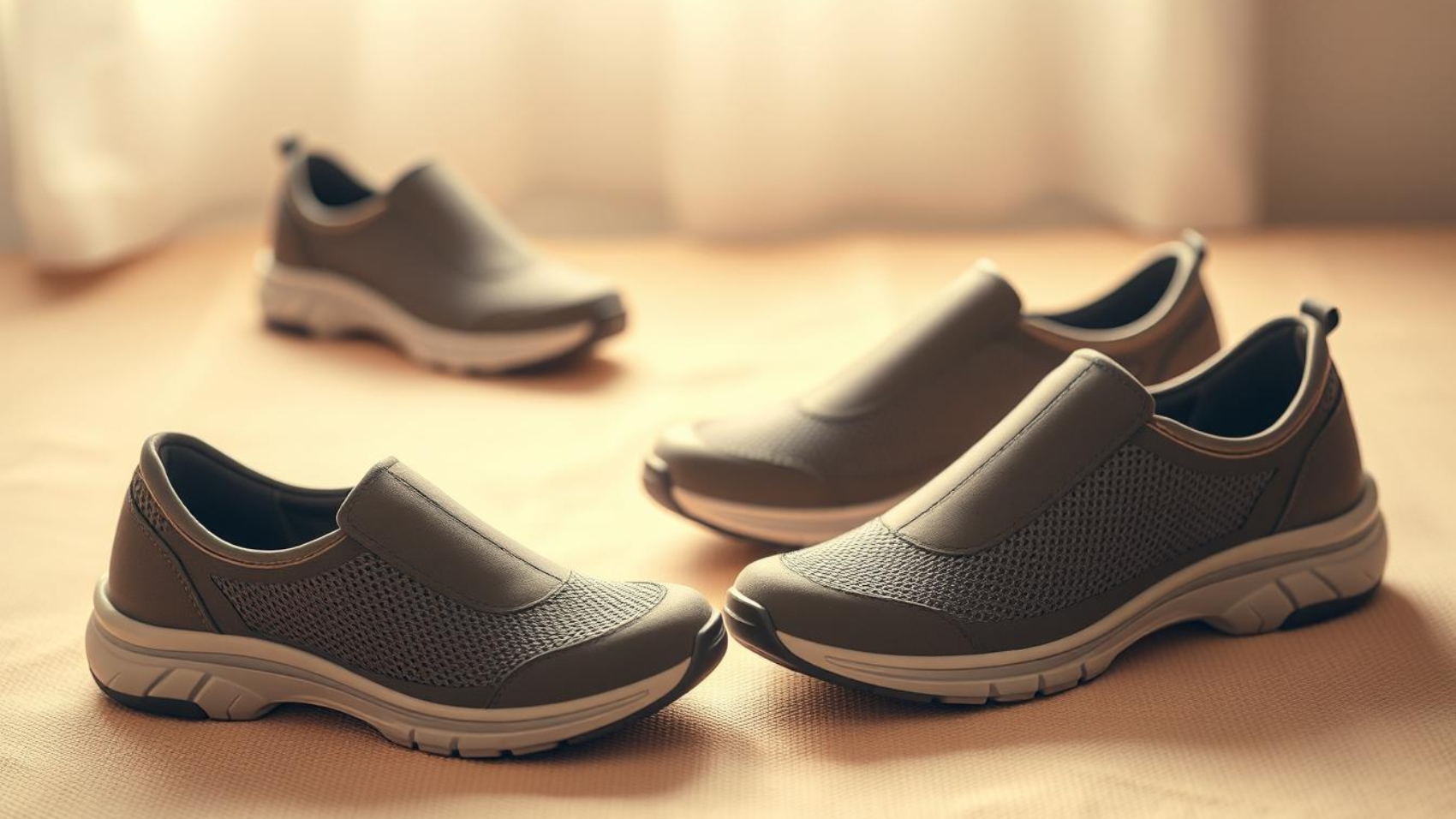
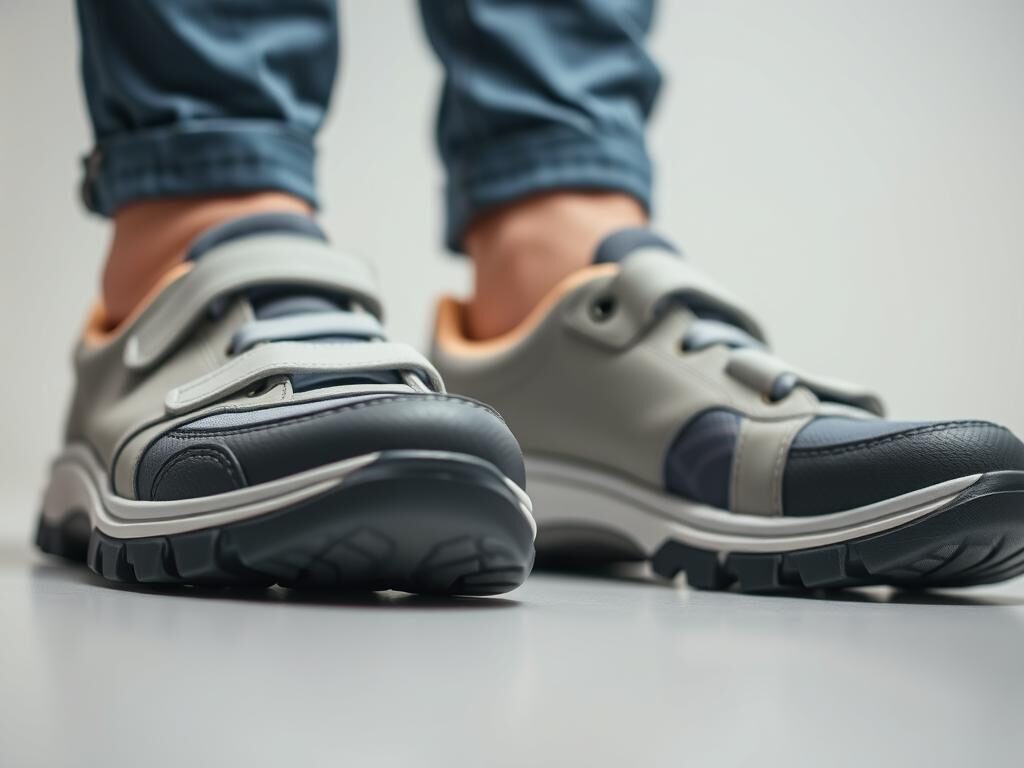
Everyday activities can put extra stress on your feet, making it hard for wounds to heal. Wearing proper footwear, such as diabetic shoes, can help reduce pressure and friction on your feet.

By taking the right precautions, you can lower the risk of further injury and support the healing process. If you’re struggling with foot wounds, it’s vital to seek professional help.

Key Takeaways

  • Protecting your feet is key if you have diabetes or other health conditions.
  • Wearing proper footwear, like diabetic shoes, can help reduce pressure on your feet.
  • Everyday activities can put extra stress on your feet, making wound healing challenging.
  • Seeking professional help is essential if you’re struggling with foot wounds.
  • Dominion Mobile Wound Care can help you heal your wounds effectively.

The Growing Concern of Foot Wounds in America

As more people get older, foot wounds are becoming a bigger problem. These wounds are a big health issue, mainly for older adults and those with diabetes. They can easily get worse from simple things we do every day, making it important to take good care of them.

Rising Incidence Among Different Demographics

Foot wounds are more common among older adults because they move less and have poor blood flow. People with diabetes also face a higher risk because of nerve damage and slower healing. Knowing who is most at risk helps us find better ways to help them.

The Impact of Daily Activities on Healing

Things we do every day can affect how foot wounds heal. It’s important to protect the wound from pressure to avoid more damage. Even simple actions like walking can irritate a wound if not done carefully. Here’s a table showing how different activities can impact healing and how to protect against it.

Activity Impact on Healing Pressure Protection Measure
Walking Can cause friction and irritation Use of orthotics or diabetic shoes
Standing Increases pressure on the wound Regular breaks to rest and elevate feet
Exercise Can cause additional stress on the wound Modify exercises to avoid direct pressure

By knowing how daily activities affect foot wounds and using the right protection, we can help them heal better.

Understanding the Vulnerability of Foot Wounds

The foot’s design and role make wounds there more at risk for irritation and complications. Foot wounds face constant pressure, friction, and stress. These factors can slow down healing.

Why Foot Wounds Heal Differently Than Other Injuries

Foot wounds heal differently because of their special environment. The feet carry our body’s weight and help us move. This makes them more stressed and prone to wound irritation.

The skin on our feet is thicker and drier, which can slow healing. Footwear and daily activities can also cause friction, making wound care harder.

Common Causes of Wound Deterioration

Physical Stress Factors

Physical stress, like pressure and friction from walking or bad shoes, can hurt wound healing. These stresses can lead to wound irritation. If not handled right, they can cause more problems.

Environmental Challenges

Environmental factors, like dirt, moisture, and extreme temperatures, can also harm healing. Keeping the wound clean and safe is key to avoid infection and help it heal.

Essential Foot Wound Care Practices for Daily Protection

Protecting foot wounds every day is key to avoid infection and help them heal. It’s very important for people with diabetes or those who have trouble moving.

Proper Cleaning and Dressing Techniques

Cleaning and dressing wounds right is the first step to stop infection. Using the right method helps create a good healing space.

Step-by-Step Wound Cleaning Protocol

Begin by washing your hands well. Next, clean the wound with saline solution and dry it with a clean gauze. Be gentle to avoid making it worse.

Selecting the Right Dressings

Choosing the right dressing depends on the wound’s type and size. For diabetic foot wounds, pick dressings that offer pressure protection and keep the area moist for healing.

diabetic shoes for wound care

Monitoring Signs of Infection or Complications

Watching your foot wound closely is important to spot infection signs early. Look for redness, swelling, or discharge. If you see these, see your doctor. Wearing diabetic shoes can also help by reducing pressure and aiding healing.

By sticking to these important wound care steps, you can keep your wounds safe from daily activities and help them heal.

Specialized Footwear Solutions for Wound Protection

For people with foot wounds, like those with diabetes, special shoes are key. The right shoes help prevent more injuries and aid in healing.

The Role of Diabetic Shoes in Wound Management

Diabetic shoes offer extra comfort and support for feet at risk of wounds. They are essential for managing foot health in diabetes.

Features That Make Diabetic Shoes Effective

Diabetic shoes have important features for wound care. These include:

  • Extra Depth: Allows for toe movement and reduces pressure on the toes.
  • Soft, Seamless Interiors: Minimizes irritation and friction.
  • Breathable Materials: Helps keep the foot cool and dry.
  • Rockersole Design: Encourages a natural rolling motion of the foot while walking, reducing stress on the foot.

How to Choose the Right Diabetic Footwear

When picking diabetic shoes, think about these points:

  1. Comfort: Make sure the shoes are comfy right away.
  2. Fit: Pick shoes that fit well but aren’t too tight.
  3. Support: Choose shoes with good arch support and cushioning.
  4. Adjustability: Look for shoes with adjustable closures for a secure fit.

Customized Inserts and Offloading Devices

Custom inserts and offloading devices also help protect wounds. They are made to shift pressure from sensitive or wounded spots.

Custom inserts fit your foot perfectly, giving targeted support. Offloading devices take pressure off specific areas, helping them heal.

Effective Pressure Protection Strategies for Active Individuals

Managing foot wounds while staying active is a challenge. It requires a careful balance between activity and wound healing. This balance can be achieved through activity modifications and new pressure redistribution technologies.

Activity Modifications to Reduce Wound Stress

Changing activities that worsen the wound is a first step. This might mean doing daily tasks differently or switching to low-impact exercises. For example, if running hurts your wound, try cycling or swimming instead. Reducing pressure on the wound is key for healing.

Also, taking breaks to rest and elevate your feet helps. It reduces swelling and aids in healing. These changes can greatly lower the risk of irritating the wound further.

Innovative Pressure Redistribution Technologies

New technologies offer innovative ways to manage pressure. These devices help reduce pressure on sensitive areas, creating a better healing environment.

Recent Advances in Pressure Mapping

Pressure mapping technology has improved a lot. It allows for detailed pressure measurements across the foot. This info is critical for spotting high-pressure areas that might harm the wound. Healthcare experts can then suggest specific treatments based on this data.

Smart Devices for Pressure Monitoring

Smart devices with pressure sensors can track pressure in real-time. They give instant feedback on pressure levels. These devices are great for active people, as they help manage wound care proactively. Knowing the pressure on their wounds, individuals can act to prevent problems.

Preventing Wound Irritation During Necessary Movement

It’s important for people with foot wounds to keep up with daily activities. Irritation can slow down healing. Knowing what causes irritation and how to avoid it is key.

Environmental Factors That Worsen Irritation

Things like moisture, friction, and pressure can make wounds worse. Too much moisture can make skin soft and prone to irritation. Shoes that don’t fit right or too much movement can also cause problems. Plus, too much pressure on the wound can cut off blood flow, making healing harder.

  • Keep your wound area clean and dry to prevent bacterial growth.
  • Avoid tight or poorly fitting footwear that can cause friction.
  • Use protective coverings to cushion the wound from pressure.

Protective Barriers and Advanced Dressings

Protective barriers and advanced dressings can help a lot. They manage moisture, reduce friction, and protect the wound from more harm.

Moisture Management Solutions

Keeping moisture in check is vital. Dressings that soak up extra moisture help wounds heal better. Hydrocolloid or foam dressings work well for this.

Friction-Reducing Products

Products like silicone-based dressings can help. They stick to the skin gently, which means less friction damage.

wound irritation prevention

Understanding what causes irritation and using the right dressings can help. It makes healing faster and healthier for people with foot wounds.

Professional Wound Care: When to Seek Expert Help

Knowing when to get expert help is key to managing foot wounds. This helps avoid wound irritation and ensures pressure protection.

Warning Signs That Require Immediate Attention

Some signs mean you need to see a doctor right away. Look out for increased redness or swelling, pus or discharge, a bad smell, or more pain.

If you see these signs, get help fast. This can stop things from getting worse.

The Benefits of Mobile Wound Care Services

Mobile wound care services are a great option. They let you get treatment at home.

This is super helpful for people who can’t move around much or need ongoing care.

How Dominion Mobile Wound Care Delivers Specialized Treatment

Dominion Mobile Wound Care offers care that fits your needs.

Their team does detailed assessments and treatments. This ensures your wound gets the best care possible.

Advantages of In-Home Wound Assessment

In-home assessments are more personal. They save you from having to travel.

This reduces the chance of irritation or complications. It also lets healthcare pros see your wound in a natural setting.

Real Patient Stories: Successful Foot Wound Management

Managing foot wounds is a journey that needs patience and the right care. Diabetic shoes can play a big role. Many patients share common practices that helped them heal.

Case Study: Maintaining an Active Lifestyle with Chronic Wounds

A diabetic patient had a chronic foot wound for over a year. They started wearing diabetic shoes and cleaned and dressed the wound daily. This change helped them heal and stay active.

Lessons Learned from Patient Experiences

Patient stories show the need for a complete approach to wound care. This includes cleaning wounds, wearing diabetic shoes, and making lifestyle changes. These steps can greatly improve wound management.

It’s also key to stay informed and work with healthcare professionals. Patients who actively participate in their care often see better results.

Conclusion: Taking Control of Your Foot Wound Healing Journey

Protecting foot wounds from everyday activities is key to healing. Understanding their vulnerability and using essential care practices helps you take charge of your recovery. Diabetic shoes are important, as they offer the needed protection and comfort.

It’s also important to use effective pressure protection and prevent irritation. Making smart choices about your shoes and activities can reduce complications. This helps your healing process.

Proper wound care and management are essential for healing. If you’re having trouble with your foot wounds, get help from Dominion Mobile Wound Care. They offer personalized guidance and support to help you heal and move freely again.

By being proactive in protecting your foot wounds and getting professional help when needed, you can overcome healing challenges. You’ll be able to return to your normal activities with confidence.

FAQ

What are diabetic shoes, and how do they help protect foot wounds?

Diabetic shoes are made to support and cushion the feet, helping those with diabetes. They reduce pressure and prevent friction. This creates a better environment for wounds to heal.

How can I prevent wound irritation during daily activities?

Wear diabetic shoes to protect your feet. Use barriers and dressings to keep wounds safe. This helps prevent irritation.

What are the warning signs that require immediate medical attention for foot wounds?

Look out for redness, swelling, or pain. Also, watch for pus, a bad smell, or fever. If you see these signs, get medical help fast.

How can pressure protection strategies help with wound healing?

Strategies like changing how you move and using new technologies help wounds heal. Tools like pressure mapping help keep the wound safe.

What are the benefits of using customized inserts and offloading devices with diabetic shoes?

Inserts and devices add extra support and help spread out pressure. They reduce irritation and help wounds heal. They’re made just for you, so they fit perfectly.

How can I manage environmental factors that worsen wound irritation?

Keep the wound area clean and dry. Avoid extreme temperatures and moisture. Use barriers and dressings to protect the wound.

What is the role of mobile wound care services in foot wound management?

Mobile services, like Dominion Mobile Wound Care, bring care to your home. This is great for those who can’t easily get to a clinic. It’s perfect for ongoing care.

Wound dressing changes

How to Properly Change Wound Dressings at Home

Changing wound dressings at home is key for healing. It requires following a few important steps. These steps help your wound heal fast and safely.

Start by making your area clean to avoid infections. You’ll need to get all sterile supplies ready. Also, wash your hands well before you begin.

By doing things right and using the right stuff, you can help your body heal. If you’re not sure, think about getting help from “Dominion Mobile Wound Care”. They can show you how to do it right.

Key Takeaways

  • Prepare your environment before changing your dressing.
  • Use sterile supplies to minimize infection risk.
  • Wash your hands thoroughly before starting.
  • Follow the correct procedure for changing your dressing.
  • Consider professional help if you’re unsure.

The Importance of Proper Wound Care

Learning about proper wound care is key to preventing infections and helping wounds heal. It’s not just about covering the wound. It’s about a detailed process that includes cleaning, dressing, and watching the wound’s healing.

Recent Statistics on Home Wound Care Complications

Recent studies show the dangers of bad wound care at home. Many patients get infections because of poor care. Key statistics include:

  • About 20% of patients get wound infections from bad care.
  • Bad home wound care leads to thousands of hospital readmissions every year.

Latest Research on Infection Prevention

New research shows how important good wound dressing and hygiene are. Innovative dressing materials and methods have been created to improve care. For example, antimicrobial dressings can greatly lower infection risk. It’s vital to keep up with the latest in wound care to give the best care possible.

Essential Sterile Supplies for Effective Wound Care

Good wound care starts with the right sterile supplies. Knowing what supplies you need is key to caring for wounds well.

Updated List of Required Sterile Supplies

You’ll need certain sterile supplies for wound care. These include:

  • Gauze pads and rolls
  • Sterile gloves
  • Antiseptic solution or wipes
  • Medical tape
  • Scissors

New Products on the Market for Home Wound Care

The wound care market keeps growing, with new products all the time. Now, there are advanced dressings that help wounds heal faster and feel better.

Where to Purchase Quality Supplies in the United States

You can find top-notch sterile supplies in the U.S. at many places. CVS, Walgreens, medical stores, and Amazon have a lot of options. Make sure to buy from trusted sources online.

With the right supplies and knowing where to get them, you can take good care of wounds at home.

Creating a Clean Environment for Dressing Changes

To lower the chance of infection during wound care, it’s key to create a clean space. This means using sterile supplies and making sure the area is well cleaned.

Current Best Practices for Sanitizing Your Workspace

Start by clearing a flat area and cleaning it with a disinfectant. Choose a gentle cleanser that won’t leave residues, which could harm wound healing or dressing sticking. Make sure the area is bright and draft-free to avoid contamination.

sanitizing workspace for wound care

Recent Developments in Home Sterilization Techniques

New ways to sterilize have made it easier to keep a clean home. Ultraviolet (UV) light sanitizers are now popular for killing bacteria and viruses on surfaces. Tips for caregivers include sanitizing not just the workspace but also any equipment and supplies touching the wound.

By following these steps and keeping up with new sterilization methods, caregivers can greatly lower infection risks during dressing changes.

Latest Protocol for Wound Dressing Changes: Step-by-Step Guide

Changing wound dressings is key in wound care. It needs careful attention and following the latest guidelines. Doing it right helps wounds heal and keeps infections away.

New Protocols for Safe Dressing Removal

Removing the old dressing is the first step. You should gently remove the dressing to avoid irritating the wound. If it’s stuck, moisten it with saline solution to help remove it.

Latest Techniques for Wound Cleansing

After removing the old dressing, clean the wound. Use a saline solution or a cleanser suggested by a healthcare professional. Gently wash the wound to remove dirt and bacteria.

Updated Methods for Applying New Dressings

Now, apply a new dressing. Pick one that fits your wound type. Apply the dressing as the manufacturer says, making sure it’s snug but not too tight. Changing the dressing often and watching the wound’s healing is vital.

By following these steps and keeping up with new guidelines, you can do wound dressing changes well. This helps wounds heal faster and lowers the chance of problems.

Understanding Different Types of Wound Dressings

Knowing about the various wound dressings is key in wound care. The right dressing can greatly affect healing. With so many options, it’s important to understand each one’s characteristics.

Breaking News: Innovations in Dressing Materials

New advancements in dressing materials have brought better and more comfortable wound care solutions. For example, specialized wound care services now use cutting-edge materials. These materials help wounds heal faster and reduce infection risk.

Recent Studies on Dressing Effectiveness

Studies reveal that dressing effectiveness varies based on the wound type, healing stage, and infection presence. Let’s look at some common dressings and their uses.

Gauze Dressings

Gauze dressings are traditional and widely used. They are versatile, absorbent, and suitable for many wound types.

Foam Dressings

Foam dressings absorb a lot and are used for wounds with a lot of drainage. They keep the wound moist, which helps it heal faster.

Hydrocolloid Dressings

Hydrocolloid dressings are occlusive and keep the wound moist. They are good for wounds with little drainage.

Alginate Dressings

Alginate dressings come from seaweed and absorb a lot. They are best for wounds with a lot of drainage and help control bleeding.

Here’s a comparison of these dressing types:

Dressing Type Absorbency Application
Gauze Moderate Various wound types
Foam High Wounds with moderate to heavy drainage
Hydrocolloid Low to Moderate Wounds with minimal drainage
Alginate High Wounds with heavy drainage

Knowing about the different wound dressings and their uses helps you make better choices for your care. Always talk to a healthcare professional to find the best dressing for you.

Special Considerations for Different Wound Types

Wound care is not the same for every wound. Each type needs its own special care. Knowing what each wound needs is key to helping it heal and avoiding problems.

Latest Guidelines for Surgical Wounds

Surgical wounds need close watch and regular dressing changes to avoid infection. The newest advice is to use clean supplies and follow strict clean techniques. This helps keep the wound safe from germs.

New Approaches to Diabetic Ulcers

Diabetic ulcers need a detailed care plan. This includes regular cleaning, taking pressure off, and keeping blood sugar in check. New treatments include advanced dressings and therapies to help them heal faster.

Updated Care for Pressure Injuries

Pressure injuries, or pressure ulcers, need careful attention to avoid getting worse. New care plans stress the need to move the patient often, use special beds, and eat well.

Recent Developments in Burn Wound Management

Burn wound care has made big strides. Now, there’s a focus on quick removal of dead skin, controlling infection, and using new skin substitutes. Also, managing pain and helping with recovery are now key parts of treatment.

Key Considerations:

  • Understand the specific needs of different wound types.
  • Follow the latest guidelines for each wound type.
  • Use sterile supplies and maintain aseptic technique.
  • Implement a detailed care plan for diabetic ulcers and pressure injuries.
  • Stay current with the latest in burn wound care.

Signs of Infection: What the Latest Research Tells Us

New studies show important signs of wound infection. Knowing these signs early can greatly help patients. It can also stop more problems from happening.

New Indicators of Wound Infection

Recent studies found new signs of wound infection. These include:

  • Increased redness and swelling around the wound
  • Enhanced pain or tenderness at the wound site
  • Purulent discharge or an unpleasant odor
  • Delayed healing or a failure to improve
  • Fever or a general feeling of being unwell

When to Seek Immediate Medical Attention

If you see any of these signs, get medical help right away:

  1. Severe pain that can’t be controlled with medicine
  2. Increased redness or swelling that goes beyond the wound
  3. Purulent discharge or a bad smell from the wound
  4. Fever over 100.4°F (38°C)

Acting fast can stop serious issues and help healing. If you’re not sure, always talk to a doctor.

Pain Management During Wound Dressing Changes

Using the right techniques can help reduce pain during wound dressing changes. It’s important to manage pain well for a smooth healing process.

New Pain Relief Options

New pain relief options are available for wound dressing changes. Topical anesthetics and pain-relieving dressings are now popular. They are effective in reducing pain.

Recent Studies on Minimizing Discomfort

Studies have found ways to lessen pain during dressing changes. Gentle removal and the right dressing type are key. Keeping the wound clean is also important.

Using saline solution for cleansing and avoiding harsh products helps too. These steps can make dressing changes less painful.

By using these strategies, you can manage pain better. This makes the healing process more comfortable.

Expert Caregiver Tips for Successful Wound Management

You play a key role in wound care. The right tips can make a big difference. Your skills and attention to detail are vital for healing.

New Training Resources Available

Many training resources are now available to improve your wound care skills. You can find online courses, workshops, and guidelines from top healthcare organizations. Using these resources keeps you up-to-date with the latest techniques.

Latest Approaches to Caregiver Self-Care

Caregiver self-care is key to avoid burnout. It ensures you can keep providing top-notch care. Studies show the value of stress management, regular breaks, and seeking support.

Communicating with Healthcare Providers

Good communication with healthcare providers is essential for wound management. Keeping a wound care journal and updating the team on the wound’s status greatly improves care.

Caregiver Tip Description Benefit
Use Sterile Supplies Always use sterile supplies when changing dressings Reduces risk of infection
Monitor for Infection Regularly check for signs of infection such as redness, swelling, or pus Early detection of complications
Communicate with Healthcare Providers Keep healthcare providers updated on wound status and any concerns Improves care outcomes

caregiver tips for wound management

Why Professional Wound Dressing Changes Make a Difference

Wondering how professional wound dressing changes help in your recovery? It’s not just about changing dressings. It’s about a full approach to managing your wound.

Dominion Mobile Wound Care’s Specialized Services

Dominion Mobile Wound Care offers specialized services for your wound care needs. Their team of experts does thorough assessments. They create treatment plans tailored to help your wound heal.

Recent Patient Success Stories

Many patients have seen big improvements in their wound healing thanks to Dominion Mobile Wound Care. Their success stories show the value of getting care from skilled professionals. They can handle complex wound needs.

The Benefits of Professional Assessment

A professional assessment is key to spotting complications early and making a good treatment plan. Getting a professional to check your wound means you get their expertise. They know the latest in wound care.

Conclusion

Proper wound care is key for quick healing. Use sterile supplies and watch for infection signs. Also, get help when needed.

Wound dressing changes are very important. They need careful attention and a clean space.

If wound care is hard for you, Dominion Mobile Wound Care can help. Their experts offer personalized care. This can speed up your healing.

Start taking care of your wound today. Check out Dominion Mobile Wound Care’s services. They can greatly help your healing journey.

FAQ

What are the most common complications of improper wound care at home?

Improper wound care at home can lead to infections and delayed healing. It can even cause amputation. It’s vital to follow proper wound care techniques to avoid these risks.

What sterile supplies are required for effective wound care?

You’ll need gloves, gauze, antiseptic wipes, and a dressing. These supplies are available at pharmacies like CVS or Medline.

How do I create a clean environment for dressing changes?

Sanitize your workspace with soap and water. Use a clean surface for your supplies. A disinfectant spray can also help kill bacteria.

What are the different types of wound dressings available?

There are gauze, foam, hydrocolloid, and alginate dressings. Each type is suited for different wounds and has its own benefits.

How often should I change my wound dressing?

Change dressings daily or when they get soiled or wet. The frequency depends on the wound and dressing type.

What are the signs of infection during wound healing?

Look for redness, swelling, increased pain, and pus or discharge. If you see these signs, get medical help right away.

How can I manage pain during wound dressing changes?

Take pain relief medication or use topical anesthetics. Relaxation techniques like deep breathing can also help.

What are the benefits of professional wound care services?

Professional services, like Dominion Mobile Wound Care, offer specialized care. They promote faster healing and reduce complications.

How can I find a reliable provider of wound care supplies?

Ask your healthcare provider for recommendations. You can also search online for medical supply stores in your area.

What are the latest developments in wound care and dressing changes?

New dressing materials, like antimicrobial dressings, and techniques, such as negative pressure wound therapy, are being developed.

San Antonio home nurse

When Should You Call a Home Nurse for Wound Care in San Antonio

Dealing with a wound can be tough and stressful, needing ongoing care. If you’re finding it hard to manage your wound, knowing when to get help is key.

You might need a home nurse if your wound isn’t healing or looks infected. A pro can give the right care and advice to help your wound heal right. With Dominion Mobile Wound Care, you get excellent care right at home.

Key Takeaways

  • Know when to seek professional help for wound care.
  • A home nurse can provide necessary care for wound healing.
  • Signs of infection require immediate attention.
  • Proper wound care can prevent complications.
  • Dominion Mobile Wound Care offers expert wound care services.

The Rising Demand for Professional Wound Care at Home

More people are choosing to get wound care at home. This is because of the growing need for home healthcare services. These services offer care that is both personal and convenient.

Dominion Mobile Wound Care is leading this change. They provide specialized wound care right in patients’ homes. This means San Antonio residents can get top-notch care without having to go to the hospital.

Current Trends in Home Healthcare Services

The healthcare world is changing, with a big push towards home care. People want care that is more personal and comfortable. Home healthcare services are getting better, with treatments that were once only in hospitals now available at home.

Why More San Antonio Residents Choose Home-Based Wound Care

San Antonio folks are choosing home-based wound care for good reasons. Getting care at home means no need to travel, which is less stressful. It also means more attention to their specific needs in their own space.

Benefits of Home-Based Wound Care Description
Personalized Care Tailored treatment plans that address individual needs
Convenience Eliminates the need for transportation to healthcare facilities
Comfort Reduces stress and discomfort associated with clinical environments
Chronic Wound Help Specialized care for complex wounds, improving healing outcomes

Common Wounds That Require Professional Attention

Knowing which wounds need a doctor’s help is key for healing. Many wounds benefit from expert care. This ensures they get the right treatment and avoids complications.

Surgical Incisions and Post-Operative Care

Surgical wounds often need a doctor’s care. Good post-op care stops infections and helps wounds heal. Watch for signs of infection like redness, swelling, or more pain.

Pressure Ulcers and Bedsores

Pressure ulcers, or bedsores, need a doctor’s attention too. They happen when skin stays under pressure for too long, usually in people who can’t move much. Changing positions often and proper care can stop them.

Diabetic Foot Ulcers

Diabetic foot ulcers are serious for people with diabetes. They’re hard to heal and need special care.

Early Warning Signs

Spotting diabetic foot ulcers early is important. Look for numbness, tingling, or skin color changes.

Preventive Measures

To avoid diabetic foot ulcers, keep blood sugar in check. Wear the right shoes and check your feet often. Getting advice on foot care can lower ulcer risk.

Warning Signs Your Wound Needs a San Antonio Home Nurse

It’s not always easy to know when a wound is getting worse. But, there are important signs to watch for. If you’re taking care of a wound at home, knowing these signs can help you decide when to get help from a San Antonio home nurse.

Infection Indicators That Shouldn’t Be Ignored

One key warning sign is infection. Look out for increased redness, swelling, or pus around the wound. Also, a foul smell or a fever is a sign of infection. If you see any of these, call a healthcare professional like House Call Nurse SA for help.

When Healing Progress Stalls

Wounds usually heal in a certain order. If your wound isn’t getting better or is getting worse, it might need professional care. A San Antonio home nurse can check the wound and create a care plan to help it heal.

Pain Levels That Indicate Complications

Some pain with a wound is normal. But, increasing or severe pain is a warning sign. If your pain doesn’t get better with medicine or stops you from doing daily things, get help. A house call nurse SA can help manage your pain and find the cause.

Spotting these warning signs early can greatly improve your recovery. If you’re worried about your wound, don’t wait to reach out for help.

The Advantages of House Call Nurse SA Services

Dominion Mobile Wound Care’s house call nurse services offer many benefits. They improve patient outcomes and well-being. By bringing care to patients’ homes, they solve many traditional care challenges.

Eliminating Transportation Challenges

House call nurse services remove the need for patients to travel. This is great for those with mobility issues or chronic conditions. It saves them from the hassle of going to a healthcare facility.

Comfort and Reduced Stress for Patients

Getting care at home reduces stress and boosts comfort. Being in a familiar place helps patients relax. This can speed up their healing.

Personalized Care in Familiar Surroundings

House call nurses offer personalized care that fits the patient’s needs and home. This tailored approach leads to better wound management and care overall.

house call nurse SA services

Benefits Description Impact on Patient Care
Eliminating Transportation Challenges Patients don’t need to travel to healthcare facilities Increased accessibility for patients with mobility issues
Comfort and Reduced Stress Care received in the comfort of the patient’s home Improved patient comfort and potentially faster healing
Personalized Care Care tailored to the patient’s specific needs and environment More effective wound management and better overall care

Specialized Chronic Wound Help for High-Risk Patients

Managing chronic wounds is key, even more so for those at high risk. These wounds can really affect someone’s life, needing special care to heal and avoid problems.

Diabetic Wound Management Protocols

People with diabetes are more likely to get chronic wounds, like foot ulcers. We use off-loading pressure and special dressings to help. Dominion Mobile Wound Care follows evidence-based protocols to fight off infections and prevent amputations.

Vascular Insufficiency Wound Care

Chronic wounds can also come from poor blood flow. Our team is skilled in treating these wounds. We work on improving circulation and creating a healing space with new therapies.

Assessment Techniques

Getting a full assessment is the first step to a good treatment plan. Our experts use state-of-the-art diagnostic tools to check the wound’s severity and blood flow.

Treatment Strategies

Treatments for these wounds might include revascularization procedures and special dressings. We customize our care to meet each patient’s needs, aiming for the best results.

Our goal is to enhance the lives of high-risk patients. We want to help them heal safely at home.

Comprehensive Elderly Care Service for Wound Management

As you get older, your body heals wounds less well. This makes it key to have good elderly care for wound management. Older people need special care that helps them heal better.

Age-Related Healing Challenges

Older adults face many challenges that make healing hard. These include less blood flow, less collagen, and a weaker immune system. Effective elderly care services offer care tailored to these needs.

Some common challenges include:

  • Less movement, which can put pressure on some areas for a long time
  • Poor diet, which slows healing
  • Chronic diseases like diabetes or vascular disease, which affect blood flow and healing

Nutritional Support for Wound Healing

Good nutrition is key for healing wounds. Elderly care services often check nutrition and create special diets. This ensures patients get the nutrients they need to heal well.

Nutrient Role in Wound Healing Food Sources
Protein Essential for tissue repair and regeneration Lean meats, fish, eggs, dairy products
Vitamin C Critical for collagen synthesis and immune function Citrus fruits, berries, leafy greens
Zinc Important for enzyme function and immune response Red meat, poultry, seafood, fortified cereals

Mobility Considerations and Prevention

Mobility is key for preventing and healing wounds. Elderly care services work on improving mobility. This helps avoid pressure on sensitive areas.

Some mobility tips include:

  • Regularly moving to avoid pressure ulcers
  • Physical therapy to boost strength and range of motion
  • Using aids to help move and reduce strain

By tackling healing challenges, supporting nutrition, and focusing on mobility, elderly care services can greatly help with wound management for older adults.

Latest Advancements in Home-Based Wound Care

New technologies in home-based wound care are changing how we treat wounds. At Dominion Mobile Wound Care, we use the latest tools to help our patients heal better. This makes care more accessible and effective.

Innovative Dressing Technologies

New dressing technologies are speeding up wound healing. Some key advancements include:

  • Advanced foam dressings that keep wounds moist for faster healing
  • Antimicrobial dressings that fight off infections
  • Hydrogel dressings that keep wounds hydrated and help repair tissue

Negative Pressure Wound Therapy at Home

Negative Pressure Wound Therapy (NPWT) is now for home use. It lets patients enjoy this therapy in their own homes. NPWT helps wounds heal by:

  1. Reducing fluid and infection
  2. Improving blood flow to the wound
  3. Helping new tissue grow

This therapy is great for complex wounds that heal slowly.

Telemedicine Integration for Wound Monitoring

Telemedicine is key in home-based wound care. It lets us monitor and consult patients remotely. This technology offers:

  • Quick responses to changes in the wound
  • Less need for in-person visits
  • Better patient involvement in their care

With telemedicine, we can keep providing care and adjust plans as needed.

How Dominion Mobile Wound Care Delivers Expert Services

You can count on Dominion Mobile Wound Care for top-notch wound care at home. Their team is all about giving you the best care that fits your needs.

Team of Specialized Wound Care Professionals

Dominion Mobile Wound Care has a team of top-notch wound care experts. They can handle all sorts of wounds, big or small.

Service Areas Throughout San Antonio

They offer their services all over San Antonio. So, no matter where you are in the city, you can get expert care.

Available Treatment Modalities

Dominion Mobile Wound Care has many treatment options. They use advanced dressings, negative pressure therapy, and more to help your wounds heal.

Treatment Modality Description Benefits
Advanced Wound Dressings Specialized dressings for various wound types Promotes healing, reduces infection risk
Negative Pressure Wound Therapy Therapy that aids in wound closure Enhances healing process, reduces complications

Dominion Mobile Wound Care Services

Choosing Dominion Mobile Wound Care means you’re choosing comfort and healing. Their expertise and wide range of services make them the best choice for wound care in San Antonio.

The Process of Working with a San Antonio Home Nurse

Working with a San Antonio home nurse means getting wound care that fits your needs. This approach helps you get the best care right at home.

Initial Assessment and Documentation

The first step is a detailed look at your wound. The nurse will measure its size, depth, and condition. They also check your overall health and any healing factors.

Development of Personalized Care Plans

After the assessment, the nurse creates a personalized care plan for you. This plan might include special wound care, dressing changes, and tips for managing pain and healing.

Coordination with Primary Care Providers

Good wound care needs teamwork. Your San Antonio home nurse will work with your doctors to keep everyone informed about your care.

Communication Protocols

Clear talk is vital for wound care success. Your nurse will set up regular communication protocols to update you and your healthcare team.

Progress Reporting

Keeping track of your progress is key. Your nurse will document your healing and share any updates with your healthcare team.

Knowing how a San Antonio home nurse works can make you feel more confident in your care. This detailed approach ensures your wound care is professional and caring.

Financial Considerations for Home Wound Care Services

Thinking about home wound care for yourself or a loved one? It’s key to know the financial side. The cost depends on the care type, visit frequency, and insurance.

Medicare Coverage for Wound Care

Medicare coverage is a big help for many. It covers doctor visits, nursing, and some supplies if they’re needed for health.

Private Insurance Navigation

If you have private insurance, check what it covers for home care. Some plans pay a lot, while others might ask for more money or have limits.

Affordable Payment Options for Uninsured Patients

Without insurance, there are affordable payment options. Some providers offer lower fees, payment plans, or help to make care more affordable.

Insurance Type Typical Coverage Out-of-Pocket Costs
Medicare 80% of wound care costs 20% copay
Private Insurance Varies by plan Copays, deductibles
Uninsured N/A Full cost or sliding scale

Knowing your financial options is vital for getting the home wound care you need. By looking at your insurance and talking to your provider about payment, you can get the care for healing.

Recent Success Stories: San Antonio Patients Healing at Home

Patients in San Antonio have seen great results thanks to Dominion Mobile Wound Care. Their team works hard to help patients heal at home. This approach is a big help to many.

Case Study: Complex Surgical Wound Management

A patient had a tough time after a complex surgery. But, Dominion Mobile Wound Care’s specialized wound care helped them recover fully. Their skill in handling complex wounds has made a big difference.

Testimonials from Local Residents

People in San Antonio are very thankful for Dominion Mobile Wound Care. Here are some testimonials from them:

  • “The team at Dominion Mobile Wound Care were amazing. They took care of my wound with such professionalism and kindness.” – Maria, San Antonio resident
  • “I was skeptical about wound care at home, but Dominion Mobile Wound Care exceeded my expectations. Their staff were friendly and knowledgeable.” – John, San Antonio resident

Healthcare Provider Endorsements

Healthcare providers in San Antonio also endorse Dominion Mobile Wound Care. They like how the team works together on wound care. This teamwork is highly praised.

Conclusion: Taking Action for Your Wound Care Needs

When it comes to wound care, taking action is key for healing. Knowing your wound care needs and getting professional help is vital. It can greatly improve your recovery.

If you need wound care in San Antonio, think about hiring a San Antonio home nurse or a house call nurse SA from Dominion Mobile Wound Care. Their team of experts will give you personalized care and help you heal.

By acting and getting expert wound care, you can heal faster and easier. Don’t wait to contact Dominion Mobile Wound Care to meet your wound care needs and start healing today.

FAQ

What are the benefits of receiving wound care at home?

Getting wound care at home is comfy and stress-free. It also saves you from the hassle of traveling. Plus, it’s done in a place you know well, which can help your wound heal better.

What types of wounds require professional attention?

Wounds like surgical cuts, pressure sores, and diabetic foot ulcers need expert care. If your wound shows signs of infection, isn’t healing, or hurts more, see a San Antonio home nurse.

How does Dominion Mobile Wound Care deliver expert services?

At Dominion Mobile Wound Care, a team of skilled professionals offer care plans made just for you. They work with your doctors and use the latest treatments, like special dressings and negative pressure therapy.

What is the process of working with a San Antonio home nurse?

First, you’ll get an assessment and your care plan will be made. The nurse will work with your doctors and keep you updated on your care.

How do I pay for home wound care services?

Dominion Mobile Wound Care accepts Medicare and private insurance. They also have affordable plans for those without insurance. Call them to talk about your options.

Can I receive chronic wound help at home?

Yes, Dominion Mobile Wound Care helps with chronic wounds. They have a team ready to assess and treat wounds like diabetic and vascular insufficiency wounds.

What are the latest advancements in home-based wound care?

New advancements include special dressings and negative pressure therapy. Dominion Mobile Wound Care uses these to give you the best care.

How can I ensure proper wound care for my elderly loved one?

For elderly care, Dominion Mobile Wound Care offers services tailored to their needs. They consider age, nutrition, and mobility. They’ll create a care plan just for your loved one.

Non-healing wounds

Top Reasons Wounds Stop Healing and How to Fix It

Are you struggling with a wound that won’t heal? You’re not alone. Chronic wounds affect millions in the United States, causing frustration and pain. A wound is chronic if it doesn’t heal in four weeks or fully in eight weeks.

Circulation problems often hinder wound healing. Without the right nutrients and oxygen, wounds can’t heal properly. Knowing why wounds don’t heal is the first step to fixing them.

Key Takeaways

  • Chronic wounds are a significant health issue affecting millions in the U.S.
  • A wound is considered chronic if it doesn’t heal in eight weeks.
  • Circulation problems can severely impact wound healing.
  • Understanding the causes of non-healing wounds is key to treatment.
  • Proper wound care is essential for healing.
  • Dominion Mobile Wound Care can help you heal.

Understanding the Wound Healing Process

Your body starts a healing process when you get injured. This process has several phases that work together. It aims to fix damaged tissue and get it back to normal.

Normal Stages of Wound Healing

The healing process has four main stages: hemostasis, inflammation, proliferation, and tissue remodeling. Hemostasis stops the bleeding first. Then, inflammation kicks in to fight off infection.

Next, proliferation creates new tissue, closing the wound. Lastly, tissue remodeling makes the new tissue strong again.

When the Healing Process Gets Disrupted

Even with natural healing, things can go wrong. This leads to wounds that won’t heal. Infection delays are a big problem. Other issues include poor blood flow, diabetes, and not getting enough nutrients.

Stage Description Potential Disruptions
Hemostasis Stopping the bleeding Poor circulation, anticoagulant medications
Inflammation Preventing infection Infection, poor immune response
Proliferation Forming new tissue Nutritional deficiencies, diabetes
Tissue Remodeling Restoring tissue strength Age, repeated trauma

The Growing Crisis of Non-Healing Wounds in America

Non-healing wounds are a big health problem in the U.S. They affect many people and the healthcare system. If you or someone you love is dealing with this, you’re not alone.

Recent Statistics and Emerging Trends

About 3 to 6 million people in the U.S. have non-healing wounds. Most of them are over 65. As more people get older, this problem will get worse. Dominion Mobile Wound Care is working hard to help those in need.

Economic and Quality-of-Life Impact

Non-healing wounds cost the U.S. billions of dollars each year. They also make people’s lives much harder. They can cause pain, make it hard to move, and lead to sadness.

Learning about this problem and what can be done is a good start. It can help you or someone you care about.

Poor Circulation: A Leading Cause of Delayed Healing

Circulation problems can slow down wound healing. When you get hurt, your body needs oxygen and nutrients to fix itself. This is mainly done through good blood flow.

Tissue Regeneration and Blood Flow

Blood flow is key for fixing tissues. It brings oxygen, nutrients, and cells that fight off infections. Poor circulation can slow down this process. This might make wounds take longer to heal or even become chronic.

Conditions Affecting Circulation

Many conditions can harm blood flow and wound healing. Two big ones are Peripheral Artery Disease (PAD) and Venous Insufficiency.

Peripheral Artery Disease

PAD narrows arteries, cutting off blood to limbs. This can cause ischemia, or less blood flow, to wounds. It really slows down healing.

Venous Insufficiency

Venous insufficiency happens when veins can’t send blood back to the heart. This can lead to fluid buildup and swelling. It’s not good for wound healing.

If your wounds aren’t healing fast, check your blood flow. Talking to a doctor, like those at Dominion Mobile Wound Care, is a good first step. They can help figure out what’s wrong and how to fix it.

Diabetes and Chronic Wounds: A Dangerous Combination

For those with diabetes, chronic wounds are a big worry. High blood sugar makes it hard for wounds to heal. It’s key for diabetic patients to know the risks and take steps to prevent them.

Why Diabetic Wounds Heal Slowly

Diabetic wounds take longer to heal because of several reasons. Poor circulation means less oxygen and nutrients for healing. Nerve damage, or neuropathy, makes it hard to feel wounds, leading to late treatment.

  • Reduced blood flow to the affected area
  • Nerve damage that impairs sensation
  • Compromised immune function that increases infection risk

Prevention Strategies for Diabetic Patients

Preventing wounds is key for diabetic patients. Proper foot care is important, including daily checks and wearing the right shoes. Keeping blood sugar levels in check also helps.

  1. Inspect your feet daily for cuts, blisters, or other injuries
  2. Keep your feet clean and dry to prevent infection
  3. Wear shoes that fit well and don’t rub against your skin

New Research on Diabetic Wound Care

New research in diabetic wound care is showing great promise. Dominion Mobile Wound Care is leading the way with new treatments. These aim to improve healing by boosting circulation, fighting infections, and repairing tissue.

Diabetic Wound Care

Understanding diabetes’ impact on wound healing is important. By taking preventive steps, people with diabetes can lower their risk of chronic wounds. Advanced care, like Dominion Mobile Wound Care, offers hope for better health and life quality.

Infection Delays: When Bacteria Sabotage Healing

Bacteria in a wound can slow down healing. Infections cause inflammation and biofilms that antibiotics can’t fight. Knowing the signs of infection and common bacteria is key to managing wounds.

Signs Your Wound Is Infected

Spotting infection signs is critical for quick treatment. Look out for:

  • Increased redness and swelling around the wound
  • Pus or discharge
  • A foul odor
  • Increased pain or tenderness
  • Delayed healing

Common Pathogens in Chronic Wounds

Chronic wounds often have many pathogens. The usual culprits are Staphylococcus aureus, Pseudomonas aeruginosa, and Escherichia coli. These bacteria create biofilms, making treatment hard.

Latest Antimicrobial Approaches

New antimicrobial therapies offer hope for wound infections. Some recent methods include:

  • Antimicrobial dressings
  • Silver-based treatments
  • Biofilm-disrupting agents
  • Personalized antibiotic therapy based on wound culture results

These new treatments aim to enhance healing by controlling infections and creating a better environment for recovery.

Nutritional Deficiencies That Impair Healing

Adequate nutrition is key for wound healing. Your body needs a balanced mix of nutrients to fix damaged tissue. This supports the healing process.

Essential Nutrients for Wound Recovery

Some nutrients are vital for healing wounds. Protein is essential for fixing and growing new tissue. Vitamin C helps make collagen, and zinc aids in making proteins and enzymes. Getting enough of these nutrients is important for healing wounds well.

Nutrient Role in Wound Healing Food Sources
Protein Tissue repair and regeneration Lean meats, fish, eggs, dairy
Vitamin C Collagen synthesis Citrus fruits, berries, leafy greens
Zinc Enzyme function and protein synthesis Red meat, poultry, seafood, fortified cereals

Dietary Adjustments to Promote Healing

Changing your diet can help wounds heal faster. Eating more nutrient-rich foods and staying hydrated is important. You might want to talk to a healthcare professional or a dietitian to make a plan that’s right for you.

If you have a wound that won’t heal, you should get help. Dominion Mobile Wound Care offers special wound care services that come to you. Their team can help you make a treatment plan that meets your nutritional needs and helps your wound heal.

Medication Side Effects on Wound Healing

Understanding how medications affect wound healing is key to better treatment. Some drugs are vital for health but can slow down healing.

Drugs That Can Slow Recovery

Some medicines can slow down healing. For example, glucocorticoid steroids can reduce inflammation too much. This can stop the body’s natural healing.

Chemotherapy also slows healing. It weakens the immune system and slows cell growth.

Medication Type Effect on Wound Healing
Glucocorticoid Steroids Reduces inflammation, potentially hindering natural repair
Chemotherapy Suppresses immune system, affects cell regeneration

Working With Your Doctor on Medication Adjustments

It’s vital to work with your doctor to adjust medications. At Dominion Mobile Wound Care, your doctor can check if drugs are slowing healing. They can then suggest changes or new treatments.

Knowing your medications’ side effects and working with your healthcare team is important. This way, you can get the best treatment for faster healing.

Understanding Non-Healing Wounds: When Time Isn’t Enough

Most wounds heal with time, but some don’t. It’s important to know the difference between chronic and acute wounds.

Defining Chronic vs. Acute Wounds

Acute wounds heal quickly, following a normal healing process. Chronic wounds, on the other hand, don’t heal in four weeks or fully in eight weeks. They need special care and a unique healing plan.

Risk Factors for Developing Persistent Wounds

Several things can lead to chronic wounds. These include poor blood flow, diabetes, infections, and not getting enough nutrients. Knowing these risks can help prevent and manage chronic wounds.

Risk Factor Description Impact on Wound Healing
Poor Circulation Reduced blood flow to the affected area Delays healing by reducing oxygen and nutrient delivery
Diabetes High blood sugar levels Damages nerves and blood vessels, impairing healing
Infection Presence of bacteria or other pathogens Prolongs inflammation, hindering the healing process

The Psychological Impact of Chronic Wounds

Chronic wounds can really affect a person’s mind. They can feel frustrated, anxious, and depressed because of these wounds.

chronic wounds

It’s key to treat both the physical and mental sides of chronic wounds. Understanding these wounds helps people find the right treatment and move towards healing.

Treatment Adjustments for Stubborn Wounds

Dealing with stubborn wounds means you need to change your treatment plan. These wounds can be tough, but the right changes can help you heal.

When to Change Your Wound Care Approach

If your wound isn’t healing, it’s time to try something new. Look out for signs like more pain, swelling, or a bad smell. Don’t hesitate to consult with your healthcare provider if you see these signs.

Customizing Treatment to Wound Type

Different wounds need different care. For example, diabetic wounds might need more dressing changes and infection checks. Understanding your wound type is key to finding the best treatment.

Monitoring Progress and Making Modifications

It’s important to watch how your wound is healing. Track changes in size, depth, and look. Your healthcare provider can then adjust your treatment to help your wound heal better.

If you’re having trouble with a stubborn wound, consider contacting Dominion Mobile Wound Care for expert advice and care.

Advanced Therapies Breaking New Ground

When usual wound care doesn’t work, advanced therapies can be a game-changer. You might need these new treatments if your wound isn’t healing with traditional methods.

Biological Dressings and Growth Factors

Biological dressings and growth factors lead the way in advanced wound care. These treatments use dressings with living cells or growth factors to boost healing. Biological dressings help grow new tissue and close wounds faster.

Negative Pressure Wound Therapy

Negative pressure wound therapy (NPWT) is a powerful advanced treatment. It uses a vacuum dressing to improve blood flow and help wounds heal. This method works well for big or complicated wounds.

Hyperbaric Oxygen Treatment

Hyperbaric oxygen treatment (HBOT) involves breathing pure oxygen in a special chamber. HBOT boosts oxygen to the wound, helping it heal and reducing infection risk. This therapy is often used with other wound care treatments.

Using these advanced therapies can help you heal your wound faster. Talk to a wound care expert, like those at Dominion Mobile Wound Care, to find the right treatment for you.

How Dominion Mobile Wound Care Brings Healing to Your Doorstep

If you have a wound that won’t heal, Dominion Mobile Wound Care might help. They offer a special service that brings wound care right to your home. This means you don’t have to go to the hospital or clinic.

The Advantages of Specialized Mobile Care

Dominion Mobile Wound Care has many benefits over traditional care. Their team gives personalized care that fits your needs. This care comes to you, saving time and avoiding travel risks.

Comprehensive Assessment and Treatment Planning

The team does a thorough assessment of your wound when they visit. They look at the wound’s type, size, and the health of the tissue around it. Then, they create a treatment plan that might include special therapies.

Success Stories: Wounds Healed After Conventional Failure

Many patients have seen big improvements with Dominion Mobile Wound Care. Their success stories show how well their care works. It’s thanks to their team’s hard work and dedication.

If you’re dealing with a wound that won’t heal, think about Dominion Mobile Wound Care. Their mobile service brings care to your home. It’s a step towards healing in the comfort of your own space.

Conclusion: Taking Control of Your Wound Healing Journey

Effective wound care needs a full approach to fix non-healing wounds. Poor circulation, diabetes, infections, and not enough nutrients can slow healing.

Knowing these causes is key to managing your wound healing. By tackling the main reasons for slow healing, you can improve your recovery.

Dominion Mobile Wound Care provides specialized care right at your home. Their detailed assessment and treatment plans help you beat non-healing wounds.

If your wound won’t heal, contact Dominion Mobile Wound Care. It’s the first step towards a successful healing journey.

FAQ

What are the normal stages of wound healing?

Wound healing goes through four stages: hemostasis, inflammation, proliferation, and remodeling. Knowing these stages helps us spot when healing is off track.

How does poor circulation affect wound healing?

Poor circulation slows down wound healing. It limits blood flow, which means less oxygen and nutrients for healing tissues.

Why do diabetic wounds heal slowly?

Diabetic wounds heal slowly due to several reasons. These include nerve damage, poor blood flow, and a weakened immune system. These factors cause inflammation to last longer and healing to be delayed.

What are the signs of a wound infection?

Signs of infection include more redness, swelling, pain, and discharge. If you see these, get medical help right away.

How can nutrition impact wound healing?

Good nutrition is key for healing wounds. Foods rich in protein, vitamin C, and zinc help a lot. Eating well can speed up recovery.

Can certain medications affect wound healing?

Yes, some medicines like steroids and chemotherapy can slow healing. They weaken the immune system or disrupt the healing process.

What is the difference between chronic and acute wounds?

Chronic wounds don’t heal quickly, often due to conditions like diabetes or poor blood flow. Acute wounds, from injuries or surgery, heal in a set time frame.

When should I consider changing my wound care approach?

If your wound isn’t getting better or is getting worse, it’s time to change your care plan. You might need new treatments or specialized care.

What are some advanced wound care therapies available?

New treatments include biological dressings, negative pressure therapy, and hyperbaric oxygen. They help stubborn wounds heal.

How can Dominion Mobile Wound Care help with my wound healing journey?

Dominion Mobile Wound Care offers mobile care, detailed assessments, and treatment plans. They provide advanced therapies and expert care at home.

What are the benefits of treatment adjustments for stubborn wounds?

Adjusting treatments for stubborn wounds can improve healing. It means care is tailored to the wound’s needs, using new therapies and addressing issues like poor circulation and infections.

How do infection delays impact wound healing?

Infections can slow healing by causing inflammation, damaging tissue, and leading to more problems. Quick treatment is key.

What role do nutritional deficiencies play in wound healing?

Lack of nutrients can slow healing. It’s important to eat well to support the healing process.

Home wound assessment

What Happens During an In-Home Wound Assessment

When you get care from Dominion Mobile Wound Care, you’ll get a detailed check-up at home. A licensed clinician will first look at your overall health and the area around you.

The clinician will then look for any safety hazards or infection risks. They’ll also check your pain, how well you can move, and your nutrition. They’ll also review your medicines to get a full picture of your health.

This detailed wound evaluation lets the clinician create a care plan just for you. It’s made to meet your specific needs.

Key Takeaways

  • A licensed clinician visits your home to conduct a thorough assessment.
  • The evaluation includes checking safety, infection risks, and your overall health.
  • The clinician assesses pain levels, mobility, and nutritional status.
  • A personalized care plan is developed based on the assessment findings.
  • Dominion Mobile Wound Care provides care in the comfort of your own space.

The Growing Need for Professional Wound Care

The aging population and the rise in diabetes and other chronic conditions make wound care more critical than ever. Poorly managed wounds are a major cause of increased morbidity and longer hospital stays. This shows how vital professional wound care services are.

Common Types of Wounds That Require Professional Attention

Many types of wounds need professional care, like diabetic foot ulcers, pressure sores, and surgical wounds. These wounds are complex and hard to manage without the right training and tools.

Wound Type Common Causes Complications if Untreated
Diabetic Foot Ulcers Diabetes, Neuropathy Infection, Amputation
Pressure Sores Immobility, Pressure Infection, Tissue Damage
Surgical Wounds Surgery Infection, Dehiscence

Risks of Delayed or Improper Wound Management

Delayed or improper wound management can cause serious problems. These include infection, longer healing times, and higher healthcare costs. It’s important to get professional wound care to avoid these risks.

If you’re having trouble with a wound that won’t heal, think about contacting Dominion Mobile Wound Care. They offer expert care right in your home.

Why Choose a Home Wound Assessment Over Hospital Visits

Traveling to a hospital for wound care can be scary. A home wound assessment with Dominion Mobile Wound Care makes it easier. It’s more comfortable and convenient.

Convenience and Comfort for Patients with Limited Mobility

Patients with limited mobility find home assessments very helpful. Dominion Mobile Wound Care comes to you. This means you get care in your own home, without the stress of traveling.

Reduced Risk of Hospital-Acquired Infections

Hospitals are great for many medical needs but can also spread infections. Getting a wound assessment at home lowers your risk of getting sick. It makes your recovery safer.

Personalized Care in Familiar Surroundings

At home, clinicians can see your living space and spot risks. They can then make your healing plan fit your life better. This makes your care more effective.

Preparing for Your In-Home Wound Assessment

To prepare for your in-home wound assessment, gather important information and get your home ready. This will make your time with Dominion Mobile Wound Care smooth and effective.

Scheduling Your Appointment with Dominion Mobile Wound Care

Start by scheduling your appointment. You can call Dominion Mobile Wound Care or book online. Be ready to share details about your wound and when you’re free.

Essential Information to Have Ready

Before the assessment, collect the following:

  • Your medical records related to your wound
  • A current list of your medications
  • Any wound care supplies you are currently using

Having this information ready will help your clinician understand your wound history and current treatment.

Creating an Optimal Environment for Assessment

Clear a clean, well-lit area for the clinician to work. Make sure mobility aids are nearby for safe movement. This setup will help with a thorough assessment.

Preparation Task Description
Scheduling Contact Dominion Mobile Wound Care to schedule your appointment
Gathering Information Collect medical records, current medication list, and wound care supplies
Preparing the Environment Clear a clean, well-lit workspace and have mobility aids ready

By being prepared, you’ll be taking an active role in your wound healing process. If you need professional wound care, contact Dominion Mobile Wound Care to book your in-home assessment today.

The Arrival: First Steps of the Assessment Process

When you arrive, your Dominion Mobile Wound Care specialist will make sure you’re in a safe and comfy spot. This first step is key to making you feel relaxed and ready for the check-up.

Meeting Your Dominion Mobile Wound Care Specialist

Your Dominion Mobile Wound Care specialist will say hello and explain what’s going to happen. This is important for building trust and making you feel at ease and informed.

Initial Safety and Hygiene Protocols

The clinician will do a quick check to make sure the area is safe for the assessment. They’ll look for any dangers and make sure everything is clean.

Establishing Comfort and Trust

To make you feel comfortable and trusted, the clinician will talk to you in a calm way. They’ll listen to your needs and worries. This helps them create a healing plan just for you.

home wound assessment process

Initial Assessment Steps Purpose
Meeting the Specialist Establish Trust and Understanding
Safety and Hygiene Protocols Ensure a Safe Environment
Calm Conversation Understand Patient Needs and Concerns

Comprehensive Medical History Review

To create a good wound care plan, a detailed medical history review is key. This step gathers important health info that affects how your wound heals.

Critical Health Information That Affects Wound Healing

Your medical history gives clues about your wound’s healing. It includes new symptoms, changes in drainage or smell, and how much pain you’re in. A careful look at these details helps understand your condition fully.

Medication Review and Possible Interactions

Checking your medications is also important. Some drugs can slow down wound healing. It’s important to find out if any of your meds might be causing problems.

Previous Wound Care Experiences

Knowing about your past wound care is also helpful. It tells healthcare pros what treatments worked and what didn’t.

Chronic Conditions That Impact Recovery

Chronic conditions like diabetes or poor nutrition can slow down healing. Knowing about these conditions helps create a better care plan for you.

If wound care is tough, think about contacting Dominion Mobile Wound Care. They offer the help and advice you need to heal.

What Happens During the Physical Home Wound Assessment

The physical home wound assessment is a key step in making a healing plan just for you. It lets the Dominion Mobile Wound Care team get to know your wound well. They can then create a treatment plan that works best for you.

Wound Measurement and Documentation Techniques

The clinician will measure and document your wound’s size. They look at its length, width, and depth. Getting these measurements right is important for tracking your progress and making changes to your treatment plan if needed.

Assessment of Wound Characteristics

Examining your wound’s characteristics is vital. The clinician checks the type of tissue, the condition of the wound bed, and looks for signs of infection or complications. This helps them understand your wound’s status and decide the best course of action.

Tissue Types and Wound Bed Evaluation

The clinician will look at the types of tissue in your wound bed. They check for granulation, slough, or necrotic tissue. Knowing this helps them figure out how well your wound can heal and guides their treatment choices.

Identifying Signs of Infection or Complications

Dominion Mobile Wound Care specialists are skilled at spotting early signs of infection or complications. They look for increased redness, swelling, or unusual drainage. Catching these signs early helps prevent further problems.

The following table summarizes the key aspects of wound assessment and documentation:

Wound Characteristic Description Importance
Wound Location Recorded for reference Aids in treatment planning
Wound Dimensions Length, width, depth measured Tracks healing progress
Tissue Type Granulation, slough, necrotic tissue Influences treatment decisions
Drainage Color, amount, type noted Indicates infection or healing
Surrounding Skin Condition and integrity assessed Impacts treatment and healing

By using detailed wound assessment and advanced documentation, Dominion Mobile Wound Care creates a healing plan that meets your specific needs. This plan helps you recover as well as possible.

Advanced Diagnostic Tools Used in Your Home

During your in-home wound assessment, advanced tools are key. They help healthcare pros understand your wound’s state. This info leads to a better diagnosis and treatment plan.

Non-Invasive Assessment Technologies

Non-invasive tools assess your wound without pain or harm. Digital wound imaging and wound measurement tools track changes. This lets your treatment plan evolve as needed.

When Tissue Samples or Cultures May Be Necessary

Sometimes, tissue samples or cultures are needed. They check for infection or identify bacteria. This info is vital for your wound’s treatment.

Dominion Mobile Wound Care’s Specialized Equipment

Dominion Mobile Wound Care uses top-notch tools. They include standardized photography and validated scoring systems. These help monitor your wound’s healing. This ensures you get the best care at home. For more info, visit Dominion Mobile Wound Care.

If your wound won’t heal, Dominion Mobile Wound Care can help. Their team aims to help you heal fully and regain your health.

Creating Your Personalized Wound Healing Plan

After your wound is assessed, a Dominion Mobile Wound Care clinician will create a plan just for you. This plan aims to help your wound heal well and fix any issues that might slow down your recovery.

Evidence-Based Treatment Approaches

Dominion Mobile Wound Care uses the latest treatments to help wounds heal. These treatments include:

  • Advanced wound dressings to keep the wound moist and aid healing
  • Debridement to remove dead tissue and help new tissue grow
  • Negative pressure wound therapy (NPWT) to improve blood flow and fight bacteria
  • Bioengineered skin substitutes to help repair and grow new tissue

Tailoring Care to Your Specific Wound Type

Your healing plan will focus on your wound’s unique needs. This might mean:

Nutritional Support for Optimal Healing

Good nutrition is key for wound healing. Your clinician might suggest certain foods or supplements to help you heal better.

Activity Modifications and Proper Positioning

To help your wound heal and avoid more damage, your clinician may suggest changes in how you move and sit. This could include:

  • Reducing pressure on the wound
  • Changing your daily activities to avoid making the wound worse
  • Using devices or orthotics to help you sit or stand correctly

Your wound healing plan is a team effort between you and your Dominion Mobile Wound Care clinician. Together, you can work towards the best possible healing and a better life.

wound healing plan

Hands-On Education During Your Assessment

During your wound care journey, you’ll get practical training. This is part of your in-home wound assessment. It makes sure you know how to care for your wound well.

Learning Proper Dressing Change Techniques

Changing your wound dressings is a big part of your assessment. Your clinician will show you how to do it right. They’ll teach you about hand hygiene and how to throw away used dressings safely.

Caregiver Training for Between-Visit Care

If you have a caregiver, they’ll get training too. They’ll learn how to care for your wound when your clinician isn’t there. This includes knowing how to change dressings and what to watch for.

Warning Signs That Require Immediate Attention

It’s important to know when to get help fast. Your clinician will teach you about signs like more redness, swelling, or discharge. This way, you can get help when you need it.

Warning Signs Description Action Required
Increased Redness Redness around the wound increases Contact your clinician immediately
Swelling Swelling around the wound area Monitor and report to your clinician
Discharge Unusual or increased discharge Seek immediate medical attention

By the end of your assessment, you’ll feel ready to take care of your wound. For top-notch wound care, think about Dominion Mobile Wound Care. They can help you heal.

Coordination with Your Existing Healthcare Team

Effective wound care is a team effort. At Dominion Mobile Wound Care, we focus on working with your current healthcare providers. This ensures a complete approach to your healing.

Communication with Primary Care Providers

We know how vital it is to keep your primary care doctor updated on your wound care. Our team talks with the doctor who ordered the care. This way, your healing plan stays on track and works well.

Integration with Other Home Health Services

If you’re getting other home health services, we work with those teams too. We make sure all your care is coordinated. This helps avoid problems and supports your health overall.

Documentation and Reporting Procedures

Keeping accurate records is key for managing wounds well. We document your wound care steps and progress. We share these with your healthcare team to guide your ongoing care.

The Follow-Up Process After Initial Assessment

The journey to healing doesn’t stop after the first check-up. A follow-up process is key to make sure your wound heals right. It also helps catch any problems early.

Scheduling Regular Monitoring Visits

Visits are planned based on your needs and wound type. These visits let your healthcare team check on your wound’s healing. They can also change your treatment if needed.

Tracking Healing Progress with Digital Documentation

Your wound care specialist uses digital tools to track your healing at each visit. This method keeps your progress accurate. It also helps your healthcare team stay in the loop.

Visit Frequency Typical Activities Benefits
Weekly or Bi-Weekly Wound measurement, dressing changes, progress documentation Ensures timely intervention, promotes healing
As Needed Adjusting treatment plans, addressing complications Personalized care, reduces risk of infection

Adjusting Your Treatment Plan as Recovery Occurs

Your treatment plan might change as your wound heals. Your healthcare provider will keep checking your progress. They’ll adjust your care plan to help you heal the best way possible.

If you need wound care, contact Dominion Mobile Wound Care. They can help you start your recovery journey with a team that cares about your health.

Conclusion: Partner with Dominion Mobile Wound Care for Complete Healing

Effective wound care starts with a detailed home wound assessment. This is the first step towards a custom healing plan. Dominion Mobile Wound Care brings skilled professionals right to your home.

This method makes you more comfortable. It also ensures you get care that fits your exact needs. Dominion Mobile Wound Care helps you and your caregivers take part in healing.

Choosing Dominion Mobile Wound Care means you’re getting top-notch care for your wounds. Start your healing journey by booking your home wound assessment today. See how personalized, professional care can change your recovery.

FAQ

What is an in-home wound assessment?

An in-home wound assessment is when a healthcare professional checks your wound at home. They look at the wound, your health, and your home. This helps create a plan to help your wound heal.

Why is a complete medical history review important for wound care?

Knowing your medical history is key. It helps find important health info that affects healing. It also checks for medicine problems and past wound care experiences.

What happens during the physical home wound assessment?

The clinician will measure and document your wound during the assessment. They check the wound’s characteristics and look for signs of infection. They use special tools if needed to make a healing plan just for you.

What kind of diagnostic tools are used during in-home wound assessments?

Tools like non-invasive assessment technologies are used. Sometimes, tissue samples or cultures are needed. Dominion Mobile Wound Care uses special equipment for accurate assessments.

How is a personalized wound healing plan created?

A plan is made using the best treatment methods. It’s tailored to your wound type. It includes nutrition advice and activity changes to help healing.

What kind of education can I expect during the assessment?

You’ll learn how to change dressings and care for your wound at home. You’ll also get info on warning signs that need quick attention.

How does Dominion Mobile Wound Care coordinate with my existing healthcare team?

Dominion Mobile Wound Care works with your healthcare team. They communicate with your primary care and other home health services. They follow procedures to ensure you get the best care.

What happens after the initial assessment?

After the first visit, Dominion Mobile Wound Care will schedule regular check-ups. They’ll track your progress and adjust your treatment as needed.

Why choose Dominion Mobile Wound Care for in-home wound assessment?

Dominion Mobile Wound Care offers convenient, personalized care at home. This reduces infection risks and helps you heal better.

How do I prepare for an in-home wound assessment?

To prepare, schedule an appointment with Dominion Mobile Wound Care. Have your information ready and make your home ready for the assessment.