

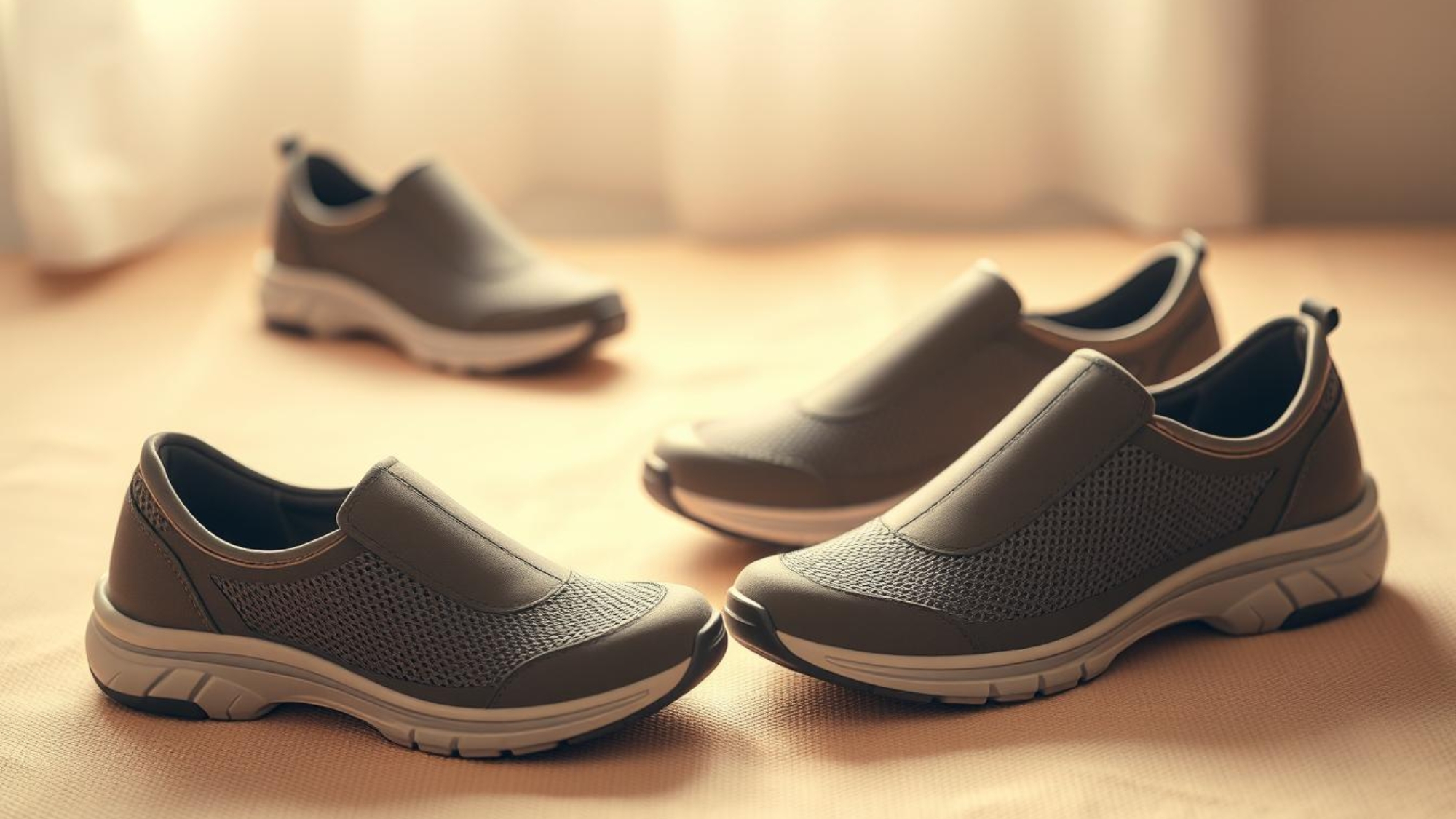
If you have diabetes or other health conditions, you’re at a higher risk of developing complications from minor injuries. Protecting your feet is key to prevent further damage and promote healing.
Everyday activities can put extra stress on your feet, making it hard for wounds to heal. Wearing proper footwear, such as diabetic shoes, can help reduce pressure and friction on your feet.
By taking the right precautions, you can lower the risk of further injury and support the healing process. If you’re struggling with foot wounds, it’s vital to seek professional help.
Key Takeaways
- Protecting your feet is key if you have diabetes or other health conditions.
- Wearing proper footwear, like diabetic shoes, can help reduce pressure on your feet.
- Everyday activities can put extra stress on your feet, making wound healing challenging.
- Seeking professional help is essential if you’re struggling with foot wounds.
- Dominion Mobile Wound Care can help you heal your wounds effectively.
The Growing Concern of Foot Wounds in America
As more people get older, foot wounds are becoming a bigger problem. These wounds are a big health issue, mainly for older adults and those with diabetes. They can easily get worse from simple things we do every day, making it important to take good care of them.
Rising Incidence Among Different Demographics
Foot wounds are more common among older adults because they move less and have poor blood flow. People with diabetes also face a higher risk because of nerve damage and slower healing. Knowing who is most at risk helps us find better ways to help them.
The Impact of Daily Activities on Healing
Things we do every day can affect how foot wounds heal. It’s important to protect the wound from pressure to avoid more damage. Even simple actions like walking can irritate a wound if not done carefully. Here’s a table showing how different activities can impact healing and how to protect against it.
| Activity | Impact on Healing | Pressure Protection Measure |
|---|---|---|
| Walking | Can cause friction and irritation | Use of orthotics or diabetic shoes |
| Standing | Increases pressure on the wound | Regular breaks to rest and elevate feet |
| Exercise | Can cause additional stress on the wound | Modify exercises to avoid direct pressure |
By knowing how daily activities affect foot wounds and using the right protection, we can help them heal better.
Understanding the Vulnerability of Foot Wounds
The foot’s design and role make wounds there more at risk for irritation and complications. Foot wounds face constant pressure, friction, and stress. These factors can slow down healing.
Why Foot Wounds Heal Differently Than Other Injuries
Foot wounds heal differently because of their special environment. The feet carry our body’s weight and help us move. This makes them more stressed and prone to wound irritation.
The skin on our feet is thicker and drier, which can slow healing. Footwear and daily activities can also cause friction, making wound care harder.
Common Causes of Wound Deterioration
Physical Stress Factors
Physical stress, like pressure and friction from walking or bad shoes, can hurt wound healing. These stresses can lead to wound irritation. If not handled right, they can cause more problems.
Environmental Challenges
Environmental factors, like dirt, moisture, and extreme temperatures, can also harm healing. Keeping the wound clean and safe is key to avoid infection and help it heal.
Essential Foot Wound Care Practices for Daily Protection
Protecting foot wounds every day is key to avoid infection and help them heal. It’s very important for people with diabetes or those who have trouble moving.
Proper Cleaning and Dressing Techniques
Cleaning and dressing wounds right is the first step to stop infection. Using the right method helps create a good healing space.
Step-by-Step Wound Cleaning Protocol
Begin by washing your hands well. Next, clean the wound with saline solution and dry it with a clean gauze. Be gentle to avoid making it worse.
Selecting the Right Dressings
Choosing the right dressing depends on the wound’s type and size. For diabetic foot wounds, pick dressings that offer pressure protection and keep the area moist for healing.
Monitoring Signs of Infection or Complications
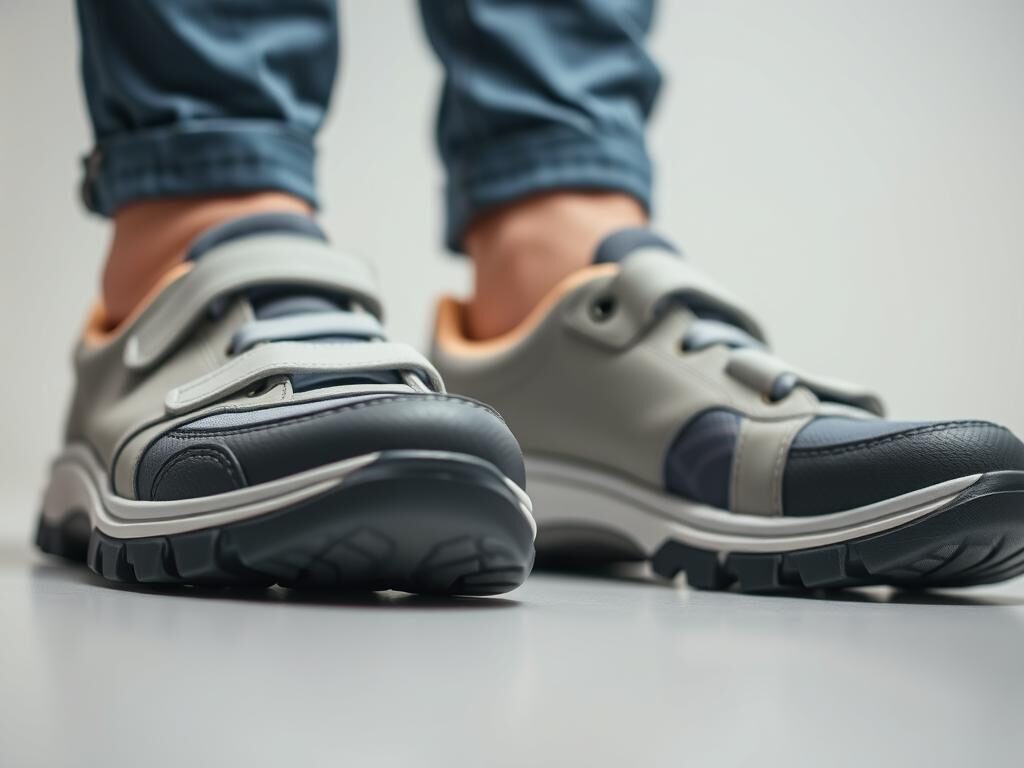
Watching your foot wound closely is important to spot infection signs early. Look for redness, swelling, or discharge. If you see these, see your doctor. Wearing diabetic shoes can also help by reducing pressure and aiding healing.
By sticking to these important wound care steps, you can keep your wounds safe from daily activities and help them heal.
Specialized Footwear Solutions for Wound Protection
For people with foot wounds, like those with diabetes, special shoes are key. The right shoes help prevent more injuries and aid in healing.
The Role of Diabetic Shoes in Wound Management
Diabetic shoes offer extra comfort and support for feet at risk of wounds. They are essential for managing foot health in diabetes.
Features That Make Diabetic Shoes Effective
Diabetic shoes have important features for wound care. These include:
- Extra Depth: Allows for toe movement and reduces pressure on the toes.
- Soft, Seamless Interiors: Minimizes irritation and friction.
- Breathable Materials: Helps keep the foot cool and dry.
- Rockersole Design: Encourages a natural rolling motion of the foot while walking, reducing stress on the foot.
How to Choose the Right Diabetic Footwear
When picking diabetic shoes, think about these points:
- Comfort: Make sure the shoes are comfy right away.
- Fit: Pick shoes that fit well but aren’t too tight.
- Support: Choose shoes with good arch support and cushioning.
- Adjustability: Look for shoes with adjustable closures for a secure fit.
Customized Inserts and Offloading Devices
Custom inserts and offloading devices also help protect wounds. They are made to shift pressure from sensitive or wounded spots.
Custom inserts fit your foot perfectly, giving targeted support. Offloading devices take pressure off specific areas, helping them heal.
Effective Pressure Protection Strategies for Active Individuals
Managing foot wounds while staying active is a challenge. It requires a careful balance between activity and wound healing. This balance can be achieved through activity modifications and new pressure redistribution technologies.
Activity Modifications to Reduce Wound Stress
Changing activities that worsen the wound is a first step. This might mean doing daily tasks differently or switching to low-impact exercises. For example, if running hurts your wound, try cycling or swimming instead. Reducing pressure on the wound is key for healing.
Also, taking breaks to rest and elevate your feet helps. It reduces swelling and aids in healing. These changes can greatly lower the risk of irritating the wound further.
Innovative Pressure Redistribution Technologies
New technologies offer innovative ways to manage pressure. These devices help reduce pressure on sensitive areas, creating a better healing environment.
Recent Advances in Pressure Mapping
Pressure mapping technology has improved a lot. It allows for detailed pressure measurements across the foot. This info is critical for spotting high-pressure areas that might harm the wound. Healthcare experts can then suggest specific treatments based on this data.
Smart Devices for Pressure Monitoring
Smart devices with pressure sensors can track pressure in real-time. They give instant feedback on pressure levels. These devices are great for active people, as they help manage wound care proactively. Knowing the pressure on their wounds, individuals can act to prevent problems.
Preventing Wound Irritation During Necessary Movement
It’s important for people with foot wounds to keep up with daily activities. Irritation can slow down healing. Knowing what causes irritation and how to avoid it is key.
Environmental Factors That Worsen Irritation
Things like moisture, friction, and pressure can make wounds worse. Too much moisture can make skin soft and prone to irritation. Shoes that don’t fit right or too much movement can also cause problems. Plus, too much pressure on the wound can cut off blood flow, making healing harder.
- Keep your wound area clean and dry to prevent bacterial growth.
- Avoid tight or poorly fitting footwear that can cause friction.
- Use protective coverings to cushion the wound from pressure.
Protective Barriers and Advanced Dressings
Protective barriers and advanced dressings can help a lot. They manage moisture, reduce friction, and protect the wound from more harm.
Moisture Management Solutions
Keeping moisture in check is vital. Dressings that soak up extra moisture help wounds heal better. Hydrocolloid or foam dressings work well for this.
Friction-Reducing Products
Products like silicone-based dressings can help. They stick to the skin gently, which means less friction damage.

Understanding what causes irritation and using the right dressings can help. It makes healing faster and healthier for people with foot wounds.
Professional Wound Care: When to Seek Expert Help
Knowing when to get expert help is key to managing foot wounds. This helps avoid wound irritation and ensures pressure protection.
Warning Signs That Require Immediate Attention
Some signs mean you need to see a doctor right away. Look out for increased redness or swelling, pus or discharge, a bad smell, or more pain.
If you see these signs, get help fast. This can stop things from getting worse.
The Benefits of Mobile Wound Care Services
Mobile wound care services are a great option. They let you get treatment at home.
This is super helpful for people who can’t move around much or need ongoing care.
How Dominion Mobile Wound Care Delivers Specialized Treatment
Dominion Mobile Wound Care offers care that fits your needs.
Their team does detailed assessments and treatments. This ensures your wound gets the best care possible.
Advantages of In-Home Wound Assessment
In-home assessments are more personal. They save you from having to travel.
This reduces the chance of irritation or complications. It also lets healthcare pros see your wound in a natural setting.
Real Patient Stories: Successful Foot Wound Management
Managing foot wounds is a journey that needs patience and the right care. Diabetic shoes can play a big role. Many patients share common practices that helped them heal.
Case Study: Maintaining an Active Lifestyle with Chronic Wounds
A diabetic patient had a chronic foot wound for over a year. They started wearing diabetic shoes and cleaned and dressed the wound daily. This change helped them heal and stay active.
Lessons Learned from Patient Experiences
Patient stories show the need for a complete approach to wound care. This includes cleaning wounds, wearing diabetic shoes, and making lifestyle changes. These steps can greatly improve wound management.
It’s also key to stay informed and work with healthcare professionals. Patients who actively participate in their care often see better results.
Conclusion: Taking Control of Your Foot Wound Healing Journey
Protecting foot wounds from everyday activities is key to healing. Understanding their vulnerability and using essential care practices helps you take charge of your recovery. Diabetic shoes are important, as they offer the needed protection and comfort.
It’s also important to use effective pressure protection and prevent irritation. Making smart choices about your shoes and activities can reduce complications. This helps your healing process.
Proper wound care and management are essential for healing. If you’re having trouble with your foot wounds, get help from Dominion Mobile Wound Care. They offer personalized guidance and support to help you heal and move freely again.
By being proactive in protecting your foot wounds and getting professional help when needed, you can overcome healing challenges. You’ll be able to return to your normal activities with confidence.
FAQ
What are diabetic shoes, and how do they help protect foot wounds?
Diabetic shoes are made to support and cushion the feet, helping those with diabetes. They reduce pressure and prevent friction. This creates a better environment for wounds to heal.
How can I prevent wound irritation during daily activities?
Wear diabetic shoes to protect your feet. Use barriers and dressings to keep wounds safe. This helps prevent irritation.
What are the warning signs that require immediate medical attention for foot wounds?
Look out for redness, swelling, or pain. Also, watch for pus, a bad smell, or fever. If you see these signs, get medical help fast.
How can pressure protection strategies help with wound healing?
Strategies like changing how you move and using new technologies help wounds heal. Tools like pressure mapping help keep the wound safe.
What are the benefits of using customized inserts and offloading devices with diabetic shoes?
Inserts and devices add extra support and help spread out pressure. They reduce irritation and help wounds heal. They’re made just for you, so they fit perfectly.
How can I manage environmental factors that worsen wound irritation?
Keep the wound area clean and dry. Avoid extreme temperatures and moisture. Use barriers and dressings to protect the wound.
What is the role of mobile wound care services in foot wound management?
Mobile services, like Dominion Mobile Wound Care, bring care to your home. This is great for those who can’t easily get to a clinic. It’s perfect for ongoing care.
Add a Comment