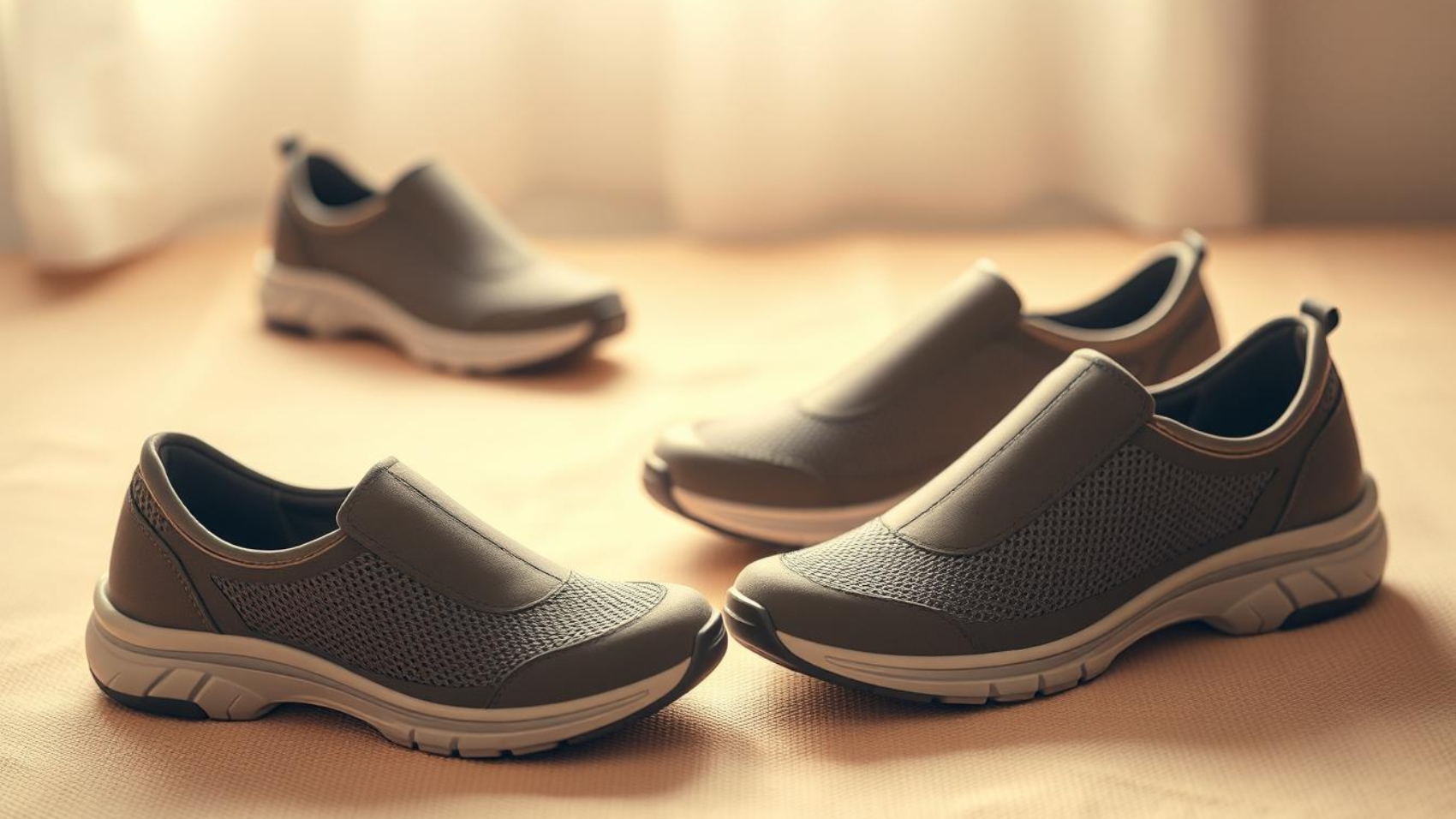
Foot wound care

How to Protect Foot Wounds From Everyday Activity

If you have diabetes or other health conditions, you’re at a higher risk of developing complications from minor injuries. Protecting your feet is key to prevent further damage and promote healing.

Everyday activities can put extra stress on your feet, making it hard for wounds to heal. Wearing proper footwear, such as diabetic shoes, can help reduce pressure and friction on your feet.

By taking the right precautions, you can lower the risk of further injury and support the healing process. If you’re struggling with foot wounds, it’s vital to seek professional help.

Key Takeaways

  • Protecting your feet is key if you have diabetes or other health conditions.
  • Wearing proper footwear, like diabetic shoes, can help reduce pressure on your feet.
  • Everyday activities can put extra stress on your feet, making wound healing challenging.
  • Seeking professional help is essential if you’re struggling with foot wounds.
  • Dominion Mobile Wound Care can help you heal your wounds effectively.

The Growing Concern of Foot Wounds in America

As more people get older, foot wounds are becoming a bigger problem. These wounds are a big health issue, mainly for older adults and those with diabetes. They can easily get worse from simple things we do every day, making it important to take good care of them.

Rising Incidence Among Different Demographics

Foot wounds are more common among older adults because they move less and have poor blood flow. People with diabetes also face a higher risk because of nerve damage and slower healing. Knowing who is most at risk helps us find better ways to help them.

The Impact of Daily Activities on Healing

Things we do every day can affect how foot wounds heal. It’s important to protect the wound from pressure to avoid more damage. Even simple actions like walking can irritate a wound if not done carefully. Here’s a table showing how different activities can impact healing and how to protect against it.

Activity Impact on Healing Pressure Protection Measure
Walking Can cause friction and irritation Use of orthotics or diabetic shoes
Standing Increases pressure on the wound Regular breaks to rest and elevate feet
Exercise Can cause additional stress on the wound Modify exercises to avoid direct pressure

By knowing how daily activities affect foot wounds and using the right protection, we can help them heal better.

Understanding the Vulnerability of Foot Wounds

The foot’s design and role make wounds there more at risk for irritation and complications. Foot wounds face constant pressure, friction, and stress. These factors can slow down healing.

Why Foot Wounds Heal Differently Than Other Injuries

Foot wounds heal differently because of their special environment. The feet carry our body’s weight and help us move. This makes them more stressed and prone to wound irritation.

The skin on our feet is thicker and drier, which can slow healing. Footwear and daily activities can also cause friction, making wound care harder.

Common Causes of Wound Deterioration

Physical Stress Factors

Physical stress, like pressure and friction from walking or bad shoes, can hurt wound healing. These stresses can lead to wound irritation. If not handled right, they can cause more problems.

Environmental Challenges

Environmental factors, like dirt, moisture, and extreme temperatures, can also harm healing. Keeping the wound clean and safe is key to avoid infection and help it heal.

Essential Foot Wound Care Practices for Daily Protection

Protecting foot wounds every day is key to avoid infection and help them heal. It’s very important for people with diabetes or those who have trouble moving.

Proper Cleaning and Dressing Techniques

Cleaning and dressing wounds right is the first step to stop infection. Using the right method helps create a good healing space.

Step-by-Step Wound Cleaning Protocol

Begin by washing your hands well. Next, clean the wound with saline solution and dry it with a clean gauze. Be gentle to avoid making it worse.

Selecting the Right Dressings

Choosing the right dressing depends on the wound’s type and size. For diabetic foot wounds, pick dressings that offer pressure protection and keep the area moist for healing.
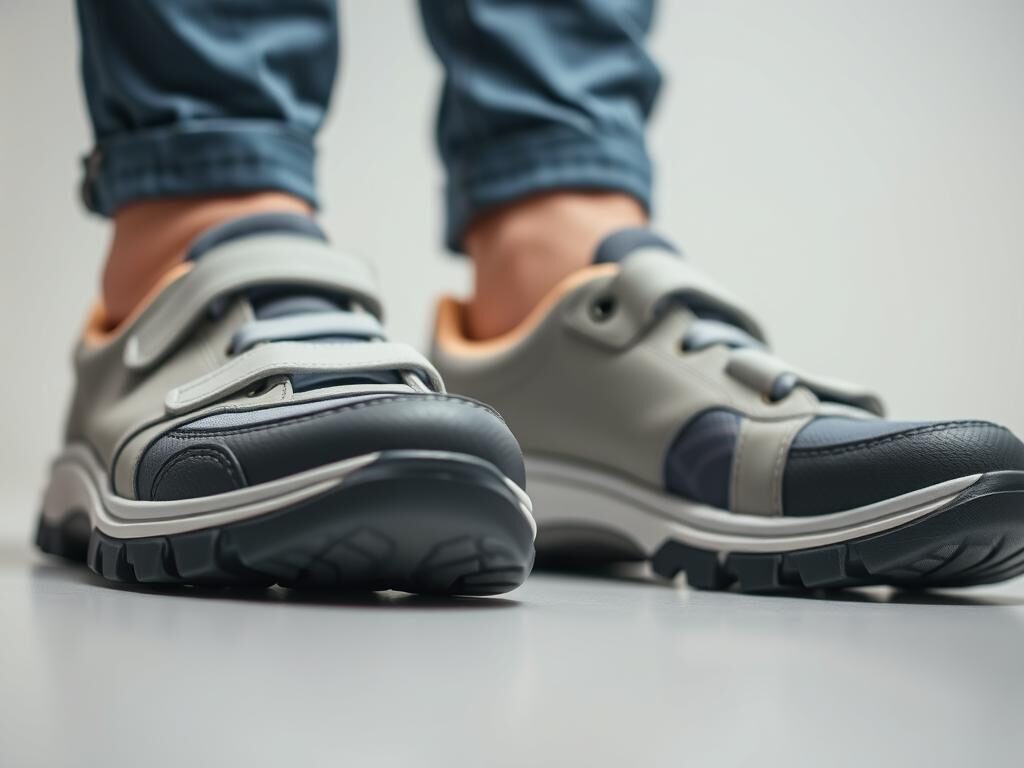
diabetic shoes for wound care

Monitoring Signs of Infection or Complications

Watching your foot wound closely is important to spot infection signs early. Look for redness, swelling, or discharge. If you see these, see your doctor. Wearing diabetic shoes can also help by reducing pressure and aiding healing.

By sticking to these important wound care steps, you can keep your wounds safe from daily activities and help them heal.

Specialized Footwear Solutions for Wound Protection

For people with foot wounds, like those with diabetes, special shoes are key. The right shoes help prevent more injuries and aid in healing.

The Role of Diabetic Shoes in Wound Management

Diabetic shoes offer extra comfort and support for feet at risk of wounds. They are essential for managing foot health in diabetes.

Features That Make Diabetic Shoes Effective

Diabetic shoes have important features for wound care. These include:

  • Extra Depth: Allows for toe movement and reduces pressure on the toes.
  • Soft, Seamless Interiors: Minimizes irritation and friction.
  • Breathable Materials: Helps keep the foot cool and dry.
  • Rockersole Design: Encourages a natural rolling motion of the foot while walking, reducing stress on the foot.

How to Choose the Right Diabetic Footwear

When picking diabetic shoes, think about these points:

  1. Comfort: Make sure the shoes are comfy right away.
  2. Fit: Pick shoes that fit well but aren’t too tight.
  3. Support: Choose shoes with good arch support and cushioning.
  4. Adjustability: Look for shoes with adjustable closures for a secure fit.

Customized Inserts and Offloading Devices

Custom inserts and offloading devices also help protect wounds. They are made to shift pressure from sensitive or wounded spots.

Custom inserts fit your foot perfectly, giving targeted support. Offloading devices take pressure off specific areas, helping them heal.

Effective Pressure Protection Strategies for Active Individuals

Managing foot wounds while staying active is a challenge. It requires a careful balance between activity and wound healing. This balance can be achieved through activity modifications and new pressure redistribution technologies.

Activity Modifications to Reduce Wound Stress

Changing activities that worsen the wound is a first step. This might mean doing daily tasks differently or switching to low-impact exercises. For example, if running hurts your wound, try cycling or swimming instead. Reducing pressure on the wound is key for healing.

Also, taking breaks to rest and elevate your feet helps. It reduces swelling and aids in healing. These changes can greatly lower the risk of irritating the wound further.

Innovative Pressure Redistribution Technologies

New technologies offer innovative ways to manage pressure. These devices help reduce pressure on sensitive areas, creating a better healing environment.

Recent Advances in Pressure Mapping

Pressure mapping technology has improved a lot. It allows for detailed pressure measurements across the foot. This info is critical for spotting high-pressure areas that might harm the wound. Healthcare experts can then suggest specific treatments based on this data.

Smart Devices for Pressure Monitoring

Smart devices with pressure sensors can track pressure in real-time. They give instant feedback on pressure levels. These devices are great for active people, as they help manage wound care proactively. Knowing the pressure on their wounds, individuals can act to prevent problems.

Preventing Wound Irritation During Necessary Movement

It’s important for people with foot wounds to keep up with daily activities. Irritation can slow down healing. Knowing what causes irritation and how to avoid it is key.

Environmental Factors That Worsen Irritation

Things like moisture, friction, and pressure can make wounds worse. Too much moisture can make skin soft and prone to irritation. Shoes that don’t fit right or too much movement can also cause problems. Plus, too much pressure on the wound can cut off blood flow, making healing harder.

  • Keep your wound area clean and dry to prevent bacterial growth.
  • Avoid tight or poorly fitting footwear that can cause friction.
  • Use protective coverings to cushion the wound from pressure.

Protective Barriers and Advanced Dressings

Protective barriers and advanced dressings can help a lot. They manage moisture, reduce friction, and protect the wound from more harm.

Moisture Management Solutions

Keeping moisture in check is vital. Dressings that soak up extra moisture help wounds heal better. Hydrocolloid or foam dressings work well for this.

Friction-Reducing Products

Products like silicone-based dressings can help. They stick to the skin gently, which means less friction damage.

wound irritation prevention

Understanding what causes irritation and using the right dressings can help. It makes healing faster and healthier for people with foot wounds.

Professional Wound Care: When to Seek Expert Help

Knowing when to get expert help is key to managing foot wounds. This helps avoid wound irritation and ensures pressure protection.

Warning Signs That Require Immediate Attention

Some signs mean you need to see a doctor right away. Look out for increased redness or swelling, pus or discharge, a bad smell, or more pain.

If you see these signs, get help fast. This can stop things from getting worse.

The Benefits of Mobile Wound Care Services

Mobile wound care services are a great option. They let you get treatment at home.

This is super helpful for people who can’t move around much or need ongoing care.

How Dominion Mobile Wound Care Delivers Specialized Treatment

Dominion Mobile Wound Care offers care that fits your needs.

Their team does detailed assessments and treatments. This ensures your wound gets the best care possible.

Advantages of In-Home Wound Assessment

In-home assessments are more personal. They save you from having to travel.

This reduces the chance of irritation or complications. It also lets healthcare pros see your wound in a natural setting.

Real Patient Stories: Successful Foot Wound Management

Managing foot wounds is a journey that needs patience and the right care. Diabetic shoes can play a big role. Many patients share common practices that helped them heal.

Case Study: Maintaining an Active Lifestyle with Chronic Wounds

A diabetic patient had a chronic foot wound for over a year. They started wearing diabetic shoes and cleaned and dressed the wound daily. This change helped them heal and stay active.

Lessons Learned from Patient Experiences

Patient stories show the need for a complete approach to wound care. This includes cleaning wounds, wearing diabetic shoes, and making lifestyle changes. These steps can greatly improve wound management.

It’s also key to stay informed and work with healthcare professionals. Patients who actively participate in their care often see better results.

Conclusion: Taking Control of Your Foot Wound Healing Journey

Protecting foot wounds from everyday activities is key to healing. Understanding their vulnerability and using essential care practices helps you take charge of your recovery. Diabetic shoes are important, as they offer the needed protection and comfort.

It’s also important to use effective pressure protection and prevent irritation. Making smart choices about your shoes and activities can reduce complications. This helps your healing process.

Proper wound care and management are essential for healing. If you’re having trouble with your foot wounds, get help from Dominion Mobile Wound Care. They offer personalized guidance and support to help you heal and move freely again.

By being proactive in protecting your foot wounds and getting professional help when needed, you can overcome healing challenges. You’ll be able to return to your normal activities with confidence.

FAQ

What are diabetic shoes, and how do they help protect foot wounds?

Diabetic shoes are made to support and cushion the feet, helping those with diabetes. They reduce pressure and prevent friction. This creates a better environment for wounds to heal.

How can I prevent wound irritation during daily activities?

Wear diabetic shoes to protect your feet. Use barriers and dressings to keep wounds safe. This helps prevent irritation.

What are the warning signs that require immediate medical attention for foot wounds?

Look out for redness, swelling, or pain. Also, watch for pus, a bad smell, or fever. If you see these signs, get medical help fast.

How can pressure protection strategies help with wound healing?

Strategies like changing how you move and using new technologies help wounds heal. Tools like pressure mapping help keep the wound safe.

What are the benefits of using customized inserts and offloading devices with diabetic shoes?

Inserts and devices add extra support and help spread out pressure. They reduce irritation and help wounds heal. They’re made just for you, so they fit perfectly.

How can I manage environmental factors that worsen wound irritation?

Keep the wound area clean and dry. Avoid extreme temperatures and moisture. Use barriers and dressings to protect the wound.

What is the role of mobile wound care services in foot wound management?

Mobile services, like Dominion Mobile Wound Care, bring care to your home. This is great for those who can’t easily get to a clinic. It’s perfect for ongoing care.

wound care education

Why Patient Education is Key to Successful Wound Healing

Dominion Mobile Wound Care frames instruction as the engine of better treatment across the United States. Millions live with chronic conditions linked to aging, obesity, and diabetes, and clear training helps clinicians and patients turn evidence into safer, faster healing today.

Structured programs create shared knowledge that supports consistent assessment, timely escalation, and adherence to treatment plans. Dominion Mobile Wound Care pairs bedside teaching with each person’s goals to reduce complications and improve overall health.

Practical learning—from self-paced online course libraries to coordinated certification pathways—bridges the gap between theory and daily practice. This approach standardizes terms, lowers avoidable errors, and empowers families to spot changes early.

The following pages outline barriers, curricula, and hands-on methods that convert instruction into measurable outcomes: fewer infections, fewer readmissions, and faster closure. Readers are invited to hire Dominion Mobile Wound Care to help heal their wounds and support better routines at home.

Key Takeaways

  • Education drives consistent assessment and faster recovery.
  • Dominion Mobile Wound Care integrates bedside training with patient goals.
  • Accessible courses and certifications help clinicians and families.
  • Clear instruction reduces errors and improves communication.
  • Outcomes include fewer infections, readmissions, and faster closure.

Connecting Education to Healing: Why Knowledge Drives Better Wound Outcomes

Clear, role-specific instruction shortens healing times by aligning teams and daily routines at the bedside. Chronic conditions like diabetes and obesity make closure harder, so focused guidance on glycemic control, offloading, and moisture balance is essential to everyday practice.

Common barriers include missed infection cues, missed dressing schedules, and inconsistent management across settings. These gaps let problems progress before anyone notices.

When patients, nurses, and providers share a step-by-step plan, they detect decline earlier and act faster. Structured training improves measurement, staging when needed, exudate assessment, and recognition of biofilm risk.

  • Better practice, better outcomes: clarity reduces lingering wounds and periwound maceration.
  • Nurse-led reinforcement: each interaction can demonstrate technique and confirm understanding with teach-back.
  • Provider alignment: orders matched to a person’s abilities increase adherence and safety.

Dominion Mobile Wound Care embeds micro-training at every visit to close knowledge gaps and strengthen home routines. This approach sets the stage for targeted curricula that follow in the next section.

wound care education: What It Covers and Who It Empowers

A focused program maps essential skills that clinicians and families use every day to prevent problems and speed recovery. Foundational curricula span assessment, prevention, infection recognition, documentation, and practical management steps that work in clinics, hospitals, and the home.

wound care education

Core components

  • Accurate assessment and measurement, etiology recognition, moisture balance, and clear documentation.
  • Product selection logic—alginates, foams, hydrofibers—plus offloading, compression settings, and referral criteria for debridement.
  • Infection and biofilm indicators: rising pain, purulent drainage, expanding erythema, and when to escalate for culture or advanced therapy.

Who benefits and where it fits

Patients gain confidence and safer self-management. Home health nurses reinforce daily routines. Interdisciplinary providers align on orders and follow-up.

Education adapts by setting: quick bedside teaching in hospitals, practical routines in home visits, and standardized protocols in clinics. A program approach uses checklists, documentation templates, scenario refreshers, and concise courses with quick-reference handouts to keep teams consistent and communication clear.

Dominion Mobile Wound Care brings instruction to the point of care and tailors every lesson to each person’s abilities and home realities.

From Knowledge to Practice: Turning Evidence-Based Learning into Daily Wound Care

Operationalizing protocols into short, repeatable steps makes reliable management achievable in any home or clinic.

Dominion Mobile Wound Care converts evidence into bedside routines and follow-up that drive measurable results. Standardized cleansing, dressing, and offloading protocols reduce bioburden and help a wound progress through normal phases.

Measurable improvements come from repetition and verification. Teams teach, demonstrate, observe, correct, and document until tasks become dependable habits for patients and caregivers.

Key practices that change outcomes

  • Clear schedules and simplified product regimens increase adherence.
  • Photo-guided tracking and objective measures (length, width, depth) confirm progress week to week.
  • Real-time expert coaching fixes pain, drainage, or device fit before setbacks occur.

Early detection of stalled progress triggers focused management changes—switching dressings, adding compression, or adjusting offloading. Consistent hand hygiene and aseptic technique lower infection rates and reduce readmissions.

Partnership matters: clinicians guide practice, patients own daily steps, and accurate documentation lets the wider healthcare team act on timely data. Dominion Mobile Wound Care structures each visit to turn knowledge into repeatable actions that improve healing metrics today.

Learning Pathways in Today’s Landscape: Self-Paced Programs, Certification, and Continuing Education

Modern learning options let busy clinicians pick targeted courses or full certification tracks with mentor support. This section maps flexible, on-demand modules against coordinated programs that include hands-on verification and formal testing.

learning pathways courses

Self-paced options

Self-paced courses deliver 24/7 access to videos, slides, and handouts. The WOCN Society’s WTA Your Way offers 14 evidence-based modules and up to 14.75 contact hours.

These programs let learners choose topics that fill gaps quickly and fit shift schedules.

Coordinated certification tracks

The WTA Program adds hands-on competency, a WOCN-approved coordinator, and 32.25 contact hours. For broader exam prep, WoundEducators provides device-friendly access, study guides, practice exams, and up to 60 CE hours.

Its six-month access, extensions, and “Until You Pass” guarantee support readiness for WCC, CWS, and CWCN pathways.

How to choose

Pick tailored modules for rapid upskilling and focused gaps. Choose comprehensive programs when you need mentorship, formal competency checks, and full exam prep.

  • High-quality course design uses videos, case scenarios, and handouts to aid retention.
  • Practice exams identify weak areas and build exam confidence.
  • Healthcare teams can mix self-paced courses with internal checkoffs to standardize practice across settings.

Dominion Mobile Wound Care complements external training by reinforcing techniques at the bedside, answering questions in real time, and aligning plans of care with what clinicians practiced during their course.

Dominion Mobile Wound Care’s Approach: Education-First Wound Management at Home and In-Facility

Dominion Mobile Wound Care blends bedside demonstration with tailored plans so daily steps become manageable and reliable for patients and staff. Each visit focuses on practical technique, teach-back, and simple milestones that fit real life.

Our model: bedside teaching, personalized care plans, and ongoing training for patients and staff

The program creates individualized plans that match patient goals, product availability, and schedules. Teams use checklists, photo documentation, and visit-by-visit milestones to track progress and adjust quickly.

Expert team: board-certified clinicians guiding practical skills and answering real-time questions

Board-certified experts lead hands-on sessions, demonstrate techniques, and confirm competency with teach-back. Real-time Q&A resolves small uncertainties before they affect adherence.

  • Train nurses and caregivers alongside patients to align providers across shifts.
  • Simplify product regimens so patients can maintain routines between visits.
  • Coordinate with referring nurse teams and providers to keep orders realistic.

Dominion Mobile Wound Care brings consistent instruction to both home and facility settings. Contact the team to schedule a visit and turn every encounter into measurable progress toward closure.

Conclusion

Practical, repeatable instruction turns clinical knowledge into everyday habits that improve outcomes.

When providers pair structured courses and certification pathways with real-time bedside coaching, patients and nurses follow clearer routines. This blend makes assessment, documentation, and timely adjustments routine rather than occasional.

Dominion Mobile Wound Care integrates self-paced modules and hands-on visits so products, schedules, and techniques match each person’s home and abilities. Consistent practice and simple steps reduce infections and avoid readmissions.

For lasting progress, combine external learning with at-the-bedside mentoring. Ask questions, align teams, and build a plan that fits your resources and goals. Hire Dominion Mobile Wound Care to help heal their wounds.

FAQ

Why is patient education key to successful healing?

Teaching patients clear, practical steps reduces complications and speeds recovery. When patients understand assessment cues, prevention strategies, and treatment plans, they follow regimens more consistently and notify providers earlier about problems. This lowers infection risk, improves adherence, and shortens recovery times.

How does connecting education to healing improve outcomes?

Knowledge empowers patients, nurses, and clinicians to act promptly. Training reduces missed signs, standardizes management, and supports timely interventions. Teams who share the same information show better coordination, which leads to fewer complications and higher closure rates.

What are common barriers to healing clinicians should address?

Chronic conditions, missed early cues, inconsistent management, and limited access to resources often slow progress. Addressing social determinants, reinforcing self-monitoring, and providing easy-to-follow plans help overcome these obstacles.

What core topics should educational programs cover?

Effective programs include assessment techniques, prevention methods, treatment protocols, infection recognition, and documentation best practices. Clear instruction on when to escalate care ensures safer outcomes.

Who benefits most from targeted programs?

Patients, home health nurses, and interdisciplinary clinicians all gain measurable skills. Caregivers and family members also benefit from practical coaching that supports everyday management at home or in facilities.

In which settings should education be delivered?

Education works best across clinics, hospitals, and private homes. Delivering training where the person lives ensures real-life application and supports transitions between settings.

What measurable impacts do evidence-based learning programs show?

Programs demonstrate fewer infections, higher adherence to protocols, faster healing, and reduced readmissions. Tracking outcomes and using validated metrics verify program effectiveness over time.

What learning pathway options exist today?

Options include self-paced online modules, live workshops, and blended formats. Self-paced courses provide 24/7 access to videos, slides, and handouts, while instructor-led sessions add hands-on practice and feedback.

What certification pathways should clinicians consider?

Clinicians often pursue certifications such as WCC, CWS, or CWCN to deepen skills and meet professional requirements. Practice exams, continuing education hours, and supervised experience support successful certification.

How should organizations choose between tailored modules and full certification prep?

Choose tailored modules for quick skill gaps or team refreshers. Opt for comprehensive certification prep when aiming for formal credentials, long-term competency, and career advancement.

What is an education-first model for at-home and in-facility management?

An education-first model focuses on bedside coaching, personalized plans, and ongoing staff and patient training. It blends teaching with care delivery so patients learn practical techniques during routine visits.

What role do board-certified clinicians play in training programs?

Board-certified clinicians provide clinical oversight, teach practical skills, and help answer complex questions in real time. Their expertise ensures instruction aligns with current standards and best practices.

How can teams measure the success of an educational initiative?

Track infection rates, adherence metrics, healing timelines, and readmission numbers. Collect patient and staff feedback, and use competency checks to confirm learning transfer into daily practice.

What resources support ongoing learning for home health nurses?

Resources include online CE modules, pocket guides, video demonstrations, and virtual mentorship. Regular refreshers and simulation-based training help maintain skills between formal courses.

How do patients receive information in an accessible way?

Use plain language handouts, short videos, and step-by-step checklists. Teach-back techniques confirm understanding and adapt materials to literacy and language needs.

How do educational programs reduce healthcare costs?

By decreasing complications and readmissions, programs lower acute care utilization. Better self-management reduces emergency visits and speeds recovery, which yields measurable savings for systems and patients.