

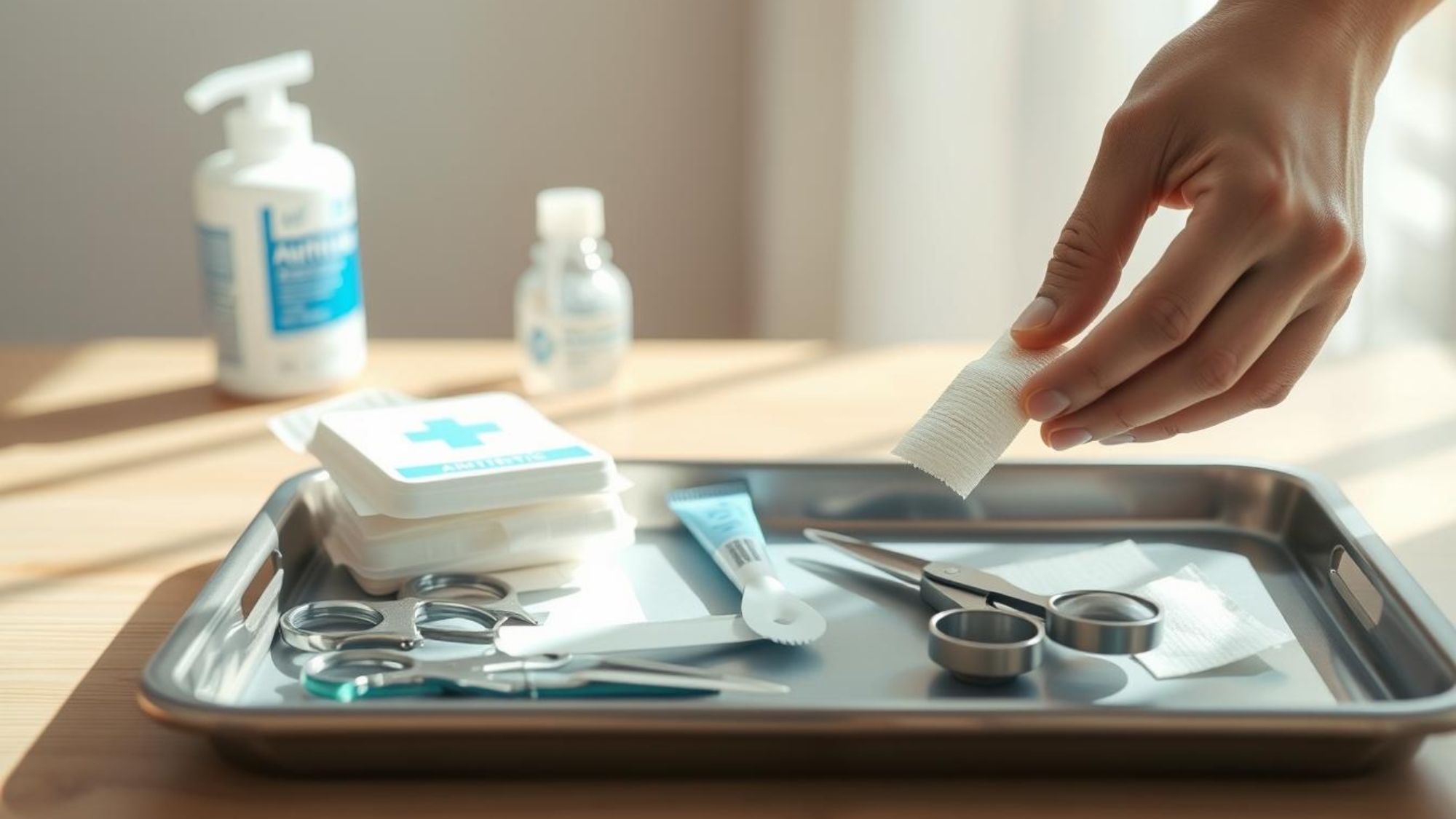
When you get hurt, it’s important to know how to take care of the wound. Some small cuts and scrapes can be handled with basic first aid at home. But, others might need more help.
It’s key to know the difference between a wound you can treat yourself and one that needs a doctor. If not treated right, wounds can get infected, heal slowly, and even cause serious problems.
So, when should you see a doctor? It depends on the wound’s size, how deep it is, and your health. In this article, we’ll help you figure out if you can treat your wound at home or if you need a doctor. If you need expert care, think about contacting professionals like Dominion Mobile Wound Care for help.
Key Takeaways
- Not all wounds can be treated at home; some require professional care.
- The size, depth, and your health status are critical in deciding the course of treatment.
- Proper wound care is essential to prevent infections and promote healing.
- Neglecting wound care can lead to serious complications.
- Professional wound care services are available for complex or severe wounds.
The Current State of Home Wound Treatment
Healthcare shortages are leading to more people taking care of wounds at home. This change is thanks to better consumer wound care products and a focus on personal health.
Recent Advances in Consumer Wound Care Products
Today, there are many wound care products for home use. These include advanced dressings and topical treatments. They are more effective and easier to use, helping people take charge of their wound care.
Growing Trend of Self-Care During Healthcare Shortages
Healthcare systems are under strain, leading to more self-care at home. This includes treating wounds, which can prevent serious issues and aid in healing.
Statistics on Home-Treated Injuries in the US
| Type of Injury | Percentage Treated at Home | Common Treatments |
|---|---|---|
| Cuts and Lacerations | 75% | Bandages, Antiseptic Wipes |
| Abrasions | 80% | Antibiotic Ointment, Gauze |
| Minor Burns | 90% | Cool Water, Burn Cream |
These numbers show how common it is for people to treat injuries at home. They also stress the need for knowing how to care for wounds properly.
Understanding Different Types of Wounds and Their Severity
Knowing the types of wounds and their severity is key to good wound care. Each wound type has its own healing process and treatment.
Cuts and Lacerations: Assessment Guide
Cuts and lacerations are common wounds. Their severity depends on depth, length, and location. Deep or jagged cuts need medical help, mainly if they’re in sensitive areas.
For small cuts, clean with mild soap and water. Use antibiotic ointment and cover with a bandage.
Puncture Wounds: Hidden Dangers
Puncture wounds seem harmless but can be risky. Their small size hides the risk of internal damage or infection. Check the wound’s depth and for any foreign objects.
If the puncture was caused by a dirty or rusty object, watch for tetanus signs. Look for redness, swelling, or more pain.
Abrasions and Burns: Proper Classification
Abrasions and burns need special care. Abrasions should be cleaned gently and kept moist. Burns are classified by how deep they are.
Burn treatment changes with the degree. First-degree burns can be treated with cool water and creams. But second and third-degree burns need medical help.
Essential First Aid Supplies for Modern Home Care
In today’s homes, being ready for accidents is key. You need the latest first aid supplies and wound care products. A well-stocked first aid kit can stop small injuries from getting worse.
Updated First Aid Kit Recommendations for 2023
A modern first aid kit should have many bandages, antiseptic wipes, and pain relievers. It’s smart to add digital tools for checking wounds.
New Wound Care Products Worth Investing In
New wound care products like hydrocolloid dressings and antimicrobial foams are out. They help wounds heal faster and lower infection risks.
| Product | Benefit |
|---|---|
| Hydrocolloid Dressings | Promotes moist environment for faster healing |
| Antimicrobial Foams | Reduces risk of infection |
| Digital Wound Assessors | Monitors healing progress and detects complications early |
Digital Tools for Wound Assessment and Monitoring
Digital tools are vital in wound care. They give precise assessments and track healing. These tools spot issues early, preventing bigger problems.
Step-by-Step Guide to Effective Home Wound Treatment
Proper wound care at home is simple but important. By following these steps, your wound will heal fast and well. This reduces the chance of complications.
Evidence-Based Cleaning Protocols
Cleaning your wound is the first step. Use clean water or saline solution to gently rinse it. Don’t use harsh soap or cleansers that can irritate the skin. Pat it dry with a clean towel.
Selecting and Applying Appropriate Dressings
After cleaning, apply a dressing to protect the wound. Pick a dressing that is breathable and non-stick. For small cuts, a simple bandage works. But deeper wounds might need a special dressing.
Documentation and Monitoring Best Practices
Track your wound’s healing by documenting its size, color, and any changes. Watch for signs of infection like redness, swelling, or more pain. Regular checks help spot issues early.
By following these steps, you can manage your wound care at home well. This promotes a quick recovery.
Common Mistakes That Delay Healing
Treating wounds at home can be effective, but some mistakes can slow healing. Knowing these errors is key for good wound care.
Outdated Practices That Slow Healing
Many people use old methods for wound care, like harsh soap or alcohol on the wound. These can remove the wound’s natural protection, causing more irritation and slowing healing. Instead, gentle cleaning with saline solution is advised.
Harmful Folk Remedies to Avoid
Some folk remedies, though meant to help, can actually harm. For instance, putting butter or greasy stuff on burns can trap heat and hurt more. Also, using unsterile or untested herbal remedies can bring infection or bad reactions.
When “Natural” Treatments Can Cause Harm
Even “natural” treatments can be harmful if not used right. Some natural products can be allergenic or mix badly with other treatments. Always check the safety and effects of any treatment, natural or not, before using it on a wound.
Wound Red Flags: When to Seek Immediate Medical Attention
Some wounds need quick medical help. While many can be treated at home, certain signs mean you should see a doctor.
Dangerous Bleeding Scenarios
Severe bleeding that won’t stop after 10-15 minutes of pressure is a big warning. Arterial bleeding, with its bright red color and fast flow, is very dangerous. You need to get help right away.
Infection Warning Signs That Shouldn’t Be Ignored
Infection can slow healing and cause serious problems. Look out for signs like increased redness, swelling, warmth, or pus around the wound. Fever is also a sign of infection.
| Infection Sign | Description |
|---|---|
| Increased Redness | Redness that spreads beyond the wound edges |
| Swelling | Swelling that worsens over time |
| Pus or Discharge | Presence of yellow or green discharge |
Special Concerns for Children and Elderly Patients
Children and the elderly face higher risks from wounds. Even small wounds in kids can be serious if not treated right. Older adults may have health issues that make healing harder.
Understanding Home Care Limits for Different Populations
Some groups, like diabetic patients and those with weakened immune systems, need special care for wounds at home. It’s important to know these differences to manage wounds well.
Diabetic Patients: Special Considerations
Diabetics face special challenges in healing wounds because of nerve damage and poor blood flow. Keeping an eye on blood sugar levels and proper wound care are key. Also, watch for signs of infection, as they are more prone to serious problems.
Immunocompromised Individuals: Heightened Risks
People with weak immune systems, like those on chemotherapy or with HIV/AIDS, are at higher risk for wound issues. They must stick to strict wound care and see a doctor at the first sign of infection. Preventive steps are vital for this group.
Elderly Care: When Simple Wounds Become Complex
The elderly often have health problems that make wound healing harder, like poor blood flow, diabetes, or memory issues. Caregivers need to watch wounds closely and get help when needed. For more on wound care at home, check out Dominion Mobile Wound Care.
Important things to remember for these groups include:
- Regularly check how the wound is healing
- Follow the treatment plan given by a doctor
- Look out for early signs of trouble
- Get medical help when it’s needed
Medical Escalation: The Process of Seeking Professional Help
Knowing how to handle medical escalation is key to healing right. If your wound care needs are too much for home, finding professional help is essential.
Emergency Room vs. Urgent Care vs. Mobile Services
Not all wounds are the same, and picking the right place is important. For serious issues, the emergency room is the best. Urgent care is good for less severe but urgent needs. Mobile wound care services come to you, perfect for those who can’t leave or have complex needs.
| Service | Description | Best For |
|---|---|---|
| Emergency Room | 24/7 care for life-threatening conditions | Severe injuries, heavy bleeding |
| Urgent Care | Prompt care for non-life-threatening conditions | Minor injuries, infections |
| Mobile Services | Professional care at your location | Complex needs, mobility issues |
What to Communicate to Healthcare Providers
When you need professional help, tell them everything about your wound. Share its cause, size, depth, and any treatments you’ve tried. Also, talk about your medical history and any medicines you’re on.
Preparing for a Professional Assessment
Before your visit, collect any important documents like medical records and insurance info. Be ready to ask about your care plan and what to expect during the assessment.

The Emergence of Mobile Wound Care as a Healthcare Solution
Mobile wound care is changing how we treat wounds, bringing care right to patients’ doors. This change is because people want healthcare that’s easy to get and use.
Post-Pandemic Shift to Home-Based Medical Services
The COVID-19 pandemic made home-based medical services, like mobile wound care, more popular. It’s because hospitals got too full and people wanted to avoid getting sick. So, mobile wound care is now a key part of healthcare today.
- Reduced hospital visits
- Increased patient comfort
- Personalized care
Technology Enabling Advanced Care Outside Hospitals
New technology has helped make mobile wound care possible. Digital tools and telehealth let doctors check and treat wounds from afar. This means patients get the care they need quickly and do better.
Patient Outcomes and Satisfaction Reports
Research shows mobile wound care makes patients happier and healthier. Getting care at home means less stress and quicker healing for them.
As healthcare keeps changing, mobile wound care will likely grow. It will help more people get the quality care they need without hassle.
How Dominion Mobile Wound Care is Transforming Patient Treatment
Dominion Mobile Wound Care is changing how we treat wounds. They bring advanced care right to patients. This helps those with hard-to-heal wounds.
Innovative Approaches to Wound Management
Dominion uses the latest in wound care. They make personalized care plans for each patient. This makes healing faster and more effective.
Specialized Expertise for Complex Cases
The Dominion team is full of highly trained professionals. They know how to handle tough wounds. This is beyond what regular doctors can do.
Coordination with Primary Care Providers
Dominion works well with primary care doctors. This ensures patients get the best care all the time. It leads to better health outcomes.
Dominion Mobile Wound Care is leading the way in patient care. They use new methods, specialized knowledge, and teamwork. This is changing treatment for the better.
Insurance Coverage and Accessibility Updates for Wound Care
Recent changes in insurance policies have made a big difference in wound care access. It’s important for patients to know what their coverage includes for effective wound care.
Changes in Medicare and Medicaid Policies
Medicare and Medicaid have made new rules for wound care coverage. These updates aim to make treatments more accessible while keeping costs down. For example, expanded coverage for home-based wound care lets patients get treatment at home.
Private Insurance Trends for Home-Based Care
Private insurers are also changing their policies to cover more home-based wound care. This move shows a shift towards patient-centered care. Treatments are now more focused on what each patient needs and wants.
Navigating Coverage Challenges: Patient Resources
Even with these updates, patients might find it hard to understand their insurance. But, there are many resources available. Patient advocacy groups and online tools can help patients understand their benefits and fight denied claims.
Conclusion: Partnering for Optimal Wound Healing Outcomes
Effective wound healing needs a mix of home care and professional help. Knowing your home care limits and spotting wound red flags is key. This helps decide when to get medical escalation. Working together, you can make sure your wound gets the right care for the best wound healing.
Many things, like health issues and wound type, affect healing. Knowing these and acting early can prevent problems. This way, you can get the best results.
If wound care is tough or you’re not sure what to do, talk to Dominion Mobile Wound Care. Their skilled team offers personalized advice and care. They help you understand wound healing and aim for the best results.
FAQ
What are the signs that a wound is not healing properly?
Signs include increased redness, swelling, or pain. Also, look for pus, a foul odor, or no healing after weeks. If you see these, get medical help fast.
Can I treat all types of wounds at home?
No, not all wounds can be treated at home. Deep cuts, puncture wounds, or bleeding wounds need immediate medical help. Wounds in people with diabetes also need professional care.
What are the essential supplies for a home first aid kit?
Your kit should have updated wound care items like antimicrobial dressings and gauze pads. Don’t forget medical tape. Also, include digital tools for monitoring wounds.
How often should I clean and dress a wound?
Cleaning and dressing frequency varies by wound type and severity. Clean with mild soap and water, and use a sterile bandage. Change the dressing daily or when it gets wet or dirty.
What are some common mistakes that can delay wound healing?
Mistakes include using outdated practices like butter or oil on burns. Avoid harsh chemicals and “natural” treatments without medical advice. Honey or sugar can harm without proper guidance.
When should I seek immediate medical attention for a wound?
Seek immediate help for dangerous bleeding, infection signs, or a weakened immune system. Also, for deep, large, or bleeding wounds, get medical help right away.
How do I know if I need emergency room, urgent care, or mobile wound care services?
Go to the emergency room for severe bleeding. For non-life-threatening injuries, urgent care or mobile wound care might be better. Mobile services offer advanced care at home.
Will my insurance cover mobile wound care services?
Insurance coverage for mobile wound care varies. Medicare and Medicaid have expanded coverage, and some private insurers are following. Check with your provider to see if you’re covered.
What are the benefits of using Dominion Mobile Wound Care?
Dominion Mobile Wound Care offers innovative wound management and specialized expertise. They provide care at home, improving outcomes and patient satisfaction.
Add a Comment