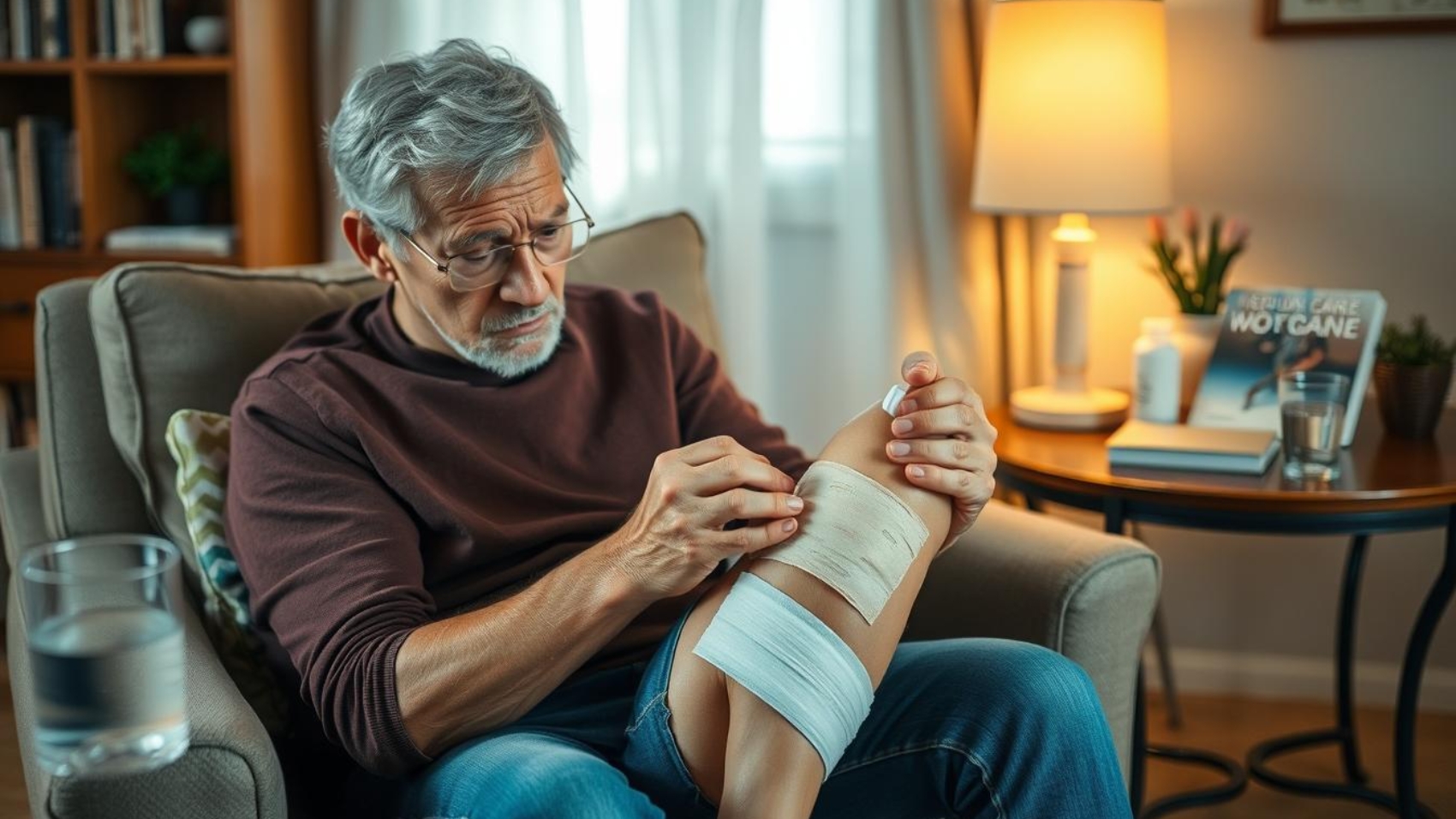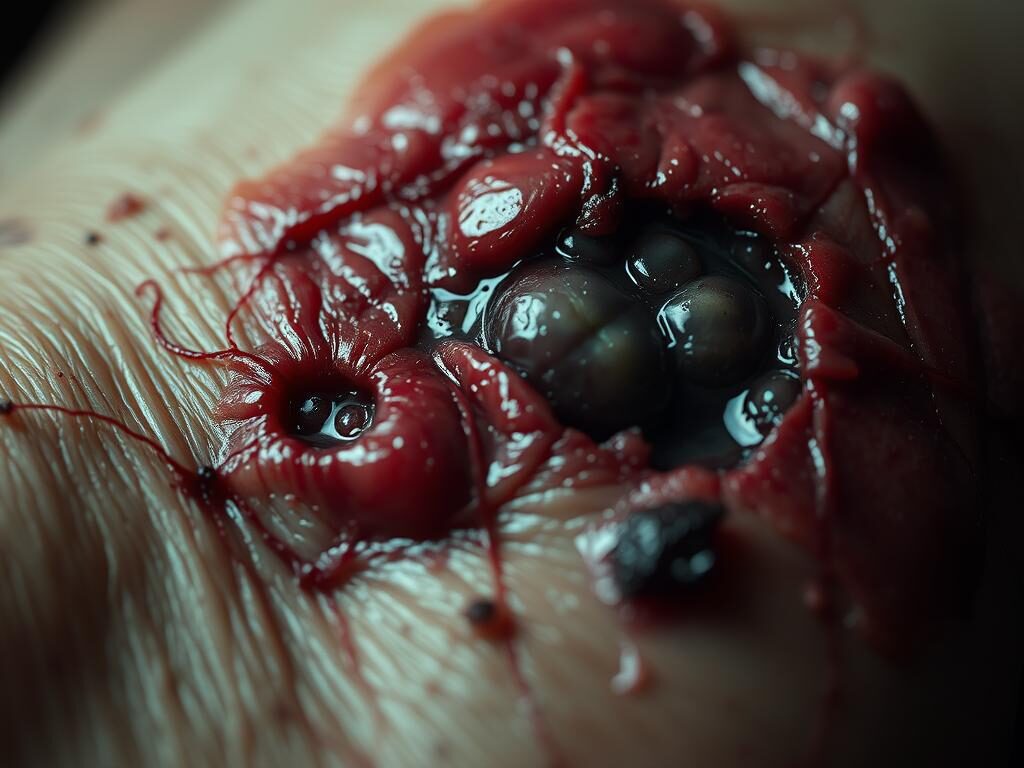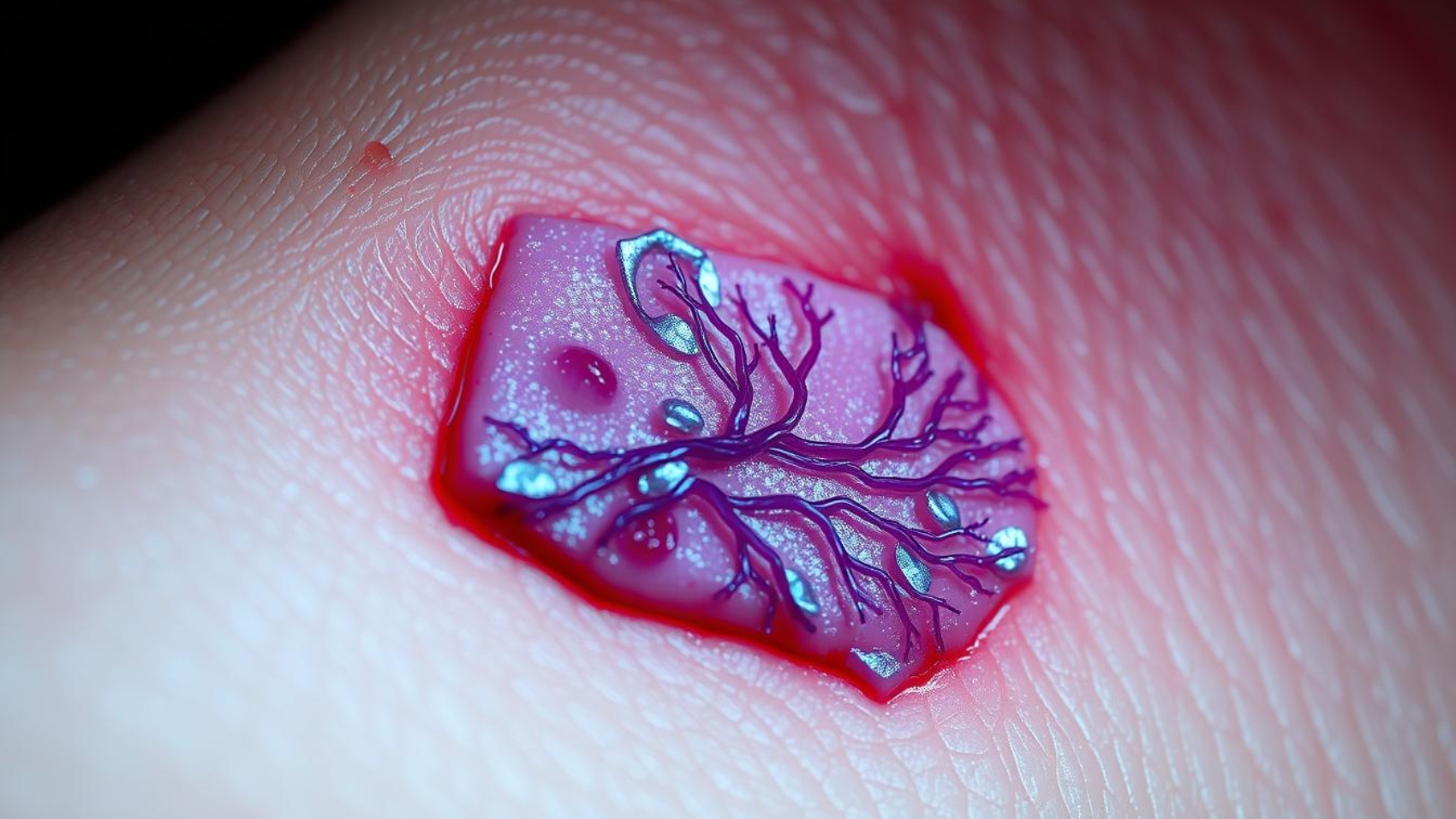
Home wound complications

Hidden Complications You Should Watch for in Wound Recovery

When you have a wound, taking good care of it is key for healing. But sometimes, complications can arise, slowing down the healing. Knowing about these issues helps your wound heal right.

As you go through wound recovery, watching out for tissue damage is important. If wound care is tough, get help from experts like Dominion Mobile Wound Care.

Key Takeaways

  • Proper wound care is vital for healing.
  • Complications can happen during recovery.
  • Knowing about these issues helps healing.
  • Tissue damage is a big problem to watch for.
  • Professional help is there for wound care.

Understanding the Wound Healing Process

When you get hurt, your body starts the wound healing process. This complex process is key to fixing damaged tissue and getting back to normal. Knowing the stages of healing and what affects it can help spot problems early.

The Four Stages of Normal Wound Healing

The healing process has four stages: hemostasis, inflammation, proliferation, and remodeling. Hemostasis is the first stage where your body stops the bleeding. Then, inflammation kicks in, with your immune system cleaning the wound and fighting off infection.

The proliferation stage is about rebuilding tissue. New collagen and tissue start forming here. Lastly, in the remodeling stage, the new tissue gets stronger and more organized, like the original tissue.

What Constitutes a “Normal” Recovery Timeline

The time it takes to heal can vary a lot. It depends on the wound’s size and depth, and your age and health. Small wounds might heal in days or weeks, but bigger ones can take months.

Watching your wound and knowing the signs of trouble is key. Dominion Mobile Wound Care experts say knowing these timelines helps catch any problems early.

Factors That Influence Healing Speed

Many things can affect how fast a wound heals. Circulation is very important, as it brings oxygen and nutrients to the wound. Other factors include nutrition, age, and underlying health conditions like diabetes or vascular disease.

  • Nutrition: Eating enough proteins, vitamins, and minerals is vital for healing.
  • Age: Older people might heal slower because of less circulation and other age-related issues.
  • Underlying Health Conditions: Conditions like diabetes can slow healing by affecting blood sugar and circulation.

By knowing these factors and stages, you can better track your wound’s healing. This helps spot any issues that might need professional help.

Common Home Wound Complications You Might Miss

When you’re healing a wound at home, it’s important to watch for complications. Many wounds heal well, but knowing the signs of trouble can help. This way, you can catch problems early and recover faster.

Subtle Signs of Infection Often Overlooked

Infection is a big risk when you’re healing a wound. But not all signs are easy to spot. Look out for:

  • Increased redness around the wound site
  • Swelling that doesn’t get better when you elevate it
  • Pain that gets worse over time
  • Unusual discharge or a bad smell from the wound

If you see any of these signs, get help from a doctor. Dominion Mobile Wound Care can offer advice and treatment.

Delayed Healing: When to Be Concerned

Wounds usually heal in a certain amount of time. But sometimes, they heal slower. Things that can slow healing include:

Factor Description Impact on Healing
Poor Circulation Less blood flow to the wound area Slows down the delivery of oxygen and nutrients
Infection Bacteria or other pathogens in the wound Causes more inflammation and slows healing
Nutritional Deficiencies Not enough vitamins and minerals Makes it harder for the body to fix the tissue

If your wound isn’t getting better, get professional help. They can find and fix any problems.

Pain Patterns That Signal Problems

Pain is normal when you’re healing, but some patterns mean trouble. Watch for:

  • Increasing pain over time
  • Sharp or stabbing pain that wasn’t there before
  • Pain that spreads beyond the wound site

These pain signs could mean infection, nerve damage, or other serious issues. You should see a doctor right away.

Infection: The Most Dangerous Complication

When you have a wound, infection is a big worry. It can slow down healing, cause more pain, and even be dangerous. Knowing the signs of infection is key to healing right.

Early Warning Signs of Wound Infection

Spotting infection signs early is very important. Look out for:

  • Increased redness and swelling around the wound site
  • Warmth or tenderness to the touch
  • Pus or discharge, which may have a foul odor
  • A fever, indicating that your body is fighting an infection

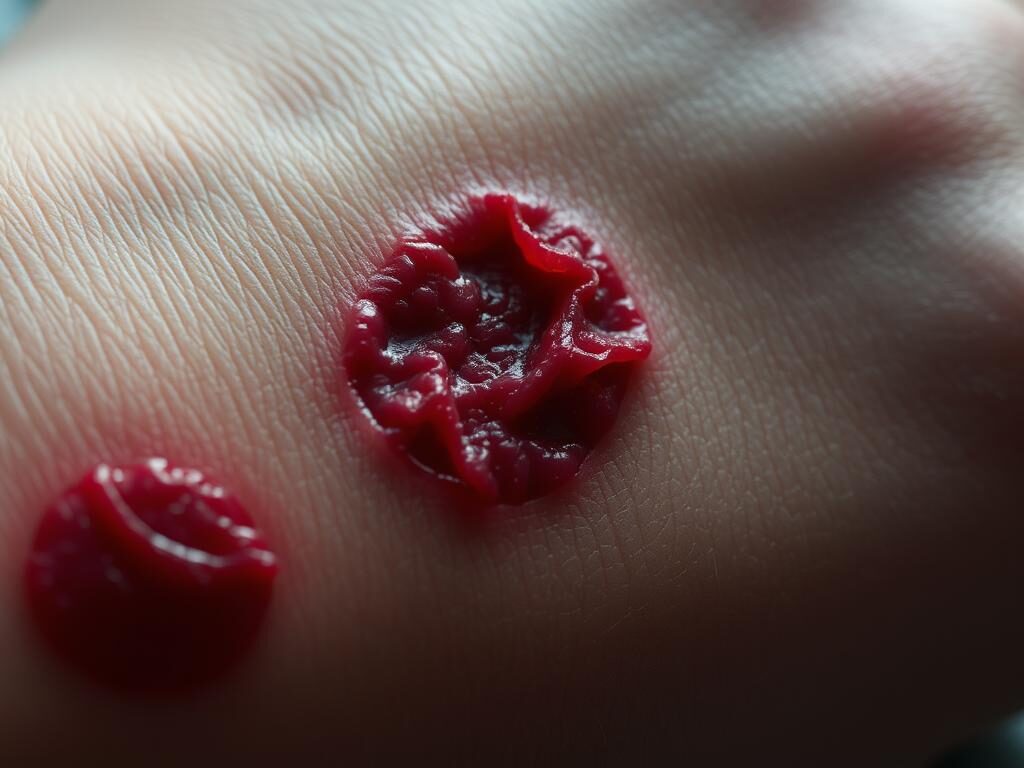
wound infection signs

Types of Wound Infections and Their Symptoms

Wound infections come from different causes like bacteria, viruses, and fungi. The symptoms depend on the infection type:

  • Bacterial infections often cause increased redness, swelling, and pus
  • Fungal infections may result in a white, cheesy discharge or a foul odor

Knowing the infection type helps choose the right treatment.

How Infections Can Spread Beyond the Wound Site

Untreated infections can spread, causing bigger health problems. These include:

  1. Cellulitis, a bacterial infection of the skin and underlying tissues
  2. Sepsis, a life-threatening condition that occurs when the infection enters the bloodstream
  3. Osteomyelitis, an infection of the bone that can result from deep or untreated wounds

Watching your wound closely and getting help if you think it’s infected is vital. Dominion Mobile Wound Care can help manage infections and aid in recovery.

Tissue Damage Complications

Wound healing can face challenges from tissue damage, like necrosis and maceration. These issues can slow down recovery. It’s key to know what causes them and how to spot them.

Necrosis: Causes and Identification

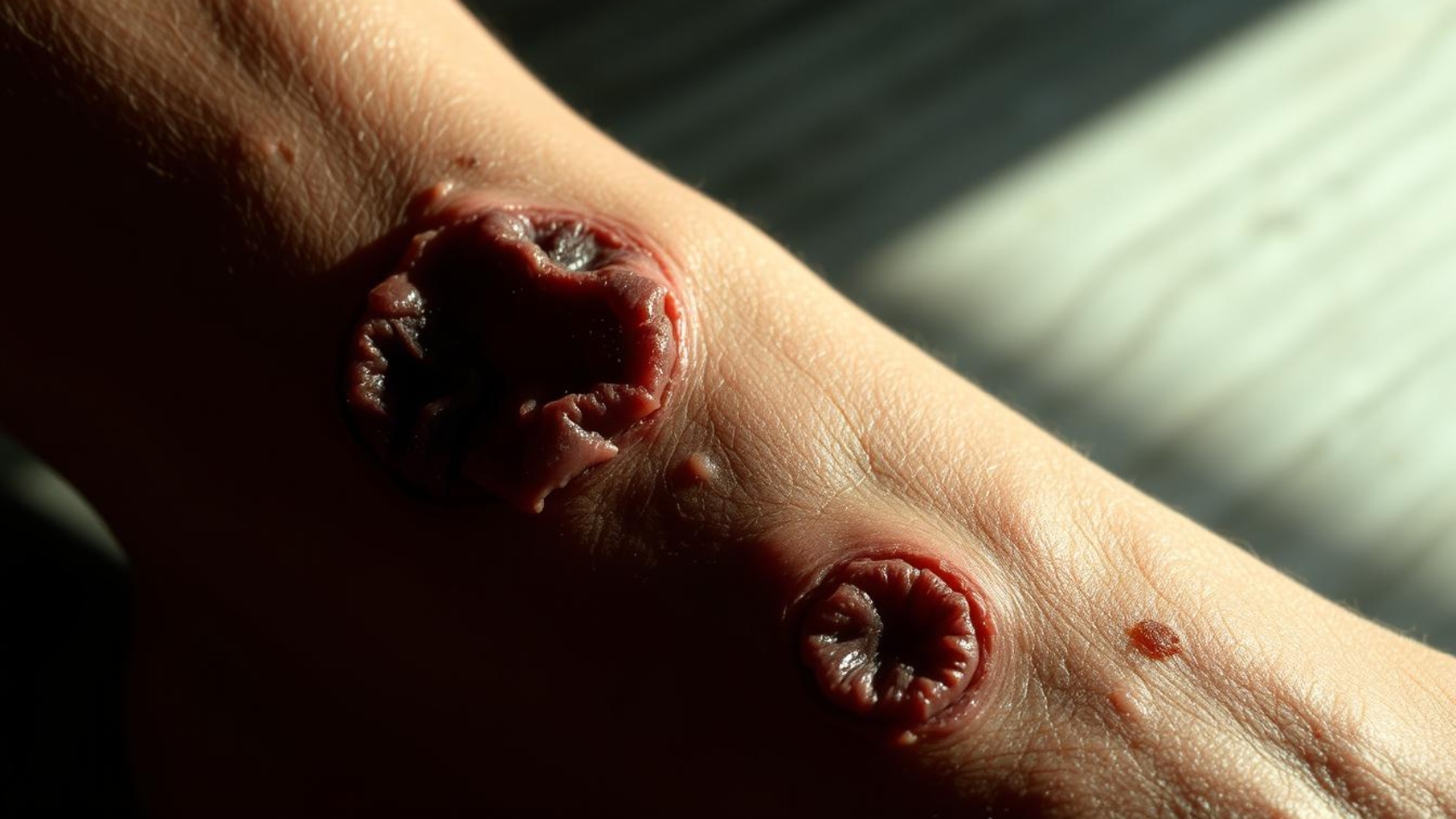
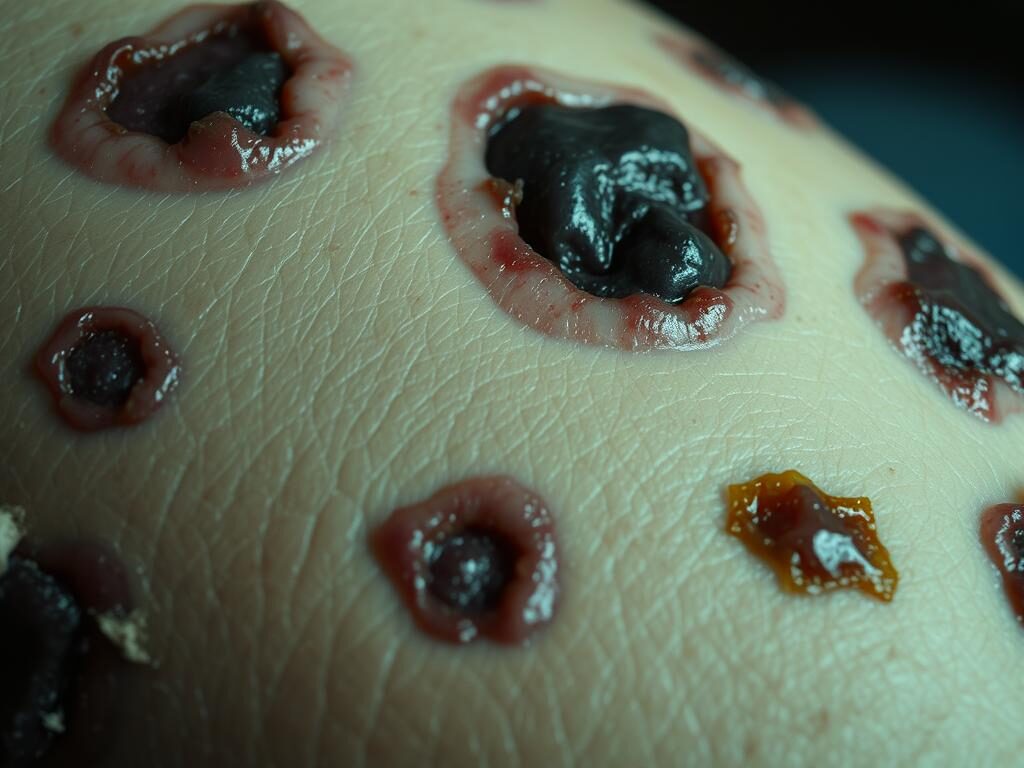
Necrosis happens when tissue dies because it lacks blood. It can be caused by injury, infection, or poor blood flow. Spotting necrosis early is vital to avoid more damage.

Look out for these signs of necrosis:

  • Discoloration of the skin, turning black or dark brown
  • Coldness to the touch
  • Pain or numbness in the affected area
  • A foul odor from the wound

If you see these signs, get medical help fast. Dominion Mobile Wound Care experts can help manage necrosis and aid in healing.

Maceration: When Wounds Get Too Wet

Maceration happens when skin gets too wet, making it soft and break down. This can be due to too much drainage, bad dressing, or being wet for too long.

Watch for these maceration signs:

  • Soft, white, or soggy skin around the wound
  • Periwound skin that is fragile and easily damaged
  • Increased risk of infection due to the compromised skin barrier

To manage maceration, control moisture and use the right dressings to keep the environment balanced.

Tissue Adhesion and Scarring Issues

Tissue adhesion happens when healing tissue sticks together, which can cause more harm when removed. Scarring can also occur, affecting how the area looks and works.

Complication Causes Consequences
Tissue Adhesion Inadequate wound care, improper dressing Further tissue damage, delayed healing
Scarring Issues Deep wounds, improper wound closure Aesthetic concerns, functional impairment

Good wound care and help from Dominion Mobile Wound Care can reduce these problems. This ensures a smoother healing journey.

Circulation Issues That Compromise Healing

Circulation problems can really slow down wound healing. It’s key for bringing oxygen and nutrients to the wound. Without good circulation, wounds may not get what they need to heal.

Signs of Poor Blood Flow to Wound Areas

Poor blood flow can really slow down healing. Look for cool skin, pale color, and weak pulses. Slower capillary refill is another sign of poor blood flow.

If you see these signs, get help from a doctor. Places like Dominion Mobile Wound Care can check and fix circulation problems.

How Swelling Affects Wound Recovery

Swelling can also slow down healing. It puts pressure on the wound and tissues. This pressure can block blood flow and nutrients.

To fight swelling, try elevating the limb, using compression, or other methods. These can help wounds heal better.

Vascular Complications in Chronic Wounds

Chronic wounds face big challenges with blood flow. Conditions like PAD can make healing even harder.

Knowing about vascular problems in chronic wounds is important. Doctors at Dominion Mobile Wound Care can help with these complex issues.

Chronic Wound Development

Dealing with a wound that won’t heal can be tough. Chronic wounds affect your health and happiness. They can make life hard.

When Acute Wounds Become Chronic Problems

Acute wounds usually heal quickly. But, if they don’t, they can turn into chronic wounds. This happens because of health problems or complications that slow healing.

Things like poor circulation, infection, or irritation can make wounds chronic. Knowing these causes helps manage them better.

Risk Factors for Developing Non-Healing Wounds

Some health issues and lifestyle choices raise the risk of chronic wounds. Diabetes, vascular disease, and obesity are big risks. They affect blood flow and healing.

  • Diabetes: It messes with glucose levels, slowing healing.
  • Vascular disease: It cuts off blood flow, making repair hard.
  • Obesity: It puts pressure on wounds, making healing tough.

The Psychological Impact of Chronic Wounds

Chronic wounds can really get to you. They cause frustration, anxiety, and depression. This is because they last forever and limit your life.

But, help from places like Dominion Mobile Wound Care can help a lot. They provide care that helps both your body and mind.

Special Considerations for Diabetic Wounds

Managing diabetic wounds starts with knowing how they heal. These wounds are a big worry because of issues like neuropathy and poor blood flow. These problems can really slow down healing.

Why Diabetic Wounds Heal Differently

Diabetic wounds heal slower for many reasons. Neuropathy, or nerve damage, makes it hard to feel pain. This means injuries can go unnoticed. Also, poor circulation doesn’t bring enough oxygen and nutrients to the wound.

High blood sugar levels also slow healing. They damage blood vessels and make it harder to fight off infections. Keeping your blood sugar in check is key to healing wounds.

Hidden Dangers in Diabetic Foot Ulcers

Diabetic foot ulcers are a big problem. They can start from small injuries or pressure points, unnoticed because of neuropathy. If not treated, they can cause serious infections and even amputation.

Knowing the infection warning signs is vital. Look for increased redness, swelling, or pus. Regular foot checks and early medical help can stop serious issues.

Monitoring Techniques for Diabetic Wound Care

Watching your wounds closely is important. Check for signs of infection or slow healing. Always use a clean, sterile area when checking your wounds to avoid infection.

  • Keep the wound clean and dressed right.
  • Watch for changes in wound size, color, or discharge.
  • Control your blood sugar to help healing.

Understanding diabetic wounds and using the right care can help a lot. For expert help, contact Dominion Mobile Wound Care.

Medication and Treatment Complications

Medications and treatments in wound care can sometimes cause problems. These issues are not always expected. They need to be fixed quickly.

When Antibiotics Aren’t Working

Antibiotics are key in wound care to fight infections. But, they might not work sometimes. This could be due to antibiotic resistance, wrong dosage, or a different infection.

Signs that antibiotics aren’t working include:

  • Increased redness and swelling around the wound
  • Persistent or increased pain
  • Continued drainage or pus
  • Fever or chills

Allergic Reactions to Wound Care Products

Allergic reactions to wound care products can slow healing. These reactions can be mild or severe. They might need quick medical help.

Common allergens in wound care products include:

  • Latex
  • Certain antibiotics
  • Adhesives
  • Topical creams or ointments

Medication Interactions That Affect Healing

Medication interactions can really affect wound healing. Some drugs can slow healing or cause more problems.

Medication Type Potential Effect on Wound Healing
Corticosteroids Can slow healing by reducing inflammation
Chemotherapy drugs Can impair healing by affecting cell division
Nonsteroidal anti-inflammatory drugs (NSAIDs) Can affect clotting and inflammation

Knowing about these complications can help manage wound care better. If you think there’s a problem with your medications or treatments, talk to your healthcare provider. They can help adjust your treatment plan.

Environmental Factors Affecting Home Wound Recovery

Your home environment can either help or hurt your wound recovery. It’s important to know what factors can affect healing. Several environmental elements can either help or hinder the healing process.

Humidity and Temperature Considerations

Keeping your home’s humidity and temperature right is key for wound healing. High humidity can lead to maceration, making the skin around the wound too moist. This can cause more damage. On the other hand, low humidity can cause dryness, slowing down healing.

Extreme temperatures can also affect blood flow to the wound. Cold temperatures can reduce circulation. High temperatures can increase inflammation.

environmental factors wound recovery

Environmental Factor Ideal Condition Impact on Wound Healing
Humidity 40-60% Optimal moisture balance for healing
Temperature 68-72°F (20-22°C) Promotes normal healing processes

Household Contaminants That Impair Healing

Household contaminants can harm wound healing. Dust, pet dander, and smoke are common culprits. Keeping your home clean and avoiding these contaminants can help prevent infection and support healing.

  • Dust: Regularly clean surfaces and change air filters.
  • Pet dander: Frequent vacuuming and grooming pets can help.
  • Smoke: Avoid smoking and secondhand smoke exposure.

Creating an Optimal Healing Environment

To create a healing environment, consider these steps:

  1. Maintain a clean and dust-free home.
  2. Regulate humidity and temperature levels.
  3. Minimize exposure to irritants.

By making these simple changes, you can improve wound healing. For more complex wounds, seek help from professionals like those at Dominion Mobile Wound Care for personalized advice.

When to Seek Professional Help for Your Wounds

It’s important to know when to get help for your wound. Some wounds can be treated at home. But, some need medical help right away to avoid more problems.

Red Flags That Require Immediate Medical Attention

Knowing the signs of a wound problem is key. Look out for:

  • Increased pain or tenderness around the wound site
  • Swelling or redness that gets worse over time
  • Pus or discharge that is thick, cloudy, or smells bad
  • A foul smell that keeps coming back, even with good care
  • A wound that’s not healing or getting better

If you see any of these signs, get help fast. Dominion Mobile Wound Care is great at treating tough wounds. They can help you heal faster.

Benefits of Professional Wound Assessment

A pro can find issues that slow healing. The benefits are:

  1. Right diagnosis of wound problems
  2. Custom treatment plans for you
  3. Use of the latest wound care tools and methods

Getting professional care early can make a big difference. It helps fix problems fast and gets you better sooner.

How Dominion Mobile Wound Care Can Help

Dominion Mobile Wound Care brings expert care to you. This makes recovery easier and more comfortable. Their team handles all kinds of wounds, giving you top-notch care.

Choosing Dominion Mobile Wound Care means you get:

  • Expert assessment and treatment plans
  • Personal care that fits your wound needs
  • Easy service that cuts down on hospital visits

If your wound is giving you trouble, don’t wait. Dominion Mobile Wound Care is ready to help you heal.

Conclusion: Ensuring Successful Wound Recovery at Home

Proper wound care at home is key for a successful recovery. Understanding how wounds heal and knowing about possible problems helps a lot. It’s important to watch your wound for signs of infection or damage.

To care for your wound well at home, keep the dressing dry for 48 hours. If it gets wet, change it. After 48 hours, you can shower with waterproof dressings. Just gently pat your skin dry. Watch for signs like more pain, redness, swelling, or bad smells. These could mean something’s wrong. For more info on wound care after the hospital, check out Dominion Mobile Wound Care.

If you notice anything odd or have questions, get professional advice. Dominion Mobile Wound Care is ready to help you heal. By following the right steps and getting help when needed, you can recover well and avoid complications.

FAQ

What are the signs of infection in a wound?

Signs of infection include redness, swelling, warmth, or pus around the wound. You might also notice a foul odor or fever. If you see these symptoms, get medical help right away.

How long does it take for a wound to heal normally?

Healing time varies based on the wound’s size, depth, and location, and your health. Generally, healing starts within a few days to a week.

What factors can influence the speed of wound healing?

Healing speed can be affected by circulation, nutrition, age, and health conditions like diabetes. Poor circulation, in particular, can slow healing down a lot.

What is necrosis, and how is it identified?

Necrosis is when tissue dies due to lack of blood or infection. It’s identified by black or dark brown tissue around the wound, often with a foul smell.

How can I prevent tissue damage complications?

To prevent complications, keep the wound clean and dry. This helps avoid issues like necrosis and maceration.

What are the risks associated with diabetic foot ulcers?

Diabetic foot ulcers can lead to serious issues like infection, amputation, and even death if not treated or managed well.

How can I create an optimal healing environment at home?

For a good healing environment, keep the wound area clean and dry. Also, maintain a comfortable temperature and avoid contaminants.

When should I seek professional help for my wound?

Get professional help if you see signs of infection, delayed healing, or have a chronic wound. Dominion Mobile Wound Care offers expert care and advice.

What are the benefits of professional wound assessment?

Professional assessment can spot complications early, offer personalized care, and improve healing chances.

Can certain medications affect wound healing?

Yes, some medications like steroids and certain antibiotics can affect healing. Always talk to your healthcare provider about your meds.

How can circulation issues affect wound healing?

Poor circulation can block oxygen and nutrients to the wound. This can cause delayed healing or chronic wounds.
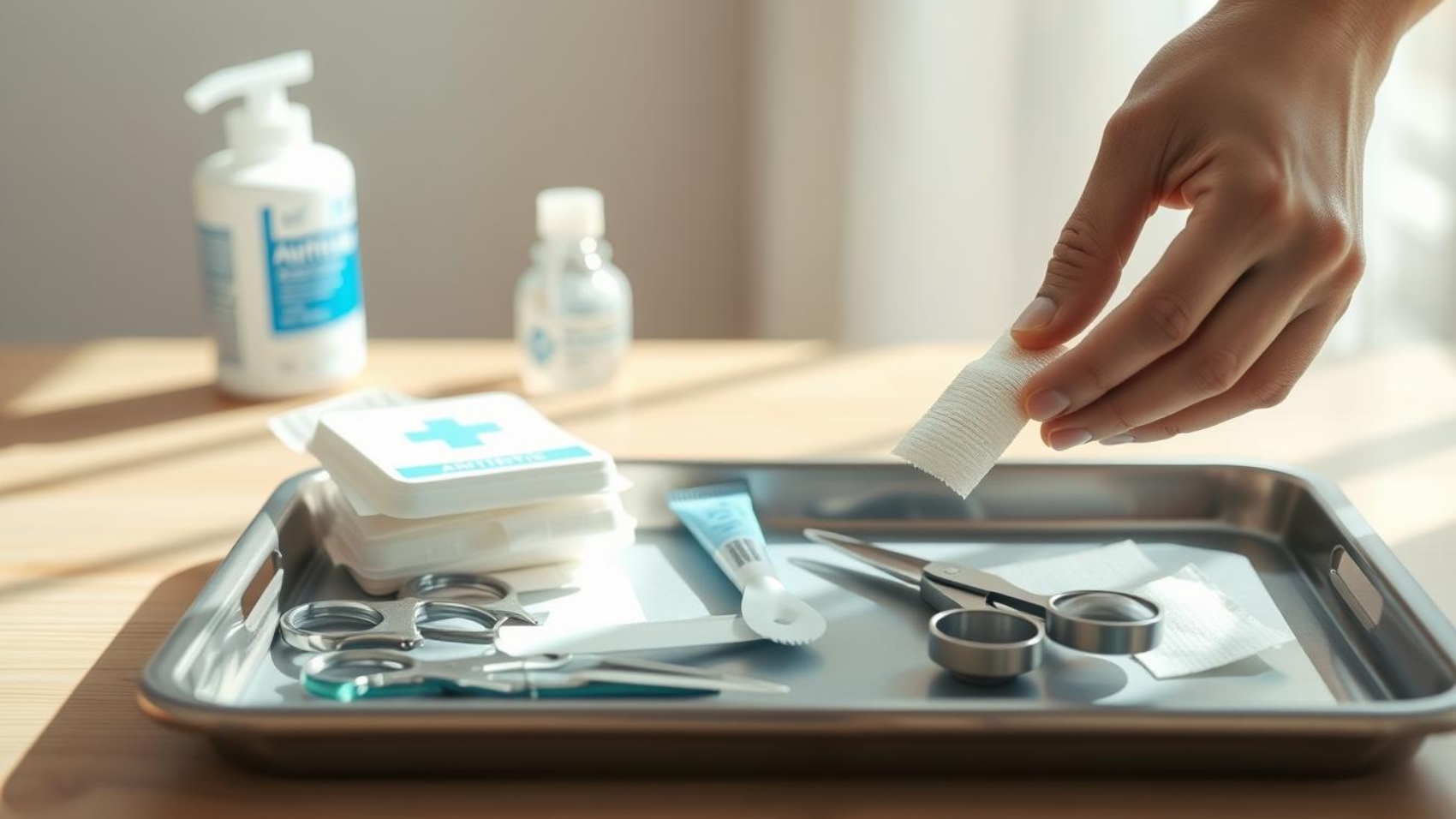
Home wound treatment

Can You Treat Wounds at Home? When to Call a Professional

When you get hurt, it’s important to know how to take care of the wound. Some small cuts and scrapes can be handled with basic first aid at home. But, others might need more help.

It’s key to know the difference between a wound you can treat yourself and one that needs a doctor. If not treated right, wounds can get infected, heal slowly, and even cause serious problems.

So, when should you see a doctor? It depends on the wound’s size, how deep it is, and your health. In this article, we’ll help you figure out if you can treat your wound at home or if you need a doctor. If you need expert care, think about contacting professionals like Dominion Mobile Wound Care for help.

Key Takeaways

  • Not all wounds can be treated at home; some require professional care.
  • The size, depth, and your health status are critical in deciding the course of treatment.
  • Proper wound care is essential to prevent infections and promote healing.
  • Neglecting wound care can lead to serious complications.
  • Professional wound care services are available for complex or severe wounds.

The Current State of Home Wound Treatment

Healthcare shortages are leading to more people taking care of wounds at home. This change is thanks to better consumer wound care products and a focus on personal health.

Recent Advances in Consumer Wound Care Products

Today, there are many wound care products for home use. These include advanced dressings and topical treatments. They are more effective and easier to use, helping people take charge of their wound care.

Growing Trend of Self-Care During Healthcare Shortages

Healthcare systems are under strain, leading to more self-care at home. This includes treating wounds, which can prevent serious issues and aid in healing.

Statistics on Home-Treated Injuries in the US

Type of Injury Percentage Treated at Home Common Treatments
Cuts and Lacerations 75% Bandages, Antiseptic Wipes
Abrasions 80% Antibiotic Ointment, Gauze
Minor Burns 90% Cool Water, Burn Cream

These numbers show how common it is for people to treat injuries at home. They also stress the need for knowing how to care for wounds properly.

Understanding Different Types of Wounds and Their Severity

Knowing the types of wounds and their severity is key to good wound care. Each wound type has its own healing process and treatment.

Cuts and Lacerations: Assessment Guide

Cuts and lacerations are common wounds. Their severity depends on depth, length, and location. Deep or jagged cuts need medical help, mainly if they’re in sensitive areas.

For small cuts, clean with mild soap and water. Use antibiotic ointment and cover with a bandage.

Puncture Wounds: Hidden Dangers

Puncture wounds seem harmless but can be risky. Their small size hides the risk of internal damage or infection. Check the wound’s depth and for any foreign objects.

If the puncture was caused by a dirty or rusty object, watch for tetanus signs. Look for redness, swelling, or more pain.

Abrasions and Burns: Proper Classification

Abrasions and burns need special care. Abrasions should be cleaned gently and kept moist. Burns are classified by how deep they are.

Burn treatment changes with the degree. First-degree burns can be treated with cool water and creams. But second and third-degree burns need medical help.

Essential First Aid Supplies for Modern Home Care

In today’s homes, being ready for accidents is key. You need the latest first aid supplies and wound care products. A well-stocked first aid kit can stop small injuries from getting worse.

Updated First Aid Kit Recommendations for 2023

A modern first aid kit should have many bandages, antiseptic wipes, and pain relievers. It’s smart to add digital tools for checking wounds.

New Wound Care Products Worth Investing In

New wound care products like hydrocolloid dressings and antimicrobial foams are out. They help wounds heal faster and lower infection risks.

Product Benefit
Hydrocolloid Dressings Promotes moist environment for faster healing
Antimicrobial Foams Reduces risk of infection
Digital Wound Assessors Monitors healing progress and detects complications early

Digital Tools for Wound Assessment and Monitoring

Digital tools are vital in wound care. They give precise assessments and track healing. These tools spot issues early, preventing bigger problems.

Step-by-Step Guide to Effective Home Wound Treatment

Proper wound care at home is simple but important. By following these steps, your wound will heal fast and well. This reduces the chance of complications.

Evidence-Based Cleaning Protocols

Cleaning your wound is the first step. Use clean water or saline solution to gently rinse it. Don’t use harsh soap or cleansers that can irritate the skin. Pat it dry with a clean towel.

wound cleaning

Selecting and Applying Appropriate Dressings

After cleaning, apply a dressing to protect the wound. Pick a dressing that is breathable and non-stick. For small cuts, a simple bandage works. But deeper wounds might need a special dressing.

Documentation and Monitoring Best Practices

Track your wound’s healing by documenting its size, color, and any changes. Watch for signs of infection like redness, swelling, or more pain. Regular checks help spot issues early.

By following these steps, you can manage your wound care at home well. This promotes a quick recovery.

Common Mistakes That Delay Healing

Treating wounds at home can be effective, but some mistakes can slow healing. Knowing these errors is key for good wound care.

Outdated Practices That Slow Healing

Many people use old methods for wound care, like harsh soap or alcohol on the wound. These can remove the wound’s natural protection, causing more irritation and slowing healing. Instead, gentle cleaning with saline solution is advised.

Harmful Folk Remedies to Avoid

Some folk remedies, though meant to help, can actually harm. For instance, putting butter or greasy stuff on burns can trap heat and hurt more. Also, using unsterile or untested herbal remedies can bring infection or bad reactions.

When “Natural” Treatments Can Cause Harm

Even “natural” treatments can be harmful if not used right. Some natural products can be allergenic or mix badly with other treatments. Always check the safety and effects of any treatment, natural or not, before using it on a wound.

Wound Red Flags: When to Seek Immediate Medical Attention

Some wounds need quick medical help. While many can be treated at home, certain signs mean you should see a doctor.

Dangerous Bleeding Scenarios

Severe bleeding that won’t stop after 10-15 minutes of pressure is a big warning. Arterial bleeding, with its bright red color and fast flow, is very dangerous. You need to get help right away.

Infection Warning Signs That Shouldn’t Be Ignored

Infection can slow healing and cause serious problems. Look out for signs like increased redness, swelling, warmth, or pus around the wound. Fever is also a sign of infection.

Infection Sign Description
Increased Redness Redness that spreads beyond the wound edges
Swelling Swelling that worsens over time
Pus or Discharge Presence of yellow or green discharge

Special Concerns for Children and Elderly Patients

Children and the elderly face higher risks from wounds. Even small wounds in kids can be serious if not treated right. Older adults may have health issues that make healing harder.

Understanding Home Care Limits for Different Populations

Some groups, like diabetic patients and those with weakened immune systems, need special care for wounds at home. It’s important to know these differences to manage wounds well.

Diabetic Patients: Special Considerations

Diabetics face special challenges in healing wounds because of nerve damage and poor blood flow. Keeping an eye on blood sugar levels and proper wound care are key. Also, watch for signs of infection, as they are more prone to serious problems.

Immunocompromised Individuals: Heightened Risks

People with weak immune systems, like those on chemotherapy or with HIV/AIDS, are at higher risk for wound issues. They must stick to strict wound care and see a doctor at the first sign of infection. Preventive steps are vital for this group.

Elderly Care: When Simple Wounds Become Complex

The elderly often have health problems that make wound healing harder, like poor blood flow, diabetes, or memory issues. Caregivers need to watch wounds closely and get help when needed. For more on wound care at home, check out Dominion Mobile Wound Care.

Important things to remember for these groups include:

  • Regularly check how the wound is healing
  • Follow the treatment plan given by a doctor
  • Look out for early signs of trouble
  • Get medical help when it’s needed

Medical Escalation: The Process of Seeking Professional Help

Knowing how to handle medical escalation is key to healing right. If your wound care needs are too much for home, finding professional help is essential.

Emergency Room vs. Urgent Care vs. Mobile Services

Not all wounds are the same, and picking the right place is important. For serious issues, the emergency room is the best. Urgent care is good for less severe but urgent needs. Mobile wound care services come to you, perfect for those who can’t leave or have complex needs.

Service Description Best For
Emergency Room 24/7 care for life-threatening conditions Severe injuries, heavy bleeding
Urgent Care Prompt care for non-life-threatening conditions Minor injuries, infections
Mobile Services Professional care at your location Complex needs, mobility issues

What to Communicate to Healthcare Providers

When you need professional help, tell them everything about your wound. Share its cause, size, depth, and any treatments you’ve tried. Also, talk about your medical history and any medicines you’re on.

Preparing for a Professional Assessment

Before your visit, collect any important documents like medical records and insurance info. Be ready to ask about your care plan and what to expect during the assessment.

medical escalation process

The Emergence of Mobile Wound Care as a Healthcare Solution

Mobile wound care is changing how we treat wounds, bringing care right to patients’ doors. This change is because people want healthcare that’s easy to get and use.

Post-Pandemic Shift to Home-Based Medical Services

The COVID-19 pandemic made home-based medical services, like mobile wound care, more popular. It’s because hospitals got too full and people wanted to avoid getting sick. So, mobile wound care is now a key part of healthcare today.

  • Reduced hospital visits
  • Increased patient comfort
  • Personalized care

Technology Enabling Advanced Care Outside Hospitals

New technology has helped make mobile wound care possible. Digital tools and telehealth let doctors check and treat wounds from afar. This means patients get the care they need quickly and do better.

Patient Outcomes and Satisfaction Reports

Research shows mobile wound care makes patients happier and healthier. Getting care at home means less stress and quicker healing for them.

As healthcare keeps changing, mobile wound care will likely grow. It will help more people get the quality care they need without hassle.

How Dominion Mobile Wound Care is Transforming Patient Treatment

Dominion Mobile Wound Care is changing how we treat wounds. They bring advanced care right to patients. This helps those with hard-to-heal wounds.

Innovative Approaches to Wound Management

Dominion uses the latest in wound care. They make personalized care plans for each patient. This makes healing faster and more effective.

Specialized Expertise for Complex Cases

The Dominion team is full of highly trained professionals. They know how to handle tough wounds. This is beyond what regular doctors can do.

Coordination with Primary Care Providers

Dominion works well with primary care doctors. This ensures patients get the best care all the time. It leads to better health outcomes.

Dominion Mobile Wound Care is leading the way in patient care. They use new methods, specialized knowledge, and teamwork. This is changing treatment for the better.

Insurance Coverage and Accessibility Updates for Wound Care

Recent changes in insurance policies have made a big difference in wound care access. It’s important for patients to know what their coverage includes for effective wound care.

Changes in Medicare and Medicaid Policies

Medicare and Medicaid have made new rules for wound care coverage. These updates aim to make treatments more accessible while keeping costs down. For example, expanded coverage for home-based wound care lets patients get treatment at home.

Private Insurance Trends for Home-Based Care

Private insurers are also changing their policies to cover more home-based wound care. This move shows a shift towards patient-centered care. Treatments are now more focused on what each patient needs and wants.

Navigating Coverage Challenges: Patient Resources

Even with these updates, patients might find it hard to understand their insurance. But, there are many resources available. Patient advocacy groups and online tools can help patients understand their benefits and fight denied claims.

Conclusion: Partnering for Optimal Wound Healing Outcomes

Effective wound healing needs a mix of home care and professional help. Knowing your home care limits and spotting wound red flags is key. This helps decide when to get medical escalation. Working together, you can make sure your wound gets the right care for the best wound healing.

Many things, like health issues and wound type, affect healing. Knowing these and acting early can prevent problems. This way, you can get the best results.

If wound care is tough or you’re not sure what to do, talk to Dominion Mobile Wound Care. Their skilled team offers personalized advice and care. They help you understand wound healing and aim for the best results.

FAQ

What are the signs that a wound is not healing properly?

Signs include increased redness, swelling, or pain. Also, look for pus, a foul odor, or no healing after weeks. If you see these, get medical help fast.

Can I treat all types of wounds at home?

No, not all wounds can be treated at home. Deep cuts, puncture wounds, or bleeding wounds need immediate medical help. Wounds in people with diabetes also need professional care.

What are the essential supplies for a home first aid kit?

Your kit should have updated wound care items like antimicrobial dressings and gauze pads. Don’t forget medical tape. Also, include digital tools for monitoring wounds.

How often should I clean and dress a wound?

Cleaning and dressing frequency varies by wound type and severity. Clean with mild soap and water, and use a sterile bandage. Change the dressing daily or when it gets wet or dirty.

What are some common mistakes that can delay wound healing?

Mistakes include using outdated practices like butter or oil on burns. Avoid harsh chemicals and “natural” treatments without medical advice. Honey or sugar can harm without proper guidance.

When should I seek immediate medical attention for a wound?

Seek immediate help for dangerous bleeding, infection signs, or a weakened immune system. Also, for deep, large, or bleeding wounds, get medical help right away.

How do I know if I need emergency room, urgent care, or mobile wound care services?

Go to the emergency room for severe bleeding. For non-life-threatening injuries, urgent care or mobile wound care might be better. Mobile services offer advanced care at home.

Will my insurance cover mobile wound care services?

Insurance coverage for mobile wound care varies. Medicare and Medicaid have expanded coverage, and some private insurers are following. Check with your provider to see if you’re covered.

What are the benefits of using Dominion Mobile Wound Care?

Dominion Mobile Wound Care offers innovative wound management and specialized expertise. They provide care at home, improving outcomes and patient satisfaction.

Wound pain management

Managing Pain from Chronic Wounds at Home

Dealing with chronic wound pain is tough and can change your life. It’s not just about feeling uncomfortable. Chronic wound pain can make you feel sad and tired all the time. This makes simple tasks hard to do.

Effective pain management is key to a better life. In this article, we’ll share some great home comfort tips. These tips can help you manage chronic wound pain better.

By learning to manage your wound pain, you start healing. You can regain your comfort at home.

Key Takeaways

  • Understand the impact of chronic wound pain on your daily life.
  • Learn effective home comfort tips for managing wound pain.
  • Discover how to improve your overall well-being while dealing with chronic wounds.
  • Find out how to take the first step towards healing with professional help.
  • Explore the benefits of hiring Dominion Mobile Wound Care for your wound healing journey.

The Challenge of Chronic Wound Pain

Chronic wound pain is a big challenge that affects your body and mind. It’s important to manage this pain well to improve your life quality.

Types of Wound Pain You May Experience

It’s key to know the types of pain from chronic wounds for good pain management. There are mainly two types: nociceptive and neuropathic pain.

Nociceptive Pain

Nociceptive pain is a natural response to injury. It happens when pain receptors detect damage or inflammation. This pain feels sharp, aching, or throbbing.

Neuropathic Pain

Neuropathic pain, though, is not a normal response. It’s caused by nerve damage. This pain feels burning, shooting, or stabbing. It’s harder to manage.

How Chronic Wounds Differ from Acute Injuries

Chronic wounds heal differently than acute injuries. Unlike acute injuries, which heal quickly, chronic wounds take much longer. They don’t go through the normal healing stages.

Characteristics Acute Injuries Chronic Wounds
Healing Timeframe Typically heals within a few weeks Often takes months or years to heal
Pain Characteristics Usually sharp pain that subsides as healing progresses Can experience persistent or recurring pain
Pain Management Often managed with standard pain relief options May require more complex pain management strategies

Knowing these differences helps in creating a pain management plan that fits your needs.

The Impact of Chronic Wound Pain on Your Daily Life

Living with a chronic wound can really change your daily life. The pain can make simple things hard, like moving around. It also affects how you feel, both physically and emotionally.

Physical Limitations and Mobility Challenges

Chronic wound pain can make it hard to do everyday things. Even walking can feel like a big challenge. To help, you can make your home more comfortable. This can reduce the strain on your wound.

Psychological Effects and Emotional Well-being

The mental side of chronic wound pain is just as important. It can cause feelings of frustration, anxiety, and even depression. Finding ways to manage the pain is key to feeling better emotionally.

Sleep Disruption and Fatigue Management

Chronic wound pain can mess up your sleep, making you feel tired all the time. This tiredness can make the pain feel worse. It’s important to find ways to manage both the pain and your fatigue.

Aspect of Life Impact of Chronic Wound Pain Management Strategies
Physical Mobility Reduced mobility due to pain Home comfort tips, physical therapy
Emotional Well-being Increased risk of depression and anxiety Wound pain management, counseling
Sleep Quality Disrupted sleep patterns Sleep hygiene practices, pain management

Wound Pain Management Strategies for Home Care

You don’t have to let chronic wound pain control your life. There are many home care strategies to help ease your pain. Managing wound pain well is key to a better life and faster healing.

Prescription and Over-the-Counter Medication Options

Medication is a big help in managing wound pain. You can look into both prescription and over-the-counter (OTC) options to find what works for you.

Analgesics and Anti-inflammatories

Analgesics cut down on pain, and anti-inflammatories reduce swelling and inflammation. Acetaminophen is a common OTC analgesic, and ibuprofen is an anti-inflammatory.

Topical Pain Relievers

Topical pain relievers, like creams and gels, can be applied directly to the wound or around it. They numb the pain and are great for pain at the wound site.

Non-Pharmaceutical Approaches to Try

There are also non-medical ways to manage wound pain. Using aloe vera or honey on your wound can help because they have natural soothing properties.

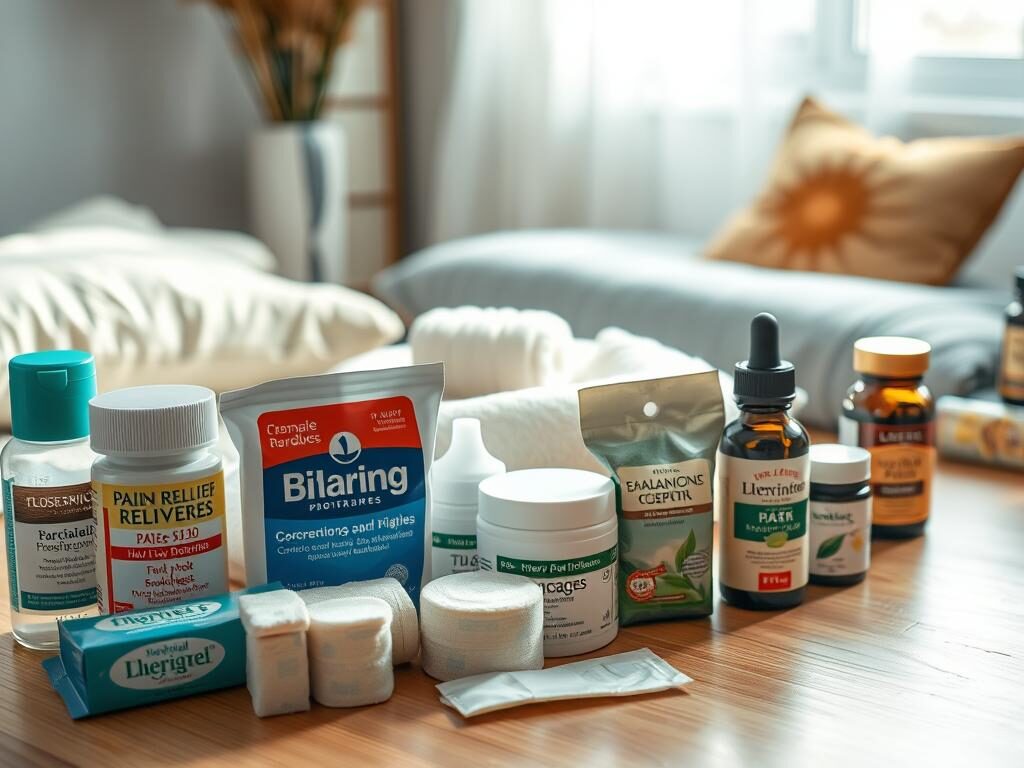
pain relief options

When to Contact Your Healthcare Provider

Knowing when to get medical help is important. If your pain gets worse or you see signs of infection like more redness, swelling, or pus, call your healthcare provider right away.

By using these strategies and keeping in touch with your healthcare provider, you can manage your wound pain at home. For more help and support, consider contacting professionals like Dominion Mobile Wound Care for detailed wound care.

Creating a Comfortable Home Environment for Healing

Your home can be a place of healing. With a few simple changes, you can make it a supportive space. A comfortable home environment helps by reducing stress and pain from wound care.

Setting Up an Effective Wound Care Station

Having a special area for wound care can make treatment easier and less painful. Here are some tips:

  • Choose a quiet, well-lit area with enough space for supplies.
  • Keep your wound care supplies organized and within reach to avoid stretching or bending.
  • Use a comfortable chair or bed that supports you well during treatment.

For more detailed guidance on wound care at home, you can refer to resources like Dominion Mobile Wound Care’s guide.

Temperature and Humidity Control for Comfort

Keeping your home at a comfortable temperature and humidity level is key for wound healing. Keep your home between 68-72°F (20-22°C) for the best comfort. Using a humidifier can also help keep the air moist, which is good for wound healing.

Accessibility Modifications to Reduce Pain

Simple changes to your home can help reduce pain and discomfort. Consider:

  1. Installing handrails or grab bars in key spots.
  2. Rearranging furniture to make paths clear.
  3. Using a shower chair or bench to ease strain during bathing.

By making these changes, you can make your home more comfortable and supportive. This helps promote healing and reduces wound pain.

Nutritional Support for Wound Healing and Pain Reduction

Eating right is key for your body to heal wounds and manage pain. A balanced diet gives your body what it needs to recover. It helps avoid complications and boosts your overall health.

Essential Nutrients That Promote Recovery

Some nutrients are vital for healing wounds. Eating enough of these can really help your recovery.

Protein and Amino Acids

Protein is essential for fixing and growing new tissue. Amino acids, the parts of protein, help make new tissue and heal wounds. Good sources of protein are lean meats, fish, eggs, and legumes.

Vitamins and Minerals

Vitamins and minerals are also key for healing. Vitamin C helps make collagen, and zinc boosts your immune system and helps wounds close. Eating a variety of fruits, vegetables, and whole grains will help you get these nutrients.

Hydration Importance for Wound Healing

Drinking enough water is vital for healthy skin and healing wounds. Water keeps your skin moist and helps nutrients reach the wound.

Anti-inflammatory Diet Choices to Consider

Eating anti-inflammatory foods can help with pain and healing. Foods like salmon and walnuts, which are rich in omega-3 fatty acids, have anti-inflammatory effects.

Nutrient Food Sources Benefit
Protein Lean meats, fish, eggs, legumes Tissue repair and regeneration
Vitamin C Fruits, vegetables Collagen synthesis
Zinc Meat, poultry, seafood, whole grains Immune function and wound closure
Omega-3 fatty acids Salmon, walnuts, flaxseeds Anti-inflammatory effects

By eating a balanced diet and staying hydrated, you support your body’s healing. This can also help reduce pain from chronic wounds.

Managing Nerve Pain in Chronic Wounds

If you have a chronic wound, you know how nerve pain can hurt. This pain, or neuropathic pain, can really affect your life. It’s important to manage it well to feel better and heal faster.

nerve pain wounds

Identifying Signs of Neuropathic Pain

Neuropathic pain from chronic wounds can feel sharp or burning. It’s key to notice these signs and tell your doctor. This way, you can get the right help.

Specialized Treatments You Can Access

There are special treatments for nerve pain in chronic wounds. You might get medicines made just for this pain, like certain antidepressants or anticonvulsants. Your doctor might also suggest nerve blocks or neuromodulation techniques.

At-Home Relief Techniques to Try Today

There are also things you can do at home to ease nerve pain. Try gentle compression or temperature therapy. These can help a lot.

Gentle Compression Methods

Gentle compression uses bandages or special clothes to apply pressure. It can help with swelling and pain. But, make sure to follow your doctor’s advice on how to use it.

Temperature Therapy Applications

Temperature therapy, like heat or cold, can also help. Cold therapy, for example, can reduce swelling and numb the pain. Just remember to use a barrier to protect your skin.

Dealing with nerve pain is a big part of taking care of chronic wounds. Knowing the signs and getting the right treatment can help a lot. For more help, consider talking to experts like Dominion Mobile Wound Care. They offer wound care at home.

Latest Advancements in Home-Based Wound Care

Now, you have more tools to manage chronic wounds at home. These new tools help make wound care more effective. They reduce pain and help wounds heal faster.

New Dressing Technologies for Pain Reduction

New dressings are a big step forward. They are designed to be more comfortable and reduce pain. They also create a moist environment that helps wounds heal.

Hydrogel dressings and foam dressings are examples. They help manage pain and support healing.

Portable Therapy Devices You Can Use at Home

Portable therapy devices are now used at home. You can use negative pressure wound therapy (NPWT) systems and electrical stimulation devices at home. These devices help wounds heal faster, reduce pain, and cut down on hospital visits.

Telehealth Options for Remote Wound Assessment

Telehealth is a convenient option for wound care. Healthcare professionals can check your wound remotely. They can also guide you on wound care and adjust treatment plans as needed.

This saves time and reduces travel needs. It’s great for those with mobility issues.

These new advancements in home-based wound care are changing how we manage chronic wounds. They make it easier and less painful. By using these technologies and services, you can play a bigger role in your healing journey.

How Dominion Mobile Wound Care Supports Your Home Recovery

If you’re dealing with chronic wound pain, Dominion Mobile Wound Care is here to help. Managing chronic wounds can be tough, and finding pain relief is key. Dominion Mobile Wound Care offers services right in your home to tackle these challenges.

Mobile Assessment and Treatment Services

Dominion Mobile Wound Care brings expert care to your door. Their mobile services mean you get timely care without leaving home. This is great for those with nerve pain wounds or mobility issues.

Personalized Pain Management Plans

Dominion Mobile Wound Care knows everyone’s needs are different. They create personalized pain management plans just for you. These plans focus on your specific needs for the best pain relief.

Ongoing Support and Patient Education

Healing is a journey, and Dominion Mobile Wound Care is with you every step. They offer ongoing care and patient education to help you manage your condition.

Virtual Consultations

  • Convenient remote access to care
  • Reduced need for in-person visits
  • Enhanced flexibility in managing your care schedule

Emergency Support Options

Dominion Mobile Wound Care also has emergency support options for urgent needs. This ensures you always have help when you need it.

Choosing Dominion Mobile Wound Care is a big step towards healing and managing pain. Their services support you from start to finish. Reach out to Dominion Mobile Wound Care today to see how they can help your recovery at home.

Conclusion: Taking Control of Your Wound Healing Journey

Managing wound pain is key to a better life. By using home comfort tips, you can lead your healing journey. Making your home comfortable, eating right, and handling nerve pain are all important steps.

There are many ways to lessen wound pain. Try non-medical methods, make your home cozy, and use new home care tools. Dominion Mobile Wound Care can help with personalized plans and education.

Being proactive in healing can greatly improve your health. Contact Dominion Mobile Wound Care for more on their services. Start your journey to a more comfortable recovery today.

FAQ

What are the most common types of pain associated with chronic wounds?

Chronic wounds can cause two main types of pain. Nociceptive pain comes from tissue damage. Neuropathic pain is due to nerve damage. Knowing the type of pain helps in managing it better.

How can I manage pain from chronic wounds at home?

To manage pain at home, use a mix of medicines and non-medical methods. Over-the-counter pain relievers or prescription drugs can help. Non-pharmaceutical options include aloe vera, honey, or temperature therapy.

What are some tips for creating a comfortable home environment for healing?

For a healing-friendly home, set up a wound care station. Control the temperature and humidity. Make your home accessible to reduce pain and discomfort.

How does nutrition impact wound healing and pain reduction?

Nutrition is key for healing wounds and reducing pain. Foods rich in protein, amino acids, vitamins, and minerals aid healing. An anti-inflammatory diet can also help lessen pain and swelling.

What are some signs of neuropathic pain in chronic wounds?

Neuropathic pain in wounds shows as burning, shooting, or stabbing feelings. You might also feel numbness or tingling. If you notice these, see your healthcare provider for help.

How can I access specialized treatments for nerve pain?

For nerve pain, talk to your healthcare provider. They might suggest gentle compression, temperature therapy, or specific pain medications.

What are the benefits of telehealth options for remote wound assessment?

Telehealth lets you get medical care at home. It’s convenient and reduces the need for in-person visits. It also allows for more frequent check-ups and treatment plan adjustments.

How can Dominion Mobile Wound Care support my home recovery?

Dominion Mobile Wound Care offers mobile care and treatment. They create personalized pain management plans. They also provide ongoing support and education to help you manage pain and recover at home.

Wound dressing changes

How to Properly Change Wound Dressings at Home

Changing wound dressings at home is key for healing. It requires following a few important steps. These steps help your wound heal fast and safely.

Start by making your area clean to avoid infections. You’ll need to get all sterile supplies ready. Also, wash your hands well before you begin.

By doing things right and using the right stuff, you can help your body heal. If you’re not sure, think about getting help from “Dominion Mobile Wound Care”. They can show you how to do it right.

Key Takeaways

  • Prepare your environment before changing your dressing.
  • Use sterile supplies to minimize infection risk.
  • Wash your hands thoroughly before starting.
  • Follow the correct procedure for changing your dressing.
  • Consider professional help if you’re unsure.

The Importance of Proper Wound Care

Learning about proper wound care is key to preventing infections and helping wounds heal. It’s not just about covering the wound. It’s about a detailed process that includes cleaning, dressing, and watching the wound’s healing.

Recent Statistics on Home Wound Care Complications

Recent studies show the dangers of bad wound care at home. Many patients get infections because of poor care. Key statistics include:

  • About 20% of patients get wound infections from bad care.
  • Bad home wound care leads to thousands of hospital readmissions every year.

Latest Research on Infection Prevention

New research shows how important good wound dressing and hygiene are. Innovative dressing materials and methods have been created to improve care. For example, antimicrobial dressings can greatly lower infection risk. It’s vital to keep up with the latest in wound care to give the best care possible.

Essential Sterile Supplies for Effective Wound Care

Good wound care starts with the right sterile supplies. Knowing what supplies you need is key to caring for wounds well.

Updated List of Required Sterile Supplies

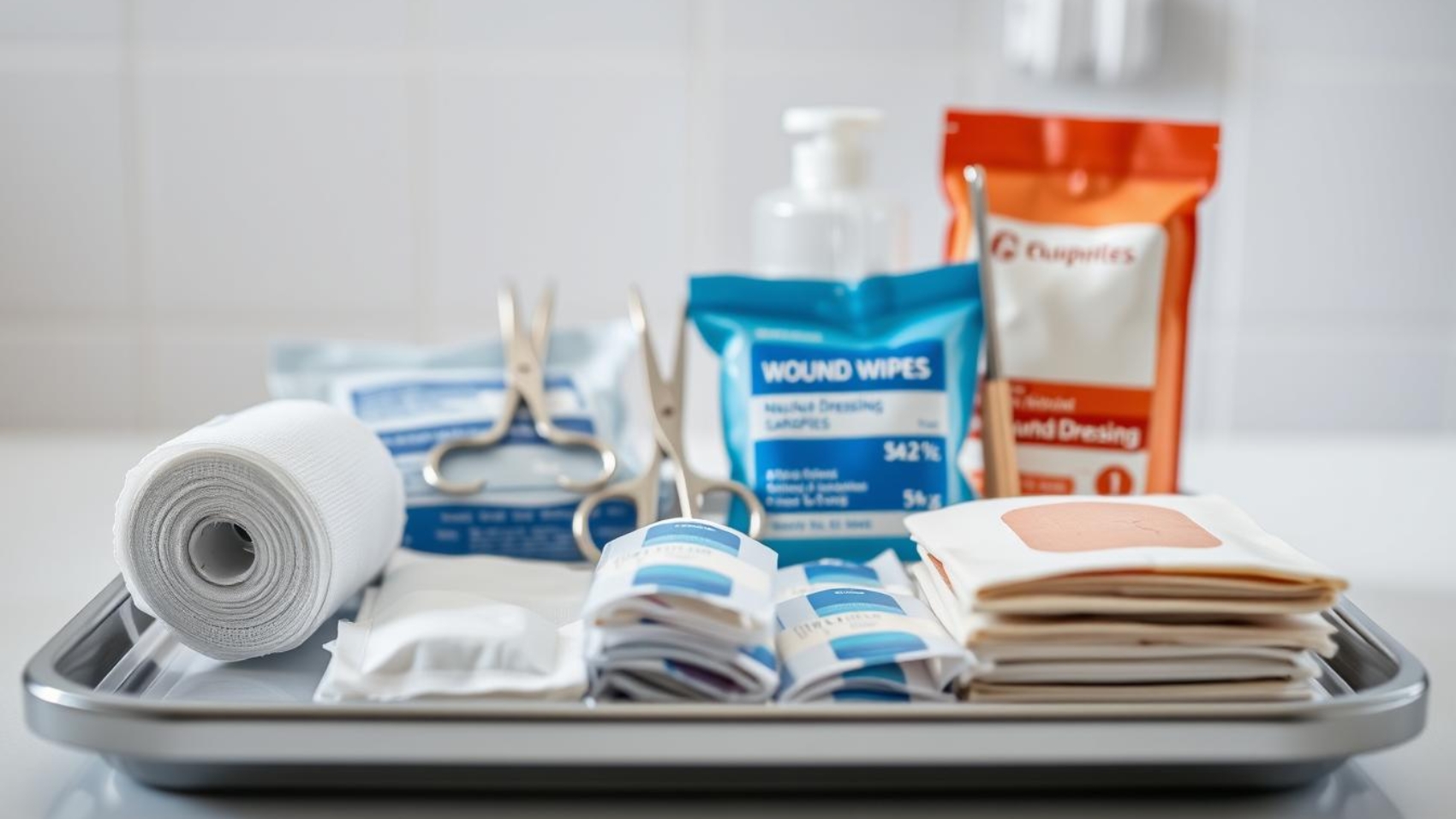
You’ll need certain sterile supplies for wound care. These include:

  • Gauze pads and rolls
  • Sterile gloves
  • Antiseptic solution or wipes
  • Medical tape
  • Scissors

New Products on the Market for Home Wound Care

The wound care market keeps growing, with new products all the time. Now, there are advanced dressings that help wounds heal faster and feel better.

Where to Purchase Quality Supplies in the United States

You can find top-notch sterile supplies in the U.S. at many places. CVS, Walgreens, medical stores, and Amazon have a lot of options. Make sure to buy from trusted sources online.

With the right supplies and knowing where to get them, you can take good care of wounds at home.

Creating a Clean Environment for Dressing Changes

To lower the chance of infection during wound care, it’s key to create a clean space. This means using sterile supplies and making sure the area is well cleaned.

Current Best Practices for Sanitizing Your Workspace

Start by clearing a flat area and cleaning it with a disinfectant. Choose a gentle cleanser that won’t leave residues, which could harm wound healing or dressing sticking. Make sure the area is bright and draft-free to avoid contamination.

sanitizing workspace for wound care

Recent Developments in Home Sterilization Techniques

New ways to sterilize have made it easier to keep a clean home. Ultraviolet (UV) light sanitizers are now popular for killing bacteria and viruses on surfaces. Tips for caregivers include sanitizing not just the workspace but also any equipment and supplies touching the wound.

By following these steps and keeping up with new sterilization methods, caregivers can greatly lower infection risks during dressing changes.

Latest Protocol for Wound Dressing Changes: Step-by-Step Guide

Changing wound dressings is key in wound care. It needs careful attention and following the latest guidelines. Doing it right helps wounds heal and keeps infections away.

New Protocols for Safe Dressing Removal

Removing the old dressing is the first step. You should gently remove the dressing to avoid irritating the wound. If it’s stuck, moisten it with saline solution to help remove it.

Latest Techniques for Wound Cleansing

After removing the old dressing, clean the wound. Use a saline solution or a cleanser suggested by a healthcare professional. Gently wash the wound to remove dirt and bacteria.

Updated Methods for Applying New Dressings

Now, apply a new dressing. Pick one that fits your wound type. Apply the dressing as the manufacturer says, making sure it’s snug but not too tight. Changing the dressing often and watching the wound’s healing is vital.

By following these steps and keeping up with new guidelines, you can do wound dressing changes well. This helps wounds heal faster and lowers the chance of problems.

Understanding Different Types of Wound Dressings

Knowing about the various wound dressings is key in wound care. The right dressing can greatly affect healing. With so many options, it’s important to understand each one’s characteristics.

Breaking News: Innovations in Dressing Materials

New advancements in dressing materials have brought better and more comfortable wound care solutions. For example, specialized wound care services now use cutting-edge materials. These materials help wounds heal faster and reduce infection risk.

Recent Studies on Dressing Effectiveness

Studies reveal that dressing effectiveness varies based on the wound type, healing stage, and infection presence. Let’s look at some common dressings and their uses.

Gauze Dressings

Gauze dressings are traditional and widely used. They are versatile, absorbent, and suitable for many wound types.

Foam Dressings

Foam dressings absorb a lot and are used for wounds with a lot of drainage. They keep the wound moist, which helps it heal faster.

Hydrocolloid Dressings

Hydrocolloid dressings are occlusive and keep the wound moist. They are good for wounds with little drainage.

Alginate Dressings

Alginate dressings come from seaweed and absorb a lot. They are best for wounds with a lot of drainage and help control bleeding.

Here’s a comparison of these dressing types:

Dressing Type Absorbency Application
Gauze Moderate Various wound types
Foam High Wounds with moderate to heavy drainage
Hydrocolloid Low to Moderate Wounds with minimal drainage
Alginate High Wounds with heavy drainage

Knowing about the different wound dressings and their uses helps you make better choices for your care. Always talk to a healthcare professional to find the best dressing for you.

Special Considerations for Different Wound Types

Wound care is not the same for every wound. Each type needs its own special care. Knowing what each wound needs is key to helping it heal and avoiding problems.

Latest Guidelines for Surgical Wounds

Surgical wounds need close watch and regular dressing changes to avoid infection. The newest advice is to use clean supplies and follow strict clean techniques. This helps keep the wound safe from germs.

New Approaches to Diabetic Ulcers

Diabetic ulcers need a detailed care plan. This includes regular cleaning, taking pressure off, and keeping blood sugar in check. New treatments include advanced dressings and therapies to help them heal faster.

Updated Care for Pressure Injuries

Pressure injuries, or pressure ulcers, need careful attention to avoid getting worse. New care plans stress the need to move the patient often, use special beds, and eat well.

Recent Developments in Burn Wound Management

Burn wound care has made big strides. Now, there’s a focus on quick removal of dead skin, controlling infection, and using new skin substitutes. Also, managing pain and helping with recovery are now key parts of treatment.

Key Considerations:

  • Understand the specific needs of different wound types.
  • Follow the latest guidelines for each wound type.
  • Use sterile supplies and maintain aseptic technique.
  • Implement a detailed care plan for diabetic ulcers and pressure injuries.
  • Stay current with the latest in burn wound care.

Signs of Infection: What the Latest Research Tells Us

New studies show important signs of wound infection. Knowing these signs early can greatly help patients. It can also stop more problems from happening.

New Indicators of Wound Infection

Recent studies found new signs of wound infection. These include:

  • Increased redness and swelling around the wound
  • Enhanced pain or tenderness at the wound site
  • Purulent discharge or an unpleasant odor
  • Delayed healing or a failure to improve
  • Fever or a general feeling of being unwell

When to Seek Immediate Medical Attention

If you see any of these signs, get medical help right away:

  1. Severe pain that can’t be controlled with medicine
  2. Increased redness or swelling that goes beyond the wound
  3. Purulent discharge or a bad smell from the wound
  4. Fever over 100.4°F (38°C)

Acting fast can stop serious issues and help healing. If you’re not sure, always talk to a doctor.

Pain Management During Wound Dressing Changes

Using the right techniques can help reduce pain during wound dressing changes. It’s important to manage pain well for a smooth healing process.

New Pain Relief Options

New pain relief options are available for wound dressing changes. Topical anesthetics and pain-relieving dressings are now popular. They are effective in reducing pain.

Recent Studies on Minimizing Discomfort

Studies have found ways to lessen pain during dressing changes. Gentle removal and the right dressing type are key. Keeping the wound clean is also important.

Using saline solution for cleansing and avoiding harsh products helps too. These steps can make dressing changes less painful.

By using these strategies, you can manage pain better. This makes the healing process more comfortable.

Expert Caregiver Tips for Successful Wound Management

You play a key role in wound care. The right tips can make a big difference. Your skills and attention to detail are vital for healing.

New Training Resources Available

Many training resources are now available to improve your wound care skills. You can find online courses, workshops, and guidelines from top healthcare organizations. Using these resources keeps you up-to-date with the latest techniques.

Latest Approaches to Caregiver Self-Care

Caregiver self-care is key to avoid burnout. It ensures you can keep providing top-notch care. Studies show the value of stress management, regular breaks, and seeking support.

Communicating with Healthcare Providers

Good communication with healthcare providers is essential for wound management. Keeping a wound care journal and updating the team on the wound’s status greatly improves care.

Caregiver Tip Description Benefit
Use Sterile Supplies Always use sterile supplies when changing dressings Reduces risk of infection
Monitor for Infection Regularly check for signs of infection such as redness, swelling, or pus Early detection of complications
Communicate with Healthcare Providers Keep healthcare providers updated on wound status and any concerns Improves care outcomes

caregiver tips for wound management

Why Professional Wound Dressing Changes Make a Difference

Wondering how professional wound dressing changes help in your recovery? It’s not just about changing dressings. It’s about a full approach to managing your wound.

Dominion Mobile Wound Care’s Specialized Services

Dominion Mobile Wound Care offers specialized services for your wound care needs. Their team of experts does thorough assessments. They create treatment plans tailored to help your wound heal.

Recent Patient Success Stories

Many patients have seen big improvements in their wound healing thanks to Dominion Mobile Wound Care. Their success stories show the value of getting care from skilled professionals. They can handle complex wound needs.

The Benefits of Professional Assessment

A professional assessment is key to spotting complications early and making a good treatment plan. Getting a professional to check your wound means you get their expertise. They know the latest in wound care.

Conclusion

Proper wound care is key for quick healing. Use sterile supplies and watch for infection signs. Also, get help when needed.

Wound dressing changes are very important. They need careful attention and a clean space.

If wound care is hard for you, Dominion Mobile Wound Care can help. Their experts offer personalized care. This can speed up your healing.

Start taking care of your wound today. Check out Dominion Mobile Wound Care’s services. They can greatly help your healing journey.

FAQ

What are the most common complications of improper wound care at home?

Improper wound care at home can lead to infections and delayed healing. It can even cause amputation. It’s vital to follow proper wound care techniques to avoid these risks.

What sterile supplies are required for effective wound care?

You’ll need gloves, gauze, antiseptic wipes, and a dressing. These supplies are available at pharmacies like CVS or Medline.

How do I create a clean environment for dressing changes?

Sanitize your workspace with soap and water. Use a clean surface for your supplies. A disinfectant spray can also help kill bacteria.

What are the different types of wound dressings available?

There are gauze, foam, hydrocolloid, and alginate dressings. Each type is suited for different wounds and has its own benefits.

How often should I change my wound dressing?

Change dressings daily or when they get soiled or wet. The frequency depends on the wound and dressing type.

What are the signs of infection during wound healing?

Look for redness, swelling, increased pain, and pus or discharge. If you see these signs, get medical help right away.

How can I manage pain during wound dressing changes?

Take pain relief medication or use topical anesthetics. Relaxation techniques like deep breathing can also help.

What are the benefits of professional wound care services?

Professional services, like Dominion Mobile Wound Care, offer specialized care. They promote faster healing and reduce complications.

How can I find a reliable provider of wound care supplies?

Ask your healthcare provider for recommendations. You can also search online for medical supply stores in your area.

What are the latest developments in wound care and dressing changes?

New dressing materials, like antimicrobial dressings, and techniques, such as negative pressure wound therapy, are being developed.

Chronic wound treatment

Causes of Chronic Wounds and Effective Treatment Options at Home

Are you or a loved one dealing with a non-healing wound? Chronic wounds can be a big health problem. They often come from poor blood flow, diabetes, or a weak immune system.

Good chronic wound treatment means taking care of the wound and fixing the underlying issues. If not treated, these wounds can cause serious problems. They can really affect your life quality.

It’s important to know the causes and effective treatment options for these wounds. Getting help from professionals, like Dominion Mobile Wound Care, can be a big help in your healing.

Key Takeaways

  • Chronic wounds are a big health concern affecting millions worldwide.
  • Poor circulation, diabetes, and weak immune systems are common causes.
  • Effective treatment involves proper wound care and addressing underlying conditions.
  • Professional wound care services can aid in recovery.
  • Dominion Mobile Wound Care offers specialized wound care services.

The Rising Epidemic of Chronic Wounds in America

America is facing a big problem with chronic wounds. These non-healing wounds are a big challenge for both patients and healthcare providers. They affect not just individual health but also the healthcare system as a whole.

Current Statistics and Trends

Millions of Americans are dealing with chronic wounds. The rise in these conditions is linked to an aging population and more cases of diabetes. As more people age, the number of chronic wounds is expected to grow, putting more pressure on healthcare.

The Economic Burden on Healthcare Systems

Chronic wounds cost healthcare systems a lot of money. The cost includes dressings, hospital stays, and professional care, adding up to billions of dollars each year. The indirect costs, like lost productivity and ongoing care, make the financial burden even heavier.

Who Is Most Affected by Non-Healing Wounds

Some groups are more likely to get chronic wounds. These include older adults, people with diabetes, and those who have trouble moving. Knowing who is at risk helps in creating better treatments and improving care for these wounds.

Common Types of Chronic Wounds You Should Know

If you have a chronic wound, knowing the type is key. Each wound type has its own healing needs. This knowledge helps in choosing the right chronic wound treatment and home wound therapy.

Pressure Ulcers (Bedsores)

Pressure ulcers, or bedsores, happen when skin is pressed too long. They are common in people who sit or lie down a lot.

Diabetic Foot Ulcers

Diabetic foot ulcers come from diabetes. They happen due to nerve damage and bad blood flow. Healing them needs special care.

Venous Leg Ulcers

Venous leg ulcers happen when leg veins can’t push blood back to the heart. This causes fluid buildup and skin damage.

Arterial Ulcers

Arterial ulcers are from bad blood flow. They often show up on the lower legs and feet. This is linked to conditions like peripheral artery disease.

Type of Chronic Wound Causes Common Locations
Pressure Ulcers Prolonged pressure on skin Bony areas (e.g., heels, elbows)
Diabetic Foot Ulcers Nerve damage, poor circulation Feet, specially pressure points
Venous Leg Ulcers Poor venous circulation Lower legs
Arterial Ulcers Poor arterial circulation Lower legs, feet

Every chronic wound needs a specific treatment plan. Knowing your wound’s type is essential for healing.

Primary Causes Behind Non-Healing Wounds

Healing starts with knowing why wounds don’t heal. Non-healing wounds often come from many causes, not just one.

Underlying Medical Conditions

Some medical issues make it tough for wounds to heal. For example, diabetes can mess with nerves and blood flow. Also, autoimmune disorders can slow healing down.

Poor Circulation and Vascular Issues

Poor blood flow is a big problem for healing wounds. Without enough blood, wounds don’t get the oxygen and nutrients they need. Vascular diseases like peripheral artery disease make this worse.

non-healing wounds causes

Infection and Biofilm Formation

Infections are a big problem in non-healing wounds. Bacteria can create biofilms that are hard to fight. Biofilm formation makes healing take longer.

Nutritional Deficiencies

Good nutrition is key for healing wounds. Not enough vitamins like Vitamin C or minerals like zinc can slow healing. Making sure you eat right is important for wound care.

Fixing the main causes of non-healing wounds is vital for managing them. By understanding and addressing these issues, people can move closer to healing and recovery.

Risk Factors That Significantly Delay Wound Healing

Many factors can slow down wound healing. It’s key to know and manage these risks. This helps in effective home wound therapy and reduces complications.

Age-Related Factors

As you get older, your skin heals wounds slower. This is due to less collagen, reduced blood flow, and a weaker immune system. Older adults often face chronic wounds.

Lifestyle Choices: Smoking and Alcohol

Smoking and drinking too much alcohol harm wound healing. Smoking damages blood vessels and cuts off oxygen to wounds. Drinking too much alcohol weakens your immune system, making healing harder.

Medication Side Effects

Some medicines, like steroids and chemotherapy, slow down healing. They weaken the immune system, reduce inflammation, and hinder tissue repair.

Obesity and Immobility

Being overweight and immobile can hurt wound healing. They cause poor circulation, more pressure on wounds, and less mobility. Staying active and at a healthy weight can help.

Risk Factor Impact on Wound Healing Mitigation Strategies
Age Decreased collagen production, reduced blood flow Proper wound care, nutrition, and hydration
Smoking and Alcohol Damaged blood vessels, impaired oxygen delivery Quit smoking, reduce alcohol consumption
Medication Side Effects Immune suppression, reduced inflammation Consult healthcare provider about medication alternatives
Obesity and Immobility Poor circulation, increased pressure on wounds Maintain a healthy weight, stay mobile

Breakthrough Chronic Wound Treatment Options in 2023

The world of chronic wound treatment is seeing big changes in 2023. New discoveries are helping us understand how wounds heal. This is leading to fresh ways to treat wounds that won’t heal.

Recent Research Findings

New studies are revealing why some wounds don’t heal. They show that biofilm formation and persistent inflammation are big hurdles. Knowing this, doctors can create better treatment plans for patients.

Innovative Clinical Approaches

Doctors are now taking a more complete approach to wound care. They use advanced diagnostic techniques and personalized treatment plans. This means care is more tailored to each patient, leading to better results.

New Technologies Transforming Wound Care

New tech is changing wound care in big ways. Two key advancements are:

Smart Dressings and Monitoring Devices

Smart dressings with sensors track wound conditions live. They give doctors data on moisture, temperature, and bacteria. This helps doctors make better treatment choices.

Telemedicine for Wound Assessment

Telemedicine lets doctors check wounds remotely. This cuts down on the need for in-person visits. It’s a big help for those in remote or underserved areas.

These new developments in wound treatment are giving hope to patients and doctors. By using the latest research, new clinical methods, and tech, we’re getting better at treating wounds that won’t heal.

Creating Your Home Wound Care Station

You can take control of your wound care by setting up a dedicated home wound therapy station. Effective home wound care requires the right supplies and knowledge. By creating a well-organized wound care station, you can manage your wounds more effectively and reduce the risk of wound complications.

Essential Supplies for Your Wound Care Kit

To start, you’ll need to gather essential supplies for your wound care kit. These include:

  • Gloves
  • Gauze pads and rolls
  • Medical tape
  • Scissors
  • Antiseptic wipes or solution
  • Dressings (various types)

Specialized Dressings and Their Applications

Different types of wounds require specialized dressings. For instance, foam dressings are ideal for exuding wounds, while hydrogel dressings are better for dry wounds.

home wound therapy supplies

Recommended Cleaning Solutions and Antiseptics

Using the right cleaning solutions is key. Saline solution is often recommended for cleaning wounds, while antiseptic wipes can be used for surrounding skin.

Organization and Storage Tips

Proper organization and storage of your wound care supplies are vital. Consider using a dedicated container or cabinet to keep everything in one place.

Supply Purpose Storage Tip
Gloves Protect hands from infection Keep in original packaging
Gauze Clean and dress wounds Store in a dry, clean area
Antiseptic Wipes Clean surrounding skin Seal container after use

Step-by-Step Home Wound Therapy Techniques

Learning simple home wound therapy techniques can help manage chronic wounds. It improves your quality of life. Home care is key in chronic wound treatment, letting patients help in their recovery.

Proper Wound Cleaning Procedures

Cleaning your wound is vital for healing. Begin by washing your hands well with soap and water. Next, clean the wound with saline solution or mild soap and water.

Avoid harsh products like hydrogen peroxide or iodine. They can harm tissue and slow healing.

Dressing Application and Changing Schedule

Using the right dressing and changing it regularly is important. Pick a dressing that fits your wound type. Change it when it gets dirty or as your doctor advises.

Pressure Relief Strategies

Reducing pressure on your wound is essential, like for pressure ulcers. Use pillows or foam wedges to take pressure off. Also, changing positions often helps.

Moisture Management Techniques

Managing moisture is critical for healing. You need to keep the wound moist but not too wet to avoid infection.

Dealing with Excessive Drainage

If your wound drains a lot, use absorbent dressings. You’ll need to change them often to keep the area clean and dry.

Addressing Dry Wound Beds

For dry wounds, use a moisturizing dressing or hydrogel. This keeps the area moist, aiding in healing.

For more info on managing chronic wounds, check out this article on chronic wound treatment.

Nutritional Support to Accelerate Your Wound Healing

The right food can help your body heal faster. Eating the right nutrients is key to quick recovery. It makes sure your body has what it needs to mend quickly.

Essential Proteins and Amino Acids

Proteins are important for fixing tissues. Amino acids like arginine and glutamine are key for healing. Eating foods high in protein, like lean meats and eggs, helps your wounds heal.

Vitamins and Minerals That Promote Healing

Vitamins C and A, and minerals like zinc, help wounds heal. Vitamin C is important for making collagen. Zinc helps with immune function and fixing tissues. Foods like citrus fruits and nuts are good sources.

Hydration and Its Critical Role in Recovery

Drinking enough water is vital for healthy skin and healing. Drink at least eight glasses of water a day to keep your body hydrated.

Sample Meal Plan for Optimal Wound Healing

Eating a balanced diet is important for healing. Include foods like lean proteins, whole grains, fruits, and veggies. For example, try grilled chicken with quinoa and steamed veggies.

Recognizing and Managing Serious Wound Complications

Serious wound complications need quick attention and care. It’s important to know the signs of a complication when managing your wound at home.

Early Signs of Infection You Shouldn’t Ignore

Infection is a common issue with wounds. Look for increased redness, swelling, or pus around the wound. If you see these signs, act fast.

When to Worry About Wound Drainage

Wound drainage is normal, but too much or a bad smell is a worry. Watch the amount and color of the drainage. Get medical help if it gets worse or changes.

Addressing Increased Pain and Swelling

Pain and swelling are normal after an injury. But if they keep getting worse, it might be a complication. Try elevating the area and using cold compresses to help.

Dealing with Wound Odor

Wound odor can be upsetting, but there are ways to handle it. Keep the wound clean and dry. You can also use dressings that help control odor.

Natural Deodorizing Methods

Try using essential oils like tea tree oil or activated charcoal to naturally deodorize the wound area.

When Odor Indicates a Serious Problem

If the odor is strong and comes with other signs of infection, get medical help. A bad smell can mean anaerobic bacteria, which need professional treatment.

By staying alert and acting quickly, you can handle wound complications well. This helps your recovery go smoother.

When to Call the Professionals: Signs Your Home Care Isn’t Enough

You might be taking care of your wound at home. But how do you know when you need professional help? Home wound therapy is key to recovery. Yet, some signs show your care isn’t enough, and it’s time to see the experts.

Warning Signs That Require Immediate Medical Attention

There are warning signs you can’t ignore. These include:

  • Increased redness, swelling, or pain around the wound
  • Pus or discharge from the wound
  • A foul odor from the wound
  • A fever or feeling generally unwell
  • The wound is not healing as expected

If you see any of these signs, get medical help right away.

Benefits of Professional Wound Care Services

Professional wound care services have many benefits. These include:

Benefit Description
Expert Assessment Accurate evaluation of your wound to determine the best course of treatment
Advanced Treatment Options Access to the latest technologies and therapies for effective wound healing
Personalized Care Plans Tailored treatment plans to meet your specific needs and promote healing

What to Expect from a Wound Care Specialist Visit

At a wound care specialist visit, you’ll get a detailed wound assessment. They’ll look at its size, depth, and condition. Then, they’ll create a treatment plan just for you. This plan might include new therapies and dressing methods.

How Dominion Mobile Wound Care Delivers Expert Treatment

Dominion Mobile Wound Care brings expert care to your home. Their team uses the latest technology for effective chronic wound treatment. They focus on personalized care and advanced therapies to help you heal and recover well.

Conclusion: Taking Control of Your Wound Healing Journey

Chronic wound treatment needs a full approach to fix non-healing wounds and stop complications. Knowing the causes and risks helps you start effective home therapy.

Good wound care is key for healing. With the right methods and support, you can heal faster. If you have non-healing wounds or complications, get professional help.

Dominion Mobile Wound Care brings expert care right to your home. Their team creates a treatment plan just for you. Take charge of your healing and contact Dominion Mobile Wound Care for help.

FAQ

What are the most common types of chronic wounds?

Common chronic wounds include pressure ulcers, diabetic foot ulcers, and venous leg ulcers. Arterial ulcers are another type. Knowing your wound type is key for the right treatment.

How can underlying medical conditions affect wound healing?

Conditions like diabetes and vascular disease can slow healing. So can not getting enough nutrients. It’s important to manage these conditions to help your wound heal.

What role does nutrition play in wound healing?

Nutrition is vital for healing wounds. Proteins, vitamins, and minerals help the healing process. Eating a balanced diet rich in these nutrients can speed up recovery.

How can I manage wound drainage at home?

Use the right dressings and change them often to manage drainage. Watch the amount and smell of drainage. Too much or a bad smell could mean infection.

When should I seek professional help for my wound?

Get help if you see signs of infection like more redness, swelling, or a bad smell. Also, if your wound isn’t getting better with care. Dominion Mobile Wound Care offers expert services.

What are the benefits of professional wound care services?

Professional care offers specialized treatment for faster healing and less risk of problems. Experts can also teach you how to care for your wound at home.

How can I create an effective home wound care station?

Set up a home care station with the right supplies like dressings and cleaners. Keep them organized for easy use. Learning proper care techniques is also important.

What are some common risk factors that can delay wound healing?

Age, smoking, being overweight, and some medicines can slow healing. Changing your lifestyle and managing your medicines can help your wound heal faster.

How can I manage pain associated with my wound?

Use pain meds, topical treatments, and special dressings to ease discomfort. Talking to a healthcare professional can give you more advice on managing pain.

Long-Term Wound Care

Why Long-Term Wound Care at Home Improves Healing

Dominion Mobile Wound Care brings expert clinicians to your home so you can follow a safe, consistent plan without travel barriers.

Managing a chronic wound at home helps keep routines steady and reduces missed treatments. When dressings, offloading, nutrition, and pressure redistribution happen every day, the healing process can move forward instead of stalling.

You will learn how a chronic condition differs from an acute injury and why early, structured care lowers the risk of infection or hospital visits. Consistent attention protects fragile tissue and supports repair over the long term.

Home-based treatment also eases mobility limits and cuts transportation obstacles. That continuity with the same clinician often improves wound healing and can reduce downstream cost and concern.

Key Takeaways

  • Daily routines at home boost the chance of steady healing.
  • Chronic wounds need different steps than an acute injury.
  • Reducing travel helps you stick to your plan and protect tissue.
  • Consistent pressure relief and nutrition matter for repair.
  • Mobile specialists align expert protocols with your home life.

Why Long-Term Wound Care at Home Matters

Home follow-up matters because steady, daily attention keeps stalled healing moving toward repair. When the normal phases of repair stop—usually beyond three months—you get a chronic wound that needs focused monitoring to avoid infection and tissue loss.

What makes a wound chronic

A chronic wound often stalls in prolonged inflammation. Reduced blood flow, low oxygen delivery, uncontrolled glucose, and persistent biofilm are common factors. You should watch for increasing pain, swelling, drainage, or skin color changes; these signs can mean infection or worsening damage.

The cost and consequences of delayed healing

Delayed healing raises the risk of hospitalization and, in diabetic ulcers, amputation. Medicare estimates billions in related costs, and diabetic ulcers drive high mortality rates. Early debridement, proper dressings, and regular at-home follow-up cut bacterial burden and support granulation tissue.

  • Identify ulcer type (venous, arterial, diabetic, pressure) to match treatment.
  • Check circulation—toe-brachial index often helps in diabetes.
  • Keep consistent routines to protect tissue and speed healing.

How to Practice Long-Term Wound Care at Home with Long-Term Wound Care Best Practices

Small, repeatable steps you do each day speed the healing process and reduce infection risk.

wound care

Follow the TIME Principle at Home

Tissue debridement, Infection control, Moisture balance, and Edge management guide daily actions.

Schedule selective debridement with your clinician—weekly sessions are linked to faster healing and less biofilm. Dominion Mobile Wound Care can perform debridement and set a follow-up plan you can trust.

Choosing the Right Dressing

Match the dressing to how the wound looks. Use absorbent options for heavy drainage and hydrogels for dry ulcers. Consider antimicrobial dressings when infection risk is present.

Daily Routines and Lifestyle Factors

Keep a simple schedule: timed dressing changes, offloading or pressure relief, leg elevation when needed, and gentle range-of-motion to support blood flow.

  • Avoid harsh cleansers on the affected area; use approved solutions.
  • Maintain a moist cover to support cell migration and oxygen diffusion.
  • Track size, depth, exudate, odor, and edge quality so you can adjust therapy early.

Nutrition and systemic factors matter. Aim for enough protein, vitamins A and C, zinc if advised, and steady hydration to support blood delivery to the tissue. Stop smoking and control glucose to reduce further damage.

Keep it simple: Dominion Mobile Wound Care can provide in-home education, arrange dressings, and leave labeled supplies and checklists so you follow a repeatable, safe routine between visits.

Condition-Specific Techniques for Chronic Wounds

Targeted techniques for common ulcers let you focus on what truly improves blood flow and tissue repair. Use these condition-based steps to guide home therapy and know when to ask for help.

chronic wounds

Diabetic foot ulcers: Offloading and callus care

Offload plantar ulcers with a nonremovable total contact cast when appropriate; removing pressure from hotspots is the most effective method to drive healing.

Have regular sharp debridement for callus managed by a clinician to lower focal pressure and bacterial burden.

Venous ulcers: Compression and leg elevation

After verifying arterial perfusion with ABI/TBI, use calibrated compression (30–40 mm Hg). Combine compression with walking to activate the calf pump and elevate legs to reduce edema.

Arterial ulcers: Protect and seek vascular evaluation

Avoid aggressive debridement until blood flow improves. Coordinate vascular imaging and revascularization, then return to full TIME therapy. Focus on infection prevention and moisture balance first.

Pressure ulcers: Repositioning and microclimate control

Reposition every 1–2 hours and use pressure-redistributing surfaces. Control moisture and avoid donut-style cushions that block flow.

  • Inspect your foot daily if you have diabetes—check toes, heels, and metatarsal heads.
  • Tailor dressings by ulcer type: absorbent foams for drainage, moisture donors for dry ulcers, and antimicrobials when infection risk is high.
  • Rely on Dominion Mobile Wound Care to fit devices, arrange referrals, and set safe repositioning plans for your home.

When Home Care Isn’t Enough: Signs You Need Professional Help

If your at-home plan stalls or the skin breaks down, prompt evaluation can prevent bigger problems.

Know the specific red flags that signal infection or deterioration so you act fast. Chronic wounds and ulcers often show subtle changes before systemic illness appears.

Red Flags for Infection and Deterioration

  • Size or depth increases suddenly, or the edges break down despite following your treatment plan for two to three weeks.
  • More drainage, new odor, easy bleeding from granulation tissue, or warmer skin and expanding redness—these may show bacteria or deeper involvement.
  • Systemic signs—fever, chills, growing pain, or red streaks—require urgent evaluation; do not start antibiotics on your own.
  • For diabetic foot or foot ulcers, call immediately if you can probe to bone, see exposed tendon, or notice spreading swelling and redness.
  • If compression causes worsening pain or pale toes, stop and seek vascular reassessment before continuing treatment.

Use NERDS to spot biofilm or critical colonization (nonhealing, exudative, red and bleeding, debris, smell) and STONEES to detect true infection (size increase, temperature rise, os to bone, new breakdown, exudate, erythema/edema, smell).

Dominion Mobile Wound Care can evaluate red flags at home, collect appropriate cultures when indicated, adjust dressings, arrange imaging or surgical referrals, and coordinate antibiotics only when clinically required.

Conclusion

Following hospital-grade protocols at home gives your body steady support for reliable tissue repair. A TIME-based approach, frequent debridement when indicated, correct compression for venous disease, offloading for diabetic feet, and scheduled repositioning for pressure injuries all work together to improve wound healing.

You learned condition-specific steps and the red flags that need prompt professional attention to avoid infection or tissue loss. Simple daily habits—nutrition, hydration, glucose control, and consistent dressing routines—keep the process moving between visits.

Dominion Mobile Wound Care can bring multidisciplinary support and advanced treatment into your home, help coordinate referrals, and keep your plan on track. Hire Dominion Mobile Wound Care to help heal your wounds and protect your health.

FAQ

Why does consistent at-home wound management improve healing?

You help restore healthy tissue when you keep the injured area clean, control moisture, and protect it from pressure or repeated trauma. Regular dressing changes, monitoring for signs of infection, and maintaining good circulation through gentle movement improve oxygen and nutrient delivery, which speeds repair.

What turns a simple sore into a chronic wound?

A wound becomes chronic when healing stalls due to poor blood flow, repeated pressure, uncontrolled diabetes, persistent infection, or underlying venous or arterial disease. Nerve damage and poor nutrition also slow repair, allowing bacteria to persist and tissue breakdown to continue.

How costly are delayed healing and untreated ulcers?

Left untreated, ulcers can lead to repeated clinic visits, advanced therapies, and sometimes hospitalization or surgery. For you, this means higher medical bills, greater pain, reduced mobility, and higher risk of complications like cellulitis or amputation with diabetic foot ulcers.

What is the TIME principle and how can you apply it at home?

TIME stands for Tissue management, Infection control, Moisture balance, and Edge advancement. At home you focus on removing dead tissue as directed by a clinician, maintaining a clean environment, using the right dressing to keep moisture balanced, and protecting wound edges so new skin can grow.

How do I choose the right dressing for my wound?

Match dressing type to your wound’s needs: absorbent foam or alginate for heavy drainage, hydrocolloid or film for low-drain wounds, and antimicrobial dressings if infection risk is high. Follow your clinician’s recommendation and change dressings on the schedule they give you.

What daily routines support faster healing at home?

Clean the area gently; follow prescribed dressing changes; avoid pressure on the site; stay active within limits to boost circulation; check for odor, increased pain, or new drainage; and keep appointments for professional debridement or assessments.

How important are nutrition and hydration for tissue repair?

Very important. You need adequate protein, vitamins (A, C), zinc, and fluids to build new tissue and fight infection. If you have diabetes, keep blood sugar controlled—high glucose impairs immune response and slows recovery.

How should you manage a diabetic foot ulcer at home?

Offload pressure using prescribed orthotics, crutches, or a wheelchair when needed. Keep the area clean, manage calluses with professional care, monitor blood glucose, and see your podiatrist regularly to prevent complications.

What home measures help heal venous leg ulcers?

Use compression therapy as prescribed, elevate your legs several times a day, maintain gentle exercise to improve calf pump function, and control swelling and skin moisture to reduce breakdown and support healing.

What should you do for suspected arterial ulcers?

Protect the area from trauma, avoid tight dressings that restrict circulation, and seek prompt vascular evaluation. Do not use compression unless a vascular specialist approves—these ulcers need improved blood flow to heal.

How can you prevent and manage pressure ulcers at home?

Reposition at least every two hours if you’re immobile, use pressure-relieving mattresses or cushions, keep skin dry and cool to control microclimate, and inspect bony areas daily for redness or breakdown.

What are the key signs that home treatment isn’t enough?

Worsening pain, increased redness, swelling, spreading warmth, new foul odor, rising drainage, fever, or rapid growth of the wound are red flags. If you notice any of these, contact your clinician immediately for possible antibiotics, debridement, or advanced therapies.

When should you expect to see improvement and when should you seek help?

You should see gradual improvement within 1–4 weeks depending on wound type and health status. If you see no progress, or if the wound deepens or enlarges, seek professional care for reassessment and possible change in treatment.

Post-Hospital Wound Care

Transitioning from Hospital to Home: Wound Care Tips

This guide helps you move from a hospital stay to a home routine focused on healing. You are shifting from stabilization to ongoing recovery, and clear information makes that change safer. Simple steps will help you organize your plan and protect your health as a patient.

You will learn what to bring to your first visit, how to track medications and allergies, and which treatment steps to follow in the first 48 hours. A straightforward routine for dressing changes, infection control, and hand hygiene supports faster healing.

A multidisciplinary, physician-led approach matters for complex problems. Specialized wound care from Dominion Mobile Wound Care can bridge gaps after discharge and keep your treatment on track. If you want hands-on at-home support, consider hiring Dominion Mobile Wound Care to help your recovery.

Key Takeaways

  • Build a simple plan before discharge to keep treatment seamless.
  • Prepare medication lists, allergy info, and insurance details.
  • Follow clear steps in the first 48 hours to reduce setbacks.
  • Use hygiene and dressing guidance to support healing at home.
  • Know signs that need prompt treatment and whom to call.
  • Specialized wound care services can extend hospital treatment into home support.

Understanding Your Transition Home and What It Means for Healing

Leaving the hospital starts a new phase where daily habits shape your recovery and long-term healing. The hospital handled immediate stabilization—cleaning, protective dressing, infection control, and pain management. At home, the healing process continues and depends on routine actions you take each day.

Why hospitals stabilize but home is where wounds truly heal

Hospitals address urgent needs so patients are safe to go home. Your home environment then supports steady progress with consistent monitoring, advanced dressings, and nutrition.

You need basic supplies, a simple dressing schedule, and a plan to get more information or help if problems start. Small habits—washing your hands before touching the wound and keeping the area dry—make a big difference.

  • Understand the role of daily routines and movement on healing outcomes.
  • Recognize that chronic wounds need regular attention to avoid setbacks.
  • Keep open communication with healthcare providers to fix issues early.
  • Look for signs of improvement: less drainage, reduced tenderness, healthier tissue.

Dominion Mobile Wound Care supports your at-home recovery with clear guidance and coordinated follow-up to help heal your wound and improve outcomes.

Set Up Your Post-Hospital Wound Care Plan Before Discharge

Before you leave the hospital, set up a clear plan so your recovery at home is smooth and predictable. Ask for written instructions and confirm the main steps you must follow after discharge.

post-discharge dressing

Confirm your dressing type, removal timeline, and stitch/staple plan

Ask your nurses to write down the exact dressing and how long the first dressing should stay in place. Keep the original dressing on for 48 hours if it is dry.

Know whether you have dissolvable stitches or non-dissolvable sutures, clips, or staples. Dissolvable stitches often disappear in 7–10 days. Non-dissolvable items are usually removed in 5–14 days depending on the location.

Verify who will remove them and how to book the appointment so you avoid delays that could affect healing.

Gather supplies, insurance details, and contacts for your care team

Collect patient information in one folder: medication list, allergies, insurance card, and your discharge summary. Bring this to every appointment.

  • Confirm what supplies to have at home: clean gloves, soap, non-adhesive dressings, tape, and waste bags.
  • Ask what to do if a dressing gets wet or soiled and how to get replacements quickly.
  • Keep daytime and after-hours phone numbers for your team so you can call if drainage, pain, or redness increases.

Ask about risk considerations such as diabetes or circulation issues and how they may change your schedule or dressing choices. Decide whether to coordinate with a specialized provider like Dominion Mobile Wound Care for follow-up and at-home visits.

If you want hands-on support, consider hiring Dominion Mobile Wound Care to help heal your wounds.

First 48 Hours at Home: Dressing Care, Stitches, and Showering

The first 48 hours are a careful window: follow basic steps to protect your healing skin. Keep the original dressing in place if it stays dry. Change it sooner if blood or other fluid soaks through.

Changing dressings safely

Wash your hands with soap and water before and after any dressing change. Set out clean supplies and avoid touching the area directly.

Stitches, clips, and staples

Absorbable stitches usually dissolve in 7–10 days but may last longer. Non-dissolvable sutures, clips, or staples are removed in about 5–14 days. Do not pull on visible threads; trim loose ends with clean scissors if needed.

Showering and keeping skin protected

Showering is typically safe after 48 hours if your provider agrees. Use waterproof dressings when recommended and pat the skin dry. Avoid soap, lotions, gels, or powders on the treatment area.

  • Keep initial dressing dry for 48 hours and replace it if wet to reduce infection.
  • Track changes in drainage, pain, or redness and call your nurses if issues arise.
  • Some healing wounds may be left uncovered once dry; protect against friction with light dressings if clothing rubs.

If you want guided, day-by-day support at home, Dominion Mobile Wound Care can assist with dressing changes and follow-up.

Monitor for Infection, Manage Risks, and Protect Your Skin

Keep a close eye on your healing at home; small changes can signal big issues. Daily checks help you spot infection early and protect tissue health. Document any change with dates and photos if your provider allows.

infection

Red flags: increasing pain, redness, swelling, drainage, or odor

Watch for worsening pain, spreading redness, new opening, heavier drainage, or a foul smell. Fever can mean the infection is spreading systemically.

Risk factors that slow healing

Know your personal risk factors, such as diabetes, poor circulation, smoking, or malnutrition. These factors raise the chance of delayed healing and chronic wounds.

When to call your nurse, primary care, or go to urgent care/ER

  • Call your nurse or primary care for increasing pain, more drainage, or any new redness.
  • Go to urgent care or ER for high fever, rapidly spreading redness, severe pain, or signs of systemic infection.
  • Protect the skin by keeping the area clean and dry and by preventing maceration from prolonged moisture.

Dominion Mobile Wound Care can monitor changes between visits and coordinate with your primary team to improve outcomes. Early action reduces readmissions and helps patients stay on track with recovery.

Specialized Wound Care at Home: Bridging the Gap After Discharge

Bridging hospital treatment and home routines requires organized, multidisciplinary follow-up. This helps you access advanced treatments and keeps your healing plan consistent after discharge.

A multidisciplinary approach: dressings, debridement, nutrition, and advanced options

Specialized wound care programs combine advanced dressings, debridement, nutrition optimization, and bio-engineered tissue substitutes. When appropriate, hyperbaric oxygen therapy is included as an option.

These treatments work together to protect surrounding skin, improve tissue health, and speed repair.

Mobile care and SNF collaboration to reduce readmissions and improve outcomes

Dominion Mobile Wound Care brings skilled staff to your home or SNF. The team conducts detailed skin assessments, adjusts dressings, and updates your treatment plan during scheduled appointments.

  • Coordinated staff share information with facility clinicians to act quickly on changes.
  • Consistent management and timely adjustments improve outcomes for patients with chronic wounds.
  • Individualized follow-up and clear appointment windows keep the process on track.

Expect a team approach that tracks progress, educates you, and reduces avoidable returns to the hospital. If you want hands-on, mobile services after discharge, consider hiring Dominion Mobile Wound Care to help heal your wounds.

Conclusion

Your recovery moves forward when dressing plans, nutrition, and follow-up align around a clear process. Keep discharge instructions handy and track changes day to day.

Confirm supplies and contacts so your team and staff can respond fast. Use simple routines in the first 48 hours, protect surrounding skin, and manage risk factors like nutrition and circulation.

Specialized wound management and consistent monitoring reduce setbacks. When education, timely updates, and evidence-based treatments are in place, patients see better wound healing.

For coordinated, at-home support, hire Dominion Mobile Wound Care to deliver services that help heal your wounds.

FAQ

What should you expect when transitioning from hospital to home for wound healing?

Expect the hospital team to stabilize your condition and give instructions for ongoing treatment. At home, you’ll manage daily dressing changes, monitor the site for signs of infection, follow activity and showering limits, and keep follow-up appointments with nurses or your primary care clinician. Your discharge plan should list dressing type, how often to change it, and when sutures or staples will be removed.

How do you confirm the right dressing and removal timeline before discharge?

Ask the nurse to show the exact dressing and label any supplies. Get written instructions that include dressing brand or type, how often to replace it, and a timeline for suture or staple removal. Verify insurance coverage for supplies and request contact info for the wound care nurse or clinic you’ll see after leaving the hospital.

What supplies and information should you gather before leaving the hospital?

Collect all dressings, tape, wound cleanser, and any prescribed topical agents. Bring written discharge instructions, the wound care schedule, medication list, and phone numbers for wound care services, your surgeon, and home health. Confirm which items your insurer will cover and get receipts or documentation if needed.

How should you change dressings safely in the first 48 hours at home?

Wash your hands thoroughly and work on a clean surface. Remove the old dressing gently, inspect the site, and clean per instructions—usually with saline or a prescribed cleanser. Pat dry with sterile gauze, apply the new dressing per the technique shown to you, and secure it without cutting off circulation. If you see heavy bleeding, increasing pain, or foul odor, contact your care team.

How do you handle absorbable versus non-dissolvable stitches, clips, or staples?

Absorbable sutures typically dissolve on their own—confirm the expected timeline with your provider. Non-dissolvable sutures, clips, or staples need removal at a follow-up visit; note the scheduled date and don’t attempt removal yourself. If clips or sutures pull or the wound reopens, seek care promptly.

Can you shower during the early recovery period, and how do you protect the site?

You can usually shower if the dressing is waterproof or covered with a protective barrier. Use lukewarm water and avoid direct high-pressure streams on the area. Gently pat the site dry afterward and replace the dressing immediately. Avoid baths, hot tubs, or pools until your clinician clears you.

When is it safe to leave a healing site uncovered?

Your clinician will advise when to leave the area open to air. Small, clean wounds that are dry and showing steady improvement are often left uncovered for short periods. Protect the site from friction, clothing irritation, and dirt—use a light dressing if you’ll be active or in public spaces.

What are the key signs of infection to watch for at home?

Watch for increasing pain, spreading redness, swelling, warmth, pus or cloudy drainage, a new or foul odor, fever, or red streaks toward the heart. If you notice these signs, contact your nurse or primary care clinician immediately; severe symptoms like high fever or rapidly spreading redness may require urgent care or an ER visit.

Which factors can slow healing and what can you do about them?

Diabetes, poor circulation, malnutrition, smoking, certain medications, and obesity can delay recovery. Manage blood sugar, eat a protein- and nutrient-rich diet, avoid tobacco, and follow activity restrictions. Discuss medications and supplements with your clinician to ensure they don’t impede healing.

When should you call your wound care nurse, primary care clinician, or go to urgent care/ER?

Call your wound care nurse for dressing questions, routine concerns, or to arrange home visits. Contact your primary care clinician for worsening pain, new drainage, or follow-up needs. Go to urgent care or the ER for heavy bleeding that won’t stop, signs of spreading infection, high fever, or sudden severe symptoms.

What does specialized home-based wound management involve?

Specialized services use a team approach—nurses, physicians, nutritionists, and sometimes physical therapists—to provide advanced dressings, debridement, compression therapy, and nutritional plans. Mobile wound clinics and skilled nursing facility collaboration help reduce readmissions and improve healing outcomes.

How do mobile wound services and SNF collaboration help after discharge?

Mobile teams bring skilled nursing and treatments to your home, ensuring timely dressing changes, debridement, and monitoring. Collaboration with skilled nursing facilities (SNFs) and outpatient clinics ensures continuity of care, faster intervention if problems arise, and fewer readmissions to the hospital.

Infection Prevention

How In-Home Wound Care Prevents Serious Infections

Clean hands and clear steps are the first line of defense when you manage wounds at home. APIC’s hand hygiene topic highlights that proper hand washing is the top method to stop spread. The WHO Global Action Plan and monitoring framework for IPC (2024–2030) gives clear national action items and indicators to improve control across health systems.

You will learn how structured infection prevention breaks the chain of germs during dressing changes. Simple control steps for supplies, surfaces, and disposal make daily routines safer. These small habits protect your health and promote patient safety at home.

We tie practical steps to trusted topics and content from APIC and WHO so you can build measurable plans infection prevention. Start with cleaning, disinfection, and world hand hygiene, then move to monitoring and when to seek help. Hire Dominion Mobile Wound Care to help heal their wounds.

Key Takeaways

  • Hand hygiene is the most effective step to reduce infection risk.
  • Simple control measures cut the chance of rehospitalization.
  • Follow WHO and APIC guidance to align home routines with health care standards.
  • Manage supplies and waste to improve safety for you and caregivers.
  • Watch early warning signs and escalate care quickly to protect patient safety.

Why In-Home Wound Care Matters for Patient Safety in the United States

Home wound care shapes patient safety every day by moving clinical steps into your living space.

You face unique risks at home from variable cleanliness, limited storage, and contacts with family, pets, or visitors. These factors make consistent infection prevention and control essential to protect both the patient and workers who help with daily tasks.

When you leave a hospital or other health care facilities, responsibility for routine care shifts to you and caregivers. Clear steps, reliable supplies, and documented dressing changes reduce complications, emergency visits, and overall health costs.

  • Hand hygiene checkpoints: clean before, during, and after care to lower risk.
  • Designated clean surface: limit touch contamination and streamline supply control.
  • Simple records: track changes so clinicians can act faster when needed.

Follow trusted topics and news from APIC and WHO to stay aligned with national guidance for health care-level safety at home. Hire Dominion Mobile Wound Care to help heal their wounds.

Infection Prevention

Clear, repeatable steps at home reduce the chance that wounds lead to serious harm.

What IPC Means in Home Wound Care

In home settings, infection prevention control means you set simple steps to keep germs away from the wound, supplies, and anyone giving care.

Repeat the same sequence each time so nothing important is missed. Use APIC topic pages and WHO tools as practical references for actions you can adopt at home.

infection prevention control

Why Your Home Needs Health Care-level Measures

Your home has surfaces and routines not made for clinical work. A wound is a direct route for harm, so you need health care controls to close transmission paths.

Implementation infection prevention starts by picking a clean area, organizing supplies, and deciding when and how you will act.

Core Principles You Can Apply Today

  • Clean hands before any contact and between steps.
  • Clean surfaces and tools, and store supplies to avoid contamination.
  • Minimize touch of the wound bed and use safe disposal for used dressings.
  • Train family or workers on glove use and “clean vs. dirty” zones.
  • Track your checklist so plans infection prevention become routine and measurable.

Use WHO’s IPC frameworks to guide monitoring and feedback at home so you can improve what you do.

Hire Dominion Mobile Wound Care to help heal their wounds.

Hand Hygiene and Personal Protective Equipment: Your First Line of Defense

Clean hands plus proper protective gear are the basic defense you control during wound care. APIC notes that proper hand hygiene is the top method to stop spread, and clean tools and surfaces help keep patients safe.

World Hand Hygiene-Aligned Technique and Moments for Caregivers

Follow five key moments adapted from world hand hygiene: before touching the patient or supplies, before a clean task, after body fluid risk, after touching the patient, and after touching surroundings.

When and How You Should Clean Hands During Dressing Changes

Use alcohol-based hand rub when hands look clean. Wash with soap and water if hands are visibly soiled, after glove removal, or after contact with fluids.

  • Clean before opening supplies, after removing the old dressing, before the new dressing, and after disposal.
  • Keep nails short and remove rings so gloves fit and hygiene works well.

Selecting and Using Personal Protective Equipment (PPE) Safely

Choose PPE for the task: gloves for all dressing changes, masks and eye protection if splash is possible, and gowns if clothing might contact drainage.

Put on PPE in a clean area and remove it carefully. Always perform hand hygiene after removal and store PPE in a small organizer near your care area.

Hire Dominion Mobile Wound Care to help heal their wounds.

Environmental and Device-Related Risks: Practical Control Measures at Home

Small steps—cleaning, correct device care, and safe injections—make your home a safer place for wound healing.

Disinfection and sterilization matter because germs on tools and surfaces can cause harm to patients and workers. Clean visible soil first, then use an EPA-registered disinfectant and follow label contact times to be effective.

environment of care

Preventing device-linked bloodstream and urinary risks

APIC defines CLABSI as a serious central line-associated bloodstream event and CAUTI as an infection tied to catheter use.

Keep catheter sites dry, change dressings as directed, maintain closed systems, and avoid letting tubing touch unclean surfaces.

Safe injection practices

Always use new needles and syringes, disinfect vial septa before access, and never reuse single-dose vials. These steps support injection safety and reduce bloodstream risks.

Creating a clean “environment of care”

Set a dedicated, decluttered surface away from kitchens and bathrooms. Store dressings and gloves in sealed containers and keep pets out during procedures.

  • Disinfect high-touch areas before and after care; clean then disinfect.
  • Clean reusable tools per manufacturer instructions or use single-use items when unsure.
  • Wear appropriate personal protective equipment for splash risk and remove it carefully to keep clean zones separate.

Align your home routine with practices used in health care facilities: consistent surface disinfection, correct device handling, and traceable supply storage help control infections and protect health.

Hire Dominion Mobile Wound Care to help heal their wounds.

Antimicrobial Resistance Awareness and Stewardship in Wound Care

Antimicrobial resistance is a growing concern for people who manage wounds at home. You should know how resistant organisms change treatment choices and why stewardship matters for your long-term health.

MRSA, C. diff, and CRE: What You Should Know

MRSA can colonize skin and wounds and may not respond to some antibiotics. C. diff often follows antibiotic exposure and causes severe diarrhea. CRE are gut bacteria that resist carbapenems and can complicate care.

Smart Antibiotic Use and Communication With Your Clinician

Antimicrobial stewardship means using drugs only when needed, at the right dose and duration, and stopping when your clinician advises. Always get cultures before starting antibiotics if your clinician orders them, and tell your care team about prior antibiotic use.

  • Ask about non-antibiotic options first, like debridement and dressing change.
  • Track symptoms daily and report changes quickly so treatment can be adjusted.
  • Dispose of unused antibiotics through take-back programs; never save or share them.

Understanding resistance patterns empowers you to ask better questions and work with your provider for safer, more effective care. Hire Dominion Mobile Wound Care to help heal their wounds.

A Stepwise Approach to Implementation, Inspired by National Action Plans

Start with a small, documented plan that brings national action plan ideas into your daily wound care routine. A brief home IPC plan lists steps, supplies, and who does each task.

Adapting WHO GAPMF and IPC Global Portal Guidance to Home Routines

The WHO GAPMF (approved at the 77th World Health Assembly) and the IPC global portal provide a practical, stepwise approach you can adapt. The launch on 23 June 2025 added downloadable tools and country stories to guide your work.

Simple, Measurable Steps: Plan, Do, Monitor, Improve

  • Write a short plan that reflects national action plans: who, what, when.
  • Try one change for a week (Plan → Do), then check results (Monitor) and tweak (Improve).
  • Set simple indicators, like “hand hygiene completed” or “surface cleaned before care.”

Relevant 2025 Updates and Resources You Can Download and Read

Keep an eye on may 2025 releases and 2025 departmental update summaries. Download read june resources and read june 2025 materials from the IPC global portal to stay aligned with national action plan timelines.

Maintain a binder or digital folder where you download read key guides, record changes, and track progress. Hire Dominion Mobile Wound Care to help heal their wounds.

Monitoring, Early Warning Signs, and When to Call a Professional

Spotting early changes in a wound helps you act fast and protect patient safety at home. Regular surveillance reduces risks and supports safe, timely care for the patient.

Daily Checks: Redness, Odor, Drainage, Fever, and Pain

Do a quick inspection each day and record what you see. Note any increased redness, warmth, swelling, foul odor, thicker or discolored drainage, spreading skin irritation, fever, or new or worsening pain.

  • Track temperature and compare values day to day.
  • Log drainage volume and color so trends are clear to you and your clinician.
  • If you use injections at home, follow strict injection safety: a clean field, new syringes and needles, and proper sharps disposal.

Escalation Pathways for Timely, Safe Care

If you notice rapid changes—new fever, streaking redness, sudden pain, or heavy drainage—pause self-care and protect the wound. Contact your clinician or urgent care right away.

  1. Stop dressing changes and keep the area covered with a clean dressing.
  2. Use visible emergency contacts, pharmacy details, and your medication list to get fast guidance.
  3. Send photos only when your clinician asks, and use a secure channel.

Strengthen control by rechecking hand hygiene and surface cleaning whenever small setbacks occur. Consult may 2025 guidance and the 2025 departmental update materials you download read to confirm when home monitoring is enough and when in-person evaluation is required.

Include family, workers, or a caregiver in your plan so someone else can spot trouble if you feel unwell. Hire Dominion Mobile Wound Care to help heal their wounds.

Conclusion

This conclusion sums a simple, practical roadmap you can use at home to keep wounds healing and risks low.

Key steps: keep hand hygiene tools at your station, clean surfaces and tools, use correct PPE, and organize supplies for each dressing change. These actions form the core of infection prevention and prevention control in your home routine.

Track tasks with a short checklist and review outcomes weekly. Download read updates and align actions with national action goals so your steps stay current and simple.

Act quickly if early warning signs appear. For skilled support and on-site plans that fit your space, Hire Dominion Mobile Wound Care to help heal their wounds.

FAQ

How does in-home wound care prevent serious complications?

Proper wound care at home reduces the chance that harmful microbes enter the body, controls local inflammation, and supports faster healing. You should keep dressings clean and dry, follow prescribed dressing-change schedules, and report any worsening signs to your clinician. Simple steps—sterile supplies, hand cleaning, and safe disposal—lower risks and improve outcomes.

Why does wound care at home matter for patient safety in the United States?

Home care shifts responsibility to you and your caregiver, so consistent practices protect you from avoidable harm. Following clinical guidance, maintaining hygiene, and communicating with healthcare providers prevent complications that can lead to hospital readmission. Staying informed about national guidance and updates helps you match facility standards at home.

What does infection prevention and control (IPC) mean in home wound care?

IPC in the home means applying clinical-grade measures—clean technique, correct use of supplies, and environmental cleaning—to lower the chance of pathogen spread. You should treat the home as a mini clinical setting: prepare a clean surface, use single-use items when advised, and ensure caregivers follow the same steps every time.

Why do home settings need health care-level prevention and control?

Pathogens don’t distinguish between settings. Wounds, invasive lines, and catheters can offer entry points for microbes. Health care-level practices reduce transmission risk, protect vulnerable people in your household, and preserve antibiotic effectiveness by reducing unnecessary use.

What core IPC principles can you apply today?

Focus on hand cleaning, using sterile or clean supplies, safe disposal of sharps, separating wound supplies from household items, and routine surface disinfection. Keep a checklist for dressing changes and train caregivers to follow it consistently.

What is the World Hand Hygiene-aligned technique and which moments matter for caregivers?

Use alcohol-based hand rub or soap and water following WHO moments: before touching the wound, before aseptic tasks, after exposure to fluids, after touching the patient, and after touching surrounding surfaces. Clean hands thoroughly for at least 20 seconds with soap and water when visibly soiled; otherwise use sanitizer.

When and how should you clean hands during dressing changes?

Clean hands before preparing supplies, again just before touching the wound or sterile dressing, and after completing the procedure. Use a clean surface, avoid touching nonsterile items, and put on gloves only after you’ve cleaned your hands.

How do you select and use personal protective equipment (PPE) safely?

Choose gloves for contact with bodily fluids, masks if splashes are likely, and aprons to protect clothing. Don PPE after hand cleaning and remove it before leaving the care area, then clean hands again. Dispose of single-use items safely and launder reusable items separately.

How should you disinfect supplies and surfaces at home?

Use EPA-registered disinfectants per label instructions for contact time and dilution. Clean visible soil first, then apply disinfectant. Keep wound supplies in a closed container and disinfect the preparation surface before and after dressing changes.

How can you prevent device-related problems such as those from central lines or catheters in home care?

Follow care bundles: secure and dress lines properly, perform regular site inspection, use sterile technique for access, and maintain a log of line care. Seek training from your clinician for line handling and flushing protocols to reduce complications.

What are safe injection practices to reduce bloodstream risk?

Use a new, sterile needle and syringe for each injection, prepare injections on a clean surface, never reuse or recap needles, and dispose of sharps in an approved container. Receive hands-on training and follow clinician instructions exactly.

How do you create a clean “environment of care” in your living space?

Designate a tidy, well-lit area for care away from pets and high-traffic zones. Keep wound supplies in labeled containers, disinfect surfaces before procedures, and ensure good ventilation. Establish routines for cleaning and waste removal.

What should you know about antimicrobial resistance (AMR) like MRSA, C. difficile, and CRE?

These organisms resist common treatments and can complicate wound healing. You should complete prescribed antibiotic courses only when necessary, practice strict hygiene to prevent spread, and inform caregivers and clinicians if you have a history of resistant organisms.

How can you practice antibiotic stewardship and communicate with your clinician?

Ask if an antibiotic is necessary, follow the exact dose and duration, and report side effects promptly. Share wound cultures, recent antibiotic use, and allergy history with your provider to guide targeted therapy and reduce resistance risks.

How do you adapt global guidance like WHO tools and national action plans to home routines?

Translate core recommendations into simple checklists: hand-cleaning moments, dressing-change steps, supply lists, and monitoring logs. Use downloadable resources from reputable agencies to create household-friendly protocols that reflect WHO and national guidance.

What are simple, measurable steps you can take: plan, do, monitor, improve?

Plan: set a routine and assemble supplies. Do: follow the checklist during each dressing change. Monitor: record wound appearance, temperature, and pain daily. Improve: review the log with your clinician and adjust care based on outcomes.

Where can you find 2025 updates and resources to download and read?

Check the CDC and WHO websites, state health departments, and professional organizations like the Association for Professionals in Infection Control and Epidemiology for the latest guides and downloadable tools released in 2025.

What daily signs should you check for: redness, odor, drainage, fever, and pain?

Inspect the wound once a day for increased redness, swelling, foul odor, new or increased drainage, rising pain, or spreading warmth. Take your temperature if you feel unwell and log any changes for your clinician.

When should you escalate care and contact a professional?

Call your clinician or seek urgent care immediately for spreading redness, foul-smelling discharge, persistent fever, severe pain, or if the wound opens or drains profusely. Follow your escalation plan and use emergency services if you notice rapid deterioration.