

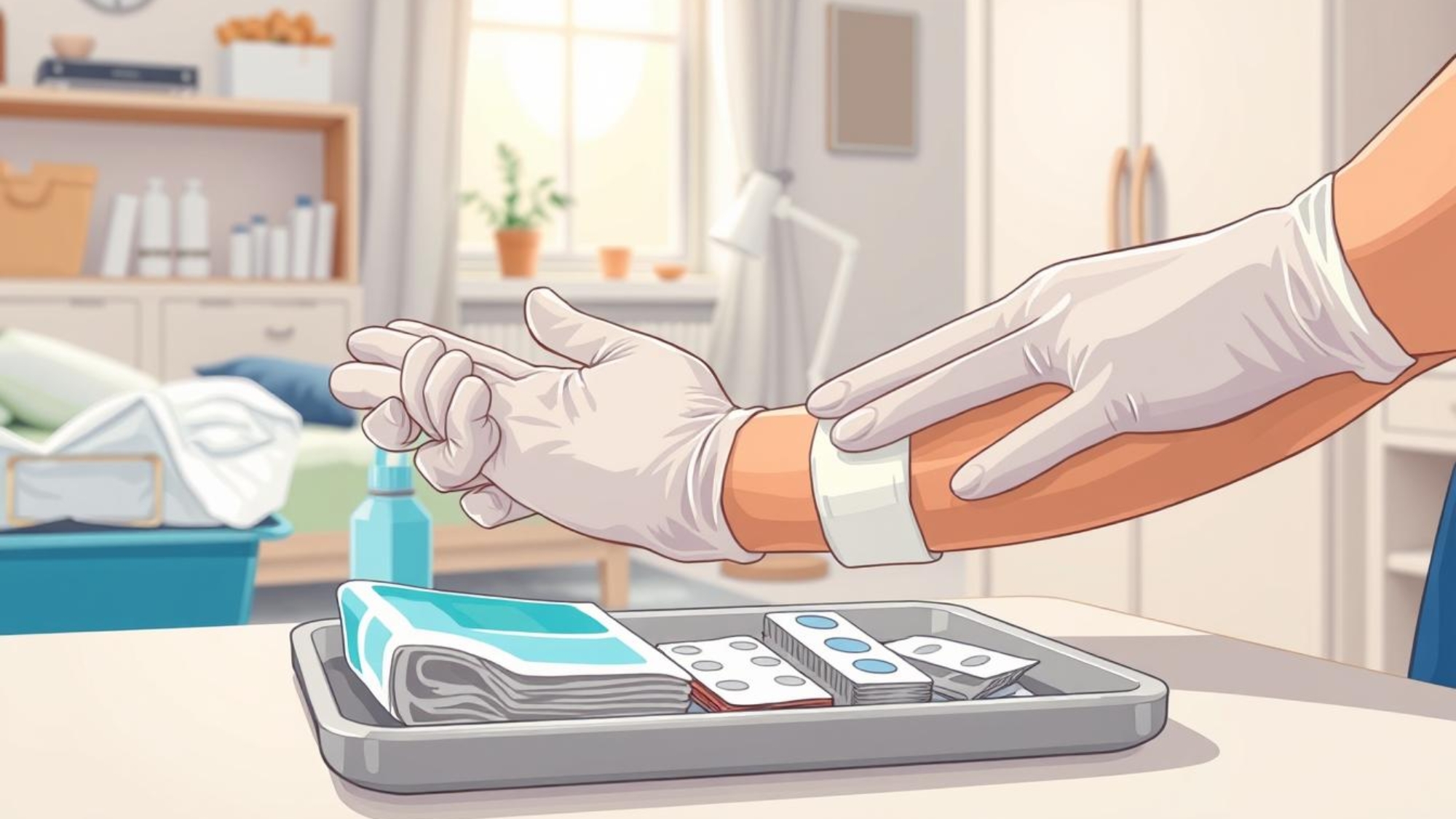
Proper wound care at home is key for healing and avoiding infections. It’s important to keep the wound clean, warm, and moist. Dominion Mobile Wound Care can guide you on the right path to healing.
Learning the basics of wound cleaning and wound care can greatly help your recovery. This guide will cover the essential steps. You’ll learn about wound types, managing pain, and how nutrition aids in healing.
Key Takeaways
- Keep your wound clean and moist to promote healing.
- Understand the different types of wounds and their specific care requirements.
- Manage pain effectively as part of your wound care routine.
- Nutrition plays a critical role in wound healing.
- Seek professional guidance from experts like Dominion Mobile Wound Care for optimal care.
Understanding Wound Types and Healing
To give the best care for wounds, knowing the type is key. Different wounds heal in their own ways. At Dominion Mobile Wound Care, we focus on each wound’s unique needs.
Acute Wounds: Definition and Examples
Acute wounds come from injuries or surgery. They heal quickly, usually in a short time. Examples are cuts, lacerations, and surgical cuts. Keeping them clean and dry is important to avoid infection.
Chronic Wounds: Causes and Characteristics
Chronic wounds take longer to heal. They often come from health issues like diabetes or poor blood flow. These wounds need special care. Knowing the cause helps us find the right treatment.
Surgical Wounds: Post-Operative Care
Surgical wounds come from surgery. They need careful care to heal right. Follow the doctor’s advice, watch for infection signs, and keep things clean.
Knowing your wound’s type and needs is the first step in caring for it. Whether it’s acute, chronic, or surgical, being informed helps healing and avoids problems.
Essential Supplies for Home Wound Care
To care for wounds at home, you need the right supplies. The right equipment helps wounds heal faster and prevents infections. It makes the recovery smoother.
First-Aid Kits: What to Include
A good first-aid kit is key for home wound care. It should have:
- Bandages and band-aids in various sizes
- Gauze pads and rolls
- Medical tape
- Scissors and tweezers
- Antiseptic wipes and spray
Topical Dressings and Bandages
Choosing the right topical dressings and bandages is important. Different wounds need different dressings. For example, hydrocolloid dressings work well for dry wounds, while alginate dressings handle wet wounds better.
| Dressing Type | Wound Type | Characteristics |
|---|---|---|
| Hydrocolloid | Minimal drainage | Promotes moist environment, absorbs exudate |
| Alginate | Heavy drainage | High absorbency, forms gel-like substance |
| Foam | Moderate drainage | Cushions wound, maintains moisture balance |
Antiseptics and Other Treatment Products
Choosing the right antiseptics and treatment products is key. You’ll need antiseptic solutions, antibiotic ointments, and pain relievers. For those with weak immune systems, it’s critical to follow a doctor’s advice on wound care products. Learn more about wound care for such patients here.
With the right supplies and care, wounds heal better at home. If you’re unsure or need help, contact Dominion Mobile Wound Care for expert advice and support.
Basic Principles of Wound Management
To heal wounds quickly and safely, following established guidelines is key. Effective wound management is essential for home care. It ensures wounds heal properly and reduces the risk of complications. By understanding and applying these principles, you can improve your recovery.
Keeping Wounds Clean and Dry
Maintaining wound cleanliness is vital for healing. Cleaning your wound gently with saline solution is recommended. It’s also important to keep the wound dry to prevent bacterial growth and infection. Gently pat the wound dry with a clean towel after cleaning.
- Gently clean the wound with saline solution.
- Pat the wound dry with a clean towel.
- Ensure the dressing is dry and secure.
Monitoring for Signs of Infection
Monitoring your wound for signs of infection is critical. Look for increased redness, swelling, or pus. These can be signs of infection. If you notice any, contact your healthcare provider right away.
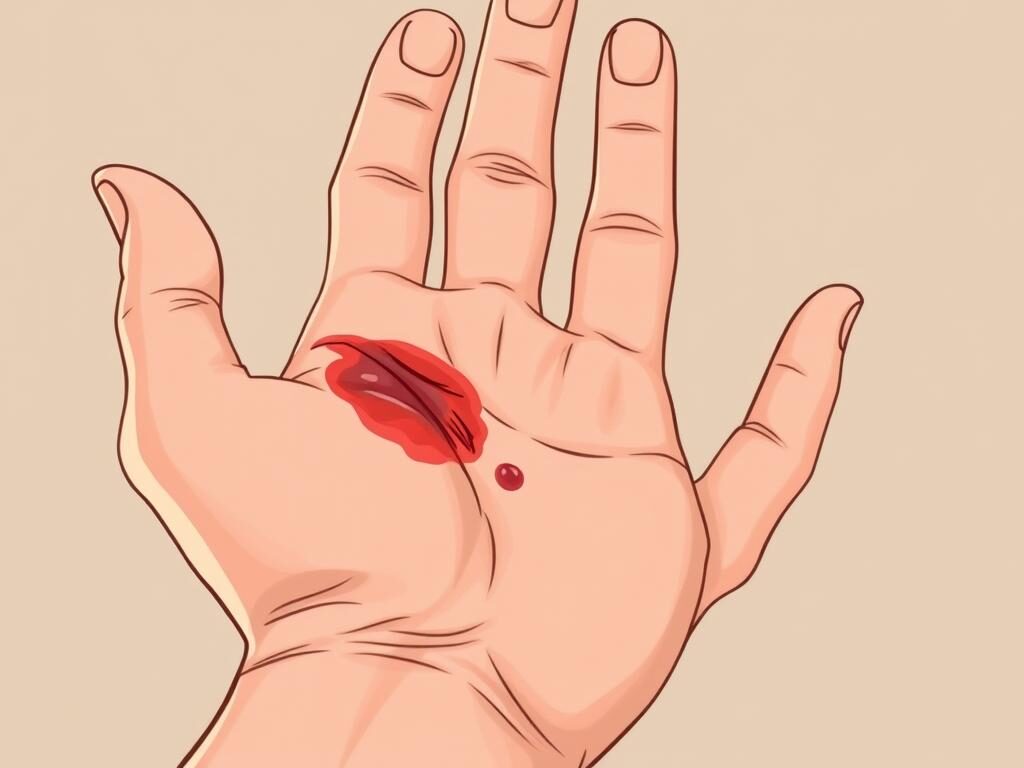
Regularly checking your wound’s condition helps in early detection of issues. This allows for timely intervention.
When to Change Dressings
Changing your wound dressings regularly is vital for healing. The frequency of dressing changes depends on the wound type and dressing. Generally, dressings should be changed at least once a day or whenever they become wet or soiled.
- Check the dressing daily for signs of wetness or soiling.
- Change the dressing according to the healthcare provider’s instructions.
- Use the appropriate dressing type as recommended by your healthcare provider.
By following these basic principles of wound management, you can make your recovery smoother. For complex or persistent wounds, consider consulting professionals like those at Dominion Mobile Wound Care for personalized guidance and support.
Strategies for Pain Management
Pain management is key to making wounds more comfortable and helping them heal. It’s not just about easing pain; it’s also about helping wounds heal faster. When wounds hurt, it’s hard to take care of them properly. So, managing pain is a big part of wound care at home.
Over-the-Counter Pain Relief Options
For many, over-the-counter (OTC) pain meds are the first choice for wound pain. Acetaminophen and ibuprofen are popular OTC options that can ease pain and reduce swelling. Always follow the dosage instructions and talk to your doctor before taking any meds, even if they’re OTC. This is important if you have other health issues or are on prescription drugs.
Non-Pharmaceutical Pain Management Techniques
There are also non-medication ways to manage wound pain. Relaxation techniques like deep breathing, meditation, or guided imagery can help lower stress and pain. Distracting yourself with TV, reading, or hobbies can also help manage pain levels.
- Deep breathing exercises
- Meditation and mindfulness practices
- Engaging in relaxing hobbies or activities
Communicating with Your Healthcare Provider
Talking openly with your healthcare provider is also important for pain management. It’s vital to tell your doctor about any changes in your pain. This way, your doctor can adjust your pain management plan as needed to keep your pain under control.
If you’re dealing with wound pain, don’t hesitate to contact professional wound care services like Dominion Mobile Wound Care. Their team can offer personalized care and advice to help you manage pain and heal well.
The Role of Nutrition in Wound Healing
Nutrition is key in wound care. It helps your body heal faster and better. Eating right gives your body what it needs to fix damaged tissue.
Key Nutrients for Effective Healing
Some nutrients are very important for healing. Protein helps fix and grow new tissue. Vitamin C is needed for collagen and boosting your immune system. Zinc helps with inflammation and fixing tissue.
Eating a balanced diet with these nutrients can help a lot. Include foods like lean meats, fish, fruits, veggies, and nuts in your meals.
Hydration and Its Importance
Drinking enough water is also very important. Water keeps your skin healthy and helps nutrients reach the wound. Drink lots of water, even more if you’re getting wound care.
Supplements That May Aid Recovery
In some cases, supplements can help with healing. But, always talk to your doctor before taking them. They can affect other treatments or cause problems.
At Dominion Mobile Wound Care, we know how important nutrition is. We help patients eat right and stay hydrated to aid in healing.
Special Considerations for Diabetic Patients
Diabetes makes wound care more complex, needing a special approach to avoid problems. People with diabetes face a higher risk of wound issues. This is due to neuropathy, poor blood flow, and slow healing.
Common Wound Issues in Diabetes
Diabetic patients often get foot ulcers and infections. These can lead to serious problems if not treated right. Foot ulcers are a big worry because they can get infected and might need amputation.
Diabetic patients are more likely to get infections. This is because their immune system is weaker and they can’t feel pain in their feet. This makes it hard to spot injuries or irritations early.
Preventative Care for Diabetic Wounds
Stopping wounds before they start is key in managing diabetes. This includes:
- Daily foot checks to spot any cuts, blisters, or skin color changes
- Keeping feet clean and moisturized
- Wearing shoes that fit right to avoid pressure
- Keeping blood sugar levels in check to help wounds heal
Importance of Regular Check-Ups
Regular visits to healthcare providers are essential for diabetic patients. These visits help catch problems early and treat them quickly. A healthcare professional can teach you how to take care of your feet and manage wounds.
| Preventative Measure | Benefit |
|---|---|
| Daily Foot Inspections | Early detection of cuts or blisters |
| Proper Footwear | Reduces pressure points and risk of ulcers |
| Blood Sugar Management | Promotes healing and reduces complication risk |
If you have diabetes and are dealing with wound care, think about contacting Dominion Mobile Wound Care. They can offer the care and advice you need to heal well.
Recognizing Signs of Infection
Infection can slow down wound healing. It’s key to spot signs early. Knowing common symptoms and when to see a doctor is part of good wound care at home.
Common Symptoms to Watch For
When you’re caring for a wound, watch for infection signs. Look for redness and swelling around the wound. Also, check for increased drainage or pus and a foul odor.
You might feel increased pain or warmth around the wound. If you see these signs, act fast.
When to Seek Medical Attention
If you see any infection signs, get medical help. Call your doctor or visit a wound care service like Dominion Mobile Wound Care. Look out for fever, chills, or if the wound isn’t healing right.
Seeing a doctor early can stop the infection from getting worse.
Importance of Early Intervention
Spotting and treating infections early is key to wound care. Catching signs early helps avoid complications and aids healing. A good home care plan with regular checks and proper care can lower infection risk.
Stay alert and take action to help your wound heal right. For tough or ongoing wounds, get help from a wound care expert for a custom care plan.
Advanced Techniques in Wound Care
Managing complex wounds requires advanced techniques. These methods help wounds heal better. They work alongside traditional care.
Negative Pressure Wound Therapy (NPWT)
Negative Pressure Wound Therapy, or NPWT, is a popular method. It uses a vacuum dressing to help wounds heal. This method reduces fluid, improves blood flow, and fights bacteria.
Benefits of NPWT:
- Enhanced wound contraction
- Improved tissue perfusion
- Reduced bacterial load
Growth Factor Therapy
Growth Factor Therapy uses proteins to boost healing. These proteins are applied to the wound. They help cells grow and repair tissue.
The role of growth factors in wound healing:
| Growth Factor | Function |
|---|---|
| PDGF | Stimulates cell growth and division |
| VEGF | Promotes angiogenesis |
| EGF | Enhances epithelialization |
Bioengineered Skin Substitutes
Bioengineered skin substitutes are living, two-layered skin. They help wounds grow new tissue. They are used for complex wounds.
If you have a complex wound, talk to a healthcare professional. Advanced care like NPWT, growth factors, and skin substitutes can help a lot.
At Dominion Mobile Wound Care, we focus on complex wounds. We offer advanced care tailored to you. Contact us to learn how we can help you or your loved one heal.
The Benefits of Professional Wound Care Services
Professional wound care services, like those from Dominion Mobile Wound Care, can greatly improve healing. They offer many benefits that help in your recovery.
Why Choose In-Home Care?
In-home care lets you get treatment at home. This reduces the chance of getting sick from hospitals. It also makes healing feel more natural.
Some benefits of in-home care are:
- Personalized Care: Plans made just for you.
- Convenience: No need to go to the hospital.
- Reduced Risk of Infection: Less chance of getting sick from hospitals.
Overview of Dominion Mobile Wound Care Services
Dominion Mobile Wound Care brings care right to your door. Their team can handle many types of wounds. They provide full care, including checking, treating, and managing wounds.
- Wound assessment and diagnosis
- Personalized treatment plans
- Ongoing wound care and management
Success Stories and Patient Testimonials
Many patients have seen great results from Dominion Mobile Wound Care. They healed better at home. Patients say they feel less pain and live better lives.
Choosing professional wound care, like Dominion Mobile Wound Care, is a big step towards getting better.
How to Start Your Wound Care Journey
Starting your wound care journey is the first step towards healing. It’s important to have a good plan for managing your wound. Knowing your wound type and making a home care plan helps create a healing environment.
Initial Steps in Wound Care
First, you need to assess your wound. This means looking at its size, depth, and any signs of infection. A healthcare professional can help you with this and create a cleaning guide for you.
Setting Achievable Healing Goals
Setting realistic goals is key in your wound care journey. Working with a healthcare provider, like those at Dominion Mobile Wound Care, helps set milestones. This way, you can track your progress and get the best care for healing.
Dominion Mobile Wound Care is ready to support you. Their team can help you make a detailed home care plan. Start your healing journey today by contacting Dominion Mobile Wound Care.
FAQ
What are the different types of wounds and how are they treated?
Wounds can be acute, chronic, or surgical. Acute wounds come from injuries or surgery. Chronic wounds take longer to heal and might be linked to diabetes. Surgical wounds need care after surgery to avoid infection and heal well.
Treatment depends on the wound type and how severe it is. It might include cleaning, dressing, and managing pain.
What supplies do I need for home wound care?
For home wound care, you need the right supplies. This includes first-aid kits, dressings, antiseptics, and more. Knowing how to use these items is key to healing and preventing infection.
How do I manage pain associated with wound care?
Managing pain is important in wound care. You can use over-the-counter pain relievers or try relaxation and distraction. Talking to your healthcare provider is also helpful.
Good pain management helps with healing and improves your overall health.
What role does nutrition play in wound healing?
Nutrition is vital for wound healing. Eating enough protein, vitamin C, and zinc helps. Drinking plenty of water also keeps your skin healthy and aids recovery.
Eating a balanced diet supports the healing process.
How can I prevent wound infections?
It’s important to know the signs of infection. Look for redness, swelling, more drainage, and a bad smell. Keeping the wound clean and dry helps prevent infection.
Changing dressings often and knowing when to seek medical help are also key.
What are some advanced wound care techniques?
Advanced techniques like Negative Pressure Wound Therapy (NPWT) and growth factor therapy help heal complex wounds. These methods work alongside traditional care to improve healing.
What are the benefits of professional wound care services?
Professional wound care services offer many benefits. They provide convenience, personalized care, and better outcomes. Getting care at home reduces infection risks and aids healing.
How do I start my wound care journey?
Starting wound care involves an assessment and planning. Setting realistic healing goals is also important. Working with a healthcare professional helps create a care plan tailored to you.
What are some special considerations for diabetic patients with wounds?
Diabetic patients need special care for wounds. Foot ulcers and infections are common. Proper foot care and regular check-ups can prevent these issues.
Early intervention and preventative care are key to avoiding complications.
How often should I change my wound dressing?
How often to change dressings varies by wound type and severity. Generally, dressings should be changed often to aid healing and prevent infection. Your healthcare provider can guide you on the best schedule for your wound.
Add a Comment