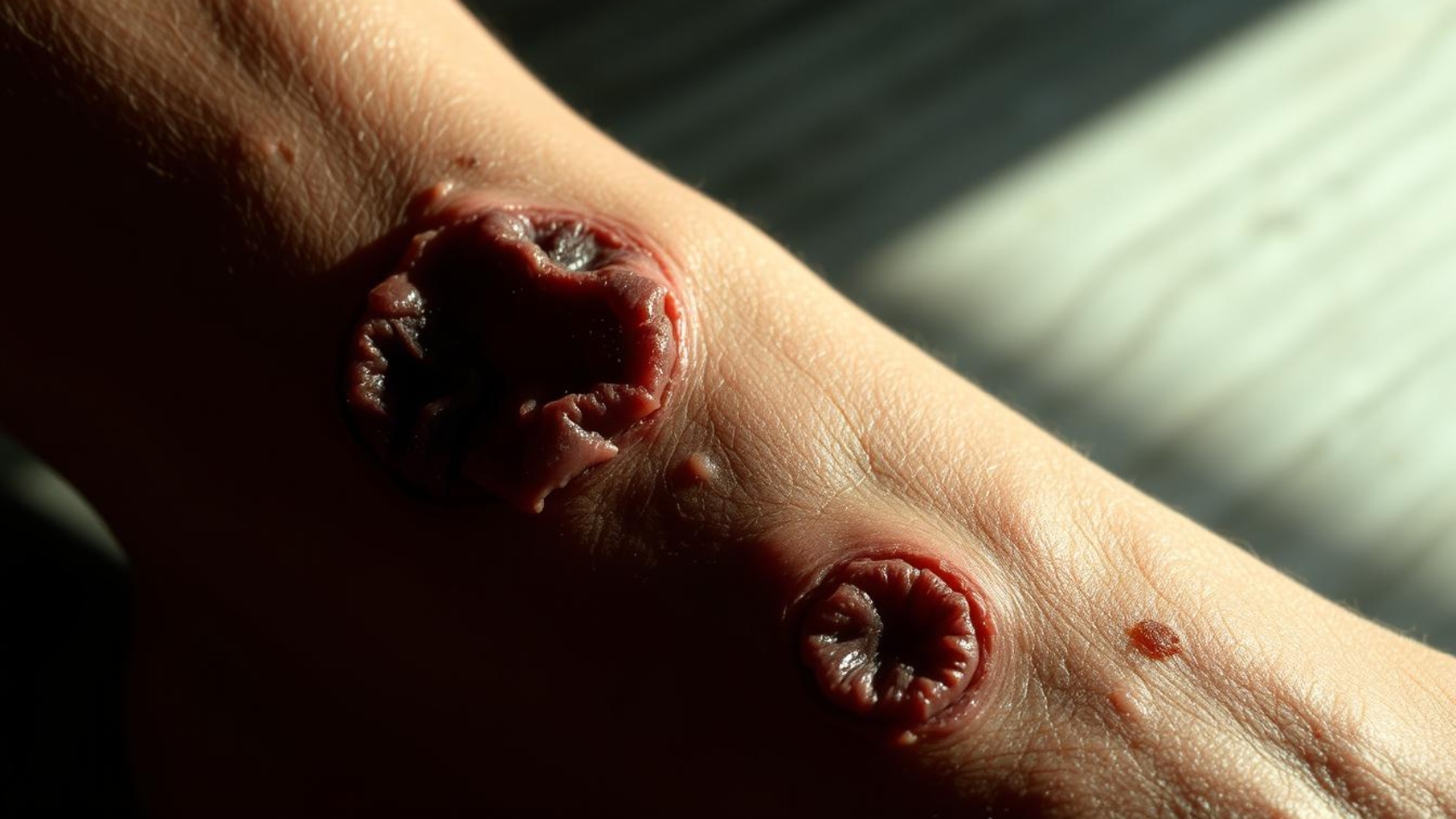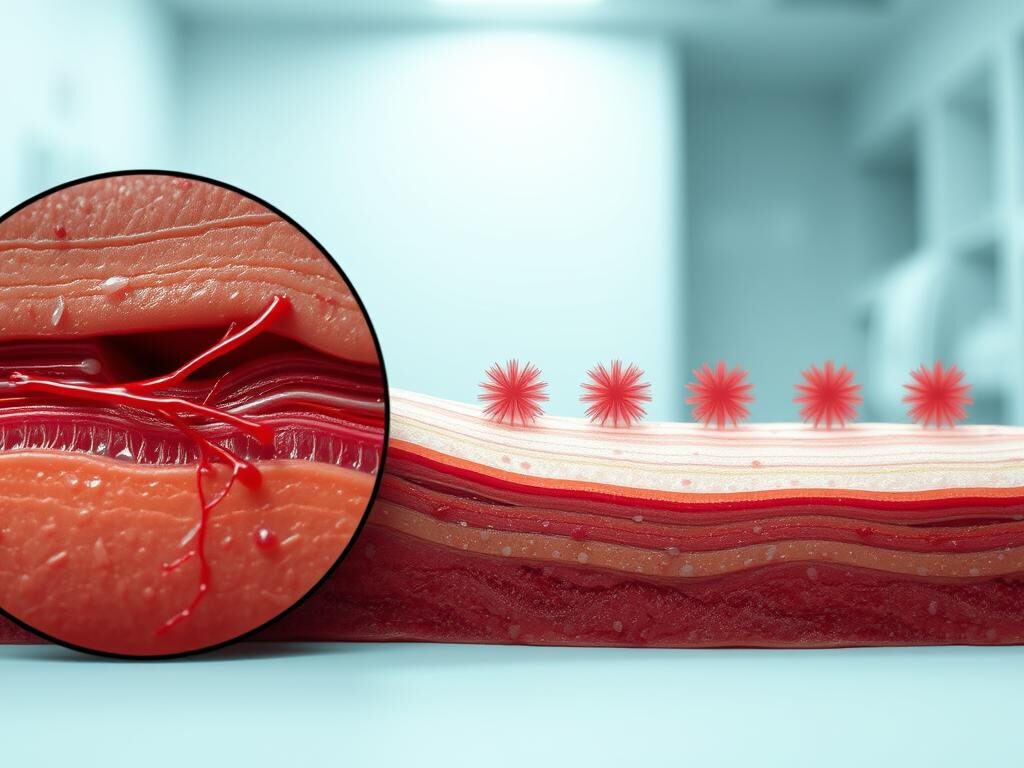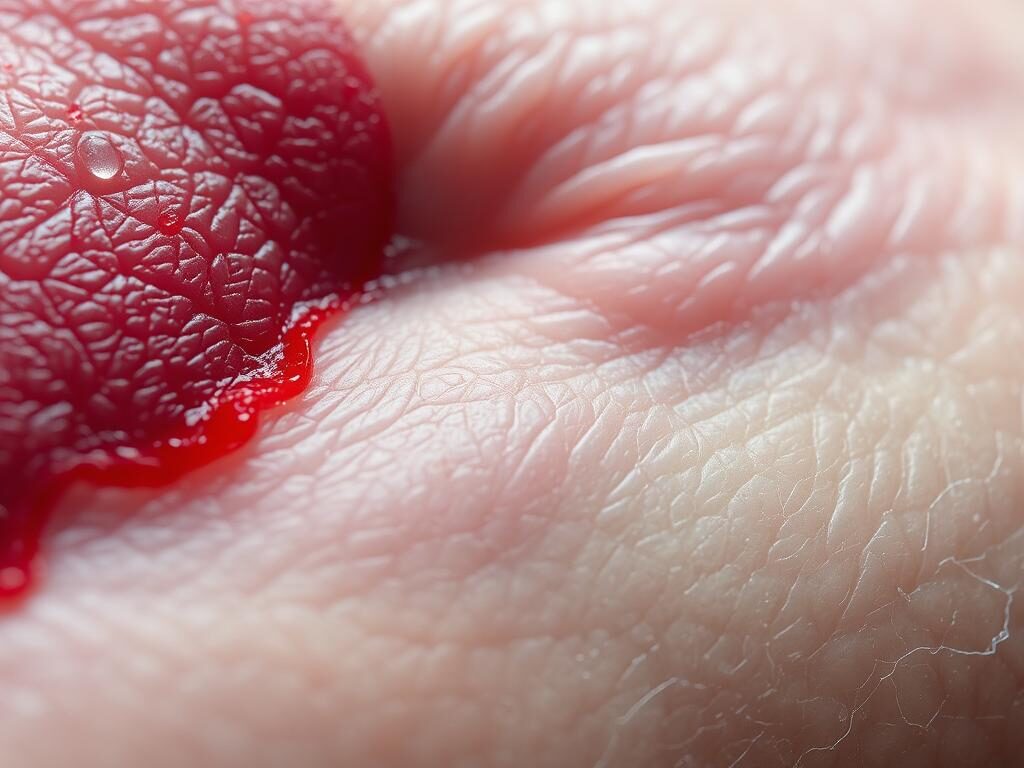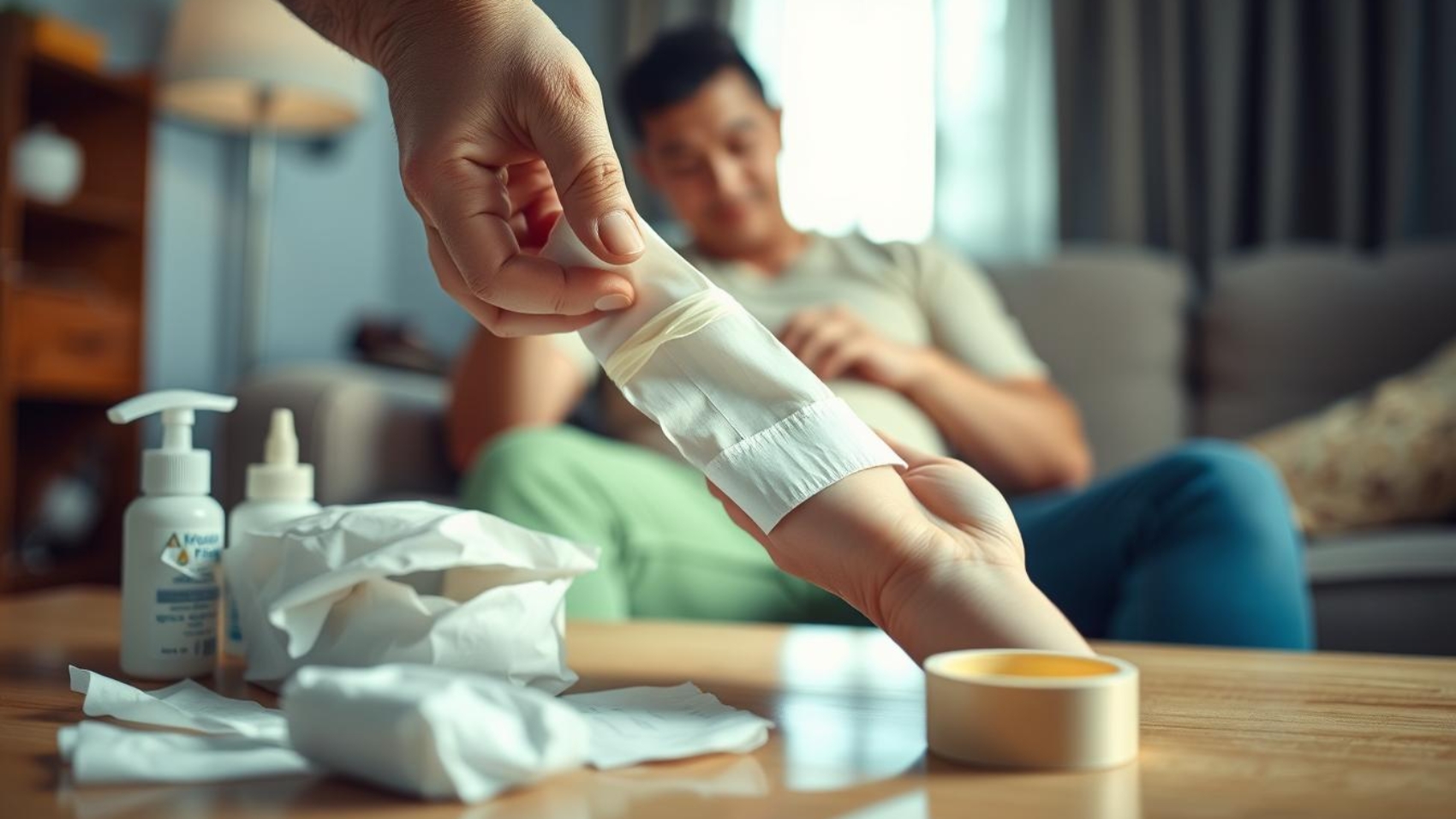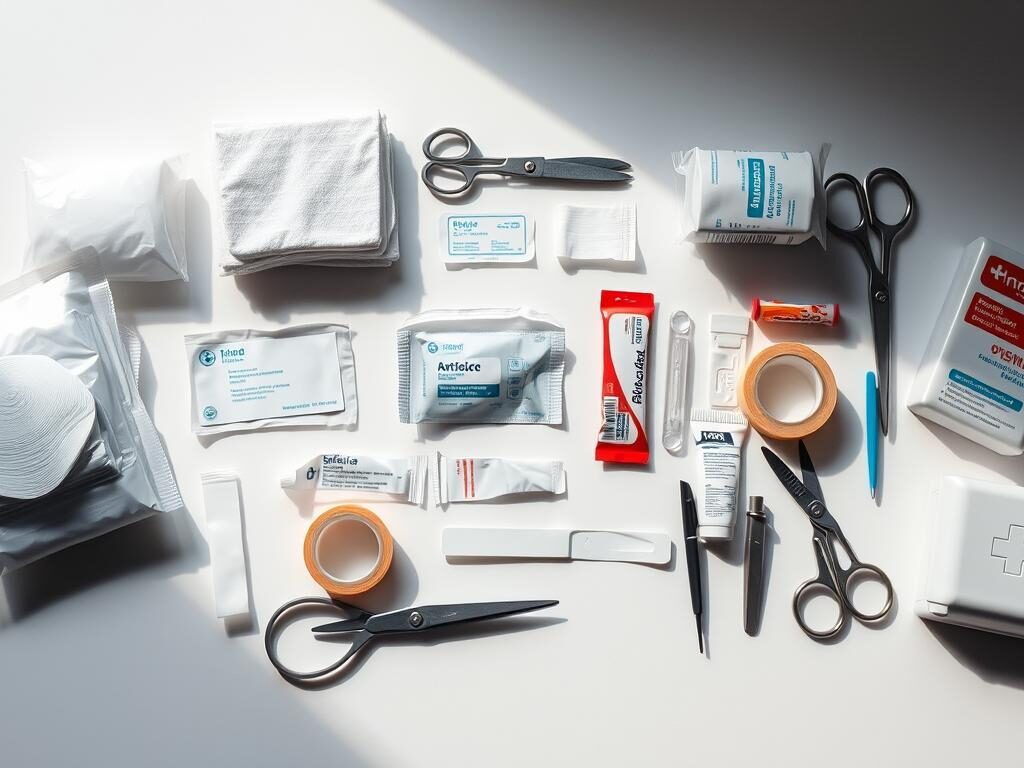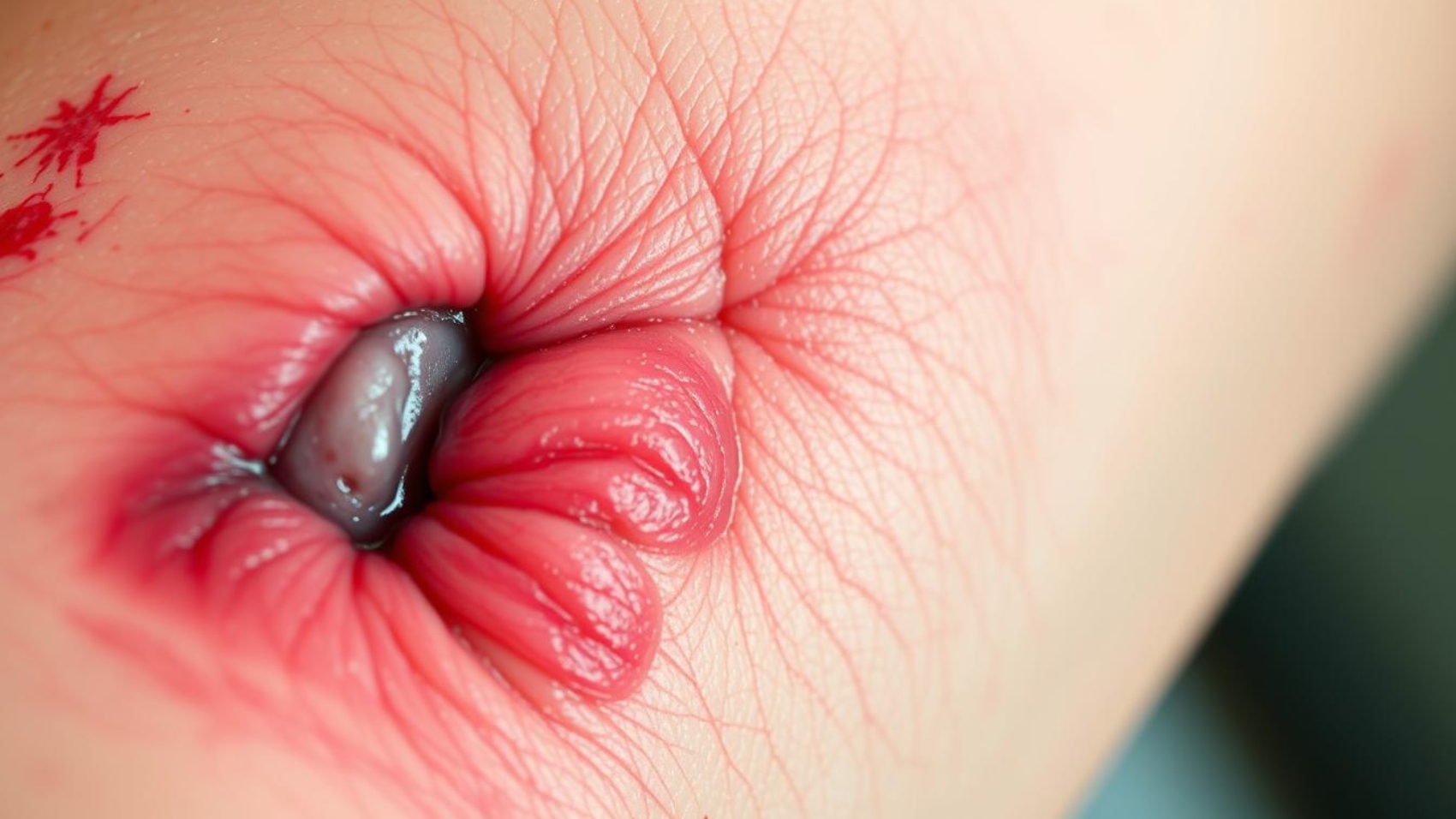
Cellulitis wound care

How to Identify and Treat Cellulitis Around a Wound

If you have a wound, watch it closely for signs of infection. Look for redness, swelling, and increased pain. Cellulitis, a bacterial infection, can spread fast if not treated quickly.

Cellulitis happens when bacteria get into a skin break. This causes a serious skin infection that needs quick action. Dominion Mobile Wound Care is here to help. They offer top-notch cellulitis wound care to help your wound heal and avoid more problems.

Key Takeaways

  • Monitor wounds closely for signs of infection.
  • Cellulitis is a bacterial infection that can spread quickly.
  • Prompt treatment is key to avoid complications.
  • Dominion Mobile Wound Care offers expert treatment for cellulitis.
  • Early action can greatly improve your outcome.

Understanding Cellulitis: A Common but Serious Skin Infection

It’s important to know about cellulitis, a serious skin infection. It happens when bacteria like streptococcus and staphylococcus get into the skin through a wound. Dominion Mobile Wound Care offers expert help for this.

What Causes Cellulitis in Wounds

Cellulitis in wounds is mainly caused by bacteria. People with weak immune systems or skin issues like eczema are at higher risk. Proper wound care is key to avoiding infections.

Recent Statistics on Wound-Related Cellulitis Cases

Research shows wound-related cellulitis is a big problem, with many cases each year. Knowing these numbers helps us understand the risks and how to prevent them.

Why Prompt Recognition Matters

Quickly spotting cellulitis is vital for treatment. Waiting too long can lead to serious problems. Dominion Mobile Wound Care stresses the need for urgent care for red swollen wounds.

Key Signs and Symptoms of Cellulitis Around Wounds

If you have a wound, knowing the signs of cellulitis is key. Cellulitis is a bacterial skin infection that can happen around wounds. Spotting its signs early is important for treatment.

Visual Indicators: Redness, Swelling, and Skin Changes

One main sign of cellulitis is redness and swelling around the wound. The skin might feel warm to the touch and be tender. You could also see changes like dimpling or a peau d’orange texture.

Physical Symptoms: Pain, Warmth, and Tenderness

You might also feel pain or tenderness around the wound. The area could feel warm or hot to the touch. You might notice it’s more sensitive than usual.

These symptoms can be mild or severe. They are important signs of cellulitis.

Systemic Symptoms That Require Immediate Attention

In serious cases, cellulitis can cause systemic symptoms. These include fever, chills, or feeling unwell. If you have these symptoms, get medical help right away.

Seeking immediate medical care is vital for severe symptoms. Untreated cellulitis can cause serious problems like bacteremia or sepsis. These can be deadly.

How Cellulitis Differs from Other Wound Complications

It’s key to know if you have cellulitis or another wound issue. Cellulitis is a serious skin infection that needs quick treatment. Knowing how it differs from other problems is important for good care.

Cellulitis vs. Abscess

Cellulitis is different from an abscess, which is a pocket of pus. Both can make an area swell and turn red. But an abscess stays in one spot and might need to be drained. Cellulitis, though, spreads over a larger area of skin and tissue.
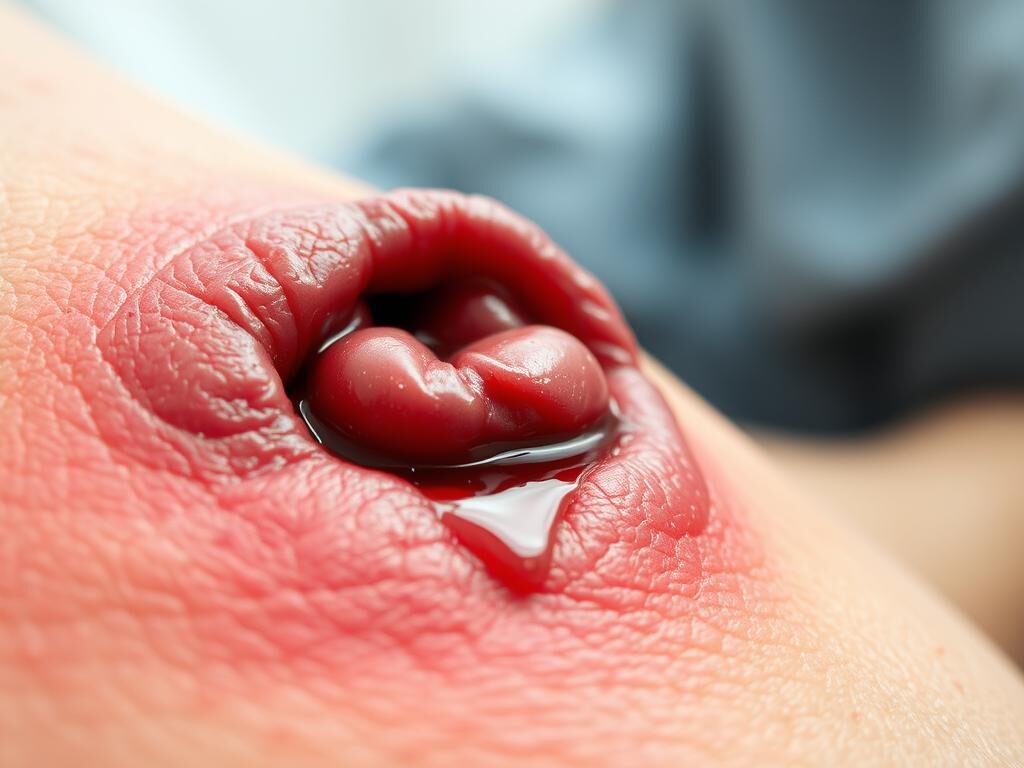
cellulitis wound care

Cellulitis vs. Normal Wound Inflammation

Normal wound inflammation is part of healing, with mild redness and swelling. But cellulitis is a serious infection that causes a lot of pain, warmth, and tenderness. If you’re not sure if your wound is inflamed or infected, see a doctor.

New Diagnostic Approaches in Clinical Settings

Dominion Mobile Wound Care uses new ways to find out if you have cellulitis. They know how to treat your specific problem. This helps avoid more problems and helps your wound heal better.

Risk Factors That Increase Your Chances of Developing Wound Cellulitis

Several risk factors can make you more likely to get cellulitis around a wound. It’s important to know these factors to spot and treat the condition early.

Pre-existing Health Conditions

Some health conditions can raise your risk of getting wound cellulitis. For example, people withdiabetesare more likely to get skin infections because their immune system is weaker. Other conditions likechronic venous insufficiencyorlymphedemacan also increase the risk by affecting how well skin and tissues work.

Wound-Related Risk Factors

The type and care of the wound are key in getting cellulitis.Poor wound care, like not cleaning it well or dressing it right, can cause infections. Wounds that aredeepor haveforeign bodiesin them are more likely to get infected.

Environmental and Behavioral Factors

Your surroundings and habits can also affect your risk. For instance,poor hygienepractices can lead to wound contamination and infection. Also, lifestyle choices likesmokingcan slow healing and raise the risk of problems.

Knowing these risk factors helps you take steps to lower your chance of getting wound cellulitis. Keeping good wound care and managing health conditions are key to reducing the risk.

When to Seek Medical Care for a Red Swollen Wound

A red swollen wound might be a sign of cellulitis, a bacterial skin infection. It’s important to get medical help right away if you see these signs.

Warning Signs That Indicate an Urgent Care Need

Watch out for these warning signs that mean you need to see a doctor fast. These include:

  • Increasing redness and swelling around the wound
  • Enhanced pain or tenderness
  • Pus or discharge from the wound
  • Fever or chills

If you notice any of these, it’s time to visit a healthcare professional. For more info on wound care and when to see a specialist, check out this resource.

Emergency Situations: When to Go to the Hospital

In serious cases, a red swollen wound can be very dangerous. Go to the hospital right away if you see:

  • Severe swelling or redness that spreads fast
  • High fever or sepsis
  • Difficulty moving the affected limb

The Cost of Delayed Treatment: Recent Case Studies

Waiting too long to treat a wound infection can cost a lot and make recovery longer. A study showed the financial impact of untreated cellulitis. It can lead to higher hospital bills and longer treatment times.

Condition Timely Treatment Outcome Delayed Treatment Outcome
Mild Cellulitis Quick recovery, minimal costs Prolonged recovery, increased costs
Severe Cellulitis Hospitalization, moderate costs Extended hospitalization, significant costs, possible long-term damage

Knowing the risks of a red swollen wound and when to get medical help is key. It can greatly affect your recovery and health.

Effective Cellulitis Wound Care Techniques

Managing cellulitis around a wound requires effective wound care. This is key for healing and avoiding complications. Proper care can greatly affect treatment success.

Proper Wound Cleaning Protocols

Cleaning the wound is a critical step. Use saline solution or clean water to gently clean it. This removes debris and bacteria. Avoid harsh soap or cleansers that can irritate the skin.

Appropriate Dressing Selection and Application

Choosing the right dressing is vital. Choose a dressing that keeps the wound moist. It should also promote a clean environment and protect from irritation. Regular dressing changes are important to track the wound’s progress.

Monitoring for Improvement or Deterioration

Regularly monitoring the wound is key. Look for signs of improvement, like reduced redness and swelling. Or signs of worsening, like increased pain or pus. Keep a record of your observations to share with your healthcare provider.

How Dominion Mobile Wound Care Approaches Cellulitis

Dominion Mobile Wound Care offers tailored wound care for cellulitis patients. Their approach includes:

  • Personalized wound care plans
  • Regular visits from experienced healthcare professionals
  • State-of-the-art wound care techniques and products

By focusing on these aspects, Dominion Mobile Wound Care helps patients recover from cellulitis and regain their health.

Medical Treatments for Cellulitis

Understanding how to manage cellulitis is key. If you notice cellulitis around a wound, get medical help fast. This can stop the infection from getting worse.

Current Antibiotic Options and Their Administration

Antibiotics are the main treatment for cellulitis. Your doctor might give you oral or intravenous antibiotics, based on how bad the infection is. Penicillin, cephalosporins, and macrolides are common choices. Always finish the antibiotics as told to make sure the infection goes away.

  • Oral Antibiotics: Good for mild to moderate cases, taken at home.
  • Intravenous Antibiotics: Needed for serious infections, given in the hospital.

Pain Management Approaches

Dealing with pain is a big part of treating cellulitis. You can try over-the-counter pain relievers like acetaminophen or ibuprofen. Sometimes, your doctor might give you stronger pain meds.

Advanced Treatments for Severe Cases

For very bad cases of cellulitis, more treatments might be needed. These could include:

  1. Surgery to drain abscesses or remove infected tissue.
  2. Hyperbaric oxygen therapy to help healing.

New Treatment Protocols Being Implemented

Dominion Mobile Wound Care is leading in new treatments for cellulitis. They use advanced wound care and the latest technology. This helps wounds heal faster and reduces recovery time.

Knowing about medical treatments for cellulitis helps you make better choices. If you think you have cellulitis, get medical help right away. This can prevent serious problems.

Home Care Strategies While Recovering from Cellulitis

Managing cellulitis at home is key to a smooth recovery. By following these tips, you can help your body heal faster and avoid complications.

Rest and Elevation Techniques

Resting the affected area is essential. Elevating it above your heart helps reduce swelling and improves blood flow. This simple step can ease pain and aid in healing.

Dietary Considerations for Healing

Eating a balanced diet is vital for recovery. Include foods rich in protein, vitamin C, and zinc to boost your immune system. Drinking plenty of water is also important for your overall health.

Monitoring Progress at Home

Watch the affected area for any signs of worsening, like more redness or swelling. Check your temperature often to catch any issues early. If you see the infection getting worse, get medical help right away.

When to Schedule Follow-up Care

Regular follow-up care is critical to ensure the infection is gone. Your doctor will tell you when to come back. It’s important to keep these appointments to make sure you’re fully recovered.

Home Care Strategy Benefits
Rest and Elevation Reduces swelling, promotes blood flow
Balanced Diet Boosts immune system, supports wound healing
Monitoring Progress Early detection of complications, ensures complete recovery

By using these home care strategies, you can manage cellulitis and aid in your recovery. Always seek medical help if you have concerns or notice the infection getting worse.

Preventing Cellulitis in Future Wounds

By taking good care of your wounds and keeping your skin healthy, you can lower the chance of getting cellulitis. Good wound care is key to fighting off this serious skin infection.

Proper Wound Care Practices

Keeping your wound clean and using the right dressings are important steps. Always follow your doctor’s advice for wound care. If you see signs of infection like more redness, swelling, or pain, get medical help right away.

  • Clean the wound with mild soap and water
  • Apply antibiotic ointment to promote healing
  • Cover the wound with a sterile dressing

Maintaining Skin Health

Keeping your skin healthy is also important. This means keeping it moisturized, avoiding injuries, and managing any skin conditions you have.

When to Use Prophylactic Measures

In some cases, doctors might suggest using antibiotics to prevent cellulitis. This is often for people who have had it before. Talk to your doctor about if this is right for you.

Emerging Prevention Strategies

New ways to prevent cellulitis are being researched. New wound care products and methods are being developed. Keeping up with these new ideas can help you prevent cellulitis.

cellulitis wound care

Special Considerations for High-Risk Populations

Cellulitis can be very dangerous for some groups. If you’re in a high-risk group, knowing how to take care of yourself is key.

Diabetic Wound Care

Diabetics are more likely to get skin infections like cellulitis. Keeping your blood sugar in check and wound clean is important. Dominion Mobile Wound Care offers special care for diabetics to treat wounds quickly and prevent problems.

Immunocompromised Patients

If you can’t fight off infections well, see a doctor fast if you notice a red swollen wound. Mobile wound care can treat you at home. This lowers the chance of getting sick from hospital infections.

Elderly Care Considerations

The elderly need special care because wounds heal slower with age. It’s not just about treating the wound. It’s also about fixing any health issues that might slow healing.

How Mobile Wound Care Services Benefit Vulnerable Patients

Services like Dominion Mobile Wound Care help a lot. They bring care to your home, which is easier for the elderly or those with weak immune systems. This way, you get care that fits your needs perfectly.

Conclusion: The Importance of Professional Care for Wound Healing

Wound healing needs quick and right care, more so with skin infections like cellulitis. It’s key to spot the signs and know when to get urgent care.

Getting professional help is vital for managing cellulitis and avoiding more issues. Experts ensure your wound gets the care it needs to heal right.

Dominion Mobile Wound Care offers specialized care for wound healing. They create treatment plans tailored to your needs. Getting their help is a big step towards healing your wound and avoiding future problems.

If you’re dealing with a wound or think you might have cellulitis, contact Dominion Mobile Wound Care. They offer expert guidance and care.

FAQ

What is cellulitis, and how does it occur around wounds?

Cellulitis is a serious skin infection that can happen around wounds. It’s caused by bacteria getting into the skin through cuts or scratches. The Mayo Clinic says it’s important to treat it quickly to avoid serious problems.

What are the key signs and symptoms of cellulitis around wounds?

Signs of cellulitis include redness, swelling, warmth, tenderness, and pain. You might also feel feverish or have chills. Seeing a doctor right away is important.

How does cellulitis differ from other wound complications?

Cellulitis is different from other wound issues like abscesses or normal inflammation. Getting the right diagnosis is key. Dominion Mobile Wound Care uses new methods to treat it effectively.

What are the risk factors that increase the likelihood of developing wound cellulitis?

Certain health conditions, wound-related risks, and lifestyle choices can raise your risk. It’s vital to take preventive steps, mainly for those at higher risk.

When should I seek medical care for a red, swollen wound?

If your wound gets more red, swollen, or painful, or if you feel feverish or have chills, see a doctor fast. Waiting too long can cause serious issues.

What are the effective wound care techniques for treating cellulitis?

Good wound care for cellulitis includes cleaning the wound right, choosing the right dressing, and watching for changes. Dominion Mobile Wound Care uses these methods to help patients.

What medical treatments are available for cellulitis?

Treatments for cellulitis include antibiotics, pain relief, and special treatments for serious cases. Dominion Mobile Wound Care keeps up with the latest treatments to help patients.

How can I care for myself at home while recovering from cellulitis?

Rest, elevate the wound, eat well, and watch your healing at home. Also, don’t forget to follow up with your doctor.

How can I prevent cellulitis in future wounds?

To prevent cellulitis, practice good wound care, keep your skin healthy, and use preventive measures when needed. Dominion Mobile Wound Care can offer advice on these steps.

Are there special considerations for high-risk populations, such as diabetics or the elderly?

Yes, people with diabetes, weakened immune systems, and the elderly need extra care. Dominion Mobile Wound Care tailors its services to meet their unique needs.

Wound infection prevention

How to Prevent Wound Infections After Surgery or Injury

After surgery or an injury, proper wound care is key to avoid complications and help healing. Germs can get into the cut made during surgery, causing surgical wound infections. This can lead to redness, swelling, and pus. It’s vital to know how to prevent these infections.

To lower the chance of wound infections, you can take several steps. For more detailed advice on caring for wounds at home, check out Dominion Mobile Wound Care. They offer great tips on keeping your wound clean and watched.

Key Takeaways

  • Keep your wound clean and monitored to support healing.
  • Recognize signs of infection, such as worsening pain or unusual discharge.
  • Maintain adequate nutrition and hydration to support tissue repair.
  • Follow proper at-home care procedures to reduce infection risk.
  • Seek professional help if you notice any signs of infection or if you’re unsure about wound care.

The Growing Challenge of Post-Operative Infections

Surgical site infections (SSIs) are becoming a big problem in the U.S. These infections make healing harder and cost a lot of money. They also affect how well patients do after surgery.

Current Statistics in American Healthcare

SSIs happen to many people who have surgery. The rates vary, from 5-20% depending on the surgery type. These infections lead to longer hospital stays and can be deadly, making them a major worry for doctors.

Type of Surgery SSI Incidence Rate Average Hospital Stay
Orthopedic Surgery 5-10% 5-7 days
Cardiac Surgery 1-5% 7-10 days
General Surgery 10-20% 3-5 days

Financial and Health Impacts of Wound Complications

SSIs cost a lot because of longer hospital stays and extra treatments. They can also cause long-term problems like chronic pain and mobility issues. If you notice signs of infection like redness or swelling, get medical help right away.

At Dominion Mobile Wound Care, we know how complex wound care can be. We’re here to help you heal and avoid infections. If you’re worried about your wound, contact us for expert help.

Understanding Common Wound Bacteria and Pathogens

It’s key to know the bacteria that cause wound infections for good wound care. Sterile wound care helps stop harmful bacteria from getting into wounds. Knowing the common pathogens helps healthcare providers plan the best treatments.

Most Frequent Bacterial Culprits in Wound Infections

The top bacteria causing wound infections are Staphylococcus aureus and Escherichia coli

Bacteria Type Common Infections Typical Treatment
Staphylococcus aureus Skin infections, abscesses Antibiotics, drainage
Escherichia coli Urinary tract infections, wound infections Antibiotics, supportive care

Antibiotic Resistance Concerns in Wound Care

The problem of antibiotic resistance is big in wound care. Bacteria like Staphylococcus aureus are now resistant to many antibiotics. It’s important to know the local resistance patterns to choose the right treatment.

To fight antibiotic resistance, we must use antibiotics wisely and keep wounds clean. This helps prevent infections and helps wounds heal better. If you’re dealing with wound infections or antibiotic resistance worries, talk to experts like Dominion Mobile Wound Care for help.

Recognizing Early Signs of Wound Infection

It’s important to know the early signs of wound infection. This helps you act fast and avoid bigger problems. Spotting these signs early can help your wound heal better and faster.

Visual Indicators That Require Attention

Checking your wound regularly is key. Look for increased redness, swelling, or pus. These signs might mean an infection is starting.

Physical Symptoms of Developing Infections

Your body can show signs of infection too. Watch for fever, increased pain, or feeling unwell. If you notice these, act quickly.

When Normal Healing Differs From Infection

It’s important to know the difference between healing and infection. Some redness and swelling are okay, but too much or pus isn’t. Knowing this can help you spot problems early.

Normal Healing Signs Potential Infection Signs
Mild redness Excessive redness
Minimal swelling Increased swelling
No pus or discharge Presence of pus or discharge

If you’re not sure about your wound or see infection signs, see a doctor. At Dominion Mobile Wound Care, we’re here to help you heal. Let us guide you on your recovery journey.

Wound Infection Prevention: Essential Strategies

Preventing wound infections is key to better patient care after surgery or injury. Using proven methods can lower the chance of wound problems and help wounds heal faster.

Medical-Grade Prevention Techniques

Using top-notch prevention methods is essential to fight off wound infections. This includes proper wound cleaning and sterile dressing changes. These steps are critical to stop bacteria from growing. Also, antibiotic prophylaxis in some cases can help lower infection risks.

Prevention Technique Description Benefits
Proper Wound Cleaning Regular cleaning with the right solutions Reduces bacterial load, promotes healing
Sterile Dressing Changes Using sterile equipment and dressings Prevents contamination, supports a clean environment
Antibiotic Prophylaxis Targeted antibiotic use in high-risk cases Reduces infection risk, specially in complex wounds

New Research in Infection Control

New studies in wound care have brought better prevention methods. Research on new dressing materials and innovative wound care technologies is promising. For the latest on preventing infections, check out Dominion Mobile Wound Care’s resources.

Keeping up with the latest in wound infection prevention is important. It helps protect your health and ensures the best care. If you’re dealing with wound care issues or think you might have an infection, contact experts like Dominion Mobile Wound Care for help.

Proper Wound Cleaning and Sanitization Protocols

Cleaning and sanitizing wounds is key to healing. You are important in keeping infections away. By using the right cleaning methods, your wound will heal faster and better.

Step-by-Step Cleaning Guide for Different Wound Types

Every wound needs a special cleaning method. For small cuts and scrapes, use mild soap and warm water. But for deeper or infected wounds, use sterile saline solution to keep out wound bacteria.

Here’s a simple guide for cleaning different wounds:

  • For minor cuts, use mild soap and lukewarm water.
  • For surgical wounds or deep cuts, use sterile saline solution.
  • For wounds with debris, irrigate with sterile water.

Recommended Cleaning Solutions and Products

In sterile wound care, the products matter a lot. Saline solutions are best because they are gentle yet effective. But be careful with antiseptic cleansers, as they can sometimes harm the wound or slow healing.

Here are some good products:

  • Saline solution for general wound cleaning.
  • Antiseptic wipes for initial cleaning of dirty wounds.
  • Hydrogen peroxide (diluted) for specific cases where it’s recommended by a healthcare provider.

By following these tips and using the right products, you can lower infection risks and help your wound heal well. If you’re not sure about your wound, get help from experts like Dominion Mobile Wound Care for advice and care.

Sterile Wound Care: Dressing Changes and Management

Sterile wound care is key to avoiding infections. Proper dressing changes are vital for healing. Learning how to safely remove and apply dressings can greatly reduce wound complications.

How to Safely Remove and Apply Dressings

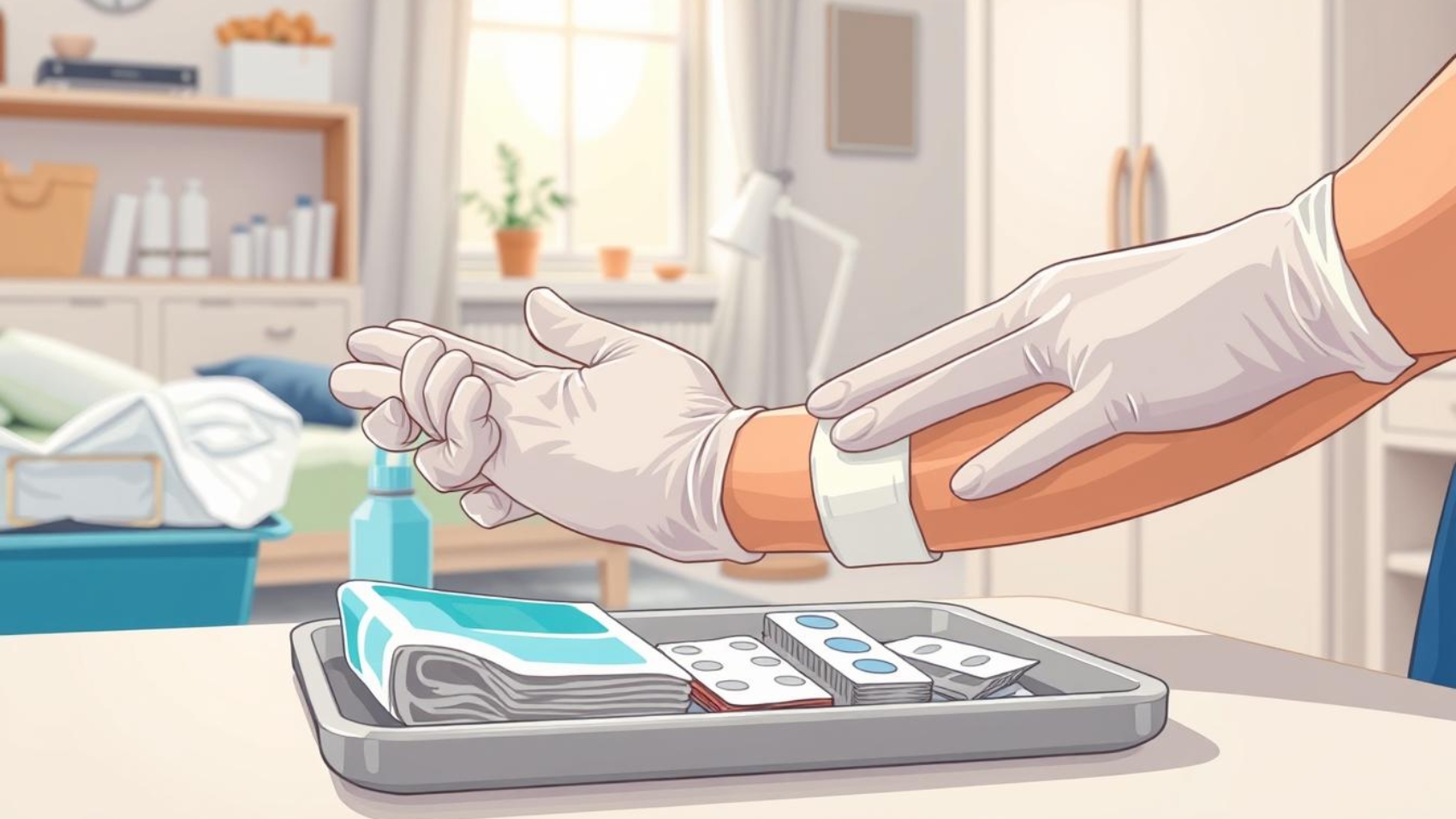
Start by washing your hands with soap and water before removing a dressing. Gently take off the dressing without pulling on the wound. If it sticks, use sterile saline solution to moisten it.

When putting on a new dressing, make sure the wound is clean and dry. Use sterile gloves or a non-touch method. Secure the dressing firmly but not too tightly.

sterile wound care dressing changes

Choosing the Right Dressing for Your Specific Wound

The right dressing depends on the wound’s type, size, and healing stage. For example, hydrocolloid dressings work well for wounds with little drainage. Alginate dressings are better for those with a lot of drainage.

Always talk to a healthcare professional to find the best dressing for your wound. The right dressing helps create a healthy healing environment and lowers infection risk.

By following these sterile wound care tips, you can improve wound infection prevention. If you’re unsure about your wound care, contact professionals like Dominion Mobile Wound Care. They offer expert guidance and support for effective wound healing.

Nutrition and Lifestyle Factors in Wound Healing

What you eat and how you live can really affect how well your body heals wounds. Eating the right foods and making smart lifestyle choices can help a lot. Some foods and habits can make healing faster, while others can slow it down.

Foods That Accelerate the Healing Process

Eating foods full of protein, vitamin C, and zinc can help wounds heal faster. Protein-rich foods like lean meats and fish help build new tissue. Foods high in vitamin C, like citrus fruits and berries, boost collagen and help your immune system. Zinc in nuts and seeds also aids in tissue repair.

Habits That Hinder Wound Recovery

Some lifestyle choices can slow down wound healing. Smoking cuts down blood flow, making healing slower. Drinking too much alcohol also weakens your immune system, making it harder for wounds to heal. Staying healthy by avoiding these habits is key for quick recovery.

By eating well and living healthily, you can help your body heal wounds better. For more help and advice, talk to experts like Dominion Mobile Wound Care. They can guide you on your way to better health.

Environmental Considerations for Wound Recovery

When you’re recovering from surgery or injury, your surroundings are key. A clean environment helps prevent wound infections and aids in healing.

Creating an Optimal Healing Environment at Home

To make your home healing-friendly, keep your wound clean and dry. Clean it regularly with the right solutions. Make sure the area around it is free from dirt. Good hygiene is essential to avoid infections.

Protecting Wounds During Daily Activities

It’s important to protect your wound during daily tasks. Use waterproof dressings or covers when bathing or showering. Also, be careful with your movements to avoid straining the wound.

If you need help to ensure your wound heals right, contact Dominion Mobile Wound Care. They offer expert advice and care.

When to Seek Professional Wound Care Services

Knowing when to get help for wound care is key to a smooth recovery. After surgery or injury, watch for signs that your wound isn’t healing right.

Warning Signs That Require Immediate Medical Attention

Look out for these symptoms to get medical help fast:

  • Increased redness or swelling around the wound
  • Pus or discharge from the wound
  • A foul odor from the wound
  • Increased pain or tenderness
  • Fever or chills

These signs might mean wound bacteria or an infection that needs a doctor’s touch.

wound infection signs

Benefits of Early Intervention for Infected Wounds

Acting quickly on infected wounds can make a big difference. It helps by:

  1. Preventing the spread of infection
  2. Reducing the risk of complications
  3. Promoting faster healing
  4. Minimizing scarring

If you see infection signs, get professional wound care right away. Services like Dominion Mobile Wound Care offer care at home, making it easier for you.

Getting medical help quickly can lead to a better recovery. It also lowers the chance of lasting damage. If worried about your wound, contact Dominion Mobile Wound Care for effective care at home.

Dominion Mobile Wound Care’s Advanced Treatment Approaches

Patients can now get top-notch wound treatment at home with Dominion Mobile Wound Care. This new way of wound care uses the latest technology and focuses on each patient’s needs. It ensures patients get the best care for their wounds.

Specialized At-Home Wound Care Services

Dominion Mobile Wound Care offers specialized at-home wound care services. Their team of experts uses sterile wound care practices. This keeps wounds clean and safe, helping them heal faster.

The services include:

  • Personalized wound care plans
  • Advanced wound dressings and treatments
  • Ongoing monitoring and support
Service Description Benefit
Personalized Care Plans Tailored to individual patient needs Enhanced healing process
Advanced Wound Dressings Latest technology in wound care Faster recovery times
Ongoing Monitoring Continuous support and assessment Prevention of complications

How Mobile Wound Care Improves Patient Outcomes

Dominion Mobile Wound Care brings care to the patient’s home. This improves outcomes by preventing infections and acting quickly. Their mobile service ensures consistent, high-quality care, lowering the chance of complications and hospital stays.

The benefits of mobile wound care include:

  • Reduced risk of hospital-acquired infections
  • Increased patient comfort and compliance
  • Improved healing rates due to timely and consistent care

If you’re having trouble with wound recovery, contact Dominion Mobile Wound Care. Learn about their advanced treatments and how they can help you heal.

Conclusion

Preventing wound infections needs a full plan. This includes good wound care, eating right, and making lifestyle changes. By following the tips in this article, you can lower your chance of wound problems and help your body heal faster.

Cleaning and dressing wounds right is key to avoiding infections. Also, eating well and avoiding things that slow healing can help your wound get better.

If you’re having trouble with wound care or think you might have an infection, get help right away. Dominion Mobile Wound Care offers special at-home care. Their experts can help you heal faster and more comfortably at home.

FAQ

What are the most common bacteria that cause wound infections?

Common bacteria causing wound infections are Staphylococcus aureus, Pseudomonas aeruginosa, and Escherichia coli. These can lead to serious infections if not managed properly.

How can I identify the early signs of wound infection?

Look for signs like increased redness, swelling, warmth, and pain around the wound. Also, watch for pus or discharge. If you see these, get medical help right away.

What are the best ways to prevent wound infections after surgery or injury?

To prevent infections, clean and sanitize the wound well. Use sterile techniques for wound care. Also, eat well and avoid smoking.

How often should I change my wound dressing?

Change dressings daily or when they get dirty or wet. This depends on the wound’s type and severity.

What are the benefits of seeking professional wound care services?

Professional care can help wounds heal faster and reduce complications. It improves health outcomes. Experts provide care tailored to your needs.

How can nutrition impact wound healing?

Eating a balanced diet with vitamins, minerals, and proteins helps wounds heal. Foods like fruits and vegetables, rich in antioxidants, also aid healing.

What are some environmental considerations for wound recovery?

For a good healing environment, keep the wound area clean. Maintain a comfortable temperature and reduce stress. Protect the wound during daily activities.

Can I receive wound care services at home?

Yes, services like Dominion Mobile Wound Care offer at-home care. This is great for those with mobility issues or needing ongoing care.

What are the signs that I need to seek immediate medical attention for my wound?

Look for increased pain, swelling, redness, or discharge. Also, watch for fever or chills. If you notice these, get medical help quickly.

Chronic wound treatment

Causes of Chronic Wounds and Effective Treatment Options at Home

Are you or a loved one dealing with a non-healing wound? Chronic wounds can be a big health problem. They often come from poor blood flow, diabetes, or a weak immune system.

Good chronic wound treatment means taking care of the wound and fixing the underlying issues. If not treated, these wounds can cause serious problems. They can really affect your life quality.

It’s important to know the causes and effective treatment options for these wounds. Getting help from professionals, like Dominion Mobile Wound Care, can be a big help in your healing.

Key Takeaways

  • Chronic wounds are a big health concern affecting millions worldwide.
  • Poor circulation, diabetes, and weak immune systems are common causes.
  • Effective treatment involves proper wound care and addressing underlying conditions.
  • Professional wound care services can aid in recovery.
  • Dominion Mobile Wound Care offers specialized wound care services.

The Rising Epidemic of Chronic Wounds in America

America is facing a big problem with chronic wounds. These non-healing wounds are a big challenge for both patients and healthcare providers. They affect not just individual health but also the healthcare system as a whole.

Current Statistics and Trends

Millions of Americans are dealing with chronic wounds. The rise in these conditions is linked to an aging population and more cases of diabetes. As more people age, the number of chronic wounds is expected to grow, putting more pressure on healthcare.

The Economic Burden on Healthcare Systems

Chronic wounds cost healthcare systems a lot of money. The cost includes dressings, hospital stays, and professional care, adding up to billions of dollars each year. The indirect costs, like lost productivity and ongoing care, make the financial burden even heavier.

Who Is Most Affected by Non-Healing Wounds

Some groups are more likely to get chronic wounds. These include older adults, people with diabetes, and those who have trouble moving. Knowing who is at risk helps in creating better treatments and improving care for these wounds.

Common Types of Chronic Wounds You Should Know

If you have a chronic wound, knowing the type is key. Each wound type has its own healing needs. This knowledge helps in choosing the right chronic wound treatment and home wound therapy.

Pressure Ulcers (Bedsores)

Pressure ulcers, or bedsores, happen when skin is pressed too long. They are common in people who sit or lie down a lot.

Diabetic Foot Ulcers

Diabetic foot ulcers come from diabetes. They happen due to nerve damage and bad blood flow. Healing them needs special care.

Venous Leg Ulcers

Venous leg ulcers happen when leg veins can’t push blood back to the heart. This causes fluid buildup and skin damage.

Arterial Ulcers

Arterial ulcers are from bad blood flow. They often show up on the lower legs and feet. This is linked to conditions like peripheral artery disease.

Type of Chronic Wound Causes Common Locations
Pressure Ulcers Prolonged pressure on skin Bony areas (e.g., heels, elbows)
Diabetic Foot Ulcers Nerve damage, poor circulation Feet, specially pressure points
Venous Leg Ulcers Poor venous circulation Lower legs
Arterial Ulcers Poor arterial circulation Lower legs, feet

Every chronic wound needs a specific treatment plan. Knowing your wound’s type is essential for healing.

Primary Causes Behind Non-Healing Wounds

Healing starts with knowing why wounds don’t heal. Non-healing wounds often come from many causes, not just one.

Underlying Medical Conditions

Some medical issues make it tough for wounds to heal. For example, diabetes can mess with nerves and blood flow. Also, autoimmune disorders can slow healing down.

Poor Circulation and Vascular Issues

Poor blood flow is a big problem for healing wounds. Without enough blood, wounds don’t get the oxygen and nutrients they need. Vascular diseases like peripheral artery disease make this worse.

non-healing wounds causes

Infection and Biofilm Formation

Infections are a big problem in non-healing wounds. Bacteria can create biofilms that are hard to fight. Biofilm formation makes healing take longer.

Nutritional Deficiencies

Good nutrition is key for healing wounds. Not enough vitamins like Vitamin C or minerals like zinc can slow healing. Making sure you eat right is important for wound care.

Fixing the main causes of non-healing wounds is vital for managing them. By understanding and addressing these issues, people can move closer to healing and recovery.

Risk Factors That Significantly Delay Wound Healing

Many factors can slow down wound healing. It’s key to know and manage these risks. This helps in effective home wound therapy and reduces complications.

Age-Related Factors

As you get older, your skin heals wounds slower. This is due to less collagen, reduced blood flow, and a weaker immune system. Older adults often face chronic wounds.

Lifestyle Choices: Smoking and Alcohol

Smoking and drinking too much alcohol harm wound healing. Smoking damages blood vessels and cuts off oxygen to wounds. Drinking too much alcohol weakens your immune system, making healing harder.

Medication Side Effects

Some medicines, like steroids and chemotherapy, slow down healing. They weaken the immune system, reduce inflammation, and hinder tissue repair.

Obesity and Immobility

Being overweight and immobile can hurt wound healing. They cause poor circulation, more pressure on wounds, and less mobility. Staying active and at a healthy weight can help.

Risk Factor Impact on Wound Healing Mitigation Strategies
Age Decreased collagen production, reduced blood flow Proper wound care, nutrition, and hydration
Smoking and Alcohol Damaged blood vessels, impaired oxygen delivery Quit smoking, reduce alcohol consumption
Medication Side Effects Immune suppression, reduced inflammation Consult healthcare provider about medication alternatives
Obesity and Immobility Poor circulation, increased pressure on wounds Maintain a healthy weight, stay mobile

Breakthrough Chronic Wound Treatment Options in 2023

The world of chronic wound treatment is seeing big changes in 2023. New discoveries are helping us understand how wounds heal. This is leading to fresh ways to treat wounds that won’t heal.

Recent Research Findings

New studies are revealing why some wounds don’t heal. They show that biofilm formation and persistent inflammation are big hurdles. Knowing this, doctors can create better treatment plans for patients.

Innovative Clinical Approaches

Doctors are now taking a more complete approach to wound care. They use advanced diagnostic techniques and personalized treatment plans. This means care is more tailored to each patient, leading to better results.

New Technologies Transforming Wound Care

New tech is changing wound care in big ways. Two key advancements are:

Smart Dressings and Monitoring Devices

Smart dressings with sensors track wound conditions live. They give doctors data on moisture, temperature, and bacteria. This helps doctors make better treatment choices.

Telemedicine for Wound Assessment

Telemedicine lets doctors check wounds remotely. This cuts down on the need for in-person visits. It’s a big help for those in remote or underserved areas.

These new developments in wound treatment are giving hope to patients and doctors. By using the latest research, new clinical methods, and tech, we’re getting better at treating wounds that won’t heal.

Creating Your Home Wound Care Station

You can take control of your wound care by setting up a dedicated home wound therapy station. Effective home wound care requires the right supplies and knowledge. By creating a well-organized wound care station, you can manage your wounds more effectively and reduce the risk of wound complications.

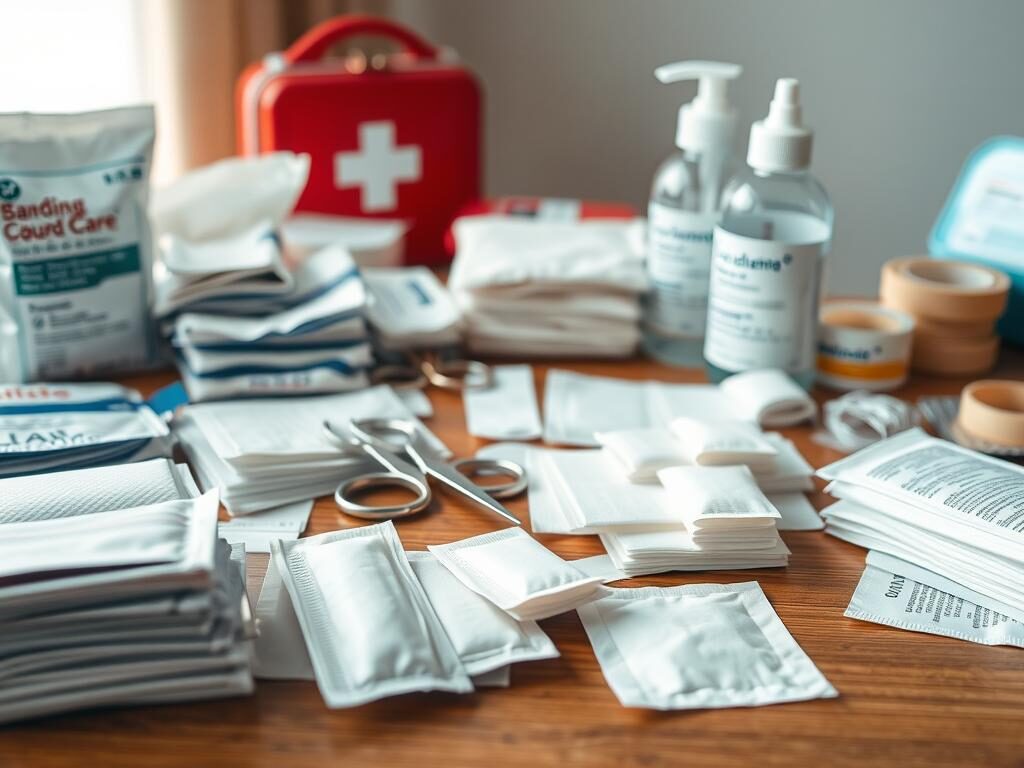
Essential Supplies for Your Wound Care Kit

To start, you’ll need to gather essential supplies for your wound care kit. These include:

  • Gloves
  • Gauze pads and rolls
  • Medical tape
  • Scissors
  • Antiseptic wipes or solution
  • Dressings (various types)

Specialized Dressings and Their Applications

Different types of wounds require specialized dressings. For instance, foam dressings are ideal for exuding wounds, while hydrogel dressings are better for dry wounds.

home wound therapy supplies

Recommended Cleaning Solutions and Antiseptics

Using the right cleaning solutions is key. Saline solution is often recommended for cleaning wounds, while antiseptic wipes can be used for surrounding skin.

Organization and Storage Tips

Proper organization and storage of your wound care supplies are vital. Consider using a dedicated container or cabinet to keep everything in one place.

Supply Purpose Storage Tip
Gloves Protect hands from infection Keep in original packaging
Gauze Clean and dress wounds Store in a dry, clean area
Antiseptic Wipes Clean surrounding skin Seal container after use

Step-by-Step Home Wound Therapy Techniques

Learning simple home wound therapy techniques can help manage chronic wounds. It improves your quality of life. Home care is key in chronic wound treatment, letting patients help in their recovery.

Proper Wound Cleaning Procedures

Cleaning your wound is vital for healing. Begin by washing your hands well with soap and water. Next, clean the wound with saline solution or mild soap and water.

Avoid harsh products like hydrogen peroxide or iodine. They can harm tissue and slow healing.

Dressing Application and Changing Schedule

Using the right dressing and changing it regularly is important. Pick a dressing that fits your wound type. Change it when it gets dirty or as your doctor advises.

Pressure Relief Strategies

Reducing pressure on your wound is essential, like for pressure ulcers. Use pillows or foam wedges to take pressure off. Also, changing positions often helps.

Moisture Management Techniques

Managing moisture is critical for healing. You need to keep the wound moist but not too wet to avoid infection.

Dealing with Excessive Drainage

If your wound drains a lot, use absorbent dressings. You’ll need to change them often to keep the area clean and dry.

Addressing Dry Wound Beds

For dry wounds, use a moisturizing dressing or hydrogel. This keeps the area moist, aiding in healing.

For more info on managing chronic wounds, check out this article on chronic wound treatment.

Nutritional Support to Accelerate Your Wound Healing

The right food can help your body heal faster. Eating the right nutrients is key to quick recovery. It makes sure your body has what it needs to mend quickly.

Essential Proteins and Amino Acids

Proteins are important for fixing tissues. Amino acids like arginine and glutamine are key for healing. Eating foods high in protein, like lean meats and eggs, helps your wounds heal.

Vitamins and Minerals That Promote Healing

Vitamins C and A, and minerals like zinc, help wounds heal. Vitamin C is important for making collagen. Zinc helps with immune function and fixing tissues. Foods like citrus fruits and nuts are good sources.

Hydration and Its Critical Role in Recovery

Drinking enough water is vital for healthy skin and healing. Drink at least eight glasses of water a day to keep your body hydrated.

Sample Meal Plan for Optimal Wound Healing

Eating a balanced diet is important for healing. Include foods like lean proteins, whole grains, fruits, and veggies. For example, try grilled chicken with quinoa and steamed veggies.

Recognizing and Managing Serious Wound Complications

Serious wound complications need quick attention and care. It’s important to know the signs of a complication when managing your wound at home.

Early Signs of Infection You Shouldn’t Ignore

Infection is a common issue with wounds. Look for increased redness, swelling, or pus around the wound. If you see these signs, act fast.

When to Worry About Wound Drainage

Wound drainage is normal, but too much or a bad smell is a worry. Watch the amount and color of the drainage. Get medical help if it gets worse or changes.

Addressing Increased Pain and Swelling

Pain and swelling are normal after an injury. But if they keep getting worse, it might be a complication. Try elevating the area and using cold compresses to help.

Dealing with Wound Odor

Wound odor can be upsetting, but there are ways to handle it. Keep the wound clean and dry. You can also use dressings that help control odor.

Natural Deodorizing Methods

Try using essential oils like tea tree oil or activated charcoal to naturally deodorize the wound area.

When Odor Indicates a Serious Problem

If the odor is strong and comes with other signs of infection, get medical help. A bad smell can mean anaerobic bacteria, which need professional treatment.

By staying alert and acting quickly, you can handle wound complications well. This helps your recovery go smoother.

When to Call the Professionals: Signs Your Home Care Isn’t Enough

You might be taking care of your wound at home. But how do you know when you need professional help? Home wound therapy is key to recovery. Yet, some signs show your care isn’t enough, and it’s time to see the experts.

Warning Signs That Require Immediate Medical Attention

There are warning signs you can’t ignore. These include:

  • Increased redness, swelling, or pain around the wound
  • Pus or discharge from the wound
  • A foul odor from the wound
  • A fever or feeling generally unwell
  • The wound is not healing as expected

If you see any of these signs, get medical help right away.

Benefits of Professional Wound Care Services

Professional wound care services have many benefits. These include:

Benefit Description
Expert Assessment Accurate evaluation of your wound to determine the best course of treatment
Advanced Treatment Options Access to the latest technologies and therapies for effective wound healing
Personalized Care Plans Tailored treatment plans to meet your specific needs and promote healing

What to Expect from a Wound Care Specialist Visit

At a wound care specialist visit, you’ll get a detailed wound assessment. They’ll look at its size, depth, and condition. Then, they’ll create a treatment plan just for you. This plan might include new therapies and dressing methods.

How Dominion Mobile Wound Care Delivers Expert Treatment

Dominion Mobile Wound Care brings expert care to your home. Their team uses the latest technology for effective chronic wound treatment. They focus on personalized care and advanced therapies to help you heal and recover well.

Conclusion: Taking Control of Your Wound Healing Journey

Chronic wound treatment needs a full approach to fix non-healing wounds and stop complications. Knowing the causes and risks helps you start effective home therapy.

Good wound care is key for healing. With the right methods and support, you can heal faster. If you have non-healing wounds or complications, get professional help.

Dominion Mobile Wound Care brings expert care right to your home. Their team creates a treatment plan just for you. Take charge of your healing and contact Dominion Mobile Wound Care for help.

FAQ

What are the most common types of chronic wounds?

Common chronic wounds include pressure ulcers, diabetic foot ulcers, and venous leg ulcers. Arterial ulcers are another type. Knowing your wound type is key for the right treatment.

How can underlying medical conditions affect wound healing?

Conditions like diabetes and vascular disease can slow healing. So can not getting enough nutrients. It’s important to manage these conditions to help your wound heal.

What role does nutrition play in wound healing?

Nutrition is vital for healing wounds. Proteins, vitamins, and minerals help the healing process. Eating a balanced diet rich in these nutrients can speed up recovery.

How can I manage wound drainage at home?

Use the right dressings and change them often to manage drainage. Watch the amount and smell of drainage. Too much or a bad smell could mean infection.

When should I seek professional help for my wound?

Get help if you see signs of infection like more redness, swelling, or a bad smell. Also, if your wound isn’t getting better with care. Dominion Mobile Wound Care offers expert services.

What are the benefits of professional wound care services?

Professional care offers specialized treatment for faster healing and less risk of problems. Experts can also teach you how to care for your wound at home.

How can I create an effective home wound care station?

Set up a home care station with the right supplies like dressings and cleaners. Keep them organized for easy use. Learning proper care techniques is also important.

What are some common risk factors that can delay wound healing?

Age, smoking, being overweight, and some medicines can slow healing. Changing your lifestyle and managing your medicines can help your wound heal faster.

How can I manage pain associated with my wound?

Use pain meds, topical treatments, and special dressings to ease discomfort. Talking to a healthcare professional can give you more advice on managing pain.

Healing Timeline

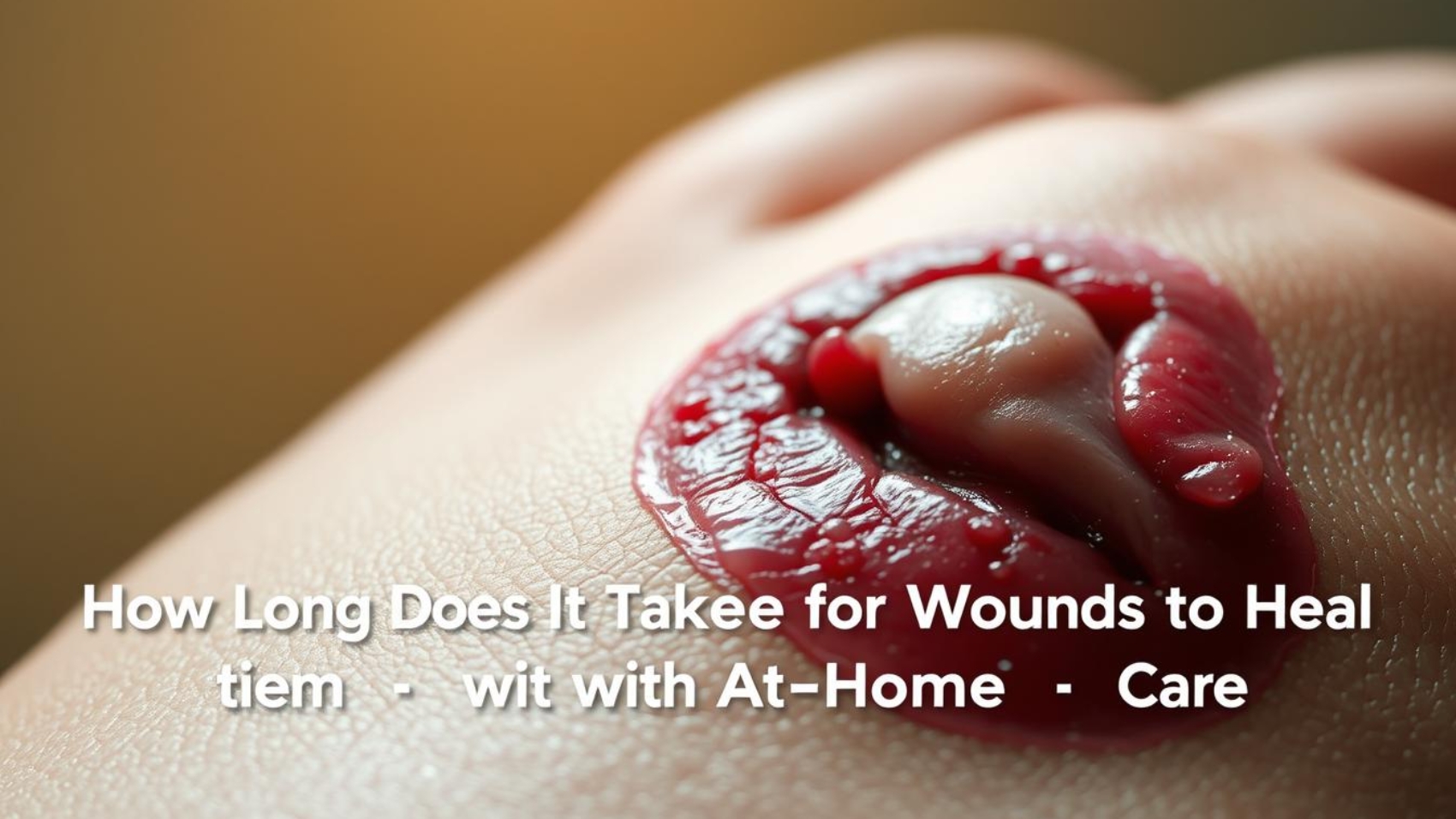
How Long Does It Take for Wounds to Heal with At-Home Care

You need clear expectations when caring for a wound at home. This short guide explains the typical timeline and the steps your body follows from injury to tissue remodeling. It draws on Canadian and international guidance, including Wound Care Canada and the International Wound Infection Institute.

The process moves through predictable stages that depend on wound type, depth, and location. Minor cuts often close fast, while deeper injuries take longer to rebuild tissue and return function.

You’ll learn practical at-home actions—clean technique, moisture balance, nutrition, and safe movement—that support steady progress. This section also highlights when to seek help and how a coordinated home service can speed recovery.

Dominion Mobile Wound Care offers at-home assessment, dressing selection, and coaching to help shorten the overall time to closure. Hire Dominion Mobile Wound Care to help heal your wounds.

Key Takeaways

  • Expect a predictable healing timeline based on wound depth and type.
  • Simple at-home steps can speed tissue repair and lower risks.
  • Follow evidence-based guidance for infection prevention and wound bed care.
  • Know the warning signs that require professional attention.
  • Mobile services like Dominion Mobile Wound Care make consistent care easier.

Understanding At-Home Wound Care and What Influences Your Healing Timeline

Knowing how wounds mend in your body lets you shape daily routines for better results. The biological phases of the healing process set a predictable course, but many personal factors change how fast you recover.

Local and systemic factors such as age, diabetes, steroid use, and vascular status affect tissue repair. Good blood supply and local perfusion bring oxygen, nutrients, and immune cells that drive tissue healing.

Moisture balance and clean technique support granulation and epithelialization. Infection control lowers bacterial burden and keeps the wound bed ready to advance through phases.

  • You respond differently to similar injuries because of your individual health and daily habits.
  • Smoking, poor nutrition, or low circulation can slow repair by impairing perfusion or collagen formation.
  • Simple home routines—sleep, hydration, protein, and gentle movement—help maintain steady progress over time.

When progress stalls, consider professional support. Dominion Mobile Wound Care provides mobile assessment, dressing selection, and coaching to optimize your home environment and routines. Hire Dominion Mobile Wound Care to help heal their wounds.

The Four Phases of the Healing Process and What You Can Expect

The body’s repair unfolds in clear phases, and each phase has a specific job. Knowing those steps helps you match care to the biology and avoid common setbacks.

Bleeding and clot formation: first 24 hours

On day one a clot forms and leukocytes arrive. This stops blood loss and primes your tissue for cleanup.

Inflammation: protection and clean-up

Vasodilation brings warmth and swelling. Phagocytosis clears debris so the wound bed is ready for new growth.

Proliferation: new tissue, collagen, and vessels

From about 24–48 hours up to three weeks, granulation tissue fills the defect. Fibroblasts lay down collagen while angiogenesis restores blood flow.

Remodeling: organizing and strengthening

Over months collagen fibers realign and tensile strength increases. A wound may look closed while internal tissue continues to mature.

  • Quick tips: keep clean technique, maintain moisture balance, and eat protein to support tissue repair.
  • Normal soreness and mild swelling are part of the response; rising pain or spreading heat needs review.
  • Dominion Mobile Wound Care can coach you through each phase with dressing changes, pain strategies, and progress checks. Hire Dominion Mobile Wound Care to help heal their wounds.

Healing Timeline by Tissue Type: From Skin to Bone

Different tissues in your body repair at distinct rates. That difference affects how you protect the area, when to load it, and which dressings or supports work best.

tissue healing

Muscle and Soft Tissue: Typically 2–4 Weeks to Functional Recovery

Muscles are well supplied with blood, so they often regain function in about 2–4 weeks with proper rest and graded movement.

Controlled activity and nutrition support organized collagen and reduce stiffness.

Tendons and Ligaments: 4–12 Weeks and Why They’re Slower

Tendons usually need 4–6 weeks; ligaments can take 10–12 weeks because both have lower vascularity.

They require time for strong collagen alignment before full loading is safe.

Bone: 6–8 Weeks with Progressive Loading

Bone consolidation commonly occurs in 6–8 weeks, but the exact time depends on fracture pattern and fixation.

Gradual weight or stress helps remodel bone without overloading the repair site.

Cartilage and Nerves: Why These Tissues Take Longest

Cartilage has poor blood supply and limited intrinsic repair, so recovery can extend beyond 12 weeks.

Nerve regrowth is slow (roughly 3–4 mm per day), so return of function follows a long course after the initial injury.

  • Plan for realistic healing times by tissue type to set work and activity limits.
  • Ensure good perfusion and nutrient supply to support tissue healing and collagen formation.
  • Dominion Mobile Wound Care helps tailor protection, offloading, and dressings to your tissue needs. Hire Dominion Mobile Wound Care to help heal their wounds.

At-Home Care Strategies to Support Faster, Safer Healing

Practical steps at home can speed recovery and reduce complications when you match care to the wound’s needs. Start with simple routines that protect the area and support tissue repair.

Moisture balance and dressings

Keep the wound bed optimized. Choose dressings that avoid drying or excess exudate so epithelial cells can migrate and collagen forms properly.

  • Select absorbent or moisture-retentive dressings based on drainage and tissue type.
  • Document exudate, size, and odor at each change to spot trends.
  • Dominion Mobile Wound Care customizes dressing choice to match your goals and exudate level.

Infection prevention and clean technique

Use hand hygiene and a clean environment for dressing changes. Watch for spreading redness, heat, odor, rising pain, or increased drainage.

Early screening and models like NERDS/STONES guide when to escalate treatment.

Nutrition, movement, and therapy

Eat enough protein and micronutrients to supply building blocks for collagen and tissue repair. Stay hydrated.

Integrate gentle movement or physical therapy to improve blood flow without stressing the injury. Balance activity and rest to control stress on the wound.

  • Get home education on elevation, compression, and simple routines to manage edema.
  • Coordinate with physical therapy when gait or mobility affects wound pressure.

Hire Dominion Mobile Wound Care to help heal their wounds. They provide infection screening, nutrition guidance, dressing selection, and in-home education to support safe at-home treatment.

Factors That Affect Your Healing Times

What happens in your body after an injury depends on things like age, blood flow, and daily habits. These factors shape the pace of repair and the actions you should take at home.

Age, Genetics, and Your Individual Response

Your age and genes set a baseline for how your tissues respond to inflammation and remodeling.

Older adults often have slower cell turnover and different collagen quality, which changes recovery expectations.

Blood Supply, Tissue Type, and Injury Severity

Robust blood supply speeds nutrient delivery and immune access. Poor circulation limits progress.

Skin, muscle, tendon, and bone all repair at different rates. Deeper or more severe injuries need longer protection and staged loading.

Health Conditions and Medications: Diabetes, Smoking, Steroids

Diabetes, vascular disease, smoking, and steroid use reduce immune function and impair perfusion.

Compression and offloading help where venous return or pressure is the problem. Optimizing glucose and nutrition matters for complex wounds.

Lifestyle, Stress, and Activity Levels: Finding the Right Load

Your stress, sleep, and activity levels influence catabolic vs. anabolic balance in the body.

Workload that exceeds tissue tolerance causes setbacks. Coordinate with physical therapy to correct gait or repetitive strain that hinders progress.

  • You will understand how age and genetics shape your baseline trajectory.
  • You will learn when compression, offloading, or glucose control can improve outcomes.
  • You will leverage Dominion Mobile Wound Care’s assessment to target limiting factors first. Hire Dominion Mobile Wound Care to help heal their wounds.

Day-by-Day and Week-by-Week Expectations for a Typical Healing Timeline

Start by protecting the area and limiting stress so the early days build a safe base for repair. Use clear checklists for dressing changes and simple activity limits to keep progress consistent.

tissue healing

Day Zero to Day Three: Protection and Controlled Inflammation

In the first 72 hours, protect the wound, manage edema, and control pain. Keep dressings intact unless soaked or soiled.

Document changes each day so you can spot rising redness, odor, or drainage that needs review.

Week One to Week Three: Proliferation and Early Tissue Formation

Expect granulation and early closure during these phases. Maintain balanced moisture and clean technique.

  • Reassess exudate and adjust dressings by the wound’s needs, not a fixed clock.
  • Introduce gentle movement to encourage circulation without adding stress.
  • Track small gains in range or skin integrity as signs of on-time progress.

Week Four and Beyond: Remodeling, Strength, and Function

After four weeks, focus on progressive loading and functional tasks that match tissue type.

Coordinate with physical therapy when gait or pressure patterns affect closure. Keep nutrition and fluid supply steady to support collagen and strength gains.

Dominion Mobile Wound Care provides clear cadence for dressing changes and activity plans. Hire Dominion Mobile Wound Care to help heal their wounds.

When to Seek Professional Help During At-Home Care

Know when a wound needs expert review so you avoid delays that can worsen infection or tissue loss. Use clear signs and checklists to decide when to escalate care and involve a trained clinician.

Red Flags: Spreading Redness, Fever, Odor, Increasing Pain

Watch for spreading redness, new warmth, foul odor, rising pain, or a rapid increase in drainage. Systemic symptoms like fever or chills mean you need prompt evaluation.

If you see these signs, stop routine dressing changes and contact a provider. Timely cultures, targeted treatment, and possible antibiotics reduce risk of deeper infection.

Chronic and Complex Wounds: Pressure, Venous, Arterial, and Diabetic Foot Ulcers

Pressure injuries, venous leg ulcers, arterial ulcers, and diabetic foot ulcers require specific strategies. Offloading, compression, and vascular assessment change the process and the chosen treatment.

  • Engage a physical therapist or wound therapist when mobility or load causes repeat breakdown.
  • Imaging or vascular studies are warranted for stalled wounds or suspected deep infection.
  • Document symptom onset, size, and odor so clinicians act quickly with full information.

Dominion Mobile Wound Care offers rapid in-home assessment, wound cultures per protocol, and referral coordination. Hire Dominion Mobile Wound Care to help heal their wounds.

Healing Timeline: How Dominion Mobile Wound Care Can Help You Recover at Home

Dominion Mobile Wound Care brings evidence-based treatment directly to your home so you can recover with fewer interruptions.

Personalized Assessment, Dressing Selection, and Education

A dedicated physical therapist completes a comprehensive in-home assessment of your wound, skin, circulation, and functional risks. This evaluation guides dressing choice so moisture balance supports steady tissue repair without maceration.

Structured education simplifies daily routines. You learn pain control, hydration, home checks, and signs that need a same-day review.

Coordinated Care: Nutrition, Offloading, Compression, and Therapy

Care plans integrate physical therapy input to protect fragile tissue while restoring safe movement. Guidance addresses blood supply issues, with compression for venous problems and vascular referral when arterial compromise is suspected.

You receive a nutrition action plan so protein and micronutrient supply supports rebuilding of tissue and bone. Device choices and scheduled follow-ups keep momentum.

  • Evidence-based dressing selection and measurable progress tracking.
  • Offloading, splints, and practical movement plans to prevent re-injury.
  • Fewer disruptions because care, reassessment, and education happen at home.

Hire Dominion Mobile Wound Care to help heal their wounds.

Conclusion

Simple, consistent routines reduce setbacks and speed safe return to function after an injury.

You now know that safe healing follows overlapping phases—bleeding, inflammation, proliferation, and remodeling—and that the body rebuilds from the inside out even after the day a wound looks closed.

Different tissues recover at different times: muscles and bone have distinct needs, and tissue healing varies by type and blood supply. Nutrition, moisture balance, infection control, and matched activity improve your ability to tolerate load and limit further damage.

Watch for red flags and get reassessment when progress stalls. A trained therapist can streamline care at home and protect fragile tissues while you regain function.

Hire Dominion Mobile Wound Care to help heal their wounds.

FAQ

How long does it usually take for a simple skin wound to close with at-home care?

Most minor skin wounds begin to close within a week and show substantial improvement in 2 to 3 weeks. Full strength and remodeling of the tissue can take several weeks to months depending on size and depth. Your age, blood supply to the area, and how well you follow wound care steps affect the pace.

What affects your recovery when treating a wound at home?

Your recovery depends on the wound type, severity, circulation, nutrition, and underlying health conditions such as diabetes or vascular disease. Medications like steroids or blood thinners and lifestyle factors such as smoking and activity level also alter the course. Good dressing technique and early infection control help speed repair.

What happens in the first 24 hours after an injury?

In the first day you’ll see bleeding control and clot formation. That clot provides a scaffold for cells that begin cleanup and sets the stage for inflammation and new tissue growth. Keeping the area protected and clean reduces risk of contamination and supports the process.

Why does swelling and redness occur during the early phase?

Swelling and redness come from increased blood flow and immune cells arriving to clear debris and bacteria. This controlled inflammation is necessary, but prolonged or excessive swelling may signal infection or poor circulation and should be evaluated.

When does new tissue and blood vessel growth start?

New tissue formation typically starts within a few days and continues through the first few weeks. Cells deposit collagen and tiny blood vessels grow into the wound bed to deliver nutrients. Proper moisture balance and nutrition support this stage.

How long does the remodeling and strengthening phase last?

Remodeling begins after new tissue fills the wound and can last months. Collagen fibers reorganize and tissue gains tensile strength gradually. Progressive, controlled loading and avoiding repeated stress help the area regain function.

How long for muscle and soft tissue to become functional again?

Most muscle and soft-tissue injuries show functional recovery in roughly 2 to 4 weeks with appropriate rest, gradual movement, and targeted therapy. Severity and whether you follow a rehabilitation plan change that timeline.

Why do tendons and ligaments take longer to recover?

Tendons and ligaments have lower blood flow and a slower cell turnover rate. These structures need more time for collagen to align and strengthen, so expect 4 to 12 weeks or longer, plus guided loading exercises to restore function.

What is the typical healing time for bone fractures with at-home care?

Many fractures show radiographic healing in about 6 to 8 weeks, but complete remodeling can continue for months. Gradual weight-bearing and progressive loading, as advised by your clinician or physical therapist, help bone regain strength.

Why are cartilage and nerve injuries slower to improve?

Cartilage has limited blood supply, and nerves regenerate at a slow rate (millimeters per day). Both require extended recovery and often need specialized interventions like offloading, targeted therapy, or surgical input for optimal results.

What dressing and moisture strategy should you use at home?

Aim to keep the wound bed moist but not overly wet. Choose dressings that manage exudate, protect from contaminants, and maintain temperature. Change dressings per product guidelines or when saturated, and always follow any clinician instructions.

How can you spot and prevent infection during self-care?

Watch for increasing pain, spreading redness, foul odor, pus, fever, or swelling. Use clean technique when changing dressings, avoid touching the wound directly, and seek medical attention if red flags appear. Early detection and treatment limit complications.

What role do diet and hydration play in tissue repair?

Protein, calories, vitamin C, zinc, and adequate fluids support collagen synthesis and cellular activity. Aim for balanced meals with lean protein, fruits, vegetables, and enough calories to meet increased metabolic demands during repair.

How should you move or exercise an injured area without causing harm?

Start with gentle range-of-motion and low-load activities that increase circulation without stressing the repair. Follow guidance from a physical therapist or your clinician on timing and progression to prevent setbacks while building strength.

How do age and genetics influence your recovery speed?

Older age often brings slower cell turnover and reduced circulation, which can extend recovery. Genetic factors influence collagen quality, immune response, and scarring propensity. You may need modified timelines and tailored care based on these factors.

Which medical conditions or medicines delay recovery?

Diabetes, peripheral vascular disease, immunosuppression, smoking, and certain medications like systemic steroids or chemotherapy agents slow repair. Discuss medication impacts with your provider and adjust care plans when necessary.

What day-by-day changes should you expect in the first week?

In days 0–3 expect clotting, peak inflammation, and initial debris clearance. Pain and swelling typically decrease after the first few days if the wound is stable. Keep the area protected and monitor for signs of infection.

What should improvement look like in weeks one to three?

You should see reduced redness and swelling, formation of new tissue, less pain, and gradual closure. Mobility and function can improve with guided movement and activity modification.

What progress is reasonable by week four and beyond?

By week four, many wounds show strong epithelial coverage and early remodeling. Strength and function continue to increase over subsequent weeks with progressive loading and rehabilitation.

When should you contact a professional during at-home care?

Seek prompt care for spreading redness, fever, increasing pain, odor, or drainage changes. Also consult if a wound fails to show gradual improvement after a week or if you have risk factors like diabetes or poor circulation.

What qualifies as a chronic or complex wound that needs specialized treatment?

Wounds that don’t progress after 4 weeks, pressure injuries, venous stasis ulcers, arterial ulcers, and diabetic foot ulcers require specialized assessment. These often need offloading, compression, advanced dressings, or referral to a wound care clinic.

How can a mobile wound care service like Dominion Mobile Wound Care support your recovery at home?

A mobile team provides personalized assessment, appropriate dressing selection, patient education, nutrition guidance, and coordinated services such as offloading or compression. That integrated approach improves outcomes and reduces the need for clinic visits.

What does coordinated care from a wound team include?

Coordinated care can involve nutrition counseling, physical therapy, compression therapy, offloading devices, and ongoing monitoring. These elements together address factors that delay repair and help you regain function safely.

wound care for surgical complications

Managing Wounds from Surgical Complications at Home

Dominion Mobile Wound Care offers a clear, practical guide to help patients support incision healing after surgery. This short introduction explains what to expect in the first days and weeks.

The typical surgical cut heals in about two weeks, though complex closures may need more time. Infections do not resolve on their own and require prompt attention. Activity should follow a clinician’s advice; light walks often help, while heavy lifting is usually limited for roughly a month.

This guide outlines safe dressing changes, how to spot early infection signs, and gentle cleansing that protects nearby skin. It also lists what to avoid applying to an incision, and when a patient should seek urgent evaluation.

Dominion Mobile Wound Care provides in-home support, personalized plans, and coordination with surgical teams to speed recovery and reduce stress. Readers are invited to hire Dominion Mobile Wound Care for hands-on help if issues arise.

Key Takeaways

  • Most incisions heal in about two weeks; complex cases take longer.
  • Infection needs timely treatment; do not wait for it to improve on its own.
  • Follow activity limits and gentle movement to promote healing.
  • Avoid harsh agents that can damage tissue and slow recovery.
  • Dominion Mobile Wound Care offers at-home support and coordination with surgical teams.

User intent and what this guide covers in the present day

After discharge, clear guidance helps patients spot early problems and manage daily recovery tasks. This guide focuses on practical steps a person can use at home after surgery to reduce infection risk and speed safe healing.

Who this applies

  • People discharged the same day and those returning home after an overnight stay.
  • Patients with chronic conditions or higher risk who need closer monitoring.
  • Anyone handling routine activities such as showering, dressing changes, or accidental rubbing of the site or area.

The guide sets clear expectations for daily progress and lists common signs that are normal versus those that need prompt action. It gives simple tips on organizing supplies, keeping a clean workspace, and protecting the site during everyday tasks.

Dominion Mobile Wound Care aims to equip readers with up-to-date, usable steps for home recovery and offers professional support to bridge the gap between discharge and complete healing. Contact them to arrange personalized visits if concerns or complications emerge.

Understanding surgical wounds and complications

A clear grasp of incision anatomy and closure methods helps patients support safer recovery at home.

Surgical incision basics: skin, tissue layers, and closure

An incision is an intentional cut through skin down into deeper tissue made during surgery. Size and depth depend on the procedure and the structures exposed.

Closure methods include sutures, staples, adhesive strips, or glue. Each method affects how the edges stay aligned and how the site is protected while tissue begins to knit together.

Primary vs secondary intention healing

Primary intention occurs when edges are neatly approximated, usually leading to faster wound healing if no infection or dehiscence happens. Secondary intention is needed when tissue is missing or edges cannot close; the site fills from the bottom up.

  • Common issues: surgical site infection, dehiscence, seroma, and hematoma — each changes how the site is monitored and dressed.
  • About 60% of infections arise after discharge, so home surveillance and early recognition matter.

Dominion Mobile Wound Care educates patients on anatomy and closure choices and can tailor dressing plans as tissue matures. Hire them for personalized at-home support.

wound care for surgical complications: step-by-step at home

Organizing supplies and following basic technique helps protect the healing site. Start by preparing a clean area with a hard, wipeable surface and gather gauze, saline, clean gloves, tape, and sealed waste bags.

Hand hygiene matters. Remove jewelry, wash hands under warm running water for 15–30 seconds, clean under nails, and dry with a clean towel. An alcohol-based hand rub is acceptable when hands look clean.

Change a dressing safely

Loosen tape and lift the old dressing gently. If it sticks, wet the area first unless told otherwise. Place the used dressing into a plastic bag and seal it.

Clean around the wound

Use normal saline or mild soapy water to cleanse the skin around the wound. Irrigate with a syringe from 1–6 inches away if directed, then pat dry with clean gauze.

What not to use

  • Avoid alcohol, peroxide, iodine, and antibacterial soaps that can harm healing skin.
  • Use each dressing once; discard waste in a double-bagged trash bag and wash soiled laundry separately.

Watch for infection signs: worsening redness, swelling, increased pain, heavy or foul drainage, bleeding, or fever ≥100.5°F. Dominion Mobile Wound Care offers personalized coaching on sterile technique, product choices, and tailored instructions to support safe home treatment.

Cleaning, irrigation, and protecting the incision

Keeping the area clean and shielded from moisture and friction supports steady tissue repair. Gentle routines lower the chance of thicker drainage or foul discharge while preserving delicate skin and new tissue.

How to irrigate drainage and discharge without harming tissue

Irrigate only as directed. Use normal saline or mild soapy water in a syringe held 1–6 inches from the incision. Aim a steady stream to loosen debris without blasting the bed.

Pat the edges and surrounding skin dry with clean gauze. Do not rub; rubbing can disturb fragile granulation and delay healing.

Keeping the surgical wound protected from moisture and friction

Keep the site dry and low-friction. Avoid soaking in baths and pools until cleared to immerse. Use non-adherent dressings that absorb fluid and lower rubbing under clothing.

  • Choose dressings that wick moisture and cushion the incision.
  • Secure edges without tension and wear loose, breathable garments.
  • In secondary intention, dressings prevent skin from sealing over deeper spaces while tissue fills from the base up.

Monitor the amount and character of drainage. Any change to thicker or foul discharge merits prompt clinical review. Dominion Mobile Wound Care evaluates the incision and recommends protective strategies tailored to the site, activity level, and clothing needs, and can arrange a treatment plan if needed.

Recognizing normal healing versus problems

Watching daily trends in pain, redness, and drainage makes it easier to spot when issues emerge. Early recovery often shows mild edge redness, slight swelling, and a little clear drainage that fades over days.

healing signs

Expected signs

In uncomplicated healing, mild redness at the edges and small, soft swelling are typical. Minimal clear or slightly pink drainage in the first 48–72 hours is common and should decrease.

Warning signs and thresholds to escalate

Contact a provider promptly if pain increases instead of falling, redness expands, or swelling worsens. Any rise in size or depth of the opening, or edges that separate, needs same-day review.

  • Thick, tan, green, or yellow drainage, or a foul odor, suggests infection and requires quick evaluation.
  • Bleeding that soaks dressings, skin that turns dry or dark, or fever ≥100.5°F (38°C) with local changes are escalation triggers.
  • Daily checks and photos help track trends; many infections appear after discharge, so early reporting improves outcomes.

When in doubt, err on the side of contacting a clinician. Dominion Mobile Wound Care can monitor these signs, review photos, and arrange timely assessment or referral if cases suggest infection or separation. Patients are invited to schedule an at-home visit when warning signs appear.

Timelines for healing, sutures, staples, Steri-Strips, and glue

Healing milestones differ by location, closure method, and the health of the person. Knowing expected days helps plan follow-up and limits on activity.

Typical incision healing time frames

Most incisions show steady improvement within about two weeks. Larger or deeper procedures often need extra time as tissue remodels.

When sutures or staples are removed

Sutures and staples are usually taken out between 3 and 14 days. The exact removal day depends on the site and tension across the skin.

When absorbable stitches dissolve

Absorbable sutures often soften and dissolve in 1–2 weeks, though some remain longer while the body finishes remodeling.

When Steri-Strips fall off and how to manage edges

Steri-Strips normally detach within two weeks. If edges curl, trim the loose ends rather than peeling to protect the incision line.

How long surgical adhesive lasts and bathing guidance

Surgical adhesive typically releases in 5–10 days. Avoid soaking in baths or pools until the provider confirms the adhesive has come off.

  • Key points: plan dressing changes around removal days and site needs.
  • Report early separation, bleeding, or pain before scheduled removal.
  • Protect the skin from sun during early remodeling to limit discoloration.

Dominion Mobile Wound Care coordinates dressing schedules with removal timelines and can arrange home visits to match each phase. Contact them to align follow-up.

Managing pain, swelling, and drainage at the wound site

Early attention to pain, swelling, and drainage can prevent small problems from growing. Manage pain with provider‑approved medications and non-drug measures like brief rest, gentle positioning, and shielding the site from pressure or friction.

Reduce swelling by elevating the area when feasible and avoiding tight clothing or bands that limit circulation. A cool pack may be applied near the incision if the clinician allows; always wrap it in cloth and use short intervals to avoid moisture build-up.

Track drainage daily. Note amount, color, and odor. A change from light, clear fluid to thicker or colored discharge often suggests infection and needs timely evaluation.

Use dressings that wick moisture to prevent maceration and change them when saturation occurs sooner than expected. Avoid topical antiseptics that can injure healthy cells; stick with saline cleansing unless told otherwise.

  • Stay hydrated and eat balanced meals to support tissue repair and immune response.
  • If pain worsens after initial improvement, or swelling spreads with warmth and redness, contact a provider promptly.
  • Sudden severe pain or brisk bleeding requires urgent assessment.

Dominion Mobile Wound Care monitors symptoms over days, adapts dressing plans, and coordinates treatment when escalation thresholds are met. Patients are invited to request an at‑home visit when concerns arise.

Activity guidance to support wound healing and avoid dehiscence

Gentle, planned movement after a procedure speeds recovery by boosting blood flow without stressing fresh tissue. Patients should follow provider instructions and keep activity gradual during the first days after surgery.

Safe movement and short walks

Short, frequent walks—when approved—help circulation and reduce stiffness without placing undue stress on the surgical site. Start with brief strolls and increase distance slowly while monitoring comfort and drainage.

What to avoid

  • Avoid lifting, pulling, or straining, including heavy bags and sudden effort that raises intra‑abdominal pressure.
  • Use bracing techniques such as hugging a pillow when coughing or moving to protect the incision line.
  • Defer high‑impact exercise and contact sports until a clinician clears return to activity to lower risk of reopening.
  • Plan deliberate movements: log roll in and out of bed and bend at the knees rather than the waist to limit tension on the repair.
  • Discuss modified duties with an employer if the job involves physical tasks to prevent setbacks.

Track how the site and body feel during and after activity. Increased pain, swelling, or new drainage after exertion suggests stepping back and contacting a provider.

Dominion Mobile Wound Care can reinforce safe movement coaching, tailor an activity plan, and help patients progress without added risk.

Common surgical wound complications at home

Some post-op problems can show up at home and need quick action to avoid bigger issues. This section defines the main events patients may see and describes clear next steps.

Surgical site infection: superficial, deep, organ/space

Superficial infection affects skin and subcutaneous tissue and often shows increased redness, heat, pain, or purulent drainage.

Deep infections involve fascia or muscle; organ/space infections reach cavities manipulated during surgery. Depth guides urgency and treatment.

  • Document onset and trend of redness, swelling, or drainage.
  • Suspected infection may need cultures and antibiotics.
  • Deep or organ/space cases require prompt surgical team review.

Surgical wound dehiscence: partial to full separation

Dehiscence ranges from a small gap to full-length separation of margins. Any widening, new openings, or visible tissue loss needs same‑day evaluation to protect deeper tissue and limit progression.

Seroma and hematoma: when to watch and when to seek care

A seroma is a soft, clear-fluid pocket that often resolves within weeks; persistent or painful collections may need aspiration.

A hematoma is a blood collection that can feel firm or expand. Small cases may be observed; large or fast-growing ones require urgent assessment and possible evacuation.

Dominion Mobile Wound Care can triage at home, start initial steps, and expedite referral to the surgical team when needed. Contact them to arrange timely monitoring and treatment if changes appear.

Inflammation versus infection: what patients should know

Early swelling and warmth can be normal, but they may also signal a growing infection. Inflammation is a planned part of healing; infection involves microbes multiplying and harming tissue.

infection

Redness, heat, pain, and swelling occur with both inflammation and infection. Trends matter more than a single check. Worsening pain, spreading warmth, or new drainage over days raises suspicion of infection.

Assessing varied skin tones

Erythema may not look bright red on darker skin. It can appear as purple tones, subtle darkening, or increased firmness compared with nearby skin. Compare the area to the patient’s usual skin and to the surrounding region.

  • Evaluate multiple clues: temperature, increasing drainage, firmness, and systemic symptoms together strengthen the case for infection.
  • When infection is suspected, fluid sent for Gram stain and culture guides antibiotic choice and helps avoid unnecessary treatment.
  • Consider higher risk in people with diabetes, poor circulation, or immune suppression and escalate sooner in those cases.

Dominion Mobile Wound Care trains families to notice nuanced changes, use consistent lighting and photos for daily checks, and seek prompt clinical review when signs persist or worsen.

When to call the surgeon, urgent care, or emergency services

Recognizing clear escalation thresholds helps a patient act fast when early signs worsen after a procedure. Quick steps reduce harm and guide prompt treatment.

Escalation triggers within 24–72 hours

Call the surgical team or urgent care if redness, heat, swelling, worsening pain, fever, or rapidly increasing drainage suggest infection. These changes often appear within the first three days and merit timely review.

  • Seek urgent evaluation if the site gaps, deepens, or exposes underlying layers, or if clips or sutures break.
  • Persistent or symptomatic seromas and hematomas need assessment to avoid secondary infection or pressure damage.
  • Systemic signs—fever, chills, fast heartbeat, or confusion—plus local change raise urgency for medical review.

Emergencies: hemorrhage and catastrophic dehiscence actions

Treat heavy bleeding as an emergency. Call 911, have the patient lie flat, and apply a clean or sterile dressing with firm, direct pressure until help arrives.

  • If organs or deep tissue are visible, cover with saline‑soaked gauze, keep it moist, and change hourly while arranging transfer.
  • Rapidly expanding, firm swelling may mean a growing hematoma and needs immediate assessment, especially near the neck or major vessels.
  • Do not remove sutures, staples, or adhesive materials unless instructed; improper removal can worsen outcomes.

Dominion Mobile Wound Care offers rapid triage, helps interpret signs, and coordinates referrals when thresholds are met. Contact them to arrange prompt assessment and onward treatment.

Community versus hospital timing of complications

C hospital teams tend to identify immediate dangers, while community surveillance finds later problems that develop after discharge.

Major events like hemorrhage or catastrophic dehiscence usually occur in the hospital when monitoring is continuous. These early cases get rapid intervention and reduce longer term harm.

By contrast, many infections and small separations show up days after discharge. In practice, signs often emerge around days 4–9 with heat, pain, swelling, and evolving drainage.

Why community follow‑up matters:

  • Many SSIs appear after a patient leaves the hospital, so home checks close reporting gaps.
  • Small gaps at the incision can widen over several days if not treated early.
  • Patient‑related risk—diabetes, nicotine use, or limited mobility—often drives community presentations.
  • Standardized documentation and fast communication with surgical teams improve outcomes and tracking of cases.

Dominion Mobile Wound Care provides consistent surveillance, timely communication, and targeted home visits to catch evolving problems early. Contact them to arrange post‑discharge monitoring and reduce the chance of delayed intervention.

Reducing risk: factors that increase complications and prevention tips

Certain health and lifestyle elements make some patients more likely to face setbacks after a procedure. Identifying personal risks lets people take clear, practical steps to lower harm and speed recovery.

Patient-related risks

  • Age and chronic disease: older adults and those with diabetes or immune problems have a higher risk of delayed healing and infection.
  • Nutrition and body weight: poor protein intake or obesity can increase risk by slowing tissue repair.
  • Nicotine use: smoking or vaping reduces blood flow to skin and raises chance of poor outcomes.

Post-op self-management to lower risk

  • Optimize nutrition and control blood glucose; talk to the care team about supplements and targets.
  • Use a pillow to brace when coughing, elevate the affected limb to limit swelling, and follow dressing and cleansing plans exactly.
  • Use antibiotics only when prescribed and keep follow-up visits to report any signs of infection early.

Dominion Mobile Wound Care partners with each patient to tailor prevention plans, monitor progress, and arrange prompt treatment when needed. Contact them to reduce risk and protect recovery.

How Dominion Mobile Wound Care supports recovery at home

Timely observation and tailored support at home lower the chance that a minor issue becomes a major one. Dominion Mobile Wound Care builds personalized dressing plans matched to the site, closure type, and drainage pattern to improve comfort and protection.

Personalized dressing plans, monitoring, and timely referrals

The team schedules regular at‑home monitoring to detect early infection or dehiscence, seroma, and hematoma. Early detection lets clinicians act within 24–72 hours to reduce escalation.

Education is central. Patients and families learn hand hygiene, gentle irrigation, and which products to avoid to protect new tissue and surrounding skin.

  • Custom dressings matched to site and drainage.
  • Frequent checks and photo documentation to track trends.
  • Fast escalation with culture guidance and surgeon coordination when treatment is needed.
  • Activity coaching to protect closures and limit strain.

Dominion Mobile Wound Care supports high‑risk patients with tailored follow‑ups and clear communication with surgical and primary teams. Hire Dominion Mobile Wound Care to bring expert, compassionate care into the home and help heal their wounds.

Conclusion

Conclusion

Consistent routines at home make recovery more predictable. Effective steps — a clean setup, thorough hand hygiene, gentle cleansing, and timely dressing changes — support steady healing and lower setbacks.

Recognizing normal signs versus warning signs lets families act early. Understanding timelines for sutures, staples, Steri‑Strips, and adhesive helps protect closures after surgery. Early recognition of infection and prompt escalation reduce the chance of major complications.

Dominion Mobile Wound Care partners with patients to monitor progress, adjust plans, and arrange faster treatment when needed. With evidence‑based steps and timely action, most people recover with less disruption. Hire Dominion Mobile Wound Care to help heal their wounds.

FAQ

Who should follow these home instructions after surgery?

Anyone recovering from an incision-based procedure, including people with sutures, staples, Steri-Strips, or surgical adhesive, should follow practical guidance at home. This applies to patients discharged the same day, those recovering after inpatient stays, and caregivers helping with dressing changes or observation.

What supplies are needed to manage an incision safely at home?

Prepare a clean area and gather sterile gauze, normal saline or prescribed irrigation solution, nonsterile gloves if needed, medical tape, a wound dressing or dressing kit recommended by the clinician, and a small plastic bag for disposal. Keep antiseptic solutions like alcohol and hydrogen peroxide off the incision unless a clinician instructs otherwise.

How should someone clean around the incision without harming tissue?

Perform hand hygiene, put on clean gloves, and use gentle irrigation with saline to remove crust or drainage. Pat the surrounding skin dry with sterile gauze; avoid scrubbing the incision. Clean only the surrounding area unless directed to clean beneath sutures or staples by a clinician.

How often should dressings be changed and when is it safe to leave the incision uncovered?

Change dressings per the surgeon’s instructions, commonly every 24–48 hours or sooner if saturated. Many clean, closed incisions may be left uncovered after 48 hours if drainage has stopped and the site is dry, but follow specific discharge guidance and your clinician’s timeline.

What signs indicate normal healing versus a problem that needs attention?

Expected healing features include mild redness at the edges, slight swelling, and minimal clear or lightly blood-tinged drainage. Seek evaluation for increasing redness, growing size of separation, thicker or foul-smelling drainage, escalating pain, fever, or spreading warmth — these suggest infection or dehiscence.

When should sutures, staples, Steri-Strips, or glue be removed or expected to fall away?

Typical removal times vary: most sutures and staples come out 7–14 days depending on location; absorbable stitches dissolve over weeks to months; Steri-Strips usually lift off in 5–10 days; surgical adhesive often peels away in 7–14 days. Always follow the surgeon’s schedule, which reflects the incision site and healing progress.

What activities should be limited to prevent separation of the incision?

Avoid heavy lifting, forceful straining, and vigorous core exercises until cleared. Short, gentle walks support circulation and healing. Gradually increase activity as pain and swelling decrease and the clinician approves to reduce risk of dehiscence.

How can pain, swelling, and drainage be managed at the site?

Use prescribed or over-the-counter analgesics as instructed, elevate the area if possible to reduce swelling, apply cool compresses briefly if advised, and change dressings as directed to manage drainage. Contact the care team if pain worsens despite medication or drainage increases unexpectedly.

What are seroma and hematoma, and when do they need care?

A seroma is a fluid collection that feels soft and fluctuant; a hematoma is a blood collection that may feel firm or bruised. Observe small collections closely; seek timely evaluation if they enlarge, cause severe pain, limit movement, or show signs of infection.

How do infection and normal inflammation differ, especially across different skin tones?

Inflammation causes warmth, mild redness, and tenderness. Infection often brings worsening pain, spreading warmth, increasing swelling, purulent or foul drainage, and fever. In darker skin, redness may be subtle; look for increased warmth, new swelling, tenderness, or changes in drainage rather than color alone.

When should the surgeon, urgent care, or emergency services be contacted?

Contact the surgeon or urgent care for rising pain, growing incision separation, heavy or bloody drainage, fever over 101°F (38.3°C), or any sudden change within 24–72 hours. Go to the emergency department for severe bleeding that soaks dressings quickly, signs of catastrophic dehiscence with exposed tissue, or systemic instability.

What patient factors increase the chance of problems at the incision site, and how can they reduce risk?

Older age, diabetes, poor nutrition, nicotine use, obesity, and immunosuppression raise risk. Patients can reduce risk by controlling blood sugar, quitting smoking, following nutrition guidance, keeping the site clean and dry, and adhering to follow-up appointments and dressing plans.

How does community-onset complication timing differ from hospital complications?

Many issues present after discharge when patients resume daily activities; early community-onset problems often appear within days to weeks. Hospital complications typically arise during stay and prompt immediate intervention. Early recognition at home and timely contact with providers helps avoid escalation.

What should patients expect from Dominion Mobile Wound Care during recovery at home?

Dominion Mobile Wound Care provides personalized dressing plans, in-home monitoring, wound assessments, and timely referrals when escalation is needed. Their clinicians tailor interventions to reduce infection risk and support healing through regular visits and clear communication with surgeons.

wound care for post-hospital patients

Transitioning from Hospital to Home Wound Care

Moving from hospital to home is a key phase in recovery. Daily attention after surgery shapes healing and reduces setbacks. Dominion Mobile Wound Care explains how a clear plan and simple routines help protect incisions and speed progress.

Some surgical incisions are closed at discharge. Others are left open to heal from the base up and need dressings that absorb drainage. A provider should give specific instructions that match the incision type and the home setting.

Hand hygiene matters. Anyone who touches a dressing must wash hands with soap and water for 15–30 seconds or use an alcohol-based cleanser. Frequent monitoring and clean technique lower complications and support health.

Dominion Mobile Wound Care can personalize the plan, offer in‑home visits, and guide patients and caregivers through each step. Hire Dominion Mobile Wound Care to help heal their wounds.

Key Takeaways

  • Transitioning home is crucial to a successful recovery.
  • Some incisions need open healing; follow provider instructions.
  • Clean technique and hand hygiene prevent complications.
  • Daily monitoring and tailored plans improve healing on time.
  • Dominion Mobile Wound Care offers in‑home support and guidance.

Why the transition from hospital to home matters for recovery

Early weeks at home carry a high risk of setbacks after surgery. Many complications begin after discharge, so a clear plan matters.

Risks after discharge: surgical site infections and readmissions

Surgical site infections can start once a patient leaves the hospital. Data show SSIs occur in up to 20% of some surgeries and often begin after discharge.

  • SSIs may double the chance of readmission and lengthen wound healing.
  • Minor lapses—missed hand hygiene or delayed dressing—can raise infection risk.
  • Early detection of redness, drainage, or fever prevents escalation.

Who is at higher risk: diabetes, vascular disease, and compromised immunity

People with diabetes, vascular disease, or weakened immunity need closer monitoring. The risk does not stop at discharge, so structured home routines are essential.

  • Establish follow-up appointments before leaving the hospital.
  • Align home supports: caregiver availability, transport, and supplies.
  • Mobile specialists can reinforce prevention steps and teach practical skills in the real home setting.

Dominion Mobile Wound Care supports patients during this vulnerable period with in‑home visits and education to reduce readmissions and protect health.

Creating a safe discharge-to-home plan

Successful transitions rely on matching goals, skills, and supplies before leaving the hospital.

Clarifying goals: healing, maintenance, or comfort

Teams should agree on a single goal with the provider so every decision supports it. Healing focuses on granulation and closure after surgery. Maintenance aims to keep the area stable and infection-free when closure is unlikely. Comfort prioritizes low-pain dressings that absorb drainage and limit odor.

Matching the setting to complexity and resources

Select the environment that meets frequency and technical needs. Multiple sites needing negative pressure or twice-daily attention often fit better in a facility. A once-daily packing routine may be safe at home with a caregiver or a visiting nurse and reliable supplies.

Follow-up appointments, transportation, and supply access

Schedule follow-up visits and arrange transport before discharge. Verify formularies and insurance so necessary products are on hand. Teach-back confirms who will perform daily tasks and how to escalate problems.

  • Dominion Mobile Wound Care collaborates with discharge teams to align goals, coordinate supplies, and bridge resource gaps.
  • Document instructions, contingency contacts, and realistic daily time needs.

Essential supplies for safe dressing changes at home

A simple, well-stocked kit makes dressing changes faster and safer at home. Dominion Mobile Wound Care advises using cost‑effective products and keeping supplies tidy to reduce errors and delays.

supplies

Core items should be ready before each visit to the area. A basic kit includes sterile gauze, medical tape, disposable gloves, sterile normal saline, and waterproof trash bags.

  • Sterile gauze and sealed dressings — single use only to support prevention of contamination.
  • Medical tape and disposable gloves to protect the caregiver and maintain a seal.
  • Sterile saline for gentle irrigation and waterproof bags to discard waste safely.

Store supplies in a closed bin or drawer in a dry spot, away from pets, sinks, and drafts. Label containers and keep extra items for weekends or holidays.

Insurance may influence product choice; substituting equivalent products often controls cost without lowering quality. Ask Dominion Mobile Wound Care to review product fit, quantities, and alternatives tailored to the wound.

Hand hygiene and clean technique that protect healing

Clean hands and a tidy workspace are the most effective defenses during home recovery. Consistent steps reduce infection risk and make each dressing change safer.

Evidence-based handwashing steps before and after care

Follow these steps:

  • Remove rings and watches. Wet hands under warm running water.
  • Add soap and wash 15–30 seconds. Sing a short song once to time it.
  • Scrub under nails, rinse well with clean water, then dry with a clean towel.

Alcohol-based hand rub is an acceptable alternative when soap and water are not available or as the provider directs. Clean hands before touching the dressing and again after removal.

Setting up a clean workspace and using gloves

Disinfect a flat surface and lay supplies within easy reach. Keep pets and children away during the routine.

  • Wear disposable gloves and replace them if contaminated.
  • Avoid touching non‑clean items while gloved. Change gloves between steps.
  • Keep nails short and skip lotions that leave residue.

Dominion Mobile Wound Care demonstrates this practice during in‑home visits and corrects common errors. Simple habits remain the most powerful prevention step to support healing.

Step-by-step dressing change for surgical and open wounds

A clear, step‑by‑step routine makes dressing changes faster and safer at home. Follow the provider’s instructions and use the same process each time to reduce errors.

Preparing: review instructions, gather supplies, wash hands

Review written instructions before starting. Gather all supplies on a clean surface and wash hands thoroughly.

Removing old dressings safely and inspecting drainage

Gently loosen tape and remove the old dressing with a clean‑gloved hand. If the pad sticks, moisten it with sterile saline and lift slowly unless told to remove it dry.

Inspect the old dressing and the site for color, amount of drainage, and any odor. Note changes and report them as instructed.

Cleansing and irrigating with saline or mild soapy water

Use normal saline or mild soapy water on gauze to dab and remove dried blood and residue. Do not scrub delicate skin or use alcohol, peroxide, or iodine.

If irrigation is prescribed, load a syringe and hold it 1–6 inches from the surgical wound. Spray with enough force to clear debris, then pat the area dry with clean gauze.

Applying new dressings and disposing of waste properly

Apply the new dressing exactly as directed; some plans require moist packing. Keep wound edges protected and covered.

  • Place used dressings in a waterproof bag, seal, then double‑bag before trashing.
  • Wash soiled linens separately and ask the provider whether bleach is needed.
  • Use each dressing once; never reuse a pad or adhesive.

Dominion Mobile Wound Care offers step‑by‑step teaching and can supervise the first dressing changes at home to confirm technique and timing. Finish by washing hands and recording observations for the next scheduled change.

Daily monitoring and infection prevention at home

Small daily observations make a big difference in keeping recovery on track. A brief checklist helps a patient and caregiver spot early signs that need prompt attention.

infection monitoring

What to look for: redness, swelling, heat, odor, color changes

Check the area once a day and note any redness that spreads, new warmth, or increased swelling. These signs can indicate early infection.

Watch for changes in color or a foul odor. Increased drainage that is thick, tan, green, or yellow requires action. Note if pain grows instead of easing.

Temperature checks, symptom tracking, and when to act

Take a daily temperature and log systemic clues like chills or malaise. Contact a provider if temperature reaches 100.5°F (38°C) or higher.

  • Call if redness, new or worse swelling, bleeding, or rising pain appears.
  • Report increased or foul-smelling drainage, deepening or enlarging of the wound, or dark tissue.
  • Inspect surrounding skin for irritation from adhesives or moisture and adjust supplies as needed.

Dominion Mobile Wound Care equips patients with simple checklists and escalation steps. Keeping a short journal or smartphone log helps the health team review trends and act early to prevent complications.

wound care for post-hospital patients: lifestyle and systemic factors that speed healing

Daily habits and medical choices outside the hospital strongly shape how quickly tissues mend. Attention to nutrition, medication routines, and pressure redistribution supports wound healing and overall health.

Nutrition, hydration, and medication adherence

A balanced plan includes protein, vitamins, and adequate water to support tissue repair. Antibiotics and prescribed meds must be taken on schedule to prevent setbacks.

Pressure offloading for heels, feet, and bony areas

Remove direct pressure on heels and bony prominences. Use pillows under the calves, offloading boots, or specialty devices to redistribute pressure; without this, pressure injuries will not improve.

Diabetes control, smoking cessation, and edema management

  • Keep glycemia steady with meds and diet to speed healing.
  • Stop smoking; better oxygen delivery boosts tissue repair and body health.
  • Manage leg swelling with elevation, compression if ordered, and diuretics as directed.
  • Protect the foot with daily checks and proper footwear to avoid new injury.
  • Encourage gentle movement and rest; stress reduction aids recovery.

Dominion Mobile Wound Care integrates nutrition coaching, pressure offloading plans, and medication support into the clinical plan. This coordinated approach helps the patient reach faster, safer healing tailored to the body’s needs.

Coordinating roles: patient, caregiver, home health nurse, and provider

Clear role definitions make home recovery more reliable and less confusing. Before discharge, the team should confirm who will perform each task, who will watch for changes, and how rapid escalation happens.

Teach‑back education and telehealth support

Teach‑back verifies that the patient and caregiver can follow the written instructions and complete the process safely. Dominion Mobile Wound Care uses teach‑back to confirm technique and timing.

  • Patient: observes, reports new findings, and keeps a short log of symptoms and photos when approved.
  • Caregiver: sets up supplies, assists with dressing changes, and follows hand hygiene and glove rules.
  • Nurse: provides skilled treatments, documents changes, and alerts the provider when findings need review.
  • Provider: directs the plan, adjusts therapies, and signs off on equipment or referrals.

Telehealth touchpoints fill gaps between visits. Quick video check‑ins let the nurse troubleshoot technique, confirm supplies, and adjust frequency without delay.

Aligning resources means verifying insurance, ordering needed equipment, and scheduling recurring check‑ins so minor issues are corrected early. Shared logs, photos (with consent), and clear notes streamline each visit and reduce errors.

Dominion Mobile Wound Care coordinates the team, offers education, and integrates telehealth to keep everyone working together and on schedule.

When to call the surgeon or a wound care specialist

Recognizing early warning signs after surgery can prevent small problems from becoming emergencies. If any local or systemic changes appear, the patient should act quickly and contact a provider.

Increasing pain, drainage, fever, or wound size

Call the surgeon or a specialist when pain grows instead of easing, or when drainage increases or changes color.

If drainage becomes thick, tan, green, or yellow, or develops a foul odor, seek medical advice without delay.

Also call if redness, swelling, or temperature reaches 100.5°F (38°C) or higher.

Loose stitches, re-opening, or signs of tissue death

Loose stitches or any gapping of the incision after surgery are urgent. Contact the surgeon immediately.

Black, dry, or shrinking tissue suggests tissue death and needs prompt evaluation in clinic or hospital.

  • Immediate reasons to call: rising pain, fever, increasing bleeding, larger or deeper site changes.
  • Do not remove more material or apply unapproved products while waiting for instructions.
  • Prepare details for the call: when the changes began, drainage description, and steps already taken.
  • Arrange transport to the hospital or clinic if symptoms escalate quickly or the clinician advises it.
  • Dominion Mobile Wound Care offers same‑day assessments and will share findings with the surgeon to speed decisions.

Early escalation preserves progress and lowers the risk of complications and readmission. When in doubt, contact the surgeon or specialist promptly to protect recovery after surgery.

Conclusion

, Practical steps at home — clear goals, clean technique, and timely checks — protect healing and keep recovery on track.

Summary: Align goals with the provider, gather supplies and products, and use a consistent routine for dressing changes. Wash hands 15–30 seconds, cleanse with saline or mild soapy water, and avoid harsh agents like alcohol or peroxide.

Log daily observations about the site, drainage, pain, and surrounding skin. Act quickly on fever ≥100.5°F or spreading redness to reduce infection and hospital returns.

Dominion Mobile Wound Care offers nurse visits and team support to adapt the plan, advise pressure offloading, and manage supplies at home. Hire Dominion Mobile Wound Care to help heal their wounds and make complex recovery manageable.

FAQ

What should patients expect when transitioning from hospital to home wound care?

The transition includes clear instructions on dressing changes, signs of infection to watch, pain management, and follow-up appointments. The care plan should state goals—healing, maintenance, or comfort—and list needed supplies, who will perform changes, and how to reach the surgical team or home health nurse.

Why does the move from hospital to home affect recovery and readmission risk?

Leaving the hospital shifts responsibility to the patient or caregiver. Mistakes in technique, missed follow-up, or lack of supplies raise the chance of surgical site infections and readmission. Clear discharge instructions and access to a clinician reduce those risks.

Who has higher risk for complications after discharge?

People with diabetes, peripheral vascular disease, weakened immune systems, advanced age, or poor nutrition face greater risk. Those with limited mobility, obesity, or chronic edema also need closer monitoring and support.

How should a safe discharge-to-home plan be created?

The plan should match wound complexity to the care setting, list follow-up appointments and transportation options, identify supply sources like pharmacies or medical supply companies, and assign a responsible caregiver or home health nurse. Teach-back education ensures the patient understands key steps.

What core supplies are essential for dressing changes at home?

A basic kit includes sterile gauze, adhesive tape or dressings, disposable gloves, normal saline for irrigation, mild soap, and a sealable trash bag. Antiseptic solutions may be recommended by the provider. Keep supplies in a clean, dry container.

How should supplies be stored to avoid contamination?

Store unopened items in their original packaging away from damp areas. Use a clean, elevated shelf or plastic bin, and keep a clean workspace free of pets and high-traffic. Discard single-use items after each change.

What hand hygiene steps protect healing before and after dressing changes?

Wash hands with soap and warm water for at least 20 seconds, rinsing thoroughly. If soap is unavailable, use alcohol-based hand sanitizer. Put on disposable gloves after handwashing and remove them carefully, then wash hands again when finished.

How should a clean workspace be set up for dressing changes?

Choose a flat, well-lit surface, clear clutter, place a clean towel or disposable barrier down, and arrange supplies within reach. Limit room traffic and keep pets away. Good lighting helps inspect the site for drainage or color changes.

What are the steps for a safe dressing change at home?

Review written instructions, gather supplies, wash hands, and put on gloves. Gently remove the old dressing, inspect for bleeding or drainage, clean the area with normal saline or provider-recommended solution, apply the new dressing, secure it, and dispose of waste in a sealed bag.

How should one remove old dressings and check drainage safely?

Peel tape slowly toward the center, support skin to avoid pulling, and note the amount, color, and odor of drainage. Small amounts of clear or slightly pink fluid may be normal; heavy bleeding, foul odor, or greenish drainage warrants immediate contact with the clinician.

What solutions are appropriate for cleansing surgical and open sites?

Providers commonly recommend normal saline or mild soap and water for routine cleaning. Antiseptic solutions like chlorhexidine may be used selectively. Avoid harsh agents that can damage tissue unless directed by the surgeon.

How should used dressings and supplies be disposed of at home?

Place used dressings and disposable gloves in a sealable plastic bag, then into household trash per local regulations. If the site drains heavily or contains infectious material, the provider may recommend different disposal or labeling procedures.

What daily signs should be monitored to prevent infection?

Watch for increasing redness, swelling, warmth, worsening pain, new or increased drainage, foul odor, or changes in color around the site. Track body temperature and any systemic symptoms like chills. Early detection prompts faster treatment.

When is it necessary to contact a provider or surgeon?

Call the surgeon or wound specialist for fever over 100.4°F (38°C), escalating pain, sudden increase in bleeding or drainage, wound edges separating, loose stitches, or any signs of tissue death (black or gray tissue). If unsure, err on the side of contacting the team.

What lifestyle factors speed healing at home?

Balanced nutrition high in protein, staying hydrated, managing blood sugars for people with diabetes, avoiding tobacco, and offloading pressure from heels and bony areas promote recovery. Follow medication schedules and treat edema as advised.

How can caregivers and home health nurses coordinate with the provider?

Use teach-back during discharge to confirm understanding, keep a written log of dressing changes and symptoms, schedule telehealth or clinic follow-ups, and maintain open lines of communication for supply needs or worsening signs.

What role does telehealth play after discharge?

Telehealth allows visual assessment of the site, medication review, and timely advice without travel. It helps triage concerns, adjust dressings or supplies, and arrange in-person visits when necessary.

How should pressure be managed on feet, heels, and other vulnerable areas?

Use offloading devices, cushions, specialized footwear, or heel protectors as recommended. Change positions frequently, avoid prolonged pressure, and follow a physical therapy plan if provided to reduce risk of breakdown.

What resources help patients access supplies and transportation after discharge?

Pharmacies, medical supply companies, home health agencies, and community organizations can deliver supplies. Many hospitals offer social work support to arrange transportation for follow-up visits or to connect patients with Medicaid, Medicare, or nonprofit resources.

home wound care nurse

How a Home Wound Care Nurse Can Speed Up Recovery

Dominion Mobile Wound Care brings clinical assessment, treatment, and clear education into the familiar setting of a patient’s residence. A dedicated clinician evaluates problems, follows evidence-based protocols, and works with the doctor to limit avoidable hospital visits.

The coordinated team includes therapists, aides, and social workers who follow a tailored care plan. This approach reduces infection risk, shortens healing timelines, and supports a loved one through daily needs like nutrition and mobility coaching.

Standardized assessments, digital photography, and timely documentation let the team measure progress and adjust treatment quickly. When appropriate, advanced options such as compression or negative pressure therapy are delivered safely at the residence.

Patients who qualify often find these services are covered by Medicare, Medicaid, or private plans, making expert care practical and cost-effective.

Key Takeaways

  • Dominion Mobile Wound Care offers in-residence treatment that improves comfort and adherence.
  • A coordinated team and clear care plan lower infection risk and speed healing.
  • Evidence-based dressings and therapies are used, with progress tracked digitally.
  • Nutrition, mobility, and medication review at the residence support better outcomes.
  • Many patients have coverage, so hiring Dominion Mobile Wound Care is a practical option.

What Is Home Health Wound Care?

Medical teams bring structured treatment for chronic and complex lesions into the patient’s living environment. This model delivers skilled, physician‑directed services for people who need nursing or therapy and who have difficulty leaving their residence.

Defining home-based treatment for chronic and complex wounds

Home health wound care means licensed clinicians follow a doctor’s plan of care to assess, treat, and track healing. Services may include assessment, dressing changes, debridement when appropriate, and therapy to improve mobility and positioning.

Who benefits: common risk factors and patient profiles

Patients with diabetes, venous disease, limited mobility, recent surgery, dialysis, or multiple chronic conditions often need these services. Risk factors such as poor nutrition, smoking, and circulation problems can slow wound healing and increase complications.

Types of wounds treated at home

Typical wounds managed at residence-based programs include surgical incisions, pressure injuries, diabetic and neuropathic ulcers, venous stasis and arterial ulcers, burns, trauma, and non‑healing lesions that stall after two weeks.

  • Skilled nursing visits for assessment and dressing changes
  • Therapy for mobility and positioning to prevent pressure and promote healing
  • Caregiver teaching and step‑by‑step instructions to reduce complications

Medicare, Medicaid, and many private plans often cover skilled services when criteria are met, and equipment may also be included if ordered by the doctor.

Dominion Mobile Wound Care serves as the at‑home partner for coordinated health support. Hire Dominion Mobile Wound Care to help heal their wounds.

How a Home Wound Care Nurse Speeds Up Recovery

Accurate, repeatable assessments let clinicians spot changes early and adapt treatment. At each visit, the clinician documents location, size, depth, stage, appearance, and exudate to track measurable progress and refine the wound care plan.

The team checks local blood flow, edema, and surrounding skin using standardized tools and digital photography. When thresholds are crossed, rapid communication to the physician helps avoid delays and reduce complications.

wound care

Evidence-based treatment and prevention

Evidence-based dressings are chosen for moisture balance and bioburden control. Debridement removes nonviable tissue to speed granulation. Aseptic technique and early infection recognition keep healing on track.

Advanced therapy and education

Compression supports venous return for suitable ulcers, while negative pressure wound and pressure wound therapy remove excess fluid and improve blood flow as ordered.

Patient and caregiver education covers hand hygiene, dressing steps, positioning, offloading, nutrition, and pain reporting. This teaching reduces emergency visits and prevents avoidable hospitalizations.

  • Consistent home health documentation and outcome-focused tools enable data-driven decisions.
  • A care nurse coordinates skilled nursing, wound care nurses, therapists, and social workers to address barriers in the care home setting.
  • Therapy teams reinforce mobility, safe transfers, and pressure relief schedules to protect healing and prevent new injuries.

Dominion Mobile Wound Care provides nursing leadership and education at the residence. Hire Dominion Mobile Wound Care to help heal their wounds.

Home Wound Care Nurse Services at Dominion Mobile Wound Care

Dominion Mobile Wound Care brings skilled nursing and allied services to the patient’s living setting with a focus on measurable progress and fewer hospital visits.

Skilled nursing care

Skilled nursing builds an individualized care plan, performs precise dressing changes, assesses for infection, and completes suture removal. Medication reviews identify drugs that affect wound healing and guide adjustments with the physician.

Advanced therapies

Advanced options include compression to enhance venous return and negative pressure systems that remove excess fluid and support blood flow for complex or chronic wounds.

Nutrition and therapy services

Dietitians set protein‑calorie and hydration targets to support tissue repair. Physical, occupational, and speech therapy help with mobility, transfers, offloading, and safe swallowing.

Coordination and technology

The care team collaborates with the doctor for smooth transitions from hospital to residence. Standardized assessment tools and digital photography let clinicians quantify progress and adjust the wound care plan quickly.

Choose Dominion Mobile Wound Care for coordinated home health services. Hire Dominion Mobile Wound Care to help heal their wounds.

Eligibility, Coverage, and Costs for Care at Home

Before starting services, families should confirm eligibility, coverage limits, and likely out‑of‑pocket costs.

home health eligibility

Meeting eligibility requirements

Eligibility typically requires a need for skilled nursing or therapy, a physician‑directed plan, and difficulty leaving the residence without help.

Simple rule: the doctor must order services, and the patient must be functionally or medically homebound.

Insurance insights and equipment

Medicare, Medicaid, veterans programs, and many private insurers often cover physician‑ordered skilled home health visits when clinical criteria are met.

  • Durable medical equipment that is prescribed may include items needed for health wound management; Medicare often covers up to 20% of DME costs.
  • Continuous 24‑hour in‑residence assistance is generally not covered by Medicare.
  • Nurses coordinate with insurers to match visit frequency, supplies, and equipment to the care plan to reduce complications.

Families should gather medication lists, recent hospital records, and risk factors to speed authorization and start of services.

Contact Dominion Mobile Wound Care for help confirming benefits and to Hire Dominion Mobile Wound Care to help heal their wounds.

Choosing the Right Home Wound Care Partner

A high-quality partner pairs evidence-based protocols with fast communication so small changes are flagged before they become complications.

The best providers publish transparent quality measures and maintain specialist oversight. They train nurses and care nurses in advanced products and safe techniques. Standardized tools, digital photography, and clear documentation help the team spot trends and guide wound healing.

Family involvement and 24/7 support

Family members act as vital eyes at the residence. Teaching them what changes to report and how to follow the care plan reduces risks and speeds recovery.

Look for a responsive team with direct lines to the doctor and 24/7 access for urgent questions. Confirm coordination with therapy, nutrition, and social work so the whole person is treated—not just the lesion.

  • Verify written education, supply logistics, and scheduled visits for easy adherence.
  • Compare experience with complex wounds, pressure injury management, and consistent data capture.
  • Choose a partner that uses assessment tools and data to intervene early and prevent avoidable hospitalizations.

Dominion Mobile Wound Care positions itself as a quality-first partner offering expert care, timely guidance, and coordinated team support. Hire Dominion Mobile Wound Care to help heal their wounds.

Conclusion

Integrated visits that combine assessment, treatment, and family instruction accelerate healing. A dedicated wound care nurse leads evidence‑based dressing choices, debridement when ordered, compression, and negative pressure safely in the patient’s home.

Standardized documentation and digital photography catch subtle trends so the team can act fast. This data‑driven approach reduces infections, shortens healing time, and helps avoid preventable hospital stays.

Clear instructions, family engagement, and 24/7 access for questions keep progress on track. When eligibility and coverage align, these home health services are an accessible option for many patients.

Choose Dominion Mobile Wound Care for coordinated in‑residence support and measurable results. Hire Dominion Mobile Wound Care to help heal their wounds.

FAQ

What is mobile wound treatment and who is it for?

Mobile wound treatment refers to skilled clinical services delivered at a patient’s residence for chronic and complex skin injuries. It benefits people with pressure injuries, diabetic foot ulcers, venous or arterial ulcers, surgical incisions that are slow to heal, burns, and traumatic lesions. Common risk factors include limited mobility, diabetes, peripheral artery disease, advanced age, and recent hospitalization. Healthcare teams tailor plans to each person’s medical needs and daily environment.

How does a visiting wound clinician speed recovery?

A visiting clinician completes a thorough assessment, measures the lesion regularly, and adjusts treatment based on objective progress. They apply evidence-based dressings, perform selective debridement when appropriate, and implement infection-control strategies. Therapies such as compression and negative pressure devices improve circulation and reduce edema, helping tissue regenerate faster. Ongoing monitoring reduces complications and lowers readmission risk.

Which advanced therapies might be offered during at‑residence treatment?

Advanced options include compression systems for venous insufficiency and negative pressure therapy to remove excess fluid and promote granulation. Clinicians may also use biologic dressings, enzymatic debriders, and topical antimicrobials guided by cultures. Selection depends on wound type, size, perfusion status, and overall health.

What should a patient expect during a typical visit?

The provider reviews medical history, inspects and photographs the lesion, measures dimensions and tissue type, and assesses surrounding skin and circulation. They change or apply dressings, perform debridement if needed, adjust devices like compression wraps, and document findings. Education for the patient and caregiver on positioning, offloading, and signs of infection is included.

How are nutrition and hydration addressed to support healing?

Clinicians screen for malnutrition and coordinate with registered dietitians to recommend higher-protein meals, calorie goals, and micronutrients such as vitamin C, zinc, and iron when indicated. Hydration status is monitored and urine output or lab data guide interventions. Optimizing intake accelerates tissue repair and reduces complication risk.

How does coordination with the primary physician work?

The specialist communicates findings promptly to the referring doctor, updates the physician on progress or setbacks, and obtains orders for antibiotics, imaging, or advanced treatments as needed. Care transitions from hospital to residence include medication reconciliation and a physician-directed plan of care to ensure continuity.

What insurance coverage applies to skilled domiciliary services?

Coverage varies. Medicare Part A or Medicare-certified agencies may cover skilled visits when criteria are met: need for skilled interventions, a physician-established care plan, and limited ability to leave the residence. Medicaid, VA benefits, and private plans have different rules for services and durable medical equipment like compression systems or negative pressure devices. Financial counselors can clarify authorization and out-of-pocket obligations.

Who is eligible for skilled visits at the place they live?

Eligibility generally requires a documented need for skilled clinical procedures that only licensed providers can perform, a physician’s signed plan of care, and evidence that leaving the setting is difficult due to illness or mobility limits. Case managers help determine qualification and arrange coverage approvals.

How are progress and outcomes measured?

Teams use standardized tools to track size, depth, and wound bed characteristics, often with serial digital photography. Healing milestones include reduction in surface area, improved granulation tissue, and absence of infection. Objective measures guide therapy adjustments and inform timelines for expected recovery.

What role do family members and caregivers play?

Caregivers assist with daily skin checks, dressing changes when taught, positioning, and ensuring adherence to nutritional and mobility plans. Education focuses on recognizing signs of infection, proper device use, and when to contact the clinical team. Active involvement reduces complications and speeds recovery.

How does infection get prevented and treated in out‑of‑facility settings?

Prevention includes sterile technique for dressing changes, appropriate antimicrobial dressings, timely debridement, and surveillance cultures when infection is suspected. If systemic infection occurs, clinicians coordinate antibiotics guided by cultures and local resistance patterns and involve the physician for escalation or hospitalization if necessary.

What technology supports remote monitoring and documentation?

Providers use electronic medical records, standardized assessment tools, and secure digital photography to document healing. Telehealth check‑ins enable timely symptom review and specialist consultation. These tools improve communication with the interdisciplinary team and maintain accurate treatment records.

How long does it typically take for complex skin lesions to heal?

Healing time varies with wound type, size, blood supply, nutrition, and underlying conditions such as diabetes. Superficial injuries may close in weeks, while chronic or ischemic lesions can take months and require staged interventions. Regular reassessment allows clinicians to set realistic goals and modify therapy to accelerate recovery.

What should families look for when choosing a specialty provider?

Families should evaluate clinical qualifications, evidence‑based protocols, specialist oversight by physicians such as vascular surgeons or wound care experts, documented outcomes, and 24/7 access for urgent concerns. Clear communication, coordinated transitions, and use of advanced therapies when indicated are key quality indicators.

How are mobility and positioning addressed to prevent pressure‑related injuries?

Therapists assess mobility and recommend pressure‑redistribution mattresses, cushions, and repositioning schedules. Physical and occupational therapy improve strength, transfers, and safe positioning. Reducing prolonged pressure promotes tissue perfusion and prevents new lesions.

post-surgical wound care San Antonio

Why Post-Surgical Patients Benefit from At-Home Wound Care

Dominion Mobile Wound Care brings clinical-level treatment directly to where patients recover best—their homes. This approach reduces trips to clinics and lowers exposure to crowded waiting areas. It also helps maintain dressing integrity and keeps surgical incisions protected from contamination.

The team coordinates advanced options like hyperbaric oxygen therapy, which boosts oxygen levels to speed healing. They also manage negative pressure therapy (wound VAC) to remove fluids and draw edges together, and they perform active debridement with comfort measures when needed.

Home visits allow consistent assessments and quick adjustments if complications appear. The clinicians tailor plans to each surgery, medical conditions, and home setup. This hands-on oversight helps prevent reopening, infection, and delays that can follow transportation or missed follow-ups.

With clear communication and responsive scheduling, Dominion focuses on outcomes and patient comfort. Professional at-home services empower families and support daily routines while keeping monitoring and interventions timely and effective.

Key Takeaways

  • At-home services reduce travel and exposure while preserving dressing and incision protection.
  • Advanced therapies like hyperbaric oxygen and wound VAC are coordinated as needed.
  • Regular visits allow early detection of infection, poor circulation, or other issues.
  • Plans are customized to the surgery, comorbidities, and living environment.
  • Dominion Mobile Wound Care emphasizes clear communication and patient comfort.

At-Home Wound Care That Accelerates Healing and Reduces Complications

Delivering advanced therapies at home reduces gaps in treatment and lowers the chance of setbacks. Regular visits keep dressings consistent, maintain moisture balance, and apply offloading techniques that support steady wound healing.

When indicated, plans may include oxygen therapy like hyperbaric oxygen therapy. In this non-invasive process, a patient breathes pure oxygen in a pressurized chamber so the lungs absorb more oxygen than with normal air. That extra oxygen helps the blood deliver growth factors and stem cells to the body and improves bacterial control for complex ulcers and wounds.

At-home monitoring speeds early detection of drainage, edema, or skin changes that can lead to complications. Clinicians coordinate with physicians to start the right therapy quickly, preserving mobility and limiting delays in recovery.

  • Consistent routines save time and reduce exposure to public places.
  • Individualized plans consider activity, meds, and nutrition for better outcomes.
  • Prompt intervention lowers risks like maceration, dehiscence, and delayed granulation.

Dominion’s in-home approach in San Antonio focuses on steady progress and compassionate support during the healing process.

Why Post-Surgical Patients Benefit From Home-Based Care Today

Early, reliable visits at home catch small changes before they become major setbacks after surgery. Dominion Mobile Wound Care positions in-home visits to reduce risk and speed appropriate escalation when needed.

Risks of Delayed Care: Infection, Dehiscence, and Pain After Surgery

Delayed assessment lets infection take hold. Redness, warmth, odor, or increased drainage can threaten surgical closure and lead to broader health problems.

Dehiscence often follows tension on sutures, swelling, or weak tissue. Early offloading and inspection lower the chance of reopening.

Unmanaged pain limits movement and sleep. That raises stress hormones and can slow healing, creating more complications.

Benefits of In-Home Visits: Comfort, Consistency, and Timely Interventions

In-home monitoring catches subtle changes—increasing drainage or edge separation—so clinicians act quickly. Timely debridement and negative pressure therapy can speed closure and reduce pain.

Education at the bedside helps patients and caregivers with hand hygiene, warning signs, nutrition, and hydration. This practical support cuts infections and other setbacks.

  • Aligns visit frequency with medical need for steady progress today
  • Promotes adherence to dressing schedules and follow-up
  • Enables rapid escalation when complications appear

Advanced Treatments Brought to Your Door

Coordinated referrals and in-home follow-up let clinicians sequence advanced treatments efficiently. This keeps therapy on track and fits care into daily life.

Hyperbaric Oxygen Therapy: Pressurized Oxygen to Boost Circulation and Growth Factors

Hyperbaric oxygen therapy uses pure oxygen in a pressurized chamber to increase dissolved oxygen in plasma. At roughly three times normal air pressure, the lungs capture more oxygen so the blood delivers it throughout the body.

This process supports bacterial control and stimulates growth factor and stem cell release to aid healing. Dominion coordinates referrals, scheduling, and follow-up so hyperbaric medicine fits the broader plan.

Negative Pressure Wound Therapy: Suction-Assisted Closure to Speed the Healing Process

Negative pressure systems remove exudate, lower edema, and mechanically draw edges together. Continuous suction protects periwound skin and helps grafts or complex sites stabilize.

NPWT suits deep or draining wounds and those at risk of contamination. Clinicians match the device, dressing, and schedule to each patient’s needs.

Debridement: Removing Nonviable Tissue to Reduce Infection and Support Healthy Skin

Active debridement clears necrotic tissue to expose healthy tissue for granulation. That lowers bioburden and lets topical antimicrobials work better.

Topical lidocaine can reduce discomfort during the procedure. When combined—debridement, NPWT, and hyperbaric oxygen—these treatments streamline recovery for complex cases, including radiation-related issues.

Conditions and Complications Common After Surgery We Address

After surgery, complex conditions often need focused monitoring and fast escalation to protect healing tissue.

surgical wounds

Surgical sites, grafts, and flaps: supporting closure and integrity

Grafts and flaps can fail from tension, infection, or poor circulation. Clinicians use offloading, stabilization, and selective dressings to protect tissue and encourage closure.

When needed, NPWT and surgical debridement help manage deep or draining wounds while following the surgeon’s instructions.

Diabetes, ulcers, and vascular insufficiency: guarding skin with better oxygen delivery

Diabetes raises the risk of ulcers and secondary infection. Improved oxygen delivery and targeted modalities support granulation and skin preservation.

Arterial and venous insufficiency ulcers need edema control, compression when appropriate, and dressings that handle exudate without maceration.

Radiation injuries, osteomyelitis, and necrotizing infections: coordinated, urgent plans

Radiation-related injuries damage microvasculature and slow healing. Coordination may include debridement, targeted antimicrobials, and consideration of hyperbaric oxygen when indicated.

Osteomyelitis and necrotizing infections require rapid imaging, cultures or biopsy, and escalation to surgical and antibiotic treatment.

  • Monitor circulation, color, temperature, and pain patterns for early detection.
  • Integrate NPWT, selective advanced dressings, and debridement into tailored plans.
  • Coordinate with surgeons and specialists to align treatment at home in San Antonio.

Post-Surgical Wound Care San Antonio: At-Home Expertise That Speeds Recovery

Bringing diagnostic tools to the home shortens time to targeted therapy and keeps recovery on track.

Assessment and Diagnostics: Wound Evaluation, Cultures, and Ongoing Monitoring

The team performs visual inspection and documents size, depth, tunneling, exudate, and peri‑skin condition with serial photos and measurements.

When signs suggest high bioburden or atypical organisms, clinicians coordinate surface or deep cultures, biopsies, or DNA testing to guide antimicrobial selection and escalation.

Negative pressure therapy and debridement are integrated when wounds are deep or draining to promote granulation and closure.

Personalized Plans: Pain Management, Dressing Selection, and Follow-Up Schedule

Plans include atraumatic dressing techniques, appropriate analgesics, and adjuncts to support mobility and adherence.

Dressing choices match moisture balance and bacterial burden — foams, alginates, hydrofibers, antimicrobials, or contact layers as indicated.

  • Timely appointments set by acuity to document progress and adjust treatment.
  • Coordination for hyperbaric oxygen therapy with local partners when indicated.
  • Patient and family education covers hand hygiene, offloading, nutrition, and when to call for changes in drainage, odor, or pain.

Schedule an appointment for an in-home evaluation in San Antonio and keep recovery organized with experienced wound care specialists.

Safety First: Infection Prevention and Continuous Monitoring

Home visits follow a clear, evidence-based process that reduces infection risk and protects fragile skin. Clinicians set up a clean field, perform hand hygiene, and use PPE and sterile or aseptic technique as the situation requires.

wound care

Evidence-Based Protocols: Clean Technique, Early Detection, and Rapid Escalation

Standardized checks look for rising pain, erythema, heat, odor, or increased exudate. These signs trigger immediate communication with the care team and fast escalation when thresholds are met.

Device management for NPWT includes seal checks, canister tracking, and protective measures under drapes to prevent medical adhesive-related skin injury. Regular device logs help spot problems early.

Debridement follows consent, appropriate analgesia, and conservative technique near vital structures. Clinicians observe post-procedure for bleeding or new pain and adjust the treatment plan as needed.

Documentation matters. Photo updates, time-stamped notes, and protocol-driven reassessments make progress and setbacks visible and traceable. Culture-driven adjustments guide antimicrobial choices quickly.

  • Clean setup, hand hygiene, and PPE for dressing changes
  • Clear thresholds for infection indicators and rapid escalation
  • Device checks, canister logs, and skin protection with NPWT
  • Safe debridement with consent, analgesia, and observation

Patient education covers hygiene, supplies handling, and disposal to reduce infections and protect household members. Dominion’s safety-first approach keeps wounds moving toward closure with minimal complications.

Why Choose Dominion Mobile Wound Care in San Antonio

Scheduling that works around work, family, and errands makes follow-through easier for patients. Dominion offers local, flexible appointment windows so treatment fits life, not the other way around.

Local, Convenient Appointments: Flexible Scheduling to Fit Your Life

Flexible visits reduce travel, shorten wait times, and support consistent therapy. Clinicians align visits with medication timing, mobility limits, and family schedules to improve adherence.

Compassionate Team and Proven Outcomes in Hyperbaric Medicine and Wound Care

The team emphasizes clear communication and comfort at every step. Dominion coordinates with hyperbaric medicine partners when hyperbaric oxygen therapy or other oxygen therapy is appropriate.

  • Advanced dressing management and NPWT oversight
  • Debridement coordination to avoid gaps in treatment
  • Measurable outcomes: fewer complications and steady reduction in wound size
  • Health education to help patients maintain gains between visits

Book an appointment to experience responsive, expert services at home and keep recovery on track with a local, compassionate team.

Conclusion

A focused in-home program helps patients move from surgery to steady recovery with fewer interruptions. , It improves consistency, comfort, and timeliness—keys to preventing complications and advancing healing.

Coordinated plans combine assessment, dressing optimization, pain control, and clear escalation pathways. Advanced options like hyperbaric oxygen, negative pressure systems, and precise debridement are aligned to speed closure and reduce pain.

A dedicated team ensures regular progress checks, open communication, and adjustments that protect overall health and life. Choose Dominion Mobile Wound Care in San Antonio to save time, lower risk, and start recovery today—schedule an appointment with the team to begin.

FAQ

What is the benefit of at-home post-surgical wound management?

At-home management helps patients recover in a familiar setting, reducing stress and promoting rest. It supports consistent dressing changes, early detection of infection, and timely interventions that lower the chance of complications such as dehiscence or delayed healing.

Which advanced therapies can be delivered at home to speed healing?

Mobile teams can provide therapies like hyperbaric oxygen therapy in coordinated outpatient settings and bring negative pressure therapy and professional debridement to patients when safe and appropriate. These options improve circulation, reduce bacterial load, and encourage healthy tissue growth.

How does hyperbaric oxygen therapy help surgical recovery?

Hyperbaric oxygen increases dissolved oxygen in blood, improving tissue perfusion and supporting collagen production and angiogenesis. For patients with compromised circulation or grafts, it can reduce infection risk and enhance graft take and overall healing.

When is negative pressure therapy used after surgery?

Negative pressure therapy is used to manage complex surgical sites, remove exudate, and promote wound edge approximation. It is appropriate for large incisions, graft donor sites, and areas where fluid control and mechanical stimulation of tissue healing are needed.

What signs of infection or complications should prompt immediate contact?

Patients should report increasing pain, redness spreading from the incision, new drainage that is foul or colored, fever, or wound separation. These symptoms can indicate infection, osteomyelitis risk, or necrosis and require rapid assessment.

How do clinicians decide if a patient needs debridement?

Clinicians assess tissue viability, presence of necrotic material, and infection. Debridement is recommended when nonviable tissue prevents healing, increases bacterial burden, or interferes with grafts and flaps. The team chooses sharp, enzymatic, or mechanical methods based on the clinical scenario.

Can home-based teams manage patients with diabetes or vascular insufficiency?

Yes. Mobile specialists evaluate circulation, glucose control, and skin integrity, then provide targeted interventions such as offloading, dressing selection, and coordination with endocrinology or vascular surgery. Improved oxygenation and monitoring reduce the risk of ulcers and tissue loss.

Are radiation-related injuries or osteomyelitis treatable through home programs?

These conditions require coordinated care. Mobile services can perform ongoing assessments, wound cleansing, dressing changes, and arrange hyperbaric therapy or surgical referrals when indicated. Timely escalation ensures appropriate multidisciplinary management.

How often will a clinician visit after surgery for at-home follow-up?

Visit frequency depends on wound status, therapy type, and healing phase. Early postoperative follow-up may occur daily or every few days, then taper to weekly as healing progresses. Schedules are personalized for pain control, dressing needs, and monitoring.

What infection-prevention practices do home teams follow?

Teams use evidence-based sterile technique, barrier precautions, and standardized protocols for dressing changes and antisepsis. They perform cultures when needed and educate patients and caregivers on hand hygiene, dressing care, and signs that require urgent attention.

How does Dominion Mobile Wound Care coordinate treatment and referrals?

The team conducts thorough assessments, documents findings, and communicates with surgeons, primary care providers, and specialists. They schedule diagnostics like cultures or imaging and arrange hyperbaric therapy or surgical consultation when the clinical picture warrants escalation.

Will therapy at home affect pain and mobility during recovery?

Proper dressing selection, timely interventions, and pain management strategies reduce discomfort and support earlier mobility. Clinicians tailor plans to minimize pressure on surgical sites and recommend safe activity levels to protect healing tissue.

How are patient outcomes tracked during home-based treatment?

Care teams monitor wound measurements, tissue appearance, drainage, and patient-reported symptoms. They use standardized documentation and photos to track progress, adjust the plan, and report outcomes to the referring surgical team.

in-home wound care San Antonio

The Difference Between In-Clinic and In-Home Wound Care Services

In today’s fast-changing healthcare world, picking the right wound care method is key. We need to know the differences between in-clinic and in-home care. Both offer top-notch services, but they vary in convenience, care level, and how easy they are to get.

We want to dive into these differences. This is to help those looking at in-home care in San Antonio find what’s best for them.

This article will show you healing options that help you get better and make your care experience better too.

Key Takeaways

  • Understanding the differences between in-clinic and in-home wound care services.
  • Importance of accessibility in selecting wound treatment options.
  • The role of specialized equipment in wound care effectiveness.
  • Benefits of personalized care at home versus clinical settings.
  • How to assess the severity of wounds for better treatment decisions.
  • Consultations with professionals to find the right approach for recovery.

Understanding Wound Care Options

Wound care helps fix different kinds of wounds. This includes chronic, surgical, and acute injuries. We aim to heal wounds fast and avoid problems with the right treatment.

There are many ways to care for wounds. Knowing these can really help patients get better.

What is Wound Care?

Wound care is about healing wounds the right way. It includes cleaning, protecting, and dressing them. Good care is key to avoid infections and quick healing.

Using the right methods helps wounds heal safely and fast.

Advanced Wound Care Services

Advanced wound care uses special techniques and products for tough wounds. It meets patients’ unique needs. Options include hydrogel dressings and negative pressure therapy.

Mobile wound care brings treatment to your home. It makes it easier to get care without traveling.

Benefits of In-Clinic Wound Care

In-clinic wound care helps wounds heal well. We use special tools to help each patient. A team of experts works together to solve tough cases.

Specialized Equipment and Expertise

One big plus of clinic care is the special tools we have. We use advanced imaging and top dressings to treat wounds right. Our team has lots of experience to create plans just for you.

Access to Advanced Therapies

We also use special treatments to help wounds heal faster. Things like hyperbaric oxygen therapy are used here. These treatments make recovery quicker and care more effective. Patients get the care they need in a place that helps them heal best.

Benefits of In-Home Wound Care San Antonio

In-home wound care in San Antonio has many benefits. It’s very convenient because we get care at home. This makes us feel more comfortable and relaxed.

Experts come to us, making sure we get the care we need. This care is made just for us, helping us heal better.

Convenience and Accessibility

Getting wound care at home is super convenient. We don’t have to go to a clinic. This saves us time and stress.

It also means we get treated faster. We can pick times that work for us, making it easier to take care of ourselves.

Personalized Care in a Comfortable Setting

At home, we get care that’s just for us. Our care plans are made by experts. They think about everything we need to get better.

Being at home makes us feel calm. We can talk openly about our health. This helps our care be even better.

Comparing Treatment Options: Clinic vs Home Care

Looking at different ways to treat wounds, the wound’s severity and how often you need to visit are key. Each choice has its own good points, fitting different needs and situations.

Severity of Wounds

The *severity of wounds* really matters when choosing between clinic and home care. For serious or long-lasting wounds, clinics offer the advanced care needed for healing. They have skilled people and the latest technology for tough cases.

But, for smaller wounds, home care is a great choice. It lets you get regular, personal care at home. This is perfect for milder wounds.

Frequency of Visits

How often you visit a clinic or get care at home affects your healing. Home care is good because you can get checked often without traveling. This is great for those who can’t move around much or need close watching.

On the other hand, clinic visits might not happen as often. This is because of travel or other issues. Thinking about the good and bad of each helps figure out what’s best for you.

Mobile Care Services for Enhanced Healing

We see how important mobile care services are today. They use new tech to help us heal at home. This mix of tech and personal care makes healing better for each person.

Advanced Technologies in Mobile Wound Care

Mobile care uses cool tech like fluorescence imaging. It lets doctors check wounds very well. This tech makes treatments work better and helps us choose the right care.

It also means we can heal faster and better. This is good news for everyone getting care.

Flexible Scheduling and Care Plans

Wound care needs to fit our lives. We offer schedules that work for us. This means care plans can change as needed.

Patients get the care they need without messing up their day. They can keep their routines while getting help.

Choosing the Right Wound Care Option for You

Choosing the right wound care is very important. It’s all about finding what fits our needs best. We need to think about our health, how bad our wounds are, and where we live.

Assessing Your Needs and Preferences

First, we need to look at what we need. Things like:

  • Current health conditions
  • Mobility challenges
  • The type and severity of wounds
  • Home environment and support system

Knowing these helps us make better choices. We should also think about what we prefer. Do we like to travel for treatment or stay close to home?

Consultation with Wound Care Providers

Talking to experts is key. They can give us advice based on our needs. This way, we can choose what’s best for us.
Conclusion

In summary, both in-clinic and in-home services have their own benefits. In-clinic services use special equipment and expert care for complex cases. On the other hand, in-home services offer comfort and a personal touch.

When choosing between clinic and home services, think about your medical needs and lifestyle. Each option has its own strengths. It’s important to make a choice that fits your healing journey.

If you prefer care at home, Dominion Mobile Wound Care is here for you. They bring expert care right to your home. This can greatly help your recovery.

FAQ

What types of wounds can be treated with in-clinic and in-home care services?

In-clinic and in-home care can treat many wounds. This includes chronic, surgical, and acute wounds. The choice depends on the wound’s severity and complexity.

How does the convenience of in-home wound care compare to in-clinic treatment?

In-home care is very convenient. It saves you from traveling and waiting. You get treated in a place that feels like home, which helps you relax and heal better.

What advanced treatment options are available in clinics?

Clinics have special equipment and therapies. They offer hyperbaric oxygen therapy and a team of experts. This makes them good for complex wounds.

How often can I receive in-home wound care?

In-home care lets you get checked more often. This is great for those who have trouble moving. It means you get the care you need without leaving your home.

What technologies are used in mobile wound care services?

Mobile care uses cool tech like fluorescence imaging. It helps doctors check wounds and change treatments as needed. This ensures you get top-notch care at home.

How do I choose between in-clinic and at-home wound care options?

Pick what’s best for you by thinking about your wound and how you move. Talk to wound care experts for advice that fits your needs.

Can home care be effective for severe wounds?

Home care works well for mild wounds. But, for serious or long-term wounds, clinics offer the special help and tools needed for healing.

What should I expect during a home wound care visit?

At a home visit, you’ll get a personal check-up and treatment. You’ll also learn how to care for your wound at home. It’s all done in a cozy setting.