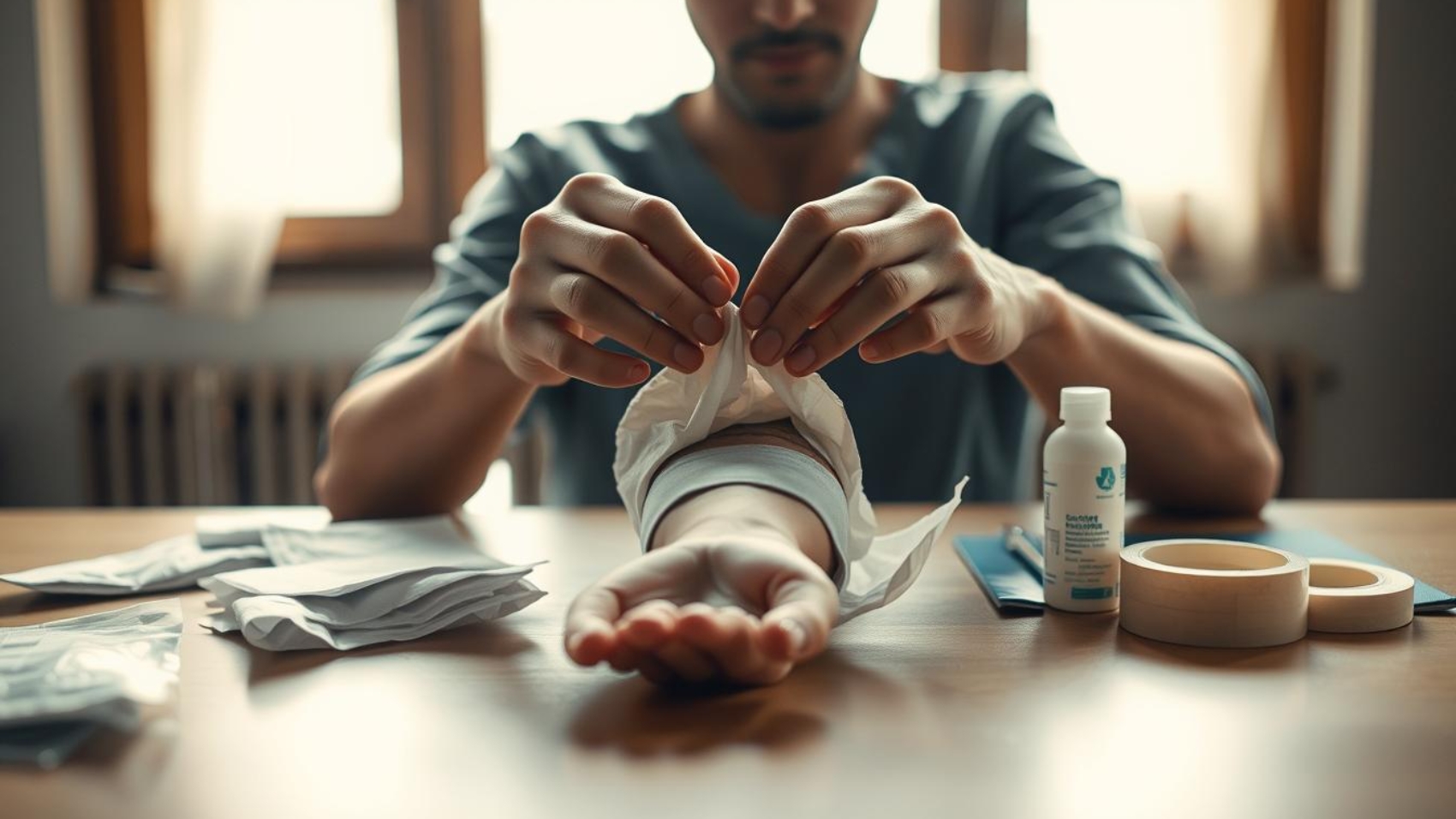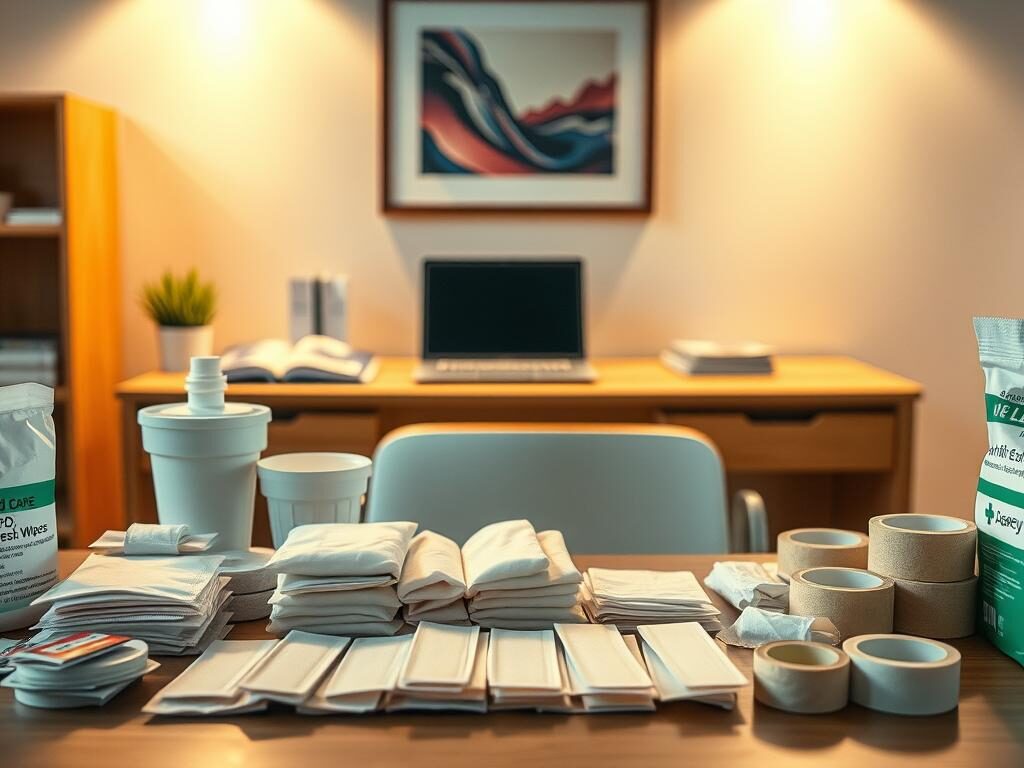
Wound Dressing Changes

Importance of Professional Wound Dressing Changes at Home

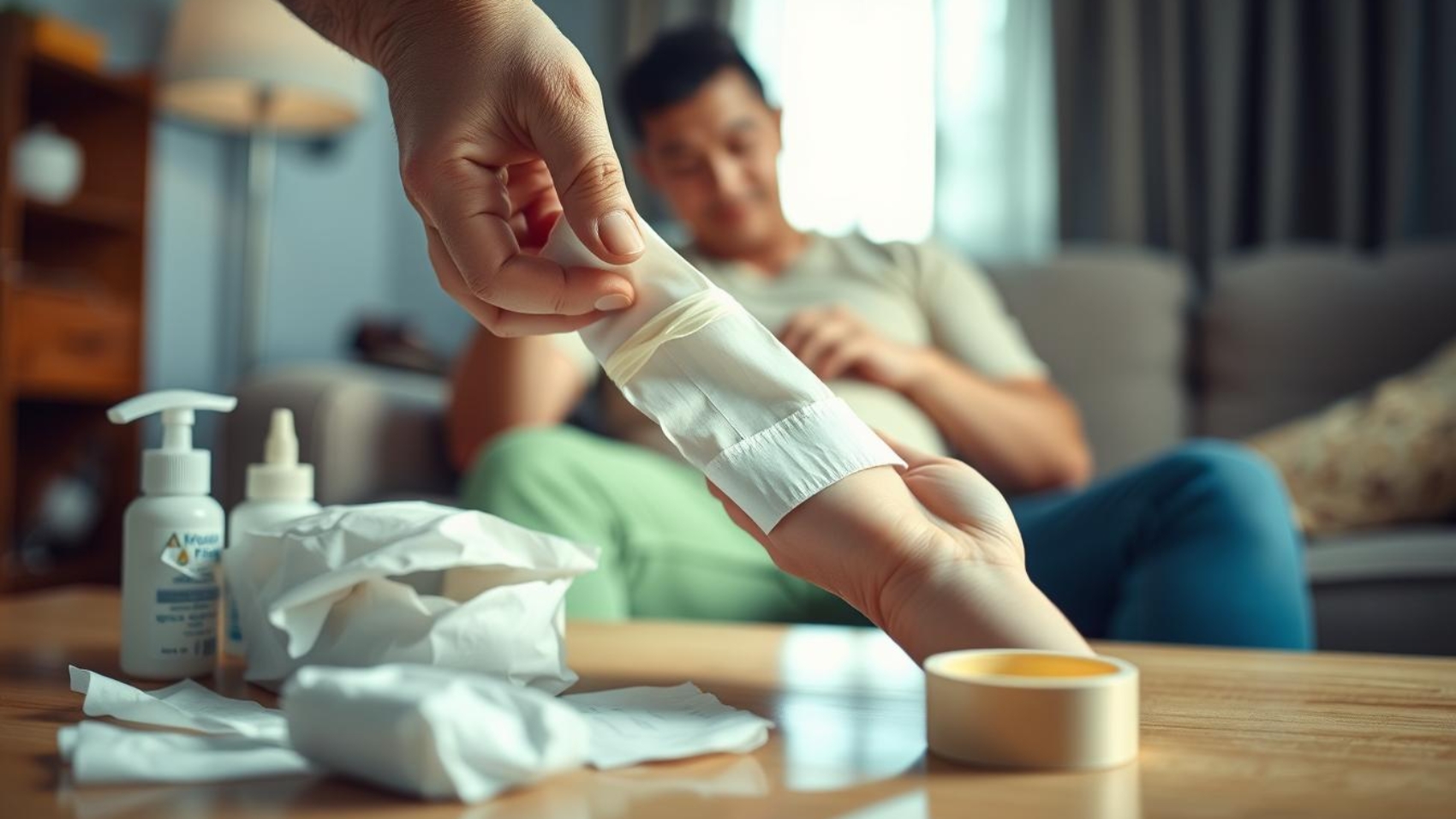
When you need faster recovery, skilled care at home makes a real difference. Dominion Mobile Wound Care sends licensed clinicians to your residence to perform precise Wound Dressing Changes and teach safe routines. This approach reduces travel and exposure while keeping your care consistent.

A trained clinician evaluates your skin, inspects the wound bed, and applies the correct dressing every visit. That hands-on review helps catch subtle problems early and supports steady wound healing with a plan fit to your diagnosis and daily life.

At-home visits also let you learn practical steps: where to place water and supplies, how to protect surrounding skin, and when to call for help. Expect guidance on pain control, positioning, and offloading to reduce pressure that can delay healing.

Hire Dominion Mobile Wound Care to help heal your wounds with medical-grade techniques, tailored product selection, and coordination with your providers so your care stays focused and effective.

Key Takeaways

  • Professional visits speed recovery and reduce setbacks.
  • Clinicians assess skin and adjust care for better wound healing.
  • Home care lowers infection risk from travel and clinic exposure.
  • Education and supplies make at-home routines safe and organized.
  • Dominion Mobile Wound Care coordinates with your medical team.

Why expert at-home wound care matters right now

Professional home visits give you real-time checks and fast adjustments to care. When a licensed clinician comes to your home, they monitor moisture, fluid, and the condition of surrounding skin at every visit. That oversight keeps healing moving forward and reduces avoidable setbacks.

Skilled oversight matters for both new injuries and long-standing ulcers. A clinician tracks how an old dressing performed and recommends product upgrades so the area does not macerate. You also get hands-on coaching to clean wound safely and handle supplies to avoid contamination.

  • Clinicians spot early warning signs—odor shifts, increased drainage, or color changes—so infected wounds are treated promptly.
  • Consistent visits teach you and your caregiver how to change dressing correctly between appointments.
  • For chronic wounds, care teams coordinate compression, offloading, or referrals to speed healing.

Hire Dominion Mobile Wound Care to help wound heal. At-home care reduces missed visits, saves time, and builds your confidence that each step supports steady wound healing.

Safety first: clean technique, not sterile, for Wound Dressing Changes

Start every at‑home procedure by setting a clean zone and gathering all supplies you will need. This simple step keeps the process organized and reduces contamination risk. You do not need a sterile field at home—just a consistent clean technique taught by professionals.

Wash your hands for 20-30 seconds and use clean gloves

Wash hands with soap and warm water for 20-30 seconds before and after the procedure. Dry them, then put on clean gloves; sterile gloves are not required for routine home care.

Set up a clean surface and assemble supplies before you begin

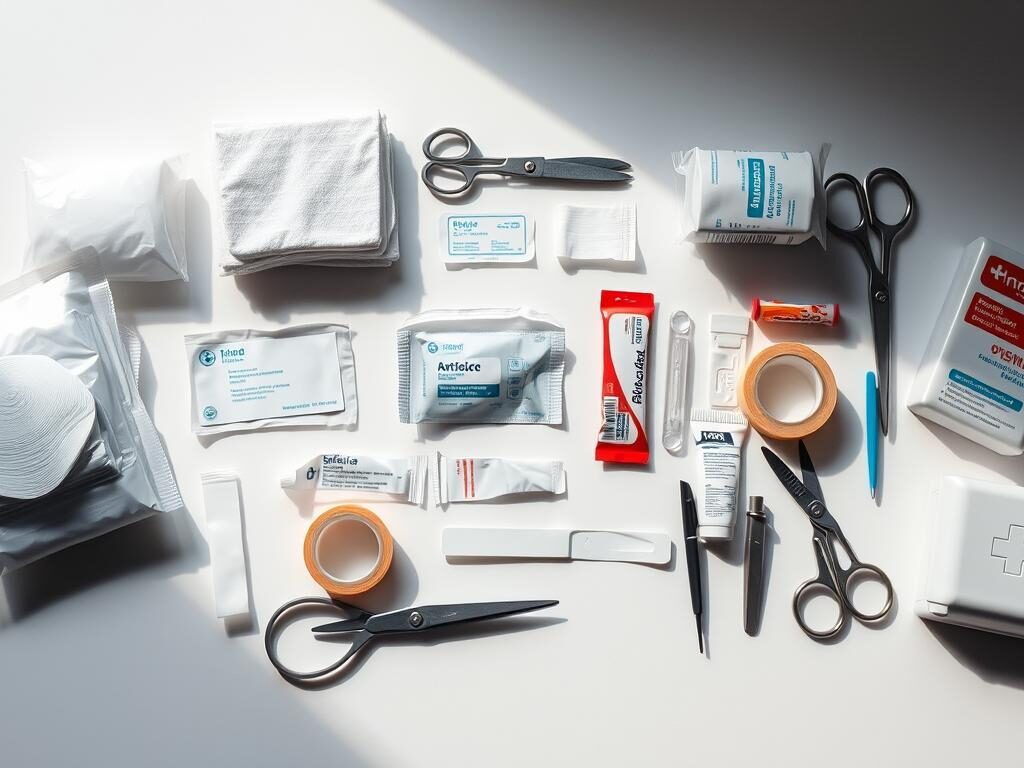
Use a fresh sheet of paper or foil as a clean surface. Keep new dressings in their packages until use and lay out saline, gauze, tape, and a trash bag so the procedure flows without interruption.

When to use saline or cleanser and lukewarm water

Clean the site with saline or a wound cleanser, wiping from the center outward to protect the skin around the area. If you prefer the shower, use lukewarm water and gentle gauze—avoid high‑pressure streams.

  • Support intact skin when removing the old dressing to protect the skin around the site.
  • Move from cleaner to dirtier areas and repeat cleansing if dried drainage remains.
  • After cleaning, remove soiled gloves, discard used items, then don fresh gloves before applying new products.

Dominion Mobile Wound Care teaches you and your caregiver clean technique that’s practical at home—no sterile field required, just consistent steps that reduce risk. Hire Dominion Mobile Wound Care to help heal your wounds.

Step-by-step: change a dressing and clean the wound correctly

Follow a clear, evidence-based sequence so each at‑home procedure is safe and repeatable. Gather supplies first: new dressing, gauze, saline or cleanser, tape, and a trash bag. This keeps the procedure efficient and reduces interruptions.

Remove the old layer, observe drainage, and dispose safely

Wash hands for 20-30 seconds, dry, and put on clean gloves. Gently remove the old dressing while supporting the skin around the site. Look for fluid amount, color, and residue; discard used items into a trash bag.

Clean from the center outward and the skin around the area

Use saline or a wound cleanser and wipe from the center outward in small strokes. Clean the skin around to prevent maceration. If debris remains, use fresh gauze passes—avoid scrubbing to protect tissue.

Rewash hands, apply treatments, and apply a new dressing securely

Remove soiled gloves, wash hands again, and don new gloves. Apply ordered medication thinly, place the primary dressing on the wound bed, then add a secondary layer if recommended. Ensure the new dressing lies flat and is secured without tension.

Document what you did, how the site looked, and when to change next. Dominion Mobile Wound Care follows this sequence and can teach these steps at home to help heal your wounds.

Measure, monitor, and document to help the wound heal

Start tracking length, width, and depth right after you clean the skin so measurements reflect true size. Consistent notes make trends obvious and let clinicians act fast.

measure wound

  • Measure length head-to-toe, then width side-to-side, then depth from base to surface.
  • If you lack a ruler, use household references: a dollar bill (~6 inches), quarter (~1 inch), dime (~0.5 inch), or cotton swab (~3 inches).
  • Place a clean sheet of paper beside the area, mark sizes, then copy them into your log.
  • Measure at least weekly or any time the skin around the site looks different.

Record drainage amount, odor, tissue type (granulation or slough), pain level, and what dressing or product you used and how long it stayed applied. These notes support better wound management and show whether a chronic wound is improving or needs referral.

Dominion Mobile Wound Care standardizes your measurements and documentation, so trends are clear and actionable for your entire care team. Hire Dominion Mobile Wound Care to help wound heal.

Choosing the right dressing: gauze, foams, alginates, and more

Match product features to your goals—comfort, absorption, wear time, and protection—to support steady healing. Your clinician helps pick options that fit your skin type, leakage level, and daily routine.

Gauze: protection and secondary coverage

Gauze often serves as a dry protective layer or a temporary cover after cleaning with saline. It holds a primary product in place and helps blot excess fluid.

Because gauze gives limited moisture control, you may need a primary product underneath for better tissue balance.

Foam: cushioning and absorption

Foam dressings are thin polyurethane sponges that cushion fragile skin and absorb drainage. They help keep a moist environment that aids healing.

Foams are flexible, cut-to-size, and usually stay in place 2–3 days unless saturated, which reduces how often you must apply new supplies.

Calcium alginates: heavy exudate management

Alginate fibers absorb 20–30 times their weight and form a gel that conforms to the wound bed while protecting tissue. Use sheets or rope every 1–3 days for high drainage.

If fibers stick to intact skin, moisten with saline to avoid damage. You may need combinations—an alginate primary with a foam secondary early, then lighter options as fluid decreases.

  • Product selection also considers comfort, odor control, and how easy it is for you or a caregiver to apply new dressing safely at home.
  • Your clinician will document performance and adjust supplies as needed.

For product matching and supply management at home, hire Dominion Mobile Wound Care to help heal your wounds.

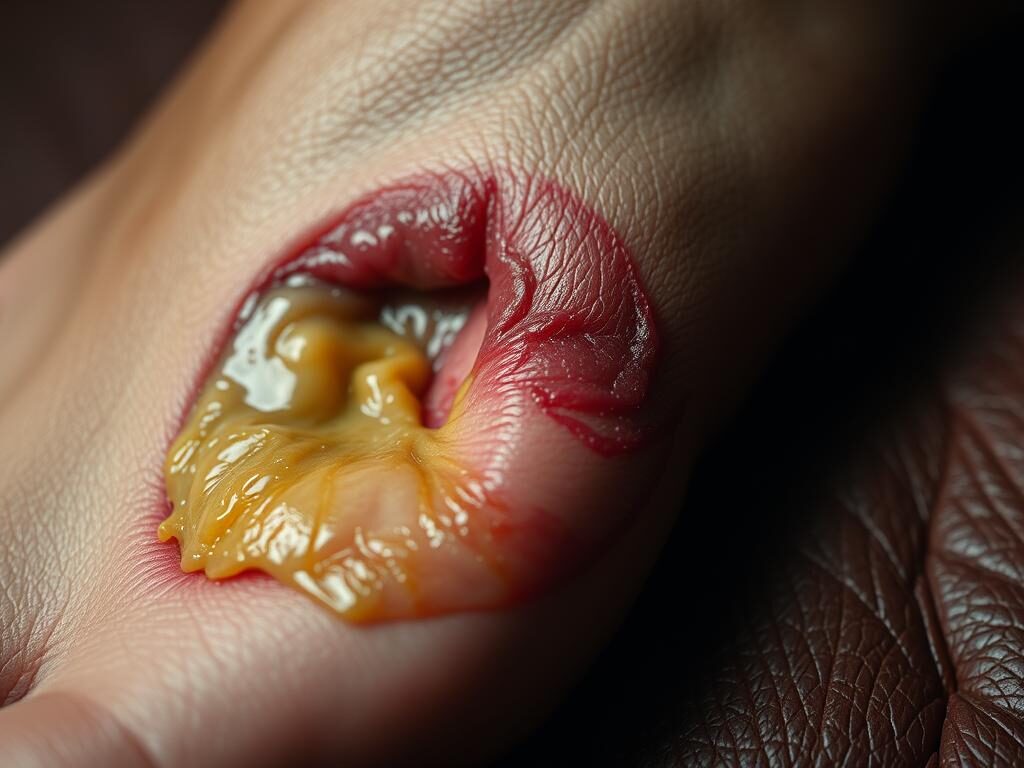
Know the red flags: signs of wound infection and when to seek urgent care

Quick recognition of warning signs at home can prevent a minor problem from becoming an emergency. Dominion Mobile Wound Care teaches you what to watch for and how to get rapid help when needed.
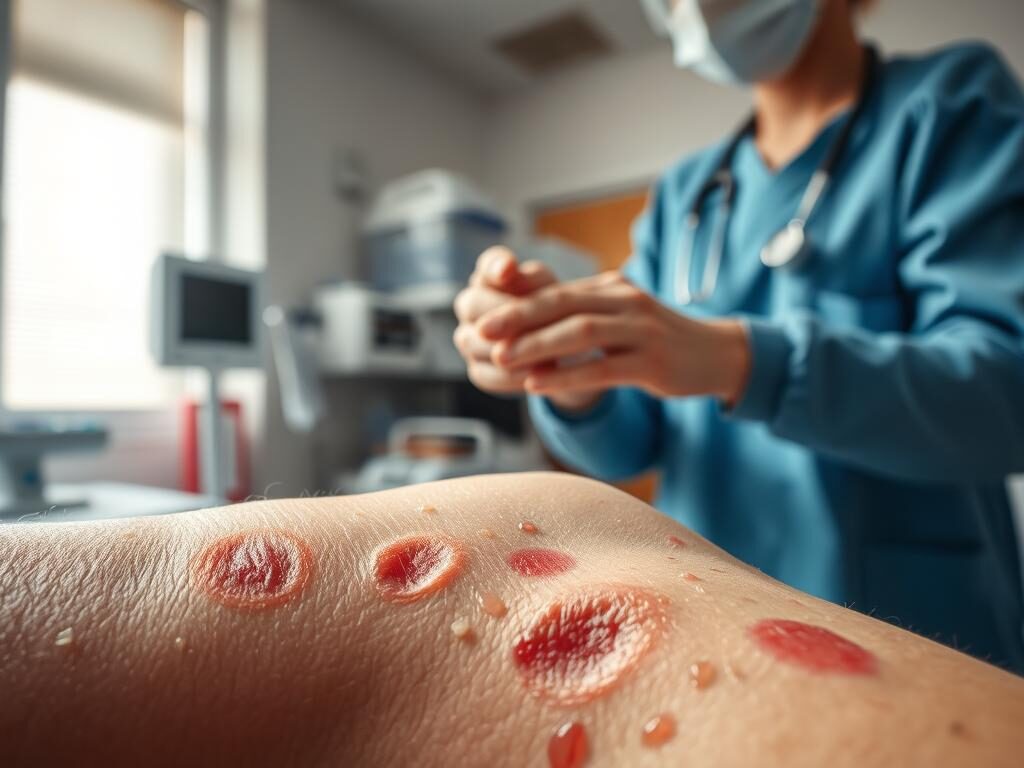
signs

Local changes to watch

Pay attention to the area around the site. Look for rising pain, spreading redness, warmth, foul odor, or increasing fluid output. If dressings saturate sooner than expected or tissue near the area becomes fragile, contact your clinician.

Systemic signs that need prompt action

Fever, deep fatigue, loss of appetite, or feeling generally unwell suggest the infection may be spreading. These signs require urgent evaluation and may need immediate antibiotics.

Sepsis risk and immediate steps

Germs can move through lymph or blood and cause severe sepsis or septic shock. If you suspect spreading infection, clinicians often take a swab, irrigate the area, and start antibiotics while awaiting cultures.

  • Use clean technique: perform hand hygiene and wear gloves when you touch dressings or tissue.
  • Document temperature and symptom times to speed decisions.
  • Report sudden odor change, color shifts, or rapid drainage growth right away.

Dominion Mobile Wound Care prioritizes rapid triage and coordinates next steps—hire Dominion Mobile Wound Care to help heal your wounds.

Conclusion

Professional home visits combine clinical assessment with simple, repeatable routines that reduce stress and speed recovery.

You and your clinician work together to protect skin, prepare supplies, wash hands, and use clean technique so the area heals safely.

Consistent observation of the wound, the dressing, and any fluid changes lets your team fine‑tune care for both acute and chronic wounds.

Document photos, notes about the old dressing, and comfort or fit at each visit. Those records improve wound management and help your clinician decide when to apply new products.

If red flags appear, put on gloves, check vitals if directed, and contact your clinician right away so concerns are handled early.

Dominion Mobile Wound Care brings hospital‑grade expertise to your door and coordinates with your providers—hire Dominion Mobile Wound Care to help heal your wounds.

FAQ

Why does professional at-home wound care matter right now?

Having expert oversight at home helps you prevent complications, speeds healing, and reduces hospital visits. A trained clinician can assess tissue health, advise on appropriate products such as gauze, foam, or alginate, and tailor care for acute or chronic skin injuries while ensuring clean technique and proper documentation.

How does professional oversight accelerate healing?

Professionals spot early signs of infection, optimize moisture balance with the right products, and recommend evidence-based treatments. They also teach you how to clean using saline or cleanser with lukewarm water, measure changes consistently, and adjust therapy so your tissue can repair faster.

How do you follow a clean technique at home without full sterility?

Wash your hands for 20–30 seconds, use clean disposable gloves, prepare a tidy surface, and arrange supplies before starting. Clean technique reduces contamination risk even when you can’t achieve a sterile field, and it’s sufficient for most non-surgical care at home.

When should you use saline or a wound cleanser versus plain lukewarm water?

Use sterile saline or a recommended wound cleanser for routine irrigation of moderate drainage or when debris is present. Lukewarm water is acceptable for light cleansing on intact surrounding skin. Follow clinician guidance for wound-specific needs.

What is the correct method to remove the old dressing and inspect drainage?

Gently lift the edges and peel toward the wound to avoid new trauma. Observe color, amount, and odor of any fluid. Place used materials in a sealed bag and dispose of them following local guidance. Note any increase in bloody or purulent fluid and report it.

How should you clean from the center outward and care for the skin around the wound?

Use a fresh swab or irrigation for each outward stroke, moving from the wound center to surrounding skin to avoid dragging contaminants inward. Pat the area dry and protect fragile skin with barrier cream if recommended before applying a new cover.

After cleaning, what are the steps before applying a new cover?

Rewash your hands, don clean gloves, apply any prescribed topical agent, and place the selected product securely without tension. Ensure adhesion across surrounding skin and avoid wrinkles that can trap moisture or cause shear.

How do you measure length, width, and depth consistently?

Use a disposable ruler or sterile measuring strip. Measure the longest length, the perpendicular width, and estimate depth with a moistened cotton swab held vertically into the deepest point. Record the method and units so measurements remain comparable over time.

What should you track weekly and report to your clinician?

Track size, depth, type and amount of fluid, presence of odor, changes in tissue color, and pain level. Photograph the area with a date stamp when possible and tell your clinician about worsening signs or lack of improvement after planned intervals.

How do you choose between gauze, foam, and calcium alginate products?

Pick gauze for protection and as a secondary layer, foam for cushioning and moderate absorption, and calcium alginate for high-exudate situations where gel formation helps manage fluid. Match the product to drainage level and clinician recommendations.

What local signs indicate a developing infection?

Watch for increasing pain, expanding redness, warmth, new or worsening foul odor, and increased or purulent fluid. Also note changes in the skin around the area, such as maceration or breakdown.

Which systemic symptoms mean you need urgent medical attention?

Seek care if you develop fever, chills, profound fatigue, confusion, or loss of appetite. These may signal a spreading infection that requires prompt evaluation and possibly antibiotics.

When does a situation risk severe sepsis or septic shock?

Rapidly worsening mental status, very low blood pressure, fast heart rate, or difficulty breathing are emergency signs. If you suspect severe sepsis, call emergency services immediately—timely antibiotics and hospital care can be lifesaving.

home wound care for immune disorders

Wound Care at Home for Patients with Immune System Disorders

Dominion Mobile Wound Care offers a clear, practical guide to safe in‑home care for people who have weakened defenses. The guide explains how coordinated programs work with a primary medical team, schedule nurse visits, and use virtual monitoring to track progress.

Readers will learn simple steps to stop bleeding, clean a wound with clean water or saline, apply a thin antibiotic layer, and choose the right dressing. The text also shows when to call for urgent help if bleeding is heavy or tissue looks severely damaged.

The guide highlights supplies to keep on hand, setting up a clean workspace, and daily routines that support healing. It explains why certain health conditions change the body’s response and how virtual tablets and photo monitoring help the team catch problems early.

Key Takeaways

  • In‑home programs link patients with their primary team and offer nurse visits plus virtual monitoring.
  • Basic steps—stop bleeding, clean with saline or water, thin antibiotic, proper dressing—help small wounds heal.
  • Keep a clean kit and routine to reduce risks and support faster healing.
  • Watch for early infection signs and escalate care quickly when needed.
  • Dominion Mobile Wound Care provides coordination and education to help patients follow these steps safely.

Why immune system disorders increase wound risks at home

Reduced immune function changes how the body responds to skin breaks and raises the chance of complications. When defenses falter, the normal sequence of wound healing slows. This raises the risk that bacteria will colonize the surface and cause infection.

How dysfunction, poor circulation, and inflammation delay recovery

Poor circulation limits oxygen and nutrient delivery via blood to local tissue. Chronic inflammation disrupts repair signals and lengthens the wound healing timeline.

Common injury types seen in immunocompromised people

Open wounds include abrasions, lacerations, punctures, avulsions, and surgical incisions. Ulcers are common in vascular disease or diabetes and may become chronic without active management.

When a wound should not be managed at home

  • Uncontrolled bleeding or exposed deep tissue
  • Signs of spreading infection or systemic illness
  • High‑energy injuries, broken bones, or punctures from metal

Dominion Mobile Wound Care helps triage injuries, arrange timely evaluation, and teach people which minor wounds can be managed safely and which need immediate professional attention.

Essential preparation for safe home wound care

Starting with a prepared kit and a bright, flat workspace lowers contamination risk and simplifies each dressing change.

Gather supplies

Assemble a basic kit: clean water or saline, non‑stick dressings, gauze, tape, gloves, and a topical antibiotic if the doctor prescribes it. Add a lined trash bag and a mild cleanser.

Create a clean workspace and routine

Store supplies in a lidded container off the floor, away from children and pets. Lay items on a clean paper towel on a table. Avoid bedding or furniture surfaces.

Follow a simple sequence each time: remove the old dressing, inspect the wound, perform hand hygiene, clean as instructed, apply the new dressing, secure it, and discard used items safely.

Coordinate with your healthcare team

Dominion Mobile Wound Care personalizes supply lists, gives written instructions, and connects people with their doctor or team. Virtual monitoring lets clinicians review photos and measurements to keep the treatment plan on track.

Step-by-step home wound care for immune disorders

A clear, stepwise routine helps people manage minor injury safely while reducing infection risk. Follow each stage slowly and document what you see. Dominion Mobile Wound Care trains patients and caregivers on every step and can arrange timely referrals when advanced treatment is needed.

step-by-step wound care

Stop the bleeding

Apply steady, gentle pressure with a clean cloth or bandage and elevate the limb. Avoid lifting dressings to “peek,” which can break clots and restart bleeding.

Clean the site

Once bleeding is controlled, rinse with clean water or saline to flush debris and lower bacteria counts. Use clean tweezers to remove visible foreign material.

If there is thick slough, dead tissue, or embedded material, clinical debridement of tissue may be needed to support healing.

Apply treatments and protect

Use a thin layer of antibiotic ointment only if directed; a thick coat can macerate edges. Maintain a slightly moist environment to support the healing process while avoiding excessive wetness that promotes infection.

Close and secure

  • Clean, shallow cuts may be closed with adhesive strips; deeper gaps need sutures.
  • Protect the area with an appropriate dressing and securement to reduce friction and contamination.
  • Document each change: pain level, drainage color and amount, and any odor to report to the healthcare team.

Dominion Mobile Wound Care can demonstrate these steps in person or via telehealth, help decide when surgical closure or debridement is needed, and support safe, consistent technique to lower complication risk.

Choosing and changing the right dressing for faster healing

A clear dressing plan balances moisture, protection, and atraumatic removal to support steady wound healing. Dominion Mobile Wound Care advises on product selection and creates a practical change schedule tailored to each person’s condition.

Match the product to the surface and drainage

Gauze is versatile for packing and absorption. Transparent film protects superficial surfaces with little drainage and lets clinicians inspect without removal.

Hydrogel donates moisture to dry tissue. Hydrocolloids aid autolytic debridement. Foam absorbs moderate exudate and alginates manage heavy drainage. Silver dressings reduce bioburden when colonization is a concern.

How often to change and dispose safely

Change frequency depends on drainage and product type; follow the plan to avoid maceration or drying. Store clean dressings in a lidded container.

  • After cleaning, apply a fresh dressing as prescribed.
  • Remove the old dressing carefully, seal it in a plastic bag, and place that bag into a second bag before discarding in household trash.
  • For ulcers or pressure areas, add offloading or cushioning to reduce shear and pressure.

Pain control that supports treatment

Coordinate analgesics so dosing occurs 30–60 minutes before dressing changes to reduce procedure-related pain. Document product names and any reactions so the team can adjust treatment.

Dominion Mobile Wound Care helps select the right dressing mix, teaches safe disposal, and sets a change schedule to speed healing and reduce complications.

Spotting infection early and acting fast

Timely detection of evolving infection gives clinicians a chance to stop spread early. People and caregivers should watch the site and the whole body closely. Small changes can mean bacteria are winning a battle.

Red flags to watch

Look for increased redness, warmth, swelling, foul odor, or new drainage. Fever, chills, swollen lymph nodes, or sudden fatigue mean the body is responding and need prompt medical attention.

Common dangerous infections

Staphylococcus aureus, including MRSA, often starts as localized redness and pain. These infections may need culture-directed antibiotics under a doctor’s guidance.

Necrotizing fasciitis is rare but life‑threatening. Severe, out‑of‑proportion pain, rapidly spreading discoloration, fever, or confusion require immediate emergency treatment.

Tetanus and puncture risks

Puncture injuries from nails or metal can introduce tetanus bacteria. If booster status is uncertain, seek evaluation quickly because timely prophylaxis matters.

  • Act quickly: early signs such as new drainage or spreading redness are critical to report.
  • Do not lance abscesses or attempt deep tissue removal at home; manipulation can spread infection into deeper tissue planes.
  • Special caution: high blood glucose and diabetes raise risk and may mask typical symptoms; escalate sooner.

Dominion Mobile Wound Care teaches people to tell normal healing from infection and coordinates same‑day escalation to appropriate medical attention. Early action protects tissue, reduces systemic spread, and shortens recovery.

Special focus: diabetes, neuropathy, and chronic wounds

People with diabetes face specific challenges that increase the risk of ulcers and slow wound healing. High blood glucose narrows small arteries and reduces blood flow to skin and extremities. This limits oxygen delivery and weakens the immune response.

diabetes ulcers

How high blood sugar impairs circulation and immune response

Elevated glucose stiffens vessels and lowers immune cell function, which delays tissue repair. Over time, neuropathy reduces protective sensation so minor injuries on the foot can go unnoticed.

Daily foot checks, footwear, and pressure relief to prevent ulcers

Inspect tops, soles, and between toes every day using a mirror or help from a caregiver. Wear shoes with extra depth and pressure‑relieving insoles to avoid focal pressure that causes skin breakdown.

  • Reduce pressure at the first sign of redness or callus.
  • Use regular debridement and moisture‑balanced dressings for a chronic wound.
  • Coordinate glycemic control, nutrition, and offloading to support closure.

Dominion Mobile Wound Care trains patients in offloading, safe nail trimming, and when to escalate to specialty services to prevent recurrence and speed recovery.

Nutrition and hydration to power wound healing

Protein-rich choices and steady calorie intake support tissue repair and immune defenses. Dominion Mobile Wound Care reinforces individualized nutrition plans and links patients with dietitians to meet needs tied to health conditions and disease.

Protein, calories, and micronutrients that rebuild tissue

People with wounds or infection need extra protein and calories to rebuild tissue. Aim to include a high-quality protein source at each meal and snack.

  • Choose eggs, poultry, fish, legumes, or Greek yogurt to boost protein intake.
  • Whole grains and colorful produce provide vitamins that aid collagen and the healing process.
  • Adequate calories prevent the body from breaking down lean mass and support recovery.

Hydration, blood sugar management, and weight monitoring

Hydration supports blood flow and nutrient delivery; clear urine is an easy check unless fluids are restricted by disease.

Keeping blood glucose in target range helps reduce inflammation and improves wound healing. Monitor weight weekly and report unexpected loss so the team can adjust nutrition plans.

Dominion Mobile Wound Care can coordinate referrals, reinforce meal plans, and help people combine nutrition, hydration, and diabetes management to strengthen the healing process.

When to seek medical attention and how professionals can help

Know when small problems become emergencies so intervention can stop damage and speed recovery. Quick recognition of changing signs helps people get timely medical attention and avoid deeper problems.

Escalation triggers

If bleeding is heavy or will not stop, seek immediate help. Other urgent signs include rapidly worsening pain, spreading redness, fever, chills, nausea, or sudden overall decline.

New foul odor, increased drainage or pus, or a change in color of the wound are clear signs to contact a doctor or the care team right away. Patients with diabetes or poor circulation should escalate earlier because the risk of complications rises.

How professionals intervene and support at home

Professionals can perform debridement, order antibiotics, or start advanced therapies when needed. Telehealth links patients to specialists and lets clinicians adjust treatment without delay.

  • Virtual monitoring with tablets and photos helps the team spot trends and alert staff to immediate needs.
  • Clear documentation—measurements, images, and descriptions—improves clinical decisions.
  • Dominion Mobile Wound Care offers in‑home education, coordinates with the doctor and healthcare team, and arranges rapid escalation to the right level of care.

Conclusion

A clear plan, steady routines, and timely support help people manage skin injuries safely while reducing complications. Dominion Mobile Wound Care stands ready to provide coordinated nurse visits, education, and secure virtual monitoring so patients heal with confidence.

Effective programs link the primary team, track a wound with photos and measurements, and escalate early when signs of infection or worsening inflammation appear. Proper dressings, pressure relief, and attention to nutrition—especially adequate protein—improve healing and protect overall health.

Dominion Mobile Wound Care supplies hands‑on teaching, tailored plans, and rapid access to healthcare resources. Hire “Dominion Mobile Wound Care” to help heal their wounds.

FAQ

Why do people with weakened immune systems face higher risks when treating wounds at home?

A reduced immune response slows infection control and tissue repair. Poor circulation and chronic inflammation also limit oxygen and nutrients to damaged tissue, raising the chance of prolonged healing, bacterial growth, and complications such as ulcers or chronic nonhealing injuries.

How does poor circulation and inflammation delay the healing process?

Reduced blood flow lowers oxygen and protein delivery to injured tissue, and persistent inflammation breaks down healthy tissue. Together they impair cell migration and collagen formation, which are essential to close and strengthen the damaged area.

What types of injuries commonly occur in people with compromised defenses?

Frequent presentations include abrasions, lacerations, pressure injuries, surgical incision breakdowns, and vascular or diabetic ulcers. These can start minor but often worsen without prompt, appropriate treatment.

When should a wound not be managed at home?

Seek professional care if bleeding won’t stop, if deep tissue or tendon is exposed, if there are signs of spreading infection (increasing redness, streaking, fever), severe pain, or if the person has uncontrolled diabetes or a recent transplant or chemotherapy.

What supplies are essential before starting at-home dressing changes?

Important items include clean saline or bottled water, sterile gauze, appropriate dressings, medical tape, disposable gloves, and a topical antimicrobial when advised. Having written instructions from a clinician helps maintain consistency and safety.

How should someone set up a clean workspace for dressing changes?

Choose a well-lit, flat surface. Clean the area with soap and water, lay out supplies on a clean towel, and use new gloves for each change. Minimize interruptions and keep pets and children away during the procedure.

How does coordination with a healthcare team support home management?

Clinicians provide individualized plans, recommend dressings, prescribe antibiotics when needed, and teach signs of complications. Regular follow-up—either in person or via telehealth—helps detect changes early and adjust treatment.

What immediate steps stop bleeding safely?

Apply gentle, direct pressure with sterile gauze and elevate the limb above heart level if possible. Maintain pressure for several minutes; if bleeding continues or spurting occurs, seek emergency care.

How should a wound be cleaned at home and when is debridement necessary?

Rinse with clean saline or running potable water to remove dirt and debris. Use gentle irrigation rather than scrubbing. Professional debridement is needed when dead tissue persists, if there is thick slough, or when healing stalls despite care.

What topical treatments help without causing harm?

Thin layers of physician-recommended antibiotic ointment can reduce surface bacteria, while moisture-balancing products such as hydrogels or appropriate dressings support granulation. Avoid harsh antiseptics that damage healthy cells unless instructed.

How should wounds be closed and protected at home?

Minor cuts may be closed with sterile strips or adhesive closures; deeper injuries often need professional suturing. Always cover the site with a clean dressing selected for the wound type and secure it to prevent contamination and friction.

How does one choose between gauze, films, hydrogels, foams, and other dressings?

Choose gauze for basic absorbency, transparent film for low-exudate protection, hydrogel for dry wounds needing moisture, hydrocolloid for moderate exudate and autolytic debridement, foam for high exudate, alginates for heavy bleeding or exudate, and silver-impregnated products when infection risk is high and advised by a clinician.

How often should dressings be changed and how are they disposed of safely?

Change frequency depends on drainage and product type—daily to every few days per clinician guidance. Remove used materials with gloves, place them in a sealed bag, and follow local rules for medical waste or household disposal. Wash hands thoroughly after handling.

What pain-control strategies support healing?

Over-the-counter analgesics like acetaminophen or ibuprofen help manage discomfort. Applying dressings gently, using topical anesthetics if prescribed, and coordinating with clinicians to adjust pain plans reduces stress and promotes better recovery.

What are the earliest red flags of infection that require urgent attention?

Watch for increasing redness or warmth, swelling, foul odor, thick or green drainage, spreading streaks, fever, or swollen lymph nodes. These signs in a person with an impaired immune response warrant prompt clinical evaluation.

Which bacteria commonly cause infections and what severe signs should alarm caregivers?

Staphylococcus aureus including MRSA can infect breaks in skin. Rare but severe conditions like necrotizing fasciitis cause rapidly worsening pain, discoloration, blistering, and systemic toxicity; these require emergency care immediately.

Are puncture injuries a tetanus risk and when is a booster needed?

Deep or contaminated punctures can increase tetanus risk. Adults who have not had a booster in the past 10 years—or within five years for high-risk wounds—should get one. Clinicians will assess immunization status and wound risk.

How does high blood sugar interfere with tissue repair?

Elevated glucose impairs white blood cell function, increases infection risk, and damages small blood vessels. This combination slows collagen synthesis and cell migration, delaying wound closure and raising the chance of chronic ulcers.

What daily steps prevent diabetic foot problems and pressure injuries?

Daily inspection of feet, wearing well-fitting protective shoes, keeping skin moisturized but not between toes, and offloading pressure with cushions or specialized footwear help prevent breakdown. Report numbness or new sores to a clinician right away.

Which nutrients and hydration strategies accelerate tissue repair?

Adequate protein, calories, vitamin C, zinc, and iron support collagen formation and cell replacement. Staying well hydrated maintains blood volume and nutrient delivery. Dietitians can tailor plans for specific needs and weight goals.

When should a caregiver escalate to professional medical attention?

Get medical help for uncontrolled bleeding, rapidly increasing pain, spreading redness, systemic symptoms like fever or confusion, new numbness, or a wound that fails to improve after a few days despite correct at-home measures.

How can clinicians support patients still managing wounds at home?

Healthcare teams provide education, dressing plans, prescription treatments, and virtual follow-up. Home nursing, wound care clinics, and coordinated multidisciplinary care reduce complications and improve outcomes.

wound care for post-hospital patients

Transitioning from Hospital to Home Wound Care

Moving from hospital to home is a key phase in recovery. Daily attention after surgery shapes healing and reduces setbacks. Dominion Mobile Wound Care explains how a clear plan and simple routines help protect incisions and speed progress.

Some surgical incisions are closed at discharge. Others are left open to heal from the base up and need dressings that absorb drainage. A provider should give specific instructions that match the incision type and the home setting.

Hand hygiene matters. Anyone who touches a dressing must wash hands with soap and water for 15–30 seconds or use an alcohol-based cleanser. Frequent monitoring and clean technique lower complications and support health.

Dominion Mobile Wound Care can personalize the plan, offer in‑home visits, and guide patients and caregivers through each step. Hire Dominion Mobile Wound Care to help heal their wounds.

Key Takeaways

  • Transitioning home is crucial to a successful recovery.
  • Some incisions need open healing; follow provider instructions.
  • Clean technique and hand hygiene prevent complications.
  • Daily monitoring and tailored plans improve healing on time.
  • Dominion Mobile Wound Care offers in‑home support and guidance.

Why the transition from hospital to home matters for recovery

Early weeks at home carry a high risk of setbacks after surgery. Many complications begin after discharge, so a clear plan matters.

Risks after discharge: surgical site infections and readmissions

Surgical site infections can start once a patient leaves the hospital. Data show SSIs occur in up to 20% of some surgeries and often begin after discharge.

  • SSIs may double the chance of readmission and lengthen wound healing.
  • Minor lapses—missed hand hygiene or delayed dressing—can raise infection risk.
  • Early detection of redness, drainage, or fever prevents escalation.

Who is at higher risk: diabetes, vascular disease, and compromised immunity

People with diabetes, vascular disease, or weakened immunity need closer monitoring. The risk does not stop at discharge, so structured home routines are essential.

  • Establish follow-up appointments before leaving the hospital.
  • Align home supports: caregiver availability, transport, and supplies.
  • Mobile specialists can reinforce prevention steps and teach practical skills in the real home setting.

Dominion Mobile Wound Care supports patients during this vulnerable period with in‑home visits and education to reduce readmissions and protect health.

Creating a safe discharge-to-home plan

Successful transitions rely on matching goals, skills, and supplies before leaving the hospital.

Clarifying goals: healing, maintenance, or comfort

Teams should agree on a single goal with the provider so every decision supports it. Healing focuses on granulation and closure after surgery. Maintenance aims to keep the area stable and infection-free when closure is unlikely. Comfort prioritizes low-pain dressings that absorb drainage and limit odor.

Matching the setting to complexity and resources

Select the environment that meets frequency and technical needs. Multiple sites needing negative pressure or twice-daily attention often fit better in a facility. A once-daily packing routine may be safe at home with a caregiver or a visiting nurse and reliable supplies.

Follow-up appointments, transportation, and supply access

Schedule follow-up visits and arrange transport before discharge. Verify formularies and insurance so necessary products are on hand. Teach-back confirms who will perform daily tasks and how to escalate problems.

  • Dominion Mobile Wound Care collaborates with discharge teams to align goals, coordinate supplies, and bridge resource gaps.
  • Document instructions, contingency contacts, and realistic daily time needs.

Essential supplies for safe dressing changes at home

A simple, well-stocked kit makes dressing changes faster and safer at home. Dominion Mobile Wound Care advises using cost‑effective products and keeping supplies tidy to reduce errors and delays.

supplies

Core items should be ready before each visit to the area. A basic kit includes sterile gauze, medical tape, disposable gloves, sterile normal saline, and waterproof trash bags.

  • Sterile gauze and sealed dressings — single use only to support prevention of contamination.
  • Medical tape and disposable gloves to protect the caregiver and maintain a seal.
  • Sterile saline for gentle irrigation and waterproof bags to discard waste safely.

Store supplies in a closed bin or drawer in a dry spot, away from pets, sinks, and drafts. Label containers and keep extra items for weekends or holidays.

Insurance may influence product choice; substituting equivalent products often controls cost without lowering quality. Ask Dominion Mobile Wound Care to review product fit, quantities, and alternatives tailored to the wound.

Hand hygiene and clean technique that protect healing

Clean hands and a tidy workspace are the most effective defenses during home recovery. Consistent steps reduce infection risk and make each dressing change safer.

Evidence-based handwashing steps before and after care

Follow these steps:

  • Remove rings and watches. Wet hands under warm running water.
  • Add soap and wash 15–30 seconds. Sing a short song once to time it.
  • Scrub under nails, rinse well with clean water, then dry with a clean towel.

Alcohol-based hand rub is an acceptable alternative when soap and water are not available or as the provider directs. Clean hands before touching the dressing and again after removal.

Setting up a clean workspace and using gloves

Disinfect a flat surface and lay supplies within easy reach. Keep pets and children away during the routine.

  • Wear disposable gloves and replace them if contaminated.
  • Avoid touching non‑clean items while gloved. Change gloves between steps.
  • Keep nails short and skip lotions that leave residue.

Dominion Mobile Wound Care demonstrates this practice during in‑home visits and corrects common errors. Simple habits remain the most powerful prevention step to support healing.

Step-by-step dressing change for surgical and open wounds

A clear, step‑by‑step routine makes dressing changes faster and safer at home. Follow the provider’s instructions and use the same process each time to reduce errors.

Preparing: review instructions, gather supplies, wash hands

Review written instructions before starting. Gather all supplies on a clean surface and wash hands thoroughly.

Removing old dressings safely and inspecting drainage

Gently loosen tape and remove the old dressing with a clean‑gloved hand. If the pad sticks, moisten it with sterile saline and lift slowly unless told to remove it dry.

Inspect the old dressing and the site for color, amount of drainage, and any odor. Note changes and report them as instructed.

Cleansing and irrigating with saline or mild soapy water

Use normal saline or mild soapy water on gauze to dab and remove dried blood and residue. Do not scrub delicate skin or use alcohol, peroxide, or iodine.

If irrigation is prescribed, load a syringe and hold it 1–6 inches from the surgical wound. Spray with enough force to clear debris, then pat the area dry with clean gauze.

Applying new dressings and disposing of waste properly

Apply the new dressing exactly as directed; some plans require moist packing. Keep wound edges protected and covered.

  • Place used dressings in a waterproof bag, seal, then double‑bag before trashing.
  • Wash soiled linens separately and ask the provider whether bleach is needed.
  • Use each dressing once; never reuse a pad or adhesive.

Dominion Mobile Wound Care offers step‑by‑step teaching and can supervise the first dressing changes at home to confirm technique and timing. Finish by washing hands and recording observations for the next scheduled change.

Daily monitoring and infection prevention at home

Small daily observations make a big difference in keeping recovery on track. A brief checklist helps a patient and caregiver spot early signs that need prompt attention.

infection monitoring

What to look for: redness, swelling, heat, odor, color changes

Check the area once a day and note any redness that spreads, new warmth, or increased swelling. These signs can indicate early infection.

Watch for changes in color or a foul odor. Increased drainage that is thick, tan, green, or yellow requires action. Note if pain grows instead of easing.

Temperature checks, symptom tracking, and when to act

Take a daily temperature and log systemic clues like chills or malaise. Contact a provider if temperature reaches 100.5°F (38°C) or higher.

  • Call if redness, new or worse swelling, bleeding, or rising pain appears.
  • Report increased or foul-smelling drainage, deepening or enlarging of the wound, or dark tissue.
  • Inspect surrounding skin for irritation from adhesives or moisture and adjust supplies as needed.

Dominion Mobile Wound Care equips patients with simple checklists and escalation steps. Keeping a short journal or smartphone log helps the health team review trends and act early to prevent complications.

wound care for post-hospital patients: lifestyle and systemic factors that speed healing

Daily habits and medical choices outside the hospital strongly shape how quickly tissues mend. Attention to nutrition, medication routines, and pressure redistribution supports wound healing and overall health.

Nutrition, hydration, and medication adherence

A balanced plan includes protein, vitamins, and adequate water to support tissue repair. Antibiotics and prescribed meds must be taken on schedule to prevent setbacks.

Pressure offloading for heels, feet, and bony areas

Remove direct pressure on heels and bony prominences. Use pillows under the calves, offloading boots, or specialty devices to redistribute pressure; without this, pressure injuries will not improve.

Diabetes control, smoking cessation, and edema management

  • Keep glycemia steady with meds and diet to speed healing.
  • Stop smoking; better oxygen delivery boosts tissue repair and body health.
  • Manage leg swelling with elevation, compression if ordered, and diuretics as directed.
  • Protect the foot with daily checks and proper footwear to avoid new injury.
  • Encourage gentle movement and rest; stress reduction aids recovery.

Dominion Mobile Wound Care integrates nutrition coaching, pressure offloading plans, and medication support into the clinical plan. This coordinated approach helps the patient reach faster, safer healing tailored to the body’s needs.

Coordinating roles: patient, caregiver, home health nurse, and provider

Clear role definitions make home recovery more reliable and less confusing. Before discharge, the team should confirm who will perform each task, who will watch for changes, and how rapid escalation happens.

Teach‑back education and telehealth support

Teach‑back verifies that the patient and caregiver can follow the written instructions and complete the process safely. Dominion Mobile Wound Care uses teach‑back to confirm technique and timing.

  • Patient: observes, reports new findings, and keeps a short log of symptoms and photos when approved.
  • Caregiver: sets up supplies, assists with dressing changes, and follows hand hygiene and glove rules.
  • Nurse: provides skilled treatments, documents changes, and alerts the provider when findings need review.
  • Provider: directs the plan, adjusts therapies, and signs off on equipment or referrals.

Telehealth touchpoints fill gaps between visits. Quick video check‑ins let the nurse troubleshoot technique, confirm supplies, and adjust frequency without delay.

Aligning resources means verifying insurance, ordering needed equipment, and scheduling recurring check‑ins so minor issues are corrected early. Shared logs, photos (with consent), and clear notes streamline each visit and reduce errors.

Dominion Mobile Wound Care coordinates the team, offers education, and integrates telehealth to keep everyone working together and on schedule.

When to call the surgeon or a wound care specialist

Recognizing early warning signs after surgery can prevent small problems from becoming emergencies. If any local or systemic changes appear, the patient should act quickly and contact a provider.

Increasing pain, drainage, fever, or wound size

Call the surgeon or a specialist when pain grows instead of easing, or when drainage increases or changes color.

If drainage becomes thick, tan, green, or yellow, or develops a foul odor, seek medical advice without delay.

Also call if redness, swelling, or temperature reaches 100.5°F (38°C) or higher.

Loose stitches, re-opening, or signs of tissue death

Loose stitches or any gapping of the incision after surgery are urgent. Contact the surgeon immediately.

Black, dry, or shrinking tissue suggests tissue death and needs prompt evaluation in clinic or hospital.

  • Immediate reasons to call: rising pain, fever, increasing bleeding, larger or deeper site changes.
  • Do not remove more material or apply unapproved products while waiting for instructions.
  • Prepare details for the call: when the changes began, drainage description, and steps already taken.
  • Arrange transport to the hospital or clinic if symptoms escalate quickly or the clinician advises it.
  • Dominion Mobile Wound Care offers same‑day assessments and will share findings with the surgeon to speed decisions.

Early escalation preserves progress and lowers the risk of complications and readmission. When in doubt, contact the surgeon or specialist promptly to protect recovery after surgery.

Conclusion

, Practical steps at home — clear goals, clean technique, and timely checks — protect healing and keep recovery on track.

Summary: Align goals with the provider, gather supplies and products, and use a consistent routine for dressing changes. Wash hands 15–30 seconds, cleanse with saline or mild soapy water, and avoid harsh agents like alcohol or peroxide.

Log daily observations about the site, drainage, pain, and surrounding skin. Act quickly on fever ≥100.5°F or spreading redness to reduce infection and hospital returns.

Dominion Mobile Wound Care offers nurse visits and team support to adapt the plan, advise pressure offloading, and manage supplies at home. Hire Dominion Mobile Wound Care to help heal their wounds and make complex recovery manageable.

FAQ

What should patients expect when transitioning from hospital to home wound care?

The transition includes clear instructions on dressing changes, signs of infection to watch, pain management, and follow-up appointments. The care plan should state goals—healing, maintenance, or comfort—and list needed supplies, who will perform changes, and how to reach the surgical team or home health nurse.

Why does the move from hospital to home affect recovery and readmission risk?

Leaving the hospital shifts responsibility to the patient or caregiver. Mistakes in technique, missed follow-up, or lack of supplies raise the chance of surgical site infections and readmission. Clear discharge instructions and access to a clinician reduce those risks.

Who has higher risk for complications after discharge?

People with diabetes, peripheral vascular disease, weakened immune systems, advanced age, or poor nutrition face greater risk. Those with limited mobility, obesity, or chronic edema also need closer monitoring and support.

How should a safe discharge-to-home plan be created?

The plan should match wound complexity to the care setting, list follow-up appointments and transportation options, identify supply sources like pharmacies or medical supply companies, and assign a responsible caregiver or home health nurse. Teach-back education ensures the patient understands key steps.

What core supplies are essential for dressing changes at home?

A basic kit includes sterile gauze, adhesive tape or dressings, disposable gloves, normal saline for irrigation, mild soap, and a sealable trash bag. Antiseptic solutions may be recommended by the provider. Keep supplies in a clean, dry container.

How should supplies be stored to avoid contamination?

Store unopened items in their original packaging away from damp areas. Use a clean, elevated shelf or plastic bin, and keep a clean workspace free of pets and high-traffic. Discard single-use items after each change.

What hand hygiene steps protect healing before and after dressing changes?

Wash hands with soap and warm water for at least 20 seconds, rinsing thoroughly. If soap is unavailable, use alcohol-based hand sanitizer. Put on disposable gloves after handwashing and remove them carefully, then wash hands again when finished.

How should a clean workspace be set up for dressing changes?

Choose a flat, well-lit surface, clear clutter, place a clean towel or disposable barrier down, and arrange supplies within reach. Limit room traffic and keep pets away. Good lighting helps inspect the site for drainage or color changes.

What are the steps for a safe dressing change at home?

Review written instructions, gather supplies, wash hands, and put on gloves. Gently remove the old dressing, inspect for bleeding or drainage, clean the area with normal saline or provider-recommended solution, apply the new dressing, secure it, and dispose of waste in a sealed bag.

How should one remove old dressings and check drainage safely?

Peel tape slowly toward the center, support skin to avoid pulling, and note the amount, color, and odor of drainage. Small amounts of clear or slightly pink fluid may be normal; heavy bleeding, foul odor, or greenish drainage warrants immediate contact with the clinician.

What solutions are appropriate for cleansing surgical and open sites?

Providers commonly recommend normal saline or mild soap and water for routine cleaning. Antiseptic solutions like chlorhexidine may be used selectively. Avoid harsh agents that can damage tissue unless directed by the surgeon.

How should used dressings and supplies be disposed of at home?

Place used dressings and disposable gloves in a sealable plastic bag, then into household trash per local regulations. If the site drains heavily or contains infectious material, the provider may recommend different disposal or labeling procedures.

What daily signs should be monitored to prevent infection?

Watch for increasing redness, swelling, warmth, worsening pain, new or increased drainage, foul odor, or changes in color around the site. Track body temperature and any systemic symptoms like chills. Early detection prompts faster treatment.

When is it necessary to contact a provider or surgeon?

Call the surgeon or wound specialist for fever over 100.4°F (38°C), escalating pain, sudden increase in bleeding or drainage, wound edges separating, loose stitches, or any signs of tissue death (black or gray tissue). If unsure, err on the side of contacting the team.

What lifestyle factors speed healing at home?

Balanced nutrition high in protein, staying hydrated, managing blood sugars for people with diabetes, avoiding tobacco, and offloading pressure from heels and bony areas promote recovery. Follow medication schedules and treat edema as advised.

How can caregivers and home health nurses coordinate with the provider?

Use teach-back during discharge to confirm understanding, keep a written log of dressing changes and symptoms, schedule telehealth or clinic follow-ups, and maintain open lines of communication for supply needs or worsening signs.

What role does telehealth play after discharge?

Telehealth allows visual assessment of the site, medication review, and timely advice without travel. It helps triage concerns, adjust dressings or supplies, and arrange in-person visits when necessary.

How should pressure be managed on feet, heels, and other vulnerable areas?

Use offloading devices, cushions, specialized footwear, or heel protectors as recommended. Change positions frequently, avoid prolonged pressure, and follow a physical therapy plan if provided to reduce risk of breakdown.

What resources help patients access supplies and transportation after discharge?

Pharmacies, medical supply companies, home health agencies, and community organizations can deliver supplies. Many hospitals offer social work support to arrange transportation for follow-up visits or to connect patients with Medicaid, Medicare, or nonprofit resources.

home wound care for caregivers

Caregiver’s Guide to Managing Wounds at Home

Dominion Mobile Wound Care introduces a clear, practical guide that helps a lay person support a patient safely after discharge. The guide explains basic steps, when to call professionals, and how simple routines reduce complications.

The short how-to covers cleaning with sterile saline, applying topical antibiotics when indicated, and keeping a dressing in place. It also explains the difference between a dressing and a bandage and why moisture balance aids healing.

Readers will find advice on observation, documenting changes, and coordinating with providers. These practices aim to protect skin, speed recovery, and lower the impact on daily life.

Dominion Mobile Wound Care can step in to coordinate visits and help adjust a treatment plan when needed. Hire Dominion Mobile Wound Care to help heal their wounds.

Key Takeaways

  • Follow simple, evidence-informed steps to support patient recovery.
  • Learn the difference between a dressing and a bandage.
  • Watch for signs of infection and know when to call professionals.
  • Keep clear documentation to help providers align on treatment.
  • Dry technique, moisture balance, and routine observation speed healing.

What caregivers need to know before starting at-home wound care

Start by verifying that the patient’s condition and discharge notes support management in a residential setting. Confirm that the injury is suitable for home treatment and that written instructions match the plan of action.

Gather supplies in advance: sterile saline, disposable gloves, appropriate dressings, and securement supplies. A tidy kit reduces delays and lowers daily risk.

Practice infection prevention. Wash hands thoroughly, use gloves, keep the area clean and dry, and avoid unnecessary touching. These steps help prevent complications and protect patient health.

  • Identify patient-specific risks such as diabetes, poor circulation, or immobility that increase infection or pressure issues.
  • Set up a clean workspace with good lighting and a comfortable position to protect skin during dressing changes.
  • Schedule a consistent time each day to inspect and document size, drainage, color, and odor so trends are clear.

Know when to involve professionals: heavy bleeding, deep or contaminated injuries, embedded debris, or signs of systemic illness like fever or spreading redness. If questions arise, Dominion Mobile Wound Care can assist with in‑home assessment, training, and plan updates.

Hire Dominion Mobile Wound Care to help heal their wounds.

Common wound types caregivers may manage at home

Recognizing the type of injury helps shape simple, safe daily management and when to escalate.

Surgical incisions and post-procedure wounds

Surgical incisions need clean technique, dry protection, and strict follow-up with the surgeon. Clinicians remove sutures or staples and assess any dehiscence or unusual drainage.

Pressure injuries (bedsores) and prevention basics

Pressure injuries form when pressure exceeds blood flow over bony areas. Frequent repositioning, moisture control, and pressure redistribution lower risk and protect skin.

Abrasions, lacerations, punctures, and trauma wounds

These injuries vary in depth and contamination. Cleaning, appropriate dressing, and checking tetanus status are central to treatment and infection prevention.

Burns, diabetic foot ulcers, and leg ulcers

Burns are classified by depth; deeper burns need urgent professional treatment. Diabetic foot ulcers require strict offloading and close infection surveillance. Venous ulcers often benefit from compression, while arterial ulcers need vascular assessment before compression is used.

Dominion Mobile Wound Care can guide tailored at‑home strategies and coordinate clinicians when escalation is needed. Hire Dominion Mobile Wound Care to help heal their wounds.

The stages of wound healing and what to expect over time

Healing unfolds in predictable phases; knowing each phase helps teams track progress and spot problems. Below are the four stages and practical signs to watch during recovery.

wound healing stages

Hemostasis

What happens: Platelets form a clot and a scab. Pressure and elevation slow bleeding while repair begins beneath the barrier.

Inflammation

Normal signs: Redness, warmth, swelling, and tenderness as immune cells clear debris. This phase usually lasts a few days.

When to act: Rising fever, spreading redness, or increasing pain may signal infection and need prompt assessment.

Proliferation (rebuilding)

Look for: Moist, red granulation tissue and visible contraction of the gap. Mild itch is common as new skin forms.

Maturation (remodeling)

Long-term: Collagen remodels over months to years. The scar flattens and strengthens; guided stretching or massage may help near joints.

  • Document size, color, drainage, and odor at each stage to support accurate assessment and timely management.
  • Normal pain usually lessens with time; sudden or worsening pain needs professional review.
  • Patients with diabetes or vascular disease may heal more slowly; early escalation reduces complications.

Need help? Dominion Mobile Wound Care can assess progression in the home and adjust the plan to keep the healing process on track. Hire Dominion Mobile Wound Care to help heal their wounds.

Step-by-step at-home wound care: cleaning, dressing, and protecting

A concise routine—prepare, inspect, clean, treat, and secure—reduces errors and speeds recovery. Begin by assembling supplies: sterile saline, disposable gloves, a primary dressing, secondary securement, clean scissors, and a trash bag within reach.

Essential supplies and safe cleaning

Gently remove the old dressing while noting saturation, odor, and any adherence. Irrigate the area with sterile saline and pat surrounding skin dry. Do not scrub the wound bed; that can damage tissue.

Topical treatment and moisture management

Apply topical agents only when ordered and aim for moisture balance. Too wet causes maceration; too dry slows repair. Choose a dressing that matches drainage and healing goals, then secure without constricting circulation.

Pain control, positioning, and daily routine

Give pain relief before changes when needed. Use offloading, repositioning schedules, and pressure-relief surfaces as part of daily practice. Maintain hand hygiene, a clean surface, and consistent documentation of size, appearance, drainage, and patient-reported pain each day.

  • Dispose of used materials safely and restock the kit for the next use.
  • When unsure about products or technique, contact professionals for instruction or plan updates.

Dominion Mobile Wound Care can visit and provide in-home training and plan adjustments. Hire Dominion Mobile Wound Care to help heal their wounds.

Wound dressings at home: choosing the right option and change frequency

A practical dressing strategy protects tissue, controls drainage, and speeds repair.

Absorptive, protective, and moisture-balancing functions

Dressings serve three main roles: absorb exudate, shield the wound bed, and keep moisture at a healing level. Choosing a product means matching those functions to what the patient needs.

Specialized options exist for ulcers and heavily draining sites. A nurse can advise when to use absorptive foams, films, or moisture-retentive gels.

When to change a dressing and what to observe underneath

Many wounds need daily changes, but frequency depends on drainage and product instructions. Increase change intervals if the dressing becomes saturated or if periwound skin shows maceration.

Use each change as a short assessment: note size, depth, tissue type, odor, amount of drainage, and the condition of surrounding skin. Record the time of change and findings to track trends and support communication with the team.

  • Select dressings by primary function: absorb, protect, or maintain moisture.
  • Match change frequency to drainage and product capability; act sooner if saturated.
  • Seek clinician guidance for diabetic or venous ulcers and when to add compression or offloading.

Dominion Mobile Wound Care can recommend suitable products, teach assessment during changes, and help reduce infection risk. Hire Dominion Mobile Wound Care to help heal their wounds.

home wound care for caregivers: training, confidence, and evidence-based practices

Hands-on instruction and simple checklists turn complex clinical steps into daily routines that stick. A systematic review of 16 studies found that educational and behavioral programs delivered by nurses improved knowledge, self-care behavior, and healing indicators for patients and informal teams.

home wound care for caregivers

Why education improves outcomes in chronic wounds

Training reduces errors and raises confidence. When a patient caregiver team understands signs, techniques, and escalation steps, they act sooner and more accurately.

Core skills to learn

  • Assessment: identify size, drainage, tissue type, and red flags quickly.
  • Technique: clean technique, dressing selection, and safe changes.
  • Therapies: compression when indicated and offloading for pressure or diabetic lesions.
  • Behavioral support: counseling and motivation to sustain daily routines and adherence.

Dominion Mobile Wound Care offers tailored, one-on-one or small-group coaching that translates evidence into practice. A clear plan, checklists, and escalation criteria help the team act fast when red flags appear.

Hire Dominion Mobile Wound Care to help heal their wounds.

Tracking healing progress and early warning signs

Small changes measured the same way each day reveal whether treatment is working or needs adjustment.

Measure and record wound dimensions at the same time each day using a ruler or a consistent method. Note scab formation, reduction in drainage, and any change in color.

Document tissue type (granulation, slough), drainage amount, odor, and the condition of the surrounding skin. Track pain trends; steady or falling pain is expected, while rising pain may indicate infection or another risk.

  • Watch for enlarging size, spreading redness or warmth, fever, foul odor, or new pus.
  • Note bleeding that soaks dressings quickly, broken sutures, or lack of progress after several days.
  • Take photos with permission to compare over time; keep notes private and dated.

Dominion Mobile Wound Care can review tracking logs, perform an in‑person assessment, and adjust the plan when trends show risk. Hire Dominion Mobile Wound Care to help heal their wounds.

When to call for professional help and what U.S. home health provides

Quick action on key red flags reduces the risk of infection, hospitalization, and lasting damage. Skilled services step in when a patient needs hands-on assessment or therapies that cannot be done safely in the household setting.

Red flags

  • Spreading infection: expanding redness, warmth, foul odor, or fever.
  • Dehiscence or necrosis: wound edge separation or dark, dead tissue.
  • Delayed healing or heavy bleeding: no progress over days or uncontrolled bleeding.

Eligibility and care goals

In the U.S., home health services are available to eligible patients who need skilled nursing or therapy and are under a physician’s plan. Goals focus on faster wound healing, lower infection rates, less pain, preventing new pressure ulcers, and avoiding rehospitalization.

What to expect during visits

  • Comprehensive assessments: size, depth, stage, perfusion, and infection checks.
  • Treatment tasks: dressing changes, compression or negative pressure when ordered, and qualified debridement.
  • Education: a nurse teaches the patient caregiver team safe management and escalation steps.

The interdisciplinary team

Teams may include nurses, physical and occupational therapists, speech therapy when needed, dietitians, and medical social workers. Providers coordinate visits, documentation, and the plan to address diabetic foot ulcers, mobility, nutrition, and access barriers.

Dominion Mobile Wound Care coordinates with physicians and the interdisciplinary team to deliver timely in‑setting support. Hire Dominion Mobile Wound Care to help heal their wounds.

Conclusion

Conclusion

Healing in the residential setting needs a steady process: clean technique, moisture‑balanced dressings, pressure relief, and early checks to catch infection or rising pain.

Clear goals, a simple plan, and short daily notes help the patient team and providers work together. Attention to nutrition, mobility, and diabetic foot protection may also speed healing and limit complications.

Dominion Mobile Wound Care partners with families and clinicians, bringing evidence‑based services and timely escalation when needs exceed what can be managed in the home.

Hire Dominion Mobile Wound Care to help heal their wounds.

FAQ

What should a caregiver know before starting at-home wound care?

Caregivers need a clear care plan from a clinician, basic infection-control skills (handwashing, gloves), and a checklist of supplies such as sterile saline, appropriate dressings, and tape. They should understand the patient’s medications, comorbidities like diabetes, and any mobility limits that affect healing. Training from a nurse or wound specialist builds confidence and reduces complications.

Which common types of wounds might a caregiver manage at home?

Caregivers often manage surgical incisions, pressure injuries, abrasions and lacerations, burns of varying depth, diabetic foot ulcers, and venous or arterial leg ulcers. Each type needs a tailored approach for cleaning, dressing selection, pressure relief, and follow-up.

What are the normal stages of healing and when is a change expected?

Healing follows hemostasis (bleeding control), inflammation (redness and swelling), proliferation (granulation and new tissue), and maturation (scar remodeling). Progress varies by wound type and health status; most acute wounds show steady improvement in two to four weeks, while chronic ulcers may take months and need specialist input.

How should a caregiver clean and dress a wound safely?

Use sterile or clean saline to irrigate, gently remove debris, pat dry with sterile gauze, apply prescribed topical agents, and place the correct dressing without tension. Maintain strict hand hygiene and use gloves. Follow frequency instructions from the care plan and replace dressings sooner if soaked, loose, or soiled.

How do caregivers choose the right dressing and how often should it be changed?

Match dressing function to wound needs: absorptive for heavy exudate, moisture-balancing for granulating tissue, and protective films for fragile skin. Change frequency depends on exudate, dressing type, and clinician guidance—daily for heavily draining wounds, every few days for low-exuding or advanced dressings, and immediately if signs of contamination appear.

What special steps are needed for diabetic foot ulcers?

Diabetic ulcers require strict glucose control, regular debridement when indicated, and offloading to remove pressure from the lesion. Daily inspection, protective dressings, and prompt communication with the care team for any change are essential to prevent infection and amputation risk.

How can caregivers prevent and manage pressure injuries?

Prevention includes regular repositioning, using pressure-reducing surfaces, skin inspection, moisture management, and nutrition support. For existing pressure injuries, reduce pressure with cushions or mattresses, keep the area clean and dry, and follow a clinician’s dressing and debridement plan.

What pain control and comfort measures should caregivers use during dressing changes?

Give prescribed analgesics before dressing changes when possible, use gentle technique, keep movements slow, and apply nonadherent dressings to reduce trauma. Distraction, positioning support, and clear communication help minimize distress during procedures.

What signs indicate infection or other complications that need professional help?

Seek urgent help for increased redness, spreading warmth, new or worsening pain, foul odor, rising drainage, fever, wound dehiscence, necrotic tissue, or unexpected bleeding. Delayed healing beyond expected timelines also warrants evaluation by a nurse or physician.

When is a patient eligible for U.S. home health wound services and what do those visits include?

Eligibility generally requires a physician’s referral and a need for skilled nursing or therapy that cannot be met in clinic. Home health visits include assessment, dressing changes, debridement when appropriate, compression therapy, patient education, and coordination with dietitians and social workers to support recovery.

Which core skills should caregivers learn to improve outcomes in chronic wounds?

Caregivers should learn wound assessment (size, depth, odor, exudate), safe dressing techniques, pressure-relief strategies, compression application for venous ulcers, and basic documentation. Regular education sessions and practice under supervision strengthen competence.

How should caregivers track healing progress and document changes?

Use simple daily logs noting wound size, tissue type, drainage amount and color, odor, pain level, and dressing changes. Photograph wounds with consistent lighting and angle if allowed. Share records at clinician visits to help measure progress and adjust the care plan.

What infection-prevention practices reduce risk during at-home management?

Strict hand hygiene before and after contact, single-use gloves when needed, proper disposal of contaminated materials, keeping the environment clean, and avoiding touching the wound bed with nonsterile items all lower infection risk. Adhere to antibiotic or topical regimens exactly as prescribed.

How can caregivers support nutrition and systemic factors that affect healing?

Encourage a balanced diet with adequate protein, calories, vitamins (especially C and A), and minerals like zinc. Manage chronic conditions such as diabetes and vascular disease, ensure hydration, and arrange therapy or mobility aids to improve circulation and strength.

When should a caregiver involve the interdisciplinary team and who is typically included?

Involve the team when healing stalls, complications arise, or the patient needs advanced interventions. Teams often include home health nurses, wound care specialists, physical or occupational therapists, dietitians, and social workers to address medical and social needs.

wound dressing changes at home

Step-by-Step Guide to At-Home Wound Dressing Changes

This brief guide gives a clear, safe plan for performing wound dressing changes at home. It outlines simple steps for set-up, removal, cleaning, packing, and securing a fresh covering. The instructions reflect common wet-to-dry and clean techniques used by health care teams.

Readers will learn which supplies to gather and how to prepare the surface to reduce contamination. It explains how to loosen adhesive, moisten stuck materials, and use saline for cleaning when ordered. The guide stresses patting dry and keeping products on the wound only.

It also covers safe disposal, labeling new coverings with date and time, and monitoring for red flags. If signs such as fever, increased pain, spreading redness, or unusual drainage appear, contact a health care provider promptly.

Dominion Mobile Wound Care stands ready to assist. Hire Dominion Mobile Wound Care to help heal their wounds.

Key Takeaways

  • Follow a clear order: set up, remove, clean, pack, and secure.
  • Confirm provider orders for frequency, solutions, and supplies.
  • Use gentle techniques: moisten stuck material and pat dry.
  • Label new coverings and double-bag used supplies for disposal.
  • Watch for fever, increased pain, or foul drainage and call for help.

Foundations of Safe Home Wound Care

Start by confirming instructions from a clinician and creating a protected area for the task.

Review written orders from the health care provider so the correct dressing type, frequency, and approved solutions are used consistently.

Maintain privacy and comfort. Position the person for easy access and cover nearby areas to preserve dignity.

Prepare a clean surface using a disposable pad or towel to limit contamination and keep supplies organized.

Assemble core supplies: gloves, gauze (clean or sterile per order), saline or water, mild soap if ordered, tape or rolled gauze, adhesive remover, a waste bag, and measuring tools if needed.

  • Confirm whether sterile or clean technique is ordered and follow manufacturer instructions for commercial dressings.
  • Rehearse the removal sequence and designate space for used materials to avoid cross-contact.
  • Document observations and outcomes after each session to help the care provider track progress.

If any uncertainty arises about the order or supplies, contact the provider promptly—or Hire Dominion Mobile Wound Care to assist with on-site expertise.

Set Up Your Space and Supplies for a Clean, Efficient Dressing Change

Set up a calm, organized space and collect all needed items to keep the task efficient.

Essential supplies: assemble clean gloves, clean or sterile gauze per orders, sterile saline or water, mild soap if ordered, tape or rolled gauze, adhesive remover, a clean basin, cotton-tip applicators, a measuring guide, and a lined waste bag.

set up supplies

Prepare a clean surface by laying a disposable pad or towel under the area to catch moisture and protect furniture. Place items in the order they will be used so the flow is logical and fast.

  • Wash hands, dry, and put on gloves before touching any supplies.
  • Explain each step to the person and ensure privacy and comfort while exposing only the treatment site.
  • Keep adhesive remover and extra gauze nearby for safe removal and skin protection.

Confirm provider orders for the exact dressing type, frequency, and any solutions or ointments before starting. If setup or supplies are a concern, Hire Dominion Mobile Wound Care for an on-site visit and expert assistance.

Step-by-Step wound dressing changes at home

Use a steady routine for each session: prepare, remove, inspect, clean, pack, and secure the site.

Before you begin: wash hands and put on clean gloves. Have a lined bag ready so used items never cross back onto the work surface.

Remove the old dressing safely. Loosen tape in the direction of hair growth using the push-pull way. If the pad sticks, moisten with warm water or sterile saline until it releases. Protect the skin edge while lifting.

  1. Inspect the removed material for drainage amount, color, odor, and consistency.
  2. Clean the site from center to outside or top to bottom, using fresh gauze for each pass.
  3. Rinse with saline, then gently pat dry; avoid rubbing to keep healthy skin intact.
  4. Prepare new gauze moistened with saline and squeeze until it is not dripping.
  5. Pack any spaces without touching intact skin, cover with a dry pad, and secure with tape or rolled gauze.

Label the new dressing with date and time. Place all waste in a bag, double-bag it, remove gloves, and wash hands again to finish. If they prefer professional support, they can Hire Dominion Mobile Wound Care to perform or supervise this dressing change safely.

Assessing the Wound and Tracking Progress

Begin by measuring and observing the site to create consistent records for each session. After removal and cleaning, measure length and width with a clean ruler. If depth is ordered, use a sterile cotton-tip applicator for accuracy.

Examine surrounding skin for breaks, dryness, maceration, rash, swelling, redness, or warmth. Note any new irritation before applying the new dressing.

assess wound

Document drainage trends and symptoms. Record amount, color, thickness, and odor of drainage over time. Log pain levels and any increase in redness or swelling so the provider sees patterns, not single observations.

  • Measure length and width; measure depth only if ordered to keep data consistent.
  • Check nearby skin for moisture damage or early breakdown before reapplying tape.
  • Track drainage, pain, and redness to build a clear healing timeline.
  • Note products used, how the clean wound was prepared, and how the dressing was secured.

If questions arise about measurements or technique, contact the health care provider. For skilled measurement, documentation, and trend analysis, readers may Hire Dominion Mobile Wound Care to assist and maintain consistent records.

Troubleshooting, Red Flags, and When to Call a Health Care Provider

Spotting signs that a site is worsening helps families know when to seek urgent help.

Warning signs

Call a care provider if there is worsening redness, more pain, swelling, active bleeding, a foul odor, or tissue that looks dried out or dark.

If a limb becomes cold, numb, or very painful, contact the provider right away. These can signal impaired circulation or an infection that needs prompt attention.

Drainage alerts

Increase in drainage after three to five days, thick or tan/yellow/green fluid, or a strong odor means the health care provider should be notified.

Drainage coming from or around wound edges deserves immediate reporting to the care provider for direction.

Fever threshold

A temperature of 100.5°F (38°C) or higher for more than four hours is a sign to reach out to a health care provider for evaluation.

Technique tips

  • Wrap a limb from distal to proximal to avoid overtightening and loss of circulation.
  • Apply a skin barrier to intact skin around wound edges to prevent maceration.
  • Lift adhesive slowly in the correct way to reduce skin injury.
  • Place used dressings directly into a sealed bag, remove gloves carefully, and wash hands after disposal.

If unsure, contact a health care provider for guidance. Dominion Mobile Wound Care offers same-day mobile support and readers may Hire Dominion Mobile Wound Care for on-site troubleshooting and care.

Conclusion

Keep each session simple: follow the same steps, stay clean, and note findings to build clear records. This strengthens wound care routines and supports better healing.

Key hygiene points: wash hands before and after, put on gloves when handling supplies, and use a clean surface with a disposable pad or towel. Use saline or water and mild soap only when ordered, pat the site dry, and place moistened gauze only where specified.

Finish by labeling the new dressing with date/time, sealing waste in a bag, and documenting what the old dressing showed, including edge color or odor. Call a care provider for fever over 100.5°F (38°C), growing pain, spreading redness, or increased drainage.

Hire Dominion Mobile Wound Care to help heal their wounds.

FAQ

What supplies are essential for a clean and safe dressing change?

Essential items include sterile gauze, non-sterile gloves, sterile saline or prescribed solution, mild soap, medical tape or rolled gauze, adhesive remover, and a waste bag. A disposable pad or clean towel creates a sanitary work surface. A skin barrier product and scissors may also help when ordered by a health care provider.

How should someone set up the space before beginning a dressing change?

Choose a well-lit, flat surface and place a disposable pad or fresh towel under the limb. Arrange supplies within easy reach on a clean tray. Close doors or curtains for privacy and explain the steps to the person receiving care to ensure comfort. Wash hands thoroughly with soap and water before starting.

What are the correct hand hygiene steps and glove use?

Wash hands for at least 20 seconds with soap and water, rinse, and dry with a clean towel. Put on non-sterile gloves just before touching the old dressing. Change gloves if they become soiled and remove them by pulling from the wrist, turning them inside out, and disposing of them in the waste bag.

How should the old dressing be removed without causing pain or skin damage?

Loosen adhesive in the direction of hair growth and use a push-pull motion to reduce skin trauma. If the covering sticks, moisten the area with warm water or sterile saline to ease removal. Use adhesive remover for stubborn tape and protect surrounding skin with a barrier film when needed.

What should be checked on the removed covering?

Inspect the used gauze for amount, color, odor, and consistency of drainage. Note whether bleeding has increased or if there are signs of infection such as pus or a foul smell. Record findings and share them with a health care provider if anything seems unusual.

How is the area cleaned after removing the old covering?

Clean from the center outward using fresh gauze for each stroke, moving either center-to-edge or top-to-bottom as directed. Use sterile saline or the prescribed solution; avoid harsh antiseptics unless ordered. Rinse gently, then pat dry with clean gauze—do not rub.

When and how should new packing or gauze be prepared?

If ordered, moisten gauze or packing material with saline and squeeze until it is damp but not dripping. Pack deep spaces lightly without touching intact skin with your fingers; use forceps if available. Cover open areas with an appropriate outer layer and secure with tape or rolled gauze.

What labeling and documentation are recommended after finishing?

Label the new covering with the date and time of the change. Document measurements, drainage amount and description, pain level, and skin condition around the area. Share any concerns or notable changes with the clinician who manages the care plan.

How should progress be measured and tracked over time?

Measure length, width, and depth using a sterile ruler and note the condition of surrounding skin. Track trends in drainage, redness, swelling, and pain on a daily log or photo record if allowed. Compare entries each change to spot improvement or deterioration.

What signs require contacting a health care provider right away?

Call a clinician if there is worsening redness, increased pain, new or spreading swelling, unexpected bleeding, or foul-smelling or discolored drainage. Also seek advice for a fever of 100.5°F (38°C) or higher lasting more than four hours, or if packing falls out or the covering becomes heavily saturated.

Are there technique tips to prevent complications like skin maceration?

Avoid overtightening tape on limbs and use a skin barrier product to protect periwound skin. Keep dressings dry and replace them if saturated. Change position of straps or ties to relieve pressure and inspect skin at each change to prevent breakdown.

How should used supplies and waste be disposed of safely?

Place all used gauze, gloves, and packaging in a sealed waste bag. Dispose of sharps in an approved sharps container. Follow local regulations for medical waste if required. Wash hands again after cleanup and before touching anything else.

wound infection prevention

How to Prevent Wound Infections with At-Home Care

At-home routines matter. Simple daily steps help keep a break in the skin clean and guarded against bacteria like Staphylococcus aureus or Streptococcus. When people act quickly, they often reduce the chance of cellulitis, osteomyelitis, or sepsis developing over time.

Effective home care uses gentle cleansing with clean water or saline, removal of visible debris, a thin protective ointment layer, and a proper dressing. These habits help protect tissue and promote healing without harsh agents that can slow recovery.

Most minor wounds improve within a couple of weeks if kept clean and monitored. If pain worsens, redness spreads beyond a thumb’s width, or there is unusual discharge, patients should seek clinical help promptly.

Dominion Mobile Wound Care offers convenient, expert services for people who need evaluation or support at home. Hire Dominion Mobile Wound Care to help heal their wounds.

Key Takeaways

  • Consistent at-home care is the first line to reduce risk and support healing.
  • Use clean water or saline, remove debris, apply a protective ointment, and dress properly.
  • Most minor cases improve in a few weeks with proper care and monitoring.
  • Worsening pain, spreading redness, or unusual discharge call for clinical evaluation.
  • Combine smart daily habits with professional wound care services like Dominion Mobile Wound Care.

Understanding Infection Risks Today and Why At-Home Care Matters

A simple cut or puncture opens a doorway for bacteria that live on the skin or in the environment. When microbes colonize a damaged site, they can multiply and lead to local problems if not cleaned and covered promptly.

How infections develop and spread in the body

A break in the skin allows germs from soil, water, or the person’s own flora to enter. Bacteria such as Staphylococcus aureus, Escherichia coli, and Streptococcus species commonly cause issues.

Common complications to avoid: cellulitis, osteomyelitis, and sepsis

Local involvement can progress to cellulitis (skin and soft tissue) or osteomyelitis (bone). If bacteria or toxins reach the bloodstream, systemic symptoms like fever, chills, nausea, or aches may follow.

  • Watch for early signs: small changes in redness, warmth, or drainage.
  • High-risk injuries: bites, deep punctures, and jagged cuts need extra attention.
  • Act early: contact a doctor if symptoms worsen so clinicians can limit further spread.

For expert home evaluation and care, hire Dominion Mobile Wound Care to help heal their wounds.

Step-by-Step At-Home Care to Reduce Infection Risk

A clear routine at home helps keep a minor skin injury clean and moving toward healing. Small steps done in order can greatly reduce risk and make follow-up easier.

step-by-step care

Hand hygiene first

Before touching the site, wash hands with soap and warm water. If soap and water are not available, use an alcohol-based sanitizer.

Safe cleaning

Rinse the area with clean running water or a saline solution. Use soapy water on the skin around the injury. Avoid hydrogen peroxide and iodine; they can irritate tissue and delay healing.

Debris removal and tool sterilization

If visible debris like dirt or grass remains, gently remove it with tweezers sterilized in rubbing alcohol. Work slowly to avoid introducing new germs.

Dressings that protect

Apply a thin barrier if advised and cover with a nonstick dressing that keeps the site moist but not wet. Change the cover at least once daily and discard used supplies safely.

Keep contaminants away and document care

Protect the area from urine, stool, pet hair, and fingernail scabs. Record daily changes to help spot problems and reduce risk early.

Hire Dominion Mobile Wound Care to help heal their wounds.

Recognizing the Signs of a Wound Infection and When to Seek Care

Early clues on the skin and in the body point to when to contact a clinician without delay. Quick recognition helps patients avoid complications and keeps care focused and effective.

Local signs to watch

Redness, warmth, swelling, and increasing tenderness around the site are hallmark changes. A foul odor or green/yellow discharge (pus) also signals the need for evaluation.

Systemic symptoms

If a person develops fever, chills, nausea, or body aches, these symptoms may show the problem is spreading beyond the skin. Seek medical attention promptly when systemic signs appear.

Escalation triggers

Red streaks moving away from the area, a wound that reopens, severe worsening pain, or delayed healing are all reasons to contact a doctor. Also seek care if debris cannot be removed or the injury came from a bite or dirty object.

  • Local changes like foul odor and pus require prompt attention.
  • Systemic signs mean clinicians may need to act quickly.
  • Nonhealing or deep, jagged sites should be evaluated in time.

Hire Dominion Mobile Wound Care to help heal their wounds.

Surgical Wounds: Preventing Infections Before and After Procedures

Surgical incisions need layered protection before leaving the hospital and during recovery at home. Good pre-op steps and clear post-op habits lower the chance of wound infections and other complications.

surgical wound infections

Pre-op and hospital measures

Patients may be asked to shower with soap or use antibacterial wipes before arrival. Hospitals often screen for MRSA and give perioperative antibiotics just prior to incision to reduce risk.

Nurses monitor surgical sites closely. If concerning signs appear, a nurse or doctor may swab the area for lab testing.

At-home precautions

Do not remove the primary dressing unless told to do so. Keep your hands off drains and the incision to avoid introducing germs.

Some centers use secure photo-based remote monitoring so clinicians can review changes and respond as soon as possible.

Timeframes to watch

  • Most problems show up within 2–3 days to 2–3 weeks after surgery.
  • Occasional issues can appear months later; stay alert.
  • Contact your doctor to seek medical advice for redness, heat, swelling, discharge, or fever.

Dominion Mobile Wound Care coordinates post-op education and home wound care services. Hire Dominion Mobile Wound Care to help heal their wounds.

wound infection prevention Essentials: Tools, Habits, and Lifestyle Support

Practical supplies paired with clear habits help people manage treatment and support healing at home.

At‑home wound care kit checklist

Pack the basics: saline solution, sterile gauze, nonadherent dressings, medical tape, sterile gloves, alcohol‑based sanitizer, tweezers, and a clean waste container for safe disposal.

Nutrition and hydration to support healing

Good nutrition speeds recovery. Include protein, vitamin C, zinc, and plenty of fluids to help the immune system and promote healing.

  • Always wash hands before and after care. Use sanitizer when soap and water are not available.
  • Clean gently with saline or clean water; avoid harsh antiseptics that damage tissue.
  • Choose a dressing that balances moisture and absorbency and change it when soiled or on schedule.
  • Remove small debris with sterilized tools and keep the skin around the area clean and dry.
  • Use topical antibiotics only as directed to limit resistance and reserve them for needed treatment.

Keep a simple log of daily observations and photos to spot changes and coordinate with care services. Dominion Mobile Wound Care offers in‑home wound care services, education, and follow‑up tailored to goals and clinical needs. Hire Dominion Mobile Wound Care to help heal their wounds.

Conclusion

Conclusion

A routine of clean hands, gentle cleansing, and proper dressings is the clearest path to safer recovery. Consistent at‑home care that removes debris, protects the site, and watches for warning signs helps reduce risk and support healing.

Watch for key signs of infection: increasing redness, swelling, heat, foul odor, or pus. Different types of injuries, including surgical sites, may need targeted follow‑up so patients get the right treatment at the right time.

Partnering with a doctor early guides safe care and can prevent problems from affecting the whole body. For in‑home evaluation and expert support, Hire Dominion Mobile Wound Care to help heal their wounds.

FAQ

How can someone reduce the risk of germs entering a fresh cut at home?

They should wash hands with soap and water or use an alcohol-based sanitizer before touching the area. Clean the site gently with clean water or saline to remove dirt and debris, pat dry with a sterile gauze, and apply a protective dressing to keep the area covered and moist but not soaked. Regularly change dressings and avoid touching the site with unclean hands to lower the chance of bacterial growth.

What signs around the skin indicate a developing problem that needs attention?

Redness that spreads, increasing warmth, swelling, new or worsening tenderness, foul odor, or pus are all local signs to watch. If any of these appear or the area fails to improve within a few days, they should contact a healthcare provider for evaluation.

When should someone seek medical care for body-wide symptoms after an injury?

If they develop fever, chills, nausea, muscle aches, lightheadedness, or feel generally unwell after an injury, they should seek prompt medical attention. These systemic signs can mean the condition is spreading and may require antibiotics or urgent treatment.

Are there cleaning methods to avoid because they harm tissue or slow healing?

Yes. Strong antiseptics like full-strength hydrogen peroxide, iodine scrub, or undiluted alcohol can damage healthy tissue and delay repair. Instead, rinse with clean water or sterile saline and use mild soap around the area if needed. If unsure, follow clinician guidance or a wound care service recommendation.

What basic items should be in a home care kit to support safe healing?

A compact kit should include mild soap, sterile saline or sterile irrigation, nonstick dressings, sterile gauze, hypoallergenic tape, alcohol-free hand sanitizer, disposable gloves, and clean scissors. Keeping these items on hand helps maintain hygiene and limits contamination during dressing changes.

How do surgical sites differ in risk and what extra precautions are recommended after an operation?

Surgical sites often receive perioperative antibiotics and sterile closure to reduce risk, but they still need protection. Patients should follow pre-op shower instructions, avoid removing approved dressings early, keep drains secured, and follow surgeon advice on activity limits. Monitoring the site for redness, drainage, or fever during the days and weeks after surgery is essential.

Can nutrition and hydration affect the speed of recovery?

Yes. Adequate protein, vitamins (especially C and A), minerals such as zinc, and good fluid intake support tissue repair and immune function. Patients should aim for balanced meals and sufficient fluids; a dietitian or clinician can advise if special supplementation is needed.

What are the most important habits to prevent spread of germs when caring for someone else?

Caregivers should perform hand hygiene before and after contact, wear disposable gloves if there is active drainage, use clean supplies for each dressing change, dispose of contaminated materials safely, and avoid sharing towels or clothing that touch the affected area. These steps reduce cross-contamination and protect both the patient and household members.

When do red streaks or worsening pain become an emergency?

Red streaks moving away from the site, rapidly increasing pain, sudden swelling, or any signs of systemic illness—such as high fever, confusion, or low blood pressure—warrant urgent medical evaluation. These findings can indicate rapid spread and require immediate medical intervention.

Do all cases with pus require antibiotics?

Not always, but pus suggests bacterial activity and often prompts clinical assessment. A provider will evaluate severity, location, patient health, and may prescribe oral antibiotics, perform drainage, or refer to a specialist. Early assessment ensures appropriate treatment and reduces complications.

common infection symptoms

How to Spot Early Signs of Wound Infection at Home – Part 4

We will learn how to spot early signs of wound infections at home. Knowing how wounds heal and what signs of infection are helps a lot. This lets us take care of our wounds better at home.

With this knowledge, we can act fast if our wounds need help. We’ll know when to get medical help. This makes us more confident in caring for our wounds.

Key Takeaways

  • Understanding the wound healing process is essential for recognizing infection symptoms.
  • Common signs of wound infection include pain, swelling, and discoloration.
  • Regular monitoring can help identify issues before they worsen.
  • Knowledge of best practices in home wound care reduces infection risks.
  • Several underlying health and environmental factors can increase susceptibility to infections.

Understanding the Wound Healing Process

The wound healing process has many stages. Each stage is important for healing. Knowing these stages helps us care for wounds at home.

Stages of Wound Healing

There are four main stages in wound healing:

  1. Hemostasis: The body quickly stops bleeding in this first stage.
  2. Inflammation: A blood clot forms to protect against germs.
  3. Proliferation: Tissue repair starts, with oxygen-rich blood and collagen.
  4. Maturation: A scar forms, taking time to fully develop.

The Role of Inflammation

Inflammation is key in wound healing. It may hurt, but it helps the body start fixing the wound. Knowing when inflammation happens helps us see if a wound is healing right.

Importance of Monitoring

Watching our wounds closely is crucial. It lets us spot problems early. Signs like more pain or swelling mean a wound might not be healing right. This is why we must keep a close eye on our wounds.

Common Symptoms of Wound Infections

Knowing the signs of infection is key to quick treatment. It can really help you get better faster. Spotting pain, color changes, and fluid in wounds early is very important.

Pain and Swelling Indicators

Pain and swelling are signs that infection might be coming. A little pain after an injury is okay. But if it gets worse, it’s time to check it out.

This could mean there’s a bigger problem. We need to watch it closely.

Signs of Discoloration and Drainage

Changes in wound color, like more redness, are warning signs. We should watch for any color changes or swelling. Also, if you see pus or cloudy fluid, it’s a big sign of infection.

common infection symptoms

Wound Infection Signs to Look Out For

When we’re healing a wound, we need to watch for signs of infection. Some symptoms mean we should act fast. Here are important signs to watch for.

Recognizing Pus and Cloudy Fluid

Pus or cloudy fluid in a wound is a big warning sign. If we see cloudy discharge, we must act right away. It means bacteria are there and our body is fighting back.

Ignoring this could make things worse.

Redness and Heat Around the Wound

Redness and heat around a wound are also warning signs. If the area gets redder or warmer, it might mean infection. Our body is trying to fight off bad guys.

Spotting these signs early can help us heal faster.

Feeling Unwell: When to Seek Help

Feeling tired, cold, or just not right is also a sign. If we’re feeling off, it’s time to get help. A doctor can help us avoid bigger problems and get the right treatment.

Best Practices for Home Wound Care

To help wounds heal and avoid infections, we need to follow certain steps. These steps help us keep the wound area clean and watch for any bad changes.

Keeping Your Wound Clean

Keeping wounds clean is very important. We can do this by washing the area with warm water and mild soap. This helps stop germs from causing infections.

After washing, we can put on antibiotic ointment like Neosporin. This helps protect the wound from getting infected. Keeping things clean is a big part of taking care of a wound.

Monitoring for Infection Symptoms

It’s important to watch for signs of infection. By doing this, we can catch any problems early. Signs like more redness, warmth, or swelling mean we need to act fast.

When to Change Dressings

Changing dressings is a key part of wound care. We should change them every five days or sooner if they get dirty. This keeps the wound moist, which helps it heal and prevents infection.

home wound care tips

Conditions Increasing Infection Risk

Knowing what makes us more likely to get infections is key. We must look at our health and how we live. This includes our health now and as we age, and how our surroundings affect our wounds.

Underlying Health Factors

Some health issues can really slow down healing. For example:

  • Diabetes
  • Obesity
  • Vascular diseases

These problems can weaken our immune system. This makes it harder for wounds to heal and increases the risk of infection.

Aging and Wound Healing

As we get older, healing wounds becomes harder. Older people often face:

  • Decreased skin elasticity
  • Weakened immune response

It’s very important to watch wounds in older adults closely. The right care can help fight off the effects of aging on healing.

Environmental Considerations

Where we live can also affect our risk of infection. Places with lots of dirt or germs are risky. We need to watch out for:

  • The presence of foreign bodies in wounds
  • Exposure to unclean surfaces

Being mindful of our environment helps wounds heal better. This reduces the chance of serious problems.

Conclusion

It’s very important to spot early signs of wound infection to help it heal at home. We need to know how wounds heal and watch for signs of infection. Using good home care can help us get better and prevent problems later.

We should watch our wounds closely for any changes. This includes pain, unusual drainage, or redness. If we see these signs, we should get help right away.

For expert help, Dominion Mobile Wound Care has solutions for you. We can work together to make sure your wound gets the right care.

FAQ

What are the early signs of a wound infection we should look for at home?

Look for signs like more pain and swelling. Also, watch for redness that spreads. And check for pus or cloudy fluid.

It’s key to watch these signs closely. Do it, mainly in the first 24-72 hours after getting hurt.

How can we differentiate between normal healing and infection symptoms?

Normal healing might have some redness and swelling. But, infection symptoms are different. They include more pain, swelling that doesn’t go away, and redness that spreads.

Also, if the drainage turns cloudy or to pus, it’s a sign of infection.

When should we consider seeking professional medical help for a wound?

Get medical help if you see signs of infection. This includes pus or cloudy fluid, more redness and warmth, or if you feel sick with fever or chills.

These signs mean you might have a serious infection. You’ll need expert care.

What best practices should we follow for effective home wound care?

For good home care, clean the wound with warm water and mild soap. Use an antibiotic ointment.

Watch for infection signs and change dressings every five days. Or sooner if they get wet or dirty.

What underlying health conditions can increase the risk of wound infections?

Conditions like diabetes, obesity, and vascular diseases weaken our immune system. This makes us more likely to get infections.

Knowing these conditions helps us take better care of our wounds.

How does age affect wound healing and infection risk?

As we get older, our skin gets less elastic and our immune system weakens. This makes wounds heal slower and raises the risk of infections.

Older adults need to watch their wounds closely.

Why are environmental factors important in preventing wound infections?

Dirty or bacterial environments raise the risk of infections. Being exposed to these, like with a foreign body in the wound, makes healing harder.

Keeping wounds clean and covered is very important.

pain management

How to Spot Early Signs of Wound Infection at Home – Part 3

Keeping our health safe at home is very important. Knowing the early signs of wound infection helps us act fast. By learning about wound healing and infection symptoms, we can take better care of our wounds.

In this article, we will talk about how to spot wound infection signs. We will focus on early symptoms and how to care for wounds at home.

Key Takeaways

  • Recognizing early symptoms of wound infection can prevent complications.
  • Effective home wound care involves proper cleaning and dressing techniques.
  • Understanding wound healing stages aids in monitoring recovery.
  • Awareness of infection risk factors is essential for prevention.
  • Knowing when to seek medical attention is vital for timely intervention.

Understanding Wound Healing

Wound healing is a complex process with four main stages. Each stage is important for fixing our skin. Knowing these stages helps us see how amazing our body is at healing itself. It also helps us take good care of wounds at home.

The Four Stages of Wound Healing

The stages of wound healing include:

  1. Hemostasis: This first stage makes a blood clot to stop bleeding.
  2. Inflammation: Next, the body’s immune system starts. It helps form a scab and fights off infection.
  3. Proliferation: Then, new tissue grows. The body replaces lost or damaged tissue.
  4. Maturation: Last, the skin gets stronger. Scar tissue forms, making the skin better.

Common Healing Timeframes

How long wounds heal depends on the wound and the person. Minor wounds usually heal in 10 to 14 days. Knowing these times helps us watch our wounds closely. It’s good to notice if things don’t seem right, as it might mean a problem or infection.

Recognizing Wound Infection Signs

It’s key to spot wound infection signs early. Knowing common symptoms helps us get the right care fast. This way, we can avoid big problems.

Typical Symptoms of Infection

Wound infection signs can show up in many ways. We must watch for these signs:

  • Increased pain around the wound area
  • Swelling that does not improve over time
  • Pus or flaky discharge coming from the wound
  • Spreading redness around the wound
  • Fever that may accompany other symptoms

How to Differentiate Between Healing and Infection

To tell if a wound is healing or infected, watch it closely. Some redness means healing, but spreading redness is a warning. It’s key to notice any changes.

Healing wounds might be a bit swollen or sore at first. But these feelings should get better with time. Knowing the difference helps us get help when we need it.

Factors That Increase Infection Risk

Some things can make it harder for wounds to heal. Knowing what these are helps us take better care of our wounds. This way, they can heal faster and better.

Medical Conditions Affecting Healing

Many health issues can slow down healing. For example, diabetes can mess with blood flow and our immune system. This makes infections more likely.

Being overweight also slows healing. It can make tissues get less oxygen. This is bad for healing.

We need to think about our health and any health problems we have. This helps us know if our wounds are at risk of getting infected.

Environmental Factors Contributing to Infection

Our surroundings also play a big part in healing. Dirty places or bad hygiene can bring in bad germs. This can make infections more likely.

Not taking good care of wounds is also a problem. Not cleaning wounds well or using dirty dressings can cause infections. Keeping things clean and safe is key to healing.

Initial Symptoms of Wound Infection

It’s important to spot early signs of wound infection. This helps wounds heal right and avoids big problems. Look for signs like more pain, changes in how the wound looks, and fever. Knowing these signs helps us act fast.

Pain and Tenderness Levels

Pain and tenderness are key signs. If a wound hurts more, it might be infected. If pain gets worse, we need to see a doctor right away.

Changes in Wound Appearance

Changes in how a wound looks can mean infection. Watch for redness, swelling, warmth, or pus. If it looks different, it’s time to act.

Fever as an Indicator

Fever means our body is fighting something. If we have fever and other signs, it’s a sign of infection. Checking our temperature helps us know if we need a doctor.

early wound infection signs

Home Wound Care Tips to Prevent Infection

Keeping our wounds clean is key to avoiding infections. By using the right methods, we can help our wounds heal faster. Let’s look at how to clean wounds and the role of antibiotic ointments.

Cleaning and Dressing Your Wound Properly

First, we need to clean our wounds well. Use mild soap and water to wash the area. This removes dirt and bacteria.

After washing, dry the area with a clean cloth. Then, apply an antiseptic to keep it clean. Changing the dressing every five days helps keep the wound safe.

The Role of Antibiotic Ointments

Using antibiotic ointments, like Neosporin, is important. They protect against bad bacteria. These ointments help wounds heal faster.

Apply a thin layer after cleaning. This simple step helps a lot in healing. By doing this, we make our wound care safer and more effective.

When to Seek Medical Attention for Wound Infections

Knowing when to get medical help for wound infections is key. Some signs mean you need to go right away. Others might not be as urgent. Knowing the difference helps us make smart choices when we need to.

Signs That Require Immediate Care

It’s important to watch for signs that mean things are getting worse. Here are some serious signs that need quick help:

  • Severe pain that doesn’t get better with common medicines
  • Big redness around the wound
  • A fever over 102°F
  • Pus or strange stuff coming out of the wound

Understanding Urgent vs. Non-Urgent Situations

Not every problem needs a trip to the hospital. We can figure out if it’s urgent or not by looking at the symptoms:

  1. Urgent means serious symptoms that could get worse if not treated fast.
  2. Not urgent might mean a little redness or swelling without a fever.

Wound Infection Signs: What to Monitor

Watching wound changes is key to good wound care. By keeping an eye on our injuries, we can spot infection signs early. This can stop bigger problems from happening.

We should look for changes like more redness, pain, or odd discharge. Staying alert can really help us heal faster.

Tracking Changes Over Time

Tracking changes in our wounds is important for healing. We can make a simple list of signs to watch:

  • Look at the wound’s color and the skin around it.
  • Notice if the wound gets bigger or changes shape.
  • Check how much pain it hurts and if it’s tender.
  • Watch for yellow, green discharge or bad smells.

By keeping a record, we understand our healing better. We can act fast if something looks off.

Importance of Lymph Node Health

Lymph node health is also important. Swollen or sore lymph nodes mean our body is fighting an infection. We should check lymph nodes near the wound for:

  • Swelling in the neck, armpits, or groin.
  • Changes in how they feel when touched.

By watching wound changes and lymph nodes, we can help ourselves heal. Spotting infection signs early is good for our health.

Conclusion

Knowing the signs of wound infection is key for good wound care. By being careful and quick to act, we can lower the chance of problems. This helps us spot infections early and take action fast.

Using the right care, like cleaning and dressing, helps wounds heal better. It also keeps infections away. By knowing what to watch for, we can take better care of ourselves. If we need help, experts like Dominion Mobile Wound Care can assist us.

By staying alert and knowing how to care for wounds, we keep ourselves healthy. Good wound care and knowledge help us recover well and avoid serious issues.

FAQ

What are the early signs of a wound infection we should look for?

Look for signs like more pain, swelling, and pus. Also, watch for redness spreading and a fever. Catching these signs early is key.

How can we differentiate between normal healing and an infection?

Normal healing might have some redness and swelling. But, if redness spreads and pain grows, it might be an infection. Watching these signs is important.

What factors increase the risk of wound infection?

Diabetes, obesity, and weak immune systems can slow healing. Dirty places or bad wound care also raise the risk.

How should we care for our wounds at home to prevent infection?

Clean wounds with soap and water right away. Use antiseptic and change dressings often. Antibiotic ointments like Neosporin help too.

When should we seek medical attention for a wound?

Get help fast if pain is severe, redness spreads, or you have a high fever. Pus is another sign to watch for.

How often should we monitor our wounds for signs of infection?

Check wounds often, but more in the first few days. Look for redness, pain, or discharge. This helps catch infections early.

What role do lymph nodes play in wound infection monitoring?

Check lymph nodes near the wound. Swollen nodes mean your body is fighting an infection. This is a sign to see a doctor.

mobile wound care San Antonio

How Mobile Wound Care Improves Healing Outcomes at Home – Part 3

In today’s fast world, mobile wound care is very important. It helps those who can’t go to hospitals. In San Antonio, mobile wound care brings special treatment to your home.

This makes healing faster and more comfortable. It brings expert care to your home. This way, healing is better and safer.

Key Takeaways

  • Mobile wound care services significantly improve healing outcomes for patients.
  • Timely interventions are crucial for faster recovery rates.
  • Receiving treatment at home enhances comfort and satisfaction.
  • Mobile wound care addresses barriers that prevent access to specialized care.
  • Technology plays a key role in delivering high-quality wound care.

The Importance of Timely Wound Care for Faster Recovery

Timely wound care is key for quick healing. It helps patients with injuries or surgical wounds get better faster. Regular checks and care can make healing better and lower the chance of problems.

It’s important for everyone to know how crucial quick care is. This helps the healing process for all involved.

Understanding the Role of Timely Interventions

Quick actions are vital to stop wound infections and help healing. Following a care plan closely is important. This includes:

  • Regular checks on the wound site
  • Proper cleaning and dressing changes
  • Telling patients how to care for themselves

These steps are important. They show how knowledge and easy access to care are crucial.

Consequences of Delayed Wound Care

Waiting too long to care for wounds can cause big problems. This can lead to infections and make healing take longer. It also raises healthcare costs.

Many patients don’t get the right care at home. This can make things worse. We need to spread the word on the value of quick wound care. It can really help patients get better faster.

Mobile Wound Care: Bridging the Healthcare Access Gap

Mobile wound care is key to fixing healthcare gaps in rural and underserved areas. Traditional wound clinics are often far away. This makes it hard for people, like the elderly or those who can’t move well, to get the care they need.

mobile wound care addressing healthcare access challenges

Addressing Barriers in Rural and Underserved Areas

In rural places, there’s often not enough healthcare and few ways to get around. Mobile wound care teams come to patients’ homes. This makes it easier for them to get the care they need without long trips.

Specialized Care Delivered Directly to Patients

Our mobile wound care services are made just for each patient. It helps build trust between caregivers and patients. Getting care at home means wounds can be watched closely and recovery can be better.

How Mobile Wound Care San Antonio Enhances Patient Outcomes

In San Antonio, mobile wound care has changed how we care for patients. It brings specialized treatment right to your home. This makes it easier to manage wounds and get better faster.

Improving Access to Specialized Wound Treatment

Getting the right wound care is now easier than ever. Mobile wound care in San Antonio connects patients with doctors quickly. This means faster healing and fewer problems.

This approach is key to better health. It shows how important home care is today.

Case Studies of Successful Mobile Wound Care Implementation

Many stories show how well mobile wound care works. People heal faster and have fewer issues than before. Home visits let doctors check wounds often and change plans as needed.

This helps patients and their families take better care of wounds. It shows how mobile wound care in San Antonio improves health.

Mobile Health Technology: Transforming Wound Management

Mobile health technology is changing wound care. It uses apps that make it easy for users to learn and help themselves. This makes people more involved in their health, leading to better results.

Utilizing Apps for Better Wound Care Knowledge

Wound care apps have lots of helpful info. They make it simple to find answers to many questions. Topics include:

  • Wound care basics and best practices
  • Guidelines for recognizing signs of infection
  • FAQs related to aftercare and when to seek help

These apps help us give better care and avoid mistakes.

Engaging Patients in Their Healing Journey

Mobile health tech makes it easier to keep patients involved. With these apps, we can:

  • Facilitate direct communication with healthcare professionals
  • Track healing progress and treatment adherence
  • Receive tailored reminders for medication and follow-up appointments

This keeps patients connected and confident in their recovery. Mobile health tech is making healthcare better for everyone.

Personalized Treatment in a Comfortable Environment

Mobile wound care focuses on treating each patient as an individual. We know everyone’s healing path is different. We look at many things, like where they live and who helps them, to make sure care fits their needs.

Tailoring Care to Individual Needs and Circumstances

We make our care plans fit each person’s life. We talk to patients to really understand their situation. This way, we create plans that help them heal and feel comfortable at home.

Support for Family Caregivers and Home Health Aides

Family caregivers are key to helping patients get better. We teach them how to take care of wounds. Supporting them helps create a caring space for better healing.

Economic Benefits of Mobile Wound Care

Mobile wound care saves money, mainly by cutting down on healthcare costs. It brings care right to the patient’s home. This stops problems from getting worse and needing expensive emergency care. It helps manage health better at home and makes the whole system work better.

Reducing Overall Healthcare Costs

Using mobile wound care in treatment can lower healthcare costs. Home visits from doctors can stop big problems before they start. This saves money on treatments and surgeries.

  • Fewer hospitalizations: Regular checks help avoid serious infections or problems.
  • Lower emergency visit rates: Getting care on time stops urgent needs.
  • Cost-effective management: Treating wounds at home is cheaper than in the hospital.

Minimizing the Need for Emergency Interventions

It’s key to avoid emergency care to save patients and hospitals. Mobile wound care gives patients steady, early care. This leads to:

  • Improved patient outcomes: Early care helps wounds heal faster and reduces risks.
  • Enhanced quality of life: Patients get reliable care without the stress of hospital visits.
  • Significant savings: Not needing emergency care saves money for patients and the healthcare system.

economic benefits of mobile wound care

Emphasizing Patient Education and Empowerment

Learning about wound care is key to managing wounds well. Mobile wound care shows how important it is to know about wound care. It helps us learn and take charge of our healing, making us feel more in control.

Enhancing Wound Care Knowledge Among Patients

Good education is the base of managing wounds well. Knowing what’s going on with our bodies helps us make smart choices. Mobile wound care gives us tools and info to learn more. It helps us understand how to heal and talk better with doctors.

Encouraging Proper Self-Care Practices

Good self-care is vital for healing wounds. It helps us avoid problems and keep healing going smoothly. Mobile wound care teaches us about:

  • Daily wound cleaning and dressing changes
  • Recognizing signs of infection
  • Understanding the importance of nutrition in healing

By following good self-care habits, we can get better faster. This also helps reduce the load on hospitals.

Conclusion

Mobile wound care is a new way to help people heal. It’s great for those in San Antonio. It lets us get care at home, which is more comfortable.

This method makes getting help easier. It also teaches us how to take care of ourselves better. It helps us heal faster and saves money on healthcare costs.

Mobile wound care is not just a trend. It’s something we really need. It brings expert care right to our homes. This helps us get better faster.

We should all think about how Dominion Mobile Wound Care can help us. It’s a big step towards better health for everyone.

FAQ

What is mobile wound care?

Mobile wound care brings special care to patients at home. It uses tech and skilled doctors for quick and personal care. This helps patients heal faster and feel better.

How does mobile wound care improve healing outcomes?

Mobile wound care treats wounds at home, which lowers infection risks. Regular checks and treatments mean patients get top care in their own space.

Who can benefit from mobile wound care services?

Those with long-term wounds, those who can’t move well, and people in remote areas benefit a lot. It makes getting care easier and helps wounds heal better.

What are the economic advantages of using mobile wound care?

It saves money by cutting down on emergency visits and hospital stays. Regular care at home stops costly and upsetting care episodes.

How does mobile health technology support wound care?

Mobile health tech, like easy-to-use apps, helps a lot. It gives patients info and tools to learn about their wounds. This makes them more involved in healing and talk better with doctors.

What role does education play in mobile wound care?

Education is key in mobile wound care. It teaches patients about their wounds and how to care for them. This makes them more involved in healing and more independent.

How is care personalized in mobile wound services?

Mobile wound care is made just for each patient. Plans are based on their home and family support. This makes recovery better and more effective.

Why are timely interventions important in wound care?

Quick care is vital for fast healing. Waiting too long can cause big problems like infections. These problems make healing take longer and cost more. Regular care keeps wounds on track for quick healing.