At-home wound inspection

What to Look for When Checking a Wound at Home

Proper wound care is key for healing and avoiding infections. Checking your wound at home is a big step in your recovery. It helps you spot problems early, making sure your wound heals right.

Knowing what to look for during an at-home wound inspection lets you track your healing. This article will show you the important signs to watch for when checking your wound at home.

Key Takeaways

  • Understand the importance of monitoring your wound at home.
  • Learn what signs to look for to ensure proper healing.
  • Discover how to identify possible complications early.
  • Find out when to seek professional help for your wound.
  • Get tips on maintaining good wound care practices at home.

The Importance of Proper At-Home Wound Inspection

Learning about at-home wound inspection can greatly help your recovery and health. It’s not just about treating the wound. It’s also about watching how it heals and catching any problems early.

Why Regular Wound Checks Matter

Regular checks are key for many reasons. They help spot signs of infection like swelling, redness, or more drainage. By checking your wound often, you can avoid big problems and help it heal right.

  • Early detection of infection signs
  • Monitoring healing progress
  • Preventing complications

When to Perform Wound Assessments

You should check your wound at least once a day. But, how often depends on your wound’s type and how bad it is. If you see more swelling or drainage, check it more often.

Being active and regular with your checks helps your wound heal well. Wound care experts say that wound assessment is vital for a good recovery.

Essential Supplies for Effective Wound Assessment

Starting a wound assessment means getting the right supplies first. This ensures a clean and safe space. The right tools are key to checking your wound’s condition and caring for it well.

Basic First Aid Items You Need

You’ll need basic first aid items like sterile bandages and antiseptic wipes. Gloves are very important too. They keep bacteria out of the wound and protect your hands from germs.

Creating a Dedicated Wound Care Station

Having a special area for wound care makes things easier. This area should have a clean surface, good lighting, and a trash can. Keeping things organized helps prevent infection and makes the process smoother.

Proper Lighting and Positioning

Good lighting is vital for a detailed wound check. Natural light is best, but a good lamp works too. Being in a comfortable spot helps you see the wound clearly.

Supply Purpose
Sterile Bandages To cover and protect the wound
Antiseptic Wipes To clean the wound and surrounding area
Gloves To prevent infection and protect hands

With the right supplies and a dedicated area, you can manage your wound well. It’s also important to control any bad smells. The right supplies help keep the area smelling fresh.

Understanding Different Types of Wounds

Knowing the type of wound you have is key to the right treatment. Wounds are grouped based on their look and cause.

Acute vs. Chronic Wounds

Wounds are either acute or chronic. Acute wounds come from injuries or surgery and heal fast with care. Chronic wounds don’t heal fast and might be due to health issues like diabetes or poor blood flow. For more on chronic wounds, check out our article on what you need to know about them.

Common Wound Classifications

Wounds are also grouped by their cause and look. These include:

Surgical Wounds

Surgical wounds happen during surgery. They are clean and usually closed with stitches or staples.

Traumatic Wounds

Traumatic wounds come from accidents or injuries. They can have dirt and bacteria in them.

Pressure Injuries

Pressure injuries, or ulcers, happen from too much pressure on the skin. This cuts off blood flow and damages tissue.

Diabetic Ulcers

Diabetic ulcers are a diabetes problem. They come from nerve damage and poor blood flow, leading to unnoticed injuries and infections.

The table below shows the main features of these wound types:

Wound Type Cause Characteristics
Surgical Wounds Surgery Clean, typically closed with sutures or staples
Traumatic Wounds Accidents or injuries Contaminated, may contain debris and bacteria
Pressure Injuries Prolonged pressure on skin Tissue damage due to restricted blood flow
Diabetic Ulcers Nerve damage and poor circulation Unnoticed injuries and infections

Knowing your wound type is key to managing it well. By understanding your wound, you can help it heal and avoid problems.

Assessing Wound Size, Depth, and Healing Progress

Knowing how big, deep, and healing your wound is can really help your recovery. Regular checks can spot problems early, so you can act fast.

Simple Measuring Techniques

To keep track of your wound’s healing, measure its size and depth often. Use a ruler to measure length, width, and depth. You can also draw the wound’s shape on a clear sheet to see changes.

Consistency is key. Try to measure your wound at the same time every day. It’s best when it’s clean and covered.

Documenting Changes Over Time

It’s important to keep a record of your wound’s measurements and notes. Use a wound care diary or a mobile app to log your data. This helps you spot patterns and warns of possible problems.

Make sure to note any changes in size, depth, or drainage. These signs are important for healing or infection.

Signs of Proper Healing

A healing wound shows certain signs. You might see less swelling, less drainage, and granulation tissue, which means new skin is growing. The wound may start to close from the edges and get smaller.

Watching for these signs helps you know if your wound is healing right.

Evaluating Wound Drainage and Colors

The color and amount of wound drainage can tell us a lot about healing. It’s important to know what different drainage means.

Normal vs. Abnormal Drainage Amounts

Drainage is a normal part of healing. But, the amount and type can vary a lot. Normal drainage is usually not too much, while abnormal drainage can be too much or too little.

What Different Drainage Colors Indicate

The color of drainage is key to knowing how well a wound is healing. Different colors can mean different things about healing or problems.

Clear or Yellow Serous Drainage

Clear or yellow drainage means the wound is healing. It’s usually thin and not too much.

Green or Blue Purulent Drainage

Green or blue drainage often means infection. It’s thick and may smell bad. If you see this, get medical help fast.

Pink or Red Sanguineous Drainage

Pink or red drainage means there’s blood. A little blood is okay after injury or surgery. But too much or constant blood might be a problem.

When Drainage Changes Are Concerning

Changes in drainage can mean trouble or infection. If your drainage changes suddenly, see a doctor right away.

Recognizing Signs of Infection in Your At-Home Wound Inspection

When you check your wound at home, knowing the signs of infection is key. Spotting these signs early can help you act fast and avoid bigger problems.

Common Infection Indicators

Infection shows up in different ways. Look out for increased redness, swelling, and warmth around the wound. You might also see increased drainage or a change in drainage color and texture.
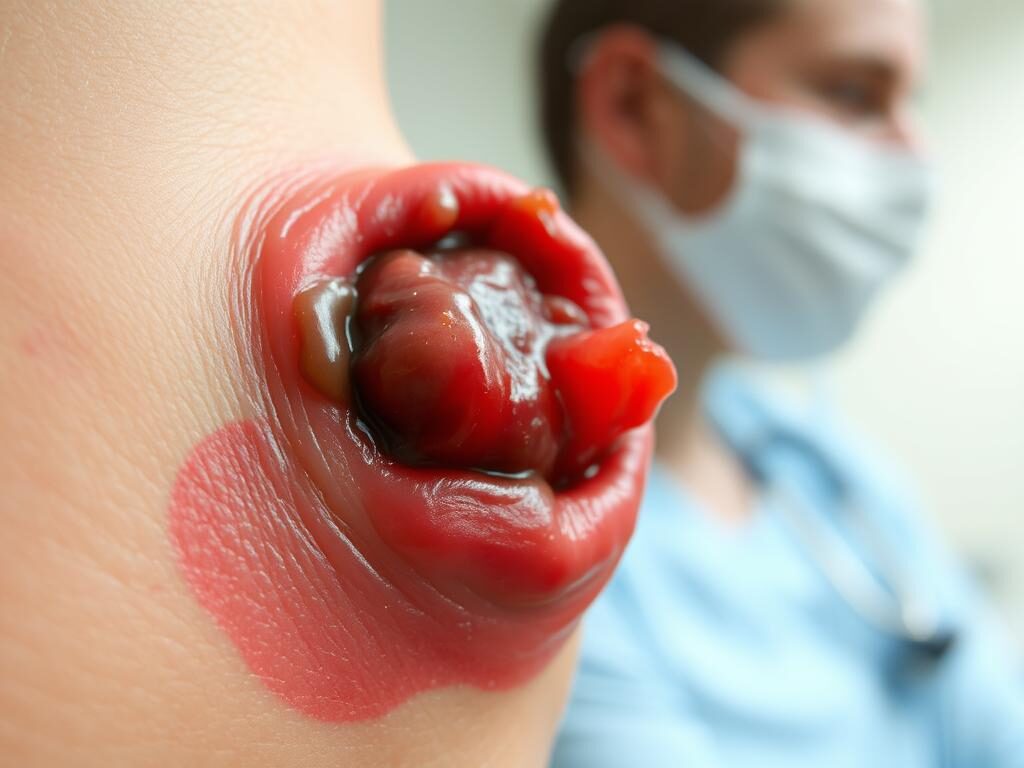
signs of infection

When Redness Is a Warning Sign

Redness is normal when wounds heal, but it can also mean infection. If the redness gets larger or deeper, it might be infected. Watch it closely and get medical help if it gets worse.

Temperature Changes Around the Wound

A wound that’s warm or hot to the touch could be infected. Check if it’s warmer than the skin around it. Some wounds might feel cool or clammy, which is also a worry.

Systemic Signs of Infection

Infection can cause fever, chills, or feeling really sick. If you have these symptoms, get medical help right away.

By watching for these signs, you can manage your wound healing better. This helps you get the best results.

Understanding Wound Odors: What Different Smells Mean

Odor in a wound can tell us about its health and healing. Different smells mean different things. Knowing these differences is key to managing wounds well.

Normal Wound Odors

A wound might smell a bit off because of bacteria. But, a really strong or bad smell is not normal. Normal wound odors are usually mild. They might smell like sweat or have a metallic scent, like blood.

Odors That Indicate Infection

A strong, foul, or putrid smell often means an infection is present. Bacteria like anaerobic ones can make a foul smell as they break down tissue. If your wound’s smell changes a lot, watch for other signs of infection too.

Documenting and Describing Odors

Keeping track of your wound’s smell can help spot changes. Use words like “mild,” “strong,” “foul,” or “putrid” to describe it. This can help catch problems early. For more on wound care and dressing changes, check out Dominion Mobile Wound Care.

Odor Management Techniques

There are ways to manage wound odors. Using topical creams or dressings made to reduce smell can help. Also, keeping the wound clean and changing dressings often can cut down on bad smells.

Odor Type Possible Cause Action
Mild, slightly unpleasant Presence of bacteria, normal healing process Continue with regular wound care
Strong, foul, or putrid Infection, anaerobic bacteria Consult a healthcare professional, consider antibiotic treatment

Identifying and Assessing Wound Swelling

Understanding swelling is key when you’re caring for a wound. Swelling is a natural response to injury. But, too much or lasting swelling can mean there’s a problem.

Normal vs. Abnormal Swelling Patterns

Normal swelling usually goes down in a few days as the wound heals. But, if swelling doesn’t go away or gets worse, it’s a sign of trouble. Keep an eye on swelling around your wound to catch any issues early.

Measuring and Monitoring Swelling

To track swelling, use a simple method. Wrap a flexible tape measure around the swollen area. Then, take measurements over time to see if it’s changing.

Measurement Day Circumference (cm) Notes
Day 1 30 Initial measurement
Day 3 29 Slight reduction
Day 5 28 Continued reduction

When Swelling Requires Medical Attention

If swelling, redness, or pain get worse, see a doctor. These signs might mean an infection or another serious issue that needs a doctor’s help.

Simple Interventions for Swelling

Try elevating the swollen area and using cold compresses to reduce swelling. Also, follow your doctor’s advice on wound care and managing swelling to help it heal.

When to Seek Professional Wound Care

Managing a wound at home is common. But knowing when to get professional wound care is key. Some wounds need expert help for proper healing.

Red Flags That Require Immediate Attention

Some signs mean you need to see a doctor right away. These include:

  • Increased redness, swelling, or warmth around the wound
  • Pus or foul-smelling discharge
  • Fever or chills
  • Increased pain or tenderness
  • A wound that is not healing

If you notice any of these, get help fast.

Benefits of Professional Wound Assessment

A wound assessment by a pro can help a lot. They can tell you exactly what your wound needs. They offer treatments that work best for you, helping you heal faster.
professional wound care

How Dominion Mobile Wound Care Can Help

Dominion Mobile Wound Care comes to you. They offer expert care right where you are. Their team can check your wound, plan your treatment, and help you heal.

Insurance Coverage for Professional Wound Care

Many insurances cover professional wound care, like Dominion Mobile Wound Care. Check with your insurance to see what’s covered and what you might pay.

Getting professional wound care when needed can really help your healing. Knowing when to seek help and the benefits of expert care can make a big difference.

Conclusion: Taking Control of Your Wound Healing Journey

Proper wound care is key for healing and avoiding infections. By checking your wound at home, you can help your recovery. Look at the size, depth, drainage, and condition of your wound regularly.

If wound care is hard or you’re worried about your wound, get professional help. Dominion Mobile Wound Care brings expert care to you. They offer personalized advice and treatment to aid your healing.

By managing your wound care and getting help when needed, you can heal better. With the right care, you can recover well and feel better overall.

FAQ

What are the signs of proper wound healing?

Signs of healing include less swelling and less drainage. You’ll also see granulation tissue. The wound should get smaller and shallower over time.

How often should I check my wound at home?

Check your wound daily, at the same time. This helps spot problems early. It keeps your wound from getting worse and helps it heal faster.

What do different drainage colors indicate?

Drainage colors tell you about your wound’s health. Clear or yellow means it’s healing. Green or blue means infection. Pink or red means there’s blood.

How can I manage wound odor?

Use creams or dressings to reduce bad smells. Keeping track of changes in smell is also important.

What are the red flags that require immediate medical attention?

Look out for more redness, swelling, or drainage. Also, watch for fever and chills. These are signs of serious infection.

How can I measure and monitor wound swelling?

Track changes in size and circumference. Knowing when to see a doctor can prevent serious problems.

What are the benefits of professional wound assessment?

A professional can give you tailored care. Dominion Mobile Wound Care offers the help you need to heal.

Is professional wound care covered by insurance?

Insurance for wound care varies. Check with your provider to see what’s covered.
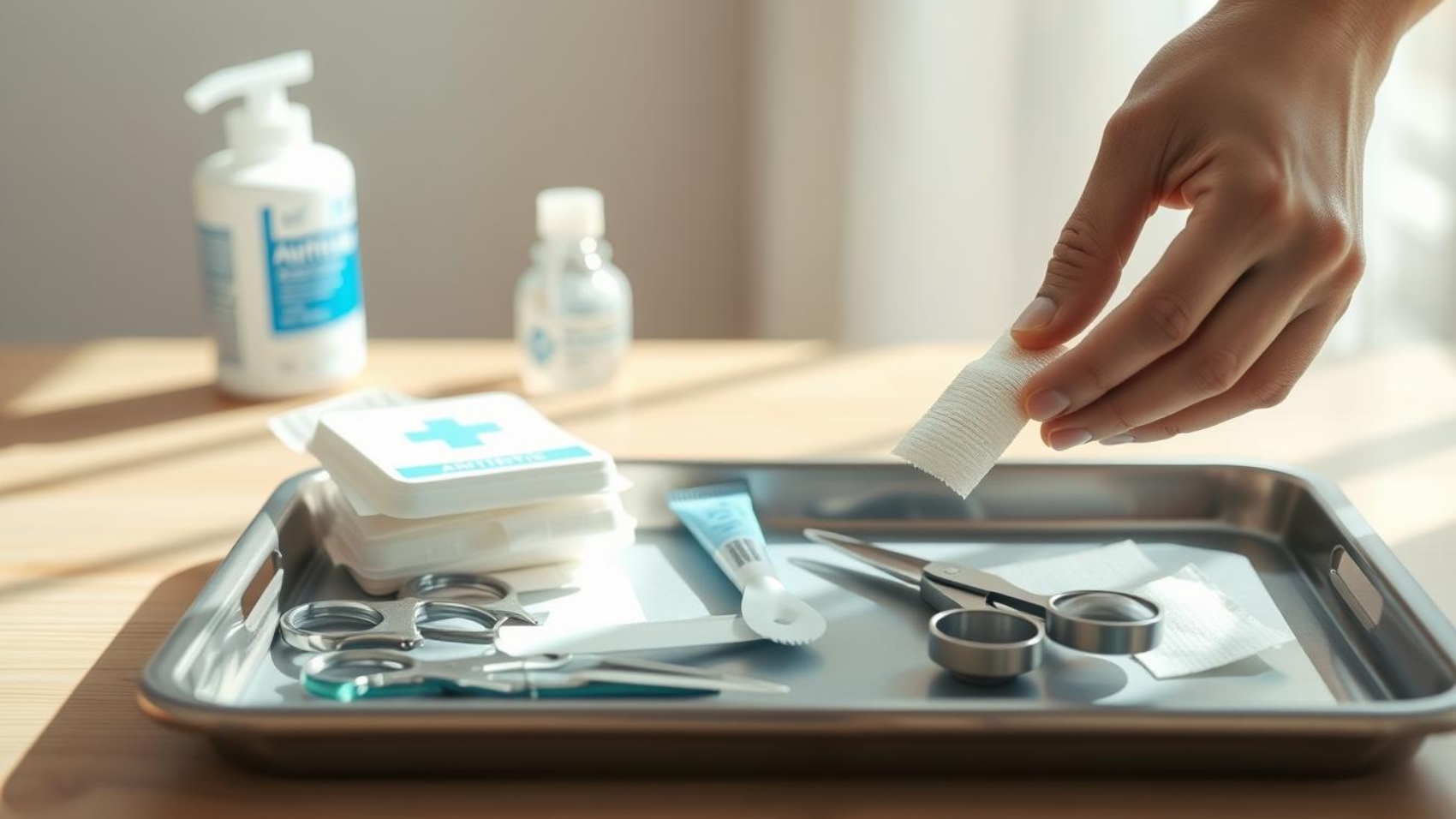
Home wound treatment

Can You Treat Wounds at Home? When to Call a Professional

When you get hurt, it’s important to know how to take care of the wound. Some small cuts and scrapes can be handled with basic first aid at home. But, others might need more help.

It’s key to know the difference between a wound you can treat yourself and one that needs a doctor. If not treated right, wounds can get infected, heal slowly, and even cause serious problems.

So, when should you see a doctor? It depends on the wound’s size, how deep it is, and your health. In this article, we’ll help you figure out if you can treat your wound at home or if you need a doctor. If you need expert care, think about contacting professionals like Dominion Mobile Wound Care for help.

Key Takeaways

  • Not all wounds can be treated at home; some require professional care.
  • The size, depth, and your health status are critical in deciding the course of treatment.
  • Proper wound care is essential to prevent infections and promote healing.
  • Neglecting wound care can lead to serious complications.
  • Professional wound care services are available for complex or severe wounds.

The Current State of Home Wound Treatment

Healthcare shortages are leading to more people taking care of wounds at home. This change is thanks to better consumer wound care products and a focus on personal health.

Recent Advances in Consumer Wound Care Products

Today, there are many wound care products for home use. These include advanced dressings and topical treatments. They are more effective and easier to use, helping people take charge of their wound care.

Growing Trend of Self-Care During Healthcare Shortages

Healthcare systems are under strain, leading to more self-care at home. This includes treating wounds, which can prevent serious issues and aid in healing.

Statistics on Home-Treated Injuries in the US

Type of Injury Percentage Treated at Home Common Treatments
Cuts and Lacerations 75% Bandages, Antiseptic Wipes
Abrasions 80% Antibiotic Ointment, Gauze
Minor Burns 90% Cool Water, Burn Cream

These numbers show how common it is for people to treat injuries at home. They also stress the need for knowing how to care for wounds properly.

Understanding Different Types of Wounds and Their Severity

Knowing the types of wounds and their severity is key to good wound care. Each wound type has its own healing process and treatment.

Cuts and Lacerations: Assessment Guide

Cuts and lacerations are common wounds. Their severity depends on depth, length, and location. Deep or jagged cuts need medical help, mainly if they’re in sensitive areas.

For small cuts, clean with mild soap and water. Use antibiotic ointment and cover with a bandage.

Puncture Wounds: Hidden Dangers

Puncture wounds seem harmless but can be risky. Their small size hides the risk of internal damage or infection. Check the wound’s depth and for any foreign objects.

If the puncture was caused by a dirty or rusty object, watch for tetanus signs. Look for redness, swelling, or more pain.

Abrasions and Burns: Proper Classification

Abrasions and burns need special care. Abrasions should be cleaned gently and kept moist. Burns are classified by how deep they are.

Burn treatment changes with the degree. First-degree burns can be treated with cool water and creams. But second and third-degree burns need medical help.

Essential First Aid Supplies for Modern Home Care

In today’s homes, being ready for accidents is key. You need the latest first aid supplies and wound care products. A well-stocked first aid kit can stop small injuries from getting worse.

Updated First Aid Kit Recommendations for 2023

A modern first aid kit should have many bandages, antiseptic wipes, and pain relievers. It’s smart to add digital tools for checking wounds.

New Wound Care Products Worth Investing In

New wound care products like hydrocolloid dressings and antimicrobial foams are out. They help wounds heal faster and lower infection risks.

Product Benefit
Hydrocolloid Dressings Promotes moist environment for faster healing
Antimicrobial Foams Reduces risk of infection
Digital Wound Assessors Monitors healing progress and detects complications early

Digital Tools for Wound Assessment and Monitoring

Digital tools are vital in wound care. They give precise assessments and track healing. These tools spot issues early, preventing bigger problems.

Step-by-Step Guide to Effective Home Wound Treatment

Proper wound care at home is simple but important. By following these steps, your wound will heal fast and well. This reduces the chance of complications.

Evidence-Based Cleaning Protocols

Cleaning your wound is the first step. Use clean water or saline solution to gently rinse it. Don’t use harsh soap or cleansers that can irritate the skin. Pat it dry with a clean towel.

wound cleaning

Selecting and Applying Appropriate Dressings

After cleaning, apply a dressing to protect the wound. Pick a dressing that is breathable and non-stick. For small cuts, a simple bandage works. But deeper wounds might need a special dressing.

Documentation and Monitoring Best Practices

Track your wound’s healing by documenting its size, color, and any changes. Watch for signs of infection like redness, swelling, or more pain. Regular checks help spot issues early.

By following these steps, you can manage your wound care at home well. This promotes a quick recovery.

Common Mistakes That Delay Healing

Treating wounds at home can be effective, but some mistakes can slow healing. Knowing these errors is key for good wound care.

Outdated Practices That Slow Healing

Many people use old methods for wound care, like harsh soap or alcohol on the wound. These can remove the wound’s natural protection, causing more irritation and slowing healing. Instead, gentle cleaning with saline solution is advised.

Harmful Folk Remedies to Avoid

Some folk remedies, though meant to help, can actually harm. For instance, putting butter or greasy stuff on burns can trap heat and hurt more. Also, using unsterile or untested herbal remedies can bring infection or bad reactions.

When “Natural” Treatments Can Cause Harm

Even “natural” treatments can be harmful if not used right. Some natural products can be allergenic or mix badly with other treatments. Always check the safety and effects of any treatment, natural or not, before using it on a wound.

Wound Red Flags: When to Seek Immediate Medical Attention

Some wounds need quick medical help. While many can be treated at home, certain signs mean you should see a doctor.

Dangerous Bleeding Scenarios

Severe bleeding that won’t stop after 10-15 minutes of pressure is a big warning. Arterial bleeding, with its bright red color and fast flow, is very dangerous. You need to get help right away.

Infection Warning Signs That Shouldn’t Be Ignored

Infection can slow healing and cause serious problems. Look out for signs like increased redness, swelling, warmth, or pus around the wound. Fever is also a sign of infection.

Infection Sign Description
Increased Redness Redness that spreads beyond the wound edges
Swelling Swelling that worsens over time
Pus or Discharge Presence of yellow or green discharge

Special Concerns for Children and Elderly Patients

Children and the elderly face higher risks from wounds. Even small wounds in kids can be serious if not treated right. Older adults may have health issues that make healing harder.

Understanding Home Care Limits for Different Populations

Some groups, like diabetic patients and those with weakened immune systems, need special care for wounds at home. It’s important to know these differences to manage wounds well.

Diabetic Patients: Special Considerations

Diabetics face special challenges in healing wounds because of nerve damage and poor blood flow. Keeping an eye on blood sugar levels and proper wound care are key. Also, watch for signs of infection, as they are more prone to serious problems.

Immunocompromised Individuals: Heightened Risks

People with weak immune systems, like those on chemotherapy or with HIV/AIDS, are at higher risk for wound issues. They must stick to strict wound care and see a doctor at the first sign of infection. Preventive steps are vital for this group.

Elderly Care: When Simple Wounds Become Complex

The elderly often have health problems that make wound healing harder, like poor blood flow, diabetes, or memory issues. Caregivers need to watch wounds closely and get help when needed. For more on wound care at home, check out Dominion Mobile Wound Care.

Important things to remember for these groups include:

  • Regularly check how the wound is healing
  • Follow the treatment plan given by a doctor
  • Look out for early signs of trouble
  • Get medical help when it’s needed

Medical Escalation: The Process of Seeking Professional Help

Knowing how to handle medical escalation is key to healing right. If your wound care needs are too much for home, finding professional help is essential.

Emergency Room vs. Urgent Care vs. Mobile Services

Not all wounds are the same, and picking the right place is important. For serious issues, the emergency room is the best. Urgent care is good for less severe but urgent needs. Mobile wound care services come to you, perfect for those who can’t leave or have complex needs.

Service Description Best For
Emergency Room 24/7 care for life-threatening conditions Severe injuries, heavy bleeding
Urgent Care Prompt care for non-life-threatening conditions Minor injuries, infections
Mobile Services Professional care at your location Complex needs, mobility issues

What to Communicate to Healthcare Providers

When you need professional help, tell them everything about your wound. Share its cause, size, depth, and any treatments you’ve tried. Also, talk about your medical history and any medicines you’re on.

Preparing for a Professional Assessment

Before your visit, collect any important documents like medical records and insurance info. Be ready to ask about your care plan and what to expect during the assessment.

medical escalation process

The Emergence of Mobile Wound Care as a Healthcare Solution

Mobile wound care is changing how we treat wounds, bringing care right to patients’ doors. This change is because people want healthcare that’s easy to get and use.

Post-Pandemic Shift to Home-Based Medical Services

The COVID-19 pandemic made home-based medical services, like mobile wound care, more popular. It’s because hospitals got too full and people wanted to avoid getting sick. So, mobile wound care is now a key part of healthcare today.

  • Reduced hospital visits
  • Increased patient comfort
  • Personalized care

Technology Enabling Advanced Care Outside Hospitals

New technology has helped make mobile wound care possible. Digital tools and telehealth let doctors check and treat wounds from afar. This means patients get the care they need quickly and do better.

Patient Outcomes and Satisfaction Reports

Research shows mobile wound care makes patients happier and healthier. Getting care at home means less stress and quicker healing for them.

As healthcare keeps changing, mobile wound care will likely grow. It will help more people get the quality care they need without hassle.

How Dominion Mobile Wound Care is Transforming Patient Treatment

Dominion Mobile Wound Care is changing how we treat wounds. They bring advanced care right to patients. This helps those with hard-to-heal wounds.

Innovative Approaches to Wound Management

Dominion uses the latest in wound care. They make personalized care plans for each patient. This makes healing faster and more effective.

Specialized Expertise for Complex Cases

The Dominion team is full of highly trained professionals. They know how to handle tough wounds. This is beyond what regular doctors can do.

Coordination with Primary Care Providers

Dominion works well with primary care doctors. This ensures patients get the best care all the time. It leads to better health outcomes.

Dominion Mobile Wound Care is leading the way in patient care. They use new methods, specialized knowledge, and teamwork. This is changing treatment for the better.

Insurance Coverage and Accessibility Updates for Wound Care

Recent changes in insurance policies have made a big difference in wound care access. It’s important for patients to know what their coverage includes for effective wound care.

Changes in Medicare and Medicaid Policies

Medicare and Medicaid have made new rules for wound care coverage. These updates aim to make treatments more accessible while keeping costs down. For example, expanded coverage for home-based wound care lets patients get treatment at home.

Private Insurance Trends for Home-Based Care

Private insurers are also changing their policies to cover more home-based wound care. This move shows a shift towards patient-centered care. Treatments are now more focused on what each patient needs and wants.

Navigating Coverage Challenges: Patient Resources

Even with these updates, patients might find it hard to understand their insurance. But, there are many resources available. Patient advocacy groups and online tools can help patients understand their benefits and fight denied claims.

Conclusion: Partnering for Optimal Wound Healing Outcomes

Effective wound healing needs a mix of home care and professional help. Knowing your home care limits and spotting wound red flags is key. This helps decide when to get medical escalation. Working together, you can make sure your wound gets the right care for the best wound healing.

Many things, like health issues and wound type, affect healing. Knowing these and acting early can prevent problems. This way, you can get the best results.

If wound care is tough or you’re not sure what to do, talk to Dominion Mobile Wound Care. Their skilled team offers personalized advice and care. They help you understand wound healing and aim for the best results.

FAQ

What are the signs that a wound is not healing properly?

Signs include increased redness, swelling, or pain. Also, look for pus, a foul odor, or no healing after weeks. If you see these, get medical help fast.

Can I treat all types of wounds at home?

No, not all wounds can be treated at home. Deep cuts, puncture wounds, or bleeding wounds need immediate medical help. Wounds in people with diabetes also need professional care.

What are the essential supplies for a home first aid kit?

Your kit should have updated wound care items like antimicrobial dressings and gauze pads. Don’t forget medical tape. Also, include digital tools for monitoring wounds.

How often should I clean and dress a wound?

Cleaning and dressing frequency varies by wound type and severity. Clean with mild soap and water, and use a sterile bandage. Change the dressing daily or when it gets wet or dirty.

What are some common mistakes that can delay wound healing?

Mistakes include using outdated practices like butter or oil on burns. Avoid harsh chemicals and “natural” treatments without medical advice. Honey or sugar can harm without proper guidance.

When should I seek immediate medical attention for a wound?

Seek immediate help for dangerous bleeding, infection signs, or a weakened immune system. Also, for deep, large, or bleeding wounds, get medical help right away.

How do I know if I need emergency room, urgent care, or mobile wound care services?

Go to the emergency room for severe bleeding. For non-life-threatening injuries, urgent care or mobile wound care might be better. Mobile services offer advanced care at home.

Will my insurance cover mobile wound care services?

Insurance coverage for mobile wound care varies. Medicare and Medicaid have expanded coverage, and some private insurers are following. Check with your provider to see if you’re covered.

What are the benefits of using Dominion Mobile Wound Care?

Dominion Mobile Wound Care offers innovative wound management and specialized expertise. They provide care at home, improving outcomes and patient satisfaction.