

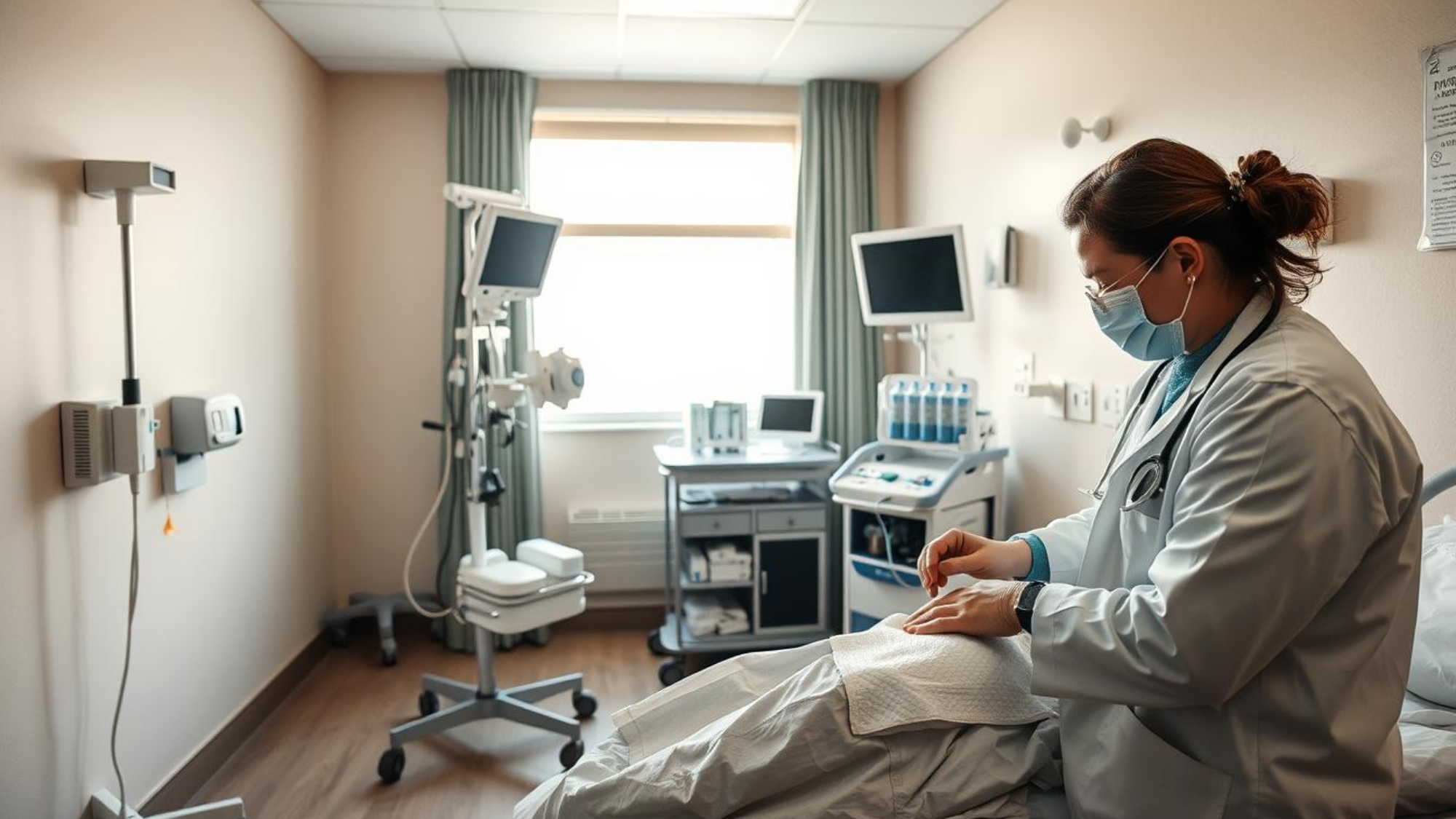
Chronic wounds are big problems in places like San Antonio. They really hurt our quality of life. It’s important to know how to treat them well.
We will talk about what chronic wounds are. We will also learn about the role of wound care specialists. And we will see new ways to heal wounds.
We will look at different treatments and home care ideas. Our goal is to help solve these long-lasting problems.
Key Takeaways
- Chronic wounds are long-lasting and require specialized care.
- Wound care specialists play a vital role in the treatment and management of chronic wounds.
- Innovative techniques are continually evolving to enhance wound healing.
- Home care solutions can significantly aid in the management of chronic wounds.
- Understanding the causes of chronic wounds is crucial for prevention and treatment.
Understanding Chronic Wounds
Chronic wounds, or non-healing wounds, are hard for many people. They don’t heal like normal wounds. They can last for months, even with the right treatment.
This can make daily life tough. It can also cause infections and make moving hard.
Definition and Duration of Chronic Wounds
A chronic wound doesn’t heal in the usual time. It’s important to know this. It can affect our health a lot.
Getting help for these wounds is key. It helps us live better.
Common Causes of Chronic Wounds
Knowing why wounds don’t heal is important. Some big reasons include:
- Poor blood circulation
- Diabetes
- Weakened immune systems
Diabetic foot ulcers are a big problem. They can lead to amputations. Things like nerve damage and high blood pressure make it worse.
Types of Chronic Wounds
It’s important to know about different chronic wounds. We see diabetic ulcers and venous ulcers a lot. Each has its own special features. Knowing these helps us heal them better.
Diabetic Ulcers and Their Characteristics
Diabetic ulcers happen on the bottom of the foot. They can be shallow or deep. These ulcers often have a lot of callus around them.
They can get infected easily. This is very dangerous and might even lead to amputation. We must act fast to stop this.
Venous Ulcers and Prevalence
Venous ulcers are very common. They are shallow and usually on the inside of the lower leg. They happen because of poor blood flow.
People with leg swelling or varicose veins often get them. Knowing about venous ulcers helps us treat them better.

Chronic Wound Treatment San Antonio
In San Antonio, many treatments help with chronic wounds. These treatments make healing easier and feel better. Knowing about these options helps us take care of our health.
Current Treatment Options Available
San Antonio has advanced treatments for chronic wounds. These include:
- Negative pressure wound therapy
- Compression bandaging
- Skin grafts for severe cases
These methods help heal wounds better. It’s good to talk to doctors about the best treatment for you.
Home Care Solutions for Chronic Wounds
Home care is very important for managing chronic wounds. Good care at home includes:
- Regular cleaning of the wound site
- Applying the right dressings
- Managing health issues to help healing
Learning about care helps families help at home. Telemonitoring and telecare help too. They let doctors help from afar while we heal.
The Role of Wound Care Specialists
Working with wound care specialists is key to healing chronic wounds. They know how to find the root cause and make plans just for you. Talking to them helps us understand our wounds and how to fix them.
Consultation with Specialists
Talking to wound care specialists is the first step in healing. They check our wounds, find what’s causing problems, and suggest treatments. Working with them helps us learn how to get better and avoid more issues.
Benefits of Professional Wound Management
Professional wound care has many benefits. It helps find problems early, which means we heal faster and better. Specialists use new ways to help wounds heal, like special dressings and cleaning out dead tissue.
Seeing specialists often helps us change our treatment plan if needed. This keeps us on the right path to healing our chronic wounds.

Innovative Techniques in Wound Healing
In the world of chronic wound care, new methods can really help patients. We look at debridement and growth factors. They are key to making wounds heal faster.
Debridement Techniques for Chronic Wounds
Debridement is very important for chronic wounds. It removes dead or infected tissue. This makes the wound ready to heal. There are many ways to do debridement, like:
- Surgical debridement cuts out dead tissue in a clinic.
- Enzymatic debridement uses chemicals to break down dead tissue.
- Biological debridement uses maggots to eat away dead tissue.
Each method is for different types of wounds. They help fix the wound’s problems.
Utilization of Growth Factors
Using growth factors like platelet-rich plasma changes chronic wound care. These proteins help cells grow and change. Growth factors do things like:
- Help make more tissue in the wound.
- Make more blood flow to the wound.
- Make wounds heal faster.
Knowing and using these new ways to heal wounds helps us care for patients better. It makes their recovery time shorter.
Conclusion
Dealing with chronic wounds needs a deep understanding of their types and causes. It’s key to work together with patients, caregivers, and experts. This teamwork helps manage chronic wounds well.
Looking into treatment options helps us find the best ways to heal. This knowledge is powerful in our recovery journey.
New healing methods and home care are very important. For those in San Antonio with chronic wounds, getting help is crucial. Services like Dominion Mobile Wound Care offer great help.
Let’s take care of ourselves by using these resources. This way, we can live better and overcome chronic wounds’ challenges.
FAQ
What are chronic wounds?
Chronic wounds don’t heal in 4 to 12 weeks, even with treatment. They can cause infections and make moving hard.
What causes chronic wounds?
Poor blood flow, diabetes, weak immune systems, and conditions like neuropathy cause chronic wounds. These issues slow down healing.
How can diabetic ulcers be managed effectively?
Diabetic ulcers need regular cleaning and the right dressings. Keeping blood sugar levels in check helps prevent infections. Seeing a wound care specialist can also help a lot.
What types of treatment options are available in San Antonio for chronic wounds?
San Antonio offers treatments like negative pressure therapy and skin grafts. These methods help wounds heal faster.
Why is home care important for chronic wound patients?
Home care, like cleaning and dressing changes, is key. Teaching families how to care for wounds at home helps with recovery.
What role do wound care specialists play in treating chronic wounds?
Specialists help diagnose and create treatment plans for chronic wounds. They ensure early detection and tailored care.
What are the benefits of professional wound management?
Professional care leads to faster healing and better results. Regular check-ups help adjust treatment plans for the best recovery.
What is debridement, and why is it important?
Debridement removes dead tissue to help wounds heal. It’s done through surgery or enzymes, based on the wound’s needs.
How do growth factors enhance wound healing?
Growth factors, like platelet-rich plasma, help wounds heal faster. They promote tissue growth and blood flow in chronic wounds.
Add a Comment