At-Home Nurse Visits

What Happens During a Wound Care Nurse Visit in San Antonio

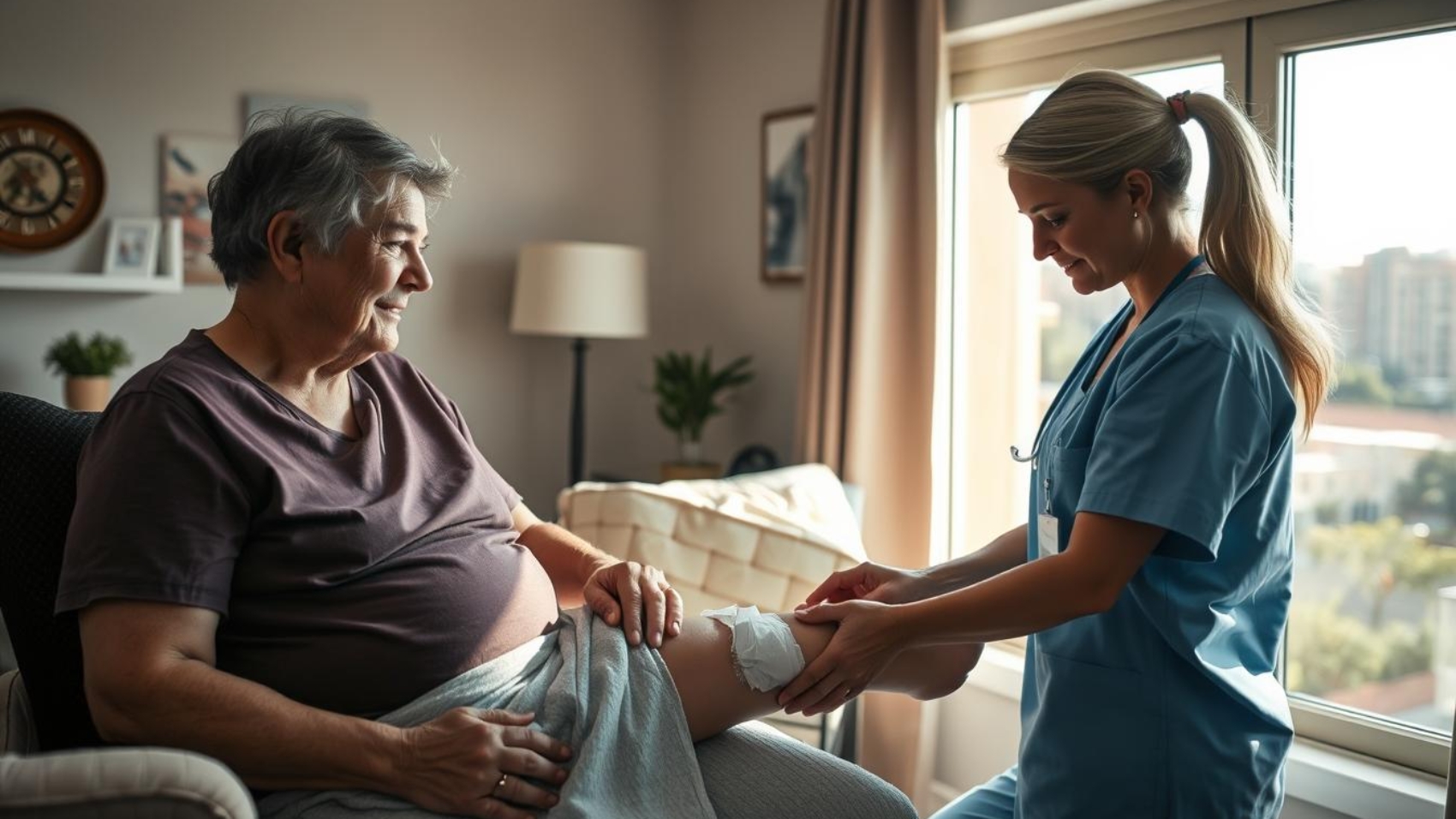
You want clear, practical information about wound care in your home. Dominion Mobile Wound Care brings licensed, insured clinicians to your door to assess wounds, manage pain, and change dressings.

Admission visits can take up to two hours. During that time the clinician reviews discharge paperwork and doctor’s orders, sets goals with you, checks medications, and screens for fall risk.

Home health care helps many people recover faster and with less disruption than a long hospital stay. Skilled providers coordinate with your physician, teach wound care techniques, and offer 24/7 support for questions or scheduling.

You’ll see how services blend medical skill with comfort so you can heal where you feel safest. If goals change, discussion of hospice or other options happens respectfully, guided by your needs and values.

Ready for personalized wound care at the right home for your recovery? Hire Dominion Mobile Wound Care to help heal your wounds.

Key Takeaways

  • Visits include assessment, meds review, and fall risk checks.
  • Care at home often speeds recovery and reduces disruptions.
  • Licensed, insured clinicians provide 24/7 scheduling support.
  • Services coordinate with your doctor and the wider care team.
  • Programs often accept Medicare and Medicaid and follow standards.

Personalized Wound Care in the Comfort of Your Home in San Antonio

Wound care delivered to your door combines medical skill with the ease of staying in familiar surroundings.

Dominion Mobile Wound Care brings evidence-based care to your home so you can heal safely and with dignity. Licensed, insured clinicians coordinate with your physician and use proven protocols to speed recovery.

You get personalized home care that fits your daily living routine. That means lower stress, fewer exposure risks, and better adherence to your plan. Your caregiver also receives clear support and practical education.

  • Quality care delivered by experienced professionals who follow best practices.
  • Care services designed around your life, goals, and safety checks.
  • 24/7 phone support to answer questions and adjust the plan as needed.
  • Coordination with physicians to meet needs and reduce preventable hospital trips.
  • Respectful discussion of hospice or other options only if they match your goals.

You’ll find compassionate, evidence-based healthcare that helps you return to daily life. This way of caring focuses on comfort, practical support, and measurable results.

When At-Home Nurse Visits Make Sense for You

Knowing when to ask for skilled care at home can protect healing and prevent setbacks.

If you recently left the hospital or had surgery, consider home health care to keep recovery on track. A visiting nurse from Dominion Mobile Wound Care can come to your door, review doctor orders, and start a plan that fits your life.

Signs you may need home health and wound care support

You may need extra help when a wound is new or getting worse, or if managing dressings and meds causes difficulty.

  • You or the person you care for has increased pain, swelling, or drainage that needs monitoring.
  • Recent hospitalization, surgery, or a new diagnosis that requires education and follow-up.
  • Dependence on a caregiver, higher fall risk, or changes in daily activity that affect healing.

After hospitalization or surgery: recovering at home

Early clinical visits often speed healing and reduce ER trips. A visiting nurse bridges hospital orders and home care, teaches caregivers practical tasks, and checks mobility, nutrition, and safety.

Dominion Mobile Wound Care helps you decide if a visit is the right next step now. Timely care in your community often keeps people safer, lowers costs versus long hospital stays, and gives clear timelines for recovery or when hospice or specialty referrals might be needed.

What to Expect Before the Nurse Arrives

Before the clinician arrives, a few simple steps help ensure your first visit goes smoothly.

before the nurse arrives

Scheduling and the estimated time window

You’ll get a call to set your admission visit and an estimated arrival window. Often the call comes the evening before or the morning of the scheduled day.

Paperwork and your plan of care

Plan for up to two hours for the first visit. The clinician reviews discharge paperwork and physician orders and outlines your Plan of Care.

  • You and the clinician set goals and learn which services you will receive and how often in a typical week.
  • Medication lists, possible side effects, and drug-wound interactions are reviewed so you can make sure healing is on track.
  • Fall risk and home safety are checked before dressing changes begin.
  • You’ll learn how team members coordinate around your schedule and how to contact the office any time you have questions or notice changes between visits.
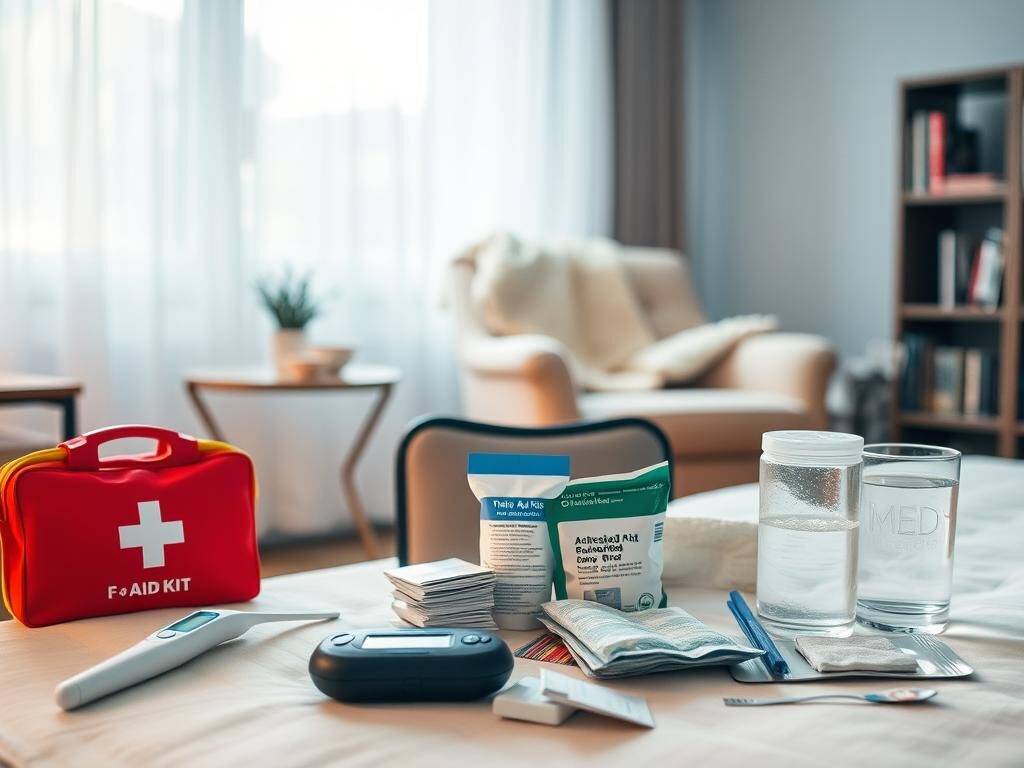
  • The clinician explains what supplies arrive at your door and what caregivers may keep on hand during the days ahead.

Dominion Mobile Wound Care coordinates with you so the plan fits your home, routines, and needs as you recover.

What Happens During Your Wound Care Nurse Visit

A typical session blends clinical checks with hands-on care and practical teaching for you and your caregiver.

Home safety check and vital signs

The clinician begins with a quick home safety check and takes vital signs to confirm you are stable for treatment. This step helps the team spot fall risks or barriers to healing.

Wound assessment: measurements, photos, and documentation

The wound is measured, described, and photographed when appropriate. Accurate notes help your physician and nursing staff track progress and adjust the plan.

Cleaning, debridement, and dressing application

Care includes gentle cleaning and conservative debridement if ordered. The clinician selects evidence-based dressings that match moisture and skin needs.

Pain control, medication management, and infection prevention

You review pain options and medication alignment so discomfort is minimized. The clinician also teaches infection prevention steps and signs that require a prompt call.

Education for you and your caregivers before the nurse leaves

Dominion Mobile Wound Care provides step-by-step teaching and written reminders so a person can follow the plan between visits. If you report difficulty with mobility or self-care, the team adjusts the approach and documents changes for your doctor.

Clinical Wound Care Services We Provide At Home

Dominion Mobile Wound Care brings hospital-grade protocols straight to your door for expert clinical wound services.

You receive incision checks that verify integrity, manage drainage, and track early healing milestones. Typical schedules run two to three times weekly and adjust as healing progresses.

Medication and dressing management

Clinicians handle medication review and apply advanced dressings like foams, alginates, and negative-pressure systems when ordered. This nursing care reduces complications and saves you travel time.

Care for complex wounds

Focused treatment covers pressure injuries, diabetic foot ulcers, venous stasis, and arterial wounds. Your care team documents measurements and photos to guide physician decisions.

Rehabilitation support and mobility guidance

Therapy coordination and offloading strategies protect fragile tissue while you move around home. You learn practical steps to reduce pressure and support long-term healing.

  • Coordinated care services with your physician and therapy team.
  • Licensed, insured clinicians who follow evidence-based protocols.
  • Support for children adults and seniors when wound care is needed.
  • Health care services delivered at your door to limit travel strain.
  • Visit frequency in home health tailored to your needs and wound response.

How Your Care Team Works With You

Your recovery depends on clear team communication and a plan that adapts as you improve. Dominion Mobile Wound Care coordinates closely with your physician and therapists so your care journey stays efficient and person-focused.

care team

Interdisciplinary coordination with your physician and therapists

You meet a coordinated care team that shares updates with your physician and therapy providers to keep everyone aligned. Team members document changes, send timely reports, and follow physician orders so decisions happen fast.

Adjusting visit frequency as you improve

Home health typically starts with a planned cadence—often two to three times per week—and tapers as healing progresses. You and your caregivers get clear action steps between each visit so the care journey moves forward without confusion.

  • Continuity: The same team members are prioritized every time, but vetted alternates cover after-hours or schedule gaps.
  • Practical coaching: Health and mobility tips fit your daily routine so you heal in a way that works for you.
  • Point of contact: You know who to call for supply questions, timing, or new symptoms, and a visiting nurse communicates promptly if physician input is needed.

You feel supported by a team with years of home experience that makes sure your goals guide each step of care.

Consistency, Safety, and Quality You Can Trust

Trust comes from proven staff, punctual service, and systems that protect your privacy and safety.

Licensed, insured clinicians with proven experience

You are cared for by licensed, insured nurses and staff whose credentials are verified. Ongoing training and performance checks keep standards high. This protects your dignity and privacy while clinical work happens in your home.

Activity monitoring and on-time service

Technology and scheduling tools promote punctual arrivals so you do not wait at your door. Transparent calendars and 24/7 phone support mean a real person answers when you need help between each visit.

  • You benefit from activity monitoring that supports on-time arrivals every time.
  • Caregivers and team members coordinate supplies, documentation, and safe follow-up steps.
  • Community-trusted practices—credential checks and oversight—ensure consistent quality care.
  • Compassionate care teaches safety habits that lower fall and infection risks.
  • Dominion Mobile Wound Care delivers reliable coordination with your physician and local healthcare partners.

You can rely on these systems to make each session dependable, respectful, and focused on healing.

Coverage, Eligibility, and Scheduling Made Simple

Understanding how coverage and scheduling work can remove a lot of stress when you need care at home. Dominion Mobile Wound Care helps you verify benefits, confirm eligibility, and set a convenient time so treatment starts on schedule.

Medicare, Medicaid, and private insurance considerations

Medicare typically covers home health care when a physician orders skilled, intermittent nursing or therapy and confirms you are homebound.

Many programs also accept Medicaid and private insurance. Your staff helps you check authorizations to avoid unexpected out-of-pocket costs.

Homebound criteria and skilled, intermittent nursing needs

Homebound means leaving home requires considerable effort and outings are infrequent or short. This status, plus a physician’s order, usually meets Medicare rules.

Skilled nursing care is defined by clinical needs that require professional assessment or treatments on specified days.

  • You’ll learn which documents to have at your door: ID, insurance cards, and a medication list.
  • Scheduling calls often occur the evening before or the morning of the visit with an estimated arrival time.
  • Experienced teams with years in the community streamline paperwork and coordinate with your caregiver and physician.

You can rely on Dominion Mobile Wound Care to align care services with your plan so benefits meet your needs and the team can focus on healing, not red tape. If hospice or other supportive services best match your goals, they guide that transition respectfully.

Conclusion

Make confident choices about wound care by knowing how each step protects your recovery at home.

You now understand the full care journey: how clinicians prepare, assess, treat, and teach so healing moves forward without guesswork. Coordinated team work, clear goals, and dependable services at your door shorten recovery and improve quality of life.

Experienced clinicians built over years support your caregiver with practical guidance. Coverage, scheduling, and safe practices keep care aligned with your plan and community resources.

Dominion Mobile Wound Care is ready to deliver expert, compassionate wound care in your home across San Antonio. Hire Dominion Mobile Wound Care to help heal your wounds and get back to the way you want to live.

FAQ

What happens during a wound care nurse visit in San Antonio?

A clinician arrives at your home, reviews your doctor’s orders, and completes an admission assessment. They check vital signs, inspect and measure the wound, take photos if needed, and document progress. You’ll receive cleaning, possible debridement, dressing application, and instructions about pain control and infection prevention. The nurse coordinates with your physician and updates your care plan before leaving.

Why choose personalized wound care in the comfort of your home?

Receiving care at home reduces exposure to infections, shortens recovery time, and keeps you comfortable in familiar surroundings. Home-based treatment makes it easier to follow a consistent plan, supports mobility and daily living, and lets the care team tailor interventions to your specific needs and environment.

What are the main benefits of compassionate, evidence-based care delivered at your door?

You get skilled, timely care from licensed clinicians focused on healing and comfort. Evidence-based protocols improve outcomes and lower complication risk. The team also teaches you and your caregivers practical skills so recovery continues between visits.

How do I know if home health and wound care support make sense for me?

Consider home services if you have limited mobility, chronic wounds, a recent hospital stay, or difficulty traveling to appointments. Signs include slow-healing wounds, repeated infections, increased pain, or need for skilled dressing changes and medication management.

Is home wound care appropriate after hospitalization or surgery?

Yes. Many people transition from hospital to home with a skilled plan of care. Nurses manage dressings, monitor for complications, ensure medications are given correctly, and help prevent readmission by addressing issues early.

What should I expect before the clinician arrives for your first visit?

You’ll get a scheduled time window for the admission visit. Have your doctor’s orders, recent discharge paperwork, medication list, and any insurance information ready. The nurse will explain the plan of care and frequency of visits during this first appointment.

What paperwork and doctor’s orders do I need available?

Provide the physician’s referral or orders, discharge summary, list of current medications, allergy information, and any recent test results. This ensures the team can follow the prescribed plan and communicate with your doctor effectively.

What does a home safety check and vital signs assessment include?

The clinician evaluates your living area for fall risks and accessibility, checks blood pressure, pulse, temperature, respiratory rate, and blood glucose when indicated. They note environmental factors that could affect healing and recommend adjustments.

How is a wound assessment performed in my home?

The nurse inspects the wound for size, depth, exudate, odor, and surrounding skin condition. They take measurements and photos for documentation and track progress over time. Findings guide dressing choice and treatment decisions.

Will the clinician perform cleaning, debridement, and dressing changes at home?

Yes. Clinicians provide cleaning, selective debridement when appropriate, and apply dressings using sterile technique. They select advanced dressings as needed and explain the purpose and change schedule to you and your caregivers.

How do they handle pain control, medication management, and infection prevention?

Nurses assess pain and adjust care to minimize discomfort, administer or coordinate medications per your physician’s orders, and teach proper wound care to lower infection risk. They monitor for signs of infection and notify your doctor if concerns arise.

What education will you and your caregivers receive before the nurse leaves?

The team reviews dressing change steps, signs of infection to watch for, pain management strategies, mobility recommendations to protect healing tissue, and how to contact the care team between visits. They provide written instructions and answer your questions.

What clinical wound care services are available at home?

Services include post-surgical wound monitoring, routine and advanced dressing management, medication administration, care for pressure injuries, diabetic foot ulcers, venous and arterial wounds, and rehabilitation guidance to promote safe mobility and protect healing skin.

Can nurses treat complex wounds like diabetic or pressure ulcers at home?

Yes. Skilled clinicians manage complex wounds using evidence-based protocols, advanced dressings, and coordination with physicians and specialists. They provide frequent monitoring to track healing and prevent complications.

How does the care team coordinate with your physician and therapists?

The interdisciplinary team shares assessments, wound measurements, photos, and progress notes with your physician and any therapists involved. Regular communication ensures care plans stay aligned and are adjusted based on your recovery.

How does visit frequency get adjusted as you improve?

The team starts with a schedule based on your clinical needs and updates it as your wound shows consistent healing. Visit frequency decreases as you stabilize, but the team remains available to increase support if conditions change.

Are the clinicians licensed and insured?

Yes. You will receive care from licensed, insured clinicians with wound care experience. They follow safety protocols, maintain documentation, and meet regulatory standards to protect your health and privacy.

How reliable are visits and activity monitoring?

Care teams use scheduling systems and tracking tools to arrive on time and document each visit. Many programs offer prompt communication if schedules change and monitor activity to ensure continuity of care.

Will my insurance cover home wound care services?

Coverage depends on your plan. Medicare, Medicaid, and many private insurers cover skilled, intermittent wound care when you meet homebound and medical necessity criteria. The intake team can help verify coverage and explain out-of-pocket costs.

What are the homebound criteria and skilled nursing requirements for coverage?

Homebound status generally means it’s difficult for you to leave home without help. Insurers require a physician’s order showing skilled nursing is medically necessary and intermittent. Your care coordinator can review specific eligibility for your case.
San Antonio Health Tips

Top San Antonio Health Tips to Prevent Chronic Wounds

Welcome. You will learn practical, local strategies to prevent chronic wounds in san antonio and protect your skin every day.

Dominion Mobile Wound Care guides you with clear, actionable steps for hydration, nutrition, movement, and simple skin checks. These practices help keep skin quality high and lower the risk of ulcers and infections.

You’ll see how footwear choices, repositioning, and basic circulation care fit city life and warm weather. You’ll also get community resources and information so prevention is easy to use at home, work, and around the city.

If you need advanced evaluation, dressing changes, or guidance, Dominion Mobile Wound Care provides professional in-home care when you need it. Hire Dominion Mobile Wound Care to help heal wounds and keep you safe at home.

Key Takeaways

  • Learn daily practices to protect skin and reduce wound risk.
  • Adapt hydration, nutrition, and movement to city life.
  • Use simple checks and footwear to prevent pressure injuries.
  • Tap local resources to stay active and connected.
  • Know when to call a wound specialist for in-home care.

San Antonio Health Tips for Everyday Prevention

Practical habits that fit warm, busy neighborhoods help residents protect skin and lower wound risk. Use shade, check hot surfaces, and moisturize after showers to keep skin resilient as you move through the city during work and home life.

Make informed changes to food and water timing when you run errands or commute. Choose lighter options at restaurants and sip fluids regularly to protect circulation and skin.

Plan short, steady walks with friends in local parks to raise your activity level without overexertion. Use benches and shaded routes so you can pace yourself and enjoy nature and social time.

  • Pick socks and shoes that reduce friction; do quick foot checks for blisters or redness—especially for people with diabetes or neuropathy in your family.
  • Structure your day into small blocks: move, hydrate, inspect. This habit loop makes prevention easy and reliable.
  • Know early warning signs—redness, warmth, drainage—and call for support when needed. Dominion Mobile Wound Care can provide in-home assessment, protective dressings, and education tailored to your needs.

Fuel your body: Hydration and nutrition choices that support skin integrity

Smart mealtime choices and steady hydration protect circulation and boost tissue repair. You can use simple swaps and local food sources to keep skin strong and help wounds heal.

nutrition

Prioritize balanced meals at home and local restaurants

At home or in san antonio restaurants, pick lean proteins, colorful produce, and whole grains to give your body the vitamins and protein it needs for collagen and skin quality.

Make smarter swaps with the city’s fresh food resources

  • Choose grilled over fried and beans or veggies instead of heavy sides to lower sodium and support circulation.
  • Use farmers markets and local sources to add fresh produce and reduce processed food intake.
  • Use a plate method: half vegetables, quarter protein, quarter whole grains for steady nutrition.

Stay hydrated in warm weather to protect skin and circulation

Sip water at regular time intervals and add electrolytes on hotter days. Plan hydration before outdoor errands when the dry air can speed fluid loss.

Dominion Mobile Wound Care can coordinate with your primary care to set hydration and nutrition targets tailored to wound-healing goals and ongoing support.

Protect your skin and feet: Daily practices for you and your family

A few minutes each day inspecting skin and caring for feet can prevent small problems from becoming serious. Use simple, repeatable routines at home to keep skin quality high and to support overall health for family members and individuals who are at risk.

Inspect, cleanse, and moisturize to maintain skin quality

Check heels, toes, ankles, hips, and the sacrum each day. Use a mirror or ask a family member to help if you cannot see spots easily.

  • Cleanse with lukewarm water and a gentle, fragrance-free soap; pat dry, especially between toes.
  • Apply a bland moisturizer to keep the barrier intact; avoid heavy creams that clog pores.
  • Know signs of infection—warmth, swelling, red streaks, or discharge—and seek care if changes persist beyond 24–48 hours.

Footwear, sock selection, and nail care for people at higher risk

Choose socks that wick moisture and shoes with wide toe boxes and cushioned insoles to reduce pressure while walking in the city or around your community.

  • Trim nails straight across and file edges; never dig at corns or calluses at home if you have diabetes or reduced sensation.
  • Test bath water with your elbow if sensation is reduced and avoid direct heating pads on skin.
  • Rotate shoes and let them dry fully to prevent moisture buildup in warm climates.

If you notice hot spots, calluses, or small openings that won’t close, contact Dominion Mobile Wound Care. They provide in-home skin and foot assessments, dressing selection, and education so you and your family get the right information and care at home, including tailored offloading and safe reapplication of dressings.

Move more in the community: Parks, trails, and nature to boost circulation

Using local parks and trails gives you a gentle, reliable way to boost circulation while enjoying nature. Short sessions help calf muscles pump blood, support skin perfusion, and lower risk for pressure issues.

Use city trails and parks to support a healthy way of life

Choose greenways, river trails, or park loops for 10–20 minutes most days. Rhythmic walking raises circulation and offers other health benefits for your skin and overall life quality.

Walk with friends and family to sustain activity levels

Invite friends or family to join so social support keeps your activity levels steady. Walking with others helps you stick to a plan and can make pacing and safety easier.

Time your activity and choose routes with shade and cleaner air

Pick earlier time windows and shaded paths to manage heat. Check air quality dashboards before you go; choose indoor mall walking if outdoor air is poor.

  • Use parks, greenways, and river trails for gentle, regular movement that helps circulation and skin health.
  • Alternate surfaces—track, trail, sidewalks—to reduce friction and check feet after each walk for hot spots.
  • Hydrate, stretch calves and ankles, and vary intensity with short hills or faster steps to keep your level of exertion safe.
  • If you have swelling, balance issues, or prior ulcers, Dominion Mobile Wound Care can set a safe walking plan, fit offloading inserts, and monitor progress at home.

Make your home a healing place: Pressure relief and safer daily routines

Set clear routines at home so pressure relief becomes a simple, repeatable habit every day. Creating a few reliable practices helps protect skin quality and supports overall health for individuals who spend long periods sitting or lying down.

Offload pressure and rotate positions to protect vulnerable areas. You can turn and reposition your body at set time intervals—typically every two hours in bed and every 15–30 minutes in chairs—to reduce pressure on bony points.

  • Use pillows or foam wedges to float heels and separate knees; add seat cushions that redistribute weight for longer sitting periods.
  • Set up common places—bed, favorite chair, desk—with stable surfaces, good lighting, and reachable water to reduce friction during transfers.
  • Check chair height and armrest placement so you can use your arms to assist standing; a small glider or lift cushion adds support when needed.
  • Plan short standing or micro-walk breaks during TV or computer time by aligning movement with timers to keep circulation active at home in the city.
  • Keep skin clean and dry after bathing or sweating, change damp clothes quickly, and inspect braces or tubing for pressure points.

Ask Dominion Mobile Wound Care about offloading cushions, heel protectors, mattress overlays, and transfer safety training. Their in-home assessment can recommend low-cost changes that improve comfort, support healing, and make your home a safer place to recover.

Manage chronic conditions with local support: Clinics, programs, and education

Connecting with nearby clinics and city programs gives you practical support for long-term wound prevention. Partnering with local care teams helps you keep key measures stable so wounds are less likely to form or worsen.

clinics programs access

Partner with community clinics for diabetes and vascular care

Work with primary care and specialty clinics to stabilize A1C, blood pressure, and circulation. These clinics coordinate testing like ankle-brachial index and referrals that matter for your healing goal.

Leverage programs and organizations that improve access and equity

Enroll in city programs that expand access to supplies, footwear, and rides to appointments. Find organizations focused on equity so cost, language, or location don’t block timely care.

Use reliable information sources to make informed health choices

Ask for written education during visits about foot care, offloading, and dressing selection. Rely on clinic handouts, registered dietitians, and licensed wound specialists as credible sources.

  • Coordinate with Dominion Mobile Wound Care for in-home assessments, debridement, and follow-up between clinic visits.
  • Track numbers—A1C, ABI, blood pressure—and bring them to appointments to align teams across the city.
  • Look for programs offering footwear vouchers or compression garments to support consistent care and better outcomes.

Connect as a community: Resources and opportunities for residents and families

Tap local networks so you and your neighbors share tools, rides, and simple routines that protect skin and daily function. Community connections make prevention easier and more consistent for families and others who support them.

Find supportive organizations that help individuals and caregivers

Local organizations offer caregiver classes, home safety checks, and supply assistance to give community members practical tools. These groups teach simple skills you can use every day.

Discover city resources that expand opportunities for healthier living

City-run centers and programs create safe places for walking, cooling, and social activity. Use these spaces to build short routines that fit your family’s schedule and keep circulation active.

  • Connect with organizations that run caregiver training and home visits to reduce risk at home.
  • Find programs that improve access to food boxes and simple nutrition coaching to help steady blood sugar and support healing.
  • Map nearby places—libraries, parks with water stations, and cooling centers—so you always have options when weather changes.
  • Join peer groups and education sessions where others share practical strategies that work for daily care.
  • Use equity-focused services to solve transport or cost barriers and keep follow-up and supply refills consistent.

Dominion Mobile Wound Care can liaise with these resources so your at-home plan is realistic, supported, and sustainable. Invite neighbors to join short walks or check-ins to turn connection into lasting support.

Conclusion

Wrap up your routine with simple actions that keep skin strong and reduce wound risk across city life.

You have learned practical practices that fit san antonio weather, terrain, and daily routines. Combine balanced food and steady hydration to fuel your body and support tissue repair. Use parks, trails, and shaded sidewalks at cooler times to move safely and protect skin from heat and poor air.

Organize your home for pressure relief, set timers to reposition, and keep supplies close so prevention becomes automatic. Connect with community resources and clinics to steady levels of care and reach your healing goal. Monitor warning signs, adjust footwear, and build a weekly plan that keeps activity and checks consistent.

If you need expert, in-home wound evaluation, debridement, dressing management, or prevention coaching, Hire Dominion Mobile Wound Care to help heal your wounds.

FAQ

What practical steps can you take daily to prevent chronic wounds at home?

You can inspect your skin and feet each day, cleanse with lukewarm water and gentle soap, pat dry, and apply a fragrance-free moisturizer. Wear moisture-wicking socks and properly fitting shoes, rotate positions frequently when sitting or lying down, and stay hydrated to support circulation. If you have diabetes or limited sensation, ask a family member to help with checks and contact Dominion Mobile Wound Care for in-home guidance and protective dressings.

How should you adjust nutrition and hydration to support skin healing in warm weather?

Prioritize lean proteins, colorful vegetables, whole grains, and snacks like Greek yogurt or nuts. Sip water regularly, add electrolytes on very hot days, and limit sugary drinks. Use the plate method—half vegetables, quarter protein, quarter whole grains—and choose grilled or baked restaurant options. Dominion Mobile Wound Care can coordinate with your primary care to set protein and fluid targets linked to wound-healing goals.

When should you see a professional rather than treating a wound yourself?

Seek professional evaluation if you notice spreading redness, increased warmth, drainage, foul odor, new swelling, or if a wound isn’t improving within 48–72 hours. Also get help for wounds on the feet, deep ulcers, or if you have diabetes, vascular disease, or immune suppression. Dominion Mobile Wound Care offers in-home assessment, debridement, and dressing management to prevent complications.

How can you use local parks and trails safely to improve circulation?

Choose shaded routes and cooler times of day, start with 10–20 minute walks most days, pace with short rest intervals, and invite friends or family to join for support. Bring water, check air-quality reports, alternate walking surfaces, and inspect your feet after activity. If you have balance issues or prior ulcers, Dominion Mobile Wound Care can help design a safe mobility plan and fit offloading inserts.

What footwear and sock choices help prevent foot injuries and blisters?

Select shoes with wide toe boxes, cushioned insoles, and secure heel support. Wear seamless, moisture-wicking socks that fit without bunching. Rotate shoes to allow drying, avoid tight or pointed styles, and trim nails straight across. For people with neuropathy or foot deformities, consider custom insoles or protective offloading—services Dominion Mobile Wound Care can arrange and teach you to use.

How do you reduce pressure risk when you sit or are bedridden at home?

Reposition at regular intervals—about every 15–30 minutes when seated and every two hours in bed. Use pillows or foam wedges to float heels and separate bony prominences, add seat cushions that redistribute weight, and set timers to remind you to move. Keep skin clean and dry and inspect areas that contact devices or clothing. Dominion Mobile Wound Care can recommend cushions, mattress overlays, and transfer techniques tailored to your home.

What signs indicate an infection or worsening wound that needs urgent care?

Watch for increasing pain, spreading redness, warmth beyond the wound edge, new drainage or pus, red streaks toward the heart, fever, or sudden swelling. If you observe these signs, contact your provider promptly or call Dominion Mobile Wound Care for an immediate home assessment to reduce the risk of hospitalization.

Which community resources can help with prevention supplies and education?

Local clinics, community health centers, senior centers, and nonprofits often offer wound-care education, footwear vouchers, and supply assistance. Farmers markets and nutrition programs support healthier eating. Dominion Mobile Wound Care can liaise with these organizations to coordinate referrals, at-home follow-up, and education so your prevention plan stays practical and affordable.

How can caregivers support a loved one’s daily wound-prevention routine?

Caregivers can help with daily skin and foot checks, bath and dressing routines, positioning and transfers, timely hydration and meal prep, and tracking important numbers like blood sugar and blood pressure. Teach simple inspection steps, use checklists or timers, and involve friends for shared walks. Dominion Mobile Wound Care offers caregiver training and in-home demonstrations to boost confidence and safety.

How does Dominion Mobile Wound Care work with my existing medical team?

Dominion Mobile Wound Care coordinates with primary care, vascular specialists, and diabetes clinics to align wound care plans. They provide in-home assessments, dressing changes, debridement, and documentation you can share with your clinic. This collaboration helps maintain continuity of care and keeps you progressing between clinic visits.

Local Wound Care

Why San Antonio Residents Choose Local In-Home Wound Care

Local wound care gives you a clear, step-by-step way to manage skin breaks at home. You will learn gentle cleansing with saline or tap water, how to protect the periwound with barriers or creams, and how to pick dressings by function—films, hydrogels, foams, alginates and more. This approach supports steady wound healing and keeps treatment simple between clinic visits.

Multipurpose dressings, such as silver alginates, can control moisture, aid autolytic debridement, and add antimicrobial effect when needed. Antiseptics should be low-toxicity and used only when benefits outweigh risks. Healable wounds may need moisture balance or sharp debridement. Non-healable or maintenance wounds focus on selective cleaning, infection control, and keeping the area dry.

Dominion Mobile Wound Care helps you apply these steps safely at home. If you want dependable, in-home support to manage your wounds and speed healing, hire Dominion Mobile Wound Care to help heal your wounds.

Key Takeaways

  • You’ll get a simple, stepwise framework for in-home treatment that fits life in San Antonio.
  • Key tasks include assessment, gentle cleansing, periwound protection, and smart dressing selection.
  • Multipurpose dressings can manage moisture and add antimicrobial action when indicated.
  • Use low-toxicity antiseptics only when benefits outweigh cell damage risk.
  • Understand the difference between healable and maintenance wounds to set realistic goals.
  • Dominion Mobile Wound Care can provide hands-on support and coordination with your clinicians.

What in-home wound care means for you in San Antonio

local wound care delivered at home brings focused assessment and simple, practical treatment to your door. A clinician will use gentle cleansing with normal saline or potable water and protect the surrounding skin with film barriers or creams to prevent maceration.

The team selects dressings by function and form so moisture balance and protection match your wound today and the next step tomorrow. Periodic re-evaluation makes sure products fit how the wound looks, feels, and measures over time.

You get skilled services where you are most comfortable, avoiding long trips and waiting rooms. On-the-spot education helps you and any caregiver learn safe dressing changes, warning signs to watch for, and when to call for help.

  • Skilled assessment and dressing choice at home to support faster healing.
  • Reduced disruption so you can follow a consistent daily plan.
  • Coordination with local pharmacies and coverage options to keep supplies steady.

Dominion Mobile Wound Care brings expert in-home services across San Antonio. Hire Dominion Mobile Wound Care to help heal your wounds and support your recovery.

Why choosing local, in-home care improves wound healing

When your care happens at home, your team sees changes early and adjusts treatment sooner.

Convenience and continuity that support healing progress

Consistent visits by the same clinicians reduce gaps that slow healing. You avoid missed appointments from transportation or mobility problems.

That consistency helps maintain nutrition, medication schedules, and glucose control — all key to better wound healing.

Team-based coordination with your primary care and specialists

Your home team coordinates with your primary care provider and specialists. Fast communication lets clinicians order labs, imaging, or referrals when changes suggest offloading, compression, or advanced support.

  • You get early escalation for conditions like diabetic foot ulcers and peripheral vascular issues.
  • Plans fit your home—safe workspaces, supply storage, and positioning for a leg or diabetic foot problem.
  • Photo updates and documentation keep all clinicians aligned on goals and next steps.

Dominion Mobile Wound Care coordinates with your local clinicians to keep treatment aligned and responsive. Hire Dominion Mobile Wound Care to help heal your wounds.

Local Wound Care: a practical, step-by-step approach at home

Begin at home with a focused history and exam to guide each step of treatment. A short history (onset, cause, pain, drainage, odor) plus a focused exam (location, size, depth, tissue type, edges, surrounding skin, and vascular checks) tells you what the site needs today.

local wound care

Start with a focused history and clinical exam

Collect clear facts and record them in a simple book or log. Tracking measurements, drainage, odor, pain, and photos helps you see trends and decide next steps.

Cleanse the wound using gentle, low-toxicity methods

Clean with normal saline or potable tap water using gentle technique. Use low-toxicity antiseptics only when the antimicrobial benefit outweighs cytotoxic risk.

Protect the periwound and surrounding skin

Protect at least 4 cm beyond the edge with a liquid film barrier or appropriate cream to prevent maceration and irritation.

Match dressing function and form to your wound’s needs

Select by function (protection, debridement, moisture control, antimicrobial) and form (films, hydrogels, hydrocolloids, alginates, gelling fibers, foams, super absorbents).

  1. Consider multipurpose dressings (for example, silver alginate) when you need moisture balance plus autolytic debridement and antimicrobial support.
  2. Reassess at each change to ensure the product still fits the wound and comfort.
  3. Keep a daily log and photos to guide decisions and measure progress toward wound healing.

Dominion Mobile Wound Care can perform an in-home focused assessment, teach each step, and help you maintain the log you need. Hire Dominion Mobile Wound Care to help heal your wounds.

Moisture management and dressing selection that promote healing

The right dressing manages drainage so you keep a moist bed without macerating the surrounding skin.

Maintaining moisture balance helps tissue survive and supports autolytic debridement. Aim for a moist—not wet—environment so viable cells can migrate without the periwound becoming soft or irritated.

When to use films, foams, alginates, hydrogels, and super absorbents

Choose by exudate level and wear time. Films work for low drainage and protection. Hydrogels donate moisture to dry tissue. Foams and super absorbents handle moderate-to-heavy output.

Alginate or gelling fibers suit very heavy drainage and conform to cavity wounds. Hydrocolloids or acrylics fit where expected wear time and exudate match product performance.

Multipurpose dressings: moisture control, autolytic debridement, and antimicrobials

Multipurpose options, like silver alginate, combine moisture balance, gentle autolysis, and antimicrobial action when infection risk is present. Adjust dressing size so edges are covered and expected drainage is contained.

  • Consider comfort, pain on removal, and ease of application to improve adherence.
  • Re-evaluate frequently—more exudate, persistent odor, or new pain may signal infection or a needed change.
  • Tailor choices for specific ulcers so exudate handling matches the ulcer’s cause and skin tolerance.

Dominion Mobile Wound Care helps you match dressing function and form to your needs. Hire Dominion Mobile Wound Care to help heal your wounds.

Debridement and infection control: keeping the wound on track

Regular, targeted debridement plus mindful antimicrobial use helps your treatment progress.

Healable vs. non-healable wounds and selective debridement

You and your clinician determine if the wound is healable, maintenance, or non-healable. That decision guides whether sharp debridement, selective techniques, or conservative removal is best.

Healable ulcers often benefit from sharp debridement and moisture maintenance to promote healthy tissue growth. Maintenance wounds focus on selective removal and keeping the area dry.

Topical antimicrobials and stewardship

Topical agents—iodine, silver, PHMB, or chlorhexidine—are tools, not defaults. Use them only when signs show local infection or heavy bioburden.

  1. Serial debridement may improve outcomes for chronic lower-extremity wounds by removing nonviable tissue and reducing bioburden.
  2. Autolytic debridement through moisture-balanced dressings works when sharp methods are not appropriate.
  3. Stop topical antimicrobials once goals are met to limit cytotoxicity and resistance.

Watch for persistent odor after cleansing, rising pain, spreading redness, or halted progress and escalate evaluation as needed. Document tissue changes after each session to track response.

Dominion Mobile Wound Care can coordinate or perform appropriate debridement and steward antimicrobial use. Hire Dominion Mobile Wound Care to help heal your wounds.

Compression, offloading, and pressure relief for legs and feet

Managing pressure and mechanical forces is essential when treating ulcers of the foot and lower leg.

compression therapy for foot

Compression therapy supports venous disease and reduces edema when arterial supply is adequate. You must confirm arterial sufficiency first—an ABPI in the acceptable range allows safe bandaging. Caregivers can help with dressing changes and safe wrap techniques.

Compression therapy for venous disease and edema

Learn to apply compression systems and watch for warning signs like numbness, discoloration, or increased pain. Elevate legs regularly and keep calf-muscle pumping through safe movement to boost venous return.

Offloading strategies for diabetic foot ulcers and pressure injuries

Offloading is central for diabetic foot ulcers and pressure injuries. Use removable cast walkers, felted foam, or specialized footwear per clinician guidance. Relieve pressure at heels and sacrum with cushions, heel protectors, and frequent repositioning.

  • Inspect your foot and footwear daily for hotspots, moisture, debris, or rubbing.
  • Integrate compression and offloading with moisture-balanced dressings so exudate is controlled while tissues are protected.
  • Schedule follow-ups to adjust compression levels and offloading devices as swelling and foot shape change.

Dominion Mobile Wound Care provides in-home education and fit guidance for compression and offloading. Hire Dominion Mobile Wound Care to help heal your wound.

Monitoring outcomes: how to document and respond to changes

Consistent measurement and photos turn subjective impressions into reliable data. Regular tracking helps you see true progress and signals when treatment needs a change.

Measure, photograph, and log key wound parameters

Measure length, width, and depth the same way each time and note dates in a simple book or digital log.

Take clear photos under similar lighting and angle to compare week to week.

Record pain level, exudate amount and character, odor after cleansing, and any changes in the surrounding skin.

When to adjust treatment based on pain, exudate, odor, and size

Set thresholds that trigger action—sudden size increase, persistent odor after cleansing, new redness, or rising pain.

Reassess whether your current dressing still manages drainage and comfort. Change the type or frequency if wear time or output no longer match.

  • Track supplies and wear times so you never run out and keep costs efficient.
  • Share your log and photos with your clinician during remote check-ins for faster decisions.
  • Update the plan when medications, mobility, or other health issues shift your risk or healing pace.

Dominion Mobile Wound Care can help set up simple at-home tracking systems and teach you when to call. Hire Dominion Mobile Wound Care to help heal your wounds.

Coordinating care and advanced therapies close to home

Coordinating advanced treatments near your home makes complex therapy simpler and more timely. You keep more appointments and your team can act fast when signs of infection or stalled healing appear.

Nutrition and diabetes education to address systemic factors

Good nutrition and diabetes control matter because they directly affect tissue growth and repair. You’ll get guidance on protein intake, blood sugar targets, and supplements when appropriate.

Dominion Mobile Wound Care works with your primary care and dietitians to align treatment and metabolic goals for better wound healing.

Negative pressure, Ultrasound MIST, and hyperbaric oxygen

Advanced options include Negative Pressure Wound Therapy at home to manage exudate and encourage granulation.

Ultrasound MIST can support selective debridement and lower bioburden in chronic ulcers.

Hyperbaric Oxygen Treatment uses 100% oxygen in a chamber to help specific refractory wounds when indicated. Your team will evaluate candidacy and logistics close to home.

Referrals, insurance coverage, and accessibility considerations

You’ll get coordinated referrals to rehab, orthotists, and social work to support offloading and mobility. Insurance often covers therapy, but verification helps avoid surprises.

  • Address systemic factors—nutrition, protein, and diabetes control—to support tissue growth.
  • Consider NPWT or Ultrasound MIST when your clinician recommends advanced therapy.
  • Explore hyperbaric oxygen for select cases and review coverage or financial options.

Dominion Mobile Wound Care coordinates with local providers, helps navigate coverage, and educates you on therapies and prevention. Hire Dominion Mobile Wound Care to help heal your wounds.

Conclusion

A practical home strategy that balances moisture, debridement, and protection helps healing move forward predictably.

Local wound care succeeds when you follow gentle cleansing, protect the surrounding skin, and match dressings to needs. Add timely debridement, smart antimicrobial use, and compression or offloading when indicated.

You should measure, photograph, and log changes so decisions are data-driven. Tap nearby advanced options—Negative Pressure Therapy, Ultrasound MIST, and Hyperbaric Oxygen—if your case needs more support.

Dominion Mobile Wound Care coordinates with your providers and brings skilled, in-home services to help you follow a clear plan. Hire Dominion Mobile Wound Care to help heal your wounds.

FAQ

Why do many San Antonio residents choose in-home wound care?

You choose in-home services because they reduce travel, lower infection risk, and allow treatment in familiar surroundings. In-home visits let clinicians coordinate with your primary care provider and specialists, tailor therapy to your lifestyle, and monitor healing more frequently, which helps reduce complications from diabetic foot ulcers and pressure injuries.

What does in-home wound care mean for you in San Antonio?

In-home care means a trained clinician comes to your home to perform assessments, debridement when appropriate, dressing changes, and education on skin protection and offloading. You’ll get personalized plans for moisture management, infection control, and referrals for compression, nutrition, or hyperbaric oxygen if needed.

How does choosing local, in-home care improve healing?

Local care improves continuity and convenience, so you get timely follow-up and fewer missed treatments. Team-based coordination with your primary care and specialists ensures systemic factors like diabetes and vascular disease are addressed, improving the chances of healing.

How does convenience and continuity support healing progress?

Regular visits let clinicians detect changes quickly, adjust dressings or antimicrobials, and reinforce offloading and compression. Consistent care reduces delays that can turn a healable wound into a chronic ulcer.

How does team-based coordination with primary care and specialists work?

Your in-home clinician communicates findings, shares photographs and measurements, and recommends labs or referrals. This collaboration helps manage blood sugar, nutrition, and vascular issues that affect wound outcomes.

What is the step-by-step approach used at home?

Care typically begins with a focused history and exam, followed by cleansing, protection of periwound skin, appropriate dressing selection, and ongoing monitoring. You’ll learn how to log progress and recognize signs that need urgent attention.

Why start with a focused history and clinical exam?

A targeted history identifies risk factors like diabetes, peripheral arterial disease, or prior ulcers. The exam evaluates wound size, depth, exudate, and surrounding skin to guide dressing choice, debridement, and referrals.

How should the wound be cleansed at home?

Use gentle, low-toxicity methods such as normal saline or prescribed cleansers. Avoid harsh antiseptics unless directed. Cleansing removes debris and reduces bacterial load without damaging healthy tissue.

How do you protect the periwound and surrounding skin?

Keep surrounding skin dry and intact by using barrier creams or protectants and choosing dressings that prevent maceration. Address shear and friction through padding and proper footwear to preserve healthy skin.

How do you match dressing function and form to your wound’s needs?

Select dressings based on exudate level, depth, and infection status. Thin films or contact layers suit low-exudate wounds, while foams, alginates, or super absorbents work for heavier drainage. Multipurpose dressings can offer moisture balance and antimicrobial action when needed.

How is moisture balance maintained to promote healing?

Maintain a moist but not wet environment. Use hydrogels to rehydrate dry wounds and super absorbents or alginates for high exudate. Proper balance supports granulation and epithelialization while preventing maceration.

When should you use films, foams, alginates, hydrogels, or super absorbents?

Use films for protection of low-exudate wounds, foams for moderate drainage, alginates for heavy bleeding or exudate, hydrogels for dry or necrotic tissue, and super absorbents for very high output. Your clinician will recommend the right product.

What are multipurpose dressings and when do they help?

Multipurpose dressings combine moisture control, autolytic debridement, and antimicrobial properties. They are useful when you need simultaneous exudate management and infection control without frequent dressing changes.

How do you decide between healable and non-healable wounds and debridement options?

Clinicians assess blood supply, infection, and patient goals. Healable wounds with good perfusion often benefit from selective or sharp debridement. Non-healable wounds may require palliative strategies, offloading, and specialist referral.

What role do topical antimicrobials and stewardship play in infection control?

Topical antimicrobials treat local bioburden while minimizing resistance. Stewardship means using them only when indicated, monitoring response, and switching to systemic antibiotics if spreading infection occurs.

When is compression therapy appropriate for legs and edema?

Compression helps venous disease and edema when arterial flow is adequate. Your clinician will check ankle-brachial index or vascular studies before starting compression to ensure safety and effectiveness.

What offloading strategies help heal diabetic foot ulcers and pressure injuries?

Offloading includes therapeutic footwear, total contact casts, custom insoles, and pressure-relief devices. Consistent offloading prevents repeated trauma and speeds healing for foot ulcers and pressure injuries.

How should you monitor outcomes and document changes?

Measure length, width, and depth, photograph the wound regularly, and log exudate, odor, pain, and periwound condition. Accurate records guide treatment adjustments and insurance coverage.

When should treatment be adjusted based on pain, exudate, odor, or size?

Increase in pain, foul odor, rising exudate, or growth in size signals re-evaluation. These changes may indicate infection, need for debridement, or a change in dressing or systemic therapy.

How do nutrition and diabetes education support healing at home?

Good nutrition, protein intake, and glycemic control are essential. Diabetes education helps you manage blood sugars, which improves immune function and tissue repair.

When are advanced therapies like negative pressure or hyperbaric oxygen recommended?

Advanced therapies are considered when standard measures fail, for complex diabetic foot ulcers, or when wounds show limited progress. Your clinician will evaluate indications, insurance coverage, and accessibility for treatments like negative pressure wound therapy, ultrasound MIST, or hyperbaric oxygen.

How do referrals, insurance, and accessibility get handled for in-home treatments?

Your in-home provider coordinates referrals and documents medical necessity for insurers. They can guide you through coverage questions, prior authorizations, and transportation for clinic-based interventions if needed.

chronic wound care San Antonio

Managing Chronic Wounds at Home: San Antonio’s Mobile Care Solution

Dominion Mobile Wound Care brings skilled clinicians to the home to deliver professional assessment and bedside procedures. This mobile model meets modern needs for convenience, access, and safety while keeping clinical rigor.

Home visits reduce delays in treatment and help patients stick to plans. They also help those with limited mobility or transport barriers who struggle to reach a clinic.

The service coordinates advanced options like hyperbaric oxygen therapy, a non-invasive outpatient method where breathing pure oxygen under pressure boosts healing. This therapy increases oxygen uptake, limits harmful bacteria, and stimulates healing factors.

Dominion pairs personalized routines with supplies, education, and follow-up. Early intervention at home can lower complications, hospital stays, and overall costs.

To start treatment or learn how in-home services work, consider hiring Dominion Mobile Wound Care to bring certified expertise to your door.

Key Takeaways

  • Mobile visits combine convenience with clinical expertise for better outcomes.
  • Home-based services reduce delays and improve adherence for patients.
  • Advanced therapies like hyperbaric oxygen can be coordinated through mobile teams.
  • Early, personalized intervention lowers complications and costs.
  • Dominion Mobile Wound Care offers assessment, procedures, and follow-up at home.

Trusted Home-Based Wound Care in San Antonio for Today’s Patients

When clinicians arrive at a patient’s home, evaluations happen in familiar settings that reveal real-life barriers to recovery. Dominion Mobile Wound Care emphasizes a patient-first model that pairs clinical rigor with comfort and convenience.

An interdisciplinary program provides a full assessment, hands-on education, and supplies so patients leave with tools to support long-term healing. Home visits reduce travel stress, help with daily dressing changes and offloading, and make it easier for families to learn techniques directly.

Timely, in-home evaluations lower the risk of infection and other complications by detecting change early and adjusting treatment on the spot. Visiting staff bring appropriate supplies, apply best-practice protocols, and tailor recommendations to the household environment.

  • Improves adherence to plan and comfort during dressing changes.
  • Identifies barriers like nutrition, supplies, or fall risks.
  • Maintains communication with the broader medical team for continuity.

Dominion focuses on comfort, safety, and measurable healing outcomes. To start in-home management and get expert support, hire Dominion Mobile Wound Care to help heal their wounds.

chronic wound care San Antonio: Dominion Mobile Wound Care’s At‑Home Service Overview

A skilled mobile team evaluates each case at the doorstep, then starts evidence-based therapy immediately. Dominion Mobile Wound Care conducts a focused, practical visit that blends medical precision with home convenience.

Comprehensive assessment, treatment, and follow-up at your doorstep

Clinicians perform measurements, standardized photography, and a risk evaluation. They review medical history, examine the site and lower extremities, and begin tailored treatment that can include debridement, offloading, and antimicrobial strategies.

Coordinated care for diabetic ulcers, surgical wounds, and pressure injuries

Dominion coordinates across podiatry, infectious disease, nutrition, and therapy to keep plans aligned with the primary team. Supplies, compression devices, and patient education are arranged and taught for daily use between visits.

  • Streamlined access to advanced services such as hyperbaric oxygen and diagnostics.
  • Regular follow-up, progress tracking, and clear escalation criteria.
  • A simple path to request an appointment and know what to expect at the first visit.

Dominion delivers measurable, patient-centered services designed for both short-term post‑operative needs and longer-term conditions. Later sections explain how to hire Dominion Mobile Wound Care to begin treatment at home.

Certified Wound Care Specialists and an Interdisciplinary Care Model

Certified wound clinicians lead a compact, responsive program that brings hospital-level oversight into the home. Dominion uses board-certified professionals and experienced wound care specialists who combine clinical credentials with practical bedside skills.

The clinical team draws on podiatry for offloading and biomechanics, infectious disease for complex infections, and nutrition to optimize protein and micronutrient intake. Physical and occupational therapists add mobility training and pressure redistribution strategies to support safe activity at home.

wound care specialists

Diagnostic support includes non-invasive vascular studies and coordinated lab work, plus technician-run testing when indicated. Orthopedics and pain management are integrated to keep therapy tolerable and on track.

  • Board-certified clinicians provide in-home assessments and documentation.
  • Interdisciplinary input speeds clinical decision-making and reduces fragmentation.
  • Ongoing patient and caregiver education reinforces daily practices aligned with the plan.
  • Advanced oxygen therapies and hyperbaric coordination are available when clinically appropriate.

Dominion Mobile Wound Care applies strict documentation and quality oversight so primary providers stay informed. Hire Dominion Mobile Wound Care to bring certified expertise and team-based management to the home and help heal their wounds.

Wounds and Conditions We Treat Across the Lower Extremities and Beyond

Dominion treats a wide range of leg and skin problems with focused assessment and practical plans. The team evaluates perfusion, infection risk, and size trends to guide treatment and protect tissue.

Diabetic, ischemic, and neuropathic ulcers

Diabetic ulcers are managed with glucose coordination, offloading, and perfusion checks. Ischemic and neuropathic lesions receive vascular assessment and tailored debridement when needed.

Pressure ulcers and prevention strategies

Pressure ulcers are treated with offloading, moisture balance, and repositioning plans. Staff instruct families on prevention and daily skin inspection to reduce recurrence.

Surgical wounds, traumatic injuries, and severe burns

Surgical wounds with delayed healing and traumatic injuries get close monitoring, infection surveillance, and staged interventions. Severe burns receive focused tissue preservation and adjunctive therapies.

  • Venous insufficiency and lymphedema ulcers: edema control, compression, and skin protection.
  • Radiation injuries: specialized tissue support and gradual wound bed optimization.
  • Non-healing lesions identified by stalled size or appearance changes across visits.

Dominion Mobile Wound Care adapts protocols to location and depth so plans support healing and daily function. Hire Dominion Mobile Wound Care to help heal their wounds.

Advanced Wound Therapies Delivered at Home

Dominion brings hospital‑grade therapies into the living room to enhance oxygenation, manage exudate, and support tissue repair. These options are delivered as part of a coordinated plan that pairs devices with debridement, offloading, and infection control.

Hyperbaric oxygen therapy: how enhanced oxygen supports tissue healing

Hyperbaric oxygen therapy involves breathing pure oxygen in a pressurized chamber at roughly three times normal air pressure. Elevated pressure increases oxygen delivery to tissue, boosts host defenses, and stimulates release of growth factors and stem cells that aid healing.

Dominion coordinates hyperbaric oxygen when clinically indicated, integrating sessions with the patient’s broader treatment plan and monitoring progress closely.

Negative pressure wound therapy for complex pressure wounds

Negative pressure devices manage fluid, protect the bed, and promote granulation for exudative or complex lesions. Pressure wound therapy is paired with offloading and infection surveillance to maximize benefit.

Dressing technologies and adjunct treatments

Modern dressings, antimicrobials, cellular products, and compression are selected to match the lesion’s needs. All advanced modalities are layered atop fundamentals—debridement, moisture balance, and offloading—to improve outcomes.

  • Therapies are tracked with photos and measurable metrics to adjust plans promptly.
  • Home device safety, patient comfort, and escalation pathways are part of each visit.
  • Multidisciplinary input ensures the right therapy is used at the right time.

Hire Dominion Mobile Wound Care to coordinate advanced modalities and help heal their wounds.

A Personalized Care Plan and Proven Healing Process

Dominion begins each patient relationship by mapping medical history and daily routines to build a targeted recovery plan. This initial step removes common barriers to recovery and sets measurable goals.

personalized care plan

Root-cause evaluation: diabetes complications, circulation, and nutrition

The first visit reviews glucose control, vascular status, medications, and nutrition. Clinicians screen for factors that limit wound healing and address them with referrals and education.

Step-by-step care plan, from debridement to ongoing wound therapy

The care plan outlines staged treatment: debridement, infection management, moisture balance, compression, and offloading. Each element is sequenced and adjusted as length, width, depth, and exudate measurements change over time.

  • Objective tracking guides when to maintain or escalate therapy.
  • Patient education covers dressing changes, infection signs, and safe mobility.
  • Nutrition and medication review optimize the body’s repair and overall management.

Clear documentation and communication keep the primary team aligned. The plan is revisited every visit to sustain momentum in the healing process.

Hire Dominion Mobile Wound Care to bring a personalized plan and proven process to help heal their wounds.

Mobile Coverage, Appointments, and Care Logistics in San Antonio

A coordinated logistics team manages appointments, insurance checks, and clinical handoffs so visits start on time.

Convenient scheduling, referrals, and coordination with your physicians

Dominion offers multiple locations across the city to ensure timely home visits. Patients or caregivers can request an appointment by phone or an online form. Referrals from primary providers and specialists speed initiation when rapid attention is needed.

Experienced staff help verify insurance, gather records, and submit documents. Secure transmission via fax or encrypted digital portals is available for medical summaries and orders.

  • What to have ready: a list of medications, recent notes, and contact for the primary physician.
  • Typical visit: 45–75 minutes; follow-up frequency depends on progress and therapy, including oxygen sessions when indicated.
  • Clinical updates and photos are shared with the patient’s doctors to align meds and tests.

Hire Dominion Mobile Wound Care to streamline logistics, reduce gaps in treatment, and help heal their wounds.

Preventing Complications and Knowing When to Seek Treatment

Early recognition of stalled healing helps prevent minor problems from becoming serious complications. If a lesion shows little progress in two weeks, patients should pursue evaluation rather than wait.

The two-week no-improvement rule and red flags

The two-week rule: if there is minimal size reduction or no visible progress after 14 days, contact the primary provider for a referral. Programs use this rule to define non-healing lesions and start timely treatment.

  • Early treatment reduces complications such as infection, hospitalization, and prolonged disability.
  • Watch for red flags: spreading redness, more pain, fever, foul odor, or rapidly increasing drainage—these need urgent assessment.
  • Pressure-related pain or new skin breakdown in at-risk areas requires immediate attention to prevent deeper injury.
  • Maintain glucose control, proper offloading, and scheduled dressing changes while awaiting evaluation.
  • Document size and appearance with photos; this helps clinicians track wound healing trends and decide if advanced therapy—like oxygen or negative pressure—is needed.

Systemic signs such as fatigue or malaise may signal body-wide impact and warrant faster evaluation. For streamlined, home-based evaluation and prompt escalation, hire Dominion Mobile Wound Care to help heal their wounds.

Conclusion

, Dominion’s mobile teams close gaps in access by bringing proven therapies and specialists directly to patients’ homes.

Evidence-based programs in San Antonio combine interdisciplinary expertise, measurable goals, and advanced options such as hyperbaric oxygen therapy and negative pressure. Clinicians deliver personalized plans that link systemic treatment, modern dressings, and physical support to speed healing.

Logistics are handled by experienced staff who schedule visits, verify insurance, and securely share records. If there is limited progress after two weeks, prompt evaluation can change the trajectory and prevent complications.

Hire “Dominion Mobile Wound Care” to bring certified specialists, coordinated therapy, and a structured healing process to the home.

FAQ

What services does Dominion Mobile Wound Care provide at home?

Dominion Mobile Wound Care offers bedside assessment, cleaning, debridement, advanced dressing changes, negative pressure therapy setup, and coordination for hyperbaric oxygen referrals. The team includes board-certified specialists who work with podiatry, infectious disease, nutrition, and therapy professionals to deliver a tailored plan for diabetic ulcers, pressure injuries, surgical incisions, venous and ischemic ulcers, and other complex lower-extremity conditions.

Who will perform the evaluation and treatments during a home visit?

A certified wound care clinician with advanced training conducts the initial evaluation. They collaborate with an interdisciplinary group—podiatrists, infectious disease physicians, dietitians, and physical or occupational therapists—so recommendations reflect a full medical perspective and specific contributing factors like circulation and nutrition.

How does negative pressure therapy work and is it available at home?

Negative pressure therapy applies controlled suction to a dressing to remove fluid, reduce edema, and promote granulation tissue. Dominion Mobile Wound Care can set up and monitor portable systems during home visits, providing education on device care and scheduling follow-ups to assess progress.

When is hyperbaric oxygen therapy recommended and how is it arranged?

Hyperbaric oxygen is suggested for select patients with refractory diabetic ulcers, radiation injuries, and certain ischemic wounds where enhanced oxygen can support tissue repair. The mobile team evaluates eligibility and coordinates referrals to certified hyperbaric centers while managing interim at‑home treatments and follow-up.

How are personalized care plans developed?

Clinicians perform a root-cause evaluation that examines diabetes control, blood flow, neuropathy, infection risk, and nutritional status. From that assessment they create a step-by-step plan—debridement, topical or systemic therapy, advanced dressings, and adjunctive modalities—adjusting interventions based on healing response.

How soon should a patient seek home-based services for a non-healing sore?

If a sore shows little to no improvement after two weeks of basic treatment, patients should pursue specialist evaluation. Early intervention helps prevent infection, hospitalization, and progression to deeper tissue loss, so timely home visits can be crucial for better outcomes.

Can the mobile team work with an existing physician or hospital team?

Yes. Dominion Mobile Wound Care coordinates closely with the patient’s primary care provider, surgeons, and hospital teams. The staff handles referrals, shares treatment notes, and schedules follow-ups to ensure continuity across settings and reduce complications.

What should patients expect during a typical home visit?

During a visit, the clinician reviews medical history, inspects the site, performs necessary cleaning or debridement, applies appropriate dressings or therapy, and documents progress. They also educate patients and caregivers on wound management, signs of infection, offloading techniques, and scheduling next steps.

Are supplies and devices provided or billed separately?

Many supplies and portable devices are arranged through the service and billed according to insurance guidelines. The team reviews coverage, provides cost estimates, and assists with prior authorizations for specialized therapies to minimize unexpected expenses.

How do they prevent infections and other complications at home?

The team follows strict sterile technique, selects antimicrobial dressings or antibiotics when indicated, monitors for systemic signs of infection, and addresses underlying issues like poor circulation or glycemic control. They escalate care promptly if an infection or complication requires urgent clinic or hospital treatment.

Is mobility or home environment assessed as part of treatment?

Yes. The clinicians evaluate mobility, footwear, pressure risks, and home setup to recommend offloading, pressure-relief surfaces, or adaptive equipment. When needed, they coordinate with physical or occupational therapy to improve function and reduce recurrence.

How are appointments scheduled and what areas do mobile teams serve?

Appointments can be arranged by phone or referral from a physician. Dominion Mobile Wound Care offers flexible scheduling to meet patient needs and covers multiple neighborhoods across the greater San Antonio area. The office provides contact details, fax lines for referrals, and clear instructions for arranging visits.

What outcomes can patients expect from home-based advanced therapies?

With a personalized plan and interdisciplinary support, many patients experience reduced infection rates, accelerated tissue repair, fewer hospital admissions, and improved function. Progress varies by underlying condition, but ongoing monitoring and therapy adjustments aim to maximize healing potential.

How does nutrition factor into the healing process?

Adequate protein, vitamins, and minerals are essential for tissue repair. The mobile team evaluates nutritional status and refers to a registered dietitian when deficits exist, helping manage blood sugar and deliver supplements or dietary plans that support recovery.

chronic wound treatment San Antonio

What You Need to Know About Chronic Wounds and Their Treatment – Part 4

Chronic wounds are big problems in places like San Antonio. They really hurt our quality of life. It’s important to know how to treat them well.

We will talk about what chronic wounds are. We will also learn about the role of wound care specialists. And we will see new ways to heal wounds.

We will look at different treatments and home care ideas. Our goal is to help solve these long-lasting problems.

Key Takeaways

  • Chronic wounds are long-lasting and require specialized care.
  • Wound care specialists play a vital role in the treatment and management of chronic wounds.
  • Innovative techniques are continually evolving to enhance wound healing.
  • Home care solutions can significantly aid in the management of chronic wounds.
  • Understanding the causes of chronic wounds is crucial for prevention and treatment.

Understanding Chronic Wounds

Chronic wounds, or non-healing wounds, are hard for many people. They don’t heal like normal wounds. They can last for months, even with the right treatment.

This can make daily life tough. It can also cause infections and make moving hard.

Definition and Duration of Chronic Wounds

A chronic wound doesn’t heal in the usual time. It’s important to know this. It can affect our health a lot.

Getting help for these wounds is key. It helps us live better.

Common Causes of Chronic Wounds

Knowing why wounds don’t heal is important. Some big reasons include:

  • Poor blood circulation
  • Diabetes
  • Weakened immune systems

Diabetic foot ulcers are a big problem. They can lead to amputations. Things like nerve damage and high blood pressure make it worse.

Types of Chronic Wounds

It’s important to know about different chronic wounds. We see diabetic ulcers and venous ulcers a lot. Each has its own special features. Knowing these helps us heal them better.

Diabetic Ulcers and Their Characteristics

Diabetic ulcers happen on the bottom of the foot. They can be shallow or deep. These ulcers often have a lot of callus around them.

They can get infected easily. This is very dangerous and might even lead to amputation. We must act fast to stop this.

Venous Ulcers and Prevalence

Venous ulcers are very common. They are shallow and usually on the inside of the lower leg. They happen because of poor blood flow.

People with leg swelling or varicose veins often get them. Knowing about venous ulcers helps us treat them better.

Types of chronic wounds including diabetic ulcers and venous ulcers

Chronic Wound Treatment San Antonio

In San Antonio, many treatments help with chronic wounds. These treatments make healing easier and feel better. Knowing about these options helps us take care of our health.

Current Treatment Options Available

San Antonio has advanced treatments for chronic wounds. These include:

  • Negative pressure wound therapy
  • Compression bandaging
  • Skin grafts for severe cases

These methods help heal wounds better. It’s good to talk to doctors about the best treatment for you.

Home Care Solutions for Chronic Wounds

Home care is very important for managing chronic wounds. Good care at home includes:

  • Regular cleaning of the wound site
  • Applying the right dressings
  • Managing health issues to help healing

Learning about care helps families help at home. Telemonitoring and telecare help too. They let doctors help from afar while we heal.

The Role of Wound Care Specialists

Working with wound care specialists is key to healing chronic wounds. They know how to find the root cause and make plans just for you. Talking to them helps us understand our wounds and how to fix them.

Consultation with Specialists

Talking to wound care specialists is the first step in healing. They check our wounds, find what’s causing problems, and suggest treatments. Working with them helps us learn how to get better and avoid more issues.

Benefits of Professional Wound Management

Professional wound care has many benefits. It helps find problems early, which means we heal faster and better. Specialists use new ways to help wounds heal, like special dressings and cleaning out dead tissue.

Seeing specialists often helps us change our treatment plan if needed. This keeps us on the right path to healing our chronic wounds.

wound care specialists

Innovative Techniques in Wound Healing

In the world of chronic wound care, new methods can really help patients. We look at debridement and growth factors. They are key to making wounds heal faster.

Debridement Techniques for Chronic Wounds

Debridement is very important for chronic wounds. It removes dead or infected tissue. This makes the wound ready to heal. There are many ways to do debridement, like:

  • Surgical debridement cuts out dead tissue in a clinic.
  • Enzymatic debridement uses chemicals to break down dead tissue.
  • Biological debridement uses maggots to eat away dead tissue.

Each method is for different types of wounds. They help fix the wound’s problems.

Utilization of Growth Factors

Using growth factors like platelet-rich plasma changes chronic wound care. These proteins help cells grow and change. Growth factors do things like:

  • Help make more tissue in the wound.
  • Make more blood flow to the wound.
  • Make wounds heal faster.

Knowing and using these new ways to heal wounds helps us care for patients better. It makes their recovery time shorter.

Conclusion

Dealing with chronic wounds needs a deep understanding of their types and causes. It’s key to work together with patients, caregivers, and experts. This teamwork helps manage chronic wounds well.

Looking into treatment options helps us find the best ways to heal. This knowledge is powerful in our recovery journey.

New healing methods and home care are very important. For those in San Antonio with chronic wounds, getting help is crucial. Services like Dominion Mobile Wound Care offer great help.

Let’s take care of ourselves by using these resources. This way, we can live better and overcome chronic wounds’ challenges.

FAQ

What are chronic wounds?

Chronic wounds don’t heal in 4 to 12 weeks, even with treatment. They can cause infections and make moving hard.

What causes chronic wounds?

Poor blood flow, diabetes, weak immune systems, and conditions like neuropathy cause chronic wounds. These issues slow down healing.

How can diabetic ulcers be managed effectively?

Diabetic ulcers need regular cleaning and the right dressings. Keeping blood sugar levels in check helps prevent infections. Seeing a wound care specialist can also help a lot.

What types of treatment options are available in San Antonio for chronic wounds?

San Antonio offers treatments like negative pressure therapy and skin grafts. These methods help wounds heal faster.

Why is home care important for chronic wound patients?

Home care, like cleaning and dressing changes, is key. Teaching families how to care for wounds at home helps with recovery.

What role do wound care specialists play in treating chronic wounds?

Specialists help diagnose and create treatment plans for chronic wounds. They ensure early detection and tailored care.

What are the benefits of professional wound management?

Professional care leads to faster healing and better results. Regular check-ups help adjust treatment plans for the best recovery.

What is debridement, and why is it important?

Debridement removes dead tissue to help wounds heal. It’s done through surgery or enzymes, based on the wound’s needs.

How do growth factors enhance wound healing?

Growth factors, like platelet-rich plasma, help wounds heal faster. They promote tissue growth and blood flow in chronic wounds.

surgical debridement

Best Practices for Managing Diabetic Foot Ulcers at Home – Part 4

We’re learning more about diabetic foot ulcers and how to care for them at home. In Part 4, we’ll learn how to take good care of our wounds and prevent them. Diabetic foot ulcer care in San Antonio is very important. We can follow best practices to help our wounds heal faster and live better.

By using expert advice, we can manage these diabetes-related problems well. This helps us stay healthy and feel good.

Key Takeaways

  • Understanding the prevalence and implications of diabetic foot ulcers.
  • Prompt wound care significantly impacts healing times and outcomes.
  • Maintaining cleanliness and selecting appropriate dressings are essential in home diabetes wound care.
  • Accessing specialized services can aid in effective management and recovery.
  • Implementing daily foot inspections can prevent complications.
  • Recognizing signs of healing helps in evaluating treatment efficacy.

Understanding Diabetic Foot Ulcers

Diabetic foot ulcers are a big health worry for people with diabetes. They happen because of diabetes problems like nerve damage and blood vessel issues. Knowing how common DFUs are helps us prevent and treat them better.

Definition and Prevalence

Diabetic foot ulcers are open sores on the feet’ bottom. The International Diabetes Federation says 19% to 34% of diabetics get them. About 26.1 million people worldwide get them every year.

This shows we need to be careful and take care of our feet.

Risk Factors and Causes

Some things make diabetic foot ulcers more likely. Knowing these helps us stay safe. Main risk factors are:

  • A history of pressure ulcers
  • Poor blood sugar control
  • Neuropathy
  • Foot deformities
  • Wearing the wrong shoes

Importance of Prompt Wound Care

Quick care for wounds is key when it comes to healing diabetic foot ulcers (DFUs). Acting fast helps avoid infections and serious problems. This can even prevent amputations. Early action helps us use the best ways to heal and keep your feet healthy.

How Prompt Treatment Affects Healing

Getting treatment for DFUs quickly means they heal faster. Fast action helps lower swelling and stops infections. We focus on a few important steps:

  • Regular checks on the ulcer to see how it’s doing.
  • Starting treatment early, like removing dead tissue.
  • Using the right dressings to keep the area moist.
  • Using methods to take pressure off the ulcer.

Common Treatment Options Available

There are many good ways to treat DFUs. The right treatment can make a big difference. Here are some common ones:

  1. Surgical debridement: This removes dead tissue to help healing.
  2. Dressing selections: Moist dressings help wounds heal faster.
  3. Off-loading practices: This means spreading out your weight to ease pressure.

By using these tips, we can help our wounds heal better. Quick care means we’re taking care of ourselves. It’s all about being proactive with our health.

Essential Home Diabetes Wound Care Techniques

We know how important good home care is for wounds. Keeping wounds clean is key to avoid infections. By doing so, we help our wounds heal faster and feel better.

Adherence to Cleanliness and Hygiene

Cleaning wounds is very important. We should use saline solution to clean the ulcer and skin around it. This removes dirt and harmful germs.

After cleaning, we need to put on a sterile dressing. This protects the wound and lowers the chance of getting infected. It’s a big step towards healing.

Finding the Right Dressings for Your Ulcer

Choosing the right dressings is crucial for healing. There are many types like hydrogel, foam, and alginate. They keep the wound moist and manage fluid well.

When picking dressings, think about your wound’s type and how much fluid it has. Knowing what’s best for you helps you make good choices for your care.

Key Components of Effective Wound Management

It’s important to use a complete approach for wound care. We start by removing dead tissue with surgical debridement. This helps the wound heal better.

Surgical Debridement: An Overview

Surgical debridement is key in wound care. It removes damaged or infected tissue. This helps the wound heal faster and reduces infection risk.

We check the wound often and change our plan as needed. This ensures the best care for our patients.

Understanding Moist Wound Environments

A moist wound environment helps it heal. It encourages cells to move and heal. We use special dressings to help this process.

These dressings help the wound repair itself faster. We watch the wound closely to adjust our care plan. This helps each patient heal in their own way.

surgical debridement

Diabetic Foot Ulcer Care San Antonio

In San Antonio, getting help for diabetic foot ulcers is key. We need a team of experts to help us. This team makes sure we get better fast and feel good.

Accessing Specialized Services

We should look for special diabetes help in our area. This help is made just for us. It includes:

  • Checking our blood flow to find problems.
  • Plans made just for us because we are all different.
  • Working together with doctors and experts.

Integrating Multidisciplinary Care into Your Routine

Working with a team helps us get better faster. This team makes a plan just for us. The good things are:

  1. We heal faster because we get special care.
  2. Many doctors watch over us to keep us healthy.
  3. We try new ways to heal our wounds.

Foot Ulcer Prevention Strategies

Keeping your feet safe is key if you have diabetes. By taking certain steps, you can lower your chance of getting foot ulcers. Wearing the right shoes and checking your feet every day are important. These actions help keep your feet healthy and avoid problems.

Appropriate Footwear and Orthotic Solutions

Choosing the right shoes is very important. Your shoes should support your feet well and not rub. Shoes that are too tight or too loose can cause blisters and ulcers.

Using orthotics, like custom insoles, can help spread out the weight on your feet. This makes it less likely for injuries to happen. Always pick shoes that are comfy and protect your feet.

Daily Foot Inspections: A Crucial Habit

Checking your feet every day is a must. It helps find any cuts, blisters, or skin color changes early. This way, you can fix problems before they get worse.

Learning how to check your feet is very helpful. It’s a key part of keeping your feet safe from ulcers.

foot ulcer prevention

Monitoring and Evaluating Healing Progress

Managing diabetic foot ulcers means watching how they heal. Knowing what signs show healing is key. This helps us act fast when needed.

Signs That Wound Care Is Effective

Looking at our wound care, we should see these signs:

  • Reduced redness and swelling in the surrounding area
  • Decreased exudate or fluid draining from the ulcer
  • Formation of granulation tissue, indicating healing
  • Less pain associated with the wound site

Seeing these signs means our care is working. Learning to spot them helps us manage the condition better.

When to Seek Professional Help

While we can do a lot at home, sometimes we need a doctor. If the ulcer doesn’t get better in two weeks or gets worse, get help. Seeing a doctor often helps catch problems early and keeps us safe from infections.

Conclusion

Managing diabetic foot ulcers well is key to staying healthy. We talked about how to take care of our feet at home, watch them closely, and get help when needed. By following the best steps, we can lower the chance of problems and keep our feet in good shape.

Learning how to prevent and treat foot ulcers is very important. Being ready to act fast is crucial for healing and living better. Spotting early signs and knowing when to get help is very important for getting better.

We should all take care of our feet and work with experts like Dominion Mobile Wound Care. They know a lot about treating foot ulcers and can help us. With their help, we can get better and avoid serious problems.

FAQ

What are diabetic foot ulcers?

Diabetic foot ulcers are wounds on the foot. They happen because of diabetes problems like nerve damage and blood flow issues. If not treated, they can be very serious.

How common are diabetic foot ulcers?

About 19% to 34% of people with diabetes get DFUs. That’s around 26.1 million people every year, says the International Diabetes Federation.

What are the key risk factors for developing diabetic foot ulcers?

Risk factors include having had ulcers before, not controlling blood sugar well, nerve damage, foot shape problems, and bad shoes. Knowing these helps prevent ulcers.

How can I prevent diabetic foot ulcers at home?

To prevent DFUs, wear the right shoes, check your feet often, and learn about foot care. Using orthotics can also help spread out pressure.

What steps should we take for prompt wound care?

Quick action is key. Clean the wound with salt water, use sterile bandages, and see a doctor for the right treatment. Fast action helps avoid infections and serious problems.

What types of dressings are best for diabetic foot ulcers?

The best dressing depends on the wound. Hydrogel, foam, and alginate dressings keep the wound moist and manage fluid well.

What role does surgical debridement play in wound management?

Surgical debridement removes dead tissue. It helps the wound heal by keeping it moist and promoting cell growth.

What should we monitor during the healing of a diabetic foot ulcer?

Watch for less redness, less fluid, and new tissue growth. If no improvement in two weeks, get professional help to avoid serious issues.

How can specialized services in San Antonio help with diabetic foot care?

Specialized services offer a team of experts. They give complete care that helps wounds heal faster and improves health.

Why is education important in managing diabetic foot ulcers?

Learning about foot health empowers us. It helps us prevent and treat ulcers, reducing their occurrence.

post-surgical wound care San Antonio

San Antonio’s Guide to Post-Surgical Wound Care at Home – Part 4

In San Antonio, we know how key good wound care is after surgery. It helps us heal well at home. We want to share tips and advice that fit our community. By following the right steps, we can heal better and recover faster.

Key Takeaways

  • Post-surgical wound care is essential for a successful recovery.
  • Understanding wound healing phases helps in managing expectations.
  • Proper cleaning and dressing changes are vital for avoiding infections.
  • Stocking up on must-have medical supplies prepares your home for recovery.
  • Effective pain management can significantly ease the recovery process.
  • Knowing when to seek professional help ensures safety and healing.

Understanding the Importance of Post-Surgical Wound Care

Post-surgical wound care is key for a safe recovery. In San Antonio, we have many resources for after surgery care. It helps wounds heal right, avoiding infections.

Knowing how wounds heal helps us recover better. We can use special care to help our bodies heal.

Promoting Effective Healing After Surgery

After surgery, we need to take care of our wounds. In San Antonio, we clean wounds and change dressings often. This keeps the wound area clean and helps it heal faster.

Understanding Wound Healing Phases

The healing process has several stages. Knowing these stages helps us care for our wounds better. These stages are:

  1. Hemostasis: This first stage stops bleeding right after injury.
  2. Inflammation: The body fights off infection and starts healing, showing swelling and redness.
  3. Proliferation: New tissue forms to close the wound in this stage.
  4. Remodeling: The body makes the new tissue stronger, taking weeks to months.

Knowing these stages helps us care for our wounds better. It ensures we support our bodies well during healing.

Post-Surgical Wound Care San Antonio: Key Techniques and Practices

Good post-surgical wound care in San Antonio is key for a smooth recovery at home. By using the right techniques, we can avoid problems and help wounds heal. Keeping wounds clean and changing dressings is very important. Let’s look at the best ways to keep wounds healthy.

Proper Cleaning and Dressing Changes

Cleaning wounds well is very important for healing. In the first days after surgery, we need to do a few things:

  • Wash hands well before touching the wound or dressing.
  • Use mild soap and warm water to clean the wound, avoiding harsh chemicals.
  • Pat the area dry with a clean cloth, don’t rub.
  • Put on a sterile dressing that fits well but doesn’t cut off circulation.
  • Change the dressing as told by doctors to stop germs.

Doing these steps regularly helps us get better.

Recognizing Signs of Infection

Watching for signs of infection is very important in post-surgical care in San Antonio. We should know about a few signs that mean trouble:

  • More redness or swelling around the wound.
  • Feeling warmth at the wound site compared to other areas.
  • Unusual drainage, like thick, colored, or bad-smelling stuff.
  • Fever with these symptoms.

Telling doctors about these signs quickly can help keep us safe and recovering well at home.

post-surgical wound care San Antonio

Essential Supplies for Effective Wound Care

Getting ready for after surgery means we need to gather important supplies. These will help us recover well and make sure our wound care in San Antonio is top-notch. Having the right stuff at home helps us manage our wounds and makes healing easier.

Must-Have Medical Supplies at Home

Here are the key medical supplies we should have:

  • Dressings for our specific wounds
  • Antiseptic wipes to keep it clean
  • Over-the-counter pain relievers for pain
  • Thermometer to check for fever
  • Medical tape to hold dressings in place

Preparing Your Home Environment for Recovery

Making our home safe and easy to move around in helps us recover better. We should:

  • Clear clutter to avoid falls
  • Arrange furniture for easy movement
  • Keep things we use often within reach
  • Make walkways and living areas well-lit

Assisting with Pain Management and Medication Adherence

Managing pain well is key for a smooth recovery at home after surgery. By following the best practices, we can feel better and heal faster. Sticking to our medication schedule and using other pain relief methods is important for a good recovery.

Best Practices for Pain Relief

We can use many ways to manage pain well. Some of the best practices include:

  • Using ice packs: Ice on the surgical area can help reduce swelling and pain.
  • Finding a comfortable position: Trying different positions can help lessen pain during recovery.
  • Deep breathing exercises: Deep breathing can help us relax and feel less pain.

How to Properly Manage Medications

Managing medications right is crucial for pain control. To avoid problems, we should:

  1. Establish a medication schedule: Keeping track of when to take meds helps control pain better.
  2. Set reminders: Using alarms or notes can remind us to take our meds on time.
  3. Communicate with healthcare providers: If we have pain or side effect worries, it’s important to talk to our healthcare team.

pain management at home recovery

Seeking Professional Help for Wound Care

As we go through our post-surgical journey, knowing when to ask for help is key. Spotting problems early helps us get better care in San Antonio. This care makes our recovery smoother and calmer.

When to Contact a Healthcare Provider

Keeping an eye on how we’re healing is important. We should call a healthcare provider if we see:

  • Increased redness or swelling around the wound
  • Persistent pain that doesn’t get better with medicine
  • Foul odor or discharge from the wound
  • Fever that goes over 101°F

Acting fast on these signs can stop bigger problems. It helps us get the best care after surgery. Our health is the most important thing, and getting help quickly makes recovery better.

Benefits of Utilizing Home Health Care Services

Home health care services offer the support we need for a better recovery. With their help, we get:

  1. Regular checks on our wound and health by experts
  2. Help with daily tasks to keep us safe and comfy
  3. Lessons on wound care to help us feel more confident
  4. Emotional support to keep our minds strong during healing

These services help us get the best wound care in San Antonio. They let us focus on getting better and getting our strength back.

Conclusion

Good post-surgical wound care in San Antonio is key for a smooth recovery at home. We talked about how to clean wounds right, spot infections early, and keep a healing-friendly space. These steps help wounds heal better and avoid problems.

While recovering, it’s important to watch your health closely. Check your wound, take your meds on time, and get help when you need it. This makes your recovery safer and more comfortable. We all should take an active role in our healing.

If you need extra help, think about working with Dominion Mobile Wound Care. They offer top-notch care for your recovery. This lets you focus on getting better without worry. Taking care of our health is the best thing we can do for ourselves.

FAQ

Why is post-surgical wound care important?

Post-surgical wound care is key for healing. It helps avoid problems and makes recovery easier. Keeping wounds clean and watching for infection signs is important.

What are the phases of wound healing?

Wound healing has four stages. First, blood stops flowing (hemostasis). Then, the body reacts to injury (inflammation). Next, tissue is rebuilt (proliferation). Lastly, the tissue gets stronger (remodeling).

What techniques should we employ for effective wound management?

Good wound care means cleaning wounds right and changing dressings. We must follow doctor’s orders to keep wounds clean. Watch for signs of infection like more redness or warmth.

What essential supplies should we prepare for wound care?

We need to have the right medical items at home. This includes dressings, antiseptic wipes, and pain relievers. Having these ready makes recovery safer.

How can we manage post-surgery pain effectively?

To manage pain, follow your doctor’s advice on medicine. Use ice packs and stay comfortable. Stick to your pain medicine schedule to feel better.

When should we seek professional help for wound care?

If you see signs of infection, get help fast. Home health care can also help. They offer support, watch your wound, and give expert care.

chronic wounds

How Mobile Wound Care Improves Healing Outcomes at Home – Part 4

Mobile wound care is changing how we heal at home. It makes a big difference for patients in the U.S. By treating wounds at home, we create a cozy space for healing. This is key for getting better.

Studies show that mobile care makes patients more involved in their treatment. It also helps them understand their care better. In places like San Antonio, where care is hard to find, mobile care is a big help.

Key Takeaways

  • Mobile wound care offers personalized treatment in the comfort of home.
  • Access to specialized care is essential for effective healing outcomes.
  • Home-based interventions improve patient engagement and education.
  • Research supports the benefits of mobile services for chronic wounds.
  • In regions with limited resources, mobile care bridges significant healthcare gaps.

Understanding Chronic Wounds and Their Impact on Health

Chronic wounds are hard to heal and last a long time. They don’t get better in four weeks or more. Knowing why they happen helps us find ways to fix them.

More people get diabetes and venous insufficiency. This makes us understand chronic wounds better.

Defining Chronic Wounds and Their Causes

Chronic wounds come from many things. They can happen because of:

  • Diabetes, which hurts circulation and healing
  • Venous insufficiency that makes blood flow poorly
  • Pressure ulcers from staying still too long
  • Infections that make healing hard

Knowing these causes helps us fight and maybe stop these health problems.

The Psychological and Financial Burden of Chronic Wounds

Chronic wounds affect people’s minds a lot. They can feel anxious and sad because of pain and trouble moving. This emotional pain is as big as the physical pain.

There’s also a big financial cost. The expenses include:

  • Many doctor visits
  • Costly treatments and supplies
  • Missing work because of health

We need to see the whole picture of chronic wounds. We should care for both body and mind.

chronic wounds

Benefits of Mobile Wound Care Services

Mobile wound care services offer big benefits for patients. They focus on quick help, which is key for healing wounds. Healthcare providers make plans just for each patient, making care personal and effective.

Timely Interventions and Personalized Treatment

Mobile wound care means quick help for patients. This helps stop wounds from getting worse. It also means care that fits each person’s needs.

Advanced Therapies Delivered at Home

Now, advanced treatments can be done at home. This includes things like cleaning wounds and using special skin. It makes patients feel more comfortable and helps them heal at home.

Improved Patient Outcomes and Cost Efficiency

Mobile wound care helps patients get better faster and saves money. It means less time in the hospital and more care at home. This makes healing easier on the wallet and the body.

benefits of mobile wound care

Mobile Wound Care San Antonio: Bridging Healthcare Gaps

In San Antonio, mobile wound care services are key. They help patients in remote areas get better care. We bring health care to patients’ homes, making it easier to manage chronic wounds.

Access to Specialized Care in Remote Areas

Getting medical help is hard for those in remote areas. Mobile wound care San Antonio solves this problem. We bring expert care to those who need it most, making sure everyone gets the care they need.

The Importance of Family Engagement in Wound Management

Family help is vital in wound care. We teach families to help with care, making healing easier. This way, families support each other, helping patients get better faster.

Access to Specialized Care in Remote Areas

We keep working to help patients in remote areas. Our services are designed for those who need them most. This way, everyone can get the care they need, no matter where they are.

The Importance of Family Engagement in Wound Management

Family help makes a big difference in healing. We teach families to spot when more care is needed. This way, we build a strong support system for every patient.

Training and Education for Patients and Caregivers

Training caregivers and educating patients is key to better wound healing. Learning about wound care is very important. It helps everyone involved, from patients to their supporters.

With the right knowledge, we can create a healing environment. This is good for everyone.

The Role of Education in Wound Healing Outcomes

Education in wound care helps wounds heal better. When patients and caregivers know about hygiene, nutrition, and moisture, they can help a lot. They learn to spot infections and prevent problems.

This knowledge makes recovery smoother.

Empowering Family Caregivers through Supportive Resources

Helping family caregivers is crucial for wound care success. Resources like workshops and online courses are very helpful. They teach important care practices.

With these resources, family members can feel more confident. This confidence helps the patient recover better.

Conclusion

Mobile wound care in San Antonio is changing how we heal. It brings special care right to your home. This helps patients get better faster and saves money too.

Mobile care means getting help when you need it most. It offers new treatments and support for you and your family. This makes healing easier and gives you more control over your care.

If you’re looking for a better way to manage wounds, check out Dominion Mobile Wound Care. Let’s work together for better healing and a happier life.

FAQ

What are chronic wounds and how do they develop?

Chronic wounds don’t heal in four weeks or more. They come from health issues like diabetes or venous problems.

How does mobile wound care improve recovery at home?

Mobile care brings treatment right to your home. It’s timely and tailored to you. This makes healing better and more supportive.

Why is education important for managing chronic wounds?

Learning about wound care helps a lot. It gives patients and caregivers the tools to manage wounds well. This speeds up healing.

How can family involvement benefit chronic wound care?

Family help is key. They offer support and make sure treatment plans are followed. This helps patients heal faster.

What advanced therapies can be delivered through mobile wound care services?

Mobile care offers new treatments like skin substitutes and special dressings. These are done at home, helping patients recover better.

Is mobile wound care a cost-effective solution?

Yes, it saves money. It cuts down on hospital visits and travel costs. Home care often leads to better health, saving money in the long run.

How does mobile wound care address accessibility issues?

It brings care to those who can’t get to hospitals. This ensures everyone gets the care they need, no matter where they live.

What role do healthcare providers play in mobile wound care?

Doctors and nurses assess patients and make care plans. They give treatments at home. This makes healing more personal and effective.

post-surgical wound care San Antonio

San Antonio’s Guide to Post-Surgical Wound Care at Home

Starting our recovery journey is exciting. But first, we need to know about post-surgical wound care. San Antonio offers great resources for healing at home.

Good wound care helps us heal and keeps infections away. This guide will give us tips to heal well at home. We’ll learn how to take care of ourselves and our wounds.

Key Takeaways

  • Understanding the importance of post-surgical wound care for better healing.
  • Preparing our home to create a supportive recovery environment.
  • Recognizing essential wound healing tips specific to our situation.
  • Learning how to identify signs of infection and seek help when needed.
  • Utilizing effective pain management strategies throughout the recovery process.

Introduction to Post-Surgical Wound Care

Post-surgical wound care is very important. It helps our wounds heal right after surgery. Knowing what to do after surgery makes us feel more confident.

By following the care tips from doctors, we can avoid problems. This makes our recovery easier.

Getting ready before surgery helps a lot. It makes sure we have everything we need at home. Knowing what to do helps us take good care of our wounds.

Importance of Proper Wound Care at Home

Proper wound care is key to healing. Keeping things clean and following care plans helps a lot. A dirty place can spread germs and cause infections.

By preventing infections, we avoid big problems. This means knowing the dangers of dirty wounds. Keeping wounds clean and using the right dressings helps us heal faster. It also makes us feel better.

Preparing Your Home for Recovery

Getting ready for recovery at home is very important. A safe and organized home helps us heal better. Before surgery, we can make our home safe and comfy for healing.

Creating a Safe Environment

To make our home safe, we should clean up and remove clutter. This helps avoid accidents. We can also put in grab bars in the bathroom and move furniture for easy walking.

Good lighting is key to moving safely around the house. It lowers the chance of falls or getting hurt.

Gathering Necessary Supplies

Having the right supplies ready for recovery is a big help. Some important things include:

  • Bandages and dressings
  • Antiseptic wipes
  • Medications as prescribed by our healthcare provider
  • Comfortable pillows and blankets
  • Nutritious pre-prepared meals

Having these things ready lets us focus on getting better. It shows we’re serious about recovering well.

essential supplies for home recovery

Post-Surgical Wound Care San Antonio: Essential Techniques

Good wound care is key after surgery. Using the right cleaning methods helps us heal and avoid infections. These tips help us heal safely and healthily.

Steps to Clean Your Wound Effectively

Cleaning wounds right is very important. Here’s how to do it:

  1. Wash your hands thoroughly with soap and water before touching the wound.
  2. Stop any bleeding by applying gentle pressure with a clean cloth.
  3. Use sterile saline or clean water to rinse the wound and remove debris.
  4. Put on an antibiotic ointment as advised. It helps prevent infection.
  5. Use a clean bandage to cover the wound, keeping it dry and safe.

Moisturizing and Protecting the Wound

Keeping the wound moist is crucial for healing. Here are some tips:

  • Keep the wound a bit moist, but not too wet, to help cells grow.
  • Change the bandage often to keep it clean and prevent germs.
  • Watch the wound every day for signs of infection, like more redness or swelling.

Signs of Infection to Monitor

After surgery, we must watch for signs of infection. This helps us recover smoothly. Knowing these signs lets us get help fast.

Common Symptoms and When to Seek Help

Look for these signs of infection:

  • Redness around the wound that doesn’t get better.
  • Swelling that keeps getting bigger.
  • Unusual drainage that’s cloudy or smells bad.
  • Pain that gets worse instead of better.
  • Fever or chills without a reason.

If you see these signs, get help right away. A doctor can stop small problems from getting big.

Understanding After Surgery Care and Emotional Support

After surgery care is more than just healing physically. Emotional support is key to getting better. Talking to caregivers and loved ones helps us feel less alone.

Openly sharing our feelings and struggles is important. It helps us stay emotionally healthy.

Using good recovery techniques is crucial. Gentle exercises, journaling, and meditation can make us feel better. Joining support groups or seeing a counselor is also helpful.

It’s important to take care of our mental health. This helps us recover faster and enjoy life more after surgery.

emotional support in after surgery care

When to Seek Professional Help for Wound Care

Knowing when to get help with wounds is key. It helps avoid big problems that can happen if we ignore warning signs. Getting medical help fast is very important for healing after surgery.

Recognizing Serious Complications

We need to watch for signs that mean we should see a doctor right away. Here are some times when you should get help:

  • Deep or jagged wounds: These injuries need quick attention to avoid problems.
  • Persistent bleeding: If bleeding doesn’t stop after first aid, it’s time to see a doctor.
  • Signs of infection: Look out for more redness, swelling, warmth, or pus. These are signs to get professional help.

In San Antonio, places like Dominion Mobile Wound Care can help us. Getting help fast can make our healing better.

Day-to-Day Tips for Home Recovery

We need to focus on daily tips to help us heal. It’s important to manage pain and follow our medicine schedule. Also, we must drink water and eat well to stay healthy.

Managing Pain and Medication

It’s key to take our medicine on time. This helps us feel better and do more things. Here are some tips:

  • Set reminders on your phone or use a pill box to remember to take your medicine.
  • Do things slowly to avoid getting too tired, which can make pain worse.
  • Try deep breathing or gentle stretching to relax and feel better.

Staying Hydrated and Eating Well

Drinking water and eating right are very important. A good diet helps our body heal faster. Here’s how to stay hydrated and eat well:

  • Always have a water bottle with you and track how much you drink.
  • Eat foods like fruits, veggies, and whole grains for important nutrients.
  • Choose simple meals like soups and salads that are easy to make.

Conclusion

Effective post-surgical recovery starts with good wound care at home. By following the tips in this guide, we can heal better and avoid problems. Keeping our space clean and safe helps us care for ourselves well.

We should all focus on getting better by using these tips. Taking pain meds as told and watching for signs of trouble are key. If you’re in San Antonio, Dominion Mobile Wound Care can help a lot.

Let’s face surgery recovery with confidence. Knowing that home care is key helps us reach our health goals. Let’s support each other on this important journey to wellness.

FAQ

What is the most important aspect of post-surgical wound care?

Keeping the wound clean is key to avoid infections and help it heal. Always clean the wound and follow what doctors say. This is crucial for a good recovery.

How can we create a safe environment for recovery at home?

Make your home safe by clearing clutter and adding safety features. Good lighting helps prevent falls. Keep medical supplies easy to reach for quick access.

What steps should we follow to clean a surgical wound effectively?

First, wash your hands well. If the wound bleeds, press gently to stop it. Clean the wound with antiseptic wipes, apply ointment if told to, and cover it with a sterile dressing.

What signs of infection should we monitor after surgery?

Watch for redness, swelling, warmth, and unusual drainage around the wound. If you see these signs, call a doctor right away.

How can we support emotional well-being during recovery?

Talk openly about your feelings with caregivers or loved ones. Doing relaxing activities and staying connected can help you feel better.

When is it necessary to seek professional help for wound care?

Get help if the wound is deep, bleeds a lot, shows signs of infection, or doesn’t heal. Experts can prevent serious problems and manage the wound right.

What daily tips can we follow to manage pain and nutrition during recovery?

Stick to your pain medicine schedule and only take what’s prescribed. Drink plenty of water and eat healthy foods. Cooking simple meals ahead of time can make recovery easier.

wound care nurse San Antonio

Top Questions to Ask Your Wound Care Nurse Before Your First Visit

Going to see a wound care nurse in San Antonio can be scary. But, asking the right questions can help a lot. Many people wonder if they can get treatment, how to prepare, and what the first visit will be like.

Being ready with important questions helps us talk better with our nurse. It also helps us find the best ways to heal at home.

Key Takeaways

  • Understanding the role of a wound care nurse is crucial for effective treatment.
  • Preparing specific questions can alleviate concerns and assist in communication.
  • Recognizing treatment options helps tailor our care plan effectively.
  • Knowing about insurance coverage is important for managing costs.
  • Active involvement in follow-up care enhances our healing process.

Understanding the Role of a Wound Care Nurse

Wound care nurses are very important for healing wounds. They know how to treat different kinds of wounds. This is very helpful for people with long-term health issues.

Importance of Specialized Wound Care

Special care for wounds is key to better health. Wounds like diabetic ulcers and pressure sores need special treatment. A wound care nurse in San Antonio can give the right care for each patient.

This care helps wounds heal faster and lowers the chance of getting sick.

Expertise and Training of Wound Care Nurses

Wound care nurses get a lot of training. They learn about different wounds and how to treat them. They also learn about new technologies that help wounds heal.

This training helps them make the best treatment plans for each patient. They can really help wounds heal.

What to Expect During Your Initial Visit

Going to a wound care center for the first time can be both exciting and a bit scary. Knowing what to expect can help make you feel better. From the moment you arrive, we want to make sure you’re comfortable and we understand what you need.

Overview of the First Appointment Process

When you come for your first visit, we have a plan. First, you’ll check in at the front desk. We’ll make sure we have your contact info and insurance details right.

Then, a medical team member will take you to an exam room. This room is set up to make you feel at ease.

Initial Assessment and Evaluation Steps

A healthcare professional will talk to you about your medical history during the assessment. This talk is key to making sure we tailor your care just for you. They might look at your wounds, see how bad they are, and check for any health issues that could slow healing.

Wound Care Options and Treatment Plans

We have many ways to treat wounds to help them heal. We make sure each treatment fits the patient’s needs. This includes their medical history and the type of wound they have.

Common Treatment Techniques

There are several key methods for managing wounds:

  • Wound debridement: This removes dead tissue to help wounds heal.
  • Advanced dressings: These keep wounds moist and safe from infection.
  • Negative pressure wound therapy (NPWT): This uses a vacuum to help wounds heal by removing fluid.

How Treatment Plans are Personalized

Every patient is different, so we make care plans just for them. Our wound care nurse in San Antonio works with patients to create plans. These plans consider:

  • Your medical history
  • The type and severity of your wound
  • Your lifestyle and healing goals

Advanced Therapies and Technologies Used

Wound care is always getting better with new technologies. Hyperbaric oxygen therapy is one example. It adds more oxygen to help wounds heal faster. We use these advanced methods to help our patients heal better.

Insurance and Coverage for Wound Care Services

It’s important to understand insurance for wound care. Many people get confused about what their insurance covers. Knowing about insurance helps us get the care we need without worrying about money.

What You Need to Know About Insurance Policies

When looking at insurance, pay attention to important details. These include:

  • Type of coverage: Plans vary in what they cover for wound care. Check if they cover both outpatient and inpatient care.
  • Exclusions: Some plans don’t cover certain treatments. Knowing this can help avoid surprise costs.
  • Out-of-pocket costs: Understand deductibles, co-pays, and co-insurances for wound care. This helps with budgeting.

Confirming Coverage and Pre-Authorizations

Before starting treatment, we must check our insurance and do pre-authorization steps. These steps are:

  1. Call our insurance to see if they cover the wound care we need.
  2. Get the right documents, like medical records or letters from doctors.
  3. Send in pre-authorization requests as our policy says.

Doing these steps makes sure we get the care we need. It also helps avoid worries about money. With the right info, we can get the wound care we need without surprises.

insurance coverage for wound care

Questions to Ask Your Wound Care Nurse San Antonio

Talking to our wound care nurse is key as we heal. In San Antonio, we should ask important questions about our treatment. Here are some key things to ask.

Understanding Eligibility for Treatment

We might wonder who gets treatment. Knowing what makes you eligible is important. Ask your nurse about these rules to get the right care.

Frequency of Appointments and Follow-Up Care

Knowing how often to see the nurse is crucial. Ask how often you should visit to check on your healing. Regular visits help keep your healing on track and catch any problems early.

How to Monitor Your Healing Progress

Asking how to check on your healing at home is helpful. Your nurse can tell you what to look for. This way, you can stay informed and help your healing.

Conclusion

A wound care nurse in San Antonio is key to your healing. Knowing what to expect at your first visit helps a lot. This sets the stage for good treatment that can help you heal better.

We talked about the special care you’ll get, the methods used, and the need to talk openly with your doctor. Being ready for your appointment helps us work better together. This way, we can meet your specific needs and help you heal faster.

Choosing to see a wound care nurse is a big step towards healing well. At Dominion Mobile Wound Care, we offer treatments made just for you. We’re here to help you on your path to recovery.

FAQ

What should I bring to my first visit with a wound care nurse?

Bring a list of your medical history and any medications. Also, bring details about your previous treatments. This helps us tailor care to your needs.

How long will my initial appointment take?

Your first visit might last 60 to 90 minutes. This gives us time to evaluate and discuss your care plan.

What types of wounds can be treated by wound care nurses?

We treat many wounds, like diabetic ulcers and pressure sores. We also care for surgical wounds and chronic non-healing wounds. We ensure you get the care you need.

How can I monitor my wound healing at home?

We’ll tell you what to watch for, like changes in color or size. Keeping a log helps at your next visit.

Are there specific criteria for treatment eligibility?

We’ll talk about treatment criteria during your visit. We consider your medical history and wound type to decide the best treatment.

What advanced treatments might I receive for my wounds?

You might get treatments like negative pressure wound therapy or hyperbaric oxygen therapy. These help wounds heal faster.

How do I know if my insurance covers wound care services?

Check your insurance policy for wound care coverage. Ask our financial coordinator any questions during your visit.

What is the typical frequency of follow-up appointments for wound care?

Follow-up visits depend on your healing needs. We’ll set a schedule during your first visit to manage your care effectively.