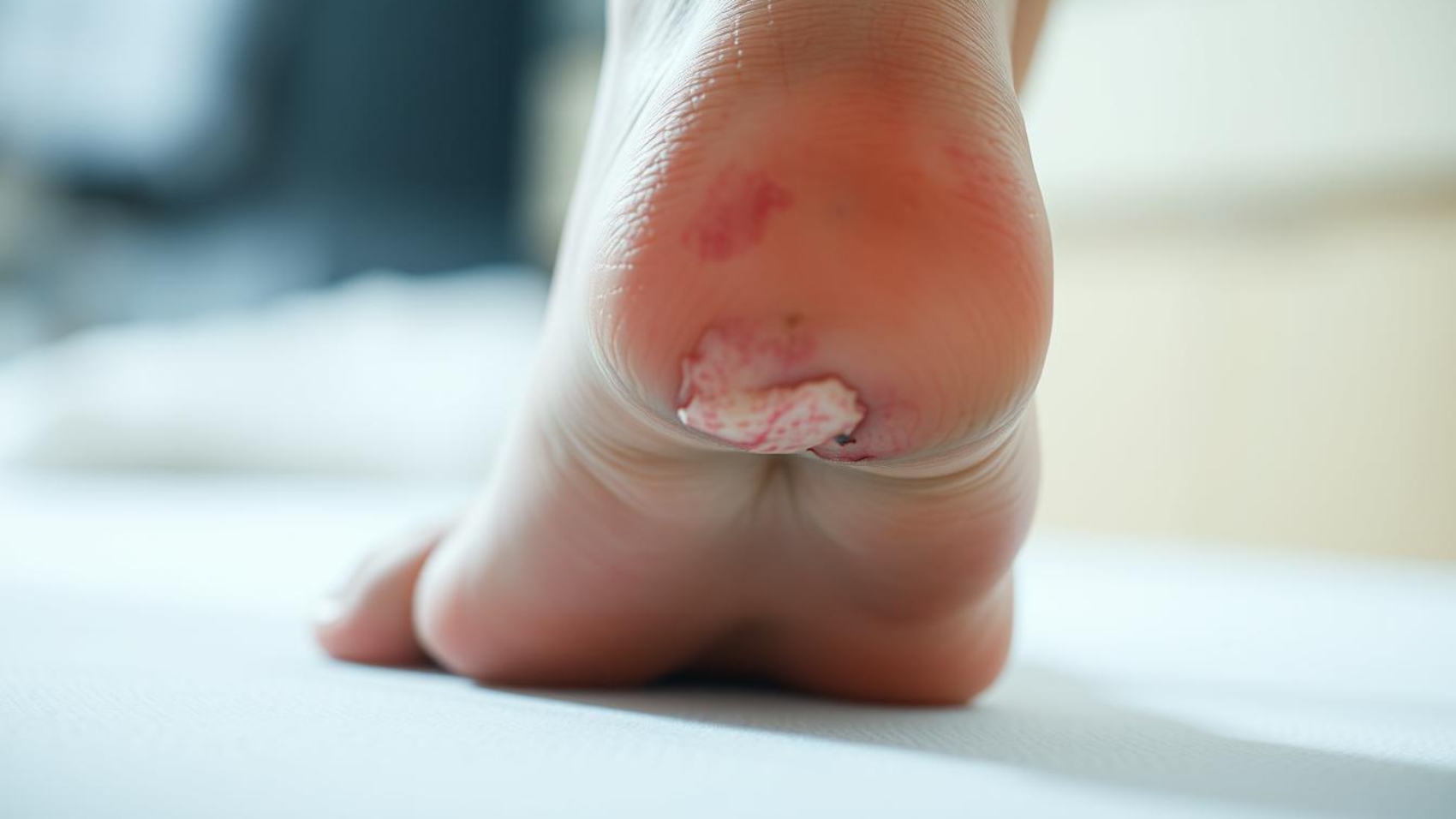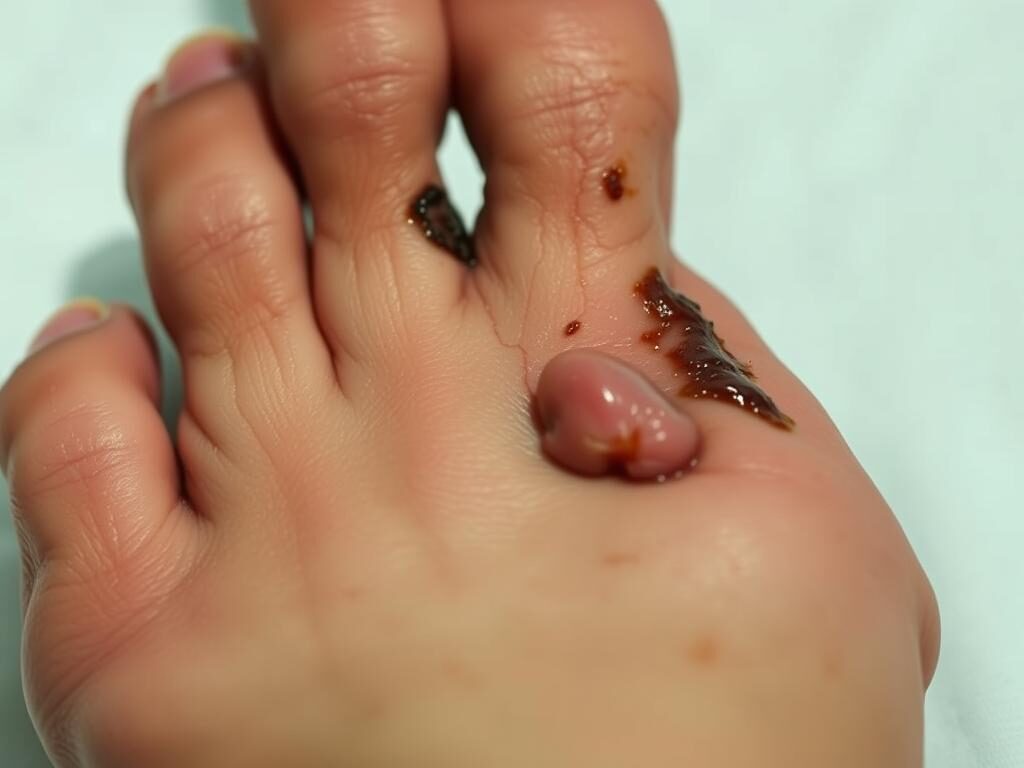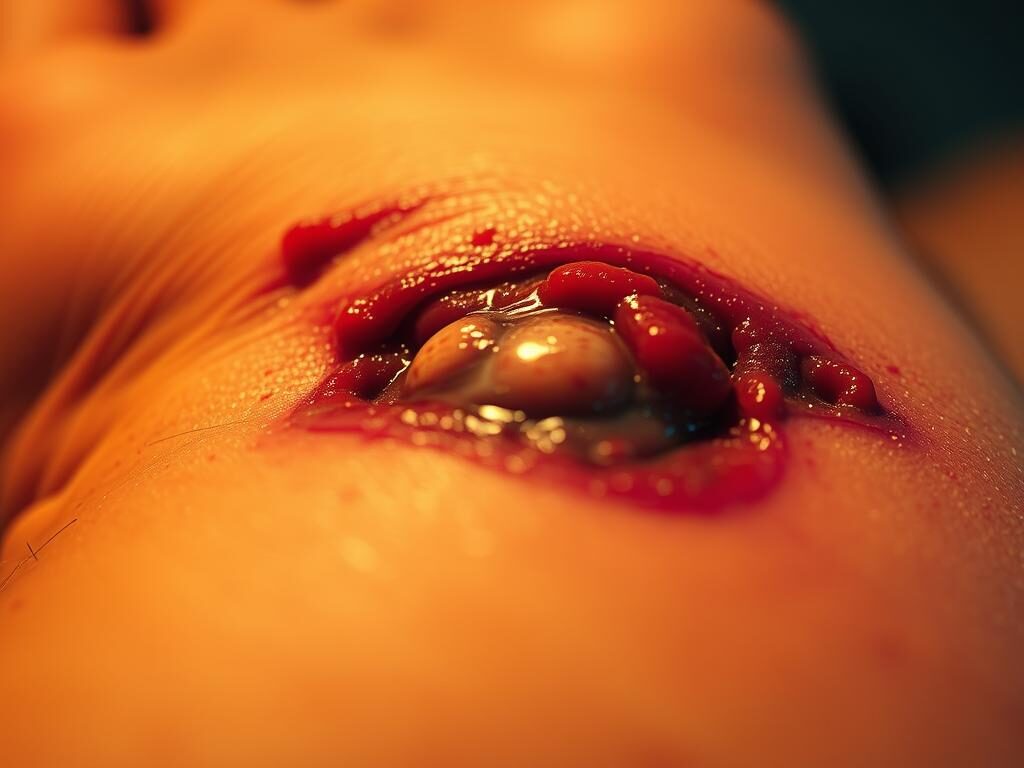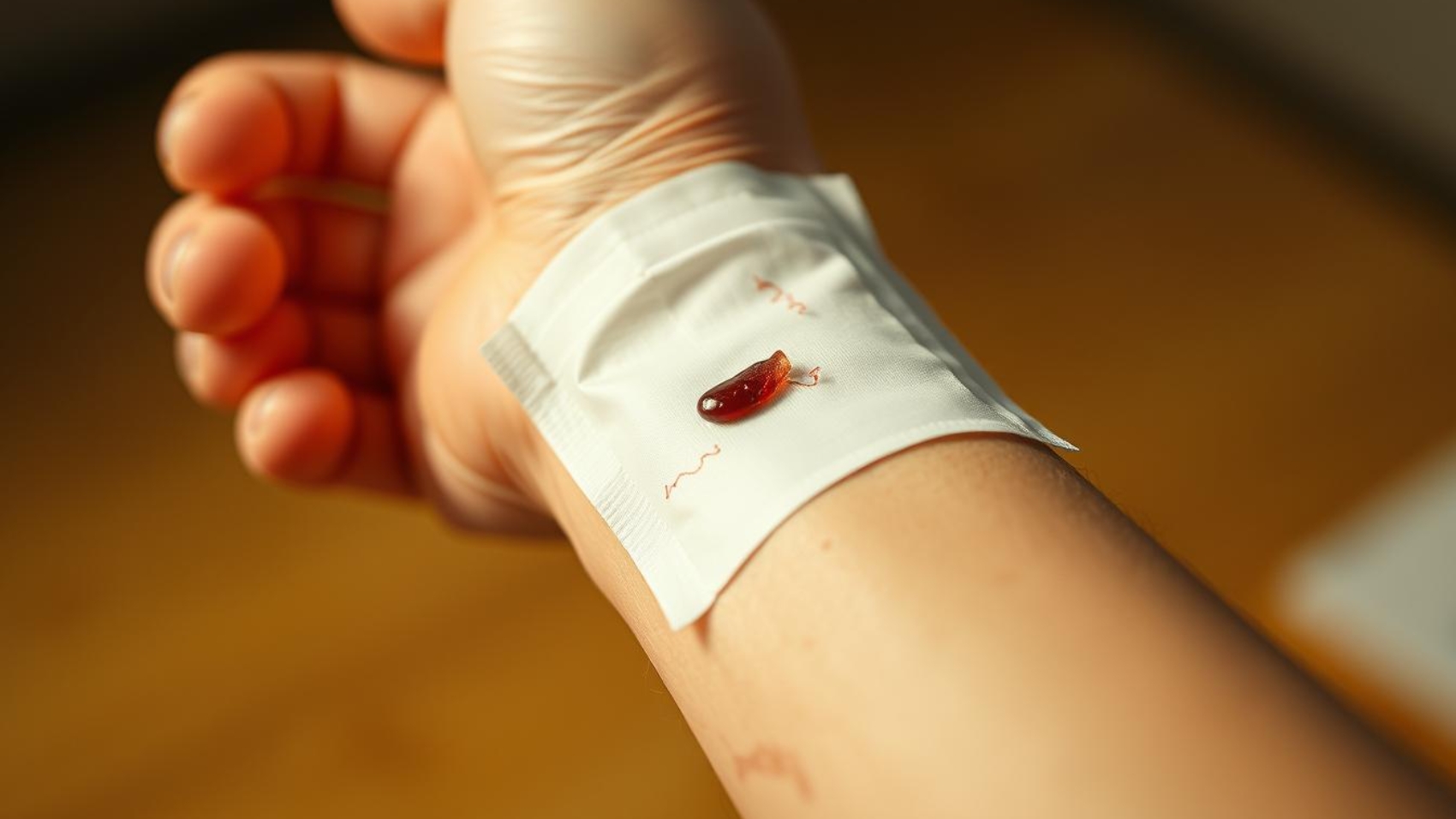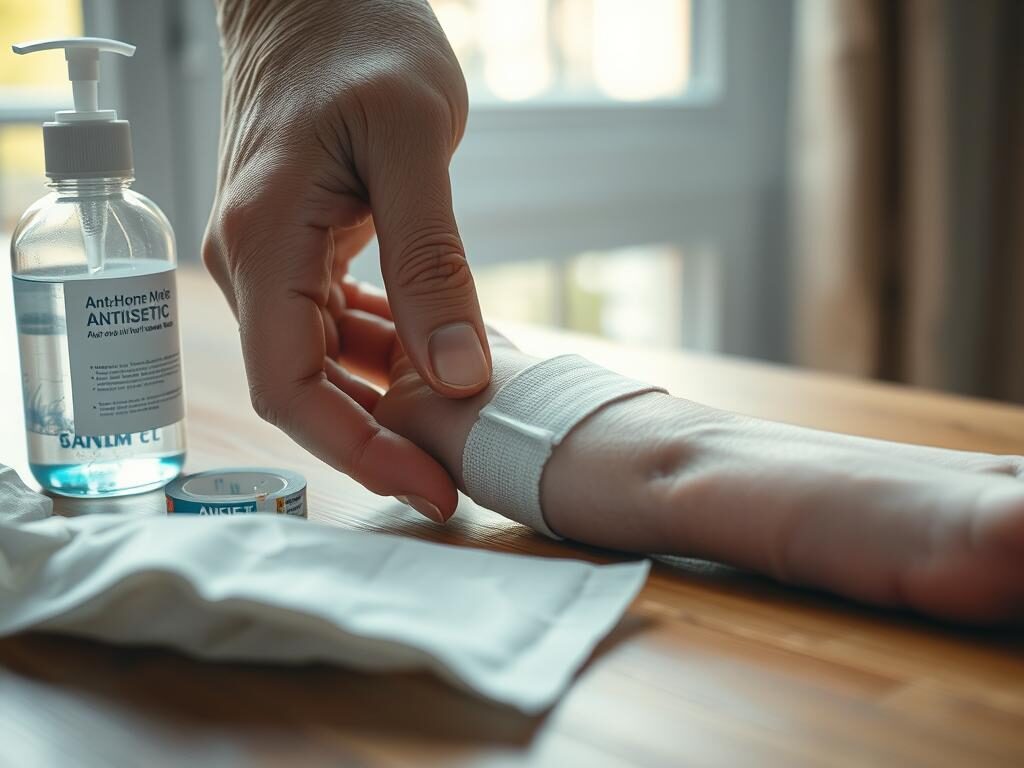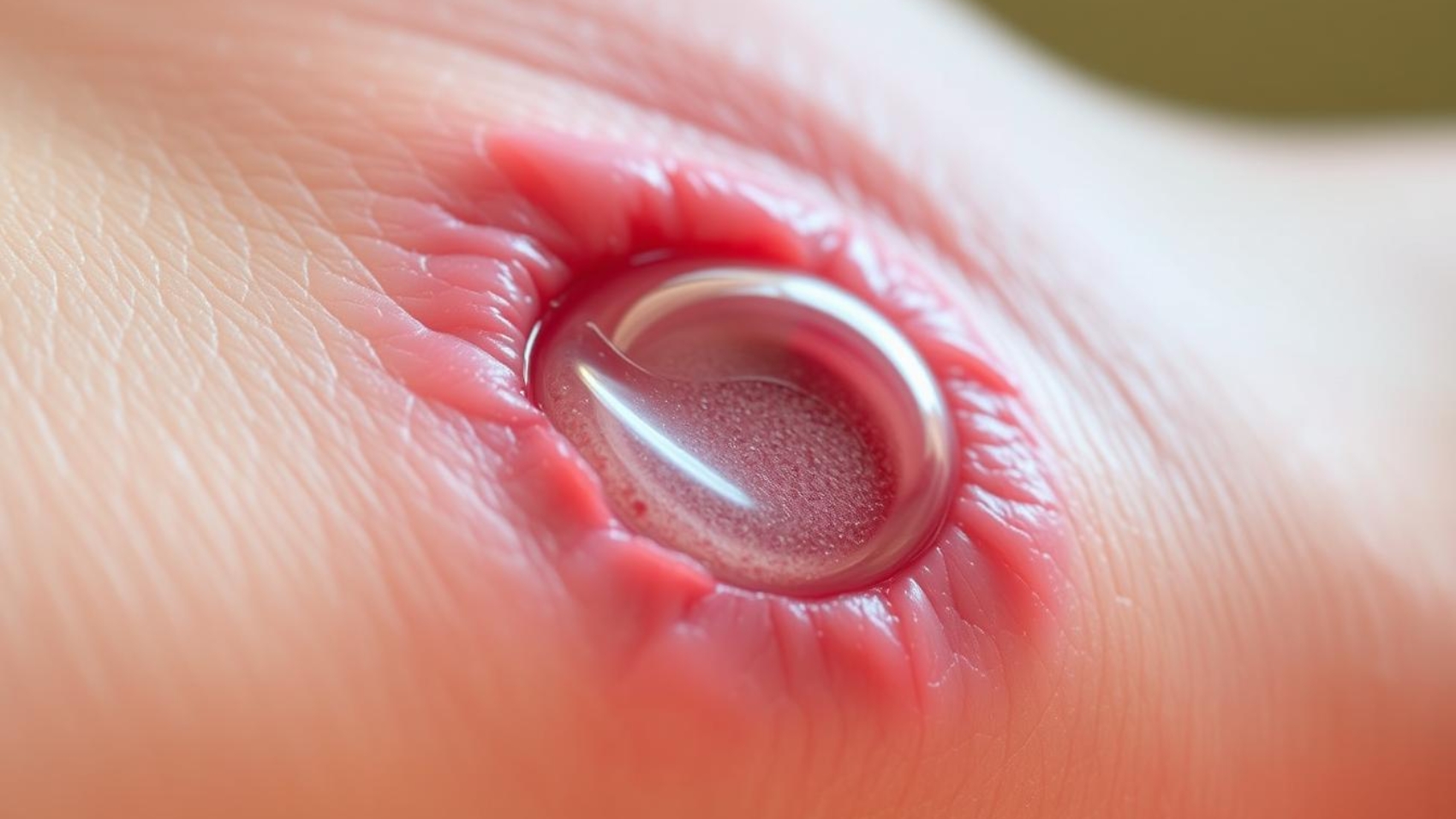
Wound moisture balance

Why Moisture Matters in Wound Healing

When it comes to healing, you might not immediately think about the role of moisture. But, keeping the right moisture level is key for your body’s healing.

A wound moisture balance helps your body heal better. Too little moisture can dry out tissues. Too much can cause them to break down. The science shows that using dressings that keep moisture just right helps wounds heal faster and better.

Understanding the importance of wound moisture balance is a big step in good wound care. If you have a wound, getting help from a professional is vital. You might want to contact Dominion Mobile Wound Care for expert advice and care.

Key Takeaways

  • Maintaining a wound moisture balance is key for healing.
  • Too little or too much moisture can slow healing.
  • Moist wound healing is backed by science.
  • Right moisture levels help wounds heal faster and better.
  • Getting professional wound care can greatly improve your recovery.

The Science Behind Wound Healing Process

The wound healing process shows how amazing our bodies are at fixing themselves. It involves many steps that help fix damaged skin and tissues.

Cellular Regeneration and Tissue Repair

At the core of healing is the growth of new cells and fixing tissues. Moisture is key in this, helping to clean the wound, reduce pain, and move cells forward. A moist environment is perfect for cells to grow and fix damaged areas.

The Four Essential Phases of Healing

Healing happens in four main steps: hemostasis, inflammation, proliferation, and remodeling. Each step is important for healing right. In the proliferation phase, the wound starts to build new tissue. Moisture balance is essential for cell movement and new tissue formation.

How Modern Healing Science Has Evolved

Modern healing science has grown a lot, thanks to new technologies and understanding the healing process. New discoveries show the need for the right moisture to heal faster and better. This has led to new products and treatments to help the body heal naturally.

The Critical Role of Wound Moisture Balance

Wound moisture balance is key in modern wound care. It’s vital for healing. Wound moisture balance helps the body heal better when done right.

Defining the Optimal Moisture Environment

The right moisture level is neither too dry nor too wet. It supports healing by helping cells move and repair. This environment reduces scab formation.

How Proper Moisture Accelerates Healing Time

Right moisture levels speed up healing. Moisture therapy cuts down pain and scarring. It also helps wounds heal faster.

Recent Research Breakthroughs

New studies show moisture therapy boosts wound healing. They found it leads to quicker healing, less scarring, and less pain. New technologies make it easier to keep wounds moist.

Knowing about wound moisture balance helps doctors give better care. For more on wound care, contact Dominion Mobile Wound Care for expert advice.

The Evolution of Moist Wound Healing

Moist wound healing has changed a lot over time. It has changed how we take care of wounds. This change came from learning more about how wounds heal and the importance of moisture.

Historical Perspective: From Dry to Moist Approaches

Oldly, we let wounds dry out to form a scab. But, research showed that dry wounds heal slower. The move to moist wound healing started when people saw wounds heal faster and with less scarring in a moist environment.

Clinical Evidence Supporting Moisture Therapy

Many studies have shown the good side of keeping wounds moist. Moisture therapy helps wounds heal faster and with less scarring. It also makes the healing process better.

  • Enhance cellular regeneration
  • Promote tissue repair
  • Reduce healing time
  • Minimize scarring

moist wound healing

Current Medical Consensus

Now, doctors agree that keeping wounds moist is key for healing. This is shown in the latest guidelines for wound care. Moisture therapy is seen as a key part of good treatment.

Knowing how moist wound healing has evolved helps doctors give better care. This leads to better results for patients.

Understanding Dry Wound Risks and Complications

Wounds that dry out can heal much slower. They face many risks that can slow down recovery.

Cell Dehydration and Scab Formation Challenges

Dry air causes cells to lose water, forming hard scabs. These scabs can block healing. Cell dehydration harms the wound area and the tissue around it.

Pain Intensification and Healing Delays

Dry wounds hurt more because nerve endings are exposed. This pain can be hard to manage. Also, dry wounds heal slower because the body can’t repair itself well without moisture.

Long-term Scarring and Functional Impairment

Dry wounds can cause lasting scars and problems with movement. The scars can be big and affect how you move. This depends on where the wound is.

To prevent these issues, keeping the wound moist is key. If you’re worried about your wound, talk to a wound care expert like Dominion Mobile Wound Care.

The Dangers of Excessive Wound Moisture

Too much moisture in wound care can be harmful. While moisture helps wounds heal, too much can cause problems.

Tissue Maceration and Breakdown

Too much moisture makes the skin around wounds soft and weak. This is called tissue maceration. It can damage the skin and make the wound bigger.

  • Prolonged exposure to too much moisture weakens the skin’s natural barrier.
  • Maceration can result in the loss of skin integrity, making it more susceptible to further injury.

Bacterial Proliferation and Infection Risk

Moist environments can foster bacterial proliferation, increasing the risk of infection. Infections not only delay healing but can also lead to more severe health issues.

  1. A moist wound environment can become a breeding ground for bacteria.
  2. Infections can lead to prolonged hospital stays and additional treatments.

Identifying Signs of Over-Hydration

It’s important to recognize signs of over-hydration to prevent complications. These signs include:

  • Soft, white, or soggy skin around the wound.
  • Increased drainage or discharge.
  • A foul odor from the wound.

Maintaining a balanced moisture level is key to promoting healthy wound healing. By understanding the risks associated with excessive wound moisture, you can take steps to prevent complications and support the healing process.

Breakthrough Moisture Therapy Technologies

Advanced moisture therapy technologies are changing wound care. They help wounds heal faster by keeping the right moisture balance. This leads to better recovery and results for patients.

Next-Generation Hydrocolloid Applications

Hydrocolloid dressings have been used for years. But now, we have next-generation hydrocolloid applications. These new dressings breathe better, stretch more, and soak up more. They work well for many types of wounds.

Advanced Hydrogels and Smart Dressings

Advanced hydrogels and smart dressings are big steps forward. They adjust to the wound’s needs. They keep the wound moist, helping it heal while avoiding infection.

Negative Pressure Systems for Moisture Control

Negative pressure wound therapy (NPWT) systems are gaining popularity. They manage moisture, help wounds grow new tissue, and lower infection risk.

Emerging Treatments in Clinical Trials

Wound care is always getting better, with new treatments in trials. We’re seeing new dressings, bioactive therapies, and ways to deliver treatments. These could make moisture therapy even more effective.

When choosing wound care, talk to healthcare experts. They can give advice tailored to you. For top-notch wound care, including the latest moisture therapy, contact Dominion Mobile Wound Care. They offer caring and thorough services.

Assessing and Monitoring Your Wound’s Moisture Needs

It’s key to check your wound’s moisture needs for healing. The right moisture balance is vital for wound care.

Visual and Tactile Indicators of Moisture Imbalance

To check your wound’s moisture, look for signs. Too much moisture can cause maceration. Not enough moisture can lead to dryness and cracks. Watch for:

  • Redness or inflammation around the wound
  • Excessive drainage or leakage
  • Dry, cracked, or scabbed wound surface

When Professional Evaluation Becomes Necessary

If you’re unsure about your wound’s moisture, get a professional’s help. A healthcare expert can check your wound and guide you on moisture levels.

Documentation Techniques for Tracking Healing Progress

Keeping a wound care log is important. It helps track your wound’s healing. Record:

Date Wound Size Moisture Level Notes
01/01/2023 5cm x 3cm Optimal Healing progressing well
01/08/2023 4cm x 2cm Optimal Continued improvement

By monitoring moisture and tracking progress, you help your wound heal better. This prevents complications too.

Specialized Moisture Management for Chronic Wounds

Managing chronic wounds needs a careful approach, focusing on the right moisture levels. Wounds like diabetic ulcers, pressure injuries, and venous stasis ulcers each have their own needs. They require specific strategies for managing moisture.

Diabetic Ulcers: Unique Moisture Considerations

Diabetic ulcers come from nerve damage and bad blood flow, making healing hard. It’s important to keep the area moist but not too wet to avoid infections. Special dressings that soak up extra fluid but keep the wound moist work well.

Pressure Injuries and Moisture Control Strategies

Pressure injuries need careful moisture control to avoid dryness or too much moisture. It’s important to check and change dressings often to keep the moisture just right.

Venous Stasis Ulcers and Exudate Management

Venous stasis ulcers have a lot of fluid, which can harm the wound. Using compression and absorbent dressings can really help.

Wound Type Moisture Consideration Effective Strategy
Diabetic Ulcers Balancing moisture to prevent infection Advanced absorbent dressings
Pressure Injuries Preventing dryness and over-hydration Regular dressing assessment
Venous Stasis Ulcers Managing high exudate levels Compression therapy and absorbent dressings

If you’re having trouble with chronic wound care, contact Dominion Mobile Wound Care for help and advice.

Effective Home Care Strategies for Maintaining Optimal Wound Moisture

Keeping the right moisture level is key for wounds to heal well at home. It’s not always easy, but the right steps can help a lot.

Selecting the Right Dressings for Your Wound Type

Picking the right dressing is very important. Different wounds need different kinds of dressings. For example, hydrocolloid dressings work best for dry wounds. On the other hand, foam dressings are good for wounds that drain a lot.

Daily Monitoring and Maintenance Protocols

It’s important to check your wound every day. Look for too much or too little moisture. If needed, change your dressing and keep the skin around it clean and dry. Here’s what to do:

  • Inspect the wound and dressing daily
  • Change the dressing if it’s soiled or wet
  • Clean the wound with saline solution
  • Apply a new dressing appropriate for your wound type

Warning Signs That Require Immediate Attention

Watch out for signs that mean something might be wrong, like increased redness, swelling, or purulent discharge. If you see these, get help right away. For more info on wound care after the hospital, check out Dominion Mobile Wound Care.
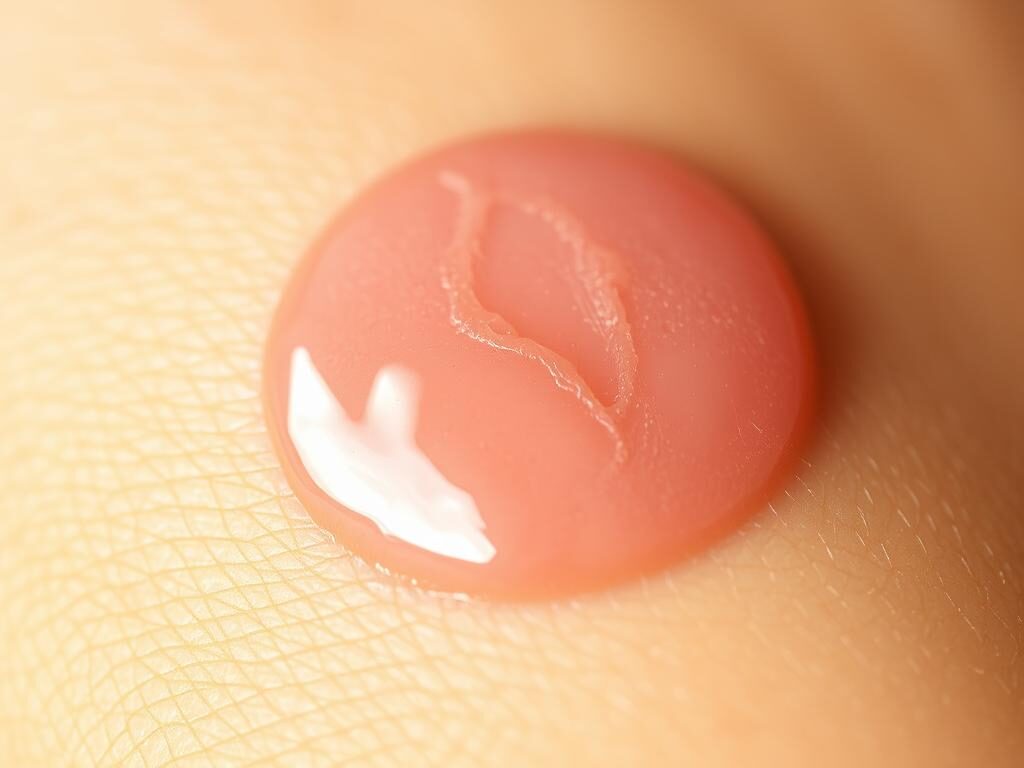
wound moisture balance

How Dominion Mobile Wound Care Delivers Expert Wound Moisture Balance

Dominion Mobile Wound Care brings advanced care to your doorstep. They focus on the right moisture balance for healing. Their team knows how important this is for wounds to heal well.

Comprehensive Assessment and Diagnostic Services

The first step to healing is a comprehensive assessment. Dominion Mobile Wound Care’s team does detailed checks. They look at the wound’s moisture levels.

Personalized Treatment Plans for Optimal Moisture

After the assessment, personalized treatment plans are made. These plans keep the moisture balance right. This ensures each patient gets the best care for their wound.

Service Description Benefit
Comprehensive Assessment Thorough evaluation of the wound Identifies specific wound needs
Personalized Treatment Plans Tailored plans for optimal moisture Effective healing through balanced moisture
Advanced Technologies Use of latest wound care technologies Enhanced healing process

Advanced Technologies and Professional Application

Dominion Mobile Wound Care uses advanced technologies for top-notch care. Their team is trained in the newest methods for wound moisture.

Mobile Care Advantages for Patients with Limited Mobility

For those who can’t move much, Dominion Mobile Wound Care’s mobile service is a big plus. They bring care to you, saving you from the hassle of traveling.

Choosing Dominion Mobile Wound Care is a big step towards healing. Their expert team is ready to give you the best care right at your home.

Conclusion: Embracing Moisture-Based Healing for Better Outcomes

Keeping wounds moist is key for faster healing. Learning about moisture-based healing and finding the right moisture balance can greatly help your recovery.

Dominion Mobile Wound Care provides expert care for wound moisture management. They offer detailed assessments and treatments that fit your needs, helping your wound heal better.

Choosing Dominion Mobile Wound Care means getting top-notch care for your wound. Start your journey to better healing with their moisture-based approach.

FAQ

What is wound moisture balance, and why is it important for healing?

Wound moisture balance means keeping the right amount of moisture in a wound to help it heal. It’s key because the right moisture level speeds up healing, reduces pain, and lowers scarring risk. Today, science shows that keeping wounds moist is vital for healing.

How does moisture affect the wound healing process?

Moisture is vital for healing wounds. It helps cells grow back, repairs tissues, and goes through the healing stages. A moist wound heals faster than a dry one.

What are the risks associated with dry wounds?

Dry wounds face risks like cell drying out, scabbing, more pain, slower healing, and scarring. Keeping the wound moist is key to avoid these problems and ensure healing.

Can excessive wound moisture be harmful?

Yes, too much moisture can cause tissue damage, more bacteria, and infection risk. It’s important to watch for too much moisture and keep it balanced to avoid these issues.

How can I assess and monitor my wound’s moisture needs?

Check your wound’s moisture by looking and feeling for signs of imbalance. Keeping track of your wound’s healing can help. If unsure, talk to a healthcare expert for advice.

What are the benefits of using advanced moisture therapy technologies?

New moisture therapy tools, like advanced hydrocolloids and smart dressings, help keep wounds moist. They speed up healing, lessen pain, and reduce scarring.

How can I manage moisture for chronic wounds, such as diabetic ulcers or venous stasis ulcers?

Chronic wounds need special care for moisture management. Diabetic ulcers need to manage fluid and prevent infections. Venous stasis ulcers focus on fluid control. A healthcare expert can help create a treatment plan for you.

What are the benefits of seeking professional wound care services, such as those offered by Dominion Mobile Wound Care?

Professional wound care, like Dominion Mobile Wound Care, offers detailed assessments and treatment plans. Their advanced tools and expert care help maintain the right moisture, speeding healing and reducing risks.

How can I maintain optimal wound moisture at home?

At home, choose the right dressings for your wound, check it daily, and follow care steps. Watch for signs like more pain or infection that need quick action.
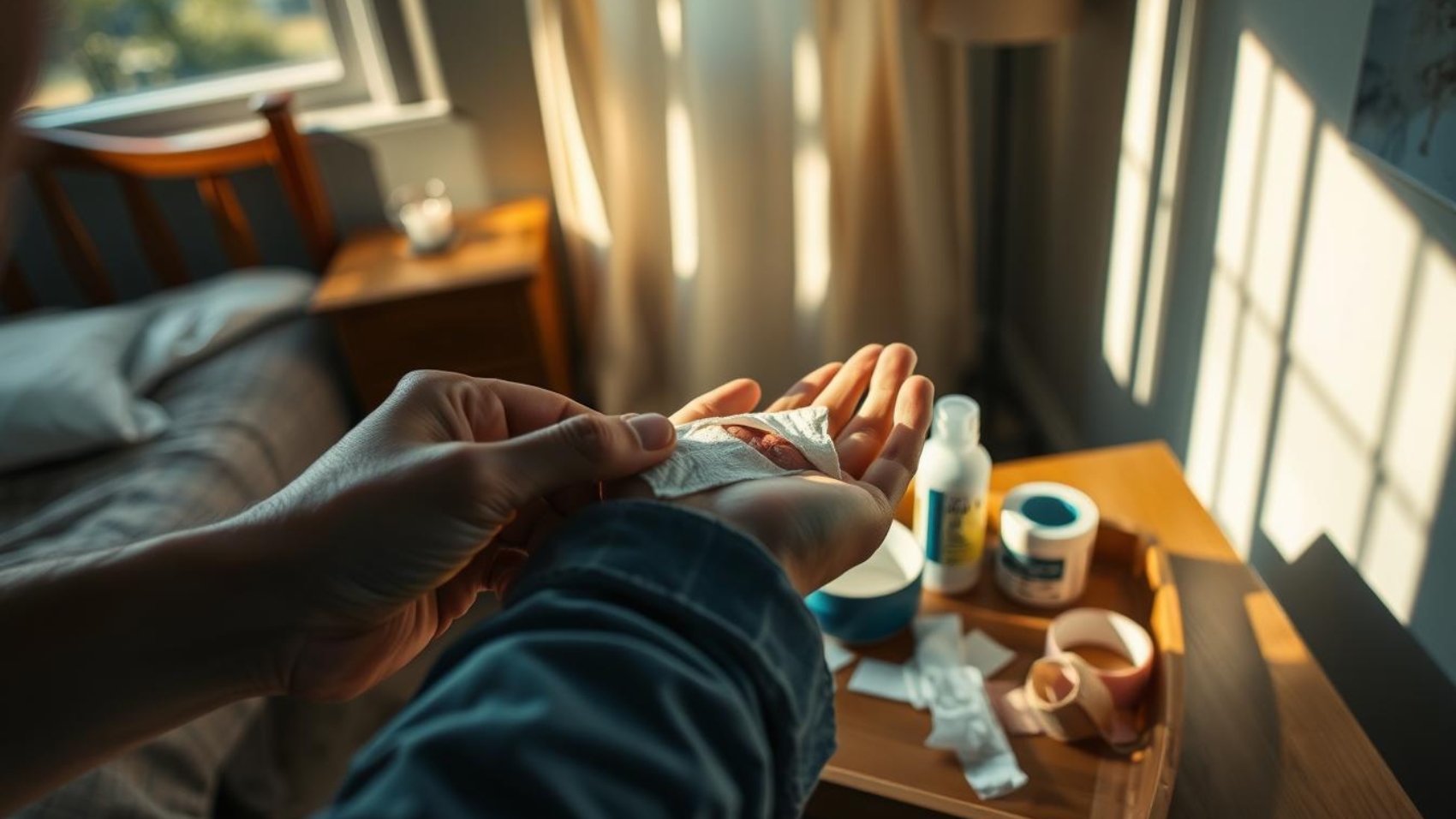
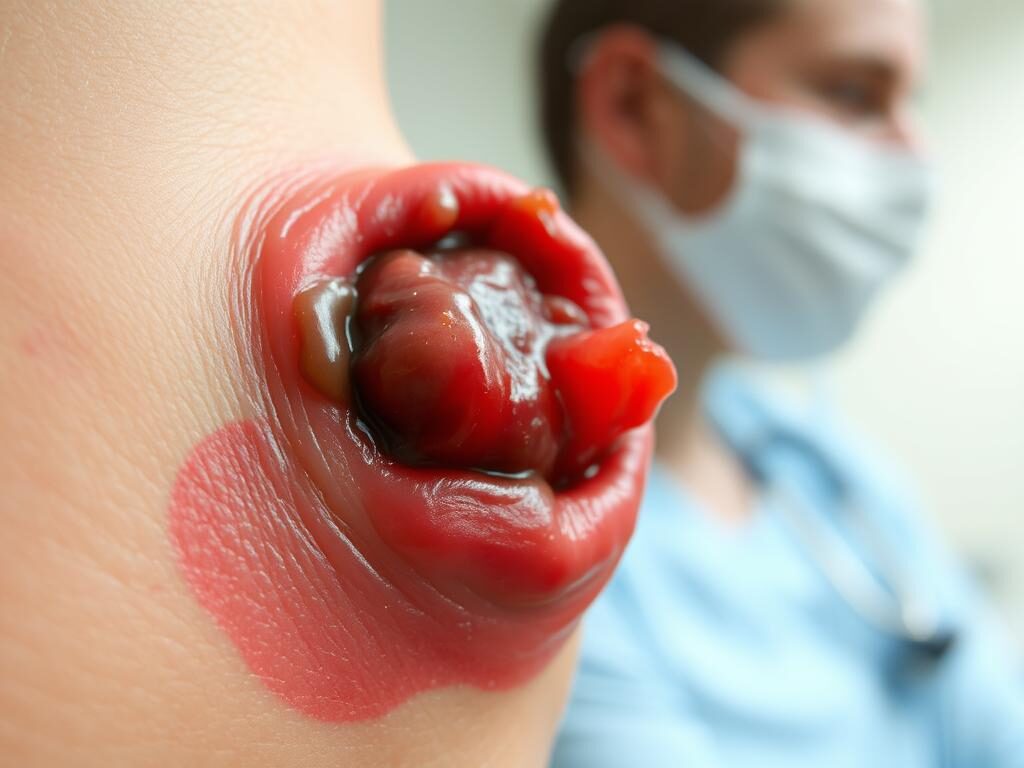
At-home wound inspection

What to Look for When Checking a Wound at Home

Proper wound care is key for healing and avoiding infections. Checking your wound at home is a big step in your recovery. It helps you spot problems early, making sure your wound heals right.

Knowing what to look for during an at-home wound inspection lets you track your healing. This article will show you the important signs to watch for when checking your wound at home.

Key Takeaways

  • Understand the importance of monitoring your wound at home.
  • Learn what signs to look for to ensure proper healing.
  • Discover how to identify possible complications early.
  • Find out when to seek professional help for your wound.
  • Get tips on maintaining good wound care practices at home.

The Importance of Proper At-Home Wound Inspection

Learning about at-home wound inspection can greatly help your recovery and health. It’s not just about treating the wound. It’s also about watching how it heals and catching any problems early.

Why Regular Wound Checks Matter

Regular checks are key for many reasons. They help spot signs of infection like swelling, redness, or more drainage. By checking your wound often, you can avoid big problems and help it heal right.

  • Early detection of infection signs
  • Monitoring healing progress
  • Preventing complications

When to Perform Wound Assessments

You should check your wound at least once a day. But, how often depends on your wound’s type and how bad it is. If you see more swelling or drainage, check it more often.

Being active and regular with your checks helps your wound heal well. Wound care experts say that wound assessment is vital for a good recovery.

Essential Supplies for Effective Wound Assessment

Starting a wound assessment means getting the right supplies first. This ensures a clean and safe space. The right tools are key to checking your wound’s condition and caring for it well.

Basic First Aid Items You Need

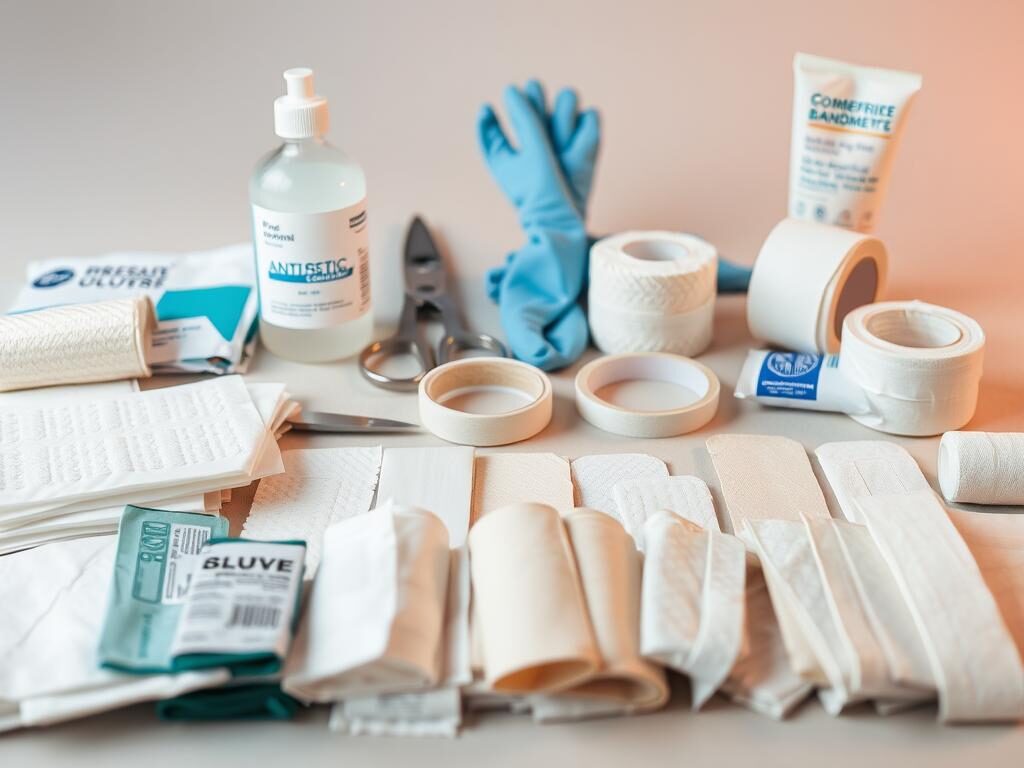
You’ll need basic first aid items like sterile bandages and antiseptic wipes. Gloves are very important too. They keep bacteria out of the wound and protect your hands from germs.

Creating a Dedicated Wound Care Station

Having a special area for wound care makes things easier. This area should have a clean surface, good lighting, and a trash can. Keeping things organized helps prevent infection and makes the process smoother.

Proper Lighting and Positioning

Good lighting is vital for a detailed wound check. Natural light is best, but a good lamp works too. Being in a comfortable spot helps you see the wound clearly.

Supply Purpose
Sterile Bandages To cover and protect the wound
Antiseptic Wipes To clean the wound and surrounding area
Gloves To prevent infection and protect hands

With the right supplies and a dedicated area, you can manage your wound well. It’s also important to control any bad smells. The right supplies help keep the area smelling fresh.

Understanding Different Types of Wounds

Knowing the type of wound you have is key to the right treatment. Wounds are grouped based on their look and cause.

Acute vs. Chronic Wounds

Wounds are either acute or chronic. Acute wounds come from injuries or surgery and heal fast with care. Chronic wounds don’t heal fast and might be due to health issues like diabetes or poor blood flow. For more on chronic wounds, check out our article on what you need to know about them.

Common Wound Classifications

Wounds are also grouped by their cause and look. These include:

Surgical Wounds

Surgical wounds happen during surgery. They are clean and usually closed with stitches or staples.

Traumatic Wounds

Traumatic wounds come from accidents or injuries. They can have dirt and bacteria in them.

Pressure Injuries

Pressure injuries, or ulcers, happen from too much pressure on the skin. This cuts off blood flow and damages tissue.

Diabetic Ulcers

Diabetic ulcers are a diabetes problem. They come from nerve damage and poor blood flow, leading to unnoticed injuries and infections.

The table below shows the main features of these wound types:

Wound Type Cause Characteristics
Surgical Wounds Surgery Clean, typically closed with sutures or staples
Traumatic Wounds Accidents or injuries Contaminated, may contain debris and bacteria
Pressure Injuries Prolonged pressure on skin Tissue damage due to restricted blood flow
Diabetic Ulcers Nerve damage and poor circulation Unnoticed injuries and infections

Knowing your wound type is key to managing it well. By understanding your wound, you can help it heal and avoid problems.

Assessing Wound Size, Depth, and Healing Progress

Knowing how big, deep, and healing your wound is can really help your recovery. Regular checks can spot problems early, so you can act fast.

Simple Measuring Techniques

To keep track of your wound’s healing, measure its size and depth often. Use a ruler to measure length, width, and depth. You can also draw the wound’s shape on a clear sheet to see changes.

Consistency is key. Try to measure your wound at the same time every day. It’s best when it’s clean and covered.

Documenting Changes Over Time

It’s important to keep a record of your wound’s measurements and notes. Use a wound care diary or a mobile app to log your data. This helps you spot patterns and warns of possible problems.

Make sure to note any changes in size, depth, or drainage. These signs are important for healing or infection.

Signs of Proper Healing

A healing wound shows certain signs. You might see less swelling, less drainage, and granulation tissue, which means new skin is growing. The wound may start to close from the edges and get smaller.

Watching for these signs helps you know if your wound is healing right.

Evaluating Wound Drainage and Colors

The color and amount of wound drainage can tell us a lot about healing. It’s important to know what different drainage means.

Normal vs. Abnormal Drainage Amounts

Drainage is a normal part of healing. But, the amount and type can vary a lot. Normal drainage is usually not too much, while abnormal drainage can be too much or too little.

What Different Drainage Colors Indicate

The color of drainage is key to knowing how well a wound is healing. Different colors can mean different things about healing or problems.

Clear or Yellow Serous Drainage

Clear or yellow drainage means the wound is healing. It’s usually thin and not too much.

Green or Blue Purulent Drainage

Green or blue drainage often means infection. It’s thick and may smell bad. If you see this, get medical help fast.

Pink or Red Sanguineous Drainage

Pink or red drainage means there’s blood. A little blood is okay after injury or surgery. But too much or constant blood might be a problem.

When Drainage Changes Are Concerning

Changes in drainage can mean trouble or infection. If your drainage changes suddenly, see a doctor right away.

Recognizing Signs of Infection in Your At-Home Wound Inspection

When you check your wound at home, knowing the signs of infection is key. Spotting these signs early can help you act fast and avoid bigger problems.

Common Infection Indicators

Infection shows up in different ways. Look out for increased redness, swelling, and warmth around the wound. You might also see increased drainage or a change in drainage color and texture.

signs of infection

When Redness Is a Warning Sign

Redness is normal when wounds heal, but it can also mean infection. If the redness gets larger or deeper, it might be infected. Watch it closely and get medical help if it gets worse.

Temperature Changes Around the Wound

A wound that’s warm or hot to the touch could be infected. Check if it’s warmer than the skin around it. Some wounds might feel cool or clammy, which is also a worry.

Systemic Signs of Infection

Infection can cause fever, chills, or feeling really sick. If you have these symptoms, get medical help right away.

By watching for these signs, you can manage your wound healing better. This helps you get the best results.

Understanding Wound Odors: What Different Smells Mean

Odor in a wound can tell us about its health and healing. Different smells mean different things. Knowing these differences is key to managing wounds well.

Normal Wound Odors

A wound might smell a bit off because of bacteria. But, a really strong or bad smell is not normal. Normal wound odors are usually mild. They might smell like sweat or have a metallic scent, like blood.

Odors That Indicate Infection

A strong, foul, or putrid smell often means an infection is present. Bacteria like anaerobic ones can make a foul smell as they break down tissue. If your wound’s smell changes a lot, watch for other signs of infection too.

Documenting and Describing Odors

Keeping track of your wound’s smell can help spot changes. Use words like “mild,” “strong,” “foul,” or “putrid” to describe it. This can help catch problems early. For more on wound care and dressing changes, check out Dominion Mobile Wound Care.

Odor Management Techniques

There are ways to manage wound odors. Using topical creams or dressings made to reduce smell can help. Also, keeping the wound clean and changing dressings often can cut down on bad smells.

Odor Type Possible Cause Action
Mild, slightly unpleasant Presence of bacteria, normal healing process Continue with regular wound care
Strong, foul, or putrid Infection, anaerobic bacteria Consult a healthcare professional, consider antibiotic treatment

Identifying and Assessing Wound Swelling

Understanding swelling is key when you’re caring for a wound. Swelling is a natural response to injury. But, too much or lasting swelling can mean there’s a problem.

Normal vs. Abnormal Swelling Patterns

Normal swelling usually goes down in a few days as the wound heals. But, if swelling doesn’t go away or gets worse, it’s a sign of trouble. Keep an eye on swelling around your wound to catch any issues early.

Measuring and Monitoring Swelling

To track swelling, use a simple method. Wrap a flexible tape measure around the swollen area. Then, take measurements over time to see if it’s changing.

Measurement Day Circumference (cm) Notes
Day 1 30 Initial measurement
Day 3 29 Slight reduction
Day 5 28 Continued reduction

When Swelling Requires Medical Attention

If swelling, redness, or pain get worse, see a doctor. These signs might mean an infection or another serious issue that needs a doctor’s help.

Simple Interventions for Swelling

Try elevating the swollen area and using cold compresses to reduce swelling. Also, follow your doctor’s advice on wound care and managing swelling to help it heal.

When to Seek Professional Wound Care

Managing a wound at home is common. But knowing when to get professional wound care is key. Some wounds need expert help for proper healing.

Red Flags That Require Immediate Attention

Some signs mean you need to see a doctor right away. These include:

  • Increased redness, swelling, or warmth around the wound
  • Pus or foul-smelling discharge
  • Fever or chills
  • Increased pain or tenderness
  • A wound that is not healing

If you notice any of these, get help fast.

Benefits of Professional Wound Assessment

A wound assessment by a pro can help a lot. They can tell you exactly what your wound needs. They offer treatments that work best for you, helping you heal faster.

professional wound care

How Dominion Mobile Wound Care Can Help

Dominion Mobile Wound Care comes to you. They offer expert care right where you are. Their team can check your wound, plan your treatment, and help you heal.

Insurance Coverage for Professional Wound Care

Many insurances cover professional wound care, like Dominion Mobile Wound Care. Check with your insurance to see what’s covered and what you might pay.

Getting professional wound care when needed can really help your healing. Knowing when to seek help and the benefits of expert care can make a big difference.

Conclusion: Taking Control of Your Wound Healing Journey

Proper wound care is key for healing and avoiding infections. By checking your wound at home, you can help your recovery. Look at the size, depth, drainage, and condition of your wound regularly.

If wound care is hard or you’re worried about your wound, get professional help. Dominion Mobile Wound Care brings expert care to you. They offer personalized advice and treatment to aid your healing.

By managing your wound care and getting help when needed, you can heal better. With the right care, you can recover well and feel better overall.

FAQ

What are the signs of proper wound healing?

Signs of healing include less swelling and less drainage. You’ll also see granulation tissue. The wound should get smaller and shallower over time.

How often should I check my wound at home?

Check your wound daily, at the same time. This helps spot problems early. It keeps your wound from getting worse and helps it heal faster.

What do different drainage colors indicate?

Drainage colors tell you about your wound’s health. Clear or yellow means it’s healing. Green or blue means infection. Pink or red means there’s blood.

How can I manage wound odor?

Use creams or dressings to reduce bad smells. Keeping track of changes in smell is also important.

What are the red flags that require immediate medical attention?

Look out for more redness, swelling, or drainage. Also, watch for fever and chills. These are signs of serious infection.

How can I measure and monitor wound swelling?

Track changes in size and circumference. Knowing when to see a doctor can prevent serious problems.

What are the benefits of professional wound assessment?

A professional can give you tailored care. Dominion Mobile Wound Care offers the help you need to heal.

Is professional wound care covered by insurance?

Insurance for wound care varies. Check with your provider to see what’s covered.

Home wound assessment

What Happens During an In-Home Wound Assessment

When you get care from Dominion Mobile Wound Care, you’ll get a detailed check-up at home. A licensed clinician will first look at your overall health and the area around you.

The clinician will then look for any safety hazards or infection risks. They’ll also check your pain, how well you can move, and your nutrition. They’ll also review your medicines to get a full picture of your health.

This detailed wound evaluation lets the clinician create a care plan just for you. It’s made to meet your specific needs.

Key Takeaways

  • A licensed clinician visits your home to conduct a thorough assessment.
  • The evaluation includes checking safety, infection risks, and your overall health.
  • The clinician assesses pain levels, mobility, and nutritional status.
  • A personalized care plan is developed based on the assessment findings.
  • Dominion Mobile Wound Care provides care in the comfort of your own space.

The Growing Need for Professional Wound Care

The aging population and the rise in diabetes and other chronic conditions make wound care more critical than ever. Poorly managed wounds are a major cause of increased morbidity and longer hospital stays. This shows how vital professional wound care services are.

Common Types of Wounds That Require Professional Attention

Many types of wounds need professional care, like diabetic foot ulcers, pressure sores, and surgical wounds. These wounds are complex and hard to manage without the right training and tools.

Wound Type Common Causes Complications if Untreated
Diabetic Foot Ulcers Diabetes, Neuropathy Infection, Amputation
Pressure Sores Immobility, Pressure Infection, Tissue Damage
Surgical Wounds Surgery Infection, Dehiscence

Risks of Delayed or Improper Wound Management

Delayed or improper wound management can cause serious problems. These include infection, longer healing times, and higher healthcare costs. It’s important to get professional wound care to avoid these risks.

If you’re having trouble with a wound that won’t heal, think about contacting Dominion Mobile Wound Care. They offer expert care right in your home.

Why Choose a Home Wound Assessment Over Hospital Visits

Traveling to a hospital for wound care can be scary. A home wound assessment with Dominion Mobile Wound Care makes it easier. It’s more comfortable and convenient.

Convenience and Comfort for Patients with Limited Mobility

Patients with limited mobility find home assessments very helpful. Dominion Mobile Wound Care comes to you. This means you get care in your own home, without the stress of traveling.

Reduced Risk of Hospital-Acquired Infections

Hospitals are great for many medical needs but can also spread infections. Getting a wound assessment at home lowers your risk of getting sick. It makes your recovery safer.

Personalized Care in Familiar Surroundings

At home, clinicians can see your living space and spot risks. They can then make your healing plan fit your life better. This makes your care more effective.

Preparing for Your In-Home Wound Assessment

To prepare for your in-home wound assessment, gather important information and get your home ready. This will make your time with Dominion Mobile Wound Care smooth and effective.

Scheduling Your Appointment with Dominion Mobile Wound Care

Start by scheduling your appointment. You can call Dominion Mobile Wound Care or book online. Be ready to share details about your wound and when you’re free.

Essential Information to Have Ready

Before the assessment, collect the following:

  • Your medical records related to your wound
  • A current list of your medications
  • Any wound care supplies you are currently using

Having this information ready will help your clinician understand your wound history and current treatment.

Creating an Optimal Environment for Assessment

Clear a clean, well-lit area for the clinician to work. Make sure mobility aids are nearby for safe movement. This setup will help with a thorough assessment.

Preparation Task Description
Scheduling Contact Dominion Mobile Wound Care to schedule your appointment
Gathering Information Collect medical records, current medication list, and wound care supplies
Preparing the Environment Clear a clean, well-lit workspace and have mobility aids ready

By being prepared, you’ll be taking an active role in your wound healing process. If you need professional wound care, contact Dominion Mobile Wound Care to book your in-home assessment today.

The Arrival: First Steps of the Assessment Process

When you arrive, your Dominion Mobile Wound Care specialist will make sure you’re in a safe and comfy spot. This first step is key to making you feel relaxed and ready for the check-up.

Meeting Your Dominion Mobile Wound Care Specialist

Your Dominion Mobile Wound Care specialist will say hello and explain what’s going to happen. This is important for building trust and making you feel at ease and informed.

Initial Safety and Hygiene Protocols

The clinician will do a quick check to make sure the area is safe for the assessment. They’ll look for any dangers and make sure everything is clean.

Establishing Comfort and Trust

To make you feel comfortable and trusted, the clinician will talk to you in a calm way. They’ll listen to your needs and worries. This helps them create a healing plan just for you.

home wound assessment process

Initial Assessment Steps Purpose
Meeting the Specialist Establish Trust and Understanding
Safety and Hygiene Protocols Ensure a Safe Environment
Calm Conversation Understand Patient Needs and Concerns

Comprehensive Medical History Review

To create a good wound care plan, a detailed medical history review is key. This step gathers important health info that affects how your wound heals.

Critical Health Information That Affects Wound Healing

Your medical history gives clues about your wound’s healing. It includes new symptoms, changes in drainage or smell, and how much pain you’re in. A careful look at these details helps understand your condition fully.

Medication Review and Possible Interactions

Checking your medications is also important. Some drugs can slow down wound healing. It’s important to find out if any of your meds might be causing problems.

Previous Wound Care Experiences

Knowing about your past wound care is also helpful. It tells healthcare pros what treatments worked and what didn’t.

Chronic Conditions That Impact Recovery

Chronic conditions like diabetes or poor nutrition can slow down healing. Knowing about these conditions helps create a better care plan for you.

If wound care is tough, think about contacting Dominion Mobile Wound Care. They offer the help and advice you need to heal.

What Happens During the Physical Home Wound Assessment

The physical home wound assessment is a key step in making a healing plan just for you. It lets the Dominion Mobile Wound Care team get to know your wound well. They can then create a treatment plan that works best for you.

Wound Measurement and Documentation Techniques

The clinician will measure and document your wound’s size. They look at its length, width, and depth. Getting these measurements right is important for tracking your progress and making changes to your treatment plan if needed.

Assessment of Wound Characteristics

Examining your wound’s characteristics is vital. The clinician checks the type of tissue, the condition of the wound bed, and looks for signs of infection or complications. This helps them understand your wound’s status and decide the best course of action.

Tissue Types and Wound Bed Evaluation

The clinician will look at the types of tissue in your wound bed. They check for granulation, slough, or necrotic tissue. Knowing this helps them figure out how well your wound can heal and guides their treatment choices.

Identifying Signs of Infection or Complications

Dominion Mobile Wound Care specialists are skilled at spotting early signs of infection or complications. They look for increased redness, swelling, or unusual drainage. Catching these signs early helps prevent further problems.

The following table summarizes the key aspects of wound assessment and documentation:

Wound Characteristic Description Importance
Wound Location Recorded for reference Aids in treatment planning
Wound Dimensions Length, width, depth measured Tracks healing progress
Tissue Type Granulation, slough, necrotic tissue Influences treatment decisions
Drainage Color, amount, type noted Indicates infection or healing
Surrounding Skin Condition and integrity assessed Impacts treatment and healing

By using detailed wound assessment and advanced documentation, Dominion Mobile Wound Care creates a healing plan that meets your specific needs. This plan helps you recover as well as possible.

Advanced Diagnostic Tools Used in Your Home

During your in-home wound assessment, advanced tools are key. They help healthcare pros understand your wound’s state. This info leads to a better diagnosis and treatment plan.

Non-Invasive Assessment Technologies

Non-invasive tools assess your wound without pain or harm. Digital wound imaging and wound measurement tools track changes. This lets your treatment plan evolve as needed.

When Tissue Samples or Cultures May Be Necessary

Sometimes, tissue samples or cultures are needed. They check for infection or identify bacteria. This info is vital for your wound’s treatment.

Dominion Mobile Wound Care’s Specialized Equipment

Dominion Mobile Wound Care uses top-notch tools. They include standardized photography and validated scoring systems. These help monitor your wound’s healing. This ensures you get the best care at home. For more info, visit Dominion Mobile Wound Care.

If your wound won’t heal, Dominion Mobile Wound Care can help. Their team aims to help you heal fully and regain your health.

Creating Your Personalized Wound Healing Plan

After your wound is assessed, a Dominion Mobile Wound Care clinician will create a plan just for you. This plan aims to help your wound heal well and fix any issues that might slow down your recovery.

Evidence-Based Treatment Approaches

Dominion Mobile Wound Care uses the latest treatments to help wounds heal. These treatments include:

  • Advanced wound dressings to keep the wound moist and aid healing
  • Debridement to remove dead tissue and help new tissue grow
  • Negative pressure wound therapy (NPWT) to improve blood flow and fight bacteria
  • Bioengineered skin substitutes to help repair and grow new tissue

Tailoring Care to Your Specific Wound Type

Your healing plan will focus on your wound’s unique needs. This might mean:

Nutritional Support for Optimal Healing

Good nutrition is key for wound healing. Your clinician might suggest certain foods or supplements to help you heal better.

Activity Modifications and Proper Positioning

To help your wound heal and avoid more damage, your clinician may suggest changes in how you move and sit. This could include:

  • Reducing pressure on the wound
  • Changing your daily activities to avoid making the wound worse
  • Using devices or orthotics to help you sit or stand correctly

Your wound healing plan is a team effort between you and your Dominion Mobile Wound Care clinician. Together, you can work towards the best possible healing and a better life.

wound healing plan

Hands-On Education During Your Assessment

During your wound care journey, you’ll get practical training. This is part of your in-home wound assessment. It makes sure you know how to care for your wound well.

Learning Proper Dressing Change Techniques

Changing your wound dressings is a big part of your assessment. Your clinician will show you how to do it right. They’ll teach you about hand hygiene and how to throw away used dressings safely.

Caregiver Training for Between-Visit Care

If you have a caregiver, they’ll get training too. They’ll learn how to care for your wound when your clinician isn’t there. This includes knowing how to change dressings and what to watch for.

Warning Signs That Require Immediate Attention

It’s important to know when to get help fast. Your clinician will teach you about signs like more redness, swelling, or discharge. This way, you can get help when you need it.

Warning Signs Description Action Required
Increased Redness Redness around the wound increases Contact your clinician immediately
Swelling Swelling around the wound area Monitor and report to your clinician
Discharge Unusual or increased discharge Seek immediate medical attention

By the end of your assessment, you’ll feel ready to take care of your wound. For top-notch wound care, think about Dominion Mobile Wound Care. They can help you heal.

Coordination with Your Existing Healthcare Team

Effective wound care is a team effort. At Dominion Mobile Wound Care, we focus on working with your current healthcare providers. This ensures a complete approach to your healing.

Communication with Primary Care Providers

We know how vital it is to keep your primary care doctor updated on your wound care. Our team talks with the doctor who ordered the care. This way, your healing plan stays on track and works well.

Integration with Other Home Health Services

If you’re getting other home health services, we work with those teams too. We make sure all your care is coordinated. This helps avoid problems and supports your health overall.

Documentation and Reporting Procedures

Keeping accurate records is key for managing wounds well. We document your wound care steps and progress. We share these with your healthcare team to guide your ongoing care.

The Follow-Up Process After Initial Assessment

The journey to healing doesn’t stop after the first check-up. A follow-up process is key to make sure your wound heals right. It also helps catch any problems early.

Scheduling Regular Monitoring Visits

Visits are planned based on your needs and wound type. These visits let your healthcare team check on your wound’s healing. They can also change your treatment if needed.

Tracking Healing Progress with Digital Documentation

Your wound care specialist uses digital tools to track your healing at each visit. This method keeps your progress accurate. It also helps your healthcare team stay in the loop.

Visit Frequency Typical Activities Benefits
Weekly or Bi-Weekly Wound measurement, dressing changes, progress documentation Ensures timely intervention, promotes healing
As Needed Adjusting treatment plans, addressing complications Personalized care, reduces risk of infection

Adjusting Your Treatment Plan as Recovery Occurs

Your treatment plan might change as your wound heals. Your healthcare provider will keep checking your progress. They’ll adjust your care plan to help you heal the best way possible.

If you need wound care, contact Dominion Mobile Wound Care. They can help you start your recovery journey with a team that cares about your health.

Conclusion: Partner with Dominion Mobile Wound Care for Complete Healing

Effective wound care starts with a detailed home wound assessment. This is the first step towards a custom healing plan. Dominion Mobile Wound Care brings skilled professionals right to your home.

This method makes you more comfortable. It also ensures you get care that fits your exact needs. Dominion Mobile Wound Care helps you and your caregivers take part in healing.

Choosing Dominion Mobile Wound Care means you’re getting top-notch care for your wounds. Start your healing journey by booking your home wound assessment today. See how personalized, professional care can change your recovery.

FAQ

What is an in-home wound assessment?

An in-home wound assessment is when a healthcare professional checks your wound at home. They look at the wound, your health, and your home. This helps create a plan to help your wound heal.

Why is a complete medical history review important for wound care?

Knowing your medical history is key. It helps find important health info that affects healing. It also checks for medicine problems and past wound care experiences.

What happens during the physical home wound assessment?

The clinician will measure and document your wound during the assessment. They check the wound’s characteristics and look for signs of infection. They use special tools if needed to make a healing plan just for you.

What kind of diagnostic tools are used during in-home wound assessments?

Tools like non-invasive assessment technologies are used. Sometimes, tissue samples or cultures are needed. Dominion Mobile Wound Care uses special equipment for accurate assessments.

How is a personalized wound healing plan created?

A plan is made using the best treatment methods. It’s tailored to your wound type. It includes nutrition advice and activity changes to help healing.

What kind of education can I expect during the assessment?

You’ll learn how to change dressings and care for your wound at home. You’ll also get info on warning signs that need quick attention.

How does Dominion Mobile Wound Care coordinate with my existing healthcare team?

Dominion Mobile Wound Care works with your healthcare team. They communicate with your primary care and other home health services. They follow procedures to ensure you get the best care.

What happens after the initial assessment?

After the first visit, Dominion Mobile Wound Care will schedule regular check-ups. They’ll track your progress and adjust your treatment as needed.

Why choose Dominion Mobile Wound Care for in-home wound assessment?

Dominion Mobile Wound Care offers convenient, personalized care at home. This reduces infection risks and helps you heal better.

How do I prepare for an in-home wound assessment?

To prepare, schedule an appointment with Dominion Mobile Wound Care. Have your information ready and make your home ready for the assessment.

Venous leg ulcers

How to Manage Venous Leg Ulcers at Home Safely

Managing venous leg ulcers at home needs careful attention to wound care and circulation. If your veins don’t push blood back to your heart well, it can cause ulcers. This is because of poor circulation.

Proper wound care is key to avoid infections and help wounds heal. Dominion Mobile Wound Care offers personalized services to help manage your condition.

Key Takeaways

  • Understand the causes of venous leg ulcers and circulation issues.
  • Learn the importance of proper wound care at home.
  • Discover how Dominion Mobile Wound Care can support your healing process.
  • Find out how to manage your condition safely at home.
  • Get insights into the benefits of personalized wound care services.

Understanding Venous Leg Ulcers: Causes and Symptoms

If you have wounds on your legs that won’t heal, it’s important to know about venous leg ulcers. These are open sores caused by venous insufficiency. This is when veins can’t push blood back to the heart.

What Are Venous Leg Ulcers?

Venous leg ulcers are sores on the lower legs. They show a problem with blood flow. High pressure in the veins of the lower leg, often from venous insufficiency, causes them.

Common Causes of Venous Insufficiency

Genetics, obesity, and deep vein thrombosis can lead to venous insufficiency. When veins don’t work right, it can cause swollen legs and wounds.

Recognizing the Early Warning Signs

Look out for swelling, redness, and skin color changes in your legs. You might also feel pain or discomfort. Spotting these signs early can help manage the problem.

Knowing the causes and symptoms is key to healing. If you notice any, get help fast. Dominion Mobile Wound Care offers the care you need to heal your wounds.

Recent Advances in Venous Leg Ulcers Home Management

New breakthroughs in wound healing and home care products are changing how we manage venous leg ulcers. With help from healthcare experts, you can now use these advances to better care for your wounds at home.

New Research on Wound Healing

Studies show that compression therapy is key for wound healing in venous leg ulcers. New research stresses the need for consistent compression to boost blood flow and lessen swelling.

New guidelines suggest using a multi-layer compression bandaging system for effective management. This method has been proven to greatly improve healing rates when used correctly.

Innovative Home Care Products

The market now has a variety of new products for home wound care. These include advanced dressing materials and easy-to-use compression stockings. These items are made to make managing venous leg ulcers easier and less painful.

  • Advanced foam dressings for better absorption
  • Compression stockings with graduated compression
  • Easy-to-apply compression bandages

Expert Recommendations from Recent Medical Conferences

Experts from recent medical conferences stress the importance of proper training in compression therapy for home management. Treatment should always be done by a healthcare professional trained in compression therapy for leg ulcers.

By keeping up with the latest developments and working with healthcare professionals, you can greatly improve managing venous leg ulcers at home. Consider reaching out to specialized wound care services like Dominion Mobile Wound Care to help guide your healing journey.

Essential Supplies for Home Wound Care

Having the right wound care supplies is key for managing venous leg ulcers at home. A well-prepared wound care station helps in healing and prevents infection.

Creating a Sterile Wound Care Station

To create a sterile environment, you need a clean surface. Use a disposable mat or a surface cover to prevent contamination. Make sure the area is well-lit to see the wound clearly.

  • Disposable gloves
  • Sterile gauze pads
  • Antiseptic wipes
  • A clean, waterproof bag for disposing of soiled dressings

Must-Have Dressing Materials

Choosing the right dressing materials is vital for effective wound care. Here are some options:

  1. Non-adherent dressings to prevent sticking to the wound
  2. Foam or alginate dressings for absorbing drainage
  3. Hydrocolloid dressings for promoting a moist environment

wound care supplies

Recommended Cleaning Solutions and Antiseptics

For wound care, the right cleaning solutions are essential. Saline solution is often recommended for cleaning venous leg ulcers. Always check with a healthcare professional before using antiseptic solutions.

For more information on wound assessment and care, visit Dominion Mobile Wound Care. Their experts can offer personalized advice for managing venous leg ulcers at home.

Step-by-Step Guide to Cleaning Venous Leg Ulcers

Cleaning your venous leg ulcer right is key to wound care. It stops infections and helps healing. Follow a step-by-step guide to clean safely and effectively.

Preparing for Wound Cleaning

Before cleaning, gather all needed supplies. This includes sterile gloves, a clean container for saline, gauze, and any cleaning solutions or ointments. Wash your hands thoroughly with soap and water, and dry them completely.

Safe Cleaning Techniques

To clean your venous leg ulcer, follow these steps:

  • Gently remove any dressings or bandages.
  • Clean the ulcer with a saline solution or a prescribed cleaning solution.
  • Use gauze pads or swabs to gently wipe away any debris or dead tissue.
  • Rinse the ulcer with saline solution.
  • Pat the area dry with a clean gauze pad.

Remember to cleanse the wound thoroughly according to your provider’s instructions.

Proper Disposal of Used Materials

After cleaning, dispose of used materials properly. Place used gauze, gloves, and other items in a sealed bag or biohazard container.

Material Disposal Method
Used Gauze Sealed Bag or Biohazard Container
Gloves Sealed Bag or Biohazard Container
Cleaning Solution Down the Drain (Check Local Guidelines)

If unsure about wound cleaning or notice infection signs, seek help. Dominion Mobile Wound Care offers specialized treatment and support.

Effective Compression Therapy for Circulation Issues

Compression therapy is key in treating venous leg ulcers. It helps blood flow back to the heart. This reduces swelling and aids in healing.

Types of Compression Bandages and Stockings

There are many types of compression bandages and stockings. Compression bandages are used for wound care and can be layered. Compression stockings are worn daily to keep compression levels up.

Type Description Use Case
Short Stretch Bandages Less elastic, providing high working pressure Ideal for active patients with venous leg ulcers
Long Stretch Bandages More elastic, giving sustained compression Good for patients with limited mobility
Compression Stockings Available in various compression levels Daily wear to keep compression and prevent ulcers

How to Apply Compression Correctly

Applying compression right is key for its success and safety. Make sure your leg is clean and dry. For bandages, start at the toes and wrap up, overlapping by half.

For stockings, use a donner if needed. Make sure the stocking isn’t twisted.

Monitoring for Complications

It’s vital to watch for signs of complications while using compression therapy. Look for signs of too much pressure and adjust as needed.

Signs of Too Much Pressure

  • Numbness or tingling in the foot
  • Pain or discomfort that doesn’t ease
  • Blue or pale skin

When to Adjust Your Compression

If you notice any of these symptoms, it’s time to adjust your compression. This might mean reapplying or seeking professional advice.

Struggling with venous leg ulcers? Dominion Mobile Wound Care offers specialized treatment. They can guide you on compression therapy and wound care.

Nutrition and Lifestyle Changes to Promote Healing

Healing wounds is more than just medicine; it’s about a whole-body approach. This includes nutrition and lifestyle changes. When you take care of venous leg ulcers at home, what you eat and how you live matters a lot.

Healing-Friendly Foods and Supplements

Eating a balanced diet full of vitamins and minerals is key for healing. Foods packed with protein, like lean meats and fish, help fix damaged tissues. Foods rich in Vitamin C, like citrus fruits, help make collagen. And foods with zinc, like nuts, help fight inflammation. Always talk to your doctor before adding supplements.

nutrition for wound healing

The Importance of Hydration

Drinking enough water is vital for healthy skin and healing wounds. Water keeps your skin flexible and strong. Try to drink at least eight glasses a day, more if you’re active or live in a hot place.

Exercise and Movement Recommendations for Swollen Legs

Doing gentle exercises can boost blood flow and lessen leg swelling. Walking, ankle rotations, and toe raises are good. Don’t stay in one place for too long and rest your legs often. This helps with swelling and healing.

Smoking Cessation and Wound Healing

Smoking hinders wound healing by cutting off blood and oxygen. Quitting is a big step towards better health and faster healing. If you need help, talk to a doctor or join a smoking cessation program.

By making these nutrition and lifestyle changes, you help your body heal better. For more specific advice and wound care, contact professionals like Dominion Mobile Wound Care. They can guide you through your healing journey.

Managing Pain and Discomfort from Venous Leg Ulcers

Living with venous leg ulcers can be tough, mainly because of the pain. It’s key to manage pain well to improve life quality and help wounds heal.

Non-Pharmaceutical Pain Management Strategies

There are many ways to ease pain without medicine. Elevation and positioning are simple but work well. Raising your legs above your heart helps with swelling and pain by improving blood flow.

Using compression therapy is another good strategy. It’s talked about in Section 6. Compression reduces swelling and boosts blood flow, helping wounds heal and easing pain.

Over-the-Counter Pain Relief Options

For some, over-the-counter (OTC) pain meds are needed. Acetaminophen and ibuprofen are common choices. But, always talk to a doctor before trying new meds to make sure they’re safe for you.

Elevation and Positioning Techniques

Right positioning is as important as elevation for pain management. Try not to stand or sit for too long, as it can make swelling and pain worse. Moving around and changing positions often helps.

If pain from venous leg ulcers is hard to handle, get professional help. Dominion Mobile Wound Care provides specialized treatment. Don’t let pain stop you from enjoying life fully.

When to Seek Professional Help for Wound Complications

Knowing when to get help is key in wound care. You can manage some venous leg ulcers at home. But, some situations need quick medical help to avoid more problems.

Warning Signs of Infection

Look out for signs of infection like increased redness, swelling, or warmth around the wound. Also, watch for pus or discharge, a foul odor, or increased pain. Getting help fast can stop the infection from getting worse and help your wound heal.

Signs of Infection Action Required
Increased redness, swelling, or warmth Contact healthcare provider
Pus or discharge, foul odor Seek immediate medical attention
Increased pain Consult healthcare provider

Indicators of Worsening Condition

Keep an eye on how your wound is healing. If it’s not getting better or is getting worse, you need professional help. Look out for increased wound size, deepening of the wound, or new areas of skin breakdown. These signs mean your treatment might need to change.

How Dominion Mobile Wound Care Provides Specialized Treatment

Dominion Mobile Wound Care offers special wound care services. Their team of experts provides:

Mobile Wound Care Services

They bring wound care to your home. This ensures you get the care you need in a comfortable setting.

Personalized Treatment Plans

Every patient gets a treatment plan made just for them. This plan is designed to help your wound heal well and avoid more problems.

If you see any signs of wound complications, get help right away. Contact Dominion Mobile Wound Care to start healing your wounds and improve your life.

Conclusion: Taking Control of Your Healing Journey

With the right care, venous leg ulcers can heal. By following the steps in this article, you can manage your healing journey. This will improve your overall health.

Managing venous leg ulcers well means using a complete approach. This includes proper wound care, compression therapy, and making lifestyle changes. Knowing the causes and symptoms helps you choose the best treatment.

Dominion Mobile Wound Care is ready to support you. Their team of experts offers specialized treatment and advice. Start your healing journey with Dominion Mobile Wound Care and live a healthier, more comfortable life.

FAQ

What are the primary causes of venous leg ulcers?

Venous leg ulcers often come from venous insufficiency. This is when the veins in your legs can’t return blood to the heart properly. This can cause ulcers due to increased pressure and swelling.

How can I identify early warning signs of venous leg ulcers?

Look out for swelling, pain, and skin color changes around your ankle. You might also see varicose veins, itching, or feel your legs are heavy.

What is the role of compression therapy in managing venous leg ulcers?

Compression therapy is key. It applies pressure to improve circulation, reduce swelling, and aid in healing. You can use compression bandages or stockings.

How do I properly clean a venous leg ulcer?

First, wash your hands. Then, clean the ulcer with saline solution or water. Avoid harsh antiseptics. Pat dry with a clean towel.

What are the essential supplies needed for home wound care?

You’ll need sterile dressing materials, saline, and antiseptics for the skin. Don’t forget gloves and a clean surface for dressing changes.

How can nutrition and lifestyle changes promote wound healing?

Eating foods rich in proteins, vitamins, and minerals helps. Stay hydrated, exercise, and quit smoking to aid healing.

What are some non-pharmaceutical pain management strategies for venous leg ulcers?

Elevate your leg, use compression therapy, and maintain a healthy weight to reduce pain. Relaxation and gentle exercise can also help.

When should I seek professional help for wound complications?

Get help if you see signs of infection, if the ulcer doesn’t heal, or if you have severe pain. Dominion Mobile Wound Care can help.

How can I manage circulation issues related to venous leg ulcers?

Use compression therapy, exercise, and avoid long sitting or standing. Elevating your legs when resting helps too.

What are the benefits of hiring a professional wound care service like Dominion Mobile Wound Care?

Dominion Mobile Wound Care offers personalized care, expert treatment, and home visits. This can lead to better healing and a better quality of life.

Diabetic foot ulcers

Understanding Diabetic Foot Ulcers and At-Home Treatment Options

If you have diabetes, you’re at risk for diabetic foot ulcers. These ulcers are a common complication. They can lead to serious problems if not treated.

Diabetes wound risk goes up with poor circulation, nerve damage, and slow healing. Knowing your risk and taking steps early can help avoid these issues.

Getting podiatry care is key to managing and treating diabetic foot ulcers. Working with experts like Dominion Mobile Wound Care can help. They provide care that fits your needs, helping your wounds heal better and reducing risks.

Key Takeaways

  • Diabetic foot ulcers are a serious complication of diabetes.
  • Understanding your diabetes wound risk is key to prevention.
  • Good podiatry care can greatly improve treatment results.
  • At-home treatments can support professional care.
  • Getting help from a professional wound care service can boost your recovery.

What Are Diabetic Foot Ulcers?

Diabetic foot ulcers are a big health risk for people with diabetes. These are open sores or wounds on the feet. They often happen because of nerve damage and poor blood flow.

Definition and Prevalence

Diabetic foot ulcers are sores or wounds on the feet of people with diabetes, below the ankle. They are a common problem, affecting millions globally. Up to 25% of diabetic patients will get a foot ulcer at some point.

Impact on Quality of Life

Diabetic foot ulcers can really hurt a person’s quality of life. They cause pain, make it hard to move, and make daily tasks tough. They also take a toll on mental health, affecting overall well-being.

For more on managing these ulcers at home, check out our guide on best practices for managing diabetic foot ulcers at.

It’s key to manage and heal these ulcers well. This means good wound care, the right shoes, and regular checks to avoid worse problems.

The Rising Concern of Diabetic Foot Ulcers in the United States

The U.S. is seeing more diabetic foot ulcers, which is putting a strain on healthcare. This is affecting patients’ quality of life. As more people have diabetes, the number of foot ulcers is growing, worrying both healthcare workers and patients.

Current Statistics and Trends

Studies show that diabetic foot ulcers are common among diabetics in the U.S. Up to 25% of diabetic patients get foot ulcers at some point. The numbers are going up because of an older population and more diabetes cases.

  • Increased incidence among older adults
  • Rising prevalence of diabetes
  • Greater awareness leading to more diagnoses

Economic Burden on Healthcare System

Diabetic foot ulcers cost the U.S. healthcare system a lot. Annual costs exceed $10 billion. This includes money for wound care, hospital stays, and surgeries. The cost also affects patients’ work and life quality.

Understanding the Causes of Diabetic Foot Ulcers

Diabetic foot ulcers come from nerve damage, bad blood flow, and foot changes. These ulcers are a big problem for people with diabetes. Knowing why they happen helps prevent and treat them.

Neuropathy and Reduced Sensation

Neuropathy, or nerve damage, plays a big role. It makes your feet lose feeling. This means you can’t feel injuries or irritations.

Without feeling, small problems can turn into big ones. You might not even know it’s happening.

Poor Circulation

Poor blood flow is another big factor. Diabetes can hurt blood vessels. This reduces blood to your feet.

This makes it hard for foot ulcers to heal. It’s a big challenge for them to get better.

Foot Deformities and Pressure Points

Foot problems like bunions or hammertoes can cause pressure. This pressure can lead to ulcers. With nerve damage and bad blood flow, these problems are even worse.

diabetic foot ulcers causes

Cause Description Impact
Neuropathy Nerve damage reducing sensation Increased risk of unnoticed injuries
Poor Circulation Reduced blood flow Impaired healing process
Foot Deformities Structural changes creating pressure points Increased risk of ulceration

Recognizing the Early Warning Signs

Spotting early warning signs is key to avoiding serious problems with diabetic foot ulcers. Catching them early means you can start treatment right away. This can greatly help people with diabetes.

Visual Indicators

Checking your feet regularly is important for people with diabetes. Watch for skin color changes like redness or discoloration. Also, look for swelling or inflammation. Early signs of ulceration can include small cracks or breaks in the skin. These can get worse fast if not treated.

Physical Symptoms to Monitor

There are also physical signs to watch for. Look out for ongoing pain or discomfort, mainly in one foot area. Feeling numb or tingly can also mean there’s a problem.

Symptom Description Action
Redness Early sign of inflammation or irritation Monitor closely and consult a healthcare provider if it persists
Swelling Can indicate infection or increased pressure Reduce activity and consult a healthcare provider
Pain or Discomfort May signal the onset of an ulcer Offload the area and seek medical advice

Recent Advances in Diabetic Foot Ulcer Research

New discoveries in diabetic foot ulcer research are changing treatment and care for patients. Scientists have made big strides in understanding these complex wounds. This has led to new ways to help patients.

New Clinical Findings

Studies have found that new treatments can help heal diabetic foot ulcers faster. For example, using bioengineered skin and negative pressure therapy has shown promise. A recent trial showed that a specific growth factor can also speed up healing.

Therapy Type Healing Rate Improvement Clinical Benefit
Bioengineered Skin Substitutes 30% Enhanced wound closure
Negative Pressure Wound Therapy 25% Improved wound healing environment
Growth Factor Application 40% Increased wound closure rates

Implications for Patient Care

These new findings mean better care for patients. By using these advanced treatments, you can get more effective care. For tips on preventing diabetic foot ulcers, check out Dominion Mobile Wound Care.

Assessing Your Diabetes Wound Risk

You can protect your feet by knowing your diabetes wound risk. Assessing this risk is key in podiatry care. It helps spot problems before they get worse.

Risk Factors to Consider

Several things can raise your risk of diabetic foot ulcers. These include neuropathy, poor circulation, and foot deformities. If you’ve had foot ulcers before or have diabetes for a long time, your risk goes up. Knowing these factors helps you prevent problems.

Self-Assessment Techniques

Regular self-checks can catch issues early. Look for redness, swelling, or cuts on your feet every day. Use a mirror to see the soles of your feet and check between your toes. If you see anything odd, see your doctor right away.

Understanding your diabetes wound risk and acting early can lower your chance of getting diabetic foot ulcers.

Effective At-Home Treatment Options for Diabetic Foot Ulcers

Managing diabetic foot ulcers at home is key to healing and avoiding serious issues. Knowing the right treatment can greatly improve your healing process.

Wound Cleaning Protocols

Cleaning the wound properly is vital for healing. Clean the wound with saline solution. Avoid harsh soap or cleansers that can harm tissue. Dry the area gently with a clean towel.

It’s also important to remove dead tissue or debris from the wound. Use tweezers or a clean cloth to do this. But, if unsure, ask your healthcare provider for guidance.

Dressing Selection and Application

The right dressing is essential for healing. Choose a dressing that keeps the wound moist. This helps in healing. There are many dressings like foam, alginate, and hydrocolloid.

Dressing Type Characteristics Best For
Foam Dressing Absorbs excess fluid, maintains moisture Moderately to heavily draining wounds
Alginate Dressing Highly absorbent, forms a gel-like substance when wet Wounds with heavy drainage
Hydrocolloid Dressing Creates a moist environment, protective barrier Lightly to moderately draining wounds

Pressure Offloading Techniques

Reducing pressure on the ulcer is critical for healing. Use proper footwear or orthotics to lessen pressure. Customized insoles or shoe changes can also help.

Also, consider total contact casting or other offloading devices as advised by your healthcare provider. These can spread out pressure evenly.

By following these at-home treatments, you can manage diabetic foot ulcers well. Always get advice from your healthcare provider for the best care.

Prevention Strategies to Protect Your Feet

Your feet need special care if you have diabetes, and prevention is key. Diabetic foot ulcers can be a significant complication, but with the right strategies, you can reduce your risk.

Daily Foot Care Routine

Creating a daily foot care routine is essential. Start by washing your feet daily with mild soap and lukewarm water. Then, dry them thoroughly, paying extra attention to the areas between your toes. Moisturizing is also important, but avoid lotion between the toes to prevent fungal infections. Check your feet daily for any signs of cuts, blisters, or redness.

Appropriate Footwear Selection

Choosing the right footwear is vital in preventing diabetic foot ulcers. Look for shoes that fit well and don’t rub against your skin. Avoid walking barefoot, even at home, to prevent injuries. Consider therapeutic shoes designed for diabetics, which can provide extra comfort and protection.

Footwear Feature Benefit for Diabetics
Extra Depth Reduces pressure on toes
Soft, Seamless Interior Minimizes irritation and friction
Cushioning Provides comfort and shock absorption

When to Seek Professional Podiatry Care

Knowing when to see a podiatrist is key for managing diabetic foot ulcers. As someone with diabetes, you know how vital foot care is. But, knowing when to get help from a pro is critical to avoid serious issues.

Warning Signs of Complications

Some signs mean you need to see a podiatrist right away. These include:

  • Increased redness or swelling around the ulcer
  • Pus or discharge from the ulcer
  • A foul odor from the ulcer
  • An increase in the size or depth of the ulcer
  • Fever or chills

If you see any of these, get help fast to stop things from getting worse.

diabetic foot ulcers

Types of Specialized Care Available

Podiatrists offer many treatments for diabetic foot ulcers. These include:

  • Debridement: Removing dead tissue to promote healing
  • Offloading: Reducing pressure on the ulcer to facilitate recovery
  • Advanced wound dressings: Using specialized dressings to promote a healing environment
  • Infection management: Treating infections with antibiotics or other interventions

Getting professional care can help you get these treatments. This can greatly improve your chances of healing.

The Benefits of Mobile Wound Care Services

Mobile wound care services are changing how we treat diabetic foot ulcers. They offer convenience and easy access. This is great for people with diabetes, as it brings expert care right to their home. It cuts down on the need for hospital visits or clinic trips.

How Dominion Mobile Wound Care Works

Dominion Mobile Wound Care brings wound management to your home. Their team checks your condition, creates a treatment plan, and keeps up with your care. They focus on foot ulcer healing and make sure you get the best care without having to travel.

Advantages for Patients with Limited Mobility

For those who can’t move around much, mobile wound care is a big help. It means no long trips, which lowers the risk of problems and helps you heal better. Here are some key benefits:

Benefit Description Impact
Convenience Care provided at home Reduces travel stress
Personalized Care Tailored treatment plans Improves healing rates
Accessibility Services available for those with mobility issues Enhances quality of life

Choosing Dominion Mobile Wound Care is a smart move for managing your diabetes wound risk and foot health. Their team is all in on giving you top-notch care. They’re here to help you heal well.

Conclusion: Taking Control of Your Foot Health

Diabetic foot ulcers can be tough to handle, but you can manage them. Knowing the causes and early signs is key. Using the right at-home treatments can help heal your feet.

Seeing a podiatrist regularly is vital. They can prevent serious problems and help with wound care. If you’re dealing with foot ulcers, Dominion Mobile Wound Care can help. They offer care at home, creating a plan just for you.

By focusing on your foot health, you can live better. Don’t let foot ulcers stop you. Take action now and get the care you need to heal and move forward.

FAQ

What are the most common causes of diabetic foot ulcers?

Diabetic foot ulcers often come from a mix of factors. Neuropathy, which causes numbness, makes it hard to feel injuries. Poor blood flow slows healing. Foot deformities create pressure points that can lead to ulcers.

How can I assess my risk for developing diabetic foot ulcers?

Check your blood sugar control, neuropathy, and past ulcers to assess your risk. Look for signs of irritation, cuts, or other issues in your feet. A healthcare professional can give a detailed assessment.

What are the early warning signs of diabetic foot ulcers?

Look for redness, swelling, or discoloration, and feel for pain, tingling, or numbness. Check your feet daily and tell your doctor if you notice anything unusual.

How can I manage diabetic foot ulcers at home?

Clean the wound, choose the right dressing, and avoid pressure. Keep it clean and dry, use dressings as advised, and don’t put pressure on it.

When should I seek professional podiatry care for my diabetic foot ulcer?

Get professional help if you see more redness, swelling, or pain, or if the wound isn’t healing. Podiatrists and wound care specialists can offer advanced treatments.

What are the benefits of mobile wound care services?

Mobile wound care services, like Dominion Mobile Wound Care, offer care at home. This is great for those who can’t easily go to a clinic.

How can I prevent diabetic foot ulcers from occurring in the first place?

Prevent ulcers by washing and checking your feet daily. Wear supportive, well-fitting shoes. Regular health check-ups can catch issues early.

What is the role of podiatry care in managing diabetic foot ulcers?

Podiatry care is key in managing ulcers. Podiatrists treat foot problems, provide wound care, and help prevent future ulcers.

How can I take control of my foot health and prevent complications?

Be proactive with your foot care. Do self-assessments, follow a daily routine, and seek professional help when needed. Working with your healthcare provider can lower your risk of foot problems.

Caregiver Wound Tips

Essential Wound Care Tips for Family Caregivers

Your role at home matters when a loved one has a cut, burn, pressure area, or surgical incision. You can learn a simple, step-by-step approach that keeps skin protected and supports wound healing with safe, practical actions.

Start with basic first aid: gentle pressure for bleeding, rinsing with clean water, and elevation when possible. Daily dressing changes, clean technique, and the right products help prevent infection and speed recovery.

Wounds vary by severity and by the person’s overall health. You will learn which tasks you can do confidently as a family member and when to get professional help for your loved one.

Dominion Mobile Wound Care can partner with you at home to provide expert support, guidance, and hands-on care. Hire Dominion Mobile Wound Care to help heal their wounds and keep your family safe.

Key Takeaways

  • Learn clear first-aid steps to control bleeding and clean skin at home.
  • Use daily dressing changes and moisture balance to promote wound healing.
  • Watch for infection, persistent bleeding, or nonhealing and seek care.
  • Match care to common wounds like cuts, burns, and pressure sores.
  • Handle older adult skin gently to avoid further damage.
  • Partner with Dominion Mobile Wound Care for expert at-home help.

What You’ll Learn and How to Keep Your Loved One Safe at Home

Learn simple actions that keep your loved one safe and speed recovery at home. This short article section outlines the practical care steps you can do each day to support skin healing and prevent problems.

Core skills you will master:

  1. Clean, dry technique and daily dressing changes to reduce infection risk.
  2. Moisture maintenance and gentle barriers to protect fragile skin.
  3. How to spot early signs of infection, dehiscence, or bleeding that needs medical attention.

Set up a clean care space and wash hands every time you handle the area. Track drainage, odor, and pain so you can spot changes quickly. If bleeding is hard to stop, debris is embedded, or the opening is large or deep, seek help promptly.

Follow a consistent routine—clean, protect, dress—so healing stays on track. If you want professional support at home, Dominion Mobile Wound Care is available to help heal their wounds and give you confidence. Hire Dominion Mobile Wound Care for skilled at‑home care when you need it.

Why Older Adult Skin Needs Extra Care and the Common Wounds You’ll See

Aging changes the skin’s make-up, so common injuries behave differently in older adults. Thinner skin with less collagen and reduced elasticity tears and bruises more easily. Fragile blood vessels mean more visible bruising and slower healing times.

Delicate skin and fragile vessels: You’ll notice that minor knocks or friction can cause big marks. Reduced circulation also slows repair, so redness and swelling may last longer.

Cuts, lacerations, and abrasions: Cuts are clean breaks in the skin, while abrasions remove the top layer. Clean minor cuts gently with mild soap and water or saline to avoid further damage.

Skin tears: Skin tears separate like paper. Gently reposition the flap, keep the area moist with hydrogel, and cover with a nonstick dressing. Avoid placing adhesive directly on the torn edge.

Burns and blisters: First-degree burns are red and blanch with pressure. Second-degree injuries have intact blisters. Third-degree burns look white or charred and need emergency care.

Pressure sores: Sustained pressure reduces blood flow and damages tissue. Immobilized people are at high risk; watch for early redness over bony areas and reposition to protect skin.

Dominion Mobile Wound Care can assess fragile skin and recommend protective strategies tailored to your loved one to help prevent and manage these common wounds.

Step-by-Step First Aid: Stop Bleeding, Clean, Protect, and Dress

When a cut or tear happens, quick action reduces blood loss and lowers infection risk. Start by following a simple, calm sequence so you can give safe treatment at home.

stop bleeding

Stop bleeding safely

Apply direct, gentle pressure with clean gauze or cloth and keep the area elevated to reduce blood loss. If the person takes blood thinners, hold pressure longer and add layers if blood soaks through.

Clean with mild soap or saline and pat dry

Rinse under clean running water or use a saline spray. Pat the area dry; avoid scrubbing fragile skin. Seek medical attention if debris remains or the opening is deep.

Create a protective barrier

Smear petroleum jelly or medical‑grade honey to shield the site and support healing. Antibiotic ointment is often unnecessary.

Bandaging basics

  • Use a nonstick dressing for open areas and pad beneath for older skin.
  • Secure so circulation is not cut off; check color and warmth past the bandage.
  • Manage pain early and seek prompt attention if bleeding won’t stop.

Dominion Mobile Wound Care can demonstrate these methods in your home and help you assemble a safe supply kit for future care and quick treatment.

Caregiver Wound Tips for Everyday Home Wound Care

Prepare a tidy, well-lit station before every dressing change. Gather supplies, lay a clean towel, and place used items in a sealed bag. This simple setup reduces contamination and saves time.

Set up a clean care space and wash your hands every time

Wash with soap and water before and after each session. Use gloves if available. A clean surface and good light help you see drainage, color, and edges clearly.

Moisture balance: why not to let wounds dry out

Keep the area slightly moist so new tissue can form. Apply a thin layer of petroleum jelly or hydrogel for skin tears to prevent dressings from sticking and to ease pain.

Choosing the right dressing for cuts, skin tears, and burns

Match the dressing to purpose: protect, absorb drainage, and maintain moisture. Use nonstick pads for tears and burns, bordered dressings for small cuts, and extra padding for fragile skin.

Pain control, hydration, and nutrition to support wound healing

Time dressing changes after prescribed analgesics. Offer water and protein-rich meals to support health and healing. Note pain levels each day so trends are clear.

Positioning, pressure relief, and daily routines in bed or chair

Reposition on a schedule to reduce pressure on heels, hips, and sacrum. Use pillows, wedges, and soft clothing to protect skin and prevent shearing during transfers.

  • Change dressings daily or as directed and track drainage, odor, and color.
  • Keep a simple log by day to record dressing type, pain, and appearance.
  • Ask Dominion Mobile Wound Care to review your routine and teach dressing changes at home.

How Wounds Heal: The Four Stages and What Progress Looks Like

Wounds move through clear phases; recognizing each phase guides your daily care. Knowing what is typical at each stage helps you track healing and set realistic expectations for timeframes.

Hemostasis and inflammation

In the first hours, clots form to stop bleeding and a scab begins to protect the area.

Over the next days, inflammation delivers immune cells and increases blood flow. Expect redness, warmth, tenderness, and some swelling as the body clears debris.

Proliferation

Over the following weeks, fibroblasts rebuild tissue and new blood vessels form. The wound may look pink or bumpy as it contracts.

Itching is common—discourage scratching and keep a moist barrier under the dressing to protect new tissue.

Maturation

Maturation can take months to years. Collagen reorganizes and the scar flattens and gains strength over time.

Gentle movement supports blood flow and reduces stiffness without stressing the repair.

  • Take photos and simple measurements to document steady progress.
  • Expect gradual improvement; if healing stalls or worsens, reassess care and dressing choice.
  • Dominion Mobile Wound Care can monitor healing milestones, adjust your plan, and document progress for your records.

Red Flags: Signs of Infection and When to Seek Medical Attention

Watch closely for quick changes in color, smell, or drainage that may signal a problem. Early recognition helps you get timely care and protect your loved one.

infection signs

Common infection signs to watch for

  • Spreading redness, increasing warmth, swelling, or a red streak toward the heart.
  • Thick pus, a foul odor, rising fever, or other systemic symptoms that suggest serious infection.
  • Worsening pain instead of steady improvement.
  • Excessive blood loss or bleeding that soaks dressings and won’t stop with firm pressure—seek urgent care or the ER.

Dehiscence, nonhealing, and necrosis

If edges reopen, stitches break, or a site shows black or gray tissue (necrosis), get medical attention right away. Little to no healing after a week also needs evaluation.

Document changes with photos and times. Reduce pressure on the area while you arrange help. Dominion Mobile Wound Care can assess your situation at home the same day and coordinate escalation when needed.

Special Situations That Change Your Care Plan

Some health issues mean standard at‑home routines must be adjusted to keep recovery on track. Know when to adapt your actions and when to call for prompt professional help.

Blood thinners and prolonged bleeding

If your loved one takes anticoagulants, expect longer bleeding times. Hold steady, direct pressure longer to stop bleeding and avoid frequent bandage removal unless instructed.

Coordinate with clinicians about safe pain control and activity limits while anticoagulated to reduce risk.

Chronic disease, poor circulation, and infection risk

Diabetes, heart, or kidney conditions reduce blood flow and weaken immunity. These factors slow healing and raise infection risk.

Schedule closer monitoring and keep strict hygiene, nutrition, and hydration to support overall health.

Limited mobility and preventing pressure injury at home

Pressure ulcers form when pressure exceeds blood flow. Reposition people on a schedule, float heels, and use cushions or wedges in bed or chair.

  • Keep skin clean, dry, and supported.
  • Elevate swollen limbs when appropriate to improve blood flow.
  • Set family roles for turns, hygiene, and supply checks so care stays consistent.

Dominion Mobile Wound Care can customize protocols for anticoagulation, chronic conditions, and mobility limits and train your family in prevention and treatment routines.

At-Home Wound Dressing Choices and Change Schedules

Choose dressings that match the type of skin injury and the amount of drainage for safer healing at home. The right product protects fragile skin, manages moisture, and reduces pain during changes.

Hydrogel and nonstick options for skin tears and burns

For skin tears, apply hydrogel to keep the area hydrated and ease pain. Cover with a nonabsorbent, nonstick dressing and secure the edges without placing adhesive over the tear.

Minor burns with intact blisters can be cooled, coated with petroleum jelly or medical‑grade honey, and covered with a nonstick pad. For deeper burns, seek emergency care.

Daily changes, observation cues, and when to switch materials

Change dressings once a day unless the pad is saturated or your clinician advises otherwise. Check for increased pain, spreading redness, swelling, pus, foul odor, or excessive bleeding—these are signs to change materials and get help.

  • Use hydrogel + nonstick for skin tears to maintain moisture and comfort for your loved one.
  • For small cuts, a nonstick pad with light compression is often enough; avoid adhesives on fragile skin.
  • Protect blisters; do not pop intact blisters. If a blister breaks, cover it with clean, moist dressing.
  • Switch to more absorbent dressings if drainage stays high, or to silicone‑bordered options for delicate skin.
  • Write the date and time on the outer dressing so everyone knows when the next change is due.

Dominion Mobile Wound Care can recommend and source the right dressing, set your change schedule, and teach you when to switch products as the wound evolves.

Conclusion

A clear daily routine makes it much easier to support healing for a loved one at home.

Keep it simple: use clean technique, maintain gentle moisture, and choose the right dressing for each wound type.

Protect fragile skin with padding and minimal adhesives. Reposition people in bed or chair to reduce pressure and avoid new injuries.

Watch for red flags—spreading redness, pus, foul odor, fever, dehiscence, or bleeding that won’t stop—and seek medical attention without delay.

Use this article as your how-to guide, then refine the plan with expert help. For trusted at-home wound care and to tailor treatment and monitoring, Hire Dominion Mobile Wound Care to help heal their wounds.

FAQ

What are the most important first actions when your loved one has a cut or skin tear?

Stop bleeding first by applying gentle pressure with a clean cloth. If bleeding is heavy or won’t stop after 10–15 minutes, get emergency care. Once bleeding slows, gently clean with mild soap and water or saline, pat dry, apply a thin layer of petroleum jelly or a medical-grade barrier, and cover with a nonstick dressing.

How do you care for someone who is on blood thinners and has a new wound?

Apply firm pressure to control bleeding and seek medical advice quickly. Expect longer bleeding times; keep the wound clean and monitored for expanding bruising or continued bleeding. Inform their prescribing clinician — do not stop or change medications without guidance.

When should you see a clinician for a wound instead of treating it at home?

Seek medical attention if the wound is deep, gaping, caused by animal or dirty objects, has foreign material embedded, shows signs of infection (increasing redness, swelling, pus, warmth, foul odor, or fever), reopens, or if bleeding won’t stop. Also consult a clinician for wounds in people with diabetes, poor circulation, or immune issues.

How often should you change dressings for a skin tear or minor burn at home?

Change dressings daily or sooner if they become wet, soiled, or loose. For moist healing dressings like hydrogel or hydrocolloid, follow product instructions—often every 2–3 days—while checking the skin around the wound daily for redness or drainage.

What dressing types work best for fragile, older skin?

Use soft, nonadhesive dressings—silicone or nonstick pads—plus gentle tape or wrap to secure. Hydrogels and thin foam dressings help maintain moisture without sticking. Avoid strong adhesive tapes that tear thin skin when removed.

How do you reduce pain and support healing at home?

Control pain with acetaminophen or ibuprofen if allowed, keep the wound clean and moist, ensure good hydration and protein-rich nutrition, and encourage gentle movement to improve circulation. Elevate the injured area to reduce swelling when appropriate.

What signs suggest a wound is infected and needs antibiotics?

Look for spreading redness, increasing warmth, swelling, pus or cloudy drainage, a bad smell, tender lumps, or systemic signs like fever or chills. A clinician can inspect the wound and prescribe antibiotics if appropriate.

How do pressure injuries form and how can you prevent them at home?

Pressure injuries form where skin and tissue get compressed against a surface, cutting off blood flow. Prevent them by repositioning every two hours in bed, using pressure-relief cushions, keeping skin clean and dry, and ensuring adequate nutrition and hydration.

What special care do you take for wounds in people with diabetes?

Monitor closely for slow healing and infection. Keep glucose under control, inspect feet and other at-risk areas daily, avoid tight shoes, and seek medical care early for any breaks in the skin. Wounds that don’t show improvement in a week need clinician review.

Can you use household remedies like honey or petroleum jelly on wounds?

Use plain petroleum jelly to keep wounds moist and prevent scabs. Medical-grade honey (Manuka) can help some wounds but buy products labeled for wound care and follow instructions. Avoid applying raw substances or untested folk remedies that may contaminate the wound.

How do you handle a wound that reopens after stitches or closure?

Keep the area clean and apply gentle pressure if it’s bleeding. Cover with a sterile dressing and contact the clinician who performed the closure or go to urgent care. Do not attempt to restitch at home.

How long does it normally take for common wounds to heal?

Superficial cuts and minor skin tears often improve within 1–2 weeks. Deeper wounds, burns, or pressure injuries can take weeks to months depending on health, blood flow, and care. Look for steady improvement: less pain, shrinking size, and formation of healthy tissue.

What should you include in a clean home care space for dressing changes?

Use a well-lit surface, clean towels, sterile dressings, mild soap, saline or wound cleanser, gloves, adhesive tape or wraps, and a waste bag. Wash hands thoroughly before and after each change and avoid touching the wound with bare fingers.

How do you manage moisture to support healing without causing maceration?

Keep wounds moist but not soaked. Use dressings designed to balance fluid—alginate or foam for heavier drainage, thin films or hydrogel for lighter wounds. Change dressings when wet or every 24–72 hours based on product instructions and wound condition.

When is a dressing change routine considered a red flag?

If dressings become saturated with fresh blood, show increasing foul odor, reveal expanding redness or swelling, or cause sudden increased pain, contact a clinician immediately. Also watch for systemic symptoms like fever or confusion.

Are there mobility or positioning strategies to protect healing areas?

Yes. Relieve pressure on vulnerable spots by repositioning frequently, using pillows or foam pads, and avoiding prolonged sitting or lying on the injured area. For limb wounds, elevate when possible to reduce swelling and improve circulation.

How does poor circulation affect healing, and what can you do at home?

Poor circulation slows oxygen and nutrient delivery, delaying repair. Encourage light activity as tolerated, avoid tight clothing, keep the limb warm (not hot), manage cardiovascular conditions per provider instructions, and seek vascular evaluation if wounds persist.

What are safe pain control options during at-home care?

Over-the-counter acetaminophen or ibuprofen can reduce pain and inflammation if there are no contraindications. Topical anesthetic gels are sometimes used for dressing changes. Always check with the person’s clinician about interactions and dosing.

Non-Healing Wounds

When to Seek Help for Non-Healing Wounds at Home

If a wound at home is not closing the way you expect, acting quickly can protect your health and independence. In the United States, about 6.5 million patients live with chronic problems that can cause pain, loss of function, longer hospital stays, and even risk of amputation when the healing process stalls.

You will learn how to spot early signs that a wound needs more than simple home care. Small changes—more drainage, odd odor, or darkening edges—can mean the process is off track and need timely clinical attention.

We explain why some wounds stall despite good home care and what to do in the first 24–48 hours to protect healing and quality of life. You’ll also see when to move from home care to same-day evaluation to avoid complications.

Hire Dominion Mobile Wound Care for expert, mobile evaluation and treatment delivered where you live if you need prompt help to heal your wounds.

Key Takeaways

  • Know the common warning signs that a wound isn’t improving and when to get professional care.
  • Simple first-day steps—safe cleaning and moisture control—can protect healing.
  • Some wounds stall due to circulation, infection, or other physiologic issues.
  • Evidence-based choices like debridement and targeted antimicrobials speed recovery.
  • Call for same-day evaluation when drainage, odor, or worsening color appear.
  • Dominion Mobile Wound Care offers mobile, expert help to treat wounds at home.

Understanding Non-Healing Wounds at Home

Knowing the steps of tissue repair makes it easier to spot when healing halts.

What “non-healing” means in the healing process

A wound that does not reduce in size or move through the normal healing process within weeks—and certainly by three months—meets the definition of a chronic wound.

The wound healing sequence runs through coagulation, inflammation, proliferation, and remodeling. Each stage prepares tissue for the next step.

Why wounds stall: stages of healing and common disruptions

Many wounds stall during the inflammation phase. Excess proinflammatory signals, persistent infection or biofilm, and senescent cells stop repair.

  • Local causes: ischemia, edema, necrotic tissue, repeated trauma, or tight footwear that re-injures fragile granulation.
  • Biologic blockers: excess proteases, biofilm, and aged cells that fail to respond to growth signals.
  • Systemic factors: age, poor nutrition, diabetes, and reduced blood flow that limit oxygen and repair signals from the body.

Early identification of these barriers lets you and your clinician prevent a chronic wound. Hire Dominion Mobile Wound Care for a phase-by-phase assessment and a plan tailored to your situation.

Signs Your Wound Isn’t Progressing and Red Flags You Shouldn’t Ignore

Recognizing early red flags helps you act before a small problem becomes serious. Watch the wound and the skin around it daily for changes in color, drainage, or smell. Quick action can protect your health and reduce the chance of deeper infection.

Local warning signs

If the wound shows increasing inflammation, worsening pain, a new or stronger odor, or more persistent drainage, these are clear signs to escalate care.

Dark or rolled edges, expanding size, or exposed bone suggest progression toward an ulcer or deeper infection.

Systemic concerns

Be alert for fever, chills, or rising blood sugar in patients with diabetes. These symptoms mean bacteria may be spreading beyond the local site and you need urgent evaluation.

Clinic mnemonics to know

NERDS helps flag biofilm: Nonhealing, Exudative, Red and bleeds, Debris, Smell. STONEES points to likely infection: Size, Temperature, Os, New breakdown, Exudate, Erythema/Edema, Smell.

  • Cases with rapidly increasing drainage, severe pain, or exposed bone need same-day attention.
  • Hire Dominion Mobile Wound Care for prompt triage and at-home intervention when you notice these signs.

First Steps You Can Take at Home Right Now

Begin with basic measures that clean, cover, and offload the injured area to support repair. Early, gentle action protects healthy tissue and lowers infection risk. Follow these steps until you get professional help.

wound care

Clean, protect, and maintain moisture

  • Gently clean the wound with saline or a pH-balanced cleanser and pat the surrounding skin dry.
  • Keep the wound moist for faster healing; avoid leaving chronic wounds open to air.
  • Choose a dressing that adds moisture to a dry bed or absorbs excess drainage to protect the edges and periwound skin.

Reduce pressure, friction, and shear

  • Offload the area by repositioning, using heel protectors or cushions, and wearing footwear that redirects weight from the body part with the wound.
  • Avoid donut-style cushions; they can impede blood flow. Make small posture changes often to limit pressure.
  • Secure dressings without excess tension and keep surrounding skin supple with barrier creams.

Track size and appearance at each change. Hire Dominion Mobile Wound Care for in-home instruction, tailored supply guidance, and help to heal your wounds.

Root Causes and Risk Factors That Slow Wound Healing

Delayed repair often reflects deeper issues in circulation, nutrition, or repeated injury rather than a surface problem alone.

Many factors can slow how a wound closes. Infection, poor blood flow from conditions like diabetes or hypertension, and age-related changes all reduce the body’s repair capacity.

Repeated trauma from footwear, mobility devices, or bed positions can reopen fragile skin. Smoking and some medications blunt inflammation and delay recovery over months.

  • You will identify circulation problems that deprive the wound and body of oxygen and nutrients, a primary cause of slow progress.
  • You will assess nutrition, hydration, and lifestyle factors—smoking, immobility, and repeated pressure—that keep wounds open.
  • You will recognize when several causes act together so a chronic wound may persist for months without coordinated care.
  • You will discuss with clinicians whether medication changes or referrals can safely improve healing for patients with complex conditions.
  • You will build daily routines that limit contact stress and support circulation and strength over time.

Hire Dominion Mobile Wound Care to evaluate underlying barriers, coordinate referrals, and help patients address the root factors that hold healing back.

Common Chronic Wound Types and How They Differ

Different ulcer types show distinct patterns—learning these clues helps you choose the right care quickly.

Pressure ulcers

Pressure ulcers form over bony prominences when sustained pressure and shear injure the skin and deeper tissue in the affected area.

Avoid donut cushions, reposition often, and manage the microclimate to reduce friction and moisture.

Diabetic foot ulcers

Diabetic foot ulcers commonly appear on toes or under the metatarsal heads where neuropathy and pressure meet callus.

Offloading (for example, total contact casting) and sharp debridement of hard callus around foot ulcers are key initial steps.

Venous ulcers

Venous ulcers are usually shallow, found on the medial lower leg, and occur with edema and dark hemosiderin staining.

Compression is standard once adequate arterial flow is confirmed. This reduces swelling and helps healing.

Arterial ulcers

Arterial ulcers have a punched-out, well-demarcated appearance and can expose tendon or bone when blood flow is poor.

Vascular evaluation and revascularization take priority before local care can succeed.

  • You will track location, size, depth, and surrounding skin to help clinicians clarify diagnosis.
  • You will use specific first-line strategies: compression for venous ulcers, revascularization for arterial, and offloading for diabetic foot ulcers.
  • Correct identification speeds care and lowers complication risk.

Hire Dominion Mobile Wound Care to differentiate ulcer types at the bedside and start targeted plans that help heal your wounds. Our team helps patients with prompt, type-specific interventions.

Evidence-Based Care: From Home Measures to Specialist Treatment

Evidence-based care links simple home steps to targeted clinic treatments so your healing keeps moving forward.

wound care

The TIME framework gives a clear way to plan care: prepare tissue, control infection, balance moisture, and manage edges.

Aggressive, regular debridement removes slough and biofilm that lock the repair process in inflammation. Weekly debridement or sooner often doubles healing rates and helps the body resume repair.

Compression (30–40 mm Hg) speeds healing for venous ulcers once arterial flow is checked. For diabetic foot problems, proven offloading such as a total contact cast reduces pressure and improves outcomes.

Adjunctive options—negative pressure therapy to reduce edema and hyperbaric oxygen therapy for select diabetic cases—support granulation when standard measures stall.

  • Apply TIME with your clinician: tissue prep, infection control, moisture balance, and edge management.
  • Use topical antimicrobials for local infection; reserve systemic antibiotics for cellulitis or systemic signs.
  • Partner with regular follow-up and on-site debridement to protect the body and speed recovery.

Hire Dominion Mobile Wound Care to deliver the TIME approach, on-site debridement, compression/offloading, and access to advanced therapy in your home.

Choosing the Right Dressing Without Making Things Worse

Matching dressing type to the wound and its goals helps healing and prevents harm. Choose products that balance moisture, protect fragile skin, and support the tissue you want to preserve. Below are simple, practical rules to help you pick a safe option until a clinician evaluates the area.

Managing moisture: dry vs. draining wounds

If the wound bed is dry, add moisture with a hydrogel or hydrocolloid to encourage cell migration.

For moderate to heavy drainage, use foams, alginates, or composite dressings to absorb fluid and keep the edges from macerating.

When infection is suspected: antimicrobial dressings

If you see spreading redness, increasing pain, or odor, consider an antimicrobial dressing while you seek clinical review.

Options include cadexomer iodine, PHMB, or silver-impregnated products to reduce bacteria locally and avoid unnecessary systemic antibiotics when there is no cellulitis.

Edge care: addressing rolled edges to support epithelialization

Rolled or thickened edges block skin cells from migrating. Gentle edge management and appropriate dressing choice help epithelial cells cross the gap.

Use enzymatic or autolytic products between sharp debridements for adherent necrotic tissue. Protect surrounding skin with barrier film and careful tape placement.

  • You will match dressing categories to moisture needs so the wound stays moist but not macerated.
  • You will recognize dressing failure—leaks, odor, excessive pain, or skin breakdown—and seek adjustment promptly.
  • You will integrate dressing changes into your routine to keep coverage consistent without harming new tissue.

Hire Dominion Mobile Wound Care to select and supply the right dressing, teach you safe change technique, and deliver hands-on treatment at home to help heal your wounds.

When to Seek Help for Non-Healing Wounds

Quick triage and the right tests make a big difference for patients whose wounds linger.

What your clinician may check

Your clinician will check pulses at the bedside and may perform an ankle-brachial index (ABI) as a first arterial screen. If you have diabetes or likely vessel calcification, the toe-brachial index gives more accurate results for diabetic foot concerns.

Further workup can include arterial or venous duplex ultrasonography, pulse-volume recordings, skin perfusion pressure, and transcutaneous oximetry. Imaging such as radiographs or MRI helps rule out bone infection in suspected osteomyelitis.

Urgent scenarios that need fast evaluation

  • Rapidly enlarging ulcers, new exposed or probe-to-bone, or a strong foul odor.
  • Severe or escalating pain, spreading redness/edema, fever, or chills.
  • Wounds that look worse over weeks or months despite consistent home care.

You will ask for a coordinated plan and referral to a wound care specialist when cases need offloading, compression, or debridement. Hire Dominion Mobile Wound Care for bedside circulation checks, urgent visits, and prompt specialist-level treatment at home to help heal your wounds.

Conclusion

When simple measures stop helping, targeted therapy and expert assessment often restore healing momentum. You learned that chronic wounds are common and can threaten function when left unaddressed. Early recognition, routine wound healing checks, and a structured plan make a big difference for patients.

Use TIME principles, scheduled debridement, proper compression or offloading for foot problems, and infection control to protect tissue. Oxygen-based and negative-pressure therapy are useful options in select cases like diabetic foot ulcers and other stubborn ulcers.

Hire Dominion Mobile Wound Care as your mobile partner from assessment to closure. A qualified wound care specialist can visit you at home, match therapy to cause, and help restore quality and independence.

FAQ

What does “non-healing” mean in the wound healing process?

It means a wound fails to move through the normal healing stages—hemostasis, inflammation, proliferation, and remodeling—within an expected time. Causes include poor blood flow, persistent infection, repeated pressure, or metabolic issues such as uncontrolled diabetes that interfere with tissue repair.

Why might a wound stall during the healing stages?

Healing can stall when any stage is disrupted. Common reasons are inadequate oxygen and nutrients from poor circulation, ongoing contamination or biofilm, repeated trauma or pressure, certain medications (like steroids), and systemic factors such as smoking or poorly managed blood sugar.

What local signs indicate my wound isn’t progressing?

Watch for darkened or rolled edges, increasing pain, persistent or increasing drainage, a new or foul odor, or tissue that looks sloughy or necrotic. These local changes suggest impaired tissue repair or infection and need prompt attention.

Which systemic symptoms mean you should seek urgent care?

Fever, chills, increasing blood sugar levels, spreading redness beyond the wound, rapid heart rate, or feeling unwell are red flags. These symptoms may signal a spreading infection or systemic response and require immediate evaluation.

What are the NERDS and STONEES mnemonics clinicians use to recognize infection?

NERDS helps detect superficial infection signs: Nonhealing, Exudate increase, Red friable tissue, Debris, and Smell. STONEES flags deeper infection: Size increase, Temperature rise, Os (exposed bone), New areas of breakdown, Exudate, Erythema, and Smell. These guide decisions about topical versus systemic therapy.

What should you do at home right now to support healing?

Gently clean the area with saline, protect it with an appropriate dressing that maintains moist balance, and avoid leaving the wound open to air. Reduce pressure or friction by offloading the area and keep blood sugar controlled if you have diabetes.

How can you safely reduce pressure, friction, and shear at home?

Use pillows, foam, heel protectors, or offloading boots for foot wounds. Change positions regularly if you’re immobile, avoid tight footwear, and remove sources of shear like rough fabric. If you use devices, check skin daily for new pressure spots.

Which risk factors most commonly slow healing?

Poor circulation, diabetes-related neuropathy, older age, repeated trauma or pressure, smoking, obesity, and certain medications delay repair. Addressing these factors—improving perfusion, quitting smoking, and controlling glucose—improves outcomes.

How do common chronic wound types differ?

Pressure ulcers form over bony areas from prolonged pressure. Diabetic foot ulcers result from neuropathy, abnormal pressure, and poor perfusion. Venous ulcers appear on the lower leg due to venous hypertension and edema. Arterial ulcers are painful, “punched-out,” and linked to ischemia.

What is the TIME framework and how does it guide care?

TIME stands for Tissue management, Infection or inflammation control, Moisture balance, and Edge advancement. It helps clinicians and caregivers prioritize debridement, infection control, appropriate dressings, and strategies to promote edge epithelialization.

Why is debridement and biofilm control important?

Removing nonviable tissue and disrupting biofilm lowers bacterial load, reduces chronic inflammation, and exposes healthy tissue that can regenerate. Consistent, appropriate debridement speeds healing and makes other treatments more effective.

When should compression or offloading be used?

Use compression for venous leg ulcers after arterial supply is confirmed safe (typically via ABI or toe pressure). Offloading is essential for diabetic foot ulcers—total contact casts or removable offloading boots reduce pressure and allow repair. Always follow clinician guidance to avoid harm.

What adjunctive therapies might a specialist recommend?

Clinicians may use topical or systemic antibiotics for infection, negative pressure wound therapy to manage exudate and promote granulation, hyperbaric oxygen for specific ischemic or refractory wounds, or growth-factor therapies in select cases.

How do I choose the right dressing at home?

Match dressing to wound needs: keep dry wounds slightly moist with a nonadherent dressing; use absorptive dressings for heavy drainage; consider antimicrobial dressings if infection is likely. Avoid frequent unnecessary dressing changes to preserve the healing environment.

When should you suspect an infection and use antimicrobial dressings?

If you notice increasing pain, new or worsening odor, rising drainage, or spreading redness, suspect infection. Antimicrobial dressings (silver, iodine) can help topically, but if signs worsen or systemic symptoms develop, seek medical care for possible systemic antibiotics.

What is edge care and why does it matter?

Edge care addresses rolled or macerated borders that block epithelial migration. Gentle debridement, appropriate moisture control, and topical agents that support epithelialization can help the wound margin advance and close.

What assessments will a clinician perform when you seek care?

Expect a vascular exam with pulse checks, an ankle-brachial index (ABI) or toe-brachial index when ABI is unreliable, wound measurement and photography, culture or swab if infection is suspected, and imaging if deep structures or bone may be involved.

Which scenarios require urgent specialist or emergency care?

Seek urgent help for rapidly enlarging wounds, exposed bone or tendon, severe increasing pain, systemic signs like fever, sudden rise in blood sugar with a wound, or a strong foul odor—all may indicate deep or spreading infection.

At-Home Wound Care Tips

Top Tips for Caring for Wounds at Home in San Antonio

You don’t have to guess how to help a minor wound heal. Start with simple, proven steps: clean the area with mild soap and water, keep the site moist and covered, and change dressings when they get wet or dirty.

Avoid harsh antiseptics like hydrogen peroxide or rubbing alcohol, since they can damage tissue and slow healing. Watch for early signs of infection such as unusual odor, increased drainage, pink streaks, fever, or severe pain.

Most small wounds improve in a few days with basic attention. If a wound shows no improvement after about two weeks, or if you notice the warning signs above, seek professional help.

Dominion Mobile Wound Care brings evidence-based wound care to your home in San Antonio. Their specialists provide tailored visits, supplies, and follow-up to promote healing and prevent infection for you and your family.

Key Takeaways

  • Clean gently with soap and water; avoid harsh antiseptics.
  • Keep the area moist, covered, and protected from friction.
  • Watch for signs of infection and act quickly if they appear.
  • Most minor wounds improve in days; see a provider if no progress in two weeks.
  • Dominion Mobile Wound Care offers in-home, evidence-based support for wound healing.

Why At-Home Wound Care Matters in San Antonio

San Antonio’s heat and humidity change how minor injuries heal on your skin. Sweat can soften the area around a wound and raise the chance of infection, so simple steps at home make a big difference.

Local factors: Heat, sweat, and outdoor activity risks

High temperatures and outdoor time increase exposure to dirt and water that carry bacteria. Keep dressings dry and swap out any that become saturated to reduce risk.

Balancing home care with timely professional attention

Know what you can manage and when to seek medical attention. Use gentle cleansing, protect the area from friction, and avoid excess moisture.

  • If bleeding won’t stop with steady pressure or a cut is deeper than a quarter inch, see a doctor promptly.
  • Watch the skin for spreading redness, warmth, or streaking—these signs mean you should seek medical attention.
  • People with diabetes, vascular disease, or on blood thinners face higher complication risk and should involve a clinician earlier.
  • Reduce pressure on the body where the wound sits to support the healing process and lower infection risk.

Dominion Mobile Wound Care can come to your home to evaluate wounds, adjust dressings, and guide your family on the next steps so you know when to escalate care.

Essential Supplies to Keep Your Wound Clean and Covered

You don’t need fancy products to start proper treatment. Clean supplies and simple dressings are enough for most small wounds. Use mild soap and clean water or saline to gently remove dirt without harming tissue.

Soap, water, saline, and nonstick dressings

Choose a fragrance-free soap and rinse with clear water or saline to keep the area clean. Avoid hydrogen peroxide and rubbing alcohol because they can damage tissue and slow healing.

Use nonstick dressings sized to cover the wound and a margin of healthy skin. A thin layer of petroleum jelly helps maintain moisture, then place the dressing and secure with a bandage.

Adhesive options for sensitive skin and alternatives

If your skin reacts to adhesive, switch to paper tape or a fabric wrap to secure gauze without pulling. Hypoallergenic adhesive strips are another option for fragile skin.

  • Kit essentials: mild soap, saline, nonstick pads, sterile gauze, paper tape, hypoallergenic strips, petroleum jelly.
  • Keep dressings dry and change them daily or sooner if saturated to help prevent infection.
  • Dominion Mobile Wound Care can supply and apply proper dressings and show you the process so people in San Antonio heal safely.

At-Home Wound Care Tips

Begin with a gentle stream of water to flush away dirt and help the healing process start cleanly. Rinse for several minutes to lower the risk of infection and remove debris.

wound care

Cleanse: Wash gently with mild soap and water, then pat the area dry. Avoid scrubbing; use light motions so you do not disrupt new tissue.

Moisture balance: For non-infected wounds, apply a thin layer of petroleum jelly rather than routine antibiotic ointments. Keeping the site lightly moist will promote healing and reduce sensitivity.

Covering the site: Pick a bandage or nonstick gauze that fully covers the wound and a margin of healthy skin. Use an adhesive suited to your skin or paper tape if you react to sticky strips.

  • Rinse under running water and keep the wound clean to prevent infection.
  • Maintain a light moisture level to promote wound healing and limit scarring.
  • Avoid hydrogen peroxide, iodine, and alcohol—these can damage skin and slow repair.
  • Replace damp or dirty dressings and protect the area from friction.

If you want tailored advice, Dominion Mobile Wound Care can show you the proper process and supplies to help your wounds heal safely at home.

Step-by-Step: Your First Aid Process from Bleeding to Bandaging

Start your first-aid routine by stopping the flow of blood with steady, direct pressure. Use a clean cloth or sterile gauze and press firmly until bleeding slows. If bleeding is heavy or won’t stop, keep pressure on and seek medical care.

Once bleeding has reduced, rinse the area under running water to flush out dirt and particles. Use gentle water pressure; do not scrub. Clean the skin around the cut with mild soap to lower the risk of infection.

Pat the injured tissue dry without rubbing to protect new cells. A thin layer of petroleum jelly can help maintain a moist healing process and protect fragile skin.

  1. Apply firm, direct pressure to control bleeding and support clotting.
  2. Rinse under running water, then cleanse surrounding area with mild soap.
  3. Pat dry, moisturize lightly if appropriate, and cover with a nonstick dressing or bandage.
  4. Secure edges to minimize friction and movement; replace any dressing that becomes wet or dirty.
  5. If bleeding restarts, reapply pressure and elevate the area if possible.

Keep the process consistent: pressure, water rinse, gentle soap, dry, light moisture, cover, and secure. Dominion Mobile Wound Care can demonstrate these steps in your home and set a safe schedule for dressing changes to support healing.

Know Your Wound Type and What It May Need

Knowing what type of injury you have helps you decide the next step quickly.

Abrasions and scrapes: Remove grit and dirt so clean granulation tissue can form. Gentle rinsing and a nonstick dressing lower infection risk.

Abrasion care

Tip: Flush debris with water and use sterile tweezers only if visible and loose.

Lacerations and incisions

Deep cuts, gaping edges, or heavy blood loss may need closure. A doctor can decide if stitches or skin glue are best, and whether you may need local anesthesia or surgery.

Punctures and animal bites

Punctures from a nail or other object and animal bites carry higher infection and tetanus risk. Urgent evaluation can prevent deeper tissue infection and determine if you need a booster.

Burns and pressure injuries

Blisters, black or brown discoloration, or large burns often require medical treatment or specialist referral. Pressure injuries begin where bone presses on skin; reduce risk by repositioning at least every two hours.

  • Identify the wound type quickly to lower complication risk.
  • Some wounds need debridement or surgery when tissue is nonviable.
  • Dominion Mobile Wound Care can evaluate your wounds at home and coordinate next steps, from tetanus updates to specialist referrals.

How to Change a Dressing Without Disrupting Healing

Changing a dressing carefully helps you protect new tissue and avoid reopening the area. Follow a calm, consistent routine so you can reduce infection risk and support wound healing.

When to replace a bandage

Change the dressing daily unless your provider tells you otherwise. Replace it sooner if the bandage is saturated or visibly dirty.

Steps to keep the area clean and moist

First, wash your hands thoroughly. Remove the old dressing slowly to avoid pulling on fragile edges.

Clean the area with mild soap and water, then pat dry. For non-infected wounds, apply a thin layer of petroleum jelly to keep the site moist and to promote healing.

  • Use an adhesive that sticks to intact skin, not the fragile edge.
  • Keep wound covered to maintain temperature and moisture and lower infection risk.
  • If you notice increased pain, odor, or drainage, contact a clinician right away.

Dominion Mobile Wound Care can create a change schedule, supply dressings, and demonstrate gentle removal techniques in your home. Hire them to protect healing and fit the plan to your activity level.

Spot the Red Flags: When to Seek Medical Attention

Recognizing danger signals fast helps you avoid serious infection or complications. Watch the area closely and act if you see any of the following signs.

Common infection signals

Act quickly if you notice foul odor, thick green or yellow drainage, spreading redness or pink streaks, rising fever, severe pain, or new confusion in older adults. These are classic signs of infection and mean you should seek medical attention.

Bleeding and wound severity

If bleeding does not stop after five minutes of steady pressure, or if blood soaks through dressings repeatedly, get medical attention right away. Deep, gaping, jagged, or facial wounds may need closure, imaging, or surgery to protect tissue and appearance.

Punctures, animal bites, and stalled healing

Punctures from rusty or dirty objects and animal bites raise tetanus and bacterial risk; you may need a booster or antibiotics. If the healing process stalls or the wound worsens after about two weeks, seek medical evaluation for possible diagnostic testing or treatment change.

  • Seek urgent care for sudden severe pain plus black, purple, or gray skin and fever—this could be life-threatening.
  • Dominion Mobile Wound Care triages red flags, arranges referrals, and helps you decide if you may need emergency or routine medical treatment.

Healthy Habits That Support Wound Healing from the Inside Out

Supporting tissue repair starts inside: fluids, protein, and vitamins fuel recovery. Good daily habits help your body deliver oxygen and nutrients that speed healing and limit problems like excess scarring.

Hydration to support blood flow and skin integrity

Drink enough fluids to keep skin elastic and blood moving to the injury. A general guide is about 0.5 fluid ounces per pound of body weight daily. Increase intake in hot weather or with larger injuries.

Nutrients that matter: Protein, Vitamin A, Vitamin C, and Zinc

Protein builds collagen and helps tissue repair. Vitamins A and C and zinc support immune response and the healing process.

  • Eat lean protein, colorful produce, and healthy fats for steady recovery.
  • If appetite drops, smaller frequent meals or protein snacks may need to be part of your treatment plan.

Smoking cessation to improve oxygen delivery and tissue repair

Stop smoking to boost blood flow and oxygen to the area. This single change can significantly improve outcomes and reduce recovery time.

Sun protection after closure to help reduce scarring

Once your skin has closed, apply sunscreen SPF 30+ on exposed areas to lower discoloration and scarring, especially in the Texas sun.

Dominion Mobile Wound Care reinforces nutrition, hydration, and lifestyle strategies during home visits to optimize healing. Hire Dominion Mobile Wound Care to help heal your wounds and support lasting health at home.

Special Considerations for San Antonio Homes

A simple routine tweak for humid days can lower infection risk and keep tissue intact. Heat and sweat change how you should protect healing areas. Check coverings more often when the air is heavy and warm.

keep wound dry

Keeping dressings dry in heat and humidity

In hot, humid conditions, inspect a bandage frequently and change it if sweat collects. A damp cover raises the chance of infection and can soften nearby skin.

For people who react to adhesives, secure gauze with paper tape. Nonstick pads help keep tissue intact while reducing irritation.

Outdoor activities: Preventing contamination from soil and water

Cover wounds before yardwork, hikes, or pool time to prevent contamination from soil or water. If you get fresh cuts outdoors, rinse with clean water and re-cover right away.

  • Watch for animal-related scratches or bites and consider a tetanus update.
  • Carry a compact kit: nonstick pads, tape, and a spare cover for people on the go.
  • Dominion Mobile Wound Care can adapt your routine seasonally and advise when extra attention is needed in extreme weather.

Myths to Avoid in Home Wound Care

Not every piece of advice you hear about skin repair matches current medical evidence. Some ideas persist because they feel logical, but they can slow the healing process or increase infection risk.

“Let it breathe” vs. moist healing

Don’t assume air helps. Evidence favors a moist, covered environment to speed repair and lower contamination. Leaving the area open can dry out tissue and slow the healing process.

Antibiotics vs. simple lubrication

Overusing topical antibiotics isn’t always better. For non-infected wounds, petroleum jelly often performs as well as antibiotic ointments. It keeps skin moist without raising resistance concerns.

  • Skip harsh antiseptics like hydrogen peroxide and iodine; they can damage skin and impede healing.
  • Follow evidence-based advice to support faster closure and greater comfort.
  • Dominion Mobile Wound Care debunks myths and sets you up with proven practices to promote health. Hire Dominion Mobile Wound Care to help heal your wounds.

Conclusion

Prompt attention, steady follow-up, and simple steps make a big difference for healing. Keep wounds clean, moist, and covered at home to lower infection risk and protect tissue.

If you see spreading redness, heavy drainage, uncontrolled bleeding, or stalled healing, seek medical attention without delay. Some cuts and animal punctures may need stitches, debridement, or antibiotics.

When a wound may need more than self-care, a doctor can arrange imaging or other medical treatment. Timely attention prevents complications and protects long‑term health and function.

After closure, use sunscreen to reduce scarring and protect your body from sun damage. Dominion Mobile Wound Care brings assessment, treatment, and education to your doorstep—hire Dominion Mobile Wound Care to help heal their wounds.

FAQ

How do I clean a fresh cut at home to reduce infection risk?

Rinse the area under running tap water to remove debris, then wash gently with mild soap and water. Pat the skin dry with a clean cloth, apply a thin layer of petroleum jelly or an antibiotic ointment if advised, and cover with a nonstick dressing. Avoid hydrogen peroxide or harsh antiseptics that can damage tissue.

When should you seek professional care instead of treating the injury at home?

Seek medical attention if bleeding won’t stop after 15 minutes of firm pressure, the wound is deep, gaping, or involves the face/hands/joints, or if there’s a puncture, animal bite, or signs of infection such as fever, spreading redness, increased pain, foul odor, or thick drainage.

How often should you change a dressing without disrupting healing?

Change the dressing when it becomes wet, dirty, or saturated, or at least once daily if your provider recommends. Always wash your hands first, remove the old dressing gently, inspect the area, clean as needed, and apply a fresh, sterile dressing to maintain a moist healing environment.

What supplies should you keep at home for treating minor injuries?

Keep mild soap, saline or clean water, nonstick dressings, sterile gauze, adhesive options for sensitive skin (like silicone tape), petroleum jelly, and disposable gloves. Include antiseptic wipes for surrounding skin and a small pair of blunt scissors to trim tape or dressings safely.

Are topical antibiotic ointments always necessary for minor wounds?

Not always. For many minor abrasions, petroleum jelly keeps tissue moist and reduces scab formation, which supports faster healing. Use topical antibiotics if you have increased infection risk or if a provider specifically recommends one. Avoid overuse to prevent irritation or resistance.

How should you manage bleeding immediately after an injury?

Apply direct, steady pressure with a sterile dressing or clean cloth for at least 10–15 minutes. Keep the injured area elevated above heart level if possible. If bleeding persists despite firm pressure, seek emergency care.

What differences matter between treating abrasions, lacerations, and punctures?

Abrasions need thorough debris removal and a moist dressing. Lacerations may require stitches or skin glue if deep or wide; see a clinician within 6–12 hours. Punctures and animal bites carry higher infection risk and often need tetanus review and antibiotics—get prompt medical evaluation.

How do heat and humidity in San Antonio affect wound management?

Warm, humid conditions increase sweat and bacterial growth. Keep dressings dry by using breathable covers, change damp dressings promptly, and limit heavy outdoor activity while healing. Protect the area from soil and standing water that can introduce contaminants.

What are warning signs of infection you should not ignore?

Watch for increasing redness, warmth, pain, swelling, red streaks toward the heart, foul odor, cloudy or greenish drainage, or fever. Any of these symptoms warrant prompt medical review for possible antibiotics or further treatment.

How can nutrition and lifestyle choices speed recovery?

Stay well hydrated and eat protein-rich foods plus vitamin C, vitamin A, and zinc to support tissue repair. Avoid smoking, which impairs blood flow and slows healing. Good sleep and blood sugar control if you have diabetes also help repair processes.

When are sutures, staples, or skin adhesive needed?

You may need closure if the wound is deep, edges won’t stay together, or it’s more than a half-inch long (or located on the face or a joint). A clinician will assess for sutures, staples, or medical adhesive and advise timing for removal or follow-up.

How should you treat minor burns at home?

For superficial first-degree or small second-degree burns, cool the area under running water for 10–20 minutes, gently clean it, apply a sterile nonstick dressing, and avoid breaking blisters. Seek specialist care for deeper burns, large areas, or burns to the face, hands, feet, or genitals.

What precautions should you take with animal bites and puncture wounds?

Clean the area gently, control bleeding, and seek medical evaluation. Animal bites often need antibiotics and rabies/tetanus assessment. Puncture wounds can trap bacteria deep in tissue and may require tetanus booster or surgical cleaning.

How can you minimize scarring after the wound has closed?

Once the skin is closed, protect it from sun exposure with broad-spectrum sunscreen or clothing, keep the area moisturized, and avoid picking at scabs. Silicone gel sheets or topical silicone may reduce scar formation; consult your provider for recommendations.

Are there common myths about wound healing you should ignore?

Yes—don’t “let it air out” excessively; moist healing often speeds recovery and reduces scarring. Also avoid routine use of strong antiseptics like hydrogen peroxide or iodine that harm healthy tissue. Use evidence-based products and follow clinical guidance.