

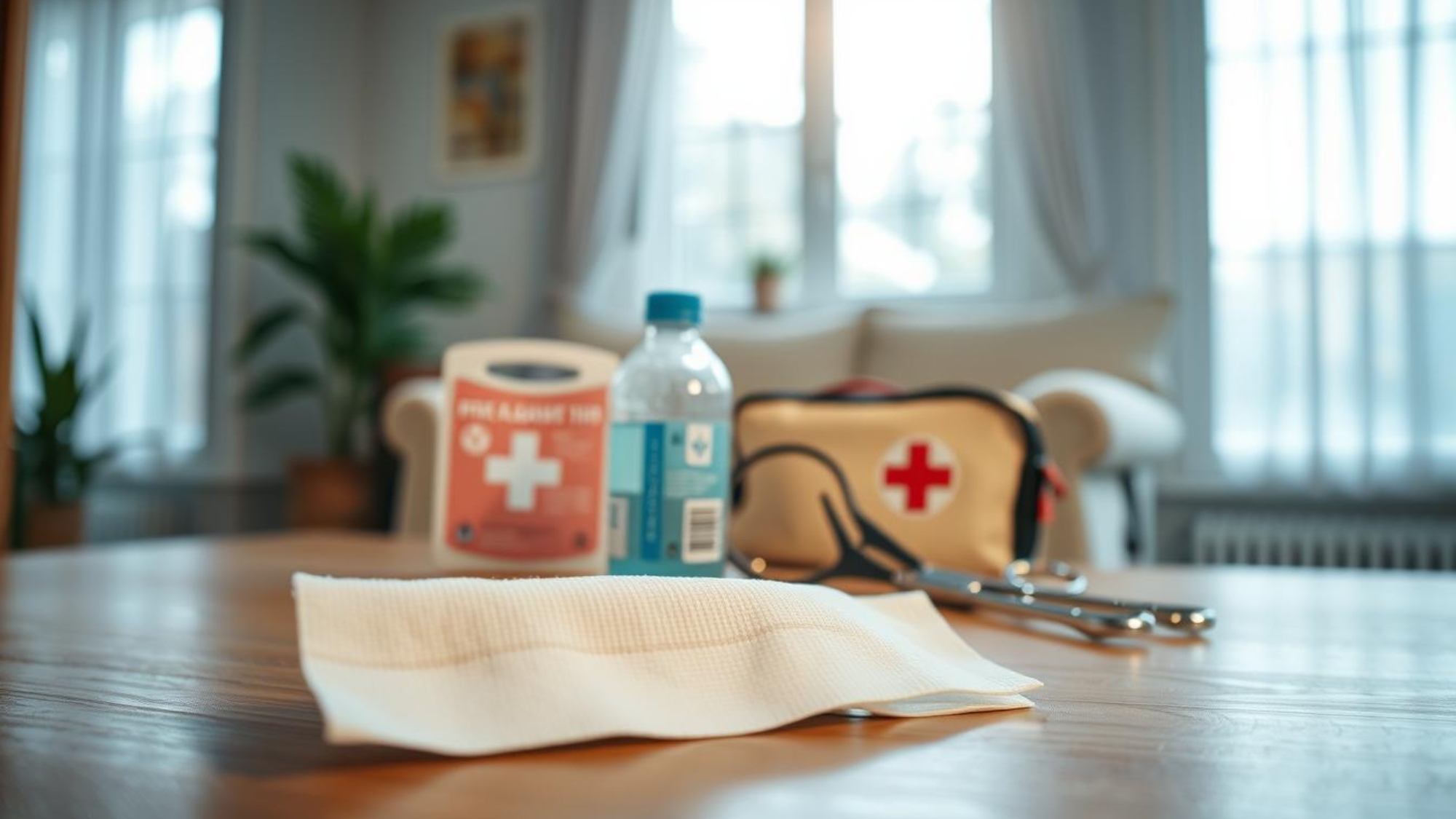
You don’t have to guess how to help a minor wound heal. Start with simple, proven steps: clean the area with mild soap and water, keep the site moist and covered, and change dressings when they get wet or dirty.
Avoid harsh antiseptics like hydrogen peroxide or rubbing alcohol, since they can damage tissue and slow healing. Watch for early signs of infection such as unusual odor, increased drainage, pink streaks, fever, or severe pain.
Most small wounds improve in a few days with basic attention. If a wound shows no improvement after about two weeks, or if you notice the warning signs above, seek professional help.
Dominion Mobile Wound Care brings evidence-based wound care to your home in San Antonio. Their specialists provide tailored visits, supplies, and follow-up to promote healing and prevent infection for you and your family.
Key Takeaways
- Clean gently with soap and water; avoid harsh antiseptics.
- Keep the area moist, covered, and protected from friction.
- Watch for signs of infection and act quickly if they appear.
- Most minor wounds improve in days; see a provider if no progress in two weeks.
- Dominion Mobile Wound Care offers in-home, evidence-based support for wound healing.
Why At-Home Wound Care Matters in San Antonio
San Antonio’s heat and humidity change how minor injuries heal on your skin. Sweat can soften the area around a wound and raise the chance of infection, so simple steps at home make a big difference.
Local factors: Heat, sweat, and outdoor activity risks
High temperatures and outdoor time increase exposure to dirt and water that carry bacteria. Keep dressings dry and swap out any that become saturated to reduce risk.
Balancing home care with timely professional attention
Know what you can manage and when to seek medical attention. Use gentle cleansing, protect the area from friction, and avoid excess moisture.
- If bleeding won’t stop with steady pressure or a cut is deeper than a quarter inch, see a doctor promptly.
- Watch the skin for spreading redness, warmth, or streaking—these signs mean you should seek medical attention.
- People with diabetes, vascular disease, or on blood thinners face higher complication risk and should involve a clinician earlier.
- Reduce pressure on the body where the wound sits to support the healing process and lower infection risk.
Dominion Mobile Wound Care can come to your home to evaluate wounds, adjust dressings, and guide your family on the next steps so you know when to escalate care.
Essential Supplies to Keep Your Wound Clean and Covered
You don’t need fancy products to start proper treatment. Clean supplies and simple dressings are enough for most small wounds. Use mild soap and clean water or saline to gently remove dirt without harming tissue.
Soap, water, saline, and nonstick dressings
Choose a fragrance-free soap and rinse with clear water or saline to keep the area clean. Avoid hydrogen peroxide and rubbing alcohol because they can damage tissue and slow healing.
Use nonstick dressings sized to cover the wound and a margin of healthy skin. A thin layer of petroleum jelly helps maintain moisture, then place the dressing and secure with a bandage.
Adhesive options for sensitive skin and alternatives
If your skin reacts to adhesive, switch to paper tape or a fabric wrap to secure gauze without pulling. Hypoallergenic adhesive strips are another option for fragile skin.
- Kit essentials: mild soap, saline, nonstick pads, sterile gauze, paper tape, hypoallergenic strips, petroleum jelly.
- Keep dressings dry and change them daily or sooner if saturated to help prevent infection.
- Dominion Mobile Wound Care can supply and apply proper dressings and show you the process so people in San Antonio heal safely.
At-Home Wound Care Tips
Begin with a gentle stream of water to flush away dirt and help the healing process start cleanly. Rinse for several minutes to lower the risk of infection and remove debris.
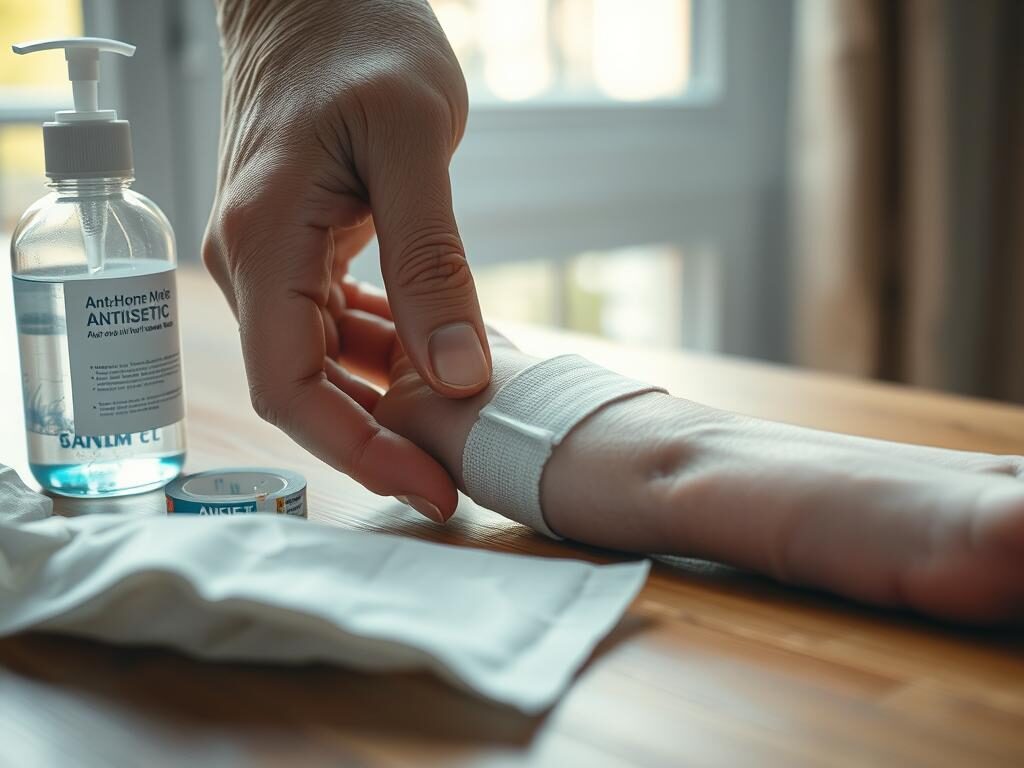
Cleanse: Wash gently with mild soap and water, then pat the area dry. Avoid scrubbing; use light motions so you do not disrupt new tissue.
Moisture balance: For non-infected wounds, apply a thin layer of petroleum jelly rather than routine antibiotic ointments. Keeping the site lightly moist will promote healing and reduce sensitivity.
Covering the site: Pick a bandage or nonstick gauze that fully covers the wound and a margin of healthy skin. Use an adhesive suited to your skin or paper tape if you react to sticky strips.
- Rinse under running water and keep the wound clean to prevent infection.
- Maintain a light moisture level to promote wound healing and limit scarring.
- Avoid hydrogen peroxide, iodine, and alcohol—these can damage skin and slow repair.
- Replace damp or dirty dressings and protect the area from friction.
If you want tailored advice, Dominion Mobile Wound Care can show you the proper process and supplies to help your wounds heal safely at home.
Step-by-Step: Your First Aid Process from Bleeding to Bandaging
Start your first-aid routine by stopping the flow of blood with steady, direct pressure. Use a clean cloth or sterile gauze and press firmly until bleeding slows. If bleeding is heavy or won’t stop, keep pressure on and seek medical care.
Once bleeding has reduced, rinse the area under running water to flush out dirt and particles. Use gentle water pressure; do not scrub. Clean the skin around the cut with mild soap to lower the risk of infection.
Pat the injured tissue dry without rubbing to protect new cells. A thin layer of petroleum jelly can help maintain a moist healing process and protect fragile skin.
- Apply firm, direct pressure to control bleeding and support clotting.
- Rinse under running water, then cleanse surrounding area with mild soap.
- Pat dry, moisturize lightly if appropriate, and cover with a nonstick dressing or bandage.
- Secure edges to minimize friction and movement; replace any dressing that becomes wet or dirty.
- If bleeding restarts, reapply pressure and elevate the area if possible.
Keep the process consistent: pressure, water rinse, gentle soap, dry, light moisture, cover, and secure. Dominion Mobile Wound Care can demonstrate these steps in your home and set a safe schedule for dressing changes to support healing.
Know Your Wound Type and What It May Need
Knowing what type of injury you have helps you decide the next step quickly.
Abrasions and scrapes: Remove grit and dirt so clean granulation tissue can form. Gentle rinsing and a nonstick dressing lower infection risk.
Abrasion care
Tip: Flush debris with water and use sterile tweezers only if visible and loose.
Lacerations and incisions
Deep cuts, gaping edges, or heavy blood loss may need closure. A doctor can decide if stitches or skin glue are best, and whether you may need local anesthesia or surgery.
Punctures and animal bites
Punctures from a nail or other object and animal bites carry higher infection and tetanus risk. Urgent evaluation can prevent deeper tissue infection and determine if you need a booster.
Burns and pressure injuries
Blisters, black or brown discoloration, or large burns often require medical treatment or specialist referral. Pressure injuries begin where bone presses on skin; reduce risk by repositioning at least every two hours.
- Identify the wound type quickly to lower complication risk.
- Some wounds need debridement or surgery when tissue is nonviable.
- Dominion Mobile Wound Care can evaluate your wounds at home and coordinate next steps, from tetanus updates to specialist referrals.
How to Change a Dressing Without Disrupting Healing
Changing a dressing carefully helps you protect new tissue and avoid reopening the area. Follow a calm, consistent routine so you can reduce infection risk and support wound healing.
When to replace a bandage
Change the dressing daily unless your provider tells you otherwise. Replace it sooner if the bandage is saturated or visibly dirty.
Steps to keep the area clean and moist
First, wash your hands thoroughly. Remove the old dressing slowly to avoid pulling on fragile edges.
Clean the area with mild soap and water, then pat dry. For non-infected wounds, apply a thin layer of petroleum jelly to keep the site moist and to promote healing.
- Use an adhesive that sticks to intact skin, not the fragile edge.
- Keep wound covered to maintain temperature and moisture and lower infection risk.
- If you notice increased pain, odor, or drainage, contact a clinician right away.
Dominion Mobile Wound Care can create a change schedule, supply dressings, and demonstrate gentle removal techniques in your home. Hire them to protect healing and fit the plan to your activity level.
Spot the Red Flags: When to Seek Medical Attention
Recognizing danger signals fast helps you avoid serious infection or complications. Watch the area closely and act if you see any of the following signs.
Common infection signals
Act quickly if you notice foul odor, thick green or yellow drainage, spreading redness or pink streaks, rising fever, severe pain, or new confusion in older adults. These are classic signs of infection and mean you should seek medical attention.
Bleeding and wound severity
If bleeding does not stop after five minutes of steady pressure, or if blood soaks through dressings repeatedly, get medical attention right away. Deep, gaping, jagged, or facial wounds may need closure, imaging, or surgery to protect tissue and appearance.
Punctures, animal bites, and stalled healing
Punctures from rusty or dirty objects and animal bites raise tetanus and bacterial risk; you may need a booster or antibiotics. If the healing process stalls or the wound worsens after about two weeks, seek medical evaluation for possible diagnostic testing or treatment change.
- Seek urgent care for sudden severe pain plus black, purple, or gray skin and fever—this could be life-threatening.
- Dominion Mobile Wound Care triages red flags, arranges referrals, and helps you decide if you may need emergency or routine medical treatment.
Healthy Habits That Support Wound Healing from the Inside Out
Supporting tissue repair starts inside: fluids, protein, and vitamins fuel recovery. Good daily habits help your body deliver oxygen and nutrients that speed healing and limit problems like excess scarring.
Hydration to support blood flow and skin integrity
Drink enough fluids to keep skin elastic and blood moving to the injury. A general guide is about 0.5 fluid ounces per pound of body weight daily. Increase intake in hot weather or with larger injuries.
Nutrients that matter: Protein, Vitamin A, Vitamin C, and Zinc
Protein builds collagen and helps tissue repair. Vitamins A and C and zinc support immune response and the healing process.
- Eat lean protein, colorful produce, and healthy fats for steady recovery.
- If appetite drops, smaller frequent meals or protein snacks may need to be part of your treatment plan.
Smoking cessation to improve oxygen delivery and tissue repair
Stop smoking to boost blood flow and oxygen to the area. This single change can significantly improve outcomes and reduce recovery time.
Sun protection after closure to help reduce scarring
Once your skin has closed, apply sunscreen SPF 30+ on exposed areas to lower discoloration and scarring, especially in the Texas sun.
Dominion Mobile Wound Care reinforces nutrition, hydration, and lifestyle strategies during home visits to optimize healing. Hire Dominion Mobile Wound Care to help heal your wounds and support lasting health at home.
Special Considerations for San Antonio Homes
A simple routine tweak for humid days can lower infection risk and keep tissue intact. Heat and sweat change how you should protect healing areas. Check coverings more often when the air is heavy and warm.
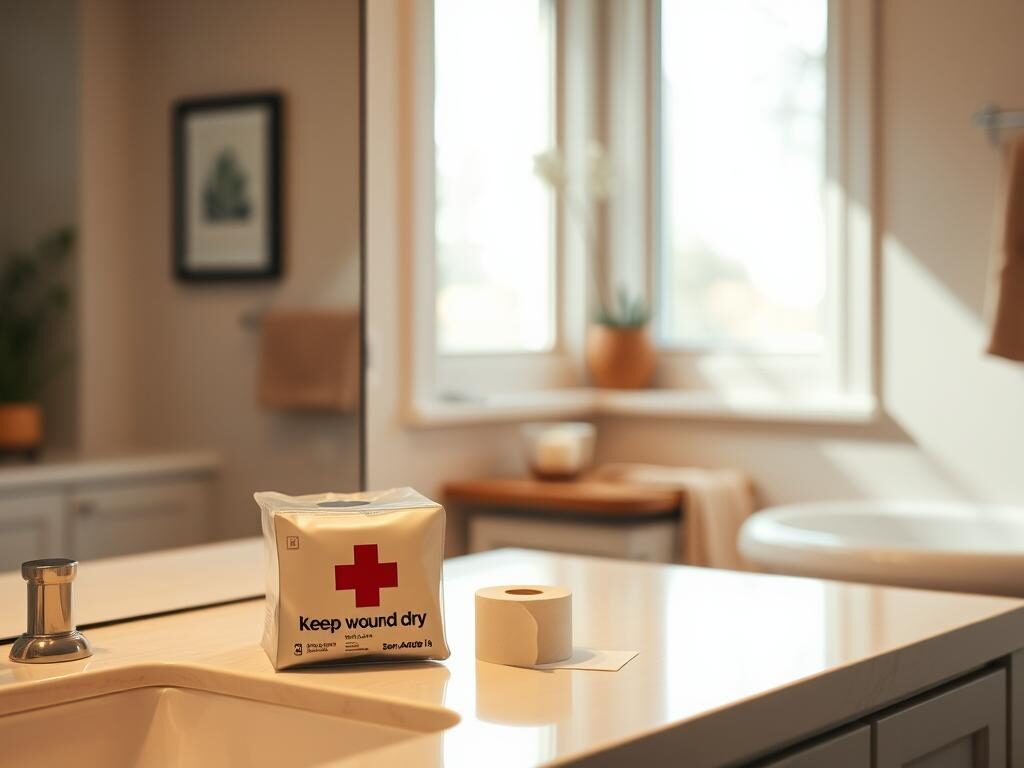
Keeping dressings dry in heat and humidity
In hot, humid conditions, inspect a bandage frequently and change it if sweat collects. A damp cover raises the chance of infection and can soften nearby skin.
For people who react to adhesives, secure gauze with paper tape. Nonstick pads help keep tissue intact while reducing irritation.
Outdoor activities: Preventing contamination from soil and water
Cover wounds before yardwork, hikes, or pool time to prevent contamination from soil or water. If you get fresh cuts outdoors, rinse with clean water and re-cover right away.
- Watch for animal-related scratches or bites and consider a tetanus update.
- Carry a compact kit: nonstick pads, tape, and a spare cover for people on the go.
- Dominion Mobile Wound Care can adapt your routine seasonally and advise when extra attention is needed in extreme weather.
Myths to Avoid in Home Wound Care
Not every piece of advice you hear about skin repair matches current medical evidence. Some ideas persist because they feel logical, but they can slow the healing process or increase infection risk.
“Let it breathe” vs. moist healing
Don’t assume air helps. Evidence favors a moist, covered environment to speed repair and lower contamination. Leaving the area open can dry out tissue and slow the healing process.
Antibiotics vs. simple lubrication
Overusing topical antibiotics isn’t always better. For non-infected wounds, petroleum jelly often performs as well as antibiotic ointments. It keeps skin moist without raising resistance concerns.
- Skip harsh antiseptics like hydrogen peroxide and iodine; they can damage skin and impede healing.
- Follow evidence-based advice to support faster closure and greater comfort.
- Dominion Mobile Wound Care debunks myths and sets you up with proven practices to promote health. Hire Dominion Mobile Wound Care to help heal your wounds.
Conclusion
Prompt attention, steady follow-up, and simple steps make a big difference for healing. Keep wounds clean, moist, and covered at home to lower infection risk and protect tissue.
If you see spreading redness, heavy drainage, uncontrolled bleeding, or stalled healing, seek medical attention without delay. Some cuts and animal punctures may need stitches, debridement, or antibiotics.
When a wound may need more than self-care, a doctor can arrange imaging or other medical treatment. Timely attention prevents complications and protects long‑term health and function.
After closure, use sunscreen to reduce scarring and protect your body from sun damage. Dominion Mobile Wound Care brings assessment, treatment, and education to your doorstep—hire Dominion Mobile Wound Care to help heal their wounds.
FAQ
How do I clean a fresh cut at home to reduce infection risk?
Rinse the area under running tap water to remove debris, then wash gently with mild soap and water. Pat the skin dry with a clean cloth, apply a thin layer of petroleum jelly or an antibiotic ointment if advised, and cover with a nonstick dressing. Avoid hydrogen peroxide or harsh antiseptics that can damage tissue.
When should you seek professional care instead of treating the injury at home?
Seek medical attention if bleeding won’t stop after 15 minutes of firm pressure, the wound is deep, gaping, or involves the face/hands/joints, or if there’s a puncture, animal bite, or signs of infection such as fever, spreading redness, increased pain, foul odor, or thick drainage.
How often should you change a dressing without disrupting healing?
Change the dressing when it becomes wet, dirty, or saturated, or at least once daily if your provider recommends. Always wash your hands first, remove the old dressing gently, inspect the area, clean as needed, and apply a fresh, sterile dressing to maintain a moist healing environment.
What supplies should you keep at home for treating minor injuries?
Keep mild soap, saline or clean water, nonstick dressings, sterile gauze, adhesive options for sensitive skin (like silicone tape), petroleum jelly, and disposable gloves. Include antiseptic wipes for surrounding skin and a small pair of blunt scissors to trim tape or dressings safely.
Are topical antibiotic ointments always necessary for minor wounds?
Not always. For many minor abrasions, petroleum jelly keeps tissue moist and reduces scab formation, which supports faster healing. Use topical antibiotics if you have increased infection risk or if a provider specifically recommends one. Avoid overuse to prevent irritation or resistance.
How should you manage bleeding immediately after an injury?
Apply direct, steady pressure with a sterile dressing or clean cloth for at least 10–15 minutes. Keep the injured area elevated above heart level if possible. If bleeding persists despite firm pressure, seek emergency care.
What differences matter between treating abrasions, lacerations, and punctures?
Abrasions need thorough debris removal and a moist dressing. Lacerations may require stitches or skin glue if deep or wide; see a clinician within 6–12 hours. Punctures and animal bites carry higher infection risk and often need tetanus review and antibiotics—get prompt medical evaluation.
How do heat and humidity in San Antonio affect wound management?
Warm, humid conditions increase sweat and bacterial growth. Keep dressings dry by using breathable covers, change damp dressings promptly, and limit heavy outdoor activity while healing. Protect the area from soil and standing water that can introduce contaminants.
What are warning signs of infection you should not ignore?
Watch for increasing redness, warmth, pain, swelling, red streaks toward the heart, foul odor, cloudy or greenish drainage, or fever. Any of these symptoms warrant prompt medical review for possible antibiotics or further treatment.
How can nutrition and lifestyle choices speed recovery?
Stay well hydrated and eat protein-rich foods plus vitamin C, vitamin A, and zinc to support tissue repair. Avoid smoking, which impairs blood flow and slows healing. Good sleep and blood sugar control if you have diabetes also help repair processes.
When are sutures, staples, or skin adhesive needed?
You may need closure if the wound is deep, edges won’t stay together, or it’s more than a half-inch long (or located on the face or a joint). A clinician will assess for sutures, staples, or medical adhesive and advise timing for removal or follow-up.
How should you treat minor burns at home?
For superficial first-degree or small second-degree burns, cool the area under running water for 10–20 minutes, gently clean it, apply a sterile nonstick dressing, and avoid breaking blisters. Seek specialist care for deeper burns, large areas, or burns to the face, hands, feet, or genitals.
What precautions should you take with animal bites and puncture wounds?
Clean the area gently, control bleeding, and seek medical evaluation. Animal bites often need antibiotics and rabies/tetanus assessment. Puncture wounds can trap bacteria deep in tissue and may require tetanus booster or surgical cleaning.
How can you minimize scarring after the wound has closed?
Once the skin is closed, protect it from sun exposure with broad-spectrum sunscreen or clothing, keep the area moisturized, and avoid picking at scabs. Silicone gel sheets or topical silicone may reduce scar formation; consult your provider for recommendations.
Are there common myths about wound healing you should ignore?
Yes—don’t “let it air out” excessively; moist healing often speeds recovery and reduces scarring. Also avoid routine use of strong antiseptics like hydrogen peroxide or iodine that harm healthy tissue. Use evidence-based products and follow clinical guidance.
Add a Comment