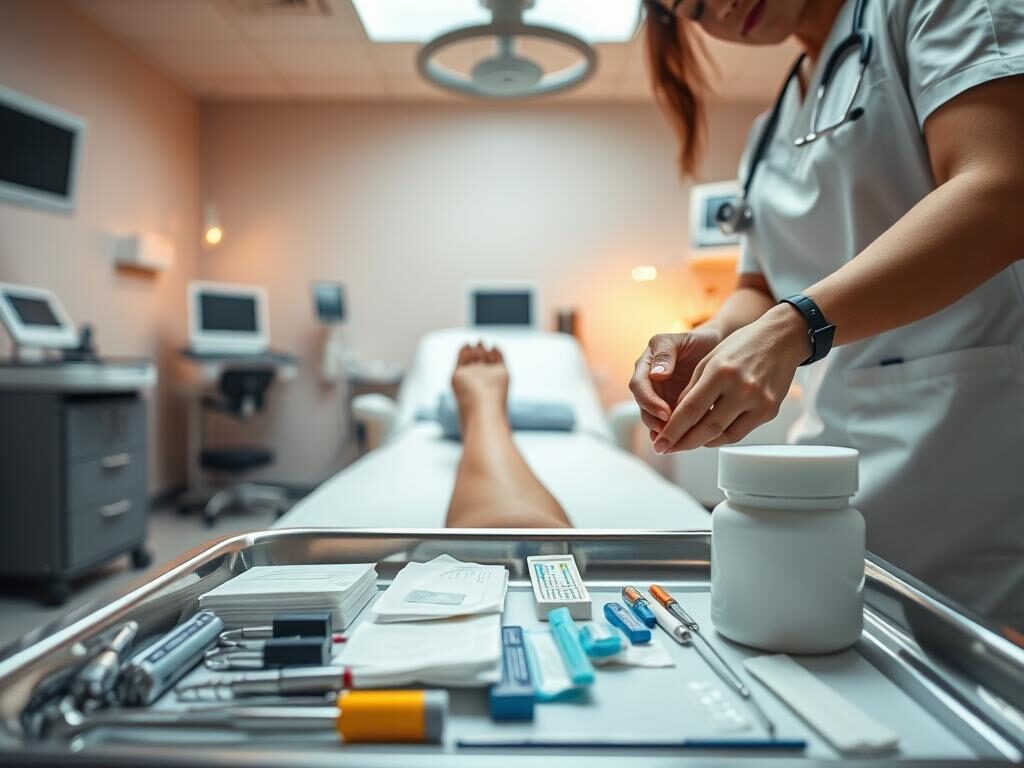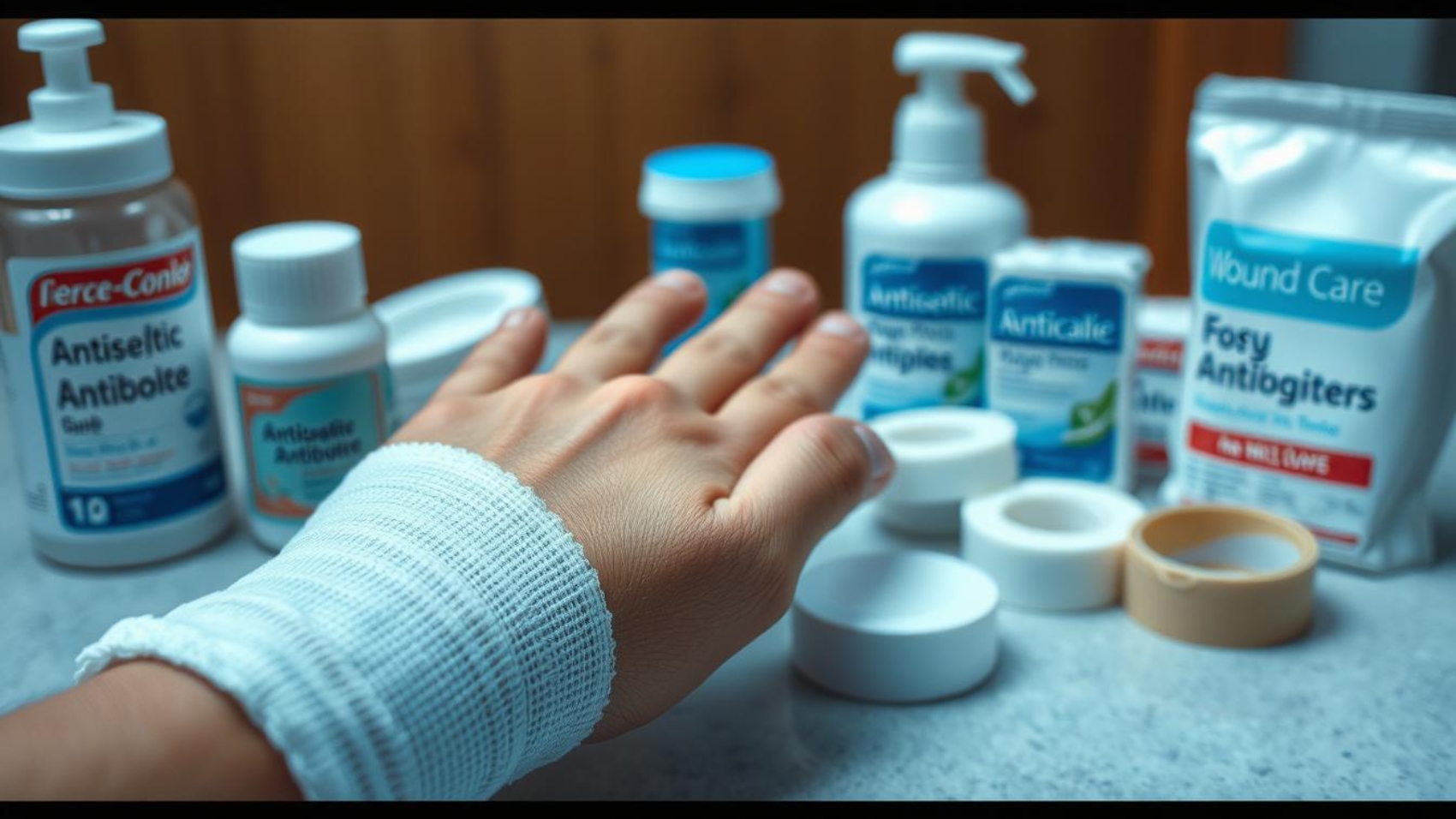
Oxygen therapy for wounds

How Oxygen Supports Faster Wound Healing

When you have a wound, you want it to heal fast. Adequate oxygen supply is key for healing. It helps with cell proliferation, angiogenesis, and protein synthesis. Oxygen is vital for fixing damaged tissue.

Hyperbaric therapy boosts wound healing by improving blood flow and tissue repair. Knowing how oxygen aids in healing is a big step towards quick recovery.

Key Takeaways

  • Oxygen is essential for wound healing, promoting cell growth and tissue repair.
  • Hyperbaric therapy can enhance wound healing by increasing blood flow.
  • Adequate oxygen supply is critical for the healing process.
  • Oxygen therapy for wounds can be an effective treatment option.
  • Proper wound care can lead to faster recovery times.

The Critical Role of Oxygen in the Wound Healing Process

Oxygen is key for wound healing. It helps with collagen making and new blood vessel growth. These steps are vital for healing.

How Normal Wound Healing Depends on Oxygen

Wound healing needs enough oxygen. Oxygen is important for collagen synthesis. It also helps with angiogenesis, making new blood vessels.

This is important for bringing nutrients and oxygen to the wound. Oxygen also aids in epithelialization. This is when new skin cells cover the wound.

Having enough oxygen helps wounds heal faster. It also lowers the chance of complications.

What Happens When Wounds Don’t Get Enough Oxygen

Wounds with too little oxygen heal slowly. They are more likely to get infected. This can even lead to chronic wounds.

Without enough oxygen, the body can’t repair wounds properly. This includes making collagen and new tissue.

Using hyperbaric oxygen therapy can help. It increases oxygen to the wound, aiding in healing.

Recent Breakthroughs in Oxygen Therapy for Wounds

New discoveries in oxygen therapy are changing how we heal wounds. Studies show that topical oxygen therapy (TOT) works well for chronic wounds. It’s safer and easier to use than traditional methods.

New Research Findings from 2023 Studies

Research in 2023 found TOT is great for wound care. It boosts blood flow and cuts down bacteria. This makes TOT a top choice for many chronic wounds.

How These Discoveries Are Changing Treatment Protocols

New research is changing how doctors treat wounds. They now see TOT as a good option for chronic wounds. This could lead to better care and faster healing.

With these new findings, patients will get more tailored care. TOT is set to make a big difference in treating chronic wounds.

How Oxygen Accelerates Tissue Repair and Regeneration

Oxygen therapy boosts oxygen to injured tissues, creating a healing space. This treatment is showing great promise in speeding up tissue repair.

The Cellular Science Behind Oxygen-Driven Healing

Oxygen-driven healing relies on key cellular processes for tissue repair. Collagen synthesis is a critical process that oxygen therapy boosts. With enough oxygen, cells make collagen better, leading to stronger tissues.

Oxygen also aids in angiogenesis, the growth of new blood vessels. These vessels bring vital nutrients and oxygen to healing tissues.

Measurable Improvements in Healing Rates with Oxygen Therapy

Research shows oxygen therapy can improve healing rates. It boosts tissue oxygenation, making wounds heal faster and better. This is great for patients with chronic wounds or after surgery, as it cuts down recovery time.

Many patients have seen their wounds heal faster and complications lessen with oxygen therapy. As research grows, oxygen therapy’s role in healing is becoming clearer.

Hyperbaric Therapy: A Game-Changer for Difficult Wounds

Hyperbaric therapy is a new way to treat hard-to-heal wounds. It involves breathing pure oxygen in a special chamber. This boosts oxygen to the wound, helping it heal.

This therapy increases oxygen in the blood. It helps create new blood vessels and aids in healing. It’s great for chronic wounds, like diabetic foot ulcers, that don’t heal with other treatments.

Inside a Modern Hyperbaric Treatment Session

A hyperbaric treatment session lasts 60 to 90 minutes. You relax in a pressurized chamber while breathing 100% oxygen through a mask.

  • The pressure in the chamber is gradually increased to the prescribed level.
  • You breathe pure oxygen, which is absorbed into your bloodstream.
  • The increased oxygen levels promote healing and tissue repair.

Patient Experiences and Clinical Outcomes

Patients often see big improvements with hyperbaric therapy. Clinical outcomes show it can close wounds faster, lower infection rates, and boost health.

Some key benefits include:

  1. Enhanced wound healing rates
  2. Reduced need for surgical interventions
  3. Improved quality of life for patients with chronic wounds

Topical Oxygen Delivery Systems Revolutionizing Home Care

Topical oxygen delivery systems are changing home care for patients with chronic wounds. They offer a convenient and possibly effective treatment. This lets patients manage their conditions from home.

Portable Oxygen Therapy Devices Now Available

Portable oxygen therapy devices are now available for home use. They give patients the freedom to treat themselves anywhere. These devices are compact, lightweight, and easy to use.

They are perfect for patients with mobility issues. By delivering oxygen directly to the wound, they help wounds heal faster and improve tissue repair.

How These Systems Compare to Clinical Treatments

While hyperbaric oxygen therapy is effective, topical oxygen systems are more accessible and affordable for home care. Research shows they can be just as good at healing wounds. They are also more convenient for patients.

By treating wounds at home, these systems reduce hospital visits. This improves patient outcomes and makes care more accessible.

Enhanced Blood Flow: The Key to Oxygen’s Healing Power

Oxygen’s healing power is tied to its ability to boost blood flow. This is key for fixing tissues. When you get oxygen therapy, you’re not just getting more oxygen. You’re also making your blood flow better, helping your wounds heal quicker.

oxygen therapy and blood flow

How Oxygen Therapy Improves Microcirculation

Oxygen therapy is vital for better microcirculation, which is key for healing wounds. It boosts oxygen to the wound, helping fix and grow back damaged tissues. This better blood flow makes sure your wounds get the nutrients and oxygen they need to heal well.

Benefits of Oxygen Therapy Impact on Microcirculation
Increased oxygen delivery Enhanced nutrient supply to wound tissues
Improved tissue repair Faster wound healing rates

Visible Changes in Wound Appearance After Treatment

After oxygen therapy, you might see your wound look different. It could be less red, swollen, and start to form healthy tissue. These signs show the therapy is working well, helping your wound heal by improving blood flow and oxygen.

As your wound heals, you’ll see it getting better and less noticeable. The better blood flow from oxygen therapy helps your body heal naturally.

Combating Resistant Infections Through Strategic Oxygen Delivery

Oxygen therapy is becoming key in fighting resistant infections in wound care. As antibiotics lose their power, new treatments are needed. Oxygen delivery is a hopeful answer, boosting the body’s healing.

Oxygen’s Natural Antimicrobial Properties

Oxygen fights off bacteria, fungi, and other pathogens. Hyperbaric oxygen therapy increases oxygen in wounds. This makes it hard for anaerobic bacteria to grow, lowering infection risk.

Success Stories in Treating Antibiotic-Resistant Wound Infections

Many case studies show oxygen therapy’s success against resistant infections. For example, patients getting hyperbaric therapy see better wound healing and fewer infections.

Treatment Healing Rate Infection Rate
Standard Care 40% 60%
Oxygen Therapy 80% 20%

Oxygen’s natural fight against microbes gives healthcare a strong tool against resistant infections.

Who Benefits Most from Oxygen-Based Wound Treatments

Oxygen-based treatments are very helpful for some people. They are key in wound care, giving hope to those who heal slowly. This is because of health issues.

Diabetic Patients and Chronic Wound Sufferers

Diabetics often have trouble healing wounds because of poor blood flow and nerve damage. Oxygen-based treatments help by making sure wounds get enough oxygen. This lowers the chance of serious problems. It also helps those with long-term wounds to heal and grow back.

Post-Surgical Patients and Trauma Recovery

People recovering from surgery or trauma also benefit a lot. These treatments speed up healing by getting more oxygen to the wound. They also cut down the chance of infection and help recovery happen faster.

Dominion Mobile Wound Care Introduces Advanced Oxygen Therapy Services

Now, patients can get advanced oxygen therapy at home with Dominion Mobile Wound Care. This service brings the latest medical tech right to patients. It means they get the best care without having to go to the hospital.
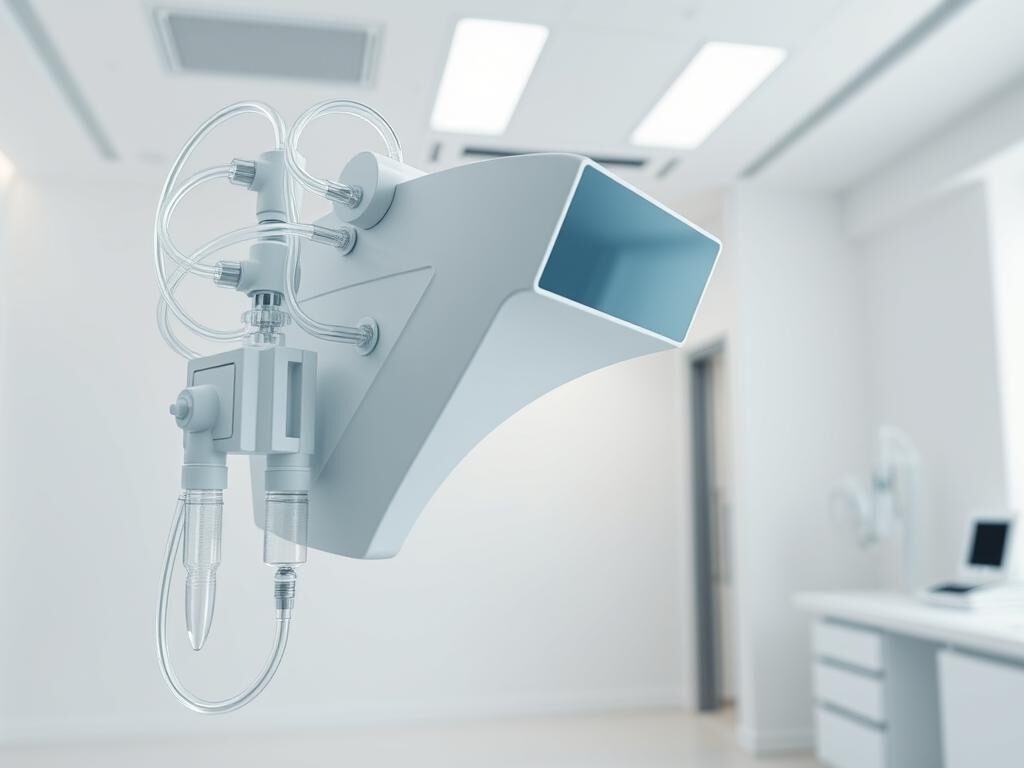
advanced oxygen therapy

Cutting-Edge Technologies Now Available Locally

Dominion Mobile Wound Care is excited to offer top-notch oxygen therapy. This includes hyperbaric oxygen therapy, which boosts wound healing. Their mobile units have the latest tech, ensuring patients get the best care.

  • Advanced hyperbaric chambers for safe and effective treatment
  • Portable oxygen delivery systems for continuous care
  • A team of experienced healthcare professionals dedicated to patient comfort and recovery

The Advantages of Mobile Treatment for Homebound Patients

For those who can’t leave home or have trouble moving, Dominion Mobile Wound Care’s service is a big help. It cuts down on the need for long hospital stays or many clinic visits. Patients can get care in a place they know and feel comfortable.

The benefits include:

  1. Reduced risk of hospital-acquired infections
  2. Increased patient comfort and reduced stress
  3. Flexibility in scheduling to accommodate patient needs

Cost vs. Benefit: Why Oxygen Therapy Is Gaining Insurance Coverage

Oxygen therapy is becoming more common. Its cost and benefits are now key in insurance decisions. More evidence shows it helps in healing wounds, making it appealing to both patients and insurers.

Recent Changes in Reimbursement Policies

In recent years, how insurance covers oxygen therapy has changed. Insurance providers are now more likely to cover oxygen therapy because of its benefits in healing wounds. Studies show it can cut down recovery times and improve patient results.

Long-Term Savings Compared to Traditional Treatments

Oxygen therapy saves money over time compared to old wound care methods. It speeds up healing, cutting down on the need for long-term care. This leads to lower healthcare costs. The main advantages are:

  • Less need for surgeries
  • Lower costs for extended care
  • Improved patient results, leading to less rehab costs

These points make oxygen therapy a better choice for insurance coverage. It’s seen as a cost-effective option.

Conclusion: Taking the Next Step in Your Wound Healing Journey

Learning about the importance of oxygen in healing wounds can change your approach. There are many oxygen therapy options, like hyperbaric therapy and topical oxygen systems. These can help you move forward in your healing journey.

Oxygen therapy has shown to speed up healing and improve tissue repair. Thanks to new medical tech, treatments like hyperbaric therapy are getting easier to find. Dominion Mobile Wound Care is leading the way in bringing these treatments to those who need them.

If your wound isn’t healing like you hoped, it’s time to get help. Dominion Mobile Wound Care offers personalized care, including oxygen therapy. They bring their services to your home, making treatment comfortable and convenient.

Start your journey to better wound healing today. Learn about oxygen therapy and how Dominion Mobile Wound Care can help you heal faster and more effectively.

FAQ

How does oxygen therapy aid in wound healing?

Oxygen therapy helps wounds heal faster. It boosts blood flow and supports tissue repair. It also fights infections, leading to quicker healing and less recovery time.

What is hyperbaric oxygen therapy, and how is it used in wound care?

Hyperbaric oxygen therapy means breathing pure oxygen in a pressurized room. It increases blood oxygen levels. This helps repair and grow new tissue, often used for tough or long-lasting wounds.

Can oxygen therapy be used at home, and what are the benefits?

Yes, you can use oxygen therapy at home. Portable systems are available. They help with healing and tissue repair, working alongside professional treatments.

How does oxygen therapy improve blood flow to the wound site?

Oxygen therapy boosts microcirculation. This means more blood gets to the wound. It brings needed nutrients and oxygen, helping repair and grow new tissue.

Is oxygen therapy effective against antibiotic-resistant infections?

Yes, oxygen therapy fights antibiotic-resistant infections. It has antimicrobial properties. This makes it a good choice for treating resistant wound infections.

Who can benefit from oxygen-based wound treatments?

People with diabetes, chronic wounds, and after surgery can benefit. Oxygen treatments help wounds heal faster. They also lower the chance of complications and improve care.

What are the advantages of Dominion Mobile Wound Care’s oxygen therapy services?

Dominion Mobile Wound Care offers mobile oxygen therapy. It’s great for those who can’t leave their homes. They use the latest technology and expert care right at home.

Is oxygen therapy covered by insurance, and what are the cost benefits?

Insurance now covers oxygen therapy more often. This makes it a cost-effective option for wound care. It can save money over time compared to other treatments.

How does oxygen therapy compare to traditional wound care treatments?

Oxygen therapy is a non-invasive, effective way to heal wounds. It promotes faster healing and lowers the risk of complications. It’s a valuable option or addition to traditional treatments.
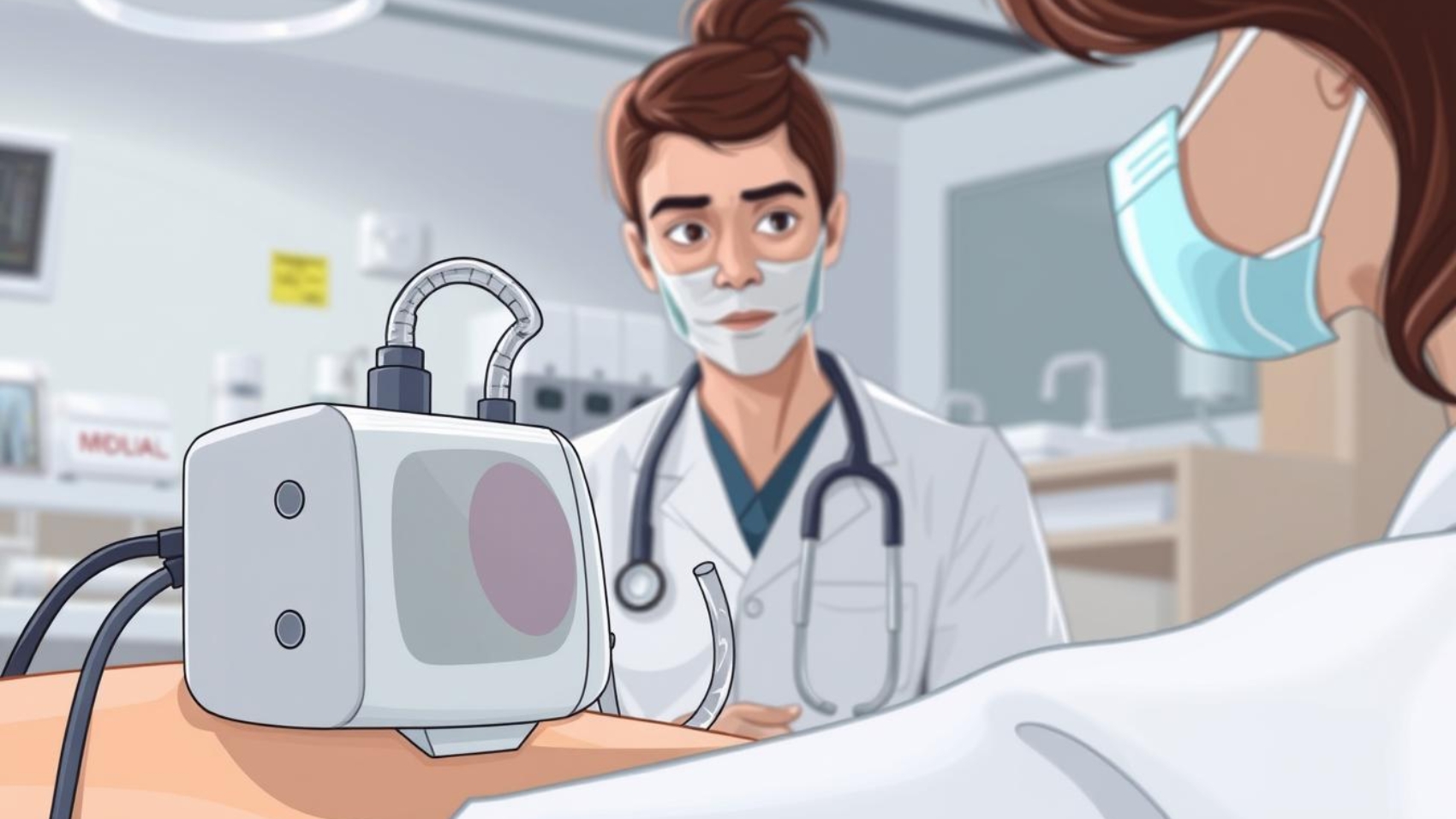

Infection Prevention

How In-Home Wound Care Prevents Serious Infections

Clean hands and clear steps are the first line of defense when you manage wounds at home. APIC’s hand hygiene topic highlights that proper hand washing is the top method to stop spread. The WHO Global Action Plan and monitoring framework for IPC (2024–2030) gives clear national action items and indicators to improve control across health systems.

You will learn how structured infection prevention breaks the chain of germs during dressing changes. Simple control steps for supplies, surfaces, and disposal make daily routines safer. These small habits protect your health and promote patient safety at home.

We tie practical steps to trusted topics and content from APIC and WHO so you can build measurable plans infection prevention. Start with cleaning, disinfection, and world hand hygiene, then move to monitoring and when to seek help. Hire Dominion Mobile Wound Care to help heal their wounds.

Key Takeaways

  • Hand hygiene is the most effective step to reduce infection risk.
  • Simple control measures cut the chance of rehospitalization.
  • Follow WHO and APIC guidance to align home routines with health care standards.
  • Manage supplies and waste to improve safety for you and caregivers.
  • Watch early warning signs and escalate care quickly to protect patient safety.

Why In-Home Wound Care Matters for Patient Safety in the United States

Home wound care shapes patient safety every day by moving clinical steps into your living space.

You face unique risks at home from variable cleanliness, limited storage, and contacts with family, pets, or visitors. These factors make consistent infection prevention and control essential to protect both the patient and workers who help with daily tasks.

When you leave a hospital or other health care facilities, responsibility for routine care shifts to you and caregivers. Clear steps, reliable supplies, and documented dressing changes reduce complications, emergency visits, and overall health costs.

  • Hand hygiene checkpoints: clean before, during, and after care to lower risk.
  • Designated clean surface: limit touch contamination and streamline supply control.
  • Simple records: track changes so clinicians can act faster when needed.

Follow trusted topics and news from APIC and WHO to stay aligned with national guidance for health care-level safety at home. Hire Dominion Mobile Wound Care to help heal their wounds.

Infection Prevention

Clear, repeatable steps at home reduce the chance that wounds lead to serious harm.

What IPC Means in Home Wound Care

In home settings, infection prevention control means you set simple steps to keep germs away from the wound, supplies, and anyone giving care.

Repeat the same sequence each time so nothing important is missed. Use APIC topic pages and WHO tools as practical references for actions you can adopt at home.

infection prevention control

Why Your Home Needs Health Care-level Measures

Your home has surfaces and routines not made for clinical work. A wound is a direct route for harm, so you need health care controls to close transmission paths.

Implementation infection prevention starts by picking a clean area, organizing supplies, and deciding when and how you will act.

Core Principles You Can Apply Today

  • Clean hands before any contact and between steps.
  • Clean surfaces and tools, and store supplies to avoid contamination.
  • Minimize touch of the wound bed and use safe disposal for used dressings.
  • Train family or workers on glove use and “clean vs. dirty” zones.
  • Track your checklist so plans infection prevention become routine and measurable.

Use WHO’s IPC frameworks to guide monitoring and feedback at home so you can improve what you do.

Hire Dominion Mobile Wound Care to help heal their wounds.

Hand Hygiene and Personal Protective Equipment: Your First Line of Defense

Clean hands plus proper protective gear are the basic defense you control during wound care. APIC notes that proper hand hygiene is the top method to stop spread, and clean tools and surfaces help keep patients safe.

World Hand Hygiene-Aligned Technique and Moments for Caregivers

Follow five key moments adapted from world hand hygiene: before touching the patient or supplies, before a clean task, after body fluid risk, after touching the patient, and after touching surroundings.

When and How You Should Clean Hands During Dressing Changes

Use alcohol-based hand rub when hands look clean. Wash with soap and water if hands are visibly soiled, after glove removal, or after contact with fluids.

  • Clean before opening supplies, after removing the old dressing, before the new dressing, and after disposal.
  • Keep nails short and remove rings so gloves fit and hygiene works well.

Selecting and Using Personal Protective Equipment (PPE) Safely

Choose PPE for the task: gloves for all dressing changes, masks and eye protection if splash is possible, and gowns if clothing might contact drainage.

Put on PPE in a clean area and remove it carefully. Always perform hand hygiene after removal and store PPE in a small organizer near your care area.

Hire Dominion Mobile Wound Care to help heal their wounds.

Environmental and Device-Related Risks: Practical Control Measures at Home

Small steps—cleaning, correct device care, and safe injections—make your home a safer place for wound healing.

Disinfection and sterilization matter because germs on tools and surfaces can cause harm to patients and workers. Clean visible soil first, then use an EPA-registered disinfectant and follow label contact times to be effective.

environment of care

Preventing device-linked bloodstream and urinary risks

APIC defines CLABSI as a serious central line-associated bloodstream event and CAUTI as an infection tied to catheter use.

Keep catheter sites dry, change dressings as directed, maintain closed systems, and avoid letting tubing touch unclean surfaces.

Safe injection practices

Always use new needles and syringes, disinfect vial septa before access, and never reuse single-dose vials. These steps support injection safety and reduce bloodstream risks.

Creating a clean “environment of care”

Set a dedicated, decluttered surface away from kitchens and bathrooms. Store dressings and gloves in sealed containers and keep pets out during procedures.

  • Disinfect high-touch areas before and after care; clean then disinfect.
  • Clean reusable tools per manufacturer instructions or use single-use items when unsure.
  • Wear appropriate personal protective equipment for splash risk and remove it carefully to keep clean zones separate.

Align your home routine with practices used in health care facilities: consistent surface disinfection, correct device handling, and traceable supply storage help control infections and protect health.

Hire Dominion Mobile Wound Care to help heal their wounds.

Antimicrobial Resistance Awareness and Stewardship in Wound Care

Antimicrobial resistance is a growing concern for people who manage wounds at home. You should know how resistant organisms change treatment choices and why stewardship matters for your long-term health.

MRSA, C. diff, and CRE: What You Should Know

MRSA can colonize skin and wounds and may not respond to some antibiotics. C. diff often follows antibiotic exposure and causes severe diarrhea. CRE are gut bacteria that resist carbapenems and can complicate care.

Smart Antibiotic Use and Communication With Your Clinician

Antimicrobial stewardship means using drugs only when needed, at the right dose and duration, and stopping when your clinician advises. Always get cultures before starting antibiotics if your clinician orders them, and tell your care team about prior antibiotic use.

  • Ask about non-antibiotic options first, like debridement and dressing change.
  • Track symptoms daily and report changes quickly so treatment can be adjusted.
  • Dispose of unused antibiotics through take-back programs; never save or share them.

Understanding resistance patterns empowers you to ask better questions and work with your provider for safer, more effective care. Hire Dominion Mobile Wound Care to help heal their wounds.

A Stepwise Approach to Implementation, Inspired by National Action Plans

Start with a small, documented plan that brings national action plan ideas into your daily wound care routine. A brief home IPC plan lists steps, supplies, and who does each task.

Adapting WHO GAPMF and IPC Global Portal Guidance to Home Routines

The WHO GAPMF (approved at the 77th World Health Assembly) and the IPC global portal provide a practical, stepwise approach you can adapt. The launch on 23 June 2025 added downloadable tools and country stories to guide your work.

Simple, Measurable Steps: Plan, Do, Monitor, Improve

  • Write a short plan that reflects national action plans: who, what, when.
  • Try one change for a week (Plan → Do), then check results (Monitor) and tweak (Improve).
  • Set simple indicators, like “hand hygiene completed” or “surface cleaned before care.”

Relevant 2025 Updates and Resources You Can Download and Read

Keep an eye on may 2025 releases and 2025 departmental update summaries. Download read june resources and read june 2025 materials from the IPC global portal to stay aligned with national action plan timelines.

Maintain a binder or digital folder where you download read key guides, record changes, and track progress. Hire Dominion Mobile Wound Care to help heal their wounds.

Monitoring, Early Warning Signs, and When to Call a Professional

Spotting early changes in a wound helps you act fast and protect patient safety at home. Regular surveillance reduces risks and supports safe, timely care for the patient.

Daily Checks: Redness, Odor, Drainage, Fever, and Pain

Do a quick inspection each day and record what you see. Note any increased redness, warmth, swelling, foul odor, thicker or discolored drainage, spreading skin irritation, fever, or new or worsening pain.

  • Track temperature and compare values day to day.
  • Log drainage volume and color so trends are clear to you and your clinician.
  • If you use injections at home, follow strict injection safety: a clean field, new syringes and needles, and proper sharps disposal.

Escalation Pathways for Timely, Safe Care

If you notice rapid changes—new fever, streaking redness, sudden pain, or heavy drainage—pause self-care and protect the wound. Contact your clinician or urgent care right away.

  1. Stop dressing changes and keep the area covered with a clean dressing.
  2. Use visible emergency contacts, pharmacy details, and your medication list to get fast guidance.
  3. Send photos only when your clinician asks, and use a secure channel.

Strengthen control by rechecking hand hygiene and surface cleaning whenever small setbacks occur. Consult may 2025 guidance and the 2025 departmental update materials you download read to confirm when home monitoring is enough and when in-person evaluation is required.

Include family, workers, or a caregiver in your plan so someone else can spot trouble if you feel unwell. Hire Dominion Mobile Wound Care to help heal their wounds.

Conclusion

This conclusion sums a simple, practical roadmap you can use at home to keep wounds healing and risks low.

Key steps: keep hand hygiene tools at your station, clean surfaces and tools, use correct PPE, and organize supplies for each dressing change. These actions form the core of infection prevention and prevention control in your home routine.

Track tasks with a short checklist and review outcomes weekly. Download read updates and align actions with national action goals so your steps stay current and simple.

Act quickly if early warning signs appear. For skilled support and on-site plans that fit your space, Hire Dominion Mobile Wound Care to help heal their wounds.

FAQ

How does in-home wound care prevent serious complications?

Proper wound care at home reduces the chance that harmful microbes enter the body, controls local inflammation, and supports faster healing. You should keep dressings clean and dry, follow prescribed dressing-change schedules, and report any worsening signs to your clinician. Simple steps—sterile supplies, hand cleaning, and safe disposal—lower risks and improve outcomes.

Why does wound care at home matter for patient safety in the United States?

Home care shifts responsibility to you and your caregiver, so consistent practices protect you from avoidable harm. Following clinical guidance, maintaining hygiene, and communicating with healthcare providers prevent complications that can lead to hospital readmission. Staying informed about national guidance and updates helps you match facility standards at home.

What does infection prevention and control (IPC) mean in home wound care?

IPC in the home means applying clinical-grade measures—clean technique, correct use of supplies, and environmental cleaning—to lower the chance of pathogen spread. You should treat the home as a mini clinical setting: prepare a clean surface, use single-use items when advised, and ensure caregivers follow the same steps every time.

Why do home settings need health care-level prevention and control?

Pathogens don’t distinguish between settings. Wounds, invasive lines, and catheters can offer entry points for microbes. Health care-level practices reduce transmission risk, protect vulnerable people in your household, and preserve antibiotic effectiveness by reducing unnecessary use.

What core IPC principles can you apply today?

Focus on hand cleaning, using sterile or clean supplies, safe disposal of sharps, separating wound supplies from household items, and routine surface disinfection. Keep a checklist for dressing changes and train caregivers to follow it consistently.

What is the World Hand Hygiene-aligned technique and which moments matter for caregivers?

Use alcohol-based hand rub or soap and water following WHO moments: before touching the wound, before aseptic tasks, after exposure to fluids, after touching the patient, and after touching surrounding surfaces. Clean hands thoroughly for at least 20 seconds with soap and water when visibly soiled; otherwise use sanitizer.

When and how should you clean hands during dressing changes?

Clean hands before preparing supplies, again just before touching the wound or sterile dressing, and after completing the procedure. Use a clean surface, avoid touching nonsterile items, and put on gloves only after you’ve cleaned your hands.

How do you select and use personal protective equipment (PPE) safely?

Choose gloves for contact with bodily fluids, masks if splashes are likely, and aprons to protect clothing. Don PPE after hand cleaning and remove it before leaving the care area, then clean hands again. Dispose of single-use items safely and launder reusable items separately.

How should you disinfect supplies and surfaces at home?

Use EPA-registered disinfectants per label instructions for contact time and dilution. Clean visible soil first, then apply disinfectant. Keep wound supplies in a closed container and disinfect the preparation surface before and after dressing changes.

How can you prevent device-related problems such as those from central lines or catheters in home care?

Follow care bundles: secure and dress lines properly, perform regular site inspection, use sterile technique for access, and maintain a log of line care. Seek training from your clinician for line handling and flushing protocols to reduce complications.

What are safe injection practices to reduce bloodstream risk?

Use a new, sterile needle and syringe for each injection, prepare injections on a clean surface, never reuse or recap needles, and dispose of sharps in an approved container. Receive hands-on training and follow clinician instructions exactly.

How do you create a clean “environment of care” in your living space?

Designate a tidy, well-lit area for care away from pets and high-traffic zones. Keep wound supplies in labeled containers, disinfect surfaces before procedures, and ensure good ventilation. Establish routines for cleaning and waste removal.

What should you know about antimicrobial resistance (AMR) like MRSA, C. difficile, and CRE?

These organisms resist common treatments and can complicate wound healing. You should complete prescribed antibiotic courses only when necessary, practice strict hygiene to prevent spread, and inform caregivers and clinicians if you have a history of resistant organisms.

How can you practice antibiotic stewardship and communicate with your clinician?

Ask if an antibiotic is necessary, follow the exact dose and duration, and report side effects promptly. Share wound cultures, recent antibiotic use, and allergy history with your provider to guide targeted therapy and reduce resistance risks.

How do you adapt global guidance like WHO tools and national action plans to home routines?

Translate core recommendations into simple checklists: hand-cleaning moments, dressing-change steps, supply lists, and monitoring logs. Use downloadable resources from reputable agencies to create household-friendly protocols that reflect WHO and national guidance.

What are simple, measurable steps you can take: plan, do, monitor, improve?

Plan: set a routine and assemble supplies. Do: follow the checklist during each dressing change. Monitor: record wound appearance, temperature, and pain daily. Improve: review the log with your clinician and adjust care based on outcomes.

Where can you find 2025 updates and resources to download and read?

Check the CDC and WHO websites, state health departments, and professional organizations like the Association for Professionals in Infection Control and Epidemiology for the latest guides and downloadable tools released in 2025.

What daily signs should you check for: redness, odor, drainage, fever, and pain?

Inspect the wound once a day for increased redness, swelling, foul odor, new or increased drainage, rising pain, or spreading warmth. Take your temperature if you feel unwell and log any changes for your clinician.

When should you escalate care and contact a professional?

Call your clinician or seek urgent care immediately for spreading redness, foul-smelling discharge, persistent fever, severe pain, or if the wound opens or drains profusely. Follow your escalation plan and use emergency services if you notice rapid deterioration.

At-Home Wound Care Tips

Top Tips for Caring for Wounds at Home in San Antonio

You don’t have to guess how to help a minor wound heal. Start with simple, proven steps: clean the area with mild soap and water, keep the site moist and covered, and change dressings when they get wet or dirty.

Avoid harsh antiseptics like hydrogen peroxide or rubbing alcohol, since they can damage tissue and slow healing. Watch for early signs of infection such as unusual odor, increased drainage, pink streaks, fever, or severe pain.

Most small wounds improve in a few days with basic attention. If a wound shows no improvement after about two weeks, or if you notice the warning signs above, seek professional help.

Dominion Mobile Wound Care brings evidence-based wound care to your home in San Antonio. Their specialists provide tailored visits, supplies, and follow-up to promote healing and prevent infection for you and your family.

Key Takeaways

  • Clean gently with soap and water; avoid harsh antiseptics.
  • Keep the area moist, covered, and protected from friction.
  • Watch for signs of infection and act quickly if they appear.
  • Most minor wounds improve in days; see a provider if no progress in two weeks.
  • Dominion Mobile Wound Care offers in-home, evidence-based support for wound healing.

Why At-Home Wound Care Matters in San Antonio

San Antonio’s heat and humidity change how minor injuries heal on your skin. Sweat can soften the area around a wound and raise the chance of infection, so simple steps at home make a big difference.

Local factors: Heat, sweat, and outdoor activity risks

High temperatures and outdoor time increase exposure to dirt and water that carry bacteria. Keep dressings dry and swap out any that become saturated to reduce risk.

Balancing home care with timely professional attention

Know what you can manage and when to seek medical attention. Use gentle cleansing, protect the area from friction, and avoid excess moisture.

  • If bleeding won’t stop with steady pressure or a cut is deeper than a quarter inch, see a doctor promptly.
  • Watch the skin for spreading redness, warmth, or streaking—these signs mean you should seek medical attention.
  • People with diabetes, vascular disease, or on blood thinners face higher complication risk and should involve a clinician earlier.
  • Reduce pressure on the body where the wound sits to support the healing process and lower infection risk.

Dominion Mobile Wound Care can come to your home to evaluate wounds, adjust dressings, and guide your family on the next steps so you know when to escalate care.

Essential Supplies to Keep Your Wound Clean and Covered

You don’t need fancy products to start proper treatment. Clean supplies and simple dressings are enough for most small wounds. Use mild soap and clean water or saline to gently remove dirt without harming tissue.

Soap, water, saline, and nonstick dressings

Choose a fragrance-free soap and rinse with clear water or saline to keep the area clean. Avoid hydrogen peroxide and rubbing alcohol because they can damage tissue and slow healing.

Use nonstick dressings sized to cover the wound and a margin of healthy skin. A thin layer of petroleum jelly helps maintain moisture, then place the dressing and secure with a bandage.

Adhesive options for sensitive skin and alternatives

If your skin reacts to adhesive, switch to paper tape or a fabric wrap to secure gauze without pulling. Hypoallergenic adhesive strips are another option for fragile skin.

  • Kit essentials: mild soap, saline, nonstick pads, sterile gauze, paper tape, hypoallergenic strips, petroleum jelly.
  • Keep dressings dry and change them daily or sooner if saturated to help prevent infection.
  • Dominion Mobile Wound Care can supply and apply proper dressings and show you the process so people in San Antonio heal safely.

At-Home Wound Care Tips

Begin with a gentle stream of water to flush away dirt and help the healing process start cleanly. Rinse for several minutes to lower the risk of infection and remove debris.

wound care

Cleanse: Wash gently with mild soap and water, then pat the area dry. Avoid scrubbing; use light motions so you do not disrupt new tissue.

Moisture balance: For non-infected wounds, apply a thin layer of petroleum jelly rather than routine antibiotic ointments. Keeping the site lightly moist will promote healing and reduce sensitivity.

Covering the site: Pick a bandage or nonstick gauze that fully covers the wound and a margin of healthy skin. Use an adhesive suited to your skin or paper tape if you react to sticky strips.

  • Rinse under running water and keep the wound clean to prevent infection.
  • Maintain a light moisture level to promote wound healing and limit scarring.
  • Avoid hydrogen peroxide, iodine, and alcohol—these can damage skin and slow repair.
  • Replace damp or dirty dressings and protect the area from friction.

If you want tailored advice, Dominion Mobile Wound Care can show you the proper process and supplies to help your wounds heal safely at home.

Step-by-Step: Your First Aid Process from Bleeding to Bandaging

Start your first-aid routine by stopping the flow of blood with steady, direct pressure. Use a clean cloth or sterile gauze and press firmly until bleeding slows. If bleeding is heavy or won’t stop, keep pressure on and seek medical care.

Once bleeding has reduced, rinse the area under running water to flush out dirt and particles. Use gentle water pressure; do not scrub. Clean the skin around the cut with mild soap to lower the risk of infection.

Pat the injured tissue dry without rubbing to protect new cells. A thin layer of petroleum jelly can help maintain a moist healing process and protect fragile skin.

  1. Apply firm, direct pressure to control bleeding and support clotting.
  2. Rinse under running water, then cleanse surrounding area with mild soap.
  3. Pat dry, moisturize lightly if appropriate, and cover with a nonstick dressing or bandage.
  4. Secure edges to minimize friction and movement; replace any dressing that becomes wet or dirty.
  5. If bleeding restarts, reapply pressure and elevate the area if possible.

Keep the process consistent: pressure, water rinse, gentle soap, dry, light moisture, cover, and secure. Dominion Mobile Wound Care can demonstrate these steps in your home and set a safe schedule for dressing changes to support healing.

Know Your Wound Type and What It May Need

Knowing what type of injury you have helps you decide the next step quickly.

Abrasions and scrapes: Remove grit and dirt so clean granulation tissue can form. Gentle rinsing and a nonstick dressing lower infection risk.

Abrasion care

Tip: Flush debris with water and use sterile tweezers only if visible and loose.

Lacerations and incisions

Deep cuts, gaping edges, or heavy blood loss may need closure. A doctor can decide if stitches or skin glue are best, and whether you may need local anesthesia or surgery.

Punctures and animal bites

Punctures from a nail or other object and animal bites carry higher infection and tetanus risk. Urgent evaluation can prevent deeper tissue infection and determine if you need a booster.

Burns and pressure injuries

Blisters, black or brown discoloration, or large burns often require medical treatment or specialist referral. Pressure injuries begin where bone presses on skin; reduce risk by repositioning at least every two hours.

  • Identify the wound type quickly to lower complication risk.
  • Some wounds need debridement or surgery when tissue is nonviable.
  • Dominion Mobile Wound Care can evaluate your wounds at home and coordinate next steps, from tetanus updates to specialist referrals.

How to Change a Dressing Without Disrupting Healing

Changing a dressing carefully helps you protect new tissue and avoid reopening the area. Follow a calm, consistent routine so you can reduce infection risk and support wound healing.

When to replace a bandage

Change the dressing daily unless your provider tells you otherwise. Replace it sooner if the bandage is saturated or visibly dirty.

Steps to keep the area clean and moist

First, wash your hands thoroughly. Remove the old dressing slowly to avoid pulling on fragile edges.

Clean the area with mild soap and water, then pat dry. For non-infected wounds, apply a thin layer of petroleum jelly to keep the site moist and to promote healing.

  • Use an adhesive that sticks to intact skin, not the fragile edge.
  • Keep wound covered to maintain temperature and moisture and lower infection risk.
  • If you notice increased pain, odor, or drainage, contact a clinician right away.

Dominion Mobile Wound Care can create a change schedule, supply dressings, and demonstrate gentle removal techniques in your home. Hire them to protect healing and fit the plan to your activity level.

Spot the Red Flags: When to Seek Medical Attention

Recognizing danger signals fast helps you avoid serious infection or complications. Watch the area closely and act if you see any of the following signs.

Common infection signals

Act quickly if you notice foul odor, thick green or yellow drainage, spreading redness or pink streaks, rising fever, severe pain, or new confusion in older adults. These are classic signs of infection and mean you should seek medical attention.

Bleeding and wound severity

If bleeding does not stop after five minutes of steady pressure, or if blood soaks through dressings repeatedly, get medical attention right away. Deep, gaping, jagged, or facial wounds may need closure, imaging, or surgery to protect tissue and appearance.

Punctures, animal bites, and stalled healing

Punctures from rusty or dirty objects and animal bites raise tetanus and bacterial risk; you may need a booster or antibiotics. If the healing process stalls or the wound worsens after about two weeks, seek medical evaluation for possible diagnostic testing or treatment change.

  • Seek urgent care for sudden severe pain plus black, purple, or gray skin and fever—this could be life-threatening.
  • Dominion Mobile Wound Care triages red flags, arranges referrals, and helps you decide if you may need emergency or routine medical treatment.

Healthy Habits That Support Wound Healing from the Inside Out

Supporting tissue repair starts inside: fluids, protein, and vitamins fuel recovery. Good daily habits help your body deliver oxygen and nutrients that speed healing and limit problems like excess scarring.

Hydration to support blood flow and skin integrity

Drink enough fluids to keep skin elastic and blood moving to the injury. A general guide is about 0.5 fluid ounces per pound of body weight daily. Increase intake in hot weather or with larger injuries.

Nutrients that matter: Protein, Vitamin A, Vitamin C, and Zinc

Protein builds collagen and helps tissue repair. Vitamins A and C and zinc support immune response and the healing process.

  • Eat lean protein, colorful produce, and healthy fats for steady recovery.
  • If appetite drops, smaller frequent meals or protein snacks may need to be part of your treatment plan.

Smoking cessation to improve oxygen delivery and tissue repair

Stop smoking to boost blood flow and oxygen to the area. This single change can significantly improve outcomes and reduce recovery time.

Sun protection after closure to help reduce scarring

Once your skin has closed, apply sunscreen SPF 30+ on exposed areas to lower discoloration and scarring, especially in the Texas sun.

Dominion Mobile Wound Care reinforces nutrition, hydration, and lifestyle strategies during home visits to optimize healing. Hire Dominion Mobile Wound Care to help heal your wounds and support lasting health at home.

Special Considerations for San Antonio Homes

A simple routine tweak for humid days can lower infection risk and keep tissue intact. Heat and sweat change how you should protect healing areas. Check coverings more often when the air is heavy and warm.

keep wound dry

Keeping dressings dry in heat and humidity

In hot, humid conditions, inspect a bandage frequently and change it if sweat collects. A damp cover raises the chance of infection and can soften nearby skin.

For people who react to adhesives, secure gauze with paper tape. Nonstick pads help keep tissue intact while reducing irritation.

Outdoor activities: Preventing contamination from soil and water

Cover wounds before yardwork, hikes, or pool time to prevent contamination from soil or water. If you get fresh cuts outdoors, rinse with clean water and re-cover right away.

  • Watch for animal-related scratches or bites and consider a tetanus update.
  • Carry a compact kit: nonstick pads, tape, and a spare cover for people on the go.
  • Dominion Mobile Wound Care can adapt your routine seasonally and advise when extra attention is needed in extreme weather.

Myths to Avoid in Home Wound Care

Not every piece of advice you hear about skin repair matches current medical evidence. Some ideas persist because they feel logical, but they can slow the healing process or increase infection risk.

“Let it breathe” vs. moist healing

Don’t assume air helps. Evidence favors a moist, covered environment to speed repair and lower contamination. Leaving the area open can dry out tissue and slow the healing process.

Antibiotics vs. simple lubrication

Overusing topical antibiotics isn’t always better. For non-infected wounds, petroleum jelly often performs as well as antibiotic ointments. It keeps skin moist without raising resistance concerns.

  • Skip harsh antiseptics like hydrogen peroxide and iodine; they can damage skin and impede healing.
  • Follow evidence-based advice to support faster closure and greater comfort.
  • Dominion Mobile Wound Care debunks myths and sets you up with proven practices to promote health. Hire Dominion Mobile Wound Care to help heal your wounds.

Conclusion

Prompt attention, steady follow-up, and simple steps make a big difference for healing. Keep wounds clean, moist, and covered at home to lower infection risk and protect tissue.

If you see spreading redness, heavy drainage, uncontrolled bleeding, or stalled healing, seek medical attention without delay. Some cuts and animal punctures may need stitches, debridement, or antibiotics.

When a wound may need more than self-care, a doctor can arrange imaging or other medical treatment. Timely attention prevents complications and protects long‑term health and function.

After closure, use sunscreen to reduce scarring and protect your body from sun damage. Dominion Mobile Wound Care brings assessment, treatment, and education to your doorstep—hire Dominion Mobile Wound Care to help heal their wounds.

FAQ

How do I clean a fresh cut at home to reduce infection risk?

Rinse the area under running tap water to remove debris, then wash gently with mild soap and water. Pat the skin dry with a clean cloth, apply a thin layer of petroleum jelly or an antibiotic ointment if advised, and cover with a nonstick dressing. Avoid hydrogen peroxide or harsh antiseptics that can damage tissue.

When should you seek professional care instead of treating the injury at home?

Seek medical attention if bleeding won’t stop after 15 minutes of firm pressure, the wound is deep, gaping, or involves the face/hands/joints, or if there’s a puncture, animal bite, or signs of infection such as fever, spreading redness, increased pain, foul odor, or thick drainage.

How often should you change a dressing without disrupting healing?

Change the dressing when it becomes wet, dirty, or saturated, or at least once daily if your provider recommends. Always wash your hands first, remove the old dressing gently, inspect the area, clean as needed, and apply a fresh, sterile dressing to maintain a moist healing environment.

What supplies should you keep at home for treating minor injuries?

Keep mild soap, saline or clean water, nonstick dressings, sterile gauze, adhesive options for sensitive skin (like silicone tape), petroleum jelly, and disposable gloves. Include antiseptic wipes for surrounding skin and a small pair of blunt scissors to trim tape or dressings safely.

Are topical antibiotic ointments always necessary for minor wounds?

Not always. For many minor abrasions, petroleum jelly keeps tissue moist and reduces scab formation, which supports faster healing. Use topical antibiotics if you have increased infection risk or if a provider specifically recommends one. Avoid overuse to prevent irritation or resistance.

How should you manage bleeding immediately after an injury?

Apply direct, steady pressure with a sterile dressing or clean cloth for at least 10–15 minutes. Keep the injured area elevated above heart level if possible. If bleeding persists despite firm pressure, seek emergency care.

What differences matter between treating abrasions, lacerations, and punctures?

Abrasions need thorough debris removal and a moist dressing. Lacerations may require stitches or skin glue if deep or wide; see a clinician within 6–12 hours. Punctures and animal bites carry higher infection risk and often need tetanus review and antibiotics—get prompt medical evaluation.

How do heat and humidity in San Antonio affect wound management?

Warm, humid conditions increase sweat and bacterial growth. Keep dressings dry by using breathable covers, change damp dressings promptly, and limit heavy outdoor activity while healing. Protect the area from soil and standing water that can introduce contaminants.

What are warning signs of infection you should not ignore?

Watch for increasing redness, warmth, pain, swelling, red streaks toward the heart, foul odor, cloudy or greenish drainage, or fever. Any of these symptoms warrant prompt medical review for possible antibiotics or further treatment.

How can nutrition and lifestyle choices speed recovery?

Stay well hydrated and eat protein-rich foods plus vitamin C, vitamin A, and zinc to support tissue repair. Avoid smoking, which impairs blood flow and slows healing. Good sleep and blood sugar control if you have diabetes also help repair processes.

When are sutures, staples, or skin adhesive needed?

You may need closure if the wound is deep, edges won’t stay together, or it’s more than a half-inch long (or located on the face or a joint). A clinician will assess for sutures, staples, or medical adhesive and advise timing for removal or follow-up.

How should you treat minor burns at home?

For superficial first-degree or small second-degree burns, cool the area under running water for 10–20 minutes, gently clean it, apply a sterile nonstick dressing, and avoid breaking blisters. Seek specialist care for deeper burns, large areas, or burns to the face, hands, feet, or genitals.

What precautions should you take with animal bites and puncture wounds?

Clean the area gently, control bleeding, and seek medical evaluation. Animal bites often need antibiotics and rabies/tetanus assessment. Puncture wounds can trap bacteria deep in tissue and may require tetanus booster or surgical cleaning.

How can you minimize scarring after the wound has closed?

Once the skin is closed, protect it from sun exposure with broad-spectrum sunscreen or clothing, keep the area moisturized, and avoid picking at scabs. Silicone gel sheets or topical silicone may reduce scar formation; consult your provider for recommendations.

Are there common myths about wound healing you should ignore?

Yes—don’t “let it air out” excessively; moist healing often speeds recovery and reduces scarring. Also avoid routine use of strong antiseptics like hydrogen peroxide or iodine that harm healthy tissue. Use evidence-based products and follow clinical guidance.

home wound care for mobility issues

How In-Home Wound Care Helps Patients with Limited Mobility

Dominion Mobile Wound Care brings specialized wound care to patients who struggle to leave their residence. This approach reduces travel, lowers exposure to complications, and keeps treatment aligned with a physician-directed plan.

Qualified clinicians deliver evidence-based treatment and standardized assessments at the bedside. They use digital monitoring and imaging to track the healing process and spot early signs that require escalation.

Home health services often cover chronic and complex wounds when a skilled need exists and leaving is unsafe. Medicare, Medicaid, and many private plans may cover eligible patients under a physician’s plan of care.

The goal is clear: fewer complications, less pain, and faster healing while preserving function and quality. Dominion coordinates with healthcare partners to tailor each plan and support measurable outcomes.

Key Takeaways

  • In-home wound care brings treatment to patients who cannot travel easily.
  • Services focus on safety, comfort, and measurable healing outcomes.
  • Digital monitoring helps track progress and guide treatment changes.
  • Eligibility usually needs a skilled need and a physician-directed plan.
  • Coordinated teams can reduce hospital visits and prevent complications.

Compassionate, At‑Home Wound Care Tailored to Limited Mobility

A patient-centered strategy adapts clinical treatment to bedside realities, ensuring effective healing without unnecessary strain.

Dominion Mobile Wound Care personalizes each plan to a patient’s functional limits. Clinicians combine standardized assessments with gentle routines that protect dignity and boost comfort.

Individualized services may include nursing assessments, dressing changes, debridement, compression therapy, negative pressure wound therapy, medication review, and nutrition and hydration evaluation.

  • Plans set visit frequency, dressing systems, and measurable wound healing goals agreed with the physician.
  • Caregivers receive training on positioning, dressing maintenance, infection prevention, and respectful assistance.
  • A holistic approach addresses nutrition, underlying disease, and appropriate support surfaces to reduce skin breakdown.

Timely adjustments keep treatment aligned with exudate levels, pain needs, and healing response. Home health coordination ensures supplies and equipment arrive on schedule.

By focusing on quality, safety, and caregiver inclusion, this approach helps patients maintain independence and improves daily life while addressing clinical needs.

Who Benefits: Patients with Mobility Issues and Chronic Conditions

Patients with limited movement and chronic diseases often need targeted support to prevent skin breakdown and promote recovery. Dominion Mobile Wound Care focuses on people who face diabetes, vascular disease, paralysis, and post‑operative recovery and who cannot travel easily.

Higher‑risk conditions

Diabetes, vascular disease, paralysis, recent surgery and circulation disorders increase the risk of non-healing wounds. Dialysis, stroke, and venous insufficiency also slow repair and raise complication rates.

Common wound types

  • Pressure injuries and pressure wound prevention
  • Diabetic foot ulcers and heel ulcers
  • Venous or arterial ulcers, surgical and traumatic wounds

When immobility, reduced perfusion, neuropathy, or loss of sensation exist, pressure and delayed healing become likely.

Non-healing or chronic wounds show little improvement in two weeks or fail to close by six weeks. Early recognition of warning signs—new redness, warmth, swelling, odor, or increased drainage—lets healthcare providers intervene sooner.

Structured, in‑room plans address underlying conditions, set measurable healing goals, and coordinate with caregivers to protect skin and improve quality life.

Comprehensive In‑Home Wound Care Services

Dominion Mobile Wound Care delivers a full spectrum of bedside services that blend skilled nursing, advanced devices, and caregiver training to speed recovery and reduce complications.

comprehensive wound care services

Skilled nursing and procedures

Clinicians perform thorough assessments, measurement, and documentation to guide evidence-based treatment. Typical tasks include dressing changes, debridement, suture or staple removal, and infection monitoring that prompts swift physician notification.

Advanced therapies

Therapies may include compression for venous disease, negative pressure wound therapy, and targeted offloading to relieve pressure points. These options support complex wound healing and help prevent recurrence.

Medication, nutrition, and monitoring

Medication reconciliation and hydration review reduce barriers to healing. Clinicians also evaluate protein and micronutrient needs and use digital photography and standardized scales to track progress.

Patient and caregiver education

  • Signs of infection and when to call a provider
  • Daily skin checks, moisture control, and pressure relief routines
  • Safe handling of dressings and support surface setup

Dominion coordinates supplies, equipment, and physician updates so the entire plan functions as a structured home health program that focuses on measurable healing and fewer complications.

How In‑Home Care Supports Limited Mobility and Pressure Injury Prevention

Simple, consistent routines protect skin and reduce the risk of pressure injuries.

Simple routines—timed turns, offloading, and correct equipment—make a big difference in protecting fragile skin.

Positioning, transfers, and pressure relief schedules

Dominion Mobile Wound Care coaches patients and caregivers on safe positioning and transfer techniques.
Therapists teach gait belts, slide sheets, and caregiver stance to limit shear and friction.

Teams set pressure relief schedules with clear intervals.
Scheduled repositioning lowers the chance of skin breakdown and supports healing.

Support surfaces and adaptive devices for daily living

Clinicians select pressure‑redistributing mattresses, seat cushions, and heel protectors.
OT recommends adaptive equipment and footwear to offload high‑risk areas.

  • Offloading tools like pads and specialty shoes protect heels and feet.
  • PT and OT strengthen transfers and adapt daily activities to protect skin.
  • Daily skin checks and moisture management catch early changes.

Monitoring and adherence reinforce results. Regular checks, documentation, and caregiver training keep routines consistent.
These prevention steps improve comfort and quality life while reducing urgent escalations.

home wound care for mobility issues

Dominion Mobile Wound Care coordinates physician orders, nursing visits, and therapy input into a single, practical plan implemented at the point of care.

Tailored programs include adaptive scheduling, specialized equipment setup, and supplies selected to match daily routines and tolerance. Visits, education, and supply delivery are set to support healing without extra travel.

The approach provides access to offloading, compression, and portable NPWT when appropriate. Clinicians use evidence-based products and standardized documentation to track progress and trigger timely changes.

  • Consistent measurement and notes that detect plateaus or shifts in drainage.
  • Focused management of pain, exudate, and peri‑wound skin to sustain progress.
  • Ongoing communication with physicians and healthcare stakeholders to align next steps.

Patient goals shape visit frequency, education depth, and supply choices so the model reduces missed treatments and travel barriers common to those with limited movement. This dependable, high‑quality service helps avoid escalation while keeping safety and healing on track.

Technology‑Enabled Healing: Remote Monitoring and Virtual Support

Real‑time telemetry and photos let providers catch small trends before they become major setbacks.

Remote patient monitoring complements in‑person visits by sending vital signs and wound images directly to clinicians. Devices can transmit oxygen saturation, heart rate, respiration, blood pressure, temperature, and stress data. Smartphone imaging and secure uploads create early alerts when trends suggest rising infection risk or other complications.

Adherence and outcomes

RTM linked to portable NPWT improved compliance in 73% of cases and showed larger reductions in wound volume and surface area. One diabetic foot ulcer study reported a 41.6% drop in area and high patient engagement. These gains translate into measurable wound healing and fewer hospital returns.

Workflow and patient experience

  • Patients capture photos and vitals with an app.
  • Data routes to providers and triggers clinician review or a virtual visit.
  • Early intervention reduces complications and lowers travel burdens.

Quality and cost improve when telemedicine pairs with bedside visits. Portable NPWT with RTM showed average savings per patient and less hospital use. Dominion Mobile Wound Care uses technology as an extension of hands‑on treatment, with secure messaging and documented physician updates to keep care coordinated and timely.

Integrated Care Team and Coordination with Physicians

A coordinated multidisciplinary team closes gaps between hospital orders and bedside treatment to keep patients safe and progressing.

Dominion Mobile Wound Care assembles nurses, therapists, dietitians, social workers, and aides into a single, practical plan. This structure supports smooth transitions from hospital to the care home and reduces avoidable readmissions.

Nurse leaders drive assessments, dressing protocols, and timely physician updates. They document measurements and escalate changes when treatment adjustments are needed.

  • PT and OT focus on transfers, offloading, assistive devices, and training to protect skin during daily tasks.
  • Speech therapists and dietitians optimize swallowing, nutrition, and hydration to support tissue repair.
  • Medical social workers connect families with community resources and address caregiver strain and financial barriers.
  • Home health aides observe, report changes, and reinforce education that keeps routines consistent.

Management of orders, supplies, and schedules keeps services uninterrupted during discharge and early follow-up. Monitoring data and visit findings route promptly to providers so treatment can change without delay.

Quality and communication are central: documented physician coordination, structured education for patients and caregivers, and ongoing monitoring all support better outcomes and reliable treatment at the point of care.

Safety First: Infection Prevention, Risk Reduction, and Home Education

A daily prevention routine helps detect early changes and prevents small problems from becoming serious. Dominion Mobile Wound Care emphasizes practical education that helps patients and caregivers reduce infections and avoid unnecessary hospital visits.

Daily skin checks, hand hygiene, and dressing protocols

Keep dressings clean and dry. Change soiled or wet dressings immediately. Wash hands before and after any dressing change. Use clean technique and limit touching the sterile surface.

Inspect skin daily, with special focus on heels, sacrum, and device contact points. Address incontinence and moisture quickly. Use moisturizers on dry skin to reduce cracking and break down.

Warning signs that require prompt provider notification

Monitor and report these signs without delay: new or spreading redness, swelling, warmth, increased pain, new drainage, foul odor, or fever and chills. Early monitoring lets clinicians modify treatment and lower the risk of serious complications.

  • Clear dressing protection when bathing or showering.
  • Guidance on safe activity and analgesia to support circulation.
  • Declutter paths and ensure good lighting to reduce falls and protect skin.

Education is ongoing: Dominion reinforces home health teaching at each visit. This builds confidence, promotes consistent routines, and supports better outcomes through timely alerts and coordinated follow-up.

Coverage, Costs, and Quality Considerations

Clear documentation and prompt physician orders often unlock insurance coverage for bedside visits.

coverage costs monitoring

Dominion Mobile Wound Care helps patients gather the records and physician notes payers expect. Eligibility usually needs a skilled need, a physician’s plan of care, and difficulty leaving the residence.

Medicare, Medicaid, and many private insurers commonly cover skilled nursing and therapy under a plan. Dominion coordinates prior authorizations and supply requests to speed approval.

Cost advantages and evidence

  • Remote monitoring plus portable NPWT showed average savings of about $3,753 per patient.
  • Telemedicine models for diabetic ulcers reduced costs near $2,222 per patient versus traditional pathways.
  • Fewer trips and fewer hospital events lower total spend while keeping clinical oversight.

Quality is tracked with standardized monitoring and outcome reporting. This helps reduce pressure wound complications and avoids high‑cost escalations.

Patients should share insurance details and physician contacts early so Dominion can align services and start treatment without delay.

Conclusion

A coordinated in-room program blends clinical expertise, technology, and education to speed healing and reduce complications. This patient-centered approach links assessment, documentation, and timely intervention so progress stays measurable and steady.

Teams deliver evidence-based wound care, remote monitoring when useful, and clear instruction that helps caregivers sustain routines. Studies show smaller ulcer area and cost savings with portable NPWT plus telemedicine, which supports adherence and fewer hospital visits.

Receiving skilled services in the residence improves quality life, increases comfort, and meets social and equipment needs that affect repair. Dominion Mobile Wound Care brings coordinated communication to physicians and rapid updates.

Hire Dominion Mobile Wound Care to help heal their wounds and restore function, safety, and better life.

FAQ

How does in-home wound treatment help patients with limited mobility?

In-home services let nurses and therapists deliver regular assessments, dressing changes, and therapies where patients are most comfortable. This reduces travel stress, lowers infection risk from clinic visits, and improves adherence to treatment plans, which supports faster healing and better quality of life.

What specific services make in-home treatment comprehensive?

A coordinated team provides skilled nursing assessments, debridement when needed, infection monitoring, advanced therapies like compression or negative pressure devices, medication and nutrition reviews, and caregiver education on prevention and self-management.

Who most commonly benefits from receiving treatment at their residence?

People with limited mobility due to diabetes, peripheral vascular disease, paralysis, or recent surgery benefit most. Those with chronic conditions that make travel difficult or who have pressure injuries, diabetic foot ulcers, venous or arterial ulcers, or trauma wounds also see strong benefits.

How do providers prevent pressure injuries and support positioning?

Clinicians teach safe transfer techniques, create pressure‑relief schedules, recommend mattress and cushion options, and suggest adaptive devices to redistribute pressure. Regular repositioning and skin checks reduce risk and catch problems early.

What role do technology and remote monitoring play?

Remote monitoring captures vital signs and wound images, enabling early alerts for infection or deterioration. Telehealth visits keep care teams connected, improve adherence to treatments like portable negative pressure therapy, and lower the travel burden for patients and families.

How does the care team coordinate with physicians and other specialists?

Nurses, physical and occupational therapists, dietitians, and medical social workers communicate with primary care and specialists through electronic records and regular updates. This coordination ensures smooth transitions from hospital to residence and consistent treatment adjustments.

What infection prevention steps are emphasized during visits?

Clinicians perform daily skin checks, enforce hand hygiene and sterile dressing protocols, monitor for redness or drainage, and educate caregivers about warning signs that require immediate provider notification to reduce complications.

Are these services covered by Medicare or private insurance?

Coverage varies. Medicare and many private insurers may cover skilled nursing visits, durable medical equipment like NPWT devices, and some telehealth services when criteria are met. Patients should verify eligibility and prior authorization requirements with their insurer.

Is in‑residence therapy cost‑effective compared to clinic care?

Yes. Reduced hospital readmissions, fewer clinic trips, and earlier intervention often lower overall costs. Telemedicine and portable therapies can further improve outcomes while decreasing expenses tied to travel and extended hospital stays.

How are caregivers prepared to assist with daily management?

Clinicians provide hands‑on training on dressing changes, signs of infection, mobility techniques, skin inspection, and when to seek urgent care. Education materials and follow‑up televisits reinforce skills and build confidence.

What signs indicate that the provider should be contacted immediately?

New or worsening pain, increased redness, swelling, foul odor, rising temperature, sudden drainage, rapid wound size changes, or any systemic symptoms like chills require prompt notification so clinicians can intervene quickly.

wound infection prevention

How to Prevent Wound Infections with At-Home Care

At-home routines matter. Simple daily steps help keep a break in the skin clean and guarded against bacteria like Staphylococcus aureus or Streptococcus. When people act quickly, they often reduce the chance of cellulitis, osteomyelitis, or sepsis developing over time.

Effective home care uses gentle cleansing with clean water or saline, removal of visible debris, a thin protective ointment layer, and a proper dressing. These habits help protect tissue and promote healing without harsh agents that can slow recovery.

Most minor wounds improve within a couple of weeks if kept clean and monitored. If pain worsens, redness spreads beyond a thumb’s width, or there is unusual discharge, patients should seek clinical help promptly.

Dominion Mobile Wound Care offers convenient, expert services for people who need evaluation or support at home. Hire Dominion Mobile Wound Care to help heal their wounds.

Key Takeaways

  • Consistent at-home care is the first line to reduce risk and support healing.
  • Use clean water or saline, remove debris, apply a protective ointment, and dress properly.
  • Most minor cases improve in a few weeks with proper care and monitoring.
  • Worsening pain, spreading redness, or unusual discharge call for clinical evaluation.
  • Combine smart daily habits with professional wound care services like Dominion Mobile Wound Care.

Understanding Infection Risks Today and Why At-Home Care Matters

A simple cut or puncture opens a doorway for bacteria that live on the skin or in the environment. When microbes colonize a damaged site, they can multiply and lead to local problems if not cleaned and covered promptly.

How infections develop and spread in the body

A break in the skin allows germs from soil, water, or the person’s own flora to enter. Bacteria such as Staphylococcus aureus, Escherichia coli, and Streptococcus species commonly cause issues.

Common complications to avoid: cellulitis, osteomyelitis, and sepsis

Local involvement can progress to cellulitis (skin and soft tissue) or osteomyelitis (bone). If bacteria or toxins reach the bloodstream, systemic symptoms like fever, chills, nausea, or aches may follow.

  • Watch for early signs: small changes in redness, warmth, or drainage.
  • High-risk injuries: bites, deep punctures, and jagged cuts need extra attention.
  • Act early: contact a doctor if symptoms worsen so clinicians can limit further spread.

For expert home evaluation and care, hire Dominion Mobile Wound Care to help heal their wounds.

Step-by-Step At-Home Care to Reduce Infection Risk

A clear routine at home helps keep a minor skin injury clean and moving toward healing. Small steps done in order can greatly reduce risk and make follow-up easier.

step-by-step care

Hand hygiene first

Before touching the site, wash hands with soap and warm water. If soap and water are not available, use an alcohol-based sanitizer.

Safe cleaning

Rinse the area with clean running water or a saline solution. Use soapy water on the skin around the injury. Avoid hydrogen peroxide and iodine; they can irritate tissue and delay healing.

Debris removal and tool sterilization

If visible debris like dirt or grass remains, gently remove it with tweezers sterilized in rubbing alcohol. Work slowly to avoid introducing new germs.

Dressings that protect

Apply a thin barrier if advised and cover with a nonstick dressing that keeps the site moist but not wet. Change the cover at least once daily and discard used supplies safely.

Keep contaminants away and document care

Protect the area from urine, stool, pet hair, and fingernail scabs. Record daily changes to help spot problems and reduce risk early.

Hire Dominion Mobile Wound Care to help heal their wounds.

Recognizing the Signs of a Wound Infection and When to Seek Care

Early clues on the skin and in the body point to when to contact a clinician without delay. Quick recognition helps patients avoid complications and keeps care focused and effective.

Local signs to watch

Redness, warmth, swelling, and increasing tenderness around the site are hallmark changes. A foul odor or green/yellow discharge (pus) also signals the need for evaluation.

Systemic symptoms

If a person develops fever, chills, nausea, or body aches, these symptoms may show the problem is spreading beyond the skin. Seek medical attention promptly when systemic signs appear.

Escalation triggers

Red streaks moving away from the area, a wound that reopens, severe worsening pain, or delayed healing are all reasons to contact a doctor. Also seek care if debris cannot be removed or the injury came from a bite or dirty object.

  • Local changes like foul odor and pus require prompt attention.
  • Systemic signs mean clinicians may need to act quickly.
  • Nonhealing or deep, jagged sites should be evaluated in time.

Hire Dominion Mobile Wound Care to help heal their wounds.

Surgical Wounds: Preventing Infections Before and After Procedures

Surgical incisions need layered protection before leaving the hospital and during recovery at home. Good pre-op steps and clear post-op habits lower the chance of wound infections and other complications.

surgical wound infections

Pre-op and hospital measures

Patients may be asked to shower with soap or use antibacterial wipes before arrival. Hospitals often screen for MRSA and give perioperative antibiotics just prior to incision to reduce risk.

Nurses monitor surgical sites closely. If concerning signs appear, a nurse or doctor may swab the area for lab testing.

At-home precautions

Do not remove the primary dressing unless told to do so. Keep your hands off drains and the incision to avoid introducing germs.

Some centers use secure photo-based remote monitoring so clinicians can review changes and respond as soon as possible.

Timeframes to watch

  • Most problems show up within 2–3 days to 2–3 weeks after surgery.
  • Occasional issues can appear months later; stay alert.
  • Contact your doctor to seek medical advice for redness, heat, swelling, discharge, or fever.

Dominion Mobile Wound Care coordinates post-op education and home wound care services. Hire Dominion Mobile Wound Care to help heal their wounds.

wound infection prevention Essentials: Tools, Habits, and Lifestyle Support

Practical supplies paired with clear habits help people manage treatment and support healing at home.

At‑home wound care kit checklist

Pack the basics: saline solution, sterile gauze, nonadherent dressings, medical tape, sterile gloves, alcohol‑based sanitizer, tweezers, and a clean waste container for safe disposal.

Nutrition and hydration to support healing

Good nutrition speeds recovery. Include protein, vitamin C, zinc, and plenty of fluids to help the immune system and promote healing.

  • Always wash hands before and after care. Use sanitizer when soap and water are not available.
  • Clean gently with saline or clean water; avoid harsh antiseptics that damage tissue.
  • Choose a dressing that balances moisture and absorbency and change it when soiled or on schedule.
  • Remove small debris with sterilized tools and keep the skin around the area clean and dry.
  • Use topical antibiotics only as directed to limit resistance and reserve them for needed treatment.

Keep a simple log of daily observations and photos to spot changes and coordinate with care services. Dominion Mobile Wound Care offers in‑home wound care services, education, and follow‑up tailored to goals and clinical needs. Hire Dominion Mobile Wound Care to help heal their wounds.

Conclusion

Conclusion

A routine of clean hands, gentle cleansing, and proper dressings is the clearest path to safer recovery. Consistent at‑home care that removes debris, protects the site, and watches for warning signs helps reduce risk and support healing.

Watch for key signs of infection: increasing redness, swelling, heat, foul odor, or pus. Different types of injuries, including surgical sites, may need targeted follow‑up so patients get the right treatment at the right time.

Partnering with a doctor early guides safe care and can prevent problems from affecting the whole body. For in‑home evaluation and expert support, Hire Dominion Mobile Wound Care to help heal their wounds.

FAQ

How can someone reduce the risk of germs entering a fresh cut at home?

They should wash hands with soap and water or use an alcohol-based sanitizer before touching the area. Clean the site gently with clean water or saline to remove dirt and debris, pat dry with a sterile gauze, and apply a protective dressing to keep the area covered and moist but not soaked. Regularly change dressings and avoid touching the site with unclean hands to lower the chance of bacterial growth.

What signs around the skin indicate a developing problem that needs attention?

Redness that spreads, increasing warmth, swelling, new or worsening tenderness, foul odor, or pus are all local signs to watch. If any of these appear or the area fails to improve within a few days, they should contact a healthcare provider for evaluation.

When should someone seek medical care for body-wide symptoms after an injury?

If they develop fever, chills, nausea, muscle aches, lightheadedness, or feel generally unwell after an injury, they should seek prompt medical attention. These systemic signs can mean the condition is spreading and may require antibiotics or urgent treatment.

Are there cleaning methods to avoid because they harm tissue or slow healing?

Yes. Strong antiseptics like full-strength hydrogen peroxide, iodine scrub, or undiluted alcohol can damage healthy tissue and delay repair. Instead, rinse with clean water or sterile saline and use mild soap around the area if needed. If unsure, follow clinician guidance or a wound care service recommendation.

What basic items should be in a home care kit to support safe healing?

A compact kit should include mild soap, sterile saline or sterile irrigation, nonstick dressings, sterile gauze, hypoallergenic tape, alcohol-free hand sanitizer, disposable gloves, and clean scissors. Keeping these items on hand helps maintain hygiene and limits contamination during dressing changes.

How do surgical sites differ in risk and what extra precautions are recommended after an operation?

Surgical sites often receive perioperative antibiotics and sterile closure to reduce risk, but they still need protection. Patients should follow pre-op shower instructions, avoid removing approved dressings early, keep drains secured, and follow surgeon advice on activity limits. Monitoring the site for redness, drainage, or fever during the days and weeks after surgery is essential.

Can nutrition and hydration affect the speed of recovery?

Yes. Adequate protein, vitamins (especially C and A), minerals such as zinc, and good fluid intake support tissue repair and immune function. Patients should aim for balanced meals and sufficient fluids; a dietitian or clinician can advise if special supplementation is needed.

What are the most important habits to prevent spread of germs when caring for someone else?

Caregivers should perform hand hygiene before and after contact, wear disposable gloves if there is active drainage, use clean supplies for each dressing change, dispose of contaminated materials safely, and avoid sharing towels or clothing that touch the affected area. These steps reduce cross-contamination and protect both the patient and household members.

When do red streaks or worsening pain become an emergency?

Red streaks moving away from the site, rapidly increasing pain, sudden swelling, or any signs of systemic illness—such as high fever, confusion, or low blood pressure—warrant urgent medical evaluation. These findings can indicate rapid spread and require immediate medical intervention.

Do all cases with pus require antibiotics?

Not always, but pus suggests bacterial activity and often prompts clinical assessment. A provider will evaluate severity, location, patient health, and may prescribe oral antibiotics, perform drainage, or refer to a specialist. Early assessment ensures appropriate treatment and reduces complications.

chronic wound treatment San Antonio

What You Need to Know About Chronic Wounds and Their Treatment – Part 4

Chronic wounds are big problems in places like San Antonio. They really hurt our quality of life. It’s important to know how to treat them well.

We will talk about what chronic wounds are. We will also learn about the role of wound care specialists. And we will see new ways to heal wounds.

We will look at different treatments and home care ideas. Our goal is to help solve these long-lasting problems.

Key Takeaways

  • Chronic wounds are long-lasting and require specialized care.
  • Wound care specialists play a vital role in the treatment and management of chronic wounds.
  • Innovative techniques are continually evolving to enhance wound healing.
  • Home care solutions can significantly aid in the management of chronic wounds.
  • Understanding the causes of chronic wounds is crucial for prevention and treatment.

Understanding Chronic Wounds

Chronic wounds, or non-healing wounds, are hard for many people. They don’t heal like normal wounds. They can last for months, even with the right treatment.

This can make daily life tough. It can also cause infections and make moving hard.

Definition and Duration of Chronic Wounds

A chronic wound doesn’t heal in the usual time. It’s important to know this. It can affect our health a lot.

Getting help for these wounds is key. It helps us live better.

Common Causes of Chronic Wounds

Knowing why wounds don’t heal is important. Some big reasons include:

  • Poor blood circulation
  • Diabetes
  • Weakened immune systems

Diabetic foot ulcers are a big problem. They can lead to amputations. Things like nerve damage and high blood pressure make it worse.

Types of Chronic Wounds

It’s important to know about different chronic wounds. We see diabetic ulcers and venous ulcers a lot. Each has its own special features. Knowing these helps us heal them better.

Diabetic Ulcers and Their Characteristics

Diabetic ulcers happen on the bottom of the foot. They can be shallow or deep. These ulcers often have a lot of callus around them.

They can get infected easily. This is very dangerous and might even lead to amputation. We must act fast to stop this.

Venous Ulcers and Prevalence

Venous ulcers are very common. They are shallow and usually on the inside of the lower leg. They happen because of poor blood flow.

People with leg swelling or varicose veins often get them. Knowing about venous ulcers helps us treat them better.

Types of chronic wounds including diabetic ulcers and venous ulcers

Chronic Wound Treatment San Antonio

In San Antonio, many treatments help with chronic wounds. These treatments make healing easier and feel better. Knowing about these options helps us take care of our health.

Current Treatment Options Available

San Antonio has advanced treatments for chronic wounds. These include:

  • Negative pressure wound therapy
  • Compression bandaging
  • Skin grafts for severe cases

These methods help heal wounds better. It’s good to talk to doctors about the best treatment for you.

Home Care Solutions for Chronic Wounds

Home care is very important for managing chronic wounds. Good care at home includes:

  • Regular cleaning of the wound site
  • Applying the right dressings
  • Managing health issues to help healing

Learning about care helps families help at home. Telemonitoring and telecare help too. They let doctors help from afar while we heal.

The Role of Wound Care Specialists

Working with wound care specialists is key to healing chronic wounds. They know how to find the root cause and make plans just for you. Talking to them helps us understand our wounds and how to fix them.

Consultation with Specialists

Talking to wound care specialists is the first step in healing. They check our wounds, find what’s causing problems, and suggest treatments. Working with them helps us learn how to get better and avoid more issues.

Benefits of Professional Wound Management

Professional wound care has many benefits. It helps find problems early, which means we heal faster and better. Specialists use new ways to help wounds heal, like special dressings and cleaning out dead tissue.

Seeing specialists often helps us change our treatment plan if needed. This keeps us on the right path to healing our chronic wounds.

wound care specialists

Innovative Techniques in Wound Healing

In the world of chronic wound care, new methods can really help patients. We look at debridement and growth factors. They are key to making wounds heal faster.

Debridement Techniques for Chronic Wounds

Debridement is very important for chronic wounds. It removes dead or infected tissue. This makes the wound ready to heal. There are many ways to do debridement, like:

  • Surgical debridement cuts out dead tissue in a clinic.
  • Enzymatic debridement uses chemicals to break down dead tissue.
  • Biological debridement uses maggots to eat away dead tissue.

Each method is for different types of wounds. They help fix the wound’s problems.

Utilization of Growth Factors

Using growth factors like platelet-rich plasma changes chronic wound care. These proteins help cells grow and change. Growth factors do things like:

  • Help make more tissue in the wound.
  • Make more blood flow to the wound.
  • Make wounds heal faster.

Knowing and using these new ways to heal wounds helps us care for patients better. It makes their recovery time shorter.

Conclusion

Dealing with chronic wounds needs a deep understanding of their types and causes. It’s key to work together with patients, caregivers, and experts. This teamwork helps manage chronic wounds well.

Looking into treatment options helps us find the best ways to heal. This knowledge is powerful in our recovery journey.

New healing methods and home care are very important. For those in San Antonio with chronic wounds, getting help is crucial. Services like Dominion Mobile Wound Care offer great help.

Let’s take care of ourselves by using these resources. This way, we can live better and overcome chronic wounds’ challenges.

FAQ

What are chronic wounds?

Chronic wounds don’t heal in 4 to 12 weeks, even with treatment. They can cause infections and make moving hard.

What causes chronic wounds?

Poor blood flow, diabetes, weak immune systems, and conditions like neuropathy cause chronic wounds. These issues slow down healing.

How can diabetic ulcers be managed effectively?

Diabetic ulcers need regular cleaning and the right dressings. Keeping blood sugar levels in check helps prevent infections. Seeing a wound care specialist can also help a lot.

What types of treatment options are available in San Antonio for chronic wounds?

San Antonio offers treatments like negative pressure therapy and skin grafts. These methods help wounds heal faster.

Why is home care important for chronic wound patients?

Home care, like cleaning and dressing changes, is key. Teaching families how to care for wounds at home helps with recovery.

What role do wound care specialists play in treating chronic wounds?

Specialists help diagnose and create treatment plans for chronic wounds. They ensure early detection and tailored care.

What are the benefits of professional wound management?

Professional care leads to faster healing and better results. Regular check-ups help adjust treatment plans for the best recovery.

What is debridement, and why is it important?

Debridement removes dead tissue to help wounds heal. It’s done through surgery or enzymes, based on the wound’s needs.

How do growth factors enhance wound healing?

Growth factors, like platelet-rich plasma, help wounds heal faster. They promote tissue growth and blood flow in chronic wounds.