in-home wound care San Antonio

The Difference Between In-Clinic and In-Home Wound Care Services – Part 4

Understanding the difference between in-clinic and in-home wound care is key. It helps get the right treatment for each person. As we look at wound care options, we see more people want care that fits them.

Mobile care services and in-home care are becoming more popular. This is true in places like San Antonio for in-home wound care. We want to help you know what’s best for you, thinking about how easy it is to get, how comfortable it is, and how good the care is.

Key Takeaways

  • Understanding the distinction between in-clinic and in-home wound care services is essential.
  • Personalized medical attention plays a significant role in the management of complex wounds.
  • The evolution of mobile care services is contributing to improved accessibility in wound care.
  • In-home wound care San Antonio offers convenience and comfort for patients.
  • Awareness of clinic vs home care options helps in making informed decisions.

Understanding Wound Care Services

Wound care services help fix wounds that won’t heal. They check and treat different kinds of wounds. This is important because some wounds don’t heal well, like those from diabetes or blood vessel problems.

What Are Wound Care Services?

Wound care services use a team effort to fix wounds. This includes:

  • Checking the wound type and how bad it is
  • Starting a treatment plan
  • Watching how the wound heals and changing the plan if needed
  • Teaching patients how to care for their wounds

This team effort is key because it helps wounds heal faster and prevents more problems.

The Importance of Effective Wound Management

Good wound care stops infections and helps wounds heal. Chronic wounds are a big problem, costing a lot of money. In the U.S., it’s estimated to cost between $6 billion and $15 billion a year.

This shows how important it is to find ways to manage wounds better. It helps save money and makes patients feel better.

Trends in Wound Care Services

New ways to care for wounds are being tried. These include using different treatments together and new technologies. Also, care is now available at home, making it more personal.

These changes show that we need more specialized care for chronic wounds. It’s becoming a big challenge.

In-Clinic Wound Care Services

In-clinic wound care services offer a place where patients get full care for their wounds. Here, doctors and nurses work together to help heal wounds. They use the best methods to make sure each treatment works well for each person.

Overview of Clinic-Based Treatments

In a clinic, patients get many advanced treatments to help them heal. Some common treatments include:

  • Debridement techniques for wound cleaning
  • Advanced dressings that promote moisture balance
  • Infection control measures and monitoring
  • Nutrition counseling to support healing

These treatments show the benefits of getting care in a clinic. Clinics have special tools and technology that homes often don’t have.

Benefits and Limitations of In-Clinic Services

In-clinic wound care has many good points, but it also has some downsides. Some of the good things are:

  • Quick access to doctors and nurses
  • Use of the latest treatments for tough cases
  • Full care plans that look at all parts of health

But, there are also some not-so-good things about clinic care. Some of these include:

  • It can be hard to get to the clinic
  • Waiting a long time for an appointment
  • It can cost a lot to go there often

clinic-based treatments

Knowing about these points helps us see how clinics help with care. Clinics use special methods and plans to help wounds heal better. But, we also need to think about the challenges some people face in getting to these services.

In-Home Wound Care Services

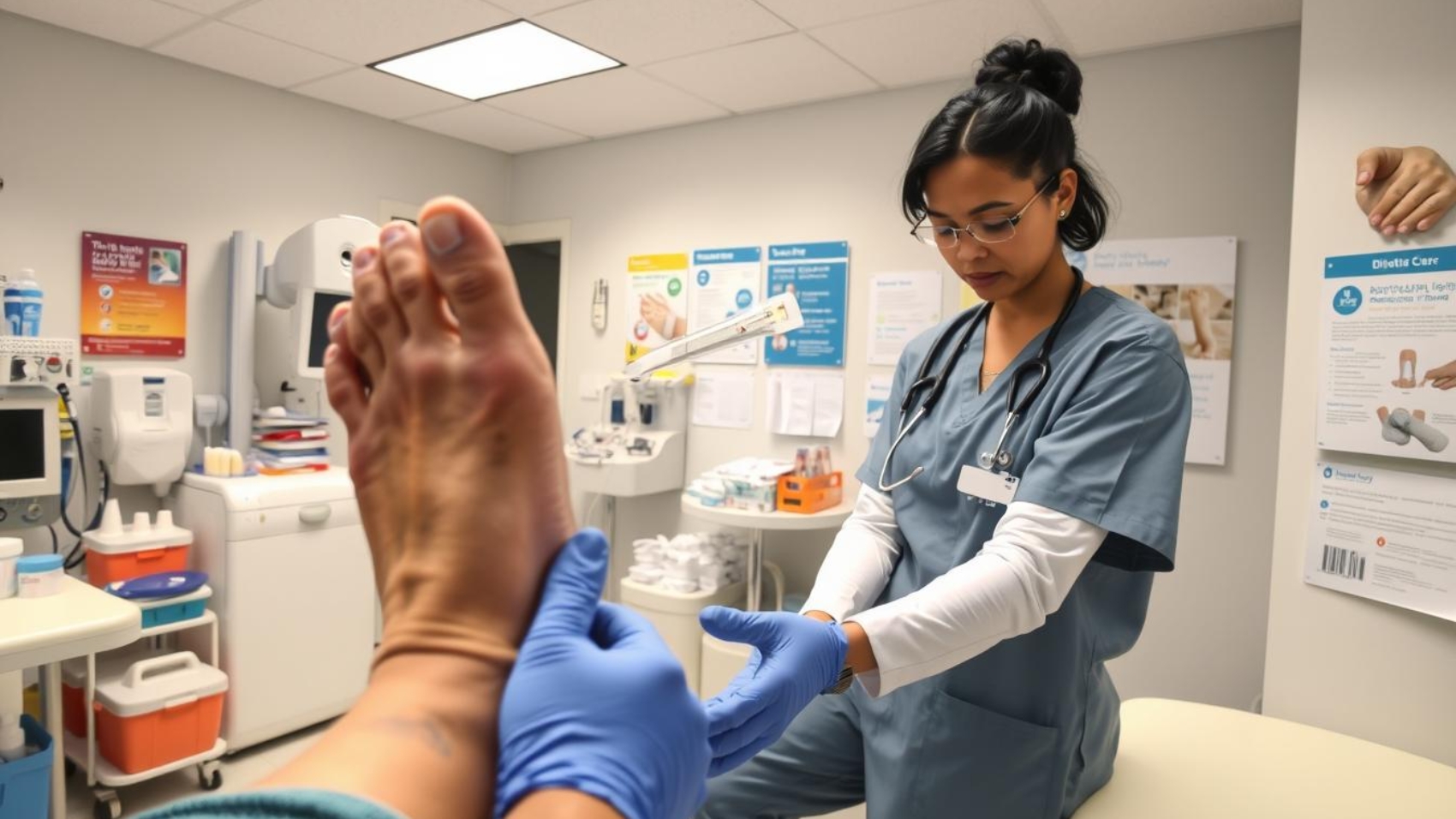
In-home wound care services are now a big help for those needing special treatment at home. They offer care that fits each person’s needs. This way, patients get the help they need without having to go to the hospital a lot.

What is In-Home Wound Care?

In-home wound care means getting medical help right at your home. It makes patients feel more comfortable and relaxed. They can heal better because they’re in a place they know well.

Advantages of Choosing In-Home Services

Choosing in-home wound care has many in-home wound care benefits. Some of these benefits are:

  • Custom care plans that help wounds heal better.
  • Less need to go to the hospital, which is less stressful.
  • Patients can move around more easily since care is given at home.
  • It can also save money because there’s less need for urgent care and hospital stays.

With home care services, patients get care that’s all about them. This approach helps both their body and mind. It makes life better and more enjoyable.

Comparison: In-Clinic vs In-Home Wound Care

Looking at in-clinic and in-home wound care, we need to compare costs and quality. This helps us see which one might be better for you.

COST Analysis of Both Services

Cost is a big factor when choosing wound care. Clinic visits can cost more because of travel. But, home care saves money by avoiding travel.

Important cost points include:

  • Transportation expenses for clinic visits
  • Time spent traveling versus receiving care
  • Potential savings from reduced follow-up appointments

Quality of Care in Different Settings

Studies show both clinic and home care offer high-quality care. The setting affects recovery, but healing rates are similar. Key factors include:

  1. Patient engagement and compliance with treatment
  2. Access to specialized medical equipment
  3. Comfort and familiarity of the care environment

cost comparison of wound care

The Role of Mobile Care Services

Mobile care services are changing how we manage wounds. They make getting care easier and more convenient. This helps patients a lot.

We know that treating wounds is more than just a doctor’s visit. We can bring care right to the patient’s home.

How Mobile Care Enhances Patient Experience

Mobile care lets us treat each patient in a special way. Some people can’t get to the doctor because of distance or health issues. By visiting them at home, we make care more personal.

This approach helps patients stick to their treatment plans. They are happier with their care too.

Mobility and Accessibility in Wound Care

Getting to wound care is important. Mobile services help people who can’t easily get to clinics. This way, everyone gets the care they need.

As we offer more mobile care, patients are doing better. They are more involved in their care, which leads to better health.

In-Home Wound Care San Antonio

In San Antonio, wound care is changing fast. More people know about chronic wounds. This means more need for care at home.

Many face problems like moving around and getting to doctors. Our in-home care in San Antonio helps. It makes sure patients get the care they need without the hassle of going out.

Local Wound Care Statistics and Demand

Recent numbers show a big problem with wounds in our area. Many have wounds that won’t heal because of health issues. This makes getting the right care very important.

Things like diabetes and blood vessel problems play a big role. Knowing these facts helps families find the best care. Our in-home care in San Antonio offers quick, personal treatment at home.

Why Choose Us for In-Home Care in San Antonio

Choosing the right in-home care is key. We have a team of experts who create care plans just for you. We always put quality first, focusing on what each patient needs.

By picking us, you get care that cares about you. We make sure you get the support you need. Together, we help our San Antonio community heal.

Conclusion

In summary, the article talked about wound care options today. It stressed the importance of both in-clinic and in-home services. Each option has its own benefits and limits, fitting different needs and situations.

Personalized care is key, more so for those with chronic wounds or after surgery. We looked at how to manage wounds well and the role of where care happens.

The choice between in-clinic and in-home care depends on what each person needs. It shows how important it is to think about one’s own situation.

To end, we suggest looking into Dominion Mobile Wound Care in San Antonio. They offer personalized care in a place that feels right for everyone. This ensures top care for our loved ones in a comfortable setting.

FAQ

What are the main differences between in-clinic and in-home wound care services?

In-clinic services happen in a special place with many experts. They use the latest technology. In-home care lets you get treated in your own home. It’s more comfortable and easy.

How do I know which wound treatment option is best for me?

Choosing the right treatment depends on your wound, how you move, and what you like. Talk to doctors who can look at your case. They’ll suggest the best care for you.

Are there any advantages to using mobile care services for wound treatment?

Yes! Mobile care is great for those who can’t move much or live far from clinics. It makes getting care easier. You can get treated at home, without worrying about getting there.

How effective is in-home wound care compared to clinic-based treatments?

Studies show both in-home and clinic care can heal wounds well. But, home care often makes patients happier. This happiness can help wounds heal better.

What types of treatments are typically included in in-home wound care services?

In-home care includes changing dressings, cleaning wounds, and managing pain. You’ll also learn how to take care of your wound. Each plan is made just for you.

What should I consider when choosing between clinic-based services and in-home care?

Think about what makes you comfortable, your wound’s size, and how easy it is to get to clinics. Also, do you like a more personal touch? Knowing these things helps you choose wisely.

Are in-home wound care services cost-effective?

Often, in-home care is cheaper than going to clinics. It saves on travel costs and time. Plus, it keeps care going without spending a lot.

How is the quality of care measured in different wound care settings?

Quality is checked by how fast wounds heal, how happy patients are, and if they stick to their care plans. Both in-clinic and in-home care can be top-notch. It depends on how well they fit your needs.

pain management

How to Spot Early Signs of Wound Infection at Home – Part 3

Keeping our health safe at home is very important. Knowing the early signs of wound infection helps us act fast. By learning about wound healing and infection symptoms, we can take better care of our wounds.

In this article, we will talk about how to spot wound infection signs. We will focus on early symptoms and how to care for wounds at home.

Key Takeaways

  • Recognizing early symptoms of wound infection can prevent complications.
  • Effective home wound care involves proper cleaning and dressing techniques.
  • Understanding wound healing stages aids in monitoring recovery.
  • Awareness of infection risk factors is essential for prevention.
  • Knowing when to seek medical attention is vital for timely intervention.

Understanding Wound Healing

Wound healing is a complex process with four main stages. Each stage is important for fixing our skin. Knowing these stages helps us see how amazing our body is at healing itself. It also helps us take good care of wounds at home.

The Four Stages of Wound Healing

The stages of wound healing include:

  1. Hemostasis: This first stage makes a blood clot to stop bleeding.
  2. Inflammation: Next, the body’s immune system starts. It helps form a scab and fights off infection.
  3. Proliferation: Then, new tissue grows. The body replaces lost or damaged tissue.
  4. Maturation: Last, the skin gets stronger. Scar tissue forms, making the skin better.

Common Healing Timeframes

How long wounds heal depends on the wound and the person. Minor wounds usually heal in 10 to 14 days. Knowing these times helps us watch our wounds closely. It’s good to notice if things don’t seem right, as it might mean a problem or infection.

Recognizing Wound Infection Signs

It’s key to spot wound infection signs early. Knowing common symptoms helps us get the right care fast. This way, we can avoid big problems.

Typical Symptoms of Infection

Wound infection signs can show up in many ways. We must watch for these signs:

  • Increased pain around the wound area
  • Swelling that does not improve over time
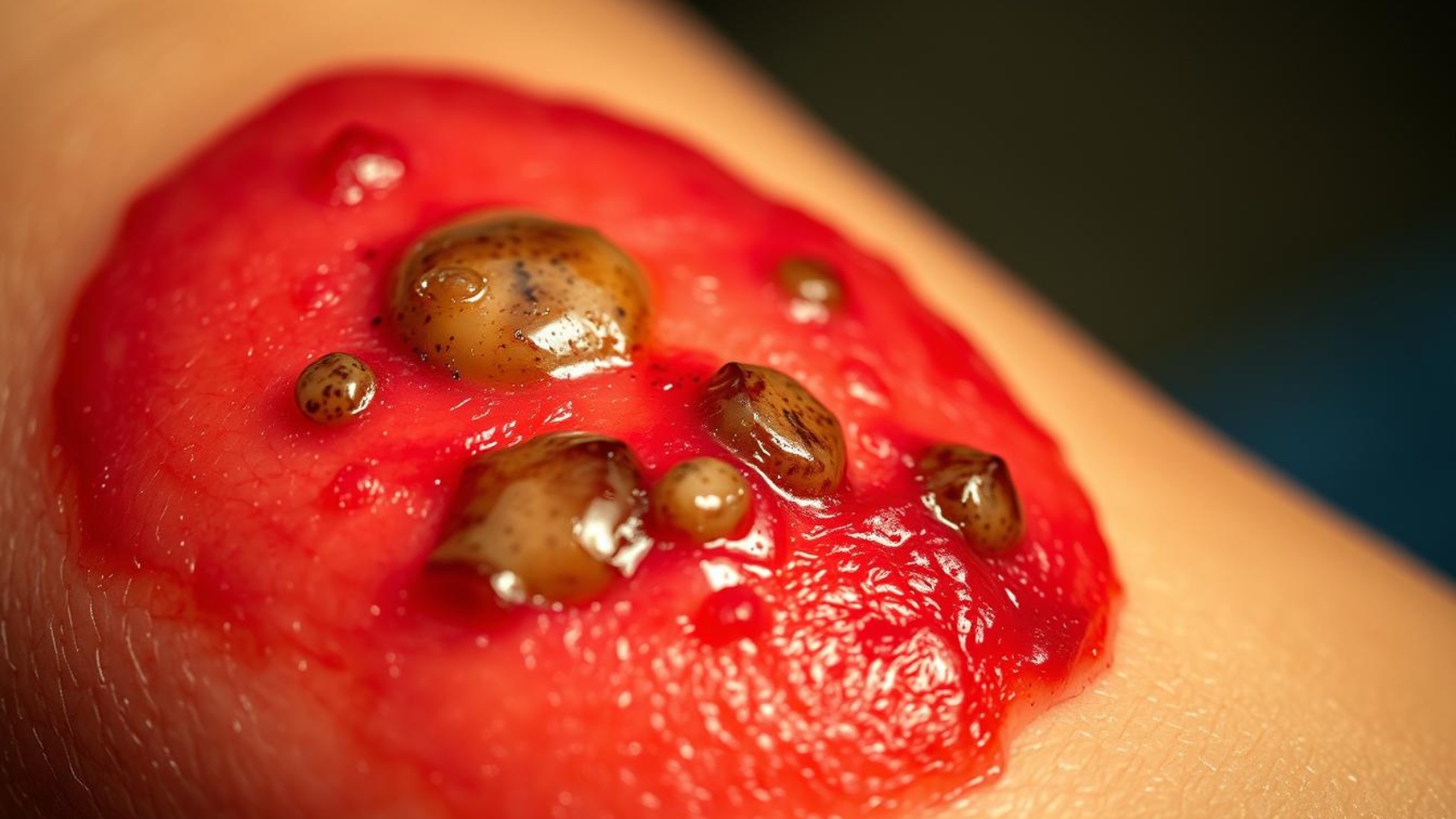
  • Pus or flaky discharge coming from the wound
  • Spreading redness around the wound
  • Fever that may accompany other symptoms

How to Differentiate Between Healing and Infection

To tell if a wound is healing or infected, watch it closely. Some redness means healing, but spreading redness is a warning. It’s key to notice any changes.

Healing wounds might be a bit swollen or sore at first. But these feelings should get better with time. Knowing the difference helps us get help when we need it.

Factors That Increase Infection Risk

Some things can make it harder for wounds to heal. Knowing what these are helps us take better care of our wounds. This way, they can heal faster and better.

Medical Conditions Affecting Healing

Many health issues can slow down healing. For example, diabetes can mess with blood flow and our immune system. This makes infections more likely.

Being overweight also slows healing. It can make tissues get less oxygen. This is bad for healing.

We need to think about our health and any health problems we have. This helps us know if our wounds are at risk of getting infected.

Environmental Factors Contributing to Infection

Our surroundings also play a big part in healing. Dirty places or bad hygiene can bring in bad germs. This can make infections more likely.

Not taking good care of wounds is also a problem. Not cleaning wounds well or using dirty dressings can cause infections. Keeping things clean and safe is key to healing.

Initial Symptoms of Wound Infection

It’s important to spot early signs of wound infection. This helps wounds heal right and avoids big problems. Look for signs like more pain, changes in how the wound looks, and fever. Knowing these signs helps us act fast.

Pain and Tenderness Levels

Pain and tenderness are key signs. If a wound hurts more, it might be infected. If pain gets worse, we need to see a doctor right away.

Changes in Wound Appearance

Changes in how a wound looks can mean infection. Watch for redness, swelling, warmth, or pus. If it looks different, it’s time to act.

Fever as an Indicator

Fever means our body is fighting something. If we have fever and other signs, it’s a sign of infection. Checking our temperature helps us know if we need a doctor.

early wound infection signs

Home Wound Care Tips to Prevent Infection

Keeping our wounds clean is key to avoiding infections. By using the right methods, we can help our wounds heal faster. Let’s look at how to clean wounds and the role of antibiotic ointments.

Cleaning and Dressing Your Wound Properly

First, we need to clean our wounds well. Use mild soap and water to wash the area. This removes dirt and bacteria.

After washing, dry the area with a clean cloth. Then, apply an antiseptic to keep it clean. Changing the dressing every five days helps keep the wound safe.

The Role of Antibiotic Ointments

Using antibiotic ointments, like Neosporin, is important. They protect against bad bacteria. These ointments help wounds heal faster.

Apply a thin layer after cleaning. This simple step helps a lot in healing. By doing this, we make our wound care safer and more effective.

When to Seek Medical Attention for Wound Infections

Knowing when to get medical help for wound infections is key. Some signs mean you need to go right away. Others might not be as urgent. Knowing the difference helps us make smart choices when we need to.

Signs That Require Immediate Care

It’s important to watch for signs that mean things are getting worse. Here are some serious signs that need quick help:

  • Severe pain that doesn’t get better with common medicines
  • Big redness around the wound
  • A fever over 102°F
  • Pus or strange stuff coming out of the wound

Understanding Urgent vs. Non-Urgent Situations

Not every problem needs a trip to the hospital. We can figure out if it’s urgent or not by looking at the symptoms:

  1. Urgent means serious symptoms that could get worse if not treated fast.
  2. Not urgent might mean a little redness or swelling without a fever.

Wound Infection Signs: What to Monitor

Watching wound changes is key to good wound care. By keeping an eye on our injuries, we can spot infection signs early. This can stop bigger problems from happening.

We should look for changes like more redness, pain, or odd discharge. Staying alert can really help us heal faster.

Tracking Changes Over Time

Tracking changes in our wounds is important for healing. We can make a simple list of signs to watch:

  • Look at the wound’s color and the skin around it.
  • Notice if the wound gets bigger or changes shape.
  • Check how much pain it hurts and if it’s tender.
  • Watch for yellow, green discharge or bad smells.

By keeping a record, we understand our healing better. We can act fast if something looks off.

Importance of Lymph Node Health

Lymph node health is also important. Swollen or sore lymph nodes mean our body is fighting an infection. We should check lymph nodes near the wound for:

  • Swelling in the neck, armpits, or groin.
  • Changes in how they feel when touched.

By watching wound changes and lymph nodes, we can help ourselves heal. Spotting infection signs early is good for our health.

Conclusion

Knowing the signs of wound infection is key for good wound care. By being careful and quick to act, we can lower the chance of problems. This helps us spot infections early and take action fast.

Using the right care, like cleaning and dressing, helps wounds heal better. It also keeps infections away. By knowing what to watch for, we can take better care of ourselves. If we need help, experts like Dominion Mobile Wound Care can assist us.

By staying alert and knowing how to care for wounds, we keep ourselves healthy. Good wound care and knowledge help us recover well and avoid serious issues.

FAQ

What are the early signs of a wound infection we should look for?

Look for signs like more pain, swelling, and pus. Also, watch for redness spreading and a fever. Catching these signs early is key.

How can we differentiate between normal healing and an infection?

Normal healing might have some redness and swelling. But, if redness spreads and pain grows, it might be an infection. Watching these signs is important.

What factors increase the risk of wound infection?

Diabetes, obesity, and weak immune systems can slow healing. Dirty places or bad wound care also raise the risk.

How should we care for our wounds at home to prevent infection?

Clean wounds with soap and water right away. Use antiseptic and change dressings often. Antibiotic ointments like Neosporin help too.

When should we seek medical attention for a wound?

Get help fast if pain is severe, redness spreads, or you have a high fever. Pus is another sign to watch for.

How often should we monitor our wounds for signs of infection?

Check wounds often, but more in the first few days. Look for redness, pain, or discharge. This helps catch infections early.

What role do lymph nodes play in wound infection monitoring?

Check lymph nodes near the wound. Swollen nodes mean your body is fighting an infection. This is a sign to see a doctor.

diabetic foot ulcer care San Antonio

Best Practices for Managing Diabetic Foot Ulcers at Home – Part 2

We’re learning more about caring for diabetic foot ulcers at home. We want to know how to prevent and treat them. This is important because it can stop serious problems like infections and amputations.

Diabetes is a big health issue in our country. We need to take good care of our feet to heal wounds well. Let’s find out some key tips for foot care at home.

Key Takeaways

  • Diabetic foot ulcers need good home care to avoid big problems.
  • Checking and keeping feet clean is very important.
  • Choosing the right dressings is key for wound care.
  • San Antonio has special care options that are very helpful.
  • Wearing the right shoes can stop foot ulcers.
  • Keeping blood sugar levels healthy is also very important.

Understanding Diabetic Foot Ulcers

Diabetic foot ulcers are open sores on the feet of people with diabetes. They happen because of diabetes complications. Knowing what they are helps us manage and prevent them.

Definition and Causes

These ulcers come from peripheral neuropathy and decreased blood flow. Neuropathy makes feet numb, so we can’t feel injuries. Poor blood flow also slows healing.

Knowing why they happen helps us prevent them.

Signs and Symptoms to Watch For

It’s important to spot diabetic foot ulcers early. Look for:

  • Redness or irritation around the wound
  • Swelling in the affected area
  • Increased warmth, indicating inflammation
  • Drainage, which may be purulent or clear

Watching for these signs helps us get medical help fast. This can prevent bigger problems like cellulitis or osteomyelitis.

Importance of Regular Foot Care

For those with diabetes, taking care of our feet is key. We need to check our feet every day to stop ulcers and keep them healthy. It’s important to watch for cuts, blisters, or changes in skin temperature.

Keeping our feet clean and moisturized is also crucial. This helps keep our feet in good shape.

Daily Inspections and Cleanliness

Checking our feet daily helps us find problems early. We should look at the tops and bottoms of our feet for injuries or changes. Keeping our feet clean is also important.

Washing our feet every day and drying them well, including between our toes, helps prevent infections. Making foot checks a daily habit is essential for our health.

Moisturizing Strategies

It’s important to moisturize our diabetic feet to keep the skin healthy. But, we should avoid putting lotion between our toes. This prevents moisture buildup that can cause fungal infections.

Finding the right balance in moisturizing helps keep our skin hydrated. This improves our foot health and lowers diabetes risks.

Strategies for Effective Wound Care

Managing diabetic foot ulcers is very important. We need to focus on cleaning and dressing them right. This helps them heal faster. By cleaning them often and using the right dressings, we can see better results.

Cleaning and Dressing the Ulcer

Cleaning the ulcers with saline or a gentle cleanser is key. It removes dirt and stops infections. We should clean them every day or more if needed.

After cleaning, we need to apply a dressing. This keeps the area moist, which helps it heal. We want to protect it from more harm but keep it moist for healing.

Types of Dressings and Their Benefits

The dressing we choose is very important for healing. There are different types:

  • Hydrocolloid dressings: These keep the area moist and are good for less wet wounds.
  • Foam dressings: These are for wounds that have some wetness. They cushion and manage fluids.
  • Antimicrobial dressings: These help fight off infections. They’re good for wounds that look infected.

Choosing the right dressing for the ulcer’s needs helps it heal better.

When to Seek Professional Help

We need to watch the ulcers closely. If we see:

  • Too much drainage.
  • Bad smells that mean infection.
  • Fever, which means infection in the body.

We should get help right away. This stops bigger problems and helps the wound heal.

Diabetic Foot Ulcer Care San Antonio

In San Antonio, many resources help us manage diabetic foot ulcers. Getting help from local healthcare is key. Many places have clinics just for treating these ulcers.

Local Resources and Support

Our community has lots of help for diabetic foot ulcers. You can find:

  • Podiatrists who know a lot about diabetes and foot care.
  • Teams of experts working together for better care.
  • Programs teaching us how to take care of our feet.

Specialized Care Options Available

If you need more help, there are special treatments. Doctors can talk about:

  • Amniotic tissue grafts to help wounds heal faster.
  • Hyperbaric oxygen therapy to help tissues get more oxygen.

These special treatments can really help us get better in San Antonio.

diabetic foot ulcer care San Antonio

Preventive Measures to Avoid Foot Ulcers

Preventing foot ulcers is key for people with diabetes. We can lower the risk by taking steps ahead of time. Wearing the right shoes and keeping blood sugar in check are important.

Proper Footwear Choices

Choosing the right shoes is crucial for diabetics. Shoes should be comfy and protect our feet. Look for shoes that support well and fit right.

Diabetic shoes or custom orthotics can help. They spread out the weight and ease pressure. This choice is vital for our foot health.

The Role of Blood Sugar Management

Keeping blood sugar stable is vital for preventing foot ulcers. Stable blood sugar helps avoid nerve damage and improves blood flow. This helps our feet heal better and lowers ulcer risk.

Eating right and exercising regularly help manage diabetes. These actions lead to better health for our feet.

Integrating a Multidisciplinary Approach

Managing diabetic foot ulcers is better with a team effort. Working with many healthcare experts helps us understand and meet patient needs. Doctors who focus on diabetes and foot specialists are key to good care.

Collaborating with Healthcare Professionals

Teamwork is the heart of good care. Talking with many doctors helps us make plans just for each patient. A dietitian can teach about food and a podiatrist can talk about foot care.

This team effort stops problems and makes patients healthier.

The Importance of Education in Self-Care

Teaching patients about diabetes is very important. Learning how to take care of their feet helps them feel in control. Programs teach them to spot and handle foot issues early.

multidisciplinary care in diabetes self-care education

Conclusion

Managing diabetic foot ulcers at home is key. We need to know how to care for our feet well. Keeping our feet clean and using the right treatments at home is important.

Working with doctors is also vital. If we need help, we should ask for it. For extra support, consider hiring Dominion Mobile Wound Care.

With the right steps, we can keep our feet healthy. This helps us live a better life without worries.

FAQ

What are diabetic foot ulcers and what causes them?

Diabetic foot ulcers are open sores on the feet of people with diabetes. They happen because of poor blood flow and nerve damage. These issues make it hard for wounds to heal.

How can we prevent diabetic foot ulcers?

To prevent them, take good care of your feet. Check for cuts or skin changes every day. Keep your feet clean and dry. Wear shoes that fit well. Also, keep your blood sugar levels in check.

What signs should we look for that indicate a foot ulcer may be developing?

Look for redness, swelling, warmth, drainage, and skin texture changes. Catching these signs early can stop infections.

How do we properly care for a diabetic foot ulcer at home?

Clean the ulcer with saline and use the right dressings. Keep it moist to help it heal. Watch for infection signs and see a doctor if needed.

When should we seek medical attention for a foot ulcer?

Get medical help if there’s a lot of drainage, a bad smell, or fever. These are signs of infection. Quick action can avoid serious problems.

What resources are available for diabetic foot ulcer care in San Antonio?

San Antonio has clinics for wound care. They have podiatrists and diabetes educators. There are also programs for learning how to care for your feet.

Why is footwear selection important for preventing foot ulcers?

The right shoes are key. They support your feet and reduce pressure. You might need special shoes or orthotics to prevent ulcers.

How can we improve overall diabetes management to prevent foot issues?

Keep your blood sugar levels under control. Eat well and exercise regularly. These steps help avoid nerve damage and improve blood flow.

wound infection signs

How to Spot Early Signs of Wound Infection at Home – Part 2

Knowing how to spot early signs of wound infection is key to good health. If we don’t treat infections, they can get worse. It’s important to watch for warning signs and act fast.

This article will help you learn about wound healing and how to prevent infections. By following these tips, you can keep your wounds clean and safe.

Key Takeaways

  • Identifying early signs of wound infections can prevent complications.
  • Understanding the wound healing process is essential for effective care.
  • Monitoring for changes in pain, swelling, and color can indicate infection.
  • Systemic symptoms like fever can signal more serious issues.
  • Recognizing risk factors helps us take preventive measures.
  • Timely medical attention is crucial when infection signs appear.
  • Consistent wound care practices can minimize infection risks.

Understanding the Wound Healing Process

The wound healing process is key for our body’s recovery. Knowing the stages helps us track healing. Each stage is important for fixing our skin and health.

Key Stages of Wound Healing

The healing process has four stages: Hemostasis, Inflammation, Proliferation, and Maturation. Hemostasis stops bleeding fast with clotting. Then, Inflammation fights off infection and forms scabs.

In Proliferation, new tissue grows, making the skin red and raised. The last stage, Maturation, makes scars softer and less visible over time.

Signs of a Healing Wound

We can see signs of healing in our wounds. Important signs include:

  • Clotting blood, which stops bleeding.
  • Formation of a scab, a barrier against infection.
  • Swelling, a sign of the body’s healing response.
  • Scarring, a normal part of healing.

Noticing these signs helps us see how our wounds are healing. It also tells us if we need more care.

wound healing process

Common Wound Infection Signs to Monitor

It’s important to watch for signs of wound infection to help wounds heal right. Knowing the signs helps us act fast when needed. Let’s look at the main signs we should notice while caring for our wounds.

Pain and Swelling

Pain or swelling around the wound is a big sign of infection. Some pain is okay when healing, but we must watch closely. If pain gets worse or swelling grows, it’s a warning sign we need to see a doctor.

Color Changes and Discharge

Changes in wound color, like cloudy or discolored fluid, mean infection. Look out for bad smells and colors like green, yellow, or brown. These signs mean the wound might not be healing right and could be infected.

Systemic Symptoms: Fever and Chills

Fever and chills mean our body is fighting an infection. If we have these symptoms with local signs, we need to see a doctor fast. Watching for these signs helps us catch serious problems early.

signs of wound infection

Factors That Increase the Risk of Wound Infection

It’s important to know what makes wounds more likely to get infected. This is true for everyone, but even more so for those who are more at risk. Some health problems can slow down healing, making infections more likely. Knowing these risks helps us take better care of our wounds.

Underlying Health Conditions

Many chronic conditions can make infections more likely. For example, people with diabetes heal slower because of poor blood flow and weak immune systems. High blood pressure and being overweight can also make it harder to manage wounds. Older people are also at higher risk because their immune systems are weaker.

It’s key to understand how these health issues affect healing. This knowledge helps us care for wounds better.

The Importance of Wound Care in Vulnerable Populations

Wound care is very important for those who are more at risk. Not taking care of wounds can lead to serious problems. We need to keep wounds clean and safe.

Simple steps like washing hands before touching a wound, using clean bandages, and getting medical help when needed can help a lot. Knowing these steps helps us prevent infections.

How to Identify Wound Infection Signs at Home

It’s important to know how to spot infection early. This helps our wounds heal right and keeps us safe from big health problems. Watching for these signs lets us act fast if an infection starts.

What to Look For

When checking a wound, look for these signs of infection:

  • Increased pain around the wound area.
  • Swelling that doesn’t go away or gets worse.
  • Any discharge that’s cloudy or smells bad.
  • Redness that spreads beyond the original injury site.
  • Systemic symptoms such as fever or chills.

When to Seek Medical Attention

Our health is always the most important thing. If symptoms get worse or don’t go away, get help right away. Seeing more pain, swelling, or feeling sick means you need to see a doctor. Catching infection early helps us heal faster and avoid big problems.

Conclusion

Knowing the signs of wound infection is key to good health. Learning about normal healing and watching for infection signs helps us care for wounds at home. This way, we can quickly act if we see any bad signs.

Keeping wounds clean and safe is very important to avoid infection. Good wound care helps wounds heal faster and reduces risks. If we’re unsure, we should ask a doctor for help. They can give advice that fits our needs.

Using services like Dominion Mobile Wound Care can help a lot. They have the knowledge to help us manage our wounds well. This makes us more confident in taking care of our wounds.

FAQ

What are the early signs of wound infection I should look for?

Look for signs like more pain, swelling, and redness. Also, watch for discharge from the wound. Cloudy or smelly fluid is a bad sign.

How can I tell if my wound is healing properly?

Healing signs include blood clotting and scabs forming. Scar tissue fading is also good. Local redness and swelling going down are signs too.

When should I seek medical attention for a wound?

See a doctor if symptoms get worse. This includes more pain, spreading redness, swelling, or a fever. Quick action helps avoid big problems.

Are there any specific health conditions that increase the risk of wound infections?

Yes, conditions like diabetes and obesity can slow healing. A weak immune system or being older also raises risks.

How can I care for wounds at home effectively?

Keep the wound clean and dry. Change dressings often. Watch for infection signs. Good hygiene is key.

What hygiene practices should I follow when caring for a wound at home?

Wash hands before and after. Use clean bandages. Keep the area clean to prevent infection.

chronic wounds

What You Need to Know About Chronic Wounds and Their Treatment

Chronic wounds are a big deal, not just a small health issue. They don’t heal in four weeks and can come from serious health problems. In San Antonio, we see many cases of non-healing wounds.

These can lead to infections and even amputations. Knowing what causes these wounds is key to getting better. For those in San Antonio with chronic wounds, getting special care is vital.

Places like Dominion Mobile Wound Care offer targeted treatments. This can really help you heal and get better. They provide top-notch chronic wound treatment in San Antonio.

Key Takeaways

  • Chronic wounds persist for more than four weeks and require professional care.
  • Underlying health issues often contribute to non-healing wounds.
  • Specialized treatment is crucial for improving recovery odds.
  • Awareness of symptoms can lead to early diagnosis and treatment.
  • Home care solutions play an integral role in wound management.

Understanding Chronic Wounds

Chronic wounds don’t heal like normal wounds. They can last a long time. Knowing how to classify wounds helps us treat them better. There are four main types: arterial, diabetic, pressure, and venous ulcers. Each needs a special treatment plan.

Definition and Classification

Knowing the type of wound is key to healing it. Here are the main types:

  • Arterial Ulcers: Happen when blood flow is poor.
  • Diabetic Ulcers: Common in people with diabetes, often from nerve damage.
  • Pressure Ulcers: Form when skin is under too much pressure.
  • Venous Ulcers: Occur when vein valves in the legs don’t work right.

Common Causes and Risk Factors

Many things can cause chronic wounds. We need to watch out for these risk factors:

  • Diabetes: A big reason for non-healing wounds.
  • Obesity: Can put too much pressure on the body, causing ulcers.
  • Poor Circulation: Not enough blood flow slows healing.
  • Age: Older people heal slower because of less skin elasticity and blood flow.
  • Immobility: Sitting or lying still too long can cause pressure wounds.
  • Poor Nutrition: Not enough nutrients makes it hard for the body to heal.

Understanding these factors helps us find ways to treat and prevent chronic wounds.

chronic wounds

Symptoms and Diagnosis of Chronic Wounds

Knowing the signs of chronic wounds is key to getting the right treatment. These wounds can show many signs that make our daily life hard. It’s important to know these signs to get a quick and good diagnosis.

Identifying Symptoms of Non-healing Wounds

Look out for these common signs of chronic wounds:

  • Persistent pain that doesn’t get better
  • Excessive bleeding, which is scary
  • Foul odors from the wound
  • Oozing discharge that might mean infection

These signs need our attention because they can really hurt our life quality. Spotting them early helps us act fast before things get worse.

Diagnosis Processes and Assessments

Diagnosing wounds involves a detailed check-up and looking at our health history. Doctors might ask for special tests to understand the wound better. Some common tests are:

  1. Ultrasounds to find hidden problems
  2. Biopsies if there’s a chance of infection
  3. Ankle-brachial index tests to check blood flow

These tests help figure out what kind of wound we have. They guide us to the best treatment. Knowing about our wound diagnosis helps us talk better with doctors.

symptoms of chronic wounds

Chronic Wound Treatment San Antonio

In San Antonio, we have many treatment options for chronic wounds. These options meet each patient’s unique needs. This ensures a complete care approach.

Available Treatment Options in San Antonio

Some key treatments in San Antonio include:

  • Negative pressure wound therapy: This method uses suction to help wounds heal. It improves blood flow and removes extra fluid.
  • Advanced dressings: These dressings keep the wound moist. This is key for healing.
  • Surgery: For big wounds, surgery like skin grafts may be needed. It helps the wound heal.

Role of Wound Care Specialists

Wound care specialists are very important in managing chronic wounds. They use their knowledge to create treatment plans for each patient. They work closely with patients to find the best healing solutions.

Seeing a wound care specialist is crucial. They help find the most effective treatments San Antonio offers.

Home Care Solutions for Chronic Wounds

Managing chronic wounds at home is key to healing. Our self-care solutions help us take control of our health. Learning these methods can greatly improve healing.

Importance of Self-Care in Wound Management

Self-care is crucial for wound care. We must:

  • Eat right to help our body heal.
  • Keep health issues under control.
  • Keep wounds clean and moist to fight infection and heal faster.

Watching our wounds closely is important. We should change dressings as told and get medical help when needed. This helps us keep track of healing.

Effective Home Remedies and Products

Using home remedies can help a lot. Topical ointments and the right dressings are good choices. They fight infection and help wounds heal.

Learning about these home care solutions is empowering. It also makes us feel better overall.

Conclusion

Understanding chronic wounds and treatment options is key for patients and caregivers. Spotting symptoms is just the start. Getting help from experts is crucial for healing.

By making smart choices, we help ourselves and our loved ones get better. This way, we can find the best treatment.

Using good home care can also help. It makes healing faster and keeps us feeling better. By using these methods, we help those with chronic wounds get better.

Want help with chronic wound care? Reach out to Dominion Mobile Wound Care. We offer personal help for your needs. Together, we make sure everyone gets the care they need in San Antonio.

FAQ

What are chronic wounds?

Chronic wounds are sores that don’t heal in more than four weeks. They can happen due to diabetes, poor blood flow, or a weak immune system.

What are the different types of chronic wounds?

There are four main types: arterial, diabetic, pressure, and venous ulcers. Each needs its own treatment plan.

How can I tell if my wound is chronic?

Look for signs like constant pain, too much bleeding, bad smells, and discharge. If you see these, get medical help fast.

What treatment options are available for chronic wounds in San Antonio?

In San Antonio, treatments include negative pressure therapy, special dressings, and surgery. This includes skin grafts for big wounds.

Why is it important to consult wound care specialists?

Specialists know how to handle tough cases. They do the right checks and make plans for each person to heal well.

What self-care strategies can I implement at home to care for chronic wounds?

Take care of yourself by eating right, managing health issues, and keeping the wound clean and moist. Also, watch the wound closely.

Are there effective home remedies for managing chronic wounds?

Yes, using ointments and dressings can help fight infection and help the wound heal.

How can I prevent chronic wounds from developing?

To prevent wounds, manage health problems, eat well, stay active, and keep your skin healthy.

When should I seek professional help for a chronic wound?

Get help if you see signs of infection, if the wound isn’t getting better, or if it hurts a lot.

Signs of diabetic foot ulcers

Best Practices for Managing Diabetic Foot Ulcers at Home

Managing diabetic foot ulcers at home is tough but very important. In San Antonio, it’s key to take care of these wounds well. If we don’t, we might get infections or even lose a limb.

This article will teach us how to take care of our feet at home. We’ll learn how to watch our feet, manage wounds, and choose the right shoes. This will help us keep our feet healthy and happy.

Key Takeaways

  • Understanding the seriousness of diabetic foot ulcers is crucial for effective management.
  • Regular foot inspections help us catch potential issues early.
  • Consistent wound care routines promote faster healing.
  • Proper footwear can prevent further complications.
  • Collaboration with healthcare professionals is essential for ongoing support.

Understanding Diabetic Foot Ulcers

To manage diabetic foot ulcers, we must first understand them. These open sores happen on the feet of people with diabetes. They come from many factors, so knowing the causes is key to preventing them.

Definition and Causes

Diabetic foot ulcers are linked to diabetes’s effects on the body. Neuropathy, or nerve damage, is a big cause. It makes it hard to feel injuries like cuts or blisters on the feet.

Poor blood flow also plays a part. It slows healing, turning small injuries into big ulcers. Shoes that don’t fit right or too much stress can make things worse.

Risks Associated with Untreated Ulcers

Ignoring a diabetic foot ulcer is risky. It can lead to infections like cellulitis or osteomyelitis. In the worst cases, it might even cause gangrene, which could mean losing a limb.

Spotting and treating ulcers early is crucial. It helps avoid these serious problems and keeps our feet healthy.

Signs and Symptoms of Diabetic Foot Ulcers

Knowing the signs of diabetic foot ulcers helps us manage them better. Spotting them early means we can act fast. We need to watch for signs that might mean ulcers or infections are coming.

Common Signs to Watch For

When looking for signs of diabetic foot ulcers, we should watch for:

  • Redness around the skin
  • Swelling in the affected area
  • Persistent pain, mostly in areas prone to ulcers
  • Open wounds or sores that may or may not hurt

Spotting these signs early helps us get care quickly. This can prevent bigger problems later.

Recognizing Infection

It’s important to know the signs of infection to keep our feet healthy. Infections can get worse fast. So, tell your doctor if you see:

  • Increased warmth in the affected area
  • Unusual drainage, like pus or too much moisture
  • A bad smell that’s not normal
  • Fever or chills
  • Pain that gets worse even with treatment

Checking your feet often is key, even more so if you have nerve damage. It helps us find problems early and get the right help.

Signs of diabetic foot ulcers

Diabetic Foot Ulcer Care San Antonio: Home Management Tips

It’s very important to take care of our feet if we have diabetes. By using good home care, we can lower the risk of foot ulcers. This part will give us tips on how to keep our feet healthy and cared for.

Daily Foot Care Routines

Doing the same foot care every day is a great way to prevent problems. First, wash your feet in warm water and dry them well, including between your toes. This stops moisture from building up.

Check your feet often for cuts or blisters. This way, you can treat them right away. Use special socks that keep your feet dry and comfy.

Proper Wound Management

To manage a wound right, follow what your doctor says. Clean and dress the wound as told. This keeps it clean and stops infection.

Make sure to check the wound often and keep it dressed. This helps the wound heal and stay safe.

Footwear and Mobility Considerations

Choosing the right shoes is key to avoid injuries for people with diabetes. We have many diabetic shoe options that are comfy and safe. Shoes that fit well give our feet the support they need.

Choosing Proper Shoes

Look for shoes with extra cushioning and orthotic insoles. These help prevent foot ulcers. When picking shoes, remember:

  • Fit: Shoes should fit our foot shape well.
  • Cushioning: Stuff that absorbs shock makes walking comfy.
  • Stability: A strong heel helps keep our feet stable.

Choosing the right shoes helps keep our feet healthy.

Importance of Not Going Barefoot

It’s also important to wear shoes, even at home. Without shoes, we risk cuts, sores, and infections. Wear socks that reduce friction to protect our feet more.

diabetic footwear

Working with Your Healthcare Team

Working with your healthcare team is key to keeping your diabetic foot healthy. Regular talks and actions help stop and handle problems. It’s important to get regular check-ups for your feet.

Regular Foot Examinations

Getting your feet checked often is a big part of managing diabetes. Try to see your doctor or podiatrist often. They can check your feet and find any problems early.

Seeking Immediate Medical Attention

If you see something odd or your foot gets worse, get help right away. Quick action can prevent big problems. Being careful and quick can help keep your feet safe.

Conclusion

We can manage diabetic foot ulcers at home with care and the right shoes. By following good prevention steps, we can avoid big problems. Keeping an eye on our feet is key when we have diabetes.

Staying healthy means seeing doctors often and talking to them. Regular visits and talking to our doctors help us catch problems early. This keeps our feet safe.

If you need extra help, think about services like Dominion Mobile Wound Care. Let’s all work together to keep our feet healthy. This helps us feel better overall.

FAQ

What are diabetic foot ulcers?

Diabetic foot ulcers are open sores on the feet of people with diabetes. They happen because of nerve damage, bad blood flow, and injury. If not treated, they can cause big problems.

How can we prevent diabetic foot ulcers?

To stop diabetic foot ulcers, take good care of your feet. Wear the right shoes. Keep your feet clean and dry. Check your feet often for any injuries.

What should we do if we notice signs of infection in a foot ulcer?

If you see signs of infection like warmth, drainage, pus, or fever, call your doctor right away. This helps stop the problem from getting worse.

How often should we have foot examinations?

See your doctor for foot checks at least once a year. If you have foot problems or ulcers, go more often.

What are the signs and symptoms to monitor for in diabetic foot ulcers?

Watch for redness, swelling, pain, and open sores. Also, look for signs of infection like warmth and bad smell.

Why is proper footwear important for diabetic foot health?

Good shoes are key to avoiding foot injuries and ulcers in people with diabetes. They help spread out pressure and reduce rubbing.

Can we manage diabetic foot ulcers at home?

Yes, you can take care of diabetic foot ulcers at home. Just follow your doctor’s advice on wound care and keep your feet clean. Always watch for any changes.

What should we do if a diabetic foot ulcer doesn’t heal?

If a foot ulcer doesn’t get better, see your doctor. They can check it out and find ways to treat it to avoid serious issues.

early signs of wound infection

How to Spot Early Signs of Wound Infection at Home

When we have wounds, we need to take good care of them at home. It’s key to spot infection signs early. This can really help our wounds heal faster.

Knowing the signs of infection is very important. If we ignore them, our healing can get worse. In this article, we’ll teach you how to find infection signs early.

Key Takeaways

  • Recognizing early wound infection signs can prevent complications.
  • Proper home wound care is vital for optimal recovery.
  • Understanding the stages of wound healing helps in monitoring.
  • Immediate attention to infection symptoms can enhance healing.
  • Environmental factors play a critical role in wound care.

Understanding Wound Healing

Wound healing is a complex process. It has four main stages. Each stage is important for healing wounds well and fast. Knowing these stages helps us see the difference between normal healing and problems like infections.

The Four Stages of Wound Healing

Wound healing goes through:

  1. Hemostasis: This stage starts right after an injury. The body tries to stop the bleeding.
  2. Inflammation: Here, a scab forms. The immune system starts to heal the wound.
  3. Proliferation: New skin cells grow. This stage closes the wound.
  4. Maturation: Scar tissue forms. It gets stronger over time, ending the healing.

Normal Healing vs. Infection

Knowing normal healing is key. It shows us when things are going right versus wrong. Normal healing usually takes about 10 days. You might see some redness and swelling.

But, if you see too much redness, pain, or discharge, it might be an infection. Good wound care tips, like keeping it clean, help. They make sure you’re healing right.

Recognizing Wound Infection Signs

When we care for a wound, knowing the early signs of infection is key. Spotting these signs early helps us act fast. This can stop problems and help us heal better.

Common Symptoms

Some common signs of infection include:

  • Pus or cloudy drainage from the wound
  • Increased redness and swelling around the wound
  • More pain or tenderness at the wound site
  • Fever or swollen lymph nodes, showing a body reaction

We should watch for these signs. They tell us when to take action.

When to Seek Medical Attention

Knowing when to get help is very important. We should see a doctor if we notice:

  • Severe or getting worse pain
  • Redness spreading from the wound
  • A fever over 102°F, which means a serious infection
  • Signs of sepsis, like confusion or trouble breathing

Knowing these signs can really help our health. Acting fast can stop more problems and help us get the right treatment.

early signs of wound infection

Factors That Increase Infection Risk

When we talk about wound care, we must know about risks for infection. Many health issues and environmental factors can make it hard to keep wounds clean. This can slow down healing.

Health Conditions Impacting Healing

Some health problems, like diabetes, obesity, and vascular disease, raise our risk of infection. These issues can mess with blood flow and weaken our immune system. This makes it tough for our bodies to fight off infections.

By taking care of these health problems, we can reduce the risks of wound infections.

Environmental Factors and Wound Care

Environmental factors also play a big role in infection risks. Dirt, pollutants, or bad wound care can bring bacteria closer. Here are some key steps:

  • Keep the wound area clean.
  • Clean the wound right and often.
  • Stay away from dirty surfaces.

Being careful about these environmental factors helps us make better choices in wound care. This can lower our risk of getting infected.

Home Wound Care Tips for Early Detection

Proper home wound care is key to keeping wounds clean and preventing infections. By acting early, we help our wounds heal fast and right. Good care helps avoid problems and makes healing better.

Importance of Keeping the Wound Clean

It’s important to keep a wound clean for it to heal. Start by washing it gently with warm water and mild soap. This removes dirt and bacteria, helping the wound stay clean and safe.

Using Antibiotic Ointments Effectively

Using antibiotic ointments, like Neosporin, helps protect a clean wound. It keeps bacteria out. Just put a thin layer on as told, to help the wound heal well in the beginning.

Monitoring for Changes in the Wound

It’s important to check the wound often for changes. Look for more redness, swelling, or pus, which could mean infection. Changing our care based on what we see helps fix problems fast.

home wound care

How to Spot Early Signs of Wound Infection at Home

When we care for a wound at home, we must be careful. Spotting infections early can help a lot. We should watch for signs like pus and redness around the wound.

Identifying Pus and Discharge

Look for pus or cloudy discharge first. Pus can be yellowish or greenish, showing a bacterial infection. A bad smell means the wound needs help fast.

Recognizing Spreading Redness and Pain

Also, watch for redness and pain spreading. If redness goes beyond the injury or pain gets worse, it might be infected. Quick action is key to treating it right.

Conclusion

Being proactive in wound infection awareness helps a lot. We need to watch our wounds closely and know when to get help. This way, we can heal better and feel more confident about our health.

By watching our wounds closely, we can catch problems early. If we see something that worries us, getting help is smart. For serious wound care, Dominion Mobile Wound Care is there for us.

Let’s take care of our health by following these steps. With the right knowledge and care, we can heal safely and well. Our health is up to us, and we can make a big difference in our recovery.

FAQ

What should I do if I notice signs of infection in my wound?

If you see signs like pus, more redness, or more pain, see a doctor fast. Quick action can stop bigger problems.

How can I tell the difference between normal healing and an infection?

Normal healing has some redness and swelling. But too much swelling, more pain, or discharge means infection.

How long does it take for a wound to heal normally?

Wounds usually heal in about 10 days. But infections can make it take longer.

What health conditions increase the risk of wound infections?

Diabetes, obesity, and vascular diseases hurt blood flow and immune strength. This makes wounds more likely to get infected.

What are effective home wound care practices?

Clean the wound with warm water and soap. Use antibiotic ointment. Watch for any changes.

When should I seek immediate medical attention for a wound?

Severe pain, spreading redness, or fever over 102°F are signs of serious infection. Get medical help right away.

Are there environmental factors that I should be aware of when caring for wounds?

Yes, dirt and poor hygiene raise infection risk. Keep wounds clean and safe from germs to help them heal.