


Dominion Mobile Wound Care brings specialized wound care to patients who struggle to leave their residence. This approach reduces travel, lowers exposure to complications, and keeps treatment aligned with a physician-directed plan.
Qualified clinicians deliver evidence-based treatment and standardized assessments at the bedside. They use digital monitoring and imaging to track the healing process and spot early signs that require escalation.
Home health services often cover chronic and complex wounds when a skilled need exists and leaving is unsafe. Medicare, Medicaid, and many private plans may cover eligible patients under a physician’s plan of care.
The goal is clear: fewer complications, less pain, and faster healing while preserving function and quality. Dominion coordinates with healthcare partners to tailor each plan and support measurable outcomes.
Key Takeaways
- In-home wound care brings treatment to patients who cannot travel easily.
- Services focus on safety, comfort, and measurable healing outcomes.
- Digital monitoring helps track progress and guide treatment changes.
- Eligibility usually needs a skilled need and a physician-directed plan.
- Coordinated teams can reduce hospital visits and prevent complications.
Compassionate, At‑Home Wound Care Tailored to Limited Mobility
A patient-centered strategy adapts clinical treatment to bedside realities, ensuring effective healing without unnecessary strain.
Dominion Mobile Wound Care personalizes each plan to a patient’s functional limits. Clinicians combine standardized assessments with gentle routines that protect dignity and boost comfort.
Individualized services may include nursing assessments, dressing changes, debridement, compression therapy, negative pressure wound therapy, medication review, and nutrition and hydration evaluation.
- Plans set visit frequency, dressing systems, and measurable wound healing goals agreed with the physician.
- Caregivers receive training on positioning, dressing maintenance, infection prevention, and respectful assistance.
- A holistic approach addresses nutrition, underlying disease, and appropriate support surfaces to reduce skin breakdown.
Timely adjustments keep treatment aligned with exudate levels, pain needs, and healing response. Home health coordination ensures supplies and equipment arrive on schedule.
By focusing on quality, safety, and caregiver inclusion, this approach helps patients maintain independence and improves daily life while addressing clinical needs.
Who Benefits: Patients with Mobility Issues and Chronic Conditions
Patients with limited movement and chronic diseases often need targeted support to prevent skin breakdown and promote recovery. Dominion Mobile Wound Care focuses on people who face diabetes, vascular disease, paralysis, and post‑operative recovery and who cannot travel easily.
Higher‑risk conditions
Diabetes, vascular disease, paralysis, recent surgery and circulation disorders increase the risk of non-healing wounds. Dialysis, stroke, and venous insufficiency also slow repair and raise complication rates.
Common wound types
- Pressure injuries and pressure wound prevention
- Diabetic foot ulcers and heel ulcers
- Venous or arterial ulcers, surgical and traumatic wounds
When immobility, reduced perfusion, neuropathy, or loss of sensation exist, pressure and delayed healing become likely.
Non-healing or chronic wounds show little improvement in two weeks or fail to close by six weeks. Early recognition of warning signs—new redness, warmth, swelling, odor, or increased drainage—lets healthcare providers intervene sooner.
Structured, in‑room plans address underlying conditions, set measurable healing goals, and coordinate with caregivers to protect skin and improve quality life.
Comprehensive In‑Home Wound Care Services
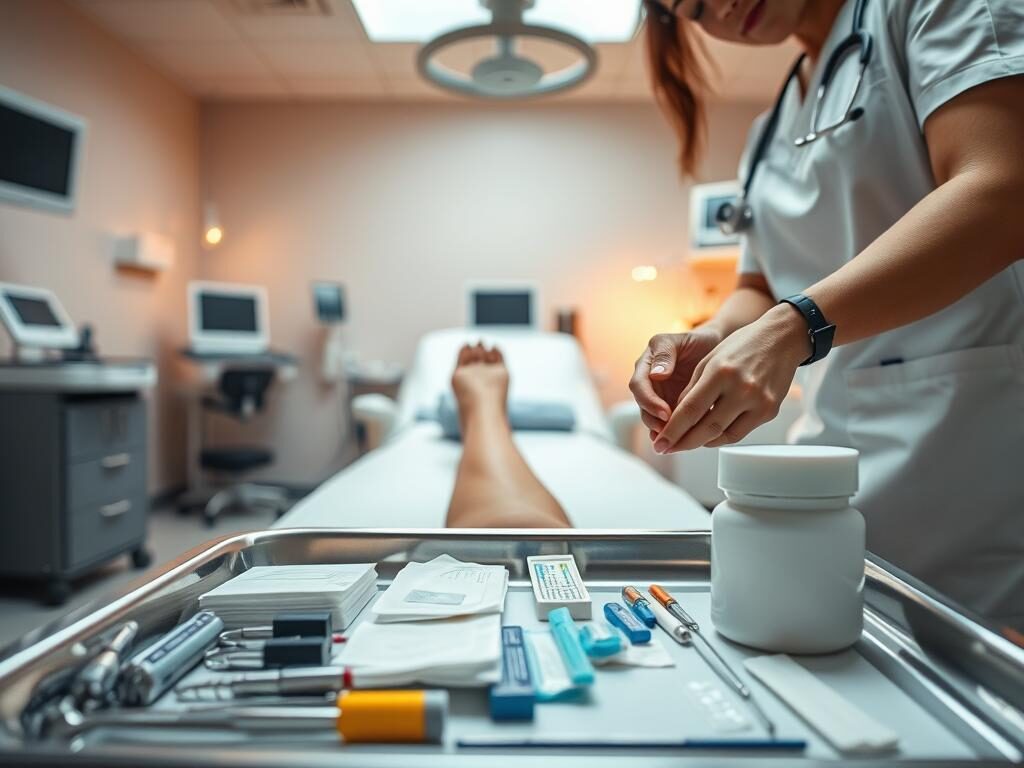
Dominion Mobile Wound Care delivers a full spectrum of bedside services that blend skilled nursing, advanced devices, and caregiver training to speed recovery and reduce complications.
Skilled nursing and procedures
Clinicians perform thorough assessments, measurement, and documentation to guide evidence-based treatment. Typical tasks include dressing changes, debridement, suture or staple removal, and infection monitoring that prompts swift physician notification.
Advanced therapies
Therapies may include compression for venous disease, negative pressure wound therapy, and targeted offloading to relieve pressure points. These options support complex wound healing and help prevent recurrence.
Medication, nutrition, and monitoring
Medication reconciliation and hydration review reduce barriers to healing. Clinicians also evaluate protein and micronutrient needs and use digital photography and standardized scales to track progress.
Patient and caregiver education
- Signs of infection and when to call a provider
- Daily skin checks, moisture control, and pressure relief routines
- Safe handling of dressings and support surface setup
Dominion coordinates supplies, equipment, and physician updates so the entire plan functions as a structured home health program that focuses on measurable healing and fewer complications.
How In‑Home Care Supports Limited Mobility and Pressure Injury Prevention
Simple, consistent routines protect skin and reduce the risk of pressure injuries.
Simple routines—timed turns, offloading, and correct equipment—make a big difference in protecting fragile skin.
Positioning, transfers, and pressure relief schedules
Dominion Mobile Wound Care coaches patients and caregivers on safe positioning and transfer techniques.
Therapists teach gait belts, slide sheets, and caregiver stance to limit shear and friction.
Teams set pressure relief schedules with clear intervals.
Scheduled repositioning lowers the chance of skin breakdown and supports healing.
Support surfaces and adaptive devices for daily living
Clinicians select pressure‑redistributing mattresses, seat cushions, and heel protectors.
OT recommends adaptive equipment and footwear to offload high‑risk areas.
- Offloading tools like pads and specialty shoes protect heels and feet.
- PT and OT strengthen transfers and adapt daily activities to protect skin.
- Daily skin checks and moisture management catch early changes.
Monitoring and adherence reinforce results. Regular checks, documentation, and caregiver training keep routines consistent.
These prevention steps improve comfort and quality life while reducing urgent escalations.
home wound care for mobility issues
Dominion Mobile Wound Care coordinates physician orders, nursing visits, and therapy input into a single, practical plan implemented at the point of care.
Tailored programs include adaptive scheduling, specialized equipment setup, and supplies selected to match daily routines and tolerance. Visits, education, and supply delivery are set to support healing without extra travel.
The approach provides access to offloading, compression, and portable NPWT when appropriate. Clinicians use evidence-based products and standardized documentation to track progress and trigger timely changes.
- Consistent measurement and notes that detect plateaus or shifts in drainage.
- Focused management of pain, exudate, and peri‑wound skin to sustain progress.
- Ongoing communication with physicians and healthcare stakeholders to align next steps.
Patient goals shape visit frequency, education depth, and supply choices so the model reduces missed treatments and travel barriers common to those with limited movement. This dependable, high‑quality service helps avoid escalation while keeping safety and healing on track.
Technology‑Enabled Healing: Remote Monitoring and Virtual Support
Real‑time telemetry and photos let providers catch small trends before they become major setbacks.
Remote patient monitoring complements in‑person visits by sending vital signs and wound images directly to clinicians. Devices can transmit oxygen saturation, heart rate, respiration, blood pressure, temperature, and stress data. Smartphone imaging and secure uploads create early alerts when trends suggest rising infection risk or other complications.
Adherence and outcomes
RTM linked to portable NPWT improved compliance in 73% of cases and showed larger reductions in wound volume and surface area. One diabetic foot ulcer study reported a 41.6% drop in area and high patient engagement. These gains translate into measurable wound healing and fewer hospital returns.
Workflow and patient experience
- Patients capture photos and vitals with an app.
- Data routes to providers and triggers clinician review or a virtual visit.
- Early intervention reduces complications and lowers travel burdens.
Quality and cost improve when telemedicine pairs with bedside visits. Portable NPWT with RTM showed average savings per patient and less hospital use. Dominion Mobile Wound Care uses technology as an extension of hands‑on treatment, with secure messaging and documented physician updates to keep care coordinated and timely.
Integrated Care Team and Coordination with Physicians
A coordinated multidisciplinary team closes gaps between hospital orders and bedside treatment to keep patients safe and progressing.
Dominion Mobile Wound Care assembles nurses, therapists, dietitians, social workers, and aides into a single, practical plan. This structure supports smooth transitions from hospital to the care home and reduces avoidable readmissions.
Nurse leaders drive assessments, dressing protocols, and timely physician updates. They document measurements and escalate changes when treatment adjustments are needed.
- PT and OT focus on transfers, offloading, assistive devices, and training to protect skin during daily tasks.
- Speech therapists and dietitians optimize swallowing, nutrition, and hydration to support tissue repair.
- Medical social workers connect families with community resources and address caregiver strain and financial barriers.
- Home health aides observe, report changes, and reinforce education that keeps routines consistent.
Management of orders, supplies, and schedules keeps services uninterrupted during discharge and early follow-up. Monitoring data and visit findings route promptly to providers so treatment can change without delay.
Quality and communication are central: documented physician coordination, structured education for patients and caregivers, and ongoing monitoring all support better outcomes and reliable treatment at the point of care.
Safety First: Infection Prevention, Risk Reduction, and Home Education
A daily prevention routine helps detect early changes and prevents small problems from becoming serious. Dominion Mobile Wound Care emphasizes practical education that helps patients and caregivers reduce infections and avoid unnecessary hospital visits.
Daily skin checks, hand hygiene, and dressing protocols
Keep dressings clean and dry. Change soiled or wet dressings immediately. Wash hands before and after any dressing change. Use clean technique and limit touching the sterile surface.
Inspect skin daily, with special focus on heels, sacrum, and device contact points. Address incontinence and moisture quickly. Use moisturizers on dry skin to reduce cracking and break down.
Warning signs that require prompt provider notification
Monitor and report these signs without delay: new or spreading redness, swelling, warmth, increased pain, new drainage, foul odor, or fever and chills. Early monitoring lets clinicians modify treatment and lower the risk of serious complications.
- Clear dressing protection when bathing or showering.
- Guidance on safe activity and analgesia to support circulation.
- Declutter paths and ensure good lighting to reduce falls and protect skin.
Education is ongoing: Dominion reinforces home health teaching at each visit. This builds confidence, promotes consistent routines, and supports better outcomes through timely alerts and coordinated follow-up.
Coverage, Costs, and Quality Considerations
Clear documentation and prompt physician orders often unlock insurance coverage for bedside visits.

Dominion Mobile Wound Care helps patients gather the records and physician notes payers expect. Eligibility usually needs a skilled need, a physician’s plan of care, and difficulty leaving the residence.
Medicare, Medicaid, and many private insurers commonly cover skilled nursing and therapy under a plan. Dominion coordinates prior authorizations and supply requests to speed approval.
Cost advantages and evidence
- Remote monitoring plus portable NPWT showed average savings of about $3,753 per patient.
- Telemedicine models for diabetic ulcers reduced costs near $2,222 per patient versus traditional pathways.
- Fewer trips and fewer hospital events lower total spend while keeping clinical oversight.
Quality is tracked with standardized monitoring and outcome reporting. This helps reduce pressure wound complications and avoids high‑cost escalations.
Patients should share insurance details and physician contacts early so Dominion can align services and start treatment without delay.
Conclusion
A coordinated in-room program blends clinical expertise, technology, and education to speed healing and reduce complications. This patient-centered approach links assessment, documentation, and timely intervention so progress stays measurable and steady.
Teams deliver evidence-based wound care, remote monitoring when useful, and clear instruction that helps caregivers sustain routines. Studies show smaller ulcer area and cost savings with portable NPWT plus telemedicine, which supports adherence and fewer hospital visits.
Receiving skilled services in the residence improves quality life, increases comfort, and meets social and equipment needs that affect repair. Dominion Mobile Wound Care brings coordinated communication to physicians and rapid updates.
Hire Dominion Mobile Wound Care to help heal their wounds and restore function, safety, and better life.
FAQ
How does in-home wound treatment help patients with limited mobility?
In-home services let nurses and therapists deliver regular assessments, dressing changes, and therapies where patients are most comfortable. This reduces travel stress, lowers infection risk from clinic visits, and improves adherence to treatment plans, which supports faster healing and better quality of life.
What specific services make in-home treatment comprehensive?
A coordinated team provides skilled nursing assessments, debridement when needed, infection monitoring, advanced therapies like compression or negative pressure devices, medication and nutrition reviews, and caregiver education on prevention and self-management.
Who most commonly benefits from receiving treatment at their residence?
People with limited mobility due to diabetes, peripheral vascular disease, paralysis, or recent surgery benefit most. Those with chronic conditions that make travel difficult or who have pressure injuries, diabetic foot ulcers, venous or arterial ulcers, or trauma wounds also see strong benefits.
How do providers prevent pressure injuries and support positioning?
Clinicians teach safe transfer techniques, create pressure‑relief schedules, recommend mattress and cushion options, and suggest adaptive devices to redistribute pressure. Regular repositioning and skin checks reduce risk and catch problems early.
What role do technology and remote monitoring play?
Remote monitoring captures vital signs and wound images, enabling early alerts for infection or deterioration. Telehealth visits keep care teams connected, improve adherence to treatments like portable negative pressure therapy, and lower the travel burden for patients and families.
How does the care team coordinate with physicians and other specialists?
Nurses, physical and occupational therapists, dietitians, and medical social workers communicate with primary care and specialists through electronic records and regular updates. This coordination ensures smooth transitions from hospital to residence and consistent treatment adjustments.
What infection prevention steps are emphasized during visits?
Clinicians perform daily skin checks, enforce hand hygiene and sterile dressing protocols, monitor for redness or drainage, and educate caregivers about warning signs that require immediate provider notification to reduce complications.
Are these services covered by Medicare or private insurance?
Coverage varies. Medicare and many private insurers may cover skilled nursing visits, durable medical equipment like NPWT devices, and some telehealth services when criteria are met. Patients should verify eligibility and prior authorization requirements with their insurer.
Is in‑residence therapy cost‑effective compared to clinic care?
Yes. Reduced hospital readmissions, fewer clinic trips, and earlier intervention often lower overall costs. Telemedicine and portable therapies can further improve outcomes while decreasing expenses tied to travel and extended hospital stays.
How are caregivers prepared to assist with daily management?
Clinicians provide hands‑on training on dressing changes, signs of infection, mobility techniques, skin inspection, and when to seek urgent care. Education materials and follow‑up televisits reinforce skills and build confidence.
What signs indicate that the provider should be contacted immediately?
New or worsening pain, increased redness, swelling, foul odor, rising temperature, sudden drainage, rapid wound size changes, or any systemic symptoms like chills require prompt notification so clinicians can intervene quickly.
Add a Comment