Home health wound care offers a more comfortable, convenient alternative to hospital visits. Dominion Mobile Wound Care provides expert care at home.



Promoting Healthy Skin
Home health wound care offers a more comfortable, convenient alternative to hospital visits. Dominion Mobile Wound Care provides expert care at home.

Receive in-home wound assessments from Dominion Mobile Wound Care for better healing results. Hire us to help heal your wounds.
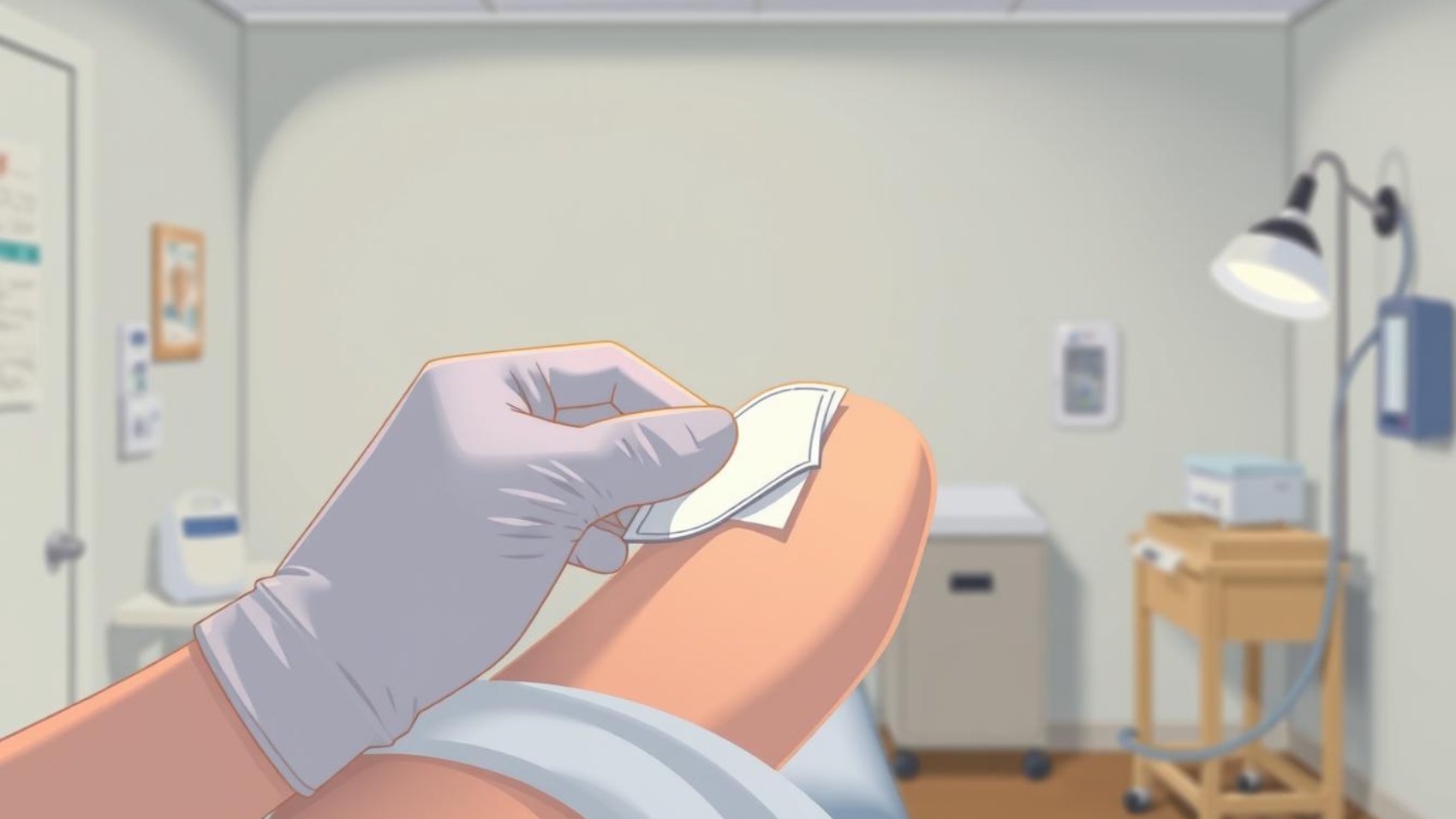
Recover faster from post-surgical wounds with Dominion Mobile Wound Care’s in-home care. Get the personalized attention you need to heal. Hire Dominion Mobile Wound Care to help heal your wounds.
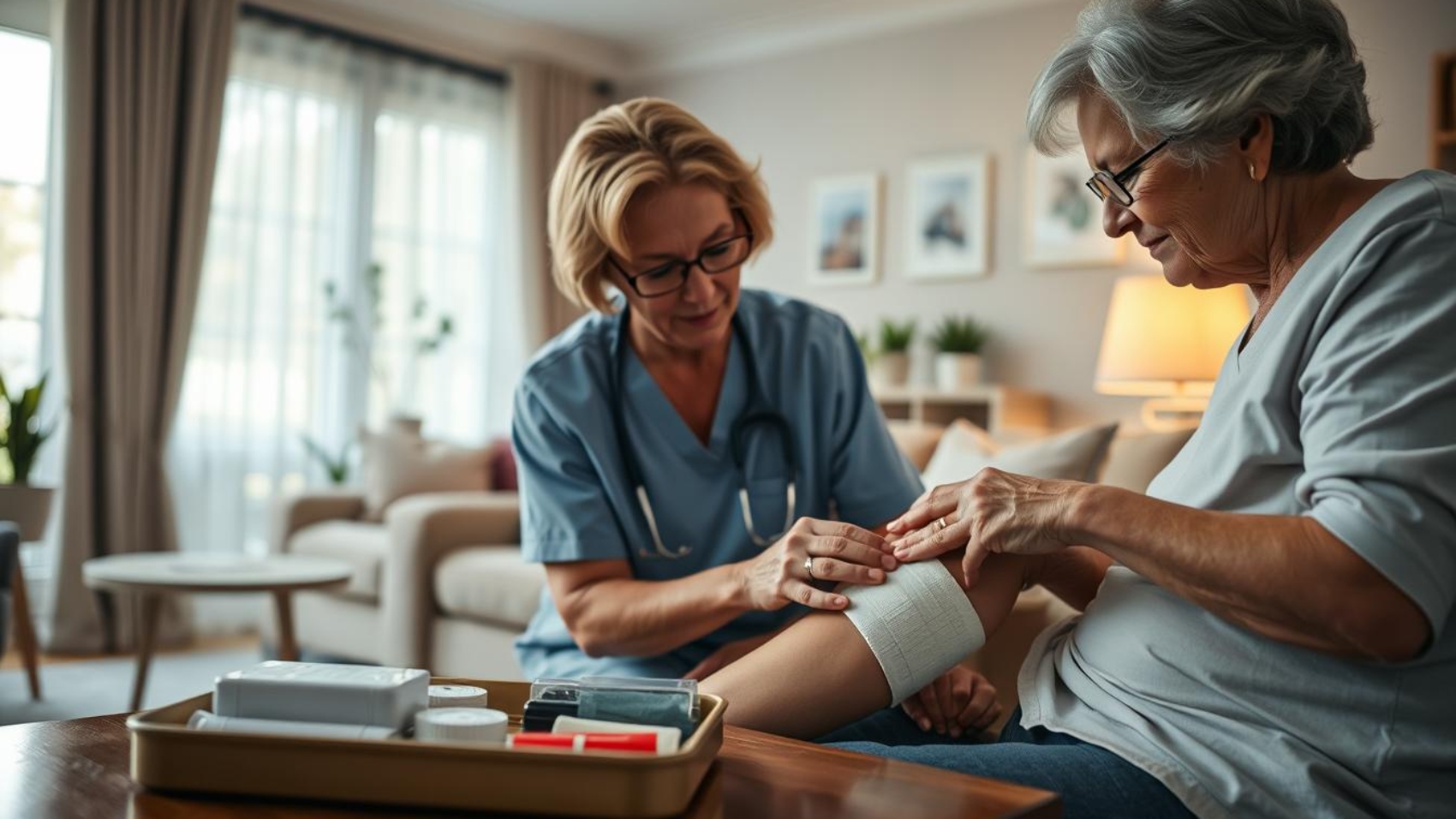
You want clarity on whether getting treatment at home truly saves money and time compared with hospital trips. Modern programs combine in-person and virtual visits, EMR integration, predictive analytics, and workflow automation to lower costs while keeping quality high.
This focused approach removes many facility fees and reduces transport and time burdens for patients. Certified clinicians deliver thorough assessment, dressing selection, and follow-up at your residence. Timely, coordinated interventions at home can stop complications that would lead to expensive emergency or inpatient stays.
Dominion Mobile Wound Care uses technology-supported scheduling and documentation to make each visit efficient and outcome-focused. You can compare typical hospital costs with streamlined home services and see where savings appear without sacrificing results. Hire Dominion Mobile Wound Care to help heal your wounds.
You can cut total episode costs when care moves from hospital corridors to coordinated visits at home. High-performing programs blend in-person and virtual delivery to lower PMPM spending while keeping quality strong.
What drives expenses are facility fees, higher-priced supplies, transportation, and readmissions when a wound worsens between appointments.
Primary care alignment and EMR integration let all clinicians follow one plan, lowering duplicative testing and conflicting treatment. Predictive analytics flag higher-risk patients for closer monitoring so you prevent ER trips and admissions.
Dominion Mobile Wound Care ties these efficiencies to measurable outcomes—reduced hospitalizations and lower total spend—so you get quality treatment without needless cost. Hire Dominion Mobile Wound Care to help heal their wounds.
Value-based home programs focus on faster healing while trimming unnecessary spend.
Evidence-driven models reward outcomes, not visit counts. You get frequent, targeted touchpoints—virtual and in-person—that speed recovery and avoid escalations that lead to hospital use.
These programs use standardized order sets and payer-aligned workflows so prior authorizations do not delay treatment. Clinical reporting and EMR integration keep your primary care and specialists aligned.
Right-sizing ensures you receive exactly the advanced dressings, compression, or adjuncts needed—no excess that drives waste. That precision improves adherence and shortens healing time.
Dominion Mobile Wound Care operationalizes this approach to deliver predictable outcomes and controlled costs. Hire Dominion Mobile Wound Care to help heal their wounds.
You receive hospital-level assessment and therapies in the comfort of your home from trained clinicians. Dominion Mobile Wound Care’s specialists perform detailed evaluations that include measurements, photo tracking, and exudate assessment to guide precise advanced dressing selection.
Therapies delivered at home range from compression wraps and Unna boot two-layer systems to negative-pressure wound therapy and selective sharp debridement. Pulsed lavage, moisture management, and culture-guided medication plans help control infection and support healing.
Dominion Mobile Wound Care aligns a multidisciplinary team—vascular, podiatry, and rehab—so each step follows evidence-based protocols. Hire Dominion Mobile Wound Care to help heal their wounds.
A coordinated clinical team brings hospital-level decision making into your home to protect limbs and speed recovery.
Dominion Mobile Wound Care integrates vascular surgery, podiatry, hyperbaric medicine, and rehabilitation so you get timely, unified plans. You see same-day diagnostics when needed and specialists who manage ulcers, non-healing surgical wounds, radiation injuries, and autoimmune ulcers.
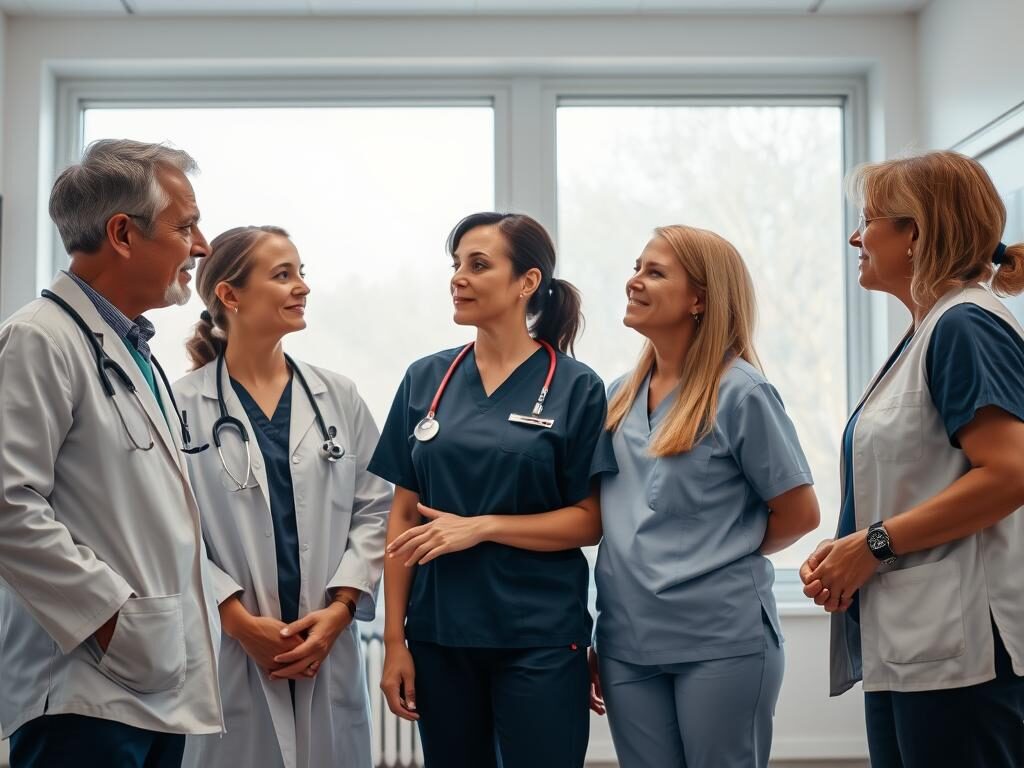
You are supported by a coordinated team that mirrors hospital-level breadth, avoiding fragmented handoffs. Vascular and podiatry reviews identify perfusion and offloading needs early to protect limb function.
This approach reduces duplication, accelerates decisions, and keeps every patient on a clear recovery path.
Dominion Mobile Wound Care brings hospital-quality collaboration into your home. Hire Dominion Mobile Wound Care to help heal their wounds.
Integrated platforms put images, notes, and secure messages in one place, making clinical decisions faster and safer.
You will engage in a blended model of in-person and virtual visits supported by secure messaging and EMR integration. Your full plan, photos, and progress notes are available to every clinician on the team.
Analytics flag higher-risk patients and estimate healing timelines so the team can adjust visit frequency or change dressings before problems grow. This proactive approach shortens cycles between assessments and targets resources where they matter most.
You will see clinical reporting at patient and population levels that surfaces trends in size, tissue type, and exudate. Workflow automations speed authorizations, coding, and documentation so treatment is not delayed by admin hurdles.
Dominion Mobile Wound Care combines these services to deliver faster, data-driven treatment and better outcomes. Hire Dominion Mobile Wound Care to help heal their wounds.
Navigating insurer rules and referrals is often the fastest way to keep treatment uninterrupted and outcomes predictable.
In many U.S. settings, prior authorization is required for specific services. Your team helps start that process early with complete documentation so approvals happen quickly.
Dominion Mobile Wound Care manages documentation and scheduling to reduce delays that increase costs and complications. Hire Dominion Mobile Wound Care to help heal their wounds.
A coordinated, technology-backed program channels the right treatment to the right patient at the right time.
You now see how a home-based wound care approach can reduce hospital use, lower total episode costs, and keep treatments focused on measurable progress.
Experts and your primary care team align in the EMR, using predictive analytics and workflow automations to spot risks early and speed referrals for NPWT, compression, or selective debridement when needed.
You gain clear education, supply guidance, and timely services that support healing and avoid emergency visits. For technology-enabled services, multidisciplinary coordination, and a results-focused path that centers on your home, Hire Dominion Mobile Wound Care to help heal your wounds.
Yes. You typically save on facility fees, transportation, and ancillary charges when you receive treatment at home. Home-based services often lower your monthly per-member-per-month (PMPM) spend while keeping outcomes comparable to outpatient clinics. Discuss coverage with your insurer to confirm out-of-pocket costs for home visits and supplies.
Multiple factors increase expense. Hospitals charge facility and procedure fees. Repeated imaging, specialist consults, and emergency readmissions add sizable costs. Transportation and home nursing visits also contribute, as do over-ordered supplies and unnecessary advanced products. A targeted plan reduces waste and avoids costly complications.
Home and telehealth visits reduce unnecessary ED trips, speed intervention, and improve adherence to treatment. They let clinicians inspect wounds frequently without the overhead of clinic visits. With integrated electronic records and remote monitoring, you get timely care that lowers complications and keeps overall spending down.
Early assessment catches infection, ischemia, or other complications before escalation. Skilled clinicians can adjust dressings, start antibiotics, or recommend urgent outpatient procedures, preventing progression that would otherwise require emergency or inpatient care. Fast action saves money and improves healing.
Value-based models focus on outcomes rather than volume. Providers receive incentives for faster, complication-free healing and lower readmission rates. These models emphasize standardized protocols, data tracking, and coordination with primary care and specialists to control cost while improving patient experience.
Clinicians assess wound size, depth, exudate, and infection risk to select appropriate dressings and frequency of changes. Right-sizing avoids overuse of costly advanced products while ensuring you get what’s clinically necessary. Periodic reassessment adjusts the plan as your wound heals.
Transparent plans outline goals, expected healing timelines, dressing schedules, red-flag signs, and follow-up cadence. They list responsible providers and contact methods. Clear guidance empowers you to follow the plan correctly and to seek help early if problems arise, reducing extra visits.
Certified clinicians can perform comprehensive evaluations, choose advanced dressings, provide debridement when appropriate, and manage complex regimens. Many services—like compression therapy, negative-pressure wound therapy, and certain topical biologics—are now delivered safely in the home setting by trained teams.
You can receive compression wraps for venous ulcers, negative-pressure wound therapy for select complex wounds, and bedside debridement when indicated. Clinicians train you or caregivers on device use, monitor progress, and coordinate supplies to ensure safe, effective treatment at home.
Home-based teams work with hyperbaric centers and specialists to arrange referrals, transport, and scheduling. They handle prior authorization paperwork and share clinical data to support the indication. Coordination reduces delays and ensures you get timely access to adjunctive therapies.
Biologic dressings and moisture-balancing products support tissue regeneration and prevent maceration. Clinicians choose products based on wound characteristics and infection risk. Proper application and monitoring at home improve healing while limiting complications.
Clinicians assess for infection using clinical signs and, when needed, wound cultures. They initiate targeted topical or systemic antibiotics per guidelines and monitor response closely. Early, focused treatment at home reduces the risk of spread and hospitalization.
Home programs coordinate primary care, podiatry, vascular surgery, infectious disease, and physical therapy to create an integrated plan. Regular case reviews, shared records, and clear referral pathways reproduce hospital-level expertise while keeping you in a familiar environment.
Clinicians document visits directly into your EMR and use secure messaging for updates. Telehealth visits allow visual wound checks and triage. This integration ensures all providers see the same information and supports faster decision-making and safer transitions of care.
Predictive models use factors like wound size, patient comorbidities, and prior healing trends to forecast risk and expected timelines. Teams use this information to prioritize high-risk patients, tailor interventions, and reduce preventable complications through proactive management.
Automated alerts, standardized documentation templates, and outcome dashboards reduce manual errors and speed care coordination. Reporting highlights trends and flags patients who need intensified intervention, improving both efficiency and clinical outcomes.
Home programs employ care coordinators who prepare documentation, submit prior authorizations, and follow payer policies to minimize delays. They communicate with your insurer and treating specialists to ensure services meet medical necessity criteria and to streamline approvals.
Your primary care provider, specialist, or hospital discharge planner can submit a referral. Many home programs accept direct referrals and help with authorization and scheduling. You can also contact reputable home health companies or specialty providers to request an evaluation.

If you or a loved one need reliable wound care at home, an in‑home visit brings skilled clinicians to your door. You’ll meet a licensed team that reviews your history, meds, and current wound status so the plan fits your goals and provider guidance.
The clinician will explain the exam, what treatments may be used, and how those choices support safe healing. Expect modern approaches like debridement, advanced dressings, and biologic grafts when appropriate.
Documentation, infection control, and coordination with your doctors and insurers are standard. That helps improve access and reduces risks from missed appointments. You’ll also get clear instructions on signs to watch for, simple steps to aid healing, and how to reach the team between visits.
To keep things smooth in San Antonio, consider hiring Dominion Mobile Wound Care to handle your ongoing service needs and help heal your wounds.
A clear intake and scheduling step sets expectations and gets the right supplies to your door.
Referrals may come from your physician, home health agency, or facility partner. You or your provider share recent labs, meds, and wound history so the team tailors the visit to your needs.
Scheduling is streamlined. You get a confirmed arrival window, prep steps, and reminders so the process is predictable.
Clinicians perform a structured assessment: size, depth, tissue, exudate, and infection risk. When needed, they capture clinical images and use basic imaging to track progress.
Debridement and dressing selection happen when appropriate. Each choice supports moisture balance, bioburden control, and protection.
All notes are recorded on secure platforms and shared with your providers to keep everyone aligned on the plan.
You leave with a clear follow-up plan, including next dressing changes, comfort tips, and who to contact if symptoms change.
The clinician can initiate prescriptions, orders, or labs and confirm that the plan fits your home environment and support needs.
If you want dependable in‑home attention that coordinates with your clinicians, hire Dominion Mobile Wound Care to help heal your wounds.
You can receive clinic-grade therapies in your home, following standardized care protocols.
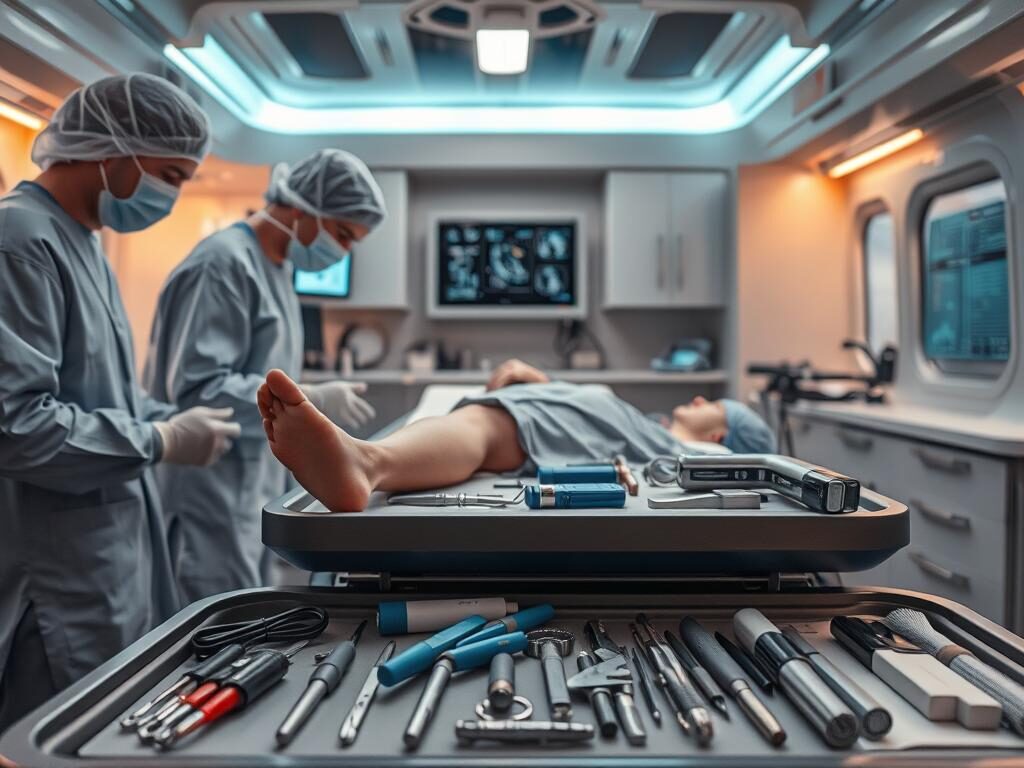
Evidence-based pathways guide each visit. Your clinician performs a structured assessment, then uses conservative sharp or enzymatic debridement when indicated.
These steps remove nonviable tissue and lower bioburden. That supports faster healing when matched with the right dressing selection.
For chronic and complex wounds, biologic solutions such as amniotic membrane application or other graft products may be used.
Grafts are chosen based on wound cause, blood flow, and infection control. Your specialists integrate graft application with debridement and offloading to maximize benefit.
Education explains how to protect advanced dressings or grafts between visits and when to contact the team about changes.
If you want clinic-level advanced wound care delivered at home, hire Dominion Mobile Wound Care to help heal your wounds.
Care teams visit private homes, assisted living, and skilled nursing sites to treat common and complex conditions where you already are.

Your clinician manages a range of conditions, including diabetic foot ulcers, pressure injuries, venous and arterial ulcers, surgical wounds, and burns.
Programs coordinate closely with facility staff and physicians so treatment fits routines and nursing workflows. This keeps daily care consistent and safe.
Your plan adapts to mobility, cognition, and support, and includes instructions for caregivers and staff. Communication flows to your primary and specialty providers so everyone sees progress and updates.
Hire Dominion Mobile Wound Care to bring coordinated, patient-focused wound care to your home or facility and help heal your wounds.
Confirming benefits and streamlining referrals helps you start the right treatment without delays. Programs routinely partner with physicians, home health agencies, assisted living and skilled nursing, and health plans to simplify access and verify coverage.
Technology-enabled workflows and secure documentation keep your providers in the loop. That communication shares assessments, orders, and updates so your primary and specialty teams see the same plan.
Care specialists coordinate suppliers, labs, and products so dressing and supplies arrive when needed. If you face transportation or mobility limits, services delivered at home cut missed appointments and speed healing.
You also get practical education on dressing changes, offloading, and nutrition so instructions match your home setup. Timely responses between visits help you troubleshoot small issues before they become setbacks.
By aligning access, coverage, and coordination, your treatment proceeds with fewer interruptions and stronger clinical momentum.
Hire Dominion Mobile Wound Care to help heal your wounds.
A well‑structured visit wraps assessment, tailored treatment, and follow‑up into a single, patient‑focused experience.
You get evidence‑based treatments, access to advanced wound care options, and clear education so healing stays steady. Your team coordinates with physicians and nursing staff across homes, assisted living, or skilled nursing settings.
As a patient, you benefit from modern products, timely orders, and options such as biologic grafts when indicated. These steps support wound healing and reduce travel or missed appointments.
If you want coordinated, clinic‑level treatment brought to your doorstep, hire Dominion Mobile Wound Care to help heal your wounds.
You should expect a comprehensive evaluation by a specialist who performs a focused physical exam, documents wound measurements, and reviews your medical history. The clinician may use point-of-care imaging and secure electronic documentation to capture baseline status. You’ll receive a personalized treatment plan that includes dressing selection, offloading or compression strategies, and a follow-up schedule. The team coordinates with your primary provider, home health nurse, or facility staff to ensure continuity of care and comfort during the visit.
Referrals can come from your primary care physician, a hospital discharge planner, or a facility nurse. Once the referral is received, scheduling staff contact you or your caregiver to arrange an appointment window. You’ll be asked to prepare a list of current medications, recent lab results, and any prior wound records. Clear communication about access points and mobility limitations helps the team arrive ready to treat.
The clinician performs a thorough assessment that includes wound size, depth, tissue type, and signs of infection. Photographic and measurement tools may be used for accurate tracking. Findings are entered into secure clinical documentation systems and shared with your care team. That documentation supports evidence-based decisions and helps monitor progress over time.
After treatment, the clinician sends a concise report to your referring physician, home health agency, or facility nursing staff. The plan outlines dressing changes, medication adjustments, and follow-up appointments. If advanced therapies or specialist referrals are needed, the team assists with scheduling and insurance authorization to streamline next steps.
Depending on your wound type and healing progress, the team may provide sharp or enzymatic debridement, biologic grafts, amniotic membrane applications, negative-pressure therapy, and advanced dressing systems. All interventions follow evidence-based pathways to address chronic or complex tissue loss while minimizing disruption to your daily routine.
Yes. Biologic grafts and amniotic-derived products are used safely in outpatient and facility settings when clinicians follow sterile technique and manufacturer guidance. You’ll receive explanations about risks, benefits, and expected outcomes. The team monitors your response closely and documents progress to ensure efficacy and safety.
Specialists treat diabetic foot ulcers, pressure injuries, venous and arterial leg ulcers, postoperative surgical wounds, and burns. Care is provided across home settings, assisted living, and skilled nursing facilities, with interventions tailored to your overall health status and healing goals.
Care includes glycemic control coordination, vascular assessments, offloading strategies for pressure relief, and compression therapy when appropriate. The team works with endocrinologists, vascular surgeons, and primary care providers to address underlying conditions that impede healing.
Coverage varies by plan and therapy. The care coordinator helps verify benefits, obtain prior authorizations for advanced products or procedures, and explain potential out-of-pocket costs. They also assist with documentation required by Medicare, Medicaid, or commercial insurers to reduce delays in treatment.
The clinician provides clear instructions for dressing changes, wound surveillance, and when to escalate concerns. Written care plans, in-person teaching, and secure messaging with facility nursing staff promote consistent implementation and timely interventions.
Have a list of medications, recent lab or vascular study results, and any prior wound reports available. Clear the area around the wound site, ensure adequate lighting, and arrange for a caregiver to be present if mobility limits you. These steps speed assessment and improve comfort during the procedure.
Pain control is individualized. Providers use topical analgesics, local anesthetic for debridement, and coordinate oral pain medications with your prescribing provider. The team monitors pain levels and adjusts techniques to minimize discomfort while delivering effective treatment.
Healing timelines vary by wound type, size, and your overall health. Many chronic wounds show measurable improvement within weeks when managed with evidence-based therapy and coordinated medical support. The team tracks outcomes with serial measurements and modifies the plan when progress stalls.
Clinicians look for signs like increased drainage, redness, warmth, or systemic symptoms. They may obtain wound cultures and initiate topical or systemic antibiotics in coordination with your provider. Early recognition and prompt treatment reduce complications and support recovery.
You’ll typically see nurse practitioners, physician assistants, or wound care nurses trained in advanced tissue management and evidence-based protocols. Many have additional certifications in wound, ostomy, and continence nursing or similar specialties to ensure high-quality treatment.
All documentation and wound photographs are stored in secure, HIPAA-compliant systems. Access is restricted to your care team, and records are shared with other providers only with your consent. This preserves privacy while supporting coordinated, data-driven care.
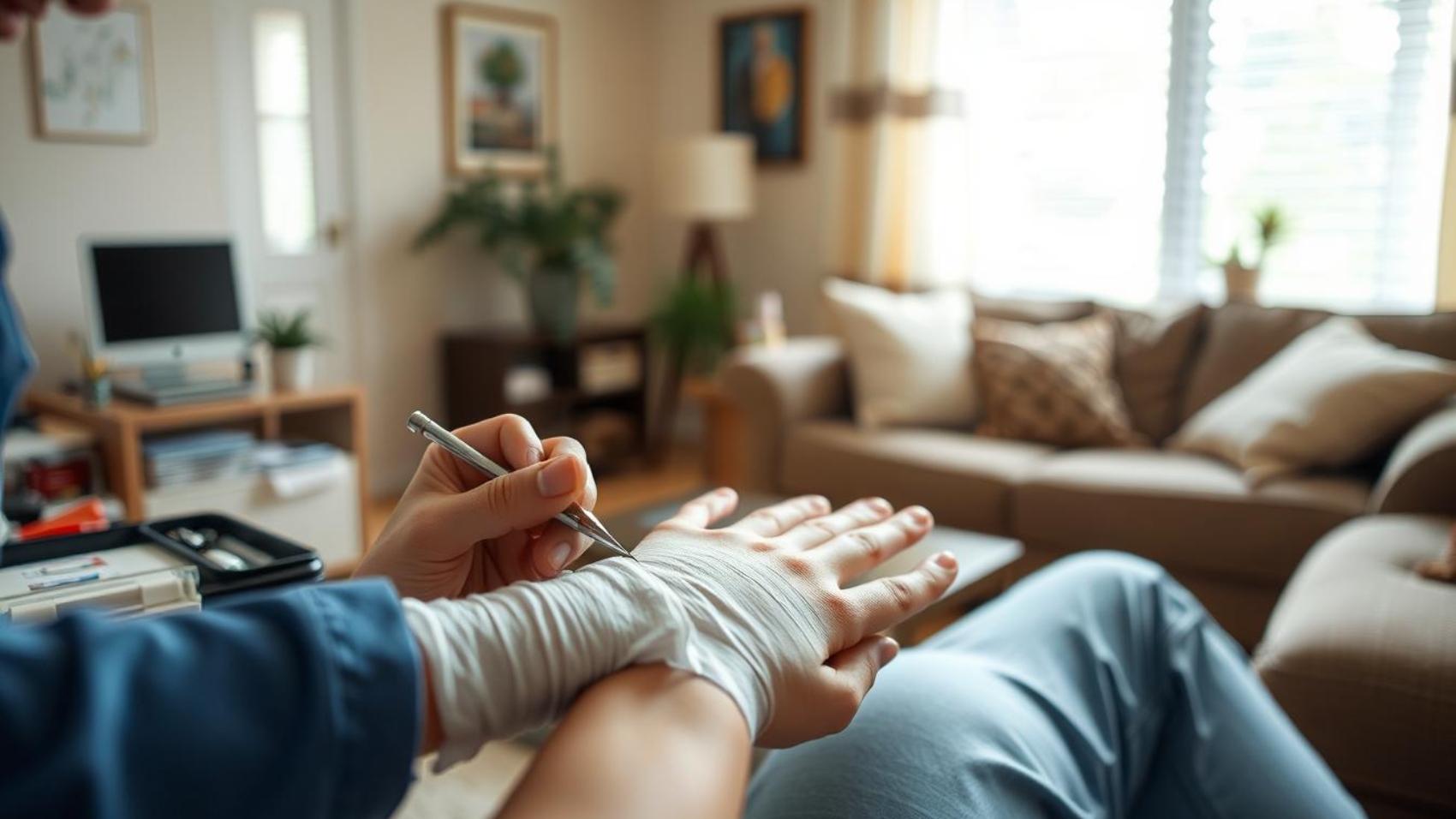
Get hospital-grade treatment delivered to your home. Dominion Mobile Wound Care brings certified specialists to you so you can start effective care today without delays.
The team uses a whole-person approach that looks beyond the surface. University Health notes advanced options like hyperbaric oxygen therapy and an interdisciplinary model that addresses root causes such as diabetes and poor nutrition.
You and your providers get clear information and coordinated plans. This simplifies access to specialized therapies while keeping your health and safety central.
Expect friendly guidance on what to expect, how to prepare, and how at-home support speeds recovery. Hire Dominion Mobile Wound Care to help heal their wounds.
Getting expert, coordinated treatment at home shortens the path from diagnosis to measurable healing. Dominion Mobile Wound Care offers assessments that look at your full health picture—nutrition, mobility, diabetes control, and home setup—so your plan fits daily life.
Your plan includes an overall assessment and clear milestones. The process explains each step, why it matters, and how you will track progress over time.
You are supported by certified wound care specialists and care specialists who work as one team. They coordinate with podiatry, orthopedics, physical therapy, and other specialists when needed.
Our team triages what can safely be done at home and when to escalate, saving you time and reducing unnecessary trips. Hire Dominion Mobile Wound Care to help heal their wounds.
Local mobile teams bring skilled clinicians directly to your door across the metro area. You get timely, professional visits that reduce travel and help you stick to a healing plan.
You can schedule visits that fit your day and preferred hours. Our staff coordinates times so on-site time is focused and efficient.
Clear communication, flexible hours, and coordinated logistics make local access simpler and safer. Hire Dominion Mobile Wound Care to help heal their wounds.
When wounds stall or become complicated, early, focused intervention makes the biggest difference. You get precise evaluation of skin and tissue, plus plans that address medical causes like diabetes and poor nutrition.
You receive targeted support for diabetic ulcers with offloading, glucose monitoring, and frequent checks to protect fragile tissue.
Plans for pressure ulcers focus on pressure redistribution, moisture control, and repositioning strategies that work at home.
Protocols include edema management and tailored support for circulation issues and venous ulcers to promote better healing.
Complex surgical wounds and injuries get meticulous wound bed preparation, dressing selection, and infection control to manage exudate and bioburden.
Radiation and stalled wounds receive specialized approaches—debridement, advanced dressings, and therapies that restore oxygenation to tissue.
Early evaluation reduces risk of complications and helps prevent amputation by treating problems before they worsen. You learn warning signs and when to request immediate support between visits.
Dominion Mobile Wound Care delivers these services to your door. Hire Dominion Mobile Wound Care to help heal their wounds.
When standard measures stall, specialized technologies can restart healing and protect vulnerable tissue.
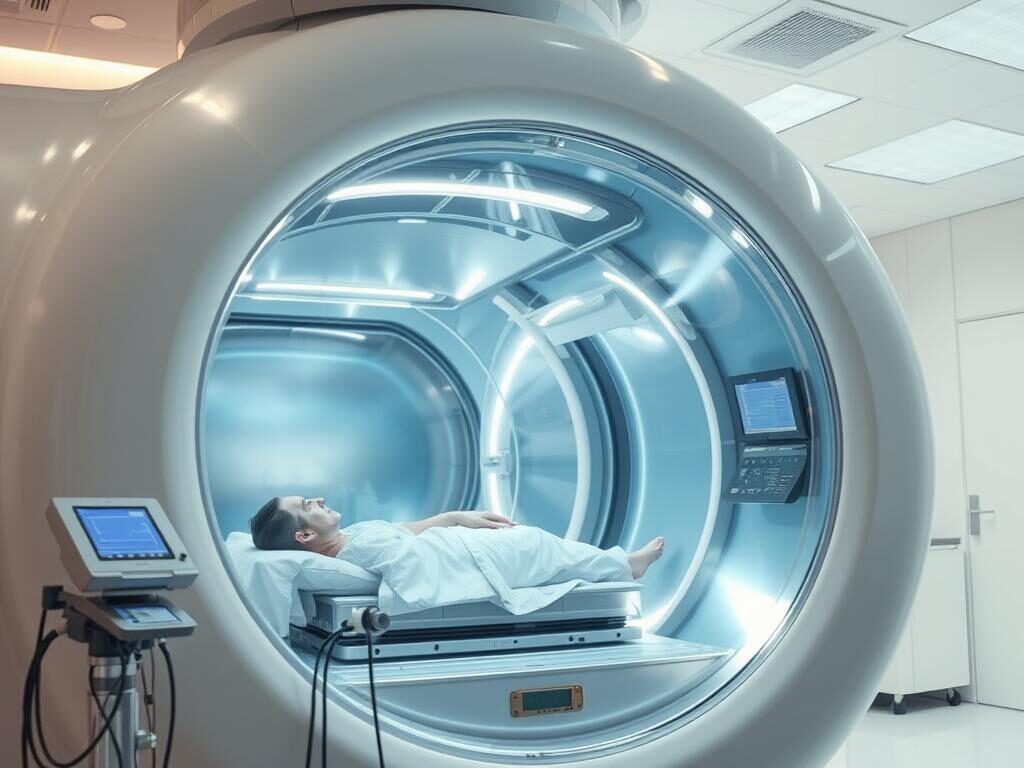
You may be considered for hyperbaric oxygen therapy when extra oxygen helps damaged tissue recover. In a pressurized chamber you breathe pure oxygen so your lungs load more oxygen into the blood.
This increased oxygen reaches compromised tissue and supports infection defense, growth factor release, and stem cell activity. Dominion Mobile Wound Care coordinates evaluation and safe referral for care hyperbaric when indicated.
Sharp and surgical debridement remove non‑viable material to restart healing with a clean wound bed.
Negative pressure therapy manages exudate, encourages granulation, and helps approximate edges. Total contact casting reduces pressure and shear for diabetic ulcers so offloading is consistent.
Dominion Mobile Wound Care brings these options together into a practical plan. Hire Dominion Mobile Wound Care to help heal their wounds.
Assessment and diagnostics at home let the clinical team tailor treatment without unnecessary office trips.
At-home assessment and targeted testing start your plan. When needed, specialists perform skin biopsies or deep tissue DNA culture to identify organisms and guide precise therapy.
Practical guidance on nutrition, hydration, and glucose control is part of the plan. Small, usable changes in your kitchen and daily routine can speed the healing process and reduce complications.
You benefit from coordinated referrals to podiatry, orthopedics, physical therapy, infectious disease, and pain management. This reduces extra visits and keeps treatment aligned across providers.
Plans adjust in real time based on measurements, exudate, and comfort to keep your process responsive and efficient. Hire Dominion Mobile Wound Care to help heal your wounds.
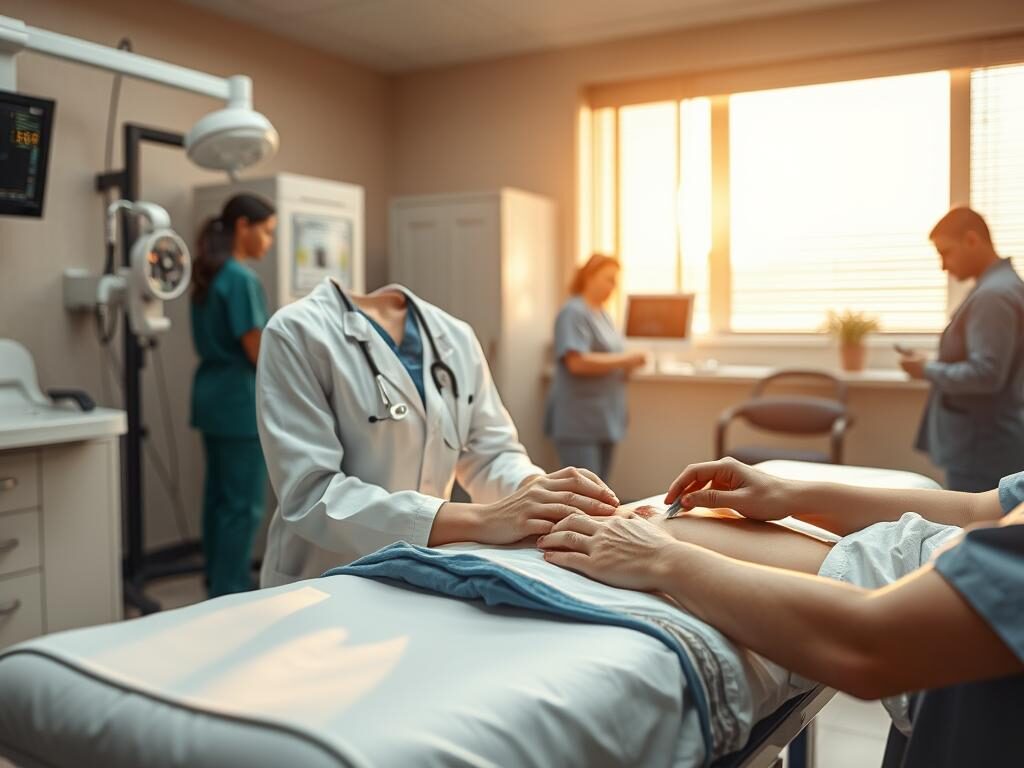
Choose a mobile model built around expert staff and practical at‑home services. You get access to clinicians trained in complex and chronic wounds and physicians with advanced hyperbaric training.
Personalized plans mirror hospital standards. Care specialists and wound care specialists coordinate with your office and other providers so your process stays simple and focused.
Dominion Mobile Wound Care brings measurable healing, transparent therapy explanations, and staff who prioritize your results. Hire Dominion Mobile Wound Care to help heal their wounds.
A focused, home-based plan gives you control over healing and daily life. You get clear steps that protect skin and tissue, lower pressure on vulnerable areas, and reduce the chance of serious complications or amputation.
Dominion Mobile Wound Care connects you with advanced options, including hyperbaric oxygen and oxygen therapy when appropriate. These treatments help the body carry more oxygen to injured tissue and support infection defense and growth responses.
Your personalized plan adapts with each visit so treatments stay effective and convenient. Start today and hire Dominion Mobile Wound Care to help heal their wounds.
You receive a personalized plan delivered at home by certified specialists. The team assesses your skin, circulation, and overall health, performs necessary dressings or debridement, and coordinates any advanced therapies like hyperbaric oxygen therapy or negative pressure therapy to promote healing.
A multidisciplinary team of certified wound care specialists, nurses, and clinicians delivers care. They work with podiatrists, orthopedic surgeons, and physical therapists when needed to make sure you get coordinated, expert treatment designed for your condition.
You can access at-home visits across San Antonio and surrounding communities. Scheduling aims for timely visits so you get prompt assessment and ongoing follow-up in your neighborhood.
The program treats diabetic ulcers and neuropathic foot wounds, pressure-related skin breakdown, venous and ischemic ulcers, lymphedema-related wounds, surgical and traumatic wounds, severe burns, and radiation injuries. Early intervention helps lower the risk of amputation.
Hyperbaric oxygen therapy increases the oxygen available to damaged tissue, which supports new blood vessel growth, fights infection, and helps stalled wounds progress through the normal healing stages. Your clinician evaluates whether it’s appropriate for your condition.
Treatments include sharp or surgical debridement to remove nonviable tissue, negative pressure wound therapy to manage drainage and promote granulation, total contact casting for offloading diabetic foot ulcers, advanced dressings, and targeted pain and infection control.
Your clinician completes an at-home assessment, orders diagnostic tests when needed (including tissue cultures or biopsy), and develops a plan that covers wound treatment, nutrition, diabetes education, and mobility or offloading strategies to support healing.
Yes. The team communicates with your primary care provider, endocrinologist, podiatrist, and other specialists to align treatments, medications, and rehab so your care is seamless and focused on recovery.
Early, targeted treatment reduces infection and tissue loss risk. By managing circulation, pressure relief, infection control, and appropriate therapies, you significantly improve the chances of limb preservation.
You receive evidence-based infection control, which may include topical therapies, systemic antibiotics based on cultures, and wound cleansing. Pain is addressed with local measures, medication management, and therapies that reduce inflammation and pressure.
The clinician reviews your medical history, examines the wound and surrounding skin, documents measurements and photos, performs any needed debridement, and discusses an individualized plan including next steps and follow-up frequency.
Yes. You get guidance on protein-rich nutrition, blood sugar control if you have diabetes, smoking cessation, and activity modifications to reduce pressure on affected areas and support tissue repair.
Healing time varies by wound type, size, circulation, and your overall health. Most patients see measurable improvement within a few weeks with consistent treatment, but complex cases may need longer, ongoing care and advanced therapies.
When indicated, clinicians perform appropriate sampling such as deep tissue cultures or biopsies following clinical guidelines, then use results to tailor antimicrobial therapy and plan next steps.
You can call the clinic during office hours or request a referral from your provider. The team prioritizes timely access and will explain available hours, visit frequency, and how to get urgent support if conditions change.
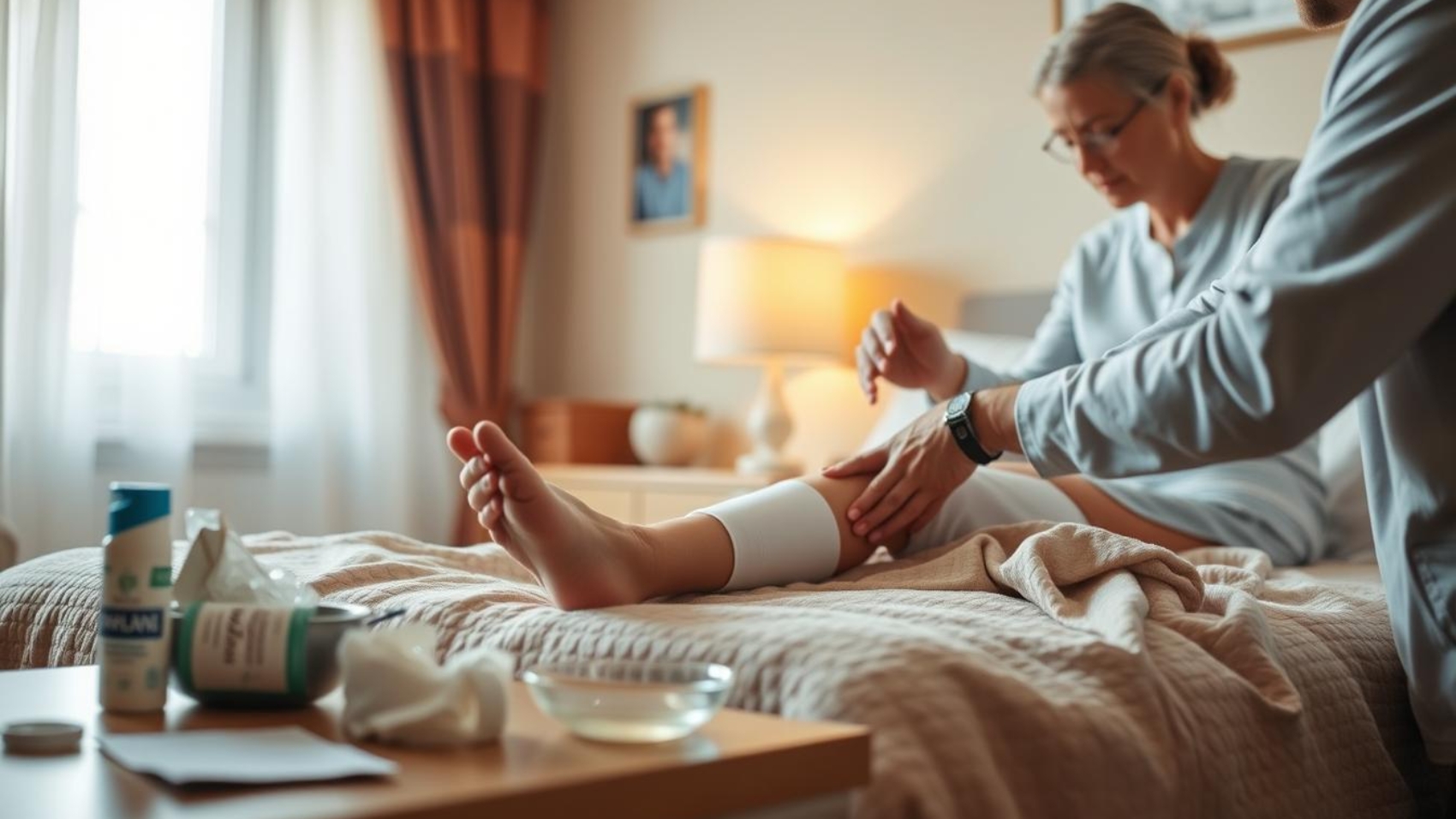
Dominion Mobile Wound Care brings specialized wound care to patients who struggle to leave their residence. This approach reduces travel, lowers exposure to complications, and keeps treatment aligned with a physician-directed plan.
Qualified clinicians deliver evidence-based treatment and standardized assessments at the bedside. They use digital monitoring and imaging to track the healing process and spot early signs that require escalation.
Home health services often cover chronic and complex wounds when a skilled need exists and leaving is unsafe. Medicare, Medicaid, and many private plans may cover eligible patients under a physician’s plan of care.
The goal is clear: fewer complications, less pain, and faster healing while preserving function and quality. Dominion coordinates with healthcare partners to tailor each plan and support measurable outcomes.
A patient-centered strategy adapts clinical treatment to bedside realities, ensuring effective healing without unnecessary strain.
Dominion Mobile Wound Care personalizes each plan to a patient’s functional limits. Clinicians combine standardized assessments with gentle routines that protect dignity and boost comfort.
Individualized services may include nursing assessments, dressing changes, debridement, compression therapy, negative pressure wound therapy, medication review, and nutrition and hydration evaluation.
Timely adjustments keep treatment aligned with exudate levels, pain needs, and healing response. Home health coordination ensures supplies and equipment arrive on schedule.
By focusing on quality, safety, and caregiver inclusion, this approach helps patients maintain independence and improves daily life while addressing clinical needs.
Patients with limited movement and chronic diseases often need targeted support to prevent skin breakdown and promote recovery. Dominion Mobile Wound Care focuses on people who face diabetes, vascular disease, paralysis, and post‑operative recovery and who cannot travel easily.
Diabetes, vascular disease, paralysis, recent surgery and circulation disorders increase the risk of non-healing wounds. Dialysis, stroke, and venous insufficiency also slow repair and raise complication rates.
When immobility, reduced perfusion, neuropathy, or loss of sensation exist, pressure and delayed healing become likely.
Non-healing or chronic wounds show little improvement in two weeks or fail to close by six weeks. Early recognition of warning signs—new redness, warmth, swelling, odor, or increased drainage—lets healthcare providers intervene sooner.
Structured, in‑room plans address underlying conditions, set measurable healing goals, and coordinate with caregivers to protect skin and improve quality life.
Dominion Mobile Wound Care delivers a full spectrum of bedside services that blend skilled nursing, advanced devices, and caregiver training to speed recovery and reduce complications.
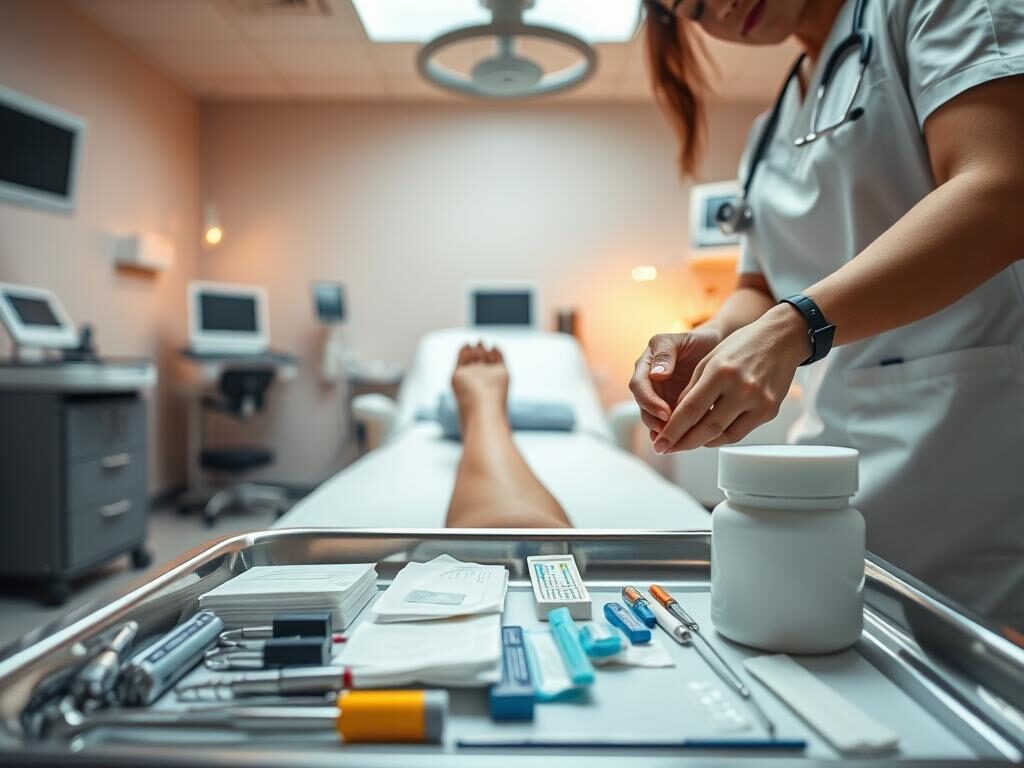
Clinicians perform thorough assessments, measurement, and documentation to guide evidence-based treatment. Typical tasks include dressing changes, debridement, suture or staple removal, and infection monitoring that prompts swift physician notification.
Therapies may include compression for venous disease, negative pressure wound therapy, and targeted offloading to relieve pressure points. These options support complex wound healing and help prevent recurrence.
Medication reconciliation and hydration review reduce barriers to healing. Clinicians also evaluate protein and micronutrient needs and use digital photography and standardized scales to track progress.
Dominion coordinates supplies, equipment, and physician updates so the entire plan functions as a structured home health program that focuses on measurable healing and fewer complications.
Simple, consistent routines protect skin and reduce the risk of pressure injuries.
Simple routines—timed turns, offloading, and correct equipment—make a big difference in protecting fragile skin.
Dominion Mobile Wound Care coaches patients and caregivers on safe positioning and transfer techniques.
Therapists teach gait belts, slide sheets, and caregiver stance to limit shear and friction.
Teams set pressure relief schedules with clear intervals.
Scheduled repositioning lowers the chance of skin breakdown and supports healing.
Clinicians select pressure‑redistributing mattresses, seat cushions, and heel protectors.
OT recommends adaptive equipment and footwear to offload high‑risk areas.
Monitoring and adherence reinforce results. Regular checks, documentation, and caregiver training keep routines consistent.
These prevention steps improve comfort and quality life while reducing urgent escalations.
Dominion Mobile Wound Care coordinates physician orders, nursing visits, and therapy input into a single, practical plan implemented at the point of care.
Tailored programs include adaptive scheduling, specialized equipment setup, and supplies selected to match daily routines and tolerance. Visits, education, and supply delivery are set to support healing without extra travel.
The approach provides access to offloading, compression, and portable NPWT when appropriate. Clinicians use evidence-based products and standardized documentation to track progress and trigger timely changes.
Patient goals shape visit frequency, education depth, and supply choices so the model reduces missed treatments and travel barriers common to those with limited movement. This dependable, high‑quality service helps avoid escalation while keeping safety and healing on track.
Real‑time telemetry and photos let providers catch small trends before they become major setbacks.
Remote patient monitoring complements in‑person visits by sending vital signs and wound images directly to clinicians. Devices can transmit oxygen saturation, heart rate, respiration, blood pressure, temperature, and stress data. Smartphone imaging and secure uploads create early alerts when trends suggest rising infection risk or other complications.
RTM linked to portable NPWT improved compliance in 73% of cases and showed larger reductions in wound volume and surface area. One diabetic foot ulcer study reported a 41.6% drop in area and high patient engagement. These gains translate into measurable wound healing and fewer hospital returns.
Quality and cost improve when telemedicine pairs with bedside visits. Portable NPWT with RTM showed average savings per patient and less hospital use. Dominion Mobile Wound Care uses technology as an extension of hands‑on treatment, with secure messaging and documented physician updates to keep care coordinated and timely.
A coordinated multidisciplinary team closes gaps between hospital orders and bedside treatment to keep patients safe and progressing.
Dominion Mobile Wound Care assembles nurses, therapists, dietitians, social workers, and aides into a single, practical plan. This structure supports smooth transitions from hospital to the care home and reduces avoidable readmissions.
Nurse leaders drive assessments, dressing protocols, and timely physician updates. They document measurements and escalate changes when treatment adjustments are needed.
Management of orders, supplies, and schedules keeps services uninterrupted during discharge and early follow-up. Monitoring data and visit findings route promptly to providers so treatment can change without delay.
Quality and communication are central: documented physician coordination, structured education for patients and caregivers, and ongoing monitoring all support better outcomes and reliable treatment at the point of care.
A daily prevention routine helps detect early changes and prevents small problems from becoming serious. Dominion Mobile Wound Care emphasizes practical education that helps patients and caregivers reduce infections and avoid unnecessary hospital visits.
Keep dressings clean and dry. Change soiled or wet dressings immediately. Wash hands before and after any dressing change. Use clean technique and limit touching the sterile surface.
Inspect skin daily, with special focus on heels, sacrum, and device contact points. Address incontinence and moisture quickly. Use moisturizers on dry skin to reduce cracking and break down.
Monitor and report these signs without delay: new or spreading redness, swelling, warmth, increased pain, new drainage, foul odor, or fever and chills. Early monitoring lets clinicians modify treatment and lower the risk of serious complications.
Education is ongoing: Dominion reinforces home health teaching at each visit. This builds confidence, promotes consistent routines, and supports better outcomes through timely alerts and coordinated follow-up.
Clear documentation and prompt physician orders often unlock insurance coverage for bedside visits.

Dominion Mobile Wound Care helps patients gather the records and physician notes payers expect. Eligibility usually needs a skilled need, a physician’s plan of care, and difficulty leaving the residence.
Medicare, Medicaid, and many private insurers commonly cover skilled nursing and therapy under a plan. Dominion coordinates prior authorizations and supply requests to speed approval.
Quality is tracked with standardized monitoring and outcome reporting. This helps reduce pressure wound complications and avoids high‑cost escalations.
Patients should share insurance details and physician contacts early so Dominion can align services and start treatment without delay.
A coordinated in-room program blends clinical expertise, technology, and education to speed healing and reduce complications. This patient-centered approach links assessment, documentation, and timely intervention so progress stays measurable and steady.
Teams deliver evidence-based wound care, remote monitoring when useful, and clear instruction that helps caregivers sustain routines. Studies show smaller ulcer area and cost savings with portable NPWT plus telemedicine, which supports adherence and fewer hospital visits.
Receiving skilled services in the residence improves quality life, increases comfort, and meets social and equipment needs that affect repair. Dominion Mobile Wound Care brings coordinated communication to physicians and rapid updates.
Hire Dominion Mobile Wound Care to help heal their wounds and restore function, safety, and better life.
In-home services let nurses and therapists deliver regular assessments, dressing changes, and therapies where patients are most comfortable. This reduces travel stress, lowers infection risk from clinic visits, and improves adherence to treatment plans, which supports faster healing and better quality of life.
A coordinated team provides skilled nursing assessments, debridement when needed, infection monitoring, advanced therapies like compression or negative pressure devices, medication and nutrition reviews, and caregiver education on prevention and self-management.
People with limited mobility due to diabetes, peripheral vascular disease, paralysis, or recent surgery benefit most. Those with chronic conditions that make travel difficult or who have pressure injuries, diabetic foot ulcers, venous or arterial ulcers, or trauma wounds also see strong benefits.
Clinicians teach safe transfer techniques, create pressure‑relief schedules, recommend mattress and cushion options, and suggest adaptive devices to redistribute pressure. Regular repositioning and skin checks reduce risk and catch problems early.
Remote monitoring captures vital signs and wound images, enabling early alerts for infection or deterioration. Telehealth visits keep care teams connected, improve adherence to treatments like portable negative pressure therapy, and lower the travel burden for patients and families.
Nurses, physical and occupational therapists, dietitians, and medical social workers communicate with primary care and specialists through electronic records and regular updates. This coordination ensures smooth transitions from hospital to residence and consistent treatment adjustments.
Clinicians perform daily skin checks, enforce hand hygiene and sterile dressing protocols, monitor for redness or drainage, and educate caregivers about warning signs that require immediate provider notification to reduce complications.
Coverage varies. Medicare and many private insurers may cover skilled nursing visits, durable medical equipment like NPWT devices, and some telehealth services when criteria are met. Patients should verify eligibility and prior authorization requirements with their insurer.
Yes. Reduced hospital readmissions, fewer clinic trips, and earlier intervention often lower overall costs. Telemedicine and portable therapies can further improve outcomes while decreasing expenses tied to travel and extended hospital stays.
Clinicians provide hands‑on training on dressing changes, signs of infection, mobility techniques, skin inspection, and when to seek urgent care. Education materials and follow‑up televisits reinforce skills and build confidence.
New or worsening pain, increased redness, swelling, foul odor, rising temperature, sudden drainage, rapid wound size changes, or any systemic symptoms like chills require prompt notification so clinicians can intervene quickly.

The visit begins with a licensed clinician observing the patient and the home environment. They check safety, infection risks, pain levels, mobility, nutrition, and current medications. This simple review shapes a personalized plan of care.
Next, clinicians examine the wound and related signs. They use standardized measurements and digital photos to set a baseline and track progress over time. This method supports faster healing and fewer complications.
Care is coordinated with the physician and home health team to match goals and orders. Clinicians perform dressing changes, pain management, and debridement when needed. They also teach patients and caregivers practical steps to improve outcomes.
Documentation and timely communication guide ongoing management and adjustments. The approach reduces stress for patients and improves adherence to instructions. For help with coordinated services and better outcomes, consider hiring Dominion Mobile Wound Care to manage healing at home.
A home visit lets clinicians see how daily routines and the living space affect recovery. This view helps design practical plans that fit a patient’s life and speed healing.
Seeing the home reduces travel stress and keeps patients in familiar surroundings. Clinicians can spot hazards, mobility limits, and issues like poor footwear or nutrition that affect healing.
How home health and home wound care fit into the healing journey
Home health links skilled nursing with therapies to treat conditions that delay recovery, such as diabetes or poor circulation. This coordinated approach supports consistent care and lowers infection risk.
Role of Dominion Mobile Wound Care: They emphasize a patient-first experience and work with physicians to deliver seamless care that advances healing goals.
Preparing the home and records before the clinician arrives makes the visit faster and safer. Dominion Mobile Wound Care advises patients to gather key documents and set up a tidy space so clinicians can focus on care and treatment.
Collect recent discharge paperwork, a current medication list (including OTC and supplements), allergy info, and prior photos of the wound when available. This helps the clinician verify safety and avoid interactions.
Bring any instructions from prior visits or the physician, plus a short list of changes to symptoms, pain, drainage, or odor to review during the visit.
Choose a well-lit area with a firm surface for measurements and dressing changes. Lay out clean towels, trash bags, soap or hand sanitizer, and any prescribed dressings or compression supplies.
Align preparation with the clinician’s instructions so services can begin promptly and immediate treatment needs are addressed.
On arrival, the clinician runs a quick safety sweep and starts a calm conversation to learn what matters most to the patient.

The visit usually begins with a concise walk-through to spot tripping hazards, poor lighting, and clutter. Clinicians check safe access to bathrooms and bedrooms and look for support surfaces that prevent pressure injuries.
They confirm that dressings and clean supplies are available and that hand hygiene supports exist to lower infection risk.
A focused review captures new or worsening symptoms, changes in drainage or odor, and pain intensity. Pain is measured and documented to guide immediate and longer-term pain management tied to dressing steps.
The clinician also verifies medication updates and comorbidities so the care plan stays aligned with current health status.
Clinicians begin with precise measurements and clear records to guide care.
The clinician records length, width, and depth and notes undermining or tunneling. They also identify tissue types such as granulation, slough, or eschar.
Accurate sizing creates a baseline that supports consistent dressing changes and treatment decisions.
Local circulation is checked by observing skin color and temperature around the site. Drainage amount, color, consistency, and odor are documented to distinguish normal healing from infection.
Infection screens include increased pain, redness, warmth, swelling, or systemic symptoms that prompt timely escalation of services.
Digital photos taken with consistent lighting and scale let clinicians compare progress across visits in the home health setting.
Assessment data is converted into a concise care plan that maps visits, supplies, and measurable goals. Dominion Mobile Wound Care synthesizes exam results into specific steps for home care and clinician visits.
The clinician reviews findings with the ordering physician to align medical orders and therapies. This coordination ensures management reflects comorbidities, current status, and needed services.
Clear goals are set: reduce size, prevent infection, lower pain, and improve function. The plan names dressing protocols, visit intervals, and advanced options like compression or negative pressure when appropriate.
Each care plan is part of a larger path to independence, aiming to cut complications and restore health through clear roles, timely management, and measurable progress.
Skilled nurses deliver tailored treatments during each home visit to address healing barriers and comfort needs.
Clinicians perform gentle dressing changes that keep tissue moist but not saturated. Moisture-balanced dressings protect tissue, control exudate, and create an environment that promotes wound healing.
When devitalized tissue slows progress, nurses use selective debridement techniques. This step restarts healing and pairs with dressings and topical therapies.
Pain management is planned before, during, and after procedures. Timing analgesics and using calm technique improve tolerance and adherence to care.
Dominion Mobile Wound Care delivers evidence-based practice at home and supports patients with targeted services for diabetic foot ulcers and complex needs.
A coordinated team brings specialized skills to each stage of healing so the patient gets consistent, practical care at home.
Skilled nurses lead day-to-day care and make treatment decisions. Wound specialists provide oversight for complex or chronic cases and guide advanced therapies.
Physical therapy improves gait, strength, and safe transfers. Occupational therapy adapts daily tasks and recommends devices to offload pressure and protect skin.
Dietitians optimize protein and micronutrients while speech therapists address swallowing and hydration when needed.
Medical social workers and the agency link patients to resources, resolve barriers, and help caregivers manage strain.
Hands-on coaching builds confidence so patients and caregivers can manage daily treatment tasks. Dominion Mobile Wound Care provides practical training and follow-up to turn clinical steps into safe home routines.
Clinicians demonstrate clean technique, sequencing, and safe disposal in short, repeatable steps. Patients and caregivers then practice under supervision until they feel confident.
Key skills include hand hygiene, correct dressing order, and checking for early infection signs like increased redness or malodor.
Training covers protein, vitamin C, zinc, and hydration to support healing. Staff explain how smoking harms circulation and slow recovery, and they set simple activity plans that protect skin while keeping the patient mobile.
Caregiver stress is addressed with checklists, visuals, and clear escalation steps. Ongoing coaching and scheduled feedback loops help maintain best practice between visits.
Knowing when to seek higher-level care can protect recovery and prevent complications. This section explains who qualifies for services and which signs require same-day action.

Coverage usually requires a physician’s order, a documented care plan, and a need for intermittent skilled nursing or therapy. Many programs also use a homebound standard—leaving home must be difficult or unsafe.
Care plans document progress and justify ongoing services. Updates align care with the patient’s changing needs and desired outcomes.
Call the clinician same day for rapidly spreading redness, sudden swelling, rising fever, or a big change in drainage or smell after dressing changes.
For severe signs, contact the physician or seek emergency care. Early reporting and clear escalation protect outcomes and keep the home setting safe.
Effective home care links skilled clinical input to easy, reliable steps patients and caregivers follow daily.
The thorough review described in this article turns clinical findings into a clear care plan that fits the home setting. Coordinated services and ongoing measurement keep progress visible and guide treatment choices to speed healing and reduce infections.
Patients and caregivers benefit from simple routines: clean technique, timely reporting of changes, and consistent follow-through. Personalized goals, pain control, and the right therapies improve comfort and outcomes while lowering complication risk.
Choose experienced care professionals who work with the physician and support daily care. To start a tailored plan and bring skilled wound care home, schedule a visit and hire Dominion Mobile Wound Care to help heal wounds and restore independence.
A clinician reviews medical history, current medications, and recent changes in health. They perform a safety check of the home, examine the affected area for size, depth, appearance, blood flow, and signs of infection, and document findings with measurements and photos. The clinician develops a personalized plan for dressing changes, pain management, and any needed referrals to home health services or specialists.
Home visits reduce travel stress and exposure to other illnesses, allow clinicians to evaluate the real living environment and fall risks, and let the care team tailor recommendations to the patient’s daily routines. This practical approach often increases adherence to treatment plans and speeds healing while lowering the chance of complications.
Home health teams coordinate skilled nursing, therapy, and ancillary services to manage complex skin injuries. They provide consistent follow-up, perform dressing changes, implement advanced therapies when appropriate, and communicate with the patient’s physician to adjust the plan as healing progresses.
Patients or caregivers should gather medical records, a current medication list, and any supplies already in use. Clear a clean, well-lit area where the clinician can work, and have mobility aids nearby. Prepare questions about treatment, pain control, and expected milestones to discuss during the visit.
A list of prescriptions, over-the-counter medicines, allergy information, recent lab results, and photos of the affected area taken over time help the clinician assess progress. Clean dressings, gloves, saline, and any prescribed topical products also speed care and education during the visit.
The clinician screens for fall hazards, adequate lighting, clutter, and accessibility of essential items. They assess the patient’s mobility, need for assistive devices, and caregiver support to reduce injury risk and improve adherence to treatment.
The clinician asks structured questions about pain intensity, timing, wound odor or drainage, fever, and changes in mobility or nutrition. They use pain scales and symptom checklists to document status and guide immediate interventions or referrals.
The clinician records wound location, length, width, depth, and tissue type. They note color, amount and type of drainage, surrounding skin condition, and any undermining. These objective measures inform staging and progress tracking.
Clinicians check pulses, capillary refill, skin temperature, and look for redness, swelling, warmth, or increased pain. They may swab for culture when infection is suspected and coordinate lab work or urgent referrals when systemic signs appear.
Yes. Standardized photography, wound measurement tools, and validated scoring systems help track healing over time. This documentation supports treatment decisions and communication with the primary physician and specialists.
The clinician synthesizes assessment data to set clear goals—faster closure, lower infection risk, pain control—and prescribes dressing regimens, frequency of visits, and any advanced therapies. They coordinate with the physician and home health team to align orders and services.
Debridement is done when nonviable tissue hinders healing. Options include conservative sharp debridement by a skilled nurse, enzymatic agents, or referral for surgical debridement. The clinician chooses the safe, effective method based on the wound, pain, and home setting.
Clinicians select dressings that manage exudate, maintain a moist environment, and protect surrounding skin. Choices range from foam and hydrocolloid to alginate or antimicrobial dressings, adjusted as drainage and infection risk change.
Pain is managed with a combination of topical agents, appropriate systemic medications, gentle dressing techniques, and timing interventions around peak discomfort. Clinicians educate patients and caregivers on pre-procedure pain control and nonpharmacologic methods.
Advanced options include compression therapy for venous-related issues and negative pressure wound therapy when indicated and when safe application and monitoring can occur in the home. The team assesses eligibility and trains caregivers on device care.
A typical team includes skilled nurses, a wound care specialist or certified wound ostomy nurse, physical and occupational therapists, dietitians, social workers, and the patient’s physician. This collaborative approach addresses medical, functional, and psychosocial needs.
Therapists provide mobility training, offloading techniques for pressure relief, and adaptive equipment to reduce mechanical stress on the affected area. Improving mobility and positioning accelerates healing and lowers recurrence risk.
Dietitians assess nutrition and recommend protein, vitamin, and calorie adjustments to support tissue repair. Social workers identify barriers to care, connect families with resources, and help arrange coverage for needed services.
Clinicians offer hands-on training for dressing changes, infection prevention, hand hygiene, and safe disposal of supplies. They provide simple written or digital instructions and schedule follow-up visits to reinforce correct techniques.
Advice includes protein-rich nutrition, smoking cessation, blood glucose control for people with diabetes, gentle activity, and avoiding pressure or friction on the affected area. Small, achievable changes improve outcomes significantly.
The team teaches caregivers step-by-step care actions, monitors competency, offers emotional support, and connects them to respite services or community programs. Clear communication and realistic expectations reduce caregiver burnout.
Eligibility typically requires a physician’s order, a medical need for skilled services, and the patient being homebound or having difficulty accessing clinic-based care. Coverage varies by insurer and Medicare criteria; the agency or social worker can help verify benefits.
Seek immediate care for spreading redness, increasing pain, foul odor, heavy or bloody drainage, fever, chills, sudden wound breakdown, or signs of systemic infection. The clinician will provide clear escalation instructions during each visit.
Visit frequency depends on wound severity, chosen therapies, and patient needs—ranging from multiple times per week to weekly follow-up. Progress is measured using size, depth, tissue type, drainage amount, and photographic documentation against set goals.
Yes. Timely skilled interventions, infection control, therapy to improve mobility, and close coordination with the physician reduce complications and the risk of readmission for many patients.
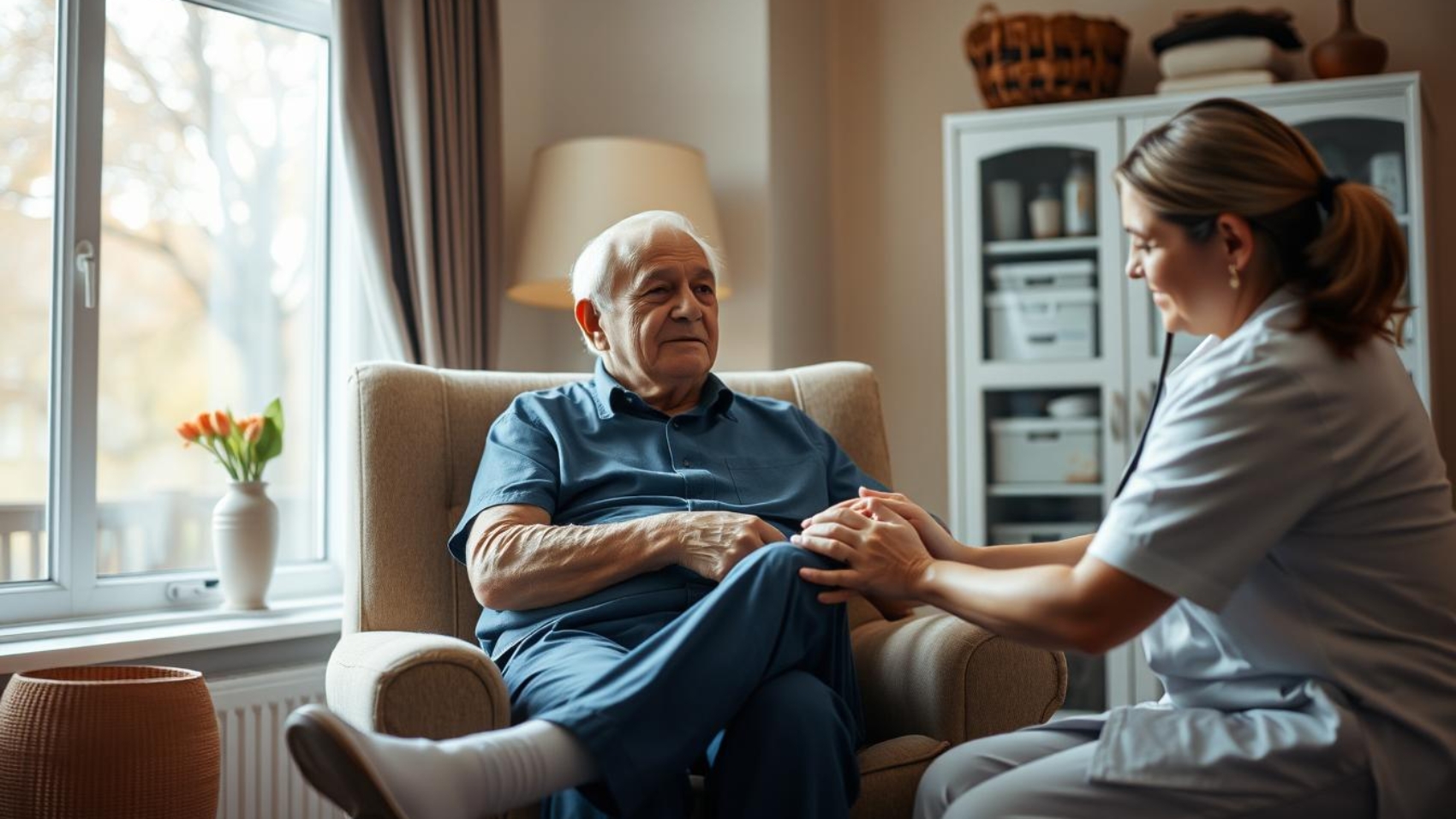
Dominion Mobile Wound Care brings hospital-grade clinical services directly to veterans who need skilled attention without long trips. The team coordinates with Veterans Affairs pathways and local providers to deliver nursing, therapy, IV antibiotics, assessments, and education in a familiar setting.
Timely, coordinated, and compassionate support reduces complications and improves recovery. Dominion emphasizes safety, infection prevention, and precise dressing management that align with VA Skilled Home Health Care standards when applicable.
Video visits and secure image sharing keep clinicians informed between in-person visits. Clear communication, measurable milestones, and fast referral pathways help veterans and their families stay involved and confident in the plan.
Hire Dominion Mobile Wound Care to help heal their wounds.
Dominion’s team designs visits that honor service and match clinical needs with personal routines. Dominion Mobile Wound Care centers each visit on dignity, tailoring services to a Veteran’s goals and daily life.
Clinicians collaborate closely with caregivers and family to make treatment safe and consistent. They provide clear, step-by-step instruction on dressing changes, signs of infection, and when to escalate concerns. This practical teaching reduces stress and helps families feel confident.
Plans address unique medical needs such as limited mobility, diabetes, vascular issues, or sensory challenges. Pain control, positioning, supplies, and equipment are all handled so progress stays steady and comfortable.
Dependable, on-time visits and attentive follow-through reflect Dominion’s deep commitment to those who served. Families and caregivers gain practical support and clear pathways to better recovery.
Dominion brings a focused team to each visit to assess needs and deliver tailored services. They combine nursing, therapy, medication management, and education into plans that support steady progress and safety.
Skilled nursing performs thorough assessments, advises on debridement, chooses dressings, and monitors for infection. Standardized documentation and precise measurements track outcomes and refine management.
Physical therapy and occupational therapy improve circulation, mobility, and safe transfers. Speech therapy helps with swallowing and cognitive needs that affect nutrition and self-care.
Nurses administer or coordinate IV antibiotics when indicated and teach medication adherence, glucose control, pressure relief, and skin protection. Each plan includes a safety evaluation to reduce fall risk and optimize offloading.
Hire Dominion Mobile Wound Care to help heal their wounds.
The team works directly with VA staff to streamline referrals and keep clinical approvals moving. Dominion aligns clinical documentation with local program rules so eligible patients can access skilled home health services quickly.
Dominion understands that VA Skilled Home Health Care is delivered by community-based agencies under VA contracts. The staff aligns notes, wound measurements, and care plans with those requirements to support approvals.
The team collaborates with VA social workers and case managers to confirm eligibility and guide the referral process. Case managers often use VA Form 10-10EC for copay assessment, and Dominion offers clear paperwork support to reduce delays.
Dominion Mobile Wound Care focuses on making coordination seamless so clinical visits stay consistent and recovery remains the priority. Hire Dominion Mobile Wound Care to help heal their wounds.
The first visit sets clear expectations: who will visit, how often, and how progress is tracked. Dominion Mobile Wound Care begins with a focused assessment and a simple plan that family members can follow.
The team schedules dressing changes, monitoring, and check-ins. Caregivers receive straightforward checklists and guidance on offloading, skin inspection, and nutrition that fit daily routines.
The approach adapts to each living space. Clinicians consider lighting, supplies, safe positioning, and equipment so techniques stay reliable and safe.
Timely, skilled visits reduce disruptions and keep healing moving forward. Hire Dominion Mobile Wound Care to help heal their wounds.

Real-time video and secure images let clinicians spot changes quickly and guide immediate steps. These tools create a fast feedback loop that helps avoid unnecessary trips and keeps treatment on track.
VA Video Connect enables live visits so a clinician can see a bandage issue and coach a spouse through safe fixes. Nurse Angela Sells has used this approach to resolve problems without ER visits.
The My VA Images app and secure uploads let providers compare photos over time. That visual history improves management and helps decide when an in-person visit is needed.
Dominion Mobile Wound Care pairs technology with skilled visits to strengthen support and refine services. Hire Dominion Mobile Wound Care to help heal their wounds.
The team manages acute infections and chronic ulcers with clear plans that link nursing, therapy, and family support. Dominion treats a wide set of conditions using evidence-based protocols and timely monitoring.
Protocols address surgical healing, pressure injuries, venous and diabetic ulcers, traumatic lacerations, and skin tears. Infection management includes monitoring for cellulitis and osteomyelitis and coordinating labs and imaging with primary providers.
Plans for long-term care include offloading, pressure redistribution, and mobility strategies taught through physical therapy and occupational approaches. Transitions from a nursing home or hospital get focused follow-up to keep dressings and antibiotics consistent.
The team adapts visits to match energy, schedules, and home realities. Speech therapy is added when swallowing or nutrition affects routine. Caregivers receive training to spot early signs like warmth, odor, or increased drainage and to respond promptly.
Hire Dominion Mobile Wound Care to help heal their wounds.
Dominion Mobile Wound Care begins with a referral and records review to gather history, medications, and prior notes. An in-person evaluation follows to document the site, comorbidities, and the living environment.
The team drafts a clear plan of care with measurable goals, visit frequency, supply lists, and therapy recommendations when indicated. Providers record measurements and photos when appropriate and share updates after each visit.
Care includes caregivers and family members to confirm roles, precautions, and escalation steps. When aligned with programs or community care pathways, Dominion coordinates with VA social workers and case managers to sync authorizations and reporting.
Dominion’s team combines nursing, therapy, IV antibiotic coordination, and safety evaluations to keep progress steady. Hire Dominion Mobile Wound Care to help heal their wounds.
Rapid response through scheduled visits and secure telehealth can stop small issues from becoming emergencies.
Faster healing and fewer ER visits
Dominion Mobile Wound Care combines in-person visits with VA Video Connect and the My VA Images app. Clinicians spot changes quickly and advise fixes that often avoid emergency room trips.
Comfort and practical support
Receiving services in a familiar setting improves adherence and reduces stress. Consistent dressing schedules and education help stabilize conditions and speed closure.
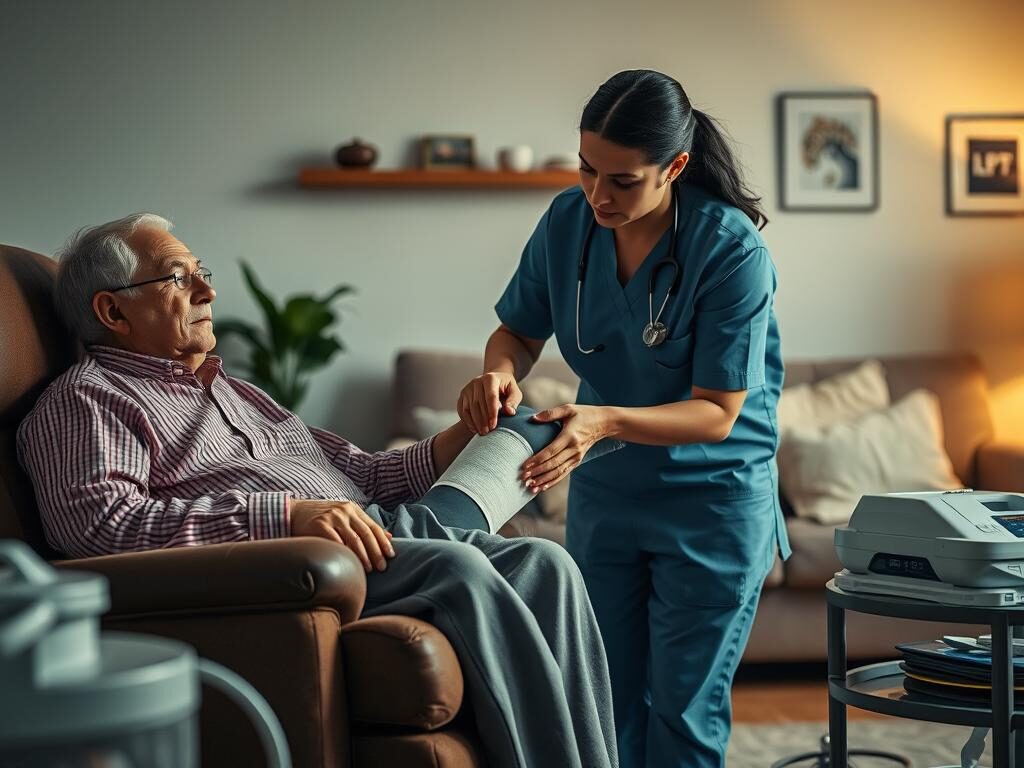
Dominion’s approach blends technology and skilled visits to protect progress and improve overall health. Hire Dominion Mobile Wound Care to help heal their wounds.
Dominion Mobile Wound Care’s clinicians collaborate through case conferences to refine plans and resolve complex issues quickly. This team emphasizes clear roles and fast escalation when a specialist consult is needed.
Clinical composition: experienced nursing staff and certified providers deliver evidence-based services and consistent documentation.
Oversight and management: skilled nursing oversight ensures meticulous management of complex cases and timely specialist referrals.
Policies protect safety, privacy, and data security during in-person and virtual encounters. Visit summaries keep families and primary providers informed and maintain punctual, coordinated care.
Hire Dominion Mobile Wound Care to help heal their wounds.
Timely starts matter; Dominion coordinates scheduling and authorizations so treatment begins without delays.
Dominion Mobile Wound Care outlines coverage areas across the U.S. and sets clear steps after referral. Scheduling aims to begin visits quickly while staff confirm clinical needs and supplies.
The team explains how department veterans affairs pathways and local rules can affect timelines. They work with VA social workers and case managers to help complete VA Form 10-10EC and speed approvals.
Skilled home health services are often delivered by community-based home health agencies under VA contracts. Dominion coordinates staffing, supplies, and visit frequency with those partners.
Transitions from a nursing home or hospital get focused follow-up to prevent gaps. Staff clarify authorizations, benefits, and out-of-pocket considerations so each plan fits the veteran’s needs.
Dominion Mobile Wound Care invites families and providers to reach out to begin coordinated services. Hire Dominion Mobile Wound Care to help heal their wounds.
Dependable scheduling and clear progress tracking explain why many veterans and families choose Dominion Mobile Wound Care. Visits arrive on time, notes are concise, and photos show measurable trends that reassure everyone involved.
The team offers steady support and hands-on instruction that builds confidence during complex dressing regimens. Clinicians teach simple, repeatable steps that help a family member assist safely between visits.
Benefits include fewer disruptions to daily life, better comfort at home, and quick access to clinical guidance when questions arise. Coordination with other members of the health network keeps the plan cohesive and responsive.
Veterans note the respectful, mission-driven way Dominion teams work. Transparent reporting and continuity of services mean care does not stall when challenges appear.
Hire Dominion Mobile Wound Care to help heal their wounds.
Dominion Mobile Wound Care combines hospital‑grade visits, telehealth check‑ins, and clear plans to keep recovery steady, offering practical steps that reduce complications and speed return to daily routines.
The team coordinates with veterans affairs pathways and local program staff to streamline approvals and align services with existing benefits. Personalized plans use precise dressings and frequent monitoring so progress stays measurable.
Families, caregivers, and providers work together from referral through discharge. Coverage across defined areas and trusted partnerships help start services quickly and deliver them consistently.
If you are ready to begin, reach out to schedule an evaluation. Hire Dominion Mobile Wound Care to help heal their wounds.
Dominion Mobile Wound Care delivers skilled nursing visits, dressing changes, wound assessments, IV antibiotic administration, and rehabilitation therapies including physical, occupational, and speech therapy. The team also offers patient education and home safety evaluations to support recovery and reduce hospital readmissions.
Dominion works directly with VA social workers and case managers to verify eligibility, accept referrals, and align services with VA skilled home health care or Community Care programs. The provider shares clinical updates and treatment plans to ensure seamless transitions between VA facilities and in-home support.
The team treats surgical incision sites, pressure injuries, diabetic foot ulcers, venous stasis wounds, and infected wounds requiring complex management. They also support veterans who need long-term management for chronic conditions and post-surgical rehabilitation.
Yes. Clinicians coach family members and caregivers on dressing changes, infection signs, mobility techniques, and medication management. Video visits and secure image sharing allow clinicians to guide caregivers in real time and adjust plans as needed.
Telehealth supplements in-person care through scheduled video visits for follow-up, urgent questions, and guided dressing changes. Secure photo and video uploads let clinicians review wounds between visits and recommend timely adjustments to the plan of care.
Referrals may come from VA clinicians, hospitals, or community providers. Dominion schedules an initial evaluation to assess the wound, mobility, home safety, and caregiver needs. The clinician develops an individualized plan and coordinates with VA teams and local providers for ongoing follow-up.
Dominion partners with community-based home health agencies and local clinicians to expand coverage. Availability depends on location, provider networks, and VA agreements. Veterans should contact the team or their VA case manager to confirm service options in their area.
A clinical team of nurses, therapists, and care coordinators tracks healing progress, infection control, and patient satisfaction. Outcomes are monitored through regular assessments, telehealth check-ins, and communication with VA care teams to maintain quality standards.
Receiving treatment at home often leads to faster recovery, fewer emergency department visits, improved comfort, and lower risk of hospital-acquired complications. Home-based therapy and education also support independence and better long-term management of chronic conditions.
Billing varies by program. Dominion assists veterans with VA Community Care authorizations, Medicare, and private insurance when applicable. The team helps navigate eligibility and paperwork alongside VA case managers to maximize available benefits.
The team includes licensed registered nurses, wound care certified clinicians, physical and occupational therapists, speech-language pathologists, and care coordinators. Clinicians maintain certifications in wound management, infection control, and relevant therapy specialties.
Start times vary by region and referral source. Dominion prioritizes urgent referrals and aims to schedule an initial visit as soon as possible, often within days for high-acuity wounds. Veterans should coordinate with their VA case manager or contact Dominion directly for exact timelines.
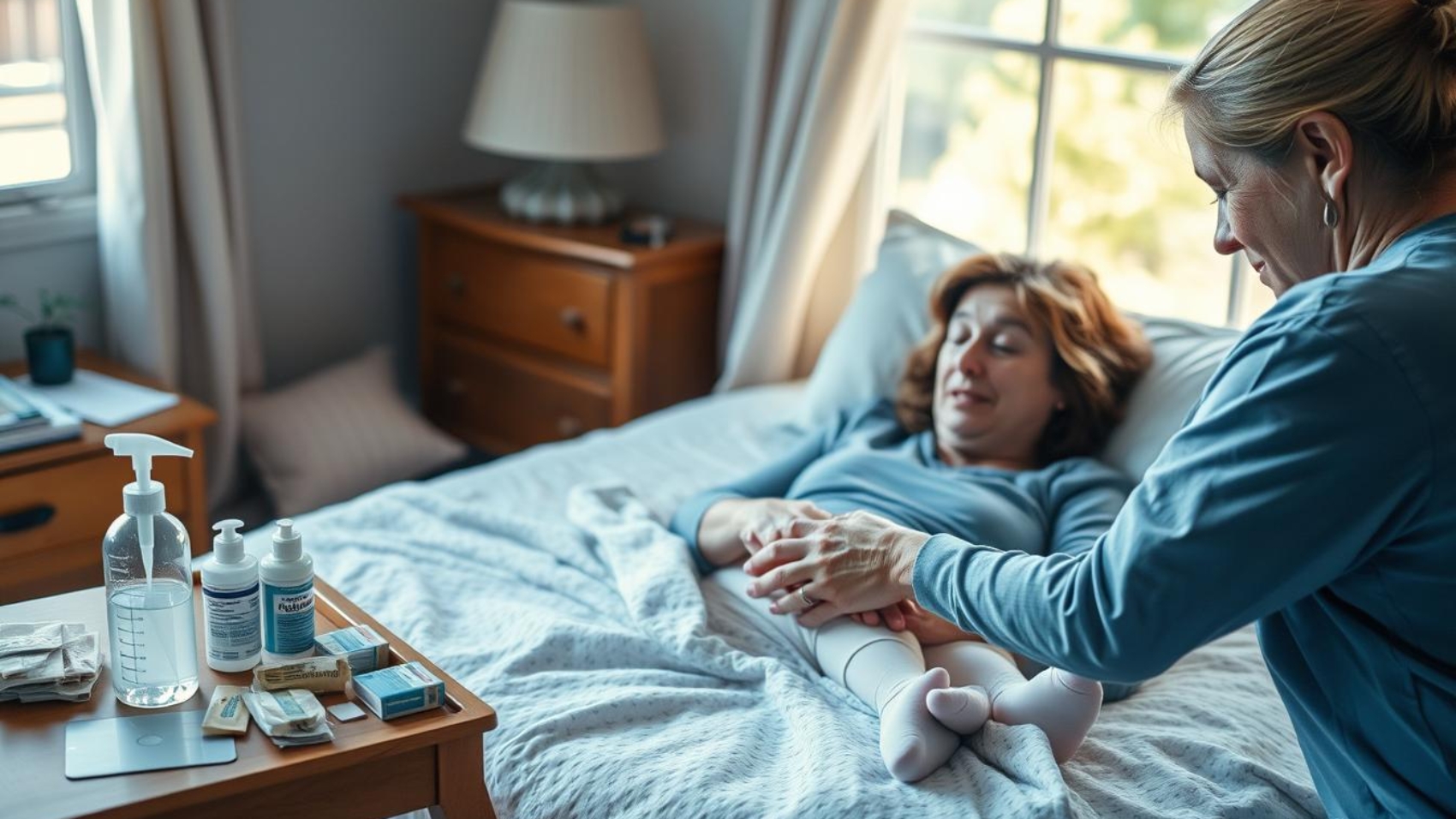
Understanding wound care services is key to good health. We look at in-clinic and in-home care to see how they differ. This is important because more people have chronic conditions.
This means we need wound treatment options that fit our needs. In-home care in San Antonio is becoming more popular. It offers mobile care services that help people heal at home.
By comparing these options, we learn what’s best for us. This helps us make choices that fit our health needs.
Today, good wound care is very important. Wound care clinics help with wounds that don’t heal. They treat many types of wounds, like pressure sores and diabetic foot ulcers.
These clinics offer special care. This care is made just for each patient’s needs.
Wound care clinics focus on treating wounds that won’t heal. They use new methods and tools to help wounds heal. Each patient gets care that fits their needs.
Special care is key for wounds to heal well. Wound care clinics use a careful plan to help wounds heal. They teach us how to care for our wounds too.
Teams work together to heal wounds. Doctors, nurses, and physical therapists work as a team. They make plans that help wounds heal better.

In-clinic wound care services have many benefits. They are great for patients with complex wounds. They offer access to special equipment and trained staff. This can really help wounds heal better.
In a clinic, patients get to use the latest technology. This is for all kinds of wounds. It’s a place where wounds get the best care.
Going to a clinic for treatment has many benefits. Here are some:
Clinics do many important wound care procedures. These help wounds heal well. Some of these include:
In recent years, in-home wound care has become popular in San Antonio. It lets us get special care at home. This has many benefits.
Getting care at home means we get personal attention. Healthcare pros can tailor care to fit our needs. This can help us heal faster.
Home care also reduces stress from traveling. It’s great for those who have trouble moving or have long-term health issues.
Home care is flexible. We can pick when to see our caregivers. This fits our daily life better.
Being at home makes us more comfortable. It helps us follow our treatment plans better. A relaxed place is key for healing.
Thinking about the cost of wound care services is important. In-home care might be cheaper for some. It saves on travel costs and work or family time.
Many home care services are covered by insurance. This makes it easier for those needing ongoing care to get it.
Looking at wound treatment options, it’s key to know the difference between clinic and home care. Our study shows clinic treatments might have a slight edge in success rates. But, home care often wins in making patients happy.
Studies show mixed results on healing success between clinics and homes. Clinics have special tools and quick access to experts. But, home care offers a cozy, personal space that might help healing more.
What affects these results includes:
Patient happiness is a big part of treatment success. Many like home care for its ease, flexibility, and personal touch. Getting care at home can make patients feel better emotionally.
It also lets them talk more with their doctors. This can make sure their needs are met well.
We looked at in-clinic and in-home wound care. Each has its own benefits for different patients. Knowing how to manage wounds is key to picking the right care.
Clinics offer special treatments. But, in-home care in San Antonio gives personal attention in a place you know. It’s comfy and familiar.
Choosing the right care depends on what you need for healing. Both clinic and home care have good points. They can help us heal better.
Thinking about Dominion Mobile Wound Care is a good idea. They offer at-home care in San Antonio. It’s made for what each patient needs.
Deciding on wound care is a big step. It lets us control our healing. No matter the choice, we should focus on care that makes us feel good.
Wound care clinics help with many types of wounds. This includes pressure sores, surgical wounds, and diabetic foot ulcers. They also treat non-healing wounds. These places use new methods to help wounds heal.
In-home care is done in a place you know well. Clinic care uses advanced tools and staff. Both have good points for different needs.
Clinics do things like debridement and use special dressings. They also use hyperbaric oxygen therapy. These steps help with tough wounds.
Yes, home care can save money. It cuts down on travel costs. It also gives care that fits you better, helping you heal faster and saving money on health care.
Teams are key. They have doctors, nurses, and physical therapists. They work together to make care plans that fit each person’s needs. This helps wounds heal better.
Clinic care might heal wounds faster. But, home care makes people happier. It’s more comfortable and fits your life better.