home wound care for immune disorders

Wound Care at Home for Patients with Immune System Disorders

Dominion Mobile Wound Care offers a clear, practical guide to safe in‑home care for people who have weakened defenses. The guide explains how coordinated programs work with a primary medical team, schedule nurse visits, and use virtual monitoring to track progress.

Readers will learn simple steps to stop bleeding, clean a wound with clean water or saline, apply a thin antibiotic layer, and choose the right dressing. The text also shows when to call for urgent help if bleeding is heavy or tissue looks severely damaged.

The guide highlights supplies to keep on hand, setting up a clean workspace, and daily routines that support healing. It explains why certain health conditions change the body’s response and how virtual tablets and photo monitoring help the team catch problems early.

Key Takeaways

  • In‑home programs link patients with their primary team and offer nurse visits plus virtual monitoring.
  • Basic steps—stop bleeding, clean with saline or water, thin antibiotic, proper dressing—help small wounds heal.
  • Keep a clean kit and routine to reduce risks and support faster healing.
  • Watch for early infection signs and escalate care quickly when needed.
  • Dominion Mobile Wound Care provides coordination and education to help patients follow these steps safely.

Why immune system disorders increase wound risks at home

Reduced immune function changes how the body responds to skin breaks and raises the chance of complications. When defenses falter, the normal sequence of wound healing slows. This raises the risk that bacteria will colonize the surface and cause infection.

How dysfunction, poor circulation, and inflammation delay recovery

Poor circulation limits oxygen and nutrient delivery via blood to local tissue. Chronic inflammation disrupts repair signals and lengthens the wound healing timeline.

Common injury types seen in immunocompromised people

Open wounds include abrasions, lacerations, punctures, avulsions, and surgical incisions. Ulcers are common in vascular disease or diabetes and may become chronic without active management.

When a wound should not be managed at home

  • Uncontrolled bleeding or exposed deep tissue
  • Signs of spreading infection or systemic illness
  • High‑energy injuries, broken bones, or punctures from metal

Dominion Mobile Wound Care helps triage injuries, arrange timely evaluation, and teach people which minor wounds can be managed safely and which need immediate professional attention.

Essential preparation for safe home wound care

Starting with a prepared kit and a bright, flat workspace lowers contamination risk and simplifies each dressing change.

Gather supplies

Assemble a basic kit: clean water or saline, non‑stick dressings, gauze, tape, gloves, and a topical antibiotic if the doctor prescribes it. Add a lined trash bag and a mild cleanser.

Create a clean workspace and routine

Store supplies in a lidded container off the floor, away from children and pets. Lay items on a clean paper towel on a table. Avoid bedding or furniture surfaces.

Follow a simple sequence each time: remove the old dressing, inspect the wound, perform hand hygiene, clean as instructed, apply the new dressing, secure it, and discard used items safely.

Coordinate with your healthcare team

Dominion Mobile Wound Care personalizes supply lists, gives written instructions, and connects people with their doctor or team. Virtual monitoring lets clinicians review photos and measurements to keep the treatment plan on track.

Step-by-step home wound care for immune disorders

A clear, stepwise routine helps people manage minor injury safely while reducing infection risk. Follow each stage slowly and document what you see. Dominion Mobile Wound Care trains patients and caregivers on every step and can arrange timely referrals when advanced treatment is needed.

step-by-step wound care

Stop the bleeding

Apply steady, gentle pressure with a clean cloth or bandage and elevate the limb. Avoid lifting dressings to “peek,” which can break clots and restart bleeding.

Clean the site

Once bleeding is controlled, rinse with clean water or saline to flush debris and lower bacteria counts. Use clean tweezers to remove visible foreign material.

If there is thick slough, dead tissue, or embedded material, clinical debridement of tissue may be needed to support healing.

Apply treatments and protect

Use a thin layer of antibiotic ointment only if directed; a thick coat can macerate edges. Maintain a slightly moist environment to support the healing process while avoiding excessive wetness that promotes infection.

Close and secure

  • Clean, shallow cuts may be closed with adhesive strips; deeper gaps need sutures.
  • Protect the area with an appropriate dressing and securement to reduce friction and contamination.
  • Document each change: pain level, drainage color and amount, and any odor to report to the healthcare team.

Dominion Mobile Wound Care can demonstrate these steps in person or via telehealth, help decide when surgical closure or debridement is needed, and support safe, consistent technique to lower complication risk.

Choosing and changing the right dressing for faster healing

A clear dressing plan balances moisture, protection, and atraumatic removal to support steady wound healing. Dominion Mobile Wound Care advises on product selection and creates a practical change schedule tailored to each person’s condition.

Match the product to the surface and drainage

Gauze is versatile for packing and absorption. Transparent film protects superficial surfaces with little drainage and lets clinicians inspect without removal.

Hydrogel donates moisture to dry tissue. Hydrocolloids aid autolytic debridement. Foam absorbs moderate exudate and alginates manage heavy drainage. Silver dressings reduce bioburden when colonization is a concern.

How often to change and dispose safely

Change frequency depends on drainage and product type; follow the plan to avoid maceration or drying. Store clean dressings in a lidded container.

  • After cleaning, apply a fresh dressing as prescribed.
  • Remove the old dressing carefully, seal it in a plastic bag, and place that bag into a second bag before discarding in household trash.
  • For ulcers or pressure areas, add offloading or cushioning to reduce shear and pressure.

Pain control that supports treatment

Coordinate analgesics so dosing occurs 30–60 minutes before dressing changes to reduce procedure-related pain. Document product names and any reactions so the team can adjust treatment.

Dominion Mobile Wound Care helps select the right dressing mix, teaches safe disposal, and sets a change schedule to speed healing and reduce complications.

Spotting infection early and acting fast

Timely detection of evolving infection gives clinicians a chance to stop spread early. People and caregivers should watch the site and the whole body closely. Small changes can mean bacteria are winning a battle.

Red flags to watch

Look for increased redness, warmth, swelling, foul odor, or new drainage. Fever, chills, swollen lymph nodes, or sudden fatigue mean the body is responding and need prompt medical attention.

Common dangerous infections

Staphylococcus aureus, including MRSA, often starts as localized redness and pain. These infections may need culture-directed antibiotics under a doctor’s guidance.

Necrotizing fasciitis is rare but life‑threatening. Severe, out‑of‑proportion pain, rapidly spreading discoloration, fever, or confusion require immediate emergency treatment.

Tetanus and puncture risks

Puncture injuries from nails or metal can introduce tetanus bacteria. If booster status is uncertain, seek evaluation quickly because timely prophylaxis matters.

  • Act quickly: early signs such as new drainage or spreading redness are critical to report.
  • Do not lance abscesses or attempt deep tissue removal at home; manipulation can spread infection into deeper tissue planes.
  • Special caution: high blood glucose and diabetes raise risk and may mask typical symptoms; escalate sooner.

Dominion Mobile Wound Care teaches people to tell normal healing from infection and coordinates same‑day escalation to appropriate medical attention. Early action protects tissue, reduces systemic spread, and shortens recovery.

Special focus: diabetes, neuropathy, and chronic wounds

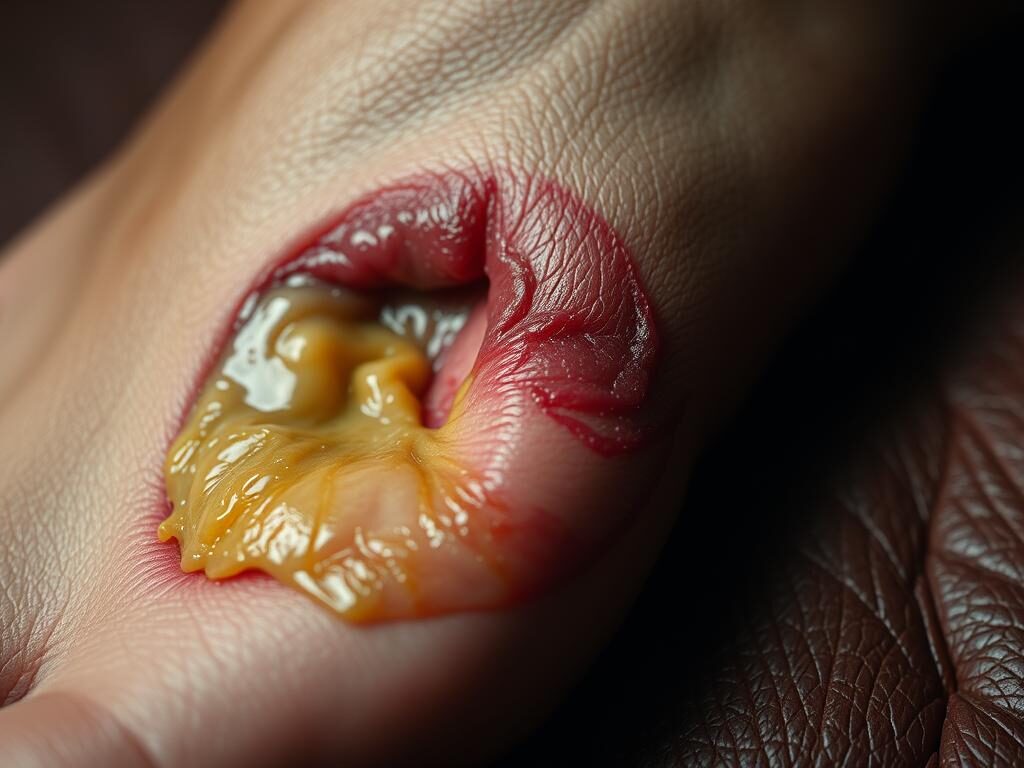
People with diabetes face specific challenges that increase the risk of ulcers and slow wound healing. High blood glucose narrows small arteries and reduces blood flow to skin and extremities. This limits oxygen delivery and weakens the immune response.
diabetes ulcers

How high blood sugar impairs circulation and immune response

Elevated glucose stiffens vessels and lowers immune cell function, which delays tissue repair. Over time, neuropathy reduces protective sensation so minor injuries on the foot can go unnoticed.

Daily foot checks, footwear, and pressure relief to prevent ulcers

Inspect tops, soles, and between toes every day using a mirror or help from a caregiver. Wear shoes with extra depth and pressure‑relieving insoles to avoid focal pressure that causes skin breakdown.

  • Reduce pressure at the first sign of redness or callus.
  • Use regular debridement and moisture‑balanced dressings for a chronic wound.
  • Coordinate glycemic control, nutrition, and offloading to support closure.

Dominion Mobile Wound Care trains patients in offloading, safe nail trimming, and when to escalate to specialty services to prevent recurrence and speed recovery.

Nutrition and hydration to power wound healing

Protein-rich choices and steady calorie intake support tissue repair and immune defenses. Dominion Mobile Wound Care reinforces individualized nutrition plans and links patients with dietitians to meet needs tied to health conditions and disease.

Protein, calories, and micronutrients that rebuild tissue

People with wounds or infection need extra protein and calories to rebuild tissue. Aim to include a high-quality protein source at each meal and snack.

  • Choose eggs, poultry, fish, legumes, or Greek yogurt to boost protein intake.
  • Whole grains and colorful produce provide vitamins that aid collagen and the healing process.
  • Adequate calories prevent the body from breaking down lean mass and support recovery.

Hydration, blood sugar management, and weight monitoring

Hydration supports blood flow and nutrient delivery; clear urine is an easy check unless fluids are restricted by disease.

Keeping blood glucose in target range helps reduce inflammation and improves wound healing. Monitor weight weekly and report unexpected loss so the team can adjust nutrition plans.

Dominion Mobile Wound Care can coordinate referrals, reinforce meal plans, and help people combine nutrition, hydration, and diabetes management to strengthen the healing process.

When to seek medical attention and how professionals can help

Know when small problems become emergencies so intervention can stop damage and speed recovery. Quick recognition of changing signs helps people get timely medical attention and avoid deeper problems.

Escalation triggers

If bleeding is heavy or will not stop, seek immediate help. Other urgent signs include rapidly worsening pain, spreading redness, fever, chills, nausea, or sudden overall decline.

New foul odor, increased drainage or pus, or a change in color of the wound are clear signs to contact a doctor or the care team right away. Patients with diabetes or poor circulation should escalate earlier because the risk of complications rises.

How professionals intervene and support at home

Professionals can perform debridement, order antibiotics, or start advanced therapies when needed. Telehealth links patients to specialists and lets clinicians adjust treatment without delay.

  • Virtual monitoring with tablets and photos helps the team spot trends and alert staff to immediate needs.
  • Clear documentation—measurements, images, and descriptions—improves clinical decisions.
  • Dominion Mobile Wound Care offers in‑home education, coordinates with the doctor and healthcare team, and arranges rapid escalation to the right level of care.

Conclusion

A clear plan, steady routines, and timely support help people manage skin injuries safely while reducing complications. Dominion Mobile Wound Care stands ready to provide coordinated nurse visits, education, and secure virtual monitoring so patients heal with confidence.

Effective programs link the primary team, track a wound with photos and measurements, and escalate early when signs of infection or worsening inflammation appear. Proper dressings, pressure relief, and attention to nutrition—especially adequate protein—improve healing and protect overall health.

Dominion Mobile Wound Care supplies hands‑on teaching, tailored plans, and rapid access to healthcare resources. Hire “Dominion Mobile Wound Care” to help heal their wounds.

FAQ

Why do people with weakened immune systems face higher risks when treating wounds at home?

A reduced immune response slows infection control and tissue repair. Poor circulation and chronic inflammation also limit oxygen and nutrients to damaged tissue, raising the chance of prolonged healing, bacterial growth, and complications such as ulcers or chronic nonhealing injuries.

How does poor circulation and inflammation delay the healing process?

Reduced blood flow lowers oxygen and protein delivery to injured tissue, and persistent inflammation breaks down healthy tissue. Together they impair cell migration and collagen formation, which are essential to close and strengthen the damaged area.

What types of injuries commonly occur in people with compromised defenses?

Frequent presentations include abrasions, lacerations, pressure injuries, surgical incision breakdowns, and vascular or diabetic ulcers. These can start minor but often worsen without prompt, appropriate treatment.

When should a wound not be managed at home?

Seek professional care if bleeding won’t stop, if deep tissue or tendon is exposed, if there are signs of spreading infection (increasing redness, streaking, fever), severe pain, or if the person has uncontrolled diabetes or a recent transplant or chemotherapy.

What supplies are essential before starting at-home dressing changes?

Important items include clean saline or bottled water, sterile gauze, appropriate dressings, medical tape, disposable gloves, and a topical antimicrobial when advised. Having written instructions from a clinician helps maintain consistency and safety.

How should someone set up a clean workspace for dressing changes?

Choose a well-lit, flat surface. Clean the area with soap and water, lay out supplies on a clean towel, and use new gloves for each change. Minimize interruptions and keep pets and children away during the procedure.

How does coordination with a healthcare team support home management?

Clinicians provide individualized plans, recommend dressings, prescribe antibiotics when needed, and teach signs of complications. Regular follow-up—either in person or via telehealth—helps detect changes early and adjust treatment.

What immediate steps stop bleeding safely?

Apply gentle, direct pressure with sterile gauze and elevate the limb above heart level if possible. Maintain pressure for several minutes; if bleeding continues or spurting occurs, seek emergency care.

How should a wound be cleaned at home and when is debridement necessary?

Rinse with clean saline or running potable water to remove dirt and debris. Use gentle irrigation rather than scrubbing. Professional debridement is needed when dead tissue persists, if there is thick slough, or when healing stalls despite care.

What topical treatments help without causing harm?

Thin layers of physician-recommended antibiotic ointment can reduce surface bacteria, while moisture-balancing products such as hydrogels or appropriate dressings support granulation. Avoid harsh antiseptics that damage healthy cells unless instructed.

How should wounds be closed and protected at home?

Minor cuts may be closed with sterile strips or adhesive closures; deeper injuries often need professional suturing. Always cover the site with a clean dressing selected for the wound type and secure it to prevent contamination and friction.

How does one choose between gauze, films, hydrogels, foams, and other dressings?

Choose gauze for basic absorbency, transparent film for low-exudate protection, hydrogel for dry wounds needing moisture, hydrocolloid for moderate exudate and autolytic debridement, foam for high exudate, alginates for heavy bleeding or exudate, and silver-impregnated products when infection risk is high and advised by a clinician.

How often should dressings be changed and how are they disposed of safely?

Change frequency depends on drainage and product type—daily to every few days per clinician guidance. Remove used materials with gloves, place them in a sealed bag, and follow local rules for medical waste or household disposal. Wash hands thoroughly after handling.

What pain-control strategies support healing?

Over-the-counter analgesics like acetaminophen or ibuprofen help manage discomfort. Applying dressings gently, using topical anesthetics if prescribed, and coordinating with clinicians to adjust pain plans reduces stress and promotes better recovery.

What are the earliest red flags of infection that require urgent attention?

Watch for increasing redness or warmth, swelling, foul odor, thick or green drainage, spreading streaks, fever, or swollen lymph nodes. These signs in a person with an impaired immune response warrant prompt clinical evaluation.

Which bacteria commonly cause infections and what severe signs should alarm caregivers?

Staphylococcus aureus including MRSA can infect breaks in skin. Rare but severe conditions like necrotizing fasciitis cause rapidly worsening pain, discoloration, blistering, and systemic toxicity; these require emergency care immediately.

Are puncture injuries a tetanus risk and when is a booster needed?

Deep or contaminated punctures can increase tetanus risk. Adults who have not had a booster in the past 10 years—or within five years for high-risk wounds—should get one. Clinicians will assess immunization status and wound risk.

How does high blood sugar interfere with tissue repair?

Elevated glucose impairs white blood cell function, increases infection risk, and damages small blood vessels. This combination slows collagen synthesis and cell migration, delaying wound closure and raising the chance of chronic ulcers.

What daily steps prevent diabetic foot problems and pressure injuries?

Daily inspection of feet, wearing well-fitting protective shoes, keeping skin moisturized but not between toes, and offloading pressure with cushions or specialized footwear help prevent breakdown. Report numbness or new sores to a clinician right away.

Which nutrients and hydration strategies accelerate tissue repair?

Adequate protein, calories, vitamin C, zinc, and iron support collagen formation and cell replacement. Staying well hydrated maintains blood volume and nutrient delivery. Dietitians can tailor plans for specific needs and weight goals.

When should a caregiver escalate to professional medical attention?

Get medical help for uncontrolled bleeding, rapidly increasing pain, spreading redness, systemic symptoms like fever or confusion, new numbness, or a wound that fails to improve after a few days despite correct at-home measures.

How can clinicians support patients still managing wounds at home?

Healthcare teams provide education, dressing plans, prescription treatments, and virtual follow-up. Home nursing, wound care clinics, and coordinated multidisciplinary care reduce complications and improve outcomes.

home wound care for mobility issues

How In-Home Wound Care Helps Patients with Limited Mobility

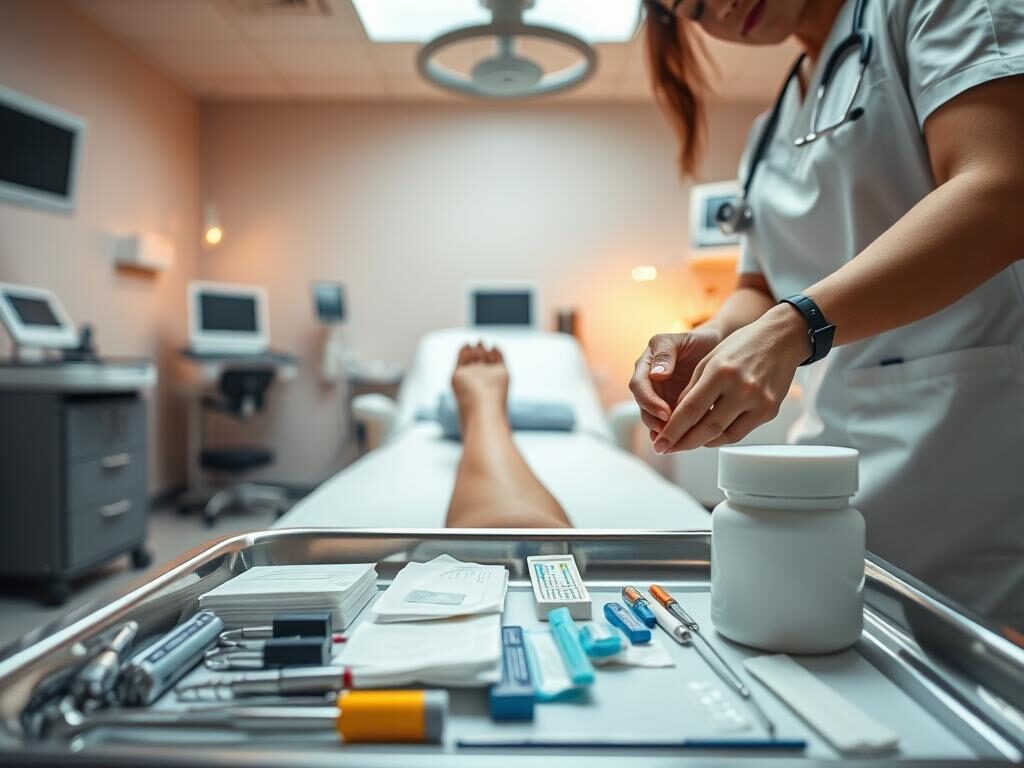
Dominion Mobile Wound Care brings specialized wound care to patients who struggle to leave their residence. This approach reduces travel, lowers exposure to complications, and keeps treatment aligned with a physician-directed plan.

Qualified clinicians deliver evidence-based treatment and standardized assessments at the bedside. They use digital monitoring and imaging to track the healing process and spot early signs that require escalation.

Home health services often cover chronic and complex wounds when a skilled need exists and leaving is unsafe. Medicare, Medicaid, and many private plans may cover eligible patients under a physician’s plan of care.

The goal is clear: fewer complications, less pain, and faster healing while preserving function and quality. Dominion coordinates with healthcare partners to tailor each plan and support measurable outcomes.

Key Takeaways

  • In-home wound care brings treatment to patients who cannot travel easily.
  • Services focus on safety, comfort, and measurable healing outcomes.
  • Digital monitoring helps track progress and guide treatment changes.
  • Eligibility usually needs a skilled need and a physician-directed plan.
  • Coordinated teams can reduce hospital visits and prevent complications.

Compassionate, At‑Home Wound Care Tailored to Limited Mobility

A patient-centered strategy adapts clinical treatment to bedside realities, ensuring effective healing without unnecessary strain.

Dominion Mobile Wound Care personalizes each plan to a patient’s functional limits. Clinicians combine standardized assessments with gentle routines that protect dignity and boost comfort.

Individualized services may include nursing assessments, dressing changes, debridement, compression therapy, negative pressure wound therapy, medication review, and nutrition and hydration evaluation.

  • Plans set visit frequency, dressing systems, and measurable wound healing goals agreed with the physician.
  • Caregivers receive training on positioning, dressing maintenance, infection prevention, and respectful assistance.
  • A holistic approach addresses nutrition, underlying disease, and appropriate support surfaces to reduce skin breakdown.

Timely adjustments keep treatment aligned with exudate levels, pain needs, and healing response. Home health coordination ensures supplies and equipment arrive on schedule.

By focusing on quality, safety, and caregiver inclusion, this approach helps patients maintain independence and improves daily life while addressing clinical needs.

Who Benefits: Patients with Mobility Issues and Chronic Conditions

Patients with limited movement and chronic diseases often need targeted support to prevent skin breakdown and promote recovery. Dominion Mobile Wound Care focuses on people who face diabetes, vascular disease, paralysis, and post‑operative recovery and who cannot travel easily.

Higher‑risk conditions

Diabetes, vascular disease, paralysis, recent surgery and circulation disorders increase the risk of non-healing wounds. Dialysis, stroke, and venous insufficiency also slow repair and raise complication rates.

Common wound types

  • Pressure injuries and pressure wound prevention
  • Diabetic foot ulcers and heel ulcers
  • Venous or arterial ulcers, surgical and traumatic wounds

When immobility, reduced perfusion, neuropathy, or loss of sensation exist, pressure and delayed healing become likely.

Non-healing or chronic wounds show little improvement in two weeks or fail to close by six weeks. Early recognition of warning signs—new redness, warmth, swelling, odor, or increased drainage—lets healthcare providers intervene sooner.

Structured, in‑room plans address underlying conditions, set measurable healing goals, and coordinate with caregivers to protect skin and improve quality life.

Comprehensive In‑Home Wound Care Services

Dominion Mobile Wound Care delivers a full spectrum of bedside services that blend skilled nursing, advanced devices, and caregiver training to speed recovery and reduce complications.

comprehensive wound care services

Skilled nursing and procedures

Clinicians perform thorough assessments, measurement, and documentation to guide evidence-based treatment. Typical tasks include dressing changes, debridement, suture or staple removal, and infection monitoring that prompts swift physician notification.

Advanced therapies

Therapies may include compression for venous disease, negative pressure wound therapy, and targeted offloading to relieve pressure points. These options support complex wound healing and help prevent recurrence.

Medication, nutrition, and monitoring

Medication reconciliation and hydration review reduce barriers to healing. Clinicians also evaluate protein and micronutrient needs and use digital photography and standardized scales to track progress.

Patient and caregiver education

  • Signs of infection and when to call a provider
  • Daily skin checks, moisture control, and pressure relief routines
  • Safe handling of dressings and support surface setup

Dominion coordinates supplies, equipment, and physician updates so the entire plan functions as a structured home health program that focuses on measurable healing and fewer complications.

How In‑Home Care Supports Limited Mobility and Pressure Injury Prevention

Simple, consistent routines protect skin and reduce the risk of pressure injuries.

Simple routines—timed turns, offloading, and correct equipment—make a big difference in protecting fragile skin.

Positioning, transfers, and pressure relief schedules

Dominion Mobile Wound Care coaches patients and caregivers on safe positioning and transfer techniques.
Therapists teach gait belts, slide sheets, and caregiver stance to limit shear and friction.

Teams set pressure relief schedules with clear intervals.
Scheduled repositioning lowers the chance of skin breakdown and supports healing.

Support surfaces and adaptive devices for daily living

Clinicians select pressure‑redistributing mattresses, seat cushions, and heel protectors.
OT recommends adaptive equipment and footwear to offload high‑risk areas.

  • Offloading tools like pads and specialty shoes protect heels and feet.
  • PT and OT strengthen transfers and adapt daily activities to protect skin.
  • Daily skin checks and moisture management catch early changes.

Monitoring and adherence reinforce results. Regular checks, documentation, and caregiver training keep routines consistent.
These prevention steps improve comfort and quality life while reducing urgent escalations.

home wound care for mobility issues

Dominion Mobile Wound Care coordinates physician orders, nursing visits, and therapy input into a single, practical plan implemented at the point of care.

Tailored programs include adaptive scheduling, specialized equipment setup, and supplies selected to match daily routines and tolerance. Visits, education, and supply delivery are set to support healing without extra travel.

The approach provides access to offloading, compression, and portable NPWT when appropriate. Clinicians use evidence-based products and standardized documentation to track progress and trigger timely changes.

  • Consistent measurement and notes that detect plateaus or shifts in drainage.
  • Focused management of pain, exudate, and peri‑wound skin to sustain progress.
  • Ongoing communication with physicians and healthcare stakeholders to align next steps.

Patient goals shape visit frequency, education depth, and supply choices so the model reduces missed treatments and travel barriers common to those with limited movement. This dependable, high‑quality service helps avoid escalation while keeping safety and healing on track.

Technology‑Enabled Healing: Remote Monitoring and Virtual Support

Real‑time telemetry and photos let providers catch small trends before they become major setbacks.

Remote patient monitoring complements in‑person visits by sending vital signs and wound images directly to clinicians. Devices can transmit oxygen saturation, heart rate, respiration, blood pressure, temperature, and stress data. Smartphone imaging and secure uploads create early alerts when trends suggest rising infection risk or other complications.

Adherence and outcomes

RTM linked to portable NPWT improved compliance in 73% of cases and showed larger reductions in wound volume and surface area. One diabetic foot ulcer study reported a 41.6% drop in area and high patient engagement. These gains translate into measurable wound healing and fewer hospital returns.

Workflow and patient experience

  • Patients capture photos and vitals with an app.
  • Data routes to providers and triggers clinician review or a virtual visit.
  • Early intervention reduces complications and lowers travel burdens.

Quality and cost improve when telemedicine pairs with bedside visits. Portable NPWT with RTM showed average savings per patient and less hospital use. Dominion Mobile Wound Care uses technology as an extension of hands‑on treatment, with secure messaging and documented physician updates to keep care coordinated and timely.

Integrated Care Team and Coordination with Physicians

A coordinated multidisciplinary team closes gaps between hospital orders and bedside treatment to keep patients safe and progressing.

Dominion Mobile Wound Care assembles nurses, therapists, dietitians, social workers, and aides into a single, practical plan. This structure supports smooth transitions from hospital to the care home and reduces avoidable readmissions.

Nurse leaders drive assessments, dressing protocols, and timely physician updates. They document measurements and escalate changes when treatment adjustments are needed.

  • PT and OT focus on transfers, offloading, assistive devices, and training to protect skin during daily tasks.
  • Speech therapists and dietitians optimize swallowing, nutrition, and hydration to support tissue repair.
  • Medical social workers connect families with community resources and address caregiver strain and financial barriers.
  • Home health aides observe, report changes, and reinforce education that keeps routines consistent.

Management of orders, supplies, and schedules keeps services uninterrupted during discharge and early follow-up. Monitoring data and visit findings route promptly to providers so treatment can change without delay.

Quality and communication are central: documented physician coordination, structured education for patients and caregivers, and ongoing monitoring all support better outcomes and reliable treatment at the point of care.

Safety First: Infection Prevention, Risk Reduction, and Home Education

A daily prevention routine helps detect early changes and prevents small problems from becoming serious. Dominion Mobile Wound Care emphasizes practical education that helps patients and caregivers reduce infections and avoid unnecessary hospital visits.

Daily skin checks, hand hygiene, and dressing protocols

Keep dressings clean and dry. Change soiled or wet dressings immediately. Wash hands before and after any dressing change. Use clean technique and limit touching the sterile surface.

Inspect skin daily, with special focus on heels, sacrum, and device contact points. Address incontinence and moisture quickly. Use moisturizers on dry skin to reduce cracking and break down.

Warning signs that require prompt provider notification

Monitor and report these signs without delay: new or spreading redness, swelling, warmth, increased pain, new drainage, foul odor, or fever and chills. Early monitoring lets clinicians modify treatment and lower the risk of serious complications.

  • Clear dressing protection when bathing or showering.
  • Guidance on safe activity and analgesia to support circulation.
  • Declutter paths and ensure good lighting to reduce falls and protect skin.

Education is ongoing: Dominion reinforces home health teaching at each visit. This builds confidence, promotes consistent routines, and supports better outcomes through timely alerts and coordinated follow-up.

Coverage, Costs, and Quality Considerations

Clear documentation and prompt physician orders often unlock insurance coverage for bedside visits.

coverage costs monitoring

Dominion Mobile Wound Care helps patients gather the records and physician notes payers expect. Eligibility usually needs a skilled need, a physician’s plan of care, and difficulty leaving the residence.

Medicare, Medicaid, and many private insurers commonly cover skilled nursing and therapy under a plan. Dominion coordinates prior authorizations and supply requests to speed approval.

Cost advantages and evidence

  • Remote monitoring plus portable NPWT showed average savings of about $3,753 per patient.
  • Telemedicine models for diabetic ulcers reduced costs near $2,222 per patient versus traditional pathways.
  • Fewer trips and fewer hospital events lower total spend while keeping clinical oversight.

Quality is tracked with standardized monitoring and outcome reporting. This helps reduce pressure wound complications and avoids high‑cost escalations.

Patients should share insurance details and physician contacts early so Dominion can align services and start treatment without delay.

Conclusion

A coordinated in-room program blends clinical expertise, technology, and education to speed healing and reduce complications. This patient-centered approach links assessment, documentation, and timely intervention so progress stays measurable and steady.

Teams deliver evidence-based wound care, remote monitoring when useful, and clear instruction that helps caregivers sustain routines. Studies show smaller ulcer area and cost savings with portable NPWT plus telemedicine, which supports adherence and fewer hospital visits.

Receiving skilled services in the residence improves quality life, increases comfort, and meets social and equipment needs that affect repair. Dominion Mobile Wound Care brings coordinated communication to physicians and rapid updates.

Hire Dominion Mobile Wound Care to help heal their wounds and restore function, safety, and better life.

FAQ

How does in-home wound treatment help patients with limited mobility?

In-home services let nurses and therapists deliver regular assessments, dressing changes, and therapies where patients are most comfortable. This reduces travel stress, lowers infection risk from clinic visits, and improves adherence to treatment plans, which supports faster healing and better quality of life.

What specific services make in-home treatment comprehensive?

A coordinated team provides skilled nursing assessments, debridement when needed, infection monitoring, advanced therapies like compression or negative pressure devices, medication and nutrition reviews, and caregiver education on prevention and self-management.

Who most commonly benefits from receiving treatment at their residence?

People with limited mobility due to diabetes, peripheral vascular disease, paralysis, or recent surgery benefit most. Those with chronic conditions that make travel difficult or who have pressure injuries, diabetic foot ulcers, venous or arterial ulcers, or trauma wounds also see strong benefits.

How do providers prevent pressure injuries and support positioning?

Clinicians teach safe transfer techniques, create pressure‑relief schedules, recommend mattress and cushion options, and suggest adaptive devices to redistribute pressure. Regular repositioning and skin checks reduce risk and catch problems early.

What role do technology and remote monitoring play?

Remote monitoring captures vital signs and wound images, enabling early alerts for infection or deterioration. Telehealth visits keep care teams connected, improve adherence to treatments like portable negative pressure therapy, and lower the travel burden for patients and families.

How does the care team coordinate with physicians and other specialists?

Nurses, physical and occupational therapists, dietitians, and medical social workers communicate with primary care and specialists through electronic records and regular updates. This coordination ensures smooth transitions from hospital to residence and consistent treatment adjustments.

What infection prevention steps are emphasized during visits?

Clinicians perform daily skin checks, enforce hand hygiene and sterile dressing protocols, monitor for redness or drainage, and educate caregivers about warning signs that require immediate provider notification to reduce complications.

Are these services covered by Medicare or private insurance?

Coverage varies. Medicare and many private insurers may cover skilled nursing visits, durable medical equipment like NPWT devices, and some telehealth services when criteria are met. Patients should verify eligibility and prior authorization requirements with their insurer.

Is in‑residence therapy cost‑effective compared to clinic care?

Yes. Reduced hospital readmissions, fewer clinic trips, and earlier intervention often lower overall costs. Telemedicine and portable therapies can further improve outcomes while decreasing expenses tied to travel and extended hospital stays.

How are caregivers prepared to assist with daily management?

Clinicians provide hands‑on training on dressing changes, signs of infection, mobility techniques, skin inspection, and when to seek urgent care. Education materials and follow‑up televisits reinforce skills and build confidence.

What signs indicate that the provider should be contacted immediately?

New or worsening pain, increased redness, swelling, foul odor, rising temperature, sudden drainage, rapid wound size changes, or any systemic symptoms like chills require prompt notification so clinicians can intervene quickly.

wound care specialist San Antonio

When Is It Time to Call a Wound Care Specialist in San Antonio? – Part 3

Knowing when to see a wound care specialist in San Antonio is key. Early help can really help us heal faster. We’ll talk about important signs you need a specialist and why advanced care is vital. This info helps us take care of our health better.

Key Takeaways

  • Recognizing the signs of wounds that require specialized care is essential.
  • Advanced wound care can significantly improve the healing process.
  • Personalized treatment plans are tailored to individual needs.
  • Delaying treatment can lead to complications and extended healing times.
  • Effective healing often requires collaboration with healthcare professionals.

Understanding Wound Care and Its Importance

Wound care is very important for our health. It’s key when dealing with non-healing wounds. These wounds don’t heal right because of health issues or infections.

Learning about advanced wound care can help a lot. It can make a big difference in how well we heal.

What is Advanced Wound Care?

Advanced wound care uses special treatments for wounds that won’t heal. It starts with checking the wound to find out why it’s not healing. This could be because of infections, blood flow problems, or diabetes.

With these treatments, we can help the wound heal better. This also lowers the chance of serious problems.

The Consequences of Ignoring Wound Care

Not taking care of wounds can cause big problems. This is true for non-healing wounds. The risks include:

  • Increased wound size
  • Severe bacterial infections
  • Gangrene
  • Limb amputation

It’s important to act fast to avoid these issues. Getting the right treatment is not just a choice. It’s necessary for healing. By focusing on advanced wound care, we can live healthier lives.

Signs You Need to See a Wound Care Specialist San Antonio

Knowing when to see a wound care specialist is key for our health. Non-healing wounds are not just a bother. They can mean deeper problems that need expert help. Spotting signs of wound infection is vital for quick treatment and better healing.

Identifying Non-Healing Wounds

Non-healing wounds show warning signs we should watch for. Look out for:

  • Persistent redness around the wound site.
  • Excessive warmth that means infection or swelling.
  • Pus discharge which points to infection.
  • Fever, a sign of a body-wide infection.

These signs mean our wounds are not healing right. They need a visit to a wound care specialist.

Symptoms Indicating the Need for Specialist Care

We must watch for symptoms that mean trouble. Seeing any of these signs means we need to see a specialist right away:

  • Increasing pain around the wound, a sign of infection.
  • Foul odor from the wound, a sign of infection.
  • Changes in the skin color around the wound, a sign of infection.

Going to places like Vayu Advanced Wound Care helps. They do tests to find infections. Acting fast when we see these signs helps us heal better and avoid long-term problems.

Types of Wounds That Require Specialist Intervention

It’s important to know about different wounds to know when to see a specialist. Both chronic and acute wounds affect our health. Knowing when to get help is key to good treatment.

Chronic Wounds: An Overview

Chronic wounds, like diabetic ulcers and pressure ulcers, need special care. They don’t heal right because of poor blood flow, too much pressure, or germs. Getting help early is crucial to avoid big problems.

Acute Wounds that May Become Chronic

Acute wounds, like cuts and surgical scars, can turn chronic if not treated right. Spotting healing problems early stops them from becoming chronic. Even small injuries might need special help if they don’t heal or show signs of infection.

What to Expect During Your Visit to a Wound Care Specialist

When we visit a wound care specialist, we start a journey to heal. They focus on our unique needs. This first visit is key to helping us get better.

The Evaluation Process

The first step is checking our medical history and wound. The visit might take about two hours. The specialist will ask lots of questions and do a physical check.

This helps them make a plan just for us. It’s all about our healing.

Typical Treatment Plans You Might Encounter

After checking us out, the specialist will suggest treatment plans. These might include things like oxygen therapy and special dressings. Each plan is made just for us.

This way, we get care that really fits our needs. It’s all about helping us heal the best way possible.

visit wound care specialist

Benefits of Mobile Wound Treatment Services

Mobile wound treatment services are very helpful. They let us get care at home. This makes us feel more comfortable and helps us heal better.

Having a professional come to us means we can talk more easily. They can change our treatment plan if needed. Mobile wound treatment is great in many ways:

  • We get care quickly without having to travel.
  • Our treatment fits into our daily life.
  • They can check our wounds in our own space.

Choosing home care means our needs are met well. We get top-notch care without the hassle of going to a clinic.

Your Role in Wound Healing

After treatment, we must help our body heal. We do this by following care instructions. This includes changing dressings, managing blood sugar, and not putting too much pressure on the wound.

Post-Treatment Care Instructions

We must follow certain care steps. This helps our wounds heal right and keeps us safe from problems. Here are some important things to remember:

  • Change dressings as advised to keep the wound clean and dry.
  • Watch for signs of infection like more redness, swelling, or discharge.
  • Take your meds as told, like for pain and antibiotics.
  • Don’t let wounds get too wet, as it slows healing.

Maintaining a Healthy Lifestyle for Faster Healing

Living healthy helps us heal faster. Eating well, drinking water, and moving around helps our body fix itself. Here’s how:

  • Eat lots of fruits and veggies to get more vitamins.
  • Drink plenty of water to help cells work right.
  • Do some exercise to help blood flow and heal wounds.

post-treatment care

When Delaying Treatment Can Be Dangerous

We must know the dangers of waiting too long to treat wounds. Treating wounds quickly is key to avoid big problems. Even small injuries can turn into serious health issues if not treated right away.

The Risk of Infections and Complications

Waiting too long to treat wounds increases the chance of getting infections. Bacteria can get into open wounds and cause big problems. This might mean we need more serious treatments and healing will take longer.

It’s important to take care of wounds right away for our health.

Pitfalls of Self-Medicating Your Wound

Some people might try to treat wounds themselves to save time or avoid doctors. But, this can lead to more harm than good. We might not know how serious the wound is.

Trying to fix wounds ourselves can hide serious problems that need a doctor’s help. It’s better to get expert advice instead of using just over-the-counter treatments.

Conclusion

Knowing when to call a wound care specialist in San Antonio is key for healing. We must spot signs of wounds not healing and act fast. This helps a lot in our recovery.

Looking for the right wound care is important. Dominion Mobile Wound Care is a great choice. They offer expert care right in your home.

Choosing to see a wound care specialist is a big step for our health. Let’s take care of our bodies by making smart choices. With the right help, we can heal smoothly.

FAQ

What is advanced wound care?

Advanced wound care helps wounds that won’t heal by themselves. It uses special treatments and checks each patient’s needs.

How can I tell if my wound is not healing properly?

Look for signs like redness, warmth, pus, and fever. If you see these, see a wound care expert right away.

What types of wounds require specialist intervention?

Wounds like diabetic ulcers and pressure ulcers need a specialist. So do wounds that don’t heal fast.

What should I expect during my first visit to a wound care specialist?

Your first visit will check your medical history and wound. It might take two hours. The specialist will make a treatment plan just for you.

What are the benefits of mobile wound treatment services?

Mobile services are great for those who can’t get to clinics easily. Getting treated at home is more comfortable.

How important is post-treatment care for my wound?

Following care instructions is key for healing. This includes dressing changes and a healthy lifestyle.

Why is it dangerous to delay treatment for a non-healing wound?

Waiting too long can cause infections and bigger wounds. It might even lead to losing a limb. Get help quickly to avoid these problems.

Can I self-medicate for my wound?

Don’t treat your wound without a doctor’s advice. It can make things worse. Always talk to a wound care specialist.