Advanced wound therapy from Dominion Mobile Wound Care can accelerate your healing process. Explore their cutting-edge treatments and let them help heal your wounds.


Promoting Healthy Skin
Advanced wound therapy from Dominion Mobile Wound Care can accelerate your healing process. Explore their cutting-edge treatments and let them help heal your wounds.
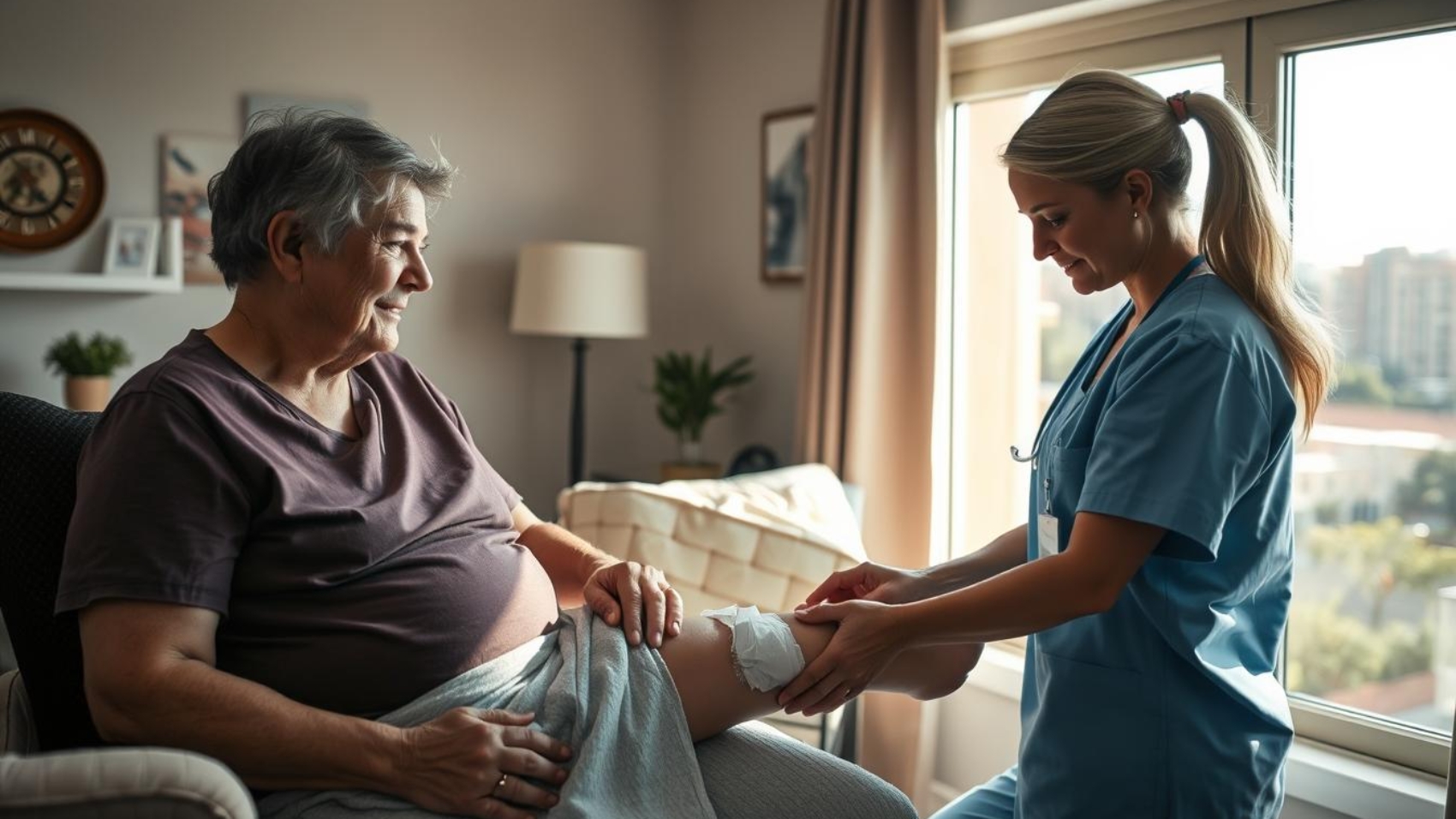
Local wound care gives you a clear, step-by-step way to manage skin breaks at home. You will learn gentle cleansing with saline or tap water, how to protect the periwound with barriers or creams, and how to pick dressings by function—films, hydrogels, foams, alginates and more. This approach supports steady wound healing and keeps treatment simple between clinic visits.
Multipurpose dressings, such as silver alginates, can control moisture, aid autolytic debridement, and add antimicrobial effect when needed. Antiseptics should be low-toxicity and used only when benefits outweigh risks. Healable wounds may need moisture balance or sharp debridement. Non-healable or maintenance wounds focus on selective cleaning, infection control, and keeping the area dry.
Dominion Mobile Wound Care helps you apply these steps safely at home. If you want dependable, in-home support to manage your wounds and speed healing, hire Dominion Mobile Wound Care to help heal your wounds.
local wound care delivered at home brings focused assessment and simple, practical treatment to your door. A clinician will use gentle cleansing with normal saline or potable water and protect the surrounding skin with film barriers or creams to prevent maceration.
The team selects dressings by function and form so moisture balance and protection match your wound today and the next step tomorrow. Periodic re-evaluation makes sure products fit how the wound looks, feels, and measures over time.
You get skilled services where you are most comfortable, avoiding long trips and waiting rooms. On-the-spot education helps you and any caregiver learn safe dressing changes, warning signs to watch for, and when to call for help.
Dominion Mobile Wound Care brings expert in-home services across San Antonio. Hire Dominion Mobile Wound Care to help heal your wounds and support your recovery.
When your care happens at home, your team sees changes early and adjusts treatment sooner.
Consistent visits by the same clinicians reduce gaps that slow healing. You avoid missed appointments from transportation or mobility problems.
That consistency helps maintain nutrition, medication schedules, and glucose control — all key to better wound healing.
Your home team coordinates with your primary care provider and specialists. Fast communication lets clinicians order labs, imaging, or referrals when changes suggest offloading, compression, or advanced support.
Dominion Mobile Wound Care coordinates with your local clinicians to keep treatment aligned and responsive. Hire Dominion Mobile Wound Care to help heal your wounds.
Begin at home with a focused history and exam to guide each step of treatment. A short history (onset, cause, pain, drainage, odor) plus a focused exam (location, size, depth, tissue type, edges, surrounding skin, and vascular checks) tells you what the site needs today.

Collect clear facts and record them in a simple book or log. Tracking measurements, drainage, odor, pain, and photos helps you see trends and decide next steps.
Clean with normal saline or potable tap water using gentle technique. Use low-toxicity antiseptics only when the antimicrobial benefit outweighs cytotoxic risk.
Protect at least 4 cm beyond the edge with a liquid film barrier or appropriate cream to prevent maceration and irritation.
Select by function (protection, debridement, moisture control, antimicrobial) and form (films, hydrogels, hydrocolloids, alginates, gelling fibers, foams, super absorbents).
Dominion Mobile Wound Care can perform an in-home focused assessment, teach each step, and help you maintain the log you need. Hire Dominion Mobile Wound Care to help heal your wounds.
The right dressing manages drainage so you keep a moist bed without macerating the surrounding skin.
Maintaining moisture balance helps tissue survive and supports autolytic debridement. Aim for a moist—not wet—environment so viable cells can migrate without the periwound becoming soft or irritated.
Choose by exudate level and wear time. Films work for low drainage and protection. Hydrogels donate moisture to dry tissue. Foams and super absorbents handle moderate-to-heavy output.
Alginate or gelling fibers suit very heavy drainage and conform to cavity wounds. Hydrocolloids or acrylics fit where expected wear time and exudate match product performance.
Multipurpose options, like silver alginate, combine moisture balance, gentle autolysis, and antimicrobial action when infection risk is present. Adjust dressing size so edges are covered and expected drainage is contained.
Dominion Mobile Wound Care helps you match dressing function and form to your needs. Hire Dominion Mobile Wound Care to help heal your wounds.
Regular, targeted debridement plus mindful antimicrobial use helps your treatment progress.
You and your clinician determine if the wound is healable, maintenance, or non-healable. That decision guides whether sharp debridement, selective techniques, or conservative removal is best.
Healable ulcers often benefit from sharp debridement and moisture maintenance to promote healthy tissue growth. Maintenance wounds focus on selective removal and keeping the area dry.
Topical agents—iodine, silver, PHMB, or chlorhexidine—are tools, not defaults. Use them only when signs show local infection or heavy bioburden.
Watch for persistent odor after cleansing, rising pain, spreading redness, or halted progress and escalate evaluation as needed. Document tissue changes after each session to track response.
Dominion Mobile Wound Care can coordinate or perform appropriate debridement and steward antimicrobial use. Hire Dominion Mobile Wound Care to help heal your wounds.
Managing pressure and mechanical forces is essential when treating ulcers of the foot and lower leg.

Compression therapy supports venous disease and reduces edema when arterial supply is adequate. You must confirm arterial sufficiency first—an ABPI in the acceptable range allows safe bandaging. Caregivers can help with dressing changes and safe wrap techniques.
Learn to apply compression systems and watch for warning signs like numbness, discoloration, or increased pain. Elevate legs regularly and keep calf-muscle pumping through safe movement to boost venous return.
Offloading is central for diabetic foot ulcers and pressure injuries. Use removable cast walkers, felted foam, or specialized footwear per clinician guidance. Relieve pressure at heels and sacrum with cushions, heel protectors, and frequent repositioning.
Dominion Mobile Wound Care provides in-home education and fit guidance for compression and offloading. Hire Dominion Mobile Wound Care to help heal your wound.
Consistent measurement and photos turn subjective impressions into reliable data. Regular tracking helps you see true progress and signals when treatment needs a change.
Measure length, width, and depth the same way each time and note dates in a simple book or digital log.
Take clear photos under similar lighting and angle to compare week to week.
Record pain level, exudate amount and character, odor after cleansing, and any changes in the surrounding skin.
Set thresholds that trigger action—sudden size increase, persistent odor after cleansing, new redness, or rising pain.
Reassess whether your current dressing still manages drainage and comfort. Change the type or frequency if wear time or output no longer match.
Dominion Mobile Wound Care can help set up simple at-home tracking systems and teach you when to call. Hire Dominion Mobile Wound Care to help heal your wounds.
Coordinating advanced treatments near your home makes complex therapy simpler and more timely. You keep more appointments and your team can act fast when signs of infection or stalled healing appear.
Good nutrition and diabetes control matter because they directly affect tissue growth and repair. You’ll get guidance on protein intake, blood sugar targets, and supplements when appropriate.
Dominion Mobile Wound Care works with your primary care and dietitians to align treatment and metabolic goals for better wound healing.
Advanced options include Negative Pressure Wound Therapy at home to manage exudate and encourage granulation.
Ultrasound MIST can support selective debridement and lower bioburden in chronic ulcers.
Hyperbaric Oxygen Treatment uses 100% oxygen in a chamber to help specific refractory wounds when indicated. Your team will evaluate candidacy and logistics close to home.
You’ll get coordinated referrals to rehab, orthotists, and social work to support offloading and mobility. Insurance often covers therapy, but verification helps avoid surprises.
Dominion Mobile Wound Care coordinates with local providers, helps navigate coverage, and educates you on therapies and prevention. Hire Dominion Mobile Wound Care to help heal your wounds.
A practical home strategy that balances moisture, debridement, and protection helps healing move forward predictably.
Local wound care succeeds when you follow gentle cleansing, protect the surrounding skin, and match dressings to needs. Add timely debridement, smart antimicrobial use, and compression or offloading when indicated.
You should measure, photograph, and log changes so decisions are data-driven. Tap nearby advanced options—Negative Pressure Therapy, Ultrasound MIST, and Hyperbaric Oxygen—if your case needs more support.
Dominion Mobile Wound Care coordinates with your providers and brings skilled, in-home services to help you follow a clear plan. Hire Dominion Mobile Wound Care to help heal your wounds.
You choose in-home services because they reduce travel, lower infection risk, and allow treatment in familiar surroundings. In-home visits let clinicians coordinate with your primary care provider and specialists, tailor therapy to your lifestyle, and monitor healing more frequently, which helps reduce complications from diabetic foot ulcers and pressure injuries.
In-home care means a trained clinician comes to your home to perform assessments, debridement when appropriate, dressing changes, and education on skin protection and offloading. You’ll get personalized plans for moisture management, infection control, and referrals for compression, nutrition, or hyperbaric oxygen if needed.
Local care improves continuity and convenience, so you get timely follow-up and fewer missed treatments. Team-based coordination with your primary care and specialists ensures systemic factors like diabetes and vascular disease are addressed, improving the chances of healing.
Regular visits let clinicians detect changes quickly, adjust dressings or antimicrobials, and reinforce offloading and compression. Consistent care reduces delays that can turn a healable wound into a chronic ulcer.
Your in-home clinician communicates findings, shares photographs and measurements, and recommends labs or referrals. This collaboration helps manage blood sugar, nutrition, and vascular issues that affect wound outcomes.
Care typically begins with a focused history and exam, followed by cleansing, protection of periwound skin, appropriate dressing selection, and ongoing monitoring. You’ll learn how to log progress and recognize signs that need urgent attention.
A targeted history identifies risk factors like diabetes, peripheral arterial disease, or prior ulcers. The exam evaluates wound size, depth, exudate, and surrounding skin to guide dressing choice, debridement, and referrals.
Use gentle, low-toxicity methods such as normal saline or prescribed cleansers. Avoid harsh antiseptics unless directed. Cleansing removes debris and reduces bacterial load without damaging healthy tissue.
Keep surrounding skin dry and intact by using barrier creams or protectants and choosing dressings that prevent maceration. Address shear and friction through padding and proper footwear to preserve healthy skin.
Select dressings based on exudate level, depth, and infection status. Thin films or contact layers suit low-exudate wounds, while foams, alginates, or super absorbents work for heavier drainage. Multipurpose dressings can offer moisture balance and antimicrobial action when needed.
Maintain a moist but not wet environment. Use hydrogels to rehydrate dry wounds and super absorbents or alginates for high exudate. Proper balance supports granulation and epithelialization while preventing maceration.
Use films for protection of low-exudate wounds, foams for moderate drainage, alginates for heavy bleeding or exudate, hydrogels for dry or necrotic tissue, and super absorbents for very high output. Your clinician will recommend the right product.
Multipurpose dressings combine moisture control, autolytic debridement, and antimicrobial properties. They are useful when you need simultaneous exudate management and infection control without frequent dressing changes.
Clinicians assess blood supply, infection, and patient goals. Healable wounds with good perfusion often benefit from selective or sharp debridement. Non-healable wounds may require palliative strategies, offloading, and specialist referral.
Topical antimicrobials treat local bioburden while minimizing resistance. Stewardship means using them only when indicated, monitoring response, and switching to systemic antibiotics if spreading infection occurs.
Compression helps venous disease and edema when arterial flow is adequate. Your clinician will check ankle-brachial index or vascular studies before starting compression to ensure safety and effectiveness.
Offloading includes therapeutic footwear, total contact casts, custom insoles, and pressure-relief devices. Consistent offloading prevents repeated trauma and speeds healing for foot ulcers and pressure injuries.
Measure length, width, and depth, photograph the wound regularly, and log exudate, odor, pain, and periwound condition. Accurate records guide treatment adjustments and insurance coverage.
Increase in pain, foul odor, rising exudate, or growth in size signals re-evaluation. These changes may indicate infection, need for debridement, or a change in dressing or systemic therapy.
Good nutrition, protein intake, and glycemic control are essential. Diabetes education helps you manage blood sugars, which improves immune function and tissue repair.
Advanced therapies are considered when standard measures fail, for complex diabetic foot ulcers, or when wounds show limited progress. Your clinician will evaluate indications, insurance coverage, and accessibility for treatments like negative pressure wound therapy, ultrasound MIST, or hyperbaric oxygen.
Your in-home provider coordinates referrals and documents medical necessity for insurers. They can guide you through coverage questions, prior authorizations, and transportation for clinic-based interventions if needed.

Chronic wounds are big problems in places like San Antonio. They really hurt our quality of life. It’s important to know how to treat them well.
We will talk about what chronic wounds are. We will also learn about the role of wound care specialists. And we will see new ways to heal wounds.
We will look at different treatments and home care ideas. Our goal is to help solve these long-lasting problems.
Chronic wounds, or non-healing wounds, are hard for many people. They don’t heal like normal wounds. They can last for months, even with the right treatment.
This can make daily life tough. It can also cause infections and make moving hard.
A chronic wound doesn’t heal in the usual time. It’s important to know this. It can affect our health a lot.
Getting help for these wounds is key. It helps us live better.
Knowing why wounds don’t heal is important. Some big reasons include:
Diabetic foot ulcers are a big problem. They can lead to amputations. Things like nerve damage and high blood pressure make it worse.
It’s important to know about different chronic wounds. We see diabetic ulcers and venous ulcers a lot. Each has its own special features. Knowing these helps us heal them better.
Diabetic ulcers happen on the bottom of the foot. They can be shallow or deep. These ulcers often have a lot of callus around them.
They can get infected easily. This is very dangerous and might even lead to amputation. We must act fast to stop this.
Venous ulcers are very common. They are shallow and usually on the inside of the lower leg. They happen because of poor blood flow.
People with leg swelling or varicose veins often get them. Knowing about venous ulcers helps us treat them better.

In San Antonio, many treatments help with chronic wounds. These treatments make healing easier and feel better. Knowing about these options helps us take care of our health.
San Antonio has advanced treatments for chronic wounds. These include:
These methods help heal wounds better. It’s good to talk to doctors about the best treatment for you.
Home care is very important for managing chronic wounds. Good care at home includes:
Learning about care helps families help at home. Telemonitoring and telecare help too. They let doctors help from afar while we heal.
Working with wound care specialists is key to healing chronic wounds. They know how to find the root cause and make plans just for you. Talking to them helps us understand our wounds and how to fix them.
Talking to wound care specialists is the first step in healing. They check our wounds, find what’s causing problems, and suggest treatments. Working with them helps us learn how to get better and avoid more issues.
Professional wound care has many benefits. It helps find problems early, which means we heal faster and better. Specialists use new ways to help wounds heal, like special dressings and cleaning out dead tissue.
Seeing specialists often helps us change our treatment plan if needed. This keeps us on the right path to healing our chronic wounds.

In the world of chronic wound care, new methods can really help patients. We look at debridement and growth factors. They are key to making wounds heal faster.
Debridement is very important for chronic wounds. It removes dead or infected tissue. This makes the wound ready to heal. There are many ways to do debridement, like:
Each method is for different types of wounds. They help fix the wound’s problems.
Using growth factors like platelet-rich plasma changes chronic wound care. These proteins help cells grow and change. Growth factors do things like:
Knowing and using these new ways to heal wounds helps us care for patients better. It makes their recovery time shorter.
Dealing with chronic wounds needs a deep understanding of their types and causes. It’s key to work together with patients, caregivers, and experts. This teamwork helps manage chronic wounds well.
Looking into treatment options helps us find the best ways to heal. This knowledge is powerful in our recovery journey.
New healing methods and home care are very important. For those in San Antonio with chronic wounds, getting help is crucial. Services like Dominion Mobile Wound Care offer great help.
Let’s take care of ourselves by using these resources. This way, we can live better and overcome chronic wounds’ challenges.
Chronic wounds don’t heal in 4 to 12 weeks, even with treatment. They can cause infections and make moving hard.
Poor blood flow, diabetes, weak immune systems, and conditions like neuropathy cause chronic wounds. These issues slow down healing.
Diabetic ulcers need regular cleaning and the right dressings. Keeping blood sugar levels in check helps prevent infections. Seeing a wound care specialist can also help a lot.
San Antonio offers treatments like negative pressure therapy and skin grafts. These methods help wounds heal faster.
Home care, like cleaning and dressing changes, is key. Teaching families how to care for wounds at home helps with recovery.
Specialists help diagnose and create treatment plans for chronic wounds. They ensure early detection and tailored care.
Professional care leads to faster healing and better results. Regular check-ups help adjust treatment plans for the best recovery.
Debridement removes dead tissue to help wounds heal. It’s done through surgery or enzymes, based on the wound’s needs.
Growth factors, like platelet-rich plasma, help wounds heal faster. They promote tissue growth and blood flow in chronic wounds.

Knowing when to see a wound care specialist in San Antonio is key. Early help can really help us heal faster. We’ll talk about important signs you need a specialist and why advanced care is vital. This info helps us take care of our health better.
Wound care is very important for our health. It’s key when dealing with non-healing wounds. These wounds don’t heal right because of health issues or infections.
Learning about advanced wound care can help a lot. It can make a big difference in how well we heal.
Advanced wound care uses special treatments for wounds that won’t heal. It starts with checking the wound to find out why it’s not healing. This could be because of infections, blood flow problems, or diabetes.
With these treatments, we can help the wound heal better. This also lowers the chance of serious problems.
Not taking care of wounds can cause big problems. This is true for non-healing wounds. The risks include:
It’s important to act fast to avoid these issues. Getting the right treatment is not just a choice. It’s necessary for healing. By focusing on advanced wound care, we can live healthier lives.
Knowing when to see a wound care specialist is key for our health. Non-healing wounds are not just a bother. They can mean deeper problems that need expert help. Spotting signs of wound infection is vital for quick treatment and better healing.
Non-healing wounds show warning signs we should watch for. Look out for:
These signs mean our wounds are not healing right. They need a visit to a wound care specialist.
We must watch for symptoms that mean trouble. Seeing any of these signs means we need to see a specialist right away:
Going to places like Vayu Advanced Wound Care helps. They do tests to find infections. Acting fast when we see these signs helps us heal better and avoid long-term problems.
It’s important to know about different wounds to know when to see a specialist. Both chronic and acute wounds affect our health. Knowing when to get help is key to good treatment.
Chronic wounds, like diabetic ulcers and pressure ulcers, need special care. They don’t heal right because of poor blood flow, too much pressure, or germs. Getting help early is crucial to avoid big problems.
Acute wounds, like cuts and surgical scars, can turn chronic if not treated right. Spotting healing problems early stops them from becoming chronic. Even small injuries might need special help if they don’t heal or show signs of infection.
When we visit a wound care specialist, we start a journey to heal. They focus on our unique needs. This first visit is key to helping us get better.
The first step is checking our medical history and wound. The visit might take about two hours. The specialist will ask lots of questions and do a physical check.
This helps them make a plan just for us. It’s all about our healing.
After checking us out, the specialist will suggest treatment plans. These might include things like oxygen therapy and special dressings. Each plan is made just for us.
This way, we get care that really fits our needs. It’s all about helping us heal the best way possible.

Mobile wound treatment services are very helpful. They let us get care at home. This makes us feel more comfortable and helps us heal better.
Having a professional come to us means we can talk more easily. They can change our treatment plan if needed. Mobile wound treatment is great in many ways:
Choosing home care means our needs are met well. We get top-notch care without the hassle of going to a clinic.
After treatment, we must help our body heal. We do this by following care instructions. This includes changing dressings, managing blood sugar, and not putting too much pressure on the wound.
We must follow certain care steps. This helps our wounds heal right and keeps us safe from problems. Here are some important things to remember:
Living healthy helps us heal faster. Eating well, drinking water, and moving around helps our body fix itself. Here’s how:
We must know the dangers of waiting too long to treat wounds. Treating wounds quickly is key to avoid big problems. Even small injuries can turn into serious health issues if not treated right away.
Waiting too long to treat wounds increases the chance of getting infections. Bacteria can get into open wounds and cause big problems. This might mean we need more serious treatments and healing will take longer.
It’s important to take care of wounds right away for our health.
Some people might try to treat wounds themselves to save time or avoid doctors. But, this can lead to more harm than good. We might not know how serious the wound is.
Trying to fix wounds ourselves can hide serious problems that need a doctor’s help. It’s better to get expert advice instead of using just over-the-counter treatments.
Knowing when to call a wound care specialist in San Antonio is key for healing. We must spot signs of wounds not healing and act fast. This helps a lot in our recovery.
Looking for the right wound care is important. Dominion Mobile Wound Care is a great choice. They offer expert care right in your home.
Choosing to see a wound care specialist is a big step for our health. Let’s take care of our bodies by making smart choices. With the right help, we can heal smoothly.
Advanced wound care helps wounds that won’t heal by themselves. It uses special treatments and checks each patient’s needs.
Look for signs like redness, warmth, pus, and fever. If you see these, see a wound care expert right away.
Wounds like diabetic ulcers and pressure ulcers need a specialist. So do wounds that don’t heal fast.
Your first visit will check your medical history and wound. It might take two hours. The specialist will make a treatment plan just for you.
Mobile services are great for those who can’t get to clinics easily. Getting treated at home is more comfortable.
Following care instructions is key for healing. This includes dressing changes and a healthy lifestyle.
Waiting too long can cause infections and bigger wounds. It might even lead to losing a limb. Get help quickly to avoid these problems.
Don’t treat your wound without a doctor’s advice. It can make things worse. Always talk to a wound care specialist.