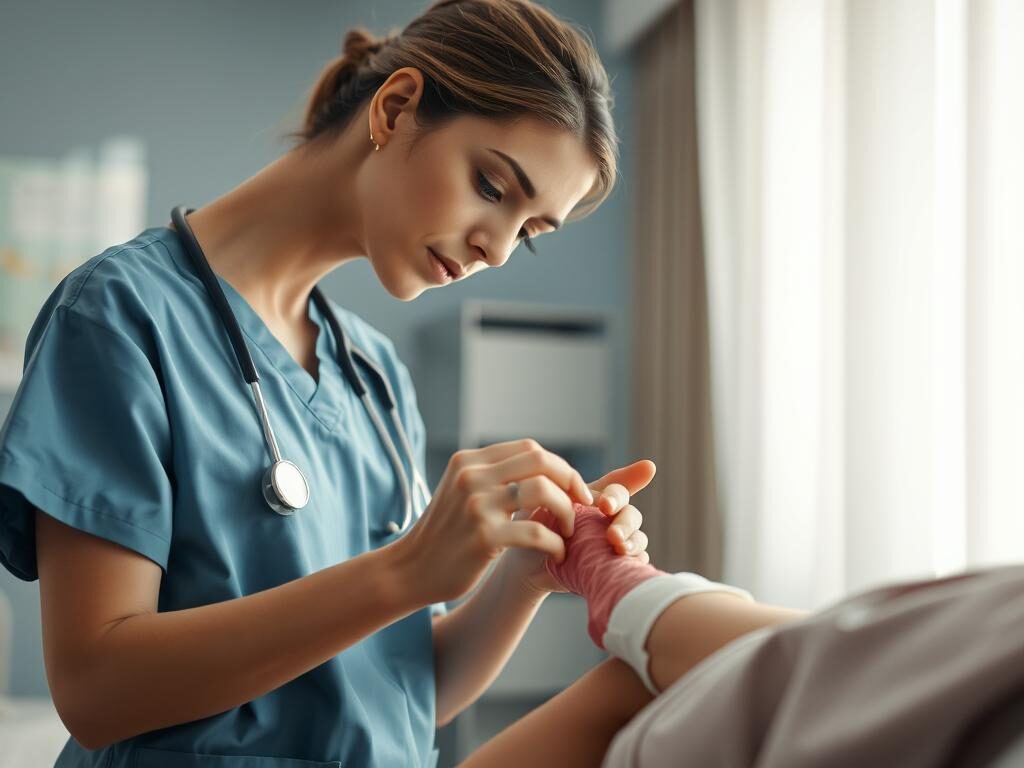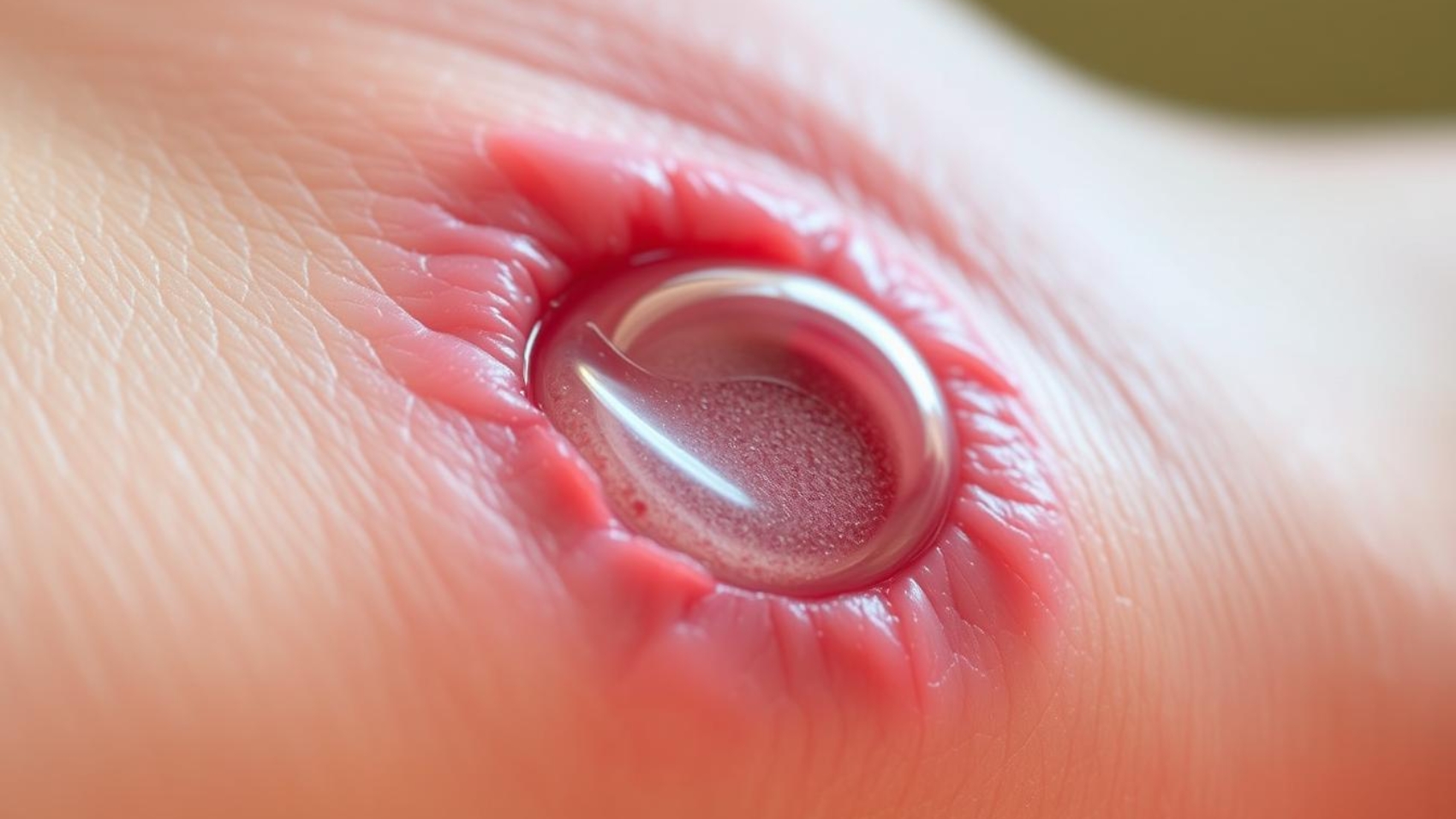
Wound moisture balance

Why Moisture Matters in Wound Healing

When it comes to healing, you might not immediately think about the role of moisture. But, keeping the right moisture level is key for your body’s healing.

A wound moisture balance helps your body heal better. Too little moisture can dry out tissues. Too much can cause them to break down. The science shows that using dressings that keep moisture just right helps wounds heal faster and better.

Understanding the importance of wound moisture balance is a big step in good wound care. If you have a wound, getting help from a professional is vital. You might want to contact Dominion Mobile Wound Care for expert advice and care.

Key Takeaways

  • Maintaining a wound moisture balance is key for healing.
  • Too little or too much moisture can slow healing.
  • Moist wound healing is backed by science.
  • Right moisture levels help wounds heal faster and better.
  • Getting professional wound care can greatly improve your recovery.

The Science Behind Wound Healing Process

The wound healing process shows how amazing our bodies are at fixing themselves. It involves many steps that help fix damaged skin and tissues.

Cellular Regeneration and Tissue Repair

At the core of healing is the growth of new cells and fixing tissues. Moisture is key in this, helping to clean the wound, reduce pain, and move cells forward. A moist environment is perfect for cells to grow and fix damaged areas.

The Four Essential Phases of Healing

Healing happens in four main steps: hemostasis, inflammation, proliferation, and remodeling. Each step is important for healing right. In the proliferation phase, the wound starts to build new tissue. Moisture balance is essential for cell movement and new tissue formation.

How Modern Healing Science Has Evolved

Modern healing science has grown a lot, thanks to new technologies and understanding the healing process. New discoveries show the need for the right moisture to heal faster and better. This has led to new products and treatments to help the body heal naturally.

The Critical Role of Wound Moisture Balance

Wound moisture balance is key in modern wound care. It’s vital for healing. Wound moisture balance helps the body heal better when done right.

Defining the Optimal Moisture Environment

The right moisture level is neither too dry nor too wet. It supports healing by helping cells move and repair. This environment reduces scab formation.

How Proper Moisture Accelerates Healing Time

Right moisture levels speed up healing. Moisture therapy cuts down pain and scarring. It also helps wounds heal faster.

Recent Research Breakthroughs

New studies show moisture therapy boosts wound healing. They found it leads to quicker healing, less scarring, and less pain. New technologies make it easier to keep wounds moist.

Knowing about wound moisture balance helps doctors give better care. For more on wound care, contact Dominion Mobile Wound Care for expert advice.

The Evolution of Moist Wound Healing

Moist wound healing has changed a lot over time. It has changed how we take care of wounds. This change came from learning more about how wounds heal and the importance of moisture.

Historical Perspective: From Dry to Moist Approaches

Oldly, we let wounds dry out to form a scab. But, research showed that dry wounds heal slower. The move to moist wound healing started when people saw wounds heal faster and with less scarring in a moist environment.

Clinical Evidence Supporting Moisture Therapy

Many studies have shown the good side of keeping wounds moist. Moisture therapy helps wounds heal faster and with less scarring. It also makes the healing process better.

  • Enhance cellular regeneration
  • Promote tissue repair
  • Reduce healing time
  • Minimize scarring

moist wound healing

Current Medical Consensus

Now, doctors agree that keeping wounds moist is key for healing. This is shown in the latest guidelines for wound care. Moisture therapy is seen as a key part of good treatment.

Knowing how moist wound healing has evolved helps doctors give better care. This leads to better results for patients.

Understanding Dry Wound Risks and Complications

Wounds that dry out can heal much slower. They face many risks that can slow down recovery.

Cell Dehydration and Scab Formation Challenges

Dry air causes cells to lose water, forming hard scabs. These scabs can block healing. Cell dehydration harms the wound area and the tissue around it.

Pain Intensification and Healing Delays

Dry wounds hurt more because nerve endings are exposed. This pain can be hard to manage. Also, dry wounds heal slower because the body can’t repair itself well without moisture.

Long-term Scarring and Functional Impairment

Dry wounds can cause lasting scars and problems with movement. The scars can be big and affect how you move. This depends on where the wound is.

To prevent these issues, keeping the wound moist is key. If you’re worried about your wound, talk to a wound care expert like Dominion Mobile Wound Care.

The Dangers of Excessive Wound Moisture

Too much moisture in wound care can be harmful. While moisture helps wounds heal, too much can cause problems.

Tissue Maceration and Breakdown

Too much moisture makes the skin around wounds soft and weak. This is called tissue maceration. It can damage the skin and make the wound bigger.

  • Prolonged exposure to too much moisture weakens the skin’s natural barrier.
  • Maceration can result in the loss of skin integrity, making it more susceptible to further injury.

Bacterial Proliferation and Infection Risk

Moist environments can foster bacterial proliferation, increasing the risk of infection. Infections not only delay healing but can also lead to more severe health issues.

  1. A moist wound environment can become a breeding ground for bacteria.
  2. Infections can lead to prolonged hospital stays and additional treatments.

Identifying Signs of Over-Hydration

It’s important to recognize signs of over-hydration to prevent complications. These signs include:

  • Soft, white, or soggy skin around the wound.
  • Increased drainage or discharge.
  • A foul odor from the wound.

Maintaining a balanced moisture level is key to promoting healthy wound healing. By understanding the risks associated with excessive wound moisture, you can take steps to prevent complications and support the healing process.

Breakthrough Moisture Therapy Technologies

Advanced moisture therapy technologies are changing wound care. They help wounds heal faster by keeping the right moisture balance. This leads to better recovery and results for patients.

Next-Generation Hydrocolloid Applications

Hydrocolloid dressings have been used for years. But now, we have next-generation hydrocolloid applications. These new dressings breathe better, stretch more, and soak up more. They work well for many types of wounds.

Advanced Hydrogels and Smart Dressings

Advanced hydrogels and smart dressings are big steps forward. They adjust to the wound’s needs. They keep the wound moist, helping it heal while avoiding infection.

Negative Pressure Systems for Moisture Control

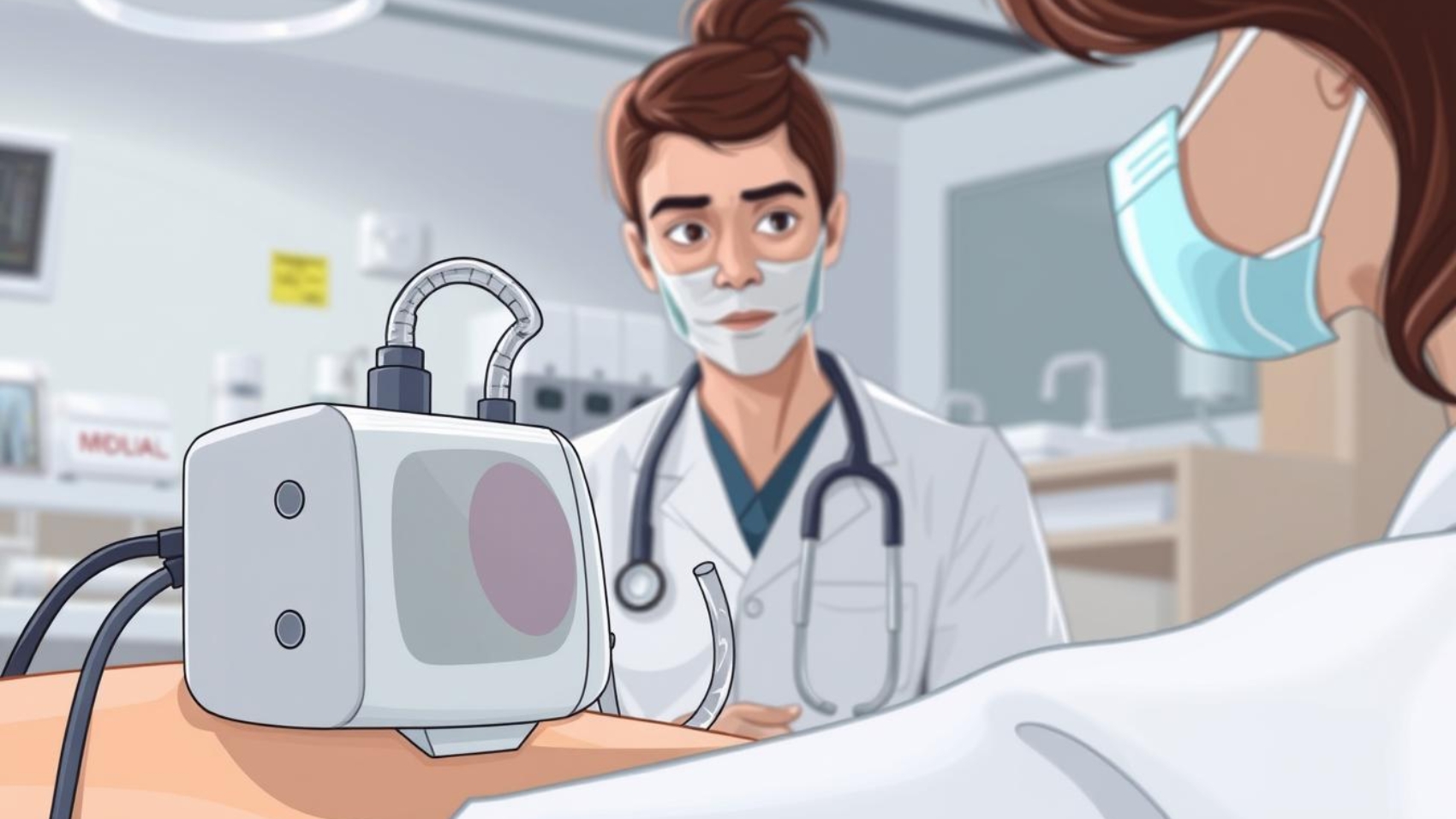
Negative pressure wound therapy (NPWT) systems are gaining popularity. They manage moisture, help wounds grow new tissue, and lower infection risk.

Emerging Treatments in Clinical Trials

Wound care is always getting better, with new treatments in trials. We’re seeing new dressings, bioactive therapies, and ways to deliver treatments. These could make moisture therapy even more effective.

When choosing wound care, talk to healthcare experts. They can give advice tailored to you. For top-notch wound care, including the latest moisture therapy, contact Dominion Mobile Wound Care. They offer caring and thorough services.

Assessing and Monitoring Your Wound’s Moisture Needs

It’s key to check your wound’s moisture needs for healing. The right moisture balance is vital for wound care.

Visual and Tactile Indicators of Moisture Imbalance

To check your wound’s moisture, look for signs. Too much moisture can cause maceration. Not enough moisture can lead to dryness and cracks. Watch for:

  • Redness or inflammation around the wound
  • Excessive drainage or leakage
  • Dry, cracked, or scabbed wound surface

When Professional Evaluation Becomes Necessary

If you’re unsure about your wound’s moisture, get a professional’s help. A healthcare expert can check your wound and guide you on moisture levels.

Documentation Techniques for Tracking Healing Progress

Keeping a wound care log is important. It helps track your wound’s healing. Record:

Date Wound Size Moisture Level Notes
01/01/2023 5cm x 3cm Optimal Healing progressing well
01/08/2023 4cm x 2cm Optimal Continued improvement

By monitoring moisture and tracking progress, you help your wound heal better. This prevents complications too.

Specialized Moisture Management for Chronic Wounds

Managing chronic wounds needs a careful approach, focusing on the right moisture levels. Wounds like diabetic ulcers, pressure injuries, and venous stasis ulcers each have their own needs. They require specific strategies for managing moisture.

Diabetic Ulcers: Unique Moisture Considerations

Diabetic ulcers come from nerve damage and bad blood flow, making healing hard. It’s important to keep the area moist but not too wet to avoid infections. Special dressings that soak up extra fluid but keep the wound moist work well.

Pressure Injuries and Moisture Control Strategies

Pressure injuries need careful moisture control to avoid dryness or too much moisture. It’s important to check and change dressings often to keep the moisture just right.

Venous Stasis Ulcers and Exudate Management

Venous stasis ulcers have a lot of fluid, which can harm the wound. Using compression and absorbent dressings can really help.

Wound Type Moisture Consideration Effective Strategy
Diabetic Ulcers Balancing moisture to prevent infection Advanced absorbent dressings
Pressure Injuries Preventing dryness and over-hydration Regular dressing assessment
Venous Stasis Ulcers Managing high exudate levels Compression therapy and absorbent dressings

If you’re having trouble with chronic wound care, contact Dominion Mobile Wound Care for help and advice.

Effective Home Care Strategies for Maintaining Optimal Wound Moisture

Keeping the right moisture level is key for wounds to heal well at home. It’s not always easy, but the right steps can help a lot.

Selecting the Right Dressings for Your Wound Type

Picking the right dressing is very important. Different wounds need different kinds of dressings. For example, hydrocolloid dressings work best for dry wounds. On the other hand, foam dressings are good for wounds that drain a lot.

Daily Monitoring and Maintenance Protocols

It’s important to check your wound every day. Look for too much or too little moisture. If needed, change your dressing and keep the skin around it clean and dry. Here’s what to do:

  • Inspect the wound and dressing daily
  • Change the dressing if it’s soiled or wet
  • Clean the wound with saline solution
  • Apply a new dressing appropriate for your wound type

Warning Signs That Require Immediate Attention

Watch out for signs that mean something might be wrong, like increased redness, swelling, or purulent discharge. If you see these, get help right away. For more info on wound care after the hospital, check out Dominion Mobile Wound Care.
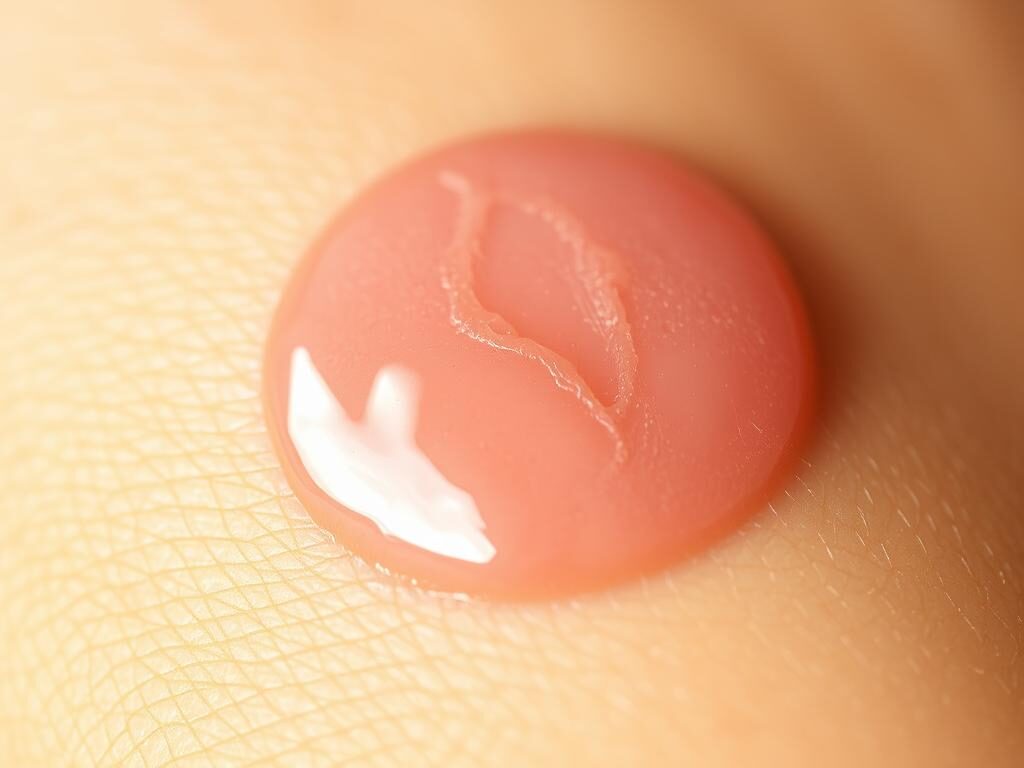
wound moisture balance

How Dominion Mobile Wound Care Delivers Expert Wound Moisture Balance

Dominion Mobile Wound Care brings advanced care to your doorstep. They focus on the right moisture balance for healing. Their team knows how important this is for wounds to heal well.

Comprehensive Assessment and Diagnostic Services

The first step to healing is a comprehensive assessment. Dominion Mobile Wound Care’s team does detailed checks. They look at the wound’s moisture levels.

Personalized Treatment Plans for Optimal Moisture

After the assessment, personalized treatment plans are made. These plans keep the moisture balance right. This ensures each patient gets the best care for their wound.

Service Description Benefit
Comprehensive Assessment Thorough evaluation of the wound Identifies specific wound needs
Personalized Treatment Plans Tailored plans for optimal moisture Effective healing through balanced moisture
Advanced Technologies Use of latest wound care technologies Enhanced healing process

Advanced Technologies and Professional Application

Dominion Mobile Wound Care uses advanced technologies for top-notch care. Their team is trained in the newest methods for wound moisture.

Mobile Care Advantages for Patients with Limited Mobility

For those who can’t move much, Dominion Mobile Wound Care’s mobile service is a big plus. They bring care to you, saving you from the hassle of traveling.

Choosing Dominion Mobile Wound Care is a big step towards healing. Their expert team is ready to give you the best care right at your home.

Conclusion: Embracing Moisture-Based Healing for Better Outcomes

Keeping wounds moist is key for faster healing. Learning about moisture-based healing and finding the right moisture balance can greatly help your recovery.

Dominion Mobile Wound Care provides expert care for wound moisture management. They offer detailed assessments and treatments that fit your needs, helping your wound heal better.

Choosing Dominion Mobile Wound Care means getting top-notch care for your wound. Start your journey to better healing with their moisture-based approach.

FAQ

What is wound moisture balance, and why is it important for healing?

Wound moisture balance means keeping the right amount of moisture in a wound to help it heal. It’s key because the right moisture level speeds up healing, reduces pain, and lowers scarring risk. Today, science shows that keeping wounds moist is vital for healing.

How does moisture affect the wound healing process?

Moisture is vital for healing wounds. It helps cells grow back, repairs tissues, and goes through the healing stages. A moist wound heals faster than a dry one.

What are the risks associated with dry wounds?

Dry wounds face risks like cell drying out, scabbing, more pain, slower healing, and scarring. Keeping the wound moist is key to avoid these problems and ensure healing.

Can excessive wound moisture be harmful?

Yes, too much moisture can cause tissue damage, more bacteria, and infection risk. It’s important to watch for too much moisture and keep it balanced to avoid these issues.

How can I assess and monitor my wound’s moisture needs?

Check your wound’s moisture by looking and feeling for signs of imbalance. Keeping track of your wound’s healing can help. If unsure, talk to a healthcare expert for advice.

What are the benefits of using advanced moisture therapy technologies?

New moisture therapy tools, like advanced hydrocolloids and smart dressings, help keep wounds moist. They speed up healing, lessen pain, and reduce scarring.

How can I manage moisture for chronic wounds, such as diabetic ulcers or venous stasis ulcers?

Chronic wounds need special care for moisture management. Diabetic ulcers need to manage fluid and prevent infections. Venous stasis ulcers focus on fluid control. A healthcare expert can help create a treatment plan for you.

What are the benefits of seeking professional wound care services, such as those offered by Dominion Mobile Wound Care?

Professional wound care, like Dominion Mobile Wound Care, offers detailed assessments and treatment plans. Their advanced tools and expert care help maintain the right moisture, speeding healing and reducing risks.

How can I maintain optimal wound moisture at home?

At home, choose the right dressings for your wound, check it daily, and follow care steps. Watch for signs like more pain or infection that need quick action.

Oxygen therapy for wounds

How Oxygen Supports Faster Wound Healing

When you have a wound, you want it to heal fast. Adequate oxygen supply is key for healing. It helps with cell proliferation, angiogenesis, and protein synthesis. Oxygen is vital for fixing damaged tissue.

Hyperbaric therapy boosts wound healing by improving blood flow and tissue repair. Knowing how oxygen aids in healing is a big step towards quick recovery.

Key Takeaways

  • Oxygen is essential for wound healing, promoting cell growth and tissue repair.
  • Hyperbaric therapy can enhance wound healing by increasing blood flow.
  • Adequate oxygen supply is critical for the healing process.
  • Oxygen therapy for wounds can be an effective treatment option.
  • Proper wound care can lead to faster recovery times.

The Critical Role of Oxygen in the Wound Healing Process

Oxygen is key for wound healing. It helps with collagen making and new blood vessel growth. These steps are vital for healing.

How Normal Wound Healing Depends on Oxygen

Wound healing needs enough oxygen. Oxygen is important for collagen synthesis. It also helps with angiogenesis, making new blood vessels.

This is important for bringing nutrients and oxygen to the wound. Oxygen also aids in epithelialization. This is when new skin cells cover the wound.

Having enough oxygen helps wounds heal faster. It also lowers the chance of complications.

What Happens When Wounds Don’t Get Enough Oxygen

Wounds with too little oxygen heal slowly. They are more likely to get infected. This can even lead to chronic wounds.

Without enough oxygen, the body can’t repair wounds properly. This includes making collagen and new tissue.

Using hyperbaric oxygen therapy can help. It increases oxygen to the wound, aiding in healing.

Recent Breakthroughs in Oxygen Therapy for Wounds

New discoveries in oxygen therapy are changing how we heal wounds. Studies show that topical oxygen therapy (TOT) works well for chronic wounds. It’s safer and easier to use than traditional methods.

New Research Findings from 2023 Studies

Research in 2023 found TOT is great for wound care. It boosts blood flow and cuts down bacteria. This makes TOT a top choice for many chronic wounds.

How These Discoveries Are Changing Treatment Protocols

New research is changing how doctors treat wounds. They now see TOT as a good option for chronic wounds. This could lead to better care and faster healing.

With these new findings, patients will get more tailored care. TOT is set to make a big difference in treating chronic wounds.

How Oxygen Accelerates Tissue Repair and Regeneration

Oxygen therapy boosts oxygen to injured tissues, creating a healing space. This treatment is showing great promise in speeding up tissue repair.

The Cellular Science Behind Oxygen-Driven Healing

Oxygen-driven healing relies on key cellular processes for tissue repair. Collagen synthesis is a critical process that oxygen therapy boosts. With enough oxygen, cells make collagen better, leading to stronger tissues.

Oxygen also aids in angiogenesis, the growth of new blood vessels. These vessels bring vital nutrients and oxygen to healing tissues.

Measurable Improvements in Healing Rates with Oxygen Therapy

Research shows oxygen therapy can improve healing rates. It boosts tissue oxygenation, making wounds heal faster and better. This is great for patients with chronic wounds or after surgery, as it cuts down recovery time.

Many patients have seen their wounds heal faster and complications lessen with oxygen therapy. As research grows, oxygen therapy’s role in healing is becoming clearer.

Hyperbaric Therapy: A Game-Changer for Difficult Wounds

Hyperbaric therapy is a new way to treat hard-to-heal wounds. It involves breathing pure oxygen in a special chamber. This boosts oxygen to the wound, helping it heal.

This therapy increases oxygen in the blood. It helps create new blood vessels and aids in healing. It’s great for chronic wounds, like diabetic foot ulcers, that don’t heal with other treatments.

Inside a Modern Hyperbaric Treatment Session

A hyperbaric treatment session lasts 60 to 90 minutes. You relax in a pressurized chamber while breathing 100% oxygen through a mask.

  • The pressure in the chamber is gradually increased to the prescribed level.
  • You breathe pure oxygen, which is absorbed into your bloodstream.
  • The increased oxygen levels promote healing and tissue repair.

Patient Experiences and Clinical Outcomes

Patients often see big improvements with hyperbaric therapy. Clinical outcomes show it can close wounds faster, lower infection rates, and boost health.

Some key benefits include:

  1. Enhanced wound healing rates
  2. Reduced need for surgical interventions
  3. Improved quality of life for patients with chronic wounds

Topical Oxygen Delivery Systems Revolutionizing Home Care

Topical oxygen delivery systems are changing home care for patients with chronic wounds. They offer a convenient and possibly effective treatment. This lets patients manage their conditions from home.

Portable Oxygen Therapy Devices Now Available

Portable oxygen therapy devices are now available for home use. They give patients the freedom to treat themselves anywhere. These devices are compact, lightweight, and easy to use.

They are perfect for patients with mobility issues. By delivering oxygen directly to the wound, they help wounds heal faster and improve tissue repair.

How These Systems Compare to Clinical Treatments

While hyperbaric oxygen therapy is effective, topical oxygen systems are more accessible and affordable for home care. Research shows they can be just as good at healing wounds. They are also more convenient for patients.

By treating wounds at home, these systems reduce hospital visits. This improves patient outcomes and makes care more accessible.

Enhanced Blood Flow: The Key to Oxygen’s Healing Power

Oxygen’s healing power is tied to its ability to boost blood flow. This is key for fixing tissues. When you get oxygen therapy, you’re not just getting more oxygen. You’re also making your blood flow better, helping your wounds heal quicker.

oxygen therapy and blood flow

How Oxygen Therapy Improves Microcirculation

Oxygen therapy is vital for better microcirculation, which is key for healing wounds. It boosts oxygen to the wound, helping fix and grow back damaged tissues. This better blood flow makes sure your wounds get the nutrients and oxygen they need to heal well.

Benefits of Oxygen Therapy Impact on Microcirculation
Increased oxygen delivery Enhanced nutrient supply to wound tissues
Improved tissue repair Faster wound healing rates

Visible Changes in Wound Appearance After Treatment

After oxygen therapy, you might see your wound look different. It could be less red, swollen, and start to form healthy tissue. These signs show the therapy is working well, helping your wound heal by improving blood flow and oxygen.

As your wound heals, you’ll see it getting better and less noticeable. The better blood flow from oxygen therapy helps your body heal naturally.

Combating Resistant Infections Through Strategic Oxygen Delivery

Oxygen therapy is becoming key in fighting resistant infections in wound care. As antibiotics lose their power, new treatments are needed. Oxygen delivery is a hopeful answer, boosting the body’s healing.

Oxygen’s Natural Antimicrobial Properties

Oxygen fights off bacteria, fungi, and other pathogens. Hyperbaric oxygen therapy increases oxygen in wounds. This makes it hard for anaerobic bacteria to grow, lowering infection risk.

Success Stories in Treating Antibiotic-Resistant Wound Infections

Many case studies show oxygen therapy’s success against resistant infections. For example, patients getting hyperbaric therapy see better wound healing and fewer infections.

Treatment Healing Rate Infection Rate
Standard Care 40% 60%
Oxygen Therapy 80% 20%

Oxygen’s natural fight against microbes gives healthcare a strong tool against resistant infections.

Who Benefits Most from Oxygen-Based Wound Treatments

Oxygen-based treatments are very helpful for some people. They are key in wound care, giving hope to those who heal slowly. This is because of health issues.

Diabetic Patients and Chronic Wound Sufferers

Diabetics often have trouble healing wounds because of poor blood flow and nerve damage. Oxygen-based treatments help by making sure wounds get enough oxygen. This lowers the chance of serious problems. It also helps those with long-term wounds to heal and grow back.

Post-Surgical Patients and Trauma Recovery

People recovering from surgery or trauma also benefit a lot. These treatments speed up healing by getting more oxygen to the wound. They also cut down the chance of infection and help recovery happen faster.

Dominion Mobile Wound Care Introduces Advanced Oxygen Therapy Services

Now, patients can get advanced oxygen therapy at home with Dominion Mobile Wound Care. This service brings the latest medical tech right to patients. It means they get the best care without having to go to the hospital.

advanced oxygen therapy

Cutting-Edge Technologies Now Available Locally

Dominion Mobile Wound Care is excited to offer top-notch oxygen therapy. This includes hyperbaric oxygen therapy, which boosts wound healing. Their mobile units have the latest tech, ensuring patients get the best care.

  • Advanced hyperbaric chambers for safe and effective treatment
  • Portable oxygen delivery systems for continuous care
  • A team of experienced healthcare professionals dedicated to patient comfort and recovery

The Advantages of Mobile Treatment for Homebound Patients

For those who can’t leave home or have trouble moving, Dominion Mobile Wound Care’s service is a big help. It cuts down on the need for long hospital stays or many clinic visits. Patients can get care in a place they know and feel comfortable.

The benefits include:

  1. Reduced risk of hospital-acquired infections
  2. Increased patient comfort and reduced stress
  3. Flexibility in scheduling to accommodate patient needs

Cost vs. Benefit: Why Oxygen Therapy Is Gaining Insurance Coverage

Oxygen therapy is becoming more common. Its cost and benefits are now key in insurance decisions. More evidence shows it helps in healing wounds, making it appealing to both patients and insurers.

Recent Changes in Reimbursement Policies

In recent years, how insurance covers oxygen therapy has changed. Insurance providers are now more likely to cover oxygen therapy because of its benefits in healing wounds. Studies show it can cut down recovery times and improve patient results.

Long-Term Savings Compared to Traditional Treatments

Oxygen therapy saves money over time compared to old wound care methods. It speeds up healing, cutting down on the need for long-term care. This leads to lower healthcare costs. The main advantages are:

  • Less need for surgeries
  • Lower costs for extended care
  • Improved patient results, leading to less rehab costs

These points make oxygen therapy a better choice for insurance coverage. It’s seen as a cost-effective option.

Conclusion: Taking the Next Step in Your Wound Healing Journey

Learning about the importance of oxygen in healing wounds can change your approach. There are many oxygen therapy options, like hyperbaric therapy and topical oxygen systems. These can help you move forward in your healing journey.

Oxygen therapy has shown to speed up healing and improve tissue repair. Thanks to new medical tech, treatments like hyperbaric therapy are getting easier to find. Dominion Mobile Wound Care is leading the way in bringing these treatments to those who need them.

If your wound isn’t healing like you hoped, it’s time to get help. Dominion Mobile Wound Care offers personalized care, including oxygen therapy. They bring their services to your home, making treatment comfortable and convenient.

Start your journey to better wound healing today. Learn about oxygen therapy and how Dominion Mobile Wound Care can help you heal faster and more effectively.

FAQ

How does oxygen therapy aid in wound healing?

Oxygen therapy helps wounds heal faster. It boosts blood flow and supports tissue repair. It also fights infections, leading to quicker healing and less recovery time.

What is hyperbaric oxygen therapy, and how is it used in wound care?

Hyperbaric oxygen therapy means breathing pure oxygen in a pressurized room. It increases blood oxygen levels. This helps repair and grow new tissue, often used for tough or long-lasting wounds.

Can oxygen therapy be used at home, and what are the benefits?

Yes, you can use oxygen therapy at home. Portable systems are available. They help with healing and tissue repair, working alongside professional treatments.

How does oxygen therapy improve blood flow to the wound site?

Oxygen therapy boosts microcirculation. This means more blood gets to the wound. It brings needed nutrients and oxygen, helping repair and grow new tissue.

Is oxygen therapy effective against antibiotic-resistant infections?

Yes, oxygen therapy fights antibiotic-resistant infections. It has antimicrobial properties. This makes it a good choice for treating resistant wound infections.

Who can benefit from oxygen-based wound treatments?

People with diabetes, chronic wounds, and after surgery can benefit. Oxygen treatments help wounds heal faster. They also lower the chance of complications and improve care.

What are the advantages of Dominion Mobile Wound Care’s oxygen therapy services?

Dominion Mobile Wound Care offers mobile oxygen therapy. It’s great for those who can’t leave their homes. They use the latest technology and expert care right at home.

Is oxygen therapy covered by insurance, and what are the cost benefits?

Insurance now covers oxygen therapy more often. This makes it a cost-effective option for wound care. It can save money over time compared to other treatments.

How does oxygen therapy compare to traditional wound care treatments?

Oxygen therapy is a non-invasive, effective way to heal wounds. It promotes faster healing and lowers the risk of complications. It’s a valuable option or addition to traditional treatments.

Venous leg ulcers

How to Manage Venous Leg Ulcers at Home Safely

Managing venous leg ulcers at home needs careful attention to wound care and circulation. If your veins don’t push blood back to your heart well, it can cause ulcers. This is because of poor circulation.

Proper wound care is key to avoid infections and help wounds heal. Dominion Mobile Wound Care offers personalized services to help manage your condition.

Key Takeaways

  • Understand the causes of venous leg ulcers and circulation issues.
  • Learn the importance of proper wound care at home.
  • Discover how Dominion Mobile Wound Care can support your healing process.
  • Find out how to manage your condition safely at home.
  • Get insights into the benefits of personalized wound care services.

Understanding Venous Leg Ulcers: Causes and Symptoms

If you have wounds on your legs that won’t heal, it’s important to know about venous leg ulcers. These are open sores caused by venous insufficiency. This is when veins can’t push blood back to the heart.

What Are Venous Leg Ulcers?

Venous leg ulcers are sores on the lower legs. They show a problem with blood flow. High pressure in the veins of the lower leg, often from venous insufficiency, causes them.

Common Causes of Venous Insufficiency

Genetics, obesity, and deep vein thrombosis can lead to venous insufficiency. When veins don’t work right, it can cause swollen legs and wounds.

Recognizing the Early Warning Signs

Look out for swelling, redness, and skin color changes in your legs. You might also feel pain or discomfort. Spotting these signs early can help manage the problem.

Knowing the causes and symptoms is key to healing. If you notice any, get help fast. Dominion Mobile Wound Care offers the care you need to heal your wounds.

Recent Advances in Venous Leg Ulcers Home Management

New breakthroughs in wound healing and home care products are changing how we manage venous leg ulcers. With help from healthcare experts, you can now use these advances to better care for your wounds at home.

New Research on Wound Healing

Studies show that compression therapy is key for wound healing in venous leg ulcers. New research stresses the need for consistent compression to boost blood flow and lessen swelling.

New guidelines suggest using a multi-layer compression bandaging system for effective management. This method has been proven to greatly improve healing rates when used correctly.

Innovative Home Care Products

The market now has a variety of new products for home wound care. These include advanced dressing materials and easy-to-use compression stockings. These items are made to make managing venous leg ulcers easier and less painful.

  • Advanced foam dressings for better absorption
  • Compression stockings with graduated compression
  • Easy-to-apply compression bandages

Expert Recommendations from Recent Medical Conferences

Experts from recent medical conferences stress the importance of proper training in compression therapy for home management. Treatment should always be done by a healthcare professional trained in compression therapy for leg ulcers.

By keeping up with the latest developments and working with healthcare professionals, you can greatly improve managing venous leg ulcers at home. Consider reaching out to specialized wound care services like Dominion Mobile Wound Care to help guide your healing journey.

Essential Supplies for Home Wound Care

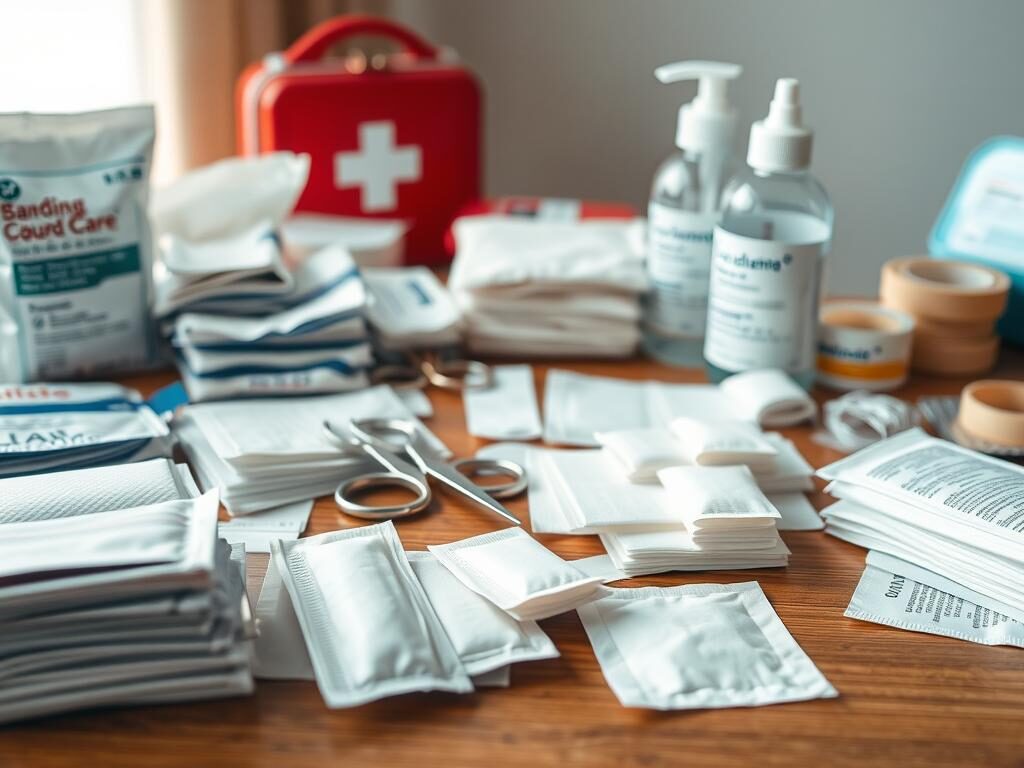
Having the right wound care supplies is key for managing venous leg ulcers at home. A well-prepared wound care station helps in healing and prevents infection.

Creating a Sterile Wound Care Station

To create a sterile environment, you need a clean surface. Use a disposable mat or a surface cover to prevent contamination. Make sure the area is well-lit to see the wound clearly.

  • Disposable gloves
  • Sterile gauze pads
  • Antiseptic wipes
  • A clean, waterproof bag for disposing of soiled dressings

Must-Have Dressing Materials

Choosing the right dressing materials is vital for effective wound care. Here are some options:

  1. Non-adherent dressings to prevent sticking to the wound
  2. Foam or alginate dressings for absorbing drainage
  3. Hydrocolloid dressings for promoting a moist environment

wound care supplies

Recommended Cleaning Solutions and Antiseptics

For wound care, the right cleaning solutions are essential. Saline solution is often recommended for cleaning venous leg ulcers. Always check with a healthcare professional before using antiseptic solutions.

For more information on wound assessment and care, visit Dominion Mobile Wound Care. Their experts can offer personalized advice for managing venous leg ulcers at home.

Step-by-Step Guide to Cleaning Venous Leg Ulcers

Cleaning your venous leg ulcer right is key to wound care. It stops infections and helps healing. Follow a step-by-step guide to clean safely and effectively.

Preparing for Wound Cleaning

Before cleaning, gather all needed supplies. This includes sterile gloves, a clean container for saline, gauze, and any cleaning solutions or ointments. Wash your hands thoroughly with soap and water, and dry them completely.

Safe Cleaning Techniques

To clean your venous leg ulcer, follow these steps:

  • Gently remove any dressings or bandages.
  • Clean the ulcer with a saline solution or a prescribed cleaning solution.
  • Use gauze pads or swabs to gently wipe away any debris or dead tissue.
  • Rinse the ulcer with saline solution.
  • Pat the area dry with a clean gauze pad.

Remember to cleanse the wound thoroughly according to your provider’s instructions.

Proper Disposal of Used Materials

After cleaning, dispose of used materials properly. Place used gauze, gloves, and other items in a sealed bag or biohazard container.

Material Disposal Method
Used Gauze Sealed Bag or Biohazard Container
Gloves Sealed Bag or Biohazard Container
Cleaning Solution Down the Drain (Check Local Guidelines)

If unsure about wound cleaning or notice infection signs, seek help. Dominion Mobile Wound Care offers specialized treatment and support.

Effective Compression Therapy for Circulation Issues

Compression therapy is key in treating venous leg ulcers. It helps blood flow back to the heart. This reduces swelling and aids in healing.

Types of Compression Bandages and Stockings

There are many types of compression bandages and stockings. Compression bandages are used for wound care and can be layered. Compression stockings are worn daily to keep compression levels up.

Type Description Use Case
Short Stretch Bandages Less elastic, providing high working pressure Ideal for active patients with venous leg ulcers
Long Stretch Bandages More elastic, giving sustained compression Good for patients with limited mobility
Compression Stockings Available in various compression levels Daily wear to keep compression and prevent ulcers

How to Apply Compression Correctly

Applying compression right is key for its success and safety. Make sure your leg is clean and dry. For bandages, start at the toes and wrap up, overlapping by half.

For stockings, use a donner if needed. Make sure the stocking isn’t twisted.

Monitoring for Complications

It’s vital to watch for signs of complications while using compression therapy. Look for signs of too much pressure and adjust as needed.

Signs of Too Much Pressure

  • Numbness or tingling in the foot
  • Pain or discomfort that doesn’t ease
  • Blue or pale skin

When to Adjust Your Compression

If you notice any of these symptoms, it’s time to adjust your compression. This might mean reapplying or seeking professional advice.

Struggling with venous leg ulcers? Dominion Mobile Wound Care offers specialized treatment. They can guide you on compression therapy and wound care.

Nutrition and Lifestyle Changes to Promote Healing

Healing wounds is more than just medicine; it’s about a whole-body approach. This includes nutrition and lifestyle changes. When you take care of venous leg ulcers at home, what you eat and how you live matters a lot.

Healing-Friendly Foods and Supplements

Eating a balanced diet full of vitamins and minerals is key for healing. Foods packed with protein, like lean meats and fish, help fix damaged tissues. Foods rich in Vitamin C, like citrus fruits, help make collagen. And foods with zinc, like nuts, help fight inflammation. Always talk to your doctor before adding supplements.

nutrition for wound healing

The Importance of Hydration

Drinking enough water is vital for healthy skin and healing wounds. Water keeps your skin flexible and strong. Try to drink at least eight glasses a day, more if you’re active or live in a hot place.

Exercise and Movement Recommendations for Swollen Legs

Doing gentle exercises can boost blood flow and lessen leg swelling. Walking, ankle rotations, and toe raises are good. Don’t stay in one place for too long and rest your legs often. This helps with swelling and healing.

Smoking Cessation and Wound Healing

Smoking hinders wound healing by cutting off blood and oxygen. Quitting is a big step towards better health and faster healing. If you need help, talk to a doctor or join a smoking cessation program.

By making these nutrition and lifestyle changes, you help your body heal better. For more specific advice and wound care, contact professionals like Dominion Mobile Wound Care. They can guide you through your healing journey.

Managing Pain and Discomfort from Venous Leg Ulcers

Living with venous leg ulcers can be tough, mainly because of the pain. It’s key to manage pain well to improve life quality and help wounds heal.

Non-Pharmaceutical Pain Management Strategies

There are many ways to ease pain without medicine. Elevation and positioning are simple but work well. Raising your legs above your heart helps with swelling and pain by improving blood flow.

Using compression therapy is another good strategy. It’s talked about in Section 6. Compression reduces swelling and boosts blood flow, helping wounds heal and easing pain.

Over-the-Counter Pain Relief Options

For some, over-the-counter (OTC) pain meds are needed. Acetaminophen and ibuprofen are common choices. But, always talk to a doctor before trying new meds to make sure they’re safe for you.

Elevation and Positioning Techniques

Right positioning is as important as elevation for pain management. Try not to stand or sit for too long, as it can make swelling and pain worse. Moving around and changing positions often helps.

If pain from venous leg ulcers is hard to handle, get professional help. Dominion Mobile Wound Care provides specialized treatment. Don’t let pain stop you from enjoying life fully.

When to Seek Professional Help for Wound Complications

Knowing when to get help is key in wound care. You can manage some venous leg ulcers at home. But, some situations need quick medical help to avoid more problems.

Warning Signs of Infection

Look out for signs of infection like increased redness, swelling, or warmth around the wound. Also, watch for pus or discharge, a foul odor, or increased pain. Getting help fast can stop the infection from getting worse and help your wound heal.

Signs of Infection Action Required
Increased redness, swelling, or warmth Contact healthcare provider
Pus or discharge, foul odor Seek immediate medical attention
Increased pain Consult healthcare provider

Indicators of Worsening Condition

Keep an eye on how your wound is healing. If it’s not getting better or is getting worse, you need professional help. Look out for increased wound size, deepening of the wound, or new areas of skin breakdown. These signs mean your treatment might need to change.

How Dominion Mobile Wound Care Provides Specialized Treatment

Dominion Mobile Wound Care offers special wound care services. Their team of experts provides:

Mobile Wound Care Services

They bring wound care to your home. This ensures you get the care you need in a comfortable setting.

Personalized Treatment Plans

Every patient gets a treatment plan made just for them. This plan is designed to help your wound heal well and avoid more problems.

If you see any signs of wound complications, get help right away. Contact Dominion Mobile Wound Care to start healing your wounds and improve your life.

Conclusion: Taking Control of Your Healing Journey

With the right care, venous leg ulcers can heal. By following the steps in this article, you can manage your healing journey. This will improve your overall health.

Managing venous leg ulcers well means using a complete approach. This includes proper wound care, compression therapy, and making lifestyle changes. Knowing the causes and symptoms helps you choose the best treatment.

Dominion Mobile Wound Care is ready to support you. Their team of experts offers specialized treatment and advice. Start your healing journey with Dominion Mobile Wound Care and live a healthier, more comfortable life.

FAQ

What are the primary causes of venous leg ulcers?

Venous leg ulcers often come from venous insufficiency. This is when the veins in your legs can’t return blood to the heart properly. This can cause ulcers due to increased pressure and swelling.

How can I identify early warning signs of venous leg ulcers?

Look out for swelling, pain, and skin color changes around your ankle. You might also see varicose veins, itching, or feel your legs are heavy.

What is the role of compression therapy in managing venous leg ulcers?

Compression therapy is key. It applies pressure to improve circulation, reduce swelling, and aid in healing. You can use compression bandages or stockings.

How do I properly clean a venous leg ulcer?

First, wash your hands. Then, clean the ulcer with saline solution or water. Avoid harsh antiseptics. Pat dry with a clean towel.

What are the essential supplies needed for home wound care?

You’ll need sterile dressing materials, saline, and antiseptics for the skin. Don’t forget gloves and a clean surface for dressing changes.

How can nutrition and lifestyle changes promote wound healing?

Eating foods rich in proteins, vitamins, and minerals helps. Stay hydrated, exercise, and quit smoking to aid healing.

What are some non-pharmaceutical pain management strategies for venous leg ulcers?

Elevate your leg, use compression therapy, and maintain a healthy weight to reduce pain. Relaxation and gentle exercise can also help.

When should I seek professional help for wound complications?

Get help if you see signs of infection, if the ulcer doesn’t heal, or if you have severe pain. Dominion Mobile Wound Care can help.

How can I manage circulation issues related to venous leg ulcers?

Use compression therapy, exercise, and avoid long sitting or standing. Elevating your legs when resting helps too.

What are the benefits of hiring a professional wound care service like Dominion Mobile Wound Care?

Dominion Mobile Wound Care offers personalized care, expert treatment, and home visits. This can lead to better healing and a better quality of life.

Chronic wound treatment

Causes of Chronic Wounds and Effective Treatment Options at Home

Are you or a loved one dealing with a non-healing wound? Chronic wounds can be a big health problem. They often come from poor blood flow, diabetes, or a weak immune system.

Good chronic wound treatment means taking care of the wound and fixing the underlying issues. If not treated, these wounds can cause serious problems. They can really affect your life quality.

It’s important to know the causes and effective treatment options for these wounds. Getting help from professionals, like Dominion Mobile Wound Care, can be a big help in your healing.

Key Takeaways

  • Chronic wounds are a big health concern affecting millions worldwide.
  • Poor circulation, diabetes, and weak immune systems are common causes.
  • Effective treatment involves proper wound care and addressing underlying conditions.
  • Professional wound care services can aid in recovery.
  • Dominion Mobile Wound Care offers specialized wound care services.

The Rising Epidemic of Chronic Wounds in America

America is facing a big problem with chronic wounds. These non-healing wounds are a big challenge for both patients and healthcare providers. They affect not just individual health but also the healthcare system as a whole.

Current Statistics and Trends

Millions of Americans are dealing with chronic wounds. The rise in these conditions is linked to an aging population and more cases of diabetes. As more people age, the number of chronic wounds is expected to grow, putting more pressure on healthcare.

The Economic Burden on Healthcare Systems

Chronic wounds cost healthcare systems a lot of money. The cost includes dressings, hospital stays, and professional care, adding up to billions of dollars each year. The indirect costs, like lost productivity and ongoing care, make the financial burden even heavier.

Who Is Most Affected by Non-Healing Wounds

Some groups are more likely to get chronic wounds. These include older adults, people with diabetes, and those who have trouble moving. Knowing who is at risk helps in creating better treatments and improving care for these wounds.

Common Types of Chronic Wounds You Should Know

If you have a chronic wound, knowing the type is key. Each wound type has its own healing needs. This knowledge helps in choosing the right chronic wound treatment and home wound therapy.

Pressure Ulcers (Bedsores)

Pressure ulcers, or bedsores, happen when skin is pressed too long. They are common in people who sit or lie down a lot.

Diabetic Foot Ulcers

Diabetic foot ulcers come from diabetes. They happen due to nerve damage and bad blood flow. Healing them needs special care.

Venous Leg Ulcers

Venous leg ulcers happen when leg veins can’t push blood back to the heart. This causes fluid buildup and skin damage.

Arterial Ulcers

Arterial ulcers are from bad blood flow. They often show up on the lower legs and feet. This is linked to conditions like peripheral artery disease.

Type of Chronic Wound Causes Common Locations
Pressure Ulcers Prolonged pressure on skin Bony areas (e.g., heels, elbows)
Diabetic Foot Ulcers Nerve damage, poor circulation Feet, specially pressure points
Venous Leg Ulcers Poor venous circulation Lower legs
Arterial Ulcers Poor arterial circulation Lower legs, feet

Every chronic wound needs a specific treatment plan. Knowing your wound’s type is essential for healing.

Primary Causes Behind Non-Healing Wounds

Healing starts with knowing why wounds don’t heal. Non-healing wounds often come from many causes, not just one.

Underlying Medical Conditions

Some medical issues make it tough for wounds to heal. For example, diabetes can mess with nerves and blood flow. Also, autoimmune disorders can slow healing down.

Poor Circulation and Vascular Issues

Poor blood flow is a big problem for healing wounds. Without enough blood, wounds don’t get the oxygen and nutrients they need. Vascular diseases like peripheral artery disease make this worse.

non-healing wounds causes

Infection and Biofilm Formation

Infections are a big problem in non-healing wounds. Bacteria can create biofilms that are hard to fight. Biofilm formation makes healing take longer.

Nutritional Deficiencies

Good nutrition is key for healing wounds. Not enough vitamins like Vitamin C or minerals like zinc can slow healing. Making sure you eat right is important for wound care.

Fixing the main causes of non-healing wounds is vital for managing them. By understanding and addressing these issues, people can move closer to healing and recovery.

Risk Factors That Significantly Delay Wound Healing

Many factors can slow down wound healing. It’s key to know and manage these risks. This helps in effective home wound therapy and reduces complications.

Age-Related Factors

As you get older, your skin heals wounds slower. This is due to less collagen, reduced blood flow, and a weaker immune system. Older adults often face chronic wounds.

Lifestyle Choices: Smoking and Alcohol

Smoking and drinking too much alcohol harm wound healing. Smoking damages blood vessels and cuts off oxygen to wounds. Drinking too much alcohol weakens your immune system, making healing harder.

Medication Side Effects

Some medicines, like steroids and chemotherapy, slow down healing. They weaken the immune system, reduce inflammation, and hinder tissue repair.

Obesity and Immobility

Being overweight and immobile can hurt wound healing. They cause poor circulation, more pressure on wounds, and less mobility. Staying active and at a healthy weight can help.

Risk Factor Impact on Wound Healing Mitigation Strategies
Age Decreased collagen production, reduced blood flow Proper wound care, nutrition, and hydration
Smoking and Alcohol Damaged blood vessels, impaired oxygen delivery Quit smoking, reduce alcohol consumption
Medication Side Effects Immune suppression, reduced inflammation Consult healthcare provider about medication alternatives
Obesity and Immobility Poor circulation, increased pressure on wounds Maintain a healthy weight, stay mobile

Breakthrough Chronic Wound Treatment Options in 2023

The world of chronic wound treatment is seeing big changes in 2023. New discoveries are helping us understand how wounds heal. This is leading to fresh ways to treat wounds that won’t heal.

Recent Research Findings

New studies are revealing why some wounds don’t heal. They show that biofilm formation and persistent inflammation are big hurdles. Knowing this, doctors can create better treatment plans for patients.

Innovative Clinical Approaches

Doctors are now taking a more complete approach to wound care. They use advanced diagnostic techniques and personalized treatment plans. This means care is more tailored to each patient, leading to better results.

New Technologies Transforming Wound Care

New tech is changing wound care in big ways. Two key advancements are:

Smart Dressings and Monitoring Devices

Smart dressings with sensors track wound conditions live. They give doctors data on moisture, temperature, and bacteria. This helps doctors make better treatment choices.

Telemedicine for Wound Assessment

Telemedicine lets doctors check wounds remotely. This cuts down on the need for in-person visits. It’s a big help for those in remote or underserved areas.

These new developments in wound treatment are giving hope to patients and doctors. By using the latest research, new clinical methods, and tech, we’re getting better at treating wounds that won’t heal.

Creating Your Home Wound Care Station

You can take control of your wound care by setting up a dedicated home wound therapy station. Effective home wound care requires the right supplies and knowledge. By creating a well-organized wound care station, you can manage your wounds more effectively and reduce the risk of wound complications.

Essential Supplies for Your Wound Care Kit

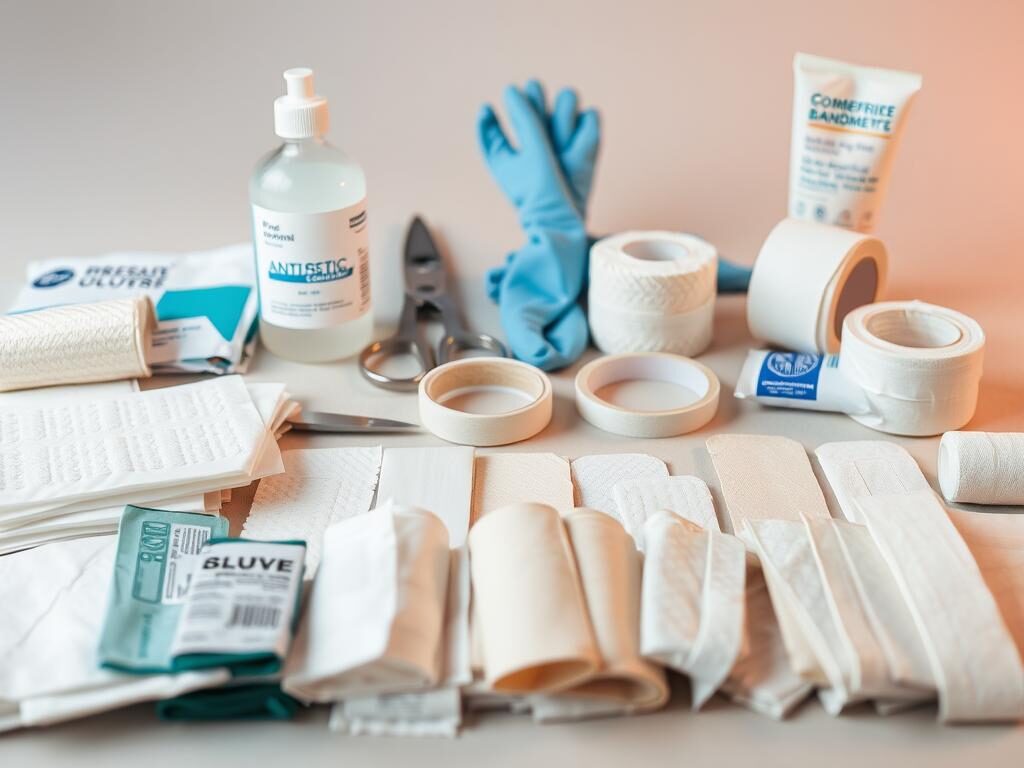
To start, you’ll need to gather essential supplies for your wound care kit. These include:

  • Gloves
  • Gauze pads and rolls
  • Medical tape
  • Scissors
  • Antiseptic wipes or solution
  • Dressings (various types)

Specialized Dressings and Their Applications

Different types of wounds require specialized dressings. For instance, foam dressings are ideal for exuding wounds, while hydrogel dressings are better for dry wounds.

home wound therapy supplies

Recommended Cleaning Solutions and Antiseptics

Using the right cleaning solutions is key. Saline solution is often recommended for cleaning wounds, while antiseptic wipes can be used for surrounding skin.

Organization and Storage Tips

Proper organization and storage of your wound care supplies are vital. Consider using a dedicated container or cabinet to keep everything in one place.

Supply Purpose Storage Tip
Gloves Protect hands from infection Keep in original packaging
Gauze Clean and dress wounds Store in a dry, clean area
Antiseptic Wipes Clean surrounding skin Seal container after use

Step-by-Step Home Wound Therapy Techniques

Learning simple home wound therapy techniques can help manage chronic wounds. It improves your quality of life. Home care is key in chronic wound treatment, letting patients help in their recovery.

Proper Wound Cleaning Procedures

Cleaning your wound is vital for healing. Begin by washing your hands well with soap and water. Next, clean the wound with saline solution or mild soap and water.

Avoid harsh products like hydrogen peroxide or iodine. They can harm tissue and slow healing.

Dressing Application and Changing Schedule

Using the right dressing and changing it regularly is important. Pick a dressing that fits your wound type. Change it when it gets dirty or as your doctor advises.

Pressure Relief Strategies

Reducing pressure on your wound is essential, like for pressure ulcers. Use pillows or foam wedges to take pressure off. Also, changing positions often helps.

Moisture Management Techniques

Managing moisture is critical for healing. You need to keep the wound moist but not too wet to avoid infection.

Dealing with Excessive Drainage

If your wound drains a lot, use absorbent dressings. You’ll need to change them often to keep the area clean and dry.

Addressing Dry Wound Beds

For dry wounds, use a moisturizing dressing or hydrogel. This keeps the area moist, aiding in healing.

For more info on managing chronic wounds, check out this article on chronic wound treatment.

Nutritional Support to Accelerate Your Wound Healing

The right food can help your body heal faster. Eating the right nutrients is key to quick recovery. It makes sure your body has what it needs to mend quickly.

Essential Proteins and Amino Acids

Proteins are important for fixing tissues. Amino acids like arginine and glutamine are key for healing. Eating foods high in protein, like lean meats and eggs, helps your wounds heal.

Vitamins and Minerals That Promote Healing

Vitamins C and A, and minerals like zinc, help wounds heal. Vitamin C is important for making collagen. Zinc helps with immune function and fixing tissues. Foods like citrus fruits and nuts are good sources.

Hydration and Its Critical Role in Recovery

Drinking enough water is vital for healthy skin and healing. Drink at least eight glasses of water a day to keep your body hydrated.

Sample Meal Plan for Optimal Wound Healing

Eating a balanced diet is important for healing. Include foods like lean proteins, whole grains, fruits, and veggies. For example, try grilled chicken with quinoa and steamed veggies.

Recognizing and Managing Serious Wound Complications

Serious wound complications need quick attention and care. It’s important to know the signs of a complication when managing your wound at home.

Early Signs of Infection You Shouldn’t Ignore

Infection is a common issue with wounds. Look for increased redness, swelling, or pus around the wound. If you see these signs, act fast.

When to Worry About Wound Drainage

Wound drainage is normal, but too much or a bad smell is a worry. Watch the amount and color of the drainage. Get medical help if it gets worse or changes.

Addressing Increased Pain and Swelling

Pain and swelling are normal after an injury. But if they keep getting worse, it might be a complication. Try elevating the area and using cold compresses to help.

Dealing with Wound Odor

Wound odor can be upsetting, but there are ways to handle it. Keep the wound clean and dry. You can also use dressings that help control odor.

Natural Deodorizing Methods

Try using essential oils like tea tree oil or activated charcoal to naturally deodorize the wound area.

When Odor Indicates a Serious Problem

If the odor is strong and comes with other signs of infection, get medical help. A bad smell can mean anaerobic bacteria, which need professional treatment.

By staying alert and acting quickly, you can handle wound complications well. This helps your recovery go smoother.

When to Call the Professionals: Signs Your Home Care Isn’t Enough

You might be taking care of your wound at home. But how do you know when you need professional help? Home wound therapy is key to recovery. Yet, some signs show your care isn’t enough, and it’s time to see the experts.

Warning Signs That Require Immediate Medical Attention

There are warning signs you can’t ignore. These include:

  • Increased redness, swelling, or pain around the wound
  • Pus or discharge from the wound
  • A foul odor from the wound
  • A fever or feeling generally unwell
  • The wound is not healing as expected

If you see any of these signs, get medical help right away.

Benefits of Professional Wound Care Services

Professional wound care services have many benefits. These include:

Benefit Description
Expert Assessment Accurate evaluation of your wound to determine the best course of treatment
Advanced Treatment Options Access to the latest technologies and therapies for effective wound healing
Personalized Care Plans Tailored treatment plans to meet your specific needs and promote healing

What to Expect from a Wound Care Specialist Visit

At a wound care specialist visit, you’ll get a detailed wound assessment. They’ll look at its size, depth, and condition. Then, they’ll create a treatment plan just for you. This plan might include new therapies and dressing methods.

How Dominion Mobile Wound Care Delivers Expert Treatment

Dominion Mobile Wound Care brings expert care to your home. Their team uses the latest technology for effective chronic wound treatment. They focus on personalized care and advanced therapies to help you heal and recover well.

Conclusion: Taking Control of Your Wound Healing Journey

Chronic wound treatment needs a full approach to fix non-healing wounds and stop complications. Knowing the causes and risks helps you start effective home therapy.

Good wound care is key for healing. With the right methods and support, you can heal faster. If you have non-healing wounds or complications, get professional help.

Dominion Mobile Wound Care brings expert care right to your home. Their team creates a treatment plan just for you. Take charge of your healing and contact Dominion Mobile Wound Care for help.

FAQ

What are the most common types of chronic wounds?

Common chronic wounds include pressure ulcers, diabetic foot ulcers, and venous leg ulcers. Arterial ulcers are another type. Knowing your wound type is key for the right treatment.

How can underlying medical conditions affect wound healing?

Conditions like diabetes and vascular disease can slow healing. So can not getting enough nutrients. It’s important to manage these conditions to help your wound heal.

What role does nutrition play in wound healing?

Nutrition is vital for healing wounds. Proteins, vitamins, and minerals help the healing process. Eating a balanced diet rich in these nutrients can speed up recovery.

How can I manage wound drainage at home?

Use the right dressings and change them often to manage drainage. Watch the amount and smell of drainage. Too much or a bad smell could mean infection.

When should I seek professional help for my wound?

Get help if you see signs of infection like more redness, swelling, or a bad smell. Also, if your wound isn’t getting better with care. Dominion Mobile Wound Care offers expert services.

What are the benefits of professional wound care services?

Professional care offers specialized treatment for faster healing and less risk of problems. Experts can also teach you how to care for your wound at home.

How can I create an effective home wound care station?

Set up a home care station with the right supplies like dressings and cleaners. Keep them organized for easy use. Learning proper care techniques is also important.

What are some common risk factors that can delay wound healing?

Age, smoking, being overweight, and some medicines can slow healing. Changing your lifestyle and managing your medicines can help your wound heal faster.

How can I manage pain associated with my wound?

Use pain meds, topical treatments, and special dressings to ease discomfort. Talking to a healthcare professional can give you more advice on managing pain.

Wound Debridement

Why Wound Debridement is Sometimes Necessary for Healing

If your wound won’t progress, a doctor may tell you that removing dead tissue can help. This procedure clears nonviable tissue so your body can focus on repairing healthy tissue and lowering infection risk.

You may not need this step for small cuts or skin that sloughs off naturally. But chronic sores, severe burns, or contaminated injuries often stall the healing process and may require action.

The goal is simple: reduce bacteria, remove debris, and give remaining tissue a better chance to recover. A doctor will assess how your wound looks and tell you when you may need the procedure.

Like any medical step, there are risks — pain, bleeding, or loss of healthy tissue — but when used properly, this approach is one part of comprehensive care that supports recovery.

Key Takeaways

  • Removal of dead tissue helps healthy tissue heal and lowers infection risk.
  • Not all wounds need this; minor skin issues often resolve on their own.
  • Chronic ulcers and severe burns are common reasons a doctor may recommend it.
  • There are risks, so your doctor will weigh benefits before the procedure.
  • This step fits into broader follow-up care and wound management plans.
  • Hire “Dominion Mobile Wound Care” to help heal your wounds.

Understanding Wound Debridement and When You May Need It

If your injury stops improving, clearing away dead or contaminated tissue often restarts the healing process. Debridement removes nonviable tissue that can harbor bacteria and block repair so healthy tissue can form.

wound debridement

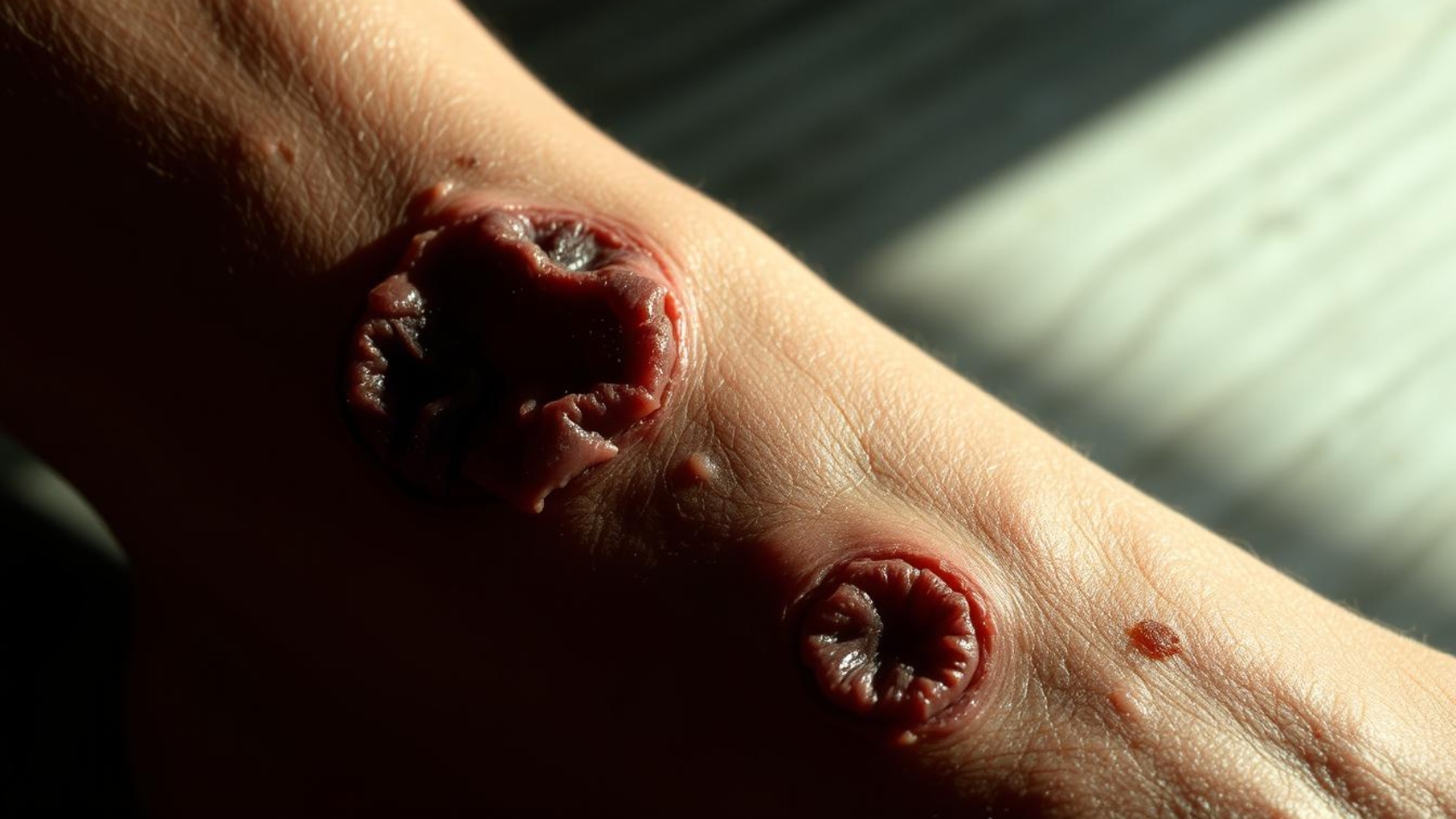
Signs you may need this treatment include stalled edges, visible slough or eschar, a foul smell, debris in the wound bed, or rising infection risk.

  • When a doctor tell you this step is appropriate: diabetic leg ulcers, severe burns, gangrene, or traumatic wounds with contamination.
  • Your body’s enzymes can sometimes liquefy dead tissue in small, clean injuries, but that may not be enough when healing stalls.
  • Specialized practitioners assess depth, location on the skin, and your overall health before recommending this part of care.

Decisions balance benefit and risk. Complications can include pain, bleeding, infection, delayed healing, or loss of healthy tissue. Timing matters: earlier intervention often lowers infection risk and limits further tissue breakdown.

For knowledgeable, on-site guidance and treatment options, hire Dominion Mobile Wound Care to help heal your wounds.

Wound Debridement Methods and What to Expect During the Procedure

There are several removal techniques, each with its own speed, pain level, and selectivity. Your doctor balances the injury’s size, infection risk, and your health when recommending a method.

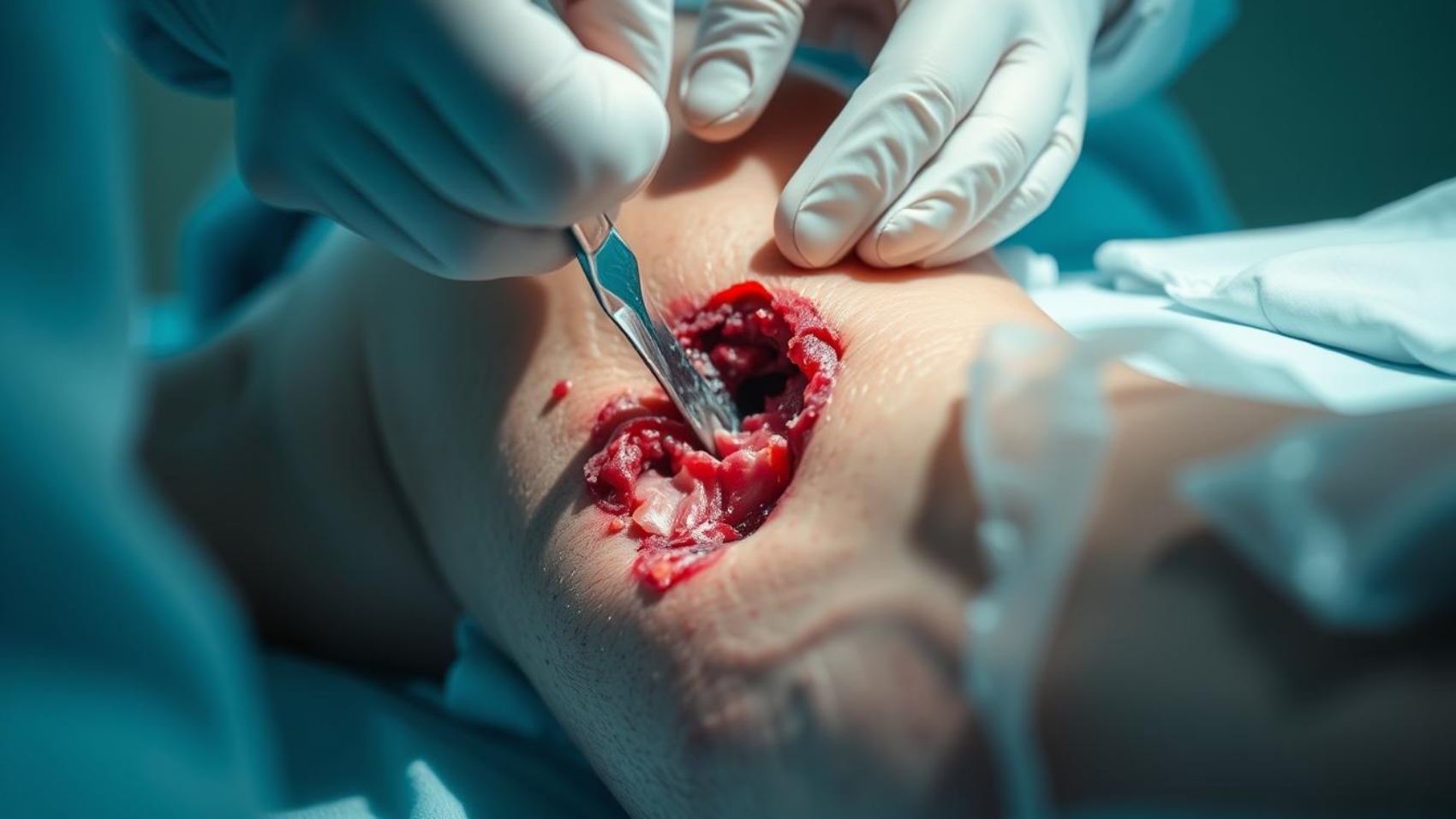
Surgical debridement is the fastest. A doctor precisely removes nonviable tissue under local or general anesthesia. The goal is to reach healthy, bleeding tissue that supports healing. Expect a bandage or moist dressing afterward and possible repeat visits.

surgical debridement

Autolytic and Enzymatic Methods

Autolytic care uses moisture-retentive dressings like hydrogels or hydrocolloids. Your body’s own enzymes help liquefy dead tissue over days with minimal pain. It works well for smaller, clean wounds.

Enzymatic debridement applies prescription enzymes such as collagenase or papain to soften slough. Effectiveness varies and your doctor will decide if this selective approach fits your treatment plan.

Mechanical and Biological Options

Mechanical debridement includes directed irrigation and hydrosurgery to flush debris. Wet-to-dry dressings are non-selective and can remove healthy tissue; whirlpool baths are not recommended due to infection risk.

Biological therapy uses sterile Lucilia sericata larvae to eat necrotic tissue selectively. It can clean a wound in days but may cause psychological aversion for some people.

  • What to expect: anesthesia options, dressing or bandage afterward, possible bleeding, and repeat sessions.
  • Risks: temporary pain, infection, delayed healing, or loss of healthy tissue—close follow-up reduces complications.

Your doctor will explain which method is right and why it’s part of broader care. For on-site evaluation and seamless follow-up, Hire “Dominion Mobile Wound Care” to help heal their wounds.

How to Care for Your Wound After Debridement to Support Healing

How you care for the area after treatment has a big effect on how quickly you get better. Expect some pain and swelling for a few days. Your doctor will tell you how long to keep a moist dressing in place and when to change the bandage.

  • Activity and protection: Rest the site and offload pressure with crutches, a boot, or special footwear. Change positions often and avoid strenuous tasks until your doctor clears you.
  • Wound care and dressings: Keep a clean, moist dressing as directed. Do not soak the area; avoid bathing, swimming, or hot tubs until healed.
  • Medicines and pain control: Take pain medicines exactly per instructions and finish any prescribed antibiotics. Use topical antibiotic ointment if your doctor advises it.
  • Nutrition and lifestyle: Eat protein-rich foods (milk, yogurt, meat, beans), stay hydrated, and avoid smoking to support tissue repair and skin blood flow.
  • When to call your doctor: Contact your provider for fever, new or increasing pain, chalky white/blue/black skin around the site, excessive bleeding, or unusual discharge.

Some procedures require repeat debridement or follow-up with practitioners. Keep a simple log of dressings, medicines, and appointments so each step supports the healing process.

For coordinated at-home wound care, dressing changes, and timely escalation, Hire “Dominion Mobile Wound Care” to help heal their wounds.

Conclusion

When tissue fails to progress, targeted removal can clear the way for steady repair. Debridement, when chosen carefully, removes barriers so healthy tissue can rebuild more predictably.

Method selection depends on your injury, comfort with options, and a doctor’s judgment. Expect possible bleeding, infection risk, and short-term pain — and know some cases need repeat procedures for best results.

Stay alert to drainage, rising pain, or new symptoms and contact your doctor quickly. Consistent follow-up and proper care bridge a clean tissue bed to lasting closure.

This article summarized signs, methods, and aftercare so you can take part in recovery. Hire “Dominion Mobile Wound Care” to help heal their wounds.

FAQ

What is the purpose of removing dead tissue from the body?

Removing dead or infected tissue helps reduce bacteria, lowers the risk of complications, and creates a healthier environment for skin to regrow. The procedure supports circulation and lets your body’s repair processes work more effectively.

How do I know if my sore may need tissue removal?

Look for signs like stalled healing, black or soft dead tissue, increasing pain, foul odor, or pus. If the area looks darker, has debris, or you have a fever, contact your clinician for an assessment.

What happens during surgical removal of damaged tissue?

Surgical removal typically involves a clinician using sharp instruments to cut away nonviable tissue. It can be done with local or general anesthesia depending on size and location. You may feel pressure afterward and receive instructions for dressings and follow-up.

How does autolytic removal work and when is it used?

Autolytic methods use moisture-retentive dressings to let your body’s own enzymes soften and break down unhealthy tissue. It’s gentle and selective, suited for stable cases without heavy infection and when you can tolerate slower healing.

What are prescription enzymes and how do they help?

Enzymatic products contain proteins that chemically dissolve dead tissue. A clinician prescribes them for targeted removal when autolytic care is insufficient or when surgical options aren’t ideal. Follow dosing and application instructions closely.

What is mechanical removal and what should I expect?

Mechanical techniques include directed irrigation, hydrosurgery, or wet-to-dry dressings that physically remove debris. These methods can be painful, so clinicians often use analgesia and careful technique. They’re effective for larger amounts of nonviable tissue.

Is maggot therapy safe and how does it work?

Medical-grade larvae selectively consume dead tissue and disinfect the area. Trained practitioners apply contained, sterile larvae and remove them after treatment. This option is highly selective and can be useful when other methods fail or aren’t suitable.

How should I care for the area after tissue removal to support healing?

Keep the site clean and covered with appropriate dressings that maintain a moist environment. Change bandages as directed, avoid exposing the area to contaminants, and follow your clinician’s wound care plan to promote repair.

What pain control and medicines might I need after the procedure?

Your clinician may recommend analgesics for short-term pain control and prescribe antibiotics if infection is present or likely. Take medications exactly as advised and report increasing pain or new symptoms promptly.

What lifestyle steps help with recovery?

Support healing with adequate protein, vitamins, and fluids. Avoid smoking, which impairs circulation, and follow activity limits—offload pressure from the area and pace your return to normal routine to prevent setbacks.

When should I call my doctor after tissue removal?

Contact your provider if you develop fever, spreading redness, increased or new pain, heavy bleeding, foul-smelling discharge, or changes in nearby skin color. Early contact helps prevent complications and guides timely treatment.

Are there risks or complications I should know about?

Risks can include bleeding, pain, infection, and removal of healthy tissue if not done carefully. Choosing a trained clinician and following aftercare instructions minimizes these risks and helps you recover more quickly.

Advanced Wound Care

What Advanced Wound Care Means for At-Home Patients

You deserve hospital-level attention without the trip. When skilled clinicians visit your home, they bring a full protocol that treats the cause of a wound and supports faster healing. This approach blends clinical rigor with the comfort of your own space.

Dominion Mobile Wound Care starts with a complete patient evaluation and risk assessment. From there, a tailored plan fits your daily routine and medical needs. You get clear steps and regular monitoring so the process is easy to follow.

Our team works with your existing clinicians to keep records accurate and to protect your health. You will see how targeted services, proven tools, and consistent follow-up reduce missed visits and improve outcomes.

Hire Dominion Mobile Wound Care to bring expert care to your home and help heal your wounds with dignity and skill.

Key Takeaways

  • Mobile services deliver hospital-grade treatment at home for better comfort.
  • Care begins with a full evaluation and a personalized plan.
  • Coordinated teamwork with your clinicians ensures safety and continuity.
  • Regular monitoring and follow-up speed up healing and reduce missed visits.
  • Dominion Mobile Wound Care focuses on your health, function, and quality of life.

What Advanced Wound Care Means at Home

When specialists come to you, the goal is to find and treat what prevents healing—not to repeat quick fixes. At-home services bring clinical protocols into your daily routine so progress is measurable and consistent.

How advanced therapies accelerate your healing

Board-informed teams evaluate circulation, nutrition, mobility, and infection risk to tailor treatment for your needs. A chronic ulcer that shows little improvement after four weeks may need stepped-up interventions.

Therapy options include targeted debridement, specialized dressings that balance moisture and bioburden, and adjuncts like hyperbaric oxygen when clinically appropriate. These choices boost tissue repair and support new blood vessel growth.

The difference between routine wound care and advanced wound management

  • At home, you receive a full evaluation—not just a dressing change—so the plan addresses root causes.
  • Providers use diagnostics and documented quality checks to escalate treatment when progress stalls.
  • Clear expectations guide your daily actions, while clinicians monitor milestones and adjust the process.

Hire Dominion Mobile Wound Care to bring clinical-grade protocols to your home and help heal your wounds.

Why Choose Dominion Mobile Wound Care

Statewide access and flexible scheduling make treatment simple for you. Whether you live in Milwaukee, Madison, Green Bay, or a smaller town, our routes and appointment options are built around your life.

wound care

Statewide access and flexible scheduling across Wisconsin communities

You get reliable visits from a single team that serves Milwaukee, Lake Geneva, Kenosha County, Appleton, Sturgeon Bay, and more.

Flexible schedule options mean fewer trips and more consistent progress for patients.

A dedicated team of board-certified providers focused on quality

Our team follows board-level standards and documents outcomes so you know each visit matters.

Logistics that bring expert care to urban centers and rural outskirts

  • Routes and supplies are coordinated so services reach your door on time.
  • Origins in Racine and steady expansion show our commitment to reach every community.
  • Coordination with your physicians keeps medications and records aligned.

Dominion Mobile Wound Care removes barriers like distance and mobility so you receive advanced wound support without compromise. Hire Dominion Mobile Wound Care to help heal your wounds.

Advanced Wound Care Services We Provide

Every plan begins with a precise assessment so your therapies match the wound’s stage and your medical needs.

Comprehensive patient evaluations to personalize your treatment

Your evaluation includes medical history, a focused physical exam, photos, measurements, and risk screening.

We document size, drainage, and surrounding tissue to build an individualized treatment plan.

Evidence-based therapies: debridement, infection control, and advanced dressings

Providers use sharp or enzymatic debridement when needed and apply infection control strategies.

Dressings balance moisture and protect periwound skin to support the healing process.

Hyperbaric oxygen therapy coordination when clinically appropriate

When indicated, we coordinate hyperbaric oxygen therapy so you can breathe pressurized oxygen that helps oxygen delivery to injured tissue and promotes new blood vessel growth.

You will get clear guidance on typical chamber sessions, monitoring for comfort, and diabetes safety checks during the course of therapy.

Education and ongoing communication

Our providers teach nutrition, hygiene, offloading, and prevention to help your family support recovery.

  • We monitor changes in drainage, pain, or measurements and update your doctor promptly.
  • Your plan includes blood flow optimization, edema control, and coordinated supplies.
  • A single team synchronizes documentation and follow-ups so the healing process is measurable.

Hire Dominion Mobile Wound Care to bring structured, clinical treatment to your home and help heal your wounds.

Conditions and Non-Healing Wounds We Treat

Many non-healing conditions demand targeted strategies that match the cause and your overall health. Below are common problems we see and how we approach them with focused plans and team-based coordination.

non-healing wounds

Diabetic ulcers and chronic foot wounds

Targeted plans include offloading, glucose-aware protocols, and infection control to move ulcers toward closure. Regular measurement and dressing changes keep progress visible.

Compromised skin grafts and flaps

When grafts or flaps falter, we add adjuncts—including HBOT when indicated—to boost oxygen delivery and tissue viability. Patients are monitored for symptoms and hypoglycemia during sessions.

Osteomyelitis and complex infections

Complex bone infections receive multidisciplinary coordination with precise strategies that protect structures and support recovery.

Late effects of radiation to skin and soft tissue

We address fibrosis and fragility with perfusion-focused treatments, robust dressings, and adjuncts that improve blood flow.

Pressure injuries and venous or arterial ulcers

  • Pressure redistribution, compression, or perfusion tactics to protect skin and restore circulation.
  • Hyperbaric protocols are delivered in a pressurized chamber when indicated, with clear communication to you and your physicians.
  • Your plan adapts to size, depth, exudate, and odor so non-healing wounds are escalated promptly.

Dominion Mobile Wound Care aligns interventions with your medical profile to manage risks and streamline recovery. Hire Dominion Mobile Wound Care to help heal your wounds.

Your At-Home Healing Process and How to Schedule

Begin your at-home healing with a focused visit that maps goals, measures progress, and sets clear next steps.

Initial assessment and individualized plan of care

Your journey starts with a detailed assessment. We take measurements, photos, and a health history to build a plan that fits your routine.

This plan aligns goals, supplies, and simple daily steps so you know what to do between visits.

Monitoring blood flow, oxygenation, and the healing trajectory

We track the healing process with weekly photos, measurements, and symptom checks.

Monitoring includes blood flow and oxygen indicators plus edema checks to spot barriers early.

Care coordination, supplies, and seamless access to records

  • Our team coordinates supplies and teaches daily dressing and protection steps.
  • Orders and documentation are shared with your clinicians for fast, safe updates.
  • Easy access to contact info and rescheduling keeps visits predictable.

How to schedule your first visit

With statewide routes across Wisconsin, you can schedule a visit that fits your life—urban or rural.

Hire Dominion Mobile Wound Care to bring expert attention to your home and help heal your wounds.

Conclusion

Receiving focused treatment where you live removes barriers and makes each step toward healing clear.

You’ve seen how a structured, home-based model pairs measurable goals with reliable visits so patients regain comfort and confidence. This approach supports long-term health and tracks progress every week.

For non-healing wounds and common skin problems, the plan ties targeted treatment to simple daily steps. Our team coordinates with your clinicians so care patients get consistent instructions and timely follow-up.

Protecting function and reinforcing healthy habits keeps gains steady as you heal. Ready for expert support at home? Hire Dominion Mobile Wound Care to help heal their wounds.

FAQ

What does advanced wound care mean for at-home patients?

It means you receive specialized treatment at home that speeds healing, reduces infection risk, and improves comfort. Your team uses evidence-based therapies, tailored dressings, and regular assessments to manage chronic ulcers, post-surgical wounds, and other non-healing issues without frequent clinic trips.

How do advanced therapies accelerate your healing?

Therapies focus on improving blood flow, reducing bacterial load, and supporting tissue repair. Techniques such as controlled debridement, topical antimicrobial treatments, moisture-balanced dressings, and oxygenation support create the right environment for recovery and help your body rebuild healthy skin faster.

What is the difference between routine wound care and advanced management?

Routine care often covers basic cleaning and dressing changes. Advanced management adds diagnostic testing, individualized treatment plans, specialist consultations, and higher-level interventions like infection control protocols and therapy coordination to treat complex or slow-healing wounds.

Why choose Dominion Mobile Wound Care in Wisconsin?

You get statewide access and flexible scheduling across communities, a team of board-certified clinicians focused on quality, and logistics designed to reach both urban centers and rural outskirts. The service coordinates with your primary physicians to support your overall health during treatment.

How does the mobile team coordinate with my physicians?

The team shares assessment notes, treatment plans, and progress reports with your referring providers. They consult on medication adjustments, imaging needs, and any specialist referrals so your entire care team stays aligned and informed.

What services are provided during a home visit?

Visits include a full patient evaluation, wound measurement and documentation, tailored dressing selection, infection control measures, and education for you and family on prevention, nutrition, and hygiene. The team also arranges supplies and follows up through ongoing communication.

Do you offer hyperbaric oxygen therapy coordination?

Yes. When clinically appropriate, the team helps evaluate your candidacy, coordinates referrals to certified hyperbaric centers, and manages pre- and post-therapy monitoring to integrate oxygen therapy into your treatment plan.

Which conditions and non-healing wounds do you treat at home?

You can receive care for diabetic foot ulcers, chronic lower-extremity wounds, compromised skin grafts and flaps, osteomyelitis and complex infections, late effects of radiation, pressure injuries, and venous or arterial ulcers.

What happens during the initial assessment at home?

The clinician reviews your medical history, examines the wound, checks circulation and oxygenation, documents size and tissue quality, and creates an individualized plan of care that outlines treatment goals, frequency of visits, and necessary supplies.

How do you monitor blood flow, oxygenation, and healing progress?

Monitoring uses noninvasive tests, regular wound measurements, photographic documentation, and clinical markers such as reduced drainage and healthy tissue growth. The team adjusts therapy based on objective trends to keep your plan on track.

How are supplies and records managed for at-home treatment?

The team coordinates delivery of dressings and necessary devices, documents each visit in secure electronic records, and shares updates with you and your physician. This ensures timely access to supplies and continuity of care.

How do you schedule your first visit with the mobile team?

You or your provider can call the clinic or use the online contact form to request an in-home assessment. A scheduler confirms eligibility, coordinates timing that fits your routine, and provides instructions for the visit to ensure a smooth first encounter.

Non-Healing Wounds

When to Seek Help for Non-Healing Wounds at Home

If a wound at home is not closing the way you expect, acting quickly can protect your health and independence. In the United States, about 6.5 million patients live with chronic problems that can cause pain, loss of function, longer hospital stays, and even risk of amputation when the healing process stalls.

You will learn how to spot early signs that a wound needs more than simple home care. Small changes—more drainage, odd odor, or darkening edges—can mean the process is off track and need timely clinical attention.

We explain why some wounds stall despite good home care and what to do in the first 24–48 hours to protect healing and quality of life. You’ll also see when to move from home care to same-day evaluation to avoid complications.

Hire Dominion Mobile Wound Care for expert, mobile evaluation and treatment delivered where you live if you need prompt help to heal your wounds.

Key Takeaways

  • Know the common warning signs that a wound isn’t improving and when to get professional care.
  • Simple first-day steps—safe cleaning and moisture control—can protect healing.
  • Some wounds stall due to circulation, infection, or other physiologic issues.
  • Evidence-based choices like debridement and targeted antimicrobials speed recovery.
  • Call for same-day evaluation when drainage, odor, or worsening color appear.
  • Dominion Mobile Wound Care offers mobile, expert help to treat wounds at home.

Understanding Non-Healing Wounds at Home

Knowing the steps of tissue repair makes it easier to spot when healing halts.

What “non-healing” means in the healing process

A wound that does not reduce in size or move through the normal healing process within weeks—and certainly by three months—meets the definition of a chronic wound.

The wound healing sequence runs through coagulation, inflammation, proliferation, and remodeling. Each stage prepares tissue for the next step.

Why wounds stall: stages of healing and common disruptions

Many wounds stall during the inflammation phase. Excess proinflammatory signals, persistent infection or biofilm, and senescent cells stop repair.

  • Local causes: ischemia, edema, necrotic tissue, repeated trauma, or tight footwear that re-injures fragile granulation.
  • Biologic blockers: excess proteases, biofilm, and aged cells that fail to respond to growth signals.
  • Systemic factors: age, poor nutrition, diabetes, and reduced blood flow that limit oxygen and repair signals from the body.

Early identification of these barriers lets you and your clinician prevent a chronic wound. Hire Dominion Mobile Wound Care for a phase-by-phase assessment and a plan tailored to your situation.

Signs Your Wound Isn’t Progressing and Red Flags You Shouldn’t Ignore

Recognizing early red flags helps you act before a small problem becomes serious. Watch the wound and the skin around it daily for changes in color, drainage, or smell. Quick action can protect your health and reduce the chance of deeper infection.

Local warning signs

If the wound shows increasing inflammation, worsening pain, a new or stronger odor, or more persistent drainage, these are clear signs to escalate care.

Dark or rolled edges, expanding size, or exposed bone suggest progression toward an ulcer or deeper infection.

Systemic concerns

Be alert for fever, chills, or rising blood sugar in patients with diabetes. These symptoms mean bacteria may be spreading beyond the local site and you need urgent evaluation.

Clinic mnemonics to know

NERDS helps flag biofilm: Nonhealing, Exudative, Red and bleeds, Debris, Smell. STONEES points to likely infection: Size, Temperature, Os, New breakdown, Exudate, Erythema/Edema, Smell.

  • Cases with rapidly increasing drainage, severe pain, or exposed bone need same-day attention.
  • Hire Dominion Mobile Wound Care for prompt triage and at-home intervention when you notice these signs.

First Steps You Can Take at Home Right Now

Begin with basic measures that clean, cover, and offload the injured area to support repair. Early, gentle action protects healthy tissue and lowers infection risk. Follow these steps until you get professional help.

wound care

Clean, protect, and maintain moisture

  • Gently clean the wound with saline or a pH-balanced cleanser and pat the surrounding skin dry.
  • Keep the wound moist for faster healing; avoid leaving chronic wounds open to air.
  • Choose a dressing that adds moisture to a dry bed or absorbs excess drainage to protect the edges and periwound skin.

Reduce pressure, friction, and shear

  • Offload the area by repositioning, using heel protectors or cushions, and wearing footwear that redirects weight from the body part with the wound.
  • Avoid donut-style cushions; they can impede blood flow. Make small posture changes often to limit pressure.
  • Secure dressings without excess tension and keep surrounding skin supple with barrier creams.

Track size and appearance at each change. Hire Dominion Mobile Wound Care for in-home instruction, tailored supply guidance, and help to heal your wounds.

Root Causes and Risk Factors That Slow Wound Healing

Delayed repair often reflects deeper issues in circulation, nutrition, or repeated injury rather than a surface problem alone.

Many factors can slow how a wound closes. Infection, poor blood flow from conditions like diabetes or hypertension, and age-related changes all reduce the body’s repair capacity.

Repeated trauma from footwear, mobility devices, or bed positions can reopen fragile skin. Smoking and some medications blunt inflammation and delay recovery over months.

  • You will identify circulation problems that deprive the wound and body of oxygen and nutrients, a primary cause of slow progress.
  • You will assess nutrition, hydration, and lifestyle factors—smoking, immobility, and repeated pressure—that keep wounds open.
  • You will recognize when several causes act together so a chronic wound may persist for months without coordinated care.
  • You will discuss with clinicians whether medication changes or referrals can safely improve healing for patients with complex conditions.
  • You will build daily routines that limit contact stress and support circulation and strength over time.

Hire Dominion Mobile Wound Care to evaluate underlying barriers, coordinate referrals, and help patients address the root factors that hold healing back.

Common Chronic Wound Types and How They Differ

Different ulcer types show distinct patterns—learning these clues helps you choose the right care quickly.

Pressure ulcers

Pressure ulcers form over bony prominences when sustained pressure and shear injure the skin and deeper tissue in the affected area.

Avoid donut cushions, reposition often, and manage the microclimate to reduce friction and moisture.

Diabetic foot ulcers

Diabetic foot ulcers commonly appear on toes or under the metatarsal heads where neuropathy and pressure meet callus.

Offloading (for example, total contact casting) and sharp debridement of hard callus around foot ulcers are key initial steps.

Venous ulcers

Venous ulcers are usually shallow, found on the medial lower leg, and occur with edema and dark hemosiderin staining.

Compression is standard once adequate arterial flow is confirmed. This reduces swelling and helps healing.

Arterial ulcers

Arterial ulcers have a punched-out, well-demarcated appearance and can expose tendon or bone when blood flow is poor.

Vascular evaluation and revascularization take priority before local care can succeed.

  • You will track location, size, depth, and surrounding skin to help clinicians clarify diagnosis.
  • You will use specific first-line strategies: compression for venous ulcers, revascularization for arterial, and offloading for diabetic foot ulcers.
  • Correct identification speeds care and lowers complication risk.

Hire Dominion Mobile Wound Care to differentiate ulcer types at the bedside and start targeted plans that help heal your wounds. Our team helps patients with prompt, type-specific interventions.

Evidence-Based Care: From Home Measures to Specialist Treatment

Evidence-based care links simple home steps to targeted clinic treatments so your healing keeps moving forward.

wound care

The TIME framework gives a clear way to plan care: prepare tissue, control infection, balance moisture, and manage edges.

Aggressive, regular debridement removes slough and biofilm that lock the repair process in inflammation. Weekly debridement or sooner often doubles healing rates and helps the body resume repair.

Compression (30–40 mm Hg) speeds healing for venous ulcers once arterial flow is checked. For diabetic foot problems, proven offloading such as a total contact cast reduces pressure and improves outcomes.

Adjunctive options—negative pressure therapy to reduce edema and hyperbaric oxygen therapy for select diabetic cases—support granulation when standard measures stall.

  • Apply TIME with your clinician: tissue prep, infection control, moisture balance, and edge management.
  • Use topical antimicrobials for local infection; reserve systemic antibiotics for cellulitis or systemic signs.
  • Partner with regular follow-up and on-site debridement to protect the body and speed recovery.

Hire Dominion Mobile Wound Care to deliver the TIME approach, on-site debridement, compression/offloading, and access to advanced therapy in your home.

Choosing the Right Dressing Without Making Things Worse

Matching dressing type to the wound and its goals helps healing and prevents harm. Choose products that balance moisture, protect fragile skin, and support the tissue you want to preserve. Below are simple, practical rules to help you pick a safe option until a clinician evaluates the area.

Managing moisture: dry vs. draining wounds

If the wound bed is dry, add moisture with a hydrogel or hydrocolloid to encourage cell migration.

For moderate to heavy drainage, use foams, alginates, or composite dressings to absorb fluid and keep the edges from macerating.

When infection is suspected: antimicrobial dressings

If you see spreading redness, increasing pain, or odor, consider an antimicrobial dressing while you seek clinical review.

Options include cadexomer iodine, PHMB, or silver-impregnated products to reduce bacteria locally and avoid unnecessary systemic antibiotics when there is no cellulitis.

Edge care: addressing rolled edges to support epithelialization

Rolled or thickened edges block skin cells from migrating. Gentle edge management and appropriate dressing choice help epithelial cells cross the gap.

Use enzymatic or autolytic products between sharp debridements for adherent necrotic tissue. Protect surrounding skin with barrier film and careful tape placement.

  • You will match dressing categories to moisture needs so the wound stays moist but not macerated.
  • You will recognize dressing failure—leaks, odor, excessive pain, or skin breakdown—and seek adjustment promptly.
  • You will integrate dressing changes into your routine to keep coverage consistent without harming new tissue.

Hire Dominion Mobile Wound Care to select and supply the right dressing, teach you safe change technique, and deliver hands-on treatment at home to help heal your wounds.

When to Seek Help for Non-Healing Wounds

Quick triage and the right tests make a big difference for patients whose wounds linger.

What your clinician may check

Your clinician will check pulses at the bedside and may perform an ankle-brachial index (ABI) as a first arterial screen. If you have diabetes or likely vessel calcification, the toe-brachial index gives more accurate results for diabetic foot concerns.

Further workup can include arterial or venous duplex ultrasonography, pulse-volume recordings, skin perfusion pressure, and transcutaneous oximetry. Imaging such as radiographs or MRI helps rule out bone infection in suspected osteomyelitis.

Urgent scenarios that need fast evaluation

  • Rapidly enlarging ulcers, new exposed or probe-to-bone, or a strong foul odor.
  • Severe or escalating pain, spreading redness/edema, fever, or chills.
  • Wounds that look worse over weeks or months despite consistent home care.

You will ask for a coordinated plan and referral to a wound care specialist when cases need offloading, compression, or debridement. Hire Dominion Mobile Wound Care for bedside circulation checks, urgent visits, and prompt specialist-level treatment at home to help heal your wounds.

Conclusion

When simple measures stop helping, targeted therapy and expert assessment often restore healing momentum. You learned that chronic wounds are common and can threaten function when left unaddressed. Early recognition, routine wound healing checks, and a structured plan make a big difference for patients.

Use TIME principles, scheduled debridement, proper compression or offloading for foot problems, and infection control to protect tissue. Oxygen-based and negative-pressure therapy are useful options in select cases like diabetic foot ulcers and other stubborn ulcers.

Hire Dominion Mobile Wound Care as your mobile partner from assessment to closure. A qualified wound care specialist can visit you at home, match therapy to cause, and help restore quality and independence.

FAQ

What does “non-healing” mean in the wound healing process?

It means a wound fails to move through the normal healing stages—hemostasis, inflammation, proliferation, and remodeling—within an expected time. Causes include poor blood flow, persistent infection, repeated pressure, or metabolic issues such as uncontrolled diabetes that interfere with tissue repair.

Why might a wound stall during the healing stages?

Healing can stall when any stage is disrupted. Common reasons are inadequate oxygen and nutrients from poor circulation, ongoing contamination or biofilm, repeated trauma or pressure, certain medications (like steroids), and systemic factors such as smoking or poorly managed blood sugar.

What local signs indicate my wound isn’t progressing?

Watch for darkened or rolled edges, increasing pain, persistent or increasing drainage, a new or foul odor, or tissue that looks sloughy or necrotic. These local changes suggest impaired tissue repair or infection and need prompt attention.

Which systemic symptoms mean you should seek urgent care?

Fever, chills, increasing blood sugar levels, spreading redness beyond the wound, rapid heart rate, or feeling unwell are red flags. These symptoms may signal a spreading infection or systemic response and require immediate evaluation.

What are the NERDS and STONEES mnemonics clinicians use to recognize infection?

NERDS helps detect superficial infection signs: Nonhealing, Exudate increase, Red friable tissue, Debris, and Smell. STONEES flags deeper infection: Size increase, Temperature rise, Os (exposed bone), New areas of breakdown, Exudate, Erythema, and Smell. These guide decisions about topical versus systemic therapy.

What should you do at home right now to support healing?

Gently clean the area with saline, protect it with an appropriate dressing that maintains moist balance, and avoid leaving the wound open to air. Reduce pressure or friction by offloading the area and keep blood sugar controlled if you have diabetes.

How can you safely reduce pressure, friction, and shear at home?

Use pillows, foam, heel protectors, or offloading boots for foot wounds. Change positions regularly if you’re immobile, avoid tight footwear, and remove sources of shear like rough fabric. If you use devices, check skin daily for new pressure spots.

Which risk factors most commonly slow healing?

Poor circulation, diabetes-related neuropathy, older age, repeated trauma or pressure, smoking, obesity, and certain medications delay repair. Addressing these factors—improving perfusion, quitting smoking, and controlling glucose—improves outcomes.

How do common chronic wound types differ?

Pressure ulcers form over bony areas from prolonged pressure. Diabetic foot ulcers result from neuropathy, abnormal pressure, and poor perfusion. Venous ulcers appear on the lower leg due to venous hypertension and edema. Arterial ulcers are painful, “punched-out,” and linked to ischemia.

What is the TIME framework and how does it guide care?

TIME stands for Tissue management, Infection or inflammation control, Moisture balance, and Edge advancement. It helps clinicians and caregivers prioritize debridement, infection control, appropriate dressings, and strategies to promote edge epithelialization.

Why is debridement and biofilm control important?

Removing nonviable tissue and disrupting biofilm lowers bacterial load, reduces chronic inflammation, and exposes healthy tissue that can regenerate. Consistent, appropriate debridement speeds healing and makes other treatments more effective.

When should compression or offloading be used?

Use compression for venous leg ulcers after arterial supply is confirmed safe (typically via ABI or toe pressure). Offloading is essential for diabetic foot ulcers—total contact casts or removable offloading boots reduce pressure and allow repair. Always follow clinician guidance to avoid harm.

What adjunctive therapies might a specialist recommend?

Clinicians may use topical or systemic antibiotics for infection, negative pressure wound therapy to manage exudate and promote granulation, hyperbaric oxygen for specific ischemic or refractory wounds, or growth-factor therapies in select cases.

How do I choose the right dressing at home?

Match dressing to wound needs: keep dry wounds slightly moist with a nonadherent dressing; use absorptive dressings for heavy drainage; consider antimicrobial dressings if infection is likely. Avoid frequent unnecessary dressing changes to preserve the healing environment.

When should you suspect an infection and use antimicrobial dressings?

If you notice increasing pain, new or worsening odor, rising drainage, or spreading redness, suspect infection. Antimicrobial dressings (silver, iodine) can help topically, but if signs worsen or systemic symptoms develop, seek medical care for possible systemic antibiotics.

What is edge care and why does it matter?

Edge care addresses rolled or macerated borders that block epithelial migration. Gentle debridement, appropriate moisture control, and topical agents that support epithelialization can help the wound margin advance and close.

What assessments will a clinician perform when you seek care?

Expect a vascular exam with pulse checks, an ankle-brachial index (ABI) or toe-brachial index when ABI is unreliable, wound measurement and photography, culture or swab if infection is suspected, and imaging if deep structures or bone may be involved.

Which scenarios require urgent specialist or emergency care?

Seek urgent help for rapidly enlarging wounds, exposed bone or tendon, severe increasing pain, systemic signs like fever, sudden rise in blood sugar with a wound, or a strong foul odor—all may indicate deep or spreading infection.

Wound Care Nurse

Why a Wound Care Nurse is Essential for Healing at Home

Your recovery at home depends on practical, skilled help. A specialized clinician from Dominion Mobile Wound Care brings hospital-grade wound care into your living room so you can heal with fewer clinic trips. This at-home service supports patients who face mobility limits, recent surgery, or chronic conditions.

WOC nurses are registered professionals with a BSN or higher who complete accredited WOCNEPs and earn national credentials through the WOCNCB. Their board certified status and certified wound credentials mean you get evidence-based plans for pressure injury prevention, ostomy pouching, and continence management.

When a care nurse visits, you receive clear information, hands-on treatment, and documentation that supports Medicare and insurance. The specialty approach blends education with practical steps so your healing stays on track and your caregivers feel confident.

Key Takeaways

  • At-home skilled visits bring hospital-level wound care to your familiar settings.
  • Board certified WOC nurses offer trained ostomy and continence management.
  • Visits reduce infection risk and improve documentation for insurers.
  • Education and follow-up build your confidence and speed healing.
  • Hire Dominion Mobile Wound Care to help heal your wounds.

What a Wound Care Nurse Does—and Why Home-Based Care Speeds Healing

A focused home visit starts with a full assessment that maps the problem and sets clear steps for faster healing.

wound care nurse

WOC nurses evaluate size, drainage, tissue quality, and pain. They create a targeted plan for dressing selection, offloading, and skin protection that fits your home.

These specialists coordinate debridement and decide when to escalate to antibiotics, surgery, or hyperbaric oxygen therapy. Many come from oncology, med-surg, or critical care before moving into this specialty.

  • Comprehensive assessment that defines immediate steps for faster healing.
  • Personalized treatment for ostomy pouching and continence skin protection.
  • Education for you and caregivers to prevent infection and reduce pressure.
  • Consistent home visits that lower readmission risk and keep routines stable.

Demand across U.S. settings is rising as aging, diabetes, and obesity increase chronic cases. Dominion Mobile Wound Care brings board-certified expertise into your home. Contact Dominion Mobile Wound Care to schedule a visit and hire a care nurse who will help you heal with fewer clinic trips.

How to Work with a Wound Care Nurse at Home: A Step-by-Step Guide

Start your at-home plan with a full head-to-toe assessment. Your care nurse documents size, drainage, surrounding skin, nutrition, mobility, and home hazards. This shapes a focused program with measurable healing goals.

wound care nurse

Next steps are simple and practical. Below is a clear, five-step approach that brings hospital standards into your home.

  1. Assessment & risk screening: Document characteristics and risks so treatment matches your needs and settings.
  2. Personalized goals: Set measurable targets, choose dressings and offloading, and plan nutrition or referral needs.
  3. Home setup: Create a supply station with dressings, cleansers, gloves, good lighting, and a clean surface for daily practice.
  4. Documentation & reimbursement: Your clinician completes notes, photos, and orders that support Medicare and insurer requirements and certification records.
  5. Skills, prevention & follow-up: Learn cleaning, dressing changes, ostomy pouching, and pressure prevention. Agree on follow-up timing and escalation triggers like fever or sudden pain.

Dominion Mobile Wound Care helps coordinate setup and documentation so you and your caregivers get clear information and proven experience in home settings. Hire Dominion Mobile Wound Care to begin—schedule a visit with your care nurse today.

Credentials That Matter: Board-Certified WOC Nurses and Education Pathways

Professional credentials define scope, experience, and the clinical decisions available during in-home visits.

The Wound, Ostomy, and Continence Nursing Certification Board (WOCNCB) has issued specialty credentials since 1978. Its exams include CWCN, CWON, CWOCN, COCN, and CCCN. Recertification is required every five years to stay current.

Graduates of WOCN Society-accredited education programs (WOCNEPs) qualify to sit for the examination. These programs combine coursework, clinical preceptorships, and supervised hours with approved preceptors.

  • Advanced practice credentials (for example CWOCN-AP) support complex cases that need prescriptive authority or procedural leadership.
  • Ask about foot care certification (CFCN) when diabetic foot ulcers or lower extremity issues exist.
  • Entry level roles like the Wound Treatment Associate (WTA) extend team reach under supervision.

At Dominion Mobile Wound Care, you can hire clinicians who hold recognized certification from the nursing certification board and WOCN-accredited programs. This ensures a certified, reliable in-home team aligned with your needs.

Home Treatment in Practice: Proven Protocols from Certified Wound Care

At-home protocols translate expert hospital practices into daily routines that help you heal faster. Dominion Mobile Wound Care operationalizes these standards so you get consistent, evidence-based treatment at home.

Pressure ulcer prevention and treatment

You follow a clear protocol: turning schedules, support surfaces, moisture control, and targeted dressings. These steps reduce pressure and protect skin in all care settings.

Diabetic foot care and infection control

Foot care includes offloading with boots or inserts, fast debridement coordination, tight infection checks, and glucose-aware strategies to support closure.

Ostomy and continence management

Ostomy continence plans protect peristomal skin with tailored pouching, barrier rings, and wear-time education. Timed toileting, barrier films, and absorbent products reduce moisture-associated damage.

  • Expert monitoring: woc nurses spot biofilm, stalled edges, and undermining early.
  • Timely referrals: coordinated antibiotics, surgical consults, or HBOT when indicated.
  • Clear documentation: board-aligned notes that support Medicare and keep teams informed.

Hire Dominion Mobile Wound Care to bring this specialty practice into your home and start a tailored plan that fits your routine.

Conclusion

Expert in-home visits translate clinical decisions into simple routines that speed recovery. You gain hands-on teaching, clear plans, and measurable steps that fit your daily life.

A care nurse customizes dressing choices, pressure relief, and schedules so your plan stays practical. A wound care nurse coordinates with your doctor and keeps records that matter for continuity.

These clinicians hold a BSN, complete accredited education programs, and pass exams from the WOCNCB. Ongoing certification and recertification show tested competence through the recognized nursing certification board.

You benefit when woc nurses apply hospital standards at home, protect your foot health, manage ostomy needs, and teach caregivers safe techniques. Ready for expert, mobile support that meets you where you are? Hire Dominion Mobile Wound Care to help heal their wounds.

FAQ

What does a wound care nurse do during a home visit?

The clinician performs a specialized assessment of skin breakdown, ostomies, and continence issues. You’ll get a treatment plan that includes dressing selection, infection monitoring, debridement coordination when needed, offloading for foot problems, and patient education so you can manage daily care safely.

How does home-based treatment speed healing compared to clinic care?

Home visits reduce travel-related stress and exposure to infections. Your provider can evaluate your environment, ensure proper nutrition and offloading, and deliver timely interventions. This continuity often leads to faster, more consistent progress and fewer hospital readmissions.

How do I prepare for the first home assessment?

Clear a small, well-lit area for dressing changes and have a list of current medications, allergies, and recent labs. Gather any existing treatment notes, photos, and supplies you already use. This helps the examiner set goals and create an organized plan.

What should a personalized treatment plan include?

Your plan should list measurable healing goals, a schedule for dressing changes, pain control strategies, nutrition and moisture management, referrals (for podiatry, surgery, or hyperbaric oxygen therapy), and clear instructions for when to contact the care team.

How do you coordinate documentation for Medicare and insurance reimbursement?

The board-certified provider documents diagnosis codes, progression notes, and measurable outcomes. You’ll receive copies of visit notes and any orders needed for durable medical equipment or supplies. Proper documentation supports claims and appeals if they arise.

Can you learn hands-on skills during visits?

Yes. The clinician will teach you or your caregiver safe techniques for cleansing, dressing changes, preventing pressure injuries, and ostomy appliance care. You’ll practice under supervision until you feel confident performing tasks at home.

What follow-up and escalation plan should be in place?

Your schedule should include regular visits, telehealth check-ins, and clear red-flag signs—such as increased drainage, fever, spreading redness, or sudden pain—that trigger urgent evaluation or referral for antibiotics, surgery, or higher-level therapies.

Which certifications should I look for in a specialist?

Seek a board-certified WOC nurse with credentials from the WOCNCB, such as CWCN, CWON, CWOCN, or COCN. Providers from WOCN-accredited education programs or those with advanced practice credentials add expertise for complex cases. Foot care certification (CFCN) is valuable for diabetic lower-extremity issues.

What roles support the care team besides the specialist?

Entry-level roles like Wound Treatment Associates (WTA), certified ostomy and continence care assistants, podiatrists, dietitians, and home health therapists all contribute. Team collaboration ensures timely referrals, rehabilitation, and supply coordination.

How are diabetic foot problems managed at home?

Management includes infection surveillance, debridement coordination, offloading devices, glycemic control support, and education on daily foot inspection. Regular podiatry follow-up and prompt referral for surgical intervention when needed are part of effective care.

What should I expect for ostomy and continence management at home?

The specialist will assess stoma or peristomal skin, recommend appropriate appliances, teach pouching techniques, and treat skin irritation. For continence, expect a plan that addresses moisture control, skin protection, and bowel and bladder strategies to prevent breakdown.

When is referral for advanced therapies indicated?

If you have stalled healing despite optimized local measures, increasing infection, exposed bone or tendon, or complex anatomy, your team may refer you for antibiotics, surgical intervention, hyperbaric oxygen therapy (HBOT), or advanced reconstructive care.