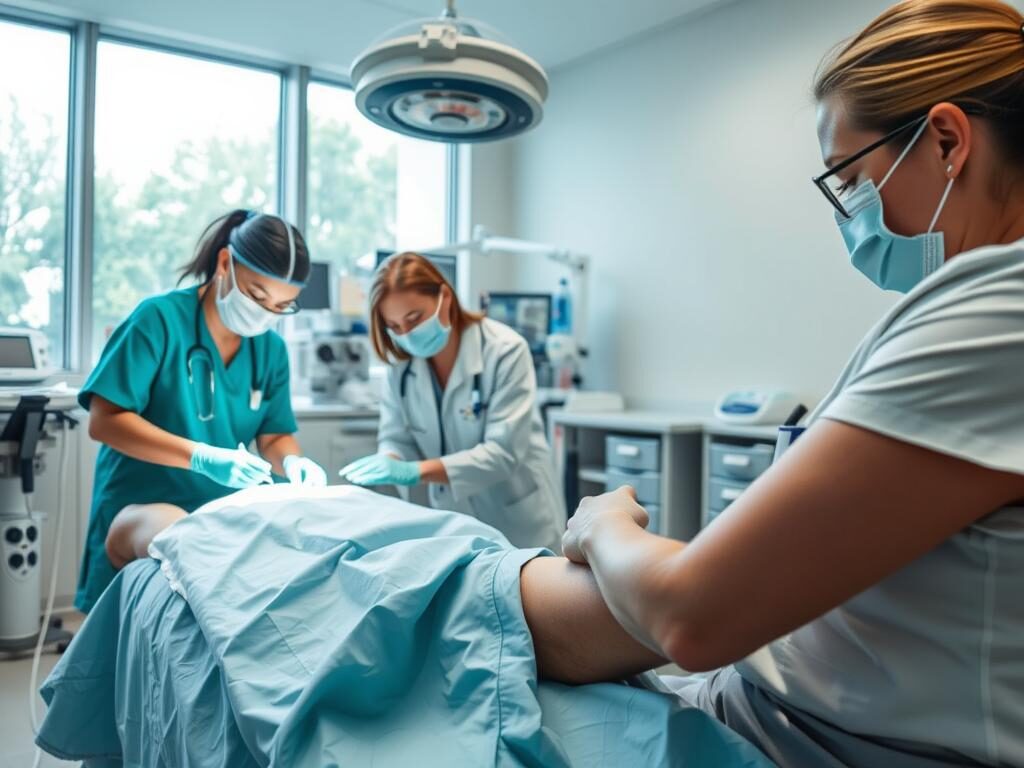
chronic wound treatment San Antonio

What You Need to Know About Chronic Wounds and Their Treatment – Part 4

Chronic wounds are big problems in places like San Antonio. They really hurt our quality of life. It’s important to know how to treat them well.

We will talk about what chronic wounds are. We will also learn about the role of wound care specialists. And we will see new ways to heal wounds.

We will look at different treatments and home care ideas. Our goal is to help solve these long-lasting problems.

Key Takeaways

  • Chronic wounds are long-lasting and require specialized care.
  • Wound care specialists play a vital role in the treatment and management of chronic wounds.
  • Innovative techniques are continually evolving to enhance wound healing.
  • Home care solutions can significantly aid in the management of chronic wounds.
  • Understanding the causes of chronic wounds is crucial for prevention and treatment.

Understanding Chronic Wounds

Chronic wounds, or non-healing wounds, are hard for many people. They don’t heal like normal wounds. They can last for months, even with the right treatment.

This can make daily life tough. It can also cause infections and make moving hard.

Definition and Duration of Chronic Wounds

A chronic wound doesn’t heal in the usual time. It’s important to know this. It can affect our health a lot.

Getting help for these wounds is key. It helps us live better.

Common Causes of Chronic Wounds

Knowing why wounds don’t heal is important. Some big reasons include:

  • Poor blood circulation
  • Diabetes
  • Weakened immune systems

Diabetic foot ulcers are a big problem. They can lead to amputations. Things like nerve damage and high blood pressure make it worse.

Types of Chronic Wounds

It’s important to know about different chronic wounds. We see diabetic ulcers and venous ulcers a lot. Each has its own special features. Knowing these helps us heal them better.

Diabetic Ulcers and Their Characteristics

Diabetic ulcers happen on the bottom of the foot. They can be shallow or deep. These ulcers often have a lot of callus around them.

They can get infected easily. This is very dangerous and might even lead to amputation. We must act fast to stop this.

Venous Ulcers and Prevalence

Venous ulcers are very common. They are shallow and usually on the inside of the lower leg. They happen because of poor blood flow.

People with leg swelling or varicose veins often get them. Knowing about venous ulcers helps us treat them better.

Types of chronic wounds including diabetic ulcers and venous ulcers

Chronic Wound Treatment San Antonio

In San Antonio, many treatments help with chronic wounds. These treatments make healing easier and feel better. Knowing about these options helps us take care of our health.

Current Treatment Options Available

San Antonio has advanced treatments for chronic wounds. These include:

  • Negative pressure wound therapy
  • Compression bandaging
  • Skin grafts for severe cases

These methods help heal wounds better. It’s good to talk to doctors about the best treatment for you.

Home Care Solutions for Chronic Wounds

Home care is very important for managing chronic wounds. Good care at home includes:

  • Regular cleaning of the wound site
  • Applying the right dressings
  • Managing health issues to help healing

Learning about care helps families help at home. Telemonitoring and telecare help too. They let doctors help from afar while we heal.

The Role of Wound Care Specialists

Working with wound care specialists is key to healing chronic wounds. They know how to find the root cause and make plans just for you. Talking to them helps us understand our wounds and how to fix them.

Consultation with Specialists

Talking to wound care specialists is the first step in healing. They check our wounds, find what’s causing problems, and suggest treatments. Working with them helps us learn how to get better and avoid more issues.

Benefits of Professional Wound Management

Professional wound care has many benefits. It helps find problems early, which means we heal faster and better. Specialists use new ways to help wounds heal, like special dressings and cleaning out dead tissue.

Seeing specialists often helps us change our treatment plan if needed. This keeps us on the right path to healing our chronic wounds.

wound care specialists

Innovative Techniques in Wound Healing

In the world of chronic wound care, new methods can really help patients. We look at debridement and growth factors. They are key to making wounds heal faster.

Debridement Techniques for Chronic Wounds

Debridement is very important for chronic wounds. It removes dead or infected tissue. This makes the wound ready to heal. There are many ways to do debridement, like:

  • Surgical debridement cuts out dead tissue in a clinic.
  • Enzymatic debridement uses chemicals to break down dead tissue.
  • Biological debridement uses maggots to eat away dead tissue.

Each method is for different types of wounds. They help fix the wound’s problems.

Utilization of Growth Factors

Using growth factors like platelet-rich plasma changes chronic wound care. These proteins help cells grow and change. Growth factors do things like:

  • Help make more tissue in the wound.
  • Make more blood flow to the wound.
  • Make wounds heal faster.

Knowing and using these new ways to heal wounds helps us care for patients better. It makes their recovery time shorter.

Conclusion

Dealing with chronic wounds needs a deep understanding of their types and causes. It’s key to work together with patients, caregivers, and experts. This teamwork helps manage chronic wounds well.

Looking into treatment options helps us find the best ways to heal. This knowledge is powerful in our recovery journey.

New healing methods and home care are very important. For those in San Antonio with chronic wounds, getting help is crucial. Services like Dominion Mobile Wound Care offer great help.

Let’s take care of ourselves by using these resources. This way, we can live better and overcome chronic wounds’ challenges.

FAQ

What are chronic wounds?

Chronic wounds don’t heal in 4 to 12 weeks, even with treatment. They can cause infections and make moving hard.

What causes chronic wounds?

Poor blood flow, diabetes, weak immune systems, and conditions like neuropathy cause chronic wounds. These issues slow down healing.

How can diabetic ulcers be managed effectively?

Diabetic ulcers need regular cleaning and the right dressings. Keeping blood sugar levels in check helps prevent infections. Seeing a wound care specialist can also help a lot.

What types of treatment options are available in San Antonio for chronic wounds?

San Antonio offers treatments like negative pressure therapy and skin grafts. These methods help wounds heal faster.

Why is home care important for chronic wound patients?

Home care, like cleaning and dressing changes, is key. Teaching families how to care for wounds at home helps with recovery.

What role do wound care specialists play in treating chronic wounds?

Specialists help diagnose and create treatment plans for chronic wounds. They ensure early detection and tailored care.

What are the benefits of professional wound management?

Professional care leads to faster healing and better results. Regular check-ups help adjust treatment plans for the best recovery.

What is debridement, and why is it important?

Debridement removes dead tissue to help wounds heal. It’s done through surgery or enzymes, based on the wound’s needs.

How do growth factors enhance wound healing?

Growth factors, like platelet-rich plasma, help wounds heal faster. They promote tissue growth and blood flow in chronic wounds.
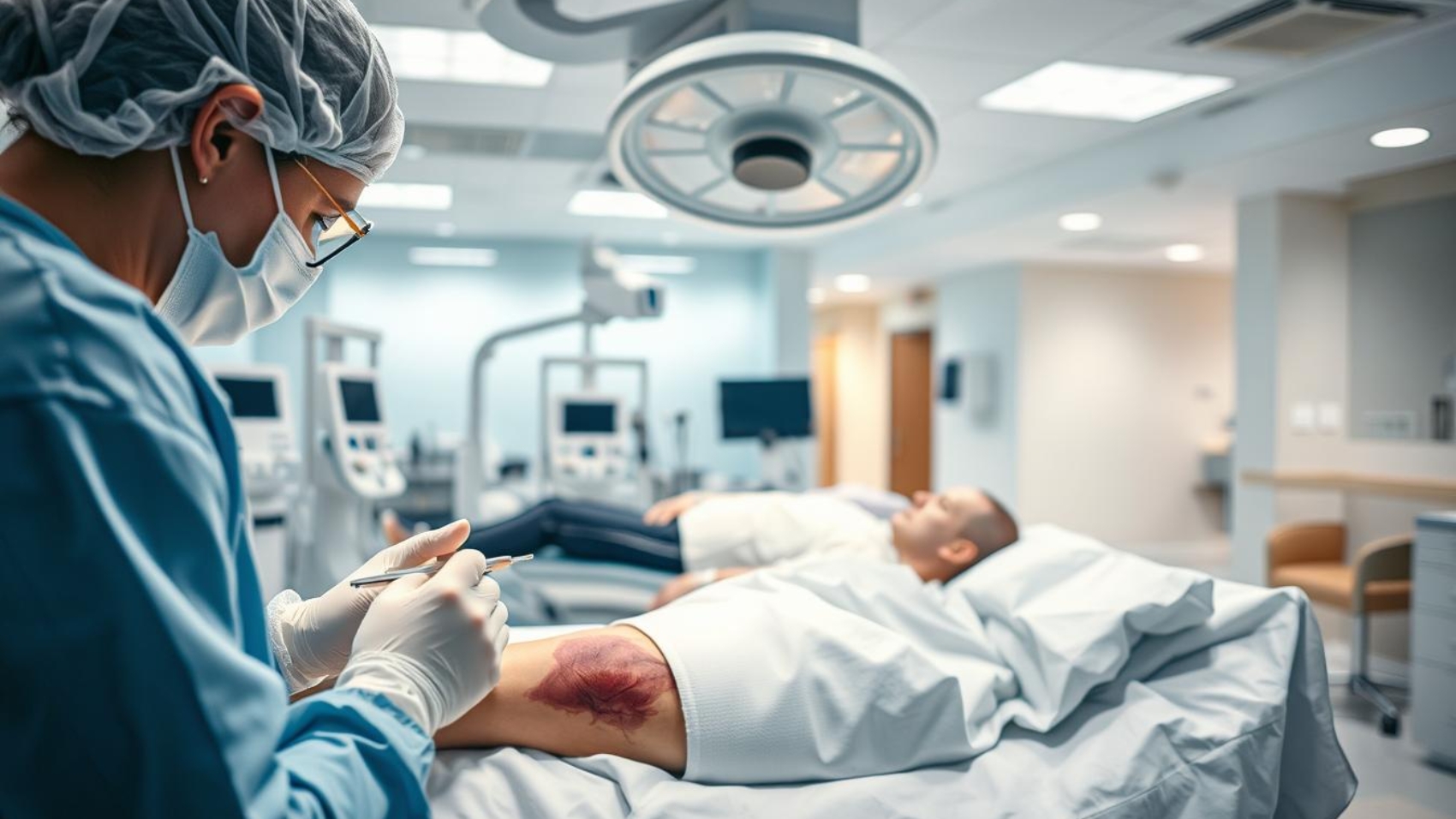
chronic wound treatment San Antonio

What You Need to Know About Chronic Wounds and Their Treatment – Part 3

Chronic wounds are a big problem in healthcare. They affect older people and those with health issues. We want to help you understand them better.

This can lead to better treatments. We’ll talk about new ways to treat wounds in San Antonio. We’ll also look at the skills of wound care experts. Early treatment can really help those with long-lasting wounds.

Key Takeaways

  • Chronic wounds are a pressing issue, especialy in vulnerable populations.
  • Understanding the nature of chronic wounds is essential for timely treatment.
  • Innovative treatments are available to enhance healing.
  • Wound care specialists play a critical role in managing these conditions.
  • Addressing chronic wounds early can lead to better health outcomes.

Understanding Chronic Wounds

Chronic wounds are a big health problem for many people. Knowing what chronic wounds are helps us see the challenges they bring. These wounds don’t heal well and can last for over three months.

They often happen because of health issues like diabetes or poor blood flow.

Definition and Characteristics

Chronic wounds don’t heal like they should. They might look the same for a long time. The signs of chronic wounds include:

  • Persistent drainage, showing ongoing problems.
  • Inflammation that lasts too long.
  • Necrotic tissue that slows healing.
  • Change in size or color that might mean infection.

Statistics on Chronic Wounds

Knowing the stats on chronic wounds helps us understand their impact. About 1% to 2% of people in rich countries have them. The cost to U.S. healthcare is huge, from $28 billion to $96.8 billion a year.

Almost 85% of amputations are because of diabetic ulcers. This shows how serious untreated chronic wounds can be.

Common Causes of Chronic Wounds

It’s important to know why chronic wounds happen. Many things can make these wounds last longer. Finding out what causes them early can help us stay healthy.

Underlying Health Conditions

Some health problems can lead to chronic wounds. Diabetes, obesity, and blood flow issues are examples. High blood sugar can cause nerve damage and poor blood flow.

This makes getting ulcers more likely. It’s key to watch and manage these health issues well.

Acute Wounds That Become Chronic

Acute wounds can turn into chronic ones for several reasons. Infection, too much pressure, and poor blood flow are big factors. Not treating an acute wound right can make it chronic.

Knowing this helps us take better care of our wounds. It also tells us when to get help.

causes of chronic wounds

Types of Chronic Wounds

Knowing about different chronic wounds helps us find the right treatments. We focus on diabetic ulcers, venous ulcers, and pressure ulcers. Each needs its own special care.

Diabetic Ulcers

Diabetic ulcers often show up on the feet because of diabetes. They happen because of nerve damage and bad blood flow. These ulcers can get infected easily, so we must watch them closely.

Spotting them early is key to managing them well.

Venous Ulcers

Venous ulcers come from bad blood flow in the veins. They usually pop up on the lower legs. It’s important to fix any vein problems to help them heal.

We treat them by controlling blood pressure and improving blood flow.

Pressure Ulcers

Pressure ulcers, or bedsores, happen from too much pressure on the skin. They mostly affect people who can’t move much. To stop them, we need to move them often and keep their skin healthy.

Innovative Treatments for Chronic Wounds

We are always looking for new ways to help chronic wounds heal. Two big methods we’re excited about are negative pressure wound therapy and hyperbaric oxygen therapy. These treatments can really help our patients get better.

Negative Pressure Wound Therapy

This therapy uses a special device to pull air from around the wound. It helps blood flow better and removes bad stuff. Studies show it works well, helping wounds heal faster.

Hyperbaric Oxygen Therapy

Hyperbaric oxygen therapy is another cool treatment. It uses special chambers to give patients more oxygen. This helps wounds heal, even for tough cases like diabetic foot wounds. It’s a promising option for us to try.

Importance of Wound Care Specialists

Wound care specialists are key in healing chronic wounds. They have the skills and knowledge to handle many challenges in wound care. This makes them very important in healthcare.

Roles and Responsibilities

Wound care specialists do many things. They look at each wound closely to understand it. This helps them make special care plans for each patient. Some of their main jobs are:

  • Diagnosing the nature and extent of wounds
  • Identifying underlying health conditions contributing to slow healing
  • Implementing advanced wound care techniques
  • Educating patients and their families about proper wound care

How They Assist in Chronic Wound Treatment

These specialists help a lot in treating chronic wounds. They work with other doctors to give patients the best care. They use the latest methods and treatments to help wounds heal.

  • Utilize the latest technologies and treatments to promote healing
  • Monitor wound progress and adjust treatment plans as needed
  • Offer support to patients, empowering them with knowledge and resources

Strategies for Effective Chronic Wound Treatment in San Antonio

In San Antonio, we know treating chronic wounds well needs a big plan. This plan fits each patient’s special needs. Home care and working with doctors are key parts of this plan.

Home Care Solutions

Good home care helps wounds heal. We focus on a few important things:

  • Proper Wound Hygiene: Clean wounds often and change dressings to stop infections.
  • Maintaining Moisture Levels: Use dressings that keep moisture to help healing.
  • Suitable Dressings: Pick dressings that protect and help wounds heal.

Collaboration with Healthcare Providers

Working with doctors makes treatment better. They help us in many ways:

  • Coordinating Comprehensive Care: Work together for a better treatment plan.
  • Monitoring Progress: Check how wounds are healing and change plans if needed.
  • Tailoring Treatments: Make care plans that fit how each person responds to treatment.

effective chronic wound treatment

Conclusion

Chronic wounds are complex and need a deep understanding to treat them well. We must know their causes, types, and new treatments. This knowledge is key to treating these wounds effectively.

Ignoring chronic wounds can lead to big health problems and cost a lot of money. It’s very important to act fast when you notice a wound. Early action can help a lot in healing.

In San Antonio, if you have a chronic wound, get help from experts. Working with certified specialists can really help. For the best care, consider hiring Dominion Mobile Wound Care. They offer special wound care that helps a lot.

Healing from chronic wounds means knowing what they are and using new treatments. It also means knowing when to get help from experts. By doing these things, we can get better and live better lives.

FAQ

What are chronic wounds and how are they defined?

Chronic wounds don’t heal quickly. They take more than three months to get better. They can happen because of diabetes, poor blood flow, or other health issues.

Why is timely treatment important for chronic wounds?

Treating wounds early is key. It stops infections and amputations. Most amputations start with diabetic ulcers, showing the need for quick action.

What types of chronic wounds are most common?

Common wounds include diabetic ulcers, venous ulcers, and pressure ulcers. Each needs a special treatment to heal well.

What innovative treatments are available for chronic wounds?

New treatments help wounds heal. Negative pressure therapy boosts blood flow. Hyperbaric oxygen therapy adds oxygen to tissues. Both help wounds heal faster.

How can home care solutions support chronic wound healing?

Home care helps wounds heal. It includes keeping wounds clean, moist, and using the right dressings. These steps help wounds heal better.

What role do wound care specialists play in chronic wound treatment?

Specialists are key in treating wounds. They check the wound, find related health issues, and make care plans. Their help speeds up healing and makes patients more comfortable.

What should I do if I have a chronic wound?

If you have a chronic wound, get help. Working with specialists and using home care can greatly improve your health.

chronic wounds

What You Need to Know About Chronic Wounds and Their Treatment

Chronic wounds are a big deal, not just a small health issue. They don’t heal in four weeks and can come from serious health problems. In San Antonio, we see many cases of non-healing wounds.

These can lead to infections and even amputations. Knowing what causes these wounds is key to getting better. For those in San Antonio with chronic wounds, getting special care is vital.

Places like Dominion Mobile Wound Care offer targeted treatments. This can really help you heal and get better. They provide top-notch chronic wound treatment in San Antonio.

Key Takeaways

  • Chronic wounds persist for more than four weeks and require professional care.
  • Underlying health issues often contribute to non-healing wounds.
  • Specialized treatment is crucial for improving recovery odds.
  • Awareness of symptoms can lead to early diagnosis and treatment.
  • Home care solutions play an integral role in wound management.

Understanding Chronic Wounds

Chronic wounds don’t heal like normal wounds. They can last a long time. Knowing how to classify wounds helps us treat them better. There are four main types: arterial, diabetic, pressure, and venous ulcers. Each needs a special treatment plan.

Definition and Classification

Knowing the type of wound is key to healing it. Here are the main types:

  • Arterial Ulcers: Happen when blood flow is poor.
  • Diabetic Ulcers: Common in people with diabetes, often from nerve damage.
  • Pressure Ulcers: Form when skin is under too much pressure.
  • Venous Ulcers: Occur when vein valves in the legs don’t work right.

Common Causes and Risk Factors

Many things can cause chronic wounds. We need to watch out for these risk factors:

  • Diabetes: A big reason for non-healing wounds.
  • Obesity: Can put too much pressure on the body, causing ulcers.
  • Poor Circulation: Not enough blood flow slows healing.
  • Age: Older people heal slower because of less skin elasticity and blood flow.
  • Immobility: Sitting or lying still too long can cause pressure wounds.
  • Poor Nutrition: Not enough nutrients makes it hard for the body to heal.

Understanding these factors helps us find ways to treat and prevent chronic wounds.

chronic wounds

Symptoms and Diagnosis of Chronic Wounds

Knowing the signs of chronic wounds is key to getting the right treatment. These wounds can show many signs that make our daily life hard. It’s important to know these signs to get a quick and good diagnosis.

Identifying Symptoms of Non-healing Wounds

Look out for these common signs of chronic wounds:

  • Persistent pain that doesn’t get better
  • Excessive bleeding, which is scary
  • Foul odors from the wound
  • Oozing discharge that might mean infection

These signs need our attention because they can really hurt our life quality. Spotting them early helps us act fast before things get worse.

Diagnosis Processes and Assessments

Diagnosing wounds involves a detailed check-up and looking at our health history. Doctors might ask for special tests to understand the wound better. Some common tests are:

  1. Ultrasounds to find hidden problems
  2. Biopsies if there’s a chance of infection
  3. Ankle-brachial index tests to check blood flow

These tests help figure out what kind of wound we have. They guide us to the best treatment. Knowing about our wound diagnosis helps us talk better with doctors.

symptoms of chronic wounds

Chronic Wound Treatment San Antonio

In San Antonio, we have many treatment options for chronic wounds. These options meet each patient’s unique needs. This ensures a complete care approach.

Available Treatment Options in San Antonio

Some key treatments in San Antonio include:

  • Negative pressure wound therapy: This method uses suction to help wounds heal. It improves blood flow and removes extra fluid.
  • Advanced dressings: These dressings keep the wound moist. This is key for healing.
  • Surgery: For big wounds, surgery like skin grafts may be needed. It helps the wound heal.

Role of Wound Care Specialists

Wound care specialists are very important in managing chronic wounds. They use their knowledge to create treatment plans for each patient. They work closely with patients to find the best healing solutions.

Seeing a wound care specialist is crucial. They help find the most effective treatments San Antonio offers.

Home Care Solutions for Chronic Wounds

Managing chronic wounds at home is key to healing. Our self-care solutions help us take control of our health. Learning these methods can greatly improve healing.

Importance of Self-Care in Wound Management

Self-care is crucial for wound care. We must:

  • Eat right to help our body heal.
  • Keep health issues under control.
  • Keep wounds clean and moist to fight infection and heal faster.

Watching our wounds closely is important. We should change dressings as told and get medical help when needed. This helps us keep track of healing.

Effective Home Remedies and Products

Using home remedies can help a lot. Topical ointments and the right dressings are good choices. They fight infection and help wounds heal.

Learning about these home care solutions is empowering. It also makes us feel better overall.

Conclusion

Understanding chronic wounds and treatment options is key for patients and caregivers. Spotting symptoms is just the start. Getting help from experts is crucial for healing.

By making smart choices, we help ourselves and our loved ones get better. This way, we can find the best treatment.

Using good home care can also help. It makes healing faster and keeps us feeling better. By using these methods, we help those with chronic wounds get better.

Want help with chronic wound care? Reach out to Dominion Mobile Wound Care. We offer personal help for your needs. Together, we make sure everyone gets the care they need in San Antonio.

FAQ

What are chronic wounds?

Chronic wounds are sores that don’t heal in more than four weeks. They can happen due to diabetes, poor blood flow, or a weak immune system.

What are the different types of chronic wounds?

There are four main types: arterial, diabetic, pressure, and venous ulcers. Each needs its own treatment plan.

How can I tell if my wound is chronic?

Look for signs like constant pain, too much bleeding, bad smells, and discharge. If you see these, get medical help fast.

What treatment options are available for chronic wounds in San Antonio?

In San Antonio, treatments include negative pressure therapy, special dressings, and surgery. This includes skin grafts for big wounds.

Why is it important to consult wound care specialists?

Specialists know how to handle tough cases. They do the right checks and make plans for each person to heal well.

What self-care strategies can I implement at home to care for chronic wounds?

Take care of yourself by eating right, managing health issues, and keeping the wound clean and moist. Also, watch the wound closely.

Are there effective home remedies for managing chronic wounds?

Yes, using ointments and dressings can help fight infection and help the wound heal.

How can I prevent chronic wounds from developing?

To prevent wounds, manage health problems, eat well, stay active, and keep your skin healthy.

When should I seek professional help for a chronic wound?

Get help if you see signs of infection, if the wound isn’t getting better, or if it hurts a lot.