

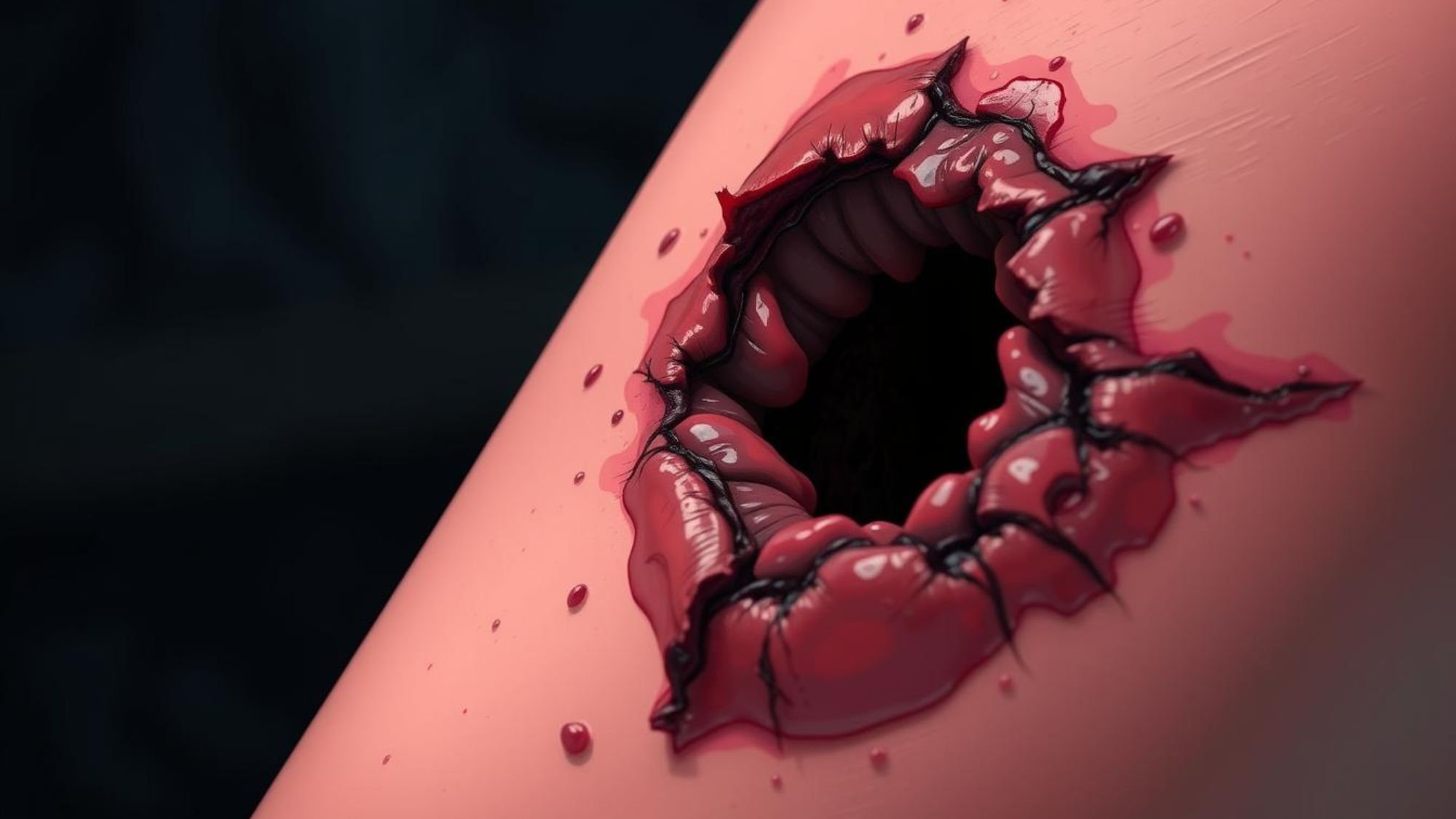
Are you struggling with a wound that won’t heal? Chronic wounds can harm your health and happiness.
A wound is chronic if it doesn’t heal in four weeks or fully in eight weeks. Slow healing can be due to many reasons. These include health issues, poor care, or not getting the right treatment.
If you have a non-healing wound, knowing the cause is key. At Dominion Mobile Wound Care, our team is here to help. We offer top-quality care to aid in your healing.
Key Takeaways
- Chronic wounds can significantly impact your quality of life.
- A wound is considered chronic if it doesn’t heal in four to eight weeks.
- Proper wound care is essential for healing.
- Underlying medical conditions can slow healing.
- Seeking expert care can greatly improve wound healing.
Understanding Non-Healing Wounds
It’s important to understand non-healing wounds to manage and treat them effectively. These wounds, also known as chronic wounds, don’t heal as they should. They don’t move through the healing stages quickly.
Definition of Non-Healing Wounds
Non-healing wounds don’t heal in a normal time frame, usually over 6 weeks. They can be caused by poor circulation, diabetes, or a weak immune system. This makes the healing process slow and long-lasting.
Common Types of Non-Healing Wounds
There are several types of non-healing wounds, each with its own features:
- Diabetic Foot Ulcers: These ulcers happen in people with diabetes, often because of nerve damage and bad blood flow.
- Venous Leg Ulcers: These ulcers are caused by poor blood flow and appear on the lower legs.
- Pressure Ulcers: Also called bedsores, these ulcers form from too much pressure on the skin, often in people who can’t move much.
- Arterial Ulcers: These ulcers come from not enough blood flow and are common in people with peripheral arterial disease.
Knowing the type of wound is key to finding the right treatment. Doctors will look at the wound and create a plan to fix the underlying problems and help it heal.
Factors Contributing to Non-Healing Wounds
Many things can stop wounds from healing. Knowing these factors is key to finding good wound care solutions. When wounds don’t heal, it’s often because of several problems that need fixing.
Poor Circulation and Vascular Issues
Poor circulation is a big problem for non-healing wounds. If blood can’t reach the wound, it can’t get the oxygen and nutrients it needs to heal. Issues like peripheral artery disease can make circulation even worse.
To help wounds heal, improving circulation is important. This can be done through lifestyle changes and medical treatments. Managing conditions like high blood pressure and diabetes is also key.
Infection and Biofilm Formation
Infection is another major obstacle to healing. Bacteria in a wound can cause infection, leading to inflammation and slowing healing. Biofilms, which are groups of microorganisms stuck to the wound, can also make infections hard to treat.
To fight infection, wounds need to be cleaned well and treated with antimicrobial dressings. Sometimes, antibiotics are needed. Dealing with biofilms might require special wound care, like debridement and biofilm-disrupting agents.
Underlying Medical Conditions
Medical conditions like diabetes can really affect wound healing. Diabetes can mess with circulation and the immune system, making it hard for wounds to close. Other conditions, like venous insufficiency and autoimmune diseases, can also cause wounds to not heal.
| Underlying Condition | Impact on Wound Healing | Management Strategies |
|---|---|---|
| Diabetes | Impaired circulation and immune response | Tight blood sugar control, wound debridement |
| Venous Insufficiency | Poor circulation, fluid buildup | Compression therapy, elevation |
| Autoimmune Diseases | Inflammation, impaired healing | Immunosuppressive therapy, wound care |
It’s important to manage these underlying conditions to help wounds heal. This might mean working with doctors to create a treatment plan that covers both the wound and the underlying issue.
Identifying the Symptoms of Non-Healing Wounds
Knowing the signs of non-healing wounds helps you get the right care. These wounds can be serious, and spotting their symptoms is key to managing them well.
Signs You Should Look For
There are important signs that a wound might not heal. Look out for:
- No signs of healing within a 30-day period: If your wound doesn’t get better or close, it’s a worry.
- Numbness or tingling around the wound: Feeling numb or tingly can mean nerve damage or poor blood flow.
- Change in color or swelling: If the wound gets redder, swells up, or changes color, it might be infected or have other problems.
- Foul odor: A bad smell from the wound means it’s infected.
- Discharge or pus: Seeing discharge or pus is a clear sign of infection.
Watching for these signs can help spot problems early. If you see any, it’s important to talk to a doctor.
When to Seek Medical Attention
If you notice any of these signs, or if the wound hurts more, you have a fever, or it’s big or deep, get medical attention fast. Getting help early can make a big difference in healing non-healing wounds.
| Symptom | Description | Action |
|---|---|---|
| No healing within 30 days | Wound shows no signs of improvement | Consult a healthcare professional |
| Numbness or tingling | Changes in sensation around the wound | Seek medical evaluation |
| Foul odor or discharge | Signs of infection | Immediate medical attention required |
Being careful about non-healing wound symptoms and knowing when to get help is vital for your health. By recognizing these signs and acting quickly, you can help your wound heal and avoid more problems.
The Role of Nutrition in Wound Healing
The food you eat greatly affects your body’s ability to heal wounds. Nutrition is key in the recovery process. It provides the needed proteins, vitamins, and minerals for healing.
Key Nutrients for Optimal Healing
Certain nutrients are vital for wound healing. These include:
- Protein: Essential for tissue repair and regeneration.
- Vitamin C: Important for collagen synthesis and immune function.
- Zinc: Crucial for enzyme function and protein synthesis.
Eating a balanced diet with these nutrients helps the healing process. Here’s a table showing the key nutrients and their food sources:
| Nutrient | Role in Wound Healing | Food Sources |
|---|---|---|
| Protein | Tissue repair and regeneration | Chicken, fish, beans, eggs |
| Vitamin C | Collagen synthesis and immune function | Citrus fruits, strawberries, bell peppers |
| Zinc | Enzyme function and protein synthesis | Oysters, beef, chicken, fortified cereals |
Dietary Changes to Support Healing
Changing your diet can help wounds heal faster. It’s wise to:
- Eat more nutrient-rich foods.
- Drink lots of water to stay hydrated.
- Avoid foods high in sugar and unhealthy fats.
By eating a balanced diet and making smart food choices, you can help your body heal naturally.
The Impact of Diabetes on Wound Healing
Diabetes can make it hard for the body to heal wounds. It damages blood vessels and nerves, causing poor circulation and less feeling. This makes wounds harder to heal and raises the chance of infection.
Circulatory and Immune System Impacts
Diabetes hurts the circulatory system, cutting down blood flow. This makes it tough to get oxygen, nutrients, and healing factors to wounds. Also, diabetes weakens the immune system, making it harder to fight off infections that can slow down healing.
Key factors affected by diabetes include:
- Reduced blood flow and oxygen delivery
- Impaired immune response
- Neuropathy, leading to loss of sensation
Effective Diabetes Management for Healing
Managing diabetes well is key for wound healing. It means keeping blood sugar levels in check, living a healthy lifestyle, and following doctor’s orders. By controlling diabetes, people can help their bodies heal wounds better.
Strategies for managing diabetes include:
- Monitoring blood sugar levels regularly
- Following a balanced diet that supports wound healing
- Engaging in regular physical activity to improve circulation
Understanding how diabetes affects wound healing and managing it well can greatly improve healing outcomes.
The Importance of Wound Care Management
Managing wounds well is vital for better patient outcomes and quality of life. It involves cleaning, dressing, and managing the wound environment to aid healing.
Effective wound care management goes beyond treating the wound. It also focuses on the patient’s overall health. This includes managing conditions like diabetes or poor circulation that can affect healing.
Best Practices for Wound Care
To effectively care for wounds, following best practices is key. This means creating a clean and healing-friendly environment. This includes:
- Cleaning the wound with the right solutions
- Debridement to remove dead tissue
- Using dressings that keep the wound moist and protected
- Watching for signs of infection or complications
Moisture balance is vital in wound care. Too little moisture can dry out the wound, while too much can harm the skin around it.
Effective Dressing Options
The right dressing depends on the wound type, size, and healing stage. Here are some common options:
| Dressing Type | Description | Best For |
|---|---|---|
| Foam Dressings | Absorbent and suitable for various wounds | Exudating wounds |
| Hydrocolloid Dressings | Creates a moist environment and protects the wound | Light to moderately exudating wounds |
| Alginate Dressings | Highly absorbent, great for wounds with heavy drainage | Heavily exudating wounds |
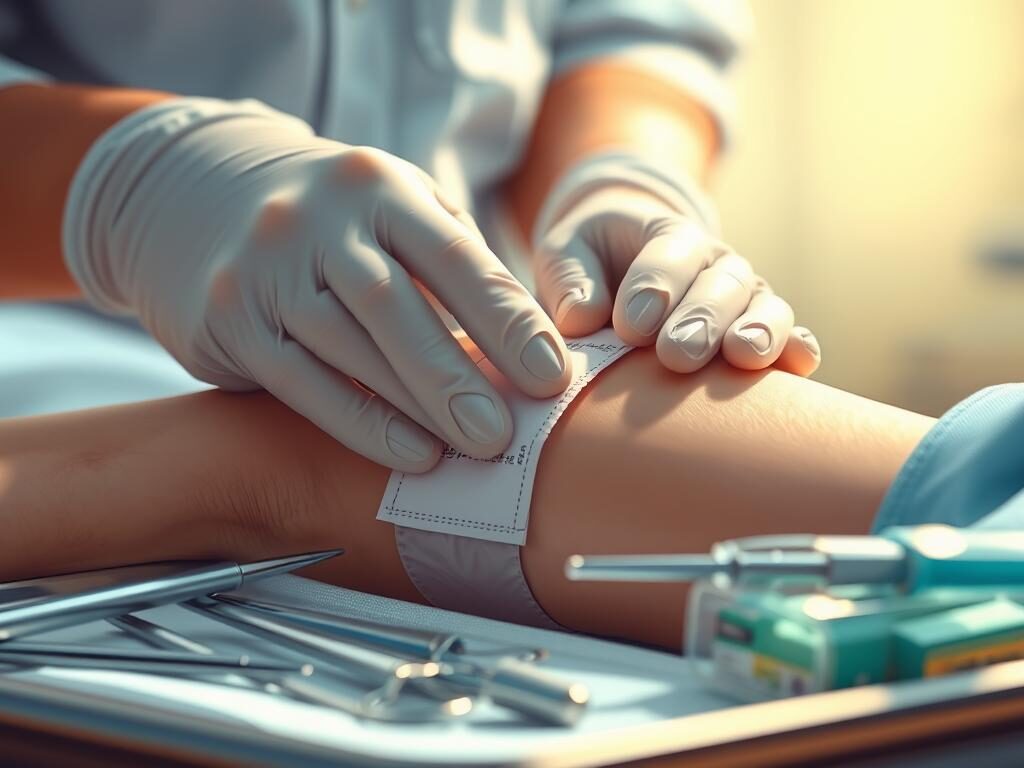
Knowing about different dressings and following wound care best practices can greatly enhance healing.
Advanced Treatment Options for Non-Healing Wounds
If your wound isn’t healing, talk to your doctor about advanced treatment options. These treatments can bring new hope and better results for those with non-healing wounds.
Hyperbaric Oxygen Therapy
Hyperbaric oxygen therapy means breathing pure oxygen in a special room. It helps the body heal by getting more oxygen to the wound.
- Promotes healing by stimulating collagen synthesis and improving tissue oxygenation.
- Enhances the body’s ability to fight infection.
- Can be very effective for wounds from diabetes or radiation therapy.
To learn more about when to seek specialized care for your wound, visit Dominion MWC’s article on wound care.
Negative Pressure Wound Therapy
Negative pressure wound therapy (NPWT) uses a vacuum dressing on the wound. It pulls out fluid, reduces bacteria, and helps tissue grow.
- Reduces wound size and promotes healing.
- Decreases the risk of infection by removing infectious materials.
- Can be used for many types of wounds, like diabetic foot ulcers and surgical wounds.
Knowing about these advanced treatment options helps you make smart choices for your wound care. Work with your healthcare team to get the best results.
Psychological Factors and Wound Healing
Psychological factors greatly affect how wounds heal, showing the importance of emotional well-being. The link between your mind and body health is clear, and it’s true for wound healing too.
Addressing Emotional Well-Being
Your emotional state is key to healing. Stress and anxiety can slow down healing, but a positive mind can speed it up. Using meditation and deep breathing exercises can help manage stress.
Also, having people you can count on, like family or friends, can offer comfort. This can help you feel less alone and support your healing.
The Mind-Body Connection in Healing
The mind-body connection is a strong force in healing. Studies show that your mental state can affect your body’s healing. For example, a positive attitude can boost your immune system, which is vital for healing wounds.
- Mindfulness practices help you stay in the moment and reduce worries about the future or past.
- Cognitive-behavioral therapy (CBT) can help manage negative thoughts that might slow healing.
By understanding the psychological side of wound healing and working on emotional well-being, you can help your body heal faster.
Preventive Measures for Non-Healing Wounds
You can lower the chance of slow-healing wounds by choosing wisely in your lifestyle. Knowing what causes non-healing wounds helps you protect your health.
Lifestyle Changes You Can Make
Changing your lifestyle can greatly lower your risk of non-healing wounds. Improving circulation is key, as bad blood flow slows healing. Walking or swimming regularly boosts circulation and heart health.
Managing diabetes is also vital. High blood sugar harms nerves and blood vessels, making wounds harder to heal. Eating well and following your diabetes plan can help avoid complications.
Nutrition is essential for wound healing. Getting enough protein, vitamins, and minerals keeps skin healthy and supports healing. A diet full of fruits, veggies, and whole grains is best for healing.
Also, keep your feet clean and check them often for injuries or infections. This is very important for people with diabetes or poor blood flow.
- Eat a balanced diet rich in essential nutrients.
- Stay hydrated by drinking plenty of water.
- Exercise regularly to improve circulation.
- Manage underlying health conditions, such as diabetes.
- Practice good foot hygiene and inspect your feet regularly.
By adding these preventive steps to your daily life, you can greatly lower the risk of non-healing wounds. This promotes your overall health and well-being.
Working with Healthcare Professionals
Dealing with non-healing wounds is complex. You need a team of skilled healthcare professionals to help. The right support can greatly improve your recovery.
Choosing the Right Specialist for Your Care
Finding the right specialist is key. You might need a wound care specialist, a vascular surgeon, or others. It’s important to ask about their experience with similar cases.
When picking a specialist, consider:
- Their experience with non-healing wounds
- Their approach to wound care management
- The availability of a multidisciplinary team
The Importance of a Multidisciplinary Approach
A multidisciplinary approach means a team of experts working together. This team includes doctors, nurses, dietitians, and physical therapists. They ensure all parts of your health are considered.
Working with a team offers a coordinated care plan. This can lead to better results and a better life.
Conclusion: Taking Control of Your Wound Healing Journey
Learning about the causes of non-healing wounds helps you take control of your healing. By tackling vascular issues and other health problems, you can see big improvements in your wound healing.
Key Takeaways and Actionable Steps
To help your healing, focus on good wound care, manage health issues, and make smart lifestyle choices. Always talk to healthcare experts to get the best care.
Seeking Professional Help
If you’re dealing with non-healing wounds, contact Dominion Mobile Wound Care for help. Their team offers expert advice and creates a treatment plan just for you. This can greatly improve your wound healing journey.
FAQ
What are non-healing wounds, and why are they a concern?
Non-healing wounds don’t heal like they should. This can be because of poor blood flow, infection, or other health issues. They can cause a lot of pain, increase the chance of infection, and lower your quality of life.
What are the common types of non-healing wounds?
There are several types of non-healing wounds. These include diabetic foot ulcers, pressure ulcers, venous leg ulcers, and arterial ulcers. Each type needs special care to heal.
How does poor circulation contribute to non-healing wounds?
Poor blood flow stops wounds from getting the oxygen and nutrients they need. This makes it hard for wounds to heal. Fixing blood flow issues is key to healing wounds.
What role does nutrition play in wound healing?
Good nutrition is vital for healing wounds. Foods rich in protein, vitamin C, and zinc help a lot. Eating right or taking supplements can aid in healing.
How does diabetes impact wound healing?
Diabetes can slow down wound healing. It damages blood vessels, reduces feeling, and makes fighting off infections harder. Managing diabetes well is important for healing wounds.
What are the best practices for wound care management?
To manage wounds well, keep them clean and use the right dressings. Also, take care of any health issues like diabetes or poor blood flow. Getting help from a healthcare professional is best.
What are some advanced treatment options for non-healing wounds?
For wounds that won’t heal, there are advanced treatments. These include hyperbaric oxygen therapy and negative pressure wound therapy. These can help wounds heal when usual treatments don’t work.
How can I prevent non-healing wounds?
To avoid non-healing wounds, eat well, manage health issues, and prevent injuries. A healthcare professional can help find and fix risk factors.
Why is it essential to work with healthcare professionals for wound care?
Healthcare professionals are key for wound care. They offer specialized advice, treatments, and care. A team approach helps tackle underlying issues and ensures the best healing.
What are the benefits of seeking professional help for wound care from a specialized service like Dominion Mobile Wound Care?
Getting help from a specialized service like Dominion Mobile Wound Care offers many benefits. You get expert care, advanced treatments, and personalized attention. This can lead to faster healing, less pain, and a better life.
Add a Comment