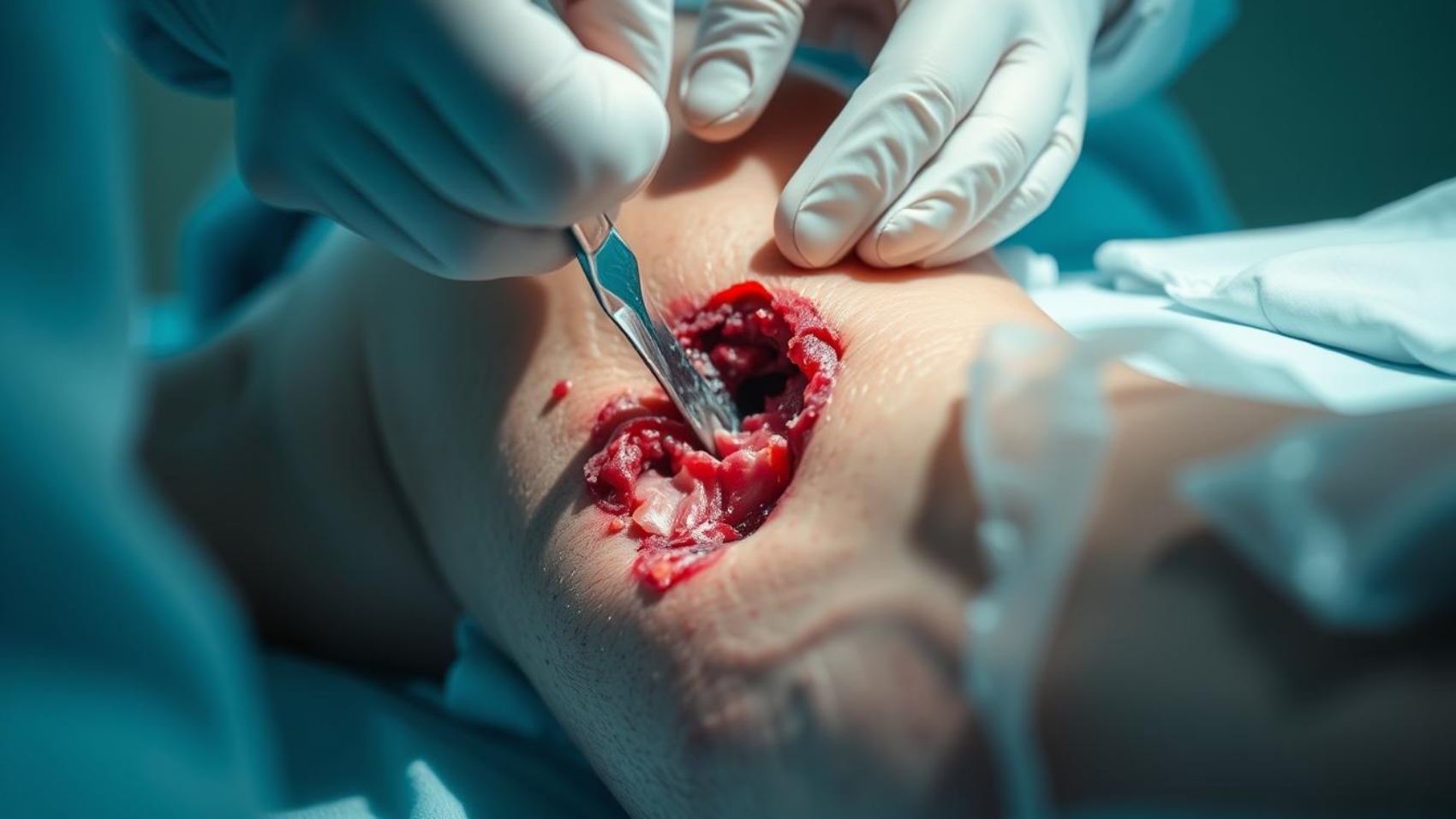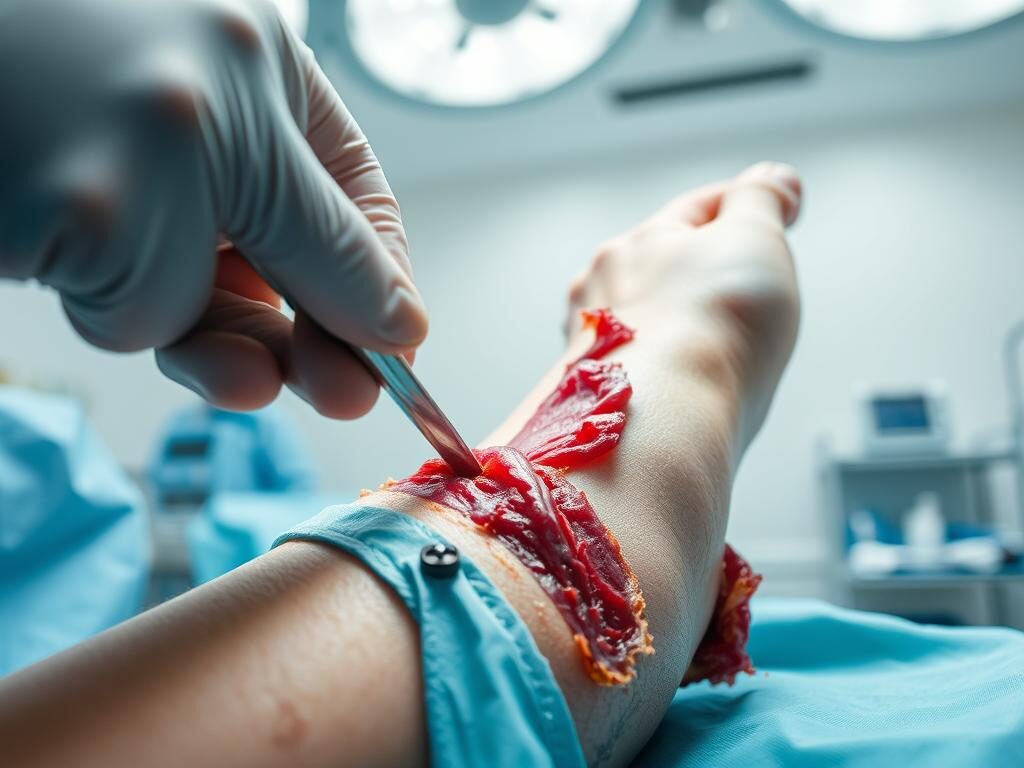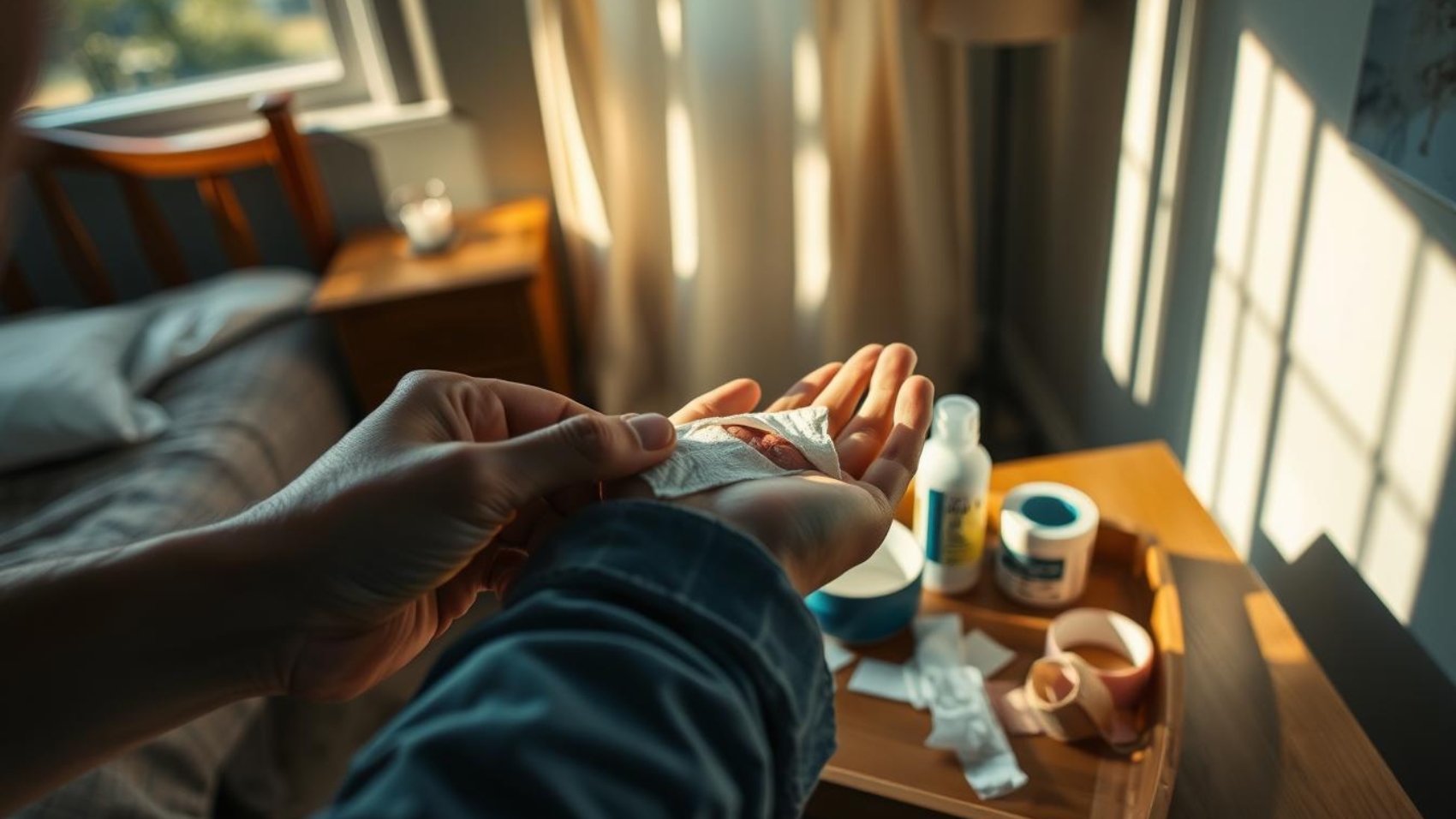
Proper wound care is key for healing and avoiding infections. Checking your wound at home is a big step in your recovery. It helps you spot problems early, making sure your wound heals right.
Knowing what to look for during an at-home wound inspection lets you track your healing. This article will show you the important signs to watch for when checking your wound at home.
Key Takeaways
- Understand the importance of monitoring your wound at home.
- Learn what signs to look for to ensure proper healing.
- Discover how to identify possible complications early.
- Find out when to seek professional help for your wound.
- Get tips on maintaining good wound care practices at home.
The Importance of Proper At-Home Wound Inspection
Learning about at-home wound inspection can greatly help your recovery and health. It’s not just about treating the wound. It’s also about watching how it heals and catching any problems early.
Why Regular Wound Checks Matter
Regular checks are key for many reasons. They help spot signs of infection like swelling, redness, or more drainage. By checking your wound often, you can avoid big problems and help it heal right.
- Early detection of infection signs
- Monitoring healing progress
- Preventing complications
When to Perform Wound Assessments
You should check your wound at least once a day. But, how often depends on your wound’s type and how bad it is. If you see more swelling or drainage, check it more often.
Being active and regular with your checks helps your wound heal well. Wound care experts say that wound assessment is vital for a good recovery.
Essential Supplies for Effective Wound Assessment
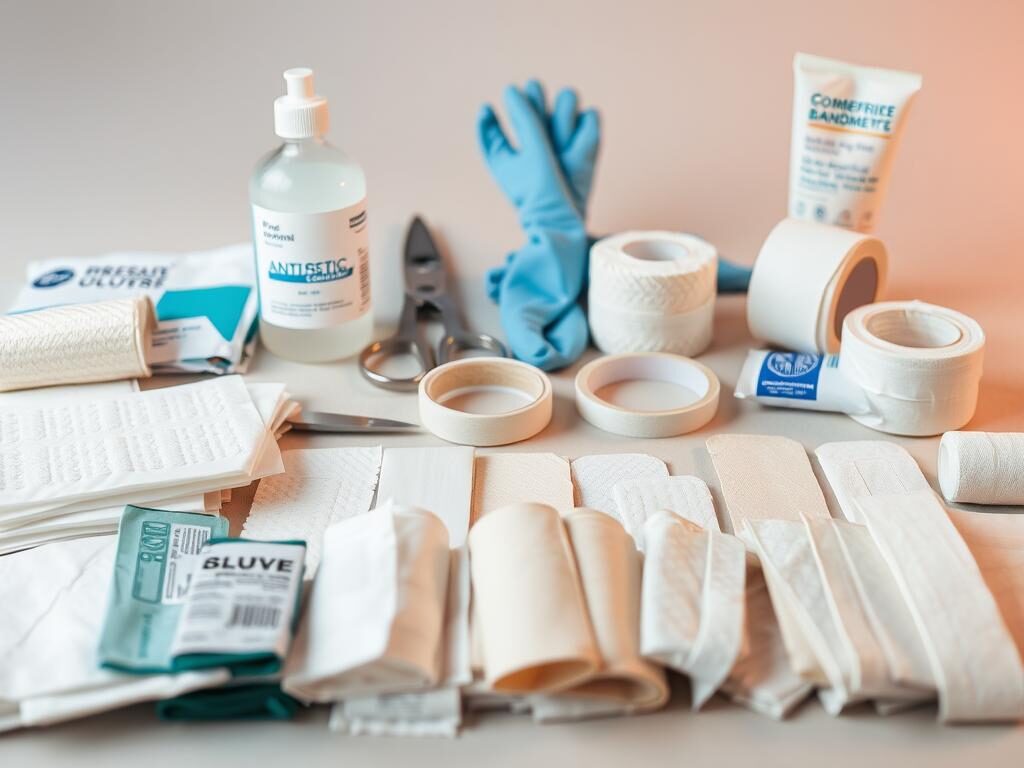
Starting a wound assessment means getting the right supplies first. This ensures a clean and safe space. The right tools are key to checking your wound’s condition and caring for it well.
Basic First Aid Items You Need
You’ll need basic first aid items like sterile bandages and antiseptic wipes. Gloves are very important too. They keep bacteria out of the wound and protect your hands from germs.
Creating a Dedicated Wound Care Station
Having a special area for wound care makes things easier. This area should have a clean surface, good lighting, and a trash can. Keeping things organized helps prevent infection and makes the process smoother.
Proper Lighting and Positioning
Good lighting is vital for a detailed wound check. Natural light is best, but a good lamp works too. Being in a comfortable spot helps you see the wound clearly.
| Supply | Purpose |
|---|---|
| Sterile Bandages | To cover and protect the wound |
| Antiseptic Wipes | To clean the wound and surrounding area |
| Gloves | To prevent infection and protect hands |
With the right supplies and a dedicated area, you can manage your wound well. It’s also important to control any bad smells. The right supplies help keep the area smelling fresh.
Understanding Different Types of Wounds
Knowing the type of wound you have is key to the right treatment. Wounds are grouped based on their look and cause.
Acute vs. Chronic Wounds
Wounds are either acute or chronic. Acute wounds come from injuries or surgery and heal fast with care. Chronic wounds don’t heal fast and might be due to health issues like diabetes or poor blood flow. For more on chronic wounds, check out our article on what you need to know about them.
Common Wound Classifications
Wounds are also grouped by their cause and look. These include:
Surgical Wounds
Surgical wounds happen during surgery. They are clean and usually closed with stitches or staples.
Traumatic Wounds
Traumatic wounds come from accidents or injuries. They can have dirt and bacteria in them.
Pressure Injuries
Pressure injuries, or ulcers, happen from too much pressure on the skin. This cuts off blood flow and damages tissue.
Diabetic Ulcers
Diabetic ulcers are a diabetes problem. They come from nerve damage and poor blood flow, leading to unnoticed injuries and infections.
The table below shows the main features of these wound types:
| Wound Type | Cause | Characteristics |
|---|---|---|
| Surgical Wounds | Surgery | Clean, typically closed with sutures or staples |
| Traumatic Wounds | Accidents or injuries | Contaminated, may contain debris and bacteria |
| Pressure Injuries | Prolonged pressure on skin | Tissue damage due to restricted blood flow |
| Diabetic Ulcers | Nerve damage and poor circulation | Unnoticed injuries and infections |
Knowing your wound type is key to managing it well. By understanding your wound, you can help it heal and avoid problems.
Assessing Wound Size, Depth, and Healing Progress
Knowing how big, deep, and healing your wound is can really help your recovery. Regular checks can spot problems early, so you can act fast.
Simple Measuring Techniques
To keep track of your wound’s healing, measure its size and depth often. Use a ruler to measure length, width, and depth. You can also draw the wound’s shape on a clear sheet to see changes.
Consistency is key. Try to measure your wound at the same time every day. It’s best when it’s clean and covered.
Documenting Changes Over Time
It’s important to keep a record of your wound’s measurements and notes. Use a wound care diary or a mobile app to log your data. This helps you spot patterns and warns of possible problems.
Make sure to note any changes in size, depth, or drainage. These signs are important for healing or infection.
Signs of Proper Healing
A healing wound shows certain signs. You might see less swelling, less drainage, and granulation tissue, which means new skin is growing. The wound may start to close from the edges and get smaller.
Watching for these signs helps you know if your wound is healing right.
Evaluating Wound Drainage and Colors
The color and amount of wound drainage can tell us a lot about healing. It’s important to know what different drainage means.
Normal vs. Abnormal Drainage Amounts
Drainage is a normal part of healing. But, the amount and type can vary a lot. Normal drainage is usually not too much, while abnormal drainage can be too much or too little.
What Different Drainage Colors Indicate
The color of drainage is key to knowing how well a wound is healing. Different colors can mean different things about healing or problems.
Clear or Yellow Serous Drainage
Clear or yellow drainage means the wound is healing. It’s usually thin and not too much.
Green or Blue Purulent Drainage
Green or blue drainage often means infection. It’s thick and may smell bad. If you see this, get medical help fast.
Pink or Red Sanguineous Drainage
Pink or red drainage means there’s blood. A little blood is okay after injury or surgery. But too much or constant blood might be a problem.
When Drainage Changes Are Concerning
Changes in drainage can mean trouble or infection. If your drainage changes suddenly, see a doctor right away.
Recognizing Signs of Infection in Your At-Home Wound Inspection
When you check your wound at home, knowing the signs of infection is key. Spotting these signs early can help you act fast and avoid bigger problems.
Common Infection Indicators
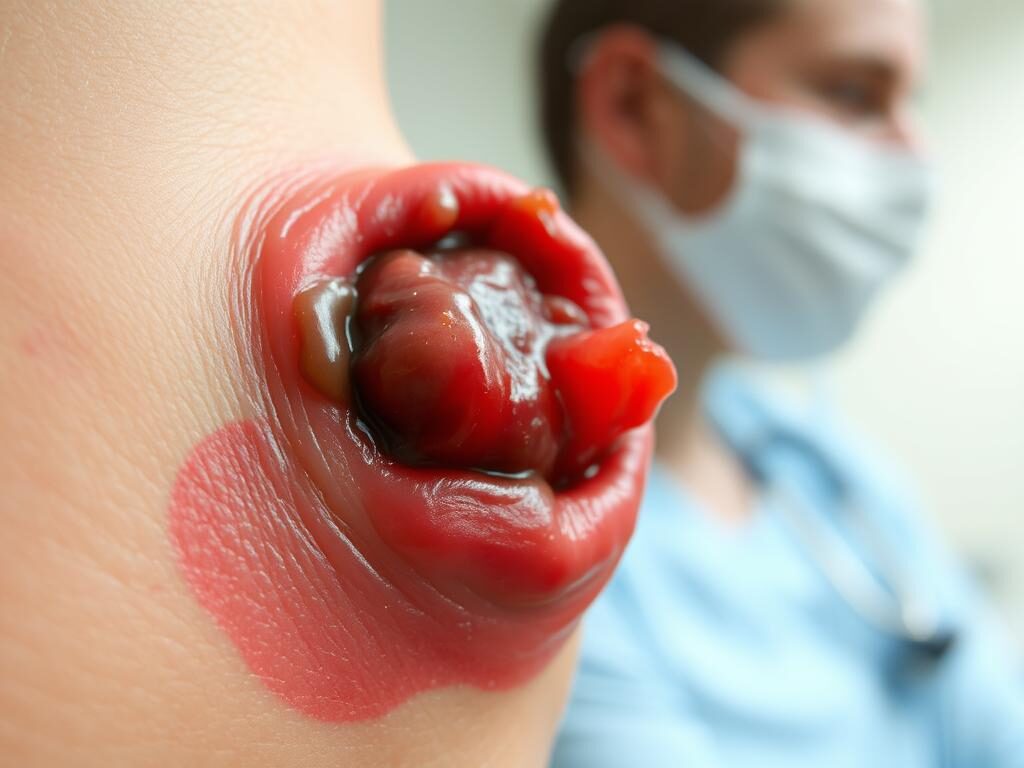
Infection shows up in different ways. Look out for increased redness, swelling, and warmth around the wound. You might also see increased drainage or a change in drainage color and texture.
When Redness Is a Warning Sign
Redness is normal when wounds heal, but it can also mean infection. If the redness gets larger or deeper, it might be infected. Watch it closely and get medical help if it gets worse.
Temperature Changes Around the Wound
A wound that’s warm or hot to the touch could be infected. Check if it’s warmer than the skin around it. Some wounds might feel cool or clammy, which is also a worry.
Systemic Signs of Infection
Infection can cause fever, chills, or feeling really sick. If you have these symptoms, get medical help right away.
By watching for these signs, you can manage your wound healing better. This helps you get the best results.
Understanding Wound Odors: What Different Smells Mean
Odor in a wound can tell us about its health and healing. Different smells mean different things. Knowing these differences is key to managing wounds well.
Normal Wound Odors
A wound might smell a bit off because of bacteria. But, a really strong or bad smell is not normal. Normal wound odors are usually mild. They might smell like sweat or have a metallic scent, like blood.
Odors That Indicate Infection
A strong, foul, or putrid smell often means an infection is present. Bacteria like anaerobic ones can make a foul smell as they break down tissue. If your wound’s smell changes a lot, watch for other signs of infection too.
Documenting and Describing Odors
Keeping track of your wound’s smell can help spot changes. Use words like “mild,” “strong,” “foul,” or “putrid” to describe it. This can help catch problems early. For more on wound care and dressing changes, check out Dominion Mobile Wound Care.
Odor Management Techniques
There are ways to manage wound odors. Using topical creams or dressings made to reduce smell can help. Also, keeping the wound clean and changing dressings often can cut down on bad smells.
| Odor Type | Possible Cause | Action |
|---|---|---|
| Mild, slightly unpleasant | Presence of bacteria, normal healing process | Continue with regular wound care |
| Strong, foul, or putrid | Infection, anaerobic bacteria | Consult a healthcare professional, consider antibiotic treatment |
Identifying and Assessing Wound Swelling
Understanding swelling is key when you’re caring for a wound. Swelling is a natural response to injury. But, too much or lasting swelling can mean there’s a problem.
Normal vs. Abnormal Swelling Patterns
Normal swelling usually goes down in a few days as the wound heals. But, if swelling doesn’t go away or gets worse, it’s a sign of trouble. Keep an eye on swelling around your wound to catch any issues early.
Measuring and Monitoring Swelling
To track swelling, use a simple method. Wrap a flexible tape measure around the swollen area. Then, take measurements over time to see if it’s changing.
| Measurement Day | Circumference (cm) | Notes |
|---|---|---|
| Day 1 | 30 | Initial measurement |
| Day 3 | 29 | Slight reduction |
| Day 5 | 28 | Continued reduction |
When Swelling Requires Medical Attention
If swelling, redness, or pain get worse, see a doctor. These signs might mean an infection or another serious issue that needs a doctor’s help.
Simple Interventions for Swelling
Try elevating the swollen area and using cold compresses to reduce swelling. Also, follow your doctor’s advice on wound care and managing swelling to help it heal.
When to Seek Professional Wound Care
Managing a wound at home is common. But knowing when to get professional wound care is key. Some wounds need expert help for proper healing.
Red Flags That Require Immediate Attention
Some signs mean you need to see a doctor right away. These include:
- Increased redness, swelling, or warmth around the wound
- Pus or foul-smelling discharge
- Fever or chills
- Increased pain or tenderness
- A wound that is not healing
If you notice any of these, get help fast.
Benefits of Professional Wound Assessment
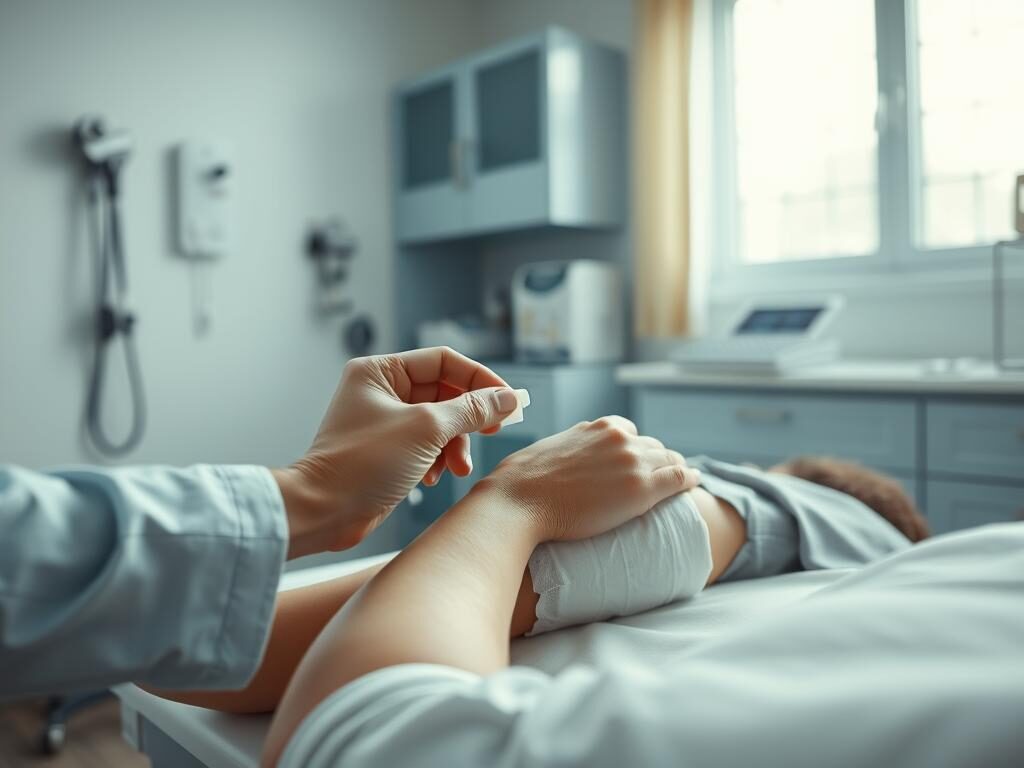
A wound assessment by a pro can help a lot. They can tell you exactly what your wound needs. They offer treatments that work best for you, helping you heal faster.
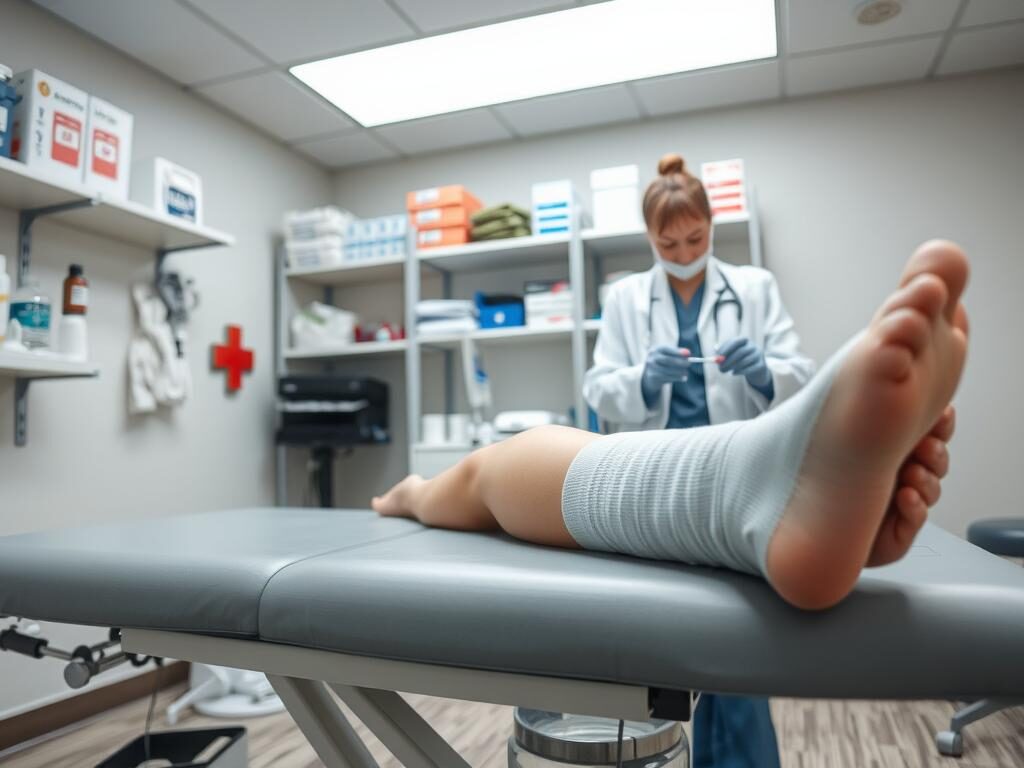
How Dominion Mobile Wound Care Can Help
Dominion Mobile Wound Care comes to you. They offer expert care right where you are. Their team can check your wound, plan your treatment, and help you heal.
Insurance Coverage for Professional Wound Care
Many insurances cover professional wound care, like Dominion Mobile Wound Care. Check with your insurance to see what’s covered and what you might pay.
Getting professional wound care when needed can really help your healing. Knowing when to seek help and the benefits of expert care can make a big difference.
Conclusion: Taking Control of Your Wound Healing Journey
Proper wound care is key for healing and avoiding infections. By checking your wound at home, you can help your recovery. Look at the size, depth, drainage, and condition of your wound regularly.
If wound care is hard or you’re worried about your wound, get professional help. Dominion Mobile Wound Care brings expert care to you. They offer personalized advice and treatment to aid your healing.
By managing your wound care and getting help when needed, you can heal better. With the right care, you can recover well and feel better overall.
FAQ
What are the signs of proper wound healing?
Signs of healing include less swelling and less drainage. You’ll also see granulation tissue. The wound should get smaller and shallower over time.
How often should I check my wound at home?
Check your wound daily, at the same time. This helps spot problems early. It keeps your wound from getting worse and helps it heal faster.
What do different drainage colors indicate?
Drainage colors tell you about your wound’s health. Clear or yellow means it’s healing. Green or blue means infection. Pink or red means there’s blood.
How can I manage wound odor?
Use creams or dressings to reduce bad smells. Keeping track of changes in smell is also important.
What are the red flags that require immediate medical attention?
Look out for more redness, swelling, or drainage. Also, watch for fever and chills. These are signs of serious infection.
How can I measure and monitor wound swelling?
Track changes in size and circumference. Knowing when to see a doctor can prevent serious problems.
What are the benefits of professional wound assessment?
A professional can give you tailored care. Dominion Mobile Wound Care offers the help you need to heal.
Is professional wound care covered by insurance?
Insurance for wound care varies. Check with your provider to see what’s covered.