Struggling with a wound that won’t heal? Dominion Mobile Wound Care can help. Learn what to do about non-healing wounds. Hire Dominion Mobile Wound Care to help heal your wounds.



Promoting Healthy Skin
Struggling with a wound that won’t heal? Dominion Mobile Wound Care can help. Learn what to do about non-healing wounds. Hire Dominion Mobile Wound Care to help heal your wounds.
You want clear, practical information about wound care in your home. Dominion Mobile Wound Care brings licensed, insured clinicians to your door to assess wounds, manage pain, and change dressings.
Admission visits can take up to two hours. During that time the clinician reviews discharge paperwork and doctor’s orders, sets goals with you, checks medications, and screens for fall risk.
Home health care helps many people recover faster and with less disruption than a long hospital stay. Skilled providers coordinate with your physician, teach wound care techniques, and offer 24/7 support for questions or scheduling.
You’ll see how services blend medical skill with comfort so you can heal where you feel safest. If goals change, discussion of hospice or other options happens respectfully, guided by your needs and values.
Ready for personalized wound care at the right home for your recovery? Hire Dominion Mobile Wound Care to help heal your wounds.
Wound care delivered to your door combines medical skill with the ease of staying in familiar surroundings.
Dominion Mobile Wound Care brings evidence-based care to your home so you can heal safely and with dignity. Licensed, insured clinicians coordinate with your physician and use proven protocols to speed recovery.
You get personalized home care that fits your daily living routine. That means lower stress, fewer exposure risks, and better adherence to your plan. Your caregiver also receives clear support and practical education.
You’ll find compassionate, evidence-based healthcare that helps you return to daily life. This way of caring focuses on comfort, practical support, and measurable results.
Knowing when to ask for skilled care at home can protect healing and prevent setbacks.
If you recently left the hospital or had surgery, consider home health care to keep recovery on track. A visiting nurse from Dominion Mobile Wound Care can come to your door, review doctor orders, and start a plan that fits your life.
You may need extra help when a wound is new or getting worse, or if managing dressings and meds causes difficulty.
Early clinical visits often speed healing and reduce ER trips. A visiting nurse bridges hospital orders and home care, teaches caregivers practical tasks, and checks mobility, nutrition, and safety.
Dominion Mobile Wound Care helps you decide if a visit is the right next step now. Timely care in your community often keeps people safer, lowers costs versus long hospital stays, and gives clear timelines for recovery or when hospice or specialty referrals might be needed.
Before the clinician arrives, a few simple steps help ensure your first visit goes smoothly.

You’ll get a call to set your admission visit and an estimated arrival window. Often the call comes the evening before or the morning of the scheduled day.
Plan for up to two hours for the first visit. The clinician reviews discharge paperwork and physician orders and outlines your Plan of Care.
Dominion Mobile Wound Care coordinates with you so the plan fits your home, routines, and needs as you recover.
A typical session blends clinical checks with hands-on care and practical teaching for you and your caregiver.
The clinician begins with a quick home safety check and takes vital signs to confirm you are stable for treatment. This step helps the team spot fall risks or barriers to healing.
The wound is measured, described, and photographed when appropriate. Accurate notes help your physician and nursing staff track progress and adjust the plan.
Care includes gentle cleaning and conservative debridement if ordered. The clinician selects evidence-based dressings that match moisture and skin needs.
You review pain options and medication alignment so discomfort is minimized. The clinician also teaches infection prevention steps and signs that require a prompt call.
Dominion Mobile Wound Care provides step-by-step teaching and written reminders so a person can follow the plan between visits. If you report difficulty with mobility or self-care, the team adjusts the approach and documents changes for your doctor.
Dominion Mobile Wound Care brings hospital-grade protocols straight to your door for expert clinical wound services.
You receive incision checks that verify integrity, manage drainage, and track early healing milestones. Typical schedules run two to three times weekly and adjust as healing progresses.
Clinicians handle medication review and apply advanced dressings like foams, alginates, and negative-pressure systems when ordered. This nursing care reduces complications and saves you travel time.
Focused treatment covers pressure injuries, diabetic foot ulcers, venous stasis, and arterial wounds. Your care team documents measurements and photos to guide physician decisions.
Therapy coordination and offloading strategies protect fragile tissue while you move around home. You learn practical steps to reduce pressure and support long-term healing.
Your recovery depends on clear team communication and a plan that adapts as you improve. Dominion Mobile Wound Care coordinates closely with your physician and therapists so your care journey stays efficient and person-focused.

You meet a coordinated care team that shares updates with your physician and therapy providers to keep everyone aligned. Team members document changes, send timely reports, and follow physician orders so decisions happen fast.
Home health typically starts with a planned cadence—often two to three times per week—and tapers as healing progresses. You and your caregivers get clear action steps between each visit so the care journey moves forward without confusion.
You feel supported by a team with years of home experience that makes sure your goals guide each step of care.
Trust comes from proven staff, punctual service, and systems that protect your privacy and safety.
You are cared for by licensed, insured nurses and staff whose credentials are verified. Ongoing training and performance checks keep standards high. This protects your dignity and privacy while clinical work happens in your home.
Technology and scheduling tools promote punctual arrivals so you do not wait at your door. Transparent calendars and 24/7 phone support mean a real person answers when you need help between each visit.
You can rely on these systems to make each session dependable, respectful, and focused on healing.
Understanding how coverage and scheduling work can remove a lot of stress when you need care at home. Dominion Mobile Wound Care helps you verify benefits, confirm eligibility, and set a convenient time so treatment starts on schedule.
Medicare typically covers home health care when a physician orders skilled, intermittent nursing or therapy and confirms you are homebound.
Many programs also accept Medicaid and private insurance. Your staff helps you check authorizations to avoid unexpected out-of-pocket costs.
Homebound means leaving home requires considerable effort and outings are infrequent or short. This status, plus a physician’s order, usually meets Medicare rules.
Skilled nursing care is defined by clinical needs that require professional assessment or treatments on specified days.
You can rely on Dominion Mobile Wound Care to align care services with your plan so benefits meet your needs and the team can focus on healing, not red tape. If hospice or other supportive services best match your goals, they guide that transition respectfully.
Make confident choices about wound care by knowing how each step protects your recovery at home.
You now understand the full care journey: how clinicians prepare, assess, treat, and teach so healing moves forward without guesswork. Coordinated team work, clear goals, and dependable services at your door shorten recovery and improve quality of life.
Experienced clinicians built over years support your caregiver with practical guidance. Coverage, scheduling, and safe practices keep care aligned with your plan and community resources.
Dominion Mobile Wound Care is ready to deliver expert, compassionate wound care in your home across San Antonio. Hire Dominion Mobile Wound Care to help heal your wounds and get back to the way you want to live.
A clinician arrives at your home, reviews your doctor’s orders, and completes an admission assessment. They check vital signs, inspect and measure the wound, take photos if needed, and document progress. You’ll receive cleaning, possible debridement, dressing application, and instructions about pain control and infection prevention. The nurse coordinates with your physician and updates your care plan before leaving.
Receiving care at home reduces exposure to infections, shortens recovery time, and keeps you comfortable in familiar surroundings. Home-based treatment makes it easier to follow a consistent plan, supports mobility and daily living, and lets the care team tailor interventions to your specific needs and environment.
You get skilled, timely care from licensed clinicians focused on healing and comfort. Evidence-based protocols improve outcomes and lower complication risk. The team also teaches you and your caregivers practical skills so recovery continues between visits.
Consider home services if you have limited mobility, chronic wounds, a recent hospital stay, or difficulty traveling to appointments. Signs include slow-healing wounds, repeated infections, increased pain, or need for skilled dressing changes and medication management.
Yes. Many people transition from hospital to home with a skilled plan of care. Nurses manage dressings, monitor for complications, ensure medications are given correctly, and help prevent readmission by addressing issues early.
You’ll get a scheduled time window for the admission visit. Have your doctor’s orders, recent discharge paperwork, medication list, and any insurance information ready. The nurse will explain the plan of care and frequency of visits during this first appointment.
Provide the physician’s referral or orders, discharge summary, list of current medications, allergy information, and any recent test results. This ensures the team can follow the prescribed plan and communicate with your doctor effectively.
The clinician evaluates your living area for fall risks and accessibility, checks blood pressure, pulse, temperature, respiratory rate, and blood glucose when indicated. They note environmental factors that could affect healing and recommend adjustments.
The nurse inspects the wound for size, depth, exudate, odor, and surrounding skin condition. They take measurements and photos for documentation and track progress over time. Findings guide dressing choice and treatment decisions.
Yes. Clinicians provide cleaning, selective debridement when appropriate, and apply dressings using sterile technique. They select advanced dressings as needed and explain the purpose and change schedule to you and your caregivers.
Nurses assess pain and adjust care to minimize discomfort, administer or coordinate medications per your physician’s orders, and teach proper wound care to lower infection risk. They monitor for signs of infection and notify your doctor if concerns arise.
The team reviews dressing change steps, signs of infection to watch for, pain management strategies, mobility recommendations to protect healing tissue, and how to contact the care team between visits. They provide written instructions and answer your questions.
Services include post-surgical wound monitoring, routine and advanced dressing management, medication administration, care for pressure injuries, diabetic foot ulcers, venous and arterial wounds, and rehabilitation guidance to promote safe mobility and protect healing skin.
Yes. Skilled clinicians manage complex wounds using evidence-based protocols, advanced dressings, and coordination with physicians and specialists. They provide frequent monitoring to track healing and prevent complications.
The interdisciplinary team shares assessments, wound measurements, photos, and progress notes with your physician and any therapists involved. Regular communication ensures care plans stay aligned and are adjusted based on your recovery.
The team starts with a schedule based on your clinical needs and updates it as your wound shows consistent healing. Visit frequency decreases as you stabilize, but the team remains available to increase support if conditions change.
Yes. You will receive care from licensed, insured clinicians with wound care experience. They follow safety protocols, maintain documentation, and meet regulatory standards to protect your health and privacy.
Care teams use scheduling systems and tracking tools to arrive on time and document each visit. Many programs offer prompt communication if schedules change and monitor activity to ensure continuity of care.
Coverage depends on your plan. Medicare, Medicaid, and many private insurers cover skilled, intermittent wound care when you meet homebound and medical necessity criteria. The intake team can help verify coverage and explain out-of-pocket costs.
Homebound status generally means it’s difficult for you to leave home without help. Insurers require a physician’s order showing skilled nursing is medically necessary and intermittent. Your care coordinator can review specific eligibility for your case.

Dominion Mobile Wound Care brings expert clinicians to your home so you can follow a safe, consistent plan without travel barriers.
Managing a chronic wound at home helps keep routines steady and reduces missed treatments. When dressings, offloading, nutrition, and pressure redistribution happen every day, the healing process can move forward instead of stalling.
You will learn how a chronic condition differs from an acute injury and why early, structured care lowers the risk of infection or hospital visits. Consistent attention protects fragile tissue and supports repair over the long term.
Home-based treatment also eases mobility limits and cuts transportation obstacles. That continuity with the same clinician often improves wound healing and can reduce downstream cost and concern.
Home follow-up matters because steady, daily attention keeps stalled healing moving toward repair. When the normal phases of repair stop—usually beyond three months—you get a chronic wound that needs focused monitoring to avoid infection and tissue loss.
What makes a wound chronic
A chronic wound often stalls in prolonged inflammation. Reduced blood flow, low oxygen delivery, uncontrolled glucose, and persistent biofilm are common factors. You should watch for increasing pain, swelling, drainage, or skin color changes; these signs can mean infection or worsening damage.
Delayed healing raises the risk of hospitalization and, in diabetic ulcers, amputation. Medicare estimates billions in related costs, and diabetic ulcers drive high mortality rates. Early debridement, proper dressings, and regular at-home follow-up cut bacterial burden and support granulation tissue.
Small, repeatable steps you do each day speed the healing process and reduce infection risk.

Tissue debridement, Infection control, Moisture balance, and Edge management guide daily actions.
Schedule selective debridement with your clinician—weekly sessions are linked to faster healing and less biofilm. Dominion Mobile Wound Care can perform debridement and set a follow-up plan you can trust.
Match the dressing to how the wound looks. Use absorbent options for heavy drainage and hydrogels for dry ulcers. Consider antimicrobial dressings when infection risk is present.
Keep a simple schedule: timed dressing changes, offloading or pressure relief, leg elevation when needed, and gentle range-of-motion to support blood flow.
Nutrition and systemic factors matter. Aim for enough protein, vitamins A and C, zinc if advised, and steady hydration to support blood delivery to the tissue. Stop smoking and control glucose to reduce further damage.
Keep it simple: Dominion Mobile Wound Care can provide in-home education, arrange dressings, and leave labeled supplies and checklists so you follow a repeatable, safe routine between visits.
Targeted techniques for common ulcers let you focus on what truly improves blood flow and tissue repair. Use these condition-based steps to guide home therapy and know when to ask for help.
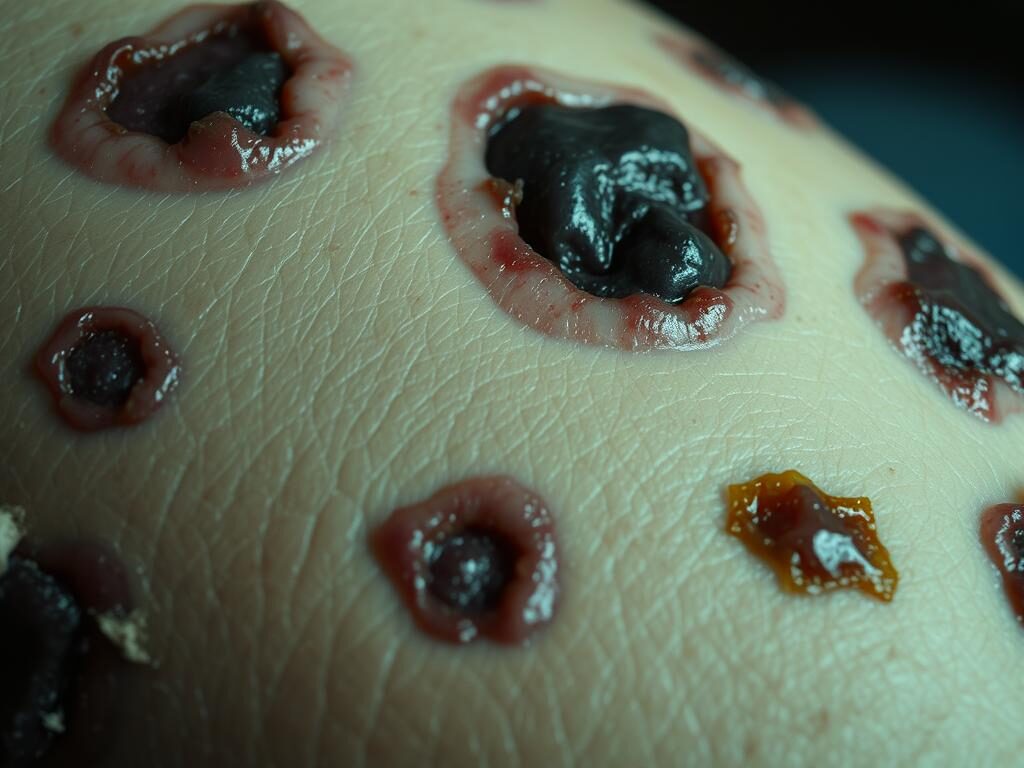
Offload plantar ulcers with a nonremovable total contact cast when appropriate; removing pressure from hotspots is the most effective method to drive healing.
Have regular sharp debridement for callus managed by a clinician to lower focal pressure and bacterial burden.
After verifying arterial perfusion with ABI/TBI, use calibrated compression (30–40 mm Hg). Combine compression with walking to activate the calf pump and elevate legs to reduce edema.
Avoid aggressive debridement until blood flow improves. Coordinate vascular imaging and revascularization, then return to full TIME therapy. Focus on infection prevention and moisture balance first.
Reposition every 1–2 hours and use pressure-redistributing surfaces. Control moisture and avoid donut-style cushions that block flow.
If your at-home plan stalls or the skin breaks down, prompt evaluation can prevent bigger problems.
Know the specific red flags that signal infection or deterioration so you act fast. Chronic wounds and ulcers often show subtle changes before systemic illness appears.
Use NERDS to spot biofilm or critical colonization (nonhealing, exudative, red and bleeding, debris, smell) and STONEES to detect true infection (size increase, temperature rise, os to bone, new breakdown, exudate, erythema/edema, smell).
Dominion Mobile Wound Care can evaluate red flags at home, collect appropriate cultures when indicated, adjust dressings, arrange imaging or surgical referrals, and coordinate antibiotics only when clinically required.
Following hospital-grade protocols at home gives your body steady support for reliable tissue repair. A TIME-based approach, frequent debridement when indicated, correct compression for venous disease, offloading for diabetic feet, and scheduled repositioning for pressure injuries all work together to improve wound healing.
You learned condition-specific steps and the red flags that need prompt professional attention to avoid infection or tissue loss. Simple daily habits—nutrition, hydration, glucose control, and consistent dressing routines—keep the process moving between visits.
Dominion Mobile Wound Care can bring multidisciplinary support and advanced treatment into your home, help coordinate referrals, and keep your plan on track. Hire Dominion Mobile Wound Care to help heal your wounds and protect your health.
You help restore healthy tissue when you keep the injured area clean, control moisture, and protect it from pressure or repeated trauma. Regular dressing changes, monitoring for signs of infection, and maintaining good circulation through gentle movement improve oxygen and nutrient delivery, which speeds repair.
A wound becomes chronic when healing stalls due to poor blood flow, repeated pressure, uncontrolled diabetes, persistent infection, or underlying venous or arterial disease. Nerve damage and poor nutrition also slow repair, allowing bacteria to persist and tissue breakdown to continue.
Left untreated, ulcers can lead to repeated clinic visits, advanced therapies, and sometimes hospitalization or surgery. For you, this means higher medical bills, greater pain, reduced mobility, and higher risk of complications like cellulitis or amputation with diabetic foot ulcers.
TIME stands for Tissue management, Infection control, Moisture balance, and Edge advancement. At home you focus on removing dead tissue as directed by a clinician, maintaining a clean environment, using the right dressing to keep moisture balanced, and protecting wound edges so new skin can grow.
Match dressing type to your wound’s needs: absorbent foam or alginate for heavy drainage, hydrocolloid or film for low-drain wounds, and antimicrobial dressings if infection risk is high. Follow your clinician’s recommendation and change dressings on the schedule they give you.
Clean the area gently; follow prescribed dressing changes; avoid pressure on the site; stay active within limits to boost circulation; check for odor, increased pain, or new drainage; and keep appointments for professional debridement or assessments.
Very important. You need adequate protein, vitamins (A, C), zinc, and fluids to build new tissue and fight infection. If you have diabetes, keep blood sugar controlled—high glucose impairs immune response and slows recovery.
Offload pressure using prescribed orthotics, crutches, or a wheelchair when needed. Keep the area clean, manage calluses with professional care, monitor blood glucose, and see your podiatrist regularly to prevent complications.
Use compression therapy as prescribed, elevate your legs several times a day, maintain gentle exercise to improve calf pump function, and control swelling and skin moisture to reduce breakdown and support healing.
Protect the area from trauma, avoid tight dressings that restrict circulation, and seek prompt vascular evaluation. Do not use compression unless a vascular specialist approves—these ulcers need improved blood flow to heal.
Reposition at least every two hours if you’re immobile, use pressure-relieving mattresses or cushions, keep skin dry and cool to control microclimate, and inspect bony areas daily for redness or breakdown.
Worsening pain, increased redness, swelling, spreading warmth, new foul odor, rising drainage, fever, or rapid growth of the wound are red flags. If you notice any of these, contact your clinician immediately for possible antibiotics, debridement, or advanced therapies.
You should see gradual improvement within 1–4 weeks depending on wound type and health status. If you see no progress, or if the wound deepens or enlarges, seek professional care for reassessment and possible change in treatment.

Feeling stretched thin is common when you balance daily duties and the health needs of a loved one. Nearly 55 million people in the United States step into a caregiver role, and many delay their own support while managing complex tasks. That strain raises stress and risks to mental and physical health.
Dominion Mobile Wound Care brings clinical wound services into your home so you save time and conserve energy. Our team reduces travel burdens and fits visits around your schedule. You get clear next steps, coordinated services, and direct support when you need it most.
This approach lowers stress by simplifying appointments, protecting family health, and giving you space to focus on what matters. Our caregiver-centered model works with your existing routine and offers resources and mental health awareness woven into every visit. Hire Dominion Mobile Wound Care to help heal their wounds.
Bringing skilled wound treatment into your living space removes a lot of the small hassles that build up during a busy week. That shift frees up hours and cuts the unpredictable tasks that increase daily stress.
Our medical care comes to your home, so you skip waiting rooms and long drives. You get back the time you need to handle medications, meals, and errands without extra pressure.
You benefit when a clear care team shares updates and aligns with your primary clinicians. That coordination reduces duplicate calls and keeps everyone working from the same plan.
Early assessments and evidence-based dressing changes prevent complications and avoid crisis visits. Quick intervention protects overall health and lowers the chance of emergency trips.
Dominion Mobile Wound Care provides mobile wound services designed to reduce your stress. Hire Dominion Mobile Wound Care to help heal your wounds.
Life as a family helper often means juggling dozens of tasks that chip away at your time and energy.

Who you are: You may be a family member, friend, or neighbor stepping in to assist daily living. Many people in the U.S. take on this role while holding jobs and managing households.
A caregiver may prepare meals, help with bathing and dressing, and monitor medications. You might also handle transportation, bills, and clinician communication.
These tasks add up. Keeping wound routines, appointments, and insurance paperwork can become overwhelming without clear resources.
Chronic strain happens when you put another person’s needs ahead of your own. Delayed self-care raises risks to your mental health and physical well-being.
Dominion Mobile Wound Care recognizes the realities you face every day and aligns services to protect your time and health. Hire Dominion Mobile Wound Care to help heal your wounds.
A clear service directory helps you match local programs and tools to your day-to-day demands. Use this short guide to find quick supports that ease tasks and protect your health.
Access free, confidential peer options by phone, text, or online chat when taking care feels heavy. These resources are built for healthcare workers and family members who need someone to listen.
Use a single organizer to collect provider contacts, med lists, appointment dates, and home or financial documents. That one file makes it easier to share details with your care team and trusted family.
Coordinate clinical services alongside home assistance so your care needs are met without juggling multiple portals. A caregiving-aware team can prioritize what matters and prep topics to discuss at visits.
Dominion Mobile Wound Care can coordinate with your existing providers and connect you to helpful services. Hire Dominion Mobile Wound Care to help heal your wounds.
When tasks pile up, quick access to trusted supports helps you stay steady. Dominion Mobile Wound Care acknowledges caregiver mental health and points you toward free, confidential options you can use today.

You can talk to a trained peer by calling or texting 1-866-802-7337 (PEER). Use this line when stress spikes or you need to process caregiving challenges. It offers real-time, confidential support that fits into a busy day.
The Care to Listen podcast shares monthly episodes centered on healthcare workers and the realities a caregiver faces at home. Each episode offers usable tips and topics you can bring into your next care plan meeting.
A curated Resource Library hosts checklists, short exercises, and tools to build health well-being. Involve a family member in learning exercises to create shared language and reduce stress-related misunderstandings.
Dominion Mobile Wound Care recognizes the mental demands you carry. Hire Dominion Mobile Wound Care to help heal your wounds.
Simple, practical systems make day-to-day support smoother and free up time when you need it most.
Start with a single Care Organizer that stores provider lists, medication schedules, appointment dates, home notes, and financial papers. This file becomes the source everyone uses in a pinch.
Include a trusted family member or friend in notes and task lists so members of your support circle can step in when needed.
Dominion Mobile Wound Care helps you organize details and align communication. Hire Dominion Mobile Wound Care to help heal your wounds.
Community organizations and formal programs offer targeted help that eases daily burdens and protects your time.
Search national groups and local chapters that run support groups, respite programs, adult day centers, and home services. These options give short breaks and steady assistance so you can rest and keep routines on track.
Consider bringing in clinical in-home help when safety is at risk, dressing changes are frequent, supplies are complex, or medical care needs increase. A geriatric case manager can help you decide and coordinate services.
Use tools like Medicare Made Clear, the Just Plain Clear glossary, a Pharmacy Locator, and a Drug Cost Estimator to understand coverage, refills, and costs. Organize insurance papers and advance care planning documents so every family member can find critical information.
Dominion Mobile Wound Care coordinates with local organizations and advises when clinical in-home help is needed. Hire Dominion Mobile Wound Care to help heal your wounds.
Expert wound treatment at home turns complex schedules into manageable steps and reduces last-minute crises. This approach brings clinical care to the person who needs it and eases what a caregiver may face while juggling routine tasks.
You get clear next steps, practical tips, and steady support that respect your time. The team coordinates with your family, a trusted friend or member, and primary clinicians to meet clinical needs and daily priorities. When a caregiver may delay help, early assistance prevents setbacks and protects health and health well-being.
You deserve a partner that lightens your load. Dominion Mobile Wound Care reduces travel, focuses visits on what matters, and keeps your person safe and comfortable. Hire Dominion Mobile Wound Care to help heal your wounds.
Mobile wound care brings licensed clinicians to your home to assess and treat wounds. You save travel time, avoid long clinic waits, and reduce the logistical burden of scheduling multiple appointments. That frees up time for your responsibilities and lowers the chance of emergency visits that add pressure to your routine.
Providers who visit your home share updates with primary physicians, home health nurses, and therapists, creating clearer communication across the team. That reduces repeated questions, duplicated visits, and the need for you to relay complex medical details, which lightens your coordination workload.
Yes. Prompt assessment and evidence-based treatment lower infection risk and speed healing. Fewer complications mean fewer hospital trips, shorter recovery times, and less disruption to your daily life and finances.
Caregivers are often family members, friends, or neighbors who help with bathing, grooming, mobility, errands, medication reminders, transportation, and finances. Your role may vary over time, and knowing common tasks helps you plan and ask for specific support.
Stress grows from chronic demands, disrupted sleep, skipped medical care for yourself, and emotional strain. Watch for persistent fatigue, mood changes, increased irritability, and neglecting your health—these are signs you should seek support or respite.
You can access employee assistance programs, local counseling services, peer support hotlines, and digital therapy platforms. Many community centers and national organizations also offer free or low-cost counseling and stress-management workshops tailored to caregivers.
Use a centralized organizer—digital apps like MyChart or a printed binder—to track providers, medication lists, appointment calendars, and legal documents. Clear labeling and regular reviews reduce missed doses and scheduling errors, making daily management easier.
Start with your primary care physician, local hospital discharge planners, or your insurance case manager. National organizations such as AARP and the Department of Health and Human Services provide directories. Ask about backgrounds, certifications, and references when hiring in-home aides.
Respite options include short-term in-home aides, adult day centers, and volunteer companion programs. Scheduling regular breaks reduces burnout, helps you maintain work and personal responsibilities, and improves the quality of care you provide.
National hotlines and local caregiver support lines offer peer-to-peer conversation and crisis help. Many nonprofit organizations advertise phone and text services; check websites for up-to-date contact options and hours.
Yes. Podcasts focused on lived experiences and practical tips can normalize your feelings and offer strategies. Organizations and health systems host resource libraries with guides on self-care, workplace wellness, and coping skills you can use at home.
Keep provider contact information, an up-to-date medication list with dosing, allergy notes, upcoming appointments, insurance details, and copies of advance directives in one place. Regularly review and update the organizer so it remains reliable during transitions.
Schedule a family meeting with the primary clinician or case manager present when possible. Prepare a concise summary of needs, goals, and questions. Use shared documents or secure portals to maintain consistent information across family members and providers.
Organizations such as AARP, the National Alliance for Caregiving, Area Agencies on Aging, and local community health centers can connect you with support groups, respite programs, and vetted home-care agencies. Contact them to learn eligibility and referral processes.
Consider hiring help if care needs exceed your physical ability, if you’re experiencing burnout, or if medical tasks require licensed skills. A professional can provide safety, consistent care, and respite—evaluate cost, licensing, and references before hiring.
Learn what services Medicare and Medicaid cover, review long-term care options, and consult with a benefits counselor or elder law attorney about advance directives and power of attorney. Early planning helps you access available benefits and reduces unexpected costs.

Clean hands and clear steps are the first line of defense when you manage wounds at home. APIC’s hand hygiene topic highlights that proper hand washing is the top method to stop spread. The WHO Global Action Plan and monitoring framework for IPC (2024–2030) gives clear national action items and indicators to improve control across health systems.
You will learn how structured infection prevention breaks the chain of germs during dressing changes. Simple control steps for supplies, surfaces, and disposal make daily routines safer. These small habits protect your health and promote patient safety at home.
We tie practical steps to trusted topics and content from APIC and WHO so you can build measurable plans infection prevention. Start with cleaning, disinfection, and world hand hygiene, then move to monitoring and when to seek help. Hire Dominion Mobile Wound Care to help heal their wounds.
Home wound care shapes patient safety every day by moving clinical steps into your living space.
You face unique risks at home from variable cleanliness, limited storage, and contacts with family, pets, or visitors. These factors make consistent infection prevention and control essential to protect both the patient and workers who help with daily tasks.
When you leave a hospital or other health care facilities, responsibility for routine care shifts to you and caregivers. Clear steps, reliable supplies, and documented dressing changes reduce complications, emergency visits, and overall health costs.
Follow trusted topics and news from APIC and WHO to stay aligned with national guidance for health care-level safety at home. Hire Dominion Mobile Wound Care to help heal their wounds.
Clear, repeatable steps at home reduce the chance that wounds lead to serious harm.
In home settings, infection prevention control means you set simple steps to keep germs away from the wound, supplies, and anyone giving care.
Repeat the same sequence each time so nothing important is missed. Use APIC topic pages and WHO tools as practical references for actions you can adopt at home.

Your home has surfaces and routines not made for clinical work. A wound is a direct route for harm, so you need health care controls to close transmission paths.
Implementation infection prevention starts by picking a clean area, organizing supplies, and deciding when and how you will act.
Use WHO’s IPC frameworks to guide monitoring and feedback at home so you can improve what you do.
Hire Dominion Mobile Wound Care to help heal their wounds.
Clean hands plus proper protective gear are the basic defense you control during wound care. APIC notes that proper hand hygiene is the top method to stop spread, and clean tools and surfaces help keep patients safe.
Follow five key moments adapted from world hand hygiene: before touching the patient or supplies, before a clean task, after body fluid risk, after touching the patient, and after touching surroundings.
Use alcohol-based hand rub when hands look clean. Wash with soap and water if hands are visibly soiled, after glove removal, or after contact with fluids.
Choose PPE for the task: gloves for all dressing changes, masks and eye protection if splash is possible, and gowns if clothing might contact drainage.
Put on PPE in a clean area and remove it carefully. Always perform hand hygiene after removal and store PPE in a small organizer near your care area.
Hire Dominion Mobile Wound Care to help heal their wounds.
Small steps—cleaning, correct device care, and safe injections—make your home a safer place for wound healing.
Disinfection and sterilization matter because germs on tools and surfaces can cause harm to patients and workers. Clean visible soil first, then use an EPA-registered disinfectant and follow label contact times to be effective.

APIC defines CLABSI as a serious central line-associated bloodstream event and CAUTI as an infection tied to catheter use.
Keep catheter sites dry, change dressings as directed, maintain closed systems, and avoid letting tubing touch unclean surfaces.
Always use new needles and syringes, disinfect vial septa before access, and never reuse single-dose vials. These steps support injection safety and reduce bloodstream risks.
Set a dedicated, decluttered surface away from kitchens and bathrooms. Store dressings and gloves in sealed containers and keep pets out during procedures.
Align your home routine with practices used in health care facilities: consistent surface disinfection, correct device handling, and traceable supply storage help control infections and protect health.
Hire Dominion Mobile Wound Care to help heal their wounds.
Antimicrobial resistance is a growing concern for people who manage wounds at home. You should know how resistant organisms change treatment choices and why stewardship matters for your long-term health.
MRSA can colonize skin and wounds and may not respond to some antibiotics. C. diff often follows antibiotic exposure and causes severe diarrhea. CRE are gut bacteria that resist carbapenems and can complicate care.
Antimicrobial stewardship means using drugs only when needed, at the right dose and duration, and stopping when your clinician advises. Always get cultures before starting antibiotics if your clinician orders them, and tell your care team about prior antibiotic use.
Understanding resistance patterns empowers you to ask better questions and work with your provider for safer, more effective care. Hire Dominion Mobile Wound Care to help heal their wounds.
Start with a small, documented plan that brings national action plan ideas into your daily wound care routine. A brief home IPC plan lists steps, supplies, and who does each task.
The WHO GAPMF (approved at the 77th World Health Assembly) and the IPC global portal provide a practical, stepwise approach you can adapt. The launch on 23 June 2025 added downloadable tools and country stories to guide your work.
Keep an eye on may 2025 releases and 2025 departmental update summaries. Download read june resources and read june 2025 materials from the IPC global portal to stay aligned with national action plan timelines.
Maintain a binder or digital folder where you download read key guides, record changes, and track progress. Hire Dominion Mobile Wound Care to help heal their wounds.
Spotting early changes in a wound helps you act fast and protect patient safety at home. Regular surveillance reduces risks and supports safe, timely care for the patient.
Do a quick inspection each day and record what you see. Note any increased redness, warmth, swelling, foul odor, thicker or discolored drainage, spreading skin irritation, fever, or new or worsening pain.
If you notice rapid changes—new fever, streaking redness, sudden pain, or heavy drainage—pause self-care and protect the wound. Contact your clinician or urgent care right away.
Strengthen control by rechecking hand hygiene and surface cleaning whenever small setbacks occur. Consult may 2025 guidance and the 2025 departmental update materials you download read to confirm when home monitoring is enough and when in-person evaluation is required.
Include family, workers, or a caregiver in your plan so someone else can spot trouble if you feel unwell. Hire Dominion Mobile Wound Care to help heal their wounds.
This conclusion sums a simple, practical roadmap you can use at home to keep wounds healing and risks low.
Key steps: keep hand hygiene tools at your station, clean surfaces and tools, use correct PPE, and organize supplies for each dressing change. These actions form the core of infection prevention and prevention control in your home routine.
Track tasks with a short checklist and review outcomes weekly. Download read updates and align actions with national action goals so your steps stay current and simple.
Act quickly if early warning signs appear. For skilled support and on-site plans that fit your space, Hire Dominion Mobile Wound Care to help heal their wounds.
Proper wound care at home reduces the chance that harmful microbes enter the body, controls local inflammation, and supports faster healing. You should keep dressings clean and dry, follow prescribed dressing-change schedules, and report any worsening signs to your clinician. Simple steps—sterile supplies, hand cleaning, and safe disposal—lower risks and improve outcomes.
Home care shifts responsibility to you and your caregiver, so consistent practices protect you from avoidable harm. Following clinical guidance, maintaining hygiene, and communicating with healthcare providers prevent complications that can lead to hospital readmission. Staying informed about national guidance and updates helps you match facility standards at home.
IPC in the home means applying clinical-grade measures—clean technique, correct use of supplies, and environmental cleaning—to lower the chance of pathogen spread. You should treat the home as a mini clinical setting: prepare a clean surface, use single-use items when advised, and ensure caregivers follow the same steps every time.
Pathogens don’t distinguish between settings. Wounds, invasive lines, and catheters can offer entry points for microbes. Health care-level practices reduce transmission risk, protect vulnerable people in your household, and preserve antibiotic effectiveness by reducing unnecessary use.
Focus on hand cleaning, using sterile or clean supplies, safe disposal of sharps, separating wound supplies from household items, and routine surface disinfection. Keep a checklist for dressing changes and train caregivers to follow it consistently.
Use alcohol-based hand rub or soap and water following WHO moments: before touching the wound, before aseptic tasks, after exposure to fluids, after touching the patient, and after touching surrounding surfaces. Clean hands thoroughly for at least 20 seconds with soap and water when visibly soiled; otherwise use sanitizer.
Clean hands before preparing supplies, again just before touching the wound or sterile dressing, and after completing the procedure. Use a clean surface, avoid touching nonsterile items, and put on gloves only after you’ve cleaned your hands.
Choose gloves for contact with bodily fluids, masks if splashes are likely, and aprons to protect clothing. Don PPE after hand cleaning and remove it before leaving the care area, then clean hands again. Dispose of single-use items safely and launder reusable items separately.
Use EPA-registered disinfectants per label instructions for contact time and dilution. Clean visible soil first, then apply disinfectant. Keep wound supplies in a closed container and disinfect the preparation surface before and after dressing changes.
Follow care bundles: secure and dress lines properly, perform regular site inspection, use sterile technique for access, and maintain a log of line care. Seek training from your clinician for line handling and flushing protocols to reduce complications.
Use a new, sterile needle and syringe for each injection, prepare injections on a clean surface, never reuse or recap needles, and dispose of sharps in an approved container. Receive hands-on training and follow clinician instructions exactly.
Designate a tidy, well-lit area for care away from pets and high-traffic zones. Keep wound supplies in labeled containers, disinfect surfaces before procedures, and ensure good ventilation. Establish routines for cleaning and waste removal.
These organisms resist common treatments and can complicate wound healing. You should complete prescribed antibiotic courses only when necessary, practice strict hygiene to prevent spread, and inform caregivers and clinicians if you have a history of resistant organisms.
Ask if an antibiotic is necessary, follow the exact dose and duration, and report side effects promptly. Share wound cultures, recent antibiotic use, and allergy history with your provider to guide targeted therapy and reduce resistance risks.
Translate core recommendations into simple checklists: hand-cleaning moments, dressing-change steps, supply lists, and monitoring logs. Use downloadable resources from reputable agencies to create household-friendly protocols that reflect WHO and national guidance.
Plan: set a routine and assemble supplies. Do: follow the checklist during each dressing change. Monitor: record wound appearance, temperature, and pain daily. Improve: review the log with your clinician and adjust care based on outcomes.
Check the CDC and WHO websites, state health departments, and professional organizations like the Association for Professionals in Infection Control and Epidemiology for the latest guides and downloadable tools released in 2025.
Inspect the wound once a day for increased redness, swelling, foul odor, new or increased drainage, rising pain, or spreading warmth. Take your temperature if you feel unwell and log any changes for your clinician.
Call your clinician or seek urgent care immediately for spreading redness, foul-smelling discharge, persistent fever, severe pain, or if the wound opens or drains profusely. Follow your escalation plan and use emergency services if you notice rapid deterioration.
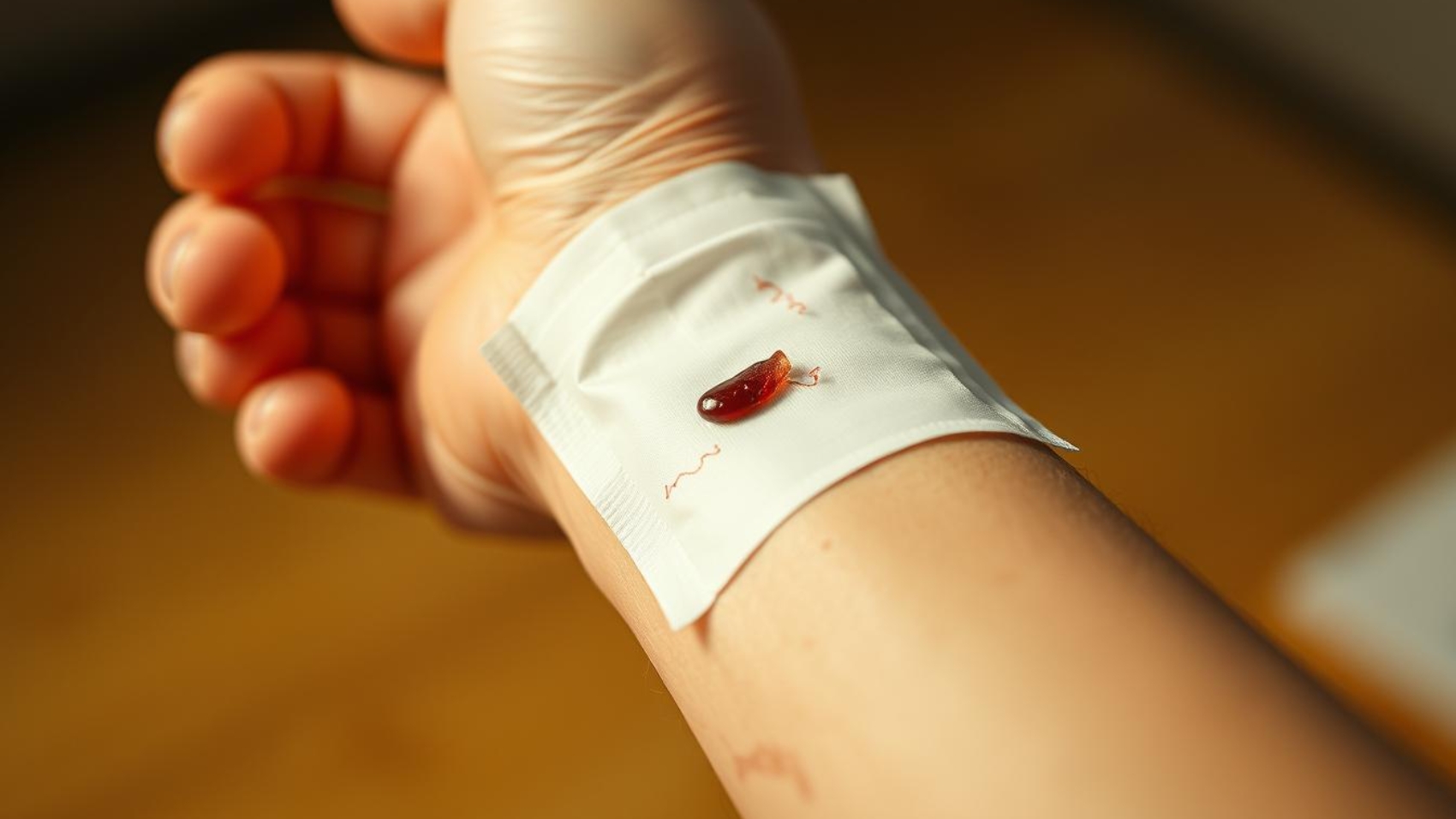
If a wound at home is not closing the way you expect, acting quickly can protect your health and independence. In the United States, about 6.5 million patients live with chronic problems that can cause pain, loss of function, longer hospital stays, and even risk of amputation when the healing process stalls.
You will learn how to spot early signs that a wound needs more than simple home care. Small changes—more drainage, odd odor, or darkening edges—can mean the process is off track and need timely clinical attention.
We explain why some wounds stall despite good home care and what to do in the first 24–48 hours to protect healing and quality of life. You’ll also see when to move from home care to same-day evaluation to avoid complications.
Hire Dominion Mobile Wound Care for expert, mobile evaluation and treatment delivered where you live if you need prompt help to heal your wounds.
Knowing the steps of tissue repair makes it easier to spot when healing halts.
A wound that does not reduce in size or move through the normal healing process within weeks—and certainly by three months—meets the definition of a chronic wound.
The wound healing sequence runs through coagulation, inflammation, proliferation, and remodeling. Each stage prepares tissue for the next step.
Many wounds stall during the inflammation phase. Excess proinflammatory signals, persistent infection or biofilm, and senescent cells stop repair.
Early identification of these barriers lets you and your clinician prevent a chronic wound. Hire Dominion Mobile Wound Care for a phase-by-phase assessment and a plan tailored to your situation.
Recognizing early red flags helps you act before a small problem becomes serious. Watch the wound and the skin around it daily for changes in color, drainage, or smell. Quick action can protect your health and reduce the chance of deeper infection.
If the wound shows increasing inflammation, worsening pain, a new or stronger odor, or more persistent drainage, these are clear signs to escalate care.
Dark or rolled edges, expanding size, or exposed bone suggest progression toward an ulcer or deeper infection.
Be alert for fever, chills, or rising blood sugar in patients with diabetes. These symptoms mean bacteria may be spreading beyond the local site and you need urgent evaluation.
NERDS helps flag biofilm: Nonhealing, Exudative, Red and bleeds, Debris, Smell. STONEES points to likely infection: Size, Temperature, Os, New breakdown, Exudate, Erythema/Edema, Smell.
Begin with basic measures that clean, cover, and offload the injured area to support repair. Early, gentle action protects healthy tissue and lowers infection risk. Follow these steps until you get professional help.

Track size and appearance at each change. Hire Dominion Mobile Wound Care for in-home instruction, tailored supply guidance, and help to heal your wounds.
Delayed repair often reflects deeper issues in circulation, nutrition, or repeated injury rather than a surface problem alone.
Many factors can slow how a wound closes. Infection, poor blood flow from conditions like diabetes or hypertension, and age-related changes all reduce the body’s repair capacity.
Repeated trauma from footwear, mobility devices, or bed positions can reopen fragile skin. Smoking and some medications blunt inflammation and delay recovery over months.
Hire Dominion Mobile Wound Care to evaluate underlying barriers, coordinate referrals, and help patients address the root factors that hold healing back.
Different ulcer types show distinct patterns—learning these clues helps you choose the right care quickly.
Pressure ulcers form over bony prominences when sustained pressure and shear injure the skin and deeper tissue in the affected area.
Avoid donut cushions, reposition often, and manage the microclimate to reduce friction and moisture.
Diabetic foot ulcers commonly appear on toes or under the metatarsal heads where neuropathy and pressure meet callus.
Offloading (for example, total contact casting) and sharp debridement of hard callus around foot ulcers are key initial steps.
Venous ulcers are usually shallow, found on the medial lower leg, and occur with edema and dark hemosiderin staining.
Compression is standard once adequate arterial flow is confirmed. This reduces swelling and helps healing.
Arterial ulcers have a punched-out, well-demarcated appearance and can expose tendon or bone when blood flow is poor.
Vascular evaluation and revascularization take priority before local care can succeed.
Hire Dominion Mobile Wound Care to differentiate ulcer types at the bedside and start targeted plans that help heal your wounds. Our team helps patients with prompt, type-specific interventions.
Evidence-based care links simple home steps to targeted clinic treatments so your healing keeps moving forward.

The TIME framework gives a clear way to plan care: prepare tissue, control infection, balance moisture, and manage edges.
Aggressive, regular debridement removes slough and biofilm that lock the repair process in inflammation. Weekly debridement or sooner often doubles healing rates and helps the body resume repair.
Compression (30–40 mm Hg) speeds healing for venous ulcers once arterial flow is checked. For diabetic foot problems, proven offloading such as a total contact cast reduces pressure and improves outcomes.
Adjunctive options—negative pressure therapy to reduce edema and hyperbaric oxygen therapy for select diabetic cases—support granulation when standard measures stall.
Hire Dominion Mobile Wound Care to deliver the TIME approach, on-site debridement, compression/offloading, and access to advanced therapy in your home.
Matching dressing type to the wound and its goals helps healing and prevents harm. Choose products that balance moisture, protect fragile skin, and support the tissue you want to preserve. Below are simple, practical rules to help you pick a safe option until a clinician evaluates the area.
If the wound bed is dry, add moisture with a hydrogel or hydrocolloid to encourage cell migration.
For moderate to heavy drainage, use foams, alginates, or composite dressings to absorb fluid and keep the edges from macerating.
If you see spreading redness, increasing pain, or odor, consider an antimicrobial dressing while you seek clinical review.
Options include cadexomer iodine, PHMB, or silver-impregnated products to reduce bacteria locally and avoid unnecessary systemic antibiotics when there is no cellulitis.
Rolled or thickened edges block skin cells from migrating. Gentle edge management and appropriate dressing choice help epithelial cells cross the gap.
Use enzymatic or autolytic products between sharp debridements for adherent necrotic tissue. Protect surrounding skin with barrier film and careful tape placement.
Hire Dominion Mobile Wound Care to select and supply the right dressing, teach you safe change technique, and deliver hands-on treatment at home to help heal your wounds.
Quick triage and the right tests make a big difference for patients whose wounds linger.
Your clinician will check pulses at the bedside and may perform an ankle-brachial index (ABI) as a first arterial screen. If you have diabetes or likely vessel calcification, the toe-brachial index gives more accurate results for diabetic foot concerns.
Further workup can include arterial or venous duplex ultrasonography, pulse-volume recordings, skin perfusion pressure, and transcutaneous oximetry. Imaging such as radiographs or MRI helps rule out bone infection in suspected osteomyelitis.
You will ask for a coordinated plan and referral to a wound care specialist when cases need offloading, compression, or debridement. Hire Dominion Mobile Wound Care for bedside circulation checks, urgent visits, and prompt specialist-level treatment at home to help heal your wounds.
When simple measures stop helping, targeted therapy and expert assessment often restore healing momentum. You learned that chronic wounds are common and can threaten function when left unaddressed. Early recognition, routine wound healing checks, and a structured plan make a big difference for patients.
Use TIME principles, scheduled debridement, proper compression or offloading for foot problems, and infection control to protect tissue. Oxygen-based and negative-pressure therapy are useful options in select cases like diabetic foot ulcers and other stubborn ulcers.
Hire Dominion Mobile Wound Care as your mobile partner from assessment to closure. A qualified wound care specialist can visit you at home, match therapy to cause, and help restore quality and independence.
It means a wound fails to move through the normal healing stages—hemostasis, inflammation, proliferation, and remodeling—within an expected time. Causes include poor blood flow, persistent infection, repeated pressure, or metabolic issues such as uncontrolled diabetes that interfere with tissue repair.
Healing can stall when any stage is disrupted. Common reasons are inadequate oxygen and nutrients from poor circulation, ongoing contamination or biofilm, repeated trauma or pressure, certain medications (like steroids), and systemic factors such as smoking or poorly managed blood sugar.
Watch for darkened or rolled edges, increasing pain, persistent or increasing drainage, a new or foul odor, or tissue that looks sloughy or necrotic. These local changes suggest impaired tissue repair or infection and need prompt attention.
Fever, chills, increasing blood sugar levels, spreading redness beyond the wound, rapid heart rate, or feeling unwell are red flags. These symptoms may signal a spreading infection or systemic response and require immediate evaluation.
NERDS helps detect superficial infection signs: Nonhealing, Exudate increase, Red friable tissue, Debris, and Smell. STONEES flags deeper infection: Size increase, Temperature rise, Os (exposed bone), New areas of breakdown, Exudate, Erythema, and Smell. These guide decisions about topical versus systemic therapy.
Gently clean the area with saline, protect it with an appropriate dressing that maintains moist balance, and avoid leaving the wound open to air. Reduce pressure or friction by offloading the area and keep blood sugar controlled if you have diabetes.
Use pillows, foam, heel protectors, or offloading boots for foot wounds. Change positions regularly if you’re immobile, avoid tight footwear, and remove sources of shear like rough fabric. If you use devices, check skin daily for new pressure spots.
Poor circulation, diabetes-related neuropathy, older age, repeated trauma or pressure, smoking, obesity, and certain medications delay repair. Addressing these factors—improving perfusion, quitting smoking, and controlling glucose—improves outcomes.
Pressure ulcers form over bony areas from prolonged pressure. Diabetic foot ulcers result from neuropathy, abnormal pressure, and poor perfusion. Venous ulcers appear on the lower leg due to venous hypertension and edema. Arterial ulcers are painful, “punched-out,” and linked to ischemia.
TIME stands for Tissue management, Infection or inflammation control, Moisture balance, and Edge advancement. It helps clinicians and caregivers prioritize debridement, infection control, appropriate dressings, and strategies to promote edge epithelialization.
Removing nonviable tissue and disrupting biofilm lowers bacterial load, reduces chronic inflammation, and exposes healthy tissue that can regenerate. Consistent, appropriate debridement speeds healing and makes other treatments more effective.
Use compression for venous leg ulcers after arterial supply is confirmed safe (typically via ABI or toe pressure). Offloading is essential for diabetic foot ulcers—total contact casts or removable offloading boots reduce pressure and allow repair. Always follow clinician guidance to avoid harm.
Clinicians may use topical or systemic antibiotics for infection, negative pressure wound therapy to manage exudate and promote granulation, hyperbaric oxygen for specific ischemic or refractory wounds, or growth-factor therapies in select cases.
Match dressing to wound needs: keep dry wounds slightly moist with a nonadherent dressing; use absorptive dressings for heavy drainage; consider antimicrobial dressings if infection is likely. Avoid frequent unnecessary dressing changes to preserve the healing environment.
If you notice increasing pain, new or worsening odor, rising drainage, or spreading redness, suspect infection. Antimicrobial dressings (silver, iodine) can help topically, but if signs worsen or systemic symptoms develop, seek medical care for possible systemic antibiotics.
Edge care addresses rolled or macerated borders that block epithelial migration. Gentle debridement, appropriate moisture control, and topical agents that support epithelialization can help the wound margin advance and close.
Expect a vascular exam with pulse checks, an ankle-brachial index (ABI) or toe-brachial index when ABI is unreliable, wound measurement and photography, culture or swab if infection is suspected, and imaging if deep structures or bone may be involved.
Seek urgent help for rapidly enlarging wounds, exposed bone or tendon, severe increasing pain, systemic signs like fever, sudden rise in blood sugar with a wound, or a strong foul odor—all may indicate deep or spreading infection.
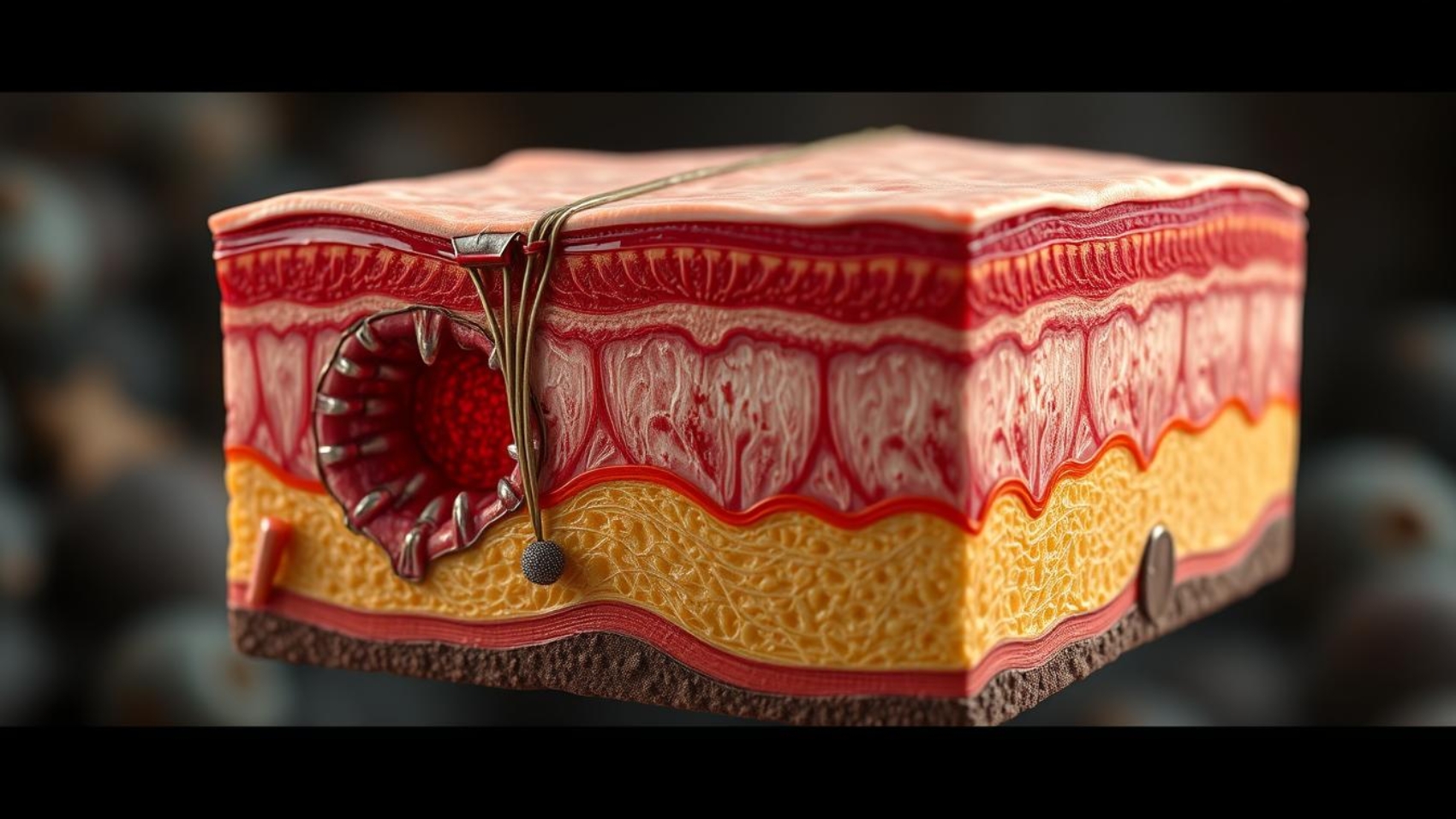
Your body begins a tightly timed response the moment you are injured. Within seconds, platelets form a clot and fibrin stabilizes it, which helps stop blood loss and lowers infection risk.
Next, inflammation brings immune cells and nutrients, then growth and rebuilding lay down new tissue. New tissue gains strength fast—most progress happens in the first six weeks, and by three months repair reaches roughly 80% of pre-injury strength.
Certain health issues and habits can slow or stall repair. Poor blood supply, diabetes, obesity, smoking, some medicines, or infection may turn a regular injury into a chronic concern.
Dominion Mobile Wound Care brings expert, bedside support so you can get advanced care at home. Hire Dominion Mobile Wound Care to help heal your wounds.
From clot formation to long-term remodeling, your body uses four distinct stages to rebuild the area. Each phase has visible signs and care needs that help new tissue form and strengthen.

Immediately after injury, blood vessels constrict and platelets gather. Platelets plus fibrin form a stabilizing clot to prevent blood loss. Covering the area helps protect that seal and reduces contamination.
Next, blood vessels dilate to bring oxygen, leukocytes, and macrophages. These cells clear debris, fight microbes, and release growth factors that set the stage for new tissue. Redness, warmth, swelling, and light pain are normal signs during this phase.
Granulation tissue appears as a pink, moist bed while angiogenesis builds new vessels. Fibroblasts drive collagen production, and epithelial cells close the surface. This rebuilding often lasts more than two weeks and benefits from balanced moisture and oxygen.
Collagen reorganizes, vascularity stabilizes, and scar tissue forms. Strength rises quickly in the first six weeks and reaches about 80% by three months. Remodeling can continue for months to years, and scars rarely match native skin strength.
Several common factors can stall recovery and turn a small injury into a long-term care issue. Reduced circulation and infection are the most frequent culprits. Other conditions, medicines, and habits add risk.
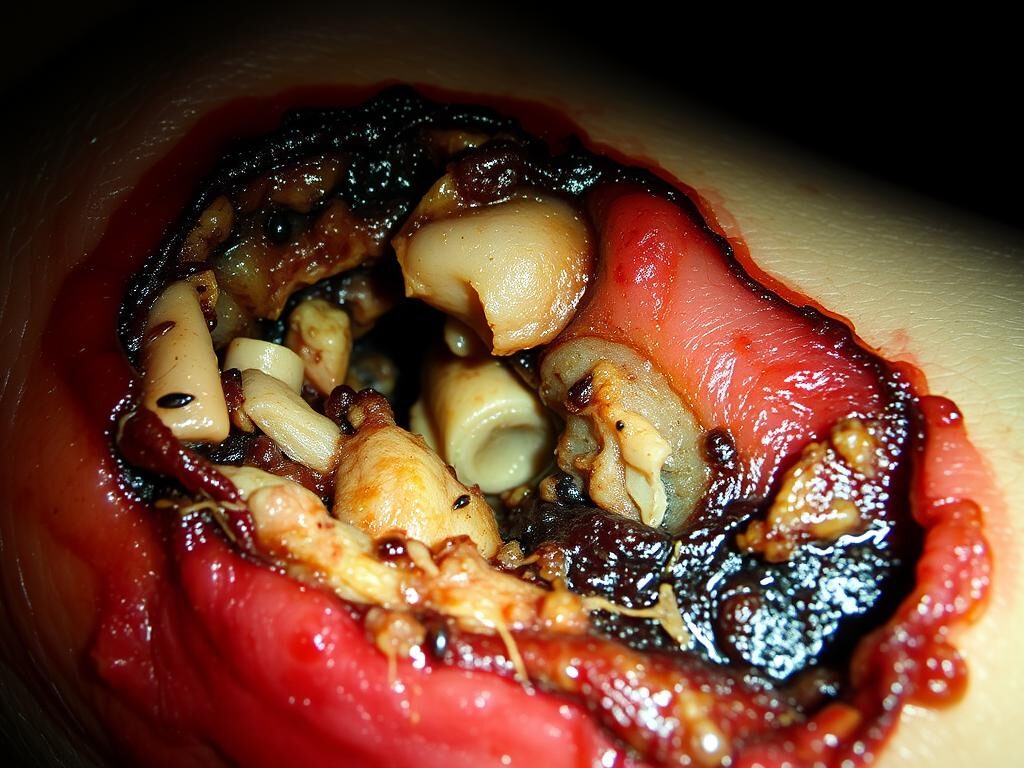
Limited blood flow cuts off oxygen and nutrients. This can double the time to closure or stop it entirely.
Persistent microbes form biofilm that prolongs inflammation. Look for dark red granulation tissue or a white/yellow film that hides bacteria.
Diabetes, obesity, and vascular disease reduce perfusion and increase neuropathy risk. NSAIDs, steroids, chemotherapy, and radiation all slow collagen and cell activity.
Smoking and heavy alcohol use lower vessel function and immunity. Low protein, dehydration, zinc, and vitamin C shortages limit new tissue and growth factors.
Supporting each phase with simple steps cuts complications and helps new tissue form faster.
Clean the wound site gently with a clinician-recommended method, then cover promptly to support hemostasis and reduce contamination.
Use moisture-balanced dressings to protect fragile granulation tissue, promote epithelial migration, and lower pain during changes.
Optimize collagen production by getting enough protein, vitamin C, and zinc. Avoid smoking and heavy alcohol to preserve microcirculation.
If progress stalls for several weeks, or you notice odor, excess drainage, or rising pain, seek professional assessment. Debridement and culture-directed antibiotics can remove barriers to tissue regeneration.
Antimicrobial and advanced dressings control bioburden and keep cells focused on repair. Dominion Mobile Wound Care provides at-home debridement, dressing selection, and medication management to align care with the phase wound healing plan.
When each stage runs as intended, strength returns quickly and scars can mature with less fuss. Normal closure needs coordinated hemostasis, controlled inflammation, robust proliferation, and steady remodeling. Collagen and scar organization can take months to years, and scar tissue stays weaker than intact skin.
Early recognition of poor perfusion, infection, or rising pain prevents larger setbacks. Timely debridement, targeted antibiotics, and moisture-balanced dressings reduce complications and speed recovery.
Dominion Mobile Wound Care offers phase-specific assessment, debridement, dressing selection, and medication guidance at your home. Hire Dominion Mobile Wound Care to help heal their wounds.
Your body triggers hemostasis immediately. Platelets gather at the cut, stick together and form a clot. Fibrin strands reinforce that clot to seal damaged vessels. This reduces blood loss and creates a temporary matrix that supports incoming cells.
The sequence starts with hemostasis, followed by inflammation, then proliferation, and ends with maturation/remodeling. Each stage has a specific role: stopping bleeding, clearing debris and microbes, building new tissue and blood vessels, and finally strengthening scar tissue over weeks to years.
Inflammation increases blood flow and brings oxygen, white blood cells, and growth factors to the injury. These elements control infection and remove damaged tissue. Short-term inflammation is essential; when it persists it can impede repair and lead to chronic problems.
Fibroblasts produce collagen and other proteins while new capillaries grow (angiogenesis) to supply oxygen. Granulation tissue forms and epithelial cells migrate to close the surface. This stage creates new, functional tissue but it’s fragile until remodeled.
Remodeling can last months to years. Collagen fibers reorganize, cross-link, and strengthen. Blood vessels prune back, and the scar gradually becomes less red and more flexible. The final tissue rarely matches the original exactly but regains significant strength.
Poor blood flow and low oxygen limit cell activity. Infection or biofilm causes persistent inflammation. Chronic diseases like diabetes, obesity, and vascular disease, plus certain medications (steroids, NSAIDs, chemotherapy, radiation), also interfere. Lifestyle and nutrition—smoking, heavy alcohol use, dehydration, and low protein, zinc or vitamin C—further delay repair.
Signs include increased or prolonged redness, swelling, foul odor, persistent pain, growing size, or no reduction after two weeks. These indicate stalled phases, infection, or underlying issues and mean you should get professional care.
Immediately control bleeding and keep the area clean. Use appropriate dressings to maintain moisture balance and protect granulation tissue. Avoid smoking, eat a protein-rich diet with adequate vitamin C and zinc, stay hydrated, and manage blood sugar if you have diabetes.
See a clinician if you notice signs of infection, spreading redness, systemic symptoms (fever), exposed tendon or bone, poor blood flow, or no improvement after a short period. Professionals can perform debridement, prescribe antibiotics, and offer advanced dressings or therapies to restart stalled phases.
You can reduce scarring by protecting the area from excessive tension and sun exposure, keeping it moist with appropriate dressings or silicone sheets, and following wound-care instructions. Early management and addressing factors that delay repair improve long-term appearance and strength.
New capillaries deliver oxygen and nutrients essential for cell growth and collagen production. Without adequate blood flow, cells can’t function, repair slows, and the risk of chronic breakdown rises. Therapies that improve circulation help restore normal repair activity.
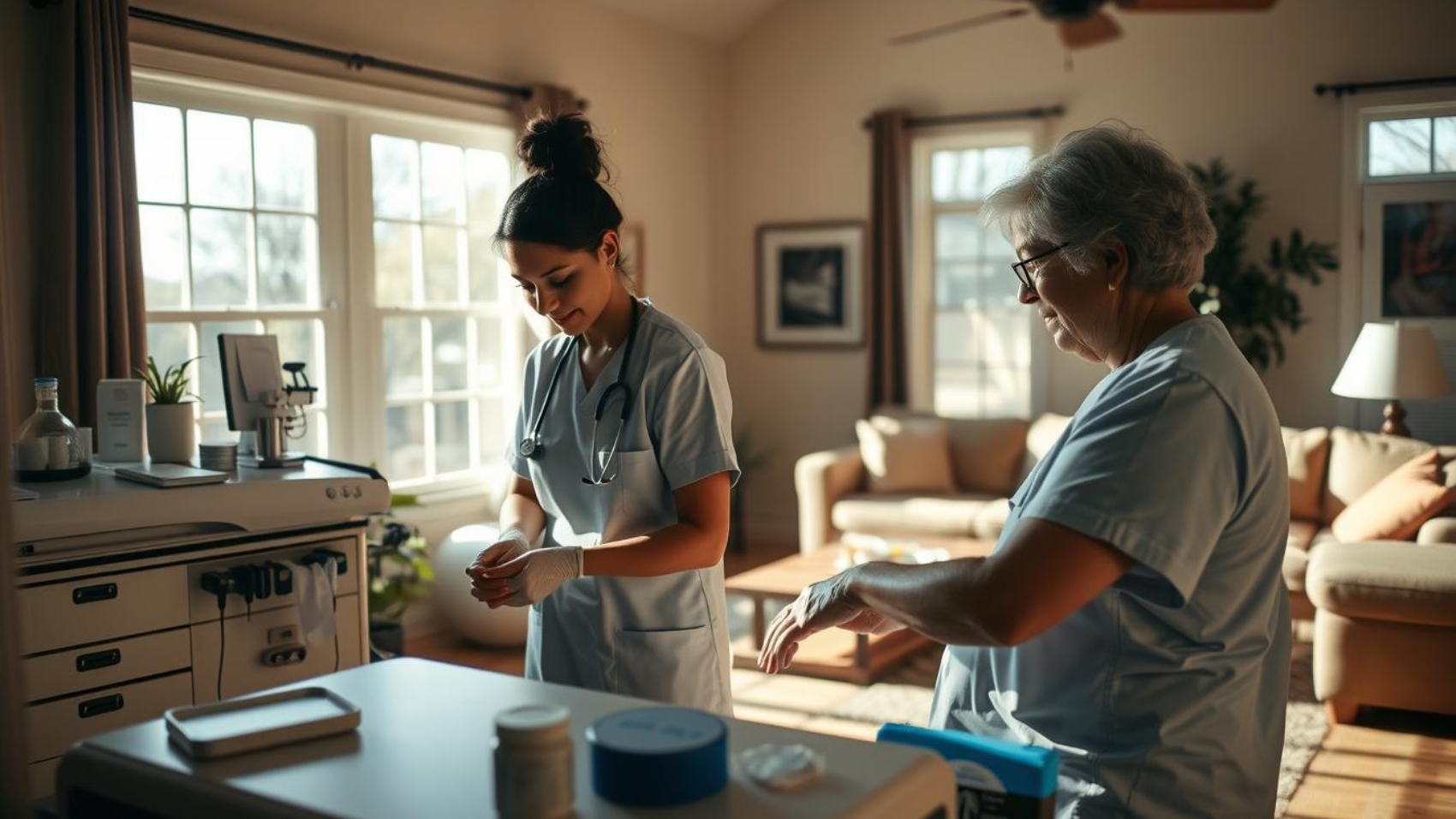
Dominion Mobile Wound Care brings clinical oversight to the place patients prefer most. This mobile model delivers thorough assessment, cleansing, dressing changes, and infection monitoring with a focus on safety and comfort.
The local team works with physicians and insurers to keep treatment plans on track. Many major plans accept visits, which helps reduce trips to clinics and lowers exposure to healthcare-associated infections.
Patients report smoother recovery thanks to frequent progress checks and tailored pain management. The approach supports chronic lesion management, prevention education, and timely adjustments without disrupting daily routines.
To arrange a first visit or learn how the process works, readers are invited to hire Dominion Mobile Wound Care for coordinated, patient-centered support that emphasizes quality and results.
Patients increasingly select on-site services to reduce travel, lower exposure risk, and speed recovery. Bringing expert assessment, irrigation, dressing changes, and infection monitoring to a residence removes many repeated clinic trips and saves time.
Close observation lets clinicians adjust treatment quickly. Frequent visits support faster healing and reduce complications by spotting changes early. Coordination with a patient’s physicians keeps plans aligned with medications and other conditions.
Practical advantages include less travel fatigue, tailored guidance for daily routines, and reduced exposure to high-traffic facilities that can raise infection risk.
For coordinated, patient-focused support, hire Dominion Mobile Wound Care to help heal their wounds.
Local specialists deliver tailored, clinic-level treatments directly where patients rest and recover. This approach suits people who have limited mobility or chronic conditions that make travel hard. It also helps those who need frequent visits for reliable progress.
Patients managing postoperative incisions, diabetic foot ulcers, pressure injuries, venous leg ulcers, traumatic lacerations, or fragile skin gain clear advantages. Regular visits reduce delays and support consistent adherence to offloading, compression, and nutrition guidance.
Clinicians assess size, depth, tissue type, and exudate to guide treatments. They provide cleansing, irrigation, dressing changes, infection monitoring, and prevention education. Coordination with physicians keeps treatment aligned with diabetes, vascular issues, or neuropathy.
Hire Dominion Mobile Wound Care to bring specialized support and help heal their wounds.
Dominion Mobile Wound Care offers a full suite of in‑home services designed to evaluate and treat complex skin conditions at the bedside. The program blends structured assessment, hands‑on treatments, and close monitoring to support steady healing.
Clinicians document size, tissue type, drainage, and periwound condition to tailor treatments and track progress with clinical precision.
Evidence‑informed cleansing and irrigation reduce bioburden. Dressing protocols balance moisture and protection between visits.
Regular checks flag early signs of infection such as increased pain, redness, warmth, or odor so prompt treatment can begin.
Management plans address chronic issues with offloading, compression, and skin protection strategies when needed.
Pain strategies match each patient’s goals to support mobility and recovery. Education equips patients and family to recognize warning signs and follow safe daily routines.
The dedicated team coordinates with physicians and specialists to integrate medication changes, imaging, or referrals quickly.
Hire Dominion Mobile Wound Care to bring experienced wound care specialists and reliable services that help speed healing and protect quality of life.
Receiving clinical visits where they live helps people preserve energy and stay on schedule with treatment. That convenience supports steady healing and better adherence to plans.

Fewer trips mean less fatigue and more rest between visits. Patients can follow dressing and activity instructions without frequent disruptions.
Limiting exposure to high-traffic facilities lowers infection risk for those with complex wounds. This safeguard is especially important for people with diabetes or weakened immunity.
Specialists tailor dressing choices, offloading strategies, and skin protection steps to each person. This focused approach helps keep treatment aligned with goals.
Frequent checks let clinicians tweak moisture balance, compression, or topical treatment quickly. Small, prompt changes can speed recovery and prevent setbacks.
Dominion Mobile Wound Care provides this combination of comfort, quality oversight, and responsiveness. Hire Dominion Mobile Wound Care to help heal their wounds.
Insurance and coordination are often the unseen drivers that let patients focus on healing instead of paperwork.
Dominion Mobile Wound Care accepts a broad network of plans to support access across san antonio, including Aetna, Blue Cross Blue Shield, Cigna, Humana, Medicare, Medicaid, Multiplan, TriCare/TriWest, and United Healthcare.
The team handles authorizations and documentation to reduce delays. That administrative expertise helps patients begin treatment faster and keeps recovery on track.
Benefits: clear coverage guidance, fewer redundant appointments, and fewer interruptions in treatment.
Hire Dominion Mobile Wound Care to bring experienced coordination and support that helps heal their wounds.
A typical in‑home visit begins with a focused clinical review that sets clear goals for healing. The clinician conducts a detailed assessment, discussing risks to skin integrity and any mobility or nutrition factors. Patients receive a clear care plan with expected visit frequency and measurable goals.

The first appointment measures the wound, documents tissue type and exudate, and screens for pressure, moisture, and shear risks. The clinician explains the treatment schedule and agrees on shared goals with the patient and caregiver.
Follow-up visits focus on cleansing, dressing changes, and objective tracking with photos and measurements when appropriate. The team adjusts treatments as healing trends appear or if complications require physician input.
Infection-prevention steps include hand hygiene, clean work surfaces, proper disposal of used dressings, and safe supply storage. Visits end with a short recap of warning signs to report and simple daily routines that protect quality and comfort.
Hire Dominion Mobile Wound Care to bring hospital‑grade attention into the home and help heal their wounds.
Dominion Mobile Wound Care combines clinical protocols with flexible scheduling to meet each patient’s recovery timeline. Their services pair assessment, cleansing, dressing changes, infection monitoring, and chronic management so treatments stay consistent and effective.
The dedicated team aligns with physicians and wound care specialists to reduce delays and prevent complications. Education and pain strategies help families follow daily steps that support healing and protect surrounding skin.
For personalized guidance and scheduling, patients can begin care services that fit their needs today. Hire “Dominion Mobile Wound Care” to help heal their wounds.
Many residents prefer treatment delivered at home because it reduces travel, lowers exposure to infections, and improves comfort. Trained specialists provide personalized assessment and treatment plans that support faster healing and better recovery outcomes.
Patients with limited mobility, recent surgeries, chronic skin conditions, diabetes-related ulcers, venous or arterial ulcers, and those at high risk for complications often benefit most. Family members and caregivers also gain education and support to manage wounds safely.
Clinicians treat pressure injuries, diabetic foot ulcers, surgical incisions, traumatic wounds, and chronic non‑healing sores. They monitor for infection, necrosis, delayed healing, and other complications and intervene early to prevent deterioration.
The team offers comprehensive assessments, cleansing and irrigation, dressing changes, infection monitoring and treatment, chronic wound management, pain control, and caregiver education. Clinicians also coordinate with physicians and other providers to ensure continuity of care.
Specialists inspect the site for redness, drainage, odor, and systemic signs, take cultures when needed, adjust antibiotics with physician collaboration, and apply appropriate topical agents. Timely action reduces hospital transfers and promotes safer recovery.
Many major plans accept coverage, including Aetna, Blue Cross Blue Shield, Cigna, Humana, Medicare, Medicaid, Multiplan, TriCare/TriWest, and UnitedHealthcare. Coverage varies by plan and medical necessity, so clinicians help verify benefits and coordinate billing.
The clinician completes a detailed assessment, reviews health risks and medications, documents the wound, creates a personalized care plan, and performs initial treatments or dressing changes. They also explain the schedule and goals for recovery.
Follow‑up visits focus on progress tracking, dressing changes, pain management, and adjustments to the treatment plan. The team communicates changes to the primary doctor and updates family members on goals and prevention strategies.
Clinicians follow strict hand hygiene, use sterile techniques for dressing changes, wear appropriate personal protective equipment, and properly dispose of contaminated materials. They also educate families on wound hygiene and signs that require urgent attention.
Personalized attention, close monitoring, and reduced exposure to clinical settings promote healing. Coordinated plans with physicians and therapists address comorbidities, mobility, nutrition, and pain — all factors that speed recovery and reduce readmissions.

Dominion Mobile Wound Care introduces a clear, practical guide that helps a lay person support a patient safely after discharge. The guide explains basic steps, when to call professionals, and how simple routines reduce complications.
The short how-to covers cleaning with sterile saline, applying topical antibiotics when indicated, and keeping a dressing in place. It also explains the difference between a dressing and a bandage and why moisture balance aids healing.
Readers will find advice on observation, documenting changes, and coordinating with providers. These practices aim to protect skin, speed recovery, and lower the impact on daily life.
Dominion Mobile Wound Care can step in to coordinate visits and help adjust a treatment plan when needed. Hire Dominion Mobile Wound Care to help heal their wounds.
Start by verifying that the patient’s condition and discharge notes support management in a residential setting. Confirm that the injury is suitable for home treatment and that written instructions match the plan of action.
Gather supplies in advance: sterile saline, disposable gloves, appropriate dressings, and securement supplies. A tidy kit reduces delays and lowers daily risk.
Practice infection prevention. Wash hands thoroughly, use gloves, keep the area clean and dry, and avoid unnecessary touching. These steps help prevent complications and protect patient health.
Know when to involve professionals: heavy bleeding, deep or contaminated injuries, embedded debris, or signs of systemic illness like fever or spreading redness. If questions arise, Dominion Mobile Wound Care can assist with in‑home assessment, training, and plan updates.
Hire Dominion Mobile Wound Care to help heal their wounds.
Recognizing the type of injury helps shape simple, safe daily management and when to escalate.
Surgical incisions need clean technique, dry protection, and strict follow-up with the surgeon. Clinicians remove sutures or staples and assess any dehiscence or unusual drainage.
Pressure injuries form when pressure exceeds blood flow over bony areas. Frequent repositioning, moisture control, and pressure redistribution lower risk and protect skin.
These injuries vary in depth and contamination. Cleaning, appropriate dressing, and checking tetanus status are central to treatment and infection prevention.
Burns are classified by depth; deeper burns need urgent professional treatment. Diabetic foot ulcers require strict offloading and close infection surveillance. Venous ulcers often benefit from compression, while arterial ulcers need vascular assessment before compression is used.
Dominion Mobile Wound Care can guide tailored at‑home strategies and coordinate clinicians when escalation is needed. Hire Dominion Mobile Wound Care to help heal their wounds.
Healing unfolds in predictable phases; knowing each phase helps teams track progress and spot problems. Below are the four stages and practical signs to watch during recovery.

What happens: Platelets form a clot and a scab. Pressure and elevation slow bleeding while repair begins beneath the barrier.
Normal signs: Redness, warmth, swelling, and tenderness as immune cells clear debris. This phase usually lasts a few days.
When to act: Rising fever, spreading redness, or increasing pain may signal infection and need prompt assessment.
Look for: Moist, red granulation tissue and visible contraction of the gap. Mild itch is common as new skin forms.
Long-term: Collagen remodels over months to years. The scar flattens and strengthens; guided stretching or massage may help near joints.
Need help? Dominion Mobile Wound Care can assess progression in the home and adjust the plan to keep the healing process on track. Hire Dominion Mobile Wound Care to help heal their wounds.
A concise routine—prepare, inspect, clean, treat, and secure—reduces errors and speeds recovery. Begin by assembling supplies: sterile saline, disposable gloves, a primary dressing, secondary securement, clean scissors, and a trash bag within reach.
Gently remove the old dressing while noting saturation, odor, and any adherence. Irrigate the area with sterile saline and pat surrounding skin dry. Do not scrub the wound bed; that can damage tissue.
Apply topical agents only when ordered and aim for moisture balance. Too wet causes maceration; too dry slows repair. Choose a dressing that matches drainage and healing goals, then secure without constricting circulation.
Give pain relief before changes when needed. Use offloading, repositioning schedules, and pressure-relief surfaces as part of daily practice. Maintain hand hygiene, a clean surface, and consistent documentation of size, appearance, drainage, and patient-reported pain each day.
Dominion Mobile Wound Care can visit and provide in-home training and plan adjustments. Hire Dominion Mobile Wound Care to help heal their wounds.
A practical dressing strategy protects tissue, controls drainage, and speeds repair.
Absorptive, protective, and moisture-balancing functions
Dressings serve three main roles: absorb exudate, shield the wound bed, and keep moisture at a healing level. Choosing a product means matching those functions to what the patient needs.
Specialized options exist for ulcers and heavily draining sites. A nurse can advise when to use absorptive foams, films, or moisture-retentive gels.
When to change a dressing and what to observe underneath
Many wounds need daily changes, but frequency depends on drainage and product instructions. Increase change intervals if the dressing becomes saturated or if periwound skin shows maceration.
Use each change as a short assessment: note size, depth, tissue type, odor, amount of drainage, and the condition of surrounding skin. Record the time of change and findings to track trends and support communication with the team.
Dominion Mobile Wound Care can recommend suitable products, teach assessment during changes, and help reduce infection risk. Hire Dominion Mobile Wound Care to help heal their wounds.
Hands-on instruction and simple checklists turn complex clinical steps into daily routines that stick. A systematic review of 16 studies found that educational and behavioral programs delivered by nurses improved knowledge, self-care behavior, and healing indicators for patients and informal teams.

Training reduces errors and raises confidence. When a patient caregiver team understands signs, techniques, and escalation steps, they act sooner and more accurately.
Dominion Mobile Wound Care offers tailored, one-on-one or small-group coaching that translates evidence into practice. A clear plan, checklists, and escalation criteria help the team act fast when red flags appear.
Hire Dominion Mobile Wound Care to help heal their wounds.
Small changes measured the same way each day reveal whether treatment is working or needs adjustment.
Measure and record wound dimensions at the same time each day using a ruler or a consistent method. Note scab formation, reduction in drainage, and any change in color.
Document tissue type (granulation, slough), drainage amount, odor, and the condition of the surrounding skin. Track pain trends; steady or falling pain is expected, while rising pain may indicate infection or another risk.
Dominion Mobile Wound Care can review tracking logs, perform an in‑person assessment, and adjust the plan when trends show risk. Hire Dominion Mobile Wound Care to help heal their wounds.
Quick action on key red flags reduces the risk of infection, hospitalization, and lasting damage. Skilled services step in when a patient needs hands-on assessment or therapies that cannot be done safely in the household setting.
In the U.S., home health services are available to eligible patients who need skilled nursing or therapy and are under a physician’s plan. Goals focus on faster wound healing, lower infection rates, less pain, preventing new pressure ulcers, and avoiding rehospitalization.
Teams may include nurses, physical and occupational therapists, speech therapy when needed, dietitians, and medical social workers. Providers coordinate visits, documentation, and the plan to address diabetic foot ulcers, mobility, nutrition, and access barriers.
Dominion Mobile Wound Care coordinates with physicians and the interdisciplinary team to deliver timely in‑setting support. Hire Dominion Mobile Wound Care to help heal their wounds.
Conclusion
Healing in the residential setting needs a steady process: clean technique, moisture‑balanced dressings, pressure relief, and early checks to catch infection or rising pain.
Clear goals, a simple plan, and short daily notes help the patient team and providers work together. Attention to nutrition, mobility, and diabetic foot protection may also speed healing and limit complications.
Dominion Mobile Wound Care partners with families and clinicians, bringing evidence‑based services and timely escalation when needs exceed what can be managed in the home.
Hire Dominion Mobile Wound Care to help heal their wounds.
Caregivers need a clear care plan from a clinician, basic infection-control skills (handwashing, gloves), and a checklist of supplies such as sterile saline, appropriate dressings, and tape. They should understand the patient’s medications, comorbidities like diabetes, and any mobility limits that affect healing. Training from a nurse or wound specialist builds confidence and reduces complications.
Caregivers often manage surgical incisions, pressure injuries, abrasions and lacerations, burns of varying depth, diabetic foot ulcers, and venous or arterial leg ulcers. Each type needs a tailored approach for cleaning, dressing selection, pressure relief, and follow-up.
Healing follows hemostasis (bleeding control), inflammation (redness and swelling), proliferation (granulation and new tissue), and maturation (scar remodeling). Progress varies by wound type and health status; most acute wounds show steady improvement in two to four weeks, while chronic ulcers may take months and need specialist input.
Use sterile or clean saline to irrigate, gently remove debris, pat dry with sterile gauze, apply prescribed topical agents, and place the correct dressing without tension. Maintain strict hand hygiene and use gloves. Follow frequency instructions from the care plan and replace dressings sooner if soaked, loose, or soiled.
Match dressing function to wound needs: absorptive for heavy exudate, moisture-balancing for granulating tissue, and protective films for fragile skin. Change frequency depends on exudate, dressing type, and clinician guidance—daily for heavily draining wounds, every few days for low-exuding or advanced dressings, and immediately if signs of contamination appear.
Diabetic ulcers require strict glucose control, regular debridement when indicated, and offloading to remove pressure from the lesion. Daily inspection, protective dressings, and prompt communication with the care team for any change are essential to prevent infection and amputation risk.
Prevention includes regular repositioning, using pressure-reducing surfaces, skin inspection, moisture management, and nutrition support. For existing pressure injuries, reduce pressure with cushions or mattresses, keep the area clean and dry, and follow a clinician’s dressing and debridement plan.
Give prescribed analgesics before dressing changes when possible, use gentle technique, keep movements slow, and apply nonadherent dressings to reduce trauma. Distraction, positioning support, and clear communication help minimize distress during procedures.
Seek urgent help for increased redness, spreading warmth, new or worsening pain, foul odor, rising drainage, fever, wound dehiscence, necrotic tissue, or unexpected bleeding. Delayed healing beyond expected timelines also warrants evaluation by a nurse or physician.
Eligibility generally requires a physician’s referral and a need for skilled nursing or therapy that cannot be met in clinic. Home health visits include assessment, dressing changes, debridement when appropriate, compression therapy, patient education, and coordination with dietitians and social workers to support recovery.
Caregivers should learn wound assessment (size, depth, odor, exudate), safe dressing techniques, pressure-relief strategies, compression application for venous ulcers, and basic documentation. Regular education sessions and practice under supervision strengthen competence.
Use simple daily logs noting wound size, tissue type, drainage amount and color, odor, pain level, and dressing changes. Photograph wounds with consistent lighting and angle if allowed. Share records at clinician visits to help measure progress and adjust the care plan.
Strict hand hygiene before and after contact, single-use gloves when needed, proper disposal of contaminated materials, keeping the environment clean, and avoiding touching the wound bed with nonsterile items all lower infection risk. Adhere to antibiotic or topical regimens exactly as prescribed.
Encourage a balanced diet with adequate protein, calories, vitamins (especially C and A), and minerals like zinc. Manage chronic conditions such as diabetes and vascular disease, ensure hydration, and arrange therapy or mobility aids to improve circulation and strength.
Involve the team when healing stalls, complications arise, or the patient needs advanced interventions. Teams often include home health nurses, wound care specialists, physical or occupational therapists, dietitians, and social workers to address medical and social needs.
At-home routines matter. Simple daily steps help keep a break in the skin clean and guarded against bacteria like Staphylococcus aureus or Streptococcus. When people act quickly, they often reduce the chance of cellulitis, osteomyelitis, or sepsis developing over time.
Effective home care uses gentle cleansing with clean water or saline, removal of visible debris, a thin protective ointment layer, and a proper dressing. These habits help protect tissue and promote healing without harsh agents that can slow recovery.
Most minor wounds improve within a couple of weeks if kept clean and monitored. If pain worsens, redness spreads beyond a thumb’s width, or there is unusual discharge, patients should seek clinical help promptly.
Dominion Mobile Wound Care offers convenient, expert services for people who need evaluation or support at home. Hire Dominion Mobile Wound Care to help heal their wounds.
A simple cut or puncture opens a doorway for bacteria that live on the skin or in the environment. When microbes colonize a damaged site, they can multiply and lead to local problems if not cleaned and covered promptly.
A break in the skin allows germs from soil, water, or the person’s own flora to enter. Bacteria such as Staphylococcus aureus, Escherichia coli, and Streptococcus species commonly cause issues.
Local involvement can progress to cellulitis (skin and soft tissue) or osteomyelitis (bone). If bacteria or toxins reach the bloodstream, systemic symptoms like fever, chills, nausea, or aches may follow.
For expert home evaluation and care, hire Dominion Mobile Wound Care to help heal their wounds.
A clear routine at home helps keep a minor skin injury clean and moving toward healing. Small steps done in order can greatly reduce risk and make follow-up easier.

Before touching the site, wash hands with soap and warm water. If soap and water are not available, use an alcohol-based sanitizer.
Rinse the area with clean running water or a saline solution. Use soapy water on the skin around the injury. Avoid hydrogen peroxide and iodine; they can irritate tissue and delay healing.
If visible debris like dirt or grass remains, gently remove it with tweezers sterilized in rubbing alcohol. Work slowly to avoid introducing new germs.
Apply a thin barrier if advised and cover with a nonstick dressing that keeps the site moist but not wet. Change the cover at least once daily and discard used supplies safely.
Protect the area from urine, stool, pet hair, and fingernail scabs. Record daily changes to help spot problems and reduce risk early.
Hire Dominion Mobile Wound Care to help heal their wounds.
Early clues on the skin and in the body point to when to contact a clinician without delay. Quick recognition helps patients avoid complications and keeps care focused and effective.
Redness, warmth, swelling, and increasing tenderness around the site are hallmark changes. A foul odor or green/yellow discharge (pus) also signals the need for evaluation.
If a person develops fever, chills, nausea, or body aches, these symptoms may show the problem is spreading beyond the skin. Seek medical attention promptly when systemic signs appear.
Red streaks moving away from the area, a wound that reopens, severe worsening pain, or delayed healing are all reasons to contact a doctor. Also seek care if debris cannot be removed or the injury came from a bite or dirty object.
Hire Dominion Mobile Wound Care to help heal their wounds.
Surgical incisions need layered protection before leaving the hospital and during recovery at home. Good pre-op steps and clear post-op habits lower the chance of wound infections and other complications.

Patients may be asked to shower with soap or use antibacterial wipes before arrival. Hospitals often screen for MRSA and give perioperative antibiotics just prior to incision to reduce risk.
Nurses monitor surgical sites closely. If concerning signs appear, a nurse or doctor may swab the area for lab testing.
Do not remove the primary dressing unless told to do so. Keep your hands off drains and the incision to avoid introducing germs.
Some centers use secure photo-based remote monitoring so clinicians can review changes and respond as soon as possible.
Dominion Mobile Wound Care coordinates post-op education and home wound care services. Hire Dominion Mobile Wound Care to help heal their wounds.
Practical supplies paired with clear habits help people manage treatment and support healing at home.
Pack the basics: saline solution, sterile gauze, nonadherent dressings, medical tape, sterile gloves, alcohol‑based sanitizer, tweezers, and a clean waste container for safe disposal.
Good nutrition speeds recovery. Include protein, vitamin C, zinc, and plenty of fluids to help the immune system and promote healing.
Keep a simple log of daily observations and photos to spot changes and coordinate with care services. Dominion Mobile Wound Care offers in‑home wound care services, education, and follow‑up tailored to goals and clinical needs. Hire Dominion Mobile Wound Care to help heal their wounds.
Conclusion
A routine of clean hands, gentle cleansing, and proper dressings is the clearest path to safer recovery. Consistent at‑home care that removes debris, protects the site, and watches for warning signs helps reduce risk and support healing.
Watch for key signs of infection: increasing redness, swelling, heat, foul odor, or pus. Different types of injuries, including surgical sites, may need targeted follow‑up so patients get the right treatment at the right time.
Partnering with a doctor early guides safe care and can prevent problems from affecting the whole body. For in‑home evaluation and expert support, Hire Dominion Mobile Wound Care to help heal their wounds.
They should wash hands with soap and water or use an alcohol-based sanitizer before touching the area. Clean the site gently with clean water or saline to remove dirt and debris, pat dry with a sterile gauze, and apply a protective dressing to keep the area covered and moist but not soaked. Regularly change dressings and avoid touching the site with unclean hands to lower the chance of bacterial growth.
Redness that spreads, increasing warmth, swelling, new or worsening tenderness, foul odor, or pus are all local signs to watch. If any of these appear or the area fails to improve within a few days, they should contact a healthcare provider for evaluation.
If they develop fever, chills, nausea, muscle aches, lightheadedness, or feel generally unwell after an injury, they should seek prompt medical attention. These systemic signs can mean the condition is spreading and may require antibiotics or urgent treatment.
Yes. Strong antiseptics like full-strength hydrogen peroxide, iodine scrub, or undiluted alcohol can damage healthy tissue and delay repair. Instead, rinse with clean water or sterile saline and use mild soap around the area if needed. If unsure, follow clinician guidance or a wound care service recommendation.
A compact kit should include mild soap, sterile saline or sterile irrigation, nonstick dressings, sterile gauze, hypoallergenic tape, alcohol-free hand sanitizer, disposable gloves, and clean scissors. Keeping these items on hand helps maintain hygiene and limits contamination during dressing changes.
Surgical sites often receive perioperative antibiotics and sterile closure to reduce risk, but they still need protection. Patients should follow pre-op shower instructions, avoid removing approved dressings early, keep drains secured, and follow surgeon advice on activity limits. Monitoring the site for redness, drainage, or fever during the days and weeks after surgery is essential.
Yes. Adequate protein, vitamins (especially C and A), minerals such as zinc, and good fluid intake support tissue repair and immune function. Patients should aim for balanced meals and sufficient fluids; a dietitian or clinician can advise if special supplementation is needed.
Caregivers should perform hand hygiene before and after contact, wear disposable gloves if there is active drainage, use clean supplies for each dressing change, dispose of contaminated materials safely, and avoid sharing towels or clothing that touch the affected area. These steps reduce cross-contamination and protect both the patient and household members.
Red streaks moving away from the site, rapidly increasing pain, sudden swelling, or any signs of systemic illness—such as high fever, confusion, or low blood pressure—warrant urgent medical evaluation. These findings can indicate rapid spread and require immediate medical intervention.
Not always, but pus suggests bacterial activity and often prompts clinical assessment. A provider will evaluate severity, location, patient health, and may prescribe oral antibiotics, perform drainage, or refer to a specialist. Early assessment ensures appropriate treatment and reduces complications.