


Your body begins a tightly timed response the moment you are injured. Within seconds, platelets form a clot and fibrin stabilizes it, which helps stop blood loss and lowers infection risk.
Next, inflammation brings immune cells and nutrients, then growth and rebuilding lay down new tissue. New tissue gains strength fast—most progress happens in the first six weeks, and by three months repair reaches roughly 80% of pre-injury strength.
Certain health issues and habits can slow or stall repair. Poor blood supply, diabetes, obesity, smoking, some medicines, or infection may turn a regular injury into a chronic concern.
Dominion Mobile Wound Care brings expert, bedside support so you can get advanced care at home. Hire Dominion Mobile Wound Care to help heal your wounds.
Key Takeaways
- You’ll see how your body starts repair immediately and follows four predictable phases.
- Blood, cells, and tissue work together to stop loss and rebuild strength.
- New tissue strengthens quickly early on but may remodel for up to two years.
- Reduced circulation, illness, and lifestyle choices can delay recovery.
- Simple steps—covering the area, good nutrition, and oxygen balance—help outcomes.
- Call Dominion Mobile Wound Care when you need skilled home-based support.
Understanding the Wound Healing Process: The Four Phases Your Body Follows
From clot formation to long-term remodeling, your body uses four distinct stages to rebuild the area. Each phase has visible signs and care needs that help new tissue form and strengthen.

Hemostasis
Immediately after injury, blood vessels constrict and platelets gather. Platelets plus fibrin form a stabilizing clot to prevent blood loss. Covering the area helps protect that seal and reduces contamination.
Inflammation
Next, blood vessels dilate to bring oxygen, leukocytes, and macrophages. These cells clear debris, fight microbes, and release growth factors that set the stage for new tissue. Redness, warmth, swelling, and light pain are normal signs during this phase.
Proliferation
Granulation tissue appears as a pink, moist bed while angiogenesis builds new vessels. Fibroblasts drive collagen production, and epithelial cells close the surface. This rebuilding often lasts more than two weeks and benefits from balanced moisture and oxygen.
Maturation / Remodeling
Collagen reorganizes, vascularity stabilizes, and scar tissue forms. Strength rises quickly in the first six weeks and reaches about 80% by three months. Remodeling can continue for months to years, and scars rarely match native skin strength.
- Phase-aware care—covering the area and proper oxygen balance—supports each stage.
- Dominion Mobile Wound Care helps you recognize phases and delivers home-based treatments that match the current needs.
- Timely, atraumatic dressing changes and clinician guidance reduce the risk of delays or abnormal scarring.
What Can Delay Healing and Turn Acute Wounds Chronic
Several common factors can stall recovery and turn a small injury into a long-term care issue. Reduced circulation and infection are the most frequent culprits. Other conditions, medicines, and habits add risk.
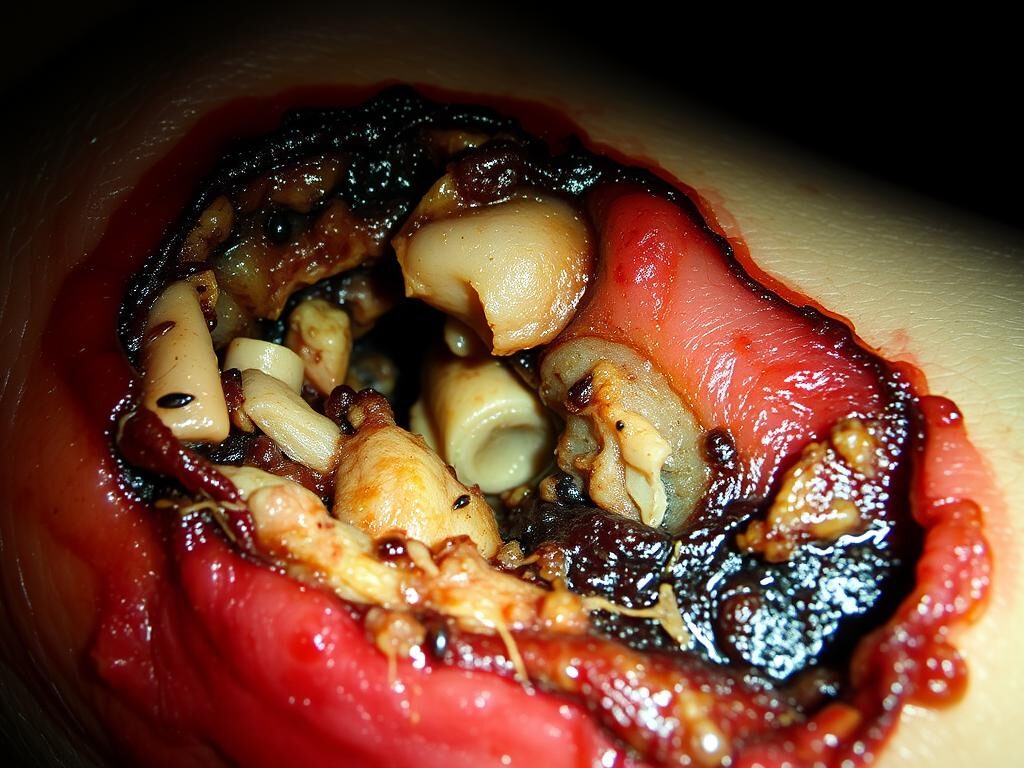
Poor blood flow and low oxygen at the site
Limited blood flow cuts off oxygen and nutrients. This can double the time to closure or stop it entirely.
Infection, biofilm, and extended inflammation
Persistent microbes form biofilm that prolongs inflammation. Look for dark red granulation tissue or a white/yellow film that hides bacteria.
Comorbidities and medicines that affect repair
Diabetes, obesity, and vascular disease reduce perfusion and increase neuropathy risk. NSAIDs, steroids, chemotherapy, and radiation all slow collagen and cell activity.
Lifestyle and nutrition factors
Smoking and heavy alcohol use lower vessel function and immunity. Low protein, dehydration, zinc, and vitamin C shortages limit new tissue and growth factors.
- If heat, swelling, increasing pain, or pus appear, seek care fast.
- Early debridement, targeted antibiotics, and antimicrobial dressings shorten recovery.
- Dominion Mobile Wound Care evaluates circulation, infection risk, medications, and nutrition to remove barriers and keep care moving at home.
How to Support Each Phase for Better Outcomes
Supporting each phase with simple steps cuts complications and helps new tissue form faster.
Clean, cover, and maintain moisture balance to protect new tissue
Clean the wound site gently with a clinician-recommended method, then cover promptly to support hemostasis and reduce contamination.
Use moisture-balanced dressings to protect fragile granulation tissue, promote epithelial migration, and lower pain during changes.
Optimize collagen production by getting enough protein, vitamin C, and zinc. Avoid smoking and heavy alcohol to preserve microcirculation.
When to seek professional care for debridement, antibiotics, or advanced dressings
If progress stalls for several weeks, or you notice odor, excess drainage, or rising pain, seek professional assessment. Debridement and culture-directed antibiotics can remove barriers to tissue regeneration.
Antimicrobial and advanced dressings control bioburden and keep cells focused on repair. Dominion Mobile Wound Care provides at-home debridement, dressing selection, and medication management to align care with the phase wound healing plan.
- Clean gently and cover quickly to prevent blood loss and contamination.
- Keep moisture balanced during proliferation and protect maturing scar tissue in later weeks.
- Ask about advanced therapies that maintain moisture and safeguard new tissue.
Conclusion
When each stage runs as intended, strength returns quickly and scars can mature with less fuss. Normal closure needs coordinated hemostasis, controlled inflammation, robust proliferation, and steady remodeling. Collagen and scar organization can take months to years, and scar tissue stays weaker than intact skin.
Early recognition of poor perfusion, infection, or rising pain prevents larger setbacks. Timely debridement, targeted antibiotics, and moisture-balanced dressings reduce complications and speed recovery.
Dominion Mobile Wound Care offers phase-specific assessment, debridement, dressing selection, and medication guidance at your home. Hire Dominion Mobile Wound Care to help heal their wounds.
FAQ
How does the body stop blood loss right after an injury?
Your body triggers hemostasis immediately. Platelets gather at the cut, stick together and form a clot. Fibrin strands reinforce that clot to seal damaged vessels. This reduces blood loss and creates a temporary matrix that supports incoming cells.
What are the four main phases your body follows to repair tissue?
The sequence starts with hemostasis, followed by inflammation, then proliferation, and ends with maturation/remodeling. Each stage has a specific role: stopping bleeding, clearing debris and microbes, building new tissue and blood vessels, and finally strengthening scar tissue over weeks to years.
How does inflammation help rather than harm the recovery?
Inflammation increases blood flow and brings oxygen, white blood cells, and growth factors to the injury. These elements control infection and remove damaged tissue. Short-term inflammation is essential; when it persists it can impede repair and lead to chronic problems.
What happens during the proliferation phase that rebuilds the area?
Fibroblasts produce collagen and other proteins while new capillaries grow (angiogenesis) to supply oxygen. Granulation tissue forms and epithelial cells migrate to close the surface. This stage creates new, functional tissue but it’s fragile until remodeled.
How long does remodeling take and what changes occur?
Remodeling can last months to years. Collagen fibers reorganize, cross-link, and strengthen. Blood vessels prune back, and the scar gradually becomes less red and more flexible. The final tissue rarely matches the original exactly but regains significant strength.
What factors slow recovery and can turn an acute injury into a chronic one?
Poor blood flow and low oxygen limit cell activity. Infection or biofilm causes persistent inflammation. Chronic diseases like diabetes, obesity, and vascular disease, plus certain medications (steroids, NSAIDs, chemotherapy, radiation), also interfere. Lifestyle and nutrition—smoking, heavy alcohol use, dehydration, and low protein, zinc or vitamin C—further delay repair.
How can you tell if a wound is not progressing through the normal phases?
Signs include increased or prolonged redness, swelling, foul odor, persistent pain, growing size, or no reduction after two weeks. These indicate stalled phases, infection, or underlying issues and mean you should get professional care.
What simple steps can you take at home to support each stage of recovery?
Immediately control bleeding and keep the area clean. Use appropriate dressings to maintain moisture balance and protect granulation tissue. Avoid smoking, eat a protein-rich diet with adequate vitamin C and zinc, stay hydrated, and manage blood sugar if you have diabetes.
When should you seek professional care like debridement or antibiotics?
See a clinician if you notice signs of infection, spreading redness, systemic symptoms (fever), exposed tendon or bone, poor blood flow, or no improvement after a short period. Professionals can perform debridement, prescribe antibiotics, and offer advanced dressings or therapies to restart stalled phases.
Can scarring be minimized and how?
You can reduce scarring by protecting the area from excessive tension and sun exposure, keeping it moist with appropriate dressings or silicone sheets, and following wound-care instructions. Early management and addressing factors that delay repair improve long-term appearance and strength.
How do blood vessels and oxygen affect tissue regeneration?
New capillaries deliver oxygen and nutrients essential for cell growth and collagen production. Without adequate blood flow, cells can’t function, repair slows, and the risk of chronic breakdown rises. Therapies that improve circulation help restore normal repair activity.
Add a Comment