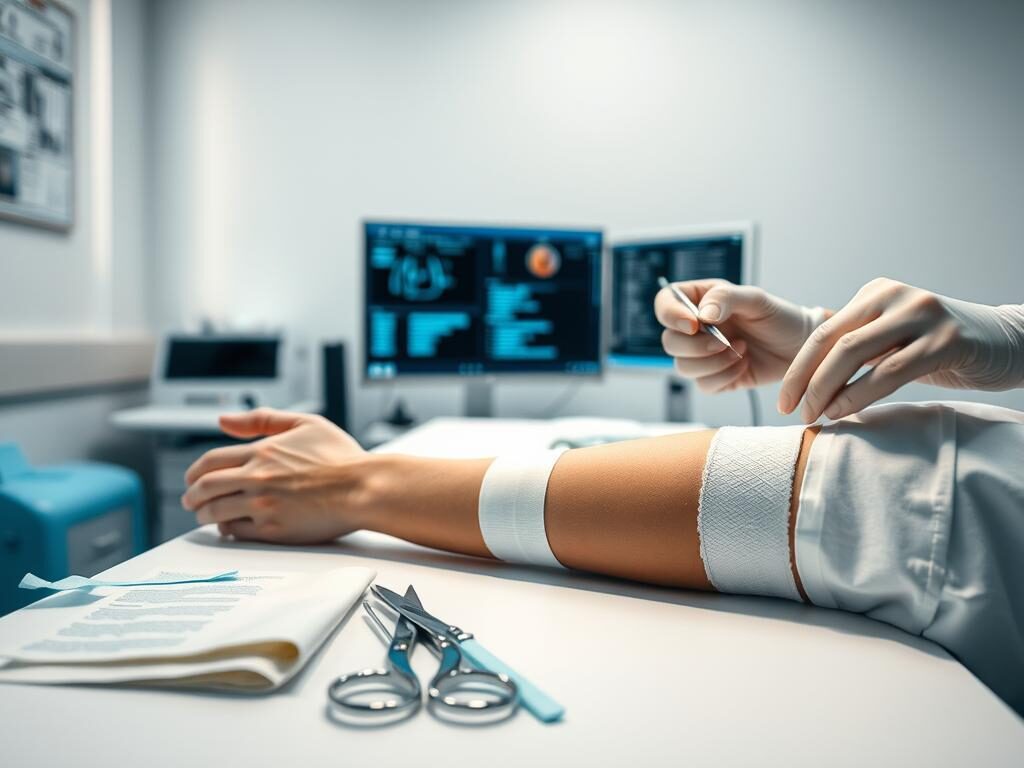
Changing wound dressings at home is key for healing. It requires following a few important steps. These steps help your wound heal fast and safely.
Start by making your area clean to avoid infections. You’ll need to get all sterile supplies ready. Also, wash your hands well before you begin.
By doing things right and using the right stuff, you can help your body heal. If you’re not sure, think about getting help from “Dominion Mobile Wound Care”. They can show you how to do it right.
Key Takeaways
- Prepare your environment before changing your dressing.
- Use sterile supplies to minimize infection risk.
- Wash your hands thoroughly before starting.
- Follow the correct procedure for changing your dressing.
- Consider professional help if you’re unsure.
The Importance of Proper Wound Care
Learning about proper wound care is key to preventing infections and helping wounds heal. It’s not just about covering the wound. It’s about a detailed process that includes cleaning, dressing, and watching the wound’s healing.
Recent Statistics on Home Wound Care Complications
Recent studies show the dangers of bad wound care at home. Many patients get infections because of poor care. Key statistics include:
- About 20% of patients get wound infections from bad care.
- Bad home wound care leads to thousands of hospital readmissions every year.
Latest Research on Infection Prevention
New research shows how important good wound dressing and hygiene are. Innovative dressing materials and methods have been created to improve care. For example, antimicrobial dressings can greatly lower infection risk. It’s vital to keep up with the latest in wound care to give the best care possible.
Essential Sterile Supplies for Effective Wound Care
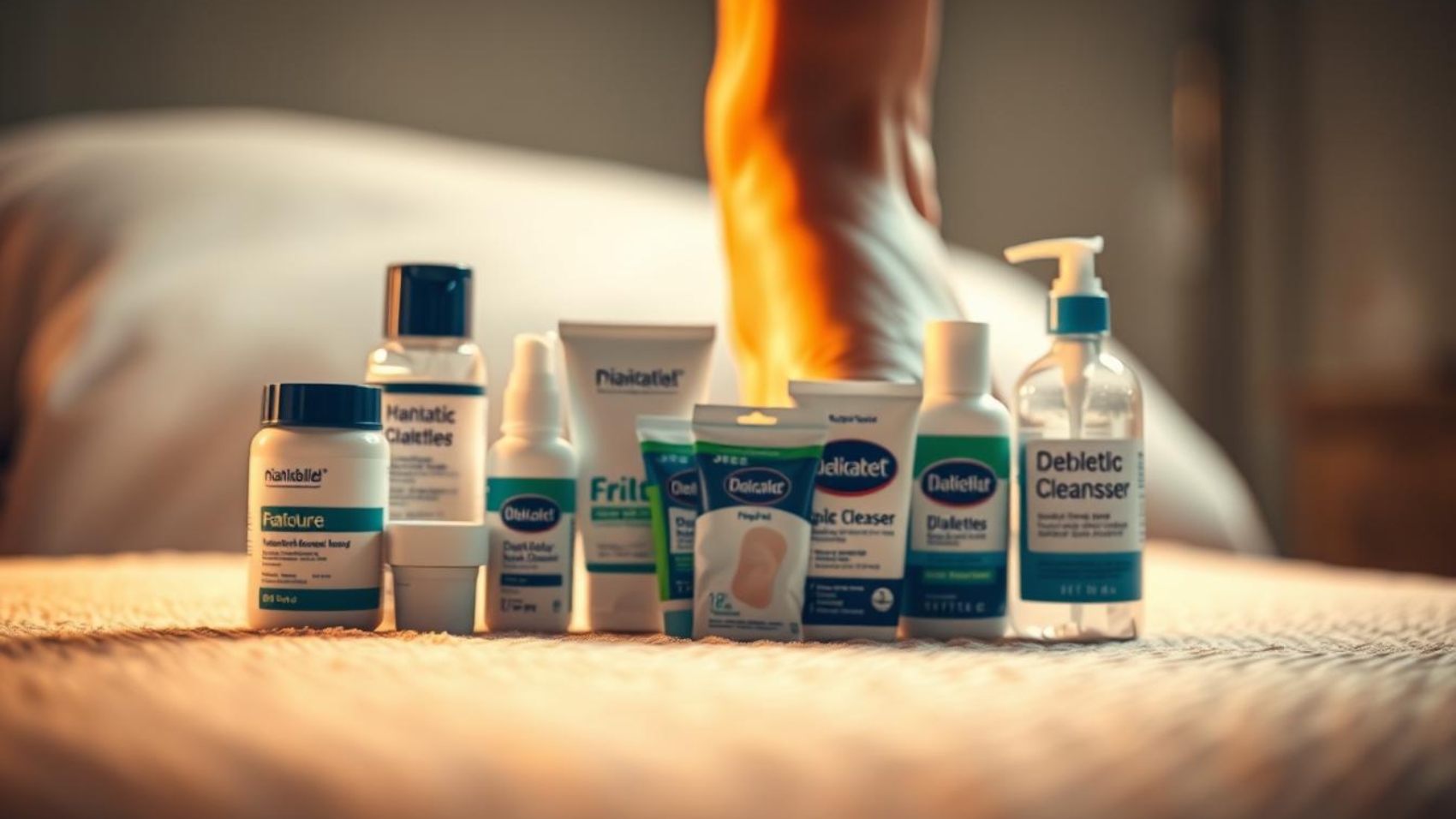
Good wound care starts with the right sterile supplies. Knowing what supplies you need is key to caring for wounds well.
Updated List of Required Sterile Supplies
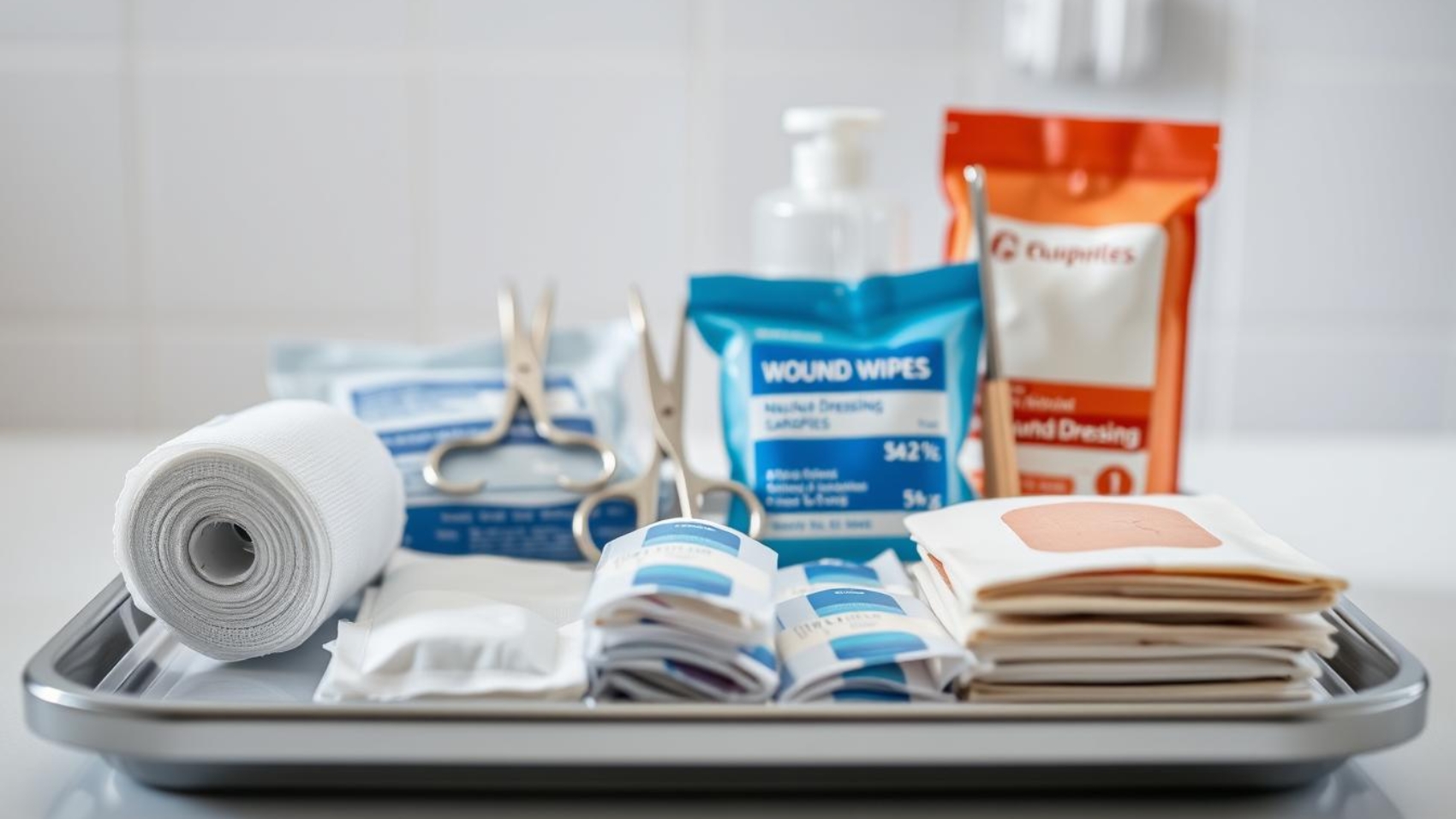
You’ll need certain sterile supplies for wound care. These include:
- Gauze pads and rolls
- Sterile gloves
- Antiseptic solution or wipes
- Medical tape
- Scissors
New Products on the Market for Home Wound Care
The wound care market keeps growing, with new products all the time. Now, there are advanced dressings that help wounds heal faster and feel better.
Where to Purchase Quality Supplies in the United States
You can find top-notch sterile supplies in the U.S. at many places. CVS, Walgreens, medical stores, and Amazon have a lot of options. Make sure to buy from trusted sources online.
With the right supplies and knowing where to get them, you can take good care of wounds at home.
Creating a Clean Environment for Dressing Changes
To lower the chance of infection during wound care, it’s key to create a clean space. This means using sterile supplies and making sure the area is well cleaned.
Current Best Practices for Sanitizing Your Workspace
Start by clearing a flat area and cleaning it with a disinfectant. Choose a gentle cleanser that won’t leave residues, which could harm wound healing or dressing sticking. Make sure the area is bright and draft-free to avoid contamination.

Recent Developments in Home Sterilization Techniques
New ways to sterilize have made it easier to keep a clean home. Ultraviolet (UV) light sanitizers are now popular for killing bacteria and viruses on surfaces. Tips for caregivers include sanitizing not just the workspace but also any equipment and supplies touching the wound.
By following these steps and keeping up with new sterilization methods, caregivers can greatly lower infection risks during dressing changes.
Latest Protocol for Wound Dressing Changes: Step-by-Step Guide
Changing wound dressings is key in wound care. It needs careful attention and following the latest guidelines. Doing it right helps wounds heal and keeps infections away.
New Protocols for Safe Dressing Removal
Removing the old dressing is the first step. You should gently remove the dressing to avoid irritating the wound. If it’s stuck, moisten it with saline solution to help remove it.
Latest Techniques for Wound Cleansing
After removing the old dressing, clean the wound. Use a saline solution or a cleanser suggested by a healthcare professional. Gently wash the wound to remove dirt and bacteria.
Updated Methods for Applying New Dressings
Now, apply a new dressing. Pick one that fits your wound type. Apply the dressing as the manufacturer says, making sure it’s snug but not too tight. Changing the dressing often and watching the wound’s healing is vital.
By following these steps and keeping up with new guidelines, you can do wound dressing changes well. This helps wounds heal faster and lowers the chance of problems.
Understanding Different Types of Wound Dressings
Knowing about the various wound dressings is key in wound care. The right dressing can greatly affect healing. With so many options, it’s important to understand each one’s characteristics.
Breaking News: Innovations in Dressing Materials
New advancements in dressing materials have brought better and more comfortable wound care solutions. For example, specialized wound care services now use cutting-edge materials. These materials help wounds heal faster and reduce infection risk.
Recent Studies on Dressing Effectiveness
Studies reveal that dressing effectiveness varies based on the wound type, healing stage, and infection presence. Let’s look at some common dressings and their uses.
Gauze Dressings
Gauze dressings are traditional and widely used. They are versatile, absorbent, and suitable for many wound types.
Foam Dressings
Foam dressings absorb a lot and are used for wounds with a lot of drainage. They keep the wound moist, which helps it heal faster.
Hydrocolloid Dressings
Hydrocolloid dressings are occlusive and keep the wound moist. They are good for wounds with little drainage.
Alginate Dressings
Alginate dressings come from seaweed and absorb a lot. They are best for wounds with a lot of drainage and help control bleeding.
Here’s a comparison of these dressing types:
| Dressing Type | Absorbency | Application |
|---|---|---|
| Gauze | Moderate | Various wound types |
| Foam | High | Wounds with moderate to heavy drainage |
| Hydrocolloid | Low to Moderate | Wounds with minimal drainage |
| Alginate | High | Wounds with heavy drainage |
Knowing about the different wound dressings and their uses helps you make better choices for your care. Always talk to a healthcare professional to find the best dressing for you.
Special Considerations for Different Wound Types
Wound care is not the same for every wound. Each type needs its own special care. Knowing what each wound needs is key to helping it heal and avoiding problems.
Latest Guidelines for Surgical Wounds
Surgical wounds need close watch and regular dressing changes to avoid infection. The newest advice is to use clean supplies and follow strict clean techniques. This helps keep the wound safe from germs.
New Approaches to Diabetic Ulcers
Diabetic ulcers need a detailed care plan. This includes regular cleaning, taking pressure off, and keeping blood sugar in check. New treatments include advanced dressings and therapies to help them heal faster.
Updated Care for Pressure Injuries
Pressure injuries, or pressure ulcers, need careful attention to avoid getting worse. New care plans stress the need to move the patient often, use special beds, and eat well.
Recent Developments in Burn Wound Management
Burn wound care has made big strides. Now, there’s a focus on quick removal of dead skin, controlling infection, and using new skin substitutes. Also, managing pain and helping with recovery are now key parts of treatment.
Key Considerations:
- Understand the specific needs of different wound types.
- Follow the latest guidelines for each wound type.
- Use sterile supplies and maintain aseptic technique.
- Implement a detailed care plan for diabetic ulcers and pressure injuries.
- Stay current with the latest in burn wound care.
Signs of Infection: What the Latest Research Tells Us
New studies show important signs of wound infection. Knowing these signs early can greatly help patients. It can also stop more problems from happening.
New Indicators of Wound Infection
Recent studies found new signs of wound infection. These include:
- Increased redness and swelling around the wound
- Enhanced pain or tenderness at the wound site
- Purulent discharge or an unpleasant odor
- Delayed healing or a failure to improve
- Fever or a general feeling of being unwell
When to Seek Immediate Medical Attention
If you see any of these signs, get medical help right away:
- Severe pain that can’t be controlled with medicine
- Increased redness or swelling that goes beyond the wound
- Purulent discharge or a bad smell from the wound
- Fever over 100.4°F (38°C)
Acting fast can stop serious issues and help healing. If you’re not sure, always talk to a doctor.
Pain Management During Wound Dressing Changes
Using the right techniques can help reduce pain during wound dressing changes. It’s important to manage pain well for a smooth healing process.
New Pain Relief Options
New pain relief options are available for wound dressing changes. Topical anesthetics and pain-relieving dressings are now popular. They are effective in reducing pain.
Recent Studies on Minimizing Discomfort
Studies have found ways to lessen pain during dressing changes. Gentle removal and the right dressing type are key. Keeping the wound clean is also important.
Using saline solution for cleansing and avoiding harsh products helps too. These steps can make dressing changes less painful.
By using these strategies, you can manage pain better. This makes the healing process more comfortable.
Expert Caregiver Tips for Successful Wound Management
You play a key role in wound care. The right tips can make a big difference. Your skills and attention to detail are vital for healing.
New Training Resources Available
Many training resources are now available to improve your wound care skills. You can find online courses, workshops, and guidelines from top healthcare organizations. Using these resources keeps you up-to-date with the latest techniques.
Latest Approaches to Caregiver Self-Care
Caregiver self-care is key to avoid burnout. It ensures you can keep providing top-notch care. Studies show the value of stress management, regular breaks, and seeking support.
Communicating with Healthcare Providers
Good communication with healthcare providers is essential for wound management. Keeping a wound care journal and updating the team on the wound’s status greatly improves care.
| Caregiver Tip | Description | Benefit |
|---|---|---|
| Use Sterile Supplies | Always use sterile supplies when changing dressings | Reduces risk of infection |
| Monitor for Infection | Regularly check for signs of infection such as redness, swelling, or pus | Early detection of complications |
| Communicate with Healthcare Providers | Keep healthcare providers updated on wound status and any concerns | Improves care outcomes |
Why Professional Wound Dressing Changes Make a Difference
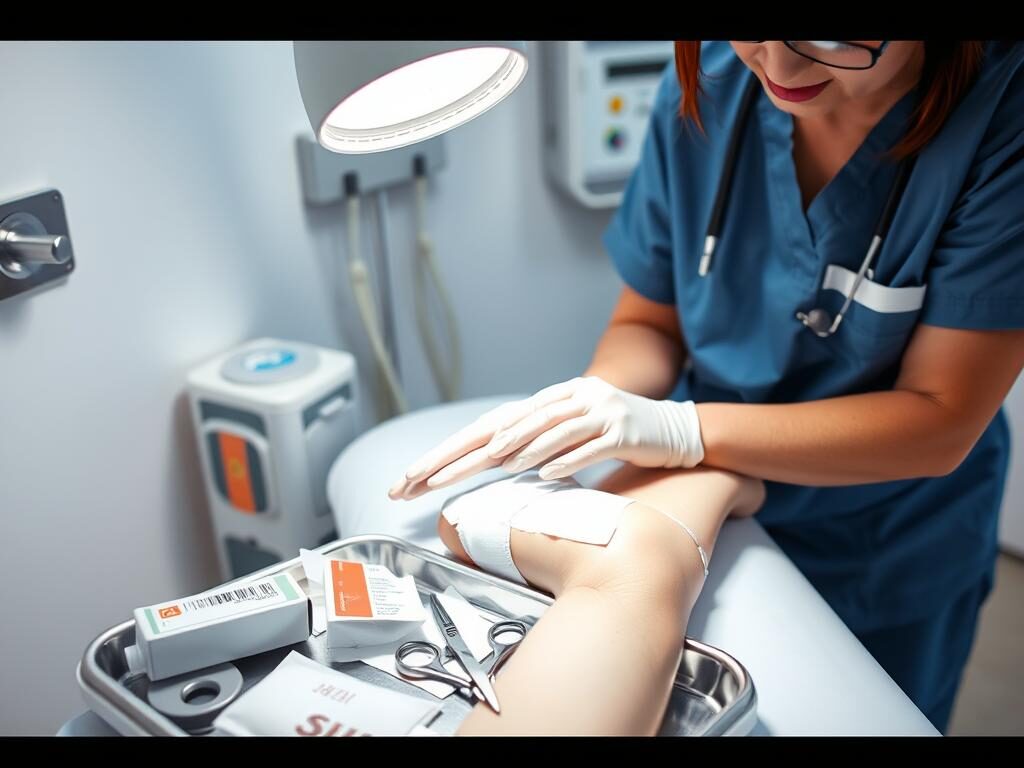
Wondering how professional wound dressing changes help in your recovery? It’s not just about changing dressings. It’s about a full approach to managing your wound.
Dominion Mobile Wound Care’s Specialized Services
Dominion Mobile Wound Care offers specialized services for your wound care needs. Their team of experts does thorough assessments. They create treatment plans tailored to help your wound heal.
Recent Patient Success Stories
Many patients have seen big improvements in their wound healing thanks to Dominion Mobile Wound Care. Their success stories show the value of getting care from skilled professionals. They can handle complex wound needs.
The Benefits of Professional Assessment
A professional assessment is key to spotting complications early and making a good treatment plan. Getting a professional to check your wound means you get their expertise. They know the latest in wound care.
Conclusion
Proper wound care is key for quick healing. Use sterile supplies and watch for infection signs. Also, get help when needed.
Wound dressing changes are very important. They need careful attention and a clean space.
If wound care is hard for you, Dominion Mobile Wound Care can help. Their experts offer personalized care. This can speed up your healing.
Start taking care of your wound today. Check out Dominion Mobile Wound Care’s services. They can greatly help your healing journey.
FAQ
What are the most common complications of improper wound care at home?
Improper wound care at home can lead to infections and delayed healing. It can even cause amputation. It’s vital to follow proper wound care techniques to avoid these risks.
What sterile supplies are required for effective wound care?
You’ll need gloves, gauze, antiseptic wipes, and a dressing. These supplies are available at pharmacies like CVS or Medline.
How do I create a clean environment for dressing changes?
Sanitize your workspace with soap and water. Use a clean surface for your supplies. A disinfectant spray can also help kill bacteria.
What are the different types of wound dressings available?
There are gauze, foam, hydrocolloid, and alginate dressings. Each type is suited for different wounds and has its own benefits.
How often should I change my wound dressing?
Change dressings daily or when they get soiled or wet. The frequency depends on the wound and dressing type.
What are the signs of infection during wound healing?
Look for redness, swelling, increased pain, and pus or discharge. If you see these signs, get medical help right away.
How can I manage pain during wound dressing changes?
Take pain relief medication or use topical anesthetics. Relaxation techniques like deep breathing can also help.
What are the benefits of professional wound care services?
Professional services, like Dominion Mobile Wound Care, offer specialized care. They promote faster healing and reduce complications.
How can I find a reliable provider of wound care supplies?
Ask your healthcare provider for recommendations. You can also search online for medical supply stores in your area.
What are the latest developments in wound care and dressing changes?
New dressing materials, like antimicrobial dressings, and techniques, such as negative pressure wound therapy, are being developed.