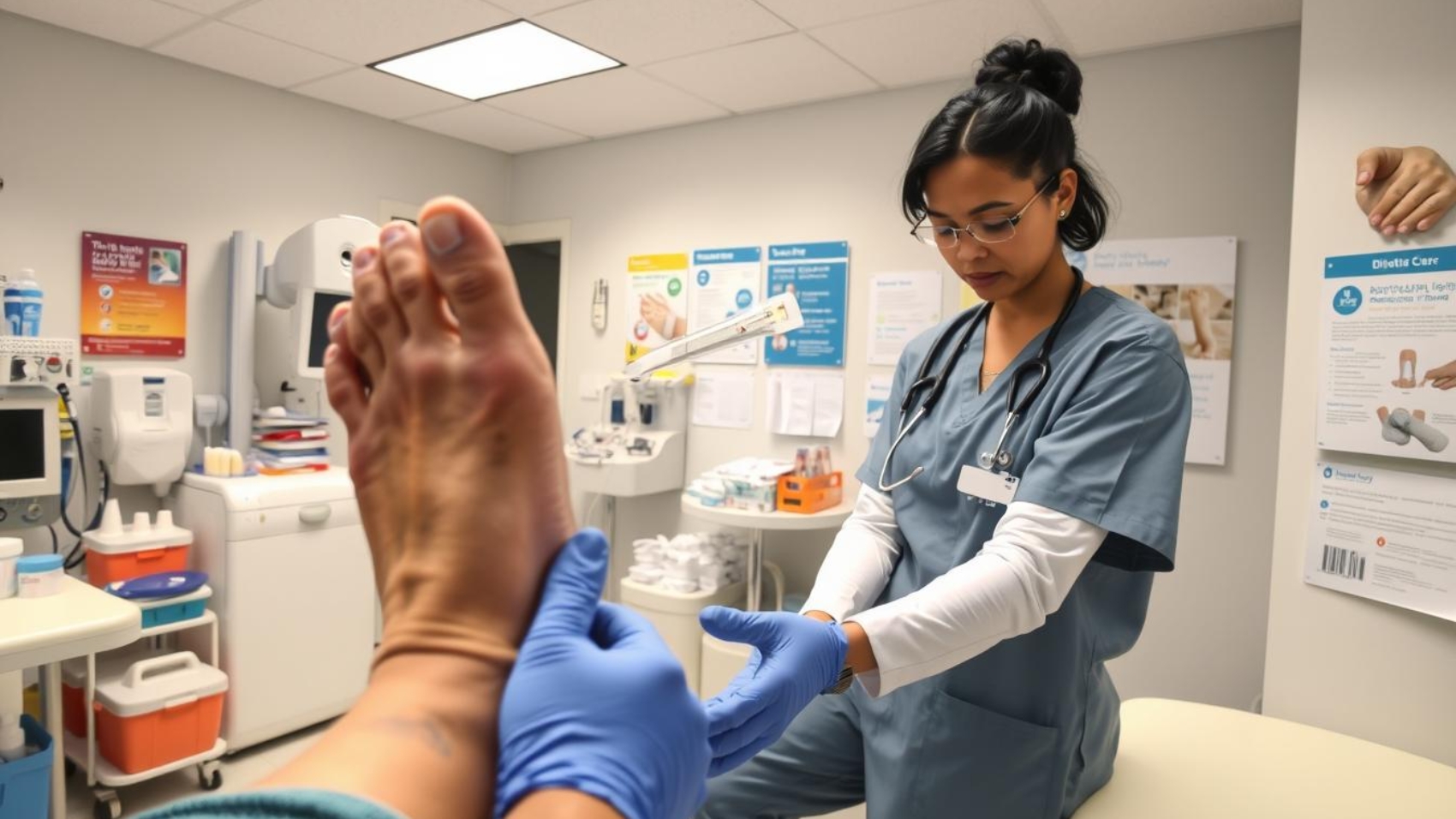
surgical debridement

Best Practices for Managing Diabetic Foot Ulcers at Home – Part 4

We’re learning more about diabetic foot ulcers and how to care for them at home. In Part 4, we’ll learn how to take good care of our wounds and prevent them. Diabetic foot ulcer care in San Antonio is very important. We can follow best practices to help our wounds heal faster and live better.

By using expert advice, we can manage these diabetes-related problems well. This helps us stay healthy and feel good.

Key Takeaways

  • Understanding the prevalence and implications of diabetic foot ulcers.
  • Prompt wound care significantly impacts healing times and outcomes.
  • Maintaining cleanliness and selecting appropriate dressings are essential in home diabetes wound care.
  • Accessing specialized services can aid in effective management and recovery.
  • Implementing daily foot inspections can prevent complications.
  • Recognizing signs of healing helps in evaluating treatment efficacy.

Understanding Diabetic Foot Ulcers

Diabetic foot ulcers are a big health worry for people with diabetes. They happen because of diabetes problems like nerve damage and blood vessel issues. Knowing how common DFUs are helps us prevent and treat them better.

Definition and Prevalence

Diabetic foot ulcers are open sores on the feet’ bottom. The International Diabetes Federation says 19% to 34% of diabetics get them. About 26.1 million people worldwide get them every year.

This shows we need to be careful and take care of our feet.

Risk Factors and Causes

Some things make diabetic foot ulcers more likely. Knowing these helps us stay safe. Main risk factors are:

  • A history of pressure ulcers
  • Poor blood sugar control
  • Neuropathy
  • Foot deformities
  • Wearing the wrong shoes

Importance of Prompt Wound Care

Quick care for wounds is key when it comes to healing diabetic foot ulcers (DFUs). Acting fast helps avoid infections and serious problems. This can even prevent amputations. Early action helps us use the best ways to heal and keep your feet healthy.

How Prompt Treatment Affects Healing

Getting treatment for DFUs quickly means they heal faster. Fast action helps lower swelling and stops infections. We focus on a few important steps:

  • Regular checks on the ulcer to see how it’s doing.
  • Starting treatment early, like removing dead tissue.
  • Using the right dressings to keep the area moist.
  • Using methods to take pressure off the ulcer.

Common Treatment Options Available

There are many good ways to treat DFUs. The right treatment can make a big difference. Here are some common ones:

  1. Surgical debridement: This removes dead tissue to help healing.
  2. Dressing selections: Moist dressings help wounds heal faster.
  3. Off-loading practices: This means spreading out your weight to ease pressure.

By using these tips, we can help our wounds heal better. Quick care means we’re taking care of ourselves. It’s all about being proactive with our health.

Essential Home Diabetes Wound Care Techniques

We know how important good home care is for wounds. Keeping wounds clean is key to avoid infections. By doing so, we help our wounds heal faster and feel better.

Adherence to Cleanliness and Hygiene

Cleaning wounds is very important. We should use saline solution to clean the ulcer and skin around it. This removes dirt and harmful germs.

After cleaning, we need to put on a sterile dressing. This protects the wound and lowers the chance of getting infected. It’s a big step towards healing.

Finding the Right Dressings for Your Ulcer

Choosing the right dressings is crucial for healing. There are many types like hydrogel, foam, and alginate. They keep the wound moist and manage fluid well.

When picking dressings, think about your wound’s type and how much fluid it has. Knowing what’s best for you helps you make good choices for your care.

Key Components of Effective Wound Management

It’s important to use a complete approach for wound care. We start by removing dead tissue with surgical debridement. This helps the wound heal better.

Surgical Debridement: An Overview

Surgical debridement is key in wound care. It removes damaged or infected tissue. This helps the wound heal faster and reduces infection risk.

We check the wound often and change our plan as needed. This ensures the best care for our patients.

Understanding Moist Wound Environments

A moist wound environment helps it heal. It encourages cells to move and heal. We use special dressings to help this process.

These dressings help the wound repair itself faster. We watch the wound closely to adjust our care plan. This helps each patient heal in their own way.

surgical debridement

Diabetic Foot Ulcer Care San Antonio

In San Antonio, getting help for diabetic foot ulcers is key. We need a team of experts to help us. This team makes sure we get better fast and feel good.

Accessing Specialized Services

We should look for special diabetes help in our area. This help is made just for us. It includes:

  • Checking our blood flow to find problems.
  • Plans made just for us because we are all different.
  • Working together with doctors and experts.

Integrating Multidisciplinary Care into Your Routine

Working with a team helps us get better faster. This team makes a plan just for us. The good things are:

  1. We heal faster because we get special care.
  2. Many doctors watch over us to keep us healthy.
  3. We try new ways to heal our wounds.

Foot Ulcer Prevention Strategies

Keeping your feet safe is key if you have diabetes. By taking certain steps, you can lower your chance of getting foot ulcers. Wearing the right shoes and checking your feet every day are important. These actions help keep your feet healthy and avoid problems.

Appropriate Footwear and Orthotic Solutions

Choosing the right shoes is very important. Your shoes should support your feet well and not rub. Shoes that are too tight or too loose can cause blisters and ulcers.

Using orthotics, like custom insoles, can help spread out the weight on your feet. This makes it less likely for injuries to happen. Always pick shoes that are comfy and protect your feet.

Daily Foot Inspections: A Crucial Habit

Checking your feet every day is a must. It helps find any cuts, blisters, or skin color changes early. This way, you can fix problems before they get worse.

Learning how to check your feet is very helpful. It’s a key part of keeping your feet safe from ulcers.
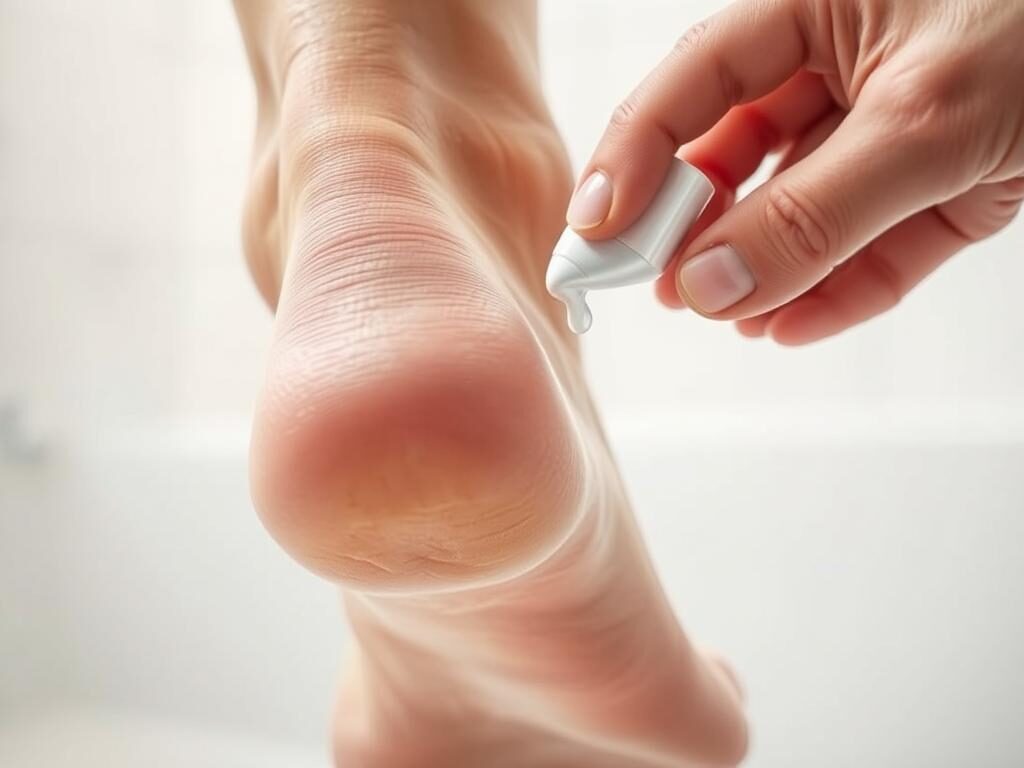
foot ulcer prevention

Monitoring and Evaluating Healing Progress

Managing diabetic foot ulcers means watching how they heal. Knowing what signs show healing is key. This helps us act fast when needed.

Signs That Wound Care Is Effective

Looking at our wound care, we should see these signs:

  • Reduced redness and swelling in the surrounding area
  • Decreased exudate or fluid draining from the ulcer
  • Formation of granulation tissue, indicating healing
  • Less pain associated with the wound site

Seeing these signs means our care is working. Learning to spot them helps us manage the condition better.

When to Seek Professional Help

While we can do a lot at home, sometimes we need a doctor. If the ulcer doesn’t get better in two weeks or gets worse, get help. Seeing a doctor often helps catch problems early and keeps us safe from infections.

Conclusion

Managing diabetic foot ulcers well is key to staying healthy. We talked about how to take care of our feet at home, watch them closely, and get help when needed. By following the best steps, we can lower the chance of problems and keep our feet in good shape.

Learning how to prevent and treat foot ulcers is very important. Being ready to act fast is crucial for healing and living better. Spotting early signs and knowing when to get help is very important for getting better.

We should all take care of our feet and work with experts like Dominion Mobile Wound Care. They know a lot about treating foot ulcers and can help us. With their help, we can get better and avoid serious problems.

FAQ

What are diabetic foot ulcers?

Diabetic foot ulcers are wounds on the foot. They happen because of diabetes problems like nerve damage and blood flow issues. If not treated, they can be very serious.

How common are diabetic foot ulcers?

About 19% to 34% of people with diabetes get DFUs. That’s around 26.1 million people every year, says the International Diabetes Federation.

What are the key risk factors for developing diabetic foot ulcers?

Risk factors include having had ulcers before, not controlling blood sugar well, nerve damage, foot shape problems, and bad shoes. Knowing these helps prevent ulcers.

How can I prevent diabetic foot ulcers at home?

To prevent DFUs, wear the right shoes, check your feet often, and learn about foot care. Using orthotics can also help spread out pressure.

What steps should we take for prompt wound care?

Quick action is key. Clean the wound with salt water, use sterile bandages, and see a doctor for the right treatment. Fast action helps avoid infections and serious problems.

What types of dressings are best for diabetic foot ulcers?

The best dressing depends on the wound. Hydrogel, foam, and alginate dressings keep the wound moist and manage fluid well.

What role does surgical debridement play in wound management?

Surgical debridement removes dead tissue. It helps the wound heal by keeping it moist and promoting cell growth.

What should we monitor during the healing of a diabetic foot ulcer?

Watch for less redness, less fluid, and new tissue growth. If no improvement in two weeks, get professional help to avoid serious issues.

How can specialized services in San Antonio help with diabetic foot care?

Specialized services offer a team of experts. They give complete care that helps wounds heal faster and improves health.

Why is education important in managing diabetic foot ulcers?

Learning about foot health empowers us. It helps us prevent and treat ulcers, reducing their occurrence.

pain management

How to Spot Early Signs of Wound Infection at Home – Part 3

Keeping our health safe at home is very important. Knowing the early signs of wound infection helps us act fast. By learning about wound healing and infection symptoms, we can take better care of our wounds.

In this article, we will talk about how to spot wound infection signs. We will focus on early symptoms and how to care for wounds at home.

Key Takeaways

  • Recognizing early symptoms of wound infection can prevent complications.
  • Effective home wound care involves proper cleaning and dressing techniques.
  • Understanding wound healing stages aids in monitoring recovery.
  • Awareness of infection risk factors is essential for prevention.
  • Knowing when to seek medical attention is vital for timely intervention.

Understanding Wound Healing

Wound healing is a complex process with four main stages. Each stage is important for fixing our skin. Knowing these stages helps us see how amazing our body is at healing itself. It also helps us take good care of wounds at home.

The Four Stages of Wound Healing

The stages of wound healing include:

  1. Hemostasis: This first stage makes a blood clot to stop bleeding.
  2. Inflammation: Next, the body’s immune system starts. It helps form a scab and fights off infection.
  3. Proliferation: Then, new tissue grows. The body replaces lost or damaged tissue.
  4. Maturation: Last, the skin gets stronger. Scar tissue forms, making the skin better.

Common Healing Timeframes

How long wounds heal depends on the wound and the person. Minor wounds usually heal in 10 to 14 days. Knowing these times helps us watch our wounds closely. It’s good to notice if things don’t seem right, as it might mean a problem or infection.

Recognizing Wound Infection Signs

It’s key to spot wound infection signs early. Knowing common symptoms helps us get the right care fast. This way, we can avoid big problems.

Typical Symptoms of Infection

Wound infection signs can show up in many ways. We must watch for these signs:

  • Increased pain around the wound area
  • Swelling that does not improve over time
  • Pus or flaky discharge coming from the wound
  • Spreading redness around the wound
  • Fever that may accompany other symptoms

How to Differentiate Between Healing and Infection

To tell if a wound is healing or infected, watch it closely. Some redness means healing, but spreading redness is a warning. It’s key to notice any changes.

Healing wounds might be a bit swollen or sore at first. But these feelings should get better with time. Knowing the difference helps us get help when we need it.

Factors That Increase Infection Risk

Some things can make it harder for wounds to heal. Knowing what these are helps us take better care of our wounds. This way, they can heal faster and better.

Medical Conditions Affecting Healing

Many health issues can slow down healing. For example, diabetes can mess with blood flow and our immune system. This makes infections more likely.

Being overweight also slows healing. It can make tissues get less oxygen. This is bad for healing.

We need to think about our health and any health problems we have. This helps us know if our wounds are at risk of getting infected.

Environmental Factors Contributing to Infection

Our surroundings also play a big part in healing. Dirty places or bad hygiene can bring in bad germs. This can make infections more likely.

Not taking good care of wounds is also a problem. Not cleaning wounds well or using dirty dressings can cause infections. Keeping things clean and safe is key to healing.

Initial Symptoms of Wound Infection

It’s important to spot early signs of wound infection. This helps wounds heal right and avoids big problems. Look for signs like more pain, changes in how the wound looks, and fever. Knowing these signs helps us act fast.

Pain and Tenderness Levels

Pain and tenderness are key signs. If a wound hurts more, it might be infected. If pain gets worse, we need to see a doctor right away.

Changes in Wound Appearance

Changes in how a wound looks can mean infection. Watch for redness, swelling, warmth, or pus. If it looks different, it’s time to act.

Fever as an Indicator

Fever means our body is fighting something. If we have fever and other signs, it’s a sign of infection. Checking our temperature helps us know if we need a doctor.

early wound infection signs

Home Wound Care Tips to Prevent Infection

Keeping our wounds clean is key to avoiding infections. By using the right methods, we can help our wounds heal faster. Let’s look at how to clean wounds and the role of antibiotic ointments.

Cleaning and Dressing Your Wound Properly

First, we need to clean our wounds well. Use mild soap and water to wash the area. This removes dirt and bacteria.

After washing, dry the area with a clean cloth. Then, apply an antiseptic to keep it clean. Changing the dressing every five days helps keep the wound safe.

The Role of Antibiotic Ointments

Using antibiotic ointments, like Neosporin, is important. They protect against bad bacteria. These ointments help wounds heal faster.

Apply a thin layer after cleaning. This simple step helps a lot in healing. By doing this, we make our wound care safer and more effective.

When to Seek Medical Attention for Wound Infections

Knowing when to get medical help for wound infections is key. Some signs mean you need to go right away. Others might not be as urgent. Knowing the difference helps us make smart choices when we need to.

Signs That Require Immediate Care

It’s important to watch for signs that mean things are getting worse. Here are some serious signs that need quick help:

  • Severe pain that doesn’t get better with common medicines
  • Big redness around the wound
  • A fever over 102°F
  • Pus or strange stuff coming out of the wound

Understanding Urgent vs. Non-Urgent Situations

Not every problem needs a trip to the hospital. We can figure out if it’s urgent or not by looking at the symptoms:

  1. Urgent means serious symptoms that could get worse if not treated fast.
  2. Not urgent might mean a little redness or swelling without a fever.

Wound Infection Signs: What to Monitor

Watching wound changes is key to good wound care. By keeping an eye on our injuries, we can spot infection signs early. This can stop bigger problems from happening.

We should look for changes like more redness, pain, or odd discharge. Staying alert can really help us heal faster.

Tracking Changes Over Time

Tracking changes in our wounds is important for healing. We can make a simple list of signs to watch:

  • Look at the wound’s color and the skin around it.
  • Notice if the wound gets bigger or changes shape.
  • Check how much pain it hurts and if it’s tender.
  • Watch for yellow, green discharge or bad smells.

By keeping a record, we understand our healing better. We can act fast if something looks off.

Importance of Lymph Node Health

Lymph node health is also important. Swollen or sore lymph nodes mean our body is fighting an infection. We should check lymph nodes near the wound for:

  • Swelling in the neck, armpits, or groin.
  • Changes in how they feel when touched.

By watching wound changes and lymph nodes, we can help ourselves heal. Spotting infection signs early is good for our health.

Conclusion

Knowing the signs of wound infection is key for good wound care. By being careful and quick to act, we can lower the chance of problems. This helps us spot infections early and take action fast.

Using the right care, like cleaning and dressing, helps wounds heal better. It also keeps infections away. By knowing what to watch for, we can take better care of ourselves. If we need help, experts like Dominion Mobile Wound Care can assist us.

By staying alert and knowing how to care for wounds, we keep ourselves healthy. Good wound care and knowledge help us recover well and avoid serious issues.

FAQ

What are the early signs of a wound infection we should look for?

Look for signs like more pain, swelling, and pus. Also, watch for redness spreading and a fever. Catching these signs early is key.

How can we differentiate between normal healing and an infection?

Normal healing might have some redness and swelling. But, if redness spreads and pain grows, it might be an infection. Watching these signs is important.

What factors increase the risk of wound infection?

Diabetes, obesity, and weak immune systems can slow healing. Dirty places or bad wound care also raise the risk.

How should we care for our wounds at home to prevent infection?

Clean wounds with soap and water right away. Use antiseptic and change dressings often. Antibiotic ointments like Neosporin help too.

When should we seek medical attention for a wound?

Get help fast if pain is severe, redness spreads, or you have a high fever. Pus is another sign to watch for.

How often should we monitor our wounds for signs of infection?

Check wounds often, but more in the first few days. Look for redness, pain, or discharge. This helps catch infections early.

What role do lymph nodes play in wound infection monitoring?

Check lymph nodes near the wound. Swollen nodes mean your body is fighting an infection. This is a sign to see a doctor.

diabetic foot ulcer care San Antonio

Best Practices for Managing Diabetic Foot Ulcers at Home – Part 2

We’re learning more about caring for diabetic foot ulcers at home. We want to know how to prevent and treat them. This is important because it can stop serious problems like infections and amputations.

Diabetes is a big health issue in our country. We need to take good care of our feet to heal wounds well. Let’s find out some key tips for foot care at home.

Key Takeaways

  • Diabetic foot ulcers need good home care to avoid big problems.
  • Checking and keeping feet clean is very important.
  • Choosing the right dressings is key for wound care.
  • San Antonio has special care options that are very helpful.
  • Wearing the right shoes can stop foot ulcers.
  • Keeping blood sugar levels healthy is also very important.

Understanding Diabetic Foot Ulcers

Diabetic foot ulcers are open sores on the feet of people with diabetes. They happen because of diabetes complications. Knowing what they are helps us manage and prevent them.

Definition and Causes

These ulcers come from peripheral neuropathy and decreased blood flow. Neuropathy makes feet numb, so we can’t feel injuries. Poor blood flow also slows healing.

Knowing why they happen helps us prevent them.

Signs and Symptoms to Watch For

It’s important to spot diabetic foot ulcers early. Look for:

  • Redness or irritation around the wound
  • Swelling in the affected area
  • Increased warmth, indicating inflammation
  • Drainage, which may be purulent or clear

Watching for these signs helps us get medical help fast. This can prevent bigger problems like cellulitis or osteomyelitis.

Importance of Regular Foot Care

For those with diabetes, taking care of our feet is key. We need to check our feet every day to stop ulcers and keep them healthy. It’s important to watch for cuts, blisters, or changes in skin temperature.

Keeping our feet clean and moisturized is also crucial. This helps keep our feet in good shape.

Daily Inspections and Cleanliness

Checking our feet daily helps us find problems early. We should look at the tops and bottoms of our feet for injuries or changes. Keeping our feet clean is also important.

Washing our feet every day and drying them well, including between our toes, helps prevent infections. Making foot checks a daily habit is essential for our health.

Moisturizing Strategies

It’s important to moisturize our diabetic feet to keep the skin healthy. But, we should avoid putting lotion between our toes. This prevents moisture buildup that can cause fungal infections.

Finding the right balance in moisturizing helps keep our skin hydrated. This improves our foot health and lowers diabetes risks.

Strategies for Effective Wound Care

Managing diabetic foot ulcers is very important. We need to focus on cleaning and dressing them right. This helps them heal faster. By cleaning them often and using the right dressings, we can see better results.

Cleaning and Dressing the Ulcer

Cleaning the ulcers with saline or a gentle cleanser is key. It removes dirt and stops infections. We should clean them every day or more if needed.

After cleaning, we need to apply a dressing. This keeps the area moist, which helps it heal. We want to protect it from more harm but keep it moist for healing.

Types of Dressings and Their Benefits

The dressing we choose is very important for healing. There are different types:

  • Hydrocolloid dressings: These keep the area moist and are good for less wet wounds.
  • Foam dressings: These are for wounds that have some wetness. They cushion and manage fluids.
  • Antimicrobial dressings: These help fight off infections. They’re good for wounds that look infected.

Choosing the right dressing for the ulcer’s needs helps it heal better.

When to Seek Professional Help

We need to watch the ulcers closely. If we see:

  • Too much drainage.
  • Bad smells that mean infection.
  • Fever, which means infection in the body.

We should get help right away. This stops bigger problems and helps the wound heal.

Diabetic Foot Ulcer Care San Antonio

In San Antonio, many resources help us manage diabetic foot ulcers. Getting help from local healthcare is key. Many places have clinics just for treating these ulcers.

Local Resources and Support

Our community has lots of help for diabetic foot ulcers. You can find:

  • Podiatrists who know a lot about diabetes and foot care.
  • Teams of experts working together for better care.
  • Programs teaching us how to take care of our feet.

Specialized Care Options Available

If you need more help, there are special treatments. Doctors can talk about:

  • Amniotic tissue grafts to help wounds heal faster.
  • Hyperbaric oxygen therapy to help tissues get more oxygen.

These special treatments can really help us get better in San Antonio.

diabetic foot ulcer care San Antonio

Preventive Measures to Avoid Foot Ulcers

Preventing foot ulcers is key for people with diabetes. We can lower the risk by taking steps ahead of time. Wearing the right shoes and keeping blood sugar in check are important.

Proper Footwear Choices

Choosing the right shoes is crucial for diabetics. Shoes should be comfy and protect our feet. Look for shoes that support well and fit right.

Diabetic shoes or custom orthotics can help. They spread out the weight and ease pressure. This choice is vital for our foot health.

The Role of Blood Sugar Management

Keeping blood sugar stable is vital for preventing foot ulcers. Stable blood sugar helps avoid nerve damage and improves blood flow. This helps our feet heal better and lowers ulcer risk.

Eating right and exercising regularly help manage diabetes. These actions lead to better health for our feet.

Integrating a Multidisciplinary Approach

Managing diabetic foot ulcers is better with a team effort. Working with many healthcare experts helps us understand and meet patient needs. Doctors who focus on diabetes and foot specialists are key to good care.

Collaborating with Healthcare Professionals

Teamwork is the heart of good care. Talking with many doctors helps us make plans just for each patient. A dietitian can teach about food and a podiatrist can talk about foot care.

This team effort stops problems and makes patients healthier.

The Importance of Education in Self-Care

Teaching patients about diabetes is very important. Learning how to take care of their feet helps them feel in control. Programs teach them to spot and handle foot issues early.

multidisciplinary care in diabetes self-care education

Conclusion

Managing diabetic foot ulcers at home is key. We need to know how to care for our feet well. Keeping our feet clean and using the right treatments at home is important.

Working with doctors is also vital. If we need help, we should ask for it. For extra support, consider hiring Dominion Mobile Wound Care.

With the right steps, we can keep our feet healthy. This helps us live a better life without worries.

FAQ

What are diabetic foot ulcers and what causes them?

Diabetic foot ulcers are open sores on the feet of people with diabetes. They happen because of poor blood flow and nerve damage. These issues make it hard for wounds to heal.

How can we prevent diabetic foot ulcers?

To prevent them, take good care of your feet. Check for cuts or skin changes every day. Keep your feet clean and dry. Wear shoes that fit well. Also, keep your blood sugar levels in check.

What signs should we look for that indicate a foot ulcer may be developing?

Look for redness, swelling, warmth, drainage, and skin texture changes. Catching these signs early can stop infections.

How do we properly care for a diabetic foot ulcer at home?

Clean the ulcer with saline and use the right dressings. Keep it moist to help it heal. Watch for infection signs and see a doctor if needed.

When should we seek medical attention for a foot ulcer?

Get medical help if there’s a lot of drainage, a bad smell, or fever. These are signs of infection. Quick action can avoid serious problems.

What resources are available for diabetic foot ulcer care in San Antonio?

San Antonio has clinics for wound care. They have podiatrists and diabetes educators. There are also programs for learning how to care for your feet.

Why is footwear selection important for preventing foot ulcers?

The right shoes are key. They support your feet and reduce pressure. You might need special shoes or orthotics to prevent ulcers.

How can we improve overall diabetes management to prevent foot issues?

Keep your blood sugar levels under control. Eat well and exercise regularly. These steps help avoid nerve damage and improve blood flow.