

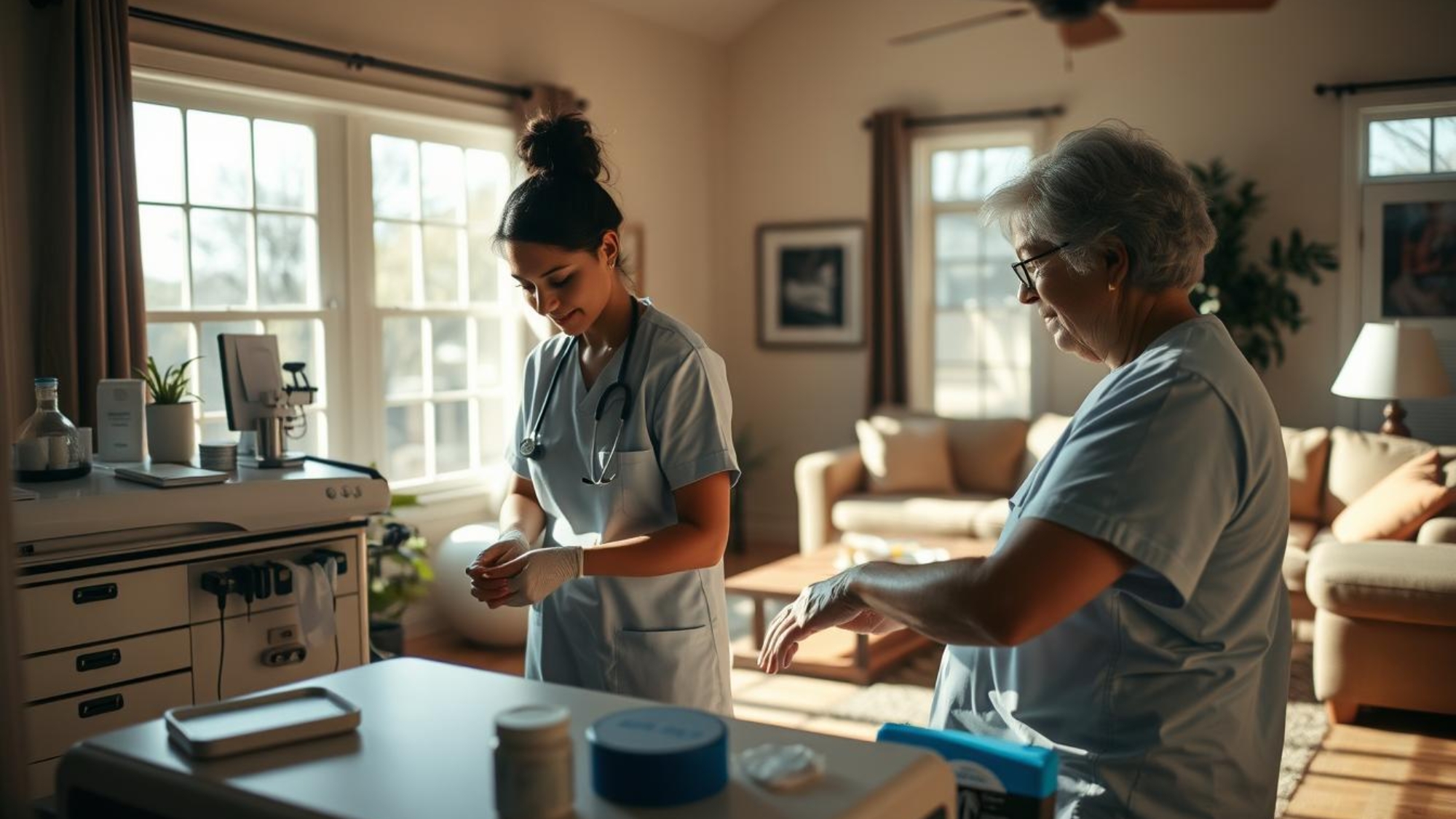
Dominion Mobile Wound Care brings clinical oversight to the place patients prefer most. This mobile model delivers thorough assessment, cleansing, dressing changes, and infection monitoring with a focus on safety and comfort.
The local team works with physicians and insurers to keep treatment plans on track. Many major plans accept visits, which helps reduce trips to clinics and lowers exposure to healthcare-associated infections.
Patients report smoother recovery thanks to frequent progress checks and tailored pain management. The approach supports chronic lesion management, prevention education, and timely adjustments without disrupting daily routines.
To arrange a first visit or learn how the process works, readers are invited to hire Dominion Mobile Wound Care for coordinated, patient-centered support that emphasizes quality and results.
Key Takeaways
- Mobile visits bring medical oversight and comfort to the patient’s residence.
- Coordination with providers and insurers improves continuity.
- Frequent checks enable timely treatment adjustments.
- Services range from routine dressing changes to chronic management.
- Dominion Mobile Wound Care offers local, quality-focused support.
Why San Antonio Patients Are Moving to In‑Home Wound Care
Patients increasingly select on-site services to reduce travel, lower exposure risk, and speed recovery. Bringing expert assessment, irrigation, dressing changes, and infection monitoring to a residence removes many repeated clinic trips and saves time.
Close observation lets clinicians adjust treatment quickly. Frequent visits support faster healing and reduce complications by spotting changes early. Coordination with a patient’s physicians keeps plans aligned with medications and other conditions.
Practical advantages include less travel fatigue, tailored guidance for daily routines, and reduced exposure to high-traffic facilities that can raise infection risk.
Key benefits at a glance
- Fewer trips and better convenience for patients with mobility limits.
- Lower exposure to infection while enabling timely treatment adjustments.
- Personalized support that helps maintain steady progress toward recovery.
For coordinated, patient-focused support, hire Dominion Mobile Wound Care to help heal their wounds.
Home wound care in San Antonio: Local, specialized care where patients heal best
Local specialists deliver tailored, clinic-level treatments directly where patients rest and recover. This approach suits people who have limited mobility or chronic conditions that make travel hard. It also helps those who need frequent visits for reliable progress.
Who benefits from in‑home wound care services
Patients managing postoperative incisions, diabetic foot ulcers, pressure injuries, venous leg ulcers, traumatic lacerations, or fragile skin gain clear advantages. Regular visits reduce delays and support consistent adherence to offloading, compression, and nutrition guidance.
Common wound types and complications addressed in the home
Clinicians assess size, depth, tissue type, and exudate to guide treatments. They provide cleansing, irrigation, dressing changes, infection monitoring, and prevention education. Coordination with physicians keeps treatment aligned with diabetes, vascular issues, or neuropathy.
- Targeted dressings for moisture balance and protection
- Early identification of pressure, friction, or edema
- Clear documentation to track healing and prevent complications
Hire Dominion Mobile Wound Care to bring specialized support and help heal their wounds.
Comprehensive In‑Home Wound Care Services Offered by Dominion Mobile Wound Care
Dominion Mobile Wound Care offers a full suite of in‑home services designed to evaluate and treat complex skin conditions at the bedside. The program blends structured assessment, hands‑on treatments, and close monitoring to support steady healing.
Assessment and evaluation
Clinicians document size, tissue type, drainage, and periwound condition to tailor treatments and track progress with clinical precision.
Cleansing, irrigation, and dressing changes
Evidence‑informed cleansing and irrigation reduce bioburden. Dressing protocols balance moisture and protection between visits.
Infection monitoring and chronic management
Regular checks flag early signs of infection such as increased pain, redness, warmth, or odor so prompt treatment can begin.
Management plans address chronic issues with offloading, compression, and skin protection strategies when needed.
Pain, education, and collaboration
Pain strategies match each patient’s goals to support mobility and recovery. Education equips patients and family to recognize warning signs and follow safe daily routines.
The dedicated team coordinates with physicians and specialists to integrate medication changes, imaging, or referrals quickly.
Hire Dominion Mobile Wound Care to bring experienced wound care specialists and reliable services that help speed healing and protect quality of life.
Benefits Patients Value Today: Comfort, Quality, and Faster Recovery
Receiving clinical visits where they live helps people preserve energy and stay on schedule with treatment. That convenience supports steady healing and better adherence to plans.

Care delivered for greater comfort and convenience
Fewer trips mean less fatigue and more rest between visits. Patients can follow dressing and activity instructions without frequent disruptions.
Reduced risk of healthcare-associated infections
Limiting exposure to high-traffic facilities lowers infection risk for those with complex wounds. This safeguard is especially important for people with diabetes or weakened immunity.
Personalized attention from dedicated specialists
Specialists tailor dressing choices, offloading strategies, and skin protection steps to each person. This focused approach helps keep treatment aligned with goals.
Close monitoring with timely adjustments
Frequent checks let clinicians tweak moisture balance, compression, or topical treatment quickly. Small, prompt changes can speed recovery and prevent setbacks.
Coordinated care that supports overall outcomes
- Medication and nutrition align with wound management and overall health.
- Education helps patients and families recognize warning signs and follow daily steps.
- Predictable visits reduce disruption and support independence.
Dominion Mobile Wound Care provides this combination of comfort, quality oversight, and responsiveness. Hire Dominion Mobile Wound Care to help heal their wounds.
Insurance Coverage, Access, and Care Coordination in San Antonio
Insurance and coordination are often the unseen drivers that let patients focus on healing instead of paperwork.
Dominion Mobile Wound Care accepts a broad network of plans to support access across san antonio, including Aetna, Blue Cross Blue Shield, Cigna, Humana, Medicare, Medicaid, Multiplan, TriCare/TriWest, and United Healthcare.
The team handles authorizations and documentation to reduce delays. That administrative expertise helps patients begin treatment faster and keeps recovery on track.
- Coordinated messages to physicians, specialists, and case managers maintain consistent treatment and medication lists.
- Visit notes, measurements, and photo documentation are shared when appropriate to show progress.
- Scheduling balances insurance limits with the patient’s calendar to avoid gaps in therapy.
Benefits: clear coverage guidance, fewer redundant appointments, and fewer interruptions in treatment.
Hire Dominion Mobile Wound Care to bring experienced coordination and support that helps heal their wounds.
What to Expect During an In‑Home Visit from Dominion Mobile Wound Care
A typical in‑home visit begins with a focused clinical review that sets clear goals for healing. The clinician conducts a detailed assessment, discussing risks to skin integrity and any mobility or nutrition factors. Patients receive a clear care plan with expected visit frequency and measurable goals.
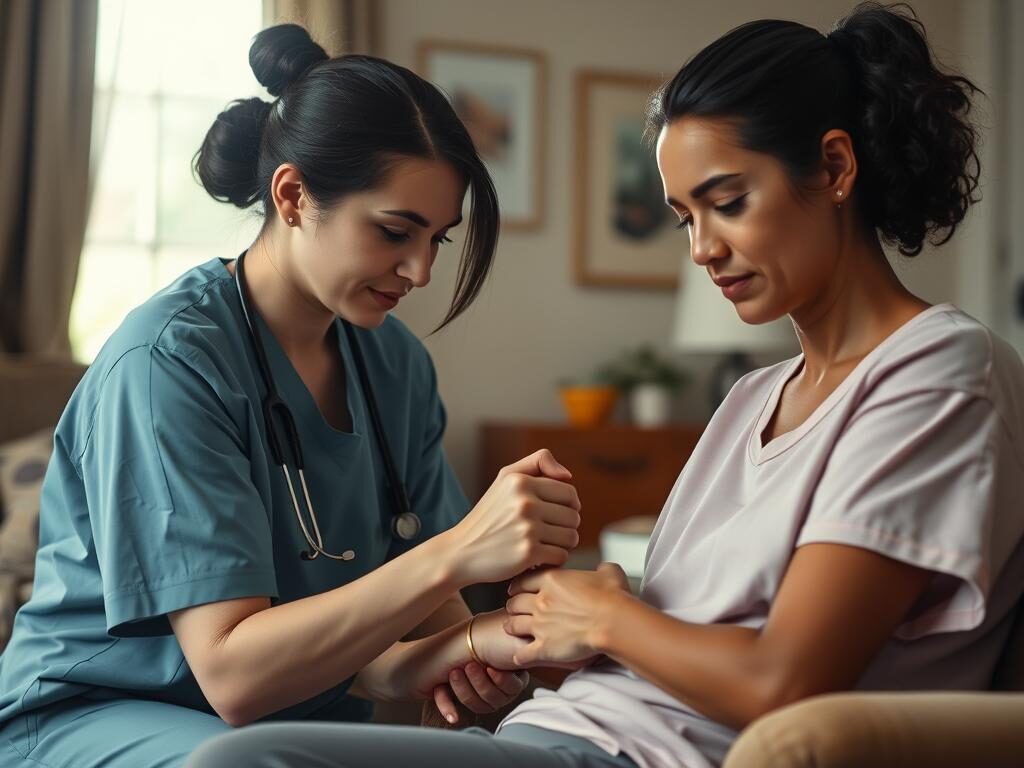
First visit: Comprehensive assessment, risk review, and care plan
The first appointment measures the wound, documents tissue type and exudate, and screens for pressure, moisture, and shear risks. The clinician explains the treatment schedule and agrees on shared goals with the patient and caregiver.
Ongoing visits: Progress tracking, dressing changes, and adjustments
Follow-up visits focus on cleansing, dressing changes, and objective tracking with photos and measurements when appropriate. The team adjusts treatments as healing trends appear or if complications require physician input.
Safety protocols and infection‑prevention measures in the home
Infection-prevention steps include hand hygiene, clean work surfaces, proper disposal of used dressings, and safe supply storage. Visits end with a short recap of warning signs to report and simple daily routines that protect quality and comfort.
- Review of offloading and positioning to reduce pressure
- Prompt coordination with wound care specialists if healing stalls
- Tailored visit cadence for San Antonio patients to match needs
Hire Dominion Mobile Wound Care to bring hospital‑grade attention into the home and help heal their wounds.
Conclusion
Dominion Mobile Wound Care combines clinical protocols with flexible scheduling to meet each patient’s recovery timeline. Their services pair assessment, cleansing, dressing changes, infection monitoring, and chronic management so treatments stay consistent and effective.
The dedicated team aligns with physicians and wound care specialists to reduce delays and prevent complications. Education and pain strategies help families follow daily steps that support healing and protect surrounding skin.
For personalized guidance and scheduling, patients can begin care services that fit their needs today. Hire “Dominion Mobile Wound Care” to help heal their wounds.
FAQ
Why are more San Antonio patients choosing in‑home wound care?
Many residents prefer treatment delivered at home because it reduces travel, lowers exposure to infections, and improves comfort. Trained specialists provide personalized assessment and treatment plans that support faster healing and better recovery outcomes.
Who typically benefits from in‑home wound care services?
Patients with limited mobility, recent surgeries, chronic skin conditions, diabetes-related ulcers, venous or arterial ulcers, and those at high risk for complications often benefit most. Family members and caregivers also gain education and support to manage wounds safely.
What common wound types and complications are addressed during in‑home visits?
Clinicians treat pressure injuries, diabetic foot ulcers, surgical incisions, traumatic wounds, and chronic non‑healing sores. They monitor for infection, necrosis, delayed healing, and other complications and intervene early to prevent deterioration.
What services does Dominion Mobile Wound Care provide during a visit?
The team offers comprehensive assessments, cleansing and irrigation, dressing changes, infection monitoring and treatment, chronic wound management, pain control, and caregiver education. Clinicians also coordinate with physicians and other providers to ensure continuity of care.
How does infection monitoring and early intervention work in a residence?
Specialists inspect the site for redness, drainage, odor, and systemic signs, take cultures when needed, adjust antibiotics with physician collaboration, and apply appropriate topical agents. Timely action reduces hospital transfers and promotes safer recovery.
Will insurance cover in‑home wound treatment?
Many major plans accept coverage, including Aetna, Blue Cross Blue Shield, Cigna, Humana, Medicare, Medicaid, Multiplan, TriCare/TriWest, and UnitedHealthcare. Coverage varies by plan and medical necessity, so clinicians help verify benefits and coordinate billing.
What should patients expect at the first in‑home visit?
The clinician completes a detailed assessment, reviews health risks and medications, documents the wound, creates a personalized care plan, and performs initial treatments or dressing changes. They also explain the schedule and goals for recovery.
How are ongoing visits structured to support healing?
Follow‑up visits focus on progress tracking, dressing changes, pain management, and adjustments to the treatment plan. The team communicates changes to the primary doctor and updates family members on goals and prevention strategies.
What safety protocols are followed to prevent infection during in‑home care?
Clinicians follow strict hand hygiene, use sterile techniques for dressing changes, wear appropriate personal protective equipment, and properly dispose of contaminated materials. They also educate families on wound hygiene and signs that require urgent attention.
How does in‑home wound management improve overall recovery?
Personalized attention, close monitoring, and reduced exposure to clinical settings promote healing. Coordinated plans with physicians and therapists address comorbidities, mobility, nutrition, and pain — all factors that speed recovery and reduce readmissions.
Add a Comment