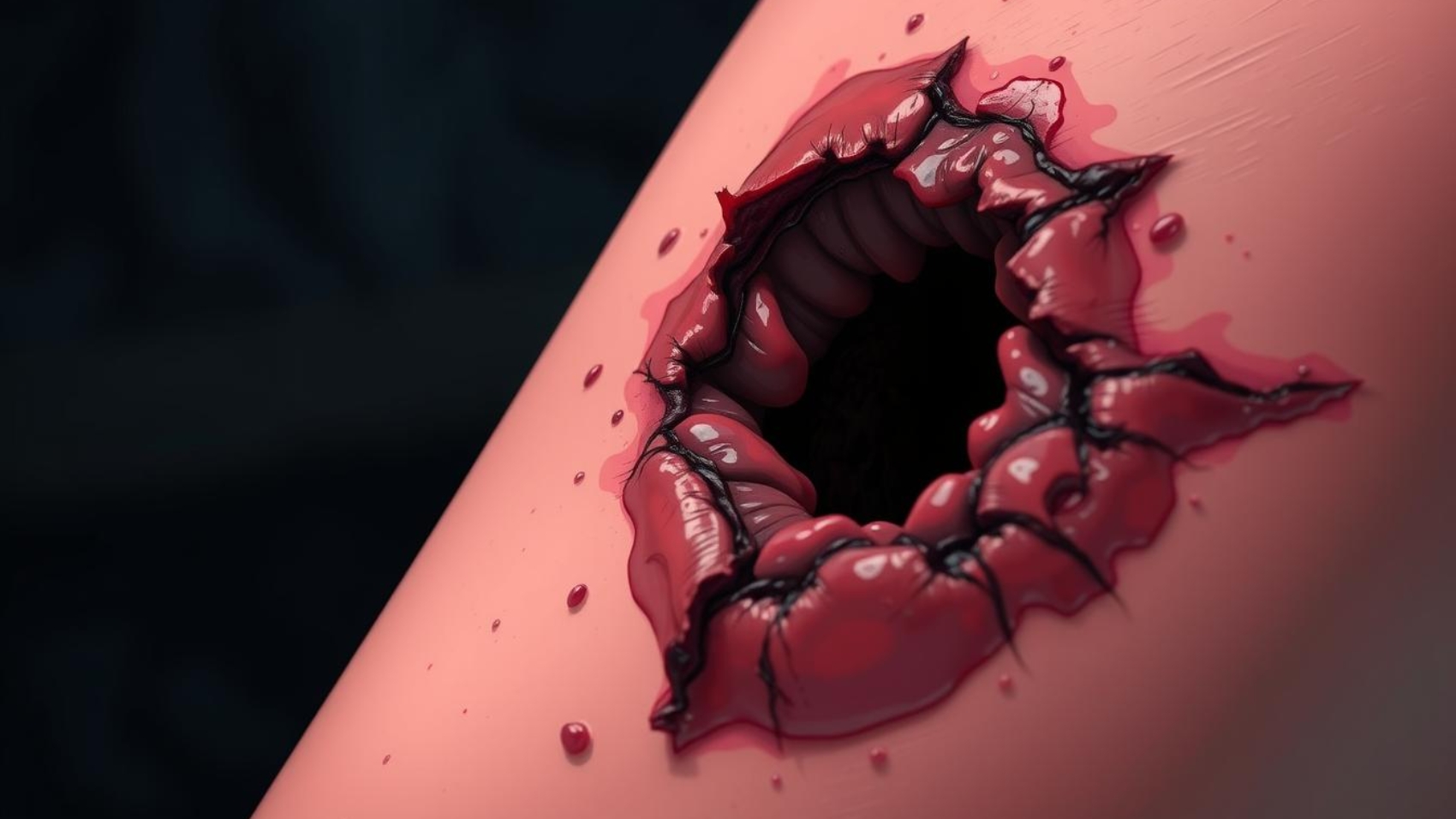
Are you struggling with a wound that won’t heal? You’re not alone. Chronic wounds affect millions in the United States, causing frustration and pain. A wound is chronic if it doesn’t heal in four weeks or fully in eight weeks.
Circulation problems often hinder wound healing. Without the right nutrients and oxygen, wounds can’t heal properly. Knowing why wounds don’t heal is the first step to fixing them.
Key Takeaways
- Chronic wounds are a significant health issue affecting millions in the U.S.
- A wound is considered chronic if it doesn’t heal in eight weeks.
- Circulation problems can severely impact wound healing.
- Understanding the causes of non-healing wounds is key to treatment.
- Proper wound care is essential for healing.
- Dominion Mobile Wound Care can help you heal.
Understanding the Wound Healing Process
Your body starts a healing process when you get injured. This process has several phases that work together. It aims to fix damaged tissue and get it back to normal.
Normal Stages of Wound Healing
The healing process has four main stages: hemostasis, inflammation, proliferation, and tissue remodeling. Hemostasis stops the bleeding first. Then, inflammation kicks in to fight off infection.
Next, proliferation creates new tissue, closing the wound. Lastly, tissue remodeling makes the new tissue strong again.
When the Healing Process Gets Disrupted
Even with natural healing, things can go wrong. This leads to wounds that won’t heal. Infection delays are a big problem. Other issues include poor blood flow, diabetes, and not getting enough nutrients.
| Stage | Description | Potential Disruptions |
|---|---|---|
| Hemostasis | Stopping the bleeding | Poor circulation, anticoagulant medications |
| Inflammation | Preventing infection | Infection, poor immune response |
| Proliferation | Forming new tissue | Nutritional deficiencies, diabetes |
| Tissue Remodeling | Restoring tissue strength | Age, repeated trauma |
The Growing Crisis of Non-Healing Wounds in America
Non-healing wounds are a big health problem in the U.S. They affect many people and the healthcare system. If you or someone you love is dealing with this, you’re not alone.
Recent Statistics and Emerging Trends
About 3 to 6 million people in the U.S. have non-healing wounds. Most of them are over 65. As more people get older, this problem will get worse. Dominion Mobile Wound Care is working hard to help those in need.
Economic and Quality-of-Life Impact
Non-healing wounds cost the U.S. billions of dollars each year. They also make people’s lives much harder. They can cause pain, make it hard to move, and lead to sadness.
Learning about this problem and what can be done is a good start. It can help you or someone you care about.
Poor Circulation: A Leading Cause of Delayed Healing
Circulation problems can slow down wound healing. When you get hurt, your body needs oxygen and nutrients to fix itself. This is mainly done through good blood flow.
Tissue Regeneration and Blood Flow
Blood flow is key for fixing tissues. It brings oxygen, nutrients, and cells that fight off infections. Poor circulation can slow down this process. This might make wounds take longer to heal or even become chronic.
Conditions Affecting Circulation
Many conditions can harm blood flow and wound healing. Two big ones are Peripheral Artery Disease (PAD) and Venous Insufficiency.
Peripheral Artery Disease
PAD narrows arteries, cutting off blood to limbs. This can cause ischemia, or less blood flow, to wounds. It really slows down healing.
Venous Insufficiency
Venous insufficiency happens when veins can’t send blood back to the heart. This can lead to fluid buildup and swelling. It’s not good for wound healing.
If your wounds aren’t healing fast, check your blood flow. Talking to a doctor, like those at Dominion Mobile Wound Care, is a good first step. They can help figure out what’s wrong and how to fix it.
Diabetes and Chronic Wounds: A Dangerous Combination
For those with diabetes, chronic wounds are a big worry. High blood sugar makes it hard for wounds to heal. It’s key for diabetic patients to know the risks and take steps to prevent them.
Why Diabetic Wounds Heal Slowly
Diabetic wounds take longer to heal because of several reasons. Poor circulation means less oxygen and nutrients for healing. Nerve damage, or neuropathy, makes it hard to feel wounds, leading to late treatment.
- Reduced blood flow to the affected area
- Nerve damage that impairs sensation
- Compromised immune function that increases infection risk
Prevention Strategies for Diabetic Patients
Preventing wounds is key for diabetic patients. Proper foot care is important, including daily checks and wearing the right shoes. Keeping blood sugar levels in check also helps.
- Inspect your feet daily for cuts, blisters, or other injuries
- Keep your feet clean and dry to prevent infection
- Wear shoes that fit well and don’t rub against your skin
New Research on Diabetic Wound Care
New research in diabetic wound care is showing great promise. Dominion Mobile Wound Care is leading the way with new treatments. These aim to improve healing by boosting circulation, fighting infections, and repairing tissue.
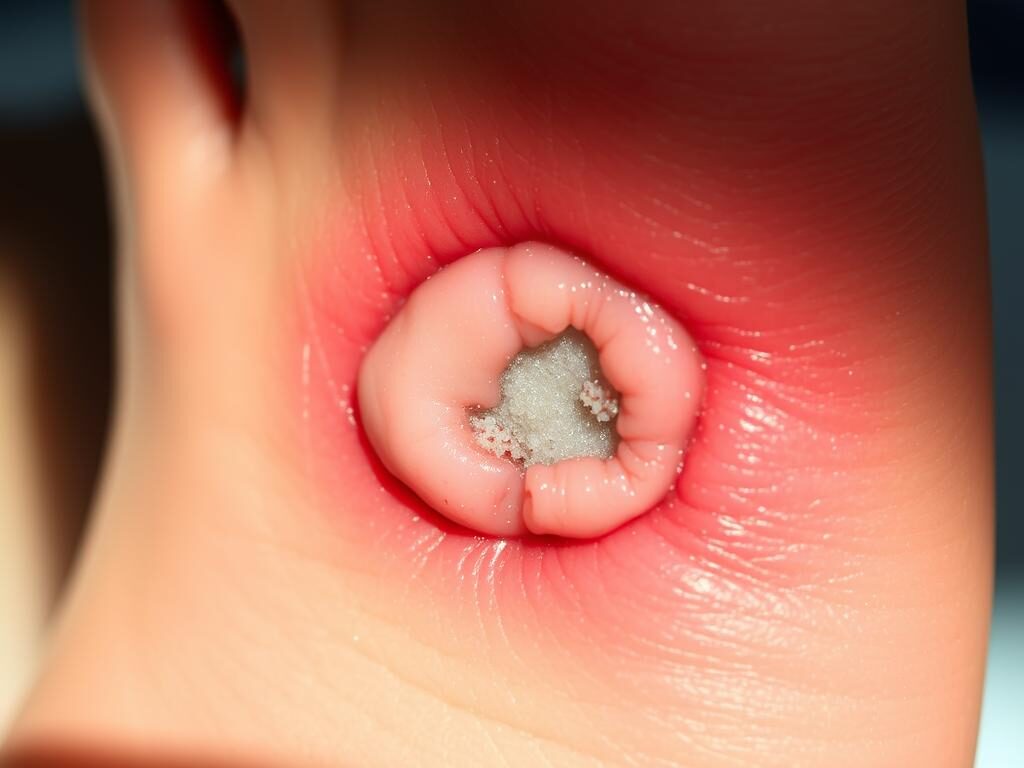
Understanding diabetes’ impact on wound healing is important. By taking preventive steps, people with diabetes can lower their risk of chronic wounds. Advanced care, like Dominion Mobile Wound Care, offers hope for better health and life quality.
Infection Delays: When Bacteria Sabotage Healing
Bacteria in a wound can slow down healing. Infections cause inflammation and biofilms that antibiotics can’t fight. Knowing the signs of infection and common bacteria is key to managing wounds.
Signs Your Wound Is Infected
Spotting infection signs is critical for quick treatment. Look out for:
- Increased redness and swelling around the wound
- Pus or discharge
- A foul odor
- Increased pain or tenderness
- Delayed healing
Common Pathogens in Chronic Wounds
Chronic wounds often have many pathogens. The usual culprits are Staphylococcus aureus, Pseudomonas aeruginosa, and Escherichia coli. These bacteria create biofilms, making treatment hard.
Latest Antimicrobial Approaches
New antimicrobial therapies offer hope for wound infections. Some recent methods include:
- Antimicrobial dressings
- Silver-based treatments
- Biofilm-disrupting agents
- Personalized antibiotic therapy based on wound culture results
These new treatments aim to enhance healing by controlling infections and creating a better environment for recovery.
Nutritional Deficiencies That Impair Healing
Adequate nutrition is key for wound healing. Your body needs a balanced mix of nutrients to fix damaged tissue. This supports the healing process.
Essential Nutrients for Wound Recovery
Some nutrients are vital for healing wounds. Protein is essential for fixing and growing new tissue. Vitamin C helps make collagen, and zinc aids in making proteins and enzymes. Getting enough of these nutrients is important for healing wounds well.
| Nutrient | Role in Wound Healing | Food Sources |
|---|---|---|
| Protein | Tissue repair and regeneration | Lean meats, fish, eggs, dairy |
| Vitamin C | Collagen synthesis | Citrus fruits, berries, leafy greens |
| Zinc | Enzyme function and protein synthesis | Red meat, poultry, seafood, fortified cereals |
Dietary Adjustments to Promote Healing
Changing your diet can help wounds heal faster. Eating more nutrient-rich foods and staying hydrated is important. You might want to talk to a healthcare professional or a dietitian to make a plan that’s right for you.
If you have a wound that won’t heal, you should get help. Dominion Mobile Wound Care offers special wound care services that come to you. Their team can help you make a treatment plan that meets your nutritional needs and helps your wound heal.
Medication Side Effects on Wound Healing
Understanding how medications affect wound healing is key to better treatment. Some drugs are vital for health but can slow down healing.
Drugs That Can Slow Recovery
Some medicines can slow down healing. For example, glucocorticoid steroids can reduce inflammation too much. This can stop the body’s natural healing.
Chemotherapy also slows healing. It weakens the immune system and slows cell growth.
| Medication Type | Effect on Wound Healing |
|---|---|
| Glucocorticoid Steroids | Reduces inflammation, potentially hindering natural repair |
| Chemotherapy | Suppresses immune system, affects cell regeneration |
Working With Your Doctor on Medication Adjustments
It’s vital to work with your doctor to adjust medications. At Dominion Mobile Wound Care, your doctor can check if drugs are slowing healing. They can then suggest changes or new treatments.
Knowing your medications’ side effects and working with your healthcare team is important. This way, you can get the best treatment for faster healing.
Understanding Non-Healing Wounds: When Time Isn’t Enough
Most wounds heal with time, but some don’t. It’s important to know the difference between chronic and acute wounds.
Defining Chronic vs. Acute Wounds
Acute wounds heal quickly, following a normal healing process. Chronic wounds, on the other hand, don’t heal in four weeks or fully in eight weeks. They need special care and a unique healing plan.
Risk Factors for Developing Persistent Wounds
Several things can lead to chronic wounds. These include poor blood flow, diabetes, infections, and not getting enough nutrients. Knowing these risks can help prevent and manage chronic wounds.
| Risk Factor | Description | Impact on Wound Healing |
|---|---|---|
| Poor Circulation | Reduced blood flow to the affected area | Delays healing by reducing oxygen and nutrient delivery |
| Diabetes | High blood sugar levels | Damages nerves and blood vessels, impairing healing |
| Infection | Presence of bacteria or other pathogens | Prolongs inflammation, hindering the healing process |
The Psychological Impact of Chronic Wounds
Chronic wounds can really affect a person’s mind. They can feel frustrated, anxious, and depressed because of these wounds.
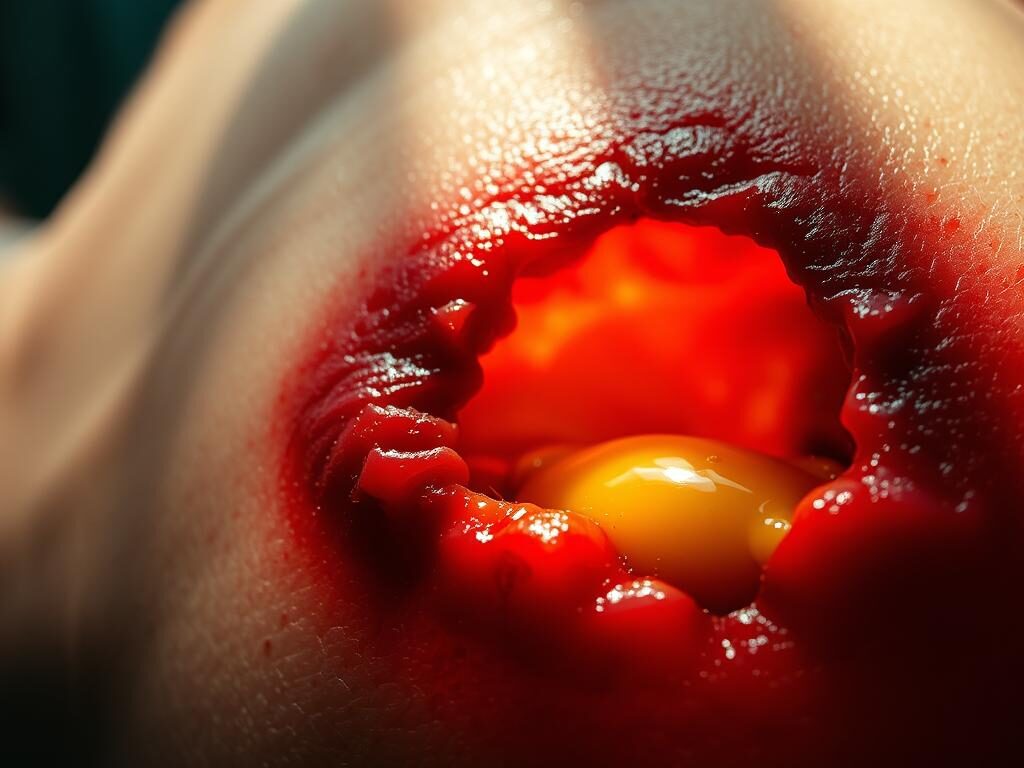
It’s key to treat both the physical and mental sides of chronic wounds. Understanding these wounds helps people find the right treatment and move towards healing.
Treatment Adjustments for Stubborn Wounds
Dealing with stubborn wounds means you need to change your treatment plan. These wounds can be tough, but the right changes can help you heal.
When to Change Your Wound Care Approach
If your wound isn’t healing, it’s time to try something new. Look out for signs like more pain, swelling, or a bad smell. Don’t hesitate to consult with your healthcare provider if you see these signs.
Customizing Treatment to Wound Type
Different wounds need different care. For example, diabetic wounds might need more dressing changes and infection checks. Understanding your wound type is key to finding the best treatment.
Monitoring Progress and Making Modifications
It’s important to watch how your wound is healing. Track changes in size, depth, and look. Your healthcare provider can then adjust your treatment to help your wound heal better.
If you’re having trouble with a stubborn wound, consider contacting Dominion Mobile Wound Care for expert advice and care.
Advanced Therapies Breaking New Ground
When usual wound care doesn’t work, advanced therapies can be a game-changer. You might need these new treatments if your wound isn’t healing with traditional methods.
Biological Dressings and Growth Factors
Biological dressings and growth factors lead the way in advanced wound care. These treatments use dressings with living cells or growth factors to boost healing. Biological dressings help grow new tissue and close wounds faster.
Negative Pressure Wound Therapy
Negative pressure wound therapy (NPWT) is a powerful advanced treatment. It uses a vacuum dressing to improve blood flow and help wounds heal. This method works well for big or complicated wounds.
Hyperbaric Oxygen Treatment
Hyperbaric oxygen treatment (HBOT) involves breathing pure oxygen in a special chamber. HBOT boosts oxygen to the wound, helping it heal and reducing infection risk. This therapy is often used with other wound care treatments.
Using these advanced therapies can help you heal your wound faster. Talk to a wound care expert, like those at Dominion Mobile Wound Care, to find the right treatment for you.
How Dominion Mobile Wound Care Brings Healing to Your Doorstep
If you have a wound that won’t heal, Dominion Mobile Wound Care might help. They offer a special service that brings wound care right to your home. This means you don’t have to go to the hospital or clinic.
The Advantages of Specialized Mobile Care
Dominion Mobile Wound Care has many benefits over traditional care. Their team gives personalized care that fits your needs. This care comes to you, saving time and avoiding travel risks.
Comprehensive Assessment and Treatment Planning
The team does a thorough assessment of your wound when they visit. They look at the wound’s type, size, and the health of the tissue around it. Then, they create a treatment plan that might include special therapies.
Success Stories: Wounds Healed After Conventional Failure
Many patients have seen big improvements with Dominion Mobile Wound Care. Their success stories show how well their care works. It’s thanks to their team’s hard work and dedication.
If you’re dealing with a wound that won’t heal, think about Dominion Mobile Wound Care. Their mobile service brings care to your home. It’s a step towards healing in the comfort of your own space.
Conclusion: Taking Control of Your Wound Healing Journey
Effective wound care needs a full approach to fix non-healing wounds. Poor circulation, diabetes, infections, and not enough nutrients can slow healing.
Knowing these causes is key to managing your wound healing. By tackling the main reasons for slow healing, you can improve your recovery.
Dominion Mobile Wound Care provides specialized care right at your home. Their detailed assessment and treatment plans help you beat non-healing wounds.
If your wound won’t heal, contact Dominion Mobile Wound Care. It’s the first step towards a successful healing journey.
FAQ
What are the normal stages of wound healing?
Wound healing goes through four stages: hemostasis, inflammation, proliferation, and remodeling. Knowing these stages helps us spot when healing is off track.
How does poor circulation affect wound healing?
Poor circulation slows down wound healing. It limits blood flow, which means less oxygen and nutrients for healing tissues.
Why do diabetic wounds heal slowly?
Diabetic wounds heal slowly due to several reasons. These include nerve damage, poor blood flow, and a weakened immune system. These factors cause inflammation to last longer and healing to be delayed.
What are the signs of a wound infection?
Signs of infection include more redness, swelling, pain, and discharge. If you see these, get medical help right away.
How can nutrition impact wound healing?
Good nutrition is key for healing wounds. Foods rich in protein, vitamin C, and zinc help a lot. Eating well can speed up recovery.
Can certain medications affect wound healing?
Yes, some medicines like steroids and chemotherapy can slow healing. They weaken the immune system or disrupt the healing process.
What is the difference between chronic and acute wounds?
Chronic wounds don’t heal quickly, often due to conditions like diabetes or poor blood flow. Acute wounds, from injuries or surgery, heal in a set time frame.
When should I consider changing my wound care approach?
If your wound isn’t getting better or is getting worse, it’s time to change your care plan. You might need new treatments or specialized care.
What are some advanced wound care therapies available?
New treatments include biological dressings, negative pressure therapy, and hyperbaric oxygen. They help stubborn wounds heal.
How can Dominion Mobile Wound Care help with my wound healing journey?
Dominion Mobile Wound Care offers mobile care, detailed assessments, and treatment plans. They provide advanced therapies and expert care at home.
What are the benefits of treatment adjustments for stubborn wounds?
Adjusting treatments for stubborn wounds can improve healing. It means care is tailored to the wound’s needs, using new therapies and addressing issues like poor circulation and infections.
How do infection delays impact wound healing?
Infections can slow healing by causing inflammation, damaging tissue, and leading to more problems. Quick treatment is key.
What role do nutritional deficiencies play in wound healing?
Lack of nutrients can slow healing. It’s important to eat well to support the healing process.