

Changing a wound dressing at home might seem scary. But, with the right steps, you can do it safely and well.
Keeping things clean and using a sterile technique is key. It helps avoid infections and aids in healing.
By following the right steps, you can have a safe and successful wound care experience. “Dominion Mobile Wound Care” offers expert guidance and care.
Key Takeaways
- Understand the importance of maintaining a sterile environment.
- Learn the steps to change a wound dressing safely.
- Prevent infection and promote healing.
- Get expert guidance from “Dominion Mobile Wound Care”.
- Hire a professional wound care service for optimal care.
Understanding Wound Dressings
Knowing about wound dressings is key to good wound care at home. They are more than just covers; they help wounds heal. At Dominion Mobile Wound Care, picking the right wound dressing is stressed for the best recovery.
Types of Wound Dressings
There are many wound dressings, each for different wounds and healing stages. The main ones are:
- Wet-to-dry dressings, for removing dead tissue and debris.
- Foam dressings, to soak up extra fluid and help healing.
- Hydrocolloid dressings, to protect and heal by keeping the wound moist.
The right dressing supplies depend on the wound’s type, size, and the patient’s health. Knowing these options is key for good wound care.
Key Functions of Dressings
Wound dressings do several important things. They protect the wound, keep it moist for healing, and soak up fluids. Choosing the right dressing is vital for healing.
Importance of Dressing Changes
Changing dressings often is critical to avoid infection and help wounds heal. During a change, the wound is cleaned and a new dressing is applied. This lets you see how the wound is doing. How often to change depends on the dressing and the wound.
Learning about wound dressing and dressing changes helps you care for your wound. This makes recovery smoother and more effective.
When to Change a Wound Dressing
Changing a wound dressing at the right time is key for healing. It prevents infection and helps the wound heal faster.
Signs That It’s Time to Change
Look out for these signs to know when to change your dressing:
- Increased redness or swelling around the wound
- Excessive drainage or leakage from the dressing
- A foul odor emanating from the wound
- The dressing becomes soiled or wet
If you see any of these signs, change the dressing right away. This can help avoid more problems. For more info on wound care after the hospital, check out Dominion Mobile Wound Care.
Frequency of Dressing Changes
The frequency of dressing changes depends on the dressing type and wound severity. Generally, change dressings daily or when they get dirty or wet. For example:
| Type of Dressing | Frequency of Change |
|---|---|
| Hydrocolloid Dressing | Every 3-5 days |
| Gauze Dressing | Daily or when soiled |
| Foam Dressing | Every 2-3 days |
Factors Affecting Change Timing
Several factors can affect when to change dressings. These include:
- The amount of drainage from the wound
- The presence of infection or signs of infection
- The type of dressing used
- The overall condition of the wound
Knowing these factors helps you make better wound care choices. Always listen to healthcare professionals, like those at Dominion Mobile Wound Care, for the best care.
Preparing to Change a Dressing
To safely change a wound dressing, first gather the right supplies. This step is key to keeping the area clean and preventing infection. At Dominion Mobile Wound Care, we stress the need for preparation.
Gather Necessary Supplies
Having the right supplies is vital for a safe dressing change. You’ll need:
- Gloves
- Gauze
- Antiseptic solution
- A clean surface to work on
- Any additional dressing materials specific to your wound type
Having everything ready helps keep the area clean and reduces contamination risk.
| Supply | Purpose |
|---|---|
| Gloves | Protect your hands and prevent the spread of infection |
| Gauze | Clean and dress the wound |
| Antiseptic solution | Disinfect the wound and surrounding area |
Clean Your Hands Effectively
Cleaning your hands is a must to stop infection spread. To do it right:
- Wet your hands with clean water
- Apply enough soap to cover your hands
- Rub your hands together to create a lather
- Scrub all surfaces, including the backs of your hands and between your fingers
- Rinse thoroughly with clean water
- Dry your hands completely with a clean towel
Using an antiseptic hand rub can be an alternative if soap and water are not available.
Removing the Old Dressing
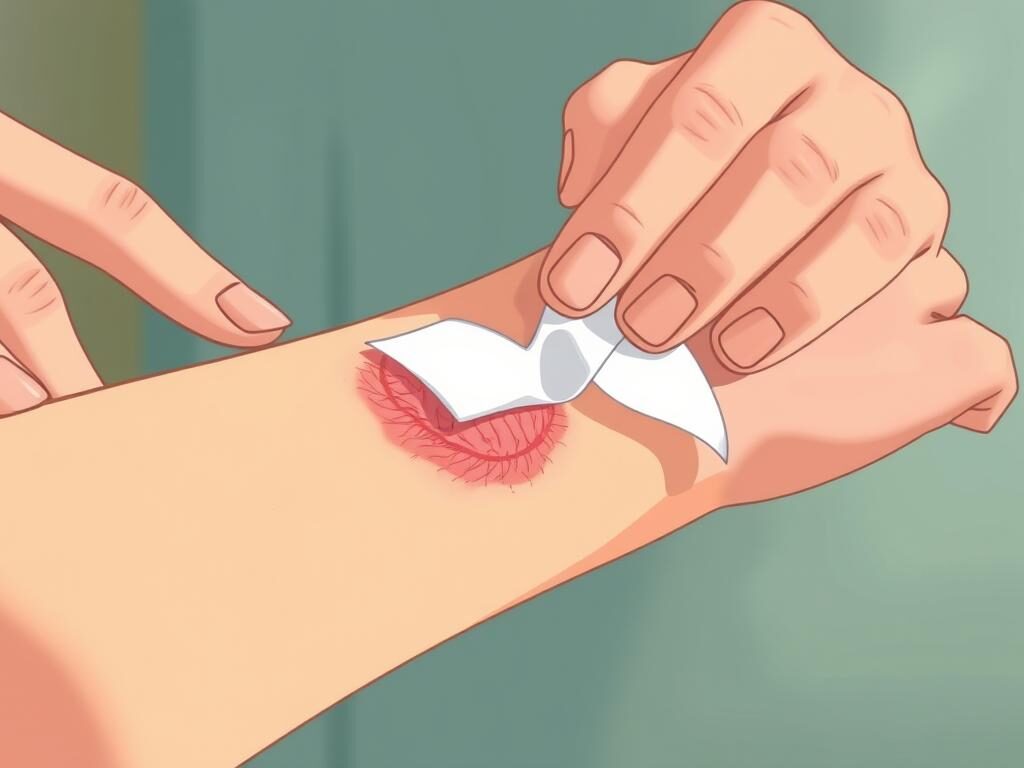
Removing the old dressing is key to check the wound’s health and help it heal. It’s a vital part of wound care. At Dominion Mobile Wound Care, they focus on safe and effective ways to remove dressings.
Assess the Wound Condition
Before taking off the old dressing, get ready for what you might see. After removing it, assess the wound condition. Look for signs of infection like:
- Increased redness or swelling
- Unusual or foul-smelling drainage
- Increased pain or tenderness
- Delayed healing
If you see any of these signs, talk to a healthcare professional. They can guide you. Proper assessment is important for the wound to heal right.
Correct Techniques for Removal
To remove the old dressing right, follow these steps:
- Wetting the dressing with saline solution helps loosen it and makes removal less painful.
- Gently peel off the dressing, starting from one edge and working your way across.
- If the dressing sticks to the wound, apply more saline solution and wait a few minutes before trying again.
Using the right techniques for removal helps avoid discomfort and wound damage. This careful approach is part of the care given by professionals at Dominion Mobile Wound Care.
Cleaning the Wound
Cleaning a wound well is key to stop infections and help it heal. At Dominion Mobile Wound Care, we know how important it is to clean wounds right.
When you clean a wound, use the right solutions and follow a clean method. This helps avoid infections.
Recommended Cleaning Solutions
The right cleaning solution depends on the wound’s type and state. Saline solution is often best because it’s gentle. For some wounds, an antiseptic solution is needed to fight off infection.
- Saline solution: Great for most wounds because it’s gentle.
- Antiseptic solution: For wounds at high risk of infection or already infected.
- Clean water: Good for minor wounds, but not for deep or big ones.
Steps for Proper Cleaning
To clean a wound right, follow these steps:
- Remove any dirt or old dressing from the wound area.
- Wash the wound with the suggested cleaning solution.
- Use a clean gauze or swab to clean the wound, starting from the center.
- Pat the area around the wound dry with a clean towel.
- Put on a new dressing based on the wound’s needs.
By following these steps and using the right solutions, you can help your wound heal well. For complex or unsure cases, it’s best to talk to healthcare experts like those at Dominion Mobile Wound Care.
Applying a New Dressing
Choosing the right dressing and applying it correctly is key. This step is important for wound healing. It creates the right environment for your wound to heal.
Choosing the Right Dressing Type
It’s important to pick the right dressing for your wound. Different wounds need different dressings. For example, hydrocolloid dressings work well for dry wounds. On the other hand, foam dressings are best for wounds that drain a lot.
Think about your wound’s type and how serious it is. You can find many dressing supplies at your local pharmacy. Or, check out services like Dominion Mobile Wound Care.
Techniques for Application
After picking the right dressing, apply it carefully. First, wash your hands. Then, take out the dressing from its packaging without touching the sticky side.
Place the dressing on the wound, making sure it’s centered and smooth. Use the adhesive strips or tape to secure it. Make sure it’s not too tight. Also, check that it won’t come off while you’re moving around.
For more help with dressing changes, check out guides from Dominion Mobile Wound Care. Learning how to apply a wound dressing correctly is a big part of healing.
Common Mistakes to Avoid
To make sure your wound heals right, avoid common errors during dressing changes. It’s not just about changing dressings. It’s about doing it in a way that helps healing and avoids problems. At Dominion Mobile Wound Care, we stress the need to avoid these mistakes for effective healing.
Overusing Antibiotic Ointments
One big mistake is using too much antibiotic ointment. It’s good for preventing infection, but too much can cause antibiotic resistance. This makes infections harder to treat and can slow healing.
Guidelines for Antibiotic Ointment Use:
| Situation | Recommended Action |
|---|---|
| Minor cuts and scrapes | Apply a thin layer of antibiotic ointment |
| Deep or large wounds | Consult a healthcare professional for guidance |
Ignoring Signs of Infection
Another big mistake is ignoring signs of infection. Signs like more redness, swelling, or drainage mean the wound might be infected. If you see these signs, get medical help fast.
- Increased redness or swelling around the wound
- Pus or discharge
- Fever or chills
- Increased pain
Managing Pain During Dressing Changes
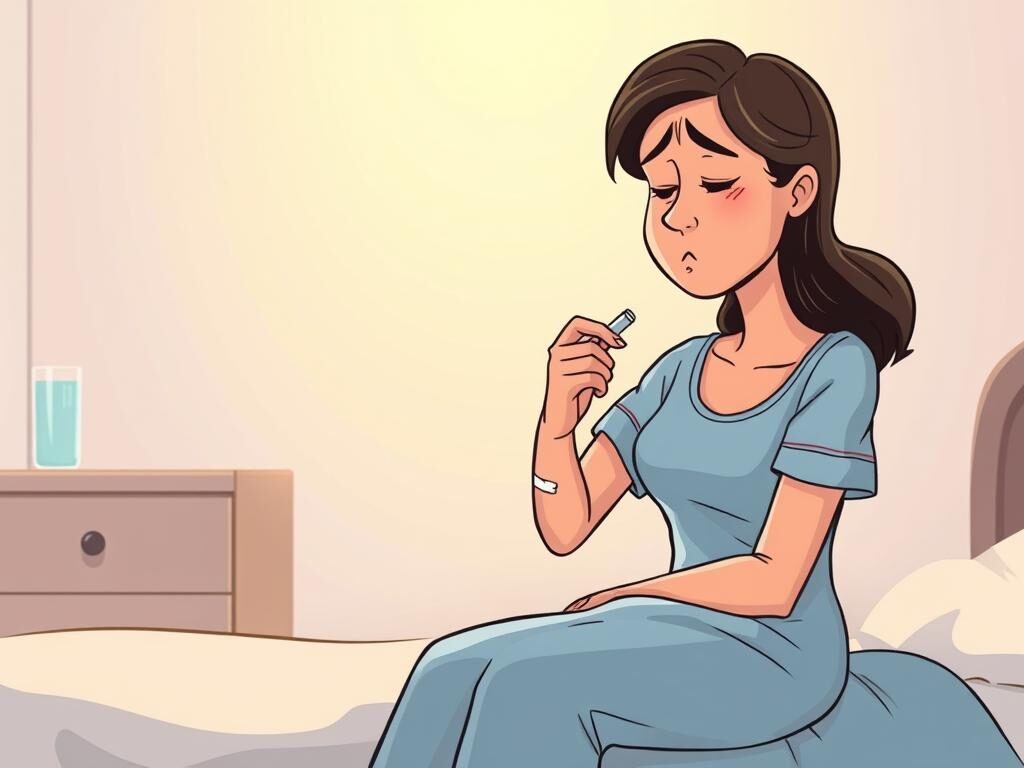
Changing a wound dressing can hurt, but there are ways to make it less painful. It’s key to manage pain well to make the process easier for the patient. At Dominion Mobile Wound Care, we focus on healing wounds and keeping patients comfortable.
Techniques to Minimize Discomfort
To lessen pain, use gentle and careful methods. Slowly and carefully removing the old dressing can help. If the dressing sticks, a bit of saline solution can help it come off.
Also, taking pain relief medicine as your doctor suggests can help a lot.
Some other techniques include:
- Using distraction methods such as deep breathing or listening to music
- Applying topical anesthetics if recommended by a healthcare professional
- Ensuring the wound is cleaned gently but thoroughly
When to Seek Medical Advice
If pain during dressing changes doesn’t go away or gets worse, get medical help. Your doctor can check the wound and suggest ways to manage pain. They might suggest different dressings or more pain relief options.
Watch for signs of infection, like more redness, swelling, or pus. These can make healing harder and hurt more. By being careful and getting help when needed, your wound can heal well and with less pain.
Recognizing Infection Signs
It’s key to know the signs of infection to avoid problems in wound healing. Good infection prevention is vital in wound care. It helps wounds heal right and lowers the chance of big issues. Dominion Mobile Wound Care stresses the need to watch wound health closely.
Symptoms of Infection to Watch For
When you change a wound dressing, check it for infection signs. Look for:
- Increased redness or swelling around the wound
- Unusual or foul-smelling drainage
- Increased pain or tenderness
- Warmth or heat around the wound area
- Fever or chills
What to Do If You Suspect an Infection
If you think your wound is infected, call your doctor right away. They can check the wound and tell you what to do next. Sometimes, antibiotic therapy is needed to fight the infection.
Dominion Mobile Wound Care tells patients to take care of their wound health. If you see infection symptoms, get medical advice fast to avoid more problems.
Special Considerations for Different Wounds
Different wounds need different care for dressing changes. At Dominion Mobile Wound Care, we focus on personalized care for each wound. This approach helps meet the unique needs of every wound.
Caring for Surgical Wounds
Surgical wounds need careful attention to avoid infection and aid healing. Always follow your healthcare provider’s advice for dressing changes. Watch the wound for any signs of trouble. Good wound care can lower infection risk and help healing.
When dressing a surgical wound, use sterile tools and clean it right. Make sure the dressing stays in place to protect the wound from harm.
Dressing Changes for Diabetic Ulcers
Diabetic ulcers are a big problem for people with diabetes. They’re hard to heal because of poor blood flow and nerve issues. Managing diabetic ulcers means regular dressing changes, cleaning, and using dressings that keep the area moist.
It’s important to check diabetic ulcers often for infection or getting worse. Working with a healthcare team, like Dominion Mobile Wound Care, ensures the ulcer is well cared for. This way, any problems are caught and fixed quickly.
Tips for Maintaining Wound Hygiene
Keeping your wound clean is key to healing. Experts at Dominion Mobile Wound Care say it’s important for healing and stopping infections.
Daily Care Routines
Having a daily routine for wound care is essential. Clean your wound with the right solutions and change dressings as needed. Always wash your hands well before and after touching your wound to avoid bacteria.
Watch your wound every day for signs of infection. Look for redness, swelling, or discharge.
Lifestyle Adjustments to Aid Healing
Changing your lifestyle can help your wound heal faster. Quitting smoking improves blood flow and health. Eating a diet full of vitamins and minerals helps your body heal.
Drinking plenty of water and managing stress also help. Relaxation techniques can make your recovery better.
Consultations with Healthcare Professionals
Seeing healthcare professionals is key to healing and avoiding problems. You’ve learned how important good wound care is for getting better.
Recognizing When to Seek Help
If you think you have an infection, have ongoing or severe pain, or see odd wound signs, get help. Doctors and nurses can help your wound heal right.
Preparing for a Productive Appointment
To get the most from your visit, collect info about your wound. Share its size, depth, and any symptoms. This helps your healthcare team give you the best care.
If you need wound care help, think about Dominion Mobile Wound Care. They have experts ready to give you personalized care for a smooth recovery.
FAQ
What are the different types of wound dressings and their functions?
Wet-to-dry dressings help remove dead tissue and debris. Foam dressings absorb excess fluid and keep the wound moist. Hydrocolloid dressings protect the wound and help it heal.
How often should I change my wound dressing?
Changing your dressing depends on the type and how severe the wound is. It also depends on how much fluid it drains and if there’s an infection.
What are the signs that it’s time to change my wound dressing?
You need to change your dressing if the wound gets more red, swollen, or drains more fluid.
How do I prepare to change a wound dressing?
Get ready by gathering gloves, gauze, and antiseptic solution. Also, wash your hands well to avoid infection.
What is the correct technique for removing an old wound dressing?
To remove the dressing, wet it with saline solution first. This makes it easier to take off without hurting the wound.
How do I clean a wound properly?
Clean the wound with a solution like saline or antiseptic. Gently rinse it and pat it dry with a clean towel.
What are the common mistakes to avoid when changing a wound dressing?
Don’t overuse antibiotic ointments, as it can cause resistance. Also, watch for signs of infection to avoid serious problems.
How can I minimize discomfort during wound dressing changes?
Be gentle when removing and applying the dressing. You can also take pain relief as advised by your doctor.
What are the signs of infection that I should watch for?
Look out for increased redness, swelling, or more drainage. If you think you have an infection, see a doctor.
Are there any special considerations for different types of wounds?
Yes, surgical wounds need careful care to avoid infection. Diabetic ulcers also need special care to heal well and prevent problems.
How can I maintain wound hygiene?
Clean and dress your wound daily. Quit smoking and eat well to help it heal faster.
When should I consult with a healthcare professional about my wound?
See a doctor if you think you have an infection, if the pain doesn’t go away, or if you have any wound care concerns.
Add a Comment