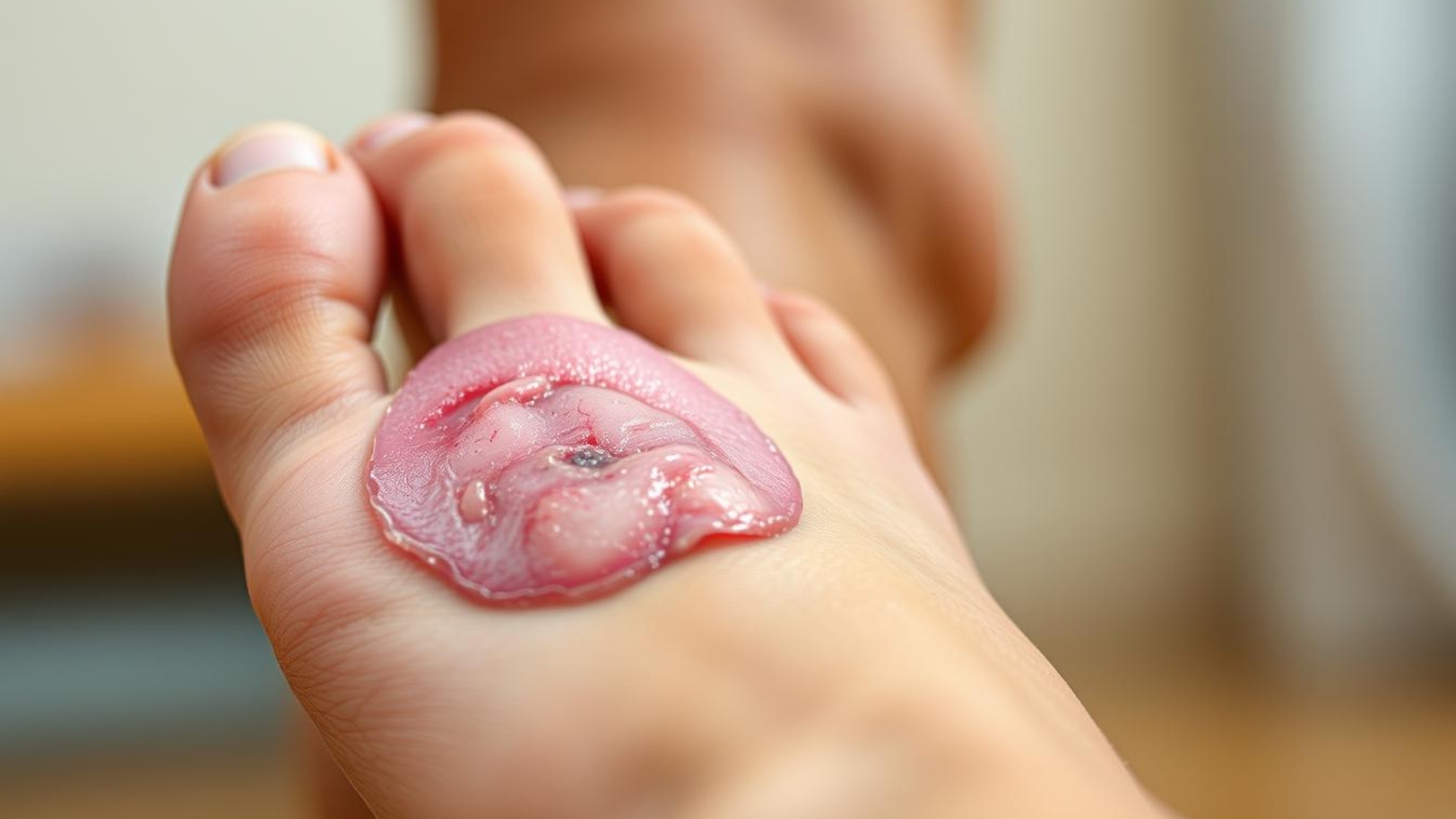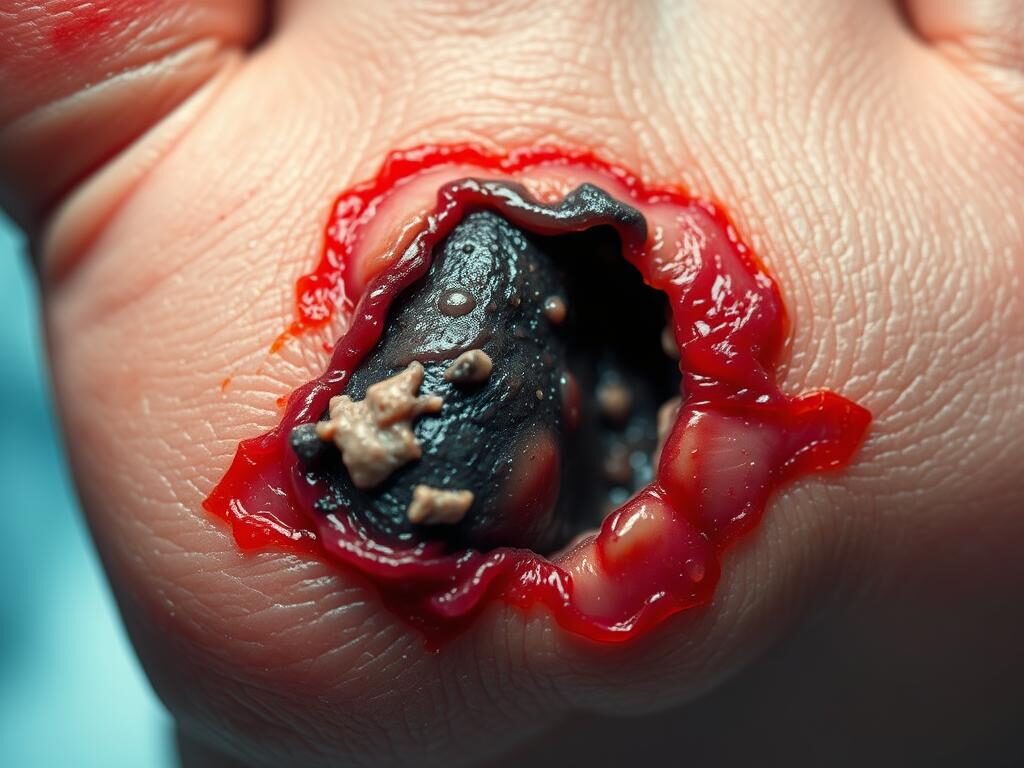
At-home wound inspection

What to Look for When Checking a Wound at Home

Proper wound care is key for healing and avoiding infections. Checking your wound at home is a big step in your recovery. It helps you spot problems early, making sure your wound heals right.

Knowing what to look for during an at-home wound inspection lets you track your healing. This article will show you the important signs to watch for when checking your wound at home.

Key Takeaways

  • Understand the importance of monitoring your wound at home.
  • Learn what signs to look for to ensure proper healing.
  • Discover how to identify possible complications early.
  • Find out when to seek professional help for your wound.
  • Get tips on maintaining good wound care practices at home.

The Importance of Proper At-Home Wound Inspection

Learning about at-home wound inspection can greatly help your recovery and health. It’s not just about treating the wound. It’s also about watching how it heals and catching any problems early.

Why Regular Wound Checks Matter

Regular checks are key for many reasons. They help spot signs of infection like swelling, redness, or more drainage. By checking your wound often, you can avoid big problems and help it heal right.

  • Early detection of infection signs
  • Monitoring healing progress
  • Preventing complications

When to Perform Wound Assessments

You should check your wound at least once a day. But, how often depends on your wound’s type and how bad it is. If you see more swelling or drainage, check it more often.

Being active and regular with your checks helps your wound heal well. Wound care experts say that wound assessment is vital for a good recovery.

Essential Supplies for Effective Wound Assessment

Starting a wound assessment means getting the right supplies first. This ensures a clean and safe space. The right tools are key to checking your wound’s condition and caring for it well.

Basic First Aid Items You Need

You’ll need basic first aid items like sterile bandages and antiseptic wipes. Gloves are very important too. They keep bacteria out of the wound and protect your hands from germs.

Creating a Dedicated Wound Care Station

Having a special area for wound care makes things easier. This area should have a clean surface, good lighting, and a trash can. Keeping things organized helps prevent infection and makes the process smoother.

Proper Lighting and Positioning

Good lighting is vital for a detailed wound check. Natural light is best, but a good lamp works too. Being in a comfortable spot helps you see the wound clearly.

Supply Purpose
Sterile Bandages To cover and protect the wound
Antiseptic Wipes To clean the wound and surrounding area
Gloves To prevent infection and protect hands

With the right supplies and a dedicated area, you can manage your wound well. It’s also important to control any bad smells. The right supplies help keep the area smelling fresh.

Understanding Different Types of Wounds

Knowing the type of wound you have is key to the right treatment. Wounds are grouped based on their look and cause.

Acute vs. Chronic Wounds

Wounds are either acute or chronic. Acute wounds come from injuries or surgery and heal fast with care. Chronic wounds don’t heal fast and might be due to health issues like diabetes or poor blood flow. For more on chronic wounds, check out our article on what you need to know about them.

Common Wound Classifications

Wounds are also grouped by their cause and look. These include:

Surgical Wounds

Surgical wounds happen during surgery. They are clean and usually closed with stitches or staples.

Traumatic Wounds

Traumatic wounds come from accidents or injuries. They can have dirt and bacteria in them.

Pressure Injuries

Pressure injuries, or ulcers, happen from too much pressure on the skin. This cuts off blood flow and damages tissue.

Diabetic Ulcers

Diabetic ulcers are a diabetes problem. They come from nerve damage and poor blood flow, leading to unnoticed injuries and infections.

The table below shows the main features of these wound types:

Wound Type Cause Characteristics
Surgical Wounds Surgery Clean, typically closed with sutures or staples
Traumatic Wounds Accidents or injuries Contaminated, may contain debris and bacteria
Pressure Injuries Prolonged pressure on skin Tissue damage due to restricted blood flow
Diabetic Ulcers Nerve damage and poor circulation Unnoticed injuries and infections

Knowing your wound type is key to managing it well. By understanding your wound, you can help it heal and avoid problems.

Assessing Wound Size, Depth, and Healing Progress

Knowing how big, deep, and healing your wound is can really help your recovery. Regular checks can spot problems early, so you can act fast.

Simple Measuring Techniques

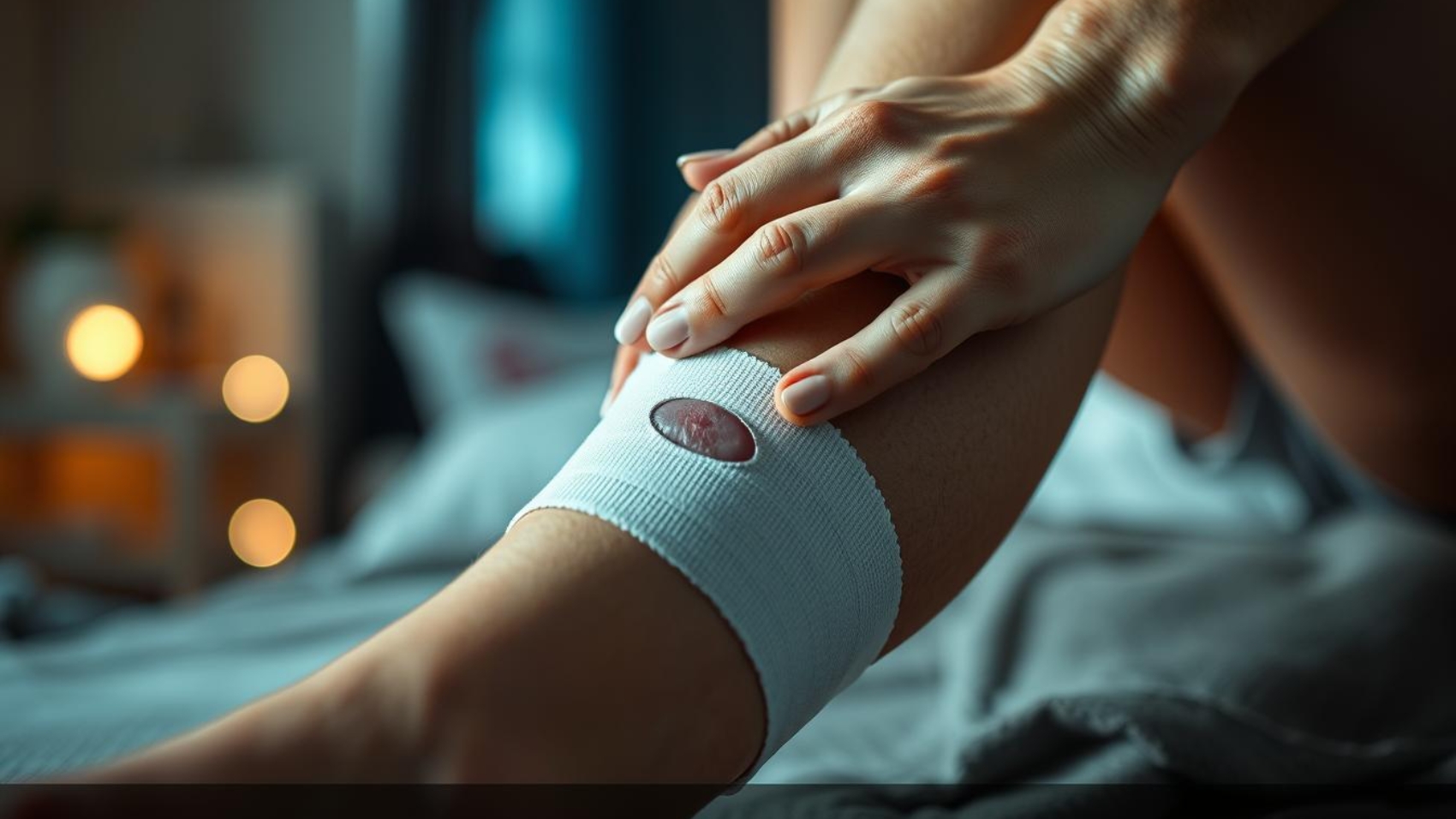
To keep track of your wound’s healing, measure its size and depth often. Use a ruler to measure length, width, and depth. You can also draw the wound’s shape on a clear sheet to see changes.

Consistency is key. Try to measure your wound at the same time every day. It’s best when it’s clean and covered.

Documenting Changes Over Time

It’s important to keep a record of your wound’s measurements and notes. Use a wound care diary or a mobile app to log your data. This helps you spot patterns and warns of possible problems.

Make sure to note any changes in size, depth, or drainage. These signs are important for healing or infection.

Signs of Proper Healing

A healing wound shows certain signs. You might see less swelling, less drainage, and granulation tissue, which means new skin is growing. The wound may start to close from the edges and get smaller.

Watching for these signs helps you know if your wound is healing right.

Evaluating Wound Drainage and Colors

The color and amount of wound drainage can tell us a lot about healing. It’s important to know what different drainage means.

Normal vs. Abnormal Drainage Amounts

Drainage is a normal part of healing. But, the amount and type can vary a lot. Normal drainage is usually not too much, while abnormal drainage can be too much or too little.

What Different Drainage Colors Indicate

The color of drainage is key to knowing how well a wound is healing. Different colors can mean different things about healing or problems.

Clear or Yellow Serous Drainage

Clear or yellow drainage means the wound is healing. It’s usually thin and not too much.

Green or Blue Purulent Drainage

Green or blue drainage often means infection. It’s thick and may smell bad. If you see this, get medical help fast.

Pink or Red Sanguineous Drainage

Pink or red drainage means there’s blood. A little blood is okay after injury or surgery. But too much or constant blood might be a problem.

When Drainage Changes Are Concerning

Changes in drainage can mean trouble or infection. If your drainage changes suddenly, see a doctor right away.

Recognizing Signs of Infection in Your At-Home Wound Inspection

When you check your wound at home, knowing the signs of infection is key. Spotting these signs early can help you act fast and avoid bigger problems.

Common Infection Indicators

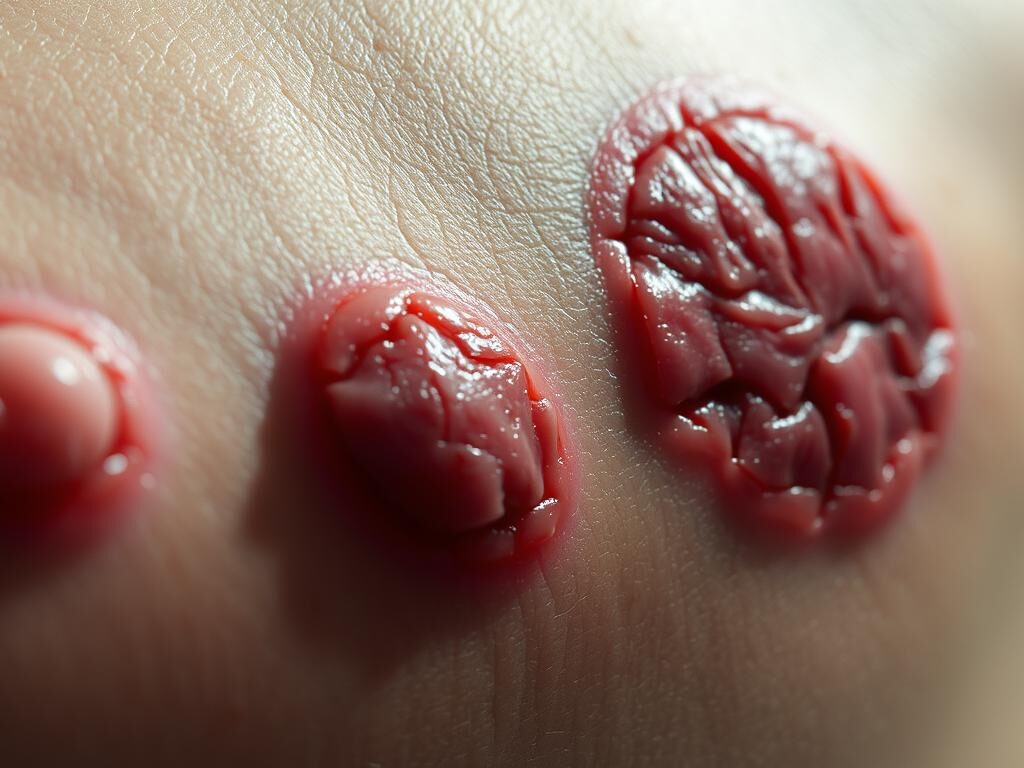
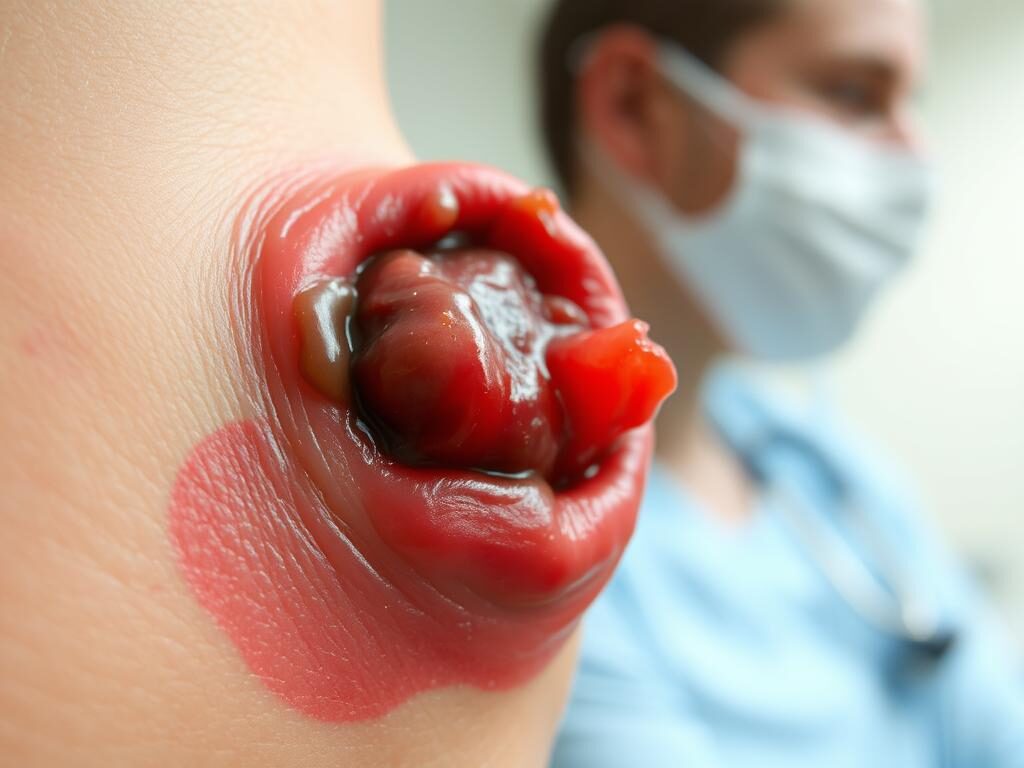
Infection shows up in different ways. Look out for increased redness, swelling, and warmth around the wound. You might also see increased drainage or a change in drainage color and texture.
signs of infection

When Redness Is a Warning Sign

Redness is normal when wounds heal, but it can also mean infection. If the redness gets larger or deeper, it might be infected. Watch it closely and get medical help if it gets worse.

Temperature Changes Around the Wound

A wound that’s warm or hot to the touch could be infected. Check if it’s warmer than the skin around it. Some wounds might feel cool or clammy, which is also a worry.

Systemic Signs of Infection

Infection can cause fever, chills, or feeling really sick. If you have these symptoms, get medical help right away.

By watching for these signs, you can manage your wound healing better. This helps you get the best results.

Understanding Wound Odors: What Different Smells Mean

Odor in a wound can tell us about its health and healing. Different smells mean different things. Knowing these differences is key to managing wounds well.

Normal Wound Odors

A wound might smell a bit off because of bacteria. But, a really strong or bad smell is not normal. Normal wound odors are usually mild. They might smell like sweat or have a metallic scent, like blood.

Odors That Indicate Infection

A strong, foul, or putrid smell often means an infection is present. Bacteria like anaerobic ones can make a foul smell as they break down tissue. If your wound’s smell changes a lot, watch for other signs of infection too.

Documenting and Describing Odors

Keeping track of your wound’s smell can help spot changes. Use words like “mild,” “strong,” “foul,” or “putrid” to describe it. This can help catch problems early. For more on wound care and dressing changes, check out Dominion Mobile Wound Care.

Odor Management Techniques

There are ways to manage wound odors. Using topical creams or dressings made to reduce smell can help. Also, keeping the wound clean and changing dressings often can cut down on bad smells.

Odor Type Possible Cause Action
Mild, slightly unpleasant Presence of bacteria, normal healing process Continue with regular wound care
Strong, foul, or putrid Infection, anaerobic bacteria Consult a healthcare professional, consider antibiotic treatment

Identifying and Assessing Wound Swelling

Understanding swelling is key when you’re caring for a wound. Swelling is a natural response to injury. But, too much or lasting swelling can mean there’s a problem.

Normal vs. Abnormal Swelling Patterns

Normal swelling usually goes down in a few days as the wound heals. But, if swelling doesn’t go away or gets worse, it’s a sign of trouble. Keep an eye on swelling around your wound to catch any issues early.

Measuring and Monitoring Swelling

To track swelling, use a simple method. Wrap a flexible tape measure around the swollen area. Then, take measurements over time to see if it’s changing.

Measurement Day Circumference (cm) Notes
Day 1 30 Initial measurement
Day 3 29 Slight reduction
Day 5 28 Continued reduction

When Swelling Requires Medical Attention

If swelling, redness, or pain get worse, see a doctor. These signs might mean an infection or another serious issue that needs a doctor’s help.

Simple Interventions for Swelling

Try elevating the swollen area and using cold compresses to reduce swelling. Also, follow your doctor’s advice on wound care and managing swelling to help it heal.

When to Seek Professional Wound Care

Managing a wound at home is common. But knowing when to get professional wound care is key. Some wounds need expert help for proper healing.

Red Flags That Require Immediate Attention

Some signs mean you need to see a doctor right away. These include:

  • Increased redness, swelling, or warmth around the wound
  • Pus or foul-smelling discharge
  • Fever or chills
  • Increased pain or tenderness
  • A wound that is not healing

If you notice any of these, get help fast.

Benefits of Professional Wound Assessment

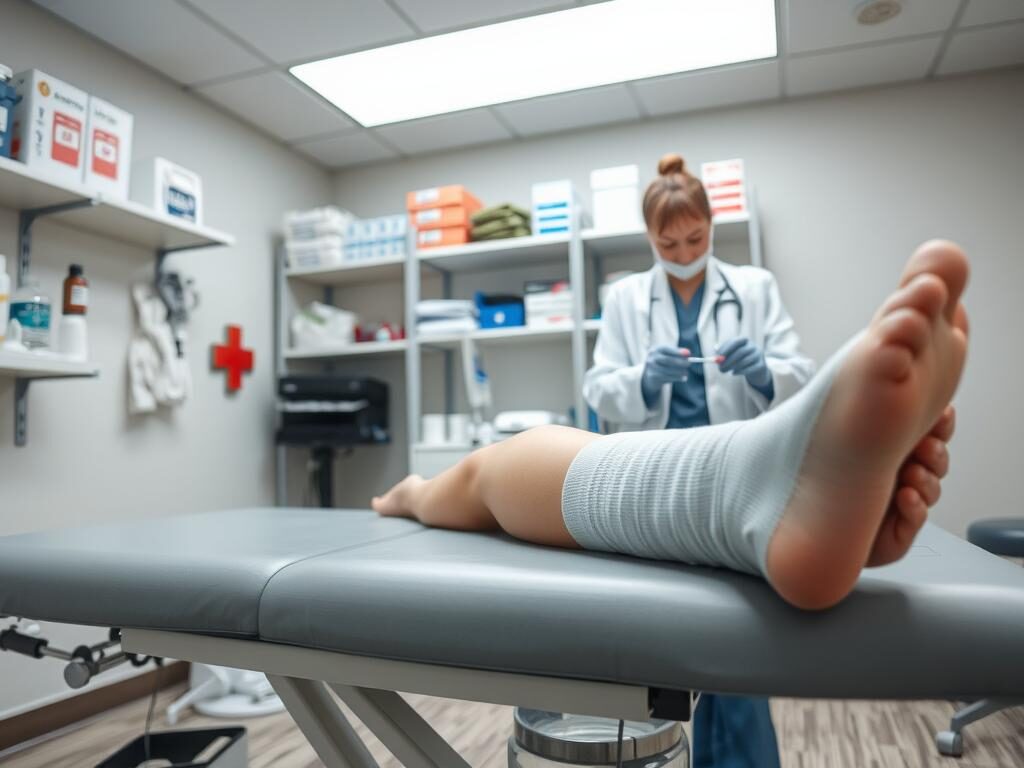
A wound assessment by a pro can help a lot. They can tell you exactly what your wound needs. They offer treatments that work best for you, helping you heal faster.
professional wound care

How Dominion Mobile Wound Care Can Help

Dominion Mobile Wound Care comes to you. They offer expert care right where you are. Their team can check your wound, plan your treatment, and help you heal.

Insurance Coverage for Professional Wound Care

Many insurances cover professional wound care, like Dominion Mobile Wound Care. Check with your insurance to see what’s covered and what you might pay.

Getting professional wound care when needed can really help your healing. Knowing when to seek help and the benefits of expert care can make a big difference.

Conclusion: Taking Control of Your Wound Healing Journey

Proper wound care is key for healing and avoiding infections. By checking your wound at home, you can help your recovery. Look at the size, depth, drainage, and condition of your wound regularly.

If wound care is hard or you’re worried about your wound, get professional help. Dominion Mobile Wound Care brings expert care to you. They offer personalized advice and treatment to aid your healing.

By managing your wound care and getting help when needed, you can heal better. With the right care, you can recover well and feel better overall.

FAQ

What are the signs of proper wound healing?

Signs of healing include less swelling and less drainage. You’ll also see granulation tissue. The wound should get smaller and shallower over time.

How often should I check my wound at home?

Check your wound daily, at the same time. This helps spot problems early. It keeps your wound from getting worse and helps it heal faster.

What do different drainage colors indicate?

Drainage colors tell you about your wound’s health. Clear or yellow means it’s healing. Green or blue means infection. Pink or red means there’s blood.

How can I manage wound odor?

Use creams or dressings to reduce bad smells. Keeping track of changes in smell is also important.

What are the red flags that require immediate medical attention?

Look out for more redness, swelling, or drainage. Also, watch for fever and chills. These are signs of serious infection.

How can I measure and monitor wound swelling?

Track changes in size and circumference. Knowing when to see a doctor can prevent serious problems.

What are the benefits of professional wound assessment?

A professional can give you tailored care. Dominion Mobile Wound Care offers the help you need to heal.

Is professional wound care covered by insurance?

Insurance for wound care varies. Check with your provider to see what’s covered.

Healing Timeline

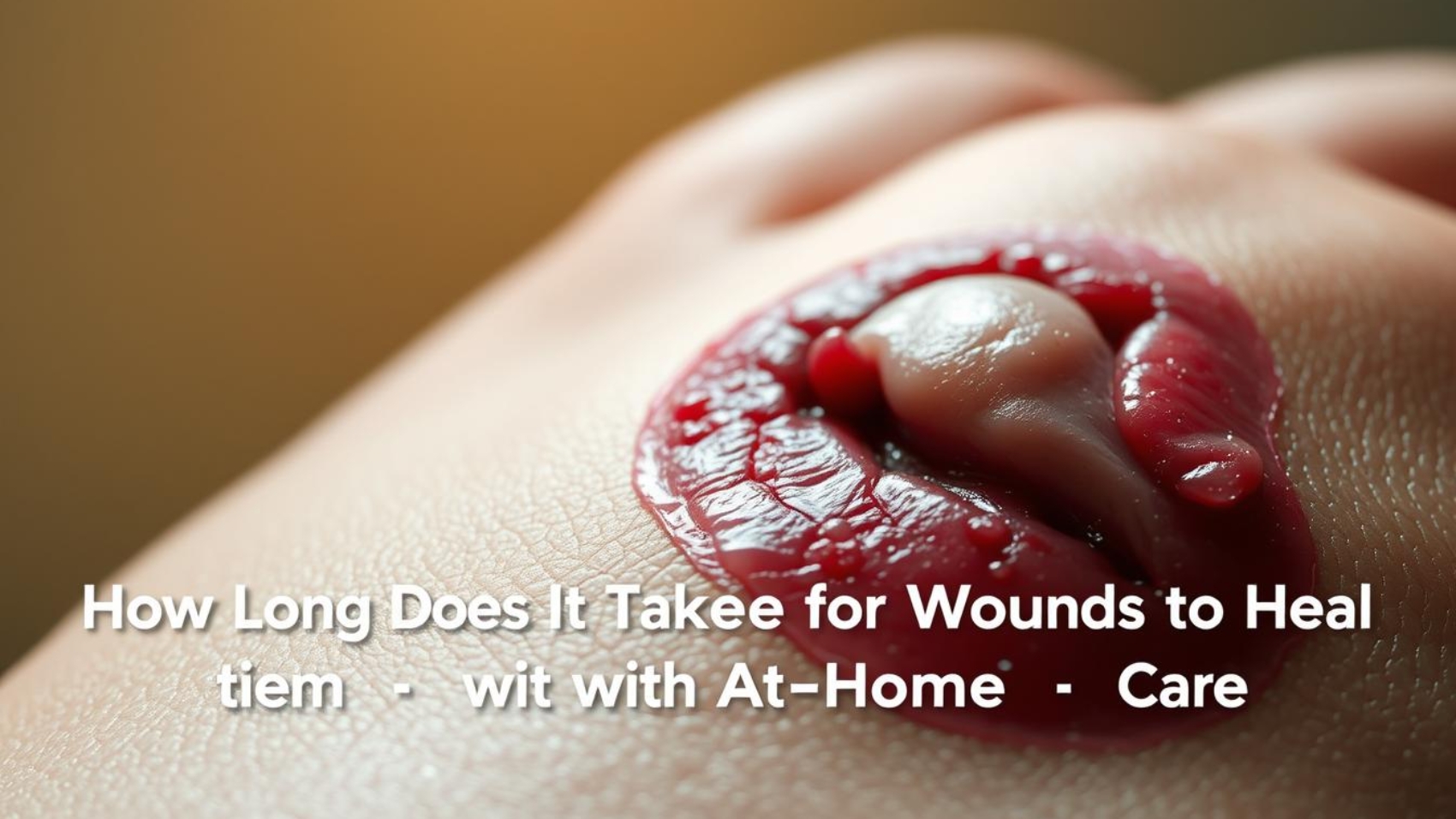
How Long Does It Take for Wounds to Heal with At-Home Care

You need clear expectations when caring for a wound at home. This short guide explains the typical timeline and the steps your body follows from injury to tissue remodeling. It draws on Canadian and international guidance, including Wound Care Canada and the International Wound Infection Institute.

The process moves through predictable stages that depend on wound type, depth, and location. Minor cuts often close fast, while deeper injuries take longer to rebuild tissue and return function.

You’ll learn practical at-home actions—clean technique, moisture balance, nutrition, and safe movement—that support steady progress. This section also highlights when to seek help and how a coordinated home service can speed recovery.

Dominion Mobile Wound Care offers at-home assessment, dressing selection, and coaching to help shorten the overall time to closure. Hire Dominion Mobile Wound Care to help heal your wounds.

Key Takeaways

  • Expect a predictable healing timeline based on wound depth and type.
  • Simple at-home steps can speed tissue repair and lower risks.
  • Follow evidence-based guidance for infection prevention and wound bed care.
  • Know the warning signs that require professional attention.
  • Mobile services like Dominion Mobile Wound Care make consistent care easier.

Understanding At-Home Wound Care and What Influences Your Healing Timeline

Knowing how wounds mend in your body lets you shape daily routines for better results. The biological phases of the healing process set a predictable course, but many personal factors change how fast you recover.

Local and systemic factors such as age, diabetes, steroid use, and vascular status affect tissue repair. Good blood supply and local perfusion bring oxygen, nutrients, and immune cells that drive tissue healing.

Moisture balance and clean technique support granulation and epithelialization. Infection control lowers bacterial burden and keeps the wound bed ready to advance through phases.

  • You respond differently to similar injuries because of your individual health and daily habits.
  • Smoking, poor nutrition, or low circulation can slow repair by impairing perfusion or collagen formation.
  • Simple home routines—sleep, hydration, protein, and gentle movement—help maintain steady progress over time.

When progress stalls, consider professional support. Dominion Mobile Wound Care provides mobile assessment, dressing selection, and coaching to optimize your home environment and routines. Hire Dominion Mobile Wound Care to help heal their wounds.

The Four Phases of the Healing Process and What You Can Expect

The body’s repair unfolds in clear phases, and each phase has a specific job. Knowing those steps helps you match care to the biology and avoid common setbacks.

Bleeding and clot formation: first 24 hours

On day one a clot forms and leukocytes arrive. This stops blood loss and primes your tissue for cleanup.

Inflammation: protection and clean-up

Vasodilation brings warmth and swelling. Phagocytosis clears debris so the wound bed is ready for new growth.

Proliferation: new tissue, collagen, and vessels

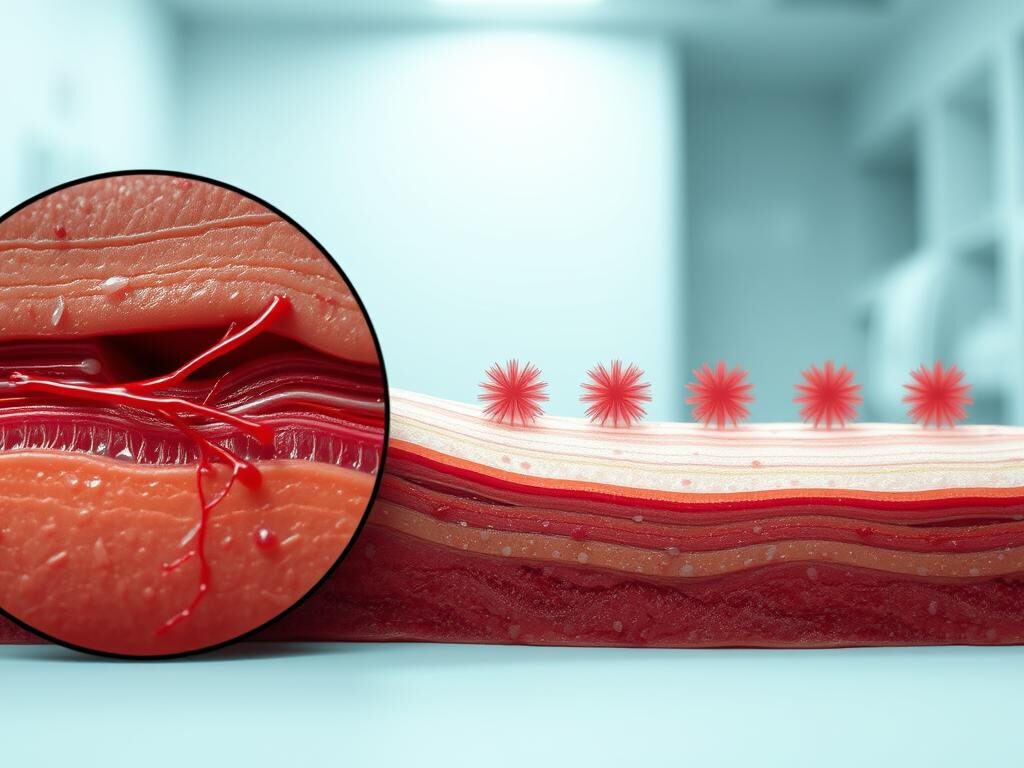
From about 24–48 hours up to three weeks, granulation tissue fills the defect. Fibroblasts lay down collagen while angiogenesis restores blood flow.

Remodeling: organizing and strengthening

Over months collagen fibers realign and tensile strength increases. A wound may look closed while internal tissue continues to mature.

  • Quick tips: keep clean technique, maintain moisture balance, and eat protein to support tissue repair.
  • Normal soreness and mild swelling are part of the response; rising pain or spreading heat needs review.
  • Dominion Mobile Wound Care can coach you through each phase with dressing changes, pain strategies, and progress checks. Hire Dominion Mobile Wound Care to help heal their wounds.

Healing Timeline by Tissue Type: From Skin to Bone

Different tissues in your body repair at distinct rates. That difference affects how you protect the area, when to load it, and which dressings or supports work best.

tissue healing

Muscle and Soft Tissue: Typically 2–4 Weeks to Functional Recovery

Muscles are well supplied with blood, so they often regain function in about 2–4 weeks with proper rest and graded movement.

Controlled activity and nutrition support organized collagen and reduce stiffness.

Tendons and Ligaments: 4–12 Weeks and Why They’re Slower

Tendons usually need 4–6 weeks; ligaments can take 10–12 weeks because both have lower vascularity.

They require time for strong collagen alignment before full loading is safe.

Bone: 6–8 Weeks with Progressive Loading

Bone consolidation commonly occurs in 6–8 weeks, but the exact time depends on fracture pattern and fixation.

Gradual weight or stress helps remodel bone without overloading the repair site.

Cartilage and Nerves: Why These Tissues Take Longest

Cartilage has poor blood supply and limited intrinsic repair, so recovery can extend beyond 12 weeks.

Nerve regrowth is slow (roughly 3–4 mm per day), so return of function follows a long course after the initial injury.

  • Plan for realistic healing times by tissue type to set work and activity limits.
  • Ensure good perfusion and nutrient supply to support tissue healing and collagen formation.
  • Dominion Mobile Wound Care helps tailor protection, offloading, and dressings to your tissue needs. Hire Dominion Mobile Wound Care to help heal their wounds.

At-Home Care Strategies to Support Faster, Safer Healing

Practical steps at home can speed recovery and reduce complications when you match care to the wound’s needs. Start with simple routines that protect the area and support tissue repair.

Moisture balance and dressings

Keep the wound bed optimized. Choose dressings that avoid drying or excess exudate so epithelial cells can migrate and collagen forms properly.

  • Select absorbent or moisture-retentive dressings based on drainage and tissue type.
  • Document exudate, size, and odor at each change to spot trends.
  • Dominion Mobile Wound Care customizes dressing choice to match your goals and exudate level.

Infection prevention and clean technique

Use hand hygiene and a clean environment for dressing changes. Watch for spreading redness, heat, odor, rising pain, or increased drainage.

Early screening and models like NERDS/STONES guide when to escalate treatment.

Nutrition, movement, and therapy

Eat enough protein and micronutrients to supply building blocks for collagen and tissue repair. Stay hydrated.

Integrate gentle movement or physical therapy to improve blood flow without stressing the injury. Balance activity and rest to control stress on the wound.

  • Get home education on elevation, compression, and simple routines to manage edema.
  • Coordinate with physical therapy when gait or mobility affects wound pressure.

Hire Dominion Mobile Wound Care to help heal their wounds. They provide infection screening, nutrition guidance, dressing selection, and in-home education to support safe at-home treatment.

Factors That Affect Your Healing Times

What happens in your body after an injury depends on things like age, blood flow, and daily habits. These factors shape the pace of repair and the actions you should take at home.

Age, Genetics, and Your Individual Response

Your age and genes set a baseline for how your tissues respond to inflammation and remodeling.

Older adults often have slower cell turnover and different collagen quality, which changes recovery expectations.

Blood Supply, Tissue Type, and Injury Severity

Robust blood supply speeds nutrient delivery and immune access. Poor circulation limits progress.

Skin, muscle, tendon, and bone all repair at different rates. Deeper or more severe injuries need longer protection and staged loading.

Health Conditions and Medications: Diabetes, Smoking, Steroids

Diabetes, vascular disease, smoking, and steroid use reduce immune function and impair perfusion.

Compression and offloading help where venous return or pressure is the problem. Optimizing glucose and nutrition matters for complex wounds.

Lifestyle, Stress, and Activity Levels: Finding the Right Load

Your stress, sleep, and activity levels influence catabolic vs. anabolic balance in the body.

Workload that exceeds tissue tolerance causes setbacks. Coordinate with physical therapy to correct gait or repetitive strain that hinders progress.

  • You will understand how age and genetics shape your baseline trajectory.
  • You will learn when compression, offloading, or glucose control can improve outcomes.
  • You will leverage Dominion Mobile Wound Care’s assessment to target limiting factors first. Hire Dominion Mobile Wound Care to help heal their wounds.

Day-by-Day and Week-by-Week Expectations for a Typical Healing Timeline

Start by protecting the area and limiting stress so the early days build a safe base for repair. Use clear checklists for dressing changes and simple activity limits to keep progress consistent.

tissue healing

Day Zero to Day Three: Protection and Controlled Inflammation

In the first 72 hours, protect the wound, manage edema, and control pain. Keep dressings intact unless soaked or soiled.

Document changes each day so you can spot rising redness, odor, or drainage that needs review.

Week One to Week Three: Proliferation and Early Tissue Formation

Expect granulation and early closure during these phases. Maintain balanced moisture and clean technique.

  • Reassess exudate and adjust dressings by the wound’s needs, not a fixed clock.
  • Introduce gentle movement to encourage circulation without adding stress.
  • Track small gains in range or skin integrity as signs of on-time progress.

Week Four and Beyond: Remodeling, Strength, and Function

After four weeks, focus on progressive loading and functional tasks that match tissue type.

Coordinate with physical therapy when gait or pressure patterns affect closure. Keep nutrition and fluid supply steady to support collagen and strength gains.

Dominion Mobile Wound Care provides clear cadence for dressing changes and activity plans. Hire Dominion Mobile Wound Care to help heal their wounds.

When to Seek Professional Help During At-Home Care

Know when a wound needs expert review so you avoid delays that can worsen infection or tissue loss. Use clear signs and checklists to decide when to escalate care and involve a trained clinician.

Red Flags: Spreading Redness, Fever, Odor, Increasing Pain

Watch for spreading redness, new warmth, foul odor, rising pain, or a rapid increase in drainage. Systemic symptoms like fever or chills mean you need prompt evaluation.

If you see these signs, stop routine dressing changes and contact a provider. Timely cultures, targeted treatment, and possible antibiotics reduce risk of deeper infection.

Chronic and Complex Wounds: Pressure, Venous, Arterial, and Diabetic Foot Ulcers

Pressure injuries, venous leg ulcers, arterial ulcers, and diabetic foot ulcers require specific strategies. Offloading, compression, and vascular assessment change the process and the chosen treatment.

  • Engage a physical therapist or wound therapist when mobility or load causes repeat breakdown.
  • Imaging or vascular studies are warranted for stalled wounds or suspected deep infection.
  • Document symptom onset, size, and odor so clinicians act quickly with full information.

Dominion Mobile Wound Care offers rapid in-home assessment, wound cultures per protocol, and referral coordination. Hire Dominion Mobile Wound Care to help heal their wounds.

Healing Timeline: How Dominion Mobile Wound Care Can Help You Recover at Home

Dominion Mobile Wound Care brings evidence-based treatment directly to your home so you can recover with fewer interruptions.

Personalized Assessment, Dressing Selection, and Education

A dedicated physical therapist completes a comprehensive in-home assessment of your wound, skin, circulation, and functional risks. This evaluation guides dressing choice so moisture balance supports steady tissue repair without maceration.

Structured education simplifies daily routines. You learn pain control, hydration, home checks, and signs that need a same-day review.

Coordinated Care: Nutrition, Offloading, Compression, and Therapy

Care plans integrate physical therapy input to protect fragile tissue while restoring safe movement. Guidance addresses blood supply issues, with compression for venous problems and vascular referral when arterial compromise is suspected.

You receive a nutrition action plan so protein and micronutrient supply supports rebuilding of tissue and bone. Device choices and scheduled follow-ups keep momentum.

  • Evidence-based dressing selection and measurable progress tracking.
  • Offloading, splints, and practical movement plans to prevent re-injury.
  • Fewer disruptions because care, reassessment, and education happen at home.

Hire Dominion Mobile Wound Care to help heal their wounds.

Conclusion

Simple, consistent routines reduce setbacks and speed safe return to function after an injury.

You now know that safe healing follows overlapping phases—bleeding, inflammation, proliferation, and remodeling—and that the body rebuilds from the inside out even after the day a wound looks closed.

Different tissues recover at different times: muscles and bone have distinct needs, and tissue healing varies by type and blood supply. Nutrition, moisture balance, infection control, and matched activity improve your ability to tolerate load and limit further damage.

Watch for red flags and get reassessment when progress stalls. A trained therapist can streamline care at home and protect fragile tissues while you regain function.

Hire Dominion Mobile Wound Care to help heal their wounds.

FAQ

How long does it usually take for a simple skin wound to close with at-home care?

Most minor skin wounds begin to close within a week and show substantial improvement in 2 to 3 weeks. Full strength and remodeling of the tissue can take several weeks to months depending on size and depth. Your age, blood supply to the area, and how well you follow wound care steps affect the pace.

What affects your recovery when treating a wound at home?

Your recovery depends on the wound type, severity, circulation, nutrition, and underlying health conditions such as diabetes or vascular disease. Medications like steroids or blood thinners and lifestyle factors such as smoking and activity level also alter the course. Good dressing technique and early infection control help speed repair.

What happens in the first 24 hours after an injury?

In the first day you’ll see bleeding control and clot formation. That clot provides a scaffold for cells that begin cleanup and sets the stage for inflammation and new tissue growth. Keeping the area protected and clean reduces risk of contamination and supports the process.

Why does swelling and redness occur during the early phase?

Swelling and redness come from increased blood flow and immune cells arriving to clear debris and bacteria. This controlled inflammation is necessary, but prolonged or excessive swelling may signal infection or poor circulation and should be evaluated.

When does new tissue and blood vessel growth start?

New tissue formation typically starts within a few days and continues through the first few weeks. Cells deposit collagen and tiny blood vessels grow into the wound bed to deliver nutrients. Proper moisture balance and nutrition support this stage.

How long does the remodeling and strengthening phase last?

Remodeling begins after new tissue fills the wound and can last months. Collagen fibers reorganize and tissue gains tensile strength gradually. Progressive, controlled loading and avoiding repeated stress help the area regain function.

How long for muscle and soft tissue to become functional again?

Most muscle and soft-tissue injuries show functional recovery in roughly 2 to 4 weeks with appropriate rest, gradual movement, and targeted therapy. Severity and whether you follow a rehabilitation plan change that timeline.

Why do tendons and ligaments take longer to recover?

Tendons and ligaments have lower blood flow and a slower cell turnover rate. These structures need more time for collagen to align and strengthen, so expect 4 to 12 weeks or longer, plus guided loading exercises to restore function.

What is the typical healing time for bone fractures with at-home care?

Many fractures show radiographic healing in about 6 to 8 weeks, but complete remodeling can continue for months. Gradual weight-bearing and progressive loading, as advised by your clinician or physical therapist, help bone regain strength.

Why are cartilage and nerve injuries slower to improve?

Cartilage has limited blood supply, and nerves regenerate at a slow rate (millimeters per day). Both require extended recovery and often need specialized interventions like offloading, targeted therapy, or surgical input for optimal results.

What dressing and moisture strategy should you use at home?

Aim to keep the wound bed moist but not overly wet. Choose dressings that manage exudate, protect from contaminants, and maintain temperature. Change dressings per product guidelines or when saturated, and always follow any clinician instructions.

How can you spot and prevent infection during self-care?

Watch for increasing pain, spreading redness, foul odor, pus, fever, or swelling. Use clean technique when changing dressings, avoid touching the wound directly, and seek medical attention if red flags appear. Early detection and treatment limit complications.

What role do diet and hydration play in tissue repair?

Protein, calories, vitamin C, zinc, and adequate fluids support collagen synthesis and cellular activity. Aim for balanced meals with lean protein, fruits, vegetables, and enough calories to meet increased metabolic demands during repair.

How should you move or exercise an injured area without causing harm?

Start with gentle range-of-motion and low-load activities that increase circulation without stressing the repair. Follow guidance from a physical therapist or your clinician on timing and progression to prevent setbacks while building strength.

How do age and genetics influence your recovery speed?

Older age often brings slower cell turnover and reduced circulation, which can extend recovery. Genetic factors influence collagen quality, immune response, and scarring propensity. You may need modified timelines and tailored care based on these factors.

Which medical conditions or medicines delay recovery?

Diabetes, peripheral vascular disease, immunosuppression, smoking, and certain medications like systemic steroids or chemotherapy agents slow repair. Discuss medication impacts with your provider and adjust care plans when necessary.

What day-by-day changes should you expect in the first week?

In days 0–3 expect clotting, peak inflammation, and initial debris clearance. Pain and swelling typically decrease after the first few days if the wound is stable. Keep the area protected and monitor for signs of infection.

What should improvement look like in weeks one to three?

You should see reduced redness and swelling, formation of new tissue, less pain, and gradual closure. Mobility and function can improve with guided movement and activity modification.

What progress is reasonable by week four and beyond?

By week four, many wounds show strong epithelial coverage and early remodeling. Strength and function continue to increase over subsequent weeks with progressive loading and rehabilitation.

When should you contact a professional during at-home care?

Seek prompt care for spreading redness, fever, increasing pain, odor, or drainage changes. Also consult if a wound fails to show gradual improvement after a week or if you have risk factors like diabetes or poor circulation.

What qualifies as a chronic or complex wound that needs specialized treatment?

Wounds that don’t progress after 4 weeks, pressure injuries, venous stasis ulcers, arterial ulcers, and diabetic foot ulcers require specialized assessment. These often need offloading, compression, advanced dressings, or referral to a wound care clinic.

How can a mobile wound care service like Dominion Mobile Wound Care support your recovery at home?

A mobile team provides personalized assessment, appropriate dressing selection, patient education, nutrition guidance, and coordinated services such as offloading or compression. That integrated approach improves outcomes and reduces the need for clinic visits.

What does coordinated care from a wound team include?

Coordinated care can involve nutrition counseling, physical therapy, compression therapy, offloading devices, and ongoing monitoring. These elements together address factors that delay repair and help you regain function safely.

Pressure Sore Treatment

How At-Home Wound Care Helps Heal Pressure Sores

You can play a key role in healing and preventing bed-related skin damage at home. Older adults or people who are immobile face higher risk when prolonged pressure, friction, moisture, or shear affects their skin. Early-stage injuries often respond well to prompt care, while deeper damage raises the chance of serious infections and needs clinician input.

Simple steps—regular skin checks, gentle cleansing, and moisture control—help protect fragile areas. Using the right dressing type, like foam or antimicrobial options, supports healing and can lower infection risk. Repositioning on a schedule and using specialist cushions or alternating/low-air-loss mattresses reduce load on vulnerable spots.

Debridement and more advanced approaches are managed by nurses or specialists when needed. Keep a small log of symptoms, products, and position times so your home care stays consistent. For guided care and reliable support, Hire Dominion Mobile Wound Care to help heal your wounds.

Key Takeaways

  • Check skin often and act quickly on early changes.
  • Relieve pressure with cushions, mattresses, and set repositioning times.
  • Choose dressings that match the wound and protect against infections.
  • Know when debridement or clinician review is required.
  • Track care steps and consult professionals for deeper damage.

Understanding Pressure Sores at Home: What They Are, Why They Happen, and Who’s at Risk

Mechanical forces—constant load, sliding, and moisture—are the main reasons skin and tissue break down when you’re immobile. Continuous pressure squeezes tiny vessels and limits blood, so the deeper layer skin can die before the surface shows changes.

How prolonged load, friction, moisture, and shear damage tissue

Shear happens when skin moves one way and bone moves another, such as slouching in a chair. Friction occurs when you drag across a surface instead of lifting, and moisture from sweat or drainage makes skin weaker.

Who’s at higher risk

  • People with limited mobility, long bed rest, or wheelchair use—your risk goes up without scheduled offloading.
  • Those with spinal cord injury may not feel pain or heat that normally prompts movement, so routine checks are vital.
  • Health conditions like diabetes, anemia, or poor nutrition reduce circulation and slow healing.

Dominion Mobile Wound Care offers in-home education and support to help you prevent and manage these injuries at home.

Spot the Early Signs and Stages Before Complications Develop

Spotting early color shifts and small skin changes helps you stop deeper harm before it starts. Check high-risk areas daily and note anything that looks different from nearby area skin. Early action makes a big difference.

pressure ulcers

Stage 1

Stage 1 shows non-blanching redness or a color change that does not fade within about 30 minutes after you relieve pressure. Press gently and release; if the color persists, treat it as a warning that deeper tissue may be involved.

Stage 2

Stage 2 means the top skin layer (epidermis) is broken. You may see a shallow open wound and some drainage.

Keep the area clean, protect it from friction, and use a dressing that keeps moisture balanced.

Stages 3 and 4

Stage 3 extends into the dermis and subcutaneous fat. Drainage and devitalized material increase, and debridement or packing may be needed.

Stage 4 reaches muscle and sometimes bone, often with dead tissue and heavy drainage. Surgery is commonly required and infections are more likely.

Signs of Trouble

  • Growing size, new black areas, or added pain.
  • Foul odor, greenish drainage, swelling, or fever.
  • Temperature change or unusual firmness on darker skin tones.

Document the stage, size, drainage, and pain level daily. Take dated photos to track progress. Dominion Mobile Wound Care can help you assess stages accurately at home and set up a monitoring plan so you know when to escalate care.

Pressure Sore Treatment at Home: First Steps to Protect Your Skin and Promote Healing

Start by removing direct load from the affected area. Offload immediately and use pillows, wedges, or cushions to float heels and protect bony points. Dominion Mobile Wound Care can teach safe transfers and positioning so you avoid repeating damage.

Relieve load and set a repositioning plan

Change position as needed: as often as every 15 minutes for chair reliefs, about every 2 hours in bed, or up to every 6 hours if your clinician approves. Review your mattress and cushion to reduce pressure and shear.

Gentle hygiene that supports healing

Clean daily with mild soap and water, rinse well, and pat dry. Do not rub; avoid hot water or harsh scrubs. For friction-prone spots, a transparent film dressing can reduce rubbing while you improve support surfaces.

Daily checks: what to watch for

Perform head-to-toe checks each day. Note what healthy skin looks like for your tone and watch the area for new color change, firmness, or heat.

  • Offload now and log positions and care steps.
  • Make transfers slow to prevent shear and dragging of area skin.
  • Escalate care if a stage 1 pressure ulcer lasts more than a few days or new breakdown appears.

Dressings, Debridement, and Infection Control for Home Care

A clear plan for dressings, debridement options, and infection checks helps you care safely at home. Dominion Mobile Wound Care guides you in selecting dressings and coordinates referrals when you may need clinic-based care.

skin wound dressing

Choosing dressings

Match the dressing to the wound and the amount of drainage. Hydrocolloids work well for shallow, low-exudate wounds; thin foams cushion and absorb moderate fluid.

For wetter areas, alginate or hydrofiber soaks up exudate. Films protect against friction and let you watch the surface. Hydrogels loosen dry slough, and antimicrobial dressings help when infection risk is high.

  • Example: a shallow stage 2 with mild drainage can use DuoDERM for up to five days.
  • Allevyn thin foam is good for moderate drainage and cushioning.
  • Change damp gauze twice daily and keep it moist between changes.

Debridement basics

Debridement removes dead tissue so healthy tissue can grow. Some dressings promote autolysis; nurses may perform sharp debridement during clinic visits.

Deeper or large cavities may need specialist or surgical removal, negative pressure therapy, or other adjuncts. Dominion Mobile Wound Care helps arrange these options.

Infection watch

Know the signs to call your clinician: new odor, greenish drainage, expanding size, black areas, or rising warmth and fever.

Clean with water or saline, avoid harsh antiseptics unless told to use them, and protect the peri-wound skin with a barrier to prevent maceration. Keep a clean field, wash hands, and dispose of used materials safely to lower infections risk.

Optimize Your Support Surfaces, Bed, and Wheelchair Setup

A well-matched support surface can reduce peak loads on bony points and help avoid deeper damage. Start by reviewing the mattress and cushion that touch your skin most. Small upgrades often yield big benefits.

Mattresses and cushions

Consider specially designed mattresses that spread load and lower peak contact over the hips and heels. Foam options offer steady redistribution for many users.

For higher risk or multiple wounds, advanced alternating or low-air-loss systems may also help. These beds change contact points or manage heat and moisture automatically.

Transfers and positioning

During transfers, avoid dragging skin across sheets or seats. Use slide boards, lift devices, or draw sheets to cut shear and friction that can turn small irritation into an injury.

Practice pressure releases on a schedule—tilt-backs, push-ups, or short weight shifts help keep any one area from bearing load too long.

  • Upgrade key surfaces: choose specially designed mattresses for your bed and a pressure-redistributing cushion for your wheelchair.
  • Protect common contact points: float heels with pillows, use breathable covers, and smooth sheets to reduce rubbing and heat.
  • Use transfer aids: slide boards and draw sheets prevent shear during moves.
  • Reassess regularly: as your wounds or mobility change, update cushions, mattresses, and positioning plans.

Dominion Mobile Wound Care can evaluate your home setup and recommend cushions, mattresses, and positioning strategies that fit your needs and budget.

Fuel Healing from the Inside: Nutrition, Hydration, and Whole-Health Factors

What you eat and drink directly affects how quickly nearby tissue repairs and how well your skin resists further breakdown. Good choices in diet and fluids give cells the energy and building blocks needed for wound healing.

Protein, calories, and key nutrients

Prioritize protein at every meal so your body gets amino acids for new tissue and collagen. Aim for enough calories too; if you under-eat, your body may break down muscle and slow repair.

Vitamins A and C, zinc, and iron support collagen formation, immune response, and oxygen transport in blood. If bleeding is present, it can signal good circulation that helps healing, but always report changes to your clinician.

Hydration and managing whole-health issues

Stay well hydrated to maintain skin turgor and help nutrient delivery around the wound. Small, frequent meals or nutrient-dense shakes help when appetite is low.

  • Track intake and weight daily to catch declines early.
  • Manage blood sugar, anemia, and other health problems that slow wound healing.
  • Use fiber and probiotics if you’re on antibiotics to protect gut health.

Dominion Mobile Wound Care can coordinate with your dietitian to align supplements, meals, and hydration with your wound goals and help review medications that affect appetite or absorption.

When to Involve Professionals and Escalate Care

Know the warning signs that mean you should get professional help without delay. Call your clinician if you notice worsening odor, green drainage, fever, expanding redness or black tissue, or a sudden increase in size or pain.

Stage 3 wounds often need special cleaning, debridement, packing, and sometimes antibiotics. You may qualify for specialty surfaces or a pressure-redistributing mattress while healing.

Stage 4 injuries demand prompt evaluation; surgery may be required to remove dead tissue and protect exposed bone. Infections can spread to blood, heart, or bone and become life-threatening.

  • Escalate urgently if systemic signs appear—chills, confusion, or fast spreading infection.
  • Arrange imaging or labs when bone or joint involvement is possible or infections recur.
  • Coordinate care pressure across providers so dressing choices, debridement plans, and nutrition align.
  • Set up home nursing if you can’t offload at home or daily care becomes unmanageable.

Dominion Mobile Wound Care coordinates in-home support and helps you know when to go to a clinic or medical center so complications are caught early and care may need escalation safely.

Conclusion

Healing deep skin injuries takes time, steady care, and quick action when new signs appear.

You now know what early breakdown looks like across different parts of the body and how fast offloading reduces further injury from pressure. Combine daily checks, gentle cleansing, and the right dressing to keep the wound stable while watching for infections.

Track pain, drainage, and size. Escalate promptly if bone or deep structures seem involved or if signs worsen; clinic or medical center care, including debridement or surgery, can stop setbacks.

Dominion Mobile Wound Care is ready to come to your home, personalize your plan, and coordinate care. Hire Dominion Mobile Wound Care to help heal your wounds.

FAQ

What causes these skin wounds and who is most at risk?

Prolonged pressure, friction, moisture, and shear break down your skin and the tissue beneath. You’re at higher risk if you have limited mobility, use a wheelchair, spend long periods in bed, or live with a spinal cord injury or other chronic health conditions that affect circulation and sensation.

How do I spot early signs and what are the stages to watch for?

Stage 1 shows non-blanching redness or a color change that doesn’t fade after you relieve pressure. Stage 2 means the top layer of skin is broken or there’s a shallow open area with possible drainage. Stages 3 and 4 involve deeper tissue loss, exposed fat, or even bone and carry higher risk of infection. Look for swelling, foul odor, greenish drainage, fever, blackened tissue, growth in size, or increased pain.

How often should I reposition someone to relieve pressure at home?

Reposition every two hours when lying in bed and at least every 15–30 minutes if seated, depending on mobility and cushion type. Use scheduled turns, pressure-relieving cushions or mattresses, and small position shifts to offload vulnerable areas.

What basic skin care and hygiene should I follow to help wounds heal?

Keep skin clean and dry, use gentle non‑irritating cleansers, and avoid rubbing fragile areas. Apply moisture-barrier products to protect skin exposed to incontinence. For wounds, follow your clinician’s instructions on cleansing, dressing changes, and hand hygiene to reduce infection risk.

Which dressings are commonly used for home wound care and how do I choose one?

Common options include hydrocolloids, foam, alginates, films, and hydrogels; antimicrobial dressings may help if infection risk is present. Match the dressing to wound depth, drainage level, and skin condition; consult your clinician or wound nurse for the best choice and how often to change it.

What is debridement and can it be done at home?

Debridement removes dead tissue so healing can progress. Some mild slough can be managed with careful cleaning and dressings at home, but mechanical, enzymatic, sharp, or surgical debridement should be performed by trained clinicians when needed.

How do I recognize an infection and when should I call a clinician?

Watch for increased warmth, redness beyond the wound edge, swelling, new or worsening pain, yellow or greenish drainage, a foul smell, fever, or black tissue. Call your clinician promptly if you notice these signs or if the wound enlarges or fails to improve.

What support surfaces help prevent breakdown while you’re in bed or a chair?

Specialized foam mattresses, alternating pressure systems, low‑air‑loss beds, and pressure‑redistributing cushions reduce sustained load on vulnerable spots. Match the device to your mobility level and weight; a clinician or durable medical equipment provider can help you choose and fit the right surface.

How can transfers and positioning reduce shear and friction injuries?

Use proper transfer techniques, slide sheets or lifts when needed, and avoid dragging skin across surfaces. Keep the head of the bed lower when possible to reduce sliding, and use pillows or wedges to offload bony areas during rest.

What role do nutrition and hydration play in healing these wounds?

Adequate calories and protein are essential, as are vitamins A and C, zinc, and iron for tissue repair. Stay well hydrated and address underlying health issues like diabetes or poor circulation that slow recovery. A dietitian can recommend supplements if you have increased nutritional needs.

When should you escalate care to a wound specialist or clinic?

Seek specialist care if the wound is deep, enlarging, shows signs of infection, contains dead or black tissue, exposes bone, or doesn’t improve after a short course of home care. Also call for sudden fevers, severe pain, or other systemic signs of illness.

How do skin tone differences affect how wounds look and how you check for problems?

On darker skin tones, early changes may appear as purple, blue, or darker than the surrounding skin instead of red. Feel for warmth, firmness, or tenderness and compare to other areas. Regular visual and tactile checks help catch issues earlier across all skin tones.

Diabetic Wound Care

Managing Diabetic Foot Ulcers with At-Home Care

You are reading guidance from Dominion Mobile Wound Care to help manage a common foot problem linked to diabetes.

This short guide lays out simple steps you can follow at home and clear cues for when to get professional help.

About 15% of people with diabetes develop an open sore on the bottom of the foot. If ignored, these sores raise the risk of infection, hospitalization, and even amputation.

Modern moist methods—keeping the area covered—support faster healing than letting the sore air out. Avoid harsh agents like full-strength betadine or hydrogen peroxide and skip soaking.

In this article, you’ll get practical steps for cleansing, covering, off-loading pressure, and tracking progress. You’ll also learn the warning signs that mean you should seek urgent professional attention.

Key Takeaways

  • Keep the area covered and moist to promote faster healing.
  • Avoid caustic cleansers and soaking that harm tissue.
  • Watch for infection signs and act quickly to lower risk.
  • Off-load pressure from the foot to prevent repeated damage.
  • Coordinate home management with professional support from Dominion Mobile Wound Care.

What You’re Dealing With: Diabetic Foot Ulcers, Risks, and Why Home Care Matters

A sore on the bottom of your foot may seem minor until it signals deeper problems with nerves and circulation. Many people don’t feel pain because long-term high blood glucose can cause neuropathy and nerve damage. That lack of sensation lets a small problem grow unnoticed.

About 15% of people with diabetes develop an ulcer on the sole. Certain groups have higher risk developing serious problems: those using insulin, people with kidney, eye, or heart disease, older men, and some racial groups.

Why ulcers form: reduced sensation from neuropathy, poor circulation that limits blood flow and healing, repeated pressure or friction, foot deformities, and trauma. These factors combine to slow recovery and increase infection chance.

ulcer

Early warning signs you can spot at home

  • Drainage on socks or dressings — clear, cloudy, or bloody.
  • New redness, swelling of the feet or toes, or a foul odor.
  • Skin breakdown on the bottom of the foot or persistent irritation.

If you notice any of these signs, act quickly. Dominion Mobile Wound Care can assess neuropathy, screen circulation, and help start treatment before the problem worsens.

Step-by-Step Diabetic Wound Care at Home

A clear, repeatable at-home routine helps keep an ulcer from worsening and shortens healing time. Start with gentle cleaning, protect the area, off-load pressure, and track progress each day. If you need help, Dominion Mobile Wound Care can visit to guide treatment and dressing choice.

Cleanse correctly

Wash the skin and wound with antibacterial soap and warm water. Rinse and pat dry gently to avoid harming tissue.

Avoid full-strength betadine, hydrogen peroxide, whirlpools, and soaking.

Cover and redress

Apply a topical antibacterial ointment, then a modern bandage to keep a moist environment. Daily changes let you monitor healing; if the ulcer clearly improves, your clinician may advise every other day.

Off-load pressure and support healing

  • Use protective footwear, braces, specialized casts, or temporary crutch/wheelchair use.
  • Control blood glucose and manage swelling to improve circulation and tissue healing.

When to contact a doctor

Call immediately for spreading redness, new warmth, foul odor, increased drainage, fever, or no improvement in about a week. Escalate care if the ulcer fails to heal by 4–6 weeks.

Prevention and Ongoing Foot Management for People with Diabetes

Daily prevention steps can dramatically lower the chance that small foot problems grow into serious issues. Take a few minutes each day to inspect your feet and act on small changes. Routine habits protect circulation and help prevent foot ulcers.

prevention foot

Daily checks, safe skin and nail care, and never going barefoot

Inspect your soles and between toes daily for cuts, blisters, cracks, redness, drainage, or calluses. Use a mirror or ask for help when you cannot see spots easily.

Keep skin hydrated but avoid lotion between toes. Trim nails straight across and never remove calluses at home—see a clinician for debridement or treatment.

Reduce risks with the right shoes, habits, and health checks

  • Wear well-fitted shoes with a roomy toe box and cushioned insoles; choose moisture-wicking socks without tight bands.
  • Quit smoking, limit alcohol, and control cholesterol and blood pressure to support blood flow and lower risk of disease progression.
  • Keep blood glucose stable, report nerve or neuropathy symptoms, and schedule regular podiatry and circulation exams.

Make a simple home checklist to stay consistent. Dominion Mobile Wound Care can provide at-home monitoring, footwear guidance, and education to help prevent recurrence. Hire Dominion Mobile Wound Care for ongoing support in healing and prevention.

Conclusion

A prompt, steady routine at home gives your body the best chance for steady foot healing. Cleanse gently, keep the ulcer covered with a moist bandage, off-load pressure, and control blood glucose to support repair. Monitor for increasing redness, swelling, odor, or more drainage and call your doctor without delay if these infection signs appear.

Fast, proper treatment reduces the risk of hospitalization or amputations. When debridement, circulation assessment, or advanced dressings are needed, get professional help so healing stays on track.

Partner with specialists who come to your home. Dominion Mobile Wound Care offers in-home evaluation, advanced dressings, off-loading strategies, and close follow-up to help you heal and prevent future ulcers.

FAQ

What is a foot ulcer and who is most at risk right now?

A foot ulcer is a break in the skin on the sole or toe that can become deeper and infected. You are at higher risk if you have nerve damage (neuropathy), poor blood flow, long-standing high blood sugar, prior ulcers, or a history of foot deformities. Age, smoking, and kidney or heart disease also raise your risk.

Why do these ulcers form — what causes them?

They form from a mix of problems: loss of feeling in the feet means you don’t sense pressure or injury, poor circulation slows healing, repeated pressure or friction creates skin breakdown, and high blood sugar impairs your immune response. Together, these factors let small cuts become serious quickly.

What early warning signs should I watch for at home?

Check daily for redness, swelling, warmth, new drainage or pus, skin that’s breaking down, areas that are darker or pale, and a foul odor. Also note any changes in skin temperature or nails. Act fast if you see any of these to avoid infection.

How should I clean a minor foot wound at home?

Gently wash with mild, antibacterial soap and warm water, rinse thoroughly, and pat dry with a clean towel. Avoid harsh scrubbing. Apply a sterile dressing or modern moisture-retentive bandage to protect the area and promote healing.

What type of dressing is best for healing and protection?

Use dressings that keep a balanced moisture level, such as hydrocolloid or foam dressings for many ulcers. These protect from bacteria and reduce trauma during changes. Change dressings per your provider’s instructions or at least once daily while monitoring the site.

How often should I change the dressing and check the wound?

Inspect the site every day. Change the dressing daily or sooner if it becomes wet, soiled, or loose. Keep a simple photo or journal to track size, drainage, and color changes so you can spot stalled healing or infection.

What does “off-loading” mean and how do I do it at home?

Off-loading means removing pressure from the sore. Use supportive shoes, cushioned insoles, or removable boots to keep weight off the area. Avoid walking barefoot and limit standing. For serious ulcers, your clinician may prescribe custom footwear, braces, or casts.

How important is blood sugar and swelling control for healing?

Very important. Keeping glucose in your target range helps immune function and tissue repair. Control swelling with elevation, compression if advised, and treating any underlying vein or heart issues. Work with your care team on medications, diet, and activity to support recovery.

When should I call my doctor or go to urgent care immediately?

Seek immediate care if you have spreading redness, increased pain, fever, foul-smelling drainage, rapid swelling, numbness that gets worse, new dark tissue, or if the wound fails to improve after two weeks. Also call if you can’t control bleeding or if you develop signs of systemic infection.

What daily habits help prevent new foot problems?

Inspect your feet every day, wash and dry them carefully, moisturize dry areas but not between toes, trim nails straight across, and avoid self-removal of calluses. Never go barefoot indoors or outdoors. Choose well-fitting shoes and breathable socks.

How do proper shoes and socks reduce risk?

Shoes with a roomy toe box, firm heel support, shock-absorbing sole, and no internal seams reduce pressure and friction. Socks that wick moisture and fit well prevent blisters. Consider diabetic footwear or custom orthotics if you have deformities or a history of ulcers.

Can lifestyle changes lower my chance of developing another ulcer?

Yes. Quit smoking to improve circulation, maintain a healthy weight, control blood pressure and cholesterol, stay active within limits, and follow your treatment plan for glucose control. Regular foot exams with your provider also catch problems early.

What treatments might my clinician recommend beyond home methods?

Your clinician may suggest debridement to remove dead tissue, topical antimicrobial agents, specialized dressings, off-loading devices, antibiotics for infection, or advanced therapies like negative-pressure devices or skin grafts for stubborn ulcers. Referral to a podiatrist or vascular specialist may be needed.

How can I tell if circulation is a problem in my foot?

Signs of poor circulation include persistent coldness, pale or bluish skin, slow nail growth, hair loss on the toes, and weak pulses in the foot. If you notice these, ask your provider for a vascular assessment and tests like an ankle-brachial index.

Are amputation risks high and how can I reduce them?

Amputation risk rises with delayed treatment, deep infection, severe poor circulation, or uncontrolled blood sugar. Early detection, proper off-loading, infection control, vascular assessment, and adherence to medical advice greatly lower that risk.

How should I manage minor cuts, blisters, or calluses to avoid escalation?

Clean minor injuries promptly, apply a sterile dressing, and monitor closely. For blisters, keep the skin intact when possible or drain under sterile conditions if needed. Have a podiatrist handle thick calluses and never cut them yourself.

What role do professional follow-ups play in healing?

Regular follow-ups let clinicians track progress, perform necessary procedures, adjust dressings, manage infections, and recommend footwear or vascular care. Consistent follow-up shortens healing time and prevents complications.

wound care for surgical complications

Managing Wounds from Surgical Complications at Home

Dominion Mobile Wound Care offers a clear, practical guide to help patients support incision healing after surgery. This short introduction explains what to expect in the first days and weeks.

The typical surgical cut heals in about two weeks, though complex closures may need more time. Infections do not resolve on their own and require prompt attention. Activity should follow a clinician’s advice; light walks often help, while heavy lifting is usually limited for roughly a month.

This guide outlines safe dressing changes, how to spot early infection signs, and gentle cleansing that protects nearby skin. It also lists what to avoid applying to an incision, and when a patient should seek urgent evaluation.

Dominion Mobile Wound Care provides in-home support, personalized plans, and coordination with surgical teams to speed recovery and reduce stress. Readers are invited to hire Dominion Mobile Wound Care for hands-on help if issues arise.

Key Takeaways

  • Most incisions heal in about two weeks; complex cases take longer.
  • Infection needs timely treatment; do not wait for it to improve on its own.
  • Follow activity limits and gentle movement to promote healing.
  • Avoid harsh agents that can damage tissue and slow recovery.
  • Dominion Mobile Wound Care offers at-home support and coordination with surgical teams.

User intent and what this guide covers in the present day

After discharge, clear guidance helps patients spot early problems and manage daily recovery tasks. This guide focuses on practical steps a person can use at home after surgery to reduce infection risk and speed safe healing.

Who this applies

  • People discharged the same day and those returning home after an overnight stay.
  • Patients with chronic conditions or higher risk who need closer monitoring.
  • Anyone handling routine activities such as showering, dressing changes, or accidental rubbing of the site or area.

The guide sets clear expectations for daily progress and lists common signs that are normal versus those that need prompt action. It gives simple tips on organizing supplies, keeping a clean workspace, and protecting the site during everyday tasks.

Dominion Mobile Wound Care aims to equip readers with up-to-date, usable steps for home recovery and offers professional support to bridge the gap between discharge and complete healing. Contact them to arrange personalized visits if concerns or complications emerge.

Understanding surgical wounds and complications

A clear grasp of incision anatomy and closure methods helps patients support safer recovery at home.

Surgical incision basics: skin, tissue layers, and closure

An incision is an intentional cut through skin down into deeper tissue made during surgery. Size and depth depend on the procedure and the structures exposed.

Closure methods include sutures, staples, adhesive strips, or glue. Each method affects how the edges stay aligned and how the site is protected while tissue begins to knit together.

Primary vs secondary intention healing

Primary intention occurs when edges are neatly approximated, usually leading to faster wound healing if no infection or dehiscence happens. Secondary intention is needed when tissue is missing or edges cannot close; the site fills from the bottom up.

  • Common issues: surgical site infection, dehiscence, seroma, and hematoma — each changes how the site is monitored and dressed.
  • About 60% of infections arise after discharge, so home surveillance and early recognition matter.

Dominion Mobile Wound Care educates patients on anatomy and closure choices and can tailor dressing plans as tissue matures. Hire them for personalized at-home support.

wound care for surgical complications: step-by-step at home

Organizing supplies and following basic technique helps protect the healing site. Start by preparing a clean area with a hard, wipeable surface and gather gauze, saline, clean gloves, tape, and sealed waste bags.

Hand hygiene matters. Remove jewelry, wash hands under warm running water for 15–30 seconds, clean under nails, and dry with a clean towel. An alcohol-based hand rub is acceptable when hands look clean.

Change a dressing safely

Loosen tape and lift the old dressing gently. If it sticks, wet the area first unless told otherwise. Place the used dressing into a plastic bag and seal it.

Clean around the wound

Use normal saline or mild soapy water to cleanse the skin around the wound. Irrigate with a syringe from 1–6 inches away if directed, then pat dry with clean gauze.

What not to use

  • Avoid alcohol, peroxide, iodine, and antibacterial soaps that can harm healing skin.
  • Use each dressing once; discard waste in a double-bagged trash bag and wash soiled laundry separately.

Watch for infection signs: worsening redness, swelling, increased pain, heavy or foul drainage, bleeding, or fever ≥100.5°F. Dominion Mobile Wound Care offers personalized coaching on sterile technique, product choices, and tailored instructions to support safe home treatment.

Cleaning, irrigation, and protecting the incision

Keeping the area clean and shielded from moisture and friction supports steady tissue repair. Gentle routines lower the chance of thicker drainage or foul discharge while preserving delicate skin and new tissue.

How to irrigate drainage and discharge without harming tissue

Irrigate only as directed. Use normal saline or mild soapy water in a syringe held 1–6 inches from the incision. Aim a steady stream to loosen debris without blasting the bed.

Pat the edges and surrounding skin dry with clean gauze. Do not rub; rubbing can disturb fragile granulation and delay healing.

Keeping the surgical wound protected from moisture and friction

Keep the site dry and low-friction. Avoid soaking in baths and pools until cleared to immerse. Use non-adherent dressings that absorb fluid and lower rubbing under clothing.

  • Choose dressings that wick moisture and cushion the incision.
  • Secure edges without tension and wear loose, breathable garments.
  • In secondary intention, dressings prevent skin from sealing over deeper spaces while tissue fills from the base up.

Monitor the amount and character of drainage. Any change to thicker or foul discharge merits prompt clinical review. Dominion Mobile Wound Care evaluates the incision and recommends protective strategies tailored to the site, activity level, and clothing needs, and can arrange a treatment plan if needed.

Recognizing normal healing versus problems

Watching daily trends in pain, redness, and drainage makes it easier to spot when issues emerge. Early recovery often shows mild edge redness, slight swelling, and a little clear drainage that fades over days.

healing signs

Expected signs

In uncomplicated healing, mild redness at the edges and small, soft swelling are typical. Minimal clear or slightly pink drainage in the first 48–72 hours is common and should decrease.

Warning signs and thresholds to escalate

Contact a provider promptly if pain increases instead of falling, redness expands, or swelling worsens. Any rise in size or depth of the opening, or edges that separate, needs same-day review.

  • Thick, tan, green, or yellow drainage, or a foul odor, suggests infection and requires quick evaluation.
  • Bleeding that soaks dressings, skin that turns dry or dark, or fever ≥100.5°F (38°C) with local changes are escalation triggers.
  • Daily checks and photos help track trends; many infections appear after discharge, so early reporting improves outcomes.

When in doubt, err on the side of contacting a clinician. Dominion Mobile Wound Care can monitor these signs, review photos, and arrange timely assessment or referral if cases suggest infection or separation. Patients are invited to schedule an at-home visit when warning signs appear.

Timelines for healing, sutures, staples, Steri-Strips, and glue

Healing milestones differ by location, closure method, and the health of the person. Knowing expected days helps plan follow-up and limits on activity.

Typical incision healing time frames

Most incisions show steady improvement within about two weeks. Larger or deeper procedures often need extra time as tissue remodels.

When sutures or staples are removed

Sutures and staples are usually taken out between 3 and 14 days. The exact removal day depends on the site and tension across the skin.

When absorbable stitches dissolve

Absorbable sutures often soften and dissolve in 1–2 weeks, though some remain longer while the body finishes remodeling.

When Steri-Strips fall off and how to manage edges

Steri-Strips normally detach within two weeks. If edges curl, trim the loose ends rather than peeling to protect the incision line.

How long surgical adhesive lasts and bathing guidance

Surgical adhesive typically releases in 5–10 days. Avoid soaking in baths or pools until the provider confirms the adhesive has come off.

  • Key points: plan dressing changes around removal days and site needs.
  • Report early separation, bleeding, or pain before scheduled removal.
  • Protect the skin from sun during early remodeling to limit discoloration.

Dominion Mobile Wound Care coordinates dressing schedules with removal timelines and can arrange home visits to match each phase. Contact them to align follow-up.

Managing pain, swelling, and drainage at the wound site

Early attention to pain, swelling, and drainage can prevent small problems from growing. Manage pain with provider‑approved medications and non-drug measures like brief rest, gentle positioning, and shielding the site from pressure or friction.

Reduce swelling by elevating the area when feasible and avoiding tight clothing or bands that limit circulation. A cool pack may be applied near the incision if the clinician allows; always wrap it in cloth and use short intervals to avoid moisture build-up.

Track drainage daily. Note amount, color, and odor. A change from light, clear fluid to thicker or colored discharge often suggests infection and needs timely evaluation.

Use dressings that wick moisture to prevent maceration and change them when saturation occurs sooner than expected. Avoid topical antiseptics that can injure healthy cells; stick with saline cleansing unless told otherwise.

  • Stay hydrated and eat balanced meals to support tissue repair and immune response.
  • If pain worsens after initial improvement, or swelling spreads with warmth and redness, contact a provider promptly.
  • Sudden severe pain or brisk bleeding requires urgent assessment.

Dominion Mobile Wound Care monitors symptoms over days, adapts dressing plans, and coordinates treatment when escalation thresholds are met. Patients are invited to request an at‑home visit when concerns arise.

Activity guidance to support wound healing and avoid dehiscence

Gentle, planned movement after a procedure speeds recovery by boosting blood flow without stressing fresh tissue. Patients should follow provider instructions and keep activity gradual during the first days after surgery.

Safe movement and short walks

Short, frequent walks—when approved—help circulation and reduce stiffness without placing undue stress on the surgical site. Start with brief strolls and increase distance slowly while monitoring comfort and drainage.

What to avoid

  • Avoid lifting, pulling, or straining, including heavy bags and sudden effort that raises intra‑abdominal pressure.
  • Use bracing techniques such as hugging a pillow when coughing or moving to protect the incision line.
  • Defer high‑impact exercise and contact sports until a clinician clears return to activity to lower risk of reopening.
  • Plan deliberate movements: log roll in and out of bed and bend at the knees rather than the waist to limit tension on the repair.
  • Discuss modified duties with an employer if the job involves physical tasks to prevent setbacks.

Track how the site and body feel during and after activity. Increased pain, swelling, or new drainage after exertion suggests stepping back and contacting a provider.

Dominion Mobile Wound Care can reinforce safe movement coaching, tailor an activity plan, and help patients progress without added risk.

Common surgical wound complications at home

Some post-op problems can show up at home and need quick action to avoid bigger issues. This section defines the main events patients may see and describes clear next steps.

Surgical site infection: superficial, deep, organ/space

Superficial infection affects skin and subcutaneous tissue and often shows increased redness, heat, pain, or purulent drainage.

Deep infections involve fascia or muscle; organ/space infections reach cavities manipulated during surgery. Depth guides urgency and treatment.

  • Document onset and trend of redness, swelling, or drainage.
  • Suspected infection may need cultures and antibiotics.
  • Deep or organ/space cases require prompt surgical team review.

Surgical wound dehiscence: partial to full separation

Dehiscence ranges from a small gap to full-length separation of margins. Any widening, new openings, or visible tissue loss needs same‑day evaluation to protect deeper tissue and limit progression.

Seroma and hematoma: when to watch and when to seek care

A seroma is a soft, clear-fluid pocket that often resolves within weeks; persistent or painful collections may need aspiration.

A hematoma is a blood collection that can feel firm or expand. Small cases may be observed; large or fast-growing ones require urgent assessment and possible evacuation.

Dominion Mobile Wound Care can triage at home, start initial steps, and expedite referral to the surgical team when needed. Contact them to arrange timely monitoring and treatment if changes appear.

Inflammation versus infection: what patients should know

Early swelling and warmth can be normal, but they may also signal a growing infection. Inflammation is a planned part of healing; infection involves microbes multiplying and harming tissue.

infection

Redness, heat, pain, and swelling occur with both inflammation and infection. Trends matter more than a single check. Worsening pain, spreading warmth, or new drainage over days raises suspicion of infection.

Assessing varied skin tones

Erythema may not look bright red on darker skin. It can appear as purple tones, subtle darkening, or increased firmness compared with nearby skin. Compare the area to the patient’s usual skin and to the surrounding region.

  • Evaluate multiple clues: temperature, increasing drainage, firmness, and systemic symptoms together strengthen the case for infection.
  • When infection is suspected, fluid sent for Gram stain and culture guides antibiotic choice and helps avoid unnecessary treatment.
  • Consider higher risk in people with diabetes, poor circulation, or immune suppression and escalate sooner in those cases.

Dominion Mobile Wound Care trains families to notice nuanced changes, use consistent lighting and photos for daily checks, and seek prompt clinical review when signs persist or worsen.

When to call the surgeon, urgent care, or emergency services

Recognizing clear escalation thresholds helps a patient act fast when early signs worsen after a procedure. Quick steps reduce harm and guide prompt treatment.

Escalation triggers within 24–72 hours

Call the surgical team or urgent care if redness, heat, swelling, worsening pain, fever, or rapidly increasing drainage suggest infection. These changes often appear within the first three days and merit timely review.

  • Seek urgent evaluation if the site gaps, deepens, or exposes underlying layers, or if clips or sutures break.
  • Persistent or symptomatic seromas and hematomas need assessment to avoid secondary infection or pressure damage.
  • Systemic signs—fever, chills, fast heartbeat, or confusion—plus local change raise urgency for medical review.

Emergencies: hemorrhage and catastrophic dehiscence actions

Treat heavy bleeding as an emergency. Call 911, have the patient lie flat, and apply a clean or sterile dressing with firm, direct pressure until help arrives.

  • If organs or deep tissue are visible, cover with saline‑soaked gauze, keep it moist, and change hourly while arranging transfer.
  • Rapidly expanding, firm swelling may mean a growing hematoma and needs immediate assessment, especially near the neck or major vessels.
  • Do not remove sutures, staples, or adhesive materials unless instructed; improper removal can worsen outcomes.

Dominion Mobile Wound Care offers rapid triage, helps interpret signs, and coordinates referrals when thresholds are met. Contact them to arrange prompt assessment and onward treatment.

Community versus hospital timing of complications

C hospital teams tend to identify immediate dangers, while community surveillance finds later problems that develop after discharge.

Major events like hemorrhage or catastrophic dehiscence usually occur in the hospital when monitoring is continuous. These early cases get rapid intervention and reduce longer term harm.

By contrast, many infections and small separations show up days after discharge. In practice, signs often emerge around days 4–9 with heat, pain, swelling, and evolving drainage.

Why community follow‑up matters:

  • Many SSIs appear after a patient leaves the hospital, so home checks close reporting gaps.
  • Small gaps at the incision can widen over several days if not treated early.
  • Patient‑related risk—diabetes, nicotine use, or limited mobility—often drives community presentations.
  • Standardized documentation and fast communication with surgical teams improve outcomes and tracking of cases.

Dominion Mobile Wound Care provides consistent surveillance, timely communication, and targeted home visits to catch evolving problems early. Contact them to arrange post‑discharge monitoring and reduce the chance of delayed intervention.

Reducing risk: factors that increase complications and prevention tips

Certain health and lifestyle elements make some patients more likely to face setbacks after a procedure. Identifying personal risks lets people take clear, practical steps to lower harm and speed recovery.

Patient-related risks

  • Age and chronic disease: older adults and those with diabetes or immune problems have a higher risk of delayed healing and infection.
  • Nutrition and body weight: poor protein intake or obesity can increase risk by slowing tissue repair.
  • Nicotine use: smoking or vaping reduces blood flow to skin and raises chance of poor outcomes.

Post-op self-management to lower risk

  • Optimize nutrition and control blood glucose; talk to the care team about supplements and targets.
  • Use a pillow to brace when coughing, elevate the affected limb to limit swelling, and follow dressing and cleansing plans exactly.
  • Use antibiotics only when prescribed and keep follow-up visits to report any signs of infection early.

Dominion Mobile Wound Care partners with each patient to tailor prevention plans, monitor progress, and arrange prompt treatment when needed. Contact them to reduce risk and protect recovery.

How Dominion Mobile Wound Care supports recovery at home

Timely observation and tailored support at home lower the chance that a minor issue becomes a major one. Dominion Mobile Wound Care builds personalized dressing plans matched to the site, closure type, and drainage pattern to improve comfort and protection.

Personalized dressing plans, monitoring, and timely referrals

The team schedules regular at‑home monitoring to detect early infection or dehiscence, seroma, and hematoma. Early detection lets clinicians act within 24–72 hours to reduce escalation.

Education is central. Patients and families learn hand hygiene, gentle irrigation, and which products to avoid to protect new tissue and surrounding skin.

  • Custom dressings matched to site and drainage.
  • Frequent checks and photo documentation to track trends.
  • Fast escalation with culture guidance and surgeon coordination when treatment is needed.
  • Activity coaching to protect closures and limit strain.

Dominion Mobile Wound Care supports high‑risk patients with tailored follow‑ups and clear communication with surgical and primary teams. Hire Dominion Mobile Wound Care to bring expert, compassionate care into the home and help heal their wounds.

Conclusion

Conclusion

Consistent routines at home make recovery more predictable. Effective steps — a clean setup, thorough hand hygiene, gentle cleansing, and timely dressing changes — support steady healing and lower setbacks.

Recognizing normal signs versus warning signs lets families act early. Understanding timelines for sutures, staples, Steri‑Strips, and adhesive helps protect closures after surgery. Early recognition of infection and prompt escalation reduce the chance of major complications.

Dominion Mobile Wound Care partners with patients to monitor progress, adjust plans, and arrange faster treatment when needed. With evidence‑based steps and timely action, most people recover with less disruption. Hire Dominion Mobile Wound Care to help heal their wounds.

FAQ

Who should follow these home instructions after surgery?

Anyone recovering from an incision-based procedure, including people with sutures, staples, Steri-Strips, or surgical adhesive, should follow practical guidance at home. This applies to patients discharged the same day, those recovering after inpatient stays, and caregivers helping with dressing changes or observation.

What supplies are needed to manage an incision safely at home?

Prepare a clean area and gather sterile gauze, normal saline or prescribed irrigation solution, nonsterile gloves if needed, medical tape, a wound dressing or dressing kit recommended by the clinician, and a small plastic bag for disposal. Keep antiseptic solutions like alcohol and hydrogen peroxide off the incision unless a clinician instructs otherwise.

How should someone clean around the incision without harming tissue?

Perform hand hygiene, put on clean gloves, and use gentle irrigation with saline to remove crust or drainage. Pat the surrounding skin dry with sterile gauze; avoid scrubbing the incision. Clean only the surrounding area unless directed to clean beneath sutures or staples by a clinician.

How often should dressings be changed and when is it safe to leave the incision uncovered?

Change dressings per the surgeon’s instructions, commonly every 24–48 hours or sooner if saturated. Many clean, closed incisions may be left uncovered after 48 hours if drainage has stopped and the site is dry, but follow specific discharge guidance and your clinician’s timeline.

What signs indicate normal healing versus a problem that needs attention?

Expected healing features include mild redness at the edges, slight swelling, and minimal clear or lightly blood-tinged drainage. Seek evaluation for increasing redness, growing size of separation, thicker or foul-smelling drainage, escalating pain, fever, or spreading warmth — these suggest infection or dehiscence.

When should sutures, staples, Steri-Strips, or glue be removed or expected to fall away?

Typical removal times vary: most sutures and staples come out 7–14 days depending on location; absorbable stitches dissolve over weeks to months; Steri-Strips usually lift off in 5–10 days; surgical adhesive often peels away in 7–14 days. Always follow the surgeon’s schedule, which reflects the incision site and healing progress.

What activities should be limited to prevent separation of the incision?

Avoid heavy lifting, forceful straining, and vigorous core exercises until cleared. Short, gentle walks support circulation and healing. Gradually increase activity as pain and swelling decrease and the clinician approves to reduce risk of dehiscence.

How can pain, swelling, and drainage be managed at the site?

Use prescribed or over-the-counter analgesics as instructed, elevate the area if possible to reduce swelling, apply cool compresses briefly if advised, and change dressings as directed to manage drainage. Contact the care team if pain worsens despite medication or drainage increases unexpectedly.

What are seroma and hematoma, and when do they need care?

A seroma is a fluid collection that feels soft and fluctuant; a hematoma is a blood collection that may feel firm or bruised. Observe small collections closely; seek timely evaluation if they enlarge, cause severe pain, limit movement, or show signs of infection.

How do infection and normal inflammation differ, especially across different skin tones?

Inflammation causes warmth, mild redness, and tenderness. Infection often brings worsening pain, spreading warmth, increasing swelling, purulent or foul drainage, and fever. In darker skin, redness may be subtle; look for increased warmth, new swelling, tenderness, or changes in drainage rather than color alone.

When should the surgeon, urgent care, or emergency services be contacted?

Contact the surgeon or urgent care for rising pain, growing incision separation, heavy or bloody drainage, fever over 101°F (38.3°C), or any sudden change within 24–72 hours. Go to the emergency department for severe bleeding that soaks dressings quickly, signs of catastrophic dehiscence with exposed tissue, or systemic instability.

What patient factors increase the chance of problems at the incision site, and how can they reduce risk?

Older age, diabetes, poor nutrition, nicotine use, obesity, and immunosuppression raise risk. Patients can reduce risk by controlling blood sugar, quitting smoking, following nutrition guidance, keeping the site clean and dry, and adhering to follow-up appointments and dressing plans.

How does community-onset complication timing differ from hospital complications?

Many issues present after discharge when patients resume daily activities; early community-onset problems often appear within days to weeks. Hospital complications typically arise during stay and prompt immediate intervention. Early recognition at home and timely contact with providers helps avoid escalation.

What should patients expect from Dominion Mobile Wound Care during recovery at home?

Dominion Mobile Wound Care provides personalized dressing plans, in-home monitoring, wound assessments, and timely referrals when escalation is needed. Their clinicians tailor interventions to reduce infection risk and support healing through regular visits and clear communication with surgeons.

post-surgical wound care San Antonio

Why Post-Surgical Patients Benefit from At-Home Wound Care

Dominion Mobile Wound Care brings clinical-level treatment directly to where patients recover best—their homes. This approach reduces trips to clinics and lowers exposure to crowded waiting areas. It also helps maintain dressing integrity and keeps surgical incisions protected from contamination.

The team coordinates advanced options like hyperbaric oxygen therapy, which boosts oxygen levels to speed healing. They also manage negative pressure therapy (wound VAC) to remove fluids and draw edges together, and they perform active debridement with comfort measures when needed.

Home visits allow consistent assessments and quick adjustments if complications appear. The clinicians tailor plans to each surgery, medical conditions, and home setup. This hands-on oversight helps prevent reopening, infection, and delays that can follow transportation or missed follow-ups.

With clear communication and responsive scheduling, Dominion focuses on outcomes and patient comfort. Professional at-home services empower families and support daily routines while keeping monitoring and interventions timely and effective.

Key Takeaways

  • At-home services reduce travel and exposure while preserving dressing and incision protection.
  • Advanced therapies like hyperbaric oxygen and wound VAC are coordinated as needed.
  • Regular visits allow early detection of infection, poor circulation, or other issues.
  • Plans are customized to the surgery, comorbidities, and living environment.
  • Dominion Mobile Wound Care emphasizes clear communication and patient comfort.

At-Home Wound Care That Accelerates Healing and Reduces Complications

Delivering advanced therapies at home reduces gaps in treatment and lowers the chance of setbacks. Regular visits keep dressings consistent, maintain moisture balance, and apply offloading techniques that support steady wound healing.

When indicated, plans may include oxygen therapy like hyperbaric oxygen therapy. In this non-invasive process, a patient breathes pure oxygen in a pressurized chamber so the lungs absorb more oxygen than with normal air. That extra oxygen helps the blood deliver growth factors and stem cells to the body and improves bacterial control for complex ulcers and wounds.

At-home monitoring speeds early detection of drainage, edema, or skin changes that can lead to complications. Clinicians coordinate with physicians to start the right therapy quickly, preserving mobility and limiting delays in recovery.

  • Consistent routines save time and reduce exposure to public places.
  • Individualized plans consider activity, meds, and nutrition for better outcomes.
  • Prompt intervention lowers risks like maceration, dehiscence, and delayed granulation.

Dominion’s in-home approach in San Antonio focuses on steady progress and compassionate support during the healing process.

Why Post-Surgical Patients Benefit From Home-Based Care Today

Early, reliable visits at home catch small changes before they become major setbacks after surgery. Dominion Mobile Wound Care positions in-home visits to reduce risk and speed appropriate escalation when needed.

Risks of Delayed Care: Infection, Dehiscence, and Pain After Surgery

Delayed assessment lets infection take hold. Redness, warmth, odor, or increased drainage can threaten surgical closure and lead to broader health problems.

Dehiscence often follows tension on sutures, swelling, or weak tissue. Early offloading and inspection lower the chance of reopening.

Unmanaged pain limits movement and sleep. That raises stress hormones and can slow healing, creating more complications.

Benefits of In-Home Visits: Comfort, Consistency, and Timely Interventions

In-home monitoring catches subtle changes—increasing drainage or edge separation—so clinicians act quickly. Timely debridement and negative pressure therapy can speed closure and reduce pain.

Education at the bedside helps patients and caregivers with hand hygiene, warning signs, nutrition, and hydration. This practical support cuts infections and other setbacks.

  • Aligns visit frequency with medical need for steady progress today
  • Promotes adherence to dressing schedules and follow-up
  • Enables rapid escalation when complications appear

Advanced Treatments Brought to Your Door

Coordinated referrals and in-home follow-up let clinicians sequence advanced treatments efficiently. This keeps therapy on track and fits care into daily life.

Hyperbaric Oxygen Therapy: Pressurized Oxygen to Boost Circulation and Growth Factors

Hyperbaric oxygen therapy uses pure oxygen in a pressurized chamber to increase dissolved oxygen in plasma. At roughly three times normal air pressure, the lungs capture more oxygen so the blood delivers it throughout the body.

This process supports bacterial control and stimulates growth factor and stem cell release to aid healing. Dominion coordinates referrals, scheduling, and follow-up so hyperbaric medicine fits the broader plan.

Negative Pressure Wound Therapy: Suction-Assisted Closure to Speed the Healing Process

Negative pressure systems remove exudate, lower edema, and mechanically draw edges together. Continuous suction protects periwound skin and helps grafts or complex sites stabilize.

NPWT suits deep or draining wounds and those at risk of contamination. Clinicians match the device, dressing, and schedule to each patient’s needs.

Debridement: Removing Nonviable Tissue to Reduce Infection and Support Healthy Skin

Active debridement clears necrotic tissue to expose healthy tissue for granulation. That lowers bioburden and lets topical antimicrobials work better.

Topical lidocaine can reduce discomfort during the procedure. When combined—debridement, NPWT, and hyperbaric oxygen—these treatments streamline recovery for complex cases, including radiation-related issues.

Conditions and Complications Common After Surgery We Address

After surgery, complex conditions often need focused monitoring and fast escalation to protect healing tissue.

surgical wounds

Surgical sites, grafts, and flaps: supporting closure and integrity

Grafts and flaps can fail from tension, infection, or poor circulation. Clinicians use offloading, stabilization, and selective dressings to protect tissue and encourage closure.

When needed, NPWT and surgical debridement help manage deep or draining wounds while following the surgeon’s instructions.

Diabetes, ulcers, and vascular insufficiency: guarding skin with better oxygen delivery

Diabetes raises the risk of ulcers and secondary infection. Improved oxygen delivery and targeted modalities support granulation and skin preservation.

Arterial and venous insufficiency ulcers need edema control, compression when appropriate, and dressings that handle exudate without maceration.

Radiation injuries, osteomyelitis, and necrotizing infections: coordinated, urgent plans

Radiation-related injuries damage microvasculature and slow healing. Coordination may include debridement, targeted antimicrobials, and consideration of hyperbaric oxygen when indicated.

Osteomyelitis and necrotizing infections require rapid imaging, cultures or biopsy, and escalation to surgical and antibiotic treatment.

  • Monitor circulation, color, temperature, and pain patterns for early detection.
  • Integrate NPWT, selective advanced dressings, and debridement into tailored plans.
  • Coordinate with surgeons and specialists to align treatment at home in San Antonio.

Post-Surgical Wound Care San Antonio: At-Home Expertise That Speeds Recovery

Bringing diagnostic tools to the home shortens time to targeted therapy and keeps recovery on track.

Assessment and Diagnostics: Wound Evaluation, Cultures, and Ongoing Monitoring

The team performs visual inspection and documents size, depth, tunneling, exudate, and peri‑skin condition with serial photos and measurements.

When signs suggest high bioburden or atypical organisms, clinicians coordinate surface or deep cultures, biopsies, or DNA testing to guide antimicrobial selection and escalation.

Negative pressure therapy and debridement are integrated when wounds are deep or draining to promote granulation and closure.

Personalized Plans: Pain Management, Dressing Selection, and Follow-Up Schedule

Plans include atraumatic dressing techniques, appropriate analgesics, and adjuncts to support mobility and adherence.

Dressing choices match moisture balance and bacterial burden — foams, alginates, hydrofibers, antimicrobials, or contact layers as indicated.

  • Timely appointments set by acuity to document progress and adjust treatment.
  • Coordination for hyperbaric oxygen therapy with local partners when indicated.
  • Patient and family education covers hand hygiene, offloading, nutrition, and when to call for changes in drainage, odor, or pain.

Schedule an appointment for an in-home evaluation in San Antonio and keep recovery organized with experienced wound care specialists.

Safety First: Infection Prevention and Continuous Monitoring

Home visits follow a clear, evidence-based process that reduces infection risk and protects fragile skin. Clinicians set up a clean field, perform hand hygiene, and use PPE and sterile or aseptic technique as the situation requires.

wound care

Evidence-Based Protocols: Clean Technique, Early Detection, and Rapid Escalation

Standardized checks look for rising pain, erythema, heat, odor, or increased exudate. These signs trigger immediate communication with the care team and fast escalation when thresholds are met.

Device management for NPWT includes seal checks, canister tracking, and protective measures under drapes to prevent medical adhesive-related skin injury. Regular device logs help spot problems early.

Debridement follows consent, appropriate analgesia, and conservative technique near vital structures. Clinicians observe post-procedure for bleeding or new pain and adjust the treatment plan as needed.

Documentation matters. Photo updates, time-stamped notes, and protocol-driven reassessments make progress and setbacks visible and traceable. Culture-driven adjustments guide antimicrobial choices quickly.

  • Clean setup, hand hygiene, and PPE for dressing changes
  • Clear thresholds for infection indicators and rapid escalation
  • Device checks, canister logs, and skin protection with NPWT
  • Safe debridement with consent, analgesia, and observation

Patient education covers hygiene, supplies handling, and disposal to reduce infections and protect household members. Dominion’s safety-first approach keeps wounds moving toward closure with minimal complications.

Why Choose Dominion Mobile Wound Care in San Antonio

Scheduling that works around work, family, and errands makes follow-through easier for patients. Dominion offers local, flexible appointment windows so treatment fits life, not the other way around.

Local, Convenient Appointments: Flexible Scheduling to Fit Your Life

Flexible visits reduce travel, shorten wait times, and support consistent therapy. Clinicians align visits with medication timing, mobility limits, and family schedules to improve adherence.

Compassionate Team and Proven Outcomes in Hyperbaric Medicine and Wound Care

The team emphasizes clear communication and comfort at every step. Dominion coordinates with hyperbaric medicine partners when hyperbaric oxygen therapy or other oxygen therapy is appropriate.

  • Advanced dressing management and NPWT oversight
  • Debridement coordination to avoid gaps in treatment
  • Measurable outcomes: fewer complications and steady reduction in wound size
  • Health education to help patients maintain gains between visits

Book an appointment to experience responsive, expert services at home and keep recovery on track with a local, compassionate team.

Conclusion

A focused in-home program helps patients move from surgery to steady recovery with fewer interruptions. , It improves consistency, comfort, and timeliness—keys to preventing complications and advancing healing.

Coordinated plans combine assessment, dressing optimization, pain control, and clear escalation pathways. Advanced options like hyperbaric oxygen, negative pressure systems, and precise debridement are aligned to speed closure and reduce pain.

A dedicated team ensures regular progress checks, open communication, and adjustments that protect overall health and life. Choose Dominion Mobile Wound Care in San Antonio to save time, lower risk, and start recovery today—schedule an appointment with the team to begin.

FAQ

What is the benefit of at-home post-surgical wound management?

At-home management helps patients recover in a familiar setting, reducing stress and promoting rest. It supports consistent dressing changes, early detection of infection, and timely interventions that lower the chance of complications such as dehiscence or delayed healing.

Which advanced therapies can be delivered at home to speed healing?

Mobile teams can provide therapies like hyperbaric oxygen therapy in coordinated outpatient settings and bring negative pressure therapy and professional debridement to patients when safe and appropriate. These options improve circulation, reduce bacterial load, and encourage healthy tissue growth.

How does hyperbaric oxygen therapy help surgical recovery?

Hyperbaric oxygen increases dissolved oxygen in blood, improving tissue perfusion and supporting collagen production and angiogenesis. For patients with compromised circulation or grafts, it can reduce infection risk and enhance graft take and overall healing.

When is negative pressure therapy used after surgery?

Negative pressure therapy is used to manage complex surgical sites, remove exudate, and promote wound edge approximation. It is appropriate for large incisions, graft donor sites, and areas where fluid control and mechanical stimulation of tissue healing are needed.

What signs of infection or complications should prompt immediate contact?

Patients should report increasing pain, redness spreading from the incision, new drainage that is foul or colored, fever, or wound separation. These symptoms can indicate infection, osteomyelitis risk, or necrosis and require rapid assessment.

How do clinicians decide if a patient needs debridement?

Clinicians assess tissue viability, presence of necrotic material, and infection. Debridement is recommended when nonviable tissue prevents healing, increases bacterial burden, or interferes with grafts and flaps. The team chooses sharp, enzymatic, or mechanical methods based on the clinical scenario.

Can home-based teams manage patients with diabetes or vascular insufficiency?

Yes. Mobile specialists evaluate circulation, glucose control, and skin integrity, then provide targeted interventions such as offloading, dressing selection, and coordination with endocrinology or vascular surgery. Improved oxygenation and monitoring reduce the risk of ulcers and tissue loss.

Are radiation-related injuries or osteomyelitis treatable through home programs?

These conditions require coordinated care. Mobile services can perform ongoing assessments, wound cleansing, dressing changes, and arrange hyperbaric therapy or surgical referrals when indicated. Timely escalation ensures appropriate multidisciplinary management.

How often will a clinician visit after surgery for at-home follow-up?

Visit frequency depends on wound status, therapy type, and healing phase. Early postoperative follow-up may occur daily or every few days, then taper to weekly as healing progresses. Schedules are personalized for pain control, dressing needs, and monitoring.

What infection-prevention practices do home teams follow?

Teams use evidence-based sterile technique, barrier precautions, and standardized protocols for dressing changes and antisepsis. They perform cultures when needed and educate patients and caregivers on hand hygiene, dressing care, and signs that require urgent attention.

How does Dominion Mobile Wound Care coordinate treatment and referrals?

The team conducts thorough assessments, documents findings, and communicates with surgeons, primary care providers, and specialists. They schedule diagnostics like cultures or imaging and arrange hyperbaric therapy or surgical consultation when the clinical picture warrants escalation.

Will therapy at home affect pain and mobility during recovery?

Proper dressing selection, timely interventions, and pain management strategies reduce discomfort and support earlier mobility. Clinicians tailor plans to minimize pressure on surgical sites and recommend safe activity levels to protect healing tissue.

How are patient outcomes tracked during home-based treatment?

Care teams monitor wound measurements, tissue appearance, drainage, and patient-reported symptoms. They use standardized documentation and photos to track progress, adjust the plan, and report outcomes to the referring surgical team.

mobile wound care for seniors San Antonio

Why More San Antonio Seniors Are Choosing Mobile Wound Care – Part 4

More seniors in San Antonio are choosing mobile wound care. This is because it lets them get care at home. This is very comforting for them.

Mobile wound care helps manage chronic wounds well. It also helps family caregivers a lot. This way, seniors get care that fits their needs perfectly.

Key Takeaways

  • Mobile wound care offers convenience and personalized treatment.
  • Seniors prefer receiving care in familiar surroundings.
  • In-home medical care enhances accessibility for elderly patients.
  • Mobile services alleviate caregiver burdens.
  • This trend reflects a growing need for effective senior care solutions.

The Rise of Mobile Wound Care in San Antonio

More seniors in San Antonio want mobile wound care. They like getting medical help at home. This makes them feel safe and comfortable.

In-home care is great for the elderly. It meets their special needs. This is why it’s becoming more popular.

Convenience and Comfort for Seniors

Seniors with mobility issues need wound care. Mobile care brings it to them. This saves them from going to clinics.

They get treated at home. This makes them feel more at ease. Being in their own space helps too.

Accessibility of In-Home Medical Care

Getting to clinics is hard for seniors. Mobile care makes it easier. It brings treatment right to their door.

This means no long trips. It also means care when they need it most. Studies show it helps them heal faster.

Understanding the Needs of the Elderly Population

Every senior is different. They have their own health needs. Services like Dominion Mobile Wound Care get this.

They offer care that fits each senior’s life. This helps them get better. It’s a big help for our seniors.

Mobile Wound Care for Seniors San Antonio

In San Antonio, we have mobile wound care for seniors. It makes recovery better and brings medical services to our homes. Trained professionals come to us to check and care for wounds. This way, we get quality care without having to go out.

Expert Care Delivered Directly to Your Door

Getting care at home is a big help for the elderly. Our skilled team brings what’s needed for wound care. They make plans just for you, right in your home.

Benefits of On-Site Treatment for Chronic Wounds

On-site treatment has many good points. It means we don’t wait for things we need. This quick action helps wounds heal faster and lowers the chance of infection.

We can also keep checking on how you’re doing. This helps make sure you get the best care for your needs.

mobile wound care for seniors San Antonio

Importance of Professional Wound Management

Wound care is very important for older people. Mobile wound care in San Antonio helps a lot. It stops infections and manages problems.

With the right care, seniors can avoid big problems from wounds.

Prevention of Infection and Complications

Wound care for the elderly aims to stop infections. Doctors do detailed checks and make special care plans. They watch closely and act fast to help wounds heal.

Advanced Therapies for Non-Healing Wounds

We use new treatments for wounds that won’t heal. Things like negative pressure therapy and special dressings help a lot. These methods help wounds heal at home, which is very important.

mobile wound care for seniors San Antonio

Diet and Lifestyle Factors Influencing Wound Healing

Diet and lifestyle play big roles in healing wounds. For the elderly, eating right is key to getting better. Good food choices help wounds heal faster.

Nutrition as a Cornerstone of Recovery

Nutrition is very important for healing wounds. Foods with protein, vitamins C and A, and zinc help a lot. They help fix tissues and keep the body strong.

Having meals full of these nutrients helps the body heal faster. We should also help seniors get the right food in San Antonio. This makes their treatment better.

Hydration and Healing: What You Need to Know

Drinking enough water is also very important. It keeps the skin flexible and helps cells heal. We should drink at least eight glasses of water a day.

Stay away from drinks that dry you out, like alcohol and caffeine. Drinking water helps wounds heal better in the elderly. This, along with professional care, makes seniors in our community heal faster.

Conclusion

Mobile wound care for seniors in San Antonio is a new way to help. It lets seniors get care at home. This makes them more comfortable and gets them the care they need.

Services like Dominion Mobile Wound Care give seniors the care they need at home. This is important for healing and getting better.

As more seniors need care, mobile wound care is becoming more important. It helps seniors get better health outcomes. It’s a way to meet the special needs of our elderly loved ones.

We should think about using mobile wound care for our seniors. It’s a good choice for care at home. With services like Dominion Mobile Wound Care, we can make sure our seniors get the best care.

Let’s make sure our seniors get the care they need. We can do this by looking into all the care options available. This way, we can make sure they are treated well.

FAQ

What is mobile wound care?

Mobile wound care lets doctors treat wounds at seniors’ homes. It’s easy and personal.

Why should seniors prefer mobile wound care services?

Seniors like it because they get care at home. It’s comfy and less stressful. They get care that fits their needs.

How does mobile wound care benefit family caregivers?

It helps family caregivers by taking care of wounds. They can focus on being there for their loved ones.

What types of chronic wounds can be treated with mobile wound care?

It treats many chronic wounds like pressure and diabetic ulcers. Each patient gets special care.

How important is professional wound management for seniors?

It’s very important. Bad care can cause serious problems. Mobile wound care experts help a lot.

What are the signs of infection in a wound?

Look for redness, swelling, warmth, pus, and fever. If you see these, get help fast.

How can diet and lifestyle impact wound healing in seniors?

Eating right helps wounds heal. Seniors need protein, vitamins, and water. Good food helps with healing.

What should seniors do if they notice a non-healing wound?

If a wound won’t heal, get help right away. Mobile wound care can help make a plan.

Is mobile wound care available for all seniors?

Yes, it’s for all seniors with chronic wounds. They just need to meet some rules, which the service can explain.

post-surgical wound care San Antonio

San Antonio’s Guide to Post-Surgical Wound Care at Home – Part 4

In San Antonio, we know how key good wound care is after surgery. It helps us heal well at home. We want to share tips and advice that fit our community. By following the right steps, we can heal better and recover faster.

Key Takeaways

  • Post-surgical wound care is essential for a successful recovery.
  • Understanding wound healing phases helps in managing expectations.
  • Proper cleaning and dressing changes are vital for avoiding infections.
  • Stocking up on must-have medical supplies prepares your home for recovery.
  • Effective pain management can significantly ease the recovery process.
  • Knowing when to seek professional help ensures safety and healing.

Understanding the Importance of Post-Surgical Wound Care

Post-surgical wound care is key for a safe recovery. In San Antonio, we have many resources for after surgery care. It helps wounds heal right, avoiding infections.

Knowing how wounds heal helps us recover better. We can use special care to help our bodies heal.

Promoting Effective Healing After Surgery

After surgery, we need to take care of our wounds. In San Antonio, we clean wounds and change dressings often. This keeps the wound area clean and helps it heal faster.

Understanding Wound Healing Phases

The healing process has several stages. Knowing these stages helps us care for our wounds better. These stages are:

  1. Hemostasis: This first stage stops bleeding right after injury.
  2. Inflammation: The body fights off infection and starts healing, showing swelling and redness.
  3. Proliferation: New tissue forms to close the wound in this stage.
  4. Remodeling: The body makes the new tissue stronger, taking weeks to months.

Knowing these stages helps us care for our wounds better. It ensures we support our bodies well during healing.

Post-Surgical Wound Care San Antonio: Key Techniques and Practices

Good post-surgical wound care in San Antonio is key for a smooth recovery at home. By using the right techniques, we can avoid problems and help wounds heal. Keeping wounds clean and changing dressings is very important. Let’s look at the best ways to keep wounds healthy.

Proper Cleaning and Dressing Changes

Cleaning wounds well is very important for healing. In the first days after surgery, we need to do a few things:

  • Wash hands well before touching the wound or dressing.
  • Use mild soap and warm water to clean the wound, avoiding harsh chemicals.
  • Pat the area dry with a clean cloth, don’t rub.
  • Put on a sterile dressing that fits well but doesn’t cut off circulation.
  • Change the dressing as told by doctors to stop germs.

Doing these steps regularly helps us get better.

Recognizing Signs of Infection

Watching for signs of infection is very important in post-surgical care in San Antonio. We should know about a few signs that mean trouble:

  • More redness or swelling around the wound.
  • Feeling warmth at the wound site compared to other areas.
  • Unusual drainage, like thick, colored, or bad-smelling stuff.
  • Fever with these symptoms.

Telling doctors about these signs quickly can help keep us safe and recovering well at home.

post-surgical wound care San Antonio

Essential Supplies for Effective Wound Care

Getting ready for after surgery means we need to gather important supplies. These will help us recover well and make sure our wound care in San Antonio is top-notch. Having the right stuff at home helps us manage our wounds and makes healing easier.

Must-Have Medical Supplies at Home

Here are the key medical supplies we should have:

  • Dressings for our specific wounds
  • Antiseptic wipes to keep it clean
  • Over-the-counter pain relievers for pain
  • Thermometer to check for fever
  • Medical tape to hold dressings in place

Preparing Your Home Environment for Recovery

Making our home safe and easy to move around in helps us recover better. We should:

  • Clear clutter to avoid falls
  • Arrange furniture for easy movement
  • Keep things we use often within reach
  • Make walkways and living areas well-lit

Assisting with Pain Management and Medication Adherence

Managing pain well is key for a smooth recovery at home after surgery. By following the best practices, we can feel better and heal faster. Sticking to our medication schedule and using other pain relief methods is important for a good recovery.

Best Practices for Pain Relief

We can use many ways to manage pain well. Some of the best practices include:

  • Using ice packs: Ice on the surgical area can help reduce swelling and pain.
  • Finding a comfortable position: Trying different positions can help lessen pain during recovery.
  • Deep breathing exercises: Deep breathing can help us relax and feel less pain.

How to Properly Manage Medications

Managing medications right is crucial for pain control. To avoid problems, we should:

  1. Establish a medication schedule: Keeping track of when to take meds helps control pain better.
  2. Set reminders: Using alarms or notes can remind us to take our meds on time.
  3. Communicate with healthcare providers: If we have pain or side effect worries, it’s important to talk to our healthcare team.

pain management at home recovery

Seeking Professional Help for Wound Care

As we go through our post-surgical journey, knowing when to ask for help is key. Spotting problems early helps us get better care in San Antonio. This care makes our recovery smoother and calmer.

When to Contact a Healthcare Provider

Keeping an eye on how we’re healing is important. We should call a healthcare provider if we see:

  • Increased redness or swelling around the wound
  • Persistent pain that doesn’t get better with medicine
  • Foul odor or discharge from the wound
  • Fever that goes over 101°F

Acting fast on these signs can stop bigger problems. It helps us get the best care after surgery. Our health is the most important thing, and getting help quickly makes recovery better.

Benefits of Utilizing Home Health Care Services

Home health care services offer the support we need for a better recovery. With their help, we get:

  1. Regular checks on our wound and health by experts
  2. Help with daily tasks to keep us safe and comfy
  3. Lessons on wound care to help us feel more confident
  4. Emotional support to keep our minds strong during healing

These services help us get the best wound care in San Antonio. They let us focus on getting better and getting our strength back.

Conclusion

Good post-surgical wound care in San Antonio is key for a smooth recovery at home. We talked about how to clean wounds right, spot infections early, and keep a healing-friendly space. These steps help wounds heal better and avoid problems.

While recovering, it’s important to watch your health closely. Check your wound, take your meds on time, and get help when you need it. This makes your recovery safer and more comfortable. We all should take an active role in our healing.

If you need extra help, think about working with Dominion Mobile Wound Care. They offer top-notch care for your recovery. This lets you focus on getting better without worry. Taking care of our health is the best thing we can do for ourselves.

FAQ

Why is post-surgical wound care important?

Post-surgical wound care is key for healing. It helps avoid problems and makes recovery easier. Keeping wounds clean and watching for infection signs is important.

What are the phases of wound healing?

Wound healing has four stages. First, blood stops flowing (hemostasis). Then, the body reacts to injury (inflammation). Next, tissue is rebuilt (proliferation). Lastly, the tissue gets stronger (remodeling).

What techniques should we employ for effective wound management?

Good wound care means cleaning wounds right and changing dressings. We must follow doctor’s orders to keep wounds clean. Watch for signs of infection like more redness or warmth.

What essential supplies should we prepare for wound care?

We need to have the right medical items at home. This includes dressings, antiseptic wipes, and pain relievers. Having these ready makes recovery safer.

How can we manage post-surgery pain effectively?

To manage pain, follow your doctor’s advice on medicine. Use ice packs and stay comfortable. Stick to your pain medicine schedule to feel better.

When should we seek professional help for wound care?

If you see signs of infection, get help fast. Home health care can also help. They offer support, watch your wound, and give expert care.