Discover what happens during a home visit for wound care with Dominion Mobile Wound Care. Get the personalized attention you need to help heal your wounds.


Promoting Healthy Skin
Discover what happens during a home visit for wound care with Dominion Mobile Wound Care. Get the personalized attention you need to help heal your wounds.

Learn how to safely change home wound dressings with these tips from Dominion Mobile Wound Care. Hire them to help heal your wounds.

The visit begins with a licensed clinician observing the patient and the home environment. They check safety, infection risks, pain levels, mobility, nutrition, and current medications. This simple review shapes a personalized plan of care.
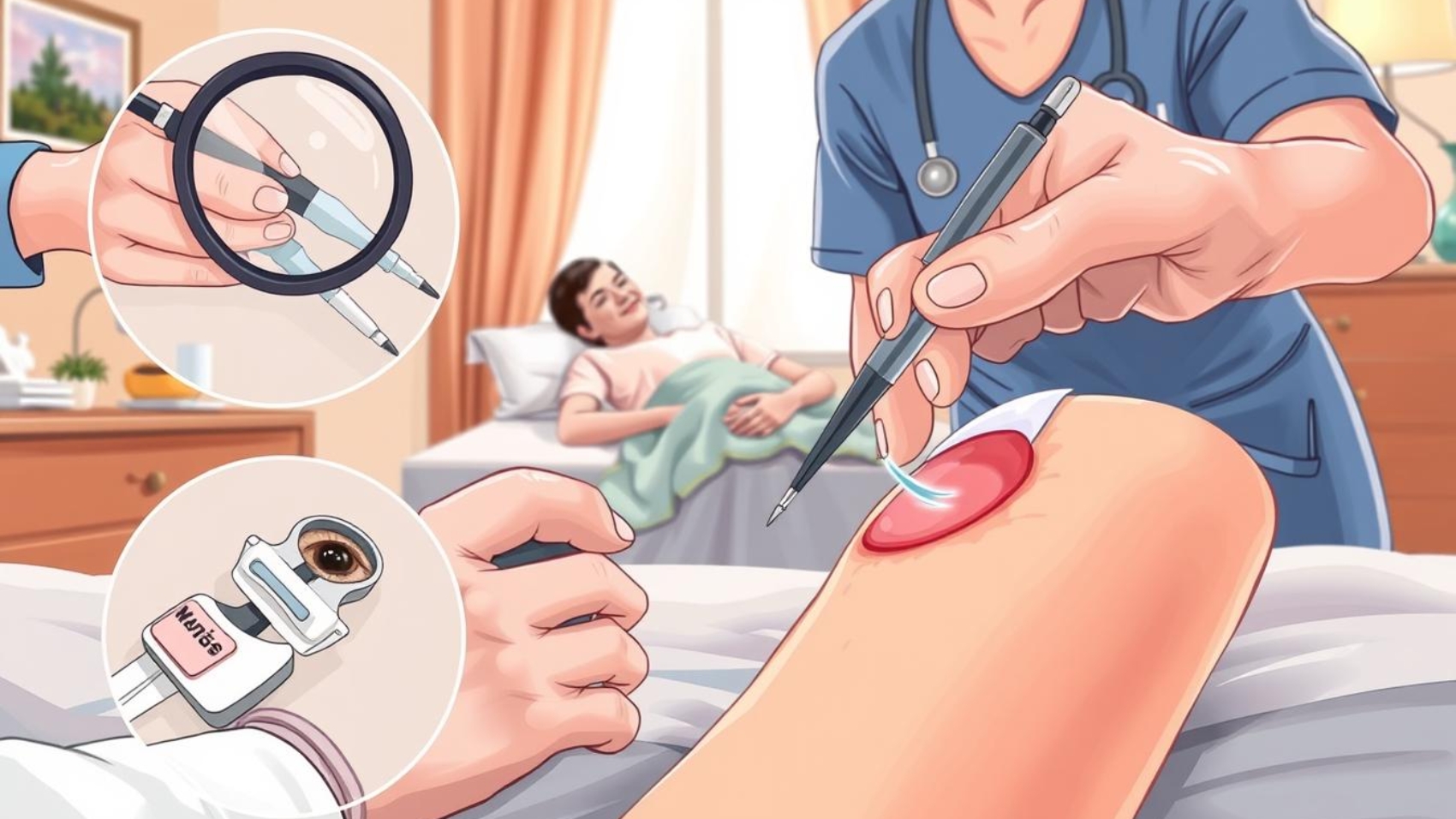
Next, clinicians examine the wound and related signs. They use standardized measurements and digital photos to set a baseline and track progress over time. This method supports faster healing and fewer complications.
Care is coordinated with the physician and home health team to match goals and orders. Clinicians perform dressing changes, pain management, and debridement when needed. They also teach patients and caregivers practical steps to improve outcomes.
Documentation and timely communication guide ongoing management and adjustments. The approach reduces stress for patients and improves adherence to instructions. For help with coordinated services and better outcomes, consider hiring Dominion Mobile Wound Care to manage healing at home.
A home visit lets clinicians see how daily routines and the living space affect recovery. This view helps design practical plans that fit a patient’s life and speed healing.
Seeing the home reduces travel stress and keeps patients in familiar surroundings. Clinicians can spot hazards, mobility limits, and issues like poor footwear or nutrition that affect healing.
How home health and home wound care fit into the healing journey
Home health links skilled nursing with therapies to treat conditions that delay recovery, such as diabetes or poor circulation. This coordinated approach supports consistent care and lowers infection risk.
Role of Dominion Mobile Wound Care: They emphasize a patient-first experience and work with physicians to deliver seamless care that advances healing goals.
Preparing the home and records before the clinician arrives makes the visit faster and safer. Dominion Mobile Wound Care advises patients to gather key documents and set up a tidy space so clinicians can focus on care and treatment.
Collect recent discharge paperwork, a current medication list (including OTC and supplements), allergy info, and prior photos of the wound when available. This helps the clinician verify safety and avoid interactions.
Bring any instructions from prior visits or the physician, plus a short list of changes to symptoms, pain, drainage, or odor to review during the visit.
Choose a well-lit area with a firm surface for measurements and dressing changes. Lay out clean towels, trash bags, soap or hand sanitizer, and any prescribed dressings or compression supplies.
Align preparation with the clinician’s instructions so services can begin promptly and immediate treatment needs are addressed.
On arrival, the clinician runs a quick safety sweep and starts a calm conversation to learn what matters most to the patient.

The visit usually begins with a concise walk-through to spot tripping hazards, poor lighting, and clutter. Clinicians check safe access to bathrooms and bedrooms and look for support surfaces that prevent pressure injuries.
They confirm that dressings and clean supplies are available and that hand hygiene supports exist to lower infection risk.
A focused review captures new or worsening symptoms, changes in drainage or odor, and pain intensity. Pain is measured and documented to guide immediate and longer-term pain management tied to dressing steps.
The clinician also verifies medication updates and comorbidities so the care plan stays aligned with current health status.
Clinicians begin with precise measurements and clear records to guide care.
The clinician records length, width, and depth and notes undermining or tunneling. They also identify tissue types such as granulation, slough, or eschar.
Accurate sizing creates a baseline that supports consistent dressing changes and treatment decisions.
Local circulation is checked by observing skin color and temperature around the site. Drainage amount, color, consistency, and odor are documented to distinguish normal healing from infection.
Infection screens include increased pain, redness, warmth, swelling, or systemic symptoms that prompt timely escalation of services.
Digital photos taken with consistent lighting and scale let clinicians compare progress across visits in the home health setting.
Assessment data is converted into a concise care plan that maps visits, supplies, and measurable goals. Dominion Mobile Wound Care synthesizes exam results into specific steps for home care and clinician visits.
The clinician reviews findings with the ordering physician to align medical orders and therapies. This coordination ensures management reflects comorbidities, current status, and needed services.
Clear goals are set: reduce size, prevent infection, lower pain, and improve function. The plan names dressing protocols, visit intervals, and advanced options like compression or negative pressure when appropriate.
Each care plan is part of a larger path to independence, aiming to cut complications and restore health through clear roles, timely management, and measurable progress.
Skilled nurses deliver tailored treatments during each home visit to address healing barriers and comfort needs.
Clinicians perform gentle dressing changes that keep tissue moist but not saturated. Moisture-balanced dressings protect tissue, control exudate, and create an environment that promotes wound healing.
When devitalized tissue slows progress, nurses use selective debridement techniques. This step restarts healing and pairs with dressings and topical therapies.
Pain management is planned before, during, and after procedures. Timing analgesics and using calm technique improve tolerance and adherence to care.
Dominion Mobile Wound Care delivers evidence-based practice at home and supports patients with targeted services for diabetic foot ulcers and complex needs.
A coordinated team brings specialized skills to each stage of healing so the patient gets consistent, practical care at home.
Skilled nurses lead day-to-day care and make treatment decisions. Wound specialists provide oversight for complex or chronic cases and guide advanced therapies.
Physical therapy improves gait, strength, and safe transfers. Occupational therapy adapts daily tasks and recommends devices to offload pressure and protect skin.
Dietitians optimize protein and micronutrients while speech therapists address swallowing and hydration when needed.
Medical social workers and the agency link patients to resources, resolve barriers, and help caregivers manage strain.
Hands-on coaching builds confidence so patients and caregivers can manage daily treatment tasks. Dominion Mobile Wound Care provides practical training and follow-up to turn clinical steps into safe home routines.
Clinicians demonstrate clean technique, sequencing, and safe disposal in short, repeatable steps. Patients and caregivers then practice under supervision until they feel confident.
Key skills include hand hygiene, correct dressing order, and checking for early infection signs like increased redness or malodor.
Training covers protein, vitamin C, zinc, and hydration to support healing. Staff explain how smoking harms circulation and slow recovery, and they set simple activity plans that protect skin while keeping the patient mobile.
Caregiver stress is addressed with checklists, visuals, and clear escalation steps. Ongoing coaching and scheduled feedback loops help maintain best practice between visits.
Knowing when to seek higher-level care can protect recovery and prevent complications. This section explains who qualifies for services and which signs require same-day action.

Coverage usually requires a physician’s order, a documented care plan, and a need for intermittent skilled nursing or therapy. Many programs also use a homebound standard—leaving home must be difficult or unsafe.
Care plans document progress and justify ongoing services. Updates align care with the patient’s changing needs and desired outcomes.
Call the clinician same day for rapidly spreading redness, sudden swelling, rising fever, or a big change in drainage or smell after dressing changes.
For severe signs, contact the physician or seek emergency care. Early reporting and clear escalation protect outcomes and keep the home setting safe.
Effective home care links skilled clinical input to easy, reliable steps patients and caregivers follow daily.
The thorough review described in this article turns clinical findings into a clear care plan that fits the home setting. Coordinated services and ongoing measurement keep progress visible and guide treatment choices to speed healing and reduce infections.
Patients and caregivers benefit from simple routines: clean technique, timely reporting of changes, and consistent follow-through. Personalized goals, pain control, and the right therapies improve comfort and outcomes while lowering complication risk.
Choose experienced care professionals who work with the physician and support daily care. To start a tailored plan and bring skilled wound care home, schedule a visit and hire Dominion Mobile Wound Care to help heal wounds and restore independence.
A clinician reviews medical history, current medications, and recent changes in health. They perform a safety check of the home, examine the affected area for size, depth, appearance, blood flow, and signs of infection, and document findings with measurements and photos. The clinician develops a personalized plan for dressing changes, pain management, and any needed referrals to home health services or specialists.
Home visits reduce travel stress and exposure to other illnesses, allow clinicians to evaluate the real living environment and fall risks, and let the care team tailor recommendations to the patient’s daily routines. This practical approach often increases adherence to treatment plans and speeds healing while lowering the chance of complications.
Home health teams coordinate skilled nursing, therapy, and ancillary services to manage complex skin injuries. They provide consistent follow-up, perform dressing changes, implement advanced therapies when appropriate, and communicate with the patient’s physician to adjust the plan as healing progresses.
Patients or caregivers should gather medical records, a current medication list, and any supplies already in use. Clear a clean, well-lit area where the clinician can work, and have mobility aids nearby. Prepare questions about treatment, pain control, and expected milestones to discuss during the visit.
A list of prescriptions, over-the-counter medicines, allergy information, recent lab results, and photos of the affected area taken over time help the clinician assess progress. Clean dressings, gloves, saline, and any prescribed topical products also speed care and education during the visit.
The clinician screens for fall hazards, adequate lighting, clutter, and accessibility of essential items. They assess the patient’s mobility, need for assistive devices, and caregiver support to reduce injury risk and improve adherence to treatment.
The clinician asks structured questions about pain intensity, timing, wound odor or drainage, fever, and changes in mobility or nutrition. They use pain scales and symptom checklists to document status and guide immediate interventions or referrals.
The clinician records wound location, length, width, depth, and tissue type. They note color, amount and type of drainage, surrounding skin condition, and any undermining. These objective measures inform staging and progress tracking.
Clinicians check pulses, capillary refill, skin temperature, and look for redness, swelling, warmth, or increased pain. They may swab for culture when infection is suspected and coordinate lab work or urgent referrals when systemic signs appear.
Yes. Standardized photography, wound measurement tools, and validated scoring systems help track healing over time. This documentation supports treatment decisions and communication with the primary physician and specialists.
The clinician synthesizes assessment data to set clear goals—faster closure, lower infection risk, pain control—and prescribes dressing regimens, frequency of visits, and any advanced therapies. They coordinate with the physician and home health team to align orders and services.
Debridement is done when nonviable tissue hinders healing. Options include conservative sharp debridement by a skilled nurse, enzymatic agents, or referral for surgical debridement. The clinician chooses the safe, effective method based on the wound, pain, and home setting.
Clinicians select dressings that manage exudate, maintain a moist environment, and protect surrounding skin. Choices range from foam and hydrocolloid to alginate or antimicrobial dressings, adjusted as drainage and infection risk change.
Pain is managed with a combination of topical agents, appropriate systemic medications, gentle dressing techniques, and timing interventions around peak discomfort. Clinicians educate patients and caregivers on pre-procedure pain control and nonpharmacologic methods.
Advanced options include compression therapy for venous-related issues and negative pressure wound therapy when indicated and when safe application and monitoring can occur in the home. The team assesses eligibility and trains caregivers on device care.
A typical team includes skilled nurses, a wound care specialist or certified wound ostomy nurse, physical and occupational therapists, dietitians, social workers, and the patient’s physician. This collaborative approach addresses medical, functional, and psychosocial needs.
Therapists provide mobility training, offloading techniques for pressure relief, and adaptive equipment to reduce mechanical stress on the affected area. Improving mobility and positioning accelerates healing and lowers recurrence risk.
Dietitians assess nutrition and recommend protein, vitamin, and calorie adjustments to support tissue repair. Social workers identify barriers to care, connect families with resources, and help arrange coverage for needed services.
Clinicians offer hands-on training for dressing changes, infection prevention, hand hygiene, and safe disposal of supplies. They provide simple written or digital instructions and schedule follow-up visits to reinforce correct techniques.
Advice includes protein-rich nutrition, smoking cessation, blood glucose control for people with diabetes, gentle activity, and avoiding pressure or friction on the affected area. Small, achievable changes improve outcomes significantly.
The team teaches caregivers step-by-step care actions, monitors competency, offers emotional support, and connects them to respite services or community programs. Clear communication and realistic expectations reduce caregiver burnout.
Eligibility typically requires a physician’s order, a medical need for skilled services, and the patient being homebound or having difficulty accessing clinic-based care. Coverage varies by insurer and Medicare criteria; the agency or social worker can help verify benefits.
Seek immediate care for spreading redness, increasing pain, foul odor, heavy or bloody drainage, fever, chills, sudden wound breakdown, or signs of systemic infection. The clinician will provide clear escalation instructions during each visit.
Visit frequency depends on wound severity, chosen therapies, and patient needs—ranging from multiple times per week to weekly follow-up. Progress is measured using size, depth, tissue type, drainage amount, and photographic documentation against set goals.
Yes. Timely skilled interventions, infection control, therapy to improve mobility, and close coordination with the physician reduce complications and the risk of readmission for many patients.