

We’re learning more about diabetic foot ulcers and how to care for them at home. In Part 4, we’ll learn how to take good care of our wounds and prevent them. Diabetic foot ulcer care in San Antonio is very important. We can follow best practices to help our wounds heal faster and live better.
By using expert advice, we can manage these diabetes-related problems well. This helps us stay healthy and feel good.
Key Takeaways
- Understanding the prevalence and implications of diabetic foot ulcers.
- Prompt wound care significantly impacts healing times and outcomes.
- Maintaining cleanliness and selecting appropriate dressings are essential in home diabetes wound care.
- Accessing specialized services can aid in effective management and recovery.
- Implementing daily foot inspections can prevent complications.
- Recognizing signs of healing helps in evaluating treatment efficacy.
Understanding Diabetic Foot Ulcers
Diabetic foot ulcers are a big health worry for people with diabetes. They happen because of diabetes problems like nerve damage and blood vessel issues. Knowing how common DFUs are helps us prevent and treat them better.
Definition and Prevalence
Diabetic foot ulcers are open sores on the feet’ bottom. The International Diabetes Federation says 19% to 34% of diabetics get them. About 26.1 million people worldwide get them every year.
This shows we need to be careful and take care of our feet.
Risk Factors and Causes
Some things make diabetic foot ulcers more likely. Knowing these helps us stay safe. Main risk factors are:
- A history of pressure ulcers
- Poor blood sugar control
- Neuropathy
- Foot deformities
- Wearing the wrong shoes
Importance of Prompt Wound Care
Quick care for wounds is key when it comes to healing diabetic foot ulcers (DFUs). Acting fast helps avoid infections and serious problems. This can even prevent amputations. Early action helps us use the best ways to heal and keep your feet healthy.
How Prompt Treatment Affects Healing
Getting treatment for DFUs quickly means they heal faster. Fast action helps lower swelling and stops infections. We focus on a few important steps:
- Regular checks on the ulcer to see how it’s doing.
- Starting treatment early, like removing dead tissue.
- Using the right dressings to keep the area moist.
- Using methods to take pressure off the ulcer.
Common Treatment Options Available
There are many good ways to treat DFUs. The right treatment can make a big difference. Here are some common ones:
- Surgical debridement: This removes dead tissue to help healing.
- Dressing selections: Moist dressings help wounds heal faster.
- Off-loading practices: This means spreading out your weight to ease pressure.
By using these tips, we can help our wounds heal better. Quick care means we’re taking care of ourselves. It’s all about being proactive with our health.
Essential Home Diabetes Wound Care Techniques
We know how important good home care is for wounds. Keeping wounds clean is key to avoid infections. By doing so, we help our wounds heal faster and feel better.
Adherence to Cleanliness and Hygiene
Cleaning wounds is very important. We should use saline solution to clean the ulcer and skin around it. This removes dirt and harmful germs.
After cleaning, we need to put on a sterile dressing. This protects the wound and lowers the chance of getting infected. It’s a big step towards healing.
Finding the Right Dressings for Your Ulcer
Choosing the right dressings is crucial for healing. There are many types like hydrogel, foam, and alginate. They keep the wound moist and manage fluid well.
When picking dressings, think about your wound’s type and how much fluid it has. Knowing what’s best for you helps you make good choices for your care.
Key Components of Effective Wound Management
It’s important to use a complete approach for wound care. We start by removing dead tissue with surgical debridement. This helps the wound heal better.
Surgical Debridement: An Overview
Surgical debridement is key in wound care. It removes damaged or infected tissue. This helps the wound heal faster and reduces infection risk.
We check the wound often and change our plan as needed. This ensures the best care for our patients.
Understanding Moist Wound Environments
A moist wound environment helps it heal. It encourages cells to move and heal. We use special dressings to help this process.
These dressings help the wound repair itself faster. We watch the wound closely to adjust our care plan. This helps each patient heal in their own way.

Diabetic Foot Ulcer Care San Antonio
In San Antonio, getting help for diabetic foot ulcers is key. We need a team of experts to help us. This team makes sure we get better fast and feel good.
Accessing Specialized Services
We should look for special diabetes help in our area. This help is made just for us. It includes:
- Checking our blood flow to find problems.
- Plans made just for us because we are all different.
- Working together with doctors and experts.
Integrating Multidisciplinary Care into Your Routine
Working with a team helps us get better faster. This team makes a plan just for us. The good things are:
- We heal faster because we get special care.
- Many doctors watch over us to keep us healthy.
- We try new ways to heal our wounds.
Foot Ulcer Prevention Strategies
Keeping your feet safe is key if you have diabetes. By taking certain steps, you can lower your chance of getting foot ulcers. Wearing the right shoes and checking your feet every day are important. These actions help keep your feet healthy and avoid problems.
Appropriate Footwear and Orthotic Solutions
Choosing the right shoes is very important. Your shoes should support your feet well and not rub. Shoes that are too tight or too loose can cause blisters and ulcers.
Using orthotics, like custom insoles, can help spread out the weight on your feet. This makes it less likely for injuries to happen. Always pick shoes that are comfy and protect your feet.
Daily Foot Inspections: A Crucial Habit
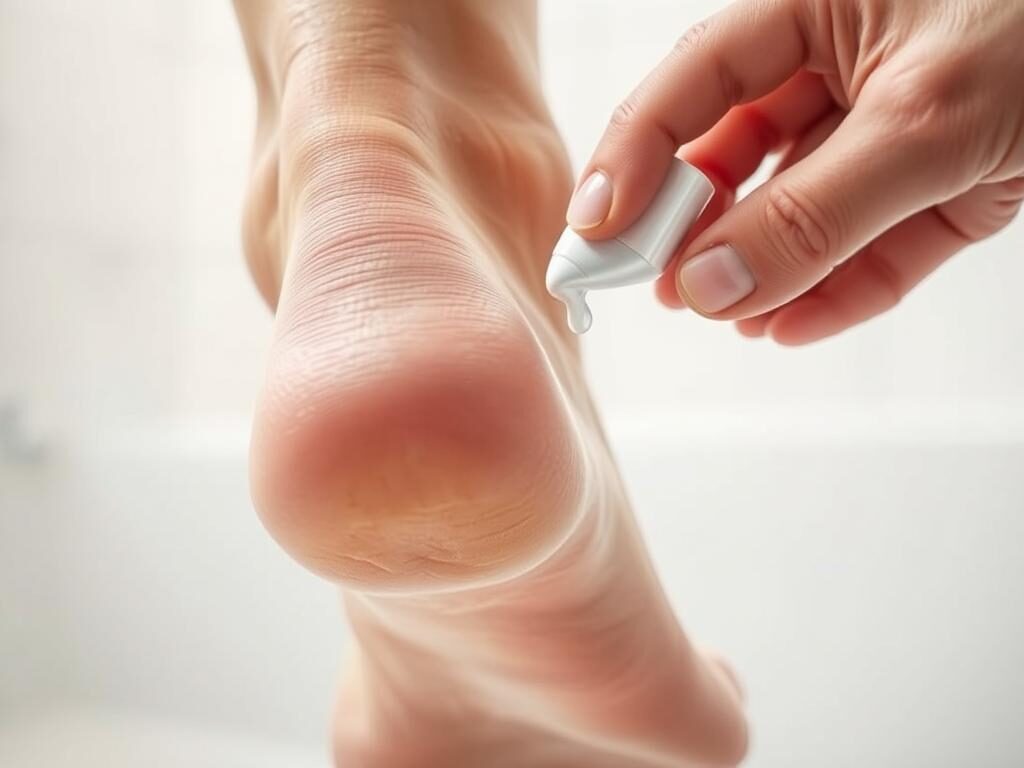
Checking your feet every day is a must. It helps find any cuts, blisters, or skin color changes early. This way, you can fix problems before they get worse.
Learning how to check your feet is very helpful. It’s a key part of keeping your feet safe from ulcers.
Monitoring and Evaluating Healing Progress
Managing diabetic foot ulcers means watching how they heal. Knowing what signs show healing is key. This helps us act fast when needed.
Signs That Wound Care Is Effective
Looking at our wound care, we should see these signs:
- Reduced redness and swelling in the surrounding area
- Decreased exudate or fluid draining from the ulcer
- Formation of granulation tissue, indicating healing
- Less pain associated with the wound site
Seeing these signs means our care is working. Learning to spot them helps us manage the condition better.
When to Seek Professional Help
While we can do a lot at home, sometimes we need a doctor. If the ulcer doesn’t get better in two weeks or gets worse, get help. Seeing a doctor often helps catch problems early and keeps us safe from infections.
Conclusion
Managing diabetic foot ulcers well is key to staying healthy. We talked about how to take care of our feet at home, watch them closely, and get help when needed. By following the best steps, we can lower the chance of problems and keep our feet in good shape.
Learning how to prevent and treat foot ulcers is very important. Being ready to act fast is crucial for healing and living better. Spotting early signs and knowing when to get help is very important for getting better.
We should all take care of our feet and work with experts like Dominion Mobile Wound Care. They know a lot about treating foot ulcers and can help us. With their help, we can get better and avoid serious problems.
FAQ
What are diabetic foot ulcers?
Diabetic foot ulcers are wounds on the foot. They happen because of diabetes problems like nerve damage and blood flow issues. If not treated, they can be very serious.
How common are diabetic foot ulcers?
About 19% to 34% of people with diabetes get DFUs. That’s around 26.1 million people every year, says the International Diabetes Federation.
What are the key risk factors for developing diabetic foot ulcers?
Risk factors include having had ulcers before, not controlling blood sugar well, nerve damage, foot shape problems, and bad shoes. Knowing these helps prevent ulcers.
How can I prevent diabetic foot ulcers at home?
To prevent DFUs, wear the right shoes, check your feet often, and learn about foot care. Using orthotics can also help spread out pressure.
What steps should we take for prompt wound care?
Quick action is key. Clean the wound with salt water, use sterile bandages, and see a doctor for the right treatment. Fast action helps avoid infections and serious problems.
What types of dressings are best for diabetic foot ulcers?
The best dressing depends on the wound. Hydrogel, foam, and alginate dressings keep the wound moist and manage fluid well.
What role does surgical debridement play in wound management?
Surgical debridement removes dead tissue. It helps the wound heal by keeping it moist and promoting cell growth.
What should we monitor during the healing of a diabetic foot ulcer?
Watch for less redness, less fluid, and new tissue growth. If no improvement in two weeks, get professional help to avoid serious issues.
How can specialized services in San Antonio help with diabetic foot care?
Specialized services offer a team of experts. They give complete care that helps wounds heal faster and improves health.
Why is education important in managing diabetic foot ulcers?
Learning about foot health empowers us. It helps us prevent and treat ulcers, reducing their occurrence.
Add a Comment