

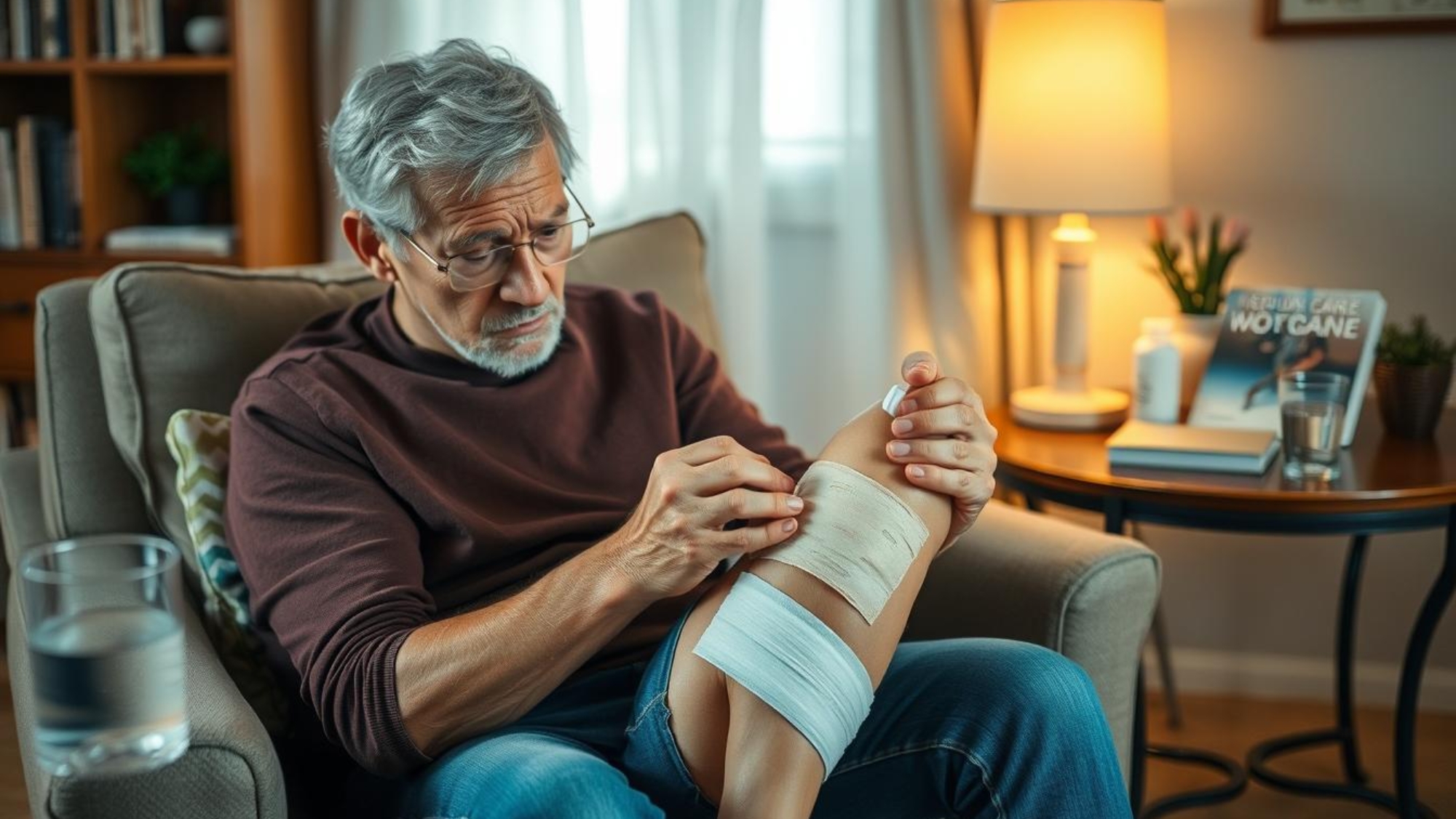
Dealing with chronic wound pain is tough and can change your life. It’s not just about feeling uncomfortable. Chronic wound pain can make you feel sad and tired all the time. This makes simple tasks hard to do.
Effective pain management is key to a better life. In this article, we’ll share some great home comfort tips. These tips can help you manage chronic wound pain better.
By learning to manage your wound pain, you start healing. You can regain your comfort at home.
Key Takeaways
- Understand the impact of chronic wound pain on your daily life.
- Learn effective home comfort tips for managing wound pain.
- Discover how to improve your overall well-being while dealing with chronic wounds.
- Find out how to take the first step towards healing with professional help.
- Explore the benefits of hiring Dominion Mobile Wound Care for your wound healing journey.
The Challenge of Chronic Wound Pain
Chronic wound pain is a big challenge that affects your body and mind. It’s important to manage this pain well to improve your life quality.
Types of Wound Pain You May Experience
It’s key to know the types of pain from chronic wounds for good pain management. There are mainly two types: nociceptive and neuropathic pain.
Nociceptive Pain
Nociceptive pain is a natural response to injury. It happens when pain receptors detect damage or inflammation. This pain feels sharp, aching, or throbbing.
Neuropathic Pain
Neuropathic pain, though, is not a normal response. It’s caused by nerve damage. This pain feels burning, shooting, or stabbing. It’s harder to manage.
How Chronic Wounds Differ from Acute Injuries
Chronic wounds heal differently than acute injuries. Unlike acute injuries, which heal quickly, chronic wounds take much longer. They don’t go through the normal healing stages.
| Characteristics | Acute Injuries | Chronic Wounds |
|---|---|---|
| Healing Timeframe | Typically heals within a few weeks | Often takes months or years to heal |
| Pain Characteristics | Usually sharp pain that subsides as healing progresses | Can experience persistent or recurring pain |
| Pain Management | Often managed with standard pain relief options | May require more complex pain management strategies |
Knowing these differences helps in creating a pain management plan that fits your needs.
The Impact of Chronic Wound Pain on Your Daily Life
Living with a chronic wound can really change your daily life. The pain can make simple things hard, like moving around. It also affects how you feel, both physically and emotionally.
Physical Limitations and Mobility Challenges
Chronic wound pain can make it hard to do everyday things. Even walking can feel like a big challenge. To help, you can make your home more comfortable. This can reduce the strain on your wound.
Psychological Effects and Emotional Well-being
The mental side of chronic wound pain is just as important. It can cause feelings of frustration, anxiety, and even depression. Finding ways to manage the pain is key to feeling better emotionally.
Sleep Disruption and Fatigue Management
Chronic wound pain can mess up your sleep, making you feel tired all the time. This tiredness can make the pain feel worse. It’s important to find ways to manage both the pain and your fatigue.
| Aspect of Life | Impact of Chronic Wound Pain | Management Strategies |
|---|---|---|
| Physical Mobility | Reduced mobility due to pain | Home comfort tips, physical therapy |
| Emotional Well-being | Increased risk of depression and anxiety | Wound pain management, counseling |
| Sleep Quality | Disrupted sleep patterns | Sleep hygiene practices, pain management |
Wound Pain Management Strategies for Home Care
You don’t have to let chronic wound pain control your life. There are many home care strategies to help ease your pain. Managing wound pain well is key to a better life and faster healing.
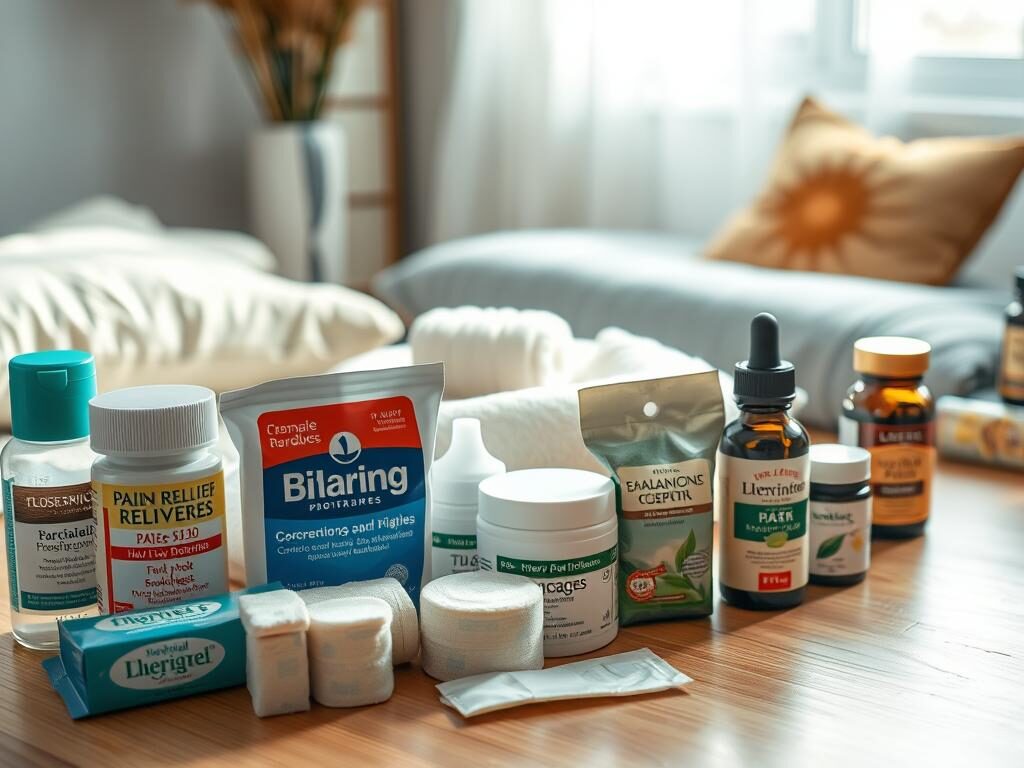
Prescription and Over-the-Counter Medication Options
Medication is a big help in managing wound pain. You can look into both prescription and over-the-counter (OTC) options to find what works for you.
Analgesics and Anti-inflammatories
Analgesics cut down on pain, and anti-inflammatories reduce swelling and inflammation. Acetaminophen is a common OTC analgesic, and ibuprofen is an anti-inflammatory.
Topical Pain Relievers
Topical pain relievers, like creams and gels, can be applied directly to the wound or around it. They numb the pain and are great for pain at the wound site.
Non-Pharmaceutical Approaches to Try
There are also non-medical ways to manage wound pain. Using aloe vera or honey on your wound can help because they have natural soothing properties.
When to Contact Your Healthcare Provider
Knowing when to get medical help is important. If your pain gets worse or you see signs of infection like more redness, swelling, or pus, call your healthcare provider right away.
By using these strategies and keeping in touch with your healthcare provider, you can manage your wound pain at home. For more help and support, consider contacting professionals like Dominion Mobile Wound Care for detailed wound care.
Creating a Comfortable Home Environment for Healing
Your home can be a place of healing. With a few simple changes, you can make it a supportive space. A comfortable home environment helps by reducing stress and pain from wound care.
Setting Up an Effective Wound Care Station
Having a special area for wound care can make treatment easier and less painful. Here are some tips:
- Choose a quiet, well-lit area with enough space for supplies.
- Keep your wound care supplies organized and within reach to avoid stretching or bending.
- Use a comfortable chair or bed that supports you well during treatment.
For more detailed guidance on wound care at home, you can refer to resources like Dominion Mobile Wound Care’s guide.
Temperature and Humidity Control for Comfort
Keeping your home at a comfortable temperature and humidity level is key for wound healing. Keep your home between 68-72°F (20-22°C) for the best comfort. Using a humidifier can also help keep the air moist, which is good for wound healing.
Accessibility Modifications to Reduce Pain
Simple changes to your home can help reduce pain and discomfort. Consider:
- Installing handrails or grab bars in key spots.
- Rearranging furniture to make paths clear.
- Using a shower chair or bench to ease strain during bathing.
By making these changes, you can make your home more comfortable and supportive. This helps promote healing and reduces wound pain.
Nutritional Support for Wound Healing and Pain Reduction
Eating right is key for your body to heal wounds and manage pain. A balanced diet gives your body what it needs to recover. It helps avoid complications and boosts your overall health.
Essential Nutrients That Promote Recovery
Some nutrients are vital for healing wounds. Eating enough of these can really help your recovery.
Protein and Amino Acids
Protein is essential for fixing and growing new tissue. Amino acids, the parts of protein, help make new tissue and heal wounds. Good sources of protein are lean meats, fish, eggs, and legumes.
Vitamins and Minerals
Vitamins and minerals are also key for healing. Vitamin C helps make collagen, and zinc boosts your immune system and helps wounds close. Eating a variety of fruits, vegetables, and whole grains will help you get these nutrients.
Hydration Importance for Wound Healing
Drinking enough water is vital for healthy skin and healing wounds. Water keeps your skin moist and helps nutrients reach the wound.
Anti-inflammatory Diet Choices to Consider
Eating anti-inflammatory foods can help with pain and healing. Foods like salmon and walnuts, which are rich in omega-3 fatty acids, have anti-inflammatory effects.
| Nutrient | Food Sources | Benefit |
|---|---|---|
| Protein | Lean meats, fish, eggs, legumes | Tissue repair and regeneration |
| Vitamin C | Fruits, vegetables | Collagen synthesis |
| Zinc | Meat, poultry, seafood, whole grains | Immune function and wound closure |
| Omega-3 fatty acids | Salmon, walnuts, flaxseeds | Anti-inflammatory effects |
By eating a balanced diet and staying hydrated, you support your body’s healing. This can also help reduce pain from chronic wounds.
Managing Nerve Pain in Chronic Wounds
If you have a chronic wound, you know how nerve pain can hurt. This pain, or neuropathic pain, can really affect your life. It’s important to manage it well to feel better and heal faster.
Identifying Signs of Neuropathic Pain
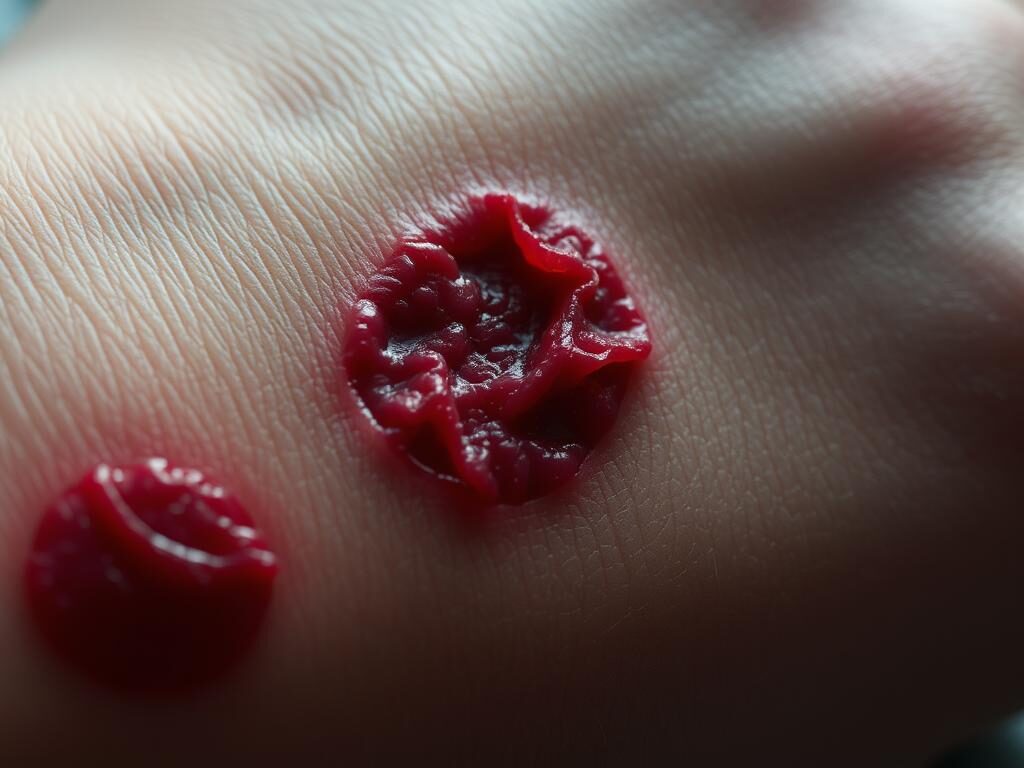
Neuropathic pain from chronic wounds can feel sharp or burning. It’s key to notice these signs and tell your doctor. This way, you can get the right help.
Specialized Treatments You Can Access
There are special treatments for nerve pain in chronic wounds. You might get medicines made just for this pain, like certain antidepressants or anticonvulsants. Your doctor might also suggest nerve blocks or neuromodulation techniques.
At-Home Relief Techniques to Try Today
There are also things you can do at home to ease nerve pain. Try gentle compression or temperature therapy. These can help a lot.
Gentle Compression Methods
Gentle compression uses bandages or special clothes to apply pressure. It can help with swelling and pain. But, make sure to follow your doctor’s advice on how to use it.
Temperature Therapy Applications
Temperature therapy, like heat or cold, can also help. Cold therapy, for example, can reduce swelling and numb the pain. Just remember to use a barrier to protect your skin.
Dealing with nerve pain is a big part of taking care of chronic wounds. Knowing the signs and getting the right treatment can help a lot. For more help, consider talking to experts like Dominion Mobile Wound Care. They offer wound care at home.
Latest Advancements in Home-Based Wound Care
Now, you have more tools to manage chronic wounds at home. These new tools help make wound care more effective. They reduce pain and help wounds heal faster.
New Dressing Technologies for Pain Reduction
New dressings are a big step forward. They are designed to be more comfortable and reduce pain. They also create a moist environment that helps wounds heal.
Hydrogel dressings and foam dressings are examples. They help manage pain and support healing.
Portable Therapy Devices You Can Use at Home
Portable therapy devices are now used at home. You can use negative pressure wound therapy (NPWT) systems and electrical stimulation devices at home. These devices help wounds heal faster, reduce pain, and cut down on hospital visits.
Telehealth Options for Remote Wound Assessment
Telehealth is a convenient option for wound care. Healthcare professionals can check your wound remotely. They can also guide you on wound care and adjust treatment plans as needed.
This saves time and reduces travel needs. It’s great for those with mobility issues.
These new advancements in home-based wound care are changing how we manage chronic wounds. They make it easier and less painful. By using these technologies and services, you can play a bigger role in your healing journey.
How Dominion Mobile Wound Care Supports Your Home Recovery
If you’re dealing with chronic wound pain, Dominion Mobile Wound Care is here to help. Managing chronic wounds can be tough, and finding pain relief is key. Dominion Mobile Wound Care offers services right in your home to tackle these challenges.
Mobile Assessment and Treatment Services
Dominion Mobile Wound Care brings expert care to your door. Their mobile services mean you get timely care without leaving home. This is great for those with nerve pain wounds or mobility issues.
Personalized Pain Management Plans
Dominion Mobile Wound Care knows everyone’s needs are different. They create personalized pain management plans just for you. These plans focus on your specific needs for the best pain relief.
Ongoing Support and Patient Education
Healing is a journey, and Dominion Mobile Wound Care is with you every step. They offer ongoing care and patient education to help you manage your condition.
Virtual Consultations
- Convenient remote access to care
- Reduced need for in-person visits
- Enhanced flexibility in managing your care schedule
Emergency Support Options
Dominion Mobile Wound Care also has emergency support options for urgent needs. This ensures you always have help when you need it.
Choosing Dominion Mobile Wound Care is a big step towards healing and managing pain. Their services support you from start to finish. Reach out to Dominion Mobile Wound Care today to see how they can help your recovery at home.
Conclusion: Taking Control of Your Wound Healing Journey
Managing wound pain is key to a better life. By using home comfort tips, you can lead your healing journey. Making your home comfortable, eating right, and handling nerve pain are all important steps.
There are many ways to lessen wound pain. Try non-medical methods, make your home cozy, and use new home care tools. Dominion Mobile Wound Care can help with personalized plans and education.
Being proactive in healing can greatly improve your health. Contact Dominion Mobile Wound Care for more on their services. Start your journey to a more comfortable recovery today.
FAQ
What are the most common types of pain associated with chronic wounds?
Chronic wounds can cause two main types of pain. Nociceptive pain comes from tissue damage. Neuropathic pain is due to nerve damage. Knowing the type of pain helps in managing it better.
How can I manage pain from chronic wounds at home?
To manage pain at home, use a mix of medicines and non-medical methods. Over-the-counter pain relievers or prescription drugs can help. Non-pharmaceutical options include aloe vera, honey, or temperature therapy.
What are some tips for creating a comfortable home environment for healing?
For a healing-friendly home, set up a wound care station. Control the temperature and humidity. Make your home accessible to reduce pain and discomfort.
How does nutrition impact wound healing and pain reduction?
Nutrition is key for healing wounds and reducing pain. Foods rich in protein, amino acids, vitamins, and minerals aid healing. An anti-inflammatory diet can also help lessen pain and swelling.
What are some signs of neuropathic pain in chronic wounds?
Neuropathic pain in wounds shows as burning, shooting, or stabbing feelings. You might also feel numbness or tingling. If you notice these, see your healthcare provider for help.
How can I access specialized treatments for nerve pain?
For nerve pain, talk to your healthcare provider. They might suggest gentle compression, temperature therapy, or specific pain medications.
What are the benefits of telehealth options for remote wound assessment?
Telehealth lets you get medical care at home. It’s convenient and reduces the need for in-person visits. It also allows for more frequent check-ups and treatment plan adjustments.
How can Dominion Mobile Wound Care support my home recovery?
Dominion Mobile Wound Care offers mobile care and treatment. They create personalized pain management plans. They also provide ongoing support and education to help you manage pain and recover at home.
Add a Comment