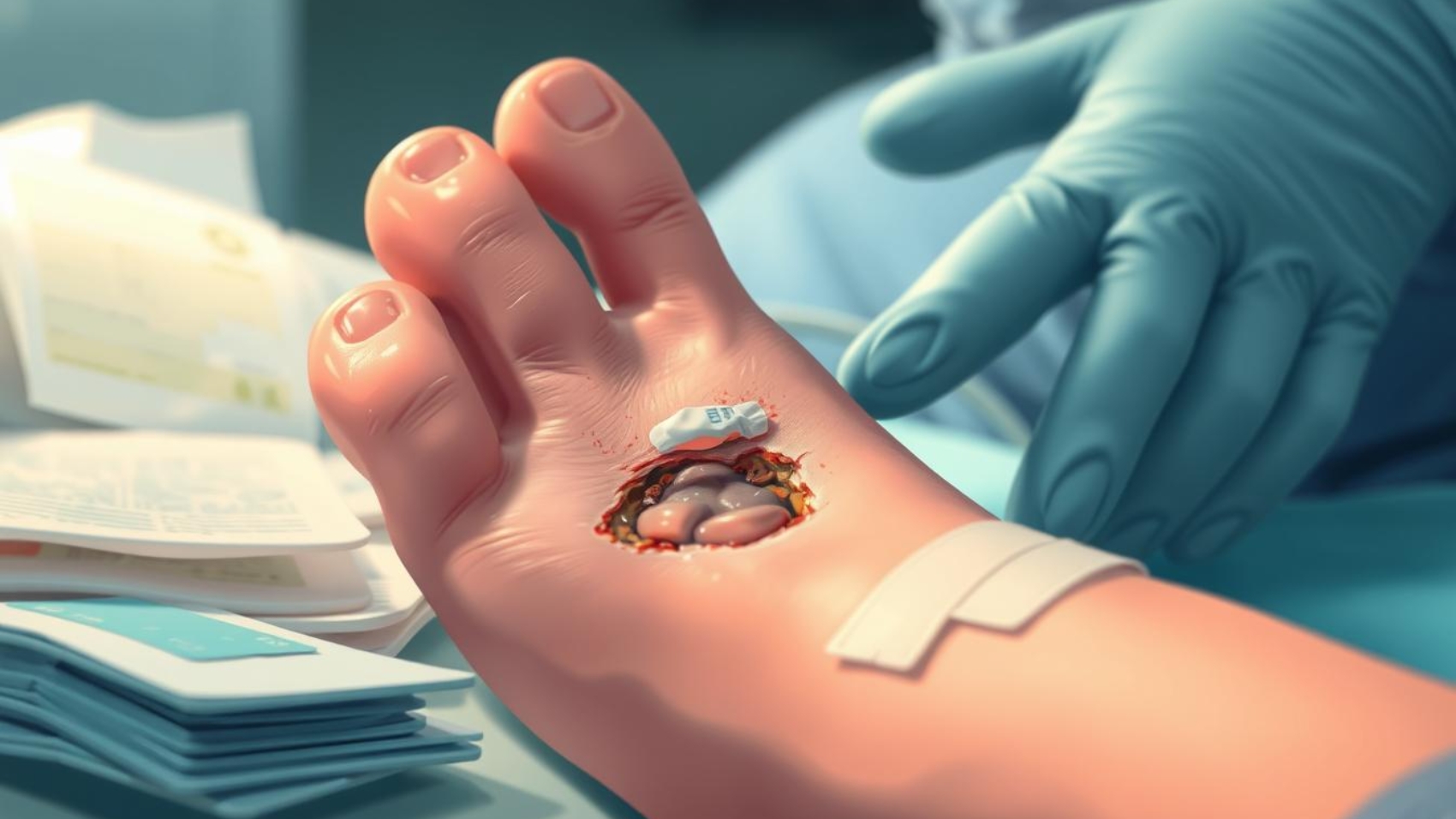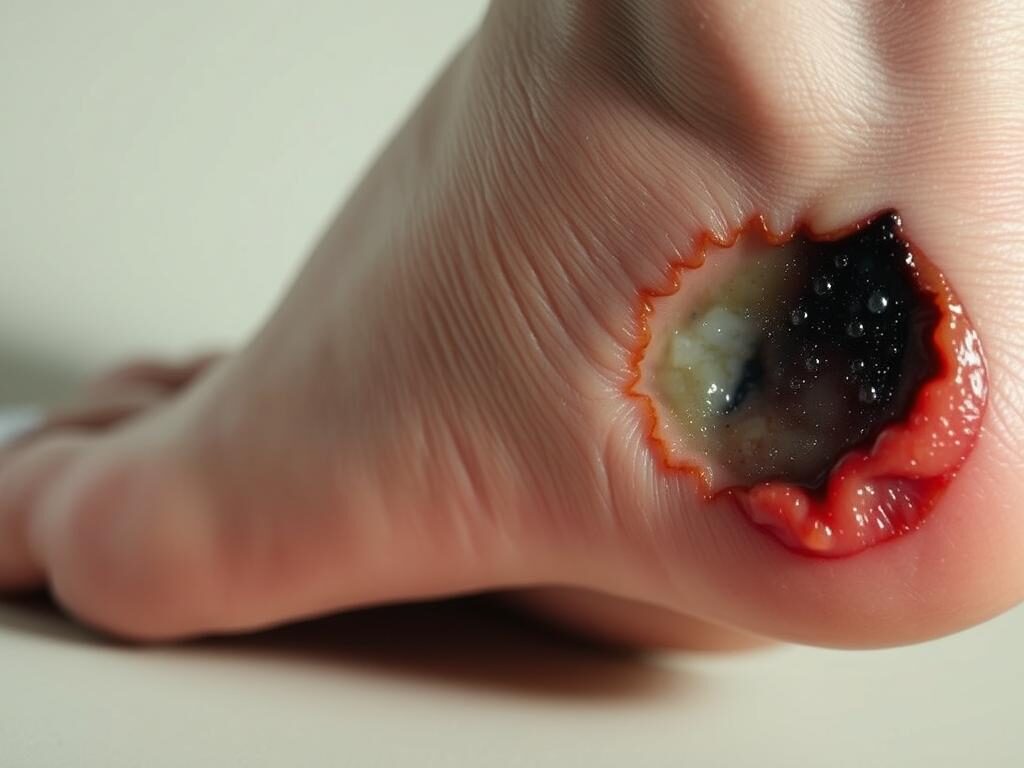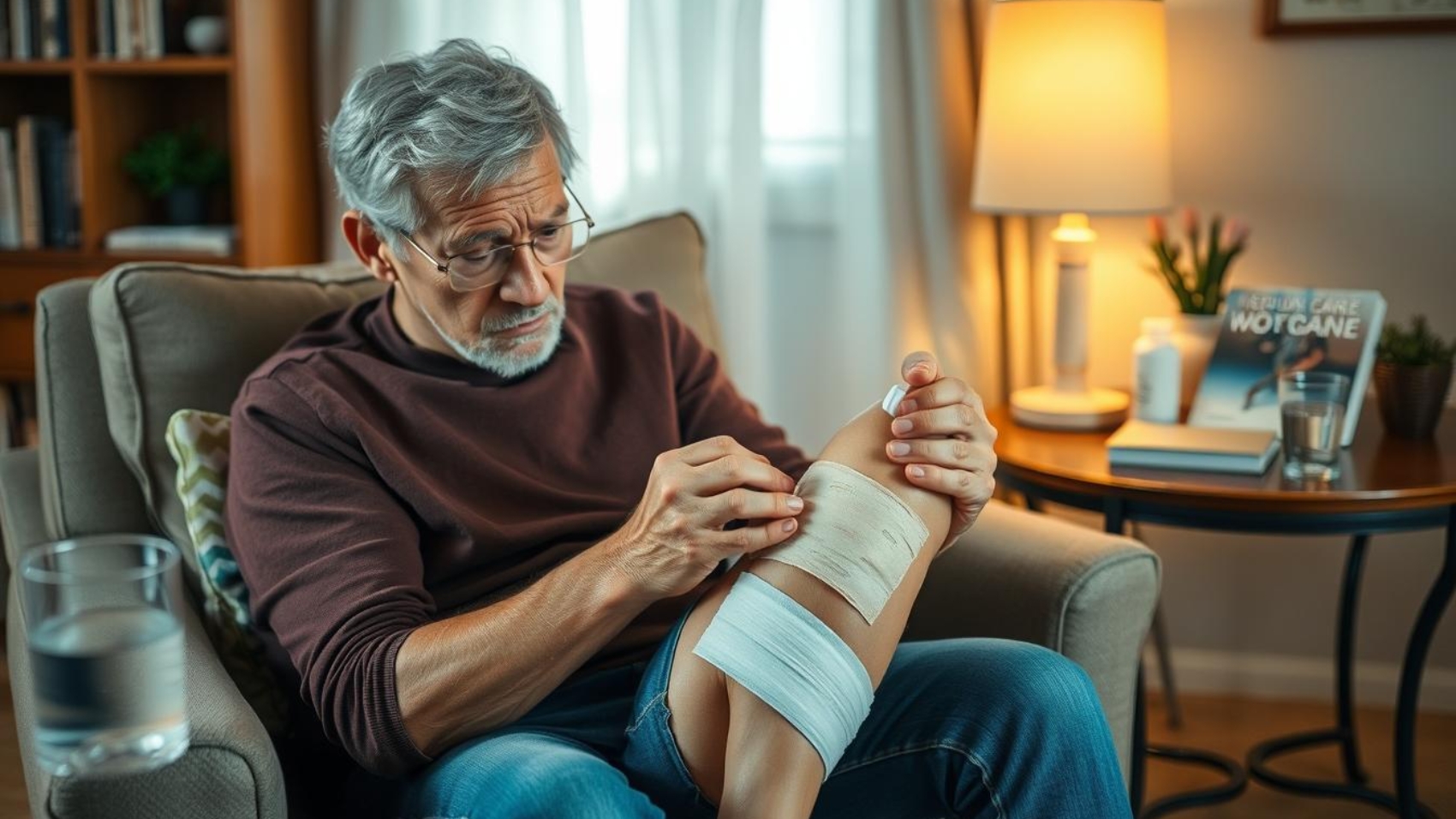
Wound pain management

Managing Pain from Chronic Wounds at Home

Dealing with chronic wound pain is tough and can change your life. It’s not just about feeling uncomfortable. Chronic wound pain can make you feel sad and tired all the time. This makes simple tasks hard to do.

Effective pain management is key to a better life. In this article, we’ll share some great home comfort tips. These tips can help you manage chronic wound pain better.

By learning to manage your wound pain, you start healing. You can regain your comfort at home.

Key Takeaways

  • Understand the impact of chronic wound pain on your daily life.
  • Learn effective home comfort tips for managing wound pain.
  • Discover how to improve your overall well-being while dealing with chronic wounds.
  • Find out how to take the first step towards healing with professional help.
  • Explore the benefits of hiring Dominion Mobile Wound Care for your wound healing journey.

The Challenge of Chronic Wound Pain

Chronic wound pain is a big challenge that affects your body and mind. It’s important to manage this pain well to improve your life quality.

Types of Wound Pain You May Experience

It’s key to know the types of pain from chronic wounds for good pain management. There are mainly two types: nociceptive and neuropathic pain.

Nociceptive Pain

Nociceptive pain is a natural response to injury. It happens when pain receptors detect damage or inflammation. This pain feels sharp, aching, or throbbing.

Neuropathic Pain

Neuropathic pain, though, is not a normal response. It’s caused by nerve damage. This pain feels burning, shooting, or stabbing. It’s harder to manage.

How Chronic Wounds Differ from Acute Injuries

Chronic wounds heal differently than acute injuries. Unlike acute injuries, which heal quickly, chronic wounds take much longer. They don’t go through the normal healing stages.

Characteristics Acute Injuries Chronic Wounds
Healing Timeframe Typically heals within a few weeks Often takes months or years to heal
Pain Characteristics Usually sharp pain that subsides as healing progresses Can experience persistent or recurring pain
Pain Management Often managed with standard pain relief options May require more complex pain management strategies

Knowing these differences helps in creating a pain management plan that fits your needs.

The Impact of Chronic Wound Pain on Your Daily Life

Living with a chronic wound can really change your daily life. The pain can make simple things hard, like moving around. It also affects how you feel, both physically and emotionally.

Physical Limitations and Mobility Challenges

Chronic wound pain can make it hard to do everyday things. Even walking can feel like a big challenge. To help, you can make your home more comfortable. This can reduce the strain on your wound.

Psychological Effects and Emotional Well-being

The mental side of chronic wound pain is just as important. It can cause feelings of frustration, anxiety, and even depression. Finding ways to manage the pain is key to feeling better emotionally.

Sleep Disruption and Fatigue Management

Chronic wound pain can mess up your sleep, making you feel tired all the time. This tiredness can make the pain feel worse. It’s important to find ways to manage both the pain and your fatigue.

Aspect of Life Impact of Chronic Wound Pain Management Strategies
Physical Mobility Reduced mobility due to pain Home comfort tips, physical therapy
Emotional Well-being Increased risk of depression and anxiety Wound pain management, counseling
Sleep Quality Disrupted sleep patterns Sleep hygiene practices, pain management

Wound Pain Management Strategies for Home Care

You don’t have to let chronic wound pain control your life. There are many home care strategies to help ease your pain. Managing wound pain well is key to a better life and faster healing.

Prescription and Over-the-Counter Medication Options

Medication is a big help in managing wound pain. You can look into both prescription and over-the-counter (OTC) options to find what works for you.

Analgesics and Anti-inflammatories

Analgesics cut down on pain, and anti-inflammatories reduce swelling and inflammation. Acetaminophen is a common OTC analgesic, and ibuprofen is an anti-inflammatory.

Topical Pain Relievers

Topical pain relievers, like creams and gels, can be applied directly to the wound or around it. They numb the pain and are great for pain at the wound site.

Non-Pharmaceutical Approaches to Try

There are also non-medical ways to manage wound pain. Using aloe vera or honey on your wound can help because they have natural soothing properties.
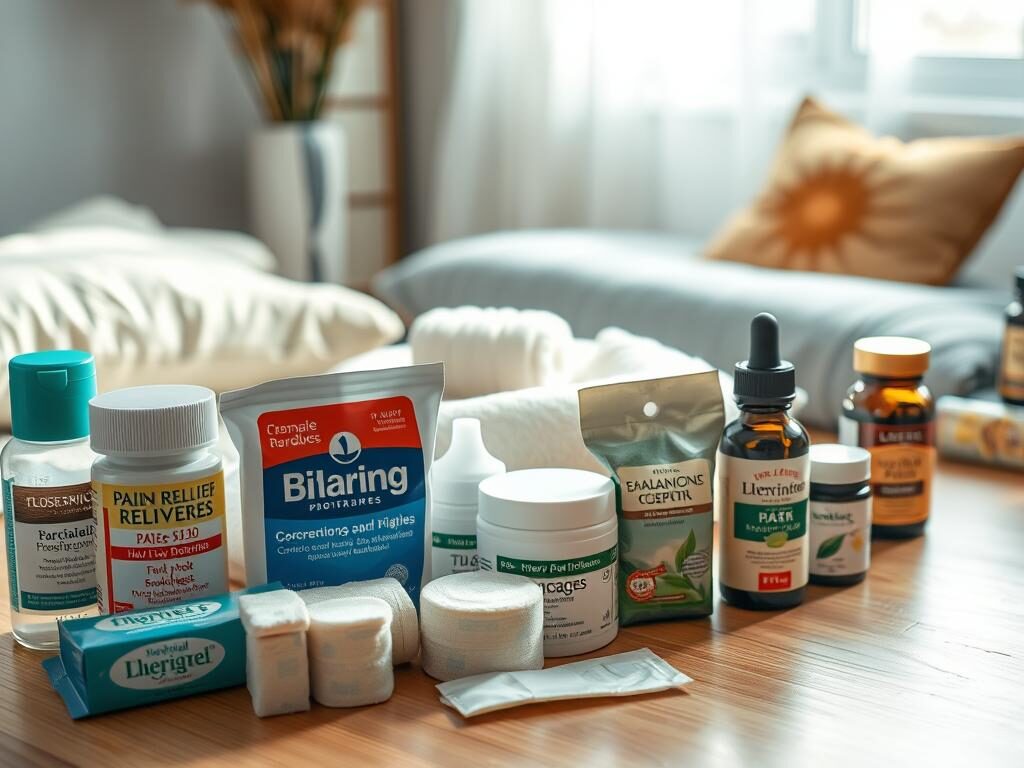
pain relief options

When to Contact Your Healthcare Provider

Knowing when to get medical help is important. If your pain gets worse or you see signs of infection like more redness, swelling, or pus, call your healthcare provider right away.

By using these strategies and keeping in touch with your healthcare provider, you can manage your wound pain at home. For more help and support, consider contacting professionals like Dominion Mobile Wound Care for detailed wound care.

Creating a Comfortable Home Environment for Healing

Your home can be a place of healing. With a few simple changes, you can make it a supportive space. A comfortable home environment helps by reducing stress and pain from wound care.

Setting Up an Effective Wound Care Station

Having a special area for wound care can make treatment easier and less painful. Here are some tips:

  • Choose a quiet, well-lit area with enough space for supplies.
  • Keep your wound care supplies organized and within reach to avoid stretching or bending.
  • Use a comfortable chair or bed that supports you well during treatment.

For more detailed guidance on wound care at home, you can refer to resources like Dominion Mobile Wound Care’s guide.

Temperature and Humidity Control for Comfort

Keeping your home at a comfortable temperature and humidity level is key for wound healing. Keep your home between 68-72°F (20-22°C) for the best comfort. Using a humidifier can also help keep the air moist, which is good for wound healing.

Accessibility Modifications to Reduce Pain

Simple changes to your home can help reduce pain and discomfort. Consider:

  1. Installing handrails or grab bars in key spots.
  2. Rearranging furniture to make paths clear.
  3. Using a shower chair or bench to ease strain during bathing.

By making these changes, you can make your home more comfortable and supportive. This helps promote healing and reduces wound pain.

Nutritional Support for Wound Healing and Pain Reduction

Eating right is key for your body to heal wounds and manage pain. A balanced diet gives your body what it needs to recover. It helps avoid complications and boosts your overall health.

Essential Nutrients That Promote Recovery

Some nutrients are vital for healing wounds. Eating enough of these can really help your recovery.

Protein and Amino Acids

Protein is essential for fixing and growing new tissue. Amino acids, the parts of protein, help make new tissue and heal wounds. Good sources of protein are lean meats, fish, eggs, and legumes.

Vitamins and Minerals

Vitamins and minerals are also key for healing. Vitamin C helps make collagen, and zinc boosts your immune system and helps wounds close. Eating a variety of fruits, vegetables, and whole grains will help you get these nutrients.

Hydration Importance for Wound Healing

Drinking enough water is vital for healthy skin and healing wounds. Water keeps your skin moist and helps nutrients reach the wound.

Anti-inflammatory Diet Choices to Consider

Eating anti-inflammatory foods can help with pain and healing. Foods like salmon and walnuts, which are rich in omega-3 fatty acids, have anti-inflammatory effects.

Nutrient Food Sources Benefit
Protein Lean meats, fish, eggs, legumes Tissue repair and regeneration
Vitamin C Fruits, vegetables Collagen synthesis
Zinc Meat, poultry, seafood, whole grains Immune function and wound closure
Omega-3 fatty acids Salmon, walnuts, flaxseeds Anti-inflammatory effects

By eating a balanced diet and staying hydrated, you support your body’s healing. This can also help reduce pain from chronic wounds.

Managing Nerve Pain in Chronic Wounds

If you have a chronic wound, you know how nerve pain can hurt. This pain, or neuropathic pain, can really affect your life. It’s important to manage it well to feel better and heal faster.
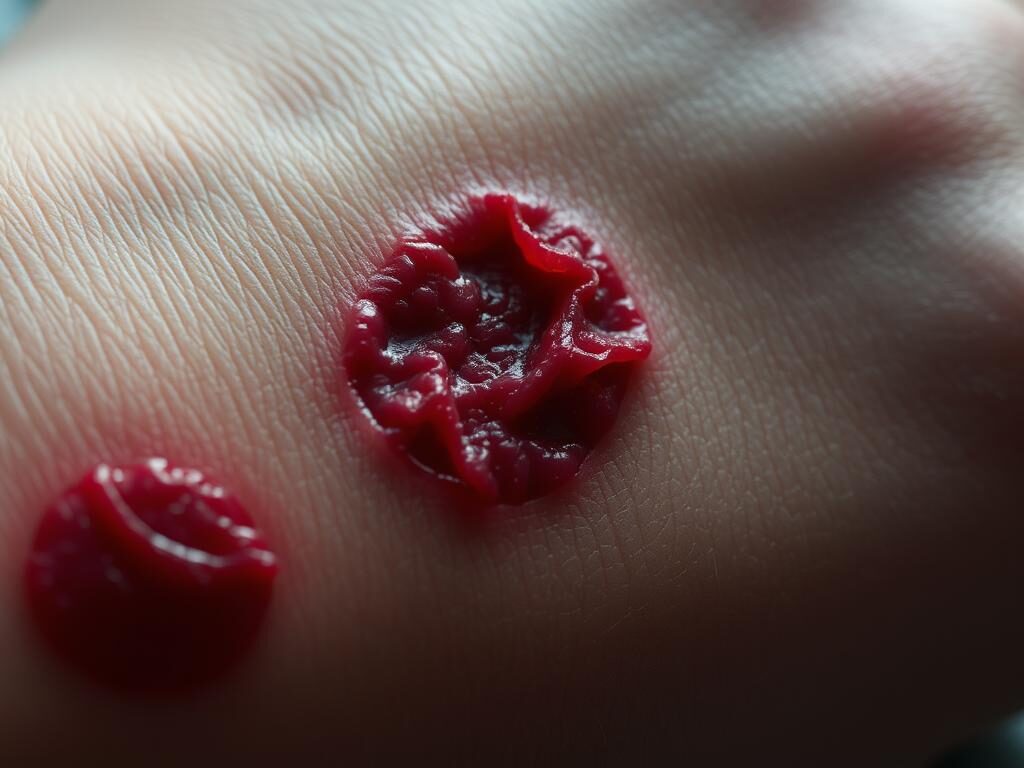
nerve pain wounds

Identifying Signs of Neuropathic Pain

Neuropathic pain from chronic wounds can feel sharp or burning. It’s key to notice these signs and tell your doctor. This way, you can get the right help.

Specialized Treatments You Can Access

There are special treatments for nerve pain in chronic wounds. You might get medicines made just for this pain, like certain antidepressants or anticonvulsants. Your doctor might also suggest nerve blocks or neuromodulation techniques.

At-Home Relief Techniques to Try Today

There are also things you can do at home to ease nerve pain. Try gentle compression or temperature therapy. These can help a lot.

Gentle Compression Methods

Gentle compression uses bandages or special clothes to apply pressure. It can help with swelling and pain. But, make sure to follow your doctor’s advice on how to use it.

Temperature Therapy Applications

Temperature therapy, like heat or cold, can also help. Cold therapy, for example, can reduce swelling and numb the pain. Just remember to use a barrier to protect your skin.

Dealing with nerve pain is a big part of taking care of chronic wounds. Knowing the signs and getting the right treatment can help a lot. For more help, consider talking to experts like Dominion Mobile Wound Care. They offer wound care at home.

Latest Advancements in Home-Based Wound Care

Now, you have more tools to manage chronic wounds at home. These new tools help make wound care more effective. They reduce pain and help wounds heal faster.

New Dressing Technologies for Pain Reduction

New dressings are a big step forward. They are designed to be more comfortable and reduce pain. They also create a moist environment that helps wounds heal.

Hydrogel dressings and foam dressings are examples. They help manage pain and support healing.

Portable Therapy Devices You Can Use at Home

Portable therapy devices are now used at home. You can use negative pressure wound therapy (NPWT) systems and electrical stimulation devices at home. These devices help wounds heal faster, reduce pain, and cut down on hospital visits.

Telehealth Options for Remote Wound Assessment

Telehealth is a convenient option for wound care. Healthcare professionals can check your wound remotely. They can also guide you on wound care and adjust treatment plans as needed.

This saves time and reduces travel needs. It’s great for those with mobility issues.

These new advancements in home-based wound care are changing how we manage chronic wounds. They make it easier and less painful. By using these technologies and services, you can play a bigger role in your healing journey.

How Dominion Mobile Wound Care Supports Your Home Recovery

If you’re dealing with chronic wound pain, Dominion Mobile Wound Care is here to help. Managing chronic wounds can be tough, and finding pain relief is key. Dominion Mobile Wound Care offers services right in your home to tackle these challenges.

Mobile Assessment and Treatment Services

Dominion Mobile Wound Care brings expert care to your door. Their mobile services mean you get timely care without leaving home. This is great for those with nerve pain wounds or mobility issues.

Personalized Pain Management Plans

Dominion Mobile Wound Care knows everyone’s needs are different. They create personalized pain management plans just for you. These plans focus on your specific needs for the best pain relief.

Ongoing Support and Patient Education

Healing is a journey, and Dominion Mobile Wound Care is with you every step. They offer ongoing care and patient education to help you manage your condition.

Virtual Consultations

  • Convenient remote access to care
  • Reduced need for in-person visits
  • Enhanced flexibility in managing your care schedule

Emergency Support Options

Dominion Mobile Wound Care also has emergency support options for urgent needs. This ensures you always have help when you need it.

Choosing Dominion Mobile Wound Care is a big step towards healing and managing pain. Their services support you from start to finish. Reach out to Dominion Mobile Wound Care today to see how they can help your recovery at home.

Conclusion: Taking Control of Your Wound Healing Journey

Managing wound pain is key to a better life. By using home comfort tips, you can lead your healing journey. Making your home comfortable, eating right, and handling nerve pain are all important steps.

There are many ways to lessen wound pain. Try non-medical methods, make your home cozy, and use new home care tools. Dominion Mobile Wound Care can help with personalized plans and education.

Being proactive in healing can greatly improve your health. Contact Dominion Mobile Wound Care for more on their services. Start your journey to a more comfortable recovery today.

FAQ

What are the most common types of pain associated with chronic wounds?

Chronic wounds can cause two main types of pain. Nociceptive pain comes from tissue damage. Neuropathic pain is due to nerve damage. Knowing the type of pain helps in managing it better.

How can I manage pain from chronic wounds at home?

To manage pain at home, use a mix of medicines and non-medical methods. Over-the-counter pain relievers or prescription drugs can help. Non-pharmaceutical options include aloe vera, honey, or temperature therapy.

What are some tips for creating a comfortable home environment for healing?

For a healing-friendly home, set up a wound care station. Control the temperature and humidity. Make your home accessible to reduce pain and discomfort.

How does nutrition impact wound healing and pain reduction?

Nutrition is key for healing wounds and reducing pain. Foods rich in protein, amino acids, vitamins, and minerals aid healing. An anti-inflammatory diet can also help lessen pain and swelling.

What are some signs of neuropathic pain in chronic wounds?

Neuropathic pain in wounds shows as burning, shooting, or stabbing feelings. You might also feel numbness or tingling. If you notice these, see your healthcare provider for help.

How can I access specialized treatments for nerve pain?

For nerve pain, talk to your healthcare provider. They might suggest gentle compression, temperature therapy, or specific pain medications.

What are the benefits of telehealth options for remote wound assessment?

Telehealth lets you get medical care at home. It’s convenient and reduces the need for in-person visits. It also allows for more frequent check-ups and treatment plan adjustments.

How can Dominion Mobile Wound Care support my home recovery?

Dominion Mobile Wound Care offers mobile care and treatment. They create personalized pain management plans. They also provide ongoing support and education to help you manage pain and recover at home.
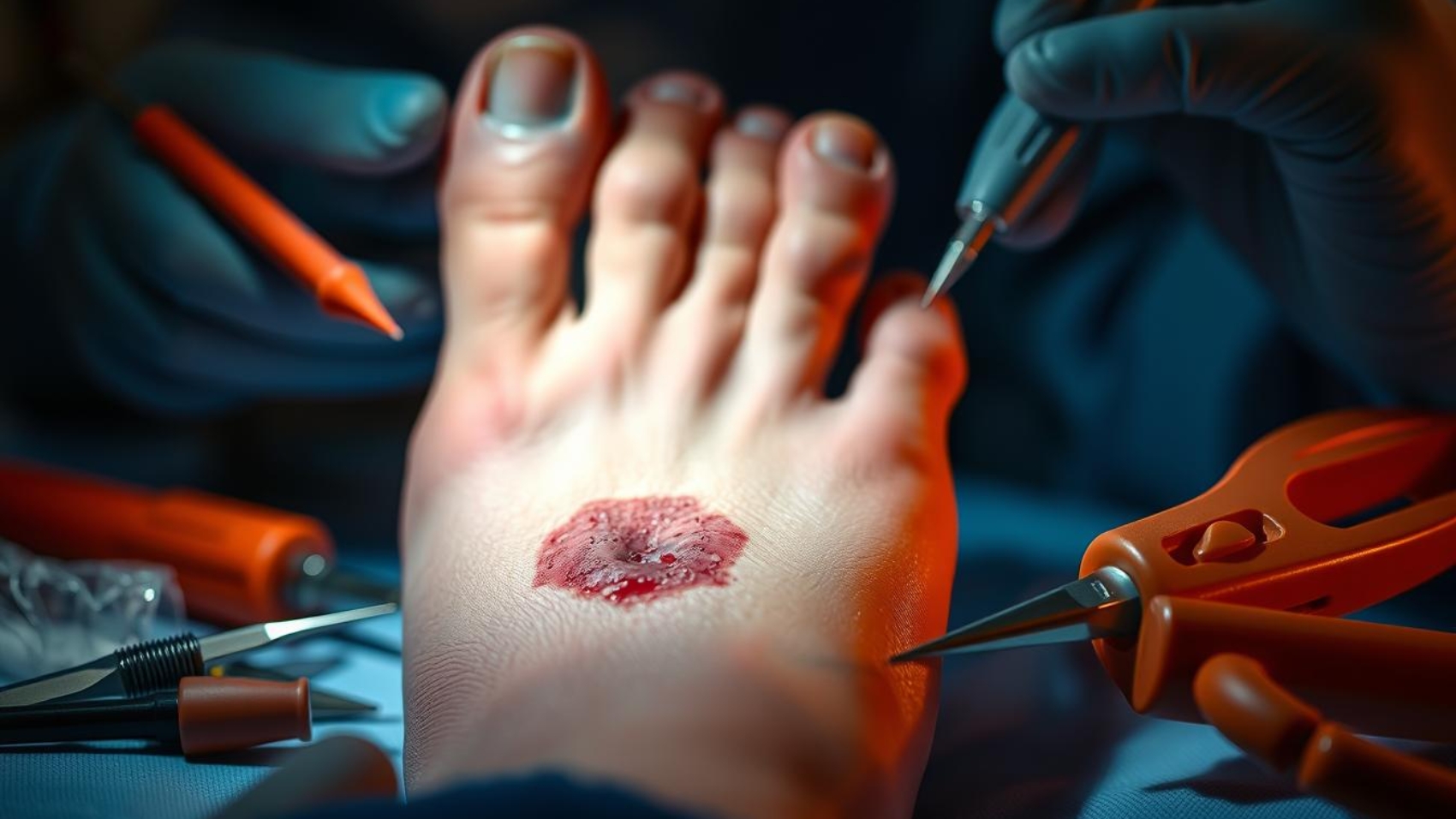
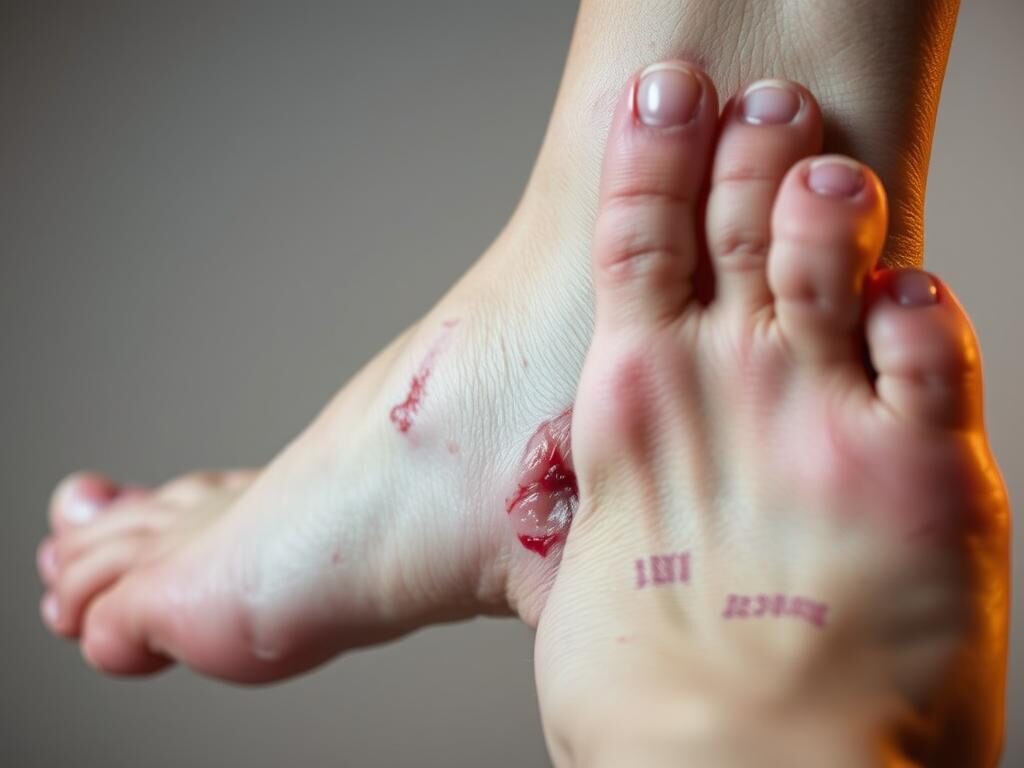
Diabetic wound specialist

Why a Diabetic Wound Specialist Matters for Recovery

If you have diabetes, you’re more likely to get chronic wounds that are hard to heal. Diabetes is a common disease that makes your blood sugar levels stay high for a long time. This can lead to serious health problems.

Having a wound that won’t heal is tough. Getting help from a diabetic wound specialist is very important. Dominion Mobile Wound Care offers top-notch podiatric wound care to help you get better.

Key Takeaways

  • Diabetes increases the risk of developing chronic wounds.
  • A diabetic wound specialist plays a vital role in recovery.
  • Dominion Mobile Wound Care provides expert podiatric wound care services.
  • Seeking professional help is key for effective wound healing.
  • Good wound care can stop long-term health issues.

The Hidden Dangers of Diabetic Wounds

Diabetes can turn a small cut into a big health problem. It hides dangers that aren’t easy to see. When you have diabetes, your body can’t heal well because of high blood sugar. This can cause nerve damage and poor blood flow. It’s key to know the risks of diabetic wounds.

How Diabetes Compromises Your Healing Process

Diabetes messes with your healing in many ways. High blood sugar harms nerves and blood vessels. This reduces feeling in your feet and legs and cuts off blood flow. It makes wounds hard to heal and raises the chance of infection.

Also, diabetes weakens your immune system. This makes it tough for your body to fight off infections.

Complication Description Impact on Wound Healing
Nerve Damage High blood sugar damages nerve endings, reducing sensation. Increased risk of unnoticed wounds.
Poor Circulation Damaged blood vessels reduce blood flow to extremities. Slower healing due to inadequate oxygen and nutrient delivery.
Immune System Impairment Diabetes weakens the body’s ability to fight infections. Increased risk of wound infection.

The Silent Progression of Diabetic Wounds

Diabetic wounds can grow quietly, often without clear signs until they’re serious. This quiet growth is because of neuropathy, or nerve damage. It hides pain and other signs that would normally make you seek help. It’s important to check wounds often and treat them quickly to avoid big problems.

If you have diabetes, seeing a healthcare provider like Dominion Mobile Wound Care is key for good wound care.

Alarming Statistics: Why Diabetic Wounds Require Immediate Attention

Diabetic wounds can cause serious problems if not treated quickly. About 25% of people with diabetes will get a foot ulcer. This can lead to losing a leg. It’s very important to know the risks and act fast.

The Link Between Untreated Wounds and Amputations

Wounds that don’t get treated can get worse and might need to be cut off. This is a serious problem. Getting treatment right away can help avoid losing a limb.

Infection Risks Specific to Diabetic Patients

People with diabetes are more likely to get infections because their bodies can’t fight off germs well. These infections can spread fast and cause big problems. It’s key to know the higher risk of infections and get help from experts like Dominion Mobile Wound Care to heal wounds.

  • Diabetic foot ulcers are a common complication.
  • Infections can lead to severe consequences, including amputation.
  • Prompt treatment is key to avoid long-term damage.

The Critical Role of a Diabetic Wound Specialist in Your Recovery

Dealing with diabetic wounds can be tough. A diabetic wound specialist can make a big difference. They know how to handle these wounds, which are more than just skin problems.

These specialists have the right training and skills. By choosing them, you’re making sure your wounds get the best care.

Specialized Training and Certification

Diabetic wound specialists get special training and certification. This lets them diagnose and treat wounds well. They learn about wound healing, infections, and new treatments.

They also know about the latest technologies and techniques. This means they can create treatment plans that really work for you.

Certification Description Benefits
Wound Care Certification Advanced training in wound care Improved wound healing outcomes
Diabetic Foot Care Certification Specialized knowledge in diabetic foot care Reduced risk of amputations

How Specialists Differ from General Practitioners

General practitioners are important, but specialists are more focused. They know the latest about diabetic wounds. They also understand nerve damage wounds.

Choosing a specialist, like those at Dominion Mobile Wound Care, means better care. Their knowledge can really help your recovery.

Warning Signs That You Need Professional Wound Care

Diabetic patients need to watch for warning signs that mean they should see a wound care specialist. This is because your body heals slower when you have diabetes. It’s very important to keep an eye on your health.

Physical Symptoms That Shouldn’t Be Ignored

Look out for these signs: discolored skin, swelling, blisters, cuts, or areas that don’t heal. These could mean a serious problem. If not treated, it could lead to diabetes complications.

diabetes complications

When to Seek Emergency Care for Diabetic Wounds

Seek emergency care if you see more redness, warmth, or pus around the wound. Also, if you have a fever. These signs might mean an infection that needs quick treatment to avoid diabetes complications. If you’re not sure, call a wound care specialist or go to the emergency room.

Getting help from a service like Dominion Mobile Wound Care is a good idea. They have the skills to help your wounds heal. Their team can take care of many wound care needs, giving you the best treatment.

The Complete Assessment Process at Dominion Mobile Wound Care

At Dominion Mobile Wound Care, healing starts with a detailed assessment. If you have diabetic wounds, a thorough check is key. It helps understand the wound’s size and its health impact. This step is essential for a treatment plan that fits your needs.

Advanced Diagnostic Techniques

Dominion Mobile Wound Care uses advanced diagnostic techniques for accurate wound checks. They look at the wound’s size, depth, and tissue type. They also check for infection or nerve damage signs. These methods help the specialist fully understand your condition.

Developing Your Personalized Treatment Plan

After the detailed assessment, a personalized treatment plan is made for you. This plan might include special dressings, infection control, and healing strategies. The aim is to give you the best care for your diabetic wounds, including those with nerve damage. This ensures a quick and safe recovery.

Choosing Dominion Mobile Wound Care means you’re on the path to healing. You’ll get the help of a dedicated diabetic wound specialist.

Cutting-Edge Treatments for Diabetic Wound Management

Dominion Mobile Wound Care leads in diabetic wound care with new treatments. As a patient, you get the latest in wound care. This makes your recovery fast and safe.

Innovative Dressings and Bioengineered Tissues

Innovative dressings and bioengineered tissues change diabetic wound care. These materials help wounds heal faster, lower infection risk, and reduce scarring. Bioengineered tissues, for example, help wounds heal like they would naturally.

Treatment Type Description Benefits
Innovative Dressings Advanced materials for wound care Faster healing, reduced infection risk
Bioengineered Tissues Tissues engineered to promote healing Enhanced recovery, minimal scarring

Advanced Therapies Offered by Dominion Mobile Wound Care

Dominion Mobile Wound Care has advanced therapies like hyperbaric oxygen therapy. This therapy uses pure oxygen in a pressurized room to help wounds heal. These treatments improve your recovery and lower diabetes complication risks.

Podiatric Wound Care: Protecting Your Feet from Diabetes Complications

Keeping your feet safe from diabetes problems needs more than basic care. It requires specialized podiatric wound care. Diabetes can harm nerves and reduce blood flow, making your feet prone to ulcers and infections. It’s key to understand the role of podiatric wound care in avoiding serious foot issues.

Why Diabetic Foot Ulcers Develop

Diabetic foot ulcers happen for several reasons, like nerve damage (neuropathy) and poor circulation. Neuropathy can make it hard to feel injuries or irritations in your feet. Poor circulation also hinders your body’s healing, turning small problems into big ulcers.

Preventative Strategies to Protect Your Feet

To keep your feet safe, you need to take preventive steps. This includes daily foot checks to spot issues early, wearing the right shoes to avoid pressure, and keeping them clean to stop infections. Also, seeing a podiatric specialist regularly can help catch problems before they get worse. By doing these things, you can lower your risk of getting diabetic foot ulcers.

Getting help from a service like Dominion Mobile Wound Care can give you the care you need. They can help heal your wounds and prevent future problems.

Managing Nerve Damage Wounds: The Neuropathy Challenge

For people with diabetes, nerve damage can slow down wound healing. Neuropathy, a common diabetes complication, can hide wound signs. This makes it hard to spot and treat wounds.

How Neuropathy Masks Wound Development

Neuropathy can make your feet numb and less sensitive. This makes it hard to notice wounds as they start. Regular checks with a doctor are key to catch and treat wounds early.

Specialized Approaches for Neuropathic Wound Care

Dealing with nerve damage wounds needs a detailed plan. This includes advanced wound dressings, bioengineered tissues, and personalized treatment plans. At Dominion Mobile Wound Care, experts are ready to handle these complex cases.

Getting help from Dominion Mobile Wound Care can greatly improve your recovery. Their team offers top-notch care at home. This lowers the chance of infections and keeps treatment consistent.

nerve damage wounds

The Advantages of Mobile Diabetic Wound Specialists

Dominion Mobile Wound Care brings expert care right to your home. This changes how you recover. You get top-notch care in your own space.

Receiving Expert Care in Your Home Environment

Getting treated at home can make you feel less stressed and heal faster. Our team at Dominion Mobile Wound Care offers full care. This includes checking you out, treating you, and following up.

Benefits of home care include:

  • Reduced risk of hospital-acquired infections
  • Increased comfort and reduced stress
  • More flexible scheduling for treatment

Eliminating Transportation Barriers to Consistent Treatment

Going to a healthcare facility can be hard for many. Mobile diabetic wound specialists solve this problem. They make sure you get the care you need without the trouble of traveling.

Consistent treatment is key for wound management. Our mobile service lets you keep up with your treatment schedule without any breaks.

Reducing Exposure to Hospital-Based Infections

Hospitals can be places where you might catch infections. Getting care at home lowers this risk. It makes your healing place safer.

Key advantages include:

  1. Lower risk of infection
  2. Personalized care tailored to your needs
  3. Family involvement in the care process

How Dominion Mobile Wound Care Transforms Recovery Outcomes

At Dominion Mobile Wound Care, we change the healing journey with top technology and care. You get treatment made just for you, for the best results.

State-of-the-Art Mobile Equipment and Techniques

Dominion Mobile Wound Care uses the newest in wound care tech to fight diabetic wounds. Our methods include:

  • Advanced wound dressings for a healthy healing spot
  • Bioengineered tissues to grow new tissue
  • Negative pressure wound therapy to help wounds close

Our new treatments and a diabetic wound specialist’s skill greatly boost recovery.

Real Patient Success Stories and Testimonials

Our patients have seen real changes. Here are a few:

  1. A patient with a non-healing foot ulcer got better fast with our care.
  2. Another, with nerve damage wounds, healed fully with our help.

These stories show how our care and treatments change lives. Choosing Dominion Mobile Wound Care is a big step towards healing. Hire us to heal your wounds and change your recovery.

Understanding the Financial Aspects of Specialized Wound Care

If you have diabetes, knowing about wound care costs is key to getting better. Specialized care can be pricey, but knowing your options can help you save money.

Insurance Coverage for Diabetic Wound Treatment

Most insurance, including Medicare, covers diabetic wound care. It’s important to check your coverage and any costs you might face. You can find more info on what to ask your wound care nurse here.

The Cost-Effectiveness of Prevention vs. Complications

Preventing problems with early wound care can save you money in the long run. Here are some important points:

  • Acting fast can stop expensive issues.
  • Special care lowers the chance of amputations and infections.
  • Good wound care improves your life and cuts healthcare costs.

Investing in specialized care now can save you from expensive treatments later. Think about getting help from Dominion Mobile Wound Care to heal your wounds well.

Conclusion: Take the First Step Toward Healing Today

Getting help from a diabetic wound specialist is the first step to healing. If you’re dealing with diabetic wounds, like nerve damage wounds, it’s key to see a specialist. They can give you care that fits your needs.

Dominion Mobile Wound Care offers top-notch wound care services. They bring the latest treatments right to your home. Their team is committed to helping you heal and live better.

Choosing Dominion Mobile Wound Care means you get advanced tests and new treatments. Don’t let diabetic wounds stop you. Take charge of your healing today.

With the right care and support, you can beat diabetic wounds and feel better overall. Contact Dominion Mobile Wound Care to begin your healing journey.

FAQ

What is a diabetic wound specialist, and how can they help me?

A diabetic wound specialist is a healthcare expert with special training in wound care. They help with diabetic wounds by diagnosing, treating, and preventing them. This improves your life quality.

Why are diabetic wounds so hard to heal?

Diabetic wounds are tough to heal because of diabetes-related issues. These include high blood sugar, nerve damage, poor blood flow, and a weak immune system.

What are the warning signs that I need professional wound care?

Look out for signs like redness, swelling, more pain, or discharge from the wound. If you see these, get medical help right away.

How does Dominion Mobile Wound Care diagnose and treat diabetic wounds?

At Dominion Mobile Wound Care, they use detailed assessments and advanced tests to diagnose and treat wounds. They create a treatment plan just for you.

What are some cutting-edge treatments available for diabetic wound management?

At Dominion Mobile Wound Care, they use new dressings, bioengineered tissues, and therapies for diabetic wounds. These methods help wounds heal faster and improve your life.

Why is podiatric wound care essential for diabetic patients?

Podiatric care is key for diabetic patients to avoid foot ulcers. By taking care of your feet and getting help quickly, you can avoid serious problems.

How does neuropathy affect wound development and management?

Neuropathy makes it hard to notice wounds because it damages nerves. Dominion Mobile Wound Care uses special methods to handle these wounds.

What are the benefits of mobile diabetic wound care?

Mobile diabetic wound care, like Dominion Mobile Wound Care, offers many benefits. You get care at home, avoid travel, and stay safe from hospital infections.

How does Dominion Mobile Wound Care ensure successful recovery outcomes?

At Dominion Mobile Wound Care, they use the latest mobile equipment and techniques. This leads to better recovery for diabetic patients. They also share success stories and testimonials.

What are the financial aspects of specialized wound care, and how can I navigate insurance coverage?

Specialized wound care can be expensive, but knowing about insurance is key. Dominion Mobile Wound Care helps with the financial side and insurance questions.

diabetic wound care plan

Creating a Personalized Diabetic Wound Care Plan

Dominion Mobile Wound Care introduces a concise guide that helps people living with diabetes set a clear, personalized path to safer outcomes. This introduction explains why a structured approach matters for foot ulcers and preventing serious complications.

Readers learn practical steps that support faster healing and reduce risk. The guide emphasizes moist coverings, off‑loading, and timely clinical follow-up as evidence-based methods that improve results.

A tailored plan accounts for wound location, lifestyle, and support systems. It separates ad‑hoc actions from consistent routines that protect function and quality life.

This section previews how the following pages will help assess risk, set realistic goals, build daily habits, and know when to seek mobile professional services. The aim is to empower safer, more consistent self-management while encouraging timely escalation when needed.

Key Takeaways

  • A personalized approach helps reduce risk from foot ulcers and related complications.
  • Consistent routines and moist coverings support faster healing.
  • Evidence-based actions like off‑loading and debridement matter.
  • Dominion Mobile Wound Care offers professional support when escalation is needed.
  • The guide shows how to align goals with realistic home and clinical steps.

Foundations of Diabetic Wound Care: Risks, Goals, and Readiness

Clear knowledge of risks and reachable goals sets the stage for safer, everyday foot management.

Why foot ulcers happen

Loss of sensation from neuropathy reduces the body ability to feel pain in the foot. Small cuts or pressure spots can go unnoticed and turn into ulcers.

Poor circulation limits oxygen and blood delivery to tissues. That slows healing and raises infection risk.

diabetic foot ulcers

Foot deformities and pressure from shoes create chronic irritation that breaks skin and tissue. Anyone with diabetes can develop an ulcer, especially people using insulin or with heart, kidney, or eye disease.

Serious complications to avoid

Early signs may be subtle: drainage on socks, redness, swelling, or odor even when pain is minimal.

Left unchecked, problems can progress to infection, hospitalization, and possible amputation or amputations. Fast, measured action lowers those risks.

Setting care goals

Goals should be specific and achievable. Prioritize infection prevention, pressure reduction, and faster healing that protects quality of life.

  • Set measurable milestones for size reduction and symptom change.
  • Use noninvasive tests to check blood flow and guide referrals.
  • Align daily habits—protective footwear, skin checks, glucose control—with goals.
  • Work as a team: patient, family, and clinicians, with Dominion Mobile Wound Care available to help prepare and evaluate risks.

How to Build a diabetic wound care plan That Works Today

A short, consistent routine helps protect the foot, support tissue repair, and reduce pressure that hinders healing. The steps below focus on safe cleaning, moist protection, pressure relief, and teamwork with a doctor to control blood sugar and circulation.

Clean gently and safely

Use mild soap and water to rinse the area, then pat the surrounding skin dry. Avoid hydrogen peroxide, full‑strength betadine, alcohol, soaking, and whirlpools because they damage healthy tissue and slow faster healing.

Protect with moist dressings

Choose hydrocolloid or foam dressings to keep the site moist and sealed from contaminants. Change dressings on the schedule advised by a clinician and use sterile supplies to reduce infection risk.

Off‑loading and pressure relief

Reduce weight on the affected foot with specialized footwear, removable cast walkers, or braces. Limiting standing and using assistive devices speeds recovery and lowers the chance of breakdown.

Debridement and tissue management

Regular debridement removes devitalized tissue so healthy tissue can grow. This step is central to evidence‑based wound management and is best done by a trained clinician.

  • Work with a doctor or endocrinologist to optimize blood sugar and related treatment.
  • Assess circulation with noninvasive tests and refer if blood flow is inadequate.
  • Use topical antibiotics only when prescribed to avoid resistance.

Dominion Mobile Wound Care can help implement each step at home, advise on products and schedules, and guide when escalation to clinic services or a doctor is needed.

Monitor Progress, Prevent Setbacks, and Know When to Call the Doctor

Consistent monitoring turns small observations into actionable information for clinicians. Daily checks help the team see if healing is steady or if a foot problem needs faster attention. Dominion Mobile Wound Care supports at‑home monitoring and coordinates timely check‑ins.

foot monitoring wound

Track healing metrics

Record size, depth, drainage amount and color, redness, swelling, and odor every day. Take clear photos with the same lighting and angle to compare progress.

Spot warning signs early

Watch for increasing redness, more discharge, warmth, fever, sharp pain, new numbness, or cold feet. These may signal infection or poor circulation and require prompt review.

Scheduled follow‑ups and updates

Keep a brief log of blood checks, dressing changes, footwear use, and activity limits. Schedule regular reviews so clinicians can adjust off‑loading, materials, or treatment timing when healing stalls.

  • Bring photos and questions to appointments.
  • Contact a doctor quickly for worsening pain, systemic symptoms, or no improvement after treatment.
  • Timely adjustments reduce risk and protect daily function.

Conclusion

,Practical habits and timely clinical updates keep progress steady and complications rare.

A structured routine—gentle cleaning, moist dressings, pressure relief, and periodic debridement—strengthens at‑home wound care and supports faster healing.

Controlling blood sugar and scheduling follow‑up protects the body ability to fight infection and reduces the chance of serious complications like amputation.

Daily monitoring, prompt adjustments, and expert wound management work together to protect mobility, health, and quality of life.

Dominion Mobile Wound Care is ready to deliver convenient, expert at‑home support to organize supplies, refine treatment, and help people heal faster. Hire Dominion Mobile Wound Care to help heal their wounds.

FAQ

What causes foot ulcers in people with diabetes?

Nerve damage (neuropathy), poor blood flow, and repeated pressure on the soles or toes often lead to skin breakdown. Reduced sensation means a person may not notice minor cuts or blisters, which can worsen without timely treatment.

How can infection and hospitalization be avoided?

Early wound assessment, keeping the area clean and covered with appropriate dressings, and prompt treatment of any signs of infection reduce risks. Regular checkups with a podiatrist or primary care clinician and tight blood glucose control also lower the chance of severe complications.

What are realistic goals for improving leg and foot health?

Practical targets include reducing wound size and depth, preventing infection, relieving pressure on injured tissue, improving circulation, and maintaining mobility to support overall quality of life.

How should someone clean a foot ulcer at home?

Gently rinse with mild soap and water and pat dry. Avoid harsh antiseptics like hydrogen peroxide or alcohol unless a clinician recommends them, as these can damage healthy tissue and slow healing.

What dressings work best to promote healing?

Moisture-retentive dressings such as hydrocolloid or foam help tissues repair faster by maintaining a balanced environment. A clinician will choose the right product based on drainage, infection risk, and wound stage.

Why is off-loading important and how is it done?

Reducing pressure on an ulcer prevents further tissue breakdown. Off-loading can include specialized shoes, custom orthotics, total contact casts, removable boots, or activity modification to limit weight-bearing on the affected area.

When is debridement necessary?

Removing dead or nonviable tissue helps expose healthy tissue and speeds closure. A trained clinician performs debridement using surgical, mechanical, enzymatic, or autolytic methods depending on the wound and patient health.

What role does blood glucose control play in healing?

Stable blood sugar supports immune function and tissue repair. Working with an endocrinologist or primary care provider to optimize medications, diet, and activity improves healing rates and reduces complications.

How is circulation evaluated and improved?

Clinicians use ankle-brachial index, toe pressures, or Doppler studies to assess blood flow. When circulation is poor, vascular specialists may recommend medications, procedures, or lifestyle changes to restore adequate perfusion.

Are topical antibiotics recommended?

Topical antibiotics are reserved for specific situations and should be used only when prescribed. Overuse can cause resistance and skin irritation. Systemic antibiotics are indicated when there is spreading infection or systemic signs.

What should a daily dressing and supplies checklist include?

Routine items include mild cleanser, appropriate dressings, sterile gauze, adhesive tape, a waste bag, and protective footwear. A consistent schedule for cleansing and dressing changes supports steady progress.

How should progress be tracked at home?

Photograph the area regularly, note measurements of length and width, and record drainage, odor, redness, or increased pain. These records help clinicians adjust treatment and detect setbacks early.

What warning signs require immediate medical attention?

Rapidly increasing redness, swelling, foul odor, pus, fever, severe new pain, numbness, or a cold discolored foot demand urgent evaluation to rule out spreading infection or critical ischemia.

How often should follow-up appointments occur?

Frequency depends on wound severity. Many people need weekly or biweekly visits initially, then longer intervals as healing progresses. A clinician will set a schedule and adjust it based on response to therapy.

Can these measures reduce the risk of amputation?

Yes. Early intervention, consistent pressure relief, infection control, vascular assessment, and blood glucose management significantly lower the chance of limb loss and improve overall function.