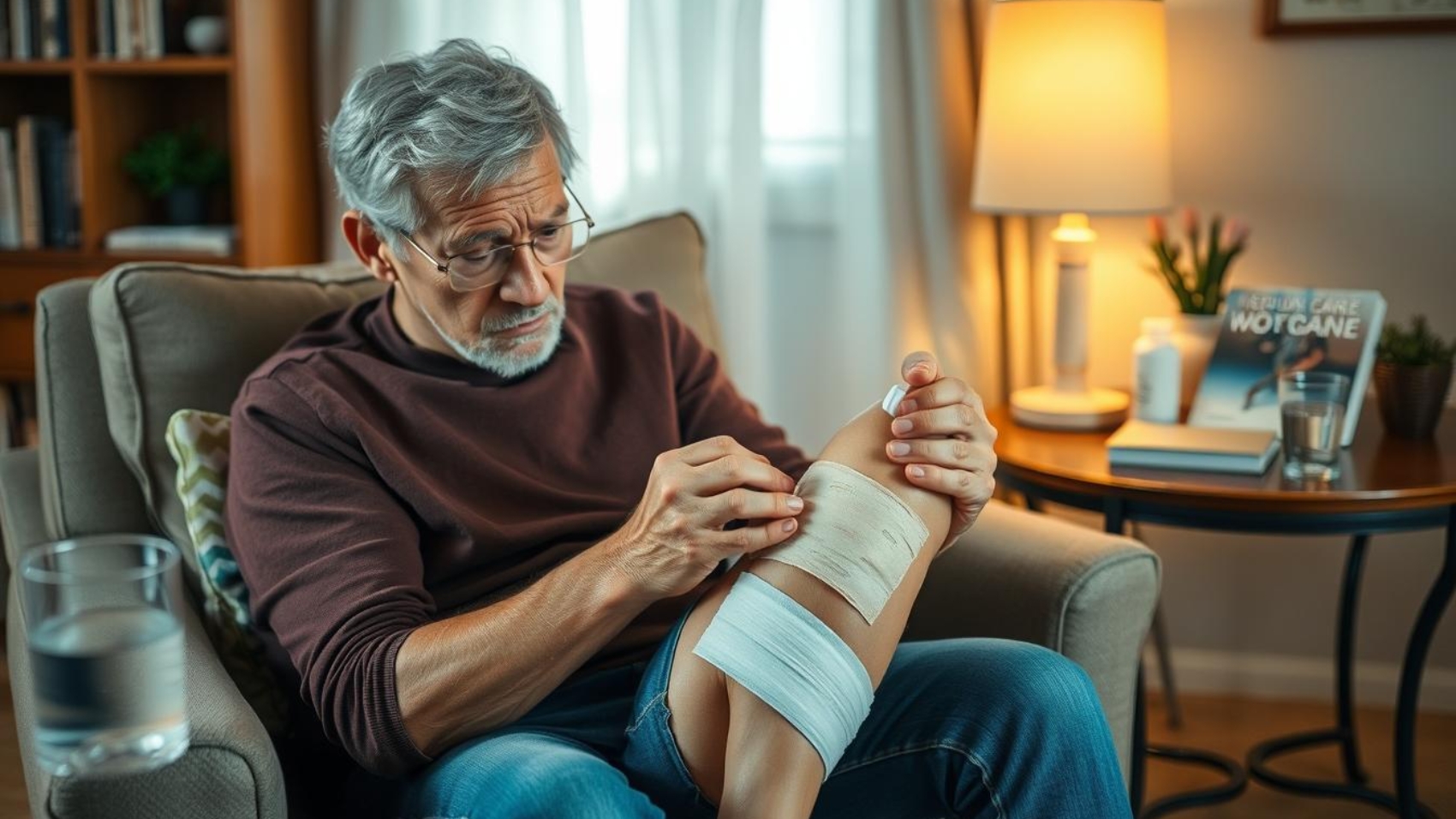
Wound pain management

Managing Pain from Chronic Wounds at Home

Dealing with chronic wound pain is tough and can change your life. It’s not just about feeling uncomfortable. Chronic wound pain can make you feel sad and tired all the time. This makes simple tasks hard to do.

Effective pain management is key to a better life. In this article, we’ll share some great home comfort tips. These tips can help you manage chronic wound pain better.

By learning to manage your wound pain, you start healing. You can regain your comfort at home.

Key Takeaways

  • Understand the impact of chronic wound pain on your daily life.
  • Learn effective home comfort tips for managing wound pain.
  • Discover how to improve your overall well-being while dealing with chronic wounds.
  • Find out how to take the first step towards healing with professional help.
  • Explore the benefits of hiring Dominion Mobile Wound Care for your wound healing journey.

The Challenge of Chronic Wound Pain

Chronic wound pain is a big challenge that affects your body and mind. It’s important to manage this pain well to improve your life quality.

Types of Wound Pain You May Experience

It’s key to know the types of pain from chronic wounds for good pain management. There are mainly two types: nociceptive and neuropathic pain.

Nociceptive Pain

Nociceptive pain is a natural response to injury. It happens when pain receptors detect damage or inflammation. This pain feels sharp, aching, or throbbing.

Neuropathic Pain

Neuropathic pain, though, is not a normal response. It’s caused by nerve damage. This pain feels burning, shooting, or stabbing. It’s harder to manage.

How Chronic Wounds Differ from Acute Injuries

Chronic wounds heal differently than acute injuries. Unlike acute injuries, which heal quickly, chronic wounds take much longer. They don’t go through the normal healing stages.

Characteristics Acute Injuries Chronic Wounds
Healing Timeframe Typically heals within a few weeks Often takes months or years to heal
Pain Characteristics Usually sharp pain that subsides as healing progresses Can experience persistent or recurring pain
Pain Management Often managed with standard pain relief options May require more complex pain management strategies

Knowing these differences helps in creating a pain management plan that fits your needs.

The Impact of Chronic Wound Pain on Your Daily Life

Living with a chronic wound can really change your daily life. The pain can make simple things hard, like moving around. It also affects how you feel, both physically and emotionally.

Physical Limitations and Mobility Challenges

Chronic wound pain can make it hard to do everyday things. Even walking can feel like a big challenge. To help, you can make your home more comfortable. This can reduce the strain on your wound.

Psychological Effects and Emotional Well-being

The mental side of chronic wound pain is just as important. It can cause feelings of frustration, anxiety, and even depression. Finding ways to manage the pain is key to feeling better emotionally.

Sleep Disruption and Fatigue Management

Chronic wound pain can mess up your sleep, making you feel tired all the time. This tiredness can make the pain feel worse. It’s important to find ways to manage both the pain and your fatigue.

Aspect of Life Impact of Chronic Wound Pain Management Strategies
Physical Mobility Reduced mobility due to pain Home comfort tips, physical therapy
Emotional Well-being Increased risk of depression and anxiety Wound pain management, counseling
Sleep Quality Disrupted sleep patterns Sleep hygiene practices, pain management

Wound Pain Management Strategies for Home Care

You don’t have to let chronic wound pain control your life. There are many home care strategies to help ease your pain. Managing wound pain well is key to a better life and faster healing.

Prescription and Over-the-Counter Medication Options

Medication is a big help in managing wound pain. You can look into both prescription and over-the-counter (OTC) options to find what works for you.

Analgesics and Anti-inflammatories

Analgesics cut down on pain, and anti-inflammatories reduce swelling and inflammation. Acetaminophen is a common OTC analgesic, and ibuprofen is an anti-inflammatory.

Topical Pain Relievers

Topical pain relievers, like creams and gels, can be applied directly to the wound or around it. They numb the pain and are great for pain at the wound site.

Non-Pharmaceutical Approaches to Try

There are also non-medical ways to manage wound pain. Using aloe vera or honey on your wound can help because they have natural soothing properties.
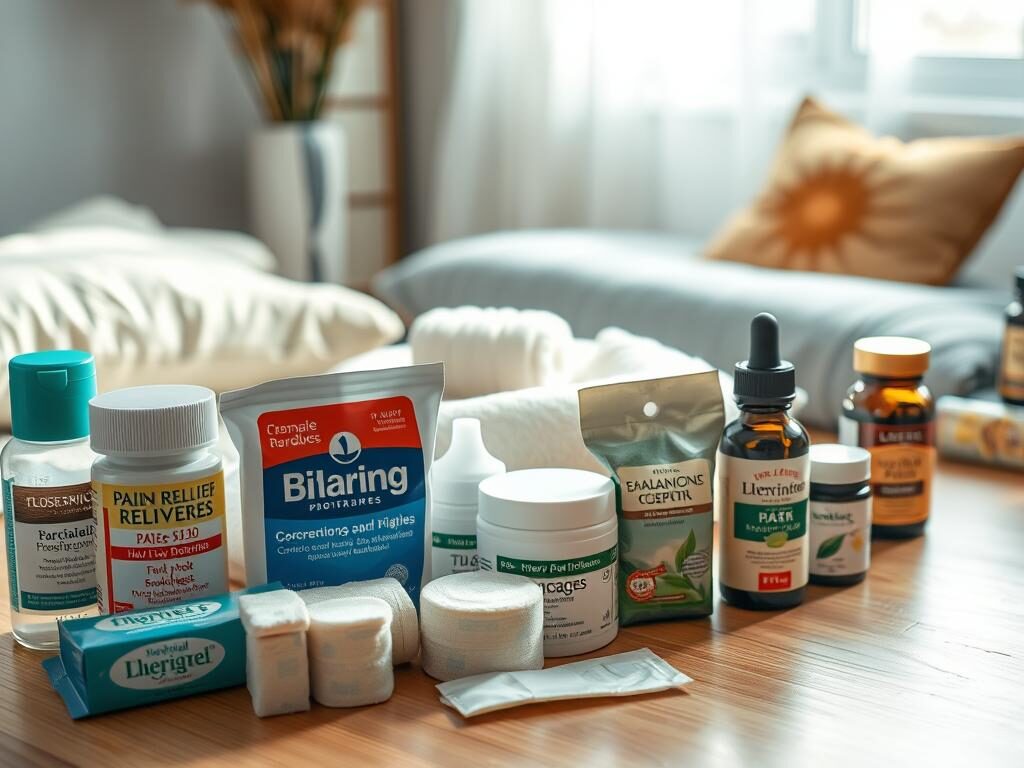
pain relief options

When to Contact Your Healthcare Provider

Knowing when to get medical help is important. If your pain gets worse or you see signs of infection like more redness, swelling, or pus, call your healthcare provider right away.

By using these strategies and keeping in touch with your healthcare provider, you can manage your wound pain at home. For more help and support, consider contacting professionals like Dominion Mobile Wound Care for detailed wound care.

Creating a Comfortable Home Environment for Healing

Your home can be a place of healing. With a few simple changes, you can make it a supportive space. A comfortable home environment helps by reducing stress and pain from wound care.

Setting Up an Effective Wound Care Station

Having a special area for wound care can make treatment easier and less painful. Here are some tips:

  • Choose a quiet, well-lit area with enough space for supplies.
  • Keep your wound care supplies organized and within reach to avoid stretching or bending.
  • Use a comfortable chair or bed that supports you well during treatment.

For more detailed guidance on wound care at home, you can refer to resources like Dominion Mobile Wound Care’s guide.

Temperature and Humidity Control for Comfort

Keeping your home at a comfortable temperature and humidity level is key for wound healing. Keep your home between 68-72°F (20-22°C) for the best comfort. Using a humidifier can also help keep the air moist, which is good for wound healing.

Accessibility Modifications to Reduce Pain

Simple changes to your home can help reduce pain and discomfort. Consider:

  1. Installing handrails or grab bars in key spots.
  2. Rearranging furniture to make paths clear.
  3. Using a shower chair or bench to ease strain during bathing.

By making these changes, you can make your home more comfortable and supportive. This helps promote healing and reduces wound pain.

Nutritional Support for Wound Healing and Pain Reduction

Eating right is key for your body to heal wounds and manage pain. A balanced diet gives your body what it needs to recover. It helps avoid complications and boosts your overall health.

Essential Nutrients That Promote Recovery

Some nutrients are vital for healing wounds. Eating enough of these can really help your recovery.

Protein and Amino Acids

Protein is essential for fixing and growing new tissue. Amino acids, the parts of protein, help make new tissue and heal wounds. Good sources of protein are lean meats, fish, eggs, and legumes.

Vitamins and Minerals

Vitamins and minerals are also key for healing. Vitamin C helps make collagen, and zinc boosts your immune system and helps wounds close. Eating a variety of fruits, vegetables, and whole grains will help you get these nutrients.

Hydration Importance for Wound Healing

Drinking enough water is vital for healthy skin and healing wounds. Water keeps your skin moist and helps nutrients reach the wound.

Anti-inflammatory Diet Choices to Consider

Eating anti-inflammatory foods can help with pain and healing. Foods like salmon and walnuts, which are rich in omega-3 fatty acids, have anti-inflammatory effects.

Nutrient Food Sources Benefit
Protein Lean meats, fish, eggs, legumes Tissue repair and regeneration
Vitamin C Fruits, vegetables Collagen synthesis
Zinc Meat, poultry, seafood, whole grains Immune function and wound closure
Omega-3 fatty acids Salmon, walnuts, flaxseeds Anti-inflammatory effects

By eating a balanced diet and staying hydrated, you support your body’s healing. This can also help reduce pain from chronic wounds.

Managing Nerve Pain in Chronic Wounds

If you have a chronic wound, you know how nerve pain can hurt. This pain, or neuropathic pain, can really affect your life. It’s important to manage it well to feel better and heal faster.
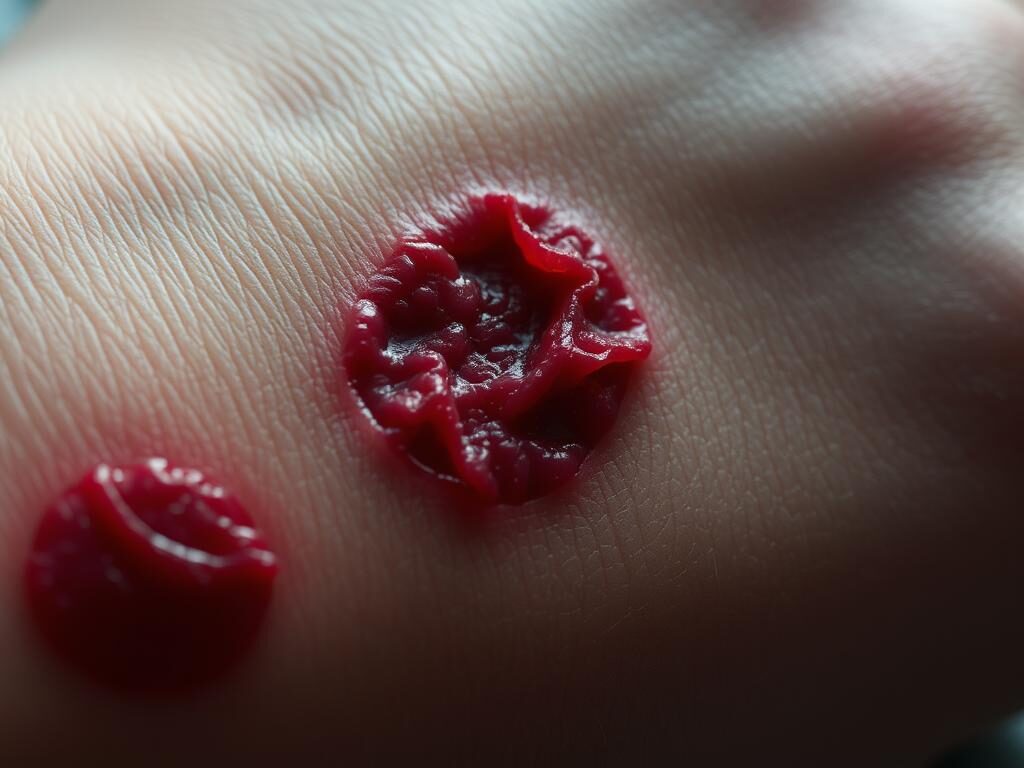
nerve pain wounds

Identifying Signs of Neuropathic Pain

Neuropathic pain from chronic wounds can feel sharp or burning. It’s key to notice these signs and tell your doctor. This way, you can get the right help.

Specialized Treatments You Can Access

There are special treatments for nerve pain in chronic wounds. You might get medicines made just for this pain, like certain antidepressants or anticonvulsants. Your doctor might also suggest nerve blocks or neuromodulation techniques.

At-Home Relief Techniques to Try Today

There are also things you can do at home to ease nerve pain. Try gentle compression or temperature therapy. These can help a lot.

Gentle Compression Methods

Gentle compression uses bandages or special clothes to apply pressure. It can help with swelling and pain. But, make sure to follow your doctor’s advice on how to use it.

Temperature Therapy Applications

Temperature therapy, like heat or cold, can also help. Cold therapy, for example, can reduce swelling and numb the pain. Just remember to use a barrier to protect your skin.

Dealing with nerve pain is a big part of taking care of chronic wounds. Knowing the signs and getting the right treatment can help a lot. For more help, consider talking to experts like Dominion Mobile Wound Care. They offer wound care at home.

Latest Advancements in Home-Based Wound Care

Now, you have more tools to manage chronic wounds at home. These new tools help make wound care more effective. They reduce pain and help wounds heal faster.

New Dressing Technologies for Pain Reduction

New dressings are a big step forward. They are designed to be more comfortable and reduce pain. They also create a moist environment that helps wounds heal.

Hydrogel dressings and foam dressings are examples. They help manage pain and support healing.

Portable Therapy Devices You Can Use at Home

Portable therapy devices are now used at home. You can use negative pressure wound therapy (NPWT) systems and electrical stimulation devices at home. These devices help wounds heal faster, reduce pain, and cut down on hospital visits.

Telehealth Options for Remote Wound Assessment

Telehealth is a convenient option for wound care. Healthcare professionals can check your wound remotely. They can also guide you on wound care and adjust treatment plans as needed.

This saves time and reduces travel needs. It’s great for those with mobility issues.

These new advancements in home-based wound care are changing how we manage chronic wounds. They make it easier and less painful. By using these technologies and services, you can play a bigger role in your healing journey.

How Dominion Mobile Wound Care Supports Your Home Recovery

If you’re dealing with chronic wound pain, Dominion Mobile Wound Care is here to help. Managing chronic wounds can be tough, and finding pain relief is key. Dominion Mobile Wound Care offers services right in your home to tackle these challenges.

Mobile Assessment and Treatment Services

Dominion Mobile Wound Care brings expert care to your door. Their mobile services mean you get timely care without leaving home. This is great for those with nerve pain wounds or mobility issues.

Personalized Pain Management Plans

Dominion Mobile Wound Care knows everyone’s needs are different. They create personalized pain management plans just for you. These plans focus on your specific needs for the best pain relief.

Ongoing Support and Patient Education

Healing is a journey, and Dominion Mobile Wound Care is with you every step. They offer ongoing care and patient education to help you manage your condition.

Virtual Consultations

  • Convenient remote access to care
  • Reduced need for in-person visits
  • Enhanced flexibility in managing your care schedule

Emergency Support Options

Dominion Mobile Wound Care also has emergency support options for urgent needs. This ensures you always have help when you need it.

Choosing Dominion Mobile Wound Care is a big step towards healing and managing pain. Their services support you from start to finish. Reach out to Dominion Mobile Wound Care today to see how they can help your recovery at home.

Conclusion: Taking Control of Your Wound Healing Journey

Managing wound pain is key to a better life. By using home comfort tips, you can lead your healing journey. Making your home comfortable, eating right, and handling nerve pain are all important steps.

There are many ways to lessen wound pain. Try non-medical methods, make your home cozy, and use new home care tools. Dominion Mobile Wound Care can help with personalized plans and education.

Being proactive in healing can greatly improve your health. Contact Dominion Mobile Wound Care for more on their services. Start your journey to a more comfortable recovery today.

FAQ

What are the most common types of pain associated with chronic wounds?

Chronic wounds can cause two main types of pain. Nociceptive pain comes from tissue damage. Neuropathic pain is due to nerve damage. Knowing the type of pain helps in managing it better.

How can I manage pain from chronic wounds at home?

To manage pain at home, use a mix of medicines and non-medical methods. Over-the-counter pain relievers or prescription drugs can help. Non-pharmaceutical options include aloe vera, honey, or temperature therapy.

What are some tips for creating a comfortable home environment for healing?

For a healing-friendly home, set up a wound care station. Control the temperature and humidity. Make your home accessible to reduce pain and discomfort.

How does nutrition impact wound healing and pain reduction?

Nutrition is key for healing wounds and reducing pain. Foods rich in protein, amino acids, vitamins, and minerals aid healing. An anti-inflammatory diet can also help lessen pain and swelling.

What are some signs of neuropathic pain in chronic wounds?

Neuropathic pain in wounds shows as burning, shooting, or stabbing feelings. You might also feel numbness or tingling. If you notice these, see your healthcare provider for help.

How can I access specialized treatments for nerve pain?

For nerve pain, talk to your healthcare provider. They might suggest gentle compression, temperature therapy, or specific pain medications.

What are the benefits of telehealth options for remote wound assessment?

Telehealth lets you get medical care at home. It’s convenient and reduces the need for in-person visits. It also allows for more frequent check-ups and treatment plan adjustments.

How can Dominion Mobile Wound Care support my home recovery?

Dominion Mobile Wound Care offers mobile care and treatment. They create personalized pain management plans. They also provide ongoing support and education to help you manage pain and recover at home.
Wound Pain Management

Managing Pain from Chronic Wounds at Home

This guide from Dominion Mobile Wound Care helps you handle symptoms at home and know when to seek expert support. You will learn clear steps to describe your discomfort so clinicians can tailor care and improve your daily function.

Many people with chronic wounds report moderate to severe pain that disrupts sleep and mood. Health teams may focus on the wound and underassess what you feel. Learning simple tracking tools and home strategies can make a real difference.

You will get tips on preparing supplies, timing medicines, and easing procedural discomfort during dressing changes. The guide also explains how to spot signs that need faster escalation and when to hire Dominion Mobile Wound Care for hands-on help.

Key Takeaways

  • Learn to describe and track your pain for better home care and follow-ups.
  • Addressing pain is as important as treating the wound itself.
  • Practical steps help reduce discomfort during daily tasks and dressing changes.
  • Understand basic pain types so you can report changes to your clinician.
  • Non-drug methods complement medications to support overall health.
  • Know when increased pain could signal infection and when to seek care.

Why Chronic Wound Pain Matters to Your Daily Life

When a chronic sore lingers, its effects reach far beyond the spot on your skin. Many people with chronic wounds report significant discomfort—an estimated 48–81% experience moderate severe pain—which interferes with sleep, mood, and basic tasks.

Your comfort matters. Loss of sleep and low energy make dressing care and mobility harder. That, in turn, slows recovery and reduces your overall quality life.

Set goals that include comfort and function, not just healing. Patients often benefit when teams prioritize symptom relief alongside closure. Document how symptoms change with activity, rest, and dressing choices so clinicians can tailor care.

  • Poor sleep and low appetite reduce activity and slow healing.
  • Avoiding movement for fear of discomfort can limit independence.
  • Small improvements in rest and mood lead to real gains in patient quality life.

If your discomfort escalates or shifts suddenly, treat that as new clinical information and share it for reassessment. Dominion Mobile Wound Care prioritizes your comfort, function, and dignity—hire Dominion Mobile Wound Care to help heal your wounds.

How to Assess Your Wound Pain Before You Treat It

Start with a quick, consistent assessment so your care decisions match your symptoms. A brief check each day helps you and your clinician track trends and spot new issues fast.

Use simple scales

Choose one tool and use it every time. Common sources include the numerical rating scale (0–10), visual analog scale, verbal descriptor, the pain ruler, and the short-form McGill questionnaire.

Gather a brief history

Record intensity, quality (aching, burning, stabbing), location, onset, duration, triggers, and what brings relief. Keep notes next to your dressing choices and timing so you can do a meaningful review.

Watch non-verbal cues

Look for grimacing, guarding, reduced movement, or changes in sleep and appetite. If a caregiver helps, ask them to log behaviors to improve accuracy for patients who underreport.

  • Rate your level each morning with the same scale.
  • Note changes during rest, activity, and dressing care.
  • Bring the log to appointments to speed useful adjustments.

Dominion Mobile Wound Care can set you up with simple tracking templates and coaching. Hire Dominion Mobile Wound Care to help heal your wounds.

Know Your Pain Type: Nociceptive, Neuropathic, and When It’s Both

Simple clues in how the sensation feels can point to tissue inflammation or nerve dysfunction and guide care.

Nociceptive basics

Nociceptive pain often comes from tissue damage or inflammation and feels like aching or throbbing. Acute nociceptive signals rise with redness, swelling, or activity. For leg ulcers or pressure ulcer areas, aching heaviness or soreness with movement usually reflects this mechanism.

Neuropathic signs

Neuropathic pain comes from nerve injury and often feels burning, shooting, or like pins and needles. Neuropathic ulcers and diabetic nerve injury tend to produce these sensations and may flare without clear triggers.

Allodynia & hyperalgesia

When light touch, a breeze, or a small temperature change causes severe pain, nerves have become sensitized. This includes allodynia (non‑painful stimuli hurt) and hyperalgesia (exaggerated responses).

When to seek urgent care

An unexpected rise in pain, a new sharp or spreading tenderness, or changes in drainage or color can signal infection. Document these shifts and contact a clinician promptly. Dominion Mobile Wound Care helps you identify mechanisms so treatment is targeted — hire Dominion Mobile Wound Care to help heal your wounds.

  • Aching/throbbing with inflammation: likely nociceptive.
  • Burning/shooting/tingling without clear cause: likely neuropathic.
  • Light touch causing severe response: suspect allodynia or hyperalgesia.

Wound Pain Management at Home: Step-by-Step

Start with a short routine that makes home care predictable and keeps discomfort from escalating. A steady plan helps you time medicines, protect skin, and reduce procedural pain during dressing changes.

wound pain management

Time your analgesia

Use the WHO ladder approach: start with NSAIDs ± a local anesthetic like EMLA cream, then consider stronger options if needed. Take medication on a schedule so relief is present before activity or a dressing change.

Set up your space

Control drafts and room temperature, add a light blanket if cool, and reduce stressors. These steps lower sensitivity around the site and make handling easier for you and caregivers.

Protect skin and dressings

Choose dressings with correct absorbency to keep moisture balanced and avoid maceration. Use a skin barrier film on peri‑wound areas and handle dressings gently; cleanse only when required to limit irritation.

Monitor and document

  • Keep a short log of scores, products used, and how long relief lasted.
  • Time dressing changes for your best relief window (30–60 minutes after meds).
  • If a step raises symptoms, flag it for your clinician.

Dominion Mobile Wound Care can build a tailored at‑home protocol and check your technique. Hire Dominion Mobile Wound Care to help heal your wounds.

Reducing Procedural Pain During Dressing Changes

Small technique changes can cut procedural pain during dressing changes and make care easier for you and your caregiver. Use simple steps to prevent stick‑and‑tear, protect skin, and keep procedures predictable.

Prevent stick-and-tear and choose the right contact layer

Pre‑moisten gauze or pick non‑adherent contact layers so dressings lift without tearing fragile edges. Prefer silicone‑coated dressings and match absorbency to exudate so products don’t dry and stick between changes.

Gentle technique and limited cleansing

Support surrounding skin with one hand while you remove adhesive with the other. Use an adhesive remover for tapes and avoid routine soaking; cleanse only when needed with a lukewarm solution to limit nerve stimulation.

Control environment and pace the procedure

Reduce drafts and sudden temperature shifts to lower allodynia risk. Let the patient control removal and pause if you feel severe pain; brief breaks and reassurance often reduce distress.

  • Apply a skin barrier around the site before reapplying dressings to protect margins.
  • If exudate makes removal harder, discuss higher‑absorbency dressings to protect peri‑skin and cut dressing changes trauma.
  • Watch for unexpected spikes in pain during a procedure; this may indicate infection or product mismatch and needs prompt reassessment.

Dominion Mobile Wound Care can recommend less painful products and teach low‑trauma techniques. Hire Dominion Mobile Wound Care to help heal your wounds.

Non-Drug Strategies That Support Pain Relief and Quality of Life

Small behavioral changes and soothing rituals often make routine care and mobility feel easier. These options do not replace medicines but add real benefit for patients with chronic symptoms. Use them alongside clinical measures and document what helps most.

pain relief

Distraction techniques: music, guided imagery, and virtual reality

Listening to favorite music or using guided imagery can lower distress before and during dressing tasks. Studies show immersive video or virtual reality reduces procedural distress for burn and therapy patients.

Touch-based therapies: reflexology and reiki for comfort and wellbeing

Gentle touch therapies like reflexology or reiki often improve wellbeing and reduce medication needs in some patients. Treat these as adjuncts that increase comfort and sense of being cared for.

Sleep, mood, and movement: addressing the mind-body cycle

Protecting sleep with consistent bedtimes and a quiet room boosts daytime tolerance and overall quality life. Light, clinician-approved movement supports circulation and mood and helps break the acute chronic cycle.

  • Build a short list of go-to distractions—music, calming audio, or imagery—for dressing care and other triggers.
  • Try aromatherapy under guidance to improve sleep and relaxation, which can aid daytime function.
  • Track which techniques reduce wound-related pain and do a brief review weekly so your plan improves.
  • If you have leg ulcers or sensitive skin wound areas, pair these methods with dressing and timing adjustments for better results.

Dominion Mobile Wound Care integrates non-pharmacologic options into your plan. Hire Dominion Mobile Wound Care to help heal your wounds.

Conclusion

Keep a steady routine of short assessments so changes prompt timely clinical review. Regular assessment helps your health care team adjust dressings, review medicines, and address both nociceptive pain and neuropathic nociceptive issues as they arise.

Expect a blend of approaches—medicines, optimized dressings, gentle technique, and environment tweaks—to reduce wound-related pain over time. Track scores and small changes so your team can tune care and protect surrounding skin.

Your experience matters. Believe what you report and raise concerns early. Use a structured ladder for pain management and discuss options like EMLA cream or neuropathic agents when nerve-driven symptoms persist.

, For guided at‑home strategies, in‑person visits, and ongoing optimization, hire Dominion Mobile Wound Care to help heal your wounds.

FAQ

How can you tell if chronic wound-related discomfort needs medical review?

If you notice increasing redness, swelling, foul odor, new drainage, fever, spreading warmth, or a sudden rise in intensity that home measures don’t reduce, contact your clinician promptly. Also seek help for signs of infection, sudden numbness, or new neuropathic sensations like burning or electric shocks.

What simple tools can you use at home to rate your discomfort before treatment?

Use a numeric rating scale (0–10), a visual analog scale, or short verbal descriptors such as “no,” “mild,” “moderate,” or “severe.” Apply the same tool each time and record scores with date, time, and activity to spot trends and share accurate information with your care team.

How do you know if the discomfort is nociceptive, neuropathic, or both?

Nociceptive sensations feel like aching, throbbing, or soreness tied to tissue damage. Neuropathic signs include burning, shooting, tingling, pins-and-needles, or sensitivity to light touch. Many people experience a mix; note descriptors and triggers to guide treatment choices.

What steps should you take to reduce pain during dressing changes?

Time oral analgesics so peak effect aligns with the change, keep the room warm and draft-free, use silicone or low-adherent dressings to avoid stick-and-tear, moisten dried dressings before removal, cleanse gently only where needed, and pause if severe discomfort occurs. Ask a caregiver to help if you need steadying or distraction.

Which non-drug approaches can help improve your comfort and quality of life?

Try distraction (music, audiobooks, guided imagery), relaxation breathing, sleep hygiene, gentle movement as tolerated, and complementary touch therapies like reflexology for comfort. These strategies reduce stress, improve mood, and can lower perceived intensity.

How should you time pain relief medication around procedures at home?

Take short-acting analgesics 30–60 minutes before a dressing change so medication peaks during the procedure. For longer procedures or consistent baseline discomfort, follow a regular schedule as advised by your clinician rather than waiting for pain to spike.

What dressing choices help minimize procedural discomfort?

Select low-adherent or silicone-coated dressings and appropriate absorbency to match drainage. Avoid dressings that dry onto skin, and use gentle adhesive removers if needed. Your clinician can recommend products like silicone foam or hydrogel for less trauma on removal.

When should increased sensitivity or allodynia concern you?

If light touch, air drafts, or gentle clothing produce intense pain or if sensitivity expands beyond the wound margin, report this promptly. These signs can indicate neuropathic changes or inflammation that may need specialist assessment and tailored treatment.

What information should you document to help your care team manage your symptoms?

Record numeric pain scores, descriptors (aching, burning, sharp), time of day, activities or triggers, medication taken and timing, dressing type and changes, plus any signs of infection. Short, consistent notes let clinicians adjust therapy quickly and accurately.

Can topical anesthetics help with dressing changes at home?

Topical agents like lidocaine preparations can ease procedural discomfort for some people. Use only as instructed by your health professional, check for allergies, and follow application timing so the anesthetic is effective during dressing removal.

How do temperature and airflow affect sensitivity during care?

Cold, drafts, or rapid temperature shifts can increase sensitivity and allodynia. Keep the room warm, minimize fans or open windows, and use a blanket over nearby skin to reduce uncomfortable responses during dressing changes.

When is referral to a pain or wound specialist appropriate?

Ask for referral if you have persistent moderate to severe symptoms despite basic measures, ongoing neuropathic features, repeated infections, impaired mobility or sleep, or complex wounds that limit daily activities. A specialist can offer advanced therapies and multidisciplinary support.

How can you protect surrounding skin and reduce wound-edge discomfort?

Maintain balanced moisture with barrier films or protective dressings, trim adhesive edges carefully, use silicone-based products near fragile skin, and avoid over-cleaning. Gentle care preserves margins and lowers irritation during dressing changes.

What role does movement and sleep play in managing chronic discomfort?

Regular gentle activity improves circulation, reduces stiffness, and supports mood. Good sleep hygiene helps pain tolerance and healing. Address sleep problems, fatigue, and mood with your clinician as they strongly influence symptom levels.

How do you decide when to change dressings versus when to leave them undisturbed?

Change dressings based on drainage level, manufacturer instructions, and clinician advice. If a dressing is intact and controlling moisture, leaving it undisturbed often reduces procedural discomfort and infection risk. Document reasons and monitor for leaks or odor.