

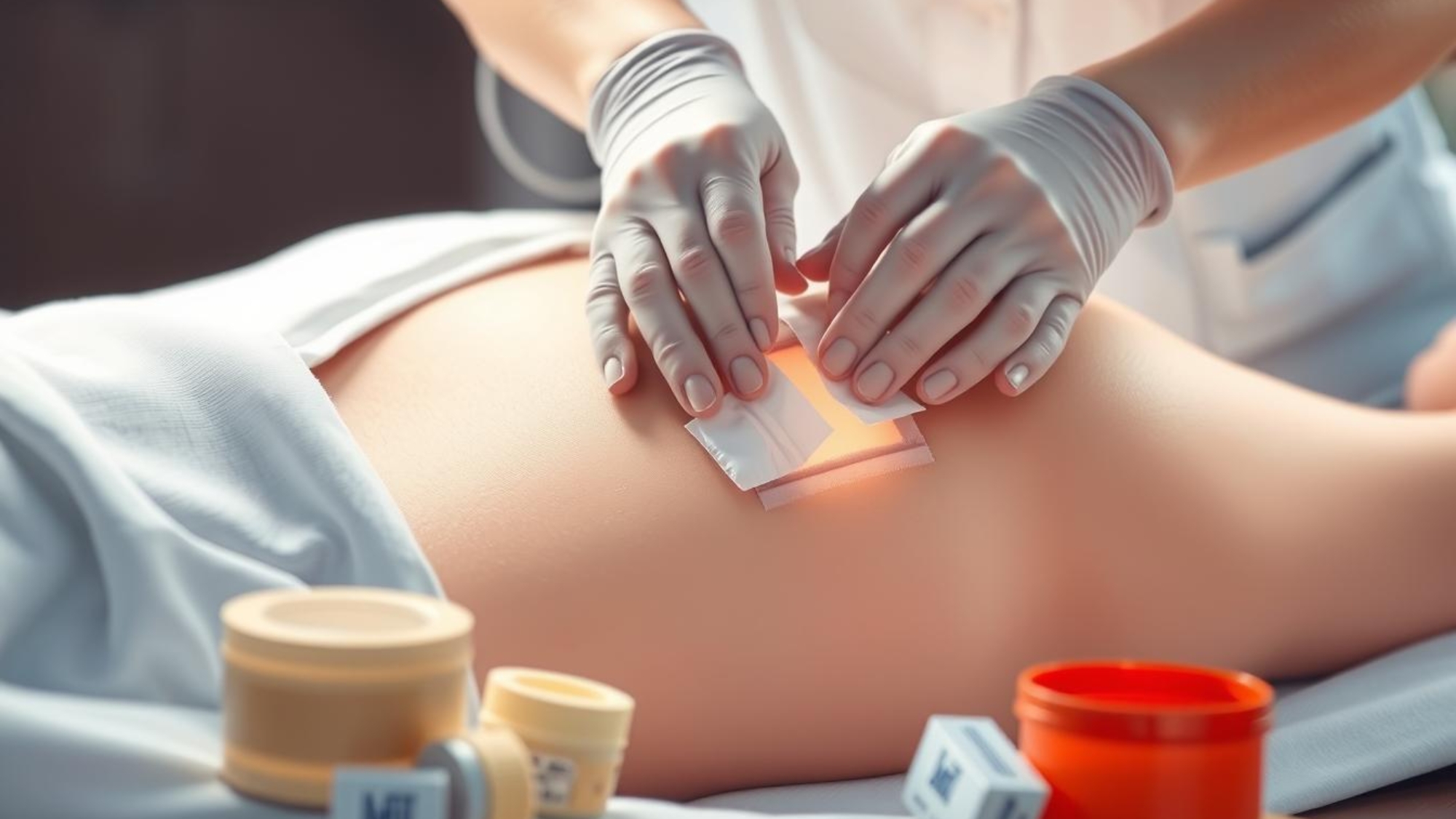
Treating pressure injuries at home needs a full plan. This includes the right wound care and steps to prevent more problems. You can help these injuries heal by using the right wound dressing and keeping the area clean and moist.
It’s important to avoid putting pressure on the injured spot and follow your doctor’s advice. For more info on when you might need professional wound care, check out Dominion Mobile Wound Care. They share when home care might not be enough.
Key Takeaways
- Proper wound dressing is key for healing.
- Changing positions often can stop more damage.
- Keeping the skin clean is vital for recovery.
- Good nutrition helps wounds heal faster.
- Knowing when to get professional help is important.
Understanding Pressure Injuries
Pressure injuries can be very serious if not treated quickly. It’s important to know what causes them and their symptoms. These injuries, also known as pressure ulcers or bed sores, happen to people who sit or lie down for a long time.
What Are Pressure Injuries?
Pressure injuries harm the skin and tissue under it. They happen because of pressure, or pressure mixed with shear and/or friction. The skin gets less blood, leading to damage.
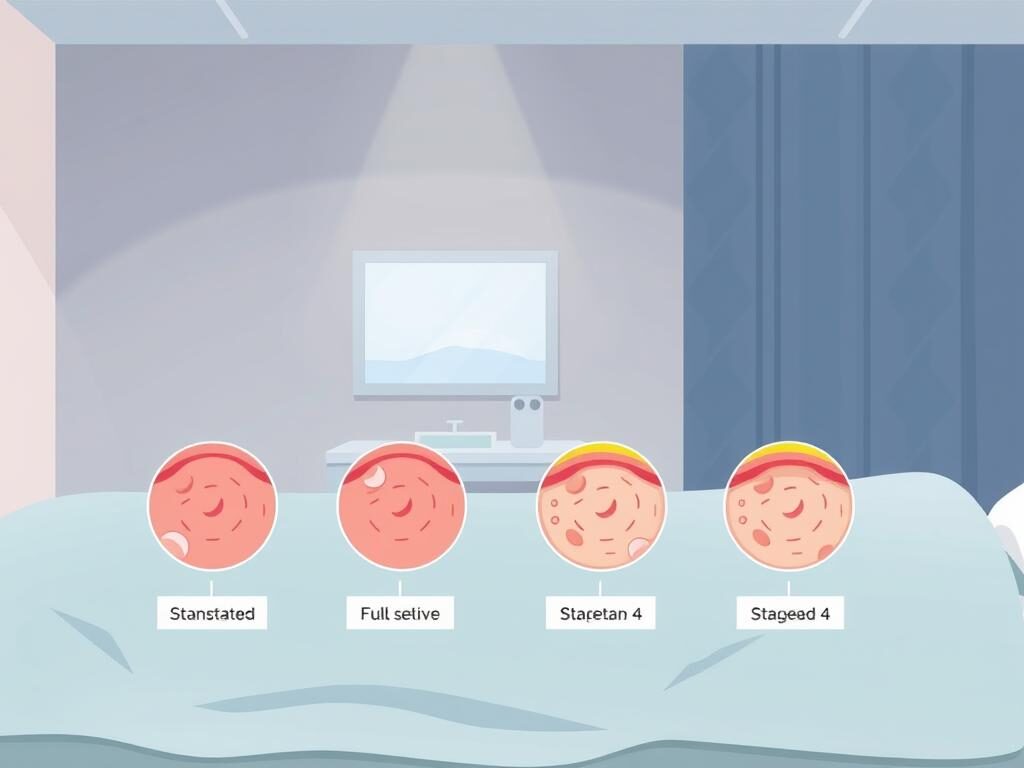
Stage 1–4 pressure sore care is very important. The injury can get worse, from a small red spot in Stage 1 to a lot of tissue loss in Stage 4.
Causes and Risk Factors
Many things can lead to pressure injuries. These include not moving much, not eating well, and some health problems. Older people and those with long-term illnesses are more at risk.
- Prolonged pressure on the skin
- Shear forces from sliding down or being dragged across surfaces
- Friction from rubbing against surfaces
- Moisture that can soften the skin
Signs and Symptoms to Look For
Finding these injuries early is key to stopping infections and treating them. Look for:
- Unusual changes in skin color or texture
- Pain or tenderness in a specific area
- Swelling or warmth on the skin
- Open wounds or blisters
Spotting these signs early can really help in treating the injury.
Importance of Early Intervention
Acting quickly on pressure injuries can greatly improve outcomes and lower the risk of serious problems. Early action helps wounds heal faster and reduces the risk of infection.
Why Prompt Care is Crucial
Early care for pressure injuries is key because it allows for timely management. This is essential in stopping the injury from getting worse. Quick action helps avoid complications and speeds up recovery.
Benefits of Early Intervention:
- Reduces the risk of infection
- Promotes faster wound healing
- Minimizes the development of further complications
Potential Complications
Pressure injuries left untreated can cause serious problems. Knowing these risks shows why early care is so important.
| Complication | Description | Impact |
|---|---|---|
| Infection | Bacterial infection of the wound | Delayed healing, increased risk of sepsis |
| Necrosis | Death of tissue due to lack of blood supply | Increased wound size, possible further complications |
| Osteomyelitis | Infection of the bone | Chronic pain, bone damage, possible amputation |
Understanding the risks and the need for early action helps manage pressure injuries well. This includes proper wound care and seeking professional help when needed.
Home Treatment Options for Pressure Injuries
Treating pressure injuries at home is possible with the right care. You are key in managing and healing these injuries. This includes effective wound care and pain management.
Cleaning the Wound
Proper wound cleaning is key for infection prevention and healing. Use a saline solution to clean the wound. This removes debris and bacteria.
Be gentle when cleaning to avoid skin damage. Pat the area dry with a clean towel after cleaning.
Dressing Selection
Choosing the right dressing is vital for stage 1–4 pressure sore care. There are many dressings, like foam, hydrocolloid, and alginate.
- Foam dressings absorb well and are good for draining wounds.
- Hydrocolloid dressings keep the wound moist, aiding healing.
- Alginate dressings absorb a lot and are best for heavy drainage.
Pain Management Techniques
Managing pain is important for your comfort. It lets you stick to the treatment plan. Use over-the-counter pain relievers, topical creams, or relaxation techniques.
Consult your healthcare provider before starting any new pain management. Make sure it’s safe for you.
The Role of Nutrition in Wound Healing
Your diet plays a big role in how fast wounds heal. Eating well is key to getting better. Good food helps your body fix wounds and fight off infections.
Importance of Protein
Protein is vital for fixing wounds. It helps build new tissue. More protein in your diet means faster healing. Eat foods like lean meats, fish, eggs, and dairy to help your wounds.
Vitamins and Minerals Essential for Healing
Some vitamins and minerals are also key for healing. Vitamin C is great for making collagen and is in fruits and greens. Zinc boosts your immune system and is in meat, shellfish, and nuts. Getting enough of these can help your wounds heal better and faster.
Eating a variety of whole foods is best for healing. Don’t forget to drink lots of water too. A healthy diet helps your body heal naturally and improves your recovery.
When to Seek Professional Help
If you have a pressure injury, knowing when to get professional help is key. Some injuries can be treated at home, but others need expert care. This is to treat the injury well and avoid more problems.
Signs That Indicate Professional Care is Needed
Some signs show you need professional help for your pressure injury. These include:
- Increased redness around the wound, which might mean infection or irritation.
- Swelling or pain that gets worse, showing infection or more damage.
- Pus or discharge, clear signs of infection needing quick medical help.
- A worsening wound or one not healing right, meaning you need a new treatment plan.
Spotting these signs early can really help your treatment. Infection prevention is key in managing pressure injuries. Professional care can stop infections and help wounds heal.
The Benefits of Professional Wound Care
Professional wound care has many benefits for those with pressure injuries. These include:
- Expert assessment and diagnosis to figure out the injury’s stage and severity, guiding the right treatment.
- Personalized treatment plans made just for you, making care more effective.
- Advanced wound care techniques and products not available at home, helping wounds heal faster and reducing risks.
Getting professional help when needed ensures your pressure injury gets the right care. This reduces the chance of more problems and helps you heal faster. For top-notch care, consider Dominion Mobile Wound Care. They offer expert help in managing and healing pressure injuries.
How Dominion Mobile Wound Care Can Assist You
Trust Dominion Mobile Wound Care for top-notch care at home. Their team is committed to giving you the best treatment. They make sure you get the care you need to heal right.
Overview of Services Offered
Dominion Mobile Wound Care offers a wide range of services for your wound care needs. They handle pressure injury care and wound dressing with expertise. Their team will create a care plan just for you. Services include:
- Professional wound assessment and diagnosis
- Customized wound care treatment plans
- Expert wound dressing and management
- Ongoing support and education for you and your caregivers
Benefits of In-Home Care Solutions
Getting care at home has many benefits, like avoiding travel stress. Dominion Mobile Wound Care’s in-home care lets you:
- Avoid the stress and inconvenience of traveling to a healthcare facility
- Receive personalized care in a familiar and comfortable environment
- Have your caregivers or family members involved in your care plan, ensuring everyone is on the same page
Choosing Dominion Mobile Wound Care means you’re choosing comfort and care for your healing and well-being.
Preventing Pressure Injuries at Home
Understanding how to position and care for your skin is key to avoiding pressure injuries at home. By using these methods, you can lower your risk of getting pressure injuries.
Positioning Techniques
Proper positioning is essential to prevent pressure injuries. It means changing your position often to avoid constant pressure on one spot. Here are some tips:
- Shift your weight every 15 minutes if sitting, or every 2 hours if in bed.
- Use pillows to support your body and keep a comfortable position.
- Avoid slouching or sliding down in your chair or bed, as this can cause friction and pressure.
Key Positioning Tips:
- Keep your heels off the bed by placing a pillow under your legs.
- Use a pressure-redistributing mattress or cushion if a healthcare professional recommends it.
Techniques for Skin Care
Good skin care is also vital in preventing pressure injuries. This includes keeping your skin clean and dry, checking it often for damage, and moisturizing it to keep it healthy.
- Gently clean your skin with mild soap and water.
- Dry your skin thoroughly, paying extra attention to areas prone to moisture.
- Inspect your skin daily for any changes, such as redness or breaks.
Remember, catching skin changes early can help prevent more serious pressure injuries.
Special Considerations for Seniors
Older adults face unique challenges in preventing and treating pressure injuries. Their skin changes with age, making them more prone to these injuries. It’s important to understand these changes to provide effective care.
Unique Challenges Faced by Older Adults
Seniors are at a higher risk for pressure injuries. This is due to age-related changes and health conditions. Key challenges include:
- Reduced mobility and decreased ability to change positions
- Poor nutrition and hydration
- Chronic health conditions, such as diabetes and vascular disease
- Medications that can affect skin integrity and wound healing
These factors make preventing and treating pressure injuries more complex. A detailed care strategy is essential. For more information, visit this resource.
Tailored Approaches for Senior Care
Effective care for seniors with pressure injuries requires a multi-faceted approach. Key strategies include:
- Regular skin assessments to identify early signs of pressure injuries
- Proper wound dressing techniques to promote healing
- Nutritional support to ensure adequate protein, vitamins, and minerals for wound healing
- Positioning techniques to reduce pressure on vulnerable areas
By using these tailored approaches, caregivers can improve outcomes for seniors. It’s also vital to consider pressure injury care in overall health management.
Caregivers should work closely with healthcare professionals. Together, they can develop a personalized care plan. This collaborative approach helps prevent complications and promotes healing.
Managing Pressure Injuries for Diabetics
If you have diabetes, you’re more likely to get pressure injuries. These can really hurt your quality of life. Diabetes makes it hard for wounds to heal because of nerve damage and poor blood flow. So, it’s key to know the risks and take steps to prevent and manage these injuries.
Specific Risks for Diabetic Patients
Diabetics face higher risks for pressure injuries for several reasons:
- Neuropathy: Nerve damage can make it tough to feel pressure injuries early.
- Poor Circulation: Not enough blood flow slows down healing and raises infection risk.
- Impaired Immune Response: Diabetes weakens your immune system, making it harder to fight off infections.
These issues mean diabetics must be extra careful about preventing and managing pressure injuries.
Specialized Care Tips
Here are some tips for managing pressure injuries:
- Regular Foot Exams: Check your feet every day to spot problems early.
- Proper Wound Care: Keep the wound clean, dress it right, and watch for infection signs.
- Offloading: Use support surfaces and move around to lessen pressure on sore spots.
Managing pressure injuries as a diabetic needs a full plan. This includes preventing infections and caring for stage 1–4 pressure sores. Knowing your risks and following these tips can help you heal better and avoid serious problems.
By being proactive and getting help when needed, you can handle pressure injuries well. This helps keep your health in check.
Why Choose Dominion Mobile Wound Care?
When it comes to pressure injury care, you need a team you can trust. Dominion Mobile Wound Care is known for its top-notch, in-home care. Their team of experts, including nurses and healthcare professionals, is dedicated to helping you heal.
Expertise You Can Rely On
The care team at Dominion Mobile Wound Care has a lot of experience in wound care. They know the right techniques for wound dressing. By choosing their services, you can be sure you’re getting the best care for your pressure injuries.
Dominion Mobile Wound Care offers a personalized approach. Each patient gets a treatment plan that fits their needs. Hiring their services is the first step towards healing and getting your health back.
FAQ
What are the stages of pressure injuries?
Pressure injuries have four stages. Stage 1 shows non-blanchable erythema. Stage 4 has full-thickness skin and tissue loss, exposing bone, tendon, or muscle.
How can I clean a pressure injury at home?
Clean a pressure injury by gently irrigating with saline solution. Then, pat it dry with a clean gauze. Avoid harsh soap, hydrogen peroxide, or other cleansers that can harm tissue.
What type of dressing is best for pressure injuries?
The best dressing for a pressure injury varies by stage and wound type. A moist environment, like a hydrocolloid or foam dressing, is often recommended for healing.
How can nutrition impact wound healing?
Good nutrition is key for wound healing. Eating enough protein, vitamins (like Vitamin C), and minerals (such as zinc) supports healing. A balanced diet rich in essential nutrients helps wounds recover well.
When should I seek professional help for a pressure injury?
Seek professional help if you see signs of infection, like increased redness, swelling, or purulent discharge. Also, if the wound isn’t healing as expected, or if you have a Stage 3 or 4 injury, get help.
How can I prevent pressure injuries at home?
Prevent pressure injuries by regularly changing positions to avoid pressure on vulnerable areas. Keep your skin clean and use support surfaces like cushions or mattresses. Managing health conditions and staying active also helps prevent pressure injuries.
Are there specific considerations for seniors with pressure injuries?
Yes, seniors face unique challenges with pressure injuries due to decreased mobility, comorbidities, and skin changes with age. Tailored care, like regular turning and positioning, is essential for seniors.
How do diabetes and pressure injuries intersect?
Diabetic patients are at higher risk for pressure injuries due to neuropathy, poor circulation, and impaired wound healing. Managing blood sugar, good foot care, and being aware of risks can help prevent pressure injuries.
What are the benefits of in-home wound care?
In-home wound care offers treatment in your own home, reducing hospital infection risks. It provides a personalized care experience. Dominion Mobile Wound Care offers expert in-home services.
How can Dominion Mobile Wound Care assist with pressure injury treatment?
Dominion Mobile Wound Care provides expert care, including assessment, treatment, and education, at home. They help create a personalized care plan for optimal wound healing and offer ongoing support.
Add a Comment