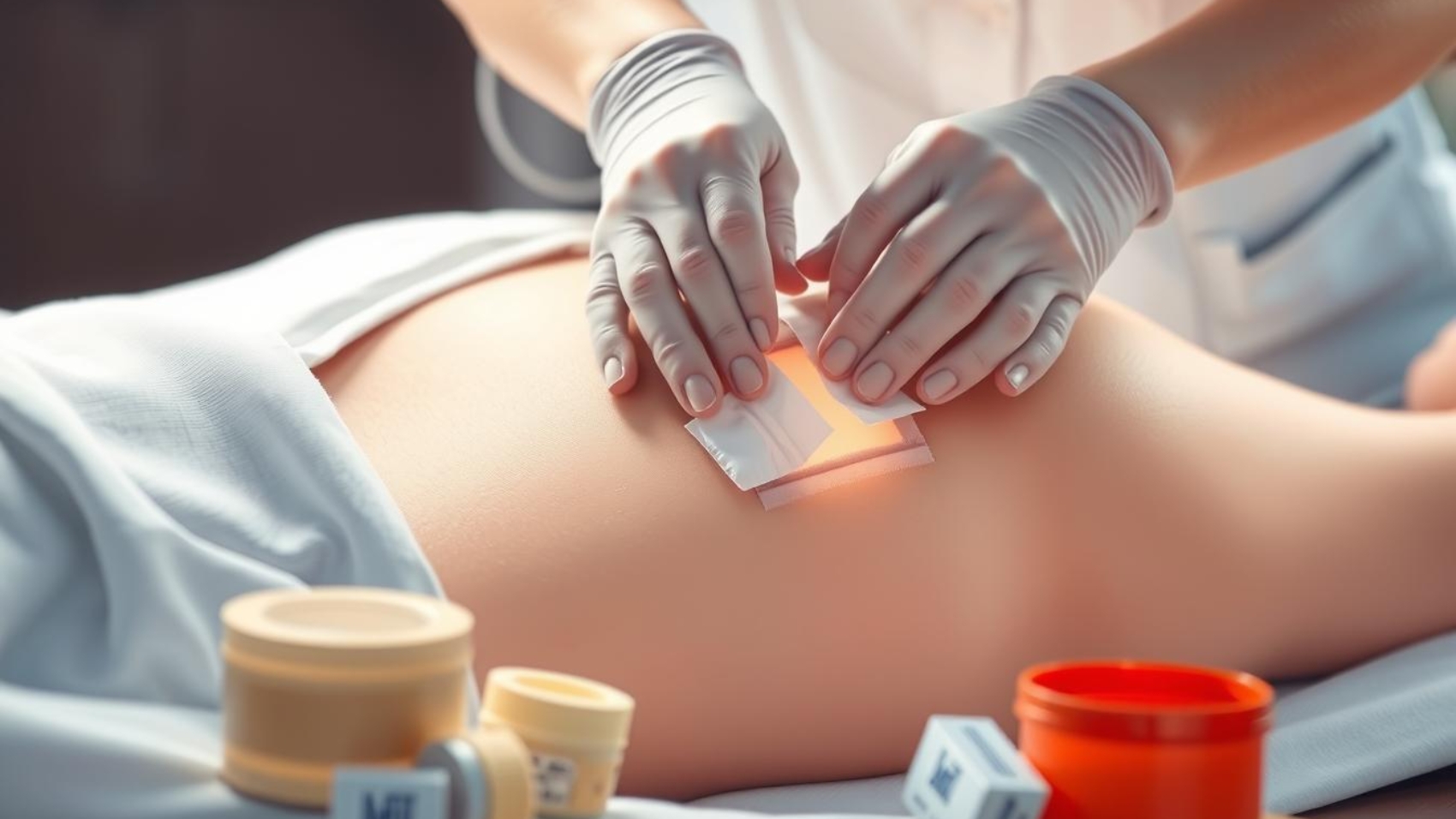
Leg ulcer care

Treating Leg Ulcers at Home: What Works and What Does Not

Are you or a loved one facing the challenges of leg ulcers? It’s important to know how to care for wounds properly. Understanding the different treatments is key. Proper care can prevent more problems and make life better.

Dealing with leg ulcers at home needs a full plan. This includes compression therapy and swelling control. Knowing what helps and what doesn’t is important. This way, you avoid making things worse.

At Dominion Mobile Wound Care, our team is here to help. We offer personalized care to heal your wounds. Learning about the best leg ulcer care is a big step towards getting better.

Key Takeaways

  • Proper wound care is essential for healing leg ulcers.
  • Compression therapy is a key part of treating venous leg ulcers.
  • Effective swelling control helps in healing.
  • Not all home remedies work; some can slow healing.
  • Getting help from experts like Dominion Mobile Wound Care can greatly improve your chances of healing.

Understanding Leg Ulcers: Types and Causes

It’s important to know about the different types of leg ulcers to treat them well. Leg ulcers are open sores on the legs, often caused by health issues. These issues can be poor circulation, diabetes, or other problems that slow healing.

Leg ulcers fall into several categories based on their causes and how they look. The main types are venous leg ulcers, arterial ulcers, and diabetic ulcers. Each needs a special treatment plan.

Venous Leg Ulcers: The Most Common Type

Venous leg ulcers are the most common, making up most leg ulcer cases. They happen because of poor circulation and when veins can’t send blood back to the heart. This causes pressure, fluid leaks, and ulcers form.

Arterial Ulcers and Their Distinct Characteristics

Arterial ulcers are caused by less blood flow to the area. They often come from narrowed or blocked arteries, known as PAD. Arterial ulcers are painful and usually found on the lower legs or feet, like on toes or pressure spots.

Diabetic Ulcers: A Growing Concern

Diabetic ulcers are linked to diabetes, caused by nerve damage and poor blood flow. They often appear on the feet and are hard to heal because of diabetes. People with diabetes are more likely to get foot ulcers, so taking care of their feet is key.

Type of Ulcer Cause Common Location
Venous Leg Ulcer Poor circulation, venous insufficiency Lower legs, near the ankles
Arterial Ulcer Reduced blood flow, PAD Lower legs, feet, toes
Diabetic Ulcer Diabetes, neuropathy, poor circulation Feet, areas of pressure

Knowing the type and cause of your leg ulcer helps in managing and healing it. If you’re dealing with leg ulcers, talking to experts like Dominion Mobile Wound Care can help a lot.

The Current State of Leg Ulcer Care in America

In America, the need for good home treatments for leg ulcers is growing. As more people get older, leg ulcers become a bigger health issue.

Rising Prevalence Among Aging Population

The number of leg ulcers is going up in the US, mainly because older people move less and have more health problems. This is making it harder for healthcare to keep up with the demand for care.

Economic Impact of Chronic Wounds

Chronic wounds, like leg ulcers, cost a lot to treat. It’s estimated that billions of dollars are spent each year. Finding better ways to manage these wounds is key to saving money and helping patients.

Recent Advances in Home Treatment Options

New home treatments for leg ulcers are helping patients get better. Dominion Mobile Wound Care is leading the way with things like compression therapy and special dressings. It’s important to control swelling and take good care of the wound at home.

Essential Supplies for Effective Leg Ulcer Care at Home

Starting leg ulcer care at home means having the right supplies. You need the right materials to help wounds heal and avoid infections.

Wound Cleaning Solutions: What’s Safe and Effective

Choosing the right cleaning solution is key. Saline solutions are often the best choice because they are gentle yet effective.

Saline vs. Antiseptic Solutions

Antiseptic solutions can kill bacteria but might harm tissue. Saline solutions are safer for everyday use.

Products to Avoid on Open Wounds

Stay away from harsh products like hydrogen peroxide or iodine. They can slow down healing.

Dressing Types and Their Specific Applications

Different dressings have different uses. Foam dressings are great for wounds that drain a lot.
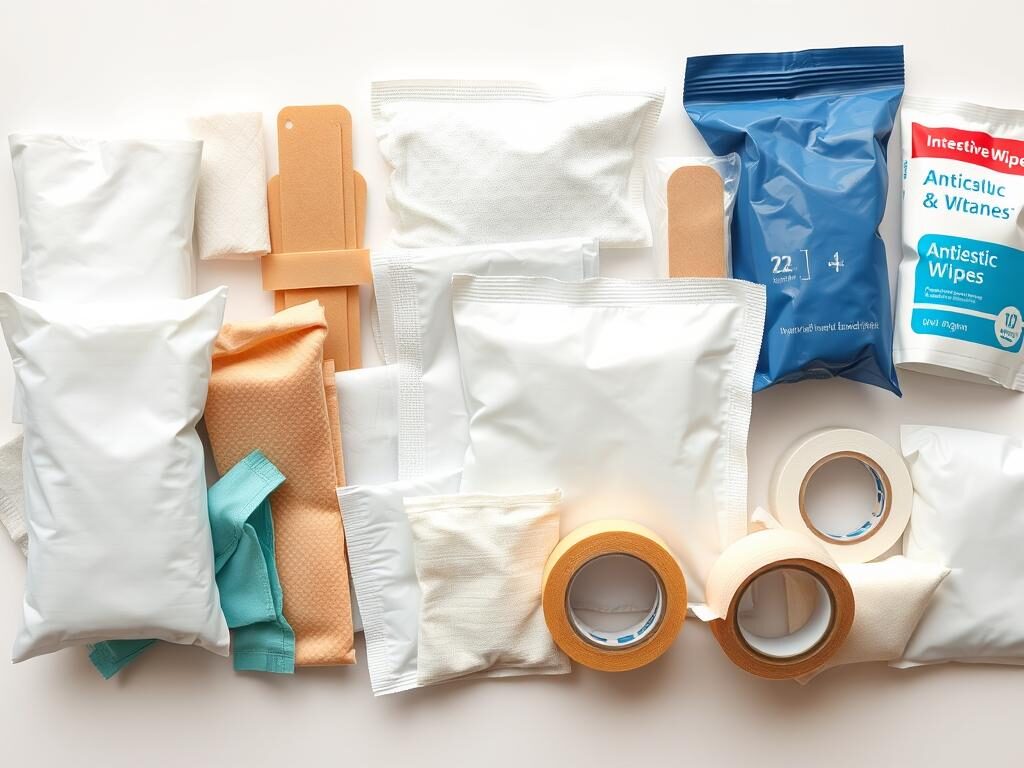
wound dressing types

Tools for Proper Wound Assessment

Getting a wound’s size and depth right is important. Use a wound measuring guide for this.

For the best leg ulcer care, talk to experts like Dominion Mobile Wound Care. They can help you pick the right supplies and methods for your needs.

Proven Effective Home Treatments for Leg Ulcers

Leg ulcer care at home includes several important steps. These include using evidence-based cleaning methods and choosing the right dressings. By doing these, you can help your leg ulcers heal and manage them well.

Evidence-Based Cleaning Protocols

Cleaning your leg ulcer right is key for healing. Use saline solution or sterile water to clean it. These are gentle and remove debris well. Don’t use harsh products like hydrogen peroxide or iodine, as they can harm tissue and slow healing.

  • Clean the wound gently with saline solution or sterile water.
  • Use a clean gauze or swab to remove debris.
  • Pat the area dry with a clean towel.

Appropriate Dressing Selection and Application

Picking the right dressing for your leg ulcer is very important. It helps keep the wound moist, which aids in healing. Think about these things when picking a dressing:

Moisture-Balanced Wound Healing

A moist environment is key for wound healing. Dressings that keep this balance help repair tissue and lower infection risk.

Frequency of Dressing Changes

Change your dressing as often as your healthcare provider says, usually daily or every other day. You might need to change it more often if it gets dirty or wet.

Proper Wound Documentation Techniques

Keeping accurate records of your wound’s progress is very important. Note the following each time you change your dressing:

  1. Size and depth of the wound.
  2. Appearance of the wound bed and surrounding tissue.
  3. Any signs of infection or complications.

By following these evidence-based treatment steps, you can manage your leg ulcers at home well. For more complex or lasting wounds, getting help from experts like those at Dominion Mobile Wound Care is a good idea.

The Critical Role of Compression in Leg Ulcer Healing

Compression therapy is key in healing leg ulcers. It improves blood flow and reduces swelling. This creates a great environment for wounds to heal.

Using compression therapy has many benefits, including:

  • Enhanced blood circulation
  • Reduced edema
  • Promotion of wound healing

Types of Compression Systems

There are many compression systems for use at home, such as:

  • Compression bandages: These are often used for treating venous leg ulcers.
  • Compression stockings: Available in different compression levels, these are suitable for long-term management.
  • Adjustable compression wraps: These offer flexibility and can be adjusted as needed.

Proper Application Techniques

To get the most from compression therapy, applying it correctly is important. Here are some tips:

  1. Ensure the compression is graduated, with the highest pressure at the ankle.
  2. Follow the manufacturer’s instructions for application.
  3. Monitor your skin for any signs of irritation or pressure damage.

When Compression Should Not Be Used

While compression therapy is helpful for many, there are times when it should be avoided or used with caution:

  • Arterial ulcers: Compression can worsen arterial ulcers; a thorough assessment is necessary before use.
  • Severe peripheral artery disease: Compression may impede blood flow further.
  • Active infection: Compression should not be used over infected areas without proper medical guidance.

If you’re dealing with leg ulcers, understanding compression therapy’s role is important. It can greatly impact your healing journey. For personalized guidance and care, consider reaching out to professionals like those at Dominion Mobile Wound Care. They can provide expert advice tailored to your specific needs.

Addressing Circulation Issues to Promote Healing

Fixing circulation problems is key to healing leg ulcers. Good blood flow brings oxygen and nutrients to the wound. This helps it heal faster. Here are ways to boost circulation and aid in leg ulcer recovery.

Safe Exercise Routines for Improved Blood Flow

Doing gentle exercises can help your blood flow better. Try ankle rotations, toe wiggles, and short walks. Always talk to your doctor before starting any new exercise.

Positioning Strategies to Enhance Circulation

How you sit or lie down affects your blood flow. Elevating your legs can reduce swelling and boost blood flow. Try elevating them for 15-20 minutes, three to four times a day.

Dietary Factors That Impact Vascular Health

Eating right can help your blood vessels and improve circulation. Some foods and supplements can really help with blood flow.

Foods That Improve Circulation

Foods like salmon and walnuts, rich in omega-3s, can help blood flow. Leafy greens and citrus fruits are also good for circulation.

Nutritional Supplements Worth Considering

Supplements like vitamin C, vitamin E, and omega-3s might help circulation. But, always check with your doctor before adding new supplements.

Nutritional Supplement Potential Benefits
Vitamin C Improves blood vessel function
Omega-3 Fatty Acids Reduces inflammation, improves blood flow
Vitamin E Antioxidant properties, supports vascular health

By following these tips, you can improve blood flow and help your leg ulcers heal. For more help with wound care, contact Dominion Mobile Wound Care.

Effective Swelling Control Measures for Leg Ulcer Patients

Managing swelling is key to healing leg ulcers. You can try several home strategies to control swelling and aid in healing.

Elevation Techniques That Actually Work

Elevating your legs is a simple yet effective way to reduce swelling. Elevate your legs above your heart to improve circulation. Try to elevate your legs for at least 15-20 minutes, three to four times a day.

Lymphedema Management at Home

Lymphedema management involves several techniques to reduce swelling and promote lymphatic flow. Use compression garments, perform gentle exercises, and practice good skin care to manage lymphedema effectively.

Monitoring for Signs of Worsening Edema

It’s essential to monitor your swelling regularly to catch any signs of worsening edema early. Look out for increased swelling, pain, or redness in your legs. Seek medical attention if you notice any of these symptoms.

Swelling Control Method Description Benefits
Leg Elevation Elevate legs above heart level Reduces swelling, improves circulation
Compression Garments Wear compression stockings or sleeves Reduces swelling, promotes lymphatic flow
Exercise Perform gentle exercises Improves circulation, reduces stiffness

If you’re struggling to manage swelling or if your leg ulcers are not healing, consider seeking professional help. A specialized wound care team like Dominion Mobile Wound Care can provide personalized guidance and treatment to support your healing journey.

Professional Leg Ulcer Care: When and Why It’s Necessary

Managing a leg ulcer at home can be tough. Sometimes, you need professional help. Home care works well, but it has its limits. Expert wound care is key for healing and avoiding problems.

Limitations of Home Care Approaches

Home care for leg ulcers is hard because of wound management’s complexity. Without the right training, it’s hard to check the wound, pick the best dressing, and use compression right. Conditions like poor blood flow or diabetes can make healing harder, needing more than basic care.

Aspect of Care Home Care Limitations Professional Care Advantages
Wound Assessment Limited knowledge of wound stages and characteristics Expertise in wound assessment and staging
Dressing Selection Difficulty choosing the appropriate dressing type Knowledge of various dressing types and their applications
Compression Therapy Risk of improper application Proper training in compression techniques

The Value of Specialized Wound Care Expertise

Wound care experts are trained to handle tough wounds. They create care plans tailored to you, watch how your wound heals, and change treatments if needed. Their skills are critical in dealing with complications and improving your leg ulcer’s healing.

How Dominion Mobile Wound Care Bridges the Gap

Dominion Mobile Wound Care brings expert care to your home. This makes getting the care you need easier, without the trouble of going to a clinic. Their team can handle complex cases, giving you full care, including wound checks, dressing, and compression, plus teaching you how to care for your wound at home.

If your leg ulcer isn’t getting better with home care, think about contacting Dominion Mobile Wound Care. Their specialized services can greatly help your healing journey.

Common Home Remedies: Separating Fact from Fiction

There are many home remedies for leg ulcers, but it’s hard to know which ones work. People often try these remedies to help their condition. But, it’s important to know what really helps and what doesn’t.

Honey, Silver, and Other Topical Treatments: The Evidence

Some treatments are popular for helping wounds heal. Medical-grade honey and silver dressings are two of the most used.

Medical-Grade Honey vs. Regular Honey

Medical-grade honey is good for wounds because it fights bacteria. It’s different from regular honey because it’s safe for wounds.

Silver Dressings: Benefits and Limitations

Silver dressings help because they fight off infections. But, how well they work depends on the silver type and the wound.
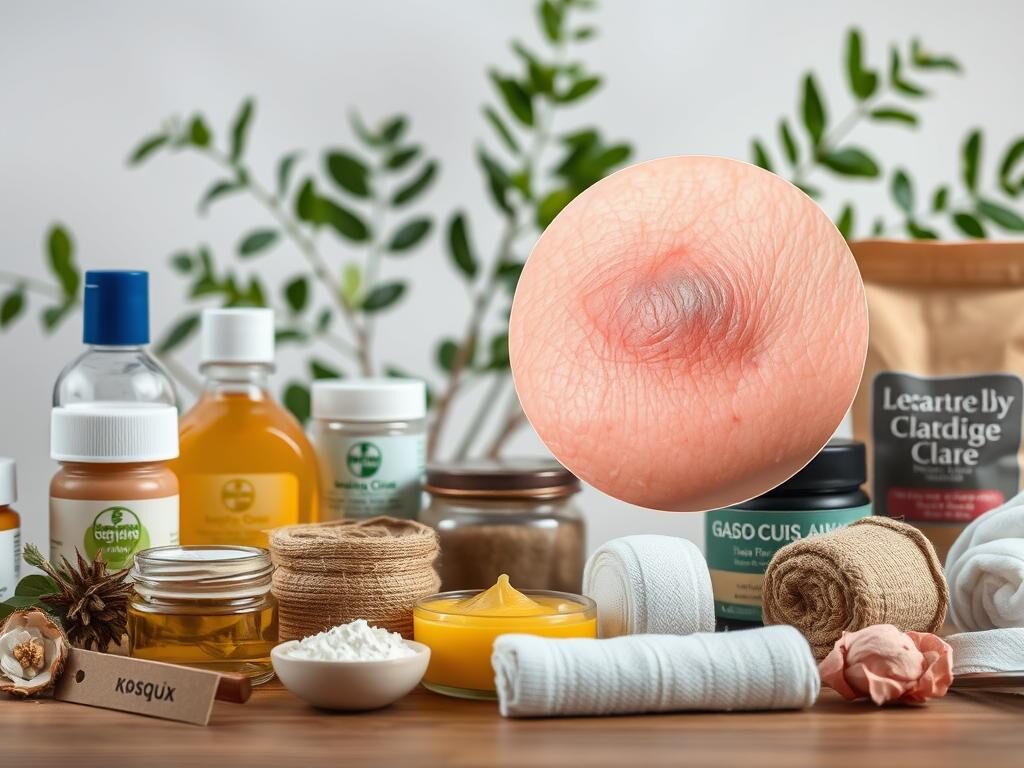
leg ulcer treatments

Treatment Benefits Limitations
Medical-Grade Honey Antibacterial properties, promotes wound healing May not be suitable for all wound types, requires proper processing
Silver Dressings Antimicrobial properties, reduces infection risk Effectiveness varies with silver type and wound condition

Dangerous Folk Remedies to Avoid

Some home remedies are safe, but others can harm your wound. It’s key to stay away from untested or risky treatments.

When Natural Approaches Can Complement Medical Treatment

Natural remedies can help when used right and with a doctor’s okay. Always talk to a healthcare expert before trying new remedies.

If you’re dealing with leg ulcers, Dominion Mobile Wound Care can help. They offer expert advice and treatment plans to aid in healing.

Warning Signs That Require Professional Intervention

When you take care of your leg ulcer at home, watch out for warning signs. These signs can stop serious problems before they start. Some leg ulcers need a doctor’s help to get better.

Infection Indicators That Shouldn’t Be Ignored

Infection is a big problem with leg ulcers. Look for increased redness, swelling, warmth, or pus around the ulcer. A bad smell or more pain means you might have an infection. If you see these signs, get medical help fast.

Changes in Wound Appearance That Signal Problems

Keep an eye on your ulcer for any changes. Look for increased size, deeper tissue involvement, or exposure of underlying tissues like tendons or bone. If the wound looks different, see a doctor right away.

Systemic Symptoms Requiring Immediate Attention

Some symptoms mean the infection or problem is affecting your whole body. Watch for fever, chills, or unexplained fatigue. If you have these, get medical help right away. At Dominion Mobile Wound Care, we’re ready to help. If you see these signs, call us for help.

Conclusion: Taking Control of Your Leg Ulcer Healing Journey

Understanding leg ulcer care can help you manage your healing journey. Effective care at home includes cleaning the wound, choosing the right dressing, and using compression therapy.

Being proactive in your care is key. This means watching your wound’s progress, controlling swelling, and keeping blood flowing well. With the right knowledge and support, you can heal better.

If managing your leg ulcers is tough, or if you need expert advice, Dominion Mobile Wound Care can help. Their team offers personalized care and support to aid in your healing and improve your health.

FAQ

What are the most common types of leg ulcers?

Leg ulcers can be venous, arterial, or diabetic. Knowing the type is key to treating them right.

How can I manage swelling associated with leg ulcers?

Use elevation and manage lymphedema to control swelling. Watch for signs of edema getting worse. Controlling swelling helps wounds heal.

What is the role of compression in leg ulcer healing?

Compression improves blood flow and reduces swelling. Home use systems are available. Proper application is vital for best results.

Can I treat my leg ulcer at home, or do I need professional care?

Home care works for some ulcers, but professional help is often needed. Dominion Mobile Wound Care offers specialized care.

What are some effective home treatments for leg ulcers?

Clean wounds properly, choose the right dressings, and document care. Moisture-balanced healing and regular dressing changes are key.

Are there any home remedies that can help heal leg ulcers?

Honey and silver dressings may help. But, be careful of false claims. Always check with a doctor before trying new remedies.

How can I improve circulation to promote healing?

Safe exercises, positioning, and healthy diet can boost circulation. Good blood flow is vital for healing leg ulcers.

What are the warning signs that require professional intervention?

Look out for infection signs, changes in wound, and systemic symptoms. Seek medical help if you notice these.

What supplies do I need for effective leg ulcer care at home?

You’ll need cleaning solutions, dressings, and tools for assessment. The right supplies are essential for managing ulcers at home.


Surgical wound healing

How to Speed Up Surgical Wound Healing with Professional Home Care

Recovering from surgery can be tough, mainly when it comes to tissue repair and surgical wound healing. Getting professional home care can really help your healing process.

Professional home care gives you the support and guidance you need for a smooth recovery. With the right care, you can lower the chance of problems and help your tissue repair get better.

Choosing professional home care means you get personal attention and expert advice. This can help you heal faster and lower the risk of complications.

Key Takeaways

  • Professional home care can significantly impact your recovery from surgery.
  • Receiving care at home can reduce the risk of complications.
  • Personalized attention and expert guidance can promote optimal tissue repair.
  • Dominion Mobile Wound Care offers expert professional home care services.
  • Trusting a professional service can lead to faster healing times and improved overall health.

The Critical Role of Specialized Wound Care After Surgery

Getting the right wound care after surgery is key to avoiding problems and quick healing. Specialized care means you get a plan made just for you. This plan helps a lot with your incision recovery.

Why the First 72 Hours Matter Most

The first 72 hours after surgery are very important. This is when the chance of problems like infections is highest. Getting expert wound care during these days can greatly lower the risk of issues. It helps your body heal well.

Recent Statistics on Post-Surgical Complications

Even with great care, complications can happen after surgery. But, the numbers show that with good wound care, these can be much lower.

Infection Rates in Home vs. Hospital Settings

Research shows that infection rates differ between home and hospital care. With the right care, home recovery can be as good as or even better than hospital care. This is because home care often includes more personal attention and surgeon follow-up.

Infections don’t heal by themselves and can slow down healing. So, getting the right care is very important. It helps avoid these problems and speeds up your recovery.

Surgical Wound Healing: The Science Behind Tissue Repair

Understanding tissue repair is key for good surgical wound healing. The healing process is complex, with many steps. It involves cells and molecules working together.

The Four Biological Phases of Healing

The healing process has four main phases: inflammatory, proliferative, maturation, and remodeling.

Inflammatory Phase

The inflammatory phase starts with injury. It includes bleeding, inflammation, and immune cell activation. This phase cleans the wound for healing.

Proliferative Phase

In the proliferative phase, the body rebuilds tissue. It forms granulation tissue and adds collagen. New blood vessels appear, and the wound starts to close.

Maturation Phase

The maturation phase refines the tissue. It makes the new tissue like the original. This phase is about improving tissue structure and function.

How Different Surgical Techniques Affect Recovery Time

Different surgeries affect recovery times differently. Minimally invasive surgeries heal faster than open surgeries. The choice of surgery impacts trauma, bleeding, and inflammation. These factors influence healing.

Breaking News: Latest Advances in Wound Care Technology

The field of wound care is changing fast with new technologies. These new tools are making healing better and making patients happier.

FDA-Approved Treatments Released in 2023

In 2023, the FDA approved new wound care treatments. These include advanced dressings and topical therapies. They help wounds heal faster and prevent problems.

For example, bioactive dressings help wounds grow back faster. This means patients can get better quicker.

Smart Dressings That Monitor Healing Progress

Smart dressings are a big deal in wound care. They have sensors that track how a wound is healing. This gives doctors the info they need to help patients better.

These smart dressings are changing home care for the better. Patients can get top-notch care at home. This makes patients happier and saves money on healthcare costs.

As technology keeps getting better, we’ll see even more cool stuff. This will make healing from surgery even better for everyone.

Risk Factors That May Be Slowing Your Recovery

Knowing what affects your recovery is key. Some medical conditions and daily habits can speed up or slow down healing after surgery.

Medical Conditions That Compromise Healing

Some health issues can really slow down your recovery. It’s important to manage these conditions well for the best healing.

Diabetes and Vascular Issues

Diabetes can make it hard for blood to flow to wounds. This is because blood carries oxygen and nutrients needed for healing. Vascular problems can make this even tougher.

Immune System Disorders

If you have an immune system disorder, your body might not fight off infections well. This can slow down healing. It’s vital to work with your doctor to manage your condition while recovering.

Everyday Habits That Hinder Wound Closure

Your daily habits can also affect your recovery. Smoking, for example, can reduce blood flow and oxygen to wounds. A bad diet without important nutrients can also slow down healing.

surgical wound healing risk factors

By understanding and managing these risks, you can create a recovery plan with your healthcare team. This plan can help you heal better and avoid complications.

Why Professional Home Care Is Transforming Surgical Recovery

The way we recover from surgery is changing. Professional home care is leading this change. It offers medical treatment in the comfort of your home, making it a great option for those recovering.

The Shift from Hospital to Home-Based Recovery Models

Before, patients stayed in the hospital for a long time after surgery. But now, with better technology and higher hospital costs, home-based recovery is becoming more common. It’s a more comfortable and affordable way to heal.

Dominion Mobile Wound Care’s Specialized Approach

Dominion Mobile Wound Care is at the forefront of home-based wound care. They focus on giving each patient the care they need, tailored just for them.

Personalized Treatment Protocols

Dominion Mobile Wound Care uses personalized treatment protocols. These plans are made for each patient’s wound. They ensure patients get the best care for their needs.

Advanced Equipment Available for Home Use

They also bring advanced medical equipment to your home. This equipment helps track how wounds are healing and makes timely interventions.

By combining personalized care with advanced equipment, Dominion Mobile Wound Care helps patients recover faster and better. This new approach is changing how we think about recovering from surgery, making it more focused on the patient.

Evidence-Based Nutrition Strategies for Faster Healing

Evidence-based nutrition strategies are key for faster healing and less complications after surgery. A balanced diet with essential nutrients helps the body repair itself. This makes recovery smoother.

The Protein-Collagen Connection in Tissue Repair

Protein intake is linked to collagen synthesis for tissue repair. Enough protein boosts collagen production, which is key for wound healing and strength. Add protein-rich foods like lean meats, fish, eggs, and dairy to your meals.

Micronutrients That Accelerate Incision Recovery

Certain micronutrients help speed up recovery. Zinc is important for enzyme work and protein making. Vitamin C is vital for collagen making and keeping the immune system strong.

Zinc, Vitamin C, and Other Essential Nutrients

Nutrient Role in Healing Food Sources
Zinc Enzyme function, protein synthesis Oysters, beef, chicken
Vitamin C Collagen synthesis, immune function Citrus fruits, berries, leafy greens
Protein Tissue repair, collagen production Lean meats, fish, eggs, dairy

For more detailed nutrition tips to promote faster wound healing at, visit our resource page.

Clinical Guidelines for Wound Cleaning and Management

Knowing the clinical guidelines for wound cleaning is key to your recovery. Proper care is vital to avoid infections and speed up healing. The American College of Surgeons updates its protocols to help healthcare professionals achieve the best results for patients.

Updated Protocols from the American College of Surgeons

The American College of Surgeons updates its guidelines often. They reflect the newest research and best practices in wound care. These updates stress the need for proper wound cleaning and dressing techniques to prevent issues.

Step-by-Step Wound Care Techniques

Effective wound care involves several steps. These steps should be followed carefully. This includes:

  • Proper Cleansing Methods: Using the right cleaning solutions and techniques to avoid damaging tissue.
  • Dressing Selection and Application: Choosing the appropriate dressing for your wound type and applying it correctly.

Proper Cleansing Methods

Cleansing your wound properly is essential. Use saline solution or water to gently clean the wound. Avoid harsh soap or other cleansers that can irritate the wound.

Dressing Selection and Application

Choosing the right dressing depends on your wound’s type and size. Your healthcare provider can help you pick the best one. Apply the dressing as directed to keep your wound moist and protected.

By following these guidelines and working with your healthcare team, you can ensure your wound heals well and fast. Remember, effective wound care is a critical part of your recovery.

Red Flags: When to Contact Your Surgeon Immediately

After surgery, knowing when to get help is key. Your surgeon’s follow-up care is vital for any issues that come up.

Critical Warning Signs of Complications

Knowing the signs of wound problems is important. This way, you can act fast. These signs include:

Infection Indicators

  • Increased redness or swelling around the wound
  • Pus or discharge from the wound
  • A foul odor from the wound
  • Fever or chills

Dehiscence and Other Structural Issues

  • Opening or separation of the wound edges
  • Increased pain or tenderness
  • Bleeding or hematoma

Emergency Response Protocol for Wound Problems

If you notice these symptoms, contact your surgeon right away. Waiting too long can cause big problems. Your quick action can greatly help your recovery.

wound complications

How Specialized Wound Care Professionals Enhance Surgeon Follow-Up

Specialized wound care professionals are key in improving follow-up care after surgery. They make sure your wound heals right, cutting down on complications.

The Complementary Role of Wound Specialists

Wound specialists team up with your surgical team for full care. They offer:

  • Expert assessment of wound healing progress
  • Personalized care plans tailored to your needs
  • Education on wound care and management

Technologies Used for Remote Monitoring and Assessment

Advanced tech lets wound care pros monitor you from afar. They can see how you’re healing and act fast if problems pop up. Some tools they use are:

  • Digital wound imaging
  • Remote patient monitoring systems

Telemedicine Innovations in Wound Care

Telemedicine has changed wound care by making virtual visits possible. This means:

  • Less need for in-person visits
  • More access to care for those far away or with mobility issues
  • Quicker help when needed

With these tools and teamwork with surgeons, wound care pros can greatly improve your healing journey.

Creating a Seamless Care Transition Plan

Seamless care transition is more than just handing over care. It’s a key part of your recovery after surgery. A good care transition plan makes sure you get continuous, top-notch care from the hospital to your home.

Coordinating Between Hospital Discharge and Home Care

It’s important to have good communication between hospital teams and home care providers. They need to know about your treatment, medicines, and any special needs you have.

Documentation Systems That Improve Outcomes

Having accurate and easy-to-access records is key for a smooth transition. These records should include your wound care, medicines, and how you’re doing.

Digital Tracking of Healing Milestones

Digital systems can track your healing progress in real-time. This gives your healthcare team the info they need to make changes to your care plan. It helps you recover as well as possible.

Case Studies: Accelerated Recovery with Dominion Mobile Wound Care

Dominion Mobile Wound Care is changing the game in wound care. They offer specialized care right in your home. This approach has led to accelerated recovery for many patients.

Recent Success Stories from 2023

In 2023, Dominion Mobile Wound Care saw many success stories. Patients healed faster and had fewer complications. One patient, with a tough-to-heal surgical wound, was a standout.

Complex Surgical Case Resolutions

The patient got care from Dominion Mobile Wound Care’s expert team. They used the latest technologies and made a treatment plan just for the patient. Thanks to this, the wound healed much quicker than anyone thought.

Statistical Improvements in Healing Times

Statistics from Dominion Mobile Wound Care show big improvements in healing times. Their method is clearly working.

Comparative Recovery Data

Comparing recovery data, patients under Dominion Mobile Wound Care’s care heal faster.

This data shows the power of specialized wound care. It proves Dominion Mobile Wound Care’s dedication to better patient outcomes.

Conclusion: Taking Action for Optimal Healing

You’ve learned how important professional home care is for healing wounds after surgery. By understanding how our bodies repair tissue and what affects recovery, you can help your healing. This makes the process smoother and faster.

Professional home care boosts healing by providing special wound care and nutrition advice. It also includes timely interventions. With Dominion Mobile Wound Care, you get expert care at home. This reduces complications and helps your wounds heal better.

Don’t let surgical wounds slow you down. Take charge of your recovery by getting professional help. Think about hiring Dominion Mobile Wound Care to help you heal. Their team will create a care plan just for you, ensuring you get the best care for your needs.

FAQ

What are the benefits of receiving wound care at home?

Getting wound care at home can lower the chance of getting infections in the hospital. It makes recovery more comfortable. Plus, you get care that’s tailored just for you.

How do different surgical techniques affect recovery time?

Recovery times vary based on the surgery type. Minimally invasive surgeries usually heal faster. This is because they have smaller cuts and cause less damage.

What are the four biological phases of healing?

The healing process has four main stages: hemostasis, inflammation, proliferation, and remodeling. Knowing these stages helps you understand your recovery better.

What are some risk factors that may slow down my recovery?

Medical conditions like diabetes and habits like smoking can slow healing. Taking care of these can make recovery smoother.

How can nutrition support the recovery process?

Good nutrition, with enough protein and vitamins, is key for healing. Eating well helps your body repair tissues.

What are some signs of complications that require immediate attention from a surgeon?

Watch for signs like more redness, swelling, or discharge. These could mean an infection. If you see these, call your surgeon right away.

How can specialized wound care professionals complement surgeon follow-up care?

Wound care experts offer extra support and watch for problems early. They use new tech for checking on you from afar.

What is involved in creating a seamless care transition plan?

A good care plan means working well from hospital to home care. It uses systems to track progress and gives you the help you need.

How can Dominion Mobile Wound Care support my recovery?

Dominion Mobile Wound Care provides special care at home. They use the latest tools and make a plan just for you.

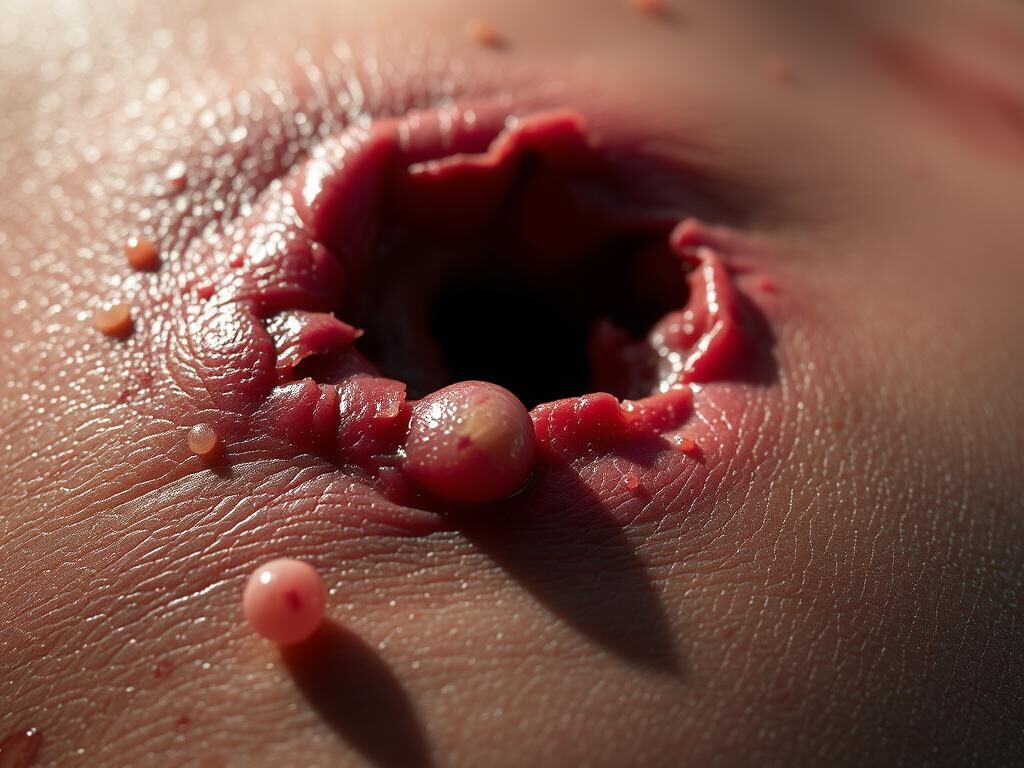
Mobile wound care San Antonio

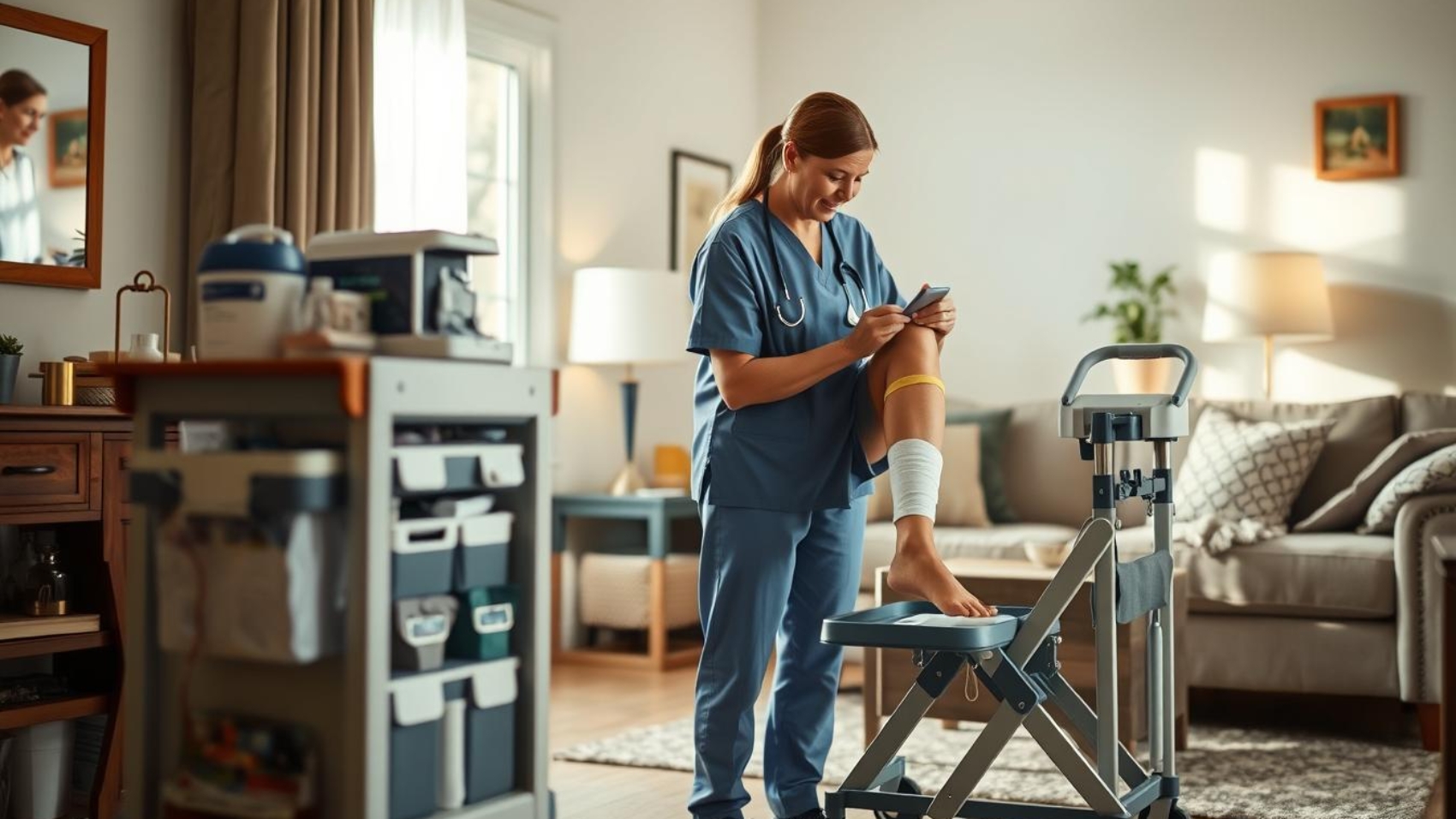
Why Mobile Wound Care Is Transforming Healing in San Antonio

Imagine getting top-notch wound treatment right at home. For many in San Antonio, this dream is now a reality. Thanks to in-home wound care services.

Dominion Mobile Wound Care is leading this change. They bring specialized care right to your door. This not only makes you more comfortable but also speeds up healing.

Choosing in-home care means no trips to the hospital. This cuts down on infection risks and helps you heal faster.

Key Takeaways

  • Expert wound care at your doorstep
  • Faster healing with specialized treatment
  • Reduced risk of infection
  • Enhanced patient comfort
  • Personalized care from Dominion Mobile Wound Care

What is Mobile Wound Care?

For those with chronic wounds, mobile wound care is a great option. It brings expert care right to your home. No more hospital visits or trips to the clinic.

Understanding the Concept

Mobile wound care helps people get the treatment they need without hassle. It uses advanced wound care technologies and skilled mobile nurses in San Antonio. This way, you get top-notch care in your own space.

Benefits of Mobile Services

Choosing mobile wound care has many perks. It saves you time and cuts down on travel stress. Plus, getting chronic wound treatment at home means care that fits your needs perfectly.

Some main benefits are:

  • Personalized care at home
  • Reduced travel stress
  • Access to advanced wound care technologies
  • Flexible scheduling to fit your life

By picking mobile wound care, you’re on the path to healing in a place that feels like home.

The Importance of Timely Wound Care

Timely wound care is very important. It helps wounds heal faster and better. Getting treatment quickly lowers the chance of serious problems.

Consequences of Delayed Treatment

Waiting too long to treat a wound can cause big problems. These include infections, longer healing times, and even life-threatening issues. For example, in-home wound care can stop these problems from getting worse.

Some risks of waiting too long include:

  • Increased risk of infection
  • Prolonged healing times
  • Potential for wound recurrence
  • Development of further health complications

Promoting Faster Healing

Getting wound care on time helps wounds heal quicker. It makes sure the wound is cleaned and cared for right. This improves your recovery and lowers the risk of lasting damage. With mobile wound care San Antonio, you get care at home, making healing easier and less stressful.

Choosing timely wound care brings many benefits, such as:

  • Faster recovery times
  • Reduced risk of complications
  • Improved overall health outcomes
  • Enhanced quality of life during the recovery process

How Dominion Mobile Wound Care Operates

You don’t have to leave your home for quality wound care. Dominion Mobile Wound Care brings care to you. They offer on-site consultations and make treatment plans just for you. This way, you get the care you need in your own space.

On-Site Consultations

Dominion Mobile Wound Care sends expert nurses to San Antonio. A mobile nurse will check your wound, create a treatment plan, and start healing.

Getting care at home is less stressful and more convenient. It’s great for those with chronic wounds or who can’t travel easily.

Service Description Benefits
On-Site Consultations Expert wound care professionals visit patients at home Reduces travel stress, convenient
Tailored Treatment Plans Personalized plans based on individual patient needs Effective chronic wound treatment, promotes healing

Tailored Treatment Plans

Dominion Mobile Wound Care knows everyone’s needs are different. They create tailored treatment plans for each patient. The mobile nurses in San Antonio can handle many types of wounds, giving you the best care.

By focusing on personalized care, Dominion Mobile Wound Care helps wounds heal faster. This reduces the chance of complications and speeds up recovery.

Common Types of Wounds Treated

The team at Dominion Mobile Wound Care offers in-home wound care for many conditions. This includes surgical wounds, diabetic ulcers, and pressure injuries. They provide care that fits your needs, aiming for the best results.

Dominion Mobile Wound Care is skilled in treating various wounds, including those needing chronic wound treatment. Their goal is to help wounds heal, avoid complications, and improve your life quality.

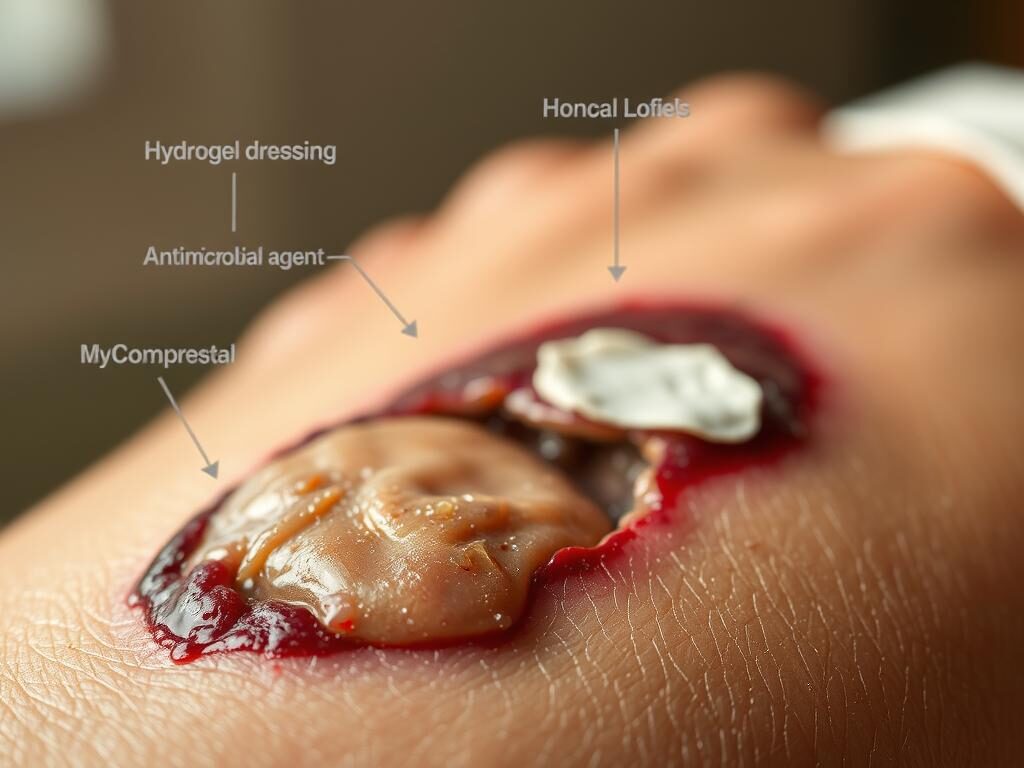
chronic wound treatment

Surgical Wounds

Surgical wounds need careful care to avoid infection and heal well. At Dominion Mobile Wound Care, you get expert care for these wounds. This includes dressing changes and watching for any complications.

Diabetic Ulcers

Diabetic ulcers are a serious issue for people with diabetes. They can lead to severe problems if not managed right. Dominion Mobile Wound Care treats these ulcers with the latest methods to help them heal and prevent more issues.

Pressure Injuries

Pressure injuries, or bed sores, happen in people who can’t move much. Dominion Mobile Wound Care offers detailed care for these injuries. They focus on cleaning the wound, dressing it, and finding ways to reduce pressure.

The Role of Technology in Wound Care

Advanced technology is key in delivering top-notch wound care. It helps mobile wound care in San Antonio offer complete care. This care boosts patient results.

Advanced Healing Products

Modern wound care uses advanced healing products. These products help wounds heal faster and lower infection risks. They also improve care quality. Some examples include:

  • Bioengineered dressings that create a moist healing environment.
  • Negative pressure wound therapy (NPWT) devices that boost blood flow and cut down bacteria.
  • Advanced wound cleansers that safely remove debris without harming tissue.

Benefits of Advanced Healing Products

Product Benefits
Bioengineered Dressings Promotes moist environment, enhances healing
NPWT Devices Improves blood flow, reduces infection risk
Advanced Wound Cleansers Gently removes debris, preserves tissue

Telehealth Innovations

Telehealth is changing wound care delivery. It lets patients get care remotely, saving travel time. This is great for those who can’t easily get to clinics.

Telehealth brings many benefits, such as:

  • Secure video conferencing for remote talks.
  • Mobile apps for tracking wounds and talking to doctors.
  • Remote monitoring devices that watch wound healing and alert doctors to problems.

Impact of Telehealth on Wound Care

Telehealth Feature Impact
Video Conferencing Enhances access to care, reduces travel stress
Mobile Apps Empowers patients, improves wound tracking
Remote Monitoring Early detection of complications, timely intervention

Benefits of Choosing Dominion Mobile Wound Care

Choosing Dominion Mobile Wound Care means getting care right at your door. It makes healing more comfortable and effective.

Personalized Care at Home

One big plus of Dominion Mobile Wound Care is the personalized care you get at home. This care is tailored to your needs, helping you heal faster. Clinicians work with you to create a treatment plan for your specific condition, like a chronic wound or a surgical site.

Getting care at home also means you skip the hassle of going to a healthcare facility. This is great for those who have trouble moving or have chronic conditions.

Reduced Travel Stress

With Dominion Mobile Wound Care, you get care at home, cutting down on travel stress. You don’t have to worry about getting to a clinic or feeling tired from traveling.

This makes your recovery experience better. With care at home, you’re more likely to stick to your treatment plan. This leads to better healing results.

In short, Dominion Mobile Wound Care puts your comfort and healing first. It offers personalized care at home and less travel stress. It’s a top choice for effective wound treatment.

Patient-Centered Approach

Dominion Mobile Wound Care focuses on you. We put your needs and comfort first. Every care plan is made just for you, ensuring the best treatment.

Building Trust with Clients

Trust is key in wound care. Our team of experienced mobile nurses in San Antonio listen to you. They answer your questions and address your concerns.

Comprehensive Care Solutions

We offer a wide range of services to help you heal. From advanced wound dressings to nutritional guidance, we have what you need.

Care Aspect Description Benefits
Personalized Care Plans Tailored to your specific wound needs Enhanced healing process
Experienced Nurses Skilled in wound care and management Effective treatment and reduced complications
Nutritional Guidance Advice on diet to support wound healing Faster recovery and improved overall health

Choosing Dominion Mobile Wound Care means you care about your well-being. We’re here to help you recover fully.

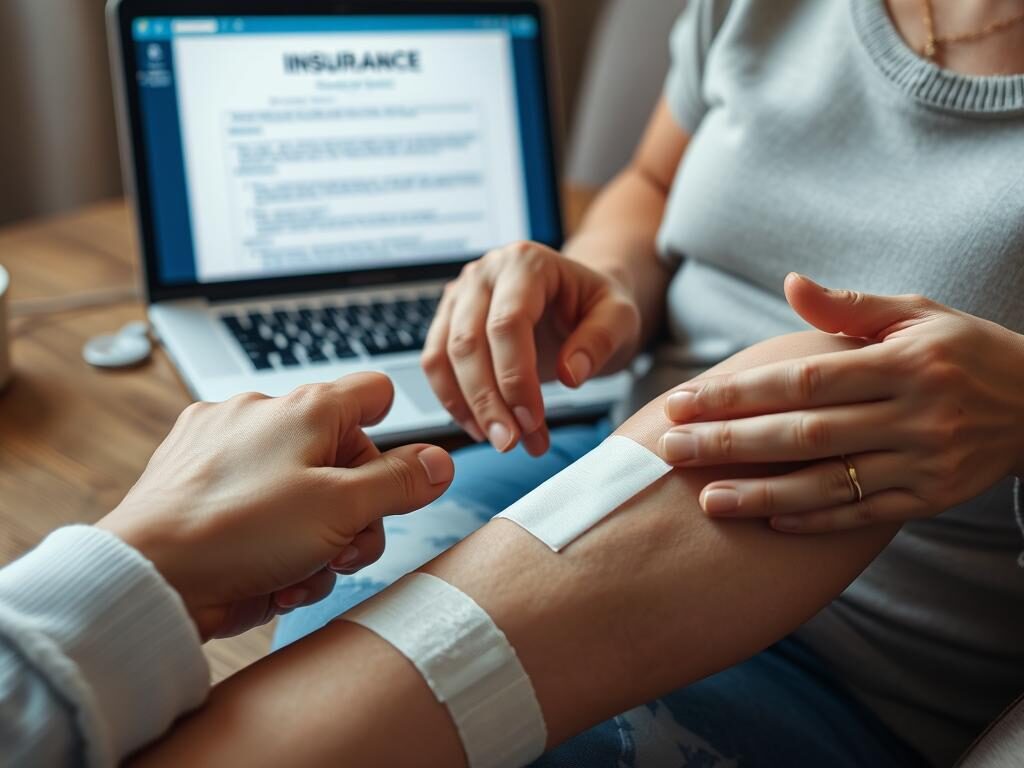
Insurance and Payment Options

Dominion Mobile Wound Care wants to make it easy to get care for chronic wounds. We offer many insurance and payment choices. We know insurance can be hard to understand, so we’re here to help.

Coverage for Mobile Services

Our team works with big insurance companies to make sure our services are covered. This way, you can get top-notch care at home without worrying about costs. We work with:

  • Medicare
  • Medicaid
  • Private Insurance Companies

Affordable Care Solutions

We think everyone should have access to good wound care. To help, we offer:

  1. Flexible Payment Plans: Made to fit your budget.
  2. Financial Assistance: We can help find ways to get financial aid.

Choosing Dominion Mobile Wound Care means you get expert care and affordable options. We’re all about making wound care easy to get and affordable.

in-home wound care insurance coverage

We want to give you the care you need without stressing your wallet. If you have questions about insurance or payment, our team is ready to help.

Real Patient Testimonials

Real patient testimonials show the quality of care at Dominion Mobile Wound Care. Patients talk about how effective the mobile wound care services in San Antonio are.

Stories of Recovery

Many patients have seen great results from Dominion Mobile Wound Care’s care. For example, a patient recovering from surgery praised the mobile nurses San Antonio for their kindness. The patient’s wound healed quickly thanks to the Dominion team’s treatment plan.

Another patient, with a diabetic ulcer, said the mobile wound care services were a game-changer. The nurses’ regular visits helped manage the wound and the patient’s condition.

Positive Experiences in San Antonio

Dominion Mobile Wound Care has gotten many good reviews in San Antonio. People love the convenience of getting wound care at home. It saves them from traveling and reduces stress.

A patient with a pressure injury thanked the Dominion team for their skill and kindness. The patient’s family also appreciated the nurses’ help and education. It made caring for their loved one easier.

The success stories from Dominion Mobile Wound Care show the impact of their mobile wound care San Antonio services. They provide personalized, caring care. This has helped many people recover and improve their health.

How You Can Get Started

To start your wound care journey, just reach out to Dominion Mobile Wound Care for a consultation. They offer in-home wound care that’s both effective and caring.

Scheduling Your Consultation

Booking a consultation with Dominion Mobile Wound Care is easy. You can call them or visit their website to set up a time that works for you.

Their team will help you through the steps and answer your questions. When you book, they’ll ask for some basic info about your wound. This includes where it is and any treatments you’ve had before.

Preparing for Your First Visit

To get the most from your first visit, preparation is key. Here are a few steps to take:

  • Gather any relevant medical records, including info about your wound and any treatments.
  • Make a list of your medications, including dosages and how often you take them.
  • Have a list of questions ready to ask the wound care specialist.

Being prepared makes your first visit productive. It helps set the stage for effective chronic wound treatment. The team at Dominion Mobile Wound Care will create a treatment plan just for you.

Comparison with Traditional Wound Care

Mobile wound care is changing how we heal in San Antonio. It offers a flexible and easy way to get care, right at home. No more hospital visits or trips to the clinic.

Advantages of Mobile Wound Care

Mobile wound care gives you personalized attention. Nurses in San Antonio work with you to create a care plan just for you. This can make healing faster and better.

It also lowers the chance of getting sick from hospitals. Getting care at home means you’re safer from infections.

Flexibility and Accessibility

Mobile wound care is super flexible and easy to get. You don’t have to deal with getting to healthcare places or waiting for appointments. The nurses come to you, saving you time and stress.

It’s also great for people who can’t easily get to places or live far away. Everyone can get the care they need, no matter where they are or how they move.

In short, mobile wound care in San Antonio is a great choice. It’s convenient, effective, and focuses on you. With its many benefits, it’s a top pick for quality care.

Why You Should Hire Dominion Mobile Wound Care

Dominion Mobile Wound Care is changing how seniors in San Antonio get wound treatment. They bring expert care right to your home. This makes it easy and comforting for those needing in-home wound care and chronic wound treatment.

Expert Care for a Faster Recovery

Dominion Mobile Wound Care focuses on making treatment plans that fit you. They make sure you get the care you need to heal well. You can count on them to help you on your healing path.

Choosing Dominion Mobile Wound Care means you get a team that cares about your recovery. Their home care services cut down on hospital visits. This lets you manage your condition from home.

If you’re dealing with chronic wounds or need top-notch wound care, think about Dominion Mobile Wound Care. Their team is here to support you. They provide the care and treatment you need for a successful recovery.

FAQ

What is mobile wound care, and how does it work?

Mobile wound care brings expert care right to your home. Dominion Mobile Wound Care’s skilled nurses visit you. They do assessments, treatments, and teach you about wound care.

What are the benefits of receiving wound care at home?

Getting wound care at home has many benefits. It reduces stress from traveling and makes you more comfortable. It’s great for those who can’t easily leave their homes.

How does Dominion Mobile Wound Care develop treatment plans?

Dominion Mobile Wound Care creates plans after visiting you. Their nurses check your wound and health. Then, they make a plan just for you to treat your wound well.

What types of wounds does Dominion Mobile Wound Care treat?

Dominion Mobile Wound Care treats many wounds. This includes surgical wounds, diabetic ulcers, and pressure injuries. They’re experts in caring for complex wounds.

Does Dominion Mobile Wound Care accept insurance?

Yes, Dominion Mobile Wound Care accepts many insurance plans. They make care affordable and help you understand your coverage. This makes it easier to get the care you need.

How do I get started with Dominion Mobile Wound Care?

To start, just schedule a consultation. Their team will help you from the first visit to ongoing care. They make sure your experience is smooth.

What role does technology play in wound care?

Technology is key in wound care. It includes new healing products and telehealth. Dominion Mobile Wound Care uses these to offer modern care solutions.

How does mobile wound care compare to traditional wound care?

Mobile wound care is more flexible and accessible. Dominion Mobile Wound Care brings care to you. This saves you from traveling and waiting, making it a convenient option.

Post-Surgical Wound Care

Recover Faster with Post-Surgical Wound Care at Home

You can speed healing after surgery by following simple, clear steps at home. Dominion Mobile Wound Care provides licensed visits that match your surgeon’s instructions. This helps protect the incision, lower the risk of infection, and keep your recovery on track.

Most incisions seal up in about two weeks, though complex cuts may take longer. Infections won’t clear on their own and need prompt attention from your doctor. Activity limits may last a month depending on your surgery and provider guidance.

This guide shows how to set up a safe space, handle supplies, and clean the skin gently so your body can heal. You’ll learn bandage changes, what to avoid, and how to pat the site dry during the early day of recovery.

Key Takeaways

  • Follow your surgeon’s instructions and use licensed at-home support when needed.
  • Protect the incision to reduce risk of infection and speed healing.
  • Know basic steps for cleaning, bandaging, and patting the skin dry.
  • Watch for warning signs and call your doctor promptly if they appear.
  • Expect many incisions to improve within two weeks; complex cases vary.

Why at-home Post-Surgical Wound Care helps you recover faster and reduce complications

You recover faster when professional guidance comes to your home and reinforces your surgeon’s instructions. Dominion Mobile Wound Care coordinates with your doctor to keep the area clean and to teach on-the-spot steps that matter.

Infections delay healing and can spread without timely treatment. For that reason, you need keep consistent routines at home—proper cleaning, regular bandage changes, and safe movement help protect the wound.

At-home visits reduce lapses in care and improve early recognition of warning signs. A clinician can tailor care to your body mechanics and home layout so you avoid strain on the incision area.

  • Clinically, infection is a leading cause of delayed healing; having help at home improves spotting changes.
  • When approved by your doctor, short walks may boost circulation while avoiding lifting or sports that reopen the wound.
  • Dominion Mobile Wound Care helps you reduce risk infection and stay on course so you spend more time healing and less time worrying.

Set up for success: clean hands, supplies, and a safe space before you touch the incision

Preparing your supplies and washing up first makes each dressing change faster and safer. Stop, assemble what you need, and follow a simple order so you don’t break sterility or risk contamination.

wash hands

Wash hands with soap and water, then dry clean with a fresh towel

Always wash hands for at least 20 seconds with soap and water. Dry clean by patting with a fresh towel until fully dry before you touch the incision or put on gloves.

Gather supplies: gauze pad, surgical tape, clean cloth, medical gloves, plastic bag, scissors

Lay out a gauze pad and extra gauze, tape, a clean cloth, scissors, gloves, and a plastic bag. Open sterile packages and pre-cut tape strips so you won’t search mid-task.

Create a clean, well-lit area and position your body to minimize strain on the incision

Choose a flat, well-lit, low-traffic area and place a towel or disposable barrier under your setup. Keep pets and children away and avoid drafts that can blow dust toward your supplies.

  • Put on gloves only after your hands are fully dry.
  • Handle new dressing by the corners to keep the side that touches the skin clean.
  • Dispose of used materials in a sealed plastic bag and wash hands again when finished.

Dominion Mobile Wound Care can set up your in-home station, show proper glove technique, and supervise your first change to ensure safe, repeatable technique.

Clean the incision site the right way: keep the area dry clean, then pat dry

Use soft motions and approved solutions to protect fragile skin and sutures. Clean only as your doctor instructs. Excess force or harsh chemicals can slow healing.

What to use

Use mild soap and water or sterile saline. Moisten a clean cloth or a gauze pad with the soap water solution and gently wipe the skin around the wound. If your provider orders irrigation, use a syringe with saline or mild soapy water and stop if you feel sharp pain.

What to avoid

Avoid alcohol, iodine, hydrogen peroxide, and antibacterial soaps. Skip lotions, powders, and herbal products unless your surgeon approves. Never scrub or soak the wound in a bath, hot tub, or pool.

Finish by patting dry

When you finish, pat dry with clean gauze or a fresh towel. Do not rub the skin around stitches or staples. Let any remaining moisture air off briefly before re-covering.

  • Focus on the skin around the incision site, not the cut itself.
  • If you have skin glue, keep cleansing gentle and avoid picking.
  • Dominion Mobile Wound Care can show the right pressure, frequency, and solutions for your closure type.

Change bandages correctly to protect healing skin and reduce the risk of infection

A careful bandage change protects fragile skin and helps your body heal faster. Follow each step calmly and only do cleaning that your doctor tells you to do.

Step-by-step checklist

  1. Wash and dry your hands, then put on gloves before you touch the dressing.
  2. Loosen tape and gently remove the old bandage; place it into a sealed plastic bag.
  3. Inspect the wound for color, drainage, size changes, or odor.
  4. Clean only per your instructions; never scrub or soak and avoid peroxide, alcohol, or iodine.
  5. Allow the area to air-dry briefly or pat dry with a clean towel, then place a sterile gauze pad over the site.
  6. Secure the pad with tape strips long enough to hold without pulling the skin.

How often to change the dressing

Daily changes are common if the bandage stays covered. Change sooner if it becomes damp, soiled, or loose.

After a few days, many wounds can be left uncovered if your doctor approves. Dominion Mobile Wound Care can perform or supervise changes, supply sterile materials, and document progress so your surgeon stays informed.

Post-Surgical Wound Care: bathing, activity, and sun exposure

Small daily choices matter. After surgery, how you handle bathing, movement, and sunlight affects healing and your risk of complications. Follow your surgeon’s instructions and protect the area while new skin forms.

Shower versus bath

For the first 24 hours you need keep the incision dry. Many people can shower by day two when their doctor clears them.

Choose a shower over a bath. Standing water and soaking increase the risk that the wound will soften or open.

Shower tips

  • Turn your back to the showerhead and let water run gently over you.
  • Keep soap off the incision; use mild soap water nearby and avoid scrubbing.
  • After rinsing, pat dry the area gently with clean gauze—do not rub.

Activity limits and sunlight safety

Rest and gradual movement help healing. Avoid lifting, pulling, or strenuous exercise and sports until your doctor approves a return.

Protect the area from direct sunlight for months. Use clothing or approved sunscreen once your provider says it is safe to reduce scarring.

  • Cover the bandage with a waterproof barrier if needed, and replace it if it gets wet.
  • Plan movements that protect your body—use pillows and get help for heavy tasks.
  • Dominion Mobile Wound Care can schedule first showers, set an activity plan, and give step-by-step instructions tailored to your surgery.

Know normal healing versus signs of infection—and when to call your doctor

Knowing which signs are normal and which need a prompt call to your doctor helps you protect the incision site and avoid complications.

signs infection

Normal healing often includes mild soreness, tingling, numbness, itching, slight oozing, bruising, or a small firm area as the skin knits together.

  • Watch for signs infection: increasing pain, new swelling, warmth, spreading redness, red streaks, or thick/tan/green/yellow drainage with an odor.
  • Fever over 100°F for more than four hours is another red flag—if it happens, you should call doctor right away.

If bleeding occurs, apply firm direct pressure for several minutes and replace the dressing. Call doctor if bleeding does not stop or if the incision opens.

  1. Most incisions heal in about two weeks, but your days to close can vary by site and surgery.
  2. Dissolving stitches commonly fade in 7–10 days; removable stitches or staples are usually out in 3–14 days.
  3. Steri-Strips often fall off by two weeks; trim curling edges. Surgical glue flakes off in 5–10 days—avoid soaking during this time.

Dominion Mobile Wound Care monitors your skin and wound at each visit, documents concerning signs, and coordinates rapid escalation with your doctor when needed. Call doctor promptly for any worrying changes.

Conclusion

A steady routine and timely checks help your cut heal with fewer problems. Use gentle cleansing with water and approved soap, keep the bandage dry, and pat the area with a clean towel or gauze. Follow your surgeon’s instructions for stitches and staples and respect removal timelines over the coming days.

Choose a short shower when your doctor clears you; avoid a long bath or soaking. Protect the skin from sunlight for months and watch for signs infection, increasing pain, or new swelling—call doctor if these appear or bleeding won’t stop.

Dominion Mobile Wound Care brings hospital-grade, at-home caring incision expertise for cleaning, bandage changes, monitoring, and education so you can rest and recover. Hire Dominion Mobile Wound Care to help heal your wound and keep your recovery on track.

FAQ

How soon after surgery can I shower?

Most doctors recommend waiting 24 hours before showering. When you do, keep the incision out of the direct spray, use mild soap and water around the area only, then gently pat dry with a clean towel. Avoid soaking in a bath, pool, or hot tub until your surgeon clears you.

How should I clean the incision?

Wash your hands first with soap and water. Use mild soap and saline or clean water to gently wipe around the incision with a soft cloth or gauze pad. Do not scrub. Pat the area dry with a sterile gauze or fresh towel and avoid applying lotions, powders, or antiseptics like hydrogen peroxide unless your doctor tells you to.

How often should I change the dressing?

Change the dressing as your surgeon instructs—often once a day or whenever it becomes wet or soiled. Remove the old bandage, inspect the skin for redness or drainage, clean as directed, let it air-dry or pat dry, then apply a sterile gauze pad and secure with surgical tape.

What supplies do I need at home?

Keep on hand mild soap, sterile gauze pads, surgical tape, clean cloths or towels, saline (if recommended), medical gloves if desired, scissors to cut tape, and a plastic bag for soiled dressings.

What should I avoid using on the incision?

Avoid alcohol, iodine, hydrogen peroxide, antibacterial soaps, lotions, powders, herbal products, and ointments unless your provider prescribes them. These can irritate tissue and slow healing.

Is mild bleeding or oozing normal?

A small amount of clear or slightly blood-tinged drainage can be normal in the first few days. Apply gentle pressure with a clean pad for bleeding. Call your doctor if bleeding soaks through the dressing, continues after 15–20 minutes of steady pressure, or the incision reopens.

When should I call my doctor for signs of infection?

Call your provider if you notice increasing redness, swelling, warmth, worsening pain, thick yellow or foul-smelling drainage, fever above 100.4°F (38°C), or red streaks spreading from the incision site.

How do I protect the incision during activity and sleep?

Avoid heavy lifting, straining, and high-impact exercise until your surgeon clears you. Position yourself to minimize pressure on the incision when sleeping; use pillows for support. Wear loose, breathable clothing to reduce friction and keep the area dry and clean.

How long until stitches or staples come out?

Typical removal times vary by location: about 7–14 days for many skin stitches or staples. Some sutures dissolve on their own. Follow your surgeon’s timeline and return for scheduled removal or checkups.

Can I go out in the sun after surgery?

Protect the incision from direct sunlight for several months. UV exposure can darken scars. Use clothing to cover the area or sunscreen once your surgeon says it’s safe to apply topical products.

What if the incision opens or a cut reappears?

If the incision opens, cover it with sterile gauze and apply gentle pressure to control bleeding. Seek medical care promptly—your doctor may need to inspect, clean, or reclose the area to lower infection risk.

Are itching and numbness around the incision normal?

Yes. Itching, mild numbness, and tingling are common as nerves heal. If you have severe pain, increasing numbness, or loss of function, contact your provider for evaluation.

How can I reduce infection risk at home?

Wash your hands before touching the incision, change dressings when directed, keep supplies clean, avoid soaking the area, and follow wound cleaning steps. Stay up to date on follow-up visits and report any concerning signs early.

When is it safe to remove the dressing and leave the area uncovered?

Your surgeon will tell you when it’s safe. Some incisions can be left uncovered after a few days if they are dry and show no signs of infection. Follow the specific timing and instructions given at discharge.

home wound care FAQs

Your Top Questions About In-Home Wound Care Answered

Dominion Mobile Wound Care explains why nearly 7 million Americans face chronic, non-healing wounds and how specialized attention improves outcomes. This short FAQ sets clear expectations for visits, treatments, and team coordination. It shows how early diagnosis and focused treatment cut risks like infection, hospitalization, and amputation.

Patients are an essential part of the healing team. The guide explains simple, evidence-based steps: keep the area moist, clean, and protected. It also covers practical routines for first visits, ongoing assessments, and working with doctors and therapists.

Insurance and daily tips are summarized so people know what to prepare and how to manage showering, dressing changes, and skin around the site. The FAQ highlights warning signs, diabetes-related issues, and when to seek urgent help.

At the end, readers are invited to hire Dominion Mobile Wound Care for personalized, in‑home support that helps speed healing while reducing stress and travel.

Key Takeaways

  • Specialized in‑home services can speed healing and reduce complications.
  • Patients play a central role in the healing team through daily routines.
  • Early diagnosis and evidence‑based treatment lower infection and amputation risk.
  • Practical tips cover visits, dressing routines, and coordination with providers.
  • Insurance basics help people prepare for authorizations and billing.
  • Watch for warning signs and manage conditions like diabetes to protect progress.

What to Expect from In‑Home Wound Care Right Now

The clinician’s first step is a careful assessment and a tailored plan designed around the patient’s goals.

The first visit reviews medical and family history, inspects the wound, and sets clear healing goals. The team evaluates options, from standard dressings to advanced procedures, and creates an individualized plan of care.

What happens during the first visit and plan of care

Education begins immediately. The clinician teaches safe techniques, provides supply lists, and shows how to measure and document the wound’s progress.

How ongoing follow-ups support wound healing progress

Follow-up visits reassess size, depth, drainage, and tissue quality so the plan can change quickly when needed. The team flags barriers—edema, pressure points, or adherence issues—and adjusts treatment to keep healing on track.

Insurance, prior authorization, and how billing typically works

  • Patients are advised to verify coverage and any required referral or prior authorization before services begin.
  • Billing may include separate statements for clinician visits, labs, imaging, and interpretation; Dominion Mobile Wound Care helps explain the amount and source of each charge.
  • The clinician coordinates with the primary care doctor when tests or specialist input are needed to streamline decisions.

Scheduling is arranged to fit the patient’s availability, with plans for supply resupplies and urgent reassessments if the wound changes between visits.

Essential home wound care FAQs

Simple, practical guidance makes daily routines safer and supports better healing at every stage.

wound care FAQs

Should the site be moist or left open to air?

Modern practice favors a moist wound bed because it supports cell migration and closure. Dressings are chosen to keep the area moist—not soaking—and to protect from contamination.

Can patients shower?

Showering is usually allowed unless there are sutures, staples, exposed bone, or a doctor advises otherwise. Avoid soaking; cover the area with plastic if the plan requires it to stay dry.

How should cleansing be done?

Cleanse with normal saline or a prescribed wound cleanser. Tap water rarely harms intact tissue but is not the preferred routine cleansing option. Do not use whirlpools—pressurized water can force bacteria deeper and raise infection risk.

Which lotions and emollients are safe?

Moisturize the skin around the site with dye- and perfume-free emollients like Curel, Nivea, Neutrogena, A&D, Vitamin A&D, Eucerin, Keri, or Lubriderm. Apply to intact skin only; avoid putting lotion into the wound itself.

Products and sun exposure to avoid

Avoid hydrogen peroxide and Betadine unless a doctor prescribes them for a specific, short use. They can damage healthy cells and slow wound healing. Sunlight or sun lamps dry the wound bed and can cause burns, so they are not recommended.

If dressings stick, moisten with saline before removal and follow the clinician’s re-dressing instructions. Contact Dominion Mobile Wound Care with questions about products or techniques tailored to the patient’s health and healing plan.

Managing Risks, Complications, and When to Call the Doctor

Early recognition of changes and quick contact with the clinical team can prevent small issues from becoming serious problems.

managing risks wound care

Signs that require prompt communication with a clinician

Report any new or worsening pain, a sudden increase in drainage, fresh bleeding, or spreading redness near the wound. These may signal infection or other complications and need timely review.

Systemic changes—fever, big shifts in blood pressure, or altered mental status—require immediate attention and possible urgent evaluation.

Also call if supplies run low, dressing changes become difficult, new wounds appear, or medication changes affect immunity or blood flow.

Why blood sugar control matters for healing

For people with diabetes, high blood glucose can stall wound healing. Prompt notification lets the team coordinate with a doctor or endocrinologist and reinforce glucose strategies.

Patients are encouraged to track daily measurements, drainage, odor, and pain scores. This log helps clinicians decide if cultures, imaging, antibiotics, or earlier follow‑up are needed.

  • Report pain, increased drainage, bleeding, or spreading redness.
  • Alert the team to fever, blood pressure shifts, or confusion.
  • Tell the provider about high glucose, new sores, or supply needs.

Dominion Mobile Wound Care encourages proactive contact so the doctor can intervene quickly, reduce complications, and support steady wound healing and overall health.

Access to Specialized Care, Referrals, and Healing Timelines in the United States

Accessing specialized services quickly can change a patient’s healing path and lower the risk of serious complications. Specialized centers report faster healing and fewer complications than general settings by using targeted assessment, advanced dressings, and consistent protocols.

When specialized care reduces complications and speeds healing

Early engagement with a focused clinical team addresses blood flow, pressure, edema, and infection risk from the start. Such programs commonly achieve median healing near 50 days versus a national average of about 64 days.

Referral needs and working with insurance plans

Access pathways vary: some plans allow self-referral, while others need prior authorization or a doctor’s referral. Confirming requirements prevents delays and unexpected out-of-pocket amount responsibilities.

Dominion Mobile Wound Care coordinates documentation, photos, and medical necessity notes that payers often request for advanced products or services delivered at the patient’s residence.

Understanding typical healing timelines and how teams improve outcomes

Healing depends on etiology, perfusion, glycemic control, infection, nutrition, and adherence. Multidisciplinary teams measure progress, adjust plans quickly, and manage supplies and scheduling to keep momentum.

  • Specialized programs use targeted debridement and evidence-based protocols to lower complications.
  • Coordination with primary doctors and specialists helps escalate care when needed.
  • Billing may include separate statements for clinician visits, labs, imaging, and interpretation; understanding this helps patients reconcile charges.

Conclusion

When a skilled team guides treatment and a patient stays engaged, progress becomes measurable and reliable.

Consistent plans, daily attention to surrounding skin, nutrition, offloading, and glycemic control support steady healing. Prompt communication about pain, increased drainage, or redness prevents setbacks.

Specialized support brings structured assessment, frequent measurement, and quick plan updates so wounds move toward closure. Clear expectations about insurance and prior authorization help avoid interruptions in service.

Dominion Mobile Wound Care delivers expert wound care aligned with real-world routines to improve adherence and outcomes. If a loved one needs in‑person support, Hire Dominion Mobile Wound Care to help heal their wounds and speed recovery.

FAQ

Your Top Questions About In-Home Wound Care Answered

This section explains common concerns about receiving treatment at a residence, how clinicians assess injuries, and what patients and families should expect from the program. It covers the initial visit, care planning, supplies, safety checks, and how the care team coordinates with physicians and therapists to support recovery.

What happens during the first visit and plan of care?

A clinician reviews medical history, examines the injury, documents size and appearance, and takes photographs if needed. They develop a personalized plan that lists dressing type, frequency of changes, infection prevention steps, and measurable goals. The plan also includes education for caregivers, a schedule of follow-up visits, and a timeline for reassessment.

How do ongoing follow-ups support healing progress?

Regular visits allow clinicians to measure improvement, adjust dressings or topical treatments, and detect early signs of complications. They reinforce self-management techniques, ensure supplies are adequate, and communicate updates to the primary physician or specialist to keep the treatment aligned with overall health needs.

How do insurance, prior authorization, and billing typically work?

Coverage varies by plan. Many Medicare and private insurers cover skilled professional visits and medically necessary supplies when ordered by a provider. Prior authorization may be required for specialized therapies. The care coordinator often helps verify benefits, obtain approvals, and explain co-pays or billing questions to avoid surprise charges.

Should injuries be kept moist or left open to air?

Maintaining a moist environment with appropriate dressings generally promotes faster tissue repair and reduces scab formation that can delay healing. Providers recommend moisture-balanced dressings tailored to exudate level; leaving a site open to air is rarely beneficial once a repair process has started.

Can patients shower with a repair site at a residence?

Most patients can shower safely if the dressing is waterproof or covered properly. Clinicians will advise on how to protect the area, when to avoid soaking, and when to use sponge baths. Timing depends on dressing type and the care plan.

What are best practices for cleansing injuries safely?

Use gentle saline or a provider-recommended wound cleanser, avoid harsh scrubbing, and pat dry with a clean cloth. Clean from the center outward to reduce contamination. Always follow instructions about frequency and products to prevent irritation or delayed repair.

Is it safe to use skin lotion and which emollients are recommended around a repair site?

Applying fragrance-free, non-irritating emollients to surrounding intact skin helps prevent dryness and breakdown. Avoid putting lotion directly on open tissue unless the clinician specifies an appropriate product. Brands like Aquaphor or Eucerin are commonly recommended for periwound skin, but follow provider guidance.

Why avoid hydrogen peroxide, Betadine, and whirlpools without provider guidance?

Hydrogen peroxide and povidone-iodine can damage healthy cells and slow tissue regeneration. Whirlpool therapy can macerate tissue and spread bacteria if not used correctly. Clinicians recommend evidence-based alternatives and will authorize those treatments only when benefits outweigh risks.

Do sun exposure or sun lamps help the repair process?

Direct sun can dry and damage fragile tissue and increase scarring risk. Some controlled light therapies have clinical indications, but ultraviolet exposure or household tanning devices are not recommended. Only use phototherapy under specialist supervision.

What signs require prompt communication with a specialist?

Contact a clinician promptly for increased pain, redness spreading beyond the site, unusual odor, sudden increase in drainage or bleeding, fever, or changes in skin color or sensation. Early reporting helps prevent infections and other complications that can require urgent intervention.

Why does blood sugar control matter for healing in diabetic patients?

High glucose levels impair immune response, reduce circulation, and slow tissue repair. Good glycemic control, along with nutrition and circulation support, lowers infection risk and improves outcomes. Care teams coordinate with primary care providers or endocrinologists for management plans.

When can specialized care reduce complications and speed recovery?

Referral to a specialist is advisable for nonhealing lesions, complex tissue loss, suspected infection, poor circulation, or when comorbidities like diabetes complicate repair. Specialists provide advanced therapies, debridement, or vascular and nutrition optimization that can accelerate recovery and reduce hospitalizations.

How do referrals and working with insurance plans typically proceed?

Primary physicians or clinicians make referrals based on clinical need. The care team often assists with documentation required by insurers, prior authorizations, and coordinating appointments with specialists to ensure continuity and coverage.

What are typical healing timelines and how do teams improve outcomes?

Healing times vary by size, depth, location, blood flow, and underlying health. Superficial minor injuries may close in days to weeks; deeper or complicated cases can take months. Multidisciplinary teams—nurses, physicians, dietitians, and therapists—address contributing factors, optimize nutrition, control infection, and apply advanced treatments to shorten recovery and lower recurrence risk.

mobile wound care services

What to Expect from Mobile Wound Care Services in San Antonio

Dominion Mobile Wound Care brings a doctor-led model to the home or facility, reducing travel and easing burdens on families.

The intake begins with a clear assessment of the patient’s history and goals. Teams use precise measurements and advanced diagnostics like fluorescence imaging, mobile ABI testing, and PCR labs to guide treatment.

Weekly visits keep treatments on track. The team documents progress, updates the referring physician, and adjusts plans to promote faster healing with options such as biologic grafts.

Common conditions treated include diabetic foot ulcers, pressure injuries, venous and arterial leg ulcers, and post-surgical sites. Medicare acceptance and insurance verification often help lower out-of-pocket costs.

Expect clinical oversight, technology-driven decisions, and coordinated communication across the continuum of healthcare to support safe, effective, patient-centered service.

Key Takeaways

  • Doctor-led visits come to the home or facility to reduce travel for patients and families.
  • Advanced technology and testing guide precise treatment decisions for better healing.
  • Weekly follow-ups ensure continuity, documentation, and coordination with referring clinicians.
  • Eligibility checks, including Medicare, help clarify cost and coverage before starting care.
  • Dominion brings experienced clinicians and a coordinated team to every visit.

Trusted Mobile Wound Care in San Antonio by Dominion Mobile Wound Care

Dominion Mobile Wound Care is a trusted San Antonio provider that pairs physician oversight with coordinated, patient-centered visits.

Their physician-led model means each visit follows standard measurement and clear documentation. This helps referring clinicians stay informed and supports timely adjustments to the plan.

An expert team brings advanced assessment tools and clinical judgment to the home or facility. Weekly visits keep momentum toward healing while reducing travel and disruption for families.

Dominion’s providers explain the treatment, set realistic goals, and teach what to expect between visits. Compassionate bedside manner and respectful communication build trust and improve adherence.

  • Physician oversight: consistent clinical direction and documentation.
  • Coordinated team: aligns therapies, medications, and follow-up with other providers.
  • Efficient delivery: scheduled visits, supplies, and logistics managed for the patient’s convenience.

As a local provider, Dominion Mobile Wound Care positions itself as the San Antonio organization families can rely on for consistent, expert service that advances healing.

Mobile wound care services

Dominion Mobile Wound Care begins each patient relationship with a structured intake that captures history, goals, and practical barriers to healing.

Comprehensive, doctor-led assessment happens on-site in the home, assisted living, or skilled nursing setting. The clinician documents the wound, measures size, and records baseline photos to track progress.

The team then builds a tailored plan that covers dressing selection, selective debridement when indicated, infection-control steps, and offloading or compression guidance. Weekly visits allow precise measurement and photo comparison to show change over time.

Coordination with facility staff and family caregivers keeps daily support consistent between visits. Scheduling and supply management streamline each encounter so the patient receives timely treatments and clear instructions.

  • Scope: intake, candidacy confirmation, hands-on procedures, and ongoing monitoring.
  • Settings: care delivered where the patient lives to fit individual needs.
  • Adaptability: treatments change as exudate, odor, pain, or bioburden findings emerge.

Education on nutrition, glucose control, pressure relief, and limb elevation reinforces the plan. This coordinated approach aims to reduce emergency visits and hospital stays while supporting better healing outcomes.

Who Benefits: Wound Types and Patient Needs They Treat Today

Dominion Mobile Wound Care identifies who benefits most by mapping clinical signs, coexisting conditions, and daily limitations. This helps match patients to focused on-site treatment and diagnostics.

Diabetic foot ulcers and neuropathy

Diabetes-related foot ulcers linked to neuropathy and poor circulation need aggressive evaluation. Targeted vascular assessment (ABI) and glucose management are central to promoting wound healing.

Pressure injuries in immobile individuals

Immobility often causes pressure injuries that require offloading, repositioning plans, and consistent dressing changes to prevent progression.

Surgical sites and infection prevention

Surgical wounds demand vigilant monitoring. Rapid diagnostics like PCR and fluorescence imaging help detect infection early so treatment is focused and timely.

  • Venous vs arterial ulcers: venous ulcers often show swelling and discoloration; arterial ulcers point to ischemia and need different interventions.
  • Chronic wounds: lesions older than 30 days merit escalated evaluation, advanced diagnostics, and possible biologic adjuncts.
  • Coordination: providers align footwear, compression, revascularization referrals, and comorbidity management to address root causes.

who benefits wound care

What to Expect During a Mobile Visit and Ongoing Care

Each appointment starts by verifying candidacy, understanding patient goals, and gathering key medical details. This structured intake sets clear expectations and identifies barriers before treatment begins.

Initial intake and candidacy confirmation

A clinician reviews history, medications, allergies, and daily routines. The team confirms that on-site management fits the individual’s needs and documents agreed goals.

On-site assessment and measurement

Clinicians perform a precise assessment with photographs and standardized measurements. These records track tissue change, granulation, and response to therapy over time.

Personalized plan and targeted treatments

A tailored plan uses advanced products and techniques when indicated. The plan also addresses edema control, offloading, nutrition, and glycemic support to aid healing.

Weekly follow-ups and documentation

Weekly visits maintain momentum, optimize dressings, and catch new findings early. Notes and photos are shared with the referring clinician to keep the wider team aligned.

  • Clear communication: instructions, supply needs, and escalation paths are explained to the family.
  • Coordinated logistics: scheduling, authorizations, and supplies are handled to reduce burden.
  • Focused review: pain, drainage, odor, and periwound skin are assessed at each visit.

Dominion Mobile Wound Care provides clarity at every step so patients receive safe, steady care and a clear path toward healing.

Advanced Technology and Treatments Brought to Your Door

Advanced on-site testing gives teams clear data to shape each treatment and dressing choice. Dominion deploys point-of-care technology that supports advanced wound care decisions without moving the patient.

Fluorescence imaging reveals bacterial burden that is not visible to the eye. Clinicians use those images to focus debridement, pick topical antimicrobials, and choose the best dressing for faster wound healing.

Mobile ABI testing measures arterial flow at the limb. Results guide compression caution, offloading strategies, or prompt vascular referral when circulation limits healing.

PCR lab testing identifies pathogens quickly so therapy targets the right organism instead of relying on broad antibiotics. This supports safer, more precise treatments.

Advanced biologic grafts provide regenerative support when standard measures fall short. Ethically sourced grafts can stimulate granulation and help close stubborn wounds.

  • Point-of-care products and techniques: improve speed and accuracy.
  • Providers integrate data: diagnostics complement clinical judgment at the bedside.
  • Aseptic workflows: protect patients while samples and measurements are collected.

Objective data from these tools informs the evolving plan week to week. Targeted use of products can shorten time to healing and preserve tissue while keeping the provider focused on outcomes.

Care Settings and Coordination with Your Healthcare Providers

A coordinated plan links each visit to the larger clinical team and daily routines for consistent progress.

Care at home, assisted living, and skilled nursing

Dominion delivers consistent care across the home, assisted living, and skilled nursing settings in the San Antonio areas. Clinicians follow the same protocols so safety, supply readiness, and documentation stay uniform.

The approach helps the patient and family trust the process. It also keeps facility staff and therapists aligned with the treatment plan.

Seamless collaboration and regular updates

The team communicates weekly updates to referring physicians, home health agencies, and facility providers. Progress notes, measurements, and plan changes travel fast so decisions happen sooner.

A single named provider point of contact simplifies questions for families and staff. Shared documentation eases transitions between levels of care and reduces duplicated work.

  • Consistent processes: same checks and protocols across settings.
  • Timely communication: predictable cadence of notes and phone updates.
  • Adaptive plan: frequency, dressings, or diagnostics change with patient needs.

By coordinating closely with nurses, therapists, and physicians, Dominion shortens issue resolution and supports better outcomes. Clear communication and a unified provider team make healing more reliable.

Coverage and Cost: Medicare and Insurance Considerations

A benefits check is completed early so families and patients understand coverage and likely out-of-pocket costs before treatment begins.

Medicare acceptance and commercial insurance verification

Medicare is commonly accepted and eligibility is verified before visits start. The provider documents medical necessity to support claims.

Commercial plans vary. Dominion’s team reviews benefits, copays, and coinsurance so patients know what to expect. Questions about covered dressings, biologic products, or visit frequency are addressed during onboarding.

  • Transparent billing: clear estimates and explanations of responsibilities.
  • Authorization support: the team coordinates prior authorizations and keeps records current.
  • Cost control: timely, expert management aims to prevent complications that cause hospital stays.
  • Ongoing updates: patients receive notice if coverage changes during treatment.

Overall, clear financial communication and coordinated administrative support help make the clinical plan and the billing pathway straightforward for families receiving home-based wound care.

Why It Matters: Comfort, Access, and Better Continuity of Care

Receiving care where someone lives reduces disruption and makes daily routines easier to follow. This approach boosts comfort for patients and lowers pain related to travel.

Weekly touchpoints create a steady rhythm that helps clinicians spot changes early. Consistent visits promote adherence and can speed healing by keeping treatments on track.

  • Less travel, more comfort: fewer trips to clinics means less fatigue and more time for rest.
  • Continuity that improves outcomes: weekly review catches complications sooner and supports faster recovery.
  • Higher quality of life: fewer waiting rooms and more personalized support at home help patients stay engaged.
  • Coordinated plans: consistent oversight reduces conflicting instructions across providers.

Dominion Mobile Wound Care emphasizes compassionate bedside practice and practical guidance that fits real life. This balance of comfort and clinical rigor helps protect life balance while improving healing and overall quality.

Service Area Focus: San Antonio, Surrounding Communities, and Availability

Scheduling centers on neighborhood routes that keep weekly visits steady and responsive. Dominion Mobile Wound Care serves San Antonio and nearby communities with flexible windows to match local demand.

Local scheduling and same‑week availability

Local routing supports consistent weekly visits and allows timely adjustments to each plan. Routes are organized to reach homes, assisted living, and skilled nursing facilities across metropolitan and adjacent areas.

  • Coordination with facility calendars and home routines minimizes disruption to daily life.
  • Same‑week openings may be available depending on referral timing and location.
  • The team arrives ready with supplies and point‑of‑care technology for efficient, on‑site work.
  • Community experience improves navigation of neighborhood and facility access requirements.

Proximity and responsiveness help anticipate barriers and solve them quickly. Families can contact the team for scheduling changes or urgent concerns, and the footprint adapts to regional needs to sustain continuity for ongoing care.

San Antonio areas

Why Choose Dominion Mobile Wound Care

A physician-led team guides each plan, turning diagnostics into practical bedside solutions. Dominion combines advanced diagnostics and a patient-first philosophy to deliver precise, compassionate treatment where the patient lives.

Doctor-led oversight uses fluorescence imaging, ABI testing, PCR labs, and biologic grafts to shape a targeted plan. Weekly visits, disciplined measurement, and photo tracking keep progress visible and decisions data-driven.

The team tailors treatments using proven techniques such as targeted debridement, optimal moisture balance, offloading, and compression when indicated. Products and protocols match each patient’s clinical presentation and goals.

  • Expert providers: physician direction plus skilled clinicians for bedside execution.
  • Coordinated team: regular updates to referring clinicians ensure continuity.
  • Responsive plan: adjustments occur as needs evolve to support steady healing.

Families can expect clear documentation, timely action, and a focus on comfort and safety. This comprehensive approach supports confident decisions and steady progress toward healing.

Conclusion

By combining precise diagnostics with scheduled visits, clinicians keep recovery focused and predictable.

Dominion Mobile Wound Care brings comprehensive wound care services to the patient, making complex healing more convenient and safer. A clear plan, weekly follow-ups, and responsive adjustments drive steady recovery.

Technology and targeted treatments — from fluorescence imaging and mobile ABI testing to PCR labs and biologic grafts — guide decisions that address bacterial burden, perfusion, and infection precisely.

Coordination with providers, caregivers, and families preserves continuity across home and facility settings. Education and practical guidance help patients sustain progress between visits.

For chronic wounds or new cases that need advanced attention, this doctor-led model balances comfort and clinical rigor. Hire Dominion Mobile Wound Care to help heal their wounds.

FAQ

What can patients expect from Dominion Mobile Wound Care in San Antonio?

Patients can expect doctor-led, in-home and in-facility evaluation with a full medical history review, precise assessment, and a personalized treatment plan. The team uses advanced diagnostics and evidence-based products to promote healing while emphasizing comfort, safety, and clear communication with the patient’s other providers.

Who is a good candidate for these services?

Individuals with diabetic foot ulcers, pressure injuries, surgical incision concerns, venous or arterial leg ulcers, chronic non-healing lesions, or suspected infections benefit most. Those with limited mobility or difficulty traveling to clinics gain improved access and continuity when care is delivered where they live.

What happens during the initial visit and follow-up appointments?

The first visit includes intake, candidacy confirmation, and an on-site assessment with measurements and documentation. A tailored plan is created using appropriate advanced products and techniques. Regular follow-ups—typically weekly—include reassessment, dressing changes, and adjustments to therapy, with updates sent to referring clinicians.

Which advanced technologies and tests are available during visits?

The team brings fluorescence imaging to pinpoint bacterial burden, mobile ankle-brachial index (ABI) testing to assess blood flow, PCR lab testing for rapid pathogen ID, and biologic graft options to support tissue regeneration. These tools inform targeted treatments and improve outcomes.

How does coordination with primary physicians and facilities work?

Dominion Mobile Wound Care provides seamless collaboration through timely documentation, direct communication, and shared treatment goals. They send progress notes and test results to referring physicians, assisted living staff, or skilled nursing teams to ensure continuity and safe transitions in care.

Are visits covered by Medicare or commercial insurance?

The practice accepts Medicare and works with many commercial insurers. Eligibility and coverage depend on individual plans and medical necessity. The administrative team verifies benefits and discusses any patient responsibility before services begin.

How quickly can a patient be seen in the San Antonio area?

Local scheduling aims for prompt availability across San Antonio and surrounding communities. Urgent concerns receive priority; patients or referring providers can call to check same-week openings and coordinate the most appropriate timing.

What measures are taken to prevent infection and promote healing?

The team follows strict infection-control protocols, performs targeted diagnostics (including cultures and PCR), and applies evidence-based treatments such as debridement, advanced dressings, and biologic grafts when indicated. Emphasis is placed on optimizing circulation, pressure relief, and glycemic control as part of a comprehensive plan.

How does receiving care at home improve outcomes and quality of life?

Receiving treatment at home or in a facility reduces travel-related stress, improves adherence to follow-up, and enables clinicians to assess the real living environment for factors that affect healing. This enhances comfort, access, and continuity, often leading to faster recovery and better daily functioning.

What should a patient prepare for the visit?

Patients should have a list of current medications, recent medical records or discharge summaries if available, and any mobility aids. Caregivers or facility staff should provide access to the treatment area and relevant nursing notes to streamline assessment and documentation.

diabetic ulcer treatment San Antonio

Best Practices for Diabetic Ulcer Treatment at Home in San Antonio

Practical home care can help patients manage early breaks in skin and promote healing. This short guide outlines safe steps for daily wound checks, protective dressings, offloading, and when to seek clinical care.

The University Health Wound Care and Hyperbaric Center provides advanced options through certified specialists at local centers. They focus on root-cause evaluation, nutrition, education, and access to hyperbaric oxygen therapy when wounds do not respond to basic care.

Dominion Mobile Wound Care links these clinical resources with convenient, on-site visits so people get expert support at home. A clear plan helps prevent infection, protect tissue, and preserve function.

For a personalized approach and timely escalation to advanced oxygen therapy, consider hiring Dominion Mobile Wound Care to help heal their wounds and coordinate with local specialists.

Key Takeaways

  • Daily inspection and proper dressing protect skin and speed recovery.
  • Coordinate with certified specialists for root-cause care and education.
  • Offloading and nutrition matter as much as topical care.
  • Advanced options like hyperbaric oxygen therapy are available if needed.
  • Dominion Mobile Wound Care offers convenient, in-home coordination with local centers.

Understanding Diabetic Ulcers and Why Prompt Care Matters

When high blood sugar and poor circulation converge, small skin breaks can become major health problems. These open sores heal slowly and raise the risk of serious infection if not addressed quickly.

How disease, neuropathy, and PAD slow healing: High glucose levels damage nerves and tiny blood vessels. That lowers blood flow and oxygen delivery to tissue. Loss of sensation lets minor wounds go unnoticed until they worsen.

Risks to watch: Left unchecked, wounds can become infected and progress to gangrene. Gangrene causes tissue death and may require amputation to stop spread. Other complications include cellulitis and bone infection.

  • Common sites: feet, toes, and lower legs, where circulation is poorest.
  • Persistent high levels prolong inflammation and delay healing.
  • Early action—referral if a wound stalls after two weeks—improves outcomes.

Coordinated care matters: Managing blood flow, infection risk, and glucose together helps protect the body and speed healing. Dominion Mobile Wound Care connects patients with local specialists and in-home services to reduce complications and support recovery in san antonio.

diabetic ulcer treatment San Antonio

Today, patients can access local clinic networks and mobile teams that speed the move from a new wound to a clear healing plan. University Health offers interdisciplinary services at the Texas Diabetes Institute and University Hospital, including access to hyperbaric oxygen therapy and specialty consults.

Local context: care options and coordinated services available now

Dominion Mobile Wound Care provides mobile visits and coordinates with clinic providers to ensure timely follow-up. Multiple locations across san antonio give patients options for in-clinic visits or same-week mobile appointments.

  • Interdisciplinary teams—podiatry, infectious disease, and nutrition—evaluate each wound and plan care.
  • Some providers offer hyperbaric oxygen and other advanced oxygen therapy when standard approaches stall.
  • A dedicated provider monitors progress, adjusts dressings and offloading, and helps schedule appointment times that work today.
  • Coordinated services include education and supplies so patients manage wounds between visits.

Hire Dominion Mobile Wound Care to bring mobile services and coordinated care to the home and help heal their wounds with fast, organized follow-up.

When Home Care Is Appropriate—and When It Isn’t

Clear guidance helps people decide when a wound is safe to manage at home and when to seek prompt care.

Home care is reasonable for small, superficial breaks with good blood flow, no exposed bone or tendon, and no signs of infection. Keep daily checks and simple dressings while monitoring for change.

Minor versus complex wounds: red flags to stop home care

  • Stop home management if spreading redness, warmth, purulent drainage, foul odor, increasing pain, or visible necrosis appear.
  • If the wound probes to bone, exposes deep structures, or lies under unrelieved pressure on the foot, seek professional evaluation immediately.
  • Systemic signs—fever, chills, or rising glucose—require urgent care; call 911 for life‑threatening signs.
  • Wounds that fail to shrink or show healing after two weeks need reassessment to avoid complications.
  • Cool limbs, absent pulses, or dusky color suggest poor perfusion and need vascular assessment; maintaining oxygen delivery is crucial.

Dominion Mobile Wound Care can guide triage, arrange rapid in‑home review, and escalate to clinic services. Schedule an appointment when in doubt to limit harm and speed recovery.

Step-by-Step Home Wound Care Protocol

A clear home protocol helps caregivers spot problems early and keep wounds in an optimal healing state. This short plan covers daily checks, safe cleaning, dressing choices, and how to protect the area between changes.

Daily inspection: feet, toes, and pressure points

Inspect the foot, toes, heels, and pressure points every day using good light and a mirror or a helper. Look for redness, swelling, drainage, breaks in skin, or changes in color.

Document size, drainage, and odor to share with clinicians. Early notes speed correct adjustments in care.

Cleaning, debridement considerations, and protective dressings

Cleanse with mild soap and water or a clinician-recommended solution, then pat dry. Avoid harsh agents that harm healthy tissue.

Do not perform sharp debridement at home. Discuss professional debridement or clinician-approved autolytic methods if necrotic tissue is present.

  • Use non‑adherent, moisture‑balancing dressings to protect tissue and reduce infection risk.
  • Change dressings as directed; increase frequency if exudate soaks through.

Protecting the wound environment between changes

Offload pressure with prescribed footwear, inserts, or temporary devices. Never walk barefoot or wear ill‑fitting shoes while healing.

Keep blood sugar stable with consistent meals and medications to help healing and limit infection risk. Protect nearby skin with barrier ointments and avoid soaking unless advised.

Dominion Mobile Wound Care supplies education and materials and can coordinate follow-up with University Health specialists. Hire Dominion Mobile Wound Care to help heal their wounds and manage home care safely.

Offloading and Pressure Relief to Protect Tissue

Offloading devices protect soft tissue by shifting load away from vulnerable areas during the healing process. Removing repetitive stress is essential so a wound can close without new damage.

Footwear, inserts, and assistive devices to reduce pressure

Why offloading matters: Reducing pressure on weight‑bearing spots prevents deepening of an ulcer and supports steady healing.

  • Clinicians may suggest rocker‑bottom shoes, total contact casts, removable walkers, or custom inserts to cut localized pressure.
  • Temporary crutches or a knee scooter protect the area while allowing mobility during recovery.
  • Proper fit lowers friction and stops new pressure points from forming.
  • Consistent use of devices outside clinic visits is critical for positive outcomes.
  • Offloading works best when paired with moisture‑balanced dressings and routine reassessment so treatments match wound size and progress.

Dominion Mobile Wound Care helps evaluate offloading needs, recommends devices that suit daily life, and teaches safe donning and doffing to prevent falls and device‑related skin injury. Hire Dominion Mobile Wound Care to help heal their wounds and coordinate offloading as part of a complete plan.

Managing Blood Sugar and Circulation to Support Healing

Keeping glucose in range and improving circulation gives cells the oxygen and nutrients they need to close breaks in skin.

High blood sugar damages tiny vessels and nerves, slowing repair and raising the risk of poor outcomes from disease. Stable blood sugar levels help the immune system and speed wound healing.

Stabilizing levels through diet and activity

Small, consistent meals and medication adherence reduce spikes that impede recovery. Regular glucose checks help patients and clinicians refine plans.

Light, clinician‑approved exercise improves insulin sensitivity and moves blood to the affected area, aiding tissue repair in the foot.

Improving circulation: movement, smoking cessation, and support

  • Move daily: short walks or gentle leg exercises boost circulation and oxygen delivery.
  • Quit smoking: stopping tobacco improves microcirculation and supports faster healing.
  • Medical follow-up: vascular assessment is important if the limb feels cool or pulses are weak.

Dominion Mobile Wound Care educates on metabolic and vascular support and helps patients coordinate nutrition and therapy. Hire Dominion Mobile Wound Care to help heal their wound and refine a whole‑body plan.

Recognizing Infection and Urgent Complications

Knowing when a wound needs urgent attention can save tissue and preserve long-term function. Quick, clear action reduces delays that raise the chance of serious complications, including amputation.

Signs that require immediate medical attention

Watch the wound and the whole person. Local signs of infection include increased drainage, pus, foul odor, growing redness, warmth, or swelling extending from the edges.

  • Systemic warning signs: fever, chills, confusion, or rapidly worsening pain — seek urgent care.
  • Foot wounds that probe to bone, expose deep structures, or enlarge quickly need prompt evaluation.
  • Markedly high blood sugar with a worsening wound suggests systemic spread and needs fast assessment.

When to call 911 versus scheduling urgent wound care

Call 911 for sepsis signs, uncontrolled bleeding, sudden loss of pulse, or a limb that turns pale or cold. These are life‑threatening events that require immediate hospital care.

Schedule an urgent appointment with a wound care provider when a localized infection is suspected, necrosis appears, or a wound fails to improve despite proper home care. Do not use unproven remedies.

  • Limit weight on a high‑pressure area to prevent worsening until a provider reassesses.
  • Fast action reduces the risk of osteomyelitis and possible amputation.
  • Vascular checks and oxygen/perfusion assessment may be needed if ischemia is suspected.

Dominion Mobile Wound Care offers urgent evaluations and clear escalation guidance. Hire Dominion Mobile Wound Care to help heal their wounds and arrange timely care and appointments when every minute counts.

Advanced Wound Care Options Available in San Antonio

When wounds stall, enhanced oxygen methods and team-based care can revive healing pathways. University Health and nearby centers offer options that target low-oxygen tissue and address root causes.

hyperbaric oxygen therapy

Hyperbaric oxygen therapy: bringing oxygen to hypoxic tissue

Hyperbaric oxygen therapy delivers high-pressure oxygen to saturate plasma and improve diffusion into compromised tissue. This process can reduce edema and boost immune cell function.

HBOT is used for hypoxic, non-healing wounds as part of a larger plan that includes offloading and infection control. Certified staff monitor sessions and adjust protocols to support wound healing.

Interdisciplinary care: podiatry, infectious disease, nutrition, and more

Effective plans pair podiatry for biomechanics, infectious disease for targeted antibiotics, and nutrition to optimize protein and micronutrients. Vascular studies check circulation and guide revascularization when needed.

  • Evidence-based dressings, debridement, and biologics selected by certified clinicians.
  • Lab testing and imaging rule out bone involvement and track response.
  • Coordinated referrals keep delays minimal and care goal-directed.

Dominion Mobile Wound Care coordinates referrals and advanced options, including hyperbaric oxygen, so patients move smoothly through care. Hire Dominion Mobile Wound Care to help heal their wounds and arrange next steps.

Personalized Treatment Plans from Certified Wound Care Specialists

Certified clinicians craft an individualized treatment plan that fits the wound’s cause, depth, and the patient’s medical history. The plan sets clear goals for size reduction, drainage control, and pain relief.

The interdisciplinary team includes physicians trained in wound management and hyperbaric oxygen, supported by nurses and technicians who deliver therapies and studies. Care specialists coordinate debridement, dressing selection, offloading, and infection control into one cohesive plan.

Plans change as the wound responds. Regular reassessment ensures measures are effective and flags when advanced options, like wound care hyperbaric or oxygen therapy, are appropriate.

  • Tailored approach: clinicians match interventions to wound etiology and comorbid conditions.
  • Patient-centered: daily routines and preferences guide realistic, adherent plans.
  • Integrated care: specialists communicate with primary care and endocrinology to align systemic control with local care.

Dominion Mobile Wound Care develops and manages these personalized plans, teaches home steps, and supplies needed materials. Hire Dominion Mobile Wound Care to help heal their wound and coordinate next‑step care.

Service Coverage and Mobile Convenience in the San Antonio Area

Dominion Mobile Wound Care reaches neighborhoods across san antonio to deliver skilled, in‑home care for common chronic conditions that affect skin and healing.

Timely visits that fit the patient’s schedule and location

Mobile visits reduce barriers. Clinicians bring assessments, dressing changes, and education to the home or workplace. This cuts travel time and helps patients keep follow‑up appointments.

  • Flexible appointment windows align with daily routines and limit time away from family or work.
  • Coverage targets high‑need neighborhoods and areas near major medical locations to ease referrals to University Health locations like the Texas Diabetes Institute and University Hospital.
  • On‑site checks and portable supplies let clinicians monitor wound progress and the conditions that affect healing, prompting early escalation when oxygen or advanced services are needed.
  • Clear communication before visits explains preparation, expected steps, and follow‑up, which supports adherence and consistent momentum toward closure.

Ready to simplify follow‑up? Schedule an appointment with Dominion Mobile Wound Care to bring professional, coordinated support to the home and speed access to clinic‑based resources when required.

How Dominion Mobile Wound Care Coordinates Your Care

Dominion Mobile Wound Care begins by mapping each patient’s history and risk factors to build a clear path forward. This upfront work creates a focused, patient-centered plan that guides every visit.

Assessment, diagnostics, and therapy planning

The first visit documents wound size, drainage, and pain while screening for neuropathy and PAD. Technicians perform non‑invasive vascular studies and arrange imaging or cultures when needed.

A multidisciplinary team reviews findings and designs a therapy plan. The plan outlines debridement options, dressing selection, offloading devices, and criteria for advanced modalities like hyperbaric oxygen therapy.

  • Thorough history and wound measurements to set goals.
  • Targeted diagnostics—culture, imaging, and vascular studies.
  • Clear triggers for referral to podiatry, infectious disease, nutrition, or vascular specialists.

Education, supplies, and long-term prevention

Care specialists teach daily routines that match the home setting. Patients get tailored guidance on cleaning, dressing changes, and safe footwear to lower recurrence risk.

Supplies arrive in a streamlined way so the right dressings, cleansers, and protection are on hand. Ongoing check‑ins keep the plan on track and allow rapid adjustments to treatments or wound treatment goals.

  • Self‑care education and hands‑on coaching.
  • Supply management for each healing phase.
  • Scheduled follow‑ups and referral coordination for advanced oxygen therapy when indicated.

Hire Dominion Mobile Wound Care to coordinate assessments, diagnostics, and long‑term prevention and help heal their wounds with a clear, team‑based approach.

Schedule an Appointment Today

Scheduling a timely visit brings expert assessment, practical supplies, and a clear follow-up plan to the home. Early referral after two weeks of stalled healing is recommended so clinicians can adjust care and add advanced options like oxygen therapies when needed.

schedule appointment

What to prepare for your first visit and treatment plan

Before the visit, patients should gather key records to speed personalized planning.

  • List current medications, allergies, glucose logs, and recent A1C results.
  • Bring prior imaging or lab reports and photos or measurements that show change over time.
  • Wear or bring current footwear and any offloading devices for fit evaluation.
  • Expect a comprehensive exam, wound measurements, and a clear discussion to craft a realistic treatment plan.
  • Ask about dressing options, change frequency, and specific signs that require contacting the provider between visits.
  • Clarify how supplies are coordinated and what to do if blood levels or exudate patterns change.
  • Schedule appointment times that align with dressing changes to keep momentum and continuity.
  • Learn infection warning signs — new pain, odor, or drainage — and how to respond quickly.
  • Understand next steps if standard measures plateau, including advanced therapies or specialist referral for added support with oxygen‑focused care.
  • Leave with written instructions, contact info, and your next appointment booked to avoid delays.

Ready to move forward? Call to schedule appointment today with Dominion Mobile Wound Care. Hire Dominion Mobile Wound Care to help heal their wounds and coordinate in‑home wound care services and clinic referrals so progress continues without gaps.

Conclusion

A coordinated plan that blends daily care with specialist oversight keeps healing on track.

Effective management pairs consistent home steps with timely clinical review so a wound keeps moving toward closure. University Health supports interdisciplinary care and offers advanced options such as hyperbaric oxygen therapy when standard measures stall.

San Antonio patients benefit from local access to wound care specialists who match treatments to each case. Early action reduces complications and preserves function.

Ready to act? Schedule appointment with Dominion Mobile Wound Care to bring expert in‑home support, supplies, and rapid coordination with clinic teams. Hire Dominion Mobile Wound Care to help heal their wounds.

FAQ

What are the best home care steps to support healing of a diabetic wound?

Patients should inspect feet and pressure points daily, gently cleanse wounds with saline, apply prescribed dressings, and protect the area from further pressure. They should also maintain stable blood sugar through diet and activity, wear supportive footwear or offloading devices, and follow the care plan set by wound care specialists.

How do neuropathy and peripheral artery disease affect wound healing?

Neuropathy reduces sensation, so injuries can go unnoticed and worsen. Peripheral artery disease lowers blood flow, limiting oxygen and nutrients needed for tissue repair. Together they slow healing and increase the risk of infection and tissue loss.

What signs indicate infection or the need for urgent evaluation?

Look for increasing pain, spreading redness, foul odor, pus, swelling, fever, or blackened tissue. Any sudden change in color, temperature, or drainage requires prompt medical assessment—call the wound care provider or seek emergency care if systemic symptoms appear.

When is home care appropriate and when should a patient seek specialist care?

Home care is appropriate for small, superficial wounds that show steady improvement and no signs of infection. Complex wounds with deep tissue exposure, rapid deterioration, poor circulation, or recurrent ulcers need specialist evaluation and possibly clinic-based therapies.

What is offloading and how does it protect tissue?

Offloading redistributes pressure away from the wound using therapeutic footwear, custom orthotics, total contact casts, or specialized boots. Reducing pressure prevents further tissue breakdown and supports faster healing.

How can patients improve circulation to aid wound repair?

Encourage regular, low-impact activity as appropriate, quit smoking, control blood pressure and cholesterol, and follow medical advice on medications that improve blood flow. In some cases, vascular evaluation and intervention may be necessary.

What advanced therapies are available locally to treat nonhealing wounds?

Local centers offer services such as hyperbaric oxygen therapy, debridement, biologic dressings, topical agents, and interdisciplinary care from podiatrists, infectious disease specialists, and nutritionists to address complex healing needs.

How does hyperbaric oxygen therapy help hypoxic tissue?

Hyperbaric oxygen increases blood oxygen levels, which promotes new vessel growth, improves immune function, and enhances cellular repair in poorly perfused tissue—supporting healing for selected chronic wounds.

What should a patient bring to their first wound care appointment?

Bring a list of current medications, recent glucose readings, any wound photos, prior medical records related to circulation or foot care, and details about wound onset and changes. This helps specialists develop an effective plan quickly.

Are mobile wound care visits available for patients with limited mobility?

Yes, many practices provide mobile services that bring assessment, dressing changes, and education to the patient’s location, improving access and continuity of care for those who cannot travel easily.

How is a personalized treatment plan created by wound care specialists?

Specialists perform a comprehensive assessment, including vascular studies and infection screening, then coordinate therapies—such as debridement, topical agents, offloading, nutrition counseling, and adjunctive oxygen therapy—tailored to the patient’s needs.

When is amputation considered and how can it be prevented?

Amputation is considered when tissue loss or infection threatens limb viability or life. Prevention focuses on early detection, tight glucose control, vascular assessment, effective wound care, offloading, and coordinated specialist follow-up to stop progression.

How quickly should a nonhealing wound be evaluated by a specialist?

Any wound that does not show measurable improvement within two weeks, or that worsens at any time, warrants specialist evaluation to prevent complications and discuss advanced therapies.

in-home wound care San Antonio

The Difference Between In-Clinic and In-Home Wound Care Services – Part 3

We are seeing big changes in how we get medical care. More people want care at home because it’s comfy and easy. This is also because more people are getting older and have long-term health issues.

Wound care costs a lot in the USA, from $6 billion to $15 billion each year. It’s a big problem for health care systems. Knowing about different care options is key. In-home care in San Antonio is a great choice for many patients.

Key Takeaways

  • In-home wound care services offer enhanced comfort and convenience compared to clinic visits.
  • The increasing prevalence of chronic conditions drives the need for effective wound treatment options.
  • Financial implications of wound care service demand innovation in medical approaches.
  • In-home services facilitate personalized treatment plans tailored to individual patient needs.
  • Understanding clinic vs home care is essential for making informed healthcare choices.

Understanding Wound Care Options

Knowing about wound care can really help patients get better. There are many types of services for different needs. Learning about these helps us manage wounds better.

Types of Wound Care Services

There are many ways to heal wounds. These include:

  • Hospital-based wound centers, which provide specialized care in a controlled environment
  • Outpatient clinics, where we can access services tailored to our schedule
  • Home health care, allowing treatments to occur in the comfort of our homes

Each option has its own benefits. It’s important to choose what’s best for us.

Importance of Wound Care in Today’s Healthcare Landscape

Wound care is very important in healthcare today. It helps us heal faster and saves money. Studies show that special clinics work well.

Knowing about treatments helps us make good choices. This can lead to quicker healing and a better life.

The Rise of In-Home Wound Care Services

In-home wound care services are becoming more popular. They offer convenience and comfort. You don’t have to go to a clinic.

These services give you a personal touch. They make sure your needs are met while you heal.

Benefits of In-Home Services

The benefits of in-home wound care are many. They include:

  • Increased patient satisfaction as care occurs in a familiar environment.
  • Individualized attention from healthcare professionals.
  • Enhanced adherence to treatment plans due to the comfort and privacy of home.

Cost-effectiveness of In-Home Wound Care

Thinking about the cost-effectiveness of home care is important. It saves money. In-home care cuts down on hospital visits.

It also uses medical resources better. This way, it saves a lot of money. Over 30% of home health patients have wounds.

in-home wound care San Antonio

In-Home Wound Care San Antonio: A Comparative Approach

In San Antonio, wound care is changing. It now offers patients effective and easy solutions at home. This focus on comfort helps people heal better in their own space.

Patient Comfort and Convenience

In-home wound care puts comfort first. It’s a big plus for many. Getting care at home reduces stress and travel hassle.

We know that feeling at home helps heal better. It makes the healing process smoother.

Personalized Treatment Plans

We make special plans for each patient in San Antonio. These plans help people heal faster. They are made just for each person’s needs.

This way, patients get the right care. It helps them heal the best they can.

Potential Challenges and Solutions

In-home care has its ups and downs. Finding skilled staff can be hard. But we’re using tech like telemedicine for help.

Keeping caregivers trained is key. It shows our dedication to top-notch care.

in-home wound care San Antonio

Mobile Care Services: The Future of Wound Care

Mobile care services are changing wound care. New tech makes care better and easier. Telehealth lets doctors check on patients from far away.

Technological Advancements in Mobile Care

Mobile apps and digital tools help a lot. They keep patients and doctors in touch all the time. Doctors can see wounds without seeing patients in person.

This makes care better and more convenient. Patients get help right away, from home.

Patient Outcomes: Evidence of Effectiveness

Studies show mobile care works well. Patients heal faster and don’t go back to the hospital as much. They are also happier with their care.

As mobile care grows, so will better care for patients. This means faster healing and less worry about chronic wounds.

Conclusion

We’ve looked at in-home wound care in San Antonio. It brings many benefits. Patients feel more comfortable and get care that fits their needs.

This care makes healing better. It also lets patients feel in control of their health.

Looking ahead, new ways like mobile care and telehealth are changing healthcare. In-home care is becoming more common. It shows a big change in how we care for patients.

We think in-home care is very valuable. Services like Dominion Mobile Wound Care help a lot. They make sure wounds heal well and care fits what we need.

Choosing in-home care means better health. It’s care that comes to you. It’s caring and reliable, right at your door.

FAQ

What are the main differences between in-clinic and in-home wound care services?

In-home care lets patients get treated in a place they know. In-clinic services have special facilities. In-home care also gives more personal attention, helping patients stick to their treatment plans.

What types of wound treatment options are available?

You can get wound treatment in hospitals, clinics, or at home. Each place has its own benefits. Clinics offer special treatments, while home care is more comfortable.

Why is wound care becoming increasingly important in today’s healthcare landscape?

More people are getting older and have chronic diseases. This means more need for good wound care. Chronic wounds cost a lot, between billion and billion a year in the USA.

What are the benefits of in-home wound care services?

In-home care is convenient and makes patients happy. It also gives personal attention. This can help wounds heal better and save money by cutting down on hospital visits.

How does in-home care contribute to cost-effectiveness in the healthcare system?

In-home care can save money by cutting down on hospital visits. This is key because over 30% of home health patients have wounds.

What makes personalized treatment plans essential in wound care?

Personalized plans are key because they fit each patient’s needs. This makes healing better and helps patients follow their treatment.

What are the potential challenges of in-home wound care?

Challenges include finding skilled staff for in-home care. Using technology like telemedicine can help. It lets caregivers get training and check on wounds remotely.

How are mobile care services shaping the future of wound care?

Mobile care uses tech like telehealth for remote care. Studies show it helps wounds heal faster and cuts down on hospital stays.

How can I ensure high-quality wound management through in-home care?

Look for services like “Dominion Mobile Wound Care.” They offer personal care and clinical skill. This ensures treatment fits each patient’s needs.

post-surgical wound care San Antonio

San Antonio’s Guide to Post-Surgical Wound Care at Home – Part 2

We’re exploring how to care for wounds at home in San Antonio. Knowing how to heal wounds is key for a good recovery. In this part, we’ll talk about making your home comfy for healing, getting the right supplies, and caring for your wounds.

With the right knowledge, we can heal better at home. This makes our recovery smoother and faster.

Key Takeaways

  • Understanding the healing process is vital for effective home recovery.
  • Creating a comfortable environment is essential for after surgery care.
  • Acquiring the right supplies can support wound management.
  • Monitoring your wound for signs of infection is important.
  • Utilizing local resources can provide additional support during recovery.
  • Nutrition plays a significant role in the healing process.

Understanding Post-Surgical Wound Healing

Learning about healing after surgery is key. Our body goes through a complex wound healing process after surgery. This process has several important stages.

Each stage helps fix the skin and heal the tissues underneath.

The Healing Process After Surgery

The healing process has four main stages: hemostasis, inflammation, proliferation, and maturation. Hemostasis starts right after surgery, stopping the bleeding.

Inflammation comes next, with immune cells fighting off infection. Proliferation is when new tissue and blood vessels form. Maturation is the final stage, making the skin and tissue strong.

Factors Affecting Wound Healing

Many factors affecting recovery can change how well we heal. Things like age, health, and medical conditions matter a lot. So do the type of incision and how the surgeon closes it.

By taking good care of ourselves after surgery, we can heal better. This is what the South Texas Spine & Surgical Hospital says.

Essential After Surgery Care at Home

Creating a caring space helps us heal better. A tidy recovery area makes us feel good and calm. It’s important to have easy access to medicine and cleaning stuff.

Creating a Comfortable Recovery Environment

Setting up a special area for recovery is key. Think about these things:

  • Make a quiet spot away from noise.
  • Keep things neat with supplies within reach.
  • Good light and air help us relax.
  • Have a comfy chair or bed for rest.

Acquiring Necessary Supplies for Wound Care

We need the right stuff for wound care. Good quality items help us heal right and avoid problems. Here’s what you should get:

  • Sterile dressings to cover the wound.
  • Antiseptics to stop infection.
  • Adhesive tape or other ways to keep dressings in place.
  • Pain meds as your doctor says.

Having these supplies ready makes recovery easier. It lets us focus on getting better.

Post-Surgical Wound Care San Antonio

In San Antonio, we have many local resources for wound care after surgery. These resources help us heal better. They give us the care and advice we need.

Local Resources for Wound Care Assistance

Places like South Texas Spine & Surgical Hospital are great choices. They have skilled wound care specialists. They also make sure we get the care we need at home.

Case managers check our homes and set up services for us. This can include getting wound care supplies or having someone come to our home.

How to Choose a Wound Care Specialist in San Antonio

Finding the right wound care specialist in San Antonio is key. Look at their experience with surgical wounds and how they care for patients. Reading reviews and asking for recommendations helps us choose well.

Feeling good about our provider helps us recover better. It makes our journey easier.

Best Practices for Wound Care Management

Good wound care starts with a daily routine. This routine includes cleaning and changing dressings. It’s important to be gentle but thorough to help wounds heal well. Following these steps helps wounds get better and keeps infections away.

Daily Cleaning and Dressing Changes

Here are the steps for daily wound care:

  • Wash hands well before touching the wound.
  • Clean the wound with mild soap and water or a special solution.
  • Pat dry with a clean cloth to stop bacteria.
  • Use antibiotic ointment if a doctor says so.
  • Put on a sterile dressing that fits right but isn’t too tight.

Signs of Infection to Watch For

We need to watch for signs of infection. Look out for:

  • Redness that goes beyond the wound.
  • Increased swelling or warmth around the wound.
  • Discharge that’s yellow or green, or smells bad.
  • Fever, which means your body is fighting an infection.

When to Seek Professional Help

Knowing when to get help is key. If you see any infection signs or if the wound doesn’t get better, call a doctor. Quick action can prevent big problems and help you heal faster.

wound care management

Nutritional Support for Optimal Healing

Nutrition is key to our recovery. Eating right helps our bodies heal better. It makes the healing process smoother and faster.

The Role of Diet in Recovery

What we eat affects how we recover. Eating foods full of vitamins and proteins helps fix tissues and boosts our immune system. Foods rich in zinc and vitamin C help wounds heal fast. Drinking plenty of water is also important. It helps move nutrients and keeps cells working right.

Foods to Promote Wound Healing

Adding certain foods to our meals can help us heal faster. Here are some good choices:

  • Lean meats like chicken and turkey for protein.
  • Leafy greens and colorful veggies for vitamins.
  • Fruits like oranges and berries for vitamin C.
  • Whole grains like brown rice and quinoa for energy.

Eating these foods helps our bodies heal naturally. It’s important to choose the right foods for our recovery. They are a big part of taking care of ourselves after surgery.

Managing Pain and Discomfort Post-Surgery

After surgery, it’s key to manage pain and discomfort well. Everyone feels pain differently. So, finding good ways to ease pain is very important. Using different pain management methods can make us feel better and heal faster.

Effective Pain Management Strategies

We can use many ways to handle pain after surgery. Mixing medicines with other methods helps us deal with pain better. Here are some good strategies:

  • Prescribed medications: NSAIDs and narcotics can help with strong pain.
  • Ice therapy: Ice packs on the surgery area can lessen swelling and pain.
  • Relaxation techniques: Deep breathing, meditation, or yoga can help by lowering stress.
  • Regular communication with our healthcare team: Talking about our pain helps change our pain plan when needed.

Being active with these strategies helps us move and do rehab exercises better. This leads to a quicker recovery. Using a mix of these methods helps us on our healing path.

pain management

Conclusion

Effective post-surgical care is key for a smooth recovery. Understanding the healing process helps us on our journey to wellness. A comfortable and supportive home environment is crucial for healing.

Following best practices in wound management is important. It helps us avoid complications and recover faster. We should watch our wounds closely and know the signs of infection.

For extra help, consider hiring Dominion Mobile Wound Care. They offer expert care that helps us heal better. This way, we can get back to our lives with confidence.

FAQ

What should I do to prepare my home for recovery after surgery?

Make your recovery space clean and quiet. Make sure you can easily get to your meds and supplies. Having everything ready can help you heal faster.

How can I promote better wound healing at home?

Follow good wound care habits. Clean and change dressings often, eat well, and drink lots of water. Know the signs of infection to act fast.

What are some signs that my wound might be infected?

Watch for redness, swelling, or discharge. If you see these, get help right away. It’s key to stop problems before they start.

How can nutrition impact my recovery after surgery?

Eating foods full of zinc, vitamin C, and protein helps wounds heal. Good nutrition boosts your immune system and speeds up recovery.

When should I reach out to my healthcare provider after surgery?

Talk to your healthcare team if you’re in a lot of pain or see signs of infection. Keeping them updated helps them adjust your care plan.

Are there local resources for wound care in San Antonio?

Yes, local hospitals like South Texas Spine & Surgical Hospital offer wound care. They can help find the right specialist for you.

What pain management strategies can I use after surgery?

Use meds, ice, and relaxation to manage pain. Being proactive about pain helps you move and do exercises better.