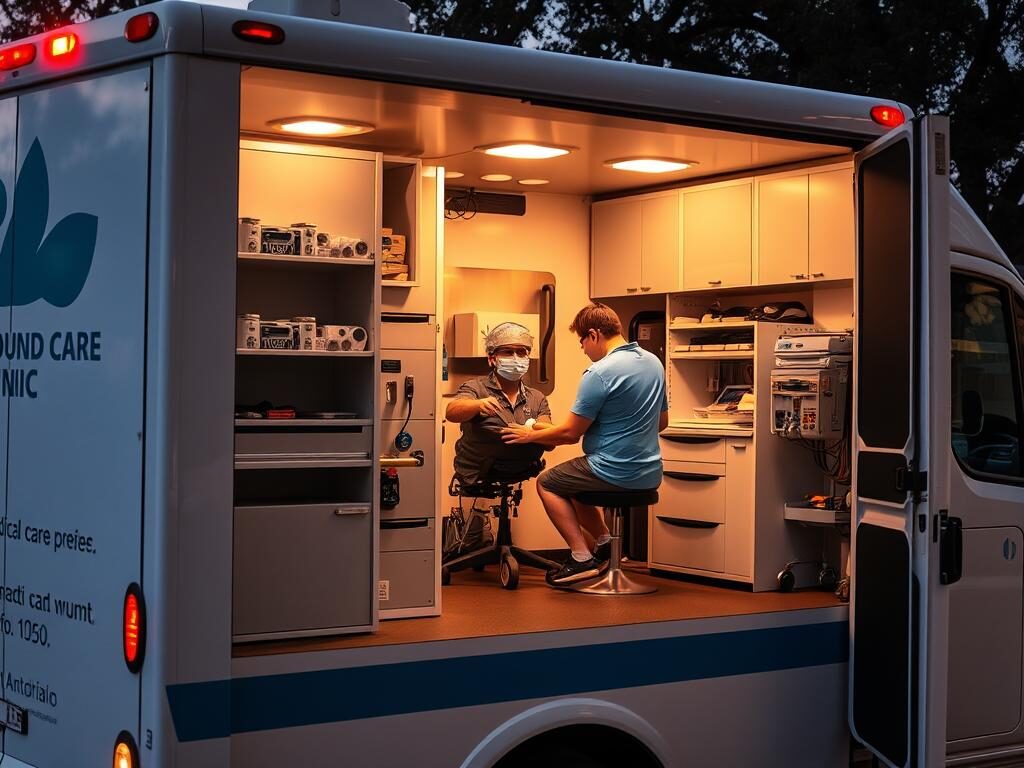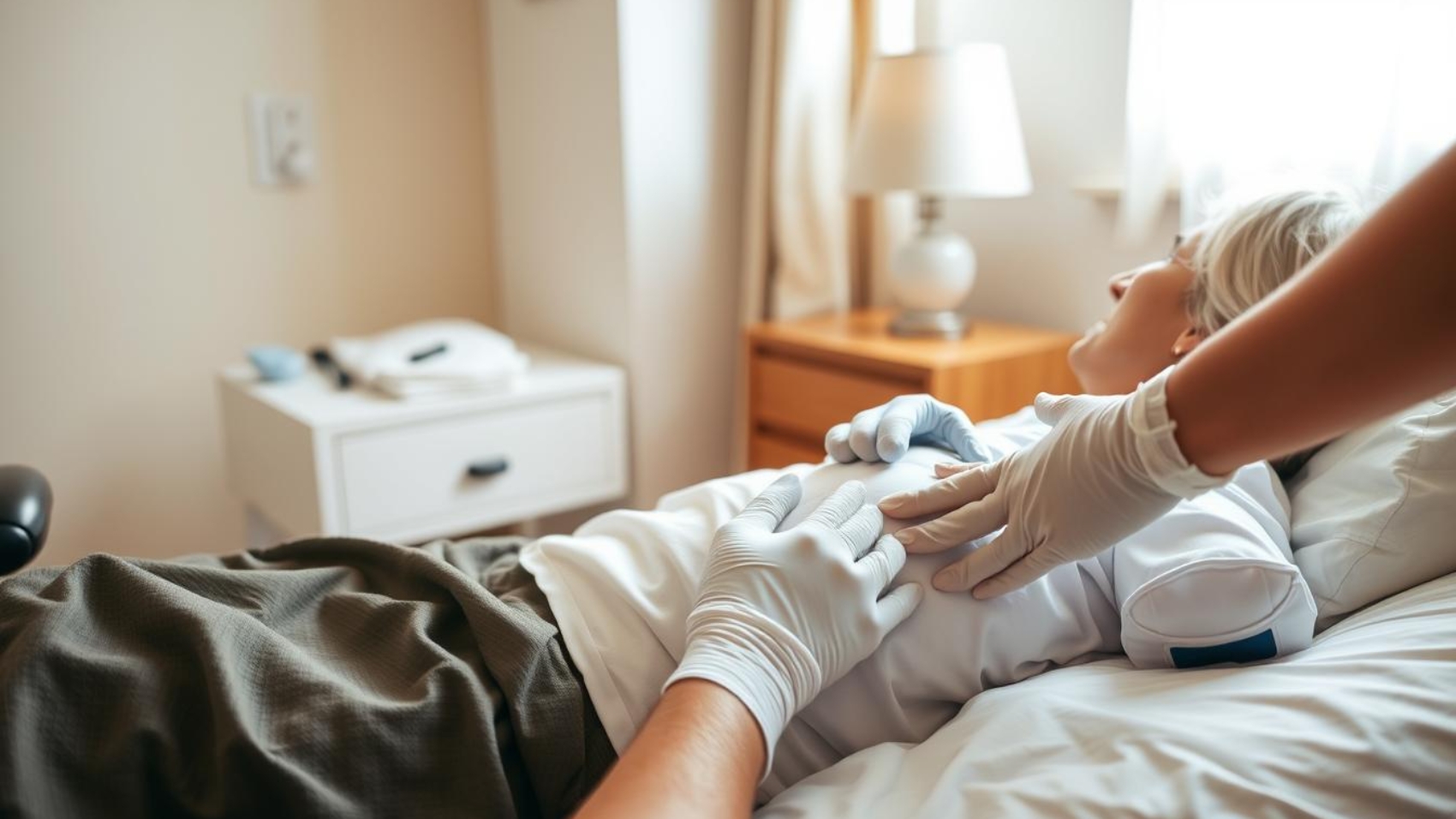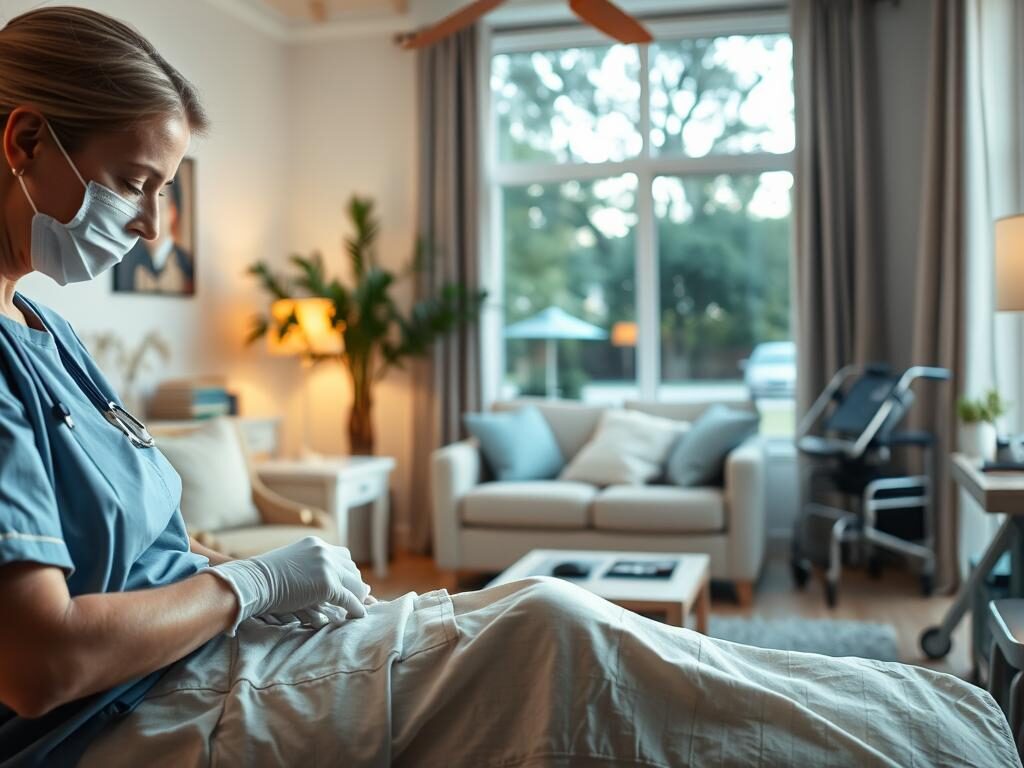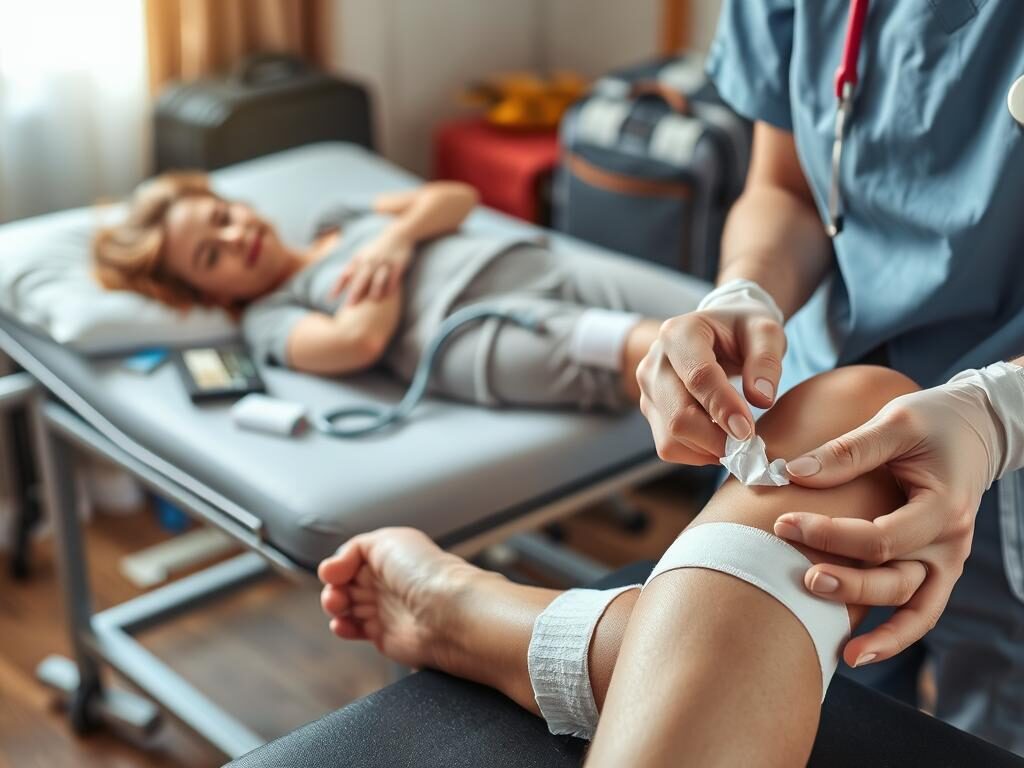
pressure sore care at home San Antonio

Are Pressure Sores a Sign You Need In-Home Wound Care? – Part 3

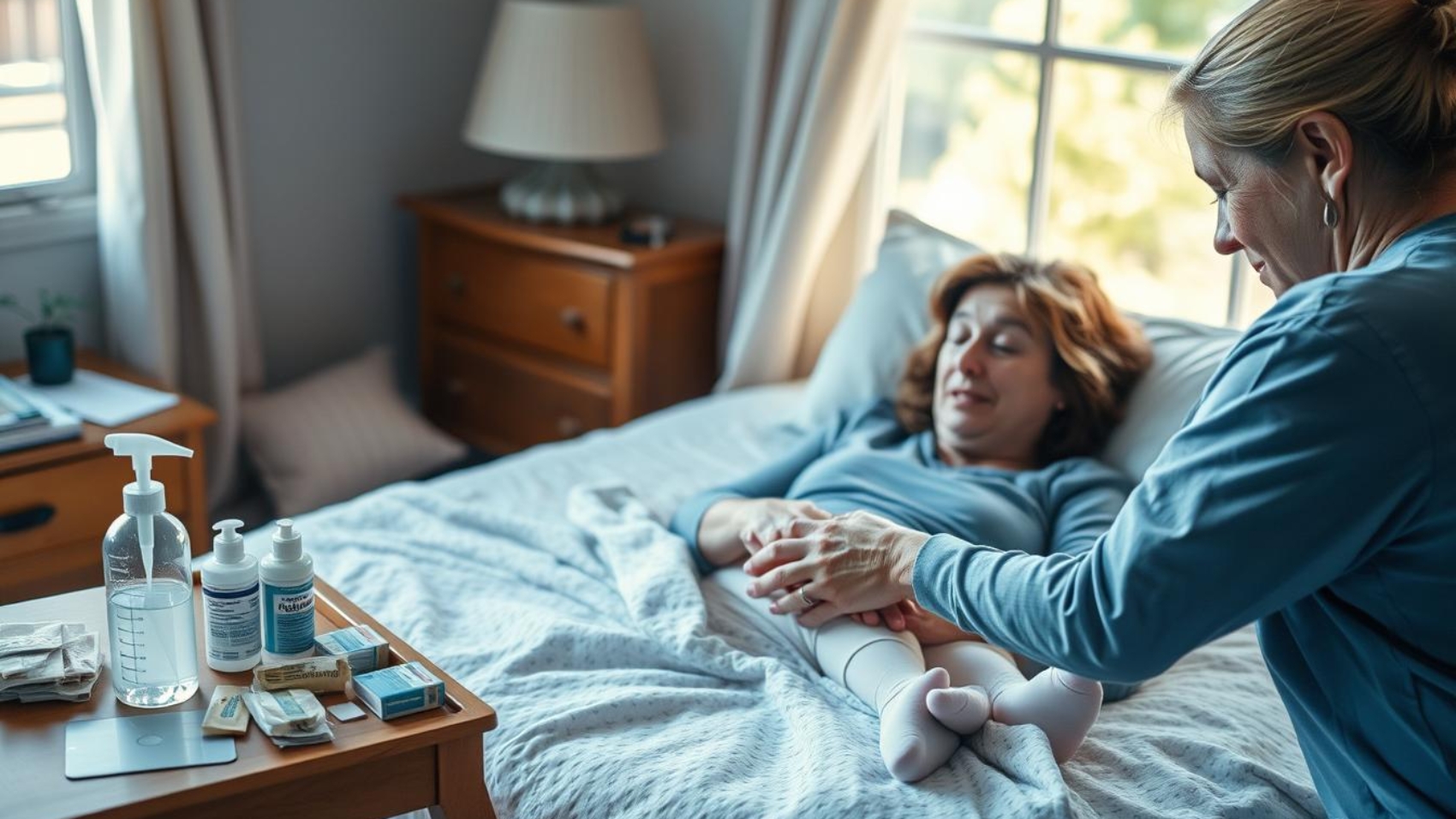
We talk a lot about pressure sores because they’re very important. They’re also called bedsores or pressure ulcers. They happen when skin stays under pressure for too long, mostly in people who can’t move much.

It’s key to know that if we don’t take care of them, they can get worse. This might mean we need to get help with wound care. In places like San Antonio, getting care at home can help a lot. It can make healing better and life better too.

Let’s see how we can handle pressure sores. And why we need to act fast if we think someone might get them.

Key Takeaways

  • Understanding pressure sores is vital for effective management.
  • In-home wound care can improve healing and prevent complications.
  • Pressure sores require timely detection and treatment.
  • Individuals at risk should monitor for signs of bedsores.
  • Professional support from wound care nurses can enhance care.

Understanding Pressure Sores

Pressure sores, also called bed sores, happen when skin and tissue get hurt from too much pressure. As caregivers, knowing about these injuries helps us treat and prevent them. Understanding how they form lets us act early to manage them.

What Are Pressure Sores?

Pressure sores happen when skin and tissue get hurt from too much pressure. This is common in people who can’t move much. Signs include red skin and open wounds in bad cases.

How Pressure Sores Develop

Pressure sores form when skin doesn’t get enough blood because of pressure. This is worse for people who can’t move much. Things like diet, moisture, and rubbing also play a part. Knowing why they happen helps us fix them.

Factors Contributing to Pressure Sores

Many things can make pressure sores more likely. Some big ones are:

  • Age: Older people get them more because their skin is thinner and they move less.
  • Health Conditions: Diseases like diabetes and poor blood flow make skin more likely to break down.
  • Nutrition: Eating poorly can weaken skin and slow healing.
  • Incontinence: Being wet can hurt skin and make it more likely to get sores.

Knowing these risks helps us take steps to prevent sores in those we care for.

Identifying the Different Stages of Pressure Sores

Knowing the stages of pressure sores is key for good wound care. Each stage shows a different level of damage. Spotting symptoms early helps wounds heal better and avoids big problems.

Stage 1 Signs

At first, you might see red skin that doesn’t go away when you press it. It might feel warm or swollen too. Catching these signs early stops things from getting worse.

Stage 2 Characteristics

When it gets to stage 2, you’ll see an open sore on the skin’s top layer. It might look like a blister or scrape. Spotting these signs early helps wounds heal faster.

Stages 3 and 4 Overview

Stages 3 and 4 are more serious. The damage goes deeper into the skin and tissues. Stage 3 looks like a crater, and stage 4 means the tissue is gone, risking infection. Knowing these stages helps us get help fast, making recovery better and life quality higher.

pressure ulcer stages

Importance of Early Detection and Treatment

Finding pressure sores early is very important. It helps us start treatment quickly. This way, we can help the sore heal better.

Caregivers need to watch for signs of pressure sores. This helps us catch them early.

Symptoms to Watch For

There are important signs to look for. These signs mean a pressure sore might be starting.

  • Changes in skin temperature, such as warmth or coolness compared to surrounding areas.
  • Discoloration, specially in areas that endure constant pressure.
  • Increased hardness of the skin, which may feel different to the touch.

Watching for these signs helps us act fast. This stops the sore from getting worse.

Consequences of Delayed Treatment

Not treating pressure sores early can cause big problems. It can lead to serious infections and longer healing times.

By checking on people often, we can catch problems early. This makes their lives better and safer.

Pressure Sore Care at Home San Antonio

Managing pressure sores is key for recovery, in San Antonio. We can take steps at home to help. Caring for pressure sores needs effort and knowing what to do. We’ll look at home care tips and when to get help from experts.

Essential Tips for Home Care

Good home ulcer care starts with being proactive. Here are key tips for recovery:

  • Regular Position Changes: Move your body every couple of hours to avoid sore spots.
  • Specialized Cushions: Use cushions or mattresses to spread out your weight and avoid skin irritation.
  • Maintain Skin Hygiene: Keep your skin clean and dry to stop infections. Use mild soap for cleaning.
  • Nutritional Considerations: Eat well to help your body heal. Foods with protein, zinc, and vitamin C are good.

When to Seek Professional Help

While we can do a lot at home, some cases need expert care. Look for these signs to get help:

  • A sore that gets worse or doesn’t get better with home care.
  • Signs of infection like more redness, swelling, warmth, or discharge.
  • Fever or feeling really sick.

Getting help from wound care nurses can really help. They know more than we do and can make a big difference.

Role of Wound Care Nurses in Managing Pressure Sores

Wound care nurses are key in managing pressure sores. They have special knowledge and skills. This helps us get better care at home.

What Wound Care Nurses Do

Wound care nurses do many things for us. They:

  • Check how bad the pressure sores are.
  • Give special treatments that fit our needs.
  • Teach us and our caregivers how to care for wounds at home.

They help make our treatment plans better. This makes our care even better.

Benefits of Professional Support

Having wound care nurses helps us a lot. They:

  • Make wounds heal faster with the right treatments.
  • Watch for problems so they don’t happen.
  • Help our caregivers feel more confident and ready to help.

Getting help from professionals makes our care better. It helps us heal faster and feel better at home.

Home Ulcer Care Strategies for Effective Healing

Good home ulcer care is key for healing and comfort. The right strategies help manage pressure sores at home. Focus on nutrition and dressing materials. This helps us help the healing process.

Nutritional Considerations

Nutrition is key for healing. Eat foods rich in proteins and vitamins A and C. These help your skin and healing.

  • Lean proteins like chicken, fish, and beans help fix tissues.
  • Colorful fruits and vegetables boost healing with vitamins A and C.
  • Healthy fats in avocados and nuts reduce inflammation.

Use of Appropriate Dressing

Choosing the right dressing is crucial for healing. Dressings protect and help wounds heal. Think about these when picking:

  • Choose based on the stage of the ulcer; more advanced ones need better protection.
  • Use moisture-retentive dressings for a healing environment.
  • Change dressings often to avoid infection and check healing.

effective healing

Good nutrition and the right dressing materials help healing. We can make healing and comfort better for those we care for.

Conclusion

As we wrap up our look at pressure sores, it’s key to remember a few important points. Knowing about pressure sores helps us spot them early. This means we can act fast to stop them from getting worse.

It’s crucial to catch and treat pressure sores early. Waiting too long makes healing harder. With the right care and help from experts, we can heal quickly and well.

Let’s focus on careful care and stay up-to-date on treating pressure sores. Working with professionals like Dominion Mobile Wound Care can make a big difference. Together, we can overcome wound care challenges and look forward to a healthier future.

FAQ

What are the primary causes of pressure sores?

Pressure sores happen when skin stays under pressure for too long. This is common in people who can’t move much. Age, not eating well, and health issues like diabetes also play a part.

How can we prevent pressure sores at home?

To stop pressure sores, change positions often. Use special cushions and keep skin clean. Eating right also helps keep skin healthy.

How do I recognize the stages of pressure sores?

Sores are divided into stages. Stage 1 is red but goes back to normal when pressed. Stage 2 has an open sore. Stages 3 and 4 are worse, with deeper damage and infection risks.

What symptoms should we look for to detect pressure sores early?

Look for skin that’s warmer, darker, harder, or sore. Finding sores early helps treat them better and avoid bigger problems.

When should we seek professional help for pressure sore management?

Get help if the sore gets worse, like more redness, swelling, or pus. Or if it’s not getting better on its own. Wound care nurses can help.

What role do wound care nurses play in treating pressure sores?

Nurses check wounds, give special treatments, and teach caregivers. This helps sores heal faster and avoids more problems.

What nutritional considerations should we keep in mind for pressure sore healing?

Eating right is key for sore healing. Foods high in protein and vitamins A and C help skin get better.

What types of dressings are appropriate for different stages of pressure sores?

Choose dressings based on the sore’s stage. Stage 1 uses film dressings. Stage 2 might need hydrocolloid. For Stages 3 and 4, use foam or alginate to control fluid and prevent infection.
post-surgical wound care San Antonio

San Antonio’s Guide to Post-Surgical Wound Care at Home – Part 2

We’re exploring how to care for wounds at home in San Antonio. Knowing how to heal wounds is key for a good recovery. In this part, we’ll talk about making your home comfy for healing, getting the right supplies, and caring for your wounds.

With the right knowledge, we can heal better at home. This makes our recovery smoother and faster.

Key Takeaways

  • Understanding the healing process is vital for effective home recovery.
  • Creating a comfortable environment is essential for after surgery care.
  • Acquiring the right supplies can support wound management.
  • Monitoring your wound for signs of infection is important.
  • Utilizing local resources can provide additional support during recovery.
  • Nutrition plays a significant role in the healing process.

Understanding Post-Surgical Wound Healing

Learning about healing after surgery is key. Our body goes through a complex wound healing process after surgery. This process has several important stages.

Each stage helps fix the skin and heal the tissues underneath.

The Healing Process After Surgery

The healing process has four main stages: hemostasis, inflammation, proliferation, and maturation. Hemostasis starts right after surgery, stopping the bleeding.

Inflammation comes next, with immune cells fighting off infection. Proliferation is when new tissue and blood vessels form. Maturation is the final stage, making the skin and tissue strong.

Factors Affecting Wound Healing

Many factors affecting recovery can change how well we heal. Things like age, health, and medical conditions matter a lot. So do the type of incision and how the surgeon closes it.

By taking good care of ourselves after surgery, we can heal better. This is what the South Texas Spine & Surgical Hospital says.

Essential After Surgery Care at Home

Creating a caring space helps us heal better. A tidy recovery area makes us feel good and calm. It’s important to have easy access to medicine and cleaning stuff.

Creating a Comfortable Recovery Environment

Setting up a special area for recovery is key. Think about these things:

  • Make a quiet spot away from noise.
  • Keep things neat with supplies within reach.
  • Good light and air help us relax.
  • Have a comfy chair or bed for rest.

Acquiring Necessary Supplies for Wound Care

We need the right stuff for wound care. Good quality items help us heal right and avoid problems. Here’s what you should get:

  • Sterile dressings to cover the wound.
  • Antiseptics to stop infection.
  • Adhesive tape or other ways to keep dressings in place.
  • Pain meds as your doctor says.

Having these supplies ready makes recovery easier. It lets us focus on getting better.

Post-Surgical Wound Care San Antonio

In San Antonio, we have many local resources for wound care after surgery. These resources help us heal better. They give us the care and advice we need.

Local Resources for Wound Care Assistance

Places like South Texas Spine & Surgical Hospital are great choices. They have skilled wound care specialists. They also make sure we get the care we need at home.

Case managers check our homes and set up services for us. This can include getting wound care supplies or having someone come to our home.

How to Choose a Wound Care Specialist in San Antonio

Finding the right wound care specialist in San Antonio is key. Look at their experience with surgical wounds and how they care for patients. Reading reviews and asking for recommendations helps us choose well.

Feeling good about our provider helps us recover better. It makes our journey easier.

Best Practices for Wound Care Management

Good wound care starts with a daily routine. This routine includes cleaning and changing dressings. It’s important to be gentle but thorough to help wounds heal well. Following these steps helps wounds get better and keeps infections away.

Daily Cleaning and Dressing Changes

Here are the steps for daily wound care:

  • Wash hands well before touching the wound.
  • Clean the wound with mild soap and water or a special solution.
  • Pat dry with a clean cloth to stop bacteria.
  • Use antibiotic ointment if a doctor says so.
  • Put on a sterile dressing that fits right but isn’t too tight.

Signs of Infection to Watch For

We need to watch for signs of infection. Look out for:

  • Redness that goes beyond the wound.
  • Increased swelling or warmth around the wound.
  • Discharge that’s yellow or green, or smells bad.
  • Fever, which means your body is fighting an infection.

When to Seek Professional Help

Knowing when to get help is key. If you see any infection signs or if the wound doesn’t get better, call a doctor. Quick action can prevent big problems and help you heal faster.

wound care management

Nutritional Support for Optimal Healing

Nutrition is key to our recovery. Eating right helps our bodies heal better. It makes the healing process smoother and faster.

The Role of Diet in Recovery

What we eat affects how we recover. Eating foods full of vitamins and proteins helps fix tissues and boosts our immune system. Foods rich in zinc and vitamin C help wounds heal fast. Drinking plenty of water is also important. It helps move nutrients and keeps cells working right.

Foods to Promote Wound Healing

Adding certain foods to our meals can help us heal faster. Here are some good choices:

  • Lean meats like chicken and turkey for protein.
  • Leafy greens and colorful veggies for vitamins.
  • Fruits like oranges and berries for vitamin C.
  • Whole grains like brown rice and quinoa for energy.

Eating these foods helps our bodies heal naturally. It’s important to choose the right foods for our recovery. They are a big part of taking care of ourselves after surgery.

Managing Pain and Discomfort Post-Surgery

After surgery, it’s key to manage pain and discomfort well. Everyone feels pain differently. So, finding good ways to ease pain is very important. Using different pain management methods can make us feel better and heal faster.

Effective Pain Management Strategies

We can use many ways to handle pain after surgery. Mixing medicines with other methods helps us deal with pain better. Here are some good strategies:

  • Prescribed medications: NSAIDs and narcotics can help with strong pain.
  • Ice therapy: Ice packs on the surgery area can lessen swelling and pain.
  • Relaxation techniques: Deep breathing, meditation, or yoga can help by lowering stress.
  • Regular communication with our healthcare team: Talking about our pain helps change our pain plan when needed.

Being active with these strategies helps us move and do rehab exercises better. This leads to a quicker recovery. Using a mix of these methods helps us on our healing path.

pain management

Conclusion

Effective post-surgical care is key for a smooth recovery. Understanding the healing process helps us on our journey to wellness. A comfortable and supportive home environment is crucial for healing.

Following best practices in wound management is important. It helps us avoid complications and recover faster. We should watch our wounds closely and know the signs of infection.

For extra help, consider hiring Dominion Mobile Wound Care. They offer expert care that helps us heal better. This way, we can get back to our lives with confidence.

FAQ

What should I do to prepare my home for recovery after surgery?

Make your recovery space clean and quiet. Make sure you can easily get to your meds and supplies. Having everything ready can help you heal faster.

How can I promote better wound healing at home?

Follow good wound care habits. Clean and change dressings often, eat well, and drink lots of water. Know the signs of infection to act fast.

What are some signs that my wound might be infected?

Watch for redness, swelling, or discharge. If you see these, get help right away. It’s key to stop problems before they start.

How can nutrition impact my recovery after surgery?

Eating foods full of zinc, vitamin C, and protein helps wounds heal. Good nutrition boosts your immune system and speeds up recovery.

When should I reach out to my healthcare provider after surgery?

Talk to your healthcare team if you’re in a lot of pain or see signs of infection. Keeping them updated helps them adjust your care plan.

Are there local resources for wound care in San Antonio?

Yes, local hospitals like South Texas Spine & Surgical Hospital offer wound care. They can help find the right specialist for you.

What pain management strategies can I use after surgery?

Use meds, ice, and relaxation to manage pain. Being proactive about pain helps you move and do exercises better.

in-home wound care San Antonio

The Difference Between In-Clinic and In-Home Wound Care Services – Part 2

Understanding wound care services is key to good health. We look at in-clinic and in-home care to see how they differ. This is important because more people have chronic conditions.

This means we need wound treatment options that fit our needs. In-home care in San Antonio is becoming more popular. It offers mobile care services that help people heal at home.

By comparing these options, we learn what’s best for us. This helps us make choices that fit our health needs.

Key Takeaways

  • Understanding the differences between in-clinic and in-home wound care is essential.
  • Chronic conditions influence the need for varied wound treatment options.
  • In-home wound care San Antonio provides convenient, personalized services.
  • Mobile care services are expanding the reach of effective healing.
  • Choosing the right approach can significantly impact recovery outcomes.

Understanding Wound Care Services

Today, good wound care is very important. Wound care clinics help with wounds that don’t heal. They treat many types of wounds, like pressure sores and diabetic foot ulcers.

These clinics offer special care. This care is made just for each patient’s needs.

What Are Wound Care Clinics?

Wound care clinics focus on treating wounds that won’t heal. They use new methods and tools to help wounds heal. Each patient gets care that fits their needs.

Importance of Specialized Care

Special care is key for wounds to heal well. Wound care clinics use a careful plan to help wounds heal. They teach us how to care for our wounds too.

The Role of Multidisciplinary Teams in Wound Healing

Teams work together to heal wounds. Doctors, nurses, and physical therapists work as a team. They make plans that help wounds heal better.

wound care clinics

In-Clinic Wound Care Services

In-clinic wound care services have many benefits. They are great for patients with complex wounds. They offer access to special equipment and trained staff. This can really help wounds heal better.

In a clinic, patients get to use the latest technology. This is for all kinds of wounds. It’s a place where wounds get the best care.

Advantages of In-Clinic Treatments

Going to a clinic for treatment has many benefits. Here are some:

  • Access to advanced technologies not found at home.
  • Regular oversight from skilled healthcare professionals.
  • A place for complex wound care that needs special help.
  • The chance to do wound care procedures like debridement and hyperbaric oxygen therapy right there.

Common Procedures Conducted in Clinics

Clinics do many important wound care procedures. These help wounds heal well. Some of these include:

  1. Debridement: This is removing dead or infected tissue to help wounds heal faster.
  2. Advanced dressings: Special dressings that keep wounds moist and protected.
  3. Hyperbaric oxygen therapy: This boosts oxygen to tissues, helping them heal.
  4. Regular checks and treatment plans made just for each patient.

clinic vs home care

In-Home Wound Care San Antonio

In recent years, in-home wound care has become popular in San Antonio. It lets us get special care at home. This has many benefits.

Benefits of Choosing In-Home Care

Getting care at home means we get personal attention. Healthcare pros can tailor care to fit our needs. This can help us heal faster.

Home care also reduces stress from traveling. It’s great for those who have trouble moving or have long-term health issues.

Flexibility and Comfort: Key Features of Home Care

Home care is flexible. We can pick when to see our caregivers. This fits our daily life better.

Being at home makes us more comfortable. It helps us follow our treatment plans better. A relaxed place is key for healing.

Cost Considerations for In-Home Services

Thinking about the cost of wound care services is important. In-home care might be cheaper for some. It saves on travel costs and work or family time.

Many home care services are covered by insurance. This makes it easier for those needing ongoing care to get it.

Comparative Effectiveness of Wound Treatment Options

Looking at wound treatment options, it’s key to know the difference between clinic and home care. Our study shows clinic treatments might have a slight edge in success rates. But, home care often wins in making patients happy.

Success Rates: Clinic vs Home Care

Studies show mixed results on healing success between clinics and homes. Clinics have special tools and quick access to experts. But, home care offers a cozy, personal space that might help healing more.

What affects these results includes:

  • Type and severity of the wound
  • The patient’s overall health
  • Adherence to treatment protocols

Patient Satisfaction and Experience

Patient happiness is a big part of treatment success. Many like home care for its ease, flexibility, and personal touch. Getting care at home can make patients feel better emotionally.

It also lets them talk more with their doctors. This can make sure their needs are met well.

Conclusion

We looked at in-clinic and in-home wound care. Each has its own benefits for different patients. Knowing how to manage wounds is key to picking the right care.

Clinics offer special treatments. But, in-home care in San Antonio gives personal attention in a place you know. It’s comfy and familiar.

Choosing the right care depends on what you need for healing. Both clinic and home care have good points. They can help us heal better.

Thinking about Dominion Mobile Wound Care is a good idea. They offer at-home care in San Antonio. It’s made for what each patient needs.

Deciding on wound care is a big step. It lets us control our healing. No matter the choice, we should focus on care that makes us feel good.

FAQ

What types of wounds can be treated in a wound care clinic?

Wound care clinics help with many types of wounds. This includes pressure sores, surgical wounds, and diabetic foot ulcers. They also treat non-healing wounds. These places use new methods to help wounds heal.

How do in-home wound care services compare to in-clinic treatments?

In-home care is done in a place you know well. Clinic care uses advanced tools and staff. Both have good points for different needs.

What are the common procedures performed in wound care clinics?

Clinics do things like debridement and use special dressings. They also use hyperbaric oxygen therapy. These steps help with tough wounds.

Can in-home wound care be cost-effective?

Yes, home care can save money. It cuts down on travel costs. It also gives care that fits you better, helping you heal faster and saving money on health care.

What role do multidisciplinary teams play in wound care?

Teams are key. They have doctors, nurses, and physical therapists. They work together to make care plans that fit each person’s needs. This helps wounds heal better.

How does patient satisfaction differ between clinic and home care?

Clinic care might heal wounds faster. But, home care makes people happier. It’s more comfortable and fits your life better.

mobile wound care San Antonio

How Mobile Wound Care Improves Healing Outcomes at Home – Part 2

Mobile wound care is changing how we heal at home. It helps people in cities and towns get better care. This method uses new tech and plans made just for you.

It makes healing faster and better. We’ll see how it’s changing healing in San Antonio.

Key Takeaways

  • Mobile wound care enhances patient comfort at home.
  • Increased accessibility to quality healthcare in both urban and rural areas.
  • Advanced medical technologies contribute to faster recovery.
  • Personalized treatment plans are key to effective wound management.
  • Mobile wound care transforms traditional healing processes.

The Importance of Mobile Wound Care in Rural Areas

Getting good healthcare is hard for people in rural areas. It’s even harder for those who need wound care. Mobile wound care helps by bringing care right to patients’ homes. This way, they get the help they need without delay.

Access to Quality Healthcare

In rural places, getting to good healthcare is tough. Patients have to travel far to get wound care. This can be hard for the elderly or those who can’t move much.

Mobile wound care fixes this by coming to patients. It means they don’t have to travel. This helps them stay healthy.

Challenges Faced by Patients in Remote Locations

People in remote areas face many health problems. They might not get care fast enough. This can make small issues big, like infections needing the hospital.

  • Inconsistent availability of healthcare professionals
  • Insufficient transportation options
  • Lack of awareness about available treatments

Mobile wound care solves these problems. It brings care to those who need it most. This way, patients don’t face the challenges of rural healthcare alone.

Innovative Techniques in Mobile Wound Care

Mobile wound care is changing healthcare. It brings new ways to treat wounds right at home. This makes old ways of managing wounds seem outdated.

Advanced Medical Equipment on the Road

We have the latest medical tools for care on the go. Things like portable ultrasound machines help us see how wounds heal. We also use special dressings and skin substitutes.

These tools help us give great care anywhere. They make sure patients get the help they need fast and well.

Personalized Treatment Plans for Better Healing

Every patient is different, so we make plans just for them. We figure out what each person needs and teach family members how to help. This makes healing better and faster.

innovative wound care techniques

Mobile Wound Care San Antonio: A Game-Changer

In San Antonio, mobile wound care is changing healthcare. It brings special care right to people’s homes. This helps many people get the care they need.

Our city’s health programs help make this happen. They make sure everyone can get the care they need.

Transforming Access to Care in San Antonio

Mobile wound care in San Antonio helps people get care faster. It’s easier for those who can’t travel far. This makes sure everyone gets the care they need quickly.

Collaborative Efforts for Community Health

We work together to make mobile wound care better. Local healthcare teams and leaders join forces. This helps everyone in the community get better care.

Benefits of Timely Interventions

Timely interventions make mobile wound care much better. We know that quick and steady treatment helps a lot. Regular care means wounds can heal faster and avoid big problems.

The Role of Regular Care in Faster Recovery

Regular care helps wounds heal quickly. Healthcare teams can watch how wounds heal closely. This way, they can fix any problems right away.

Less trouble means wounds heal faster. This makes patients’ lives better.

Preventing Complications through Consistent Treatment

Regular treatment stops big problems from happening. People with mobile wound care get fewer serious infections. This means they don’t have to go to the hospital as much.

timely interventions in wound care

Education and Training for Caregivers

Good home care for wounds needs well-trained caregivers. Family members often play a big role in care. They can make a big difference in how well a wound heals.

With the right wound management training, they can help wounds heal. We should teach them how to care for wounds safely and well.

The Importance of Knowledge in Wound Management

Knowing how to care for wounds is key. Caregivers need to know how to spot infections and use the right dressings. This helps wounds heal faster.

There are many ways to learn about wound care. This includes:

  • Workshops on wound care basics
  • Hands-on training to practice
  • Easy-to-use guides for home

Empowering Family Members and Informal Caregivers

Teaching caregivers is very important. It helps them feel more confident in their care. Special training can meet their needs.

They learn new skills and feel more confident. This includes:

  1. Being more involved in healing
  2. Being better advocates for their loved ones
  3. Feeling more sure about their care

By focusing on education, we help patients and improve their lives. This leads to better health and happiness.

Conclusion

Mobile wound care has a big impact on healing at home. It’s not just about being convenient. It really helps people get better care, even in places that don’t have much.

By going to patients’ homes, doctors can help them sooner. This means people can get better faster. It’s a big win for everyone.

It’s also key to teach caregivers and family members about wound care. They help a lot and make sure care keeps going. This helps everyone involved in the healing process.

With mobile wound care, we can make life better for those who need it. It makes healing easier and more effective. We should all support this effort.

If you need wound care at home, look into services like Dominion Mobile Wound Care. They offer special help that focuses on your health and comfort. This is important for everyone’s recovery.

FAQ

What is mobile wound care?

Mobile wound care brings special treatment to your home. It uses new tech and plans made just for you. This helps wounds heal better.

How does mobile wound care benefit patients in rural areas?

It helps people in rural areas get better care without traveling far. This stops wounds from getting worse.

What types of advanced medical equipment are used in mobile wound care?

Experts use top-notch tools like skin substitutes and special dressings. These tools make care at home as good as clinic care.

How do personalized treatment plans improve healing outcomes?

Plans are made just for you, tackling your specific needs. This makes care better and helps you heal faster.

What initiatives are being implemented in San Antonio for mobile wound care?

San Antonio is working hard to bring mobile care to more people. They team up with health providers and local groups to do this.

Why are timely interventions important in mobile wound care?

Quick action helps wounds heal faster and avoids big problems. This means fewer trips to the hospital and less cost.

How can family members get involved in wound management at home?

Family members can learn by taking training from mobile care programs. This teaches them how to help with wound care at home.

What resources are available for caregivers in mobile wound care?

Caregivers get help through training and guides from mobile care. This gives them the skills to care for wounds safely at home.

How do mobile wound care services address healthcare accessibility issues?

Mobile care brings treatment to your door, helping those who can’t easily get to clinics. This is a big help for those in need.

wound care specialist San Antonio

When Is It Time to Call a Wound Care Specialist in San Antonio?

Knowing when to get help from a wound care specialist in San Antonio is key. We often don’t see how important quick wound care is. This can lead to problems that slow down our healing.

Knowing when to get advanced wound care services is important. It helps us heal faster and avoid more problems. If you have a wound that won’t heal, it’s time to get help.

By getting help from a specialist, we get the right care for healing. This helps us avoid more issues later on.

Key Takeaways

  • Seek a wound care specialist for persistent wounds.
  • Timely treatment can prevent complications.
  • Understanding the signs of non-healing is essential.
  • Advanced wound care services can enhance recovery.
  • Specialized care ensures optimal healing processes.
  • Acknowledging the need for help is the first step to recovery.

Understanding Wound Types and Healing Challenges

We need to know about different wounds to help them heal. Each wound needs its own special care. We face many challenges, like dealing with chronic wounds and figuring out what slows healing.

Common Types of Wounds We Encounter

Wounds come in many forms and can be very different. Here are some common ones:

  • Diabetic Ulcers: These happen from too much pressure or rubbing on the feet.
  • Surgical Wounds: These are from cuts made during surgery.
  • Pressure Ulcers: These are for people who sit or lie in one place for too long.
  • Traumatic Wounds: These happen from accidents or injuries and need quick help.

Factors Affecting Wound Healing

Knowing what slows healing is key to getting better. Many things can make it harder:

  • Chronic Medical Conditions: Like diabetes or blood flow problems.
  • Nutritional Deficiencies: Not eating well can slow healing.
  • Infection: Infections make healing take longer.
  • Age: Older people heal slower because of skin and health changes.

Signs That Indicate You Need a Wound Care Specialist

Knowing when to get help for wounds is very important. Spotting the right signs can greatly help healing. We must watch for red flags that mean we need expert help.

Red Flags for Non-Healing Wounds

Some wounds don’t heal like they should. This can mean there’s a bigger problem. We need to know when to see a wound care specialist. Important signs include:

  • Increased pain in or around the wound site, which may suggest infection or complications.
  • Swelling or redness that does not improve over time, signaling inflammation.
  • Persistent drainage or a foul odor, indicating possible infection that requires immediate attention.
  • Delayed healing—if a wound does not show improvement within two weeks, intervention may be needed.

Symptoms Suggesting Advanced Care is Necessary

It’s key to know when to see a specialist. We should watch for signs like:

  • Fever or chills, which may correlate with systemic infection.
  • Sudden changes in wound appearance, including discoloration or new growths.
  • Increased exudate that overwhelms traditional dressings, necessitating more advanced solutions.
  • New underlying health issues, such as diabetes or vascular diseases, elevating the risk for slow healing.

red flags for wound care

Why Choose a Wound Care Specialist in San Antonio?

Choosing a wound care specialist in San Antonio has big benefits. They have special skills and training for healing wounds. At places like University Health’s Wound Care Center, we use a team approach.

This means we use many medical fields to make a plan just for you.

Expertise and Specialized Training

Our specialists work hard to learn and get better. They know how to fix many kinds of wounds. This helps wounds heal faster.

They can handle things like chronic ulcers and problems after surgery.

Advanced Treatment Options Available

We offer new treatments that work well for each patient. Things like hyperbaric oxygen therapy help wounds heal faster. We use the latest technology and expert care to help you get better.

Mobile Wound Treatment Options in San Antonio

Mobile wound treatment is key in San Antonio for quick and good care. Home nurse services bring treatment right to you. This makes care personal and comforting.

mobile wound treatment

Benefits of Home Nurse Care Services

Home nurse care has many good points. Here are some:

  • Personalized Attention: Care fits your needs, giving you focused treatment.
  • Reduced Travel: No need to travel, which is great for those who can’t.
  • Continuity of Care: You get constant monitoring and care updates.

Convenience and Comfort of Mobile Services

Mobile services make wound care easy and stress-free. You get care without leaving home. This makes you feel better and helps you heal faster.

Comprehensive Care Approaches for Chronic Wounds

We are on a mission to find the best ways to heal chronic wounds. We know that using many medical fields together is key. This way, we make sure each patient gets care that fits their needs.

By working together, we can make wounds heal better. This is good news for people with chronic wounds.

Interdisciplinary Models for Effective Healing

Using teams from different fields is smart. This includes nurses, nutritionists, and physical therapists. They work together to:

  • Make treatment plans that fit each patient.
  • Help everyone talk better so care is smooth.
  • Teach patients and families about wound care.

Innovative Treatments like Hyperbaric Oxygen Therapy

Hyperbaric oxygen therapy is a cool new way to help wounds heal. It works by:

  • Giving more oxygen to help fix tissues.
  • Lowering swelling and improving blood flow.
  • Helping make collagen for new skin.

We add these new treatments to our care plans. Our goal is to help people with chronic wounds get better.

Conclusion

Knowing when to call a wound care specialist is very important. Early treatment can make a big difference in healing. We talked about different types of wounds and when to seek help.

Being proactive about wound care is key. Ignoring signs can cause bigger problems. If you’re having trouble with wounds, getting professional help is a must.

With services like Dominion Mobile Wound Care, help can come to you. This makes it easier to get the care you need at home.

Let’s take care of our health by focusing on wound care. If you need help, don’t wait. Call a wound care specialist to start healing and improve your life.

FAQ

When should we consider calling a wound care specialist in San Antonio?

Call a specialist if your wound hurts more, swells, or won’t stop draining. Quick action can stop bigger problems.

What types of wounds typically require specialized care?

Specialists help with many wounds. This includes diabetic ulcers, surgical wounds, and pressure ulcers. Each wound needs a special plan to heal.

What factors can impede wound healing?

Things like diabetes, not eating right, and poor blood flow can slow healing. So can other health problems.

How do I know if my wound care treatment is sufficient?

If your wound hurts more, looks different, or has discharge, it might need a new plan. A specialist can help.

What are the benefits of choosing a wound care specialist?

Specialists have special training and skills. They give detailed care and help wounds heal better.

Are there innovative treatments available for chronic wounds?

Yes, treatments like hyperbaric oxygen therapy can help wounds heal faster. Specialists offer these advanced treatments.

What advantages do mobile wound treatment services offer?

Mobile services bring care to your home. This saves stress and ensures you get care that fits your needs.

How does interdisciplinary collaboration enhance wound care?

Working together with different doctors helps. It brings more ideas and plans to help wounds heal and recover better.

pressure sore care at home San Antonio

Are Pressure Sores a Sign You Need In-Home Wound Care?

Pressure sores, also known as pressure ulcers, show deeper problems with skin and tissue. They happen when there’s too much pressure, often in people who can’t move much. It’s key to know when to get help from in-home wound care services.

Good care for bedsores is vital for our health. Learning about pressure sores helps us act fast.

Key Takeaways

  • Pressure sores indicate tissue damage from prolonged pressure.
  • In-home wound care is crucial for individuals with limited mobility.
  • Timely intervention can prevent further complications.
  • Regular monitoring can lead to effective bedsore treatment.
  • Professional support enhances healing and recovery.

Understanding Pressure Sores

First, let’s learn about pressure sores. These sores happen when skin gets hurt from too much pressure. This usually happens on bony spots like heels or hips. They’re also called bedsores or decubitus ulcers.

Knowing these names helps us talk about how to stop them.

What are Pressure Sores?

Pressure sores are damage to the skin and what’s under it. They mostly happen to people who can’t move much. This leads to bad blood flow and tissue damage.

Spotting them early is key to managing and preventing them.

How Pressure Sores Develop

Sores form when too much pressure cuts off blood flow. Being stuck in one place for too long is a big risk. This includes being in a wheelchair or bed for a long time.

Knowing what causes them helps us care for people better.

Common Risk Factors for Pressure Sores

Some things make us more likely to get pressure sores. Being older is a big risk. So are medical problems like diabetes and Alzheimer’s.

Also, skin that’s not strong and not eating enough can increase risk. Knowing these risks helps us prevent sores better.

Stages of Pressure Sores

Knowing the different stages of pressure sores is key in wound care nursing. It helps us act fast to stop more harm and help wounds heal. Let’s look at what each stage means to get better at this important job.

Identifying Stage I and II Pressure Sores

Stage I pressure sores look like a red spot that doesn’t turn white when pressed. This first sign means we need to watch it closely. Stage II shows open sores or blisters, meaning the skin has broken down. Spotting these early helps avoid bigger problems.

Recognizing Stage III and IV Pressure Sores

Stage III pressure sores show deeper tissue loss, with fat visible. This means the wound is getting worse and needs quick help. Stage IV has even worse damage, going through all layers of tissue, possibly showing muscle or bone. Knowing these signs is key to getting the right care.

Unstageable and Deep Tissue Injuries

Unstageable pressure sores have dead tissue covering them, hiding how bad they are. We can’t see how deep they are until we remove this layer. Deep tissue injuries have dark skin, showing damage under the surface. Quick action can greatly improve healing chances.

Symptoms and Warning Signs of Pressure Sores

It’s important to know the signs of bedsores to prevent them. We need to watch for changes that might mean a sore is coming. Spotting these signs early helps us stop problems before they get worse.

Initial Signs of Pressure Injury

The first signs of a sore might be a red or different-colored spot on the skin. For people with darker skin, it could look purple or blue. We should always look for any skin changes that could mean a sore is starting.

By catching these signs early, we can stop sores from getting worse.

Symptoms Indicative of Infection

Don’t ignore signs of infection. Look for pus, a bad smell, warmth, or fever. If you see these, get medical help right away.

Spotting these signs fast is key to getting better and staying healthy.

Importance of Timely Intervention

Acting quickly is key when it comes to pressure sores. Ignoring them can lead to big health problems. By acting fast, we can stop these issues before they get worse.

Consequences of Ignoring Pressure Sores

Not treating pressure sores can cause serious health issues. Sores can get infected, leading to bigger problems. This might mean we need to go to the hospital for a long time.

But, if we act early, we can avoid these big problems. This helps us stay healthy and feel better.

Role of Wound Care Nurses in Treatment

Wound care nurses are very important in treating pressure sores. They use special methods to help us heal. Their skills help us get better faster.

These nurses are our guides on the road to healing. They help us with their knowledge and care.

importance of early intervention in pressure sores

Effective Pressure Sore Care Strategies

We know how important it is to prevent and treat pressure sores. Using home ulcer care and pressure-relieving devices helps. This makes healing faster and makes people more comfortable.

Home Ulcer Care Techniques

Home ulcer care is key for managing pressure sores. Here are some top tips:

  • Regular repositioning: Moving every two hours helps avoid new sores.
  • Maintaining skin hygiene: Clean the sore area with mild soap and water to stop infections.
  • Using appropriate moisture barriers: Moisture barriers keep the skin moist and protect it, helping it heal.
  • Monitoring progression: Watch for any changes in sores to catch problems early.

Utilizing Pressure-Relieving Devices

Pressure-relieving devices are important for home care. They help spread out weight, reducing pressure points. Here are some good choices:

  • Specialized cushions: Cushions that spread out pressure can lower the risk of new sores.
  • Pressure-relieving mattresses: These mattresses offer better support and comfort, great for sore prevention.
  • Supports and positioning devices: Supports help keep the body in the right position, which is good for the skin.

Pressure Sore Care at Home San Antonio

Finding the right help for in-home wound care in San Antonio is key. The area has many local support services. These help people heal at home.

Local Resources for In-Home Wound Care

In San Antonio, there are many ways to get wound care at home. Agencies offer therapy and nursing for pressure sore care. They provide:

  • Skilled nursing visits for regular wound checks
  • Physical and occupational therapy to help move better
  • Special wound care products

These local resources help us get the care we need to heal well.

Professional Support for Optimal Healing

Working with local healthcare providers is very helpful. It ensures we get the best wound care. This teamwork offers:

  1. Regular checks to avoid problems
  2. Treatment plans made just for us
  3. Help on how to live better for healing

Getting help from professionals is crucial for healing and getting better.

in-home wound care San Antonio

Nutrition and Health in Wound Healing

Nutrition is key for skin health when we heal. Eating right helps our bodies fix and grow back tissues. A balanced diet helps us get better from wounds or injuries.

The Role of Nutrition in Skin Health

Good nutrition is important for healing. Foods high in proteins, vitamins A and C, and zinc help a lot. They help fix and grow back skin cells.

By eating these foods, we make our skin stronger. This helps our overall health too.

Hydration and Its Importance

Drinking enough water is very important for healing. It helps blood flow and nutrients get to where they need to go. Water helps cells get the vitamins and minerals they need.

Conclusion

Effective pressure sore care is key for those at risk, like those at home. Knowing the signs and how to prevent them helps a lot. It’s important for caregivers and loved ones to focus on prevention.

In-home wound care is very helpful for those with pressure sore issues. With the right knowledge and help, we can keep our loved ones comfortable. Early action is crucial for healing and improving their life.

Looking into services like Dominion Mobile Wound Care is a good idea. This can really help in healing and avoiding more problems. Together, we can make a big difference in their lives.

FAQ

What are the key signs that someone may have a pressure sore?

Look for red or discolored patches on the skin. These spots might not go away when pressed. Also, watch for open sores or blisters and changes in skin texture. It’s important to check often, mainly for people who can’t move much.

How can we prevent pressure sores in individuals who are bedridden?

Move them often to avoid pressure. Keep their skin clean. Use special cushions and mattresses. Make sure they eat well and drink enough water.

When should we seek professional help for pressure sores?

Get help if the redness doesn’t go away or gets worse. Look out for swelling, pus, or a bad smell. Quick action can stop things from getting worse.

What role do wound care nurses play in treating pressure sores?

Wound care nurses focus on pressure sores. They create care plans and check on healing. They also teach others how to care for sores at home.

What techniques do we use for effective home ulcer care?

Check the skin often for changes. Keep sores clean and dry. Use barriers to protect the skin. Make sure they eat well and drink enough water.

Can nutrition really impact the healing of pressure sores?

Yes, good food is key for healing. Foods with proteins, vitamins A and C, and zinc help fix the skin and tissue. This helps wounds heal faster.

Where can we find local resources for in-home wound care in San Antonio?

San Antonio has many services for wound care at home. Look for nursing and therapy options. Find trusted local providers for the best care.

How does staying hydrated contribute to pressure sore management?

Drinking enough water helps blood flow and healing. It keeps the skin flexible and strong. This lowers the chance of getting pressure sores.

in-home wound care San Antonio

The Difference Between In-Clinic and In-Home Wound Care Services

In today’s fast-changing healthcare world, picking the right wound care method is key. We need to know the differences between in-clinic and in-home care. Both offer top-notch services, but they vary in convenience, care level, and how easy they are to get.

We want to dive into these differences. This is to help those looking at in-home care in San Antonio find what’s best for them.

This article will show you healing options that help you get better and make your care experience better too.

Key Takeaways

  • Understanding the differences between in-clinic and in-home wound care services.
  • Importance of accessibility in selecting wound treatment options.
  • The role of specialized equipment in wound care effectiveness.
  • Benefits of personalized care at home versus clinical settings.
  • How to assess the severity of wounds for better treatment decisions.
  • Consultations with professionals to find the right approach for recovery.

Understanding Wound Care Options

Wound care helps fix different kinds of wounds. This includes chronic, surgical, and acute injuries. We aim to heal wounds fast and avoid problems with the right treatment.

There are many ways to care for wounds. Knowing these can really help patients get better.

What is Wound Care?

Wound care is about healing wounds the right way. It includes cleaning, protecting, and dressing them. Good care is key to avoid infections and quick healing.

Using the right methods helps wounds heal safely and fast.

Advanced Wound Care Services

Advanced wound care uses special techniques and products for tough wounds. It meets patients’ unique needs. Options include hydrogel dressings and negative pressure therapy.

Mobile wound care brings treatment to your home. It makes it easier to get care without traveling.

Benefits of In-Clinic Wound Care

In-clinic wound care helps wounds heal well. We use special tools to help each patient. A team of experts works together to solve tough cases.

Specialized Equipment and Expertise

One big plus of clinic care is the special tools we have. We use advanced imaging and top dressings to treat wounds right. Our team has lots of experience to create plans just for you.

Access to Advanced Therapies

We also use special treatments to help wounds heal faster. Things like hyperbaric oxygen therapy are used here. These treatments make recovery quicker and care more effective. Patients get the care they need in a place that helps them heal best.

Benefits of In-Home Wound Care San Antonio

In-home wound care in San Antonio has many benefits. It’s very convenient because we get care at home. This makes us feel more comfortable and relaxed.

Experts come to us, making sure we get the care we need. This care is made just for us, helping us heal better.

Convenience and Accessibility

Getting wound care at home is super convenient. We don’t have to go to a clinic. This saves us time and stress.

It also means we get treated faster. We can pick times that work for us, making it easier to take care of ourselves.

Personalized Care in a Comfortable Setting

At home, we get care that’s just for us. Our care plans are made by experts. They think about everything we need to get better.

Being at home makes us feel calm. We can talk openly about our health. This helps our care be even better.

Comparing Treatment Options: Clinic vs Home Care

Looking at different ways to treat wounds, the wound’s severity and how often you need to visit are key. Each choice has its own good points, fitting different needs and situations.

Severity of Wounds

The *severity of wounds* really matters when choosing between clinic and home care. For serious or long-lasting wounds, clinics offer the advanced care needed for healing. They have skilled people and the latest technology for tough cases.

But, for smaller wounds, home care is a great choice. It lets you get regular, personal care at home. This is perfect for milder wounds.

Frequency of Visits

How often you visit a clinic or get care at home affects your healing. Home care is good because you can get checked often without traveling. This is great for those who can’t move around much or need close watching.

On the other hand, clinic visits might not happen as often. This is because of travel or other issues. Thinking about the good and bad of each helps figure out what’s best for you.

Mobile Care Services for Enhanced Healing

We see how important mobile care services are today. They use new tech to help us heal at home. This mix of tech and personal care makes healing better for each person.

Advanced Technologies in Mobile Wound Care

Mobile care uses cool tech like fluorescence imaging. It lets doctors check wounds very well. This tech makes treatments work better and helps us choose the right care.

It also means we can heal faster and better. This is good news for everyone getting care.

Flexible Scheduling and Care Plans

Wound care needs to fit our lives. We offer schedules that work for us. This means care plans can change as needed.

Patients get the care they need without messing up their day. They can keep their routines while getting help.

Choosing the Right Wound Care Option for You

Choosing the right wound care is very important. It’s all about finding what fits our needs best. We need to think about our health, how bad our wounds are, and where we live.

Assessing Your Needs and Preferences

First, we need to look at what we need. Things like:

  • Current health conditions
  • Mobility challenges
  • The type and severity of wounds
  • Home environment and support system

Knowing these helps us make better choices. We should also think about what we prefer. Do we like to travel for treatment or stay close to home?

Consultation with Wound Care Providers

Talking to experts is key. They can give us advice based on our needs. This way, we can choose what’s best for us.
Conclusion

In summary, both in-clinic and in-home services have their own benefits. In-clinic services use special equipment and expert care for complex cases. On the other hand, in-home services offer comfort and a personal touch.

When choosing between clinic and home services, think about your medical needs and lifestyle. Each option has its own strengths. It’s important to make a choice that fits your healing journey.

If you prefer care at home, Dominion Mobile Wound Care is here for you. They bring expert care right to your home. This can greatly help your recovery.

FAQ

What types of wounds can be treated with in-clinic and in-home care services?

In-clinic and in-home care can treat many wounds. This includes chronic, surgical, and acute wounds. The choice depends on the wound’s severity and complexity.

How does the convenience of in-home wound care compare to in-clinic treatment?

In-home care is very convenient. It saves you from traveling and waiting. You get treated in a place that feels like home, which helps you relax and heal better.

What advanced treatment options are available in clinics?

Clinics have special equipment and therapies. They offer hyperbaric oxygen therapy and a team of experts. This makes them good for complex wounds.

How often can I receive in-home wound care?

In-home care lets you get checked more often. This is great for those who have trouble moving. It means you get the care you need without leaving your home.

What technologies are used in mobile wound care services?

Mobile care uses cool tech like fluorescence imaging. It helps doctors check wounds and change treatments as needed. This ensures you get top-notch care at home.

How do I choose between in-clinic and at-home wound care options?

Pick what’s best for you by thinking about your wound and how you move. Talk to wound care experts for advice that fits your needs.

Can home care be effective for severe wounds?

Home care works well for mild wounds. But, for serious or long-term wounds, clinics offer the special help and tools needed for healing.

What should I expect during a home wound care visit?

At a home visit, you’ll get a personal check-up and treatment. You’ll also learn how to care for your wound at home. It’s all done in a cozy setting.

mobile wound care for seniors San Antonio

How Mobile Wound Care Improves Healing Outcomes at Home

Mobile wound care services are changing how we heal at home. In San Antonio, they bring care to us, skipping the need to travel. This makes us feel better and heal faster in our own space.

Getting care at home is more than just convenience. It’s about feeling safe and comfortable. This way, we can focus on getting better without stress.

Key Takeaways

  • Mobile wound care services enhance home wound healing.
  • Patients benefit from receiving care in familiar environments.
  • There are significantly lower transportation-related issues.
  • Mobile wound care leads to faster recovery times.
  • Emotional well-being is fostered through home care.
  • Personalized treatment plans are delivered directly to patients.

The Benefits of Mobile Wound Care

Mobile wound care brings big benefits to those who want treatment at home. It makes healing easier without the stress of going to the doctor. Let’s look at some key benefits of mobile wound care in San Antonio.

Access to Care Without Transportation Issues

Mobile wound care solves the problem of getting to the doctor. It’s great for people who can’t travel easily. Care providers come to us, so we don’t miss appointments.

Comfortable Healing Environment

Healing at home is safer and more comfortable. It makes us feel better and helps our mental health. Being at home makes us heal faster and feel less anxious.

Lower Risk of Healthcare-Associated Infections

Getting treatment at home lowers the risk of infections. It keeps us safe from dangers that can slow healing. This way, we can heal without worries.

Why Healing at Home Matters

Healing at home is very important for our recovery. It helps our body and mind get better together. By making our home right, we can heal faster and feel better.

Emotional and Mental Well-being

Being at home reduces stress and anxiety. It’s easier to relax when we’re in a place we know. This helps us heal better.

Staying Connected with Family

Home lets us stay close to our family. Their support and love help us feel better and heal faster. Being with loved ones makes us stronger.

Reduced Stress from Hospital Visits

Not going to the hospital often lowers stress. We can focus on healing without worrying about travel. Healing at home makes us feel safer and helps us get better.

Mobile Wound Care San Antonio: A Solution for Many

Mobile wound care in San Antonio is a great choice for those who want care at home. It’s important to get the right care quickly to help wounds heal. This service makes sure patients don’t have to worry about getting to the doctor.

Convenient Access to Professional Care

Choosing mobile wound care in San Antonio means getting top-notch care at home. Our skilled doctors visit you, making it easier to get the care you need. This way, you can focus on getting better without the hassle of hospital trips.

Tailored Treatment Plans for Each Patient

Every patient is different, so we create special plans for them. These plans help wounds heal faster and make patients feel understood. It builds trust and leads to better health for everyone.

Improved Monitoring and Follow-Up Care

Proper monitoring and follow-up care are key for healing at home. Mobile wound care in San Antonio lets us get regular check-ups. This helps us adjust our treatment plans as needed.

Regular Check-Ups and Adjustments

Mobile wound care means we get regular checks. This keeps our doctors up to date on our healing. They can change our treatment plans as needed.

Timely Intervention to Prevent Complications

Regular visits help doctors catch problems early. This means they can act fast to help us heal better. It also lowers the risk of complications.

Advanced Technology in Mobile Wound Care

We are on a path to better home wound healing. Advanced technology plays a big role. It helps us heal wounds faster and better.

Utilizing Cutting-Edge Treatment Methods

We use the latest treatments, like UltraMIST Therapy. It uses ultrasound to help wounds heal faster. This makes patients heal quicker and feel more comfortable.

Enhanced Monitoring Tools for Better Outcomes

We also use the latest tools to check on patients. These tools give us detailed info on how wounds are healing. This helps us keep care on track for the best results.

How Mobile Wound Care Enhances Recovery Rates

Mobile wound care is changing health care. It helps patients get better faster. It gives them care that fits their needs, leading to quicker healing and better treatment.

Faster Recovery Through Personalized Attention

Patients get plans made just for them with mobile wound care. This helps them heal quicker. Experts focus on each patient, making sure they get the best care.

With care just for them, patients heal faster and are happier. This shows how important one-on-one care is.

High Treatment Adherence Rates

Getting care at home makes patients more likely to follow treatment. Feeling at home and supported helps them stick to their plans. This leads to faster healing and better results.

mobile wound care

Conclusion

Mobile wound care in San Antonio is a new way to heal at home. It helps patients in a special way, making healing better. Getting care at home makes us feel safe and calm, which helps us get better.

Also, getting care that fits just for you helps you heal faster. Mobile wound care watches over you closely. This makes it a great choice for anyone needing wound care.

Choosing Dominion Mobile Wound Care is a smart move. Healing at home is good for your health and happiness. Mobile wound care is a step towards better health and happiness.

FAQ

What is mobile wound care?

Mobile wound care means doctors and nurses come to your home. They help with wounds right where you are. This makes healing easier and more comfortable.

How does mobile wound care improve recovery times?

Mobile wound care gives you care that fits you. Doctors check on you often. This helps you heal faster and better.

Can mobile wound care help reduce the risk of infections?

Yes, it does. Treating wounds at home means less chance of getting sick. This is because you avoid germs found in hospitals.

How does healing at home affect a patient’s emotional well-being?

Healing at home makes you feel better emotionally. You’re in a place you love, with people you care about. This helps your body heal too.

What kind of professionals provide mobile wound care services?

Nurses and specialists come to your home. They have lots of experience. They give you care that’s just right for you.

How often are follow-up appointments scheduled in mobile wound care?

You get check-ups as often as you need them. This lets doctors adjust your care to help you heal faster.

What technologies are used in mobile wound care?

New treatments and tools help track your healing. This makes sure you get the best care possible.

Are mobile wound care services available for all types of wounds?

Yes, they help with many kinds of wounds. This includes wounds from surgery, long-term issues, and accidents. They tailor care for each person.

How can someone access mobile wound care services in San Antonio?

To get mobile wound care in San Antonio, just call local providers. They will help you set up a time for treatment at your home.